
Nasty Performance ~ 847-458-4858 

  • Blog Home
  • Categories
    • Motorcycle Maintenance
    • Riding Tips & Preps
    • Safety & Inspection
    • Customizations & Upgrades
    • DIY Motorcycle Repairs
    • Motocycle Audio Systems
    • Motocycle Seasonal Care & Storage
    • Engine, Electrical Performance
  • Bike Night
  • Nasty Performance Motorcycle Shop
December 18.2025
1 Minute Read

Seasonal Motorcycle Tune-Up Services to Keep You Riding Smooth

Did you know that over 70% of motorcycle breakdowns during peak riding season are due to skipped routine maintenance checks? Many riders overlook the crucial role that seasonal motorcycle tune-up services play in keeping their bikes reliable, safe, and performing at their best. Whether you’re hitting the open road in spring, prepping for summer adventures, or storing your bike during winter months, understanding the value of timely maintenance can mean the difference between carefree cruising and costly roadside woes. In this guide, you’ll discover exactly why a seasonal tune-up should never be missed and how to keep your motorcycle in top shape year-round.

Why Seasonal Motorcycle Tune-Up Services Matter: Surprising Industry Facts

  • According to the Motorcycle Industry Council, regular maintenance reduces breakdown risk by up to 60% and significantly increases rider safety.

  • Studies show that over 55% of riders who experienced a mechanical failure admitted to neglecting scheduled maintenance check routines.

  • Motorcycle insurance claims for preventable repairs climb by 35% during peak riding season, emphasizing the financial impact of skipped routine maintenance.

“Neglecting regular seasonal tune-up services can lead to unexpected breakdowns and costly repairs.” — Industry Expert

  • Benefits of powersports vehicle tune-ups: Improved reliability, extended bike lifespan, and optimal performance throughout the year.

  • The vital role of maintenance check routines: Early detection of wear and tear, safer rides, and reduced long-term maintenance costs.

Well-maintained motorcycle engine receiving a routine maintenance check as part of seasonal motorcycle tune-up services, highlighted by a technician

What You'll Learn in This Guide to Seasonal Motorcycle Tune-Up Services

  • How seasonal motorcycle tune-up services keep your bike in top shape all year

  • What’s included in a comprehensive maintenance checklist

  • Tips to maximize riding performance, fuel efficiency, and safety on the open road

Seasonal Motorcycle Tune-Up Services Overview: Routine Maintenance for Peak Performance

Seasonal motorcycle tune-up services are more than just an oil change or cursory glance at your bike. These services combine a thorough maintenance check of all critical systems, keeping your powersports vehicle in the best working order for every riding season. Whether you’re a weekend explorer or a daily commuter, enlisting skilled technicians to inspect, adjust, and service your motorcycle ensures optimal performance and safety. Each tune-up addresses seasonal challenges—think temperature shifts affecting tire pressure, or winter months that require careful prepping and storing your bike.

Professional routine maintenance involves inspecting everything from the air filter and spark plugs to fuel lines and brake fluid. Compared to DIY or one-time fixes, using certified maintenance services guarantees nothing is missed—including overlooked electrical issues or hidden brake pad wear. Plus, a structured motorcycle maintenance checklist covers details unique to your model and riding style, reducing the risks of breakdowns on the open road.

For riders looking to go beyond the basics, understanding the nuances of seasonal care can make a significant difference. If you want to dive deeper into practical strategies for keeping your bike in peak condition throughout the year, explore these essential seasonal bike care secrets every rider should know for actionable tips and expert insights.

Key Features of Professional Motorcycle Maintenance

  • Detailed seasonal motorcycle maintenance checklist: Covers oil change, tire inspection, air filter replacement, brake fluid, spark plug review, and more.

  • Maintenance services for all powersports vehicle types: Sport bikes, cruisers, touring motorcycles, and off-road vehicles are all catered for by trained technicians equipped to handle different maintenance needs.

Comparison of Routine Maintenance vs. One-Time Fixes

Aspect

Routine Maintenance

One-Time Fixes

Frequency

Scheduled seasonally or by mileage

As needed after a problem occurs

Scope

Comprehensive maintenance checklist covering all systems

Limited to specific issue only

Outcome

Prevents breakdowns, improves reliability

Repairs symptoms, potential underlying issues remain

Cost

Predictable, can lower long-term expenses

Often higher due to emergency repairs and unscheduled downtime

Essential Steps of a Seasonal Motorcycle Maintenance Checklist

  • Step-by-step inspection of all major components: brakes, tires, lights, fuel system, and more.

  • Air filter and fluid level checks to ensure your motorcycle is ready for changing weather and road conditions.

  • Maintenance check scope tailored to each season: spring cleaning, summer performance prep, autumn inspections, and winter storage procedures.

Motorcycle owner reviewing a seasonal maintenance checklist, ensuring their motorcycle maintenance is thorough and up to date in a tidy garage environment. Earth tones, photorealistic material details.

How a Maintenance Checklist Supports Long-Term Reliability

A well-structured motorcycle maintenance checklist is the cornerstone of long-term reliability for your powersports vehicle. Each step of the checklist—such as tire pressure checks, spark plug inspections, and oil changes—not only resolves immediate issues but also uncovers potential trouble before it disrupts your plans. For example, replacing the air filter as part of a seasonal tune-up keeps the engine running efficiently, reduces emissions, and prolongs the life of your motorcycle.

By committing to scheduled maintenance check routines, riders benefit from proactive care that prevents deterioration caused by weather, temperature, and road conditions. This results in a smoother, safer ride and helps maintain optimal performance through every season. Importantly, diligent use of these checklists supports a higher resale value, longer lifespan, and lower out-of-pocket expenses by catching small issues before they become expensive repairs.

Powersports Vehicle Tune-Ups: What Makes Seasonal Motorcycle Services Stand Out

  • Motorcycle-specific maintenance check routines target vulnerabilities unique to powersports vehicles, such as chain tension, suspension components, and electrical systems.

  • Specialist tools and diagnostic equipment ensure that your motorcycle’s fuel lines, ignition, and electronic systems remain in top shape, unlike basic one-size-fits-all auto care.

Top Benefits of Routine Seasonal Motorcycle Tune-Up Services

  • Enhanced safety on the open road with well-functioning brakes, tires, and lights.

  • Increased fuel efficiency from a clean air filter and properly tuned engine.

  • Prolonged bike lifespan, keeping your favorite ride running smoothly for many seasons.

  • 1. Reduced risk of unexpected breakdowns

  • 2. Improved engine power and throttle response

  • 3. Maximized tire traction and safety

  • 4. Better mileage with each gas tank fill-up

  • 5. Peace of mind for every riding season

Two motorcyclists enjoying a smooth ride after receiving seasonal motorcycle tune-up services, set against an open scenic mountain road. Energetic, joyful, photorealistic action shot.

How Maintenance Check Services Keep Your Bike in Top Shape

  • Step-by-step tune-up includes: oil change, tire pressure and tread inspection, brake pad and brake fluid check, chain lubrication and adjustment, air filter replacement, spark plug service, battery load test, and detailed fuel system review.

Watch:

How to Choose the Best Seasonal Motorcycle Tune-Up Service Provider

  • Ask about technician certifications and experience with your specific powersports vehicle or motorcycle model.

  • Compare maintenance checklist coverage: Ensure they include brake pad checks, fuel lines, oil changes, electrical diagnostics, and tire safety.

  • Inquire about service guarantees, part warranties, and digital reports for every maintenance check.

Seasonal Motorcycle Tune-Up Services Pricing: What to Expect

Average Seasonal Motorcycle Tune-Up Costs by Service Type

Service Type

Estimated Cost Range

Included Checklist Items

Basic Seasonal Maintenance

$120 – $180

Oil change, air filter, tire pressure, brake inspection

Comprehensive Tune-Up

$250 – $350

All basic items plus fuel system, chain/belt, electrical check, spark plugs

Elite Full-Service (Major Brands)

$400+

Includes storage prep, diagnostic scan, custom performance checks

Real Reviews: Customer Experiences with Seasonal Motorcycle Tune-Up Services

“After my seasonal tune-up, my motorcycle feels brand new! Highly recommend routine maintenance.” – Satisfied Customer

  • Customers praise the professionalism and thoroughness of seasonal motorcycle tune-up services, noting smoother rides and reduced incidents on the open road.

  • Highlights include timely brake pad replacements, accurate tire inspections that ensure your tires are road-ready, and friendly, knowledgeable staff who keep your bike running smoothly.

Happy customer receiving motorcycle keys after seasonal motorcycle maintenance check, friendly service provider, clean and modern shop, smiling handshake, photorealistic clarity.

People Also Ask: Your Seasonal Motorcycle Tune-Up Questions Answered

How much does it cost to do a tune-up on a motorcycle?

  • The price for seasonal motorcycle tune-up services typically ranges from $120 to $400, depending on the depth of the maintenance checklist and your motorcycle’s needs. Factors such as bike model, service location, and specific services requested (like air filter and spark plug replacement) will influence final cost. Higher-priced packages may include comprehensive diagnostics and specialized adjustments, ensuring your motorcycle is ready for the open road each season.

What is the 12 second rule for motorcycles?

  • The “12 second rule” suggests that riders should always scan the road ahead to where they’ll be in 12 seconds. This safety rule offers enough time to react to traffic or obstacles and is a vital part of your overall safe riding routine. Incorporating this mindset during your maintenance check ensures your bike is also proactively equipped for sudden stops or quick maneuvers, bridging maintenance with smart riding practices.

Motorcycle dashboard close-up showing a rider practicing the 12 second rule as part of seasonal maintenance and safe riding habits, with clear road view and photorealistic details.

How often should a motorcycle be tuned up?

  • It’s recommended to schedule a seasonal tune-up at least twice a year—typically before and after peak riding season—or every 4,000 to 6,000 miles, whichever comes first. Always refer to your manufacturer’s motorcycle maintenance checklist for specific intervals, and increase frequency if you ride in harsh conditions or store your motorcycle during winter months.

What does a motorcycle tune-up consist of?

  • A standard motorcycle tune-up as part of seasonal motorcycle tune-up services covers oil and filter changes, air filter replacement, tire pressure and tread checks, brake pad and fluid review, chain and belt adjustments, spark plug inspection, battery and electrical system tests, and topping all fluid levels. This ensures all systems are in proper working order and minimizes the risk of unexpected issues during the riding season.

Frequently Asked Questions About Seasonal Motorcycle Tune-Up Services

  • Do I need a tune-up if my bike seems to be running smoothly? Yes—routine maintenance uncovers hidden issues before they cause breakdowns or expensive repairs.

  • What if I store my motorcycle during the winter months? End-of-season checks prepare your gas tank, battery (possible trickle charge), and fluids for storage, ensuring the bike returns to top shape in spring.

  • How do I know if my current maintenance services are comprehensive? Ask for a detailed maintenance checklist and review that all key systems—brakes, tires, fluids, air filter, and electrical—are included.

Neatly organized motorcycle maintenance tools and checklist prepared for seasonal motorcycle tune-up services in a bright shop. Photorealistic, stainless steel workbench.

Key Takeaways: Why Seasonal Motorcycle Tune-Up Services Matter for Every Rider

  • Summary of benefits: Greater safety, improved performance, longer bike life, and fewer unplanned repair bills.

  • Checklist for booking your next tune-up: Choose skilled technicians, review their maintenance checklist, ask about specialized powersports vehicle experience, and verify service guarantees.

  • How maintenance services keep your ride in top shape: Comprehensive checks prevent issues and keep your motorcycle ready for the open road—no matter the season.

Ready to Ride? Schedule Your Seasonal Motorcycle Tune-Up Service Today

  • Call or visit Nasty Performance Motorcycle Shop to book your next maintenance check and ensure your bike runs smoothly year-round.

  • Contact: 847-458-4858

  • Location: [Insert Nasty Performance Motorcycle Shop address here]

"Call Nasty Performance Motorcycle Shop Today: 847-458-4858"

As you continue to prioritize your motorcycle’s health, remember that mastering seasonal tune-ups is just one part of a comprehensive care routine. For a broader perspective on year-round bike maintenance, including storage tips, weatherproofing, and advanced riding strategies, check out the full guide on seasonal bike care secrets every rider must know. This resource will help you anticipate challenges before they arise and keep your ride performing at its best, no matter the season. Take your motorcycle care to the next level and enjoy the confidence that comes with true riding preparedness.

Taking the time for seasonal motorcycle tune-up services not only keeps your powersports vehicle in perfect condition but ensures every ride is safe and unforgettable—start your tune-up today and enjoy every mile!
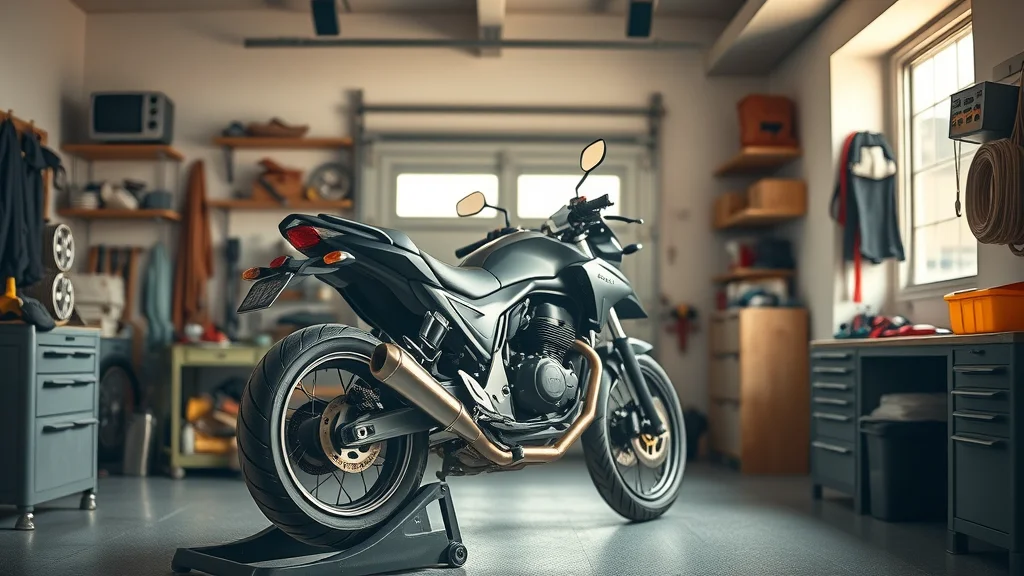

Motocycle Seasonal Care & Storage

0 Comments

Write A Comment

*
*
Please complete the captcha to submit your comment.
Related Posts All Posts

Best Practice Guide for Long-Term Motorcycle Storage You Should Follow

Did you know? Over half of costly motorcycle repairs stem from improper winter storage and neglect during extended periods of inactivity. Yet, with the right best practices for long-term motorcycle storage guide, you can prevent rust, fuel system failures, and flat spots—ensuring your bike is always road-ready and in good condition when you’re ready to hit the road again. Unveiling the Facts: Why Following a Best Practices for Long-Term Motorcycle Storage Guide Matters "Neglecting proper motorcycle storage can lead to costly repairs and irreversible damage — a fate far too common among riders who underestimate seasonal or extended period downtime." If you think parking your motorcycle in the garage for the winter is enough, think again. Skipping proper motorcycle storage essentials often results in issues like degraded fuel, deteriorated seals, battery drain, and rusted moving parts. The main reason riders face issues after winter storage or any extended period is the lack of attention to small but critical steps in preservation. Following a thorough best practices for long-term motorcycle storage guide is not just about keeping your bike looking good—it's crucial to ensuring its mechanical integrity, safety, and longevity. By investing a few hours now, you can save hundreds in repairs, keep your bike in good shape, and guarantee it’s ready to ride when the season changes. What You'll Learn from This Best Practices for Long-Term Motorcycle Storage Guide How to properly prepare your motorcycle for storage Critical must-do steps to ensure optimal motorcycle storage over winter or any extended period Tools and products necessary for best practices for long-term motorcycle storage Expert advice for both home garages and dedicated storage units How to safely bring your motorcycle out of storage — ready to ride Understanding Long-Term Motorcycle Storage: An Overview of Best Practices Whether you plan on storing your motorcycle for a few months due to winter storage or leaving it untouched for an extended period while traveling or recovering from an injury, following industry-recommended techniques will keep it healthy and ready to ride. Without them, problems like tank corrosion or flat spots on tires quickly arise. This section will outline why investing effort into following a comprehensive storage guide is much more than routine—it’s the key to preventing rust, battery drain, and fuel or fluid system breakdowns. The Importance of Best Practices for Long-Term Motorcycle Storage Guide in Winter Storage Winter brings more than cold weather—it invites moisture and condensation. Both spell trouble for exposed fuel systems, moving parts, and batteries. Failing to use proven storage best practices during cold months leads to issues such as gelled brake fluid, clogged fuel line, and batteries that won’t hold a charge. By adhering to critical steps—like keeping your motorcycle clean and dry, using a fuel stabilizer, and maintaining battery charge—you set the stage for a hassle-free start come spring. Riders who follow proper winter storage guidelines experience fewer breakdowns and enjoy the peace of mind that their bike remains protected against the ravages of freezing temperatures. Integrating a best practices for long-term motorcycle storage guide not only supports your motorcycle’s operational reliability but also goes a long way in preserving its looks, performance, and resale value. Skipping these steps is a gamble that’s simply not worth the risk. Key Considerations When Storing Your Motorcycle for an Extended Period If you need to store your motorcycle for longer than a few weeks, think beyond a simple cover and locked door. Even in a dry place, humidity and neglect can lead to rust and corrosion in the engine, exhaust, and fuel tank. Extended downtime increases the risk of flat spots on tires and allows fuel to degrade—potentially clogging fuel lines and injectors. Addressing these issues starts by selecting a secure, climate-controlled location—or at minimum, ensuring your garage remains dry and well-ventilated. Applying a dedicated checklist for preparing your motorcycle, such as changing oil, topping up all fluids, and using a breathable cover, helps prevent the most common—and costliest—storage mistakes. With proper preparation, your motorcycle will remain in good shape so you can confidently hit the road again. While mastering long-term storage is essential, it's equally important to adapt your maintenance habits as the seasons change. For a deeper dive into seasonal adjustments and care routines that complement your storage strategy, explore the seasonal bike care secrets every rider must know for practical tips that keep your motorcycle performing at its best year-round. Preparing Your Motorcycle: Step-by-Step Pre-Storage Checklist The foundation of any best practices for long-term motorcycle storage guide is a thorough pre-storage checklist. Use these critical steps to ensure your motorcycle stays in top condition throughout the off-season or during any extended period of inactivity. Proper preparing your motorcycle helps prevent corrosion, fuel degradation, flat spots, and battery failure. Clean and dry the motorcycle thoroughly Change engine oil and oil filter Check and top up all fluids Fill fuel tank and use fuel stabilizer Inspect and adjust tire pressure Lubricate all moving parts Disconnect or maintain battery charge with a battery tender Select the right motorcycle cover and storage unit or dry place Task Why It Matters Tools/Products Required Clean motorcycle Prevents corrosion Mild detergent, soft cloth Change oil/filter Avoids engine damage Engine oil, filter wrench Add fuel stabilizer Prevents fuel degradation Fuel stabilizer Adjust tire pressure Prevents flat spots Tire gauge, air compressor Lubricate parts Avoids rust and seizing Lubricant, grease Battery tender/charge Prevents battery drain Battery charger/tender Cover motorcycle Protects from moisture/dirt Breathable cover Choosing the Right Location: Storage Unit Versus Home Garage for Long-Term Motorcycle Storage Location is critical in any best practices for long-term motorcycle storage guide. The difference between storing your bike in a professionally managed storage unit and a home garage comes down to security, climate, and long-term protection. If you opt for a storage unit, verify it’s equipped with security features, climate control, and accessibility. If using a garage or dry place, make sure it’s insulated, pest proof, and keeps out moisture. With either option, following a careful checklist ensures your motorcycle survives cold weather months or extended period downtime in top condition. Evaluating Storage Units for Motorcycle Storage: Security, Climate Control, Accessibility Not all storage facilities are created equal. The ideal storage unit provides robust security—with 24/7 cameras, keypad access, and regular monitoring. Climate control is a significant advantage, preventing moisture that could lead to rust or encourage mold inside the fuel tank or electrical compartments. Accessibility matters, too—choose a location that lets you inspect your bike periodically or retrieve it easily when you want to hit the road. Ensure your motorcycle cover is breathable, and never store your bike near strong solvents or chemical fumes often present in shared storage units. If you want the best balance of cost, security, and dryness, a reputable storage facility is your best bet for long-term peace of mind. Always confirm the unit is clean and free from pests, and position your bike so nothing leans on it or traps moisture underneath. Best Practices for Storing Your Motorcycle in a Home Garage or Dry Place For many riders, the home garage is the most accessible option for motorcycle storage. However, extra vigilance is needed to ensure your bike is shielded from cold weather, humidity, and potential leaks. Start by keeping the environment as dry as possible—use a dehumidifier or moisture-absorbing agents to avoid condensation and thwart rust. Place your motorcycle on a center stand or paddock stand, relieving weight from the tires and keeping them off cold concrete to prevent flat spots. Maintaining your motorcycle in a well-ventilated, dry place helps prevent mildew and keeps your investment in good shape. Don't forget to routinely inspect for critters, since rodents are notorious for seeking warmth in garages and may chew through fuel lines or wiring. Critical Motorcycle Storage Components Fuel System and Fuel Tank: Stabilization and Fullness A key element in any best practices for long-term motorcycle storage guide is treating your motorcycle’s fuel system properly. Start by filling your fuel tank to the brim—this minimizes air and helps prevent internal rust. Add a quality fuel stabilizer, then run the engine for a few minutes to circulate it through the fuel lines and injectors. Failing to stabilize fuel can result in sticky residues or varnish clogging your carburetor or fuel injection components, and corrosion inside your tank. Addressing the fuel system early sets the stage for a smooth restart come spring. Battery Charge and Battery Tender Usage for Extended Period Storage Your battery is especially vulnerable during winter storage or any extended period. Cold weather saps battery charge, and letting it fully discharge shortens its lifespan. The best approach is to remove the battery, store it in a warm, dry place, and connect it to a reputable battery tender or trickle charger. This keeps the battery healthy and avoids the all-too-common frustration of discovering a dead starter in spring. If removal isn't feasible, at least disconnect the negative terminal and check the charge monthly. Proper battery care not only ensures your motorcycle fires up with confidence, but it prevents sulfation—a buildup that can destroy batteries left dormant. Regularly maintaining battery charge translates directly to reliable spring starts and avoids premature battery replacement costs. Tire Pressure Maintenance and Preventing Flat Spots During Long-Term Storage Tire pressure naturally declines when a motorcycle sits idle. Ignoring this can spell disaster, with prolonged weight causing flat spots that lead to uncomfortable rides and even unsafe blowouts. Before storage, ensure tire pressure is set to the manufacturer's maximum recommendation. If possible, elevate the motorcycle to take weight off the tires completely—center or paddock stands are ideal. Alternatively, roll the bike a few inches every couple of weeks to avoid one-sided loading. Clean and dry tires also resist moisture, preventing premature cracking or flat spots. Attend to this simple step, and your tires will remain round, safe, and in good shape—even after months of sitting. Protecting Moving Parts and Lubrication — Avoiding Rust and Corrosion Rust is the hidden enemy in motorcycle storage. Areas such as chain, cables, and other moving parts should be thoroughly lubricated before storage. Applying high-quality lubricants or grease helps shield surfaces from air and moisture, minimizing the risk of corrosion. Don’t forget pivot points, levers, and pedal assemblies. For best results, do this after washing and drying your bike, ensuring surfaces are clean and dry so no water gets trapped under lubricants. Keeping all moving parts well-oiled isn’t just for function; it enhances component lifespan and ensures your bike operates smoothly the moment you’re ready to ride again. Motorcycle Cover Options: Best Practices for Maximizing Protection Breathable indoor covers: Prevent moisture build-up Heavy-duty outdoor covers: Shield from sun, rain, frost Custom-fit covers: Minimize dust entry and abrasion The choice of motorcycle cover is just as important as the environment itself. Indoor covers should be breathable, allowing moisture to escape and reducing the risk of mold or lead to rust. Outdoor covers, meanwhile, should offer waterproofing and UV resistance, especially if your storage spot is exposed to changing weather. A custom-fit cover gives added protection by hugging the motorcycle’s profile and preventing dust, dirt, or debris from settling into seams or cracks. Breathable covers help ensure your motorcycle remains in top shape for the duration of storage. Spring Readiness: Bringing Your Motorcycle Out of Storage and Ready to Ride Remove cover and inspect for pest or moisture issues Check fluid levels and oil condition Test battery charge and reattach if necessary Inspect tires and restore recommended tire pressure Test brakes, lights, and all moving parts before riding The first warm day makes it tempting to simply hit the road. But ensuring your motorcycle is healthy and ready to ride requires systematic checks. Start by uncovering your bike, looking for rodent nests or water accumulation. Check brake fluid, coolant, and oil; old or dirty fluids should be changed. Test the battery charge with a multimeter and reinstall if you removed it. Inspect tire condition and restore correct tire pressure. Finally, check all critical systems: brakes, lights, cables, and moving parts. Investing a few minutes ensures your motorcycle remains safe, smooth, and in good shape after any extended period of downtime. Common Mistakes to Avoid in Long-Term Motorcycle Storage Storing a dirty motorcycle Neglecting fuel or battery preparation Ignoring tire maintenance Forgetting to lubricate moving parts Overlooking the need for a quality storage unit or space It’s easy to underestimate the harm of cutting corners. Skipping a clean and dry pre-storage wash, failing to use a fuel stabilizer, or neglecting tire pressure are some of the most common errors—each of which can result in preventable damage. Always address your motorcycle's battery charge, select the right storage unit or dry place, and prioritize covering and protecting your bike from the elements. Expert Quotes: Insights on Best Practices for Long-Term Motorcycle Storage From Industry Professionals "A properly stored motorcycle is likely to remain roadworthy for years to come, regardless of season or extended period." — Motorcycle Storage Specialist Frequently Asked Questions About Best Practices for Long-Term Motorcycle Storage Guide How to store a motorcycle for long term storage? To store your motorcycle for a long period, start by cleaning and drying the entire bike, then change the oil and all critical fluids. Fill the fuel tank and add a fuel stabilizer, running the engine to circulate it throughout the fuel system. Adjust tire pressure, lubricate all moving parts, and keep the battery on a trickle charger or battery tender. Select a climate-controlled storage unit or a dry, insulated garage, and use a breathable motorcycle cover for maximum protection. What is the 1% rule in motorcycles? The "1% rule" refers to a cultural concept in motorcycle communities, suggesting that 1% of riders belong to so-called "outlaw" clubs who do not follow mainstream rules, while 99% of motorcyclists do. It does not relate to motorcycle storage or best practices but is part of riding folklore, not storage guides or mechanical care. What is the 4 second rule on a motorcycle? The 4-second rule is a safety guideline suggesting you should keep at least a 4-second distance from the vehicle ahead while riding. This buffer allows ample time to react to hazards, especially during slippery or cold weather—helping you stay safe when your motorcycle is back on the road after storage. What does 2 fingers down mean to bikers? The "two fingers down" gesture is a symbol of respect or solidarity among riders. When passing another motorcyclist, flashing two fingers pointed down signals mutual recognition and safe riding wishes. This tradition is unrelated to winter storage but is an integral part of the wider motorcycle community. Key Takeaways for Best Practices for Long-Term Motorcycle Storage Guide Proper preparation is crucial for motorcycle longevity during storage Using a comprehensive checklist prevents costly mistakes Choosing the right storage location offers additional protection Routine checks post-storage ensure your motorcycle is ready to ride Ready to Store or Retrieve Your Motorcycle? Let the Experts Help Call Nasty Performance Motorcycle Shop Today: 847-458-4858 Conclusion: By following this best practices for long-term motorcycle storage guide, you safeguard your motorcycle’s value and functionality—so it remains healthy, safe, and ready to ride whenever you are. As you put these long-term storage strategies into action, remember that your motorcycle’s care doesn’t end when it’s parked. To truly maximize your bike’s performance and longevity, consider expanding your knowledge with expert advice on year-round maintenance. Discover how to fine-tune your approach for every season by reading seasonal bike care secrets every rider must know. This resource offers advanced insights and practical routines that go beyond storage, helping you keep your ride in peak condition no matter the weather or riding schedule. Take the next step in your motorcycle care journey and ensure your investment delivers smooth, reliable adventures all year long.

Common Mistakes in Motorcycle Coolant for Cold Weather Exposed

Ever stopped to question if your winter coolant habits are secretly harming your ride? Motorcycle coolant plays a crucial but often misunderstood role in cold weather performance. Don’t let simple missteps leave your engine out in the cold—read on to uncover the truth behind common mistakes in motorcycle coolant for cold weather and learn how to keep your bike running strong, no matter the chill. Are You Making These Common Mistakes in Motorcycle Coolant for Cold Weather? When cold weather approaches, many riders overlook critical steps in maintaining their motorcycle’s cooling system. Neglecting the right type or mix of coolant for cold weather might seem minor, but it can lead to engine damage, trouble starting, or even complete breakdown. Some owners simply top off old coolant or mix different brands, ignoring the manufacturer’s cold weather recommendations. Others skip system checks, assuming coolant is only a summer issue. These common mistakes in motorcycle coolant for cold weather can be costly and frustrating when winter’s chill puts your bike to the test. If you want your machine ready to ride and your engine running smoothly, it’s important to check your coolant, know the risks, and follow expert strategies. Keep reading to avoid these pitfalls and protect your investment this winter. What You’ll Learn About Common Mistakes in Motorcycle Coolant for Cold Weather The most overlooked mistakes in selecting and maintaining motorcycle coolant for cold weather How cold weather affects your motorcycle engine and cooling system Best practices for winter riding and storage Actionable tips to avoid costly repairs Answers to top questions from riders Understanding Motorcycle Coolant for Cold Weather What Makes Motorcycle Coolant Different in Cold Weather? Motorcycle coolant does much more than help regulate engine temperature—it provides critical protection against freezing and corrosion, especially during cold weather. In freezing temperatures, the wrong coolant type or a diluted mix can freeze inside your engine, blocking the cooling system and risking catastrophic engine damage. The best motorcycle coolants for cold climates have special antifreeze formulas and corrosion inhibitors that work despite cold temperatures, keeping both metal parts and moving parts safe from damage. Mixing incompatible coolants is a common mistake that can reduce freezing point protection or, worse, cause chemical reactions that damage the cooling system. For winter riding and winter storage, always choose a coolant type rated for your motorcycle model and your region’s lowest expected temperatures. How the Cooling System Responds to Cold Weather Your motorcycle’s cooling system is designed to maintain stable operating temperature, but cold weather introduces extra challenges. Radiators, hoses, and the coolant reservoir must work harder to transfer heat without freezing. In cold conditions, coolant viscosity increases, potentially slowing flow and reducing overall efficiency. It’s a common mistake to assume that summer-prepped coolant will suffice in winter. If your system contains a high ratio of distilled water or summer-weight coolant, the freezing point could be dangerously high, potentially forming ice and blocking pathways. Always check the manufacturer’s recommendations for coolant ratio adjustments before the first freeze, and make sure the system is flushed of debris, old coolant, and incompatible brands. For a more detailed look at how seasonal changes impact your entire motorcycle, including practical steps for prepping your bike beyond just the cooling system, you might find our guide on seasonal bike care secrets every rider must know especially helpful. It covers essential maintenance routines that complement your coolant strategy for winter. Impact of Cold Weather on Motorcycle Engine Health Cold weather places unique stress on your motorcycle engine and its moving parts. If coolant can’t circulate properly due to freezing or blockages, heat isn’t dispersed efficiently—even short rides could cause the engine to overheat or run too cold, leading to increased wear. Without proper cold-weather coolant, components like the fuel system, gaskets, and metal parts are more susceptible to damage. Additionally, repeated freeze-thaw cycles can weaken seals and junctions, risking leaks or sudden failure. Tending to your cooling system now helps prevent engine damage, flat spots, and costly repairs down the line. Types of Motorcycle Coolant for Cold Weather and Their Key Properties Coolant Type Antifreeze Rating Key Properties Compatibility Ethylene Glycol-Based Excellent Prevents freezing; helps prevent corrosion; gold standard for most motorcycles Most modern motorcycles Propylene Glycol-Based Very Good Non-toxic; protects the engine and metal parts; less corrosive to aluminum Some newer engines, aluminum systems Hybrid,OAT/HOAT Excellent Long life; best for extended winter riding; stable freezing and boiling points Only if specified by manufacturer Water-Based (Distilled Water Mix) Poor Alone Requires proper antifreeze ratio; otherwise, high risk of freezing and engine damage Short-term use with dilution checked Top Common Mistakes in Motorcycle Coolant for Cold Weather Neglecting Motorcycle Coolant Change Before Winter One of the most common mistakes riders make is putting off a coolant change until it’s too late. Motorcycle coolant naturally degrades over time, losing its antifreeze effectiveness and protective qualities. If you leave the same coolant in the system for a long time, contaminants can build up, and the fluid may not adequately prevent engine damage if temperatures plummet. Flushing and refilling the system with fresh, high-quality coolant designed for cold weather is essential before the first hard freeze. Skipping this step can lead to engine run problems like overheating, coolant freezing, and in worst-case scenarios, a cracked engine block or damaged radiator. Using Incompatible Motorcycle Coolant Types Mixing different types of motorcycle coolant is a common mistake that can quickly sabotage your cooling system. For example, combining ethylene glycol with propylene glycol or unfamiliar brands can cause the mixture to gel or lose its antifreeze rating. These reactions can block coolant passages, promote corrosion inside metal parts, or result in sudden leaks. Always consult your owner’s manual to ensure you use the type of coolant recommended for your model. If unsure, it’s safer to flush the entire cooling system before switching brands or formulas. In the cold weather months, relying on random or “universal” coolants risks your bike’s health, particularly when winter riding or storing your machine. Ignoring the Cooling System Maintenance in Cold Weather Cold weather doesn’t excuse you from checking hoses, the radiator, and the coolant reservoir. A cooling system that’s neglected and left unchecked may develop slow leaks or become clogged over time, reducing its ability to protect the engine under stress. Inspect connections for tightness, look for white or colored residue indicating leaks, and monitor the temperature gauge even during short rides. Maintenance is as much about peace of mind as it is about preventing engine damage—small issues addressed early can help you avoid expensive repairs and keep you ready to ride all season long. Common Mistake: Forgetting Coolant Concentration for Cold Weather Many riders forget that coolant concentration is just as crucial as the type itself. Diluting coolant with too much distilled water—or failing to add enough antifreeze—can raise the freezing point dangerously high, especially during a long cold snap. This common mistake makes your bike vulnerable to frozen coolant passages and internal corrosion in extremely cold conditions. Use a refractometer or coolant tester to check the antifreeze level. Ideally, a 50/50 mix provides year-round protection in most climates, but harsher winters may require a higher antifreeze ratio as specified by your manufacturer. Accurate measurement is key: over-diluting can damage the engine, while excessive concentration can hinder heat transfer efficiency. Overlooking Impacts on Moving Parts and Motorcycle Engine The effects of coolant reach far beyond the radiator. Moving parts such as the water pump, seals, and gaskets all rely on the cooling system for lubrication and temperature control. If you use the wrong coolant, don’t maintain the recommended concentration, or leave old fluid circulating, you risk premature wear or outright failure of these vital components. Over time, poorly managed cold weather coolant can create flat spots, cause freeze-thaw damage to metal parts, and degrade the performance of your motorcycle engine. Reliably preparing your cooling system helps prevent engine damage, keeps your bike running smoothly, and provides the gold standard for winter readiness. "Proper winter preparation with the right motorcycle coolant is the secret to reliable performance and long engine life," says Nasty Performance Motorcycle Shop. Motorcycle Coolant and the Impact on Winter Storage How Winter Storage Conditions Affect Motorcycle Coolant When winter storage time comes, many riders simply park their bikes and forget the details. However, storage conditions have a big impact on your motorcycle coolant. If your garage experiences freezing temperatures, any improper coolant mix can turn to slush, risking blockage, leaks, or even expansion that damages the radiator or hoses. Humid, unheated spaces can also accelerate corrosion on metal parts, especially in the presence of old or contaminated coolant. Thinking about winter storage is just as important as active winter riding—get into the habit of prepping your cooling system before stowing your ride for the season and you’ll avoid unwanted engine surprises in the spring. Step-by-Step List: Preparing Your Cooling System for Winter Storage Drain and flush old coolant Refill with recommended antifreeze for cold weather Inspect hoses, radiator, and moving parts Run the engine to circulate coolant before storage Motorcycle Coolant for Winter Riding: Prevention and Performance Common Mistake: Riding Without Checking Motorcycle Coolant Levels in Cold Weather In the rush to catch that last sunny winter day, it’s easy to overlook a key step—checking coolant levels. Too often, riders assume a “full” reservoir in autumn means they’re safe through winter, making this a common mistake that can cause engine issues on cold rides. Low coolant exposes your engine to the risk of overheating or freezing, especially on longer rides or in below-freezing temperatures. A quick, routine check only takes minutes but can protect the engine, preserve moving parts, and ensure you’re always ready to ride when opportunity knocks during the cold season. Winter Riding vs. Winter Storage: Key Differences in Coolant Management Winter riding and winter storage require different coolant management strategies. If you plan to ride regularly, coolant condition and concentration should be checked often, especially since temperature swings affect both the freezing point and flow properties. Monitor the temperature gauge and look for leaks frequently—cold snaps put extra stress on every system. In contrast, bikes in winter storage need a thorough flush, fresh coolant, and periodic inspection for leaks even during dormancy. Both scenarios demand attention, but riding during winter calls for ongoing vigilance, while storage focuses on long-term protection. Quick-Check List: Motorcycle Coolant and Cooling System Readiness for Cold Weather Monitor temperature gauge on longer rides Check for leaks around the cooling system Use motorcycle-specific coolant with antifreeze properties Schedule regular inspections throughout winter Why an Oil Change Completes Your Cold Weather Preparation Relationship Between Oil Change and Motorcycle Coolant Performance A motorcycle oil change and coolant prep go hand in hand. Both are vital in safeguarding the engine for cold weather, as oil keeps moving parts lubricated while coolant prevents overheating and freezing. Old, degraded oil thickens in cold conditions and loses its protective properties, increasing friction on metal parts and contributing to engine damage. Meanwhile, coolant loses its anti-corrosive qualities over time. By pairing an oil change with a coolant flush before winter, you ensure both systems are working together to protect the engine, extend service intervals, and minimize the risk of issues during winter riding or storage. Recommended Timing for Oil Change During Cold Weather Don’t wait until spring to perform critical maintenance. The best time for an oil change is before cold weather sets in or before long-term storage. Changing both oil and coolant at the same time removes contaminants and moisture that could settle in the engine during inactivity, especially in freezing conditions. This dual approach will help prevent engine damage, maximize the effectiveness of your coolant, and keep your motorcycle engine ready to ride when warmer days return. People Also Ask: Common Motorcycle Coolant Questions for Cold Weather What is the 4 second rule on a motorcycle? The 4 second rule is a safe following distance guideline. Maintain four seconds behind the vehicle ahead to account for reduced traction and longer stopping distances—especially important when cold or icy conditions affect your motorcycle's responsiveness. Does motorcycle coolant freeze? Standard motorcycle coolant can freeze if the concentration of antifreeze is too low. Always check your coolant’s specifications and mixture to ensure protection during freezing temperatures, and avoid one of the common mistakes in motorcycle coolant for cold weather. What temperature is too cold for motorcycle riding? While personal comfort varies, temperatures below freezing (32°F/0°C) can be risky for motorcycle operation, making it essential to use proper motorcycle coolant to prevent the engine and cooling system from freezing or malfunctioning. Can you put prestone coolant in a motorcycle? Prestone coolant can be used in some motorcycles, but it's critical to confirm compatibility with your motorcycle’s engine and cooling system. Using the wrong coolant type is a common mistake in motorcycle coolant for cold weather and may cause damage. Pro Tips to Avoid Common Mistakes in Motorcycle Coolant for Cold Weather Always check coolant levels and condition before cold weather arrives. Choose coolant with antifreeze properties rated for your climate. Inspect the cooling system, including hoses and moving parts, for leaks or wear. Don’t wait until spring—prepare during autumn for optimal engine health. Frequently Asked Questions on Motorcycle Coolant for Cold Weather How often should I change my motorcycle coolant for winter? Is it safe to mix coolants in my motorcycle engine for cold weather? Can low coolant cause my bike not to start in cold weather? Do I need a specific coolant for different brands or models in cold weather? Key Takeaways: Safeguarding Your Cooling System Against Cold Weather Avoid common mistakes by using the right motorcycle coolant for cold weather Never forget your engine and cooling system’s unique cold weather requirements Prepare your bike for both winter storage and winter riding For Expert Guidance on Motorcycle Coolant for Cold Weather Call Nasty Performance Motorcycle Shop Today: 847-458-4858 As you fine-tune your approach to winter motorcycle maintenance, remember that coolant care is just one piece of the puzzle. For a comprehensive strategy that keeps your bike performing at its best through every season, explore our in-depth article on seasonal bike care secrets every rider must know. You'll discover advanced tips for protecting your ride from temperature swings, moisture, and storage challenges—empowering you to ride with confidence, no matter what the forecast brings. Take your maintenance knowledge to the next level and ensure your motorcycle is always ready for the road ahead.

Things to Avoid in Covering Your Motorcycle for Storage

Did you know that choosing the wrong motorcycle cover or skipping basic prep can trigger corrosion, fade your paint, or even wreck your bike’s electronics—even if your motorcycle is parked for just a few weeks? Proper motorcycle storage is more than tossing on any cover; each decision can affect your bike’s value, safety, and how quickly you can get back on the road. This guide uncovers the things to avoid in covering your motorcycle for storage, helping you dodge silent mistakes that prompt costly repairs and loss of performance. Why Knowing Things to Avoid in Covering Your Motorcycle for Storage Is Essential "Did you know improper motorcycle cover choices can lead to corrosion, paint damage, and ruined electronics—even during short-term motorcycle storage?" Key misconceptions about motorcycle cover and storage risks Summary of heavy duty vs. standard motorcycle cover mistakes Main dangers of poor duty motorcycle cover selection What You'll Learn About Things to Avoid in Covering Your Motorcycle for Storage Essential do’s and don’ts for motorcycle storage Selecting the right duty motorcycle cover for long-term protection Critical motorcycle cover oversights leading to costly damage Table: Things to Avoid in Covering Your Motorcycle for Storage Vs. Proper Storage Techniques Things to Avoid Best Practices Using a non-breathable, plastic cover Choose a breathable, water-resistant quality motorcycle cover designed for your bike Covering your motorcycle while it’s wet or dirty Always wash and dry your motorcycle before storage Leaving exhaust pipe open and uncovered Protect ignition and exhaust pipe from dust, pests, and moisture Storing your motorcycle in direct sunlight with a cover on Store in a cool, shaded or indoor area whenever possible Using ill-fitting or old, torn duty motorcycle cover Ensure proper fitment and condition of your heavy duty motorcycle cover Neglecting regular inspection during storage Check under your motorcycle cover and inspect for condensation, pests, or damage monthly Common Mistakes When Using a Motorcycle Cover for Storage Using Non-Breathable Covers: The Hidden Moisture Trap Choosing the wrong duty motorcycle cover is a common error, often underestimated in motorcycle storage. Many riders are tempted by generic plastic covers or tarps, thinking they're offering sufficient protection. Unfortunately, non-breathable covers seal in humidity, especially in climates with fluctuating temperatures. Condensation accumulates under plastic, becoming a breeding ground for rust on your bike’s chain, frame, and moving parts. Worse, trapped moisture can promote mold, mildew growth, and encourage corrosion on wiring and sensitive electronics—issues that stay hidden until it’s time to ride. Even a short stint with a non-breathable bike cover can lead to damage, such as fading paint and brittle plastic trim. To avoid these pitfalls, always invest in a breathable, high-quality motorcycle cover built for storage, designed to wick moisture away while blocking dust and debris naturally. Remember: Heavy duty doesn’t always mean better if the material can’t breathe. The best covers balance strength with passive airflow, protecting your motorcycle without locking in damaging humidity. Properly choosing your motorcycle cover prevents a cycle of costly repairs stemming from preventable long-term exposure to moisture traps—and keeps your ride in good condition for the next adventure. For riders looking to further refine their storage approach, understanding the nuances between different types of covers and their seasonal performance can make a significant difference. You might find it helpful to explore additional tips on seasonal motorcycle care strategies to ensure your bike remains protected year-round. Neglecting to Clean Before Applying a Heavy Duty Motorcycle Cover Many owners rush to shield their ride with a heavy duty motorcycle cover after a ride or light drizzle, believing it’s sufficient to keep the elements off. However, covering a dirty, moist motorcycle is an invitation for trouble. Dirt, dust, and even minor road grime trapped between your paint and the cover act like fine sandpaper, slowly marring your finish over time. Residual water, especially inside hard-to-reach spots such as around the exhaust pipe, engine casing, or under seats, creates microenvironments perfect for rust and mold. Failing to thoroughly wash your motorcycle and allow it to dry before covering can lead to damage across every surface—from dulled paint to pitted chrome and corroded fasteners. Proper preparation is as important as picking the right duty motorcycle cover: always wash your motorcycle, dry it completely, and inspect for contaminants or leaks. This step prevents trapped moisture and debris from undermining your investment, ensuring that the motorcycle cover you choose will actually protect your bike throughout its storage period. Over-Tightening or Under-Tightening Your Duty Motorcycle Cover Fitment matters—a motorcycle cover that’s too tight can stretch, tear, or even crack surfaces if friction occurs at wind-exposed edges, while a cover that’s too loose can whip in the wind or let in dust, insects, and debris. Over-tightening the cover, especially with bungee cords or aggressive straps, creates unnecessary stress on soft plastics and paintwork. Over months, these tension points can leave marks or encourage the buildup of condensation in corners, promoting rust. Conversely, a loose cover causes its own brand of chaos: wind-driven movement results in micro-abrasions, and the lack of a seal allows contaminants to sneak in and settle directly on your ride. The key is choosing a duty motorcycle cover designed for your bike’s make and model, using adjustable, soft elastic hems and tie-downs. Check that the cover sits snugly without stretching, hugging contours without squashing antennae or mirror stems. Proper fitment reduces shifting, maintains breathability, and keeps your motorcycle safe from both weather and unnecessary wear. Ignoring the Importance of Proper Ventilation in Motorcycle Storage Ventilation is frequently overlooked, especially when storing your motorcycle indoors. Without fresh airflow, humidity can rise even in a dry garage, especially after recent washing or significant temperature shifts. A quality motorcycle cover offers built-in vents or mesh panels, allowing moisture to escape and preventing stagnant air pockets that encourage condensation and corrosion. Properly ventilated motorcycle storage extends the lifespan of your duty motorcycle cover and your bike, keeping mechanical and electrical parts in good condition. If your current cover lacks exhaust vents, invest in one designed specifically for indoor storage—with smart vent placement for consistent airflow. Open the cover occasionally to air things out and check for any lingering dampness or foul scents, both signs of trapped moisture. This simplicity can save you from extensive, costly repairs down the line—no more hidden rust or mysterious electrical gremlins on spring startup. Storing Your Motorcycle in Direct Sunlight with a Cover On It’s a widespread misconception that simply using a motorcycle cover is enough to protect your bike from sunlight. However, most materials—even heavy duty—have UV limits, and exposure to direct sun while covered can cause heat buildup, warping plastics and prematurely aging paint. Plastic and vinyl covers can bake onto the surface, especially after a ride when the engine, exhaust pipe, and metal components are warm. The interior temperature under the cover may skyrocket beyond safe levels, melting seals or gaskets and degrading wiring insulation. For best results, store your motorcycle in a cool, shaded, or well-ventilated indoor area. If outdoor storage is your only option, choose a light-colored, UV-resistant heavy duty motorcycle cover, and check that your location minimizes direct sunlight during the hottest parts of the day. Regularly shifting your bike or adjusting its position can also prevent UV “hot spots” and material fatigue, and periodic inspection will help ensure your cover is still protecting rather than harming your investment. Using a tarp instead of a motorcycle cover Leaving ignition or exhaust unprotected Covering immediately after a ride or wash Selecting the Best Duty Motorcycle Cover for Effective Motorcycle Storage Heavy Duty Motorcycle Cover Features You Need Not all covers are created equal when it comes to storing your motorcycle, especially for extended periods. Heavy duty motorcycle covers should be made from thick, durable, UV-resistant, and water-repellent materials. Look for reinforced seams, adjustable tie-downs, and integrated vents to allow airflow and prevent condensation. If your bike will be outside at all, features like weatherproof coatings, heat-resistant panels (especially around the exhaust pipe), and lock holes for anti-theft chains up the protection. A quality motorcycle cover, specifically built for your environment and usage, should feel robust and slightly pliable—never brittle or plasticky, as those materials can crack or bond to your paint after sun exposure. Don’t forget: The difference between an average bike cover and a purpose-built duty motorcycle cover can be the difference between a pristine ride and one needing costly repairs. Look for covers tested for both indoor and outdoor storage, matching your storage situation and climate. Fitment and Material Considerations for Storing Your Motorcycle Fit is just as critical as material. A cover that’s too large leaves room for dust, pests, and moisture, while one that’s undersized can strain zippers, seams, and cover fabric. Always consult your motorcycle’s dimensions and manufacturer’s recommendations. For best results when you store your bike, select a cover measured to your ride’s specific profile (including windshield, mirrors, bags, etc. ). Material-wise, opt for a multi-layered, breathable synthetic blend that allows trapped moisture to escape but still offers a shield against airborne contaminants and physical impacts. Never use plastic-only covers, as they lack the flexibility and breathability needed for long-term motorcycle storage. Heavier materials—like treated canvas or advanced synthetics—offer both strength and airflow. Finally, inspect fabric regularly for small tears or thinning; early replacement can prevent sudden failure during the harshest months. How to Store Your Bike Indoors with the Correct Motorcycle Cover Checking cover breathability Avoiding plastic-only covers Choosing appropriate sizing for your duty motorcycle If your garage, basement, or dedicated motorcycle storage room is your main storage space, maximize the environment by selecting a breathable, multi-layered cover. Clean and organize the area to avoid accidental bumps or tipped tools that can puncture the cover. Tuck in ignition wiring and cables, double-check that vents on your cover are open and unobstructed, and gently place the cover starting from the top so it slides evenly over mirrors and bars. Proper indoor motorcycle storage also means periodically removing the cover for brief inspections, checking tire pressure, battery state, and signs of pests or condensation. These habits, paired with the right motorcycle cover, ensure your bike emerges from storage in excellent condition. In this expert video, a certified mechanic demonstrates real-world storage do’s and don’ts using various duty motorcycle covers. You'll learn how to spot breathable vs. non-breathable materials, properly fit a heavy duty motorcycle cover, and inspect storage conditions to avoid silent problems brewing beneath the cover. Close-ups reveal clear differences in fabric and ventilation, equipping you to avoid the most common storage mistakes. How to Prepare Your Motorcycle for Storage Washing and drying before using your duty motorcycle cover Inspecting for leaks or damages ahead of long-term storage Proper battery and fluid maintenance during motorcycle storage Quotes from Expert Mechanics on Motorcycle Cover Preparation "A heavy duty motorcycle cover is only as effective as your prep work underneath it — never skip a thorough clean and dry." — Certified Motorcycle Technician Before you even reach for your duty motorcycle cover, proper preparation sets you up for storage success. Begin by washing your motorcycle thoroughly, ensuring no stubborn dirt or road salts remain—these can corrode paint or metal quickly. Dry every part, paying special attention to crevices, under the seat, and around the exhaust pipe where pockets of moisture hide. Next, perform a quick inspection for fluid leaks or signs of mechanical wear, addressing them before storage. For an extended period of motorcycle storage, consider changing your oil before storing, filling the tank fully (to prevent condensation inside), and adding stabilizers as needed. Disconnect and maintain your battery if not in regular use, and check that all moving parts like the motorcycle chain are properly lubricated. These steps, paired with a breathable heavy duty motorcycle cover, ensure your motorcycle remains in good condition and is ready to hit the road as soon as storage ends. This step-by-step guide shows exactly how to prep your bike, from meticulous cleaning to battery disconnection, complete with pro tips on storing your motorcycle safely for any season. People Also Ask: Common Questions About Things to Avoid in Covering Your Motorcycle for Storage What is the 4 second rule on a motorcycle? Answer: The 4 second rule for motorcyclists means maintaining at least four seconds’ worth of stopping distance between your bike and the vehicle ahead. This extra time helps riders react appropriately to road hazards or sudden braking, especially important when weather or road conditions might compromise control. Following this rule ensures safer travels, whether your motorcycle is in everyday use or headed for storage. How to prepare your motorcycle for storage? Answer: To properly store your motorcycle, wash and dry it completely, inspect for leaks or damage, top off or stabilize the fuel, disconnect the battery, and lubricate the motorcycle chain and other moving parts. Always use a breathable, fitted motorcycle cover and position your bike in a dry, well-ventilated area. These steps prevent corrosion and keep your motorcycle in good condition throughout its time in storage. What does 2 fingers down mean to bikers? Answer: When riders extend two fingers downward as they pass, they’re sharing a gesture of respect and camaraderie within the motorcycling community. The “2 fingers down” salute represents both peace and a nod to safety—reminding everyone on the road to ride safe, whether commuting regularly or storing your motorcycle for long periods. What is the 1% rule in motorcycles? Answer: The “1% rule” refers to the small percentage of riders—1%—who operate outside mainstream, law-abiding motorcycle culture. Most bikers are responsible enthusiasts who value safety and proper motorcycle storage, while the 1% label often applies to outlaw groups. For all riders, maintaining your motorcycle with the proper cover and storage methods helps keep you within the 99% enjoying biking responsibly. Essential FAQs on Things to Avoid in Covering Your Motorcycle for Storage Can a motorcycle cover damage my paint if used incorrectly? Yes—using a cover on a dirty or wet bike, or using a non-breathable heavy duty cover, can cause scratches, fade paint, or trap moisture against surfaces, leading to costly repairs. How often should I air out my motorcycle during storage? It’s best to check and air out your motorcycle every 2–4 weeks while in storage, especially in fluctuating climates or after heavy rainfall, to prevent moisture buildup. Are heavy duty motorcycle covers better for long-term storage? Heavy duty motorcycle covers, made from breathable and weather-resistant materials, provide the best protection—just ensure correct sizing, fitment, and ventilation to avoid potential storage mistakes. Recap: Key Takeaways on Things to Avoid in Covering Your Motorcycle for Storage Breathability is crucial for every motorcycle cover during storage Prep and positioning matter as much as duty motorcycle cover quality Regular inspection can prevent storage-related motorcycle damage Ready to Secure Your Motorcycle’s Future? Connect with Nasty Performance Motorcycle Shop "Safeguard your motorcycle investment. Call Nasty Performance Motorcycle Shop Today: 847-458-4858 for expert storage solutions!" Don’t leave your motorcycle’s well-being to chance. Take the next step and speak with the pros who know how to properly store your motorcycle for any season. If you’re interested in taking your motorcycle maintenance to the next level, consider diving into broader seasonal care routines. Our comprehensive guide on seasonal bike care secrets every rider must know offers advanced insights and actionable tips to keep your ride performing at its best, no matter the time of year. Explore these strategies to ensure your motorcycle is always ready for the road ahead.

© 2026 Nasty Performance All Rights Reserved. 2035 S. Eastwood Dr., Woodstock, IL 60098 . Contact Us . Terms of Service . Privacy Policy

eyJjb21wYW55IjoiTmFzdHkgUGVyZm9ybWFuY2UiLCJhZGRyZXNzIjoiMjAzNSBTLiBFYXN0d29vZCBEci4iLCJjaXR5IjoiV29vZHN0b2NrIiwic3RhdGUiOiJJTCIsInppcCI6IjYwMDk4IiwiZW1haWwiOiJuYXRlQG5hc3R5cGVyZm9ybWFuY2UuY29tIiwidG9zIjoiUEhBK1BITjBjbTl1Wno0OFpXMCtWMmhsYmlCNWIzVWdjMmxuYmkxcGJpQjNhWFJvSUhWekxDQjViM1VnWVhKbElHZHBkbWx1WnladVluTndPeUI1YjNWeUlIQmxjbTFwYzNOcGIyNGdZVzVrSUdOdmJuTmxiblFnZEc4Z2MyVnVaQ0I1YjNVZ1pXMWhhV3dnWVc1a0wyOXlJRk5OVXlCMFpYaDBJRzFsYzNOaFoyVnpMaUJDZVNCamFHVmphMmx1WnlCMGFHVWdWR1Z5YlhNZ1lXNWtJRU52Ym1ScGRHbHZibk1nWW05NElHRnVaQ0JpZVNCemFXZHVhVzVuSUdsdUlIbHZkU0JoZFhSdmJXRjBhV05oYkd4NUlHTnZibVpwY20wZ2RHaGhkQ0I1YjNVZ1lXTmpaWEIwSUdGc2JDQjBaWEp0Y3lCcGJpQjBhR2x6SUdGbmNtVmxiV1Z1ZEM0OEwyVnRQand2YzNSeWIyNW5Qand2Y0Q0S0NqeHdQanhoSUdoeVpXWTlJbWgwZEhBNkx5OTNkM2N1WjI5dloyeGxMbU52YlNJK2FIUjBjRG92TDNkM2R5NW5iMjluYkdVdVkyOXRQQzloUGp3dmNENEtDanh3UGladVluTndPend2Y0Q0S0NqeHdQanh6ZEhKdmJtYytVMFZTVmtsRFJUd3ZjM1J5YjI1blBqd3ZjRDRLQ2p4d1BsZGxJSEJ5YjNacFpHVWdZU0J6WlhKMmFXTmxJSFJvWVhRZ1kzVnljbVZ1ZEd4NUlHRnNiRzkzY3lCNWIzVWdkRzhnY21WalpXbDJaU0J5WlhGMVpYTjBjeUJtYjNJZ1ptVmxaR0poWTJzc0lHTnZiWEJoYm5rZ2FXNW1iM0p0WVhScGIyNHNJSEJ5YjIxdmRHbHZibUZzSUdsdVptOXliV0YwYVc5dUxDQmpiMjF3WVc1NUlHRnNaWEowY3l3Z1kyOTFjRzl1Y3l3Z1pHbHpZMjkxYm5SeklHRnVaQ0J2ZEdobGNpQnViM1JwWm1sallYUnBiMjV6SUhSdklIbHZkWElnWlcxaGFXd2dZV1JrY21WemN5QmhibVF2YjNJZ1kyVnNiSFZzWVhJZ2NHaHZibVVnYjNJZ1pHVjJhV05sTGlCWmIzVWdkVzVrWlhKemRHRnVaQ0JoYm1RZ1lXZHlaV1VnZEdoaGRDQjBhR1VnVTJWeWRtbGpaU0JwY3lCd2NtOTJhV1JsWkNBbWNYVnZkRHRCVXkxSlV5WnhkVzkwT3lCaGJtUWdkR2hoZENCM1pTQmhjM04xYldVZ2JtOGdjbVZ6Y0c5dWMybGlhV3hwZEhrZ1ptOXlJSFJvWlNCMGFXMWxiR2x1WlhOekxDQmtaV3hsZEdsdmJpd2diV2x6TFdSbGJHbDJaWEo1SUc5eUlHWmhhV3gxY21VZ2RHOGdjM1J2Y21VZ1lXNTVJSFZ6WlhJZ1kyOXRiWFZ1YVdOaGRHbHZibk1nYjNJZ2NHVnljMjl1WVd4cGVtRjBhVzl1SUhObGRIUnBibWR6TGp3dmNENEtDanh3UGxsdmRTQmhjbVVnY21WemNHOXVjMmxpYkdVZ1ptOXlJRzlpZEdGcGJtbHVaeUJoWTJObGMzTWdkRzhnZEdobElGTmxjblpwWTJVZ1lXNWtJSFJvWVhRZ1lXTmpaWE56SUcxaGVTQnBiblp2YkhabElIUm9hWEprSUhCaGNuUjVJR1psWlhNZ0tITjFZMmdnWVhNZ1UwMVRJSFJsZUhRZ2JXVnpjMkZuWlhNc0lFbHVkR1Z5Ym1WMElITmxjblpwWTJVZ2NISnZkbWxrWlhJZ2IzSWdZMlZzYkhWc1lYSWdZV2x5ZEdsdFpTQmphR0Z5WjJWektTNGdXVzkxSUdGeVpTQnlaWE53YjI1emFXSnNaU0JtYjNJZ2RHaHZjMlVnWm1WbGN5d2dhVzVqYkhWa2FXNW5JSFJvYjNObElHWmxaWE1nWVhOemIyTnBZWFJsWkNCM2FYUm9JSFJvWlNCa2FYTndiR0Y1SUc5eUlHUmxiR2wyWlhKNUlHOW1JR1ZoWTJnZ1UwMVRJSFJsZUhRZ2JXVnpjMkZuWlNCelpXNTBJSFJ2SUhsdmRTQmllU0IxY3k0Z1NXNGdZV1JrYVhScGIyNHNJSGx2ZFNCdGRYTjBJSEJ5YjNacFpHVWdZVzVrSUdGeVpTQnlaWE53YjI1emFXSnNaU0JtYjNJZ1lXeHNJR1Z4ZFdsd2JXVnVkQ0J1WldObGMzTmhjbmtnZEc4Z1lXTmpaWE56SUhSb1pTQlRaWEoyYVdObElHRnVaQ0J5WldObGFYWmxJSFJvWlNCVFRWTWdkR1Y0ZENCdFpYTnpZV2RsY3k0Z1YyVWdaRzhnYm05MElHTm9ZWEpuWlNCaGJua2dabVZsY3lCbWIzSWdaR1ZzYVhabGNua2diMllnWlcxaGFXd2diM0lnVTAxVExpQlVhR2x6SUdseklHRWdabkpsWlNCelpYSjJhV05sSUhCeWIzWnBaR1ZrSUdKNUlIVnpMaUJJYjNkbGRtVnlMQ0J3YkdWaGMyVWdZMmhsWTJzZ2QybDBhQ0I1YjNWeUlHbHVkR1Z5Ym1WMElITmxjblpwWTJVZ2NISnZkbWxrWlhJZ1lXNWtJR05sYkd4MWJHRnlJR05oY25KcFpYSWdabTl5SUdGdWVTQmphR0Z5WjJWeklIUm9ZWFFnYldGNUlHbHVZM1Z5SUdGeklHRWdjbVZ6ZFd4MElHWnliMjBnY21WalpXbDJhVzVuSUdWdFlXbHNJR0Z1WkNCVFRWTWdkR1Y0ZENCdFpYTnpZV2RsY3lCMGFHRjBJSGRsSUdSbGJHbDJaWElnZFhCdmJpQjViM1Z5SUc5d2RDMXBiaUJoYm1RZ2NtVm5hWE4wY21GMGFXOXVJSGRwZEdnZ2IzVnlJR1Z0WVdsc0lHRnVaQ0JUVFZNZ2MyVnlkbWxqWlhNdUlGbHZkU0JqWVc0Z1kyRnVZMlZzSUdGMElHRnVlU0IwYVcxbExpQktkWE4wSUhSbGVIUWdKbkYxYjNRN1UxUlBVQ1p4ZFc5ME95QjBieVp1WW5Od096eG9hV2RvYkdsbmFIUWdZMnhoYzNNOUltTnZiWEJoYm5sVFRWTlFhRzl1WlZWd1pHRjBaU0krYm5Wc2JEd3ZhR2xuYUd4cFoyaDBQaTRnUVdaMFpYSWdlVzkxSUhObGJtUWdkR2hsSUZOTlV5QnRaWE56WVdkbElDWnhkVzkwTzFOVVQxQW1jWFZ2ZERzZ2RHOGdkWE1zSUhkbElIZHBiR3dnYzJWdVpDQjViM1VnWVc0Z1UwMVRJRzFsYzNOaFoyVWdkRzhnWTI5dVptbHliU0IwYUdGMElIbHZkU0JvWVhabElHSmxaVzRnZFc1emRXSnpZM0pwWW1Wa0xpQkJablJsY2lCMGFHbHpMQ0I1YjNVZ2QybHNiQ0J1YnlCc2IyNW5aWElnY21WalpXbDJaU0JUVFZNZ2JXVnpjMkZuWlhNZ1puSnZiU0IxY3k0OEwzQStDZ284Y0Q0OGMzUnliMjVuUGxsUFZWSWdVa1ZIU1ZOVVVrRlVTVTlPSUU5Q1RFbEhRVlJKVDA1VFBDOXpkSEp2Ym1jK1BDOXdQZ29LUEhBK1NXNGdZMjl1YzJsa1pYSmhkR2x2YmlCdlppQjViM1Z5SUhWelpTQnZaaUIwYUdVZ1UyVnlkbWxqWlN3Z2VXOTFJR0ZuY21WbElIUnZPand2Y0Q0S0NqeHZiRDRLQ1R4c2FUNXdjbTkyYVdSbElIUnlkV1VzSUdGalkzVnlZWFJsTENCamRYSnlaVzUwSUdGdVpDQmpiMjF3YkdWMFpTQnBibVp2Y20xaGRHbHZiaUJoWW05MWRDQjViM1Z5YzJWc1ppQmhjeUJ3Y205dGNIUmxaQ0JpZVNCMGFHVWdVMlZ5ZG1salpTWWpNems3Y3lCeVpXZHBjM1J5WVhScGIyNGdabTl5YlNBb2MzVmphQ0JwYm1admNtMWhkR2x2YmlCaVpXbHVaeUIwYUdVZ0puRjFiM1E3VW1WbmFYTjBjbUYwYVc5dUlFUmhkR0VtY1hWdmREc3BJR0Z1WkR3dmJHaytDZ2s4YkdrK2JXRnBiblJoYVc0Z1lXNWtJSEJ5YjIxd2RHeDVJSFZ3WkdGMFpTQjBhR1VnVW1WbmFYTjBjbUYwYVc5dUlFUmhkR0VnZEc4Z2EyVmxjQ0JwZENCMGNuVmxMQ0JoWTJOMWNtRjBaU3dnWTNWeWNtVnVkQ0JoYm1RZ1kyOXRjR3hsZEdVdUlFbG1JSGx2ZFNCd2NtOTJhV1JsSUdGdWVTQnBibVp2Y20xaGRHbHZiaUIwYUdGMElHbHpJSFZ1ZEhKMVpTd2dhVzVoWTJOMWNtRjBaU3dnYm05MElHTjFjbkpsYm5RZ2IzSWdhVzVqYjIxd2JHVjBaU3dnYjNJZ2QyVWdhR0YyWlNCeVpXRnpiMjVoWW14bElHZHliM1Z1WkhNZ2RHOGdjM1Z6Y0dWamRDQjBhR0YwSUhOMVkyZ2dhVzVtYjNKdFlYUnBiMjRnYVhNZ2RXNTBjblZsTENCcGJtRmpZM1Z5WVhSbExDQnViM1FnWTNWeWNtVnVkQ0J2Y2lCcGJtTnZiWEJzWlhSbExDQjNaU0JvWVhabElIUm9aU0J5YVdkb2RDQjBieUJ6ZFhOd1pXNWtJRzl5SUR4emRISnZibWMrUEhOd1lXNGdjM1I1YkdVOUltTnZiRzl5T2lOR1JqQXdNREE3SWo1MFpYSnRhVzVoZEdVZ2VXOTFjaUJoWTJOdmRXNTBMM0J5YjJacGJHVWdZVzVrSUhKbFpuVnpaU0JoYm5rZ1lXNWtJR0ZzYkNCamRYSnlaVzUwSUc5eUlHWjFkSFZ5WlNCMWMyVWdiMllnZEdobElGTmxjblpwWTJVZ0tHOXlJR0Z1ZVNCd2IzSjBhVzl1SUhSb1pYSmxiMllwTGp3dmMzQmhiajQ4TDNOMGNtOXVaejQ4TDJ4cFBnbzhMMjlzUGdvS1BIQStKbTVpYzNBN1BDOXdQZ284YUdsbmFHeHBaMmgwSUdOc1lYTnpQU0pqYjIxd1lXNTVUbUZ0WlZWd1pHRjBaU0krVG1GemRIa2dVR1Z5Wm05eWJXRnVZMlU4TDJocFoyaHNhV2RvZEQ0OFluSWdMejRLUEdocFoyaHNhV2RvZENCamJHRnpjejBpWTI5dGNHRnVlVUZrWkhKbGMzTlZjR1JoZEdVaVBqSXdNelVnVXk0Z1JXRnpkSGR2YjJRZ1JISXVMQ0JYYjI5a2MzUnZZMnNzSUVsTUlEWXdNRGs0UEM5b2FXZG9iR2xuYUhRK1BHSnlJQzgrQ2p4b2FXZG9iR2xuYUhRZ1kyeGhjM005SW1OdmJYQmhibmxRYUc5dVpWVndaR0YwWlNJK0tEZzBOeWtnTkRVNExUUTROVGc4TDJocFoyaHNhV2RvZEQ0OFluSWdMejRLUEdocFoyaHNhV2RvZENCamJHRnpjejBpWTI5dGNHRnVlVVZ0WVdsc1ZYQmtZWFJsSWo1dVlYUmxRRzVoYzNSNWNHVnlabTl5YldGdVkyVXVZMjl0UEM5b2FXZG9iR2xuYUhRKyIsInByaXZhY3kiOiJQSEErUEhOMGNtOXVaejVRVWtsV1FVTlpQQzl6ZEhKdmJtYytQQzl3UGdvS1BIQStQSE4wY205dVp6NVVhR1VnYVc1bWIzSnRZWFJwYjI0Z2NISnZkbWxrWldRZ1pIVnlhVzVuSUhSb2FYTWdjbVZuYVhOMGNtRjBhVzl1SUdseklHdGxjSFFnY0hKcGRtRjBaU0JoYm1RZ1kyOXVabWxrWlc1MGFXRnNMQ0JoYm1RZ2QybHNiQ0J1WlhabGNpQmlaU0JrYVhOMGNtbGlkWFJsWkN3Z1kyOXdhV1ZrTENCemIyeGtMQ0IwY21Ga1pXUWdiM0lnY0c5emRHVmtJR2x1SUdGdWVTQjNZWGtzSUhOb1lYQmxJRzl5SUdadmNtMHVJRlJvYVhNZ2FYTWdiM1Z5SUdkMVlYSmhiblJsWlM0OEwzTjBjbTl1Wno0OEwzQStDZ284Y0Q0OGMzUnliMjVuUGtsT1JFVk5Ua2xVV1R3dmMzUnliMjVuUGp3dmNENEtDanh3UGp4bGJUNVpiM1VnWVdkeVpXVWdkRzhnYVc1a1pXMXVhV1o1SUdGdVpDQm9iMnhrSUhWekxDQmhibVFnYVhSeklITjFZbk5wWkdsaGNtbGxjeXdnWVdabWFXeHBZWFJsY3l3Z2IyWm1hV05sY25Nc0lHRm5aVzUwY3l3Z1kyOHRZbkpoYm1SbGNuTWdiM0lnYjNSb1pYSWdjR0Z5ZEc1bGNuTXNJR0Z1WkNCbGJYQnNiM2xsWlhNc0lHaGhjbTFzWlhOeklHWnliMjBnWVc1NUlHTnNZV2x0SUc5eUlHUmxiV0Z1WkN3Z2FXNWpiSFZrYVc1bklISmxZWE52Ym1GaWJHVWdZWFIwYjNKdVpYbHpKaU16T1RzZ1ptVmxjeXdnYldGa1pTQmllU0JoYm5rZ2RHaHBjbVFnY0dGeWRIa2daSFZsSUhSdklHOXlJR0Z5YVhOcGJtY2diM1YwSUc5bUlFTnZiblJsYm5RZ2VXOTFJSEpsWTJWcGRtVXNJSE4xWW0xcGRDd2djbVZ3Ykhrc0lIQnZjM1FzSUhSeVlXNXpiV2wwSUc5eUlHMWhhMlVnWVhaaGFXeGhZbXhsSUhSb2NtOTFaMmdnZEdobElGTmxjblpwWTJVc0lIbHZkWElnZFhObElHOW1JSFJvWlNCVFpYSjJhV05sTENCNWIzVnlJR052Ym01bFkzUnBiMjRnZEc4Z2RHaGxJRk5sY25acFkyVXNJSGx2ZFhJZ2RtbHZiR0YwYVc5dUlHOW1JSFJvWlNCVVQxTXNJRzl5SUhsdmRYSWdkbWx2YkdGMGFXOXVJRzltSUdGdWVTQnlhV2RvZEhNZ2IyWWdZVzV2ZEdobGNpNDhMMlZ0UGp3dmNENEtDanh3UGp4emRISnZibWMrUkVsVFEweEJTVTFGVWlCUFJpQlhRVkpTUVU1VVNVVlRQQzl6ZEhKdmJtYytQQzl3UGdvS1BIQStQSE4wY205dVp6NVpUMVVnUlZoUVVrVlRVMHhaSUZWT1JFVlNVMVJCVGtRZ1FVNUVJRUZIVWtWRklGUklRVlE2UEM5emRISnZibWMrUEM5d1Bnb0tQRzlzUGdvSlBHeHBQbGxQVlZJZ1ZWTkZJRTlHSUZSSVJTQlRSVkpXU1VORklFbFRJRUZVSUZsUFZWSWdVMDlNUlNCU1NWTkxMaUJVU0VVZ1UwVlNWa2xEUlNCSlV5QlFVazlXU1VSRlJDQlBUaUJCVGlBbWNYVnZkRHRCVXlCSlV5WnhkVzkwT3lCQlRrUWdKbkYxYjNRN1FWTWdRVlpCU1V4QlFreEZKbkYxYjNRN0lFSkJVMGxUTGlBc0xpQkJUa1FnVlZNc0lFbFVKaU16T1R0VElFTlZVMVJQVFVWU1V5d2dSVmhRVWtWVFUweFpJRVJKVTBOTVFVbE5VeUJCVEV3Z1YwRlNVa0ZPVkVsRlV5QlBSaUJCVGxrZ1MwbE9SQ3dnVjBoRlZFaEZVaUJGV0ZCU1JWTlRJRTlTSUVsTlVFeEpSVVFzSUVsT1EweFZSRWxPUnl3Z1FsVlVJRTVQVkNCTVNVMUpWRVZFSUZSUElGUklSU0JKVFZCTVNVVkVJRmRCVWxKQlRsUkpSVk1nVDBZZ1RVVlNRMGhCVGxSQlFrbE1TVlJaTENCR1NWUk9SVk5USUVaUFVpQkJJRkJCVWxSSlExVk1RVklnVUZWU1VFOVRSU0JCVGtRZ1RrOU9MVWxPUmxKSlRrZEZUVVZPVkM0OEwyeHBQZ29KUEd4cFBrMUJTMFZUSUU1UElGZEJVbEpCVGxSWklGUklRVlFnS0drcElGUklSU0JUUlZKV1NVTkZJRmRKVEV3Z1RVVkZWQ0JaVDFWU0lGSkZVVlZKVWtWTlJVNVVVeXdnS0dscEtTQlVTRVVnVTBWU1ZrbERSU0JYU1V4TUlFSkZJRlZPU1U1VVJWSlNWVkJVUlVRc0lGUkpUVVZNV1N3Z1UwVkRWVkpGTENCUFVpQkZVbEpQVWkxR1VrVkZMQ0FvYVdscEtTQlVTRVVnVWtWVFZVeFVVeUJVU0VGVUlFMUJXU0JDUlNCUFFsUkJTVTVGUkNCR1VrOU5JRlJJUlNCVlUwVWdUMFlnVkVoRklGTkZVbFpKUTBVZ1YwbE1UQ0JDUlNCQlEwTlZVa0ZVUlNCUFVpQlNSVXhKUVVKTVJTd2dRVTVFSUNocGRpa2dRVTVaSUVWU1VrOVNVeUJKVGlCVVNFVWdVMDlHVkZkQlVrVWdWMGxNVENCQ1JTQkRUMUpTUlVOVVJVUXVQQzlzYVQ0S0NUeHNhVDVCVGxrZ1RVRlVSVkpKUVV3Z1JFOVhUa3hQUVVSRlJDQlBVaUJQVkVoRlVsZEpVMFVnVDBKVVFVbE9SVVFnVkVoU1QxVkhTQ0JVU0VVZ1ZWTkZJRTlHSUZSSVJTQlRSVkpXU1VORklFbFRJRVJQVGtVZ1FWUWdXVTlWVWlCUFYwNGdSRWxUUTFKRlZFbFBUaUJCVGtRZ1VrbFRTeUJCVGtRZ1ZFaEJWQ0JaVDFVZ1YwbE1UQ0JDUlNCVFQweEZURmtnVWtWVFVFOU9VMGxDVEVVZ1JrOVNJRUZPV1NCRVFVMUJSMFVnVkU4Z1dVOVZVaUJEVDAxUVZWUkZVaUJUV1ZOVVJVMGdUMUlnVEU5VFV5QlBSaUJFUVZSQklGUklRVlFnVWtWVFZVeFVVeUJHVWs5TklGUklSU0JFVDFkT1RFOUJSQ0JQUmlCQlRsa2dVMVZEU0NCTlFWUkZVa2xCVEM0OEwyeHBQZ29KUEd4cFBrNVBJRUZFVmtsRFJTQlBVaUJKVGtaUFVrMUJWRWxQVGl3Z1YwaEZWRWhGVWlCUFVrRk1JRTlTSUZkU1NWUlVSVTRzSUU5Q1ZFRkpUa1ZFSUVKWklGbFBWU0JHVWs5TklFOVNJRlJJVWs5VlIwZ2dUMUlnUmxKUFRTQlVTRVVnVTBWU1ZrbERSU0JUU0VGTVRDQkRVa1ZCVkVVZ1FVNVpJRmRCVWxKQlRsUlpJRTVQVkNCRldGQlNSVk5UVEZrZ1UxUkJWRVZFSUVsT0lGUklSU0JVVDFNdVBDOXNhVDRLUEM5dmJENEtDanh3UGp4emRISnZibWMrVEVsTlNWUkJWRWxQVGlCUFJpQk1TVUZDU1V4SlZGazhMM04wY205dVp6NDhMM0ErQ2dvOGNENVpUMVVnUlZoUVVrVlRVMHhaSUZWT1JFVlNVMVJCVGtRZ1FVNUVJRUZIVWtWRklGUklRVlFnUVU1RUlGTklRVXhNSUU1UFZDQkNSU0JNU1VGQ1RFVWdSazlTSUVGT1dTQkVTVkpGUTFRc0lFbE9SRWxTUlVOVUxDQkpUa05KUkVWT1ZFRk1MQ0JUVUVWRFNVRk1MQ0JEVDA1VFJWRlZSVTVVU1VGTUlFOVNJRVZZUlUxUVRFRlNXU0JFUVUxQlIwVlRMQ0JKVGtOTVZVUkpUa2NnUWxWVUlFNVBWQ0JNU1UxSlZFVkVJRlJQTENCRVFVMUJSMFZUSUVaUFVpQk1UMU5USUU5R0lGQlNUMFpKVkZNc0lFZFBUMFJYU1V4TUxDQlZVMFVzSUVSQlZFRWdUMUlnVDFSSVJWSWdTVTVVUVU1SFNVSk1SU0JNVDFOVFJWTWdLRVZXUlU0Z1NVWWdTRUZUSUVKRlJVNGdRVVJXU1ZORlJDQlBSaUJVU0VVZ1VFOVRVMGxDU1V4SlZGa2dUMFlnVTFWRFNDQkVRVTFCUjBWVEtTd2dVa1ZUVlV4VVNVNUhJRVpTVDAwNlBDOXdQZ29LUEc5c1Bnb0pQR3hwUGxSSVJTQlZVMFVnVDFJZ1ZFaEZJRWxPUVVKSlRFbFVXU0JVVHlCVlUwVWdWRWhGSUZORlVsWkpRMFU3UEM5c2FUNEtDVHhzYVQ1VVNFVWdRMDlUVkNCUFJpQlFVazlEVlZKRlRVVk9WQ0JQUmlCVFZVSlRWRWxVVlZSRklFZFBUMFJUSUVGT1JDQlRSVkpXU1VORlV5QlNSVk5WVEZSSlRrY2dSbEpQVFNCQlRsa2dSMDlQUkZNc0lFUkJWRUVzSUVsT1JrOVNUVUZVU1U5T0lFOVNJRk5GVWxaSlEwVlRJRkJWVWtOSVFWTkZSQ0JQVWlCUFFsUkJTVTVGUkNCUFVpQk5SVk5UUVVkRlV5QlNSVU5GU1ZaRlJDQlBVaUJVVWtGT1UwRkRWRWxQVGxNZ1JVNVVSVkpGUkNCSlRsUlBJRlJJVWs5VlIwZ2dUMUlnUmxKUFRTQlVTRVVnVTBWU1ZrbERSVHM4TDJ4cFBnb0pQR3hwUGxWT1FWVlVTRTlTU1ZwRlJDQkJRME5GVTFNZ1ZFOGdUMUlnUVV4VVJWSkJWRWxQVGlCUFJpQlpUMVZTSUZSU1FVNVRUVWxUVTBsUFRsTWdUMUlnUkVGVVFUczhMMnhwUGdvSlBHeHBQbE5VUVZSRlRVVk9WRk1nVDFJZ1EwOU9SRlZEVkNCUFJpQkJUbGtnVkVoSlVrUWdVRUZTVkZrZ1QwNGdWRWhGSUZORlVsWkpRMFU3SUU5U1BDOXNhVDRLQ1R4c2FUNUJUbGtnVDFSSVJWSWdUVUZVVkVWU0lGSkZURUZVU1U1SElGUlBJRlJJUlNCVFJWSldTVU5GTGp3dmJHaytDand2YjJ3K0NnbzhjRDQ4ZFQ1Q2VTQnlaV2RwYzNSbGNtbHVaeUJoYm1RZ2MzVmljMk55YVdKcGJtY2dkRzhnYjNWeUlHVnRZV2xzSUdGdVpDQlRUVk1nYzJWeWRtbGpaU3dnWW5rZ2IzQjBMV2x1TENCdmJteHBibVVnY21WbmFYTjBjbUYwYVc5dUlHOXlJR0o1SUdacGJHeHBibWNnYjNWMElHRWdZMkZ5WkN3Z0puRjFiM1E3ZVc5MUlHRm5jbVZsSUhSdklIUm9aWE5sSUZSRlVrMVRJRTlHSUZORlVsWkpRMFVtY1hWdmREc2dZVzVrSUhsdmRTQmhZMnR1YjNkc1pXUm5aU0JoYm1RZ2RXNWtaWEp6ZEdGdVpDQjBhR1VnWVdKdmRtVWdkR1Z5YlhNZ2IyWWdjMlZ5ZG1salpTQnZkWFJzYVc1bFpDQmhibVFnWkdWMFlXbHNaV1FnWm05eUlIbHZkU0IwYjJSaGVTNDhMM1UrUEM5d1Bnb0tQSEErSm01aWMzQTdQQzl3UGdvOGFHbG5hR3hwWjJoMElHTnNZWE56UFNKamIyMXdZVzU1VG1GdFpWVndaR0YwWlNJK1RtRnpkSGtnVUdWeVptOXliV0Z1WTJVOEwyaHBaMmhzYVdkb2RENDhZbklnTHo0S1BHaHBaMmhzYVdkb2RDQmpiR0Z6Y3owaVkyOXRjR0Z1ZVVGa1pISmxjM05WY0dSaGRHVWlQakl3TXpVZ1V5NGdSV0Z6ZEhkdmIyUWdSSEl1TENCWGIyOWtjM1J2WTJzc0lFbE1JRFl3TURrNFBDOW9hV2RvYkdsbmFIUStQR0p5SUM4K0NqeG9hV2RvYkdsbmFIUWdZMnhoYzNNOUltTnZiWEJoYm5sUWFHOXVaVlZ3WkdGMFpTSStLRGcwTnlrZ05EVTRMVFE0TlRnOEwyaHBaMmhzYVdkb2RENDhZbklnTHo0S1BHaHBaMmhzYVdkb2RDQmpiR0Z6Y3owaVkyOXRjR0Z1ZVVWdFlXbHNWWEJrWVhSbElqNXVZWFJsUUc1aGMzUjVjR1Z5Wm05eWJXRnVZMlV1WTI5dFBDOW9hV2RvYkdsbmFIUSsifQ==

Terms of Service

Privacy Policy

Core Modal Title

Sorry, no results found

You Might Find These Articles Interesting

T
Please Check Your Email
We Will Be Following Up Shortly
*
*
*