Add Row
Add Element
cropper
update

Nasty Performance ~ 847-458-4858 

update
Add Element
  • Blog Home
  • Categories
    • Motorcycle Maintenance
    • Riding Tips & Preps
    • Safety & Inspection
    • Customizations & Upgrades
    • DIY Motorcycle Repairs
    • Motocycle Audio Systems
    • Motocycle Seasonal Care & Storage
    • Engine, Electrical Performance
  • Bike Night
  • Nasty Performance Motorcycle Shop
October 27.2025
1 Minute Read

Seasonal Bike Care Secrets Every Rider Must Know

  • Did you know that neglecting seasonal bike care leads to a 30% higher rate of mechanical failure? Unlock the insider secrets to keeping your ride in top shape all year.

Seasonal bike care: modern bicycle maintenance check in an organized workshop, smiling rider in safety gear, glistening metal components

Why Seasonal Bike Care is Critical for Bike Maintenance and Bike Service

Understanding the Importance of Seasonal Bike Care

Navigating through different seasons without the right **seasonal bike care** can take a significant toll on your bike's vital components. Each season brings unique challenges—rain increases the risk of rust, humidity can cause brake pads to degrade, and winter's salt leads to corrosion on your drivetrain and disc brakes. By anticipating these changes, you minimize **wear and tear**, ensuring your bike service needs remain manageable rather than urgent.

Preventative care is not just about avoiding breakdowns. It's about ensuring your ride stays in top shape so you can hit the trails or roads with confidence. Small, regular bike maintenance tasks—like inspecting your bike chain, adjusting brake levers, or checking the front and rear tire pressure—add up over the long run. Well-serviced bikes have cleaner moving parts and experience fewer performance issues, especially in wet road or icy conditions common in certain seasons.

  • How different seasons impact your bike

  • Preventative care for peak performance

"A well-maintained bike is not just safer—it's more enjoyable to ride year-round." — Certified Bike Mechanic

Essential Seasonal Bike Care Tips to Keep Your Ride in Top Shape

Spring: Full-Service Bike Maintenance Checklist

Spring marks the start of a new riding season and is the best time for a thorough **bike maintenance** session. Begin with a comprehensive inspection: survey the frame for cracks, test shock absorption, and closely examine disc brake pads for any signs of wear. Clean your bike chain and drivetrain, removing any debris that might have accumulated during winter storage. Lubrication is critical—apply chain lube generously but wipe off any excess to keep things running smoothly. Finish with a test ride to ensure gears shift precisely and brakes engage without squeal or delay.

This rejuvenation process sets a standard for the months ahead. A properly serviced bike emerges from its winter slumber ready for action, with preventative care reducing the chances of mid-ride breakdowns. Regular bike service in spring also allows you to identify troublesome components, like the bottom bracket or cables and housing, before wear and tear escalate into bigger issues.

  • Inspection, lubrication, cleaning, test ride

Spring bike care: lubricating a bike chain, springtime park setting, vibrant colors, hands in gloves

Summer: Keeping Your Bike Service Up Through Heat and Humidity

Summer's heat and humidity present a fresh set of bike maintenance challenges. As temperatures soar, tire pressure fluctuates, which may compromise safety and performance if ignored. It's a good idea to check both front and rear tires before every ride—underinflation can lead to pinch flats, while overinflation might cause blowouts on hot pavement. Keep your disc brake calipers and rotors clean, as sweaty rides can transfer salts and oils onto these sensitive surfaces, impairing performance.

Hydration is as important for your bike as it is for you. Routinely clean your bike, especially if you travel on wet roads, to prevent grime buildup from harming moving parts. Use a gentle bike-specific cleaning spray, refresh chain lube after wet rides, and always inspect brake pads for signs of wear. Staying proactive with your summer bike service is crucial for a smooth, responsive ride all season long.

  • Hydration for rider and bike, tire pressure, cleaning disc brake systems

Fall: Preparing Your Bike for Seasonal Changes

As the leaves turn, your bike will need specialized attention to stay in good condition. Start by fitting effective mudguards to protect against leaf-strewn and wet roads. The drivetrain needs extra care too—clean and lubricate it regularly to ward off the muck and prevent shifting problems. Don't overlook the cables and housing; frequent autumn downpours can jam up these components, leading to tough brake and gear actions.

Inspecting the bottom bracket for water ingress and possible corrosion is smart preventative care. Swapping to brake pads optimized for performance in wet weather ensures you get reliable stopping power, even on slick surfaces. Smart fall **bike maintenance** not only extends the life of your components but makes riding during unpredictable weather much safer.

  • Mudguards, drivetrain care, checking cables, bottom bracket inspection

Autumn bike care: cyclist checking mudguards and drivetrain, fall leaves, technical focus

Winter: Protecting Bikes and Maintenance Practices that Last

Winter's challenges are formidable, but diligent **seasonal bike care** keeps your ride ready for the coldest months. Start by washing your bike often, especially after riding on salted or icy roads—salt accelerates rust, particularly on discs and exposed metals. Liberally grease moving parts like the headset, pedal threads, and bottom bracket to protect against moisture ingress and corrosion.

Smart storage is essential. Wipe down your bike after every icy ride, store it in a dry space, and consider a bike cover for extra protection. The long run benefit? Fewer frozen cables, smoother gear and brake lever actions, and a mountain bike or commuter that’s always in good condition when you need it.

  • Cleaning off salt, grease application, storage tips

Bike Mechanic Insights: Seasonal Tune-Ups for Disc Brake Systems

One of the key secrets to effective **disc brake** maintenance is regular, seasonal checking by a professional or knowledgeable home mechanic. Dirt and grit from wet roads can cause disc brake pads to wear out faster. Routine cleaning and inspection of the brake caliper and rotors should be a part of every seasonal service, specifically before and after winter.

Well-maintained disc brakes pay off with consistent stopping performance even under challenging conditions. Replace brake pads that show signs of thinning or glazing, and use a torque wrench for proper caliper mounting. Simple, seasonally scheduled tune-ups can extend the lifespan of your braking system and keep you safer on every ride.

  • Best practices for disc brake function and longevity

"Regular disc brake checks are essential, especially when riding through muck and moisture." — Local Bike Service Pro

Seasonal Bike Care Tasks by Month

Month

Essential Task

Priority

March

Tune-up, lube chain

High

June

Check tire wear

Medium

September

Inspect cables and pads

High

December

Deep clean, protect paint

High

Bike Maintenance Fundamentals: What Every Rider Should Know About Seasonal Bike Care

Front and Rear Checks: Ensuring Complete Seasonal Bike Care

No seasonal bike care regimen is complete without meticulous front and rear checks. Begin every season by closely examining the wheels and tires for embedded debris or signs of wear—swapping out a spare tube or patch kit at the right time can prevent flats in the middle of a ride. Give the disc brakes and axles a thorough once-over; make sure brake levers engage smoothly and there’s no scraping sound.

Consistently ensuring your bike is in **top shape** involves more than quick glances; it’s about proactive inspections. Detecting early signs of wear in brake pads, keeping the drivetrain lubricated, and adjusting the rear derailleur ensures smooth shifting and optimal performance. These inspections, paired with a few basic tools such as a bike stand, not only lengthen the life of your investment but also deliver peace of mind, whether you’re commuting or hitting the trail.

  • Inspecting wheels, tires, disc brakes, and axles every season

  1. Examine frame for cracks or corrosion

  2. Check headset, stem, handlebars

  3. Adjust derailleurs

  4. Service bottom bracket

Bike mechanic inspecting wheel for seasonal bike maintenance, organized workshop background

Prolonging the Life of Your Bike: Seasonal Service Advice from a Professional Bike Mechanic

The long run health of your bike comes down to a regular schedule of cleaning, component checks, and timely upgrades. Always keep your bike clean—dirt, grit, and moisture left to sit for weeks can degrade moving parts and eat away at cables and housing. Create a simple calendar for regular cleaning after every few rides and a deeper service, including bottom bracket and headset bearing inspections, every few months.

Pay attention to manufacturer-recommended schedules for replacing critical parts like chains and brake pads. If you frequently ride in adverse weather, consider seasonal upgrades such as better-sealed bottom brackets or advanced disc brake pads designed for wet roads. This proactive approach means fewer surprises and, more importantly, a consistently trustworthy ride.

  • Regular cleaning, parts replacement schedules, disc brake upgrades

Troubleshooting Common Seasonal Bike Care Issues

Routine **bike maintenance** can solve most of the issues that arise due to seasonal riding. Chain slips, for example, are often a sign of a worn bike chain or improperly adjusted rear derailleur—both of which are fixable with simple tools and periodic inspections. Squealing disc brakes typically indicate contaminated brake pads or rotors, while shifting problems might be due to stretched cables or grime buildup in the housing.

If these issues persist despite at-home fixes, a visit to your local **bike shop** is well warranted. Professionals have specialized tools, like a torque wrench for brake caliper adjustments, to keep your ride running smoothly. Staying alert to these small warning signs means less downtime and saves money in the long run.

  • Chain slips, disc brake squeal, shifting problems

"You can avoid most costly repairs with a seasonal bike care regimen." — Veteran Bike Mechanic

People Also Ask: Answers to Your Seasonal Bike Care Questions

How to take care of a bike during winter?

The key to **winter bike care** is preventing corrosion and reducing exposure to harsh elements. Store your bike indoors whenever possible and apply a rust inhibitor on metal surfaces. Keep the bike chain, gears, and brake lever pivots lubed frequently, and wash off any salt residue after cold-weather rides to prevent long-term damage. This maintenance keeps your mountain bike running smoothly throughout the harshest months.

  • Store bike indoors, apply rust inhibitor, lube frequently, wash off salt residue

Winter bike maintenance: mountain bike stored indoors, clean, dry, frost on windows, winter gear in background

What maintenance is required for a bicycle?

Routine **bike maintenance** should involve inspecting tires for proper pressure and punctures, cleaning and lubricating your bike chain, checking gears for smooth shifting, and adjusting brake pads and levers. These simple steps keep the front and rear of your bike in good condition and prepare you for whatever the next season may bring.

  • Inspect tires, clean chain, check gears, adjust brakes

Is it okay to leave bikes out in the cold?

Leaving your bike outside in cold weather is not a good idea for the long run. Prolonged exposure to freezing temperatures can damage lubricants, cause cables to seize, and chip paint. Whenever possible, store your bike in a protected environment or, if it must stay outside, invest in a robust cover and perform more frequent oiling of moving parts.

  • Avoid prolonged outdoor exposure; cold can damage lubricants, cables, and paint

How do you maintain a fat bike in the winter?

For fat bikes, winter brings unique care steps. Clean the bike often to remove salt and slush, lower the tire pressure for better traction in snow, and use a universal chain lube designed for cold conditions. This routine will keep your fat bike performing optimally, even when snow and ice are persistent on your favorite trails.

  • Extra cleaning, adjust tire pressure for snow, lubricate chain universally

Best Products and Tools for Seasonal Bike Care and Bike Maintenance

  • Must-have: Chain lube, bike-specific cleaning solutions, brush sets, disc brake cleaner

  1. Allen wrench set

  2. Chain checker

  3. Pump & gauge

  4. Cleaning brushes

  5. Tire levers

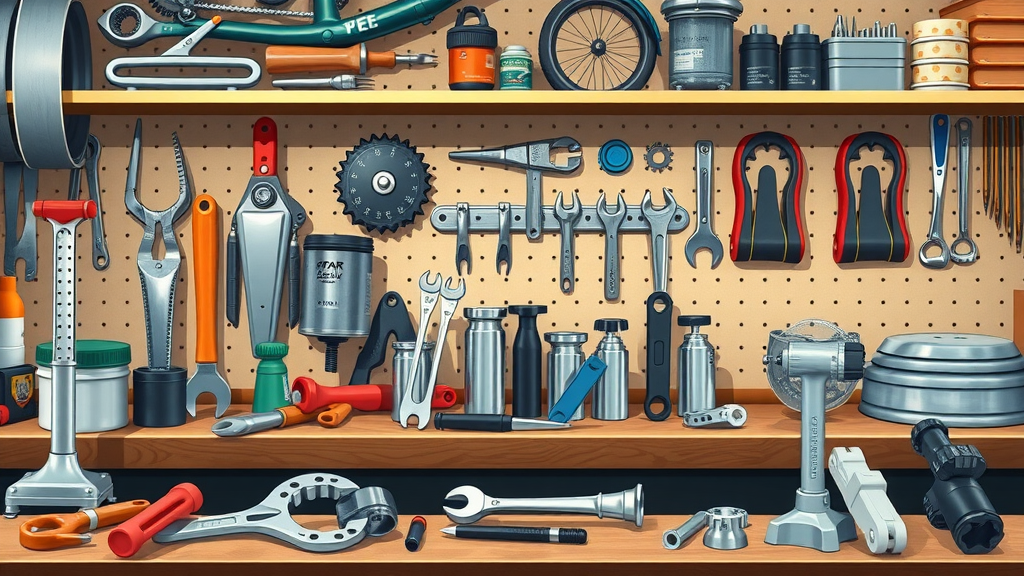
Seasonal bike maintenance tools set: chain lube, brushes, pump, allen wrenches, tire levers, on a workshop bench

Proper Storage Strategies: Keeping Your Bike in Top Shape All Year with Seasonal Bike Care

  • Storing indoors, using bike covers, prepping for long-term storage, choosing low-humidity spots

Key Considerations for Storing Bikes with Disc Brake and Bottom Bracket Systems

Storage is particularly important if your bike is equipped with disc brakes and a modern bottom bracket. Support the frame carefully to prevent stress on brake rotors and alignment. Angle the bike slightly to facilitate drainage away from crucial bearing systems and always use stands that evenly distribute weight.

  • Supporting frame, protecting disc brake alignment, bottom bracket drainage

Expert Q&A: Seasonal Bike Care, Bike Maintenance, and Bike Service

  • FAQs addressing advanced topics like electric bike care, disc brake pad selection, and seasonal upgrades

Watch: A professional bike mechanic demonstrates essential seasonal maintenance techniques including cleaning, lubrication, disc brake checks, and storing the bike, filmed in a bright, well-equipped workshop.

Watch: Gain inside knowledge from bike service experts showing their approach to preparing bikes for seasonal transitions, with emphasis on bottom bracket, disc brake, and drivetrain care.

Seasonal Bike Care Checklist: Your Ultimate Guide to Year-Round Bike Maintenance

  • Downloadable checklist for spring, summer, fall, and winter maintenance tasks

Ready to Keep Your Bike in Top Shape? Consult a Professional for Seasonal Bike Care and Bike Service

  • Call Nasty Performance Motorcycle Shop Today: 847-458-4858

Conclusion

Don’t wait for mechanical surprises—schedule your seasonal tune-ups and consult with a professional bike mechanic to ensure your ride stays in top shape all year long.

To enhance your understanding of seasonal bike care, consider exploring the following resources:

  • “Winter Bike Maintenance: Keeping Your Bike in Top Shape During the Cold Months” ( cccycleservices.co.uk )

This article offers detailed guidance on protecting your bike from winter’s harsh conditions, including tips on lubricating the drivetrain, safeguarding the frame from salt-induced corrosion, and maintaining optimal tire pressure.

  • “Seasonal Bike Care: Keeping Your Ride in Top Shape Year-Round” ( blog.stationbicycles.co.uk )

This comprehensive guide provides maintenance strategies tailored to each season, ensuring your bike remains in peak condition throughout the year.

By consulting these resources, you’ll gain valuable insights into effective seasonal maintenance practices, helping you keep your bike performing optimally in any weather.


Motocycle Seasonal Care & Storage

Write A Comment

*
*
Related Posts All Posts

Common Mistakes in Cold Weather Motorcycle Prep to Avoid

Are you unknowingly putting yourself and your bike at risk by skipping crucial steps in winter motorcycle prep? Cold weather brings unique challenges for motorcycle enthusiasts. Whether you’re planning to ride through the winter months or storing your bike, simple oversights can result in costly damage, reduced safety, and even personal injury. In this guide, we break down the common mistakes in cold weather motorcycle prep and show you how to stay safe and confident on the road, no matter how low the temperature drops. Are You Making These Common Mistakes in Cold Weather Motorcycle Prep? Explore how overlooking key details in cold weather motorcycle prep could jeopardize your safety and the performance of your motorcycle in cold conditions. Cold weather can turn a motorcycle ride into an exhilarating adventure—or a dangerous gamble. Many riders assume that a few basic checks are enough for winter riding , but the harsh reality is that most motorcycles need far more preparation to handle low temperatures, icy roads , and snow and ice. Overlooking essential steps such as checking your tire pressure, lubricating your chain, and adjusting your riding gear can lead to a host of issues, from engine trouble to personal injury . Neglecting your bike in cold weather doesn’t just risk functionality – it can compromise your safety as a road user and increase the risk of a motorcycle accident during the most hazardous months of the year. For those storing their motorcycles, failing to handle fluids, battery, and covering procedures correctly can result in expensive repairs come spring. Meanwhile, inadequate riding gear can expose you to the perils of frostbite and increased reaction times—both of which put you at greater risk on the road. Learning from these common mistakes in cold weather motorcycle prep can make all the difference between a safe, enjoyable ride and preventable injury or motorcycle damage. Essential Lessons: Avoiding Common Mistakes in Cold Weather Motorcycle Prep Gain insight into the critical aspects of riding your motorcycle in cold weather, understanding the pitfalls, and recognizing the impact of winter riding preparation on your journey. Understanding what stands between you and a safe, smooth ride in colder temperatures is vital. As cold air saps battery strength, thickens fluids, and decreases tire grip, ignoring even minor maintenance tasks can have outsized consequences. Properly prepped riders are not only less likely to encounter on-road issues but also enjoy greater confidence, comfort, and readiness for anything the season throws at them. One of the most underestimated dangers is misjudging the importance of appropriate winter riding gear and not recognizing how rapidly wind chill can affect your body temperature. Equally problematic is underestimating the effect of overlooked maintenance areas like tires—which must be checked for pressure and rubber quality suited specifically for cold weather. Each of these elements, if ignored, constitutes a common mistake with significant consequences for road users and motorcycle safety. Start your winter riding journey right by gaining insight into these mistakes and how to avoid them. Key Takeaways from Common Mistakes in Cold Weather Motorcycle Prep The dangers of neglecting proper motorcycle in cold temperature checks Essential winter riding gear every rider should own How improper cold weather storage could cause costly repairs The most overlooked road conditions and riding risks during colder weather Strategies to reduce your risk of a motorcycle accident in winter Neglecting cold weather checks and ignoring the toughest riding conditions means more than inconvenience—it puts your bike’s mechanical integrity, your wellbeing, and even your finances at risk. Essential winter riding gear isn’t a luxury; it’s a necessity. From heated gloves and base layers to windproof outer shells and reflective gear , the right equipment provides a critical layer of protection while reducing risks associated with cold air and wet or icy pavement. Equally important is the correct storage of your motorcycle in the winter months. Inattention to fluids and battery care can lead to a frustrating spring filled with mechanical problems and bills. Finally, overlooked road conditions —such as icy patches or sudden snow and ice—catch many riders off guard. By embracing careful preparation and best practices, you minimize your risk, avoid common mistakes, and stay ready for the demands of winter’s most challenging rides. Understanding the Impact of Cold Weather on Your Motorcycle How Cold Weather Affects Riding Your Motorcycle Performance The science behind cold weather effects on engine fluids, tire pressure, and battery performance When cold weather sets in, the performance of your motorcycle faces direct challenges. Thickening engine oil increases internal friction, reducing performance and making starts difficult during motorcycle in cold mornings. Tire pressure dips as the air contracts, diminishing contact patches and lowering traction—especially dangerous on icy or damp roads. Batteries also suffer: chemical reactions slow in low temperatures, making starts sluggish or impossible and stranding unprepared riding a motorcycle in the winter months. Without diligent checks, these naturally occurring effects leave your bike—and you—vulnerable to breakdowns and motorcycle accident risks. For example, not monitoring oil viscosity can strain your engine, while ignoring tire pressure due to colder weather may result in a sudden loss of control on icy roads . Wise riders understand these winter-specific hazards and proactively inspect, adjust, and maintain every critical component before venturing out. Common Motorcycle in Cold Storage Mistakes Storing your motorcycle improperly during cold weather can be just as harmful as careless riding. Many owners believe that a basic cover or garage parking is sufficient. However, neglecting to stabilize fuel, neglecting the battery, or skipping full lubrication of moving parts often leads to corrosion , flat spots on tires, and electrical gremlins that emerge as soon as warm weather returns. Exposed bikes parked outdoors are especially susceptible to moisture damage, leading to snow and ice freezing critical parts such as the chain, rear wheel assembly, and electronics. The best defense against these common motorcycle in cold storage mistakes is to thoroughly winterize your bike: top off and treat your fuel, remove or maintain your battery with a tender, lubricate chains and cables, and use a weatherproof, breathable cover. These simple steps prevent the bulk of springtime repair headaches and set you up for a safe return to the road. Critical Cold Weather Motorcycle Prep Steps Most Riders Overlook Skipping Essential Fluid Checks in Colder Weather Common errors with antifreeze, oil viscosity, and brake fluid during winter riding One of the common mistakes in cold weather motorcycle prep is neglecting fluid checks before winter riding. Engine oil, for instance, becomes more viscous in low temperatures, placing additional strain on the engine during start-up. Riders often overlook the importance of switching to oil grades designed for colder weather . Brake fluid also thickens as temperatures drop, reducing response time and possibly compromising stopping power—a threat compounded by wet or icy roads common in winter months. Failing to check or replace antifreeze leaves your cooling system exposed to potential freezing and serious engine damage. Always follow manufacturer recommendations for cold weather fluid types, and verify all levels before starting your winter riding journey. Small changes like these make a major difference in preventing breakdowns and avoiding personal injury on the road. Improper Tire Maintenance in Cold Weather The risks associated with underinflated or summer-grade tires in motorcycle in cold climates Monitoring and maintaining tires is critical for safe riding during colder temperatures . Air temperature affects tire pressure dramatically; underinflated tires lead to poor handling, reduced grip, and faster wear. Riders sticking with summer-grade tires face extra risk, as these are designed for warmer temperatures and can become dangerously rigid or slippery as the mercury drops. Ideally, switch to tires rated for cold weather or at least keep a close eye on pressure, checking before every ride instead of after. Improper tire maintenance can quickly result in loss of traction on snow or icy roads , especially in winter riding’s unpredictable weather conditions. Regular checks, combined with adjustments according to the temperature, minimize motorcycle accident risks and boost your confidence on winter journeys. Neglecting Battery Care for Winter Riding Why cold weather drains batteries faster and solutions for riding a motorcycle in lower temperatures Countless riders experience battery failure after the first snap of cold air , and it’s no surprise: batteries produce less current in low temperatures, while accessories like heated grips and seat warmers demand more power. Neglecting battery care —such as not keeping it charged, ignoring corrosion, or leaving it connected to accessories—makes cold starts unreliable and can leave you stranded at the worst possible time. Always check battery charge levels before each ride and consider installing a battery tender if storing your motorcycle for more than a week. It takes just a few minutes but prevents one of the most common headaches related to riding in cold weather and ensures your winter journeys start smoothly. Gear Up: Winter Riding Gear Mistakes to Dodge Wearing Inadequate Winter Riding Gear Why layers, windproof materials, and insulation matter for safe motorcycle in cold weather excursions No aspect of riding in cold weather is more frequently ignored—or leads to more discomfort—than inadequate riding gear. Many assume that a thick jacket and gloves suffice, but without windproof, insulated layers and proper base gear, wind chill can dangerously sap body heat in minutes. The consequences are more than discomfort: cold hands slow reaction times , while reduced core warmth affects focus and physical response during critical moments. Layered, moisture-wicking garments, windproof outers, and heated accessories (like gloves or vests) are essential for both comfort and safety. Don’t forget reflective gear for visibility, since winter’s short days and poor weather can make riders nearly invisible to others—an avoidable risk for both new and seasoned road users. Misjudging the Importance of Heated Accessories Heated grips, seats, and the benefits of riding a motor with modern comfort-enhancing technology Heated accessories are more than a luxury; they’re a vital line of defense against hypothermia and fatigue during long stretches of winter riding . Riders who discount the need for heated grips, jackets, or seat pads quickly learn that cold air robbing their extremities of warmth leads to numb fingers, slower reactions, and eventually even loss of control over the motorcycle. Heated gear technology has evolved: many bikes can be equipped with plug-and-play systems for comfort and safety. Investing in these accessories extends your riding season and allows for safer, more enjoyable journeys even as temperatures drop. It’s one of the smartest upgrades any rider can make to mitigate winter’s harshest effects and avoid the common pitfalls that catch those unprepared for the reality of riding a motorcycle in cold conditions. Real-World Consequences: Ignoring Cold Weather Motorcycle Prep Increased Risk of Motorcycle Accident in Colder Weather Statistical data linking poor weather riding prep to personal injury Failing to follow proper prep protocols exponentially raises the risk of motorcycle accident during winter riding. Multiple studies and injury law statistics confirm that cold weather months see a spike in personal injury claims related to unseen icy road patches, loss of traction, and mechanical failures. Unprepared riders are especially vulnerable to skidding, prolonged stops, and struggling to react quickly in dangerous scenarios—often resulting in crashes and even significant medical bills. Some insurers and injury attorneys highlight that between November and March, claims for weather-related motorcycle accident injuries increase by up to 30%. The bottom line: taking extra precautions and performing proper motorcycle in cold weather maintenance isn’t just smart—it’s essential for safety, risk reduction, and even financial protection. Overlooking Road Conditions and Its Dangers The hidden hazards for road users during winter riding seasons Winter months present unpredictable and often invisible threats to road users . Road conditions can change within a mile: black ice, frosty patches, or accumulating snow all appear with little warning. Novice and even veteran riders commonly make the mistake of treating winter roads like their summer routes, resulting in dangerous miscalculations and exposure to hazards such as the sudden appearance of an icy road during early morning rides. To avoid these risks, adopt a heightened sense of anticipation—scan further ahead, slow down before curves, and stay alert for changes in road texture or coloring. These actions, combined with vigilant daily bike checks, reduce accident likelihood and keep you safer through winter riding’s unique perils. Expert Advice: Quotes on Cold Weather Motorcycle Prep "Proper preparation for winter riding can make the difference between a safe journey and a preventable accident." – Veteran Motorcycle Mechanic "Neglecting your motorcycle in cold months often leads to expensive repairs come spring." – Industry Expert Comprehensive Checklist: Perfecting Your Cold Weather Motorcycle Prep Inspect fluids and replace with cold weather-friendly options Thoroughly clean and lubricate your chain and key components Check and adjust tire pressure for motorcycle in cold weather Ensure the battery is charged and consider a tender for winter riding Stow gear for easy access and safety Use a reputable cover if storing outdoors Cold Weather Motorcycle Prep Comparison Table Mistake Consequence Recommended Fix Skipping cold-weather oil and fluid checks Engine strain, poor braking, potential engine freeze Use appropriate viscosity oils and check fluids before every ride Neglecting tire pressure/tire grade Poor handling, increased slip on ice and snow Monitor and adjust tire pressure; use winter-grade tires Improper battery care Bike won’t start; shortened battery life Keep battery charged; use tender when storing Wearing insufficient gear Risk of frostbite, slow reactions, loss of focus Wear layered, windproof, insulated, heated gear Poor storage practices Corrosion, flat spotted tires, electrical issues Use fuel stabilizers, proper covers, maintain regular maintenance People Also Ask: Common Cold Weather Motorcycle Prep Questions What temperature is too cold for a motorcycle? Discover threshold temperatures for safe weather riding and the impact of extreme cold on motorcycle in cold starts and handling. Most manufacturers recommend avoiding riding your motorcycle when ambient temperatures drop below 32°F (0°C) since tires lose grip, engine oil thickens, and batteries become unreliable. However, even temperatures above freezing can be risky if wind chill or moisture create icy road patches. Always check weather conditions before your ride—if you see ice, snow, or extreme cold in the forecast, consider postponing your trip for safety. What to do to prepare a motorcycle for winter? Step-by-step breakdown of essential cold weather motorcycle prep actions for winter riding and storage. Begin by switching to a cold weather-appropriate oil and checking antifreeze. Thoroughly wash and lubricate your chain, and inspect tire pressure and condition. Charge or disconnect the battery, especially for storage, and use a tender if possible. Store the motorcycle in a dry, covered place, and routinely rotate the wheels to prevent flat spots. Keep winter riding gear accessible, and perform a complete safety check before every ride or after winter storage. Why is my motorcycle having trouble starting when its cold? Clarify common cold weather battery, fuel, and oil issues linked to motorcycle in cold starts. Cold weather slows battery chemistry, making cranking power weaker. Thickened engine oil increases resistance, which compounds starting difficulty. Condensation in the fuel system can also impact cold starts. To fix this, ensure your battery is fully charged, use the recommended oil for colder temperatures , and add fuel stabilizer to prevent moisture buildup in the fuel tank. What is the 12 second rule on a motorcycle? Explain how applying the 12 second rule in riding your motorcycle practice helps identify hazards faster in winter riding environments. The 12 second rule is a safety practice that involves scanning the road ahead for hazards at least 12 seconds in front of your current position. This is especially crucial in winter riding , as it allows more time to react to unexpected road conditions such as icy roads , snow drifts, or sudden stops by other vehicles. Adopting this habit dramatically improves your defensive riding and helps avoid accidents in difficult weather conditions. Frequently Asked Questions on Common Mistakes in Cold Weather Motorcycle Prep How does cold weather affect motorcycle traction? Cold temperatures reduce tire flexibility and the ability to grip the road surface, which is made worse by snow, ice, or even cold, dry asphalt. Always check tire condition and pressure before winter rides to ensure adequate traction. Do I need different gear for riding a motorcycle in cold weather? Yes, effective winter riding requires insulated, windproof layers, and heated gear for hands and body. Proper gear prevents hypothermia and preserves focus and reaction times, especially important on icy roads or in windy conditions. What fluids need checking before winter riding? Oil, coolant (antifreeze), and brake fluid should all be inspected and topped up with formulations suited for cold weather . This protects your engine and brakes in low temperatures. Why does my motorcycle battery drain faster in the cold? Batteries lose efficiency as temperature drops, while cold starts require more current. Always keep your battery charged and consider a tender for longer storage periods. Can I store my motorcycle outdoors for the winter? It’s not recommended, but if unavoidable, use a waterproof, breathable cover and regularly check your bike for moisture, corrosion, and tire health to minimize damage until spring. Watch: Video Explainers on Cold Weather Motorcycle Prep Curated video resources visually demonstrating motorcycle in cold weather preparation and essential winter riding gear setup. Cold Weather Motorcycle Prep - Step by Step Video Guide Video Guide: Real Riders Share Cold Weather Motorcycle Prep Tips Popular video testimonials from riders reviewing common mistakes and providing cold weather motorcycle prep advice. Summary and Next Steps for Perfecting Your Cold Weather Motorcycle Prep Summarize critical avoidable mistakes, reinforce the importance of careful planning, and encourage every reader to review, revise, and improve their cold weather motorcycle preparation before their next ride. Take action: Review your motorcycle’s readiness for winter riding today by following these checklists and tips. Careful planning and attention to detail will keep both you and your bike safe all season long. To enhance your understanding of common mistakes in cold weather motorcycle preparation, consider exploring the following resources: “Motorcycle Winterization Mistakes to Avoid” : This article outlines frequent errors riders make during winterization, such as neglecting to fill the fuel tank or using old fuel, and provides guidance on proper storage techniques. ( ctrideguide.com ) “Motorcycle Winterization Mistakes” : This resource highlights common pitfalls in the winterization process, including the importance of cleaning your bike before storage and maintaining the battery to prevent issues during the off-season. ( partzilla.com ) By reviewing these articles, you’ll gain valuable insights into avoiding typical winterization mistakes, ensuring your motorcycle remains in optimal condition throughout the colder months.

Fogging Motorcycle Engine for Storage: Protect Your Ride

Did you know that improper storage can lead to as much as 20% engine degradation in just a single winter? That’s a staggering number for any rider who takes pride in maintaining their motorcycle’s performance. Many owners pour hours into maintenance and upgrades, yet forget one critical step when the cold sets in: fogging the motorcycle engine for storage. Understanding—and applying—this technique can save you major wear and broken parts, while ensuring your ride is ready to roar when spring arrives. In this comprehensive, opinion-driven guide, we reveal why fogging matters, the steps to do it right, and lessons learned firsthand from years on the road and in the shop. Protecting Your Motorcycle Engine for Storage: Why Fogging Matters "Did you know that improper storage can lead to as much as 20% engine degradation in just a single winter?" When it comes to storing your motorcycle for extended periods—especially during harsh winter driving conditions—the difference between a healthy engine and one marred by corrosion is often the application of fogging oil. Most riders understand the pain (and cost) of discovering rust on the cylinder walls or cast iron components after only a few months of disuse. Fogging motorcycle engine for storage is a preventative measure that protects your bike from damaging moisture, temperature swings, and corrosive air. By creating a barrier of protective oil mist inside your engine, you minimize the impact of humidity and oxidation, which can silently degrade an otherwise modern engine in just one season. Why does this matter so much? Because oil is added downstream of the throttle body during fogging, coating critical areas like the cylinder walls efficiently—something impossible if your bike sits inactive over the winter. Riders who ignore this vital step may end up facing costly minor pain like stuck rings or a seized piston, or even bigger headaches such as total engine rebuilds. Ultimately, fogging your motorcycle engine before storage is not just a “nice to have” — it’s essential for keeping performance, minimizing repair bills, and maintaining the thrill of the ride when spring returns. What You'll Learn About Fogging Motorcycle Engine for Storage The essential steps to fogging motorcycle engine for storage Why fogging oil is critical for your bike’s longevity How issues like cylinder walls and cast iron components are protected When and how to winterize your motorcycle for storage, including winter driving preparation Opinion-driven perspectives on maintenance best practices Understanding Fogging Oil: The Science of Motorcycle Engine Protection How Fogging Motorcycle Engine for Storage Works Fogging oil is a specialized lubricant designed to coat and protect the internal components of your motorcycle’s engine during extended storage. When the oil is sprayed through the throttle body or air intake, it travels downstream into the combustion chamber, misting over the cylinder walls, piston rings, and cast iron segments. This thin, protective film is crucial because it seals out moisture and oxygen, preventing rust and corrosion that often accumulate when the engine is left inactive over the winter. Unlike simple oil changes or marvel mystery oil treatments, fogging targets the surfaces most vulnerable to degradation. The application process is straightforward yet powerful: After preparing your bike by reaching operating temp and possibly removing the spark plug (or spark plugs), you spray fogging oil directly into the intake, letting the oily smoke fill the cylinders. Adding the oil upstream ensures full coverage and, on restart, any excess oil burns off harmlessly. Opinions vary—some swear by products like Marvel Mystery Oil or mystery oil mixes—but the science backs dedicated fogging oil for its ability to stick to cast iron, cylinder walls, and other metals. There’s no shortcut: fogging is your best option to lock out corrosion and help your engine weather long storage without harm. If you're interested in a more hands-on approach to winter motorcycle care, you might also want to explore additional maintenance steps that complement fogging, such as battery management and fuel system preparation. For a deeper dive into practical storage tactics, check out our comprehensive motorcycle storage guide for actionable tips that go beyond engine protection. Benefits of Using Fogging Oil on Cylinder Walls and Cast Iron Parts The benefits of properly fogging motorcycle engine for storage extend far beyond just preventing rust. Coating cylinder walls, piston crowns, and cast iron surfaces ensures smooth startup and operation when winter’s over. Corrosion and pitting are the quiet killers of stored engines, especially those with older cast iron architecture. Fogging oil addresses all vulnerable internal metals, offering multi-month peace of mind by minimizing dry starts and metal-on-metal contact. Riders often overlook how preventative measures today translate into thousands of dollars saved on repairs (and hours saved on troubleshooting) tomorrow. Especially in climates with freeze-thaw cycles, the expansion and contraction within cylinder walls can introduce micro-fissures. With fogging oil present, these stressors are met with a slick protective layer, drastically slowing chemical and mechanical wear. To summarize, for most bikes—be it a modern engine or a classic with cast iron heads—fogging isn’t optional; it’s a cost-effective insurance policy against a host of avoidable engine problems. Benefit Impact on Engine Ease of Application Prevents Corrosion Protects cylinder walls & cast iron Simple spray process Enhances Longevity Reduces wear during long-term storage Minimal effort required Prepares for Winter Driving Ensures ready startup post-storage Can be DIY My Personal Opinion on Fogging Motorcycle Engine for Storage Why I Always Fog My Motorcycle Engine Before Storage "After learning the hard way about rusty cylinder walls, I never skip fogging—it’s essential for engine health." My first winter with a new motorcycle was a turning point: confident in my maintenance routine, I put my bike away in late November and didn’t think twice about fogging motorcycle engine for storage. Come March, I discovered my rookie mistake—cylinder walls spotted with rust, and my spark plugs caked with corrosion. The repair bill was a tough lesson. Since then, whether the engine is cast iron, aluminum, or a blend, fogging is my non-negotiable step. I’m convinced that a quick application of fogging oil does more to preserve my engine than almost any other winter routine. There’s a persistent myth that modern engines don’t need this treatment—that a good oil change and storing indoors is enough. In reality, all engines, no matter how advanced, are susceptible to condensation, especially as temperatures change winter driving to storage mode. Fogging is, in my experience and research, a case of “an ounce of prevention is worth a pound of cure.” Compared to the minor pain and cost of skipped maintenance, investing a few minutes and a can of fogging oil is a “two birds with one stone” solution: easy to perform and powerful in protecting critical parts. Common Mistakes: When Riders Skip Fogging or Rely on Myths Neglecting fogging oil completely — Leaving the engine exposed to corrosion risks for months. Believing winter driving conditions don’t affect stored engines — Temperature fluctuations can cause condensation, rust, and pitting even in “resting” bikes. Improperly coating cylinder walls or ignoring cast iron parts — Partial fogging or skipping challenging-to-reach areas nullifies the oil’s protective benefits. Many owners also confuse marvel mystery oil or fuel stabilizer with fogging oil. While these products have benefits, they’re not a substitute for spraying an actual fogging agent into the cylinder after the foggy application begins. Relying on myths or “old timers’ tales” can lead to more harm than good, especially when storage extends beyond a month or two. Don’t wait for costly surprises or a sputtering engine in spring—build fogging into your winter gameplan. People Also Ask: How to Fog and Winterize Your Motorcycle How to fog a motor for storage? To fog a motor for storage, start by warming up your bike to normal operating temperature. With the engine idling, slowly spray a fogging oil—such as those available at your local auto shop—directly into the air intake or throttle body. As the engine draws the oil mist in, you’ll notice oily smoke from the exhaust and oil collecting inside the cylinder walls. After 30–60 seconds, shut off the engine, remove the spark plugs, and give a final spray of fogging oil directly into each cylinder. Turn the engine over by hand to fully coat internal surfaces, then reinsert the plugs. This process ensures optimal coverage, whether you have a classic cast iron engine or the latest high-tech setup. How to winterize a motorcycle for storage? Winterizing a motorcycle involves more than just fogging motorcycle engine for storage. Begin with a fuel stabilizer in the tank to combat stale gas, then run the engine long enough to distribute the treated fuel. Change the engine oil to remove contaminants, fog the cylinders using fogging oil, and consider adding Marvel Mystery Oil for added internal engine lubrication. Top off fluids, inflate the tires, plug in a trickle charger to keep the battery alive, and cover the bike with a breathable cover. Park your bike in a cool, dry location—preferably away from direct sunlight and wild temperature shifts. Proper winterizing prevents damage due to inactivity and environmental hazards. How to fog a motorcycle engine? Fogging a motorcycle engine focuses on coating the internal components with protective oil. Begin by reaching operating temperature, then remove the air intake cover and very carefully spray fogging oil into the throttle body or intake while the engine idles. If your bike allows, rotate the engine manually to ensure a thorough coat. Shut off the engine, remove the spark plugs, and spray directly into each cylinder. Replace the plugs and turn the engine over again. This thorough process guarantees even coverage on cylinder walls, cast iron parts, pistons, and other internals—ensuring peak protection for winter storage. Is fogging an engine necessary? While some might claim fogging is unnecessary, real-world experience shows that it prevents major wear and broken components, especially in regions with harsh winters or where motorcycles remain inactive over the winter. Skipping this step can lead to corrosion, sticky rings, and premature engine failure. For anyone invested in longevity and peak performance—from ten cars in a garage to a single beloved motorcycle—fogging is a proven, science-backed step that pays off every spring. Frequently Asked Questions About Fogging Motorcycle Engine for Storage How often should I fog my motorcycle engine? As a rule of thumb, you should fog your motorcycle engine every time you plan on storing the bike for more than two months—especially before periods of inactive over the winter. Doing so after every riding season is ideal for optimal engine longevity. Does fogging oil work for all engine types? Yes, fogging oil is effective on virtually all motorcycle engine types—modern or classic, aluminum or cast iron. It works equally well for carbureted and fuel-injected systems, provided you follow proper application steps for your specific setup. What happens if I skip fogging during winter storage? If you skip fogging, you risk significant corrosion of the cylinder walls, cast iron components, and rings. The result is often stuck parts, decreased performance, or even the need for costly engine repairs once you restart in spring. Key Takeaways: Fogging Motorcycle Engine for Storage Fogging motorcycle engine for storage is a proven way to protect your engine from corrosion and wear. Using fogging oil thoroughly coats cylinder walls and cast iron, preserving engine performance. Winter driving and storage increase risks that fogging directly addresses. Even a single missed winter can cause permanent engine damage without proper fogging. Ready to Protect Your Motorcycle? Call Nasty Performance Motorcycle Shop Today: 847-458-4858 If you’re looking to take your motorcycle maintenance to the next level, don’t stop at just engine fogging. Our site offers a wealth of resources to help you master every aspect of bike care, from advanced storage solutions to performance upgrades. Explore our expert motorcycle maintenance insights for strategies that keep your ride in peak condition all year long, and discover how a proactive approach can make every season your best yet.

Motorcycle Oil Change Before Winter: Don't Skip This Step

Are you risking expensive engine damage by postponing your motorcycle oil change before winter? Many riders overlook this seemingly simple chore, not realizing it could be the single most important step in protecting their engine during winter storage. As the seasons shift and you prepare to tuck your motorcycle away, taking a few proactive measures now can save you headaches, money, and frustration when spring rolls around. This article reveals why a motorcycle oil change before winter is vital, debunks the myths, and gives you practical advice you’ll want to follow. Why Is a Motorcycle Oil Change Before Winter So Important? Every year, countless motorcycles are condemned to costly repairs—and often, engine damage—because their owners skip one essential step before winter: the oil change. Modern engines rely heavily on clean, contaminant-free oil to safeguard their most critical moving parts. When dirty oil sits idle inside your engine for a long storage period, chemical breakdown starts to form acids and moisture, which can lead to rust or corrosion on the internal components. That means postponing your motorcycle oil change before winter can allow contaminants from short trip riding, burnt oil residue, and even fuel system deposits to silently eat away at your bike’s engine health while it waits out the cold. An oil change before winter also ensures that your motorcycle’s fuel system and engine oil are at their peak protective status, offering a barrier against humidity and temperature swings. Old engine oil may carry acids—produced during engine burn—that only grow more concentrated the longer the oil sits. This is exactly why motorcycle manufacturers and seasoned mechanics alike consistently recommend changing the oil and filter prior to winter storage. Neglecting this service interval could result in poor engine starts and performance issues after those cold months pass. Are you risking expensive engine damage by postponing your motorcycle oil change before winter? The question isn’t just rhetorical—dirty oil lingering in your system is more harmful than most riders realize. Many short trips during the season mean increased moisture and unburned fuel in your engine oil, making it less effective at protecting moving parts. Although engine burn during riding heats the oil, burning off some moisture, anything left behind before storage can attack bearings, gears, and seals. Compared to the cost of repairs or even just the frustration of poor engine starts in the spring, an end-of-season oil and filter change quickly becomes a smart investment every bike owner should make. What You'll Learn About Motorcycle Oil Change Before Winter The core benefits of changing the oil before winter storage Common misconceptions about motorcycle oil and filter maintenance Expert opinions and industry best practices How an oil change can protect your bike during winter storage Winter Storage: Why Oil Change Is More Than Just Routine Maintenance A lot of riders fall into the trap of thinking that winter prep just means parking your bike indoors and covering it with a tarp. While those are basic steps, there's a critical difference between routine maintenance and preventative care that actually shields your engine. Changing the oil and filter before storage isn’t just about starting the new season fresh; it’s about removing the contaminants, acids, and particulates that would otherwise sit for months, quietly undermining your engine’s health. [Competitor keywords: change the oil, oil before winter, oil and filter] By going the extra mile with a motorcycle oil change before winter, you’re ensuring that clean, effective motor oil coats every internal surface during long-term stasis. Used engine oil can attract moisture, especially as outside temperatures fluctuate. That moisture eventually condenses or causes micro-corrosion, reducing your engine’s lifespan and reliability. Planning and performing this oil change before winter is the equivalent of giving your motorcycle the armor it needs to battle inactivity and the elements—something dirty oil and neglected fuel systems just can’t do. For riders interested in a more hands-on approach, exploring detailed maintenance guides can further enhance your winter prep routine. While this article focuses on the importance of oil changes, you can find additional step-by-step resources and tactical advice on our motorcycle maintenance page to ensure your bike is fully protected during the off-season. Change the Oil and Filter: Protecting Your Motorcycle All Season Long “Many riders overlook the importance of an oil change before winter, but old oil can be harmful to your engine while your bike sits idle.” One of the biggest misconceptions is that oil only wears out while you ride. In reality, the contaminants, moisture, and acids present in dirty oil don’t just disappear once your bike is parked—they continue their corrosive work. With each passing week of winter storage, those substances quietly attack your engine’s protective coatings and metal surfaces, all while you believe your bike is safely tucked away. Proactive oil and filter maintenance isn’t just about the ride; it’s a commitment to your bike’s long-term health, keeping it ready for smooth starts and strong performance after any length of time in storage. Motorcycle Oil Change Before Winter: Step-by-Step Gather necessary tools and materials for an oil and filter change Drain existing oil before winter storage Replace with recommended oil and filter Check for leaks and ensure winter storage conditions are ideal Prep work is everything: before starting your end-of-season oil change, assemble your supplies—a drain pan, a compatible oil filter, the recommended engine oil (considering whether a synthetic oil or full synthetic is best for your bike), gloves, a wrench, and some shop towels. Always refer to your manufacturer’s service manual for guidance about service interval and oil type. Begin by warming your engine for a few minutes (just enough to help the oil flow) then safely shut off and place the bike on its stand. Drain the old oil completely—don’t rush this step; a thorough drain ensures that none of the old, contaminated oil is left behind as the weather turns cold. Next, swap out the filter. This is where many riders get lazy, but an oil and filter change go hand in hand—skipping the new filter leaves dirty oil trapped inside, defeating the whole purpose of your winter prep. Top off the engine with the correct amount of fresh oil, re-check the level, and scan for leaks. By storing your bike with pristine oil, you shield bearings, rings, and every moving part from acid attack, rust, and chemical breakdown during the long winter storage period. A final once-over to make sure your motorcycle’s storage location is dry, indoors, and away from wide temperature swings will guarantee your oil change does the job it should. Comparison of Oil Change Timing: Before Winter vs. After Winter Timing Pros Cons Before Winter Prevents engine corrosion and damage Requires planning and time After Winter Can delay engine prep Oil may have deteriorated in storage Debunking Myths: Do You Really Need to Change the Oil Before Winter? Some riders insist that changing the oil before winter isn’t necessary, arguing it’s fine to wait until spring. Here’s the reality: old, dirty oil is often loaded with engine acids, condensation from short trip rides, and even unburned fuel. Letting this cocktail stew inside your engine for the entire storage period is akin to marinating your engine’s bearings and surfaces in substances that can lead to rust and corrosion. The idea that you can "wake up" your bike after months of inactivity and simply change the oil then, fails to account for the silent, cumulative damage already endured. "Skipping an oil change before winter is like leaving your bike unprotected in a storm—preventable harm can occur." Proactive oil and filter replacement means that when your bike enters winter storage, it’s surrounded by a fresh layer of protection. This small investment of time and a quart of oil prevents extensive damage that may remain hidden until your first ride in spring. Don’t let myths or misplaced habits determine the fate of your engine—trust the consensus of experts and always perform a motorcycle oil change before winter to safeguard your pride and joy. People Also Ask: Essential Motorcycle Oil Change Before Winter Questions Should you change motorcycle oil before or after winter? Answer: Experts recommend performing a motorcycle oil change before winter to minimize internal corrosion and preserve engine longevity during extended storage. Engine oil that sits throughout winter can break down and increase the risk of harmful build-up on internal engine surfaces. Changing the oil before storage ensures contaminants are removed and the engine is protected throughout the cold months. This simple step helps to avoid expensive repairs, makes your spring start effortless, and is considered best practice by leading service professionals. [Competitor keywords: change the oil, oil before winter, engine oil] Should you change your oil before winter? Answer: Yes, an oil change before winter removes contaminants and moisture, offering superior protection to your motorcycle's engine during the colder months. Oil is the lifeblood of your engine, and the contaminants picked up over the riding season—from burnt fuel, tiny metal particles, and moisture from short trip rides—can cause harm when left to stagnate. Changing the oil before winter flushes these out, so fresh oil and filter guard your engine all winter long. This is true whether you use conventional, semi-synthetic, or full synthetic oil. [Competitor keywords: oil before winter, synthetic oil, oil and filter] What is the 12 second rule on a motorcycle? Answer: The 12 second rule refers to maintaining situational awareness and scanning the road ahead at least 12 seconds forward, especially important for safe winter riding preparation. Developing this habit not only increases your safety during winter riding months, it’s also a sign of mature, responsible motorcycle care. Good habits—whether on the road or in the garage—ensure a longer engine life and fewer surprises, whether you’re performing an oil change or maneuvering in challenging conditions. [Competitor keyword: service interval, length of time] Should I service my bike before or after winter? Answer: Servicing your bike, particularly a motorcycle oil change before winter, prepares your engine to endure the challenges of winter storage and ensures a smooth start come spring. Performing full service—including an oil and filter change—before tucking your bike away protects all vulnerable systems: not only internal engine components, but also the fuel system, battery, and rubber seals. You’ll discover fewer issues and save money in the long run, while also impacting the reliability and lifespan of your motorcycle. [Competitor keywords: winter storage, oil before storage, oil change] Key Takeaways: Motorcycle Oil Change Before Winter Matters Completing a motorcycle oil change before winter is essential for engine health and reliability. Proper oil and filter replacement before winter storage prevents costly repairs. Trust the advice of professionals and service your motorcycle proactively. FAQs: Motorcycle Oil Change Before Winter How often should you perform a motorcycle oil change before winter storage? Typically, an oil and filter change is recommended at least once per year, or according to your manufacturer’s service interval. If your riding season involves frequent short trips or extreme weather, err on the side of caution and always change your oil before long-term winter storage. What's the best oil for a winter oil change? Full synthetic or high-quality semi-synthetic oil is often preferred for winter storage due to superior cold-flow properties and longer-lasting protection. Always follow your motorcycle’s service manual for recommendations about viscosity and type. Can I use synthetic oil for my motorcycle before winter? Absolutely. Synthetic oil offers numerous advantages for winter storage, including reduced breakdown over extended periods and better resistance to temperature extremes. Many modern motorcycles are designed for use with synthetics, but always ensure compatibility with your specific engine. Step-by-step motorcycle oil change before winter storage — Watch a short, easy-to-follow video demonstration showing a rider performing an oil and filter change in a well-lit garage, emphasizing the key tools, draining oil, replacing the filter, and properly preparing the motorcycle for winter. Don’t Neglect Your Motorcycle Oil Change Before Winter—Act Now Call Nasty Performance Motorcycle Shop Today: 847-458-4858 Conclusion: Don’t gamble with your engine’s future—schedule a motorcycle oil change before winter, protect your investment, and ride into spring with confidence. As you wrap up your winter prep, remember that a comprehensive approach to motorcycle care pays dividends in performance and reliability. If you’re eager to deepen your understanding or explore advanced strategies for year-round maintenance, our expert motorcycle insights offer a broader perspective on keeping your ride in peak condition. Take the next step and discover how proactive maintenance can transform your riding experience, ensuring every season starts with confidence and peace of mind.

Terms of Service

Privacy Policy

Core Modal Title

Sorry, no results found

You Might Find These Articles Interesting

T
Please Check Your Email
We Will Be Following Up Shortly
*
*
*