
Ever stopped to question if your winter coolant habits are secretly harming your ride? Motorcycle coolant plays a crucial but often misunderstood role in cold weather performance. Don’t let simple missteps leave your engine out in the cold—read on to uncover the truth behind common mistakes in motorcycle coolant for cold weather and learn how to keep your bike running strong, no matter the chill.

Are You Making These Common Mistakes in Motorcycle Coolant for Cold Weather?
When cold weather approaches, many riders overlook critical steps in maintaining their motorcycle’s cooling system. Neglecting the right type or mix of coolant for cold weather might seem minor, but it can lead to engine damage, trouble starting, or even complete breakdown. Some owners simply top off old coolant or mix different brands, ignoring the manufacturer’s cold weather recommendations. Others skip system checks, assuming coolant is only a summer issue. These common mistakes in motorcycle coolant for cold weather can be costly and frustrating when winter’s chill puts your bike to the test. If you want your machine ready to ride and your engine running smoothly, it’s important to check your coolant, know the risks, and follow expert strategies. Keep reading to avoid these pitfalls and protect your investment this winter.
What You’ll Learn About Common Mistakes in Motorcycle Coolant for Cold Weather
- The most overlooked mistakes in selecting and maintaining motorcycle coolant for cold weather
- How cold weather affects your motorcycle engine and cooling system
- Best practices for winter riding and storage
- Actionable tips to avoid costly repairs
- Answers to top questions from riders
Understanding Motorcycle Coolant for Cold Weather
What Makes Motorcycle Coolant Different in Cold Weather?
Motorcycle coolant does much more than help regulate engine temperature—it provides critical protection against freezing and corrosion, especially during cold weather. In freezing temperatures, the wrong coolant type or a diluted mix can freeze inside your engine, blocking the cooling system and risking catastrophic engine damage. The best motorcycle coolants for cold climates have special antifreeze formulas and corrosion inhibitors that work despite cold temperatures, keeping both metal parts and moving parts safe from damage. Mixing incompatible coolants is a common mistake that can reduce freezing point protection or, worse, cause chemical reactions that damage the cooling system. For winter riding and winter storage, always choose a coolant type rated for your motorcycle model and your region’s lowest expected temperatures.
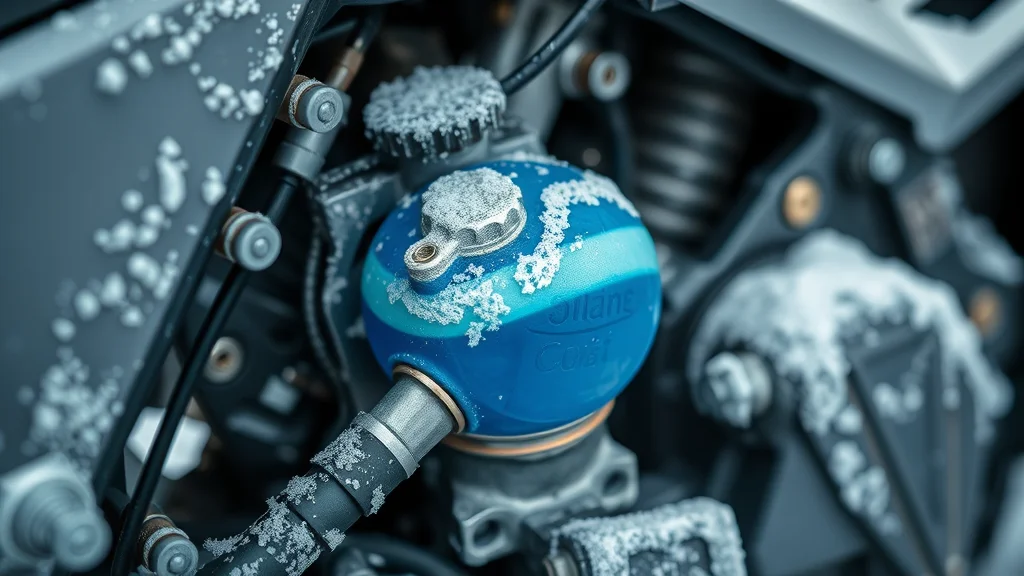
How the Cooling System Responds to Cold Weather
Your motorcycle’s cooling system is designed to maintain stable operating temperature, but cold weather introduces extra challenges. Radiators, hoses, and the coolant reservoir must work harder to transfer heat without freezing. In cold conditions, coolant viscosity increases, potentially slowing flow and reducing overall efficiency. It’s a common mistake to assume that summer-prepped coolant will suffice in winter. If your system contains a high ratio of distilled water or summer-weight coolant, the freezing point could be dangerously high, potentially forming ice and blocking pathways. Always check the manufacturer’s recommendations for coolant ratio adjustments before the first freeze, and make sure the system is flushed of debris, old coolant, and incompatible brands.
For a more detailed look at how seasonal changes impact your entire motorcycle, including practical steps for prepping your bike beyond just the cooling system, you might find our guide on seasonal bike care secrets every rider must know especially helpful. It covers essential maintenance routines that complement your coolant strategy for winter.
Impact of Cold Weather on Motorcycle Engine Health
Cold weather places unique stress on your motorcycle engine and its moving parts. If coolant can’t circulate properly due to freezing or blockages, heat isn’t dispersed efficiently—even short rides could cause the engine to overheat or run too cold, leading to increased wear. Without proper cold-weather coolant, components like the fuel system, gaskets, and metal parts are more susceptible to damage. Additionally, repeated freeze-thaw cycles can weaken seals and junctions, risking leaks or sudden failure. Tending to your cooling system now helps prevent engine damage, flat spots, and costly repairs down the line.
| Coolant Type | Antifreeze Rating | Key Properties | Compatibility |
|---|---|---|---|
| Ethylene Glycol-Based | Excellent | Prevents freezing; helps prevent corrosion; gold standard for most motorcycles | Most modern motorcycles |
| Propylene Glycol-Based | Very Good | Non-toxic; protects the engine and metal parts; less corrosive to aluminum | Some newer engines, aluminum systems |
| Hybrid,OAT/HOAT | Excellent | Long life; best for extended winter riding; stable freezing and boiling points | Only if specified by manufacturer |
| Water-Based (Distilled Water Mix) | Poor Alone | Requires proper antifreeze ratio; otherwise, high risk of freezing and engine damage | Short-term use with dilution checked |
Top Common Mistakes in Motorcycle Coolant for Cold Weather
Neglecting Motorcycle Coolant Change Before Winter
One of the most common mistakes riders make is putting off a coolant change until it’s too late. Motorcycle coolant naturally degrades over time, losing its antifreeze effectiveness and protective qualities. If you leave the same coolant in the system for a long time, contaminants can build up, and the fluid may not adequately prevent engine damage if temperatures plummet. Flushing and refilling the system with fresh, high-quality coolant designed for cold weather is essential before the first hard freeze. Skipping this step can lead to engine run problems like overheating, coolant freezing, and in worst-case scenarios, a cracked engine block or damaged radiator.
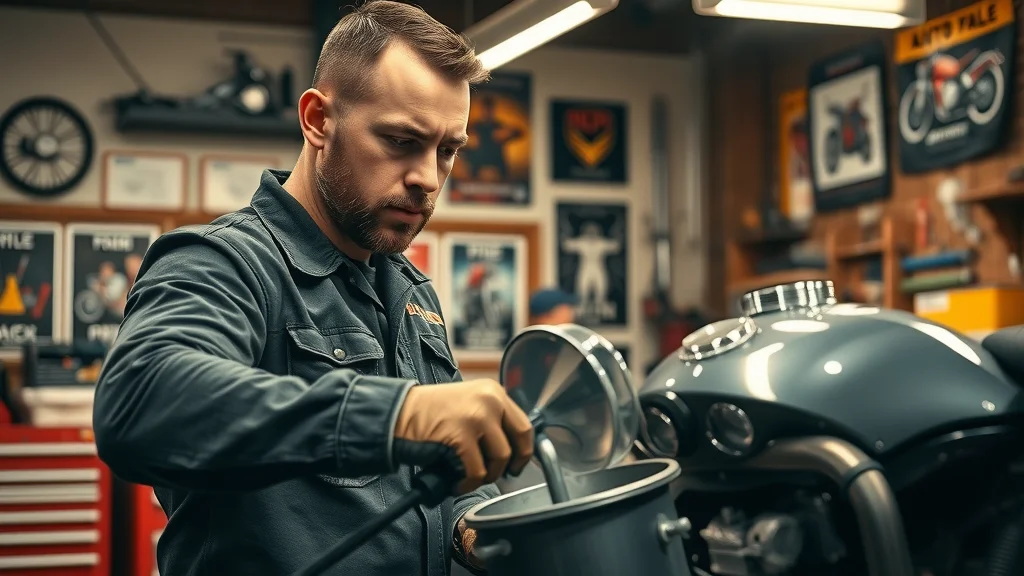
Using Incompatible Motorcycle Coolant Types
Mixing different types of motorcycle coolant is a common mistake that can quickly sabotage your cooling system. For example, combining ethylene glycol with propylene glycol or unfamiliar brands can cause the mixture to gel or lose its antifreeze rating. These reactions can block coolant passages, promote corrosion inside metal parts, or result in sudden leaks. Always consult your owner’s manual to ensure you use the type of coolant recommended for your model. If unsure, it’s safer to flush the entire cooling system before switching brands or formulas. In the cold weather months, relying on random or “universal” coolants risks your bike’s health, particularly when winter riding or storing your machine.
Ignoring the Cooling System Maintenance in Cold Weather
Cold weather doesn’t excuse you from checking hoses, the radiator, and the coolant reservoir. A cooling system that’s neglected and left unchecked may develop slow leaks or become clogged over time, reducing its ability to protect the engine under stress. Inspect connections for tightness, look for white or colored residue indicating leaks, and monitor the temperature gauge even during short rides. Maintenance is as much about peace of mind as it is about preventing engine damage—small issues addressed early can help you avoid expensive repairs and keep you ready to ride all season long.
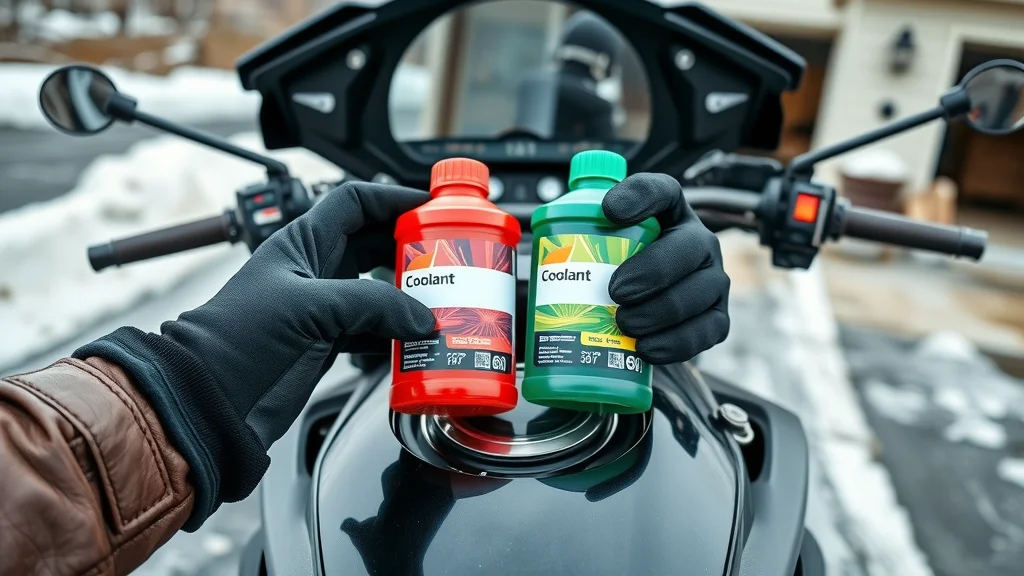
Common Mistake: Forgetting Coolant Concentration for Cold Weather
Many riders forget that coolant concentration is just as crucial as the type itself. Diluting coolant with too much distilled water—or failing to add enough antifreeze—can raise the freezing point dangerously high, especially during a long cold snap. This common mistake makes your bike vulnerable to frozen coolant passages and internal corrosion in extremely cold conditions. Use a refractometer or coolant tester to check the antifreeze level. Ideally, a 50/50 mix provides year-round protection in most climates, but harsher winters may require a higher antifreeze ratio as specified by your manufacturer. Accurate measurement is key: over-diluting can damage the engine, while excessive concentration can hinder heat transfer efficiency.
Overlooking Impacts on Moving Parts and Motorcycle Engine
The effects of coolant reach far beyond the radiator. Moving parts such as the water pump, seals, and gaskets all rely on the cooling system for lubrication and temperature control. If you use the wrong coolant, don’t maintain the recommended concentration, or leave old fluid circulating, you risk premature wear or outright failure of these vital components. Over time, poorly managed cold weather coolant can create flat spots, cause freeze-thaw damage to metal parts, and degrade the performance of your motorcycle engine. Reliably preparing your cooling system helps prevent engine damage, keeps your bike running smoothly, and provides the gold standard for winter readiness.
"Proper winter preparation with the right motorcycle coolant is the secret to reliable performance and long engine life," says Nasty Performance Motorcycle Shop.
Motorcycle Coolant and the Impact on Winter Storage
How Winter Storage Conditions Affect Motorcycle Coolant
When winter storage time comes, many riders simply park their bikes and forget the details. However, storage conditions have a big impact on your motorcycle coolant. If your garage experiences freezing temperatures, any improper coolant mix can turn to slush, risking blockage, leaks, or even expansion that damages the radiator or hoses. Humid, unheated spaces can also accelerate corrosion on metal parts, especially in the presence of old or contaminated coolant. Thinking about winter storage is just as important as active winter riding—get into the habit of prepping your cooling system before stowing your ride for the season and you’ll avoid unwanted engine surprises in the spring.
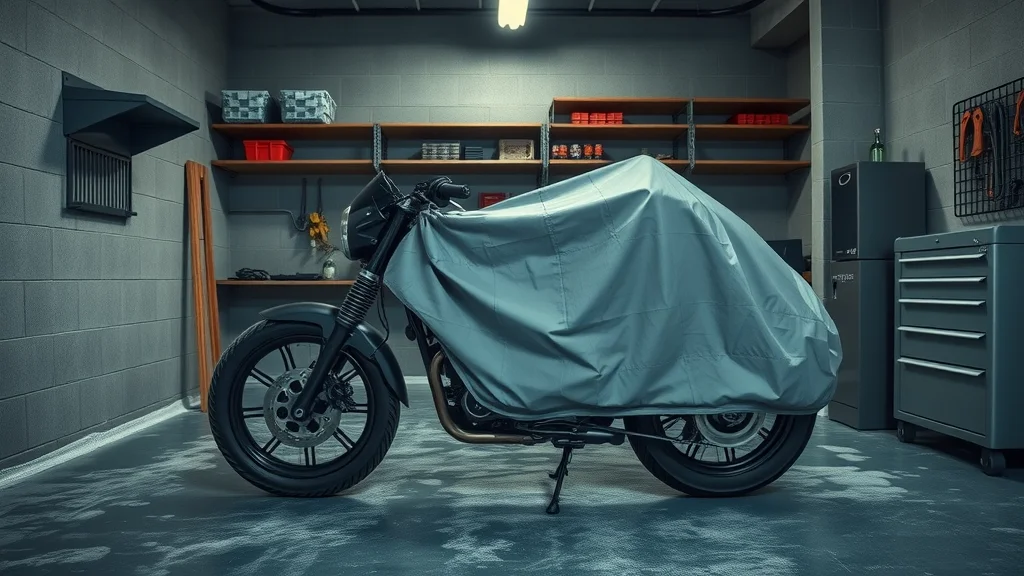
Step-by-Step List: Preparing Your Cooling System for Winter Storage
- Drain and flush old coolant
- Refill with recommended antifreeze for cold weather
- Inspect hoses, radiator, and moving parts
- Run the engine to circulate coolant before storage
Motorcycle Coolant for Winter Riding: Prevention and Performance
Common Mistake: Riding Without Checking Motorcycle Coolant Levels in Cold Weather
In the rush to catch that last sunny winter day, it’s easy to overlook a key step—checking coolant levels. Too often, riders assume a “full” reservoir in autumn means they’re safe through winter, making this a common mistake that can cause engine issues on cold rides. Low coolant exposes your engine to the risk of overheating or freezing, especially on longer rides or in below-freezing temperatures. A quick, routine check only takes minutes but can protect the engine, preserve moving parts, and ensure you’re always ready to ride when opportunity knocks during the cold season.

Winter Riding vs. Winter Storage: Key Differences in Coolant Management
Winter riding and winter storage require different coolant management strategies. If you plan to ride regularly, coolant condition and concentration should be checked often, especially since temperature swings affect both the freezing point and flow properties. Monitor the temperature gauge and look for leaks frequently—cold snaps put extra stress on every system. In contrast, bikes in winter storage need a thorough flush, fresh coolant, and periodic inspection for leaks even during dormancy. Both scenarios demand attention, but riding during winter calls for ongoing vigilance, while storage focuses on long-term protection.
Quick-Check List: Motorcycle Coolant and Cooling System Readiness for Cold Weather
- Monitor temperature gauge on longer rides
- Check for leaks around the cooling system
- Use motorcycle-specific coolant with antifreeze properties
- Schedule regular inspections throughout winter
Why an Oil Change Completes Your Cold Weather Preparation
Relationship Between Oil Change and Motorcycle Coolant Performance
A motorcycle oil change and coolant prep go hand in hand. Both are vital in safeguarding the engine for cold weather, as oil keeps moving parts lubricated while coolant prevents overheating and freezing. Old, degraded oil thickens in cold conditions and loses its protective properties, increasing friction on metal parts and contributing to engine damage. Meanwhile, coolant loses its anti-corrosive qualities over time. By pairing an oil change with a coolant flush before winter, you ensure both systems are working together to protect the engine, extend service intervals, and minimize the risk of issues during winter riding or storage.

Recommended Timing for Oil Change During Cold Weather
Don’t wait until spring to perform critical maintenance. The best time for an oil change is before cold weather sets in or before long-term storage. Changing both oil and coolant at the same time removes contaminants and moisture that could settle in the engine during inactivity, especially in freezing conditions. This dual approach will help prevent engine damage, maximize the effectiveness of your coolant, and keep your motorcycle engine ready to ride when warmer days return.
People Also Ask: Common Motorcycle Coolant Questions for Cold Weather
What is the 4 second rule on a motorcycle?
The 4 second rule is a safe following distance guideline. Maintain four seconds behind the vehicle ahead to account for reduced traction and longer stopping distances—especially important when cold or icy conditions affect your motorcycle's responsiveness.
Does motorcycle coolant freeze?
Standard motorcycle coolant can freeze if the concentration of antifreeze is too low. Always check your coolant’s specifications and mixture to ensure protection during freezing temperatures, and avoid one of the common mistakes in motorcycle coolant for cold weather.
What temperature is too cold for motorcycle riding?
While personal comfort varies, temperatures below freezing (32°F/0°C) can be risky for motorcycle operation, making it essential to use proper motorcycle coolant to prevent the engine and cooling system from freezing or malfunctioning.
Can you put prestone coolant in a motorcycle?
Prestone coolant can be used in some motorcycles, but it's critical to confirm compatibility with your motorcycle’s engine and cooling system. Using the wrong coolant type is a common mistake in motorcycle coolant for cold weather and may cause damage.
Pro Tips to Avoid Common Mistakes in Motorcycle Coolant for Cold Weather
- Always check coolant levels and condition before cold weather arrives.
- Choose coolant with antifreeze properties rated for your climate.
- Inspect the cooling system, including hoses and moving parts, for leaks or wear.
- Don’t wait until spring—prepare during autumn for optimal engine health.
Frequently Asked Questions on Motorcycle Coolant for Cold Weather
- How often should I change my motorcycle coolant for winter?
- Is it safe to mix coolants in my motorcycle engine for cold weather?
- Can low coolant cause my bike not to start in cold weather?
- Do I need a specific coolant for different brands or models in cold weather?
Key Takeaways: Safeguarding Your Cooling System Against Cold Weather
- Avoid common mistakes by using the right motorcycle coolant for cold weather
- Never forget your engine and cooling system’s unique cold weather requirements
- Prepare your bike for both winter storage and winter riding
For Expert Guidance on Motorcycle Coolant for Cold Weather
Call Nasty Performance Motorcycle Shop Today: 847-458-4858
As you fine-tune your approach to winter motorcycle maintenance, remember that coolant care is just one piece of the puzzle. For a comprehensive strategy that keeps your bike performing at its best through every season, explore our in-depth article on seasonal bike care secrets every rider must know. You'll discover advanced tips for protecting your ride from temperature swings, moisture, and storage challenges—empowering you to ride with confidence, no matter what the forecast brings. Take your maintenance knowledge to the next level and ensure your motorcycle is always ready for the road ahead.



Write A Comment