
Did you know? Over half of costly motorcycle repairs stem from improper winter storage and neglect during extended periods of inactivity. Yet, with the right best practices for long-term motorcycle storage guide, you can prevent rust, fuel system failures, and flat spots—ensuring your bike is always road-ready and in good condition when you’re ready to hit the road again.
Unveiling the Facts: Why Following a Best Practices for Long-Term Motorcycle Storage Guide Matters
"Neglecting proper motorcycle storage can lead to costly repairs and irreversible damage — a fate far too common among riders who underestimate seasonal or extended period downtime."
If you think parking your motorcycle in the garage for the winter is enough, think again. Skipping proper motorcycle storage essentials often results in issues like degraded fuel, deteriorated seals, battery drain, and rusted moving parts. The main reason riders face issues after winter storage or any extended period is the lack of attention to small but critical steps in preservation. Following a thorough best practices for long-term motorcycle storage guide is not just about keeping your bike looking good—it's crucial to ensuring its mechanical integrity, safety, and longevity. By investing a few hours now, you can save hundreds in repairs, keep your bike in good shape, and guarantee it’s ready to ride when the season changes.
What You'll Learn from This Best Practices for Long-Term Motorcycle Storage Guide
- How to properly prepare your motorcycle for storage
- Critical must-do steps to ensure optimal motorcycle storage over winter or any extended period
- Tools and products necessary for best practices for long-term motorcycle storage
- Expert advice for both home garages and dedicated storage units
- How to safely bring your motorcycle out of storage — ready to ride
Understanding Long-Term Motorcycle Storage: An Overview of Best Practices
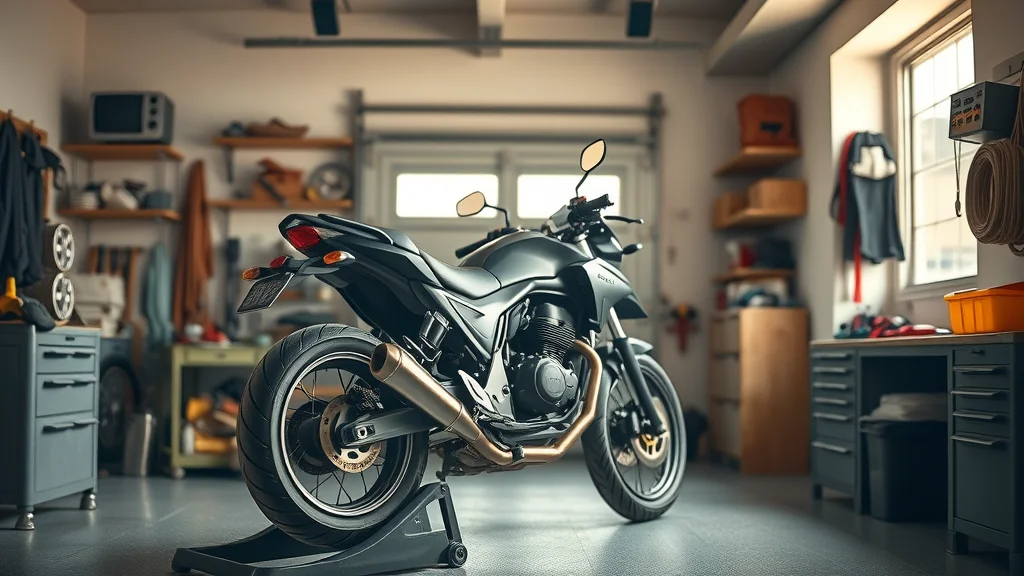
Whether you plan on storing your motorcycle for a few months due to winter storage or leaving it untouched for an extended period while traveling or recovering from an injury, following industry-recommended techniques will keep it healthy and ready to ride. Without them, problems like tank corrosion or flat spots on tires quickly arise. This section will outline why investing effort into following a comprehensive storage guide is much more than routine—it’s the key to preventing rust, battery drain, and fuel or fluid system breakdowns.
The Importance of Best Practices for Long-Term Motorcycle Storage Guide in Winter Storage
Winter brings more than cold weather—it invites moisture and condensation. Both spell trouble for exposed fuel systems, moving parts, and batteries. Failing to use proven storage best practices during cold months leads to issues such as gelled brake fluid, clogged fuel line, and batteries that won’t hold a charge. By adhering to critical steps—like keeping your motorcycle clean and dry, using a fuel stabilizer, and maintaining battery charge—you set the stage for a hassle-free start come spring. Riders who follow proper winter storage guidelines experience fewer breakdowns and enjoy the peace of mind that their bike remains protected against the ravages of freezing temperatures.
Integrating a best practices for long-term motorcycle storage guide not only supports your motorcycle’s operational reliability but also goes a long way in preserving its looks, performance, and resale value. Skipping these steps is a gamble that’s simply not worth the risk.
Key Considerations When Storing Your Motorcycle for an Extended Period
If you need to store your motorcycle for longer than a few weeks, think beyond a simple cover and locked door. Even in a dry place, humidity and neglect can lead to rust and corrosion in the engine, exhaust, and fuel tank. Extended downtime increases the risk of flat spots on tires and allows fuel to degrade—potentially clogging fuel lines and injectors. Addressing these issues starts by selecting a secure, climate-controlled location—or at minimum, ensuring your garage remains dry and well-ventilated. Applying a dedicated checklist for preparing your motorcycle, such as changing oil, topping up all fluids, and using a breathable cover, helps prevent the most common—and costliest—storage mistakes. With proper preparation, your motorcycle will remain in good shape so you can confidently hit the road again.
While mastering long-term storage is essential, it's equally important to adapt your maintenance habits as the seasons change. For a deeper dive into seasonal adjustments and care routines that complement your storage strategy, explore the seasonal bike care secrets every rider must know for practical tips that keep your motorcycle performing at its best year-round.
Preparing Your Motorcycle: Step-by-Step Pre-Storage Checklist
The foundation of any best practices for long-term motorcycle storage guide is a thorough pre-storage checklist. Use these critical steps to ensure your motorcycle stays in top condition throughout the off-season or during any extended period of inactivity. Proper preparing your motorcycle helps prevent corrosion, fuel degradation, flat spots, and battery failure.
- Clean and dry the motorcycle thoroughly
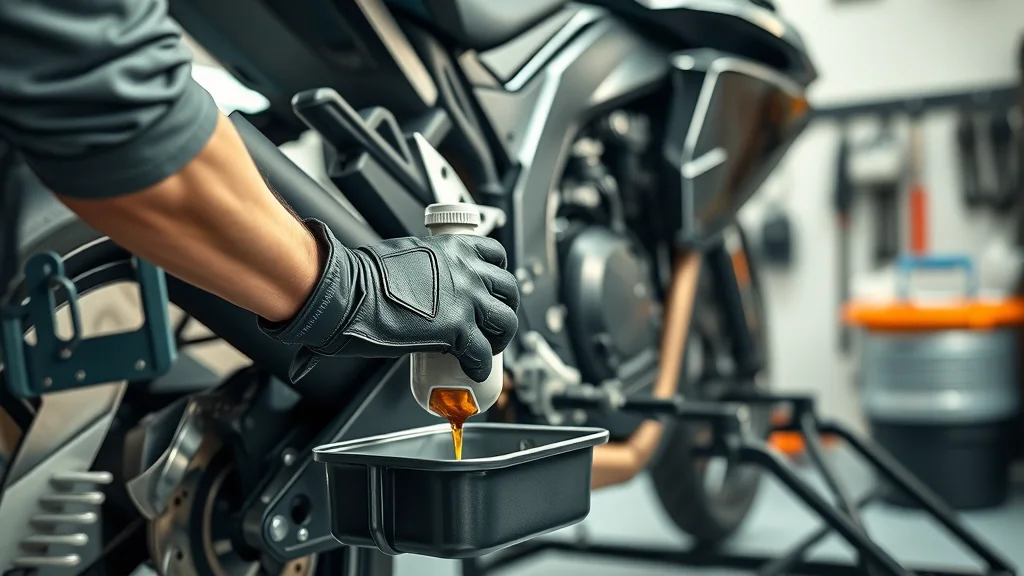
- Change engine oil and oil filter
- Check and top up all fluids
- Fill fuel tank and use fuel stabilizer
- Inspect and adjust tire pressure
- Lubricate all moving parts
- Disconnect or maintain battery charge with a battery tender
- Select the right motorcycle cover and storage unit or dry place
| Task | Why It Matters | Tools/Products Required |
|---|---|---|
| Clean motorcycle | Prevents corrosion | Mild detergent, soft cloth |
| Change oil/filter | Avoids engine damage | Engine oil, filter wrench |
| Add fuel stabilizer | Prevents fuel degradation | Fuel stabilizer |
| Adjust tire pressure | Prevents flat spots | Tire gauge, air compressor |
| Lubricate parts | Avoids rust and seizing | Lubricant, grease |
| Battery tender/charge | Prevents battery drain | Battery charger/tender |
| Cover motorcycle | Protects from moisture/dirt | Breathable cover |
Choosing the Right Location: Storage Unit Versus Home Garage for Long-Term Motorcycle Storage
Location is critical in any best practices for long-term motorcycle storage guide. The difference between storing your bike in a professionally managed storage unit and a home garage comes down to security, climate, and long-term protection. If you opt for a storage unit, verify it’s equipped with security features, climate control, and accessibility. If using a garage or dry place, make sure it’s insulated, pest proof, and keeps out moisture. With either option, following a careful checklist ensures your motorcycle survives cold weather months or extended period downtime in top condition.
Evaluating Storage Units for Motorcycle Storage: Security, Climate Control, Accessibility
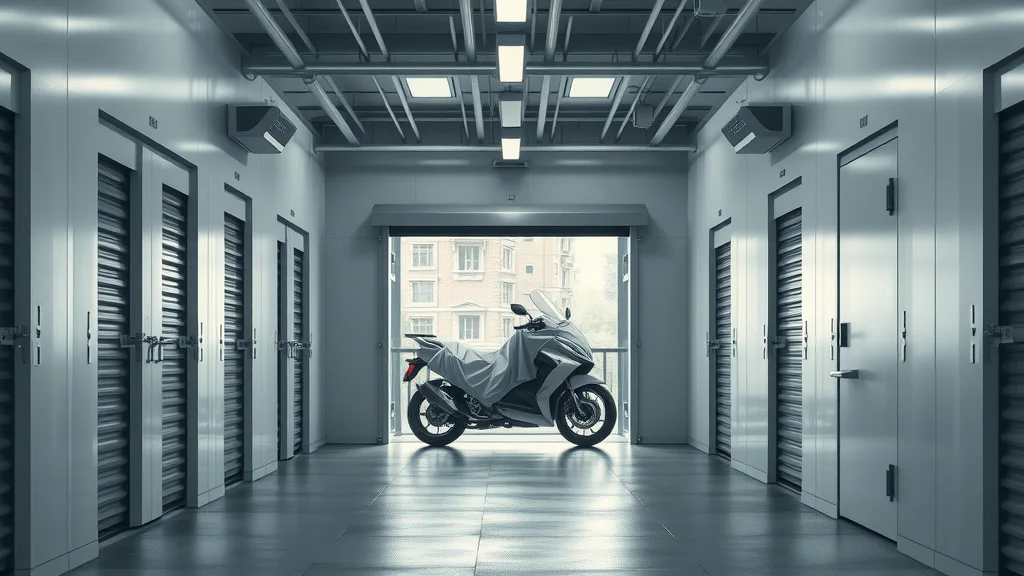
Not all storage facilities are created equal. The ideal storage unit provides robust security—with 24/7 cameras, keypad access, and regular monitoring. Climate control is a significant advantage, preventing moisture that could lead to rust or encourage mold inside the fuel tank or electrical compartments. Accessibility matters, too—choose a location that lets you inspect your bike periodically or retrieve it easily when you want to hit the road. Ensure your motorcycle cover is breathable, and never store your bike near strong solvents or chemical fumes often present in shared storage units.
If you want the best balance of cost, security, and dryness, a reputable storage facility is your best bet for long-term peace of mind. Always confirm the unit is clean and free from pests, and position your bike so nothing leans on it or traps moisture underneath.
Best Practices for Storing Your Motorcycle in a Home Garage or Dry Place
For many riders, the home garage is the most accessible option for motorcycle storage. However, extra vigilance is needed to ensure your bike is shielded from cold weather, humidity, and potential leaks. Start by keeping the environment as dry as possible—use a dehumidifier or moisture-absorbing agents to avoid condensation and thwart rust. Place your motorcycle on a center stand or paddock stand, relieving weight from the tires and keeping them off cold concrete to prevent flat spots.
Maintaining your motorcycle in a well-ventilated, dry place helps prevent mildew and keeps your investment in good shape. Don't forget to routinely inspect for critters, since rodents are notorious for seeking warmth in garages and may chew through fuel lines or wiring.
Critical Motorcycle Storage Components
Fuel System and Fuel Tank: Stabilization and Fullness
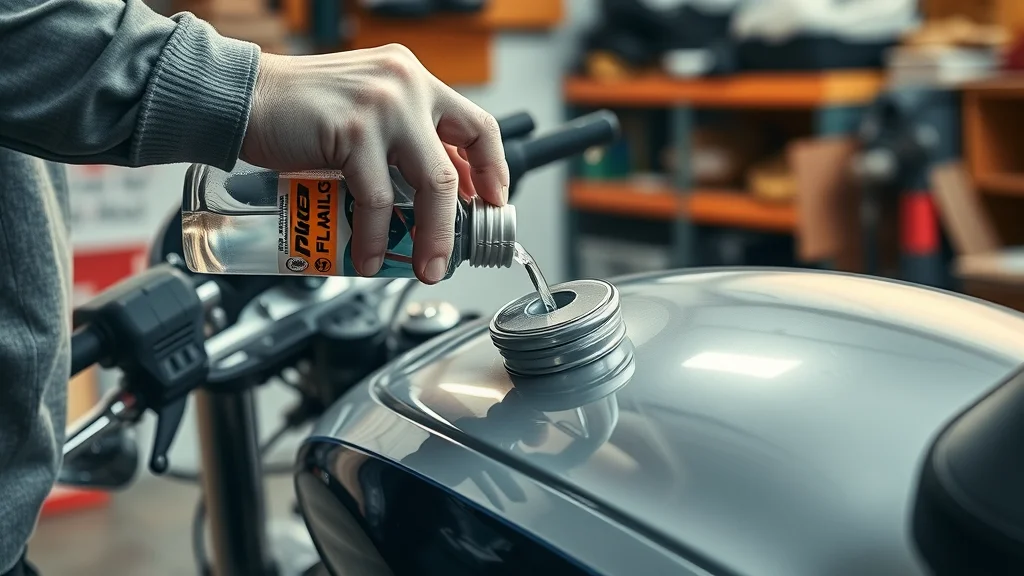
A key element in any best practices for long-term motorcycle storage guide is treating your motorcycle’s fuel system properly. Start by filling your fuel tank to the brim—this minimizes air and helps prevent internal rust. Add a quality fuel stabilizer, then run the engine for a few minutes to circulate it through the fuel lines and injectors. Failing to stabilize fuel can result in sticky residues or varnish clogging your carburetor or fuel injection components, and corrosion inside your tank. Addressing the fuel system early sets the stage for a smooth restart come spring.
Battery Charge and Battery Tender Usage for Extended Period Storage
Your battery is especially vulnerable during winter storage or any extended period. Cold weather saps battery charge, and letting it fully discharge shortens its lifespan. The best approach is to remove the battery, store it in a warm, dry place, and connect it to a reputable battery tender or trickle charger. This keeps the battery healthy and avoids the all-too-common frustration of discovering a dead starter in spring. If removal isn't feasible, at least disconnect the negative terminal and check the charge monthly.
Proper battery care not only ensures your motorcycle fires up with confidence, but it prevents sulfation—a buildup that can destroy batteries left dormant. Regularly maintaining battery charge translates directly to reliable spring starts and avoids premature battery replacement costs.
Tire Pressure Maintenance and Preventing Flat Spots During Long-Term Storage
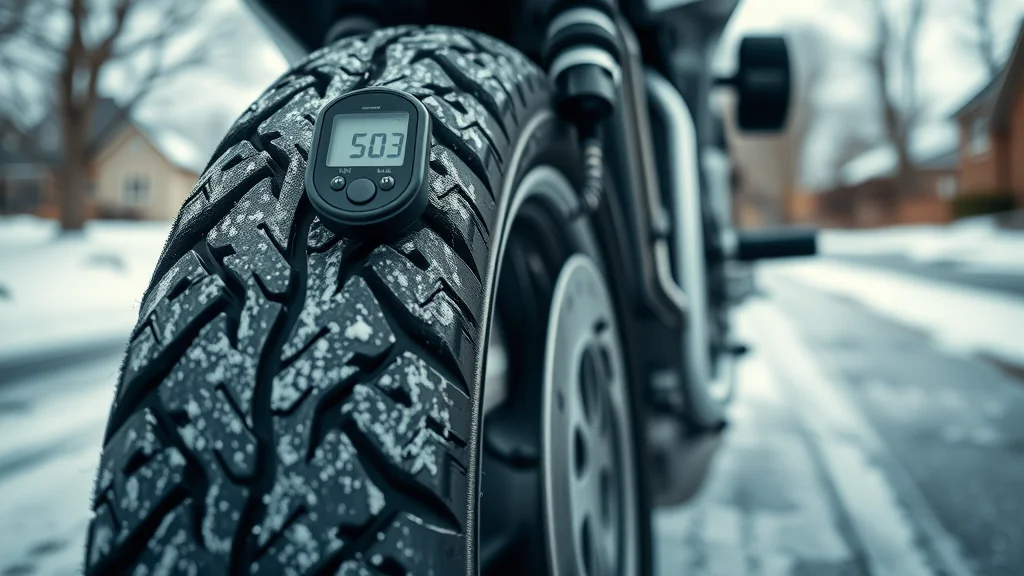
Tire pressure naturally declines when a motorcycle sits idle. Ignoring this can spell disaster, with prolonged weight causing flat spots that lead to uncomfortable rides and even unsafe blowouts. Before storage, ensure tire pressure is set to the manufacturer's maximum recommendation. If possible, elevate the motorcycle to take weight off the tires completely—center or paddock stands are ideal. Alternatively, roll the bike a few inches every couple of weeks to avoid one-sided loading.
Clean and dry tires also resist moisture, preventing premature cracking or flat spots. Attend to this simple step, and your tires will remain round, safe, and in good shape—even after months of sitting.
Protecting Moving Parts and Lubrication — Avoiding Rust and Corrosion
Rust is the hidden enemy in motorcycle storage. Areas such as chain, cables, and other moving parts should be thoroughly lubricated before storage. Applying high-quality lubricants or grease helps shield surfaces from air and moisture, minimizing the risk of corrosion. Don’t forget pivot points, levers, and pedal assemblies. For best results, do this after washing and drying your bike, ensuring surfaces are clean and dry so no water gets trapped under lubricants.
Keeping all moving parts well-oiled isn’t just for function; it enhances component lifespan and ensures your bike operates smoothly the moment you’re ready to ride again.
Motorcycle Cover Options: Best Practices for Maximizing Protection
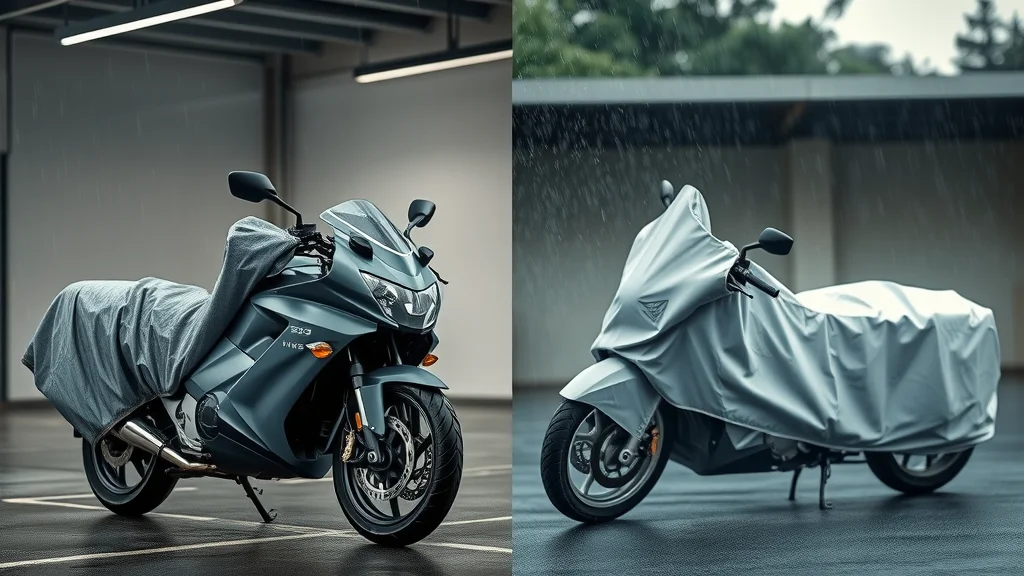
- Breathable indoor covers: Prevent moisture build-up
- Heavy-duty outdoor covers: Shield from sun, rain, frost
- Custom-fit covers: Minimize dust entry and abrasion
The choice of motorcycle cover is just as important as the environment itself. Indoor covers should be breathable, allowing moisture to escape and reducing the risk of mold or lead to rust. Outdoor covers, meanwhile, should offer waterproofing and UV resistance, especially if your storage spot is exposed to changing weather. A custom-fit cover gives added protection by hugging the motorcycle’s profile and preventing dust, dirt, or debris from settling into seams or cracks. Breathable covers help ensure your motorcycle remains in top shape for the duration of storage.
Spring Readiness: Bringing Your Motorcycle Out of Storage and Ready to Ride
- Remove cover and inspect for pest or moisture issues
- Check fluid levels and oil condition
- Test battery charge and reattach if necessary
- Inspect tires and restore recommended tire pressure
- Test brakes, lights, and all moving parts before riding
The first warm day makes it tempting to simply hit the road. But ensuring your motorcycle is healthy and ready to ride requires systematic checks. Start by uncovering your bike, looking for rodent nests or water accumulation. Check brake fluid, coolant, and oil; old or dirty fluids should be changed. Test the battery charge with a multimeter and reinstall if you removed it. Inspect tire condition and restore correct tire pressure. Finally, check all critical systems: brakes, lights, cables, and moving parts. Investing a few minutes ensures your motorcycle remains safe, smooth, and in good shape after any extended period of downtime.
Common Mistakes to Avoid in Long-Term Motorcycle Storage
- Storing a dirty motorcycle
- Neglecting fuel or battery preparation
- Ignoring tire maintenance
- Forgetting to lubricate moving parts
- Overlooking the need for a quality storage unit or space
It’s easy to underestimate the harm of cutting corners. Skipping a clean and dry pre-storage wash, failing to use a fuel stabilizer, or neglecting tire pressure are some of the most common errors—each of which can result in preventable damage. Always address your motorcycle's battery charge, select the right storage unit or dry place, and prioritize covering and protecting your bike from the elements.
Expert Quotes: Insights on Best Practices for Long-Term Motorcycle Storage From Industry Professionals
"A properly stored motorcycle is likely to remain roadworthy for years to come, regardless of season or extended period." — Motorcycle Storage Specialist
Frequently Asked Questions About Best Practices for Long-Term Motorcycle Storage Guide
How to store a motorcycle for long term storage?
To store your motorcycle for a long period, start by cleaning and drying the entire bike, then change the oil and all critical fluids. Fill the fuel tank and add a fuel stabilizer, running the engine to circulate it throughout the fuel system. Adjust tire pressure, lubricate all moving parts, and keep the battery on a trickle charger or battery tender. Select a climate-controlled storage unit or a dry, insulated garage, and use a breathable motorcycle cover for maximum protection.
What is the 1% rule in motorcycles?
The "1% rule" refers to a cultural concept in motorcycle communities, suggesting that 1% of riders belong to so-called "outlaw" clubs who do not follow mainstream rules, while 99% of motorcyclists do. It does not relate to motorcycle storage or best practices but is part of riding folklore, not storage guides or mechanical care.
What is the 4 second rule on a motorcycle?
The 4-second rule is a safety guideline suggesting you should keep at least a 4-second distance from the vehicle ahead while riding. This buffer allows ample time to react to hazards, especially during slippery or cold weather—helping you stay safe when your motorcycle is back on the road after storage.
What does 2 fingers down mean to bikers?
The "two fingers down" gesture is a symbol of respect or solidarity among riders. When passing another motorcyclist, flashing two fingers pointed down signals mutual recognition and safe riding wishes. This tradition is unrelated to winter storage but is an integral part of the wider motorcycle community.
Key Takeaways for Best Practices for Long-Term Motorcycle Storage Guide
- Proper preparation is crucial for motorcycle longevity during storage
- Using a comprehensive checklist prevents costly mistakes
- Choosing the right storage location offers additional protection
- Routine checks post-storage ensure your motorcycle is ready to ride
Ready to Store or Retrieve Your Motorcycle? Let the Experts Help
Call Nasty Performance Motorcycle Shop Today: 847-458-4858
Conclusion: By following this best practices for long-term motorcycle storage guide, you safeguard your motorcycle’s value and functionality—so it remains healthy, safe, and ready to ride whenever you are.
As you put these long-term storage strategies into action, remember that your motorcycle’s care doesn’t end when it’s parked. To truly maximize your bike’s performance and longevity, consider expanding your knowledge with expert advice on year-round maintenance. Discover how to fine-tune your approach for every season by reading seasonal bike care secrets every rider must know. This resource offers advanced insights and practical routines that go beyond storage, helping you keep your ride in peak condition no matter the weather or riding schedule. Take the next step in your motorcycle care journey and ensure your investment delivers smooth, reliable adventures all year long.



Write A Comment