Add Row
Add Element
cropper
update

Nasty Performance ~ 847-458-4858 

update
Add Element
  • Blog Home
  • Categories
    • Motorcycle Maintenance
    • Riding Tips & Preps
    • Safety & Inspection
    • Customizations & Upgrades
    • DIY Motorcycle Repairs
    • Motocycle Audio Systems
    • Motocycle Seasonal Care & Storage
    • Engine, Electrical Performance
  • Bike Night
  • Nasty Performance Motorcycle Shop
March 29.2026
1 Minute Read

Seasonal Motorcycle Tune-Up Services to Boost Your Bike’s Life

Did you know that only 40% of riders follow a regular motorcycle maintenance checklist? Skipping seasonal motorcycle tune-up services can drastically reduce your bike’s lifespan and performance. If you want your motorcycle to keep up with the open road and every new riding season, a little proactive care goes a long way. In this guide, we'll reveal how timely maintenance checkups can help your motorcycle run smoothly, deliver optimal performance, and ensure your adventures stay safe and worry-free all year round.

Unlocking Longevity: Why Seasonal Motorcycle Tune-Up Services Matter

The longevity and reliability of your motorcycle depend heavily on routine maintenance and, specifically, targeted seasonal motorcycle tune-up services. Every riding season brings environmental changes that can impact your bike—think of grit and salt from winter months, or the heat and humidity of summer. These factors stress components like your air filter, brake fluid, fuel lines, and battery, making regular assessments critical. A proper maintenance check before and after the riding season is the key to a bike running smoothly, boosting motorcycle safety, and keeping your adventures rolling.

As industry experts caution, neglecting regularly scheduled tune-up services can reduce your engine’s life by half. A full motorcycle maintenance checklist—spanning oil changes, brake pad inspection, chain lubrication, and more—ensures your motorcycle is ready for every weather shift and terrain change. Staying proactive not only safeguards your investment, but it also gives you peace of mind knowing your motorcycle is ready for every journey—no matter the season.
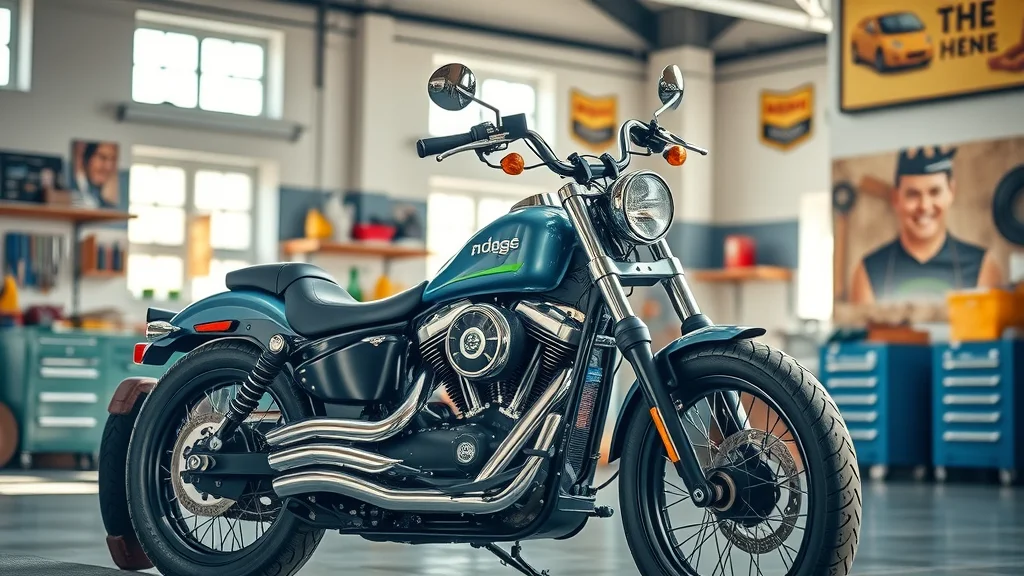
Vibrant motorcycle parked in a modern garage, exemplifying seasonal motorcycle tune-up services and careful motorcycle maintenance checklist

Did You Know? Only 40% of Riders Follow a Regular Motorcycle Maintenance Checklist

A recent survey uncovered that fewer than half of all motorcycle owners stick to a prescribed maintenance checklist throughout the year. This oversight often leads to preventable problems, from worn brake pads and contaminated brake fluid to neglected air filters and poorly maintained drive chains. Whether you're gearing up for the open road or storing your bike for the winter months, following a seasonal motorcycle maintenance checklist is vital—not just for the bike’s health but for your safety as well. The numbers don’t lie: riders who embrace a scheduled maintenance check experience fewer breakdowns and higher overall satisfaction.

"Skipping scheduled seasonal motorcycle tune-up services can halve your bike’s engine life." – Industry Expert

What You'll Learn About Seasonal Motorcycle Tune-Up Services

  • The benefits of routine motorcycle maintenance
  • Step-by-step seasonal motorcycle maintenance check
  • How to use a motorcycle maintenance checklist
  • Pro tips for maximizing motorcycle safety with a tune-up

Understanding Seasonal Motorcycle Tune-Up Services: A Comprehensive Guide

A seasonal motorcycle tune-up service is a targeted maintenance checklist performed at the start and end of each riding season. Much more than a routine oil change, it systematically addresses every part of your motorcycle that can be affected by fluctuating weather and road conditions. From testing the battery during the cold winter months, ensuring your tires are ready for the spring, to checking brake fluid and fuel lines during the summer heat—a comprehensive seasonal tune-up is like giving your bike a reset button.

Performing these checks—either yourself or through skilled technicians at a professional motorcycle shop—boosts the bike’s reliability, keeps your ride running smoothly, and ensures optimal performance. Best of all, adhering to a seasonal maintenance checklist also protects your motorcycle insurance cover by demonstrating responsible ownership, which can sometimes even lower premium costs. Let's explore the most important elements you should cover during each seasonal motorcycle maintenance check.

For riders looking to deepen their understanding of seasonal care, exploring additional seasonal bike care secrets can provide practical tips and lesser-known strategies to keep your motorcycle in top shape throughout the year. These insights complement your tune-up routine and help address unique challenges each season brings.

Key Components of Seasonal Motorcycle Maintenance
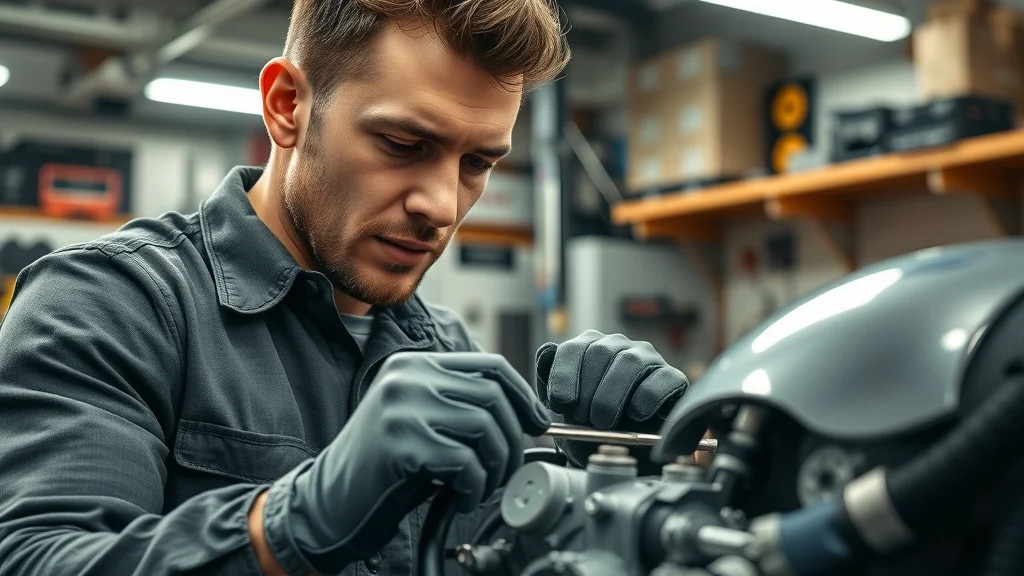
Skilled mechanic inspecting a motorcycle engine as part of routine maintenance, with focus on motorcycle maintenance checklist and engine oil change

The core of any effective seasonal motorcycle tune-up services involves paying close attention to the following components. Start with a thorough engine inspection and an oil change to keep the engine running smoothly. Don’t skimp on replacing the air filter, which protects against contaminants year-round. Equally important is the brake fluid check; old fluid or unaddressed brake pad wear can seriously compromise motorcycle safety.

  • Engine inspection and oil change: Fresh oil and a well-maintained engine help ensure your bike delivers optimal performance, especially after tough riding seasons or winter storage.
  • Air filter and brake fluid replacement: Contaminated air filter and brake fluid can hinder engine efficiency and braking response—be proactive and swap them at every maintenance check.
  • Drive chain lubrication: Lubricate the drive chain to lessen friction and extend its working order. Routine chain checks also spot wear before it becomes a costly repair.
  • Electrical system and battery maintenance: Particularly vital after the winter months, battery checks and trickle charger use ensure your bike is ready to start for the new riding season. Inspect the battery for charge and terminal corrosion.

Motorcycle Maintenance Checklist for Every Season

Staying organized with a seasonal motorcycle maintenance checklist makes it easy to protect your bike’s health and maximize its life. The checklist below compares priority tune-up tasks for winter, spring, summer, and fall—making it easy to see what needs attention as seasons shift.

Season Oil Change Brake Fluid Air Filter Battery Tires Chain Lubrication
Winter ✔️ Check/Replace Check Maintain (trickle charge) Inspect & Store Properly Lubricate
Spring ✔️ Flush/Replace Replace Test/Recharge Inspect Tire Pressure & Tread Lubricate & Adjust
Summer Check/Top-Up Check/Top-Up Clean Monitor Monitor for Heat Wear Inspect Often
Fall ✔️ Check Check/Clean Prepare for Storage Inspect & Adjust Lubricate Fully

Adhering to this maintenance checklist lets you prevent seasonal wear and breakdowns. It’s the ideal tool for both DIY motorcycle enthusiasts and those scheduling professional tune-up services.

Step-By-Step Seasonal Motorcycle Maintenance Check

Following a detailed maintenance check at the start and end of each season is the best way to ensure your bike is running smoothly and safely on the open road. This step-by-step process includes vital checks across your entire motorcycle, from fluids and filters to tires and electrical. Even if you’re not a skilled technician, these pro tips will make your routine maintenance effective and straightforward.

  1. Conduct a visual maintenance check of the entire bike
  2. Replace or top-up brake fluid as needed
  3. Inspect and clean/replacement of air filter
  4. Lubricate the chain and check for wear
  5. Test electrical components and recharge battery
  6. Review tire pressure and tread depth

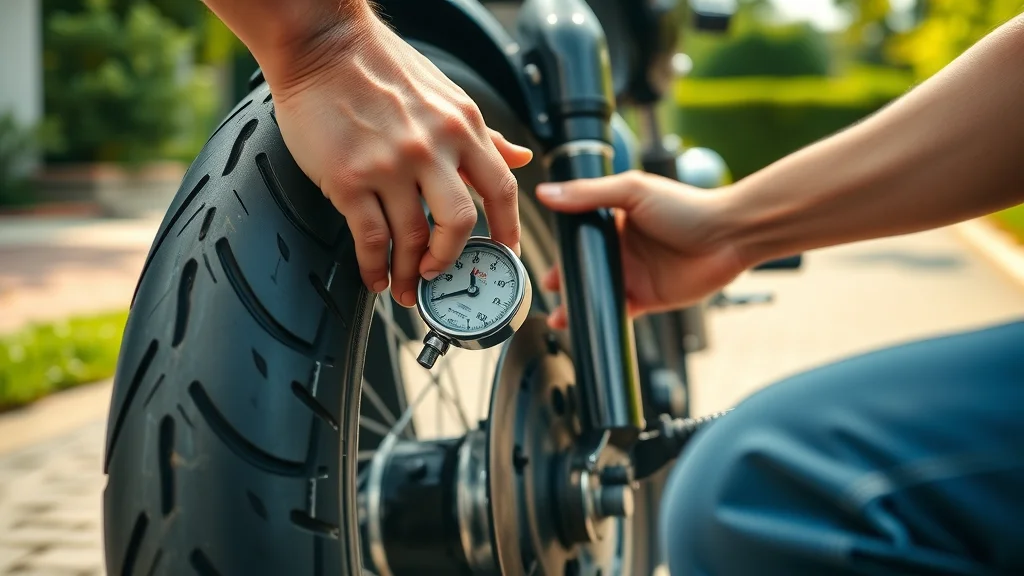
Engaged rider using a gauge to check motorcycle tire pressure as part of a seasonal maintenance checklist before a ride

Tackling these steps helps prevent major issues before they start—think of it as insurance for the open road. Plus, consistent checks on critical systems like brake lines and fuel lines allow you to catch subtle issues early. If you’re not comfortable with every task, enlist your local shop’s skilled technicians or use professional pickup and delivery motorcycle tune-up services for the highest level of motorcycle safety.

Routine Motorcycle Maintenance vs. Seasonal Motorcycle Tune-Up Services

While routine motorcycle maintenance and seasonal motorcycle tune-up services may sound similar, there are significant differences. Routine maintenance often involves quick checks such as topping fluids, adjusting the gas tank, or visual tire scans. In contrast, seasonal tune-ups are more comprehensive, combining a full maintenance checklist with deeper inspections and part replacements—ideal for prepping your motorcycle for the challenges of winter months or the heavy use of a new riding season.

By following scheduled seasonal maintenance, you not only adhere to the manufacturer’s recommendations but also avoid expensive repairs and ensure your motorcycle insurance cover remains active. For those who ride year-round as well as those who store their bike for the winter, timely seasonal tune-ups are essential for keeping your bike in working order and extending its life, offering greater peace of mind every time you hit the open road.

Why Scheduled Maintenance Matters for Motorcycle Safety

Motorcycle safety starts with regular, scheduled maintenance—there’s no shortcut around it. Every skipped oil change, neglected air filter, or overlooked brake pad check increases the risk of issues that can put you or your bike in danger. By keeping every part on a strict maintenance check schedule, you reduce breakdowns, improve performance, and protect yourself and other road users.

An up-to-date motorcycle maintenance checklist acts as your personal safety guarantee—especially when it includes thorough examinations of spark plugs, fuel lines, rear brake systems, and recommended tire pressure. Preventive care minimizes hazards and maximizes both the enjoyment and the safety of every ride, whether you’re commuting in the city or chasing sunsets on the open road.

"A thorough maintenance checklist is your best defense against roadside breakdowns." – Veteran Mechanic

Expert Advice: Motorcycle Maintenance Tips for the Open Road

To get the most from every mile and maintain optimal performance, smart riders adhere to these key seasonal motorcycle maintenance tips. Each builds on the fundamentals of a strong maintenance check, making your time on the open road safer, smoother, and more enjoyable. Remember—some small habits can make a huge difference in the life of your bike.

  • Prioritize brake inspections at every seasonal tune-up service
  • Regular oil and air filter changes extend engine life
  • Use manufacturer-recommended fluids and parts
  • Don’t overlook minor electrical issues

Dynamic motorcycle riding down an open highway after receiving seasonal motorcycle tune-up services, highlighting motorcycle safety and performance

Whether you handle basic checks at home or rely on skilled technicians for a complete maintenance checklist, the focus should always be on early intervention and preventive care. Addressing minor issues—like a fluctuating trickle charge or worn brake pad—before they escalate is the most reliable way to ensure your tires remain safe, your chain lubricated, and your motorcycle is ready for any riding season adventure.

Convenient Seasonal Motorcycle Tune-Up Services: Pickup and Delivery Options

Life gets busy, but that shouldn’t stop you from keeping your bike in peak condition. Increasingly, shops now offer pickup and delivery options for seasonal motorcycle tune-up services. This convenient option is a lifesaver for riders who want a detailed maintenance check without the hassle of transporting their motorcycle themselves.

With pickup and delivery, skilled technicians arrive at your location, carefully transport your motorcycle, complete the full maintenance checklist, and return it ready for the next ride. This streamlines your seasonal tune-ups—and in many cases, may help satisfy motorcycle insurance cover requirements for regular maintenance.

How Pickup and Delivery Streamline Your Maintenance Check
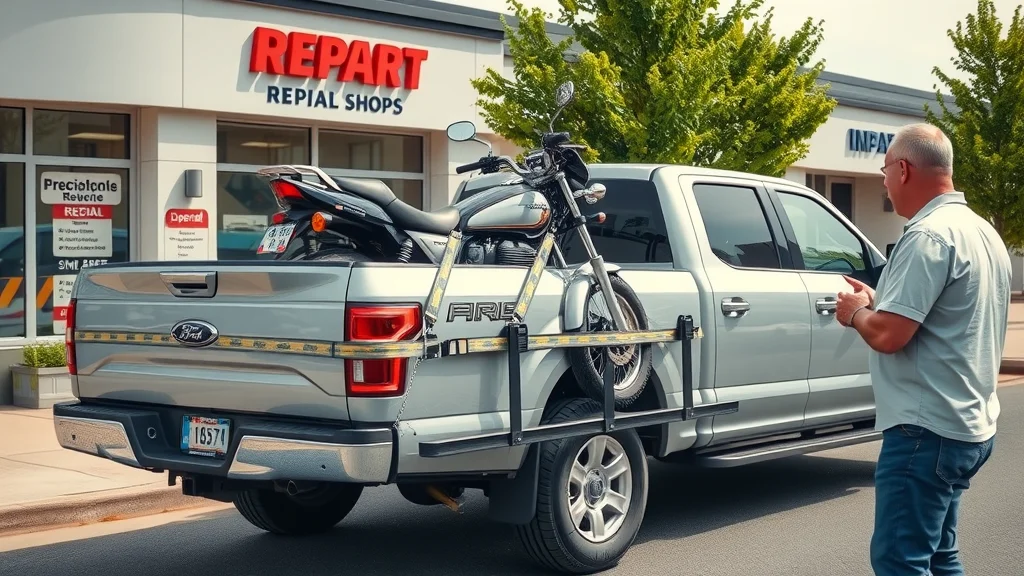
Modern pickup truck transporting a secured motorcycle for seasonal tune-up services, highlighting pickup and delivery convenience

Choosing a pickup and delivery service removes two major obstacles: time and transportation. No need to worry about borrowing a trailer or rearranging your schedule—your motorcycle is safely transported, serviced, and returned by professionals. This is especially beneficial during the winter months when getting your bike to a shop can be a challenge, or if your maintenance check uncovers issues that require extended repairs.

By opting for these services, you guarantee your bike receives expert-level motorcycle maintenance, regardless of your own technical experience or availability. It’s a stress-free way to keep your machine in working order and ready to hit the open road at a moment’s notice.

People Also Ask: Common Questions About Seasonal Motorcycle Tune-Up Services

How much is a motorcycle tuneup?

Answer: Motorcycle tune-up services typically range from $100-$350 based on scope, location, and model.

What is the 12 second rule on a motorcycle?

Answer: The 12 second rule encourages riders to scan the roadway ahead at least 12 seconds in advance for safety and reaction time.

What does a motorcycle tune up consist of?

Answer: A motorcycle tune-up consists of a maintenance check involving oil, air filter, brake fluid, tire inspection, battery check, and chain lubrication.

How often do you tune up a motorcycle?

Answer: It’s recommended to schedule tune-up services seasonally or every 3,000–6,000 miles, depending on usage and manufacturer guidelines.

Frequently Asked Questions About Seasonal Motorcycle Tune-Up Services

  • Can I perform a seasonal motorcycle maintenance checklist at home?
    Yes, many riders perform their own seasonal checks with basic tools and a step-by-step maintenance checklist. However, complex jobs are best left to skilled technicians.
  • Which brands require the most frequent tune-up services?
    High-performance brands and those used for daily commuting may require more frequent checks. Always follow your manufacturer’s recommendations for tune-up intervals.
  • Are pickup and delivery motorcycle tune-up services available everywhere?
    Availability varies by location, but most reputable motorcycle repair shops now offer convenient pickup and delivery options for scheduled maintenance checks.
  • What signs indicate I need a seasonal maintenance check ASAP?
    Difficulty starting, unusual noises, low tire pressure, visible wear on brake pads, or inconsistent throttle response—all are signs your motorcycle is due for a full maintenance check immediately.
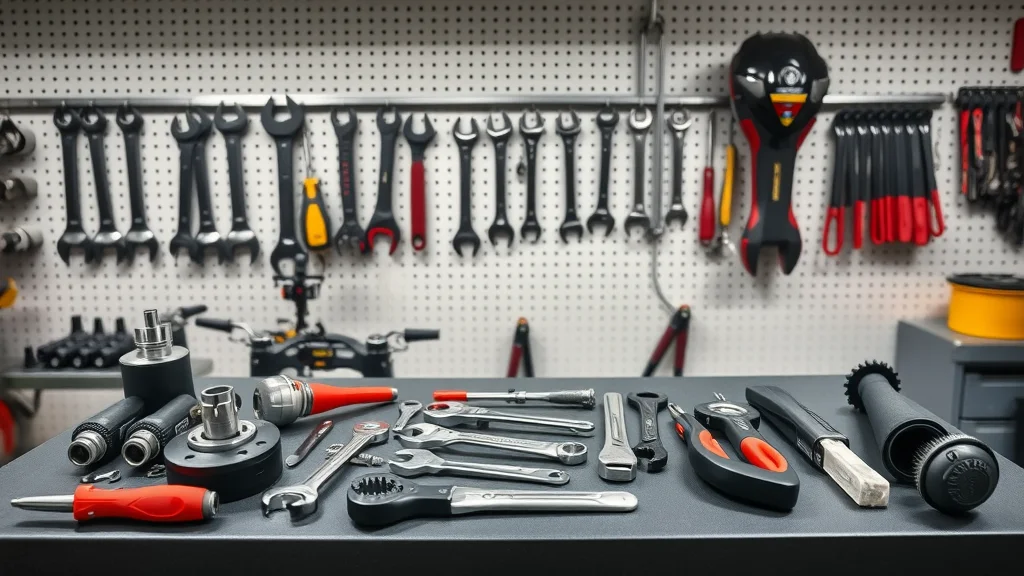
Organized set of motorcycle maintenance tools for use in seasonal maintenance checklist, emphasizing a professional yet DIY-ready workshop

Key Takeaways: Maximizing the Life of Your Motorcycle via Seasonal Tune-Up Services

  • Seasonal motorcycle tune-up services are crucial for long-term performance
  • Following a detailed motorcycle maintenance checklist boosts reliability and safety
  • Routine maintenance checks can prevent costly repairs and breakdowns

If you’re ready to take your motorcycle care to the next level, there’s always more to discover about keeping your ride in peak condition. For a deeper dive into expert strategies and year-round maintenance wisdom, check out the comprehensive guide on seasonal bike care secrets every rider must know. You’ll find advanced tips, seasonal storage advice, and actionable insights that can help you extend your bike’s life and performance even further. Embrace the full spectrum of seasonal care and make every ride smoother, safer, and more enjoyable—your motorcycle will thank you for it.

Ready for Your Next Ride? Contact Nasty Performance Motorcycle Shop Today

Call Nasty Performance Motorcycle Shop Today: 847-458-4858

Don’t let maintenance delays cut your next adventure short. Schedule your seasonal motorcycle tune-up services now and keep your bike running smoothly all year!

Motocycle Seasonal Care & Storage

0 Comments

Write A Comment

*
*
Please complete the captcha to submit your comment.
Related Posts All Posts

Winter Motorcycle Maintenance Checklist: Protect Your Bike Today

Did you know that improper winter storage causes over 30% of preventable motorcycle repairs each spring? Many riders underestimate how harsh winter weather can be on their bikes, leading to costly setbacks just as the riding season begins. Whether you’re planning on winter riding or stashing your motorcycle for winter, the right maintenance steps can help you avoid nasty surprises, preserve moving parts, and keep your bike in good condition all year round. Follow this winter motorcycle maintenance checklist to shield your beloved ride against winter’s toughest challenges, ensuring a smooth start — and thrilling rides — in spring. Startling Facts: Why the Winter Motorcycle Maintenance Checklist Matters According to industry studies, improper winter storage causes over 30% of preventable motorcycle repairs each spring. The statistics don’t lie—winter storage missteps account for a significant portion of annual motorcycle repairs. Neglecting your winter motorcycle maintenance checklist can result in corroded moving parts, dead motorcycle batteries, gum-up in the fuel system, and costly tire replacements due to flat spots. Frigid temperatures and road salt are relentless, and unless you take proactive steps, small maintenance gaps can quickly become expensive problems. Addressing crucial needs—like preserving brake fluid, maintaining your motorcycle cover, and using a trickle charger—greatly lowers the risk of off-season issues. What You’ll Learn with This Winter Motorcycle Maintenance Checklist Why following a winter motorcycle maintenance checklist reduces costly repairs Step-by-step guide to winter storage and motorcycle winterization Expert advice on preserving moving parts, brake fluid, and battery health How to prepare your motorcycle for winter and ensure a smooth resurgence in spring Understanding Motorcycle Winter Storage Essentials When temperatures drop, your motorcycle needs more than just a garage slot – it demands careful attention and smart winter storage decisions. The combination of cold weather, condensation, and inactivity exposes your bike to a range of risks, from battery drain to internal corrosion. Following a thorough winter motorcycle maintenance checklist ensures you’re covering every essential, from storing your motorcycle in the right location to choosing a motorcycle cover that actually works against winter’s threats. Smart motorcycle winter storage balances convenience, safety, and long-term bike performance. The beauty of diligent preparation is that the good habits you develop now will not only shield your motorcycle for winter but also make the spring start-up a total breeze. Whether you opt for indoor storage with climate control or your only option is a home garage, knowing the risks and the right protections for your gas tank, brake fluid, moving parts, and especially your motorcycle’s battery is critical. Let’s break down how to nail winter motorcycle maintenance for your specific bike, environment, and winter riding plans. As you work through your winter motorcycle maintenance checklist, it's also helpful to understand how these seasonal routines fit into your overall bike care strategy. For a deeper dive into year-round maintenance tactics and how to adapt your approach as the weather changes, check out these essential seasonal bike care secrets every rider should know. Why Proper Winter Storage is Crucial for Motorcycle Winter Performance If you want your machine to stay in top shape through the coldest months, you have to give serious thought to how, where, and with what you store your motorcycle. Proper winter storage is about more than avoiding cosmetic damage—a neglected bike can develop internal issues like moisture in your exhaust pipe, crystalized gas that damages the fuel system, or stuck brakes due to old brake fluid. Each of these issues is preventable if you stick to a proven winter motorcycle maintenance checklist. Think of winter storage as an insurance policy. Bikes that are prepped and protected can stand up to cold temperatures, resist corrosion, and avoid the dreaded springtime repair bill. Whether you’re winterizing a sports bike or touring machine, moving parts like your chain drive, clutch cable, and pivot points require special attention. The stark difference between a well-maintained and a neglected winter ride comes down to storage habits. Choosing the Right Motorcycle Storage Location Not all storage spaces are created equal. The best place for motorcycle winter storage is somewhere dry, protected from freezing temperatures and moisture, and away from constant humidity swings. An indoor storage spot—a heated garage or dedicated storage facility—is greatly preferred, keeping your motorcycle for winter out of the elements. Even home garages can suffer from condensation, so position your bike away from garage doors or drafty vents. If you must store a motorcycle outdoors, invest in a high-quality weather-resistant motorcycle cover and elevate the tires with a motorcycle stand to avoid flat spots. When deciding where to store your motorcycle, look for places that minimize rapid temperature changes. These fluctuations cause condensation, leading to rust and moisture inside your engine, gas tank, and exhaust pipe. For extra insurance, check that your storage area is free from pests, rodents, and strong chemical fumes. Proper location is the first step in protecting your investment and setting a solid foundation for your winter motorcycle maintenance checklist. The Importance of a Quality Motorcycle Cover for Winter Storage Most riders overlook the humble motorcycle cover—but it’s a vital line of defense in any winter motorcycle maintenance checklist. A breathable, weather-resistant cover prevents moisture buildup, which is crucial for fighting off rust and corrosion. Look for materials that are both water-repellent and allow condensation to escape, especially during extended periods of winter storage. A poorly chosen cover can do more harm than good by trapping water against your motorcycle’s surface, encouraging rot and mildew. To get the best results, opt for a cover that fits snugly over your bike’s shape without compressing moving parts or the gas tank. Premium options are reinforced to guard against UV rays on warmer winter days and are tough enough to outlast snow, ice, and wind. Pairing the right location with a solid cover is your formula for successful motorcycle winter storage, extending the bike’s lifespan and preserving cosmetics as well as performance. Step-by-Step Winter Motorcycle Maintenance Checklist 1. Clean and Inspect Your Motorcycle for Winter Storage Wash off dirt, debris, and road salt Check for corrosion on moving parts Clean exhaust pipe and ensure no blockages Begin your winter motorcycle maintenance checklist with a deep clean, making sure every bit of dirt, dust, or road salt is removed. This banishes corrosive grime that would otherwise wreak havoc during winter storage. Pay extra attention to the chain drive, wheels, and undercarriage—these are common hotspots for buildup, especially if you’ve been riding after the first salting of the roads. After washing, dry your motorcycle thoroughly to keep moisture from seeping into nooks or behind panels. Now, conduct a detailed inspection for any signs of corrosion, rust, or wear, particularly around moving parts. This is the perfect moment to catch minor issues before they escalate during winter motorcycle storage. Finally, inspect your exhaust pipe for blockages, debris, or moisture. Cleaning and inspecting lay a solid groundwork so the rest of your winter motorcycle maintenance steps have maximum impact. 2. Lubricate All Moving Parts Before Winterizing Chain, controls, pivot points Why lubricating moving parts preserves longevity Don’t let friction wreak havoc while your motorcycle sits. Lubricate all moving parts, including the chain, clutch lever, cables, and pivot points, as a proactive measure in your winter motorcycle maintenance checklist. The reasoning is simple: when temperatures plunge, metal shrinks and can seize; without adequate lubrication, dormant moving parts become breeding grounds for rust. Use a premium, cold-weather-specific motorcycle lubricant that forms a protective film, ensuring smooth movement come spring. Also, pay attention to the chain drive — clean it thoroughly before applying lubricant. Focus on areas susceptible to moisture and corrosion and don’t forget hidden linkage, suspension attachment points, and kickstands. Lubrication not only secures mechanical longevity but also makes your spring maintenance a far less daunting task. You’ll thank yourself later for having included this simple but crucial step in your winter motorcycle maintenance checklist. 3. Fluid Care: Brake Fluid and Engine Oil for Winter Motorcycle Storage Change engine oil before winter storage Top off brake fluid and coolant to prevent moisture accumulation Old, dirty oil holds contaminants that can etch metal surfaces or create acids during long winter storage. That’s why changing the oil before motorcycle winterization is always a good idea—fresh oil is less likely to cause internal corrosion. Likewise, don’t forget your brake fluid and coolant levels; these vital fluids attract moisture over time, becoming susceptible to dilution or freezing. Top them off with fresh, manufacturer-recommended choices to guarantee winter-long protection of sensitive moving parts and the gas tank. Always check your owner’s manual for the right procedures and products and remember: topping up or replacing fluids not only extends component life but also supports a seamless, trouble-free riding experience once winter storage ends. These steps are small commitments that yield major returns in performance and peace of mind when it's finally time to take your motorcycle for winter rides again. 4. Battery Maintenance: Use a Trickle Charger for Motorcycle Winterization Remove and store the battery or connect a trickle charge Benefits of a trickle charger versus standard charging The motorcycle battery is easily one of the most overlooked—and most easily drained—components during winter storage. Removing the battery for indoor storage is optimal, but if that’s not possible, attaching a smart trickle charger or battery tender is your best bet. Unlike conventional chargers, a trickle charger keeps a steady, low charge flowing, preventing both overcharging and full depletion over an extended period. This preserves battery health, allowing for an instant start when winter gives way to riding weather. Trickle charging also extends battery lifespan, saves you from investing in replacements, and reduces the risk of short-cycling—the gradual weakening of batteries due to repeated discharge and recharge cycles. Modern trickle chargers are designed for easy connect/disconnect right on your workbench, and many include safety features to handle cold temperatures commonly experienced during motorcycle winter storage. Incorporate battery care into your winter motorcycle maintenance checklist, and you’ll avoid frustration and enjoy riding sooner. 5. Fuel System Prep: Should You Leave Gas in a Motorcycle Over Winter? Stabilizing the fuel Draining vs. topping up your gas tank Risks of old fuel in winter storage The question of what to do with your gas tank—drain it or fill it—is one every responsible bike owner faces. For most, the best strategy is to top off your tank and add a quality fuel stabilizer. A full tank reduces condensation and protects against rust, while the stabilizer keeps gas from turning into varnish and clogging up the fuel system, especially if your motorcycle is stored for an extended period. After adding stabilizer, run your engine for five minutes to cycle the mixture through the lines and injectors. Draining the tank may be suitable for carbureted engines, but it’s not recommended for modern fuel-injected models—a dry tank is more prone to rust. Always avoid leaving stale gas to sit; it can degrade rubber gaskets, clog fuel injectors, and leave you with a motorcycle that refuses to start in spring. Incorporate this fuel step in your comprehensive winter motorcycle maintenance checklist for optimal performance. 6. Tire Care and Pressure for Safe Motorcycle Winter Storage Elevate tires or periodically rotate to avoid flat spots Check pressure and condition During winter storage, tire neglect can lead to unsightly—and sometimes dangerous—flat spots. If possible, place your motorcycle on a stand to take weight off both tires. For those without a motorcycle stand, periodically rotate the wheels every few weeks to distribute pressure evenly. It’s also essential to check tire pressure before placing your bike into storage and throughout the winter. Cold air causes pressure to drop, potentially deforming the tire and increasing the risk of dry rot. Regularly inspect the tread and sidewalls for signs of cracking or dry rot, which can be exacerbated by winter weather and long periods of inactivity. Well-maintained tires not only extend tire life but also safeguard you from a bumpy ride or loss of traction during the first ride of the season. Make tire health and pressure checks a key item on your winter motorcycle maintenance checklist. 7. Exhaust Pipe & Intake Precautions Cover exhaust pipe openings to prevent pests and moisture Inspect pipe for moisture or leaks Mice and insects love making winter homes in your exhaust pipe and intake system. Keep these pests, along with moisture, at bay by plugging exhaust openings with clean rags or purpose-made covers designed for winter motorcycle storage. This simple step keeps rodents and water out, preventing internal corrosion and expensive spring repairs. Remove all covers before you start your engine in spring—forgetting to do so can damage the exhaust system. Periodically inspect the exhaust for signs of moisture, condensation, or even leaks that could develop over the course of storage. Prevention here is worth its weight in gold, as the cost of exhaust repairs or pest removal quickly adds up. This task, though small, is pivotal to a complete winter motorcycle maintenance checklist. How to Winterize Your Motorcycle: Expert Recommendations "Consistent winter motorcycle maintenance dramatically extends your bike’s lifespan and eliminates spring surprises." – Tony Greco, Certified Motorcycle Mechanic Expert mechanics universally agree: investing time in proactive motorcycle winterization means a healthy, road-ready bike at the end of winter. From detailed inspections to battery maintenance and fluid top-ups, each item contributes to minimizing repair costs and maximizing reliability. You don’t need to be a pro to implement these strategies—just a careful eye, willingness to follow a checklist, and a few essential tools. If you hit a snag, consult resources or reach out to local specialists for tailored support specific to your make and riding environment. Protecting Moving Parts with Proper Winter Motorcycle Maintenance Identifying vulnerable moving parts during motorcycle winterization Best lubricants for freezing temperatures The key to a truly resilient motorcycle winterization checklist is safeguarding every moving part. Focus especially on exposed or high-stress components: chain drive, brake lever pivots, side stands, control cables, and suspension linkages. Cold, dry winter air can sap lubricants or leave metal parts prone to rust and binding. Apply a top-tier lubricant formulated for cold temperatures—these products resist freezing, maintain protective barriers, and prevent the stiffness that can plague moving parts after months in storage. Don’t forget: the effort spent now directly prevents major repairs later. Vulnerable moving parts left dry and exposed over an extended period are at higher risk for corrosion, warping, or outright seizure. Reference your winter motorcycle maintenance checklist to ensure every part gets attention. Using the best products and methods keeps your ride ready for safe, smooth performance next season. Using a Motorcycle Cover: Shield Against Winter Damage Benefits of a breathable, weather-resistant motorcycle cover Avoiding moisture buildup and corrosion The final shield in any solid winter motorcycle maintenance checklist is a high-grade motorcycle cover. Breathability and waterproofing are equally important: covers should allow moisture to escape but block rain, snow, and dust. A good cover not only prevents scratches, UV fading, and bird droppings but also keeps condensation from settling on your gas tank, engine, and moving parts. Avoid plastic tarps or tight-fitting linens—they trap water and promote mold. Instead, invest in a cover with reinforced grommets, elastic hems, and weather-resistant panels. This layer of protection dramatically reduces the risk of silent corrosion while your motorcycle sleeps through winter, ensuring your efforts in lubricating and prepping every component don’t go to waste. Table: Winter Motorcycle Maintenance Checklist Overview Task Description Recommended Timing Required Tools/Products Wash & dry motorcycle Remove all dirt, salt, and debris to prevent corrosion Before winter storage Gentle soap, water, microfiber cloths Inspect moving parts Check for rust, damage, or wear on chain, controls, pivot points Before and after storage Inspection light, lubricant, basic tools Lubricate all moving parts Apply cold-weather lubricant to chains, controls, kickstand, suspension Before storage; as needed during storage Motorcycle lubricant, gloves, cleaning rags Change engine oil Replace old oil to avoid corrosion Before storage Engine oil, oil filter, drain pan Top off brake fluid/coolant Fill fluids to prevent moisture and freezing Before winter; check monthly Brake fluid, coolant, funnel Battery maintenance Remove battery or use trickle charger to keep charged Before storage; monitor monthly Trickle charger/battery tender Fuel system prep Add fuel stabilizer and fill tank, or drain as needed Before winter storage Fuel stabilizer, gas can (if draining) Tire care Check pressure, elevate or rotate to prevent flat spots Before and during storage (monthly checks) Tire gauge, motorcycle stand Exhaust & intake protection Cover/plug openings to deter pests and moisture Before storage; inspect during winter Rags or pipe covers Cover motorcycle Use a breathable, weather-resistant motorcycle cover After all other steps, before storage Quality motorcycle cover Demonstration: Battery Maintenance With a Trickle Charger This step-by-step video demonstrates how to safely disconnect your motorcycle battery, store it in a temperature-controlled environment, and use a trickle charger or battery tender. Watch for clear close-ups of the tools, connectors, and charger settings you’ll need to keep your battery healthy and fully charged all winter long. People Also Ask: Winter Motorcycle Maintenance Checklist How to take care of a motorcycle during winter? Comprehensive winter motorcycle maintenance includes cleaning and covering your motorcycle, stabilizing fuel, lubricating moving parts, maintaining tire pressure, and regularly monitoring battery charge. By following this winter motorcycle maintenance checklist, you reduce the likelihood of spring repairs and extend your bike's lifespan. What is the 12 second rule for motorcycles? The 12 second rule suggests scanning the road ahead at least 12 seconds ahead of your current position. This practice is critical for safe winter riding, ensuring enough time to react to hazards amid slippery conditions. What to check on a motorcycle after winter? Post-winter, inspect the battery, tires, all fluid levels, moving parts, and test brakes before riding. Reference your winter motorcycle maintenance checklist to reverse winterization steps safely. Is it bad to leave gas in a motorcycle over winter? Stale gas can cause varnish and clog fuel systems. Either fully drain your tank or fill it and add fuel stabilizer for optimal winter motorcycle maintenance. FAQs: Winter Motorcycle Maintenance Checklist Can I start my motorcycle occasionally during storage? Yes, but do so occasionally and let it reach full operating temperature. However, keeping a smart trickle charger connected is more effective for battery health during long-term storage. How often should you check tire pressure in winter? Inspect tire pressure at least monthly, as cold temperatures can cause significant pressure drops, risking deformation and flat spots. Do I need to change brake fluid every winter? It’s a good idea to check brake fluid for discoloration or contamination annually and replace if necessary. For motorcycles ridden heavily or stored in humidity, annual fluid changes are best practice. What’s the best way to prevent rodent damage during storage? Block exhaust pipe and intake openings with rags or specialized covers, tidy storage areas, and avoid storing food nearby. Some riders also use natural or electronic repellents as added security. Key Takeaways from the Winter Motorcycle Maintenance Checklist Thorough winter motorcycle maintenance prevents expensive repairs Focus on battery, fluids, moving parts, and winter storage conditions Proper use of a cover and trickle charger is essential for long-term care Prepare Your Motorcycle for Winter: Next Steps Review the checklist before winter rides or storage Consult local experts for advanced winter motorcycle maintenance Expert advice on implementing the winter motorcycle maintenance checklist at home Learn from seasoned experts as they share their best practices for winterizing your motorcycle at home: from using the right lubricants for cold weather to DIY tricks for secure long-term storage and pest prevention. Conclusion: Why Every Rider Needs a Winter Motorcycle Maintenance Checklist "Investing a few hours now saves hundreds in repairs next season. Don’t skip the checklist!" Mastering winter motorcycle maintenance is just one piece of the puzzle for keeping your ride in peak condition all year long. If you’re ready to elevate your approach and discover how to adapt your care routine for every season, don’t miss the comprehensive guide on seasonal bike care secrets every rider must know. This resource reveals expert strategies for transitioning your maintenance habits as temperatures shift, helping you avoid common pitfalls and maximize your bike’s performance no matter the weather. Take the next step in your motorcycle care journey and ensure your machine is always ready for the road ahead. Call Now for Expert Winter Motorcycle Maintenance Call Nasty Performance Motorcycle Shop Today: 847-458-4858

Motorcycle Collecting for Beginners: How to Start Your Dream Collection

Did you know the rare motorcycle market has grown over 20% in the past five years? Motorcycle collecting isn’t just a passion—it’s a booming investment opportunity.Unlocking the World of Motorcycle Collecting: Surprising Stats and Insider InsightsThe world of motorcycle collecting is experiencing a renaissance. Fueled by enthusiasts and savvy investors alike, the market for rare and vintage motorbikes now rivals that of classic cars and fine art. While many people associate collecting motorcycles with nostalgia, adrenaline, or hobbyist pride, recent data reveals something even more compelling: the vintage bike market has outpaced traditional collectibles in both appreciation and demand. This shift opens up exciting opportunities—whether you're motivated by history, profit, or simply the love of two wheels. Anyone can start a cycle collection, and with the right approach, it can be both fulfilling and financially rewarding.Beyond auctions and private events, respected institutions like the Barber Vintage Motorsports Museum and Moto Talbott have inspired a new generation of collectors. These motorcycle museums showcase how a passion for motorcycles, paired with smart collecting strategies, can result in an awe-inspiring assembly that’s part art, part history, and part legacy. As motorsports museums and community clubs become more accessible, there’s never been a better time to dive into collecting motorcycles, create your own motorsports museum at home, and join a vibrant network of enthusiasts."Did you know the rare motorcycle market has grown over 20% in the past five years? Motorcycle collecting isn’t just a passion—it's a booming investment opportunity."What You'll Learn About Motorcycle CollectingEssential first steps to building a motorcycle collectionHow to choose collectible motorcyclesLearning from renowned collections like Barber Vintage Motorsports Museum and Moto TalbottUnderstanding value, storage, and displayHow to connect with motorcycle collecting communitiesExpert tips for beginnersWhy Start Motorcycle Collecting Now?With the value of vintage motorcycles and cycle collections rising year over year, there has never been a better time to begin collecting motorcycles. Not only can your collection become a treasured personal asset, it can also serve as a sound investment for the future—much like collectible classic cars or fine art. Prominent facilities such as the Barber Vintage Motorsports Museum and Moto Talbott often spotlight “perfect examples” of classic motorcycle preservation and showcase the unique stories behind each bike.The vintage motorsports scene has gained such popularity that private events, auctions, and motorsports museum tours now attract waves of new motorcycle enthusiasts annually. By starting your collection now, you position yourself to capitalize on collector trends before the market reaches new highs. Motorcycle collecting is no longer reserved for the wealthy or well-connected; it is now a welcoming world, ready for passionate beginners to make their mark and enjoy the thrill of the chase, the art of restoration, and the camaraderie found at motorsports museums and club events.Motorcycle Collecting: From Passion to InvestmentWhat starts as a love for legendary motorcycle collections—like those at Barber Vintage Motorsports or Moto Talbott—often grows into an investment strategy. Collecting motorcycles, especially models with solid provenance and in original or expertly restored condition, can provide impressive returns. Unlike many assets, a well-documented cycle collection offers both personal enjoyment and legacy value—whether you display your bikes at motorsports museums, ride them at special events, or pass them on to future generations. As more collectors realize the dual benefits of passion and profit, the allure of starting a vintage motorsports collection becomes impossible to ignore.Think of each addition to your collection as adding a piece of living history to your portfolio. By learning from institutions like the Barber Vintage Motorsports Museum and from communities such as flat track and classic bike enthusiasts, you blend lifestyle and investment seamlessly. The adventure of tracking down rare motorcycles, researching provenance, and restoring bikes to their former glory is as rewarding as the ride itself.The Growing Popularity of Vintage MotorsportsThe buzz around vintage motorsports has elevated motorcycle collecting from backyard garages to center stage at top-tier events. Today’s motorsports museums—from Barber Vintage to Wheels Through Time—are seeing record attendance, hosting private events, and expanding their exhibits to highlight the evolution of motorcycling culture. This trend is also fueling demand for classic models, especially those with racing pedigrees or links to legends like Kenny Roberts or sectors such as the Talent Cup.Collectors are increasingly drawn to bikes that tell a story: world champion-winning machines, custom flat track racers, or original models from the golden age of motorcycle design. Whether you’re inspired by a cycle collection rich in competition history, or the meticulous preservation seen at Moto Talbott, it’s clear that vintage motorcycles are more than just machines—they are rolling works of art."Vintage motorcycles are not just machines—they’re rolling pieces of history and desirable collector’s items."Step 1: Setting a Budget for Your Motorcycle CollectionEvery great cycle collection begins with a clear budget. Motorcycle collecting can be as affordable or extravagant as you choose—just like collecting classic cars. Beginners should determine what they can comfortably invest, factoring in not only the purchase price of bikes but also restoration, insurance, storage, maintenance, and display costs. Start small with a single acquisition, or lay out a plan to gradually grow your stable—either way, understanding the financial commitment upfront keeps your passion sustainable and enjoyable.Many successful collectors recommend working with an insurance broker specializing in collectible vehicles and researching options for secure, climate-controlled storage. Keeping track of ongoing costs ensures that you spend time enjoying your collection, not worrying about hidden expenses. Setting a realistic budget also allows you to diversify—maybe adding a classic motorcycle now, a race bike next year, or a rare flat track machine down the road.How Much Does Motorcycle Collecting Really Cost?There’s a wide range in cost when it comes to collecting motorcycles. Some enthusiasts pick up their first vintage motorsports gem for just a few thousand dollars, while others invest in rare, museum-quality pieces costing tens of thousands. Don’t be discouraged—there is a spot for every budget. Restoration, insurance, maintenance, and storage all play a part in your overall expenses. Here’s a quick breakdown to get you started:ExpenseLow-End ($)High-End ($)Acquiring First Bike2,00050,000+Restoration (per bike)50010,000Insurance & Storage3002,500/yrMaintenance1501,500/yrStep 2: Research and Inspiration—Exploring Notable Motorcycle CollectionsBefore making your first purchase, immerse yourself in the stories and strategies of successful motorcycle collectors. Spend time exploring legendary facilities such as Barber Vintage Motorsports Museum, Moto Talbott, and Wheels Through Time. These motorsports museums aren’t just repositories of classic bikes; they’re living history lessons showcasing the best of motorcycle collecting—from rare race bikes to perfectly restored classics.By studying the methods of icons in the field, you’ll learn what makes a collection truly stand out: a focus on originality, well-documented provenance, and a keen eye for unique models. Even if you’re just starting with one bike, bringing a sense of purpose and narrative to your collection can inspire others, just as places like Moto Talbott have inspired generations with stories of Carmen Valley and Robb Talbott himself.Learning from Iconic Collections: Barber Vintage Motorsports Museum and Moto TalbottWalk through the Barber Vintage Motorsports Museum and you’ll witness one of the world’s largest and most impressive cycle collections. This motorsports museum is a masterclass in curation—every bike is chosen for its historic motorcycles value, originality, and often, its racing pedigree. Similarly, Moto Talbott in the Carmel Valley showcases a world-class collection built with passion by Robb Talbott. Visitors leave with expert knowledge about collecting motorcycles, inspired to find their own hidden gems.These public collections provide blueprints for success: document every acquisition, embrace variety (from classic motorcycles to rare race bikes to showpiece flat trackers), and don’t be afraid to tell your collection’s story. By observing how these museums display and preserve their motorcycles, you’ll develop new ideas for storing, showcasing, and even riding your best finds.Wheels Through Time: Discovering Unique Cycle CollectionsTucked away in Maggie Valley, Wheels Through Time is a premier destination for anyone interested in cycle collections with deep American roots. This motorsports museum is renowned for its start-and-run displays; nearly all of its historic motorcycles are kept in riding condition. There’s nothing like seeing a classic motorcycle or world champion’s bike roar back to life after decades of dormancy.Beyond Maggie Valley, don’t overlook other places like the Vintage Motorsports Museum. Whether in person or online, these venues will teach you how authenticity, careful restoration, and loving attention to detail pay dividends—both in value and pride. Explore online archives, virtual tours, and enthusiast forums for inspiration on building your own motorsports museum at home, crafted one memorable model at a time.Barber Vintage Motorsports MuseumMoto TalbottWheels Through TimeVintage Motorsports Museum"Every collection tells a story. Let your collection inspire others." – Robb Talbott, Moto TalbottStep 3: Finding and Acquiring Your First Collectible MotorcycleNow comes the fun: tracking down your first collectible motorcycle. Whether you’re after a classic Italian bike, a rare race bike, or legendary Harley-Davidson, the best sources often include exclusive auctions, reputable dealers, private events, and online platforms. Attending motorsports museum auctions and networking with collectors through clubs and forums can help you uncover hidden gems and build lasting relationships for future deals.Don’t rush—one of the best parts of collecting motorcycles is the thrill of the chase. Spend time learning from auction catalogs, evaluating fair market values, and understanding unique features that set certain models apart. Reach out to experts at the Barber Vintage Motorsports Museum or Moto Talbott if you need guidance. Document every transaction, keep meticulous records, and enjoy every minute.Where to Buy: Auctions, Private Events, and MoreMotorcycle auctions have become a cornerstone of the collecting world. These private events often feature everything from limited edition talent cup racers to classic car icons, and even historically significant bikes with custom rear suspension. Online platforms and classified forums (like those hosted by cycle world or local motorcycle clubs) provide year-round access to bikes and spare parts.Don’t overlook the value in attending private events—gatherings where bike collectors, restoration experts, and motorsports museum curators bring together some of the world’s rarest machines. Bidding wars can be intense, but they’re also a great place to meet mentors and spot unusual models, especially if you’re looking to diversify your cycle collection with a rare flat track bike or a world champion’s steed.Key Features to Look for When Collecting MotorcyclesManufacturer and model yearCondition and originalityHistorical significanceProvenance and ownership historyWhen evaluating a potential addition to your motorcycle collection, focus first on the bike’s authenticity—how much of the original parts and paintwork remain? Is the model linked to notable competitions or world champion riders, like those highlighted in the Moto Talbott or Barber Vintage exhibits? A well-documented ownership history adds significant value, especially for classic motorcycle models featured at motorsports museums. The closer a bike is to its factory state, the more desirable it generally is (and the better it holds its value over time).Step 4: Preserving, Storing, and Displaying Your Motorcycle CollectionOnce you’ve acquired your dream bike, proper storage and display are crucial. Thoughtful preservation keeps your motorcycles in showroom condition, retaining both beauty and value. Museums like Wheels Through Time and Barber Vintage Motorsports Museum are models for how to store, rotate, and exhibit classic bikes, whether you have one motorcycle or a growing fleet.Investing in the right environment—think humidity control, secure locks, and regular maintenance with expert mechanics—will help extend the lifespan of your newest addition. When you treat your collection like a motorsports museum, you ensure each piece stays rideable, presentable, and ready to inspire.Best Practices for Motorcycle Collecting StorageIdeally, each motorcycle should be kept indoors, away from excessive moisture and temperature fluctuations. Use quality stands to avoid flat spots on tires and consider custom covers to protect paint and chrome. Many collectors work closely with specialized insurance brokers who understand the nuances of classic motorcycle risk, and even choose facilities with security alarms and video surveillance. Routine maintenance is non-negotiable—inspired by the operational models at Wheels Through Time, keep each bike ride-ready and fire it up regularly to prevent engine issues.For collectors looking to emulate the professional setups at Barber Vintage Motorsports Museum or Vintage Motorsports Museum, catalogue every detail, from purchase receipts to restoration notes. Over time, this diligent recordkeeping will make your collection more valuable and easier to manage, whether you’re planning a private event or considering future sales.Creating Your Own Motorsports Museum ShowcaseTransform your collection space into a showpiece that rivals a motorsports museum. Invest in adjustable lighting to spotlight each bike, use raised display platforms, and line your backdrop with vintage memorabilia or racing banners. For inspiration, take cues from Moto Talbott—where each motorcycle is presented as a work of living art, complete with information placards and themed groupings.Don’t forget the power of community events. Hosting a club gathering, charity ride, or even a flat track exhibition at your home is a fantastic way to share your passion and engage others, turning your space into a mini-museum celebrated by friends, family, and fellow collectors alike.Step 5: Connecting With the Motorcycle Collecting CommunityNo collector succeeds alone. The motorcycle collecting community is full of vibrant personalities—from club organizers to motorsports museum curators—offering guidance, camaraderie, and exclusive access to private event invitations, flat track meets, and charity rides. Engaging with experts and beginners alike accelerates your journey, introducing you to new cycle collections, restoration tips, and hard-to-find parts.Online forums, social media groups, and regional motorcycle clubs make it easy to connect globally or locally. Many collectors are more than happy to share their experiences, acting as mentors or even helping you find your next dream bike. With connections comes confidence—and often, the inside scoop on upcoming auctions, rare sale listings, or collaborative restoration projects.Motorcycle Collectors Clubs and Online ForumsJoin established clubs linked to famous museums like Barber Vintage Motorsports or Moto Talbott. Not only do these organizations host informative meetups, but they often provide access to exclusive events and discounts on insurance, parts, and event registrations. Dive into online discussion boards, follow motorsports museum updates, and participate in “ride days” to meet other collectors in action.Forums and social communities also help with logistics—where to find the best storage, how to select a reliable insurance broker, and advanced restoration techniques for challenging bike models. Community knowledge is an invaluable asset, whether you’re just starting out or seeking the perfect addition to your cycle collection.Private Events, Charity Rides, and Flat Track MeetsAttending private events organized by vintage motorsports clubs or local museums will expose you to the most exceptional motorcycle collections—and potentially some once-in-a-lifetime acquisition opportunities. Charity rides and classic flat track races are also a fantastic way to combine collecting with a love of riding, giving back to the community while showcasing your prized bikes.Don’t underestimate the networking power of these gatherings. Many future collaborations and rare discoveries happen in the relaxed, festive atmosphere of a motorsports museum gala or a charity run through Carmel Valley. Every ride, race, or banquet is a chance to learn, connect, and deepen your passion for motorcycle collecting.People Also Ask About Motorcycle CollectingWhat is the 1% rule on motorcycles?Answer: The 1% rule refers to the belief that 99% of motorcyclists are law-abiding citizens, while the remaining 1% belong to outlaw gangs. This doesn't directly pertain to motorcycle collecting, but a proper understanding of motorcycling culture can deepen your appreciation for collectible bikes.What is the 12 second rule on a motorcycle?Answer: The 12 second rule is a riding safety guideline suggesting riders scan the road ahead for hazards within a 12-second distance. While riding safely isn’t directly linked to collecting, experienced collectors often ride their bikes and value safety knowledge.What is the best charity to donate motorcycles to?Answer: Notable charities for motorcycle donations include the National Motorcycle Safety Fund and Vehicles for Veterans. Choose a 501(c)(3) organization to maximize your impact.What motorcycle holds its value best?Answer: Classic models from brands like Harley-Davidson, Honda, and Ducati, especially in original condition, tend to hold their value in the motorcycle collecting world.Watch an introductory video describing the basics and first steps of starting a motorcycle collection, featuring expert tips and beginner insights on building your own motorsports museum at home.Take a behind-the-scenes look at the world-renowned Barber Vintage Motorsports Museum, exploring their cycle collection, rare bikes, restoration experts, and the vibrant culture of motorcycle collecting.FAQs: Motorcycle Collecting for BeginnersHow do I determine if a motorcycle is collectible?Focus on originality, historical significance, rarity, and provenance. Research if the model has been showcased at famous motorsports museums or is part of a renowned cycle collection—these factors increase desirability and value.Are restored or original bikes better for a collection?Both have value: original bikes often fetch higher prices, but well-done restorations of desirable models (especially those with incomplete history) are also prized by collectors and museums alike.How often should I start and maintain a collected motorcycle?Experts recommend starting each motorcycle at least monthly to prevent mechanical issues. Regular inspections and scheduled maintenance are key to preserving value, as seen in top collections like those at Wheels Through Time.Can collecting motorcycles be profitable?Yes—especially if you select models favored by the market, keep detailed records, and maintain authentic restorations. Some collectors have seen remarkable returns, with rare bikes appreciating far faster than traditional investments.Key Takeaways for Motorcycle CollectingStart with solid research and set a realistic budget.Learn from museums like Barber Vintage Motorsports Museum and Moto Talbott.Focus on quality and authenticity when building your collection.Engage with the motorcycle collecting community for inspiration and support.Conclusion: Begin Your Motorcycle Collecting Journey TodayWith inspiration from leading motorsports museums, the support of a passionate community, and a well-planned approach, you can build a motorcycle collection that’s rewarding for years to come.Call Nasty Performance Motorcycle Shop Today: 847-458-4858Ready to take the first step? Call Nasty Performance Motorcycle Shop today at 847-458-4858 and let our experts guide you on the road to building your dream collection!

Spring Motorcycle Startup Checklist: Ride Smoothly This Season

Did you know that nearly 60% of riders encounter motorcycle issues after winter storage? That number isn’t just a statistic—it’s a wake-up call. As the daylight lingers longer and the open road beckons, ensuring your bike is ready should be your top priority. This comprehensive spring motorcycle startup checklist will arm you with expert insights, simple step-by-step instructions, and critical maintenance check tips to make your riding season safe and stress-free. Don’t let hidden mechanical gremlins stall your adventures—start strong, ride confidently, and keep your motorcycle in peak working order all season long. Unlocking the Essentials: Why Following a Spring Motorcycle Startup Checklist Matters Every seasoned rider understands the anticipation that builds after a long winter. Yet, jumping onto your motorcycle without a thorough spring motorcycle startup checklist can lead to hiccups that ruin the joy of the first ride. Motorcycle maintenance after storage is more than ticking boxes—it’s about safety, performance, and maximizing the life span of your bike. Skipped maintenance checks can result in issues like dry rot in tires, excessive wear in brake pads, or mysterious electrical problems. Ignoring a step now could mean an unwanted breakdown or costly repairs later in the riding season. Think of the spring checklist as your best insurance against the side effects of a long winter . It covers everything from fluids to brakes, air filters to spark plugs , making it a vital annual ritual. By methodically following a motorcycle maintenance checklist , you not only prevent issues but also get more acquainted with your machine’s quirks and needs—empowering you for every journey ahead. By making your spring startup part of your riding tradition, you’ll ensure a smoother, safer, and more enjoyable riding season. Spring Motorcycle Startup Checklist Fact: 60% of Riders Experience Bike Issues After Winter Storage After months of sitting idle, motorcycles often face issues like dead batteries, flat spots on tires, degraded fluid quality, or seized cables. Statistically, the majority of riders encounter such challenges, emphasizing the importance of a structured spring startup procedure. A well-done maintenance check dramatically reduces unscheduled trips to the mechanic and keeps you safe on the road. Following a detailed motorcycle maintenance checklist reliably uncovers hidden problems—crucial issues that could otherwise escalate during the rapidly approaching riding season . Taking these preventive measures now not only keeps your ride worry-free but also helps you spot wear and tear that may have started at the end of last season, allowing for timely repairs and part replacements. What Riders Will Learn from This Spring Motorcycle Startup Checklist Understand the critical motorcycle maintenance tasks required for spring Learn step-by-step maintenance check strategies for the new riding season Discover pro tips from service manuals and industry experts Identify common pitfalls in spring motorcycle startup process Utilize a printable maintenance checklist for hassle-free riding Timing and Preparation: Getting Ready for the Riding Season with Your Spring Motorcycle Startup Checklist When it comes to motorcycle maintenance, timing is everything . Many riders want to roll out at the first hint of warmth, but prepping your motorcycle before the crowds hit the road gives you a distinct advantage. Starting your spring motorcycle startup checklist early helps you address unforeseen issues, order parts if needed, and avoids the rush at service shops. Dedicating time before the riding season officially begins allows for a relaxed, thorough approach to each maintenance check . You’ll be better able to spot signs of damage from storage, like dry rot or fuel filter degradation. Preparing early ensures that your first ride is about freedom and fun, not fighting unexpected mechanical glitches. Why March and April Are Ideal for Your Motorcycle Maintenance Experienced riders and service manuals agree—March and April are the sweet spot for pre-season motorcycle maintenance . These months provide ample time to complete a full inspection before the high-traffic periods. Weather conditions tend to be milder, making it more comfortable to work in your garage or driveway. Tackling your spring motorcycle startup checklist early also means you’ll beat the rush if you require professional assistance. Replacement parts (like a spark plug or air filter ) are often in high demand when the season picks up. Starting now puts you at the front of the line, ensuring you ride with confidence from day one of the season. Items Needed Before Starting Your Spring Motorcycle Maintenance Checklist Gathering your supplies before beginning the spring motorcycle startup checklist streamlines the process and prevents interruptions. At a minimum, you’ll need basic hand tools, a service manual specific to your motorcycle model, a tire pressure gauge, fresh fluids (engine oil, brake fluid, coolant), and new air filters or spark plugs if replacements are due. Personal safety is crucial during motorcycle maintenance. Equip yourself with gloves, eye protection, and a clean workspace that’s well-lit. Having a notepad or mobile app for logging your checks and findings can serve as an invaluable reference, particularly when ordering replacement parts or scheduling future maintenance. Being prepared sets the tone for a thorough, effective startup. Motorcycle Maintenance: Step-by-Step Spring Motorcycle Startup Checklist for a Trouble-Free Season Comprehensive motorcycle maintenance is more than a quick glance at your machine. A successful spring motorcycle startup checklist begins with organized steps, from visual inspections to checking fluids, tires, and critical components like the drive chain or spark plug . Tackling each item methodically not only increases safety but also boosts your confidence every time you hit the open road. Below, we break down the essential motorcycle maintenance checklist into manageable tasks, supported by pro insights from service manuals and industry experts. Keep your riding season on track by following each step and logging your work along the way. Visual Inspection as the First Maintenance Check Check frame and fairings for cracks or damage Inspect undercarriage and visible wiring Start your maintenance check with a thorough visual review. Closely inspect the frame and fairings for signs of damage sustained during storage. Look out for cracks, bends, or discolored spots. Examine the undercarriage for rust, oil leaks, or loose bolts that might threaten your ride’s integrity. Don't overlook your bike’s visible wiring. Rodent damage can occur over the long winter , leading to electrical problems that affect your lighting, ignition, and controls. Confirming that wires are intact and well-secured prevents unwelcome surprises when you power up for the first time this riding season . Fluids and Lubrication: Key Motorcycle Maintenance Checklist Step Engine oil level and condition Brake fluid and clutch fluid check Coolant level inspection Lubricate cables, levers, and pivot points Fluids are the lifeblood of any motorcycle. Begin by checking your engine oil—both its level and condition. An oil change may be due if the fluid appears dark or sludgy. Inspect your brake fluid and clutch fluid reservoirs next, ensuring they are at proper levels and free of contamination. Neglected fluids can lead to dangerous brake fade or clutch slip during your first rides. Inspect coolant levels if your bike is liquid-cooled, topping up as needed per your service manual guidelines. Finally, apply fresh lubricant to throttle cables, levers, and pivot points. Neglecting lubrication increases friction, which wears out moving parts and diminishes your control—two things you don’t want compromising your spring rides. Tire and Wheel Examination for the Riding Season Assess tire pressure and tread depth Inspect wheels for warping or corrosion Tires form your sole connection to the road, making their health a non-negotiable aspect of the spring motorcycle startup checklist . Check for proper inflation with a reliable tire gauge, always confirming levels against specifications in your service manual. Underinflated or hardened tires from winter storage can develop flat spots or even dry rot . Inspect tread depth to ensure safe handling and water dispersal, replacing any tire showing significant wear or cracks. Examine wheels for warping, corrosion, or loose spokes, and check for excessive grease or leaks around hub areas. Trust your senses—unusual appears, feels, or sounds often mean it’s time for further inspection or professional help. Battery Check in Your Spring Motorcycle Startup Checklist Test voltage or charge Clean terminals and check secure mounting Few things are as disheartening as turning your key and hearing only silence. Batteries can lose charge or corrode over a long winter , so a voltage test is critical. Use a multimeter to ensure your battery holds a healthy charge; consider using a trickle charge if needed. Clean any corrosion from battery terminals and confirm that connections are tight and mounts are secure. Loose or corroded terminals can cause intermittent power loss, creating the illusion of faulty electrical systems. Attending to your battery’s health is a must for a smooth start to your riding season . Air Filter and Spark Plug Inspection: Crucial Motorcycle Maintenance Checks Replace or clean air filter as needed, per service manual Remove, inspect and gap spark plugs Your air filter is your engine’s first defense against dust and debris. A clogged air filter strains your engine, limits performance, and increases fuel consumption. Remove it for inspection; clean or replace as outlined in your service manual . Similarly, remove and check your spark plug for wear, proper gap, and carbon buildup. Replace plugs that show excessive fouling or are past their scheduled interval. Spark plugs are vital for reliable ignition and efficient fuel burning—don’t underestimate their impact on your upcoming rides. Brakes, Suspension, and Drive System: Vital Points on Your Maintenance Checklist Safety systems deserve special attention in your spring motorcycle startup checklist. Brakes, suspension, and drive systems take the brunt of wear over every riding season. Their condition can make or break your confidence—literally. Here's how to approach each check to ensure responsive performance for every mile. Brake Check: Pads, Rotors, and Hydraulic Systems Inspect your front and rear brake pad thickness, looking for uneven or excessive wear . Pads should not be less than the manufacturer’s minimum; replace any that are close. Evaluate the rotors for grooves, scoring, or warping—problems here compromise stopping ability. Next, gently squeeze the brake lever and rear brake pedal, watching for sponginess or delayed response. Cloudy or darkened brake fluid means it’s time for a flush and refill. Pay special attention to brake lines ; cracks, leaks, or swelling require immediate action for safe riding. Suspension: Ensuring Riding Comfort for the New Season Suspension is central to both handling and comfort. Check for leaks around fork seals and rear shocks; oil weeping is a sure sign of worn seals. Push down on the bike and notice how it responds—bouncy or unresponsive suspension may indicate worn springs or damping components. Verify that adjustment points (preload, damping) are set appropriately as described in your service manual. Address any clunking or squeaking noises, which may signal dry bushings or loose fasteners. A healthy suspension not only smooths bumps but also maintains the correct geometry for sharp, responsive handling—invaluable at higher speeds. Drive System: Chain, Belt, or Shaft Maintenance Checklist Steps Whether your bike uses a chain, drive belt , or shaft, the drive system ensures all engine power reaches the ground. For chains, inspect for kinks, rust, or excessive slack, then adjust and lubricate per your service manual . Proper chain alignment and tension are critical to prevent skipping or early wear. Check belt drives for fraying, cracks, or uneven wear; replace any component showing signs of damage . If your motorcycle features a shaft drive, inspect fluid levels and seals to ensure no leaks or contamination. Regular attention to the drive system keeps you rolling smoothly—and your ride whisper-quiet. Lighting, Controls, and Safety Features: Finalizing Your Spring Motorcycle Maintenance Completing your spring motorcycle startup checklist means covering all lighting, controls, and safety features. Even minor issues here can lead to significant risks on the road. Every control and electrical component must be in working order to ensure a fully safe and lawful ride. Testing All Lights and Electricals in the Spring Motorcycle Startup Checklist Verify operation of headlights, brake lights, indicators, and horn A quick check of your lighting and electrical systems ensures you’ll see and be seen during any ride this riding season . Test your headlights on high and low beams, examine the brightness of brake lights, make sure indicators flash at a regular interval, and confirm your horn rings clearly. Do not overlook brake light operation—a faulty rear signal is not only unsafe but can also draw the attention of law enforcement. Replace burnt bulbs and address any fuses or relay concerns as soon as possible. Check Controls and Adjust Levers for Comfortable Riding Comfort and control go hand in hand for a successful riding season . Adjust brake and clutch levers, throttle cables, and mirrors to your preferred settings. Feel for smooth travel on all levers and check for any stiffness or excessive slack, which could indicate the need for cable lubrication or replacement. Confirm all switches and buttons engage smoothly without sticking, paying careful attention to emergency stops and kill switches. These quick final checks complete your spring motorcycle startup checklist —now your bike is as eager for the road as you are. Printable Spring Motorcycle Maintenance Checklist Table Component Task Frequency Service Manual Reference Tires Inspect/Inflate Every Ride Page 15 Brakes Check/Replace Pads Every Month Page 18 Oil Change/Top Off Every 3 Months Page 20 Coolant Check/Fill Every Season Page 24 Air Filter Inspect/Replace Every Season Page 28 Spark Plug Inspect/Replace Every Season Page 32 Expert Guidance: Quotes on Spring Motorcycle Maintenance and Safety "A thorough spring motorcycle maintenance checklist is the best insurance for a safe season on two wheels." – Motorcycle Safety Foundation Top 10 Pro Tips for an Effective Spring Motorcycle Startup Checklist Start your maintenance in natural light Use a service manual for step guidance Document all checks digitally or on paper Always replace questionable parts Never overlook your safety gear Consult DIY motorcycle forums for advice Double-check everything before the first ride Take a short first ride near home Schedule maintenance reminders Save receipts from parts and services Instructional video demonstrating the full spring motorcycle startup checklist, including visuals: tire pressure check, oil inspection, battery maintenance, light and electrical test, and first ride safety tips. Clear narration with close-up shots of each process in a well-lit garage environment. People Also Ask: Preparing Your Motorcycle for Spring How to prepare your motorcycle for spring? To prepare your motorcycle for spring, perform a comprehensive spring motorcycle startup checklist : inspect tires, fluid levels, battery, spark plugs, and brakes, and ensure all lights and controls function correctly. Finish by cleaning your bike and checking safety gear. Is spring motorcycle season? Yes, spring is widely considered the start of the motorcycle riding season , making it essential to follow a spring motorcycle startup checklist to ensure your ride is safe and reliable after winter storage. What is the checklist for motorcycle service? A typical motorcycle service checklist for spring includes: oil change, fluid top-ups, air filter and spark plug checks, inspecting tires and brakes, battery maintenance, inspecting lights/electricals, and a general visual inspection guided by your motorcycle’s service manual . How to prepare a motorcycle for summer? To prepare a motorcycle for summer, begin with the spring motorcycle startup checklist . Then, check coolant systems, lubricate moving parts, ensure protection from UV exposure, and consider quality summer riding gear for comfort and safety. Common Spring Motorcycle Maintenance Mistakes to Avoid Neglecting to check tire pressures Forgoing battery inspection Skipping the service manual Overlooking expired fluids Failing to assess brake pads Watch our demo as a technician walks through each step of the spring motorcycle startup checklist—perfect for visual learners before their first ride of the season. FAQs: Spring Motorcycle Startup Checklist How often should I follow a spring motorcycle startup checklist? Ideally, perform a spring motorcycle startup checklist annually, before your first ride of the new riding season. Can I do my spring motorcycle maintenance at home? Yes, many motorcycle owners manage their own spring maintenance using a checklist as long as they have basic tools and access to the service manual . Key Points to Remember from the Spring Motorcycle Startup Checklist A full motorcycle maintenance checklist keeps you safe throughout the riding season Always consult your motorcycle service manual when in doubt Consistent maintenance checks extend your motorcycle’s lifespan Get Ready for the Road: Download Your Spring Motorcycle Startup Checklist and Ride Confidently Ready to make this your safest and most enjoyable season yet? Download your Spring Motorcycle Startup Checklist now, and cruise into every ride with total confidence! To ensure your motorcycle is ready for the riding season, it’s essential to follow a comprehensive spring startup checklist. The article “Motorcycle Maintenance: Spring Checklist” by State Farm® provides a detailed guide covering crucial tasks such as pre-ride inspections, fluid changes, brake checks, and battery maintenance. ( statefarm.com ) Additionally, “Motorcycle Maintenance Checklist for Spring” by Foremost Insurance offers insights into battery charging, tire examination, and air filter inspection, emphasizing the importance of thorough preparation after winter storage. ( foremost.com ) By consulting these resources, you can ensure your motorcycle is in optimal condition for a safe and enjoyable riding season.

Terms of Service

Privacy Policy

Core Modal Title

Sorry, no results found

You Might Find These Articles Interesting

T
Please Check Your Email
We Will Be Following Up Shortly
*
*
*