
Are you sure your motorcycle is truly winter-ready, or is a hidden tire pressure mistake waiting to catch you off guard with every cold snap? As winter's chill settles in, many riders focus on covering their bikes, checking the battery tender, or even draining the fuel system, overlooking something far more fundamental: the common mistakes in motorcycle tire pressure in winter. This article dives deep into the often-ignored yet critical role tire pressure plays during colder months, revealing why ignoring it can jeopardize your safety, performance, and peace of mind. Get ready to challenge conventional wisdom and gain the know-how for a truly safe ride this winter.
Are You Making These Common Mistakes in Motorcycle Tire Pressure in Winter?
Every winter, even seasoned riders risk their safety by underestimating how much cold temperatures alter motorcycle tire pressure. As the thermometer drops, tire pressure decreases due to gas molecules contracting, meaning yesterday’s “normal” could be dangerously low by morning. Many motorcyclists make the mistake of assuming their summer PSI is automatically safe for winter riding—when, in reality, your motorcycle tires require closer inspection and often a slight pressure boost to maintain optimal grip and stability on slick roads.
Another widespread error is failing to check tire pressure as often during winter storage or between rides. When left unattended for extended periods, under-inflated motorcycle tires can develop flat spots, especially when resting in unheated garages. These flat spots not only reduce tire lifespan but also hamper handling, increasing the risk on icy roads. By understanding that winter tire inflation pressure is based on cold conditions and recognizing that even small temperature fluctuations can impact your motorcycle tire pressure, you’re already one step closer to a safe ride. Let’s dig deeper into what you need to know, how to avoid these pitfalls, and why being meticulous with tire maintenance is vital for every winter rider.
It's also worth noting that tire pressure is just one aspect of comprehensive winter motorcycle care. For a more tactical look at how to protect your entire bike during the colder months, including tips on storage and maintenance routines, explore these seasonal bike care secrets every rider must know to keep your motorcycle in peak condition all winter long.
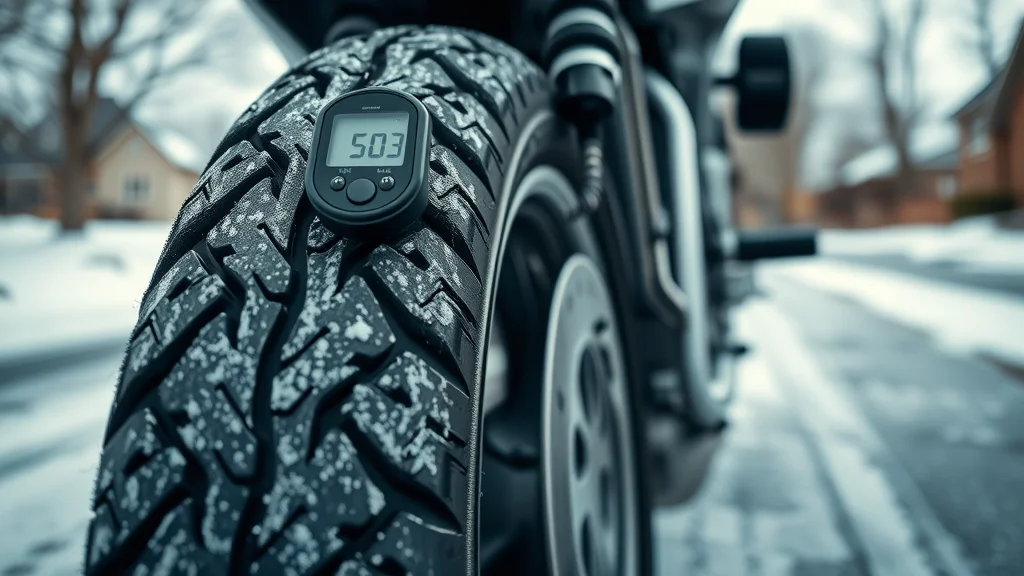
What You'll Learn About Motorcycle Tire Pressure and Winter Storage
- Key motorcycle tire pressure mistakes during cold weather
- How winter storage impacts tire safety and performance
- Tire inflation best practices for winter riding
- Author’s expert perspective and recommendations
Understanding Motorcycle Tire Pressure: Why It Matters in Winter
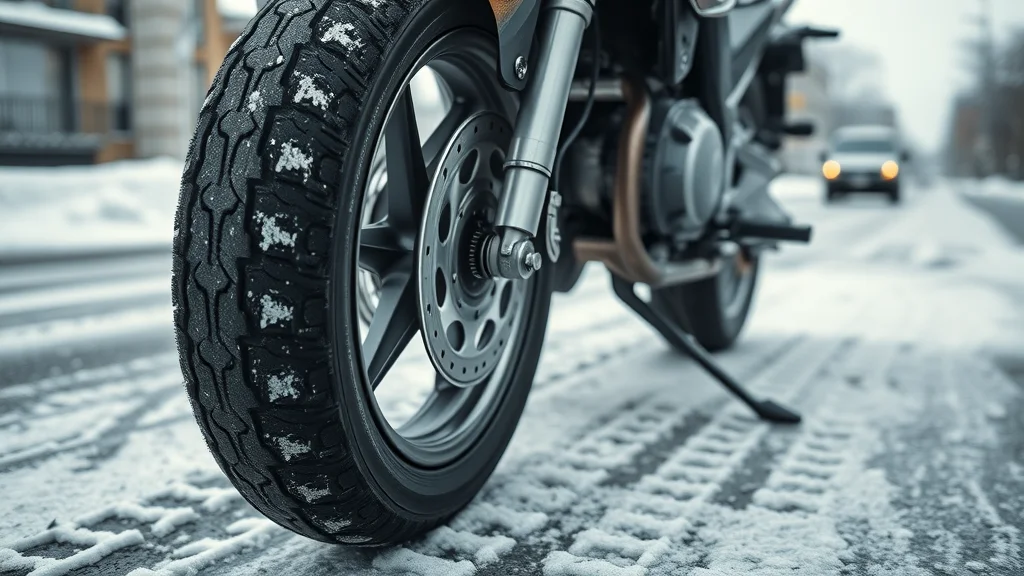
Motorcycle tire pressure isn’t just a maintenance checkbox—it’s the linchpin of your bike’s performance, especially when cold temperatures strike. As thermometers plunge, the air inside your tires contracts and the PSI (pounds per square inch) drops. Tires that felt perfectly inflated on a warm day are suddenly underinflated, leading to decreased traction, poor handling, and a much higher risk of deadly slips on icy patches or wet roads. The science is simple: the volume and pressure of gas molecules inside your tire shrink with the heat loss, drastically affecting your tire’s ability to grip the pavement.
| Factor | Impact on Tire Pressure | Winter Considerations |
|---|---|---|
| Temperature Drops | Pressure Decreases | Requires frequent checks |
| Improper Tire Inflation | Handling Problems | Greater risk on icy roads |
| Winter Storage | Flat spots, lost pressure | Needs pre-spring adjustment |
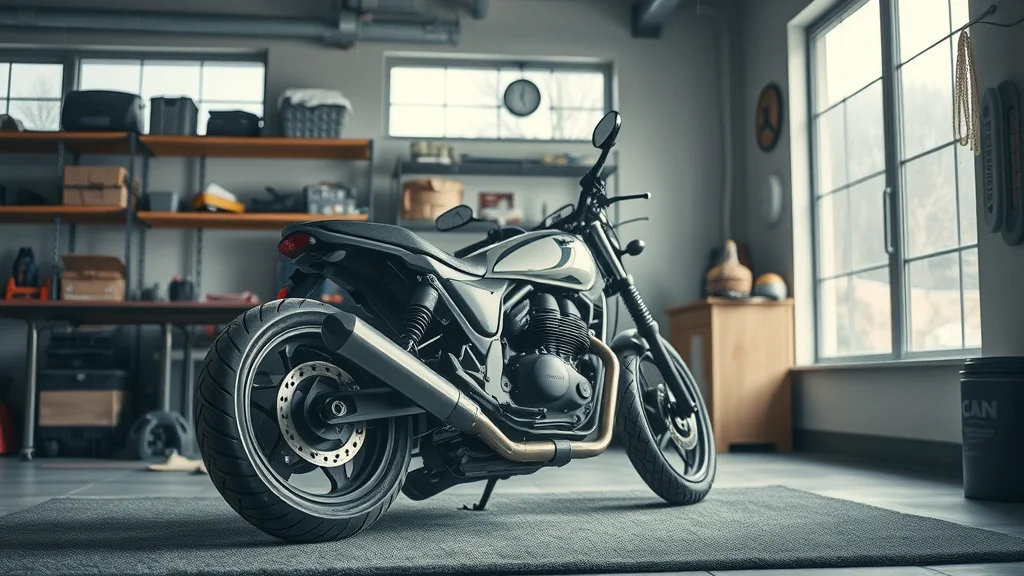
Beyond just your safe ride, poorly maintained tire pressure during winter storage can wreak havoc on your tires. A bike parked in a cold garage for extended periods will lose air gradually, and if left resting on the same spot, the tires may develop flat spots. When the spring thaw arrives, these flat spots compromise both comfort and safety until the tires wear round again—or worse, force early replacements. In short, routinely checking tire inflation and correcting any pressure loss is a must for any rider serious about keeping their motorcycle tires in top shape, no matter the season.
Top Common Mistakes in Motorcycle Tire Pressure in Winter
- Forgetting to adjust tire pressure for lower temperatures
- Assuming summer PSI is safe for winter riding
- Ignoring winter storage maintenance for motorcycle tires
- Not checking for air leaks after cold snaps
- Using the 4 PSI rule incorrectly
Ignoring these common mistakes in motorcycle tire pressure in winter can lead to serious safety problems and expensive damage. For instance, if you rely on your usual summer tire pressure, you’re probably running underinflated in cold weather—making it much easier to lose control during an emergency maneuver or when hitting a patch of black ice. Some riders also mistakenly believe that once their bike is in winter storage, tire checks aren’t necessary. However, a tire losing pressure in the garage can develop flat spots that leave your motorcycle unsafe when the season changes.
Many riders focus on fuel system care for winter storage, but neglecting tire pressure adjustments can lead to hidden dangers on the road.
After a major cold snap, it’s also common to forget to check for slow leaks. Tires slightly damaged or with aged valves can lose air overnight when temperatures swing, turning a minor oversight into a big risk. Even the famous 4 PSI rule—meant to gauge whether your tires are operating at the right pressure—can be misapplied if not considered with winter-specific recommendations. Avoid these missteps by making tire checks and pressure adjustments as routine as charging your battery tender or using a breathable motorcycle cover in the off-season.
Tire Inflation Techniques: Avoiding Risks with Proper Motorcycle Tire Pressure
- Use manufacturer-recommended PSI for winter
- Verify pressure when tires are cold for accuracy
- Check tire inflation at least every two weeks in winter months
The key to a safe winter ride is understanding that your motorcycle tire pressure should always be set according to the manufacturer’s specification for cold weather—not just the sticker you see for “normal” conditions. That’s because cold temperatures will reduce the measured PSI, so if you’re not compensating for this, you’re riding on underinflated tires by default. Always use a quality digital gauge and fill your motorcycle tires when they’re cold—ideally before you’ve ridden more than a few hundred feet. Warm-up friction rapidly increases pressure, giving you a less accurate reading.
Make it a habit to check your tire pressure every two weeks during winter and after any dramatic drop in temperature. For motorcycles in storage, slightly over-inflate to help ward off flat spots, then reset to recommended PSI before your first ride. And never check the tire immediately after a ride—the heat from motion distorts your readings, leading to accidental overinflation. Regular, accurate checks and mindful tire inflation = peace of mind and maximum safety.
Video Guide: Visual Guide: Checking and Adjusting Tire Pressure for Winter Motorcycle Storage
Expert Insights: Preparing Your Motorcycle for Winter Tire Safety
When it comes to preparing your motorcycle for winter, all the attention often goes to the fuel system, the battery tender, or preventing a dead battery—but as experts will tell you, proper tire maintenance is just as crucial for a truly safe ride. As freezing air moves in and bikes spend more time parked on concrete or asphalt, the risk of pressure loss and flat spots increases. Using a breathable motorcycle cover, parking on a soft mat or carpet, and spinning the wheels occasionally all help prevent rust and unnecessary tire fatigue.
Before your first ride each spring, check your motorcycle tire pressure thoroughly. Factor in any storage-induced loss and adjust to the recommended PSI for the current temperatures. Pro tip: if you’re not sure about the correct inflation, consult your owner’s manual or a trusted professional. Remember, tires are designed to perform within a certain pressure band to ensure optimum grip, handling, and braking—especially when the road is slick or unpredictable.
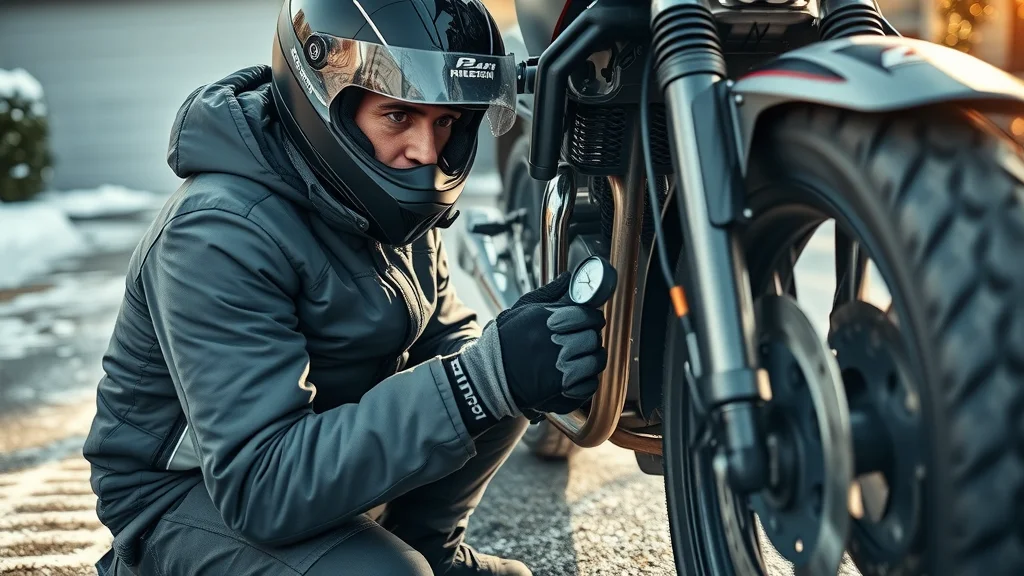
Preparing your motorcycle for winter isn’t just about tackling the fuel system or covering your bike—tire pressure is your first line of defense against hazardous winter conditions.
People Also Ask: Vital Questions on Common Mistakes in Motorcycle Tire Pressure in Winter
What is the 7'7 rule for winter tires?
Understanding the 7'7 Rule and Its Importance for Motorcycle Tire Pressure in Winter
The 7'7 rule is a handy guideline often cited for winter tire safety. It means that when temperatures consistently stay below 7°C (44. 6°F) for 7 days, it’s officially time to switch to winter tires or, at the very least, adjust your tire pressure for cold weather riding. For motorcycles, this translates into a proactive approach—ensuring that you’re running the recommended winter PSI (as specified by the manufacturer) and checking for adequate tread depth and tire flexibility. Being vigilant once this rule applies helps you avoid the drop in inflation pressure caused by cold temperatures, greatly boosting performance and safety.
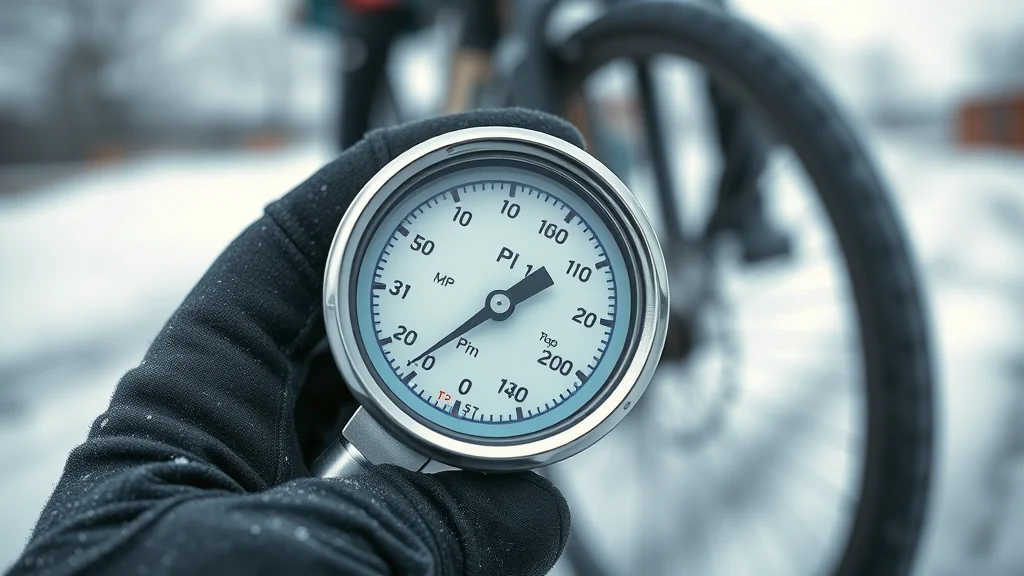
Is it better to lower your PSI in a motorcycle when it's winter time?
Why Appropriate Tire Pressure in Winter is Critical for Motorcycle Safety
Contrary to some outdated advice, lowering your motorcycle tire pressure during winter is not recommended. In fact, you should ensure your inflation pressure meets the manufacturer’s cold-weather recommended PSI. Lowering PSI can decrease the tire’s structural integrity, reduce its ability to cut through water or slush, and increase the risk of underinflation—leading to unstable handling and prematurely worn tires. Always check tire pressure in ambient conditions and bring it up to spec for the safest and most controlled ride on slippery, icy, or wet winter roads.
What is the 4 PSI rule?
Applying the 4 PSI Rule to Motorcycle Tire Pressure in Winter Conditions
The 4 PSI rule suggests that after a standard ride, your tire pressure should increase by approximately 4 PSI from the initially measured cold reading. This increase indicates that the tire is performing efficiently under optimal load and friction. If the post-ride pressure is much higher, your starting pressure was too low; if it changes very little, the tire may have started overinflated. However, remember that in winter, the rule is mainly a double-check—never a replacement for regularly setting and confirming pressure when tires are fully cold.
Is 25 PSI too low in winter?
Risks of Underinflated Motorcycle Tires: Understanding Safe Winter PSI Levels
Running your motorcycle tires at 25 PSI in winter is almost always too low—unless specifically recommended by the manufacturer for your particular bike, which is quite rare. Underinflated tires not only reduce grip but also drastically affect handling, braking, and can even lead to the formation of flat spots during winter storage. Always reference your owner’s manual or a professional for the correct tire pressure; for most modern motorcycles, safe winter PSI typically ranges much higher than 25. When in doubt, consult a pro before hitting the icy roads.
FAQs on Motorcycle Tire Pressure in Winter
-
How often should you check tire pressure during winter?
Ideally, check your motorcycle tire pressure at least every two weeks during the winter. Cold temperatures, storage, and daily swings can lead to gradual pressure loss—and since tires are designed to perform at a specific inflation pressure, regular checks are crucial for safety and longevity. -
What are the signs of improperly inflated tires?
Signs include uneven wear, difficulty handling or steering, noticeably flat spots, or feeling vibrations at certain speeds. If your safe ride feels off, it’s time to check the tire pressure or consult a professional. -
Do heated storage areas affect recommended PSI?
Yes, storing your motorcycle in a heated garage may reduce the winter-related pressure drops, but you should still follow the recommended tire pressure guidelines and verify PSI before each ride, as the bike may be exposed to cold temperatures during use. -
Can you use the same tires for summer and winter riding?
Most all-season motorcycle tires are designed for year-round use, but winter storage and regular pressure checks are essential. If in doubt about your tires’ suitability, ask a professional if you should switch or adjust for safer winter performance.
Key Takeaways for Avoiding Common Mistakes in Motorcycle Tire Pressure in Winter
- Always check tire pressure before and during winter
- Adjust PSI to manufacturer’s winter recommendations
- Do not neglect tire maintenance during winter storage
- Consult professionals if unsure about correct tire pressure
Ready to Ride Safe This Winter? Contact the Experts
For peak motorcycle tire safety this winter, professional guidance goes a long way. Call Nasty Performance Motorcycle Shop Today: 847-458-4858
If you’re committed to mastering every aspect of motorcycle safety and performance throughout the year, don’t stop at tire pressure. There’s a wealth of knowledge to help you protect your bike from seasonal hazards, optimize storage, and extend its lifespan. Discover more expert strategies and essential maintenance routines by diving into seasonal bike care secrets every rider must know. By expanding your understanding of holistic bike care, you’ll be better equipped to handle whatever the weather throws your way and ensure your motorcycle is always ready for the next adventure.


Write A Comment