
Did you know that nearly 40% of motorcycle breakdowns are caused by overlooked routine maintenance? Even the most modern motorcycle can suffer catastrophic failures if regular upkeep is ignored. Whether you’re a daily commuter or a weekend road warrior, understanding motorcycle maintenance explained is the first step toward a safer, smoother, and more enjoyable ride. This guide brings you all you need to know—practical advice, essential service intervals, step-by-step tasks, and expert-backed insights—to help you master the art of motorcycle maintenance and keep your bike performing in top condition.
Shocking Statistics: Why Motorcycle Maintenance Explained Matters More Than Ever
"Neglecting routine maintenance leads to nearly 40% of breakdowns—underscoring the importance of understanding motorcycle maintenance schedules and key maintenance tasks." – Industry Expert
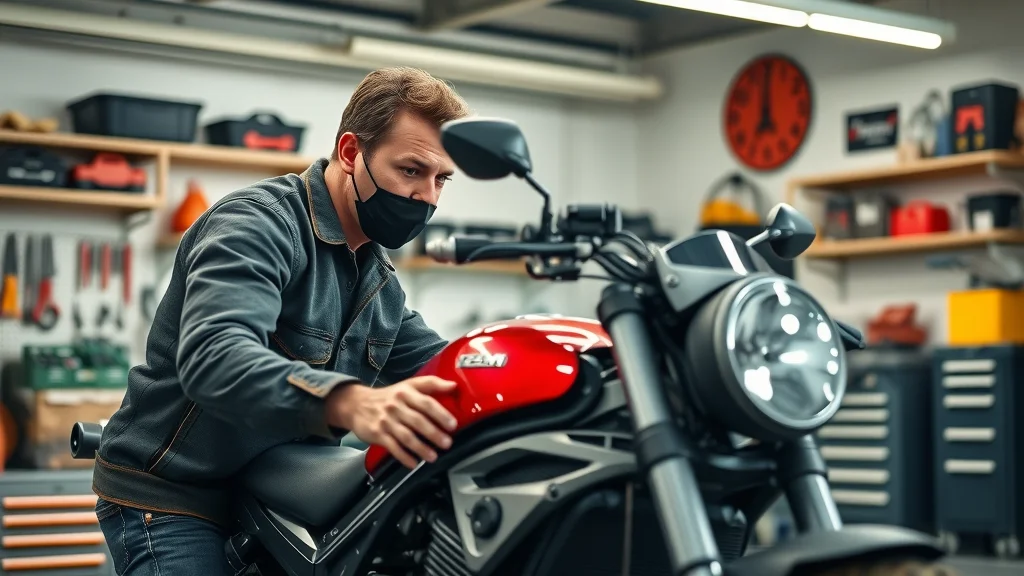
The numbers don’t lie: failing to follow a maintenance schedule is one of the leading causes of sudden, and often expensive, motorcycle problems. As technology evolves, motorcycles become more sophisticated—but their need for consistent, thorough care increases. From brake pads to tire pressure, even small oversights can have big consequences for safety, efficiency, and reliability. Knowing the basics of motorcycle maintenance explained helps you avoid these pitfalls and enjoy a longer, safer riding life. With modern motorcycles offering advanced features, taking shortcuts on oil changes or neglecting air filters doesn’t just hurt performance—it can lead to permanent engine or brake system damage. A well-structured maintenance routine is your ticket to peace of mind, on both scenic routes and high-stress commutes.
What You'll Learn in This Guide to Motorcycle Maintenance Explained
Foundational principles of motorcycle maintenance explained
Critical fluids, filters, and their service intervals
Practical step-by-step maintenance tasks
Seasonal and advanced care tips for longevity
Understanding Motorcycle Maintenance Explained: The Essentials
What is motorcycle maintenance explained: Key definitions and scope
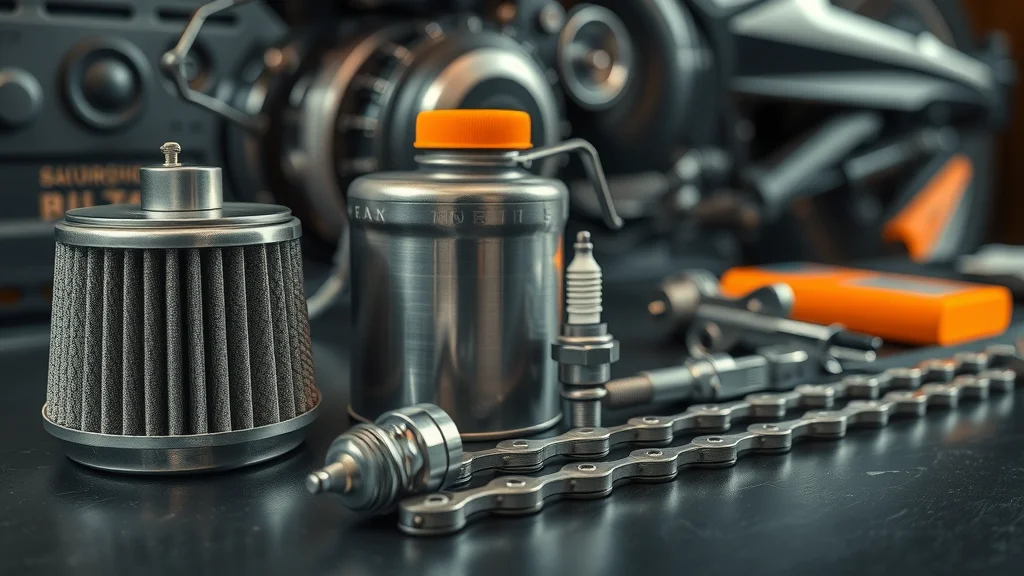
Motorcycle maintenance explained covers all the essential checks, service tasks, and proactive measures needed to keep your bike in prime condition. This includes regular oil changes, brake system checks, chain and sprocket adjustments, and air filter maintenance. Think of it as an ongoing process—everything you do to ensure every part, from battery terminals to the valve clearance, stays within manufacturer specs and delivers reliable, safe performance. A good routine isn’t just for serious riders on track days but for every owner who wants confidence in handling, power delivery, and fuel efficiency. Motorcycle maintenance explained isn’t complicated when broken down into manageable tasks, but neglecting these basics can quickly lead to bigger problems and unwanted repair bills.
Why motorcycle maintenance explained is essential for safety and performance
Safety isn’t optional. Following a consistent maintenance schedule helps avoid unexpected breakdowns, brake system failures, or dangerous issues with tire pressure and tread depth. Regular inspections and services—like changing the oil, checking brake fluid, or replacing the air filter—directly improve the way your motorcycle responds, runs, and protects you on the road. Good maintenance also means your motorcycle is more fuel-efficient, operates smoothly even on long touring rides or after a cold winter storage, and holds higher resale value. By making motorcycle maintenance explained a priority, you’re investing in reliability, performance, and—most importantly—your safety.
Overview of motorcycle maintenance schedule and standard service intervals
Every motorcycle comes with a recommended maintenance schedule laid out by the manufacturer. These guidelines highlight service intervals for vital checks—like oil change, brake system assessments, tire pressure, and chain and sprocket adjustments—ensuring each part is in good condition. Adhering to these intervals keeps your ride reliable, extends the lifespan of major components, and helps prevent corrosion and undue wear. Here’s a snapshot of the most important service tasks and how often they should be performed:
Maintenance Task |
Service Interval |
Key Benefits |
|---|---|---|
Oil Change |
Every 3,000-6,000 miles |
Engine longevity |
Tire Pressure |
Every ride |
Safety & efficiency |
Air Filter |
Every 6,000 miles |
Engine performance |
Brake System |
Every 4,000 miles |
Stopping power |
Chain and Sprocket |
Every 500 miles |
Smooth transmission |
As you develop your own maintenance plan, it’s helpful to see how these intervals and tasks fit into a real-world routine. For a practical breakdown of how to tailor your checklist and keep your bike running smoothly, check out our guide on seasonal bike care secrets every rider must know, which covers essential steps for year-round reliability.
Motorcycle Maintenance Schedule: How to Build a Custom Maintenance Plan
Understanding manufacturer’s maintenance schedule recommendations
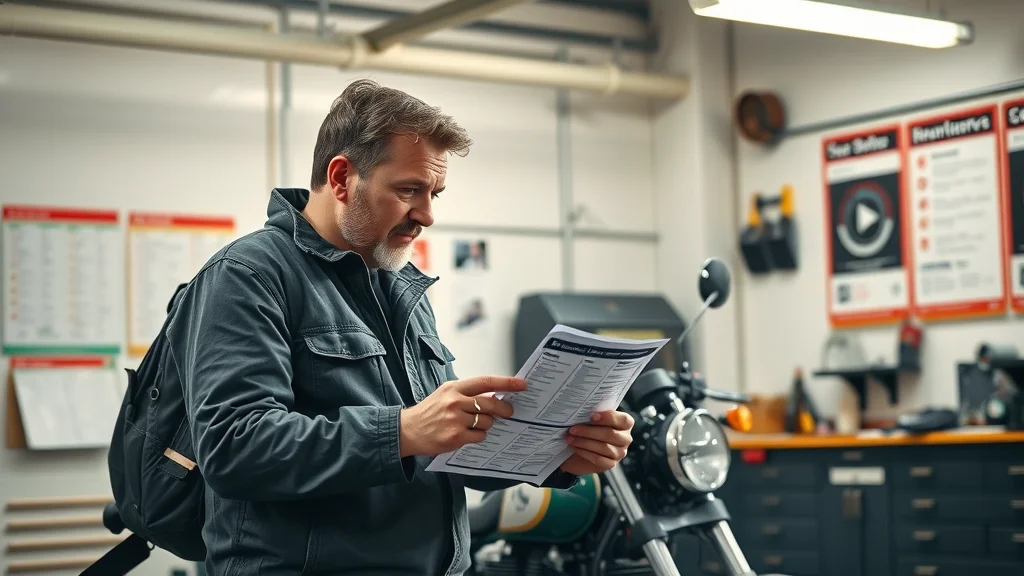
Your first step in mastering motorcycle maintenance explained is understanding your bike’s manufacturer guidelines. These recommendations are tailored to the design and engineering of your specific model—covering everything from valve clearance adjustments to recommended intervals for motor oil changes or brake pad inspections. Sticking to these intervals—often listed right in your owner’s manual—ensures that every system gets the attention it requires for safe, consistent operation. For modern motorcycles, these schedules address innovations like electronic fuel injection and smart electronics, which may need dealer-level diagnostics. Using this manual as your baseline ensures that you never skip essential checks, especially on critical systems like the brake system or electrical system components.
Adapting service intervals for your riding style and environment
While manufacturer service intervals are a crucial starting point, motorcycle maintenance explained means personalizing your plan to match how and where you ride. Are you tackling rough commutes, enjoying high-speed track days, or navigating rain and off-road conditions? Intense use and harsh weather demand tighter schedules—think more frequent oil and air filter changes or chain lubrication. Short trips or extended winter storage can create unique challenges, like moisture in the engine oil or risk of battery drain. Understanding your habits helps you adapt intervals, catch problems before they start, and keep your brake system, chain and sprockets, and other vital parts in good condition all year round.
Motorcycle maintenance tasks: Creating a checklist for consistency
Consistency is key to effective motorcycle maintenance explained. Developing a maintenance checklist and sticking to it helps you keep track of both routine and seasonal tasks. Monthly oil inspections, quarterly brake system checks, and a regular chain and sprocket lubrication routine form the backbone of smart upkeep. By breaking down maintenance into manageable chunks, you minimize room for error and lengthen your motorcycle’s lifespan—plus, you’re less likely to skip critical steps before a big ride or after a period of winter storage. Below is a sample checklist for reference:
Monthly engine oil inspection
Quarterly brake system check
Chain lubrication schedule
Fluids in Focus: Motorcycle Maintenance Explained for Oil, Coolant & Brake Fluid
Oil change: Types, tools, and motorcycle oil change intervals
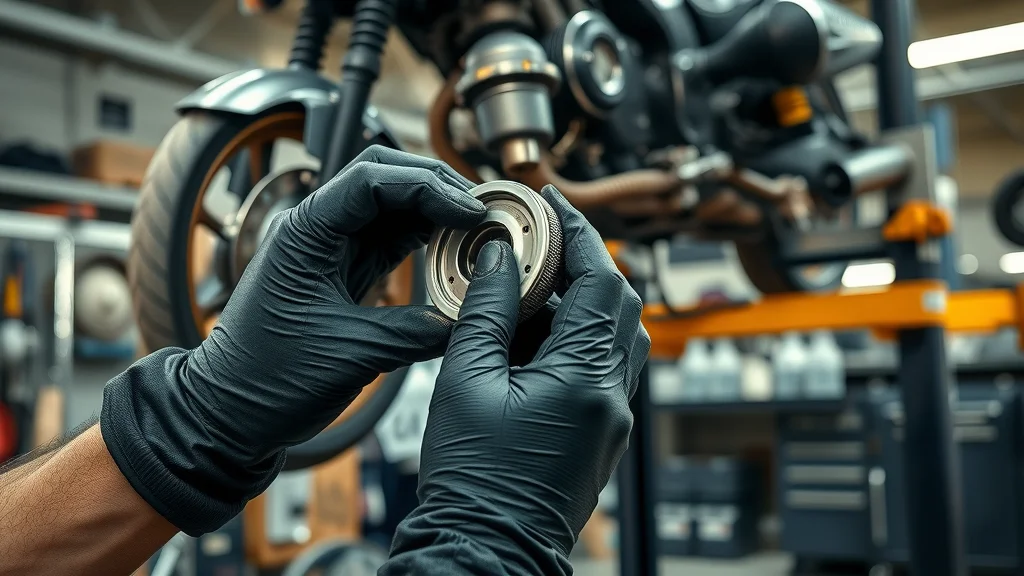
One of the cornerstones of motorcycle maintenance explained is understanding oil changes. Engine oil keeps internal parts lubricated and prevents premature wear, especially after hard use or track days. Choosing the right motor oil (synthetic vs. conventional) depends on your motorcycle type and how aggressively you ride. Basic tools include a wrench, oil drain pan, and a fresh oil filter. Most bikes require an oil change every 3,000 to 6,000 miles—but riding in extreme weather or heavy traffic may call for shorter intervals. Regularly changing the oil maintains engine performance, prevents overheating, and removes contaminants that can harm precision parts.
Checking, topping, and replacing coolant as part of routine motorcycle maintenance
Coolant prevents engine overheating and damage from temperature extremes—a crucial but often overlooked part of motorcycle maintenance explained. Checking coolant levels is easy: inspect the reservoir and look for signs of leaks or low volume. Top up with the correct coolant mix if needed, and flush and replace it per your manufacturer’s recommended service interval. Neglecting this fluid can cause overheating, head gasket failures, or even warped cylinders. Motorcycles that experience frequent stop-and-go traffic, hot climates, or pre-track day tune-ups need more vigilant coolant checks for optimal reliability.
Brake system inspection: Fluid levels, quality, and service intervals
Your brake system is only as good as its maintenance. Checking brake fluid levels and clarity should be a standard part of your routine. Low or dirty brake fluid not only reduces braking power but can damage brake lines and brake pads. Most bikes require a full brake fluid replacement every 4,000 miles or at least once a year. Don’t forget to monitor brake pads for wear and check the brake system hoses for cracks, leaks, or other failures. Strong brakes are vital for safe stops and keeping your bike street-legal and track day ready.
"Regularly checking all fluids isn't just good practice—it’s the lifeblood of an optimized motorcycle maintenance schedule."
Filters Explained: Motorcycle Air Filter, Oil Filter & Their Maintenance
Motorcycle air filter explained: Types, maintenance, and replacement intervals

The air filter is crucial in keeping dirt, dust, and debris out of your engine. There are different types—paper, foam, or cotton—each with unique cleaning and replacement rules. If you ride in dusty conditions, check your air filter more often than the typical 6,000-mile service interval. Routine inspection ensures clean airflow and optimum fuel efficiency. Removing a dirty filter and either cleaning or replacing it is fast and affordable—and pays off in extended engine life and reliable throttle response. Poor air filter maintenance can lead to costly repairs, lower fuel economy, and reduced performance, especially on high-compression or modern motorcycles.
Oil filter basics and how to coordinate with your oil change schedule
The oil filter removes contaminants from the engine oil, protecting bearings, and gears. Changing the oil filter should always go hand-in-hand with an oil change—never reuse an old filter when adding fresh oil. Most oil filters are inexpensive, and installing a new one is a simple process with the right filter wrench. Skipping this step puts clean oil at risk of contamination from residual grit and metal particles, which can accelerate engine wear. Always follow the manufacturer’s oil filter and oil change schedule for your motorcycle’s model, and track when each service is done for best long-term engine health.
When and how to inspect, clean, or replace filters (step-by-step list)
Filters are the unsung heroes of motorcycle maintenance explained, and should be inspected regularly—even between full service intervals. Here’s a quick process to ensure your air and oil filters are always in good condition:
Locate the filter
Assess condition
Clean or replace as needed
Make inspection part of your monthly visual inspection routine—especially before a long ride, after winter storage, or any time you notice reduced performance. Clean filters as instructed in your manual, and always use recommended products and methods.
Fine-Tuning Basics: Motorcycle Maintenance Explained in Practice
Essential motorcycle maintenance tasks: Adjusting chain and sprocket for performance
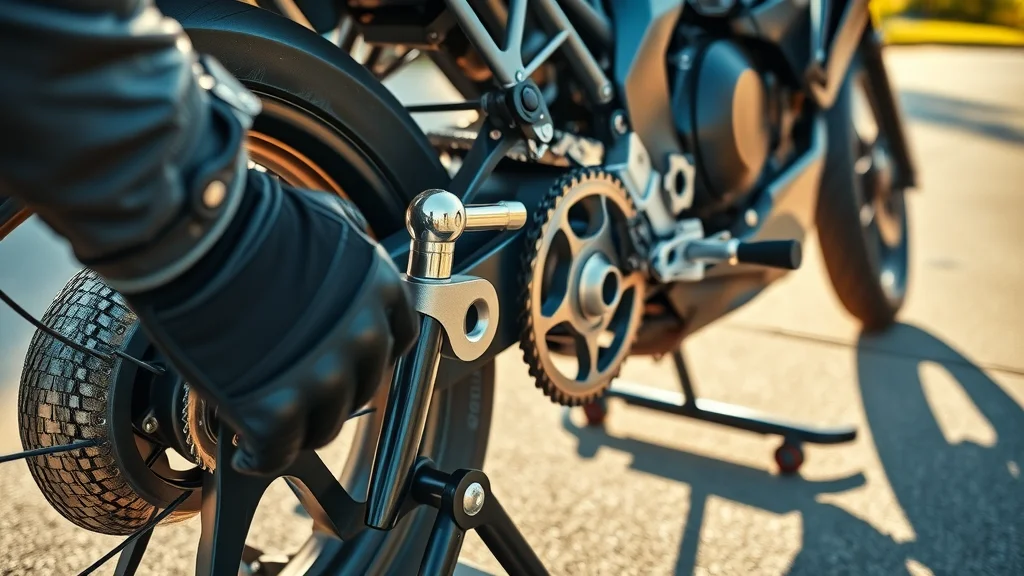
Keeping your chain and sprocket in top shape is key for a smooth, efficient ride—especially if you want consistent power delivery and minimum wear. Regular chain lubrication and adjustment prevent skipping, abnormal noises, and undue stress on the rear shock or transmission. Checking and adjusting chain slack should be done every 500 miles or as recommended in your maintenance schedule. Inspect the chain and sprockets for visible wear, rust, or stiff links, and replace if you see significant damage. A properly adjusted drive chain also helps prevent corrosion, extends component life, and improves safety by reducing the likelihood of chain failure on the road.
Inspecting electrical system for reliability and consistent power delivery
The electrical system of modern motorcycles includes the battery, starter, lighting, and various electronic controls. Regular inspections are vital to avoid midsummer breakdowns or cold-weather no-starts. Clean battery terminals, check wiring for corrosion or looseness, and test lighting frequently. If warning lights appear on the dashboard, don’t ignore them—the electrical system is complex and directly impacts starting, engine performance, and even electronic safety aids. Keep your system in good condition to support all components, from simple bulbs to advanced rider aids.
Tire pressure: How, when, and why to check for safety and lifespan

Proper tire pressure impacts everything—from handling to fuel efficiency and tread depth wear. Always check tire pressure before every ride, using a reliable gauge. Tires that are over- or under-inflated affect braking, cornering, and may shorten tire lifespan significantly. Keeping an eye on tread depth ensures your tires offer maximum grip, especially during wet weather or emergency stops. Include tire inspection in your pre-ride checklist and be proactive about replacements. Don’t forget to check for embedded debris or cracks in the sidewall as part of your overall motorcycle maintenance explained routine.
Seasonal Motorcycle Maintenance Explained: Preparing for Winter Storage & More
Pre-storage maintenance essentials for winter storage

Prepping your motorcycle for winter storage is among the most important seasonal maintenance tasks. Start by changing the oil and top off the fuel with a stabilizer to prevent corrosion. If possible, remove and keep the battery on a timer-based tender. Lubricate all moving parts to prevent rust and moisture damage, and make sure the bike is covered with a soft, breathable fabric. This comprehensive care keeps your motorcycle in good condition, prevents damage from condensation or freezing temperatures, and ensures a reliable start when riding season returns.
Off-season service intervals: Preventing long-term damage
During storage or off-season periods, certain service intervals should still be observed to avoid costly damage. Rotate the tires periodically, check and maintain tire pressure, and periodically inspect the chain and sprockets for corrosion. It’s wise to start and idle the engine occasionally—if recommended by your manufacturer—to circulate oil and keep seals lubricated. Off-season attention to the brake system, electrical system, and key fluids makes for a trouble-free spring awakening and helps extend both the safety and life span of your ride.
Checklist: Key maintenance tasks before and after storage
Stabilize fuel
Battery tender hookup
Lubricate moving parts
Cover motorcycle properly
Use this checklist before storing your motorcycle for winter, and again before rolling it back out for the new season. Attention to these details minimizes post-storage surprises and ensures the riding season starts smoothly.
Advanced Motorcycle Maintenance Explained: Diagnosing & Fixing Common Issues
Interpreting warning lights & electrical system faults
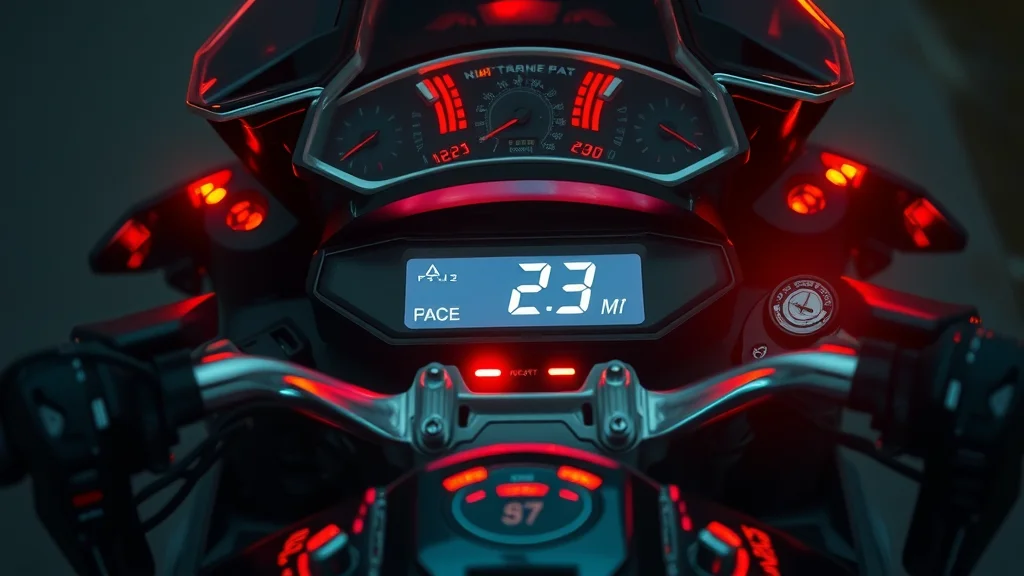
Advanced motorcycle maintenance explained includes knowing how to interpret warning lights and diagnose electrical faults. Most modern motorcycles feature error codes or illuminated warnings for specific issues—ranging from low brake fluid to ABS or traction control problems. When a light appears, consult your owner’s manual for recommended action. Simple solutions could include topping up fluids or tightening battery terminals, but persistent issues may require diagnostics from a service pro. Never ignore persistent dashboard lights; prompt attention can prevent major repairs and keep your ride safe and roadworthy.
Troubleshooting abnormal sounds and ride feel
Your senses are powerful tools in motorcycle maintenance explained. Unusual noises—clicks, rattles, or grinding—may point to problems with the chain, worn brake pads, wheel bearings, or rear shock issues. Rough handling could signal low tire pressure, loose steering head bearings, or problems with your suspension setup. Whenever you notice something off about your motorcycle’s feel, conduct a visual inspection right away. Early troubleshooting can prevent small issues from growing into major breakdowns, save you on costly repairs, and extend the lifespan of every component.
Knowing when to consult professional service for your motorcycle maintenance schedule
While many routine tasks can be handled at home, some issues—like complex electrical system diagnostics, valve clearance adjustments, or tracking down persistent leaks—are best left to professionals. Adhering to your maintenance schedule means recognizing your limits and seeking help when tasks exceed your skill or toolset. A quality motorcycle shop can handle advanced repairs, provide professional inspections before long trips or track days, and offer seasonal care advice. When in doubt, ask an expert to preserve safety and maintain your bike’s value.
People Also Ask: Motorcycle Maintenance Explained
What is basic maintenance on a motorcycle?
Answer: Basic maintenance on a motorcycle includes regular oil changes, tire pressure checks, chain lubrication, brake inspection, and air filter cleaning. Following a maintenance schedule ensures safe and reliable performance.
What is the 12 second rule on a motorcycle?
Answer: The 12 second rule is a safety guideline in motorcycle maintenance explained, teaching riders to look 12 seconds ahead to anticipate hazards and adjustments, improving safety on the road.
What does 2 fingers up mean on a motorcycle?
Answer: The '2 fingers up' gesture is a sign of camaraderie among motorcyclists, symbolizing 'keep both wheels on the ground.' It’s about respect and prudent motorcycle maintenance explained through safe riding.
What is rule number 5 for motorcycles?
Answer: Rule number 5 typically refers to 'ride your own ride,' which encourages riders to maintain their own pace, prioritize safety, and stick to personalized motorcycle maintenance schedules.
Motorcycle Maintenance Explained: Summary Table for Key Service Intervals
System/Part |
What to Check |
Recommended Service Interval |
|---|---|---|
Engine Oil |
Level, quality |
3,000–6,000 miles |
Air Filter |
Cleanliness |
6,000 miles |
Brake Fluid |
Level, clarity |
4,000 miles |
Tire Pressure |
PSI |
Before every ride |
Chain & Sprocket |
Tension, lubrication |
500 miles |
Video Resource
Watch: A step-by-step cinematic video tutorial of a professional mechanic performing a motorcycle oil change in a clean, modern workshop. This video demonstrates oil drain, filter replacement, fluid top-up, and proper safety gear usage, filmed with smooth camera movements, crisp focus, and natural light.
Key Takeaways: Motorcycle Maintenance Explained at a Glance
Regularly following a proper motorcycle maintenance schedule maximizes safety and lifespan
Fluids and filters must be checked at recommended service intervals
Seasonal care, such as winter storage, is essential for bike longevity
Adapting maintenance tasks to your riding habits ensures reliability
Frequently Asked Questions: Motorcycle Maintenance Explained
How often should I perform routine motorcycle maintenance explained tasks?
What are the risks of ignoring the maintenance schedule?
Which fluids and filters are most critical for my model?
Why is tire pressure monitoring emphasized in motorcycle maintenance explained?
How can I improve my personal service intervals?
Ready to Ride with Confidence? Call Nasty Performance Motorcycle Shop Today: 847-458-4858
Conclusion: A solid motorcycle maintenance routine is your best investment in safety, reliability, and riding enjoyment—start today for a worry-free tomorrow!
If you’re ready to take your motorcycle care to the next level, don’t stop here. Explore our in-depth article on seasonal bike care secrets every rider must know for expert strategies on protecting your ride through every climate and riding season. You’ll discover advanced tips for winterizing, prepping for spring, and maintaining peak performance year-round. Whether you’re a new rider or a seasoned enthusiast, these insights will help you build a maintenance routine that adapts to your lifestyle and keeps your motorcycle in top shape, no matter what the road—or weather—throws your way.




Write A Comment