
Did you know that failing to replace your motorcycle chain and sprocket on time can increase your risk of an accident by nearly 40%? Having a worn chain or sprockets isn’t just about losing power—it’s a matter of keeping you safe, on the road, and out of harm’s way. In this guide, we’ll unpack the risks, reveal what careful maintenance really looks like, and provide a reliable step-by-step approach so you can ride with confidence.
Startling Facts: The Importance of Timely Motorcycle Chain and Sprocket Replacement
When it comes to motorcycle chain and sprocket replacement, riders often underestimate just how much these vital components influence both safety and performance. Studies reveal that a neglected sprocket and chain system not only increases the possibility of catastrophic failure but also makes your daily commute or weekend adventure much riskier. Chains wear invisibly over time, and even standard chains from top brands can stretch or break if ignored, leading to sudden loss of power transmission or, worse, potential lock-up of the rear wheel at high speed.
Regularly maintaining these parts isn’t just recommended; it’s essential for all types of riders, from casual road bike enthusiasts to long-distance touring fans. If you’re relying solely on your regular ride-feel or only lubed your chain occasionally, you might be missing hidden signs of wear that could escalate repair costs. Beyond performance degradation, delaying chain replacement means you’re risking both your investment—and your wellbeing—on every ride.
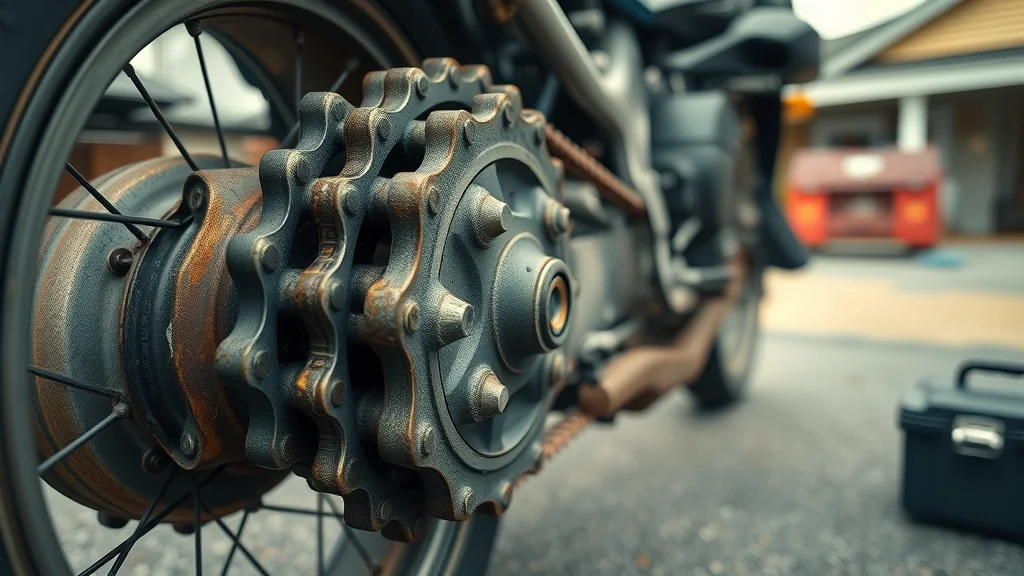
Why Delaying Chain Replacement Compromises Safety and Performance
Delaying motorcycle chain and sprocket replacement is one of the most common—and dangerous—maintenance mistakes motorcyclists can make. As chains wear, their fit on both the front and rear sprockets becomes loose and irregular, causing skipping, jerky acceleration, and an increased likelihood of chain slippage. This not only reduces your ability to control the bike but can also place undue stress on the transmission and wheel assembly, leading to even more extensive repairs.
Especially on performance bikes, the use of quality chain and sprocket sets from top brands ensures smoother power delivery, extending the integrity of the rear wheel and associated drive components. Neglecting to address chain and sprocket wear promptly can compromise your stopping distance, affect the functionality of both rear sprockets and front sprockets, and escalate labor costs due to additional repair needs. Ultimately, staying proactive helps you avoid these hazards and keeps your ride running at its safest and most efficient.
"A worn chain and sprocket system can increase accident risk by up to 40%. Regular maintenance isn't just a matter of performance—it’s a matter of safety." – Industry Safety Association
For riders looking to further enhance their maintenance routine, understanding the nuances of seasonal motorcycle care can make a significant difference in the longevity and reliability of your chain and sprocket system. Adapting your approach as weather and riding conditions change helps prevent premature wear and keeps your bike performing at its best year-round.
What You'll Learn About Motorcycle Chain and Sprocket Replacement
- The risks of neglecting chain and sprocket maintenance
- The step-by-step process for quality chain replacement
- How to choose the right chain and sprocket set
- Cost factors and replacement intervals
- Expert tips for extending component lifespan
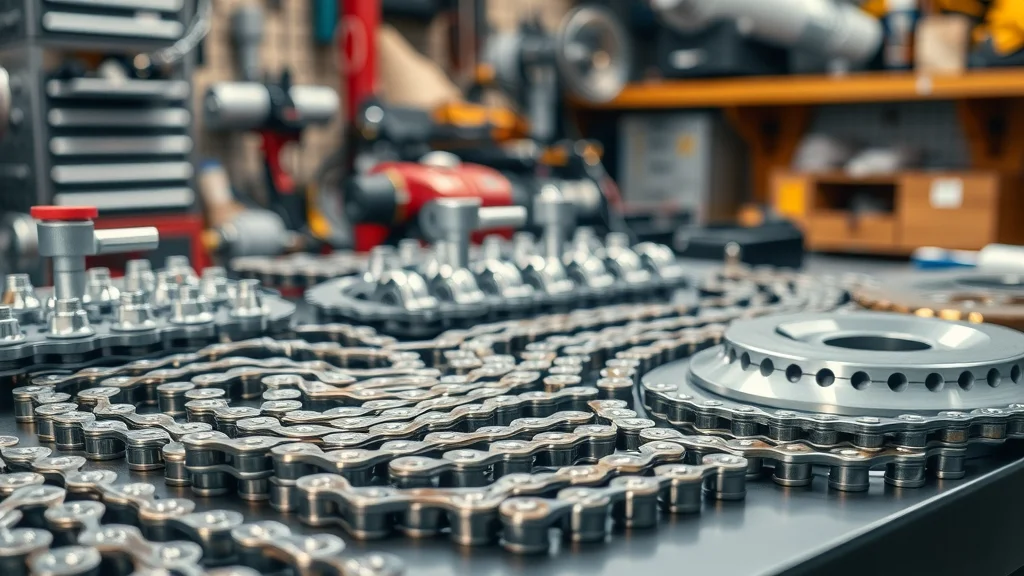
Understanding Motorcycle Chain and Sprocket Replacement: What’s Involved?
The process of motorcycle chain and sprocket replacement involves more than just swapping out old parts; it’s about restoring your bike’s power transmission efficiency and safeguarding your ride. High-quality chains—whether ring chains, sealed chains, or standard chains—work in tandem with well-machined front and rear sprockets to deliver power from the engine to the rear wheel smoothly and reliably. When one component wears out, it usually impacts the entire system, highlighting the necessity of inspecting and maintaining your full setup.
Chain replacement procedures also require specific tools, like a chain breaker and accurate measurement devices, to ensure proper length and secure installation of the master link. If any part of this system falters, it can have a cascading effect on your motorcycle’s drive and braking systems, amplifying risks and potential repair expenses. Proper alignment, tensioning, and lubrication after installation are non-negotiable steps that every rider should prioritize.
How the Chain and Sprocket System Works in Motorcycles
The motorcycle’s chain and sprocket system is the direct link between your engine and the pavement. The engine’s crankshaft turns the front sprocket, transferring motion through the chain to rotate the rear sprocket connected to the rear wheel. This simple yet robust system is the backbone of power transmission on most motorcycles, with chain and sprocket quality dictating both subtle ride characteristics and hard acceleration bursts.
Different chains—such as O-ring, X-ring, and standard chains—are manufactured to meet various riding styles. Top brands design their ring chains to resist dirt and wear, while aluminum sprockets and steel rear sprockets appeal to riders looking for performance or longevity. No matter your preference, an efficient sprocket and chain setup translates engine output directly into road movement, making maintenance a top priority.
Recognizing Signs You Need Motorcycle Chain and Sprocket Replacement
Detecting early signs of chain and sprocket wear is crucial for all riders, including those with high-end or basic chain systems. Obvious warning signs include excessive chain stretching, rust or corrosion, stiff links, uneven wear patterns on the rear sprocket teeth, and a chain that has frequent tension adjustments but still feels loose. You might also notice increased vibration, noise during acceleration, or a visible mismatch in the alignment of the front and rear sprockets.
Additionally, if you find that your sealed chains are losing their lubrication quickly, or notice cues such as missing sprocket teeth or inconsistent chain slack around the rear wheel, it’s time for prompt inspection and possible replacement. Having this knowledge can save you from unexpected breakdowns and reduce long-term labor cost by preventing collateral damage.
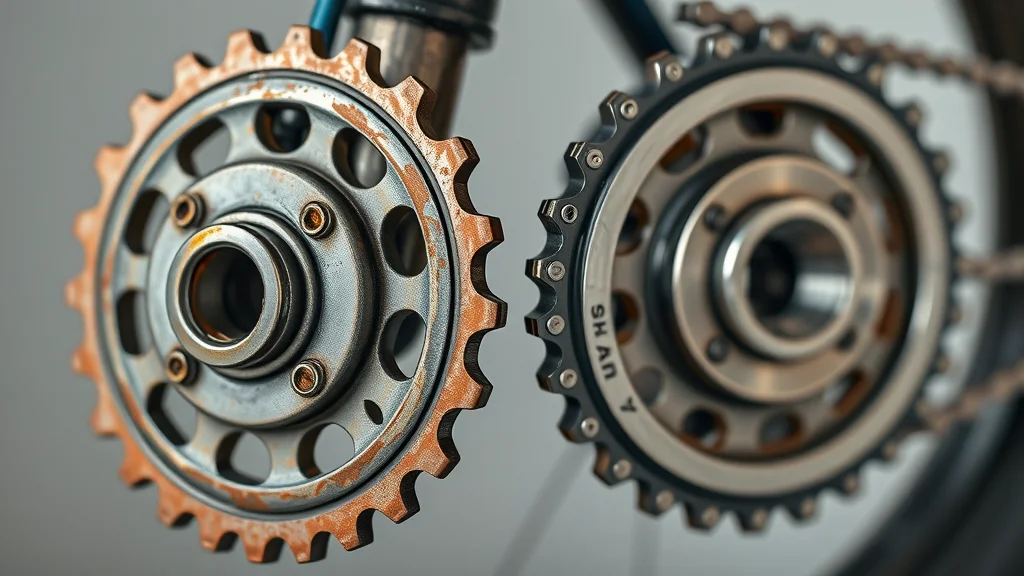
The Difference Between Chain Replacement and Full Sprocket and Chain Service
While it can be tempting to simply replace just the chain or a single component, complete chain and sprocket replacement is the industry standard for a reason. Chains wear into the specific teeth shapes of both the front and rear sprockets. Replacing only one part, such as a basic chain on severely worn aluminum sprockets, will result in premature wear, loss of tension, or even immediate failure under load.
Investing in a full sprocket and chain service means removing both front and rear sprockets along with the old chain, then installing a brand new, compatible set chosen for your specific riding style and bike model. This comprehensive approach leads to a smoother, safer ride, more accurate tensioning, and significantly extends the lifespan of every component involved in your motorcycle’s power train.
Why Quality Chain and Sprocket Replacement Matters
Opting for a quality chain and sprocket replacement isn’t just about stretching service intervals—it’s about ensuring the reliability of your entire drive mechanism. A well-chosen, top brand chain provides better resistance to environmental wear, ensures smoother engagement with both front and rear sprockets, and helps maintain consistent tension, reducing the risk of sudden failure or chain slippage during aggressive riding or long commutes.
Top brands engineer their ring chains and sprockets not only for longevity but also for precise fit and minimal stretch, even under strenuous loads. By choosing a reputable set and ensuring quality installation, you directly reduce future maintenance costs, avoid expensive breakdowns, and retain the full power and feel of your original road bike experience. Investing upfront leads to long-term peace of mind—saving time, effort, and money in the long haul.
How a Quality Chain Prevents Premature Wear and Costly Damage
Quality chains, such as those found in sealed chains and those utilizing master links from top brands, provide an additional line of defense against contamination, moisture, and mechanical wear. These advanced designs help distribute load evenly across each link and tooth on both front and rear sprockets, ensuring greater power transmission efficiency and minimizing strain on your rear wheel hub, bearings, and swingarm.
Poorly made chains or mismatched sprockets introduce excess slack, uneven wear, and even risk shearing the master link, possibly causing a catastrophic chain failure. Choosing a quality chain that’s matched to your road bike’s specifications dramatically reduces ring chains’ wear, lowers long-term labor costs on replacements, and preserves the accuracy of your drivetrain. Ultimately, it’s the key to a reliable, confidence-inspiring ride.
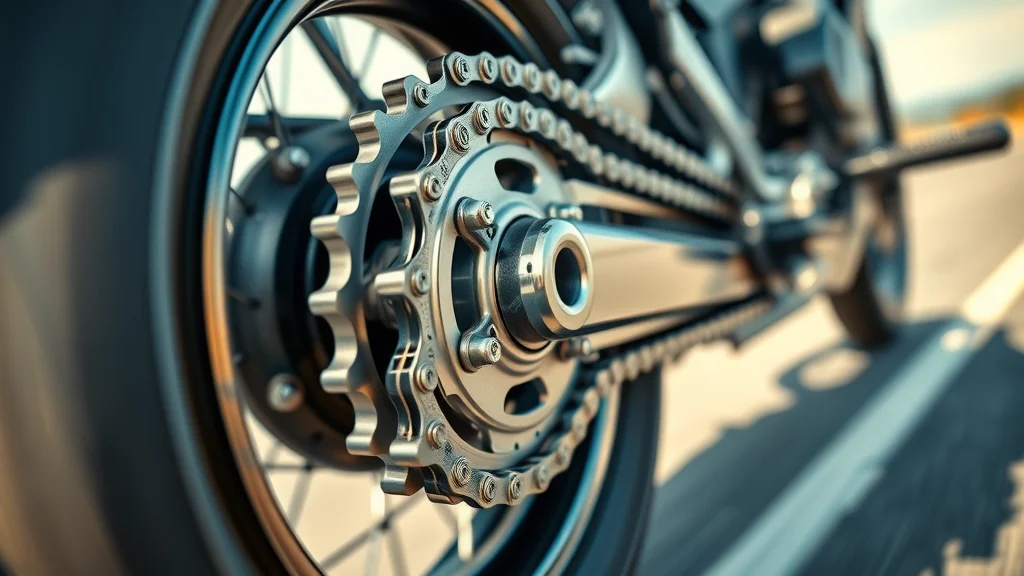
Step-by-Step Guide: Motorcycle Chain and Sprocket Replacement Procedure
- Inspect existing sprocket and chain
- Remove old chain and sprockets
- Install quality chain and sprocket kit
- Ensure proper alignment and tension
- Lubrication and post-installation check
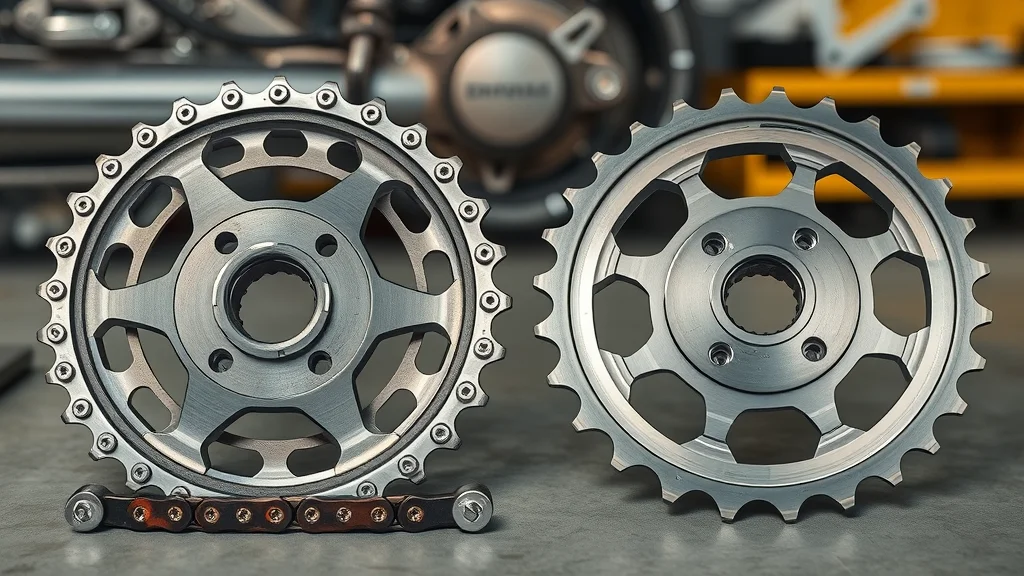
Start by placing your motorcycle on a secure lift or stand, ensuring the rear wheel is free to rotate. Next, closely inspect the front and rear sprockets for missing teeth, cupping, or visible grooves. Use a chain breaker to safely remove the old chain, then unbolt and carefully remove both sprockets, being mindful of their orientation and hardware. Compare the condition of your old parts against new components; this often highlights how much vital performance you may have lost.
Install the new front and rear sprockets, tightening to manufacturer specifications. Feed the new quality chain through, using a new master link. Before securing the chain, double-check alignment—uneven installation here is a common mistake and leads to excessive chains wear and labor costs down the road. Adjust the tension per your road bike’s manual, rotate the rear wheel several times to confirm smooth operation, and finish with thorough lubrication to ensure a long service life.
Choosing the Right Chain and Sprocket Set for Your Motorcycle
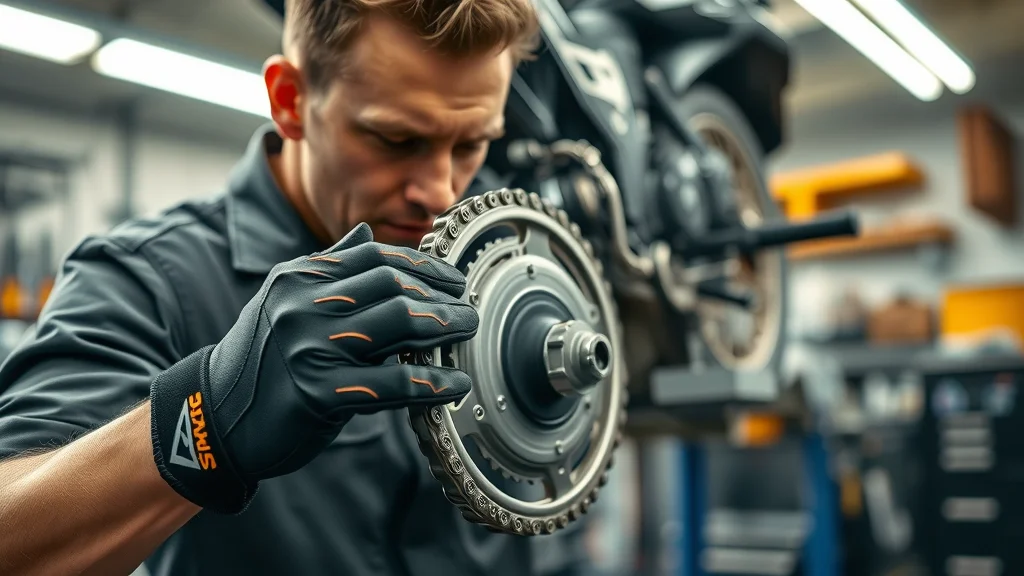
Your choice of chain and sprocket set has a direct impact on riding style, performance, and durability. For everyday commuters, robust sealed chains from top brands provide long-term reliability and protection from dirt and salt, while sport or track riders might prefer lighter aluminum sprockets paired with high-strength ring chains for ultimate response and reduced unsprung weight. Consult your bike’s product description, paying attention to recommended front and rear sprocket tooth counts and standard chain sizes for your model.
OEM (Original Equipment Manufacturer) sets are always a safe choice, providing exact fit and proven compatibility. However, many reputable aftermarket options also offer enhanced features like reduced friction, longer-lasting coatings, or even perks for this product such as lifetime warranty or day shipping support. Match your selection to your needs—whether better acceleration from your road bike, or maximum longevity for touring—ensuring both your wallet and performance are satisfied.
OEM vs Aftermarket: Which Chain Replacement Offers Better Value?
OEM chain and sprocket kits guarantee a perfect fit and have passed strict durability testing standards, making them a preferred option for those who don’t want to gamble with compatibility or reliability. However, some riders find that aftermarket sets—especially those from top brands with expert engineering—can surpass OEM performance at a similar or even lower labor cost. Aftermarket parts often include premium materials like hardened steel or aluminum sprockets, specialized coatings, and lighter designs for enhanced acceleration or less drivetrain drag.
Weigh value propositions based not just on the initial price but also on installation convenience, expected lifespan, labor costs, and the warranty or member perks that might come bundled. Ultimately, the best option is the set that matches your riding style, usage, and maintenance habits while fitting your budget.
Finding a Quality Chain for Your Riding Style and Bike Model
Choosing a quality chain is more than simply picking a top brand from a shelf. You need to balance your bike model’s mechanical requirements with your preferred riding style, regular road conditions, and maintenance discipline. Sport and performance bikes may benefit from lightweight, high-tensile ring chains and aluminum sprockets, while heavy touring or cruiser bikes require heavier-duty options made to endure long miles with minimal wear.
If you’re unsure where to start, consult with a trusted mechanic or refer to ratings and feedback on sealed chains and sprockets that fit your motorcycle’s product description. Remember: investing in a high-end chain and sprocket set now will pay dividends in reliability, decreased labor costs, and fewer headaches down the road—especially for those who ride year-round or over diverse terrains.
"Choose the best quality chain and sprocket set you can afford. Cutting corners now can mean higher costs—and bigger headaches—down the road." – Master Technician, Nasty Performance
Proper Maintenance After Motorcycle Chain and Sprocket Replacement
- Routine lubrication tips
- Regular tension checks for your new chain
- Visual inspection schedules
- Spotting early warning signs
After completing a motorcycle chain and sprocket replacement, adopting an effective maintenance routine is essential to maximize longevity and minimize labor costs in the future. Begin by lubricating the new chain with a premium, manufacturer-recommended chain lube. For most sealed chains, lubrication should occur every 400-600 miles, or after every wet ride, ensuring all surfaces—including the master link and side plates—are thoroughly coated but not overly saturated.
Regularly inspect chain tension—referencing your owner’s manual—and use precision tools for consistency. Over-tight or loose chains not only accelerate wear on rear sprockets and the rear wheel hub but can also introduce dangerous handling issues. Schedule visual checks for stretching, stiff links, or sprocket tooth damage every few hundred miles and always before long trips, as early detection is the key to preventing escalating road bike repair costs.
Cost Breakdown: Motorcycle Chain and Sprocket Replacement
| Service | Average Cost |
|---|---|
| Chain Replacement | $120 – $300 |
| Sprocket Replacement | $70 – $220 |
| Complete Set (Parts + Labor) | $180 – $450 |
The labor cost for a standard chain replacement varies based on your bike model, the complexity of your drivetrain, and local shop rates. While DIY replacement may save on direct labor costs, investing in professional installation ensures the correct use of a chain breaker, proper tensioning, and alignment. Keep in mind that premium or specialty chain and sprocket sets can climb higher in price, especially for advanced road bikes or motorcycles requiring sealed chains and lightweight aluminum sprockets.
Waiting too long to address chain and sprocket wear often inflates repair bills, as skipping scheduled maintenance or ignoring early warning signs can result in collateral damage to your rear wheel bearings, swingarm sliders, or even compromised power transmission components.
People Also Ask: Motorcycle Chain and Sprocket Replacement FAQs
How much does it cost to have your chain replaced on a motorcycle?
Chain replacement typically ranges from $120 to $300, depending on motorcycle make and labor rates. Combined chain and sprocket replacement can be more.
How often should I change the chain and sprocket on my motorcycle?
Replacement intervals depend on riding conditions and bike model, but most manufacturers recommend every 15,000 to 20,000 miles, or when signs of wear appear.
Do you need to change sprockets with a chain motorcycle?
It’s best practice to replace the sprockets whenever replacing the chain, as worn sprockets will prematurely wear out the new chain.
How much does a chain for a motorcycle cost?
Replacement chains typically cost between $25 and $150, depending on quality and bike type. Higher-end models for sport or touring bikes may cost more.
Common Mistakes to Avoid in Motorcycle Chain and Sprocket Replacement
- Ignoring sprocket wear during chain replacement
- Installing non-quality chain brands
- Improper alignment and sub-optimal chain tension
- Neglecting lubrication after installation
Overlooking signs of wear on both the front sprocket and rear sprockets often leads to premature failure, even when using a top brand chain. Subpar chain brands not designed for your specific bike model or riding style can break unexpectedly, causing increased labor costs and potential safety issues. Always ensure chain alignment using a reputable chain breaker, checking both visual and measured tolerances before securing the master link. Finally, neglecting post-installation lubrication is the fastest way to wear out even sealed or premium ring chains, making it a vital but often forgotten final step.
Key Takeaways: Motorcycle Chain and Sprocket Replacement Tips
- Never delay chain and sprocket replacement—risk and costs only increase
- Invest in a quality chain and compatible sprockets
- Follow a regular maintenance schedule
Conclusion: Prioritize Motorcycle Chain and Sprocket Replacement for Safe Riding
Don’t risk your ride—ensure regular motorcycle chain and sprocket replacement for optimal safety and performance.

Get Expert Help: Schedule Your Motorcycle Chain and Sprocket Replacement Today
Ready to get the job done right and keep riding safely? Call Nasty Performance Motorcycle Shop Today: 847-458-4858—our experts are here to help you with every step, from diagnosis to premium installation and personalized maintenance plans.
Maintaining your motorcycle’s chain and sprocket is just one piece of the puzzle when it comes to keeping your ride in peak condition. If you’re ready to take your bike care to the next level, explore our comprehensive guide on seasonal bike care secrets every rider must know. You’ll discover expert strategies for adapting your maintenance routine to changing weather, protecting your investment, and ensuring smooth performance all year long. Dive deeper into advanced tips and unlock the confidence that comes from a truly well-maintained motorcycle—your next adventure starts with the right knowledge.


Write A Comment