Nasty Performance ~ 847-458-4858 

  • Blog Home
  • Categories
    • Motorcycle Maintenance
    • Riding Tips & Preps
    • Safety & Inspection
    • Customizations & Upgrades
    • DIY Motorcycle Repairs
    • Motocycle Audio Systems
    • Motocycle Seasonal Care & Storage
    • Engine, Electrical Performance
  • Bike Night
  • Nasty Performance Motorcycle Shop
April 25.2026
1 Minute Read

Affordable Motorcycle Repair in Woodstock IL You Can Trust

Did you know? Riders who maintain their bikes with regular, professional motorcycle service spend up to 50% less on repairs over five years than those who put off maintenance. If you want affordability, transparency, and expert care in Woodstock IL , you’ve come to the right place. Our affordable motorcycle repair in Woodstock IL keeps your bike running strong—so you can enjoy every mile and ride in top shape across the Midwest.

From first-time riders to experienced enthusiasts, having a reliable motorcycle repair shop is crucial. Here, you’ll learn why working with certified motorcycle technicians and a reputable service staff helps your bike operate at its best, protects your wallet, and ensures safe rides season after season. Read on to discover what to expect from top local motorcycle service, how to find your next bike , and how to stop by today for unbeatable value in motorcycle care.

Affordable motorcycle repair in Woodstock IL shop exterior with friendly staff, Midwest small town background, motorcycles parked outside

Why Affordable Motorcycle Repair in Woodstock IL Is Essential for Riders

Affordable motorcycle repair in Woodstock IL is more than just a smart budget decision—it’s your best defense against unexpected breakdowns and costly fixes. With the right local motorcycle service, you’re not only ensuring your machine stays in top shape, but you’re also building a partnership with experienced staff who understand the specific needs of riders in the Midwest. In a small town like Woodstock, having a trustworthy place to handle your repairs means faster turnaround times and more personalized care for every customer.

When searching for a shop to maintain or repair your bike, the expertise of a certified motorcycle technician stands out. These skilled pros have hands-on experience with a range of makes and models, allowing them to catch small issues before they become expensive headaches. Choosing a reputable shop helps you avoid unnecessary upsells and ensures each service—whether it’s an oil change or brake adjustment—meets strict standards for quality and safety. Woodstock’s top shops focus on honest, upfront pricing, empowering you to make the best decision for your ride.

  • Discover how quality motorcycle service in Woodstock IL saves you money long-term

  • Perks of choosing a certified motorcycle technician

  • Common signs you need motorcycle repair in Woodstock IL

Expert Motorcycle Service: What You Get From Top Motorcycle Repair in Woodstock IL

Motorcycle Tech Skills: How Certified Motorcycle Technicians Boost Bike Longevity

A certified motorcycle technician brings far more to the table than the average DIY enthusiast. These pros are trained to diagnose, service, and repair your bike according to strict manufacturer guidelines. With access to advanced diagnostic tools and the latest industry knowledge, they can spot early warning signs that many overlook—helping your bike stay on the road longer, in top shape . When you trust your motorcycle to an expert, you can expect everything from precise engine diagnostics to perfect tuning, all tailored to your specific make and riding habits.

This high level of skill directly translates to cost savings. By identifying and fixing minor problems during routine maintenance, certified technicians help you avoid major repair bills down the line. Plus, their commitment to using genuine parts and following a manufacturer-recommended service schedule means your bike not only runs smoother but also retains more of its value—whether you plan to find the perfect bike for yourself or trade up at a local motorcycle dealership in the future.

"A professionally serviced motorcycle can last up to twice as long as a poorly maintained one—saving hundreds if not thousands over its lifetime."

certified motorcycle technician adjusting bike engine in Woodstock IL modern workshop

Range of Motorcycle Repair Services Offered in Woodstock IL

Whether you ride a classic cruiser, a modern sportbike, or a dependable commuter, Woodstock shops offer a wide selection of services to keep your ride in top shape . From routine oil changes to advanced electrical diagnostics, local motorcycle repair shops understand the unique wear-and-tear faced by Midwest riders. Some of the most frequent service requests in Woodstock include:

  • Brake and suspension adjustments

  • Engine diagnostics

  • Tire replacement and balancing

  • Electrical troubleshooting

  • Routine motorcycle maintenance

Each type of service is handled by knowledgeable technicians using specialized tools to ensure long-term safety and performance. Most repair centers maintain strong supplier relationships, meaning you’ll have access to OEM and quality aftermarket parts at competitive pricing. And with flexible appointments and quick turnaround promised, you won’t have to wait long to get back out enjoying those open country roads.
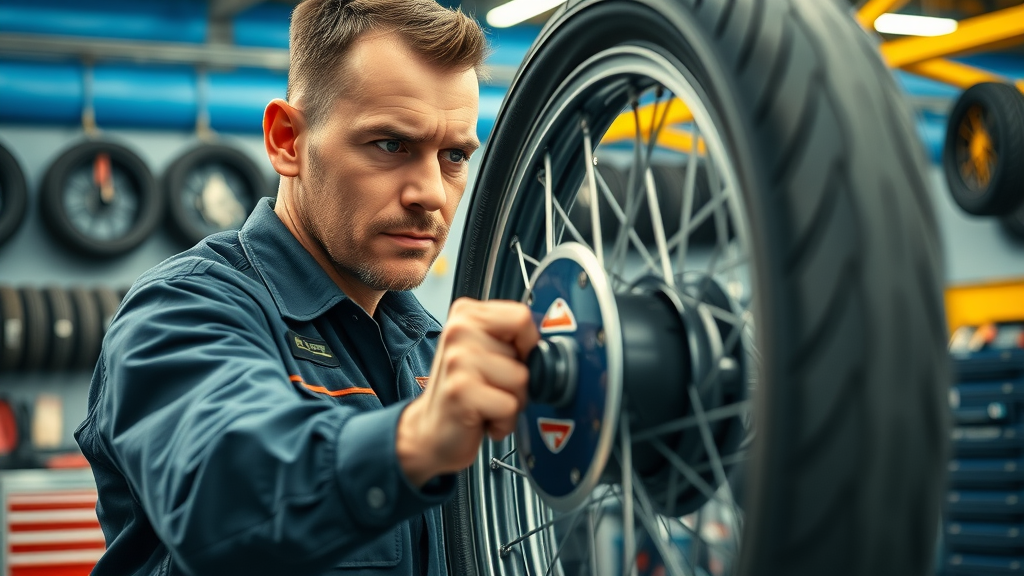
Woodstock IL mechanic balancing motorcycle tires in a bright shop

Popular Motorcycle Services, Price Range & Typical Turnaround

Service

Price Range

Usual Turnaround Time

Oil Change

$50-$90

1 hour

Brake Service

$80-$200

2 hours

Tire Replacement

$100-$250

2 hours

Full Diagnostic

$100-$150

1.5 hours

How to Find Your Next Bike and Reliable Motorcycle Dealerships in Woodstock IL

If you’re looking to find your next bike , partnering with a trusted motorcycle dealership in Woodstock IL ensures a smooth experience from start to finish. Not only will you benefit from access to pre-vetted motorcycles and service staff , but you’ll also enjoy transparent pricing and valuable trade-in incentives. Many dealerships in the area are run by experienced riders committed to helping you enjoy every mile , whether you’re buying, selling, or simply seeking advice. Their knowledgeable teams can guide you through the available models and help you find the perfect bike for your style and budget.

Choosing a dealership that also houses its own service center is a huge plus. This way, every motorcycle is inspected and prepped by certified technicians before hitting the showroom. You’ll have peace of mind knowing your new ride is ready for the road and that expert repair help is close by. Plus, when you need ongoing motorcycle service or parts down the road, their in-house staff can keep your investment in peak condition. Stop by today to meet a team dedicated to helping you find the perfect balance of value and quality.

Benefits of Working with a Trusted Motorcycle Dealership

  • Access to experienced motorcycle technician staff

  • Pre-vetted motorcycles and transparent pricing

  • In-house motorcycle service and support

  • Better trade-in and financing options

"Find your next bike with confidence—choose a dealership that values transparency and top-quality motorcycle repair."

Woodstock IL motorcycle dealership interior with staff assisting customer

Is It Truly Affordable? The Real Cost of Motorcycle Repair in Woodstock IL

Wondering what you’ll actually pay for motorcycle repair in Woodstock IL? The good news is that local shops offer competitive pricing, with honest cost breakdowns and no surprise fees. While major dealerships might charge a premium, independent repair shops deliver expert service without inflated rates—and still back their work with warranties and genuine parts. The following table breaks down typical costs for routine repair:

Cost Comparison: Local Shop vs Major Dealership vs DIY

Typ. Local Repair Shop

Major Dealership

DIY Home Garage

Avg. Price

$120 (Labor+Parts)

$160+ (Labor+Parts)

$65 (Parts Only)

Warranty

Yes

Yes

No

Expert Diagnosis

Yes

Yes

No

Choosing affordable motorcycle repair in Woodstock IL means choosing value—with professional diagnostics, trusted warranty, and a customer-first approach. Our goal is to keep you riding safe, with services that cost less in the long run and protect the lifespan of your bike.

What Sets Affordable Motorcycle Service Apart in Woodstock IL

  • Upfront transparent pricing

  • Customer-first warranty policies

  • Fast turnaround and flexible appointments

  • Access to genuine motorcycle parts

"Our mission is to keep you riding safely without breaking the bank. Your motorcycle deserves expert care at an honest price."

happy owner and technician exchanging keys after motorcycle repair in Woodstock IL

Take a virtual walk-through of a local Woodstock IL repair shop! Watch skilled technicians at work, modern diagnostic machines in action, friendly customer interactions, and a step-by-step look at the motorcycle service process—from check-in to completed repair. Discover why riders trust these neighborhood pros with their bikes, and see the difference expert care makes.

People Also Ask: Is it cheap to fix a motorcycle?

Answer: Motorcycle repair in Woodstock IL can be quite affordable, especially when compared to car repairs. Routine services—like oil changes, brake checks, or tire changes—often cost less due to the smaller size and simplicity of motorcycles. However, complex engine work or sourcing specific motorcycle parts can increase costs. Choosing a reputable shop ensures transparent pricing and better value.

People Also Ask: Is motorcycle repair difficult?

Answer: Motorcycle repair varies in difficulty. Basic maintenance like oil changes and air filter replacements are manageable for most riders. In contrast, diagnosing complex engine or electrical issues often requires specialized motorcycle tech skills. For major problems, working with experienced motorcycle technicians at a professional repair shop in Woodstock IL is strongly recommended to ensure safety and longevity.

FAQs about Affordable Motorcycle Repair in Woodstock IL

  • How long does motorcycle service typically take in Woodstock IL?
    Most routine services, like oil changes or brake checks, can be completed within 1–2 hours, while more complex repairs may take a day or two depending on parts availability and shop workload.

  • Are appointment walk-ins accepted or do I need to book ahead?
    Many shops accept walk-ins for minor repairs, but booking ahead ensures quick turnaround and availability, especially during busy riding seasons.

  • Can a motorcycle technician source OEM parts in Woodstock IL?
    Yes! Local repair shops work with trusted suppliers to source OEM and high-quality aftermarket parts for a wide selection of motorcycle makes and models.

  • What payment options are available at local motorcycle repair shops?
    You’ll typically find flexible payment choices, including credit/debit cards, cash, and sometimes digital wallets. Some also offer service financing for major repairs.

tidy motorcycle repair parts and tools counter in Woodstock IL with service staff ready to help

What You'll Learn When You Visit Our Woodstock IL Motorcycle Service Center

  • How to identify early signs your motorcycle needs repair

  • The benefits of preventative maintenance

  • Why professional motorcycle repair preserves your bike’s value

  • The importance of choosing certified motorcycle technicians

  • How to evaluate motorcycle service shops in Woodstock IL

Our service center is run by a knowledgeable team dedicated to helping you enjoy every mile and keep your ride in top shape. Learn proactive tips to extend your bike’s lifespan, spot small issues before they grow, and get the most from every visit to our shop. Stop by today and see the difference that affordable motorcycle repair in Woodstock IL can make for your riding experience.

This exclusive video compilation features certified technicians sharing insider tips on when to schedule maintenance, how to prevent common problems, and why upfront pricing matters. Whether you’re an experienced rider or just starting out, get the info you need to keep your bike running reliably for years to come.

Stop By Today for Affordable Motorcycle Repair in Woodstock IL

Call Us Today: 847-458-4858 for the most transparent pricing and trusted motorcycle repair in Woodstock IL. Experience the integrity and expertise of our certified motorcycle technician team, ready to get your bike back on the road.

Take action now—visit our Woodstock IL motorcycle service center for affordable repairs, expert advice, and a friendly team that keeps your bike in top shape. Call us today and enjoy every mile!

Maintaining your motorcycle with regular, professional service is crucial for both performance and longevity. In Woodstock, IL, several reputable service centers offer affordable and reliable motorcycle repair.

One such establishment is Nasty Performance Motorcycle Shop , located at 2035 S. Eastwood Dr, Woodstock, IL They provide comprehensive services, including maintenance and customization, with a team of experienced technicians dedicated to ensuring your bike operates at its best. Call Today: 847-458-4858

Choosing a certified motorcycle technician and a reputable service center to ensure your bike receives expert care, helping you avoid unexpected breakdowns and costly fixes. Regular maintenance not only keeps your motorcycle in top shape but also builds a partnership with experienced staff who understand the specific needs of riders in the Midwest.

If you’re serious about keeping your motorcycle running strong and enjoying every mile, these resources will provide you with the professional service you can trust.
Motorcycle Maintenance

0 Comments

Write A Comment

*
*
Please complete the captcha to submit your comment.
Related Posts All Posts

Benefits Of Motorcycle Brake Pad Replacement

Have you ever wondered if overlooking your motorcycle brake pads could secretly sabotage your ride’s safety and performance? Many riders underestimate the critical role brake pads play in both protection and riding experience. This guide cuts through the noise and reveals everything you need to know about motorcycle brake pad replacement benefits, setting you on the path for safer, smoother, and more cost-effective adventures on two wheels. Unlocking Motorcycle Brake Pad Replacement Benefits: Why It Matters “Neglecting your brake pads not only jeopardizes safety but undermines your motorcycle’s performance and longevity.” Motorcycle brake pad replacement benefits go far beyond just stopping your bike on time. Your brake pads are essential not only for halting your motorcycle in critical situations, but also for preserving the integrity of vital components like your brake discs and calipers. Failing to keep up with pad replacement can lead to increased pad wear, diminished stopping power, and rapidly declining overall handling—especially in heavy traffic or during high speed maneuvers. The truth is: worn brake pads aren’t just dangerous, they’re expensive. When brake pads wear down too much, they can irreversibly damage your rotors, compromising your motorcycle brake system’s functionality. Regularly changing your brake pads ensures each ride is as safe as possible and that maintenance costs are kept to a minimum. Remember, investing a little time in regular checks and timely brake pad replacement can extend the overall life of your motorcycle and keep you confidently in control on the road. What You'll Learn About Motorcycle Brake Pad Replacement Benefits Key advantages of motorcycle brake pad replacement How proper brake pad maintenance affects safety Signs your brake pads need replacing The role of rear brake and pad material Answering common rider questions Understanding Brake Pads: How They Impact Your Motorcycle What Are Motorcycle Brake Pads and How Do They Work? Motorcycle brake pads are specialized pieces of friction material designed to press against the brake disc (or rotor) when the brake lever or pedal is engaged. This friction is what slows and ultimately stops the motorcycle. Each time you squeeze the lever or press your foot down, these pads convert moving energy into heat, slowing down the disc attached to your wheel. The efficiency and safety of your ride depend heavily on the quality, thickness, and overall health of these small yet mighty components. Proper maintenance of your brake pads impacts not only your ability to stop swiftly but also protects your brake disc from excessive wear. If you allow your pads to wear out over time, metal-on-metal contact occurs, resulting in costly rotor damage. Thus, understanding how motorcycle brake pads work—and how they degrade during routine rides on various road conditions—is the first step toward unlocking maximum braking performance and equipment longevity. The Role of Brake Pad Material and Riding Style The type of pad material used in your brake pads has a direct impact on pad life, braking efficiency, heat management, and compatibility with your riding habits. Organic pads, for instance, are quieter and gentler on rotors but may wear out faster in heavy traffic or during aggressive riding styles. Sintered pads offer superior stopping power and longer brake pad life, making them a top choice for riders tackling high speed or challenging road conditions. Your unique riding style—whether you’re a commuter facing frequent stops or a weekend warrior chasing winding open roads—influences how quickly your brake pads wear. Some pads are designed for high-performance bikes and rapid stops, while others are suited for comfortable, everyday use. Choosing the right pad material optimizes not just stopping power, but also ensures your brakes match your expectations regardless of the conditions. In addition to selecting the right pad material, it's important to consider how seasonal changes can affect your motorcycle's braking system. For a deeper dive into how weather and temperature shifts impact brake pad performance and overall bike care, check out these seasonal bike care secrets every rider should know. Pad Wear, Pad Thickness, and Road Conditions Pad wear is inevitable; every time you engage the brakes, the friction material is abraded. Over time, the pad thickness shrinks, and once it dips below the manufacturer’s minimum—usually around 2-3mm—your ability to stop safely plummets. Factors accelerating pads wear include riding in heavy traffic, frequent stops, adverse road conditions like rain or dirt, and high-performance riding. Regular checks for pad thickness are crucial to detect thinning before it compromises your stopping power. Modern brake pad compounds are engineered to withstand a variety of environments, but even the toughest pads will show accelerated wear in mud, grit, or during extended descents that generate extra heat. Mastering this balance is key to maximizing both brake pad life and your own safety. The Safety and Performance Benefits of Motorcycle Brake Pad Replacement Pad Replacement for Enhanced Braking Response Timely motorcycle brake pad replacement means instant, confident braking every time you need it. Fresh brake pads deliver immediate grip when pressed against the brake disc, translating to short stopping distances and firm lever feel. When pad wear progresses past a certain limit, braking can become sluggish or uneven, leaving you struggling to regain control in emergency situations. For riders who regularly push the pace or encounter unpredictable road conditions, having responsive, high-quality brake pads is non-negotiable. Not only does pad replacement maximize your stopping power, but it also restores your trust in your bike’s ability to handle both everyday commutes and high speed cornering alike. Avoiding Brake Fade and Improving Stopping Power One prevalent but overlooked threat is brake fade—a loss of effectiveness due to overheated friction material during sustained braking. Old or low-quality brake pads are more prone to overheating, especially during aggressive riding or when navigating steep declines. Replacing your pads frequently helps keep braking performance sharp, ensuring consistent and reliable stops regardless of speed or terrain. The benefit is not just theoretical: upgraded or maintained brake pads resist heat build-up better, preserving your bike’s stopping power over repeated braking intervals. Keeping both your front and rear brake pads fresh guarantees that braking is evenly distributed, making your motorcycle easier to handle and more predictable on all surfaces. How Motorcycle Brake Pad Replacement Extends Equipment Lifespan One of the chief motorcycle brake pad replacement benefits is the protection it offers to other expensive brake components. When brake pads wear down excessively, their metal backing plate can contact the brake disc, scoring or warping the rotor. This not only decreases pad life further but can necessitate replacing rotors altogether—an avoidable and costly repair. Routine pad replacement ensures your brake discs, calipers, and even the hydraulic systems face less strain and heat. Protecting these parts extends the usable life of your entire braking system, allowing you to spend more time riding and less time and money on major repairs. Preserving Rotors and Rear Brake Efficiency While many riders focus solely on the front brakes, the rear brake also plays a pivotal role. Balanced, well-maintained brake pads across both wheels prevent uneven pad wear, reduce rotor scoring, and guarantee smooth, stable braking on both highways and city streets. The rear pad’s condition can easily affect your ability to slow down or stabilize the motorcycle during tight maneuvers or sudden stops. By ensuring both front and rear brake pads are regularly checked and replaced, you maintain harmony in your brake system. This approach not only increases your motorcycle’s reliability, but also ensures every lever press or pedal tap delivers precise, predictable results. Recognizing When Motorcycle Brake Pads Need Replacement Common Signs: Brake Pads Wear, Squealing, and Pad Thickness Identifying brake pads wear before it becomes dangerous is essential. Key indicators include a noticeable screeching or squealing sound when braking—a built-in warning designed to alert you before the pad thickness reaches critical lows. If you see visible grooves, uneven surfaces, or anything less than the minimum recommended thickness (usually indicated by a wear indicator or measured via inspection), it’s time for pad replacement. Don’t overlook reduced braking effectiveness or a “spongy” feeling at the brake lever. And if your motorcycle doesn’t slow as quickly—especially under high speed or in wet road conditions—immediate inspection and prompt change of your brake pads are non-negotiable. Regular checks keep you proactive, not reactive. How to Inspect and Change Your Brake Pads Begin by locating the brake caliper on both the front and rear wheels. Most models allow you to visually check pad thickness without removing the wheel—shine a flashlight to see how much friction material remains. When inspecting, compare current thickness against manufacturer recommendations. If the pads are thin, uneven, or contaminated by oil/dirt, it’s time to replace your brake pads. Changing your brake pads is usually straightforward for DIY enthusiasts. Make sure to use compatible pad materials—and don’t forget to inspect the brake discs, retaining clips, and caliper pins, cleaning or replacing parts as needed. If in doubt, seek expert assistance, as installation should always align with safety best practices. Step-by-Step Guide to Safe Motorcycle Brake Pad Replacement Preparation: Tools, Pad Material Selection, and Safety Measures Before you begin brake pad replacement, gather all necessary tools: socket wrenches, Allen keys, caliper spreaders, new brake pads suited for your bike’s make and model, and safety gear like gloves and safety glasses. Selecting the correct pad material for your riding style is crucial—whether you prefer organic brake pads for quiet, city commuting or sintered pads for their longevity in sportier settings. Always prioritize safety by supporting your motorcycle securely, typically with a center stand or paddock stand, and double-checking your workspace for adequate lighting. Consulting your owner’s manual or a reputable technical guide can help you avoid common pitfalls and ensure the process is smooth from start to finish. Preparation is key to safe, effective brake pad replacement. Replacing Your Brake Pads: Detailed Instructions 1. Loosen and, if needed, remove the caliper bolts to slide the caliper off the brake disc. 2. Carefully remove the old brake pads, taking note of their orientation and placement. 3. Inspect the caliper piston and clean any debris with a brake-specific cleaner. Push the piston back carefully to accommodate the thickness of the new pads. 4. Install the new pads, ensuring the friction material faces the disc. 5. Reinstall and tighten the caliper, following torque specifications from your service manual. 6. Before riding, test the brake lever or pedal slowly to ensure proper engagement and bed in your new pads carefully (often via the 30 30 30 rule—30 stops from 30 mph with 30 seconds between each). If the process feels overwhelming or if you notice anything amiss, contact a professional. Ensuring correct installation is fundamental for maximizing motorcycle brake pad replacement benefits and keeping you safely on the road. Myths vs. Facts: Motorcycle Brake Pad Replacement Myth: All brake pads are the sameFact: Pad material affects performance Myth: Only front brakes matterFact: Rear brake plays a crucial role Myth: You can ignore wear until brakes failFact: Worn brake pads reduce safety significantly Tables: Comparing Pad Wear, Replacement Intervals, and Pad Materials Pad Material Average Wear Rate Recommended Replacement Interval Notable Characteristics Ideal Riding Style Organic Pads Faster wear 5,000 – 10,000 miles Quiet, gentle on rotors, less dust City commuting, light riders Sintered Pads Slower wear 10,000 – 20,000 miles Exceptional in wet, high temperature resistance Sport, touring, high speed Semi-Metallic Pads Moderate wear 7,000 – 15,000 miles Good heat dissipation, increased rotor wear Mixed riding, aggressive stops Ceramic Pads Very slow wear Up to 25,000 miles Low dust, consistent feel, premium price Performance, all-weather Expert Insights on Motorcycle Brake Pad Replacement Benefits “Routine brake pad replacement is the cornerstone of motorcycle safety—never underestimate its impact.” — Certified Motorcycle Technician Lists: Top Motorcycle Brake Pad Replacement Benefits Maximized braking power Greater riding control and safety Prolonged rotor life Consistent braking in various road conditions Cost-effective motorcycle maintenance Adaptability to your riding style People Also Ask: Motorcycle Brake Pad Replacement Questions How often should motorcycle brake pads be changed? Most experts recommend inspecting your brake pads regularly and replacing them when the pad thickness drops below the manufacturer’s specified limit. Depending on riding style and road conditions, intervals may vary. What is the 30 30 30 rule for brakes? The 30 30 30 rule refers to bedding in new brake pads—30 gentle stops from 30 mph with 30 seconds between each to ensure optimal pad and rotor contact. What is the 4 second rule on a motorcycle? The 4 second rule provides adequate following distance for safe braking: pick a marker, and ensure four seconds elapse after the vehicle ahead passes it before you do. Can rotors last 100,000 miles? While some rotors can reach high mileage if well-maintained, routine brake pad replacement is essential to prevent premature rotor wear or damage. FAQs on Motorcycle Brake Pad Replacement Benefits What are the risks of not replacing worn brake pads? Is it safe to replace brake pads yourself? How does brake pad material affect longevity? Do weather and road conditions accelerate pad wear? Can new brake pads improve motorcycle resale value? Key Takeaways: Motorcycle Brake Pad Replacement Benefits Regular motorcycle brake pad replacement maintains optimal safety and control. Choosing the right pad material maximizes performance based on your riding style. Early replacement protects rotors and saves on costly repairs. Following manufacturer guidelines ensures a smoother, safer ride. Find Expert Motorcycle Brake Pad Replacement Help Ensure your motorcycle’s safety—Call Nasty Performance Motorcycle Shop Today: 847-458-4858 As you continue to refine your motorcycle maintenance routine, remember that brake pad replacement is just one aspect of comprehensive bike care. For those looking to elevate their maintenance strategy and adapt to changing riding conditions throughout the year, our guide on seasonal bike care secrets offers valuable insights to keep your ride performing at its best, no matter the season. Explore advanced tips and discover how proactive care can help you enjoy safer, smoother journeys all year long.

Signs Your Motorcycle Needs Suspension Tuning

Did you know that studies show improper suspension tuning can contribute to nearly 30% of motorcycle handling-related accidents? Most riders focus on power and tires, but fail to recognize early signs that their motorcycle suspension needs tuning—a silent factor that could transform your ride’s safety and comfort. This comprehensive guide brings you everything you need to spot, diagnose, and address suspension issues, ensuring your motorcycle suspension setup is truly set correctly for every journey. Why Motorcycle Suspension Tuning Matters Motorcycle suspension tuning isn't just a performance upgrade—it's a core safety requirement. The suspension setup on your bike controls how the motorcycle responds to the road, manages weight transfer during acceleration and braking, and supports both comfort and stability while you ride. Many riders overlook the complexity of adjusting suspension, assuming the factory settings will suit every scenario or riding style—this can’t be further from the truth. Factory suspension set configurations are intentionally generic, intended for an average weight and street bike usage profile. But your suspension setup needs to match your body weight, preferred riding style, and even changing cargo or passenger loads. When your motorcycle suspension is not tuned for your actual riding conditions, you risk not just discomfort but potential danger: poor traction, unpredictable handling, and increased risk of sudden instability in critical moments. Suspensions are not a “set and forget” element—attentive tuning means improved safety, better control, and a more enjoyable ride every time you hit the road. The Impact of Motorcycle Suspension on Safety and Comfort An optimally tuned suspension acts like a shock absorber for every aspect of your ride—it helps your front end and rear shock maintain tire contact, absorb road imperfections, and manage cornering forces. If your front fork is set incorrectly, you might experience a harsh ride or excessive front end dive, undermining confidence and precision. The rear shock, meanwhile, counteracts the bumps that could throw off your balance or cause your rear tire to lose grip. Together, front and rear suspension components are the difference between a ride that feels grounded and controlled or one that feels unstable and unpredictable. Poor motorcycle suspension tuning not only reduces comfort—leading to fatigue and less enjoyable journeys—but it can also directly compromise safety through loss of control, especially under heavy braking or aggressive maneuvering. When correctly set, suspension improves handling, maximizes your tire’s lifespan, and ensures rider confidence, making every ride not just smoother, but genuinely safer. What You'll Learn About Motorcycle Suspension Tuning Key signs your motorcycle needs suspension tuning The roles of front end, front fork, and rear shock How to perform or request a suspension setup Answers to common questions on motorcycle suspension tuning Startling Facts: Motorcycle Suspension Tuning and Its Overlooked Importance Motorcycle riders often invest in high-performance tires or exhaust systems but neglect the motorcycle suspension—a key link between the bike and the road. "Many riders underestimate how significantly proper suspension tuning affects both handling and safety. " In reality, a poorly tuned suspension setup can overshadow the benefits of even the best tires or brakes, and improper adjusting suspension can lead to unpredictable handling, especially on rough or unfamiliar roads. While understanding the signs of suspension issues is crucial, it's equally important to recognize how seasonal changes can impact your bike's overall performance. For practical advice on keeping your motorcycle in top shape throughout the year, explore these essential seasonal bike care secrets every rider should know. Recognizing the Signs: When Your Motorcycle Needs Suspension Tuning So, how can you tell when it’s time to check your motorcycle suspension setup? Listening to your bike is the first and most important step. Certain symptoms show up long before more serious mechanical problems emerge. Recognizing these early warnings will keep your suspension set within the ideal range and ensure every component—from the front fork to the rear shock—works in harmony for a confident ride. Riders who learn to spot trouble with the front end or preload adjuster become proactive in their maintenance, often catching small issues before they become expensive or dangerous. The key is to notice how the motorcycle reacts in different scenarios: braking, hitting bumps, or entering a curve. If your bike behaves unpredictably, don’t ignore it—it’s time for a closer look at your suspension setup. Symptoms of Poor Motorcycle Suspension Excessive nose dive during braking Harsh ride over bumps Bottoming out on rough roads Instability in corners These symptoms are telltale signs that your suspension set may not be reacting as it should. Excessive nose dive, for example, indicates weakness in the front fork or incorrect preload set, while a harsh ride signals that damping or compression and rebound settings are off. Bottoming out—when the suspension fully compresses and hits its limit—often points to a low spring rate or insufficient preload, affecting both front and rear. Instability in corners can suggest your front end or rear shock is not set correctly, putting both comfort and control at risk. Front End and Front Fork Issues The front end of your motorcycle—including the front fork and fork legs—bears a significant load, especially during braking and cornering. When the front fork isn’t set correctly, several problems become apparent. You may feel the front wheel chatter or skip over bumps, or the fork may bottom out (“fork bottom”) over sharp impacts, indicating weak springs or inadequate dampening. Issues within the front end can be subtle, such as vague steering or unexpected instability, particularly when the suspension fully extends after a heavy bump. This can result from incorrect static sag—the amount the suspension compresses under the bike’s weight—or worn fork oil, which reduces smoothness and control. Riders should check for oil leaks and ensure the front fork moves cleanly throughout its travel, as sticky or inconsistent motion can indicate critical maintenance is needed. Rear Shock Warning Signs The rear shock is responsible for maintaining contact and control at the rear tire, especially through turns and when carrying extra weight. When the rear shock is worn or out of adjustment, you’ll notice symptoms like excessive squat during acceleration, a bouncy ride over bumps, or the rear end feeling loose and unpredictable. Bottoming out at the rear is a red flag that the preload or spring rate is too low, or damping is not set correctly. On the other hand, if the ride feels harsh or the rear tire skips over bumps, this could result from excessive preload or inappropriate compression and rebound settings. Inspection of the shock for oil leaks and checking the preload adjuster offers clues about the health of your rear suspension setup. Unresponsive Preload Adjuster Problems Most modern motorcycles feature preload adjusters for quick setup. If these become unresponsive or difficult to turn, the problem could run deeper. A seized or stuck preload adjuster could indicate internal rust, worn threads, or insufficient lubrication—all of which threaten the precision of your suspension set and can quickly lead to uneven or unsafe handling. Regularly inspect the adjuster for smoothness and ensure settings can be made with basic tools. If the preload adjuster won’t move despite proper technique, don’t apply excessive force—this is a sign to consult a professional, as forcing the mechanism can damage critical internal components of the front fork or rear shock. How to Check Motorcycle Suspension Setup Routine inspection of your motorcycle suspension ensures you identify problems before they impact safety or ride quality. Performing these checks yourself helps develop a “feel” for your bike and encourages a proactive approach to maintenance. Suspension on your bike should be checked when you notice changes in handling, before and after changing loads (like adding a passenger), or at set service intervals. Remember, even small changes in tire pressure, cargo, or riding style can impact how the suspension behaves. Never neglect regular assessment—check front and rear sag, watch out for oil leaks, inspect the action of your forks and shock, and record your preferred suspension setup settings for quick reference in the future. Step-by-Step: Inspecting Your Front Fork Begin with the motorcycle upright and fully extended—this “unloaded” position is your starting point. Gently press down on the front end, feeling for smooth and consistent movement in the front fork. If you hear squeaks, feel sticky spots, or notice oil residue near the seals, immediate attention is required. Measure the static sag by comparing the length of the fork when fully extended to where it sits under the bike’s weight; this helps determine if your spring rate is within the ideal range. Don’t forget to test fork rebound by compressing and releasing—the fork should return smoothly without bouncing. Check the tightness of every bolt, especially around the axle and triple clamps. If the fork bottom tube shows scuffs or oil, this can indicate worn seals or improper setup. Working through these steps helps you catch early warning signs and maintain a balanced, responsive front end ride. Dialing in the Correct Rear Shock Settings The rear shock is adjusted for both preload and damping. Using a spanner wrench, turn the preload collar so the bike’s static sag sits in the recommended range for your weight and riding style (often around 30–35mm for street bikes). Adjusting suspension settings too far from this range may lead to a harsh ride or too much travel, causing the rear end to feel loose or unpredictable. Next, fine-tune the rebound and compression adjustments to ensure the shock absorbs bumps without causing a pogo effect. Adjust these settings incrementally—a quarter or half turn at a time—then test ride to feel the results. Make note of each change, so you have a precise log of what feels best for your suspension setup. Common Motorcycle Suspension Issues vs. Ideal Suspension Feel Common Motorcycle Suspension Issues vs. Ideal Suspension Feel Symptom Possible Cause Suggested Action Nose dive under braking Weak front fork springs Adjust preload / upgrade springs Harsh over bumps Incorrect damping Tune damping or service suspension Bottoms out Low preload/rear shock Adjust preload / check shock Common Misconceptions About Motorcycle Suspension Tuning Many riders believe that motorcycle suspension tuning is only for professional racers or highly technical enthusiasts. In fact, every motorcycle owner benefits from regular suspension checks and adjustments. "Suspension setup is not just for racers—every rider benefits from proper tuning. " Another myth is that factory settings don’t need adjusting. However, manufacturers set up suspensions for “average” riders, and rarely do these generic setups match your unique riding style, weight, and local road conditions. Neglecting suspension setup can degrade both safety and riding pleasure—regular adjusting suspension is essential maintenance, not just an optional upgrade. Professional vs. DIY: Adjusting Suspension and Suspension Setup There’s a balance between performing basic motorcycle suspension adjustments at home and knowing when to consult the pros. Setting static sag, adjusting basic preload, and minor damping tweaks are manageable for most riders, requiring only a few tools and attention to detail. However, advanced tasks like rebuilding shocks, replacing fork oil, or diagnosing persistent instability should always be left to experienced professionals to ensure safety and proper component performance. Deciding when to trust your own skills versus seeking expert help hinges on the complexity of the issue, available tools, and your mechanical confidence. When in doubt, consulting a suspension specialist prevents expensive mistakes and ensures your suspension fully serves its purpose—connecting you securely to the road. When to Seek Expert Suspension Tuning If you’ve adjusted preload or damping and still encounter instability, excessive wear, or leaks, it’s time to see a qualified technician. Expert tuners possess tools such as dynamometers, precise measuring equipment, and a wealth of experience diagnosing subtle ride issues. Tasks like custom spring selection, full suspension rebuilds, and detailed damping adjustments are best left to those with specialized knowledge, ensuring your bike’s front and rear suspensions are perfectly matched and set correctly. Basic DIY Motorcycle Suspension Adjustments Many adjustments—including setting static sag and minor tweaks to the preload adjuster—can be performed at home. Start by referencing your owner’s manual, ensuring your bike is upright and stabilized before making changes. Use proper tools to avoid damaging components. Gradually adjust preload, compression, and rebound—testing after each turn—until you reach a suspension setup that feels balanced both front and rear. Don't forget to logically document every modification—keep notes of original settings and changes made, so you can easily return to a known good starting point if the results aren’t as expected. If your bike behaves erratically after an adjustment, or the suspension remains unresponsive, revisiting a professional may be necessary. Frequently Asked Questions on Motorcycle Suspension Tuning How often should motorcycle suspension be tuned? Inspect your motorcycle suspension every 6,000–12,000 miles, or anytime you notice a change in handling, add a frequent passenger, or adjust riding style. Regular inspection helps catch problems early and keeps your suspension set within safe limits. What are the most common signs my motorcycle suspension needs adjustment? Look for excessive nose-dive under braking, harshness over bumps, rear end bottoming out, or loss of composure in corners. These symptoms suggest your front fork or rear shock needs attention. Does rider weight affect suspension setup? Absolutely. Your personal and cargo weight directly impacts static sag and spring performance, requiring adjustments to maintain stability and comfort. Heavier or lighter riders must always set sag accordingly for both front and rear. Can improper motorcycle suspension tuning cause damage? Yes—a poorly tuned suspension accelerates wear on tires and bushings, increases fatigue on components, and can compromise safety in emergency scenarios by failing to keep the front wheel and rear tire in consistent contact with the road. People Also Ask: Motorcycle Suspension Tuning What happens if motorcycle suspension is not tuned properly? A motorcycle with untuned suspension can feel unstable, handle poorly, and put both comfort and safety at risk. How do I know if I need to adjust my motorcycle suspension? Watch for symptoms such as instability in turns, excessive bounce, or discomfort over bumps—these are key indicators your motorcycle suspension tuning is required. Is it difficult to perform motorcycle suspension tuning on my own? Basic adjustments are manageable for most riders—with the right tools and guides, simple tuning can be done DIY, but complex tuning should be handled by professionals. Key Takeaways for Motorcycle Suspension Tuning Proper motorcycle suspension tuning enhances safety and ride quality Regular inspection identifies suspension setup issues early Both front fork and rear shock play crucial roles Professional guidance is recommended for complex tuning Take the Next Step: Ensure Your Motorcycle Suspension Is Tuned Right Mastering your motorcycle’s suspension is just one part of a comprehensive maintenance routine that keeps your ride safe and enjoyable all year long. If you’re ready to elevate your bike care beyond the basics, consider how seasonal factors—from temperature swings to road conditions—can influence your maintenance priorities. For a deeper dive into holistic motorcycle upkeep and to uncover expert strategies for every riding season, check out the full guide on seasonal bike care secrets every rider must know. Expanding your knowledge in this area will help you anticipate issues before they arise and ensure your motorcycle performs at its best, no matter the time of year. Call Nasty Performance Motorcycle Shop Today: 847-458-4858

Step-By-Step DIY Motorcycle Maintenance Tips

Did you know? Skipping just one routine motorcycle maintenance task can increase your risk of breakdown or accident by up to 50%. While performance is important, your safety and the longevity of your bike depend on mastering the basics of motorcycle maintenance tips. Unlocking Motorcycle Longevity: Why Motorcycle Maintenance Tips Matter "Motorcycle maintenance isn’t just about performance, it’s about safety and extending the life of your machine." Every rider wants their bike to be safe and enjoyable for as long as possible. With regular motorcycle maintenance tips, you don’t just preserve how your bike looks and runs—you protect yourself, others, and your wallet from costly repairs. Proper care means catching issues before they become serious, whether you ride every day or only for long rides. Staying proactive ensures that each maintenance task—from checking tire pressure to inspecting brake pads—keeps your motorcycle running smoothly, optimizes fuel efficiency, and maintains stopping power every time you hit the brakes. It all starts with understanding why regular maintenance matters and committing to a simple routine that fits into your lifestyle. Ignoring basic maintenance tasks can have a domino effect. For example, something as small as letting your tire pressure drop can affect handling, reduce tread depth, and impact your stopping power. Skipping oil changes can harm the engine, while neglecting the chain and sprocket can leave you stranded on a long ride. By prioritizing these essential maintenance tasks, you gain peace of mind and extend your bike's lifespan, so you’re ready for more adventures on the open road. Surprising Facts That Highlight the Importance of Motorcycle Maintenance Tips You might be surprised to learn that over 60% of breakdowns on the road are due to small, preventable issues. For instance, improperly maintained brake pads or chains account for a significant percentage of loss-of-control incidents. It’s also worth noting that a clogged air filter can drop engine power and speed by up to 10%, not only hurting your bike’s performance but also its resilience on long rides. These facts highlight how implementing a few sensible motorcycle maintenance tips can make the difference between a safe, exhilarating ride, and dealing with frustrating repairs or safety hazards. Many seasoned riders swear by maintenance checklists, claiming their bikes run better and last longer when they regularly check oil levels, tire pressure, and fluid levels. Even small maintenance tasks like cleaning battery terminals or inspecting lights can profoundly affect reliability. Staying on top of the basics puts you firmly in the driver’s seat—never leaving your biking fate to chance. For a more detailed breakdown of each maintenance step and additional hands-on advice, you might find this step-by-step bike servicing guide helpful. It covers practical servicing routines that complement the essential tips outlined here. What You’ll Learn: Mastering Motorcycle Maintenance Tips The most crucial motorcycle maintenance tasks every rider should know Step-by-step breakdowns for essential maintenance items: brake pads, tire pressure, chain and sprocket, air filter, and oil change Real-world insights that keep you—and your ride—safe Frequently asked questions about motorcycle maintenance tips Core Maintenance Tasks: The Foundation of Effective Motorcycle Maintenance Tips The heart of effective motorcycle care is a solid routine of regular maintenance tasks. By learning and sticking to these basics, you ensure your bike remains running smoothly, whether you use it for short trips or long rides. Prioritizing these checks boosts your confidence and reinforces safety for every journey. Essential motorcycle maintenance jobs include checking and adjusting tire pressure, inspecting and replacing brake pads, cleaning and lubricating the chain and sprocket, maintaining the air filter, and performing oil changes on schedule. Each one plays a vital role in transferring power from the engine to the wheels, maintaining stopping power, and maximizing overall efficiency. Consider this your maintenance blueprint: structure your checks according to frequency and use the right tools for best results. Consistency is key. Even a simple weekly look at tire pressure or a monthly brake pad inspection goes a long way toward keeping your bike in top shape. Use this table as your quick reference for routine motorcycle care. Routine Motorcycle Maintenance: Scheduling and Priority Maintenance Task Frequency Tools Needed Tire Pressure Weekly Tire Gauge Brake Pad Inspection Monthly Wrench, Allen Key Chain and Sprocket Weekly Lubricant, Brush Air Filter Check Monthly Screwdriver Oil Change As Specified Oil Pan, Wrench Inspecting and Adjusting Tire Pressure: Motorcycle Maintenance Tips for Safer Rides One of the easiest yet most overlooked motorcycle maintenance tips is managing tire pressure. Correct tire pressure ensures a safe, smooth ride, potent stopping power, and peak fuel efficiency. Whether it’s your first bike or you’re prepping for a long ride, checking tire pressure should be a non-negotiable part of your routine. An under-inflated tire risks overheating and blowouts, while over-inflation reduces grip, especially in wet conditions. Make it a habit to check your tire pressure weekly or before any big trip—using a reliable pressure gauge for accuracy. Never wait for visible signs of trouble. Addressing issues early prevents uneven wear and preserves tread depth, critical for safe handling. Invest a few moments in this step, and you’re rewarded with better control and less chance of being sidelined by unexpected flats or poor performance. Remember, when your tires are properly inflated, the rest of your motorcycle’s systems can function to their full potential. Step 1: How to Check and Adjust Tire Pressure Correctly Why accurate tire pressure matters: It affects stopping power, extends tire life, and boosts fuel efficiency. Signs of under-inflation or over-inflation: Uneven tread depth, wobbling, sluggish handling, or uneven tire wear. Steps for using a tire pressure gauge effectively: Always check when tires are cold. Remove the valve cap, position the gauge onto the stem, and get a quick read. Adjust pressure as needed to match your owner’s manual recommendations. Don’t forget to replace the cap! Brake Pad & Brake Pads: Motorcycle Maintenance Tips for Maximum Stopping Power When it comes to safe riding, few maintenance tasks are as vital as ensuring your brake pads are up to standard. The state of your brake pads directly impacts your bike’s stopping power, especially during emergencies or at high speeds. Regularly inspecting your motorcycle brake system prevents the kind of unexpected failures that can lead to dangerous situations. Even if your rides are mostly short and sweet or you love the thrill of long rides, always check your brake for wear, warping, or reduced performance. To keep your stopping power in peak condition, don’t ignore unusual sounds, increased stopping distances, or a spongy brake lever feel. These are strong indicators that your brake pads—or the entire brake system—need attention. Always use the recommended tools for DIY maintenance and don’t hesitate to replace worn, thin, or cracked pads. It’s a small step that offers massive peace of mind every time you need to stop suddenly or tackle sharp curves. Step 2: Inspecting Brake Pads and Maintaining Braking Efficiency Visual signs your brake pads need attention: Look for thinning material, deep grooves, uneven wear, or squealing sounds during braking. Tools required for basic brake pad maintenance: Most jobs need a wrench or Allen key, gloves, and a good lighting source. Tips for ensuring peak stopping power: Always clean the caliper area when inspecting or changing pads, and never touch pad surfaces with bare hands to prevent contamination. Cleaning and Lubricating Your Chain and Sprocket: Motorcycle Maintenance Tips to Boost Lifespan Your chain and sprocket are responsible for transferring power from the engine to the wheels—making their upkeep a must in your motorcycle maintenance tips routine. If your chain is too tight or loose, or if dirt and rust take hold, your bike won’t perform at its best, and you risk accelerated wear or even mechanical failure. Frequent chain cleaning and lubrication, paired with proper tensioning, keep everything running smoothly and help avoid those annoying squeaks, jumps, or dangerous chain breaks. A clean, properly lubricated chain provides smooth power delivery and keeps your rides safe and enjoyable. Look for buildup, rust, or sagging as clear signals it’s time for attention. Following a careful maintenance schedule boosts overall bike lifespan and makes every ride feel effortless—whether you’re dealing with city commutes or countryside adventures. Step 3: Care Essentials for Optimal Chain and Sprocket Health Indications your chain needs cleaning and lubrication: Presence of dirt, rust, kinks, noise or visible slack in the chain. How to properly tension and lubricate the chain: Use the bike’s center stand if possible, clean the chain using a suitable brush and degreaser, spin the rear tire, and check slack according to the manual. Lubricate evenly along the length—wipe off excess to prevent dust attraction. Importance of sprocket condition in overall motorcycle maintenance: Worn teeth or misalignment impact the whole drive system—if you notice hooked, chipped, or thinning sprocket teeth, it’s time to replace them. Air Filter Maintenance: Critical Motorcycle Maintenance Tips for Engine Performance The air filter is the gatekeeper of a healthy engine, keeping dust, debris, and impurities away from your motorcycle’s heart. A dirty air filter can suffocate performance—resulting in rough running, poor fuel efficiency, and even damage over time. That’s why every list of smart motorcycle maintenance tips always includes checking, cleaning, or replacing your air filter regularly, especially if you frequently ride on dusty roads. Keeping your air filter clean not only protects the engine but also optimizes airflow for maximum combustion power. If your bike feels sluggish, takes several tries to start, or emits more smoke than usual, an air filter check should be your priority. Doing this yourself is straightforward and saves you trips to the mechanic—just follow these simple care instructions for reliable performance in any season. Step 4: How to Inspect, Clean, and Replace Your Air Filter Warning signs your air filter is clogged: Reduced acceleration, black smoke, increased fuel use, or visible dirt on the filter element. DIY cleaning and replacement tips: Remove the filter cover with a screwdriver, gently tap out loose debris, or wash if reusable. If it’s paper and clogged, install a new one—always use the type recommended for your motorcycle. How a well-maintained air filter protects your engine: It ensures proper air-fuel mix for combustion, prevents abrasive debris from entering cylinders, and increases overall engine lifespan. Motorcycle Oil Change: Step-By-Step Motorcycle Maintenance Tips Changing your bike’s oil is an indispensable motorcycle maintenance task that keeps your engine lubricated and running quietly. Regular oil changes ensure moving parts don’t wear prematurely, reduce engine heat, and help catch early signs of trouble like metal shavings or discoloration. Whether you use mineral or synthetic oils, following your manufacturer’s schedule for oil changes is critical to get the most out of every engine revolution. Learning how to change your own oil saves money and gives you control over the quality and cleanliness of what’s inside your engine. With the right tools and a little patience, you can make oil changes a quick, mess-free routine that pays major dividends—especially if you love taking long rides. Always check the oil level after filling, and dispose of old oil responsibly to protect the environment as well as your driveway. Step 5: Performing an Efficient Oil Change at Home How to recognize when it’s time for an oil change: Look for darker color, decreased oil level, unusual engine noise, or exceeding the recommended mileage interval. Choosing the right oil for your motorcycle: Refer to the owner’s manual—different engines require different weights and oil types (mineral vs. synthetic). Environmental tips for oil disposal: Never pour old oil down drains; store it in a sealed container and deliver to an approved recycling center. Beyond the Basics: Preventive Motorcycle Maintenance Tips Inspecting brake and clutch levers for smooth action and minimal play Checking all warning lights for proper function before each ride Monitoring coolant and fluid levels (including brake fluid and coolant level) to prevent overheating or system damage Inspecting suspension and bearings for signs of wear or excessive movement Expert Quotes: Insights on Motorcycle Maintenance Tips "Neglecting simple maintenance tasks can lead to costly repairs and compromised safety. Always check your motorcycle maintenance tasks schedule." — Leading Motorcycle Mechanic Essential Motorcycle Maintenance Tips Checklist Inspect tire pressure before each ride Regularly inspect and replace brake pads as needed Clean and lubricate chain and sprocket once a week Check and replace air filter regularly Change oil as per manufacturer guidelines Visually inspect all cables, lights, and levers Monitor fluid levels for brakes and coolant People Also Ask: Motorcycle Maintenance Tips What is the 4 second rule on a motorcycle? Understanding and Applying the 4 Second Rule for Motorcycle Safety The 4-second rule is a widely recommended following distance for motorcyclists. When riding behind another vehicle, choose a fixed point on the road—once the car ahead passes it, count four full seconds. If you reach the point before finishing the count, you’re too close and should increase your distance. This rule allows enough time to react to sudden stops, potholes, or unexpected obstacles, providing a safe buffer for both long rides and city traffic. Consistently applying this rule can significantly reduce your risk of rear-end collisions and is considered essential for safe, enjoyable riding. What is the most important maintenance on a motorcycle? Breaking Down the Most Important Motorcycle Maintenance Tip Every Rider Should Know While every maintenance task matters, regularly checking and adjusting tire pressure stands out as perhaps the most crucial. Proper tire pressure impacts handling, braking, fuel efficiency, and overall safety. Without correctly inflated tires, even the best-maintained engine or brakes can’t deliver optimal performance. By making tire pressure checks a non-negotiable routine—especially before long rides—you keep your bike in top shape and support every other component, from suspension to brakes and beyond. What does 2 fingers up mean on a motorcycle? Decoding the Motorcycle Hand Gestures: Two Fingers Up Explained When a motorcyclist flashes two fingers up—usually angled downwards—it’s a gesture of camaraderie and respect among riders. This hand signal is a way to say, “stay safe and enjoy the ride,” similar to waving but tailored to motorcycle culture. The gesture reinforces a sense of community on the road, reminding everyone to ride responsibly and take care of their machines with the same attention to detail recommended in all these motorcycle maintenance tips. Which bike is most liked by girls? Popular Motorcycle Models Among Female Riders Female riders often prefer motorcycles that combine manageable size, comfort, and approachable power delivery. Some popular models include the Honda Rebel, Kawasaki Ninja 400, Yamaha MT-03, and Royal Enfield Meteor. These bikes are well-regarded for their friendly ergonomics, lightweight frames, and ease of handling, making them great for newcomers or those who want confidence in city riding or on long rides. Ultimately, personal taste, comfort, and fit trump model—always choose a bike that empowers you and fits your riding style. Frequently Asked Questions About Motorcycle Maintenance Tips How often should I check my tire pressure? At least once a week, or before every long ride, using a reliable tire pressure gauge. What are the signs of worn-out brake pads? Squealing noise, thinning pad material, increased stopping distance, or visible grooves and scoring on the pad surface. How do I know if my chain is too loose or tight? Consult your owner’s manual for the recommended slack; a chain that sags too much, makes noise, or jumps off the sprocket needs attention. When should I replace my air filter? Every 10,000–15,000 miles for most bikes, or sooner in dusty conditions. Replace immediately if it appears dirty, torn, or obstructed. What’s the difference between mineral and synthetic oils for motorcycles? Mineral oils are suitable for older engines or less demanding use, while synthetic oils offer better protection, longer change intervals, and enhanced performance in modern or high-output engines. Key Takeaways: Motorcycle Maintenance Tips for Every Rider Regular motorcycle maintenance ensures safety and peak performance Key steps include tire pressure checks, brake pad care, chain and sprocket lubrication, air filter maintenance, and timely oil changes Staying proactive with motorcycle maintenance tips keeps you on the road longer If you’re passionate about keeping your motorcycle in peak condition, there’s always more to discover beyond the basics. For those interested in the unique challenges and rewards of maintaining older bikes, our classic vintage motorcycle maintenance tips offer expert strategies tailored to timeless machines. Exploring these advanced insights can help you master both modern and vintage rides, ensuring every journey is smooth, safe, and full of confidence. Take your maintenance skills to the next level and enjoy the satisfaction that comes from truly understanding your motorcycle inside and out. Ready to Elevate Your Ride? "Call Nasty Performance Motorcycle Shop Today: 847-458-4858 for expert guidance and top-tier motorcycle maintenance!"

© 2025 Nasty Performance All Rights Reserved. 2035 S. Eastwood Dr., Woodstock, IL 60098 . Contact Us . Terms of Service . Privacy Policy

eyJjb21wYW55IjoiTmFzdHkgUGVyZm9ybWFuY2UiLCJhZGRyZXNzIjoiMjAzNSBTLiBFYXN0d29vZCBEci4iLCJjaXR5IjoiV29vZHN0b2NrIiwic3RhdGUiOiJJTCIsInppcCI6IjYwMDk4IiwiZW1haWwiOiJuYXRlQG5hc3R5cGVyZm9ybWFuY2UuY29tIiwidG9zIjoiUEhBK1BITjBjbTl1Wno0OFpXMCtWMmhsYmlCNWIzVWdjMmxuYmkxcGJpQjNhWFJvSUhWekxDQjViM1VnWVhKbElHZHBkbWx1WnladVluTndPeUI1YjNWeUlIQmxjbTFwYzNOcGIyNGdZVzVrSUdOdmJuTmxiblFnZEc4Z2MyVnVaQ0I1YjNVZ1pXMWhhV3dnWVc1a0wyOXlJRk5OVXlCMFpYaDBJRzFsYzNOaFoyVnpMaUJDZVNCamFHVmphMmx1WnlCMGFHVWdWR1Z5YlhNZ1lXNWtJRU52Ym1ScGRHbHZibk1nWW05NElHRnVaQ0JpZVNCemFXZHVhVzVuSUdsdUlIbHZkU0JoZFhSdmJXRjBhV05oYkd4NUlHTnZibVpwY20wZ2RHaGhkQ0I1YjNVZ1lXTmpaWEIwSUdGc2JDQjBaWEp0Y3lCcGJpQjBhR2x6SUdGbmNtVmxiV1Z1ZEM0OEwyVnRQand2YzNSeWIyNW5Qand2Y0Q0S0NqeHdQanhoSUdoeVpXWTlJbWgwZEhBNkx5OTNkM2N1WjI5dloyeGxMbU52YlNJK2FIUjBjRG92TDNkM2R5NW5iMjluYkdVdVkyOXRQQzloUGp3dmNENEtDanh3UGladVluTndPend2Y0Q0S0NqeHdQanh6ZEhKdmJtYytVMFZTVmtsRFJUd3ZjM1J5YjI1blBqd3ZjRDRLQ2p4d1BsZGxJSEJ5YjNacFpHVWdZU0J6WlhKMmFXTmxJSFJvWVhRZ1kzVnljbVZ1ZEd4NUlHRnNiRzkzY3lCNWIzVWdkRzhnY21WalpXbDJaU0J5WlhGMVpYTjBjeUJtYjNJZ1ptVmxaR0poWTJzc0lHTnZiWEJoYm5rZ2FXNW1iM0p0WVhScGIyNHNJSEJ5YjIxdmRHbHZibUZzSUdsdVptOXliV0YwYVc5dUxDQmpiMjF3WVc1NUlHRnNaWEowY3l3Z1kyOTFjRzl1Y3l3Z1pHbHpZMjkxYm5SeklHRnVaQ0J2ZEdobGNpQnViM1JwWm1sallYUnBiMjV6SUhSdklIbHZkWElnWlcxaGFXd2dZV1JrY21WemN5QmhibVF2YjNJZ1kyVnNiSFZzWVhJZ2NHaHZibVVnYjNJZ1pHVjJhV05sTGlCWmIzVWdkVzVrWlhKemRHRnVaQ0JoYm1RZ1lXZHlaV1VnZEdoaGRDQjBhR1VnVTJWeWRtbGpaU0JwY3lCd2NtOTJhV1JsWkNBbWNYVnZkRHRCVXkxSlV5WnhkVzkwT3lCaGJtUWdkR2hoZENCM1pTQmhjM04xYldVZ2JtOGdjbVZ6Y0c5dWMybGlhV3hwZEhrZ1ptOXlJSFJvWlNCMGFXMWxiR2x1WlhOekxDQmtaV3hsZEdsdmJpd2diV2x6TFdSbGJHbDJaWEo1SUc5eUlHWmhhV3gxY21VZ2RHOGdjM1J2Y21VZ1lXNTVJSFZ6WlhJZ1kyOXRiWFZ1YVdOaGRHbHZibk1nYjNJZ2NHVnljMjl1WVd4cGVtRjBhVzl1SUhObGRIUnBibWR6TGp3dmNENEtDanh3UGxsdmRTQmhjbVVnY21WemNHOXVjMmxpYkdVZ1ptOXlJRzlpZEdGcGJtbHVaeUJoWTJObGMzTWdkRzhnZEdobElGTmxjblpwWTJVZ1lXNWtJSFJvWVhRZ1lXTmpaWE56SUcxaGVTQnBiblp2YkhabElIUm9hWEprSUhCaGNuUjVJR1psWlhNZ0tITjFZMmdnWVhNZ1UwMVRJSFJsZUhRZ2JXVnpjMkZuWlhNc0lFbHVkR1Z5Ym1WMElITmxjblpwWTJVZ2NISnZkbWxrWlhJZ2IzSWdZMlZzYkhWc1lYSWdZV2x5ZEdsdFpTQmphR0Z5WjJWektTNGdXVzkxSUdGeVpTQnlaWE53YjI1emFXSnNaU0JtYjNJZ2RHaHZjMlVnWm1WbGN5d2dhVzVqYkhWa2FXNW5JSFJvYjNObElHWmxaWE1nWVhOemIyTnBZWFJsWkNCM2FYUm9JSFJvWlNCa2FYTndiR0Y1SUc5eUlHUmxiR2wyWlhKNUlHOW1JR1ZoWTJnZ1UwMVRJSFJsZUhRZ2JXVnpjMkZuWlNCelpXNTBJSFJ2SUhsdmRTQmllU0IxY3k0Z1NXNGdZV1JrYVhScGIyNHNJSGx2ZFNCdGRYTjBJSEJ5YjNacFpHVWdZVzVrSUdGeVpTQnlaWE53YjI1emFXSnNaU0JtYjNJZ1lXeHNJR1Z4ZFdsd2JXVnVkQ0J1WldObGMzTmhjbmtnZEc4Z1lXTmpaWE56SUhSb1pTQlRaWEoyYVdObElHRnVaQ0J5WldObGFYWmxJSFJvWlNCVFRWTWdkR1Y0ZENCdFpYTnpZV2RsY3k0Z1YyVWdaRzhnYm05MElHTm9ZWEpuWlNCaGJua2dabVZsY3lCbWIzSWdaR1ZzYVhabGNua2diMllnWlcxaGFXd2diM0lnVTAxVExpQlVhR2x6SUdseklHRWdabkpsWlNCelpYSjJhV05sSUhCeWIzWnBaR1ZrSUdKNUlIVnpMaUJJYjNkbGRtVnlMQ0J3YkdWaGMyVWdZMmhsWTJzZ2QybDBhQ0I1YjNWeUlHbHVkR1Z5Ym1WMElITmxjblpwWTJVZ2NISnZkbWxrWlhJZ1lXNWtJR05sYkd4MWJHRnlJR05oY25KcFpYSWdabTl5SUdGdWVTQmphR0Z5WjJWeklIUm9ZWFFnYldGNUlHbHVZM1Z5SUdGeklHRWdjbVZ6ZFd4MElHWnliMjBnY21WalpXbDJhVzVuSUdWdFlXbHNJR0Z1WkNCVFRWTWdkR1Y0ZENCdFpYTnpZV2RsY3lCMGFHRjBJSGRsSUdSbGJHbDJaWElnZFhCdmJpQjViM1Z5SUc5d2RDMXBiaUJoYm1RZ2NtVm5hWE4wY21GMGFXOXVJSGRwZEdnZ2IzVnlJR1Z0WVdsc0lHRnVaQ0JUVFZNZ2MyVnlkbWxqWlhNdUlGbHZkU0JqWVc0Z1kyRnVZMlZzSUdGMElHRnVlU0IwYVcxbExpQktkWE4wSUhSbGVIUWdKbkYxYjNRN1UxUlBVQ1p4ZFc5ME95QjBieVp1WW5Od096eG9hV2RvYkdsbmFIUWdZMnhoYzNNOUltTnZiWEJoYm5sVFRWTlFhRzl1WlZWd1pHRjBaU0krYm5Wc2JEd3ZhR2xuYUd4cFoyaDBQaTRnUVdaMFpYSWdlVzkxSUhObGJtUWdkR2hsSUZOTlV5QnRaWE56WVdkbElDWnhkVzkwTzFOVVQxQW1jWFZ2ZERzZ2RHOGdkWE1zSUhkbElIZHBiR3dnYzJWdVpDQjViM1VnWVc0Z1UwMVRJRzFsYzNOaFoyVWdkRzhnWTI5dVptbHliU0IwYUdGMElIbHZkU0JvWVhabElHSmxaVzRnZFc1emRXSnpZM0pwWW1Wa0xpQkJablJsY2lCMGFHbHpMQ0I1YjNVZ2QybHNiQ0J1YnlCc2IyNW5aWElnY21WalpXbDJaU0JUVFZNZ2JXVnpjMkZuWlhNZ1puSnZiU0IxY3k0OEwzQStDZ284Y0Q0OGMzUnliMjVuUGxsUFZWSWdVa1ZIU1ZOVVVrRlVTVTlPSUU5Q1RFbEhRVlJKVDA1VFBDOXpkSEp2Ym1jK1BDOXdQZ29LUEhBK1NXNGdZMjl1YzJsa1pYSmhkR2x2YmlCdlppQjViM1Z5SUhWelpTQnZaaUIwYUdVZ1UyVnlkbWxqWlN3Z2VXOTFJR0ZuY21WbElIUnZPand2Y0Q0S0NqeHZiRDRLQ1R4c2FUNXdjbTkyYVdSbElIUnlkV1VzSUdGalkzVnlZWFJsTENCamRYSnlaVzUwSUdGdVpDQmpiMjF3YkdWMFpTQnBibVp2Y20xaGRHbHZiaUJoWW05MWRDQjViM1Z5YzJWc1ppQmhjeUJ3Y205dGNIUmxaQ0JpZVNCMGFHVWdVMlZ5ZG1salpTWWpNems3Y3lCeVpXZHBjM1J5WVhScGIyNGdabTl5YlNBb2MzVmphQ0JwYm1admNtMWhkR2x2YmlCaVpXbHVaeUIwYUdVZ0puRjFiM1E3VW1WbmFYTjBjbUYwYVc5dUlFUmhkR0VtY1hWdmREc3BJR0Z1WkR3dmJHaytDZ2s4YkdrK2JXRnBiblJoYVc0Z1lXNWtJSEJ5YjIxd2RHeDVJSFZ3WkdGMFpTQjBhR1VnVW1WbmFYTjBjbUYwYVc5dUlFUmhkR0VnZEc4Z2EyVmxjQ0JwZENCMGNuVmxMQ0JoWTJOMWNtRjBaU3dnWTNWeWNtVnVkQ0JoYm1RZ1kyOXRjR3hsZEdVdUlFbG1JSGx2ZFNCd2NtOTJhV1JsSUdGdWVTQnBibVp2Y20xaGRHbHZiaUIwYUdGMElHbHpJSFZ1ZEhKMVpTd2dhVzVoWTJOMWNtRjBaU3dnYm05MElHTjFjbkpsYm5RZ2IzSWdhVzVqYjIxd2JHVjBaU3dnYjNJZ2QyVWdhR0YyWlNCeVpXRnpiMjVoWW14bElHZHliM1Z1WkhNZ2RHOGdjM1Z6Y0dWamRDQjBhR0YwSUhOMVkyZ2dhVzVtYjNKdFlYUnBiMjRnYVhNZ2RXNTBjblZsTENCcGJtRmpZM1Z5WVhSbExDQnViM1FnWTNWeWNtVnVkQ0J2Y2lCcGJtTnZiWEJzWlhSbExDQjNaU0JvWVhabElIUm9aU0J5YVdkb2RDQjBieUJ6ZFhOd1pXNWtJRzl5SUR4emRISnZibWMrUEhOd1lXNGdjM1I1YkdVOUltTnZiRzl5T2lOR1JqQXdNREE3SWo1MFpYSnRhVzVoZEdVZ2VXOTFjaUJoWTJOdmRXNTBMM0J5YjJacGJHVWdZVzVrSUhKbFpuVnpaU0JoYm5rZ1lXNWtJR0ZzYkNCamRYSnlaVzUwSUc5eUlHWjFkSFZ5WlNCMWMyVWdiMllnZEdobElGTmxjblpwWTJVZ0tHOXlJR0Z1ZVNCd2IzSjBhVzl1SUhSb1pYSmxiMllwTGp3dmMzQmhiajQ4TDNOMGNtOXVaejQ4TDJ4cFBnbzhMMjlzUGdvS1BIQStKbTVpYzNBN1BDOXdQZ284YUdsbmFHeHBaMmgwSUdOc1lYTnpQU0pqYjIxd1lXNTVUbUZ0WlZWd1pHRjBaU0krVG1GemRIa2dVR1Z5Wm05eWJXRnVZMlU4TDJocFoyaHNhV2RvZEQ0OFluSWdMejRLUEdocFoyaHNhV2RvZENCamJHRnpjejBpWTI5dGNHRnVlVUZrWkhKbGMzTlZjR1JoZEdVaVBqSXdNelVnVXk0Z1JXRnpkSGR2YjJRZ1JISXVMQ0JYYjI5a2MzUnZZMnNzSUVsTUlEWXdNRGs0UEM5b2FXZG9iR2xuYUhRK1BHSnlJQzgrQ2p4b2FXZG9iR2xuYUhRZ1kyeGhjM005SW1OdmJYQmhibmxRYUc5dVpWVndaR0YwWlNJK0tEZzBOeWtnTkRVNExUUTROVGc4TDJocFoyaHNhV2RvZEQ0OFluSWdMejRLUEdocFoyaHNhV2RvZENCamJHRnpjejBpWTI5dGNHRnVlVVZ0WVdsc1ZYQmtZWFJsSWo1dVlYUmxRRzVoYzNSNWNHVnlabTl5YldGdVkyVXVZMjl0UEM5b2FXZG9iR2xuYUhRKyIsInByaXZhY3kiOiJQSEErUEhOMGNtOXVaejVRVWtsV1FVTlpQQzl6ZEhKdmJtYytQQzl3UGdvS1BIQStQSE4wY205dVp6NVVhR1VnYVc1bWIzSnRZWFJwYjI0Z2NISnZkbWxrWldRZ1pIVnlhVzVuSUhSb2FYTWdjbVZuYVhOMGNtRjBhVzl1SUdseklHdGxjSFFnY0hKcGRtRjBaU0JoYm1RZ1kyOXVabWxrWlc1MGFXRnNMQ0JoYm1RZ2QybHNiQ0J1WlhabGNpQmlaU0JrYVhOMGNtbGlkWFJsWkN3Z1kyOXdhV1ZrTENCemIyeGtMQ0IwY21Ga1pXUWdiM0lnY0c5emRHVmtJR2x1SUdGdWVTQjNZWGtzSUhOb1lYQmxJRzl5SUdadmNtMHVJRlJvYVhNZ2FYTWdiM1Z5SUdkMVlYSmhiblJsWlM0OEwzTjBjbTl1Wno0OEwzQStDZ284Y0Q0OGMzUnliMjVuUGtsT1JFVk5Ua2xVV1R3dmMzUnliMjVuUGp3dmNENEtDanh3UGp4bGJUNVpiM1VnWVdkeVpXVWdkRzhnYVc1a1pXMXVhV1o1SUdGdVpDQm9iMnhrSUhWekxDQmhibVFnYVhSeklITjFZbk5wWkdsaGNtbGxjeXdnWVdabWFXeHBZWFJsY3l3Z2IyWm1hV05sY25Nc0lHRm5aVzUwY3l3Z1kyOHRZbkpoYm1SbGNuTWdiM0lnYjNSb1pYSWdjR0Z5ZEc1bGNuTXNJR0Z1WkNCbGJYQnNiM2xsWlhNc0lHaGhjbTFzWlhOeklHWnliMjBnWVc1NUlHTnNZV2x0SUc5eUlHUmxiV0Z1WkN3Z2FXNWpiSFZrYVc1bklISmxZWE52Ym1GaWJHVWdZWFIwYjNKdVpYbHpKaU16T1RzZ1ptVmxjeXdnYldGa1pTQmllU0JoYm5rZ2RHaHBjbVFnY0dGeWRIa2daSFZsSUhSdklHOXlJR0Z5YVhOcGJtY2diM1YwSUc5bUlFTnZiblJsYm5RZ2VXOTFJSEpsWTJWcGRtVXNJSE4xWW0xcGRDd2djbVZ3Ykhrc0lIQnZjM1FzSUhSeVlXNXpiV2wwSUc5eUlHMWhhMlVnWVhaaGFXeGhZbXhsSUhSb2NtOTFaMmdnZEdobElGTmxjblpwWTJVc0lIbHZkWElnZFhObElHOW1JSFJvWlNCVFpYSjJhV05sTENCNWIzVnlJR052Ym01bFkzUnBiMjRnZEc4Z2RHaGxJRk5sY25acFkyVXNJSGx2ZFhJZ2RtbHZiR0YwYVc5dUlHOW1JSFJvWlNCVVQxTXNJRzl5SUhsdmRYSWdkbWx2YkdGMGFXOXVJRzltSUdGdWVTQnlhV2RvZEhNZ2IyWWdZVzV2ZEdobGNpNDhMMlZ0UGp3dmNENEtDanh3UGp4emRISnZibWMrUkVsVFEweEJTVTFGVWlCUFJpQlhRVkpTUVU1VVNVVlRQQzl6ZEhKdmJtYytQQzl3UGdvS1BIQStQSE4wY205dVp6NVpUMVVnUlZoUVVrVlRVMHhaSUZWT1JFVlNVMVJCVGtRZ1FVNUVJRUZIVWtWRklGUklRVlE2UEM5emRISnZibWMrUEM5d1Bnb0tQRzlzUGdvSlBHeHBQbGxQVlZJZ1ZWTkZJRTlHSUZSSVJTQlRSVkpXU1VORklFbFRJRUZVSUZsUFZWSWdVMDlNUlNCU1NWTkxMaUJVU0VVZ1UwVlNWa2xEUlNCSlV5QlFVazlXU1VSRlJDQlBUaUJCVGlBbWNYVnZkRHRCVXlCSlV5WnhkVzkwT3lCQlRrUWdKbkYxYjNRN1FWTWdRVlpCU1V4QlFreEZKbkYxYjNRN0lFSkJVMGxUTGlBc0xpQkJUa1FnVlZNc0lFbFVKaU16T1R0VElFTlZVMVJQVFVWU1V5d2dSVmhRVWtWVFUweFpJRVJKVTBOTVFVbE5VeUJCVEV3Z1YwRlNVa0ZPVkVsRlV5QlBSaUJCVGxrZ1MwbE9SQ3dnVjBoRlZFaEZVaUJGV0ZCU1JWTlRJRTlTSUVsTlVFeEpSVVFzSUVsT1EweFZSRWxPUnl3Z1FsVlVJRTVQVkNCTVNVMUpWRVZFSUZSUElGUklSU0JKVFZCTVNVVkVJRmRCVWxKQlRsUkpSVk1nVDBZZ1RVVlNRMGhCVGxSQlFrbE1TVlJaTENCR1NWUk9SVk5USUVaUFVpQkJJRkJCVWxSSlExVk1RVklnVUZWU1VFOVRSU0JCVGtRZ1RrOU9MVWxPUmxKSlRrZEZUVVZPVkM0OEwyeHBQZ29KUEd4cFBrMUJTMFZUSUU1UElGZEJVbEpCVGxSWklGUklRVlFnS0drcElGUklSU0JUUlZKV1NVTkZJRmRKVEV3Z1RVVkZWQ0JaVDFWU0lGSkZVVlZKVWtWTlJVNVVVeXdnS0dscEtTQlVTRVVnVTBWU1ZrbERSU0JYU1V4TUlFSkZJRlZPU1U1VVJWSlNWVkJVUlVRc0lGUkpUVVZNV1N3Z1UwVkRWVkpGTENCUFVpQkZVbEpQVWkxR1VrVkZMQ0FvYVdscEtTQlVTRVVnVWtWVFZVeFVVeUJVU0VGVUlFMUJXU0JDUlNCUFFsUkJTVTVGUkNCR1VrOU5JRlJJUlNCVlUwVWdUMFlnVkVoRklGTkZVbFpKUTBVZ1YwbE1UQ0JDUlNCQlEwTlZVa0ZVUlNCUFVpQlNSVXhKUVVKTVJTd2dRVTVFSUNocGRpa2dRVTVaSUVWU1VrOVNVeUJKVGlCVVNFVWdVMDlHVkZkQlVrVWdWMGxNVENCQ1JTQkRUMUpTUlVOVVJVUXVQQzlzYVQ0S0NUeHNhVDVCVGxrZ1RVRlVSVkpKUVV3Z1JFOVhUa3hQUVVSRlJDQlBVaUJQVkVoRlVsZEpVMFVnVDBKVVFVbE9SVVFnVkVoU1QxVkhTQ0JVU0VVZ1ZWTkZJRTlHSUZSSVJTQlRSVkpXU1VORklFbFRJRVJQVGtVZ1FWUWdXVTlWVWlCUFYwNGdSRWxUUTFKRlZFbFBUaUJCVGtRZ1VrbFRTeUJCVGtRZ1ZFaEJWQ0JaVDFVZ1YwbE1UQ0JDUlNCVFQweEZURmtnVWtWVFVFOU9VMGxDVEVVZ1JrOVNJRUZPV1NCRVFVMUJSMFVnVkU4Z1dVOVZVaUJEVDAxUVZWUkZVaUJUV1ZOVVJVMGdUMUlnVEU5VFV5QlBSaUJFUVZSQklGUklRVlFnVWtWVFZVeFVVeUJHVWs5TklGUklSU0JFVDFkT1RFOUJSQ0JQUmlCQlRsa2dVMVZEU0NCTlFWUkZVa2xCVEM0OEwyeHBQZ29KUEd4cFBrNVBJRUZFVmtsRFJTQlBVaUJKVGtaUFVrMUJWRWxQVGl3Z1YwaEZWRWhGVWlCUFVrRk1JRTlTSUZkU1NWUlVSVTRzSUU5Q1ZFRkpUa1ZFSUVKWklGbFBWU0JHVWs5TklFOVNJRlJJVWs5VlIwZ2dUMUlnUmxKUFRTQlVTRVVnVTBWU1ZrbERSU0JUU0VGTVRDQkRVa1ZCVkVVZ1FVNVpJRmRCVWxKQlRsUlpJRTVQVkNCRldGQlNSVk5UVEZrZ1UxUkJWRVZFSUVsT0lGUklSU0JVVDFNdVBDOXNhVDRLUEM5dmJENEtDanh3UGp4emRISnZibWMrVEVsTlNWUkJWRWxQVGlCUFJpQk1TVUZDU1V4SlZGazhMM04wY205dVp6NDhMM0ErQ2dvOGNENVpUMVVnUlZoUVVrVlRVMHhaSUZWT1JFVlNVMVJCVGtRZ1FVNUVJRUZIVWtWRklGUklRVlFnUVU1RUlGTklRVXhNSUU1UFZDQkNSU0JNU1VGQ1RFVWdSazlTSUVGT1dTQkVTVkpGUTFRc0lFbE9SRWxTUlVOVUxDQkpUa05KUkVWT1ZFRk1MQ0JUVUVWRFNVRk1MQ0JEVDA1VFJWRlZSVTVVU1VGTUlFOVNJRVZZUlUxUVRFRlNXU0JFUVUxQlIwVlRMQ0JKVGtOTVZVUkpUa2NnUWxWVUlFNVBWQ0JNU1UxSlZFVkVJRlJQTENCRVFVMUJSMFZUSUVaUFVpQk1UMU5USUU5R0lGQlNUMFpKVkZNc0lFZFBUMFJYU1V4TUxDQlZVMFVzSUVSQlZFRWdUMUlnVDFSSVJWSWdTVTVVUVU1SFNVSk1SU0JNVDFOVFJWTWdLRVZXUlU0Z1NVWWdTRUZUSUVKRlJVNGdRVVJXU1ZORlJDQlBSaUJVU0VVZ1VFOVRVMGxDU1V4SlZGa2dUMFlnVTFWRFNDQkVRVTFCUjBWVEtTd2dVa1ZUVlV4VVNVNUhJRVpTVDAwNlBDOXdQZ29LUEc5c1Bnb0pQR3hwUGxSSVJTQlZVMFVnVDFJZ1ZFaEZJRWxPUVVKSlRFbFVXU0JVVHlCVlUwVWdWRWhGSUZORlVsWkpRMFU3UEM5c2FUNEtDVHhzYVQ1VVNFVWdRMDlUVkNCUFJpQlFVazlEVlZKRlRVVk9WQ0JQUmlCVFZVSlRWRWxVVlZSRklFZFBUMFJUSUVGT1JDQlRSVkpXU1VORlV5QlNSVk5WVEZSSlRrY2dSbEpQVFNCQlRsa2dSMDlQUkZNc0lFUkJWRUVzSUVsT1JrOVNUVUZVU1U5T0lFOVNJRk5GVWxaSlEwVlRJRkJWVWtOSVFWTkZSQ0JQVWlCUFFsUkJTVTVGUkNCUFVpQk5SVk5UUVVkRlV5QlNSVU5GU1ZaRlJDQlBVaUJVVWtGT1UwRkRWRWxQVGxNZ1JVNVVSVkpGUkNCSlRsUlBJRlJJVWs5VlIwZ2dUMUlnUmxKUFRTQlVTRVVnVTBWU1ZrbERSVHM4TDJ4cFBnb0pQR3hwUGxWT1FWVlVTRTlTU1ZwRlJDQkJRME5GVTFNZ1ZFOGdUMUlnUVV4VVJWSkJWRWxQVGlCUFJpQlpUMVZTSUZSU1FVNVRUVWxUVTBsUFRsTWdUMUlnUkVGVVFUczhMMnhwUGdvSlBHeHBQbE5VUVZSRlRVVk9WRk1nVDFJZ1EwOU9SRlZEVkNCUFJpQkJUbGtnVkVoSlVrUWdVRUZTVkZrZ1QwNGdWRWhGSUZORlVsWkpRMFU3SUU5U1BDOXNhVDRLQ1R4c2FUNUJUbGtnVDFSSVJWSWdUVUZVVkVWU0lGSkZURUZVU1U1SElGUlBJRlJJUlNCVFJWSldTVU5GTGp3dmJHaytDand2YjJ3K0NnbzhjRDQ4ZFQ1Q2VTQnlaV2RwYzNSbGNtbHVaeUJoYm1RZ2MzVmljMk55YVdKcGJtY2dkRzhnYjNWeUlHVnRZV2xzSUdGdVpDQlRUVk1nYzJWeWRtbGpaU3dnWW5rZ2IzQjBMV2x1TENCdmJteHBibVVnY21WbmFYTjBjbUYwYVc5dUlHOXlJR0o1SUdacGJHeHBibWNnYjNWMElHRWdZMkZ5WkN3Z0puRjFiM1E3ZVc5MUlHRm5jbVZsSUhSdklIUm9aWE5sSUZSRlVrMVRJRTlHSUZORlVsWkpRMFVtY1hWdmREc2dZVzVrSUhsdmRTQmhZMnR1YjNkc1pXUm5aU0JoYm1RZ2RXNWtaWEp6ZEdGdVpDQjBhR1VnWVdKdmRtVWdkR1Z5YlhNZ2IyWWdjMlZ5ZG1salpTQnZkWFJzYVc1bFpDQmhibVFnWkdWMFlXbHNaV1FnWm05eUlIbHZkU0IwYjJSaGVTNDhMM1UrUEM5d1Bnb0tQSEErSm01aWMzQTdQQzl3UGdvOGFHbG5hR3hwWjJoMElHTnNZWE56UFNKamIyMXdZVzU1VG1GdFpWVndaR0YwWlNJK1RtRnpkSGtnVUdWeVptOXliV0Z1WTJVOEwyaHBaMmhzYVdkb2RENDhZbklnTHo0S1BHaHBaMmhzYVdkb2RDQmpiR0Z6Y3owaVkyOXRjR0Z1ZVVGa1pISmxjM05WY0dSaGRHVWlQakl3TXpVZ1V5NGdSV0Z6ZEhkdmIyUWdSSEl1TENCWGIyOWtjM1J2WTJzc0lFbE1JRFl3TURrNFBDOW9hV2RvYkdsbmFIUStQR0p5SUM4K0NqeG9hV2RvYkdsbmFIUWdZMnhoYzNNOUltTnZiWEJoYm5sUWFHOXVaVlZ3WkdGMFpTSStLRGcwTnlrZ05EVTRMVFE0TlRnOEwyaHBaMmhzYVdkb2RENDhZbklnTHo0S1BHaHBaMmhzYVdkb2RDQmpiR0Z6Y3owaVkyOXRjR0Z1ZVVWdFlXbHNWWEJrWVhSbElqNXVZWFJsUUc1aGMzUjVjR1Z5Wm05eWJXRnVZMlV1WTI5dFBDOW9hV2RvYkdsbmFIUSsifQ==

Terms of Service

Privacy Policy

Core Modal Title

Sorry, no results found

You Might Find These Articles Interesting

T
Please Check Your Email
We Will Be Following Up Shortly
*
*
*