
Did you know that regular adherence to a routine motorcycle maintenance schedule can help you avoid up to 70% of major breakdowns and extend your motorcycle’s lifespan dramatically? Establishing and following a routine maintenance schedule isn’t just for passionate enthusiasts—it’s a critical step for every rider who values performance, safety, and long-term savings. Whether you’re gearing up for your daily commute or planning a cross-country adventure, a disciplined approach to motorcycle maintenance ensures your bike is always ready for the road and running in top condition. Dive into this guide to maximize your motorcycle’s reliability and enjoy every mile with peace of mind.
Surprising Insights into the Importance of a Routine Motorcycle Maintenance Schedule
"Regular adherence to a routine motorcycle maintenance schedule can help avoid 70% of major breakdowns and extend your motorcycle's lifespan dramatically."
Understanding the direct impact of a routine motorcycle maintenance schedule on your bike’s longevity and your personal safety is essential for any rider. Too often, riders delay basic maintenance tasks, thinking they can address problems as they arise. However, ignoring simple daily or monthly checks can lead to expensive failures, safety risks, and extended downtime. The data makes it clear: a structured maintenance checklist not only improves performance but also safeguards your investment by catching wearable parts and safety issues before they become a hazard or a costly repair.
A surprising number of riders overlook maintaining proper tire pressure, oil levels, or checking their brake pads. The reality? These small tasks have the biggest cumulative effect on both performance and ride quality. By following a set schedule—organized around daily, weekly, monthly, and annual intervals—you’ll create a routine that’s realistic and highly effective in keeping your motorcycle in top condition.
Why Riders Can't Afford to Neglect a Motorcycle Maintenance Checklist
Skipping or ignoring a motorcycle maintenance checklist can have consequences far more bothersome than a little extra time in the garage. Failing to regularly check the drive chain, adjust belt tension, or inspect the air filter can create a perfect storm for breakdowns at the most inconvenient times. Worse, it can compromise your personal safety, as critical components like brake fluid or wheel bearings are often only checked during routine maintenance. Even tasks as basic as inspecting the tread depth on your front and rear tires or topping up fluids prevent small issues from escalating. Ultimately, a robust, frequently-reviewed maintenance checklist helps keep your ride performing at its best, providing confidence and comfort each time you hit the road.

What You'll Learn in This Guide to Setting a Routine Motorcycle Maintenance Schedule
- Key components of a comprehensive motorcycle maintenance checklist
- Simple, scheduled motorcycle maintenance tasks for daily, weekly, monthly, and yearly intervals
- Expert tips to maintain safety, maximize performance, and protect your investment
Understanding the Routine Motorcycle Maintenance Schedule Framework
A routine motorcycle maintenance schedule isn’t just a set of chores—it’s your blueprint for consistent performance and lasting reliability. This schedule breaks down essential maintenance tasks into manageable intervals that ensure your motorcycle is always in top condition. By learning how and when to perform simple checks and tasks, even beginner riders can confidently tackle motorcycle maintenance and save money on unnecessary repairs while maximizing the value of their bike.
Let’s explore the importance of having a defined maintenance checklist and how it enhances not just the lifespan of your bike but your overall peace of mind on every journey. This section outlines core areas—engine oil, brake pads, coolant, tire pressure, and more—alongside the role of yearly full service for truly comprehensive care. The following frameworks and checklists have been refined by experts, so you can spend less time worrying about breakdowns and more time enjoying the freedom of the open road.
What Is a Motorcycle Maintenance Checklist – And Why Is It Crucial?
A motorcycle maintenance checklist is your step-by-step reference for every critical task needed to keep your motorcycle ready for the road. It covers everything from routine inspections, oil changes, and safety inspections to major yearly maintenance. Having this list at hand ensures that no part of your maintenance schedule gets overlooked, whether it’s a visual examination of the chain, a quick look at your air filter, or ensuring brake fluid levels are within safe limits.
With maintenance tasks grouped by how often they need attention—daily, weekly, monthly, and yearly—it becomes much easier to manage and maintain your motorcycle in top condition. Riders who rely on a thorough checklist benefit from lower maintenance costs, fewer breakdowns, and smoother, safer journeys all season long. Even if you’re new to motorcycle maintenance, this approach helps you learn the best habits from the start and makes performing simple tasks less intimidating.
How the Routine Motorcycle Maintenance Schedule Enhances Performance and Safety
Consistent maintenance keeps your bike performing better, longer. Regular checks, like monitoring tire pressure and changing the oil, directly contribute to optimal handling, better fuel efficiency, and extended engine life. A well-maintained motorcycle is more responsive, feels smoother in transitions, and presents fewer surprises on the road. This not only protects your personal investment but also greatly reduces maintenance costs over the years.
Safety should always be the first priority for any rider. Staying disciplined with your routine motorcycle maintenance schedule reduces the risk of avoidable accidents and ensures that critical safety components—brake pads, lights, chain, and more—are never neglected. This comprehensive approach means you’re not only ready for the adventures ahead but also confident that you and your passengers are protected mile after mile.
Daily and Pre-Ride Motorcycle Maintenance Tasks Checklist
- Check tire pressure and condition before every ride
- Inspect lights, brakes, clutch, and controls
- Review chain/belt tension and lubrication
Taking a few minutes to complete daily or pre-ride checks adds up to major long-term benefits. Inspecting your tire pressure and tread helps you spot uneven wear or punctures before they put you at risk. Evaluating controls like the clutch, throttle, and brakes ensures responsive handling, while checking the drive chain or belt keeps your motorcycle in top shape. Incorporating these quick checks into your routine enables you to spot potential concerns and plan proper maintenance ahead of time, keeping you ready for the road with confidence.
Modern motorcycles are engineered for reliability, but only if they receive regular attention. By addressing these daily items, you help prevent sudden failures far from home and enjoy more efficient, hassle-free rides. Think of it as a quick “systems check”—one that catches tiny issues before they balloon into costly repairs. The best part? Most of these motorcycle maintenance checklist items are easy to perform, even for beginners, requiring just a few minutes and some basic tools.
For riders looking to go beyond the basics, understanding how seasonal changes affect your maintenance routine can make a significant difference. Discover practical tips for adapting your motorcycle care throughout the year in this guide to seasonal bike care secrets every rider must know, which complements your regular maintenance checklist with timely, weather-specific advice.
Tire Pressure, Tread, and Visual Inspections
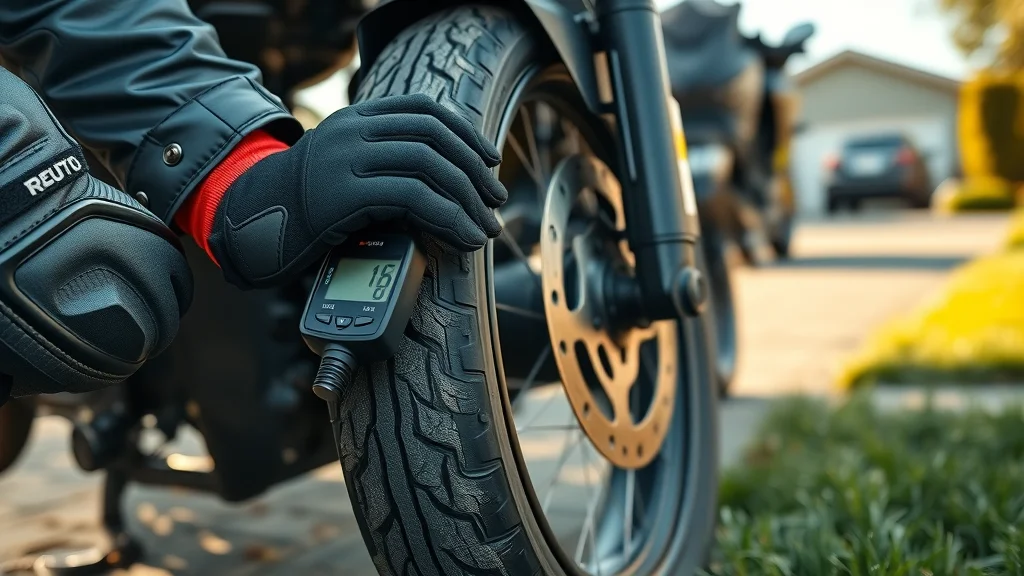
Your tires are the only point of contact with the road, making their condition a top safety priority. Daily checks should include examining tread depth, looking for embedded debris, and confirming the pressure matches your manufacturer’s recommendation. Over- or under-inflated tires can reduce handling, increase stopping distances, and accelerate wear. Use a quality gauge for accuracy and check the condition of both the front and rear tires for uneven wear or sidewall cracks. Don’t overlook the wheels and valves, making sure they’re secure and in good repair. Keep an eye out for visible cues—like bulges, flat spots, or exposed cords—that may signal the need for immediate attention or a trip to your mechanic. Pair these tire checks with a quick visual inspection of your chain or belt and rear wheel bolts as part of your routine motorcycle maintenance schedule.
"A quick daily motorcycle maintenance inspection can detect early issues that prevent accidents and expensive repairs."
Weekly Routine Motorcycle Maintenance Schedule: Essential Checks
- Clean and lubricate the chain or belt
- Check coolant and brake fluid levels
- Review signal lights and horn functionality
On a weekly basis, extend your checklist to include routine cleaning, fluid top-ups, and checks of less frequently used systems. Cleaning and lubricating the chain or belt prolongs drivetrain life and keeps ride performance consistent. Monitor your coolant and brake fluid, as these are crucial to engine longevity and braking power—two areas no rider should overlook. It’s also the perfect time to double-check all signal lights, the horn, and any accessory features. Making this a habit greatly supports the overall reliability of your motorcycle and ensures you’re always ready for the unexpected.
Weekly attention to these components helps spot leaks or damage early, address any odd noises, and keep your controls smooth. It also prevents smaller issues from growing during periods of heavy use or in varying weather conditions. Building these checks into your regular motorcycle maintenance routine makes each ride safer and lets you catch up on small fixes before they impact your enjoyment—or your wallet.
Detailed Maintenance Checklist for Weekly Tasks
Every week, dedicate a little time to more technical tasks that keep your motorcycle in top condition. Start with the drive chain: clean it thoroughly with a non-corrosive cleaner, inspect links for stiffness, and apply quality lubricant. Confirm proper belt tension if applicable, as this impacts power delivery from the engine to the rear wheel. Next, check coolant and brake fluid levels—these often get overlooked but are vital in maintaining consistent temperature and reliable stopping power.
Don’t forget about the smaller items: test turn signals, headlights, and brake lights for functionality, and give the horn a quick beep. Lastly, do a fast once-over of your bike; look for loose fasteners, check for fluid drips beneath the engine, and ensure all visible parts are in place. This step-by-step motorcycle maintenance checklist—paired with smart scheduling—helps you catch issues before they become headaches, maintain peak performance, and maximize your ride’s value year-round.
Monthly Routine Motorcycle Maintenance Tasks for Longevity
Monthly maintenance dives deeper into vital systems to provide lasting performance and protection. These tasks generally require more time and a bit of mechanical know-how but pay major dividends in longevity and reliability. Consistent monthly attention safeguards your engine, brakes, fluids, and cables, all of which work hard mile after mile. This is your opportunity to catch early wear, address small leaks, and ensure every component of your motorcycle remains in peak working order.
Incorporating this routine ensures your motorcycle stays healthy across seasons and different riding environments. Catching and resolving issues regularly not only extends the lifespan of components like the air filter, brake pads, and fluids, but it also helps reduce long-term maintenance costs and keeps your ride performing at its best. Ultimately, these monthly checks make a massive difference in keeping annual service and surprise repairs to a minimum.
Engine Oil Level and Oil Change Best Practices
The heart of monthly maintenance is checking engine oil levels and performing oil changes as needed. Removing old oil and replacing it with fresh oil keeps your engine free from harmful deposits and ensures smooth operation. Use the manufacturer’s recommended oil and never miss a change—the oil and filter are lifelines for your motorcycle’s powerplant. Inspect the oil for unusual color, debris, or burnt smell; these could indicate deeper issues that require professional attention. Always replace the oil filter along with the oil, ensuring contaminant-free lubrication for critical engine parts.
Routine oil changes also promote better fuel efficiency, keep the engine running cool, and contribute to maximum performance. Keep records of each change as part of your maintenance logbook—it’s a simple habit that helps you stay on top of your schedule and provides a valuable paper trail when it’s time to service your motorcycle or sell it in the future.
Inspect Brake Pads, Discs, and Cable Wear
Your monthly motorcycle maintenance checklist should include a thorough inspection of the front and rear brake pads, brake discs, and cables. Worn brake pads or unevenly worn discs can reduce stopping effectiveness and cause vibrations while braking. Check the pad thickness and look for grooves in the disc surface, which may indicate the need for replacement. Cables for the clutch and throttle deserve attention too; frayed or stretched cables can negatively affect control and should be lubricated or replaced as needed.
Neglecting these critical checks can lead to more expensive repairs or even safety hazards down the road. For best results, add a physical inspection of connectors, hoses, and indicator lights, making sure everything operates smoothly. Detailed monthly attention to these motorcycle maintenance tasks contributes to safer, smoother rides all season long. Not only does this approach help save money by avoiding larger component failures, but it also brings peace of mind every time you start your engine.
"Monthly attention to these motorcycle maintenance tasks contributes to safer, smoother rides all season long."

Complete Yearly Maintenance: Full Service and Inspection for Motorcycles
No routine motorcycle maintenance schedule would be complete without annual service. This is the comprehensive “big picture” review and refresh of your entire motorcycle, covering advanced systems, wear items, and areas not usually touched during regular checks. Scheduling a yearly full service with a trusted technician ensures everything from the battery to the air filter and electrical systems is inspected and working as intended. It helps detect hidden problems, supports optimal performance, and guarantees your investment’s long-term health.
Yearly maintenance isn’t only about fixing problems; it’s about giving your motorcycle a clean bill of health. Comprehensive inspection, fluid replacement, and torque checks help your machine stay roadworthy and enjoyable well into the future. It’s also an opportunity to update your maintenance log, track component ages, and get professional input on riding habits that may affect various systems.
Comprehensive Yearly Maintenance Checklist for Peace of Mind
- Replace spark plugs and air filters
- Flush and renew fluids
- Inspect and torque all fasteners
- Battery health check
Key yearly tasks include swapping out worn spark plugs and the air filter for reliable combustion and efficient airflow. This is also the time to flush and replace engine, brake, and coolant fluids, preventing the buildup of contaminants and ensuring top condition. Your mechanic will inspect and torque every major fastener, checking that nothing has come loose—a common issue after a year’s worth of rides on rough roads.
The condition of your battery is also assessed, as old or undercharged batteries are a leading cause of mid-season breakdowns. Other details—like testing the wheel bearing or updating the rear wheel alignment—may be performed depending on your make and model. A complete yearly maintenance schedule ensures everything about your motorcycle is accounted for, from the most basic systems to the invisible connections beneath the tank. Don’t skip this step; it’s the best way to guarantee long-term confidence and trouble-free adventures.
Scheduling Your Motorcycle Full Service: When and Why It Matters
Your annual full service ideally takes place at least once every 12 months, no matter how few or many miles you’ve covered. Most riders choose to schedule yearly maintenance at the start or end of the main riding season, when weather is mild and shops have better availability. This keeps your machine prepared for whatever the calendar brings and avoids delays from surprise repairs during busy months.
By staying consistent—regardless of usage—you protect your investment against time and wear, not just miles. Whether you do some work yourself or leave all checks to a pro, never ignore that skip in the chain, hard starts, or odd noises. Yearly maintenance gives you and your mechanic the chance to address small concerns before they escalate, set new maintenance reminders, and enter the new season confident in your motorcycle’s performance and reliability.

How to Customize a Routine Motorcycle Maintenance Schedule for Your Bike
A great motorcycle maintenance schedule isn’t “one size fits all. ” While most motorcycles share core requirements, your riding style, environment, and specific manufacturer guidelines should shape how you approach your maintenance checklist. Urban commuters encounter different wear than high-mile touring bikes, and off-roaders have a unique list of parts and fluids to monitor. Crafting a personalized checklist means accounting for how, where, and how often you ride—ensuring your bike gets the care it truly needs.
Don’t hesitate to lean on your motorcycle’s owner’s manual, which details service intervals specific to your make and model. Add notes about local weather, storage conditions, and even past issues for future reference. The more tailored your maintenance strategy, the more effective and efficient your routine becomes—making every ride safer and extending your motorcycle’s lifespan.
Adapting Your Maintenance Checklist by Riding Style, Environment, and Manufacturer's Guidelines
If you ride in dusty environments, prioritize cleaning or replacing your air filter more frequently. For rain or cold climates, pay extra attention to fluid levels and inspect the battery more often. Long-distance riders may need to lubricate the chain and check the oil sooner than those sticking to city commutes. Manufacturer guidelines will list minimum intervals for oil change, engine oil inspection, and belt tension adjustment—always follow these as a baseline and adapt upward as needed. Keep in mind: intense riding shortens service intervals, while light or occasional use may lengthen them slightly. The key is observation and consistency; if your environment or style is especially hard on certain components, adjust your schedule to protect them accordingly.
Ultimately, riders who adapt their maintenance checklist based on these factors enjoy more reliable bikes, lower maintenance costs, and a personalized connection to their machine. Consult the manual, check forum recommendations, and be alert to your bike’s unique signals; these insights are your best guides for creating a customized, practical maintenance routine.
Leveraging a Maintenance Logbook for Better Outcomes
One of the most effective ways to stick to your routine motorcycle maintenance schedule is by keeping a detailed maintenance logbook. This doesn’t need to be complicated—it can be a simple notebook or a digital chart, but it should capture all service dates, parts replaced, observations, and scheduled future tasks. Reviewing your logbook before each ride makes performing simple checks second nature and lets you spot patterns that lead to proactive repairs rather than expensive surprises.
Maintaining a record helps track component age, warranty compliance, and provides valuable documentation if you ever sell your motorcycle. You don’t need to be a mechanic—consistency is what counts! Use sticky notes, calendar alerts, or dedicated apps if that works better for you. Your logbook will not only help save money through early detection, but also keeps you motivated to keep your bike in the best condition possible.

Tables: Sample Routine Motorcycle Maintenance Schedule by Interval
| Interval | Maintenance Tasks | Who Performs | Notes |
|---|---|---|---|
| Daily/Pre-Ride | Check tire pressure/tread; inspect lights, brakes, clutch, and controls; review chain/belt tension and lubrication | Rider | Quick inspection, 5–10 minutes before each ride |
| Weekly | Clean and lubricate chain/belt; check coolant and brake fluid; test signal lights, horn | Rider/DIY | Best after cleaning; replace fluids if levels drop |
| Monthly | Check engine oil and change as needed; inspect brake pads/discs; check clutch and throttle cables; clean air filter | Rider/DIY | Log all findings and changes |
| Yearly/Full Service | Replace spark plugs, air filters; flush/renew fluids; battery health check; inspect/torque all fasteners; check all main systems | Professional Mechanic | Best at start/end of riding season; update maintenance log |
Top 10 Expert Tips to Streamline Your Routine Motorcycle Maintenance Schedule
- Build maintenance into your riding routine
- Use reminders or calendar alerts
- Invest in quality tools and lubricants
- Join local or online motorcycle forums
- Consult your owner’s manual
- Schedule professional inspections annually
- Track service dates and observations
- Address warning signs immediately
- Practice safety at every step
- Keep a maintenance checklist on hand
People Also Ask: Common Questions About the Routine Motorcycle Maintenance Schedule
How often should a motorcycle be serviced?
Answer: Most motorcycles benefit from a maintenance checklist check every 500-1,000 miles or monthly, with yearly maintenance and full service once every 12 months as recommended.
What is the most important maintenance task for a motorcycle?
Answer: Regular oil changes and proper tire pressure checks are among the most critical motorcycle maintenance tasks for safety and engine longevity.
Can I follow one routine motorcycle maintenance schedule for different brands?
Answer: While some items are universal in a motorcycle maintenance checklist, always consult the manufacturer's recommendations for specifics on your make and model.
An instructional video showing a step-by-step demonstration of daily pre-ride and basic weekly motorcycle maintenance tasks, such as checking tire pressure, lubricating the chain, and reviewing key fluid levels, performed in a well-lit home garage setting for beginner to intermediate riders.
Frequently Asked Questions about Routine Motorcycle Maintenance Schedules
What are the signs that a motorcycle is overdue for routine maintenance?
Signs include difficulty starting, rough idling, unusual noises, reduced braking power, visible leaks, poor acceleration, or warning lights on the dash. If you notice any of these, it’s probably time to review your routine motorcycle maintenance schedule and address any missed items.
How is oil change frequency determined for motorcycles?
Oil change intervals depend on your bike’s make, model, riding style, and oil type. Most motorcycles require an oil and filter change every 2,000–5,000 miles or every 6 months, whichever comes first. Always check your owner’s manual for recommendations and adjust if your riding conditions are especially harsh.
Are motorcycle maintenance tasks easy for beginners to perform?
Many basic maintenance tasks—like checking tire pressure, inspecting brakes, and lubricating the chain—are straightforward and require only basic tools. With a clear checklist and a little practice, even beginners can handle most regular checks. For complex or advanced tasks, consulting a professional is always advised for safety and long-term reliability.
Key Takeaways: Making Your Routine Motorcycle Maintenance Schedule Work for You
- Consistency is the foundation of effective motorcycle maintenance
- Tailor your maintenance schedule and checklist to your bike and riding habits
- Engage in yearly maintenance for long-term reliability and safety
Conclusion: Take the Next Step for Motorcycle Longevity
"A disciplined routine motorcycle maintenance schedule transforms riding from a hobby into a lifetime investment in safety and performance."
If you’re ready to elevate your motorcycle care beyond the essentials, consider exploring advanced strategies that align with the changing seasons and your unique riding habits. By integrating seasonal maintenance insights, you can proactively address challenges like temperature shifts, humidity, and storage, ensuring your bike remains in peak condition year-round. For a deeper dive into expert-level care and to unlock the secrets that experienced riders rely on, check out seasonal bike care secrets every rider must know. This resource will help you anticipate maintenance needs, adapt your schedule, and keep your motorcycle performing at its best—no matter what the weather brings.




Write A Comment