Add Row
Add Element
cropper
update

Nasty Performance ~ 847-458-4858 

update
Add Element
  • Blog Home
  • Categories
    • Motorcycle Maintenance
    • Riding Tips & Preps
    • Safety & Inspection
    • Customizations & Upgrades
    • DIY Motorcycle Repairs
    • Motocycle Audio Systems
    • Motocycle Seasonal Care & Storage
    • Engine, Electrical Performance
  • Bike Night
  • Nasty Performance Motorcycle Shop
March 28.2026
1 Minute Read

How to Prep Motorcycle for Spring—Get Ready to Ride Safely

Did you know? According to recent safety studies, over 30% of spring motorcycle accidents are related to neglected maintenance checks after winter storage. If you’re itching to hit the open road, investing a little time in your spring motorcycle maintenance could be the difference between a great riding season and a costly—or dangerous—mishap. This comprehensive guide explains how to prep motorcycle for spring with a practical maintenance checklist, smart safety measures, and advice from industry pros, helping you ride into spring with confidence.

Unveiling the Importance: Why Properly Prepping Your Motorcycle for Spring Matters

After months of sitting idle during the colder months, your motorcycle needs more than just a turn of the key to be ready for the road. Ignoring essential checks and inspections can result in unexpected breakdowns, compromised safety, and premature wear of critical components. Each spring, thousands of riders face issues with battery failure, degraded fuel in the gas tank, worn brake pads, and low tire pressure—reminders of why a spring motorcycle maintenance checklist is vital.

When you follow a structured motorcycle maintenance checklist, you’re not just prolonging the life of your bike—you’re also ensuring your own safety and the safety of others. Essential steps like checking for signs of damage, topping off fluids, and performing a thorough maintenance check can reveal lurking issues that might have gone unnoticed during storage. Regular motorcycle maintenance each spring gives you peace of mind and keeps you focused on enjoying the riding season rather than worrying about preventable problems.
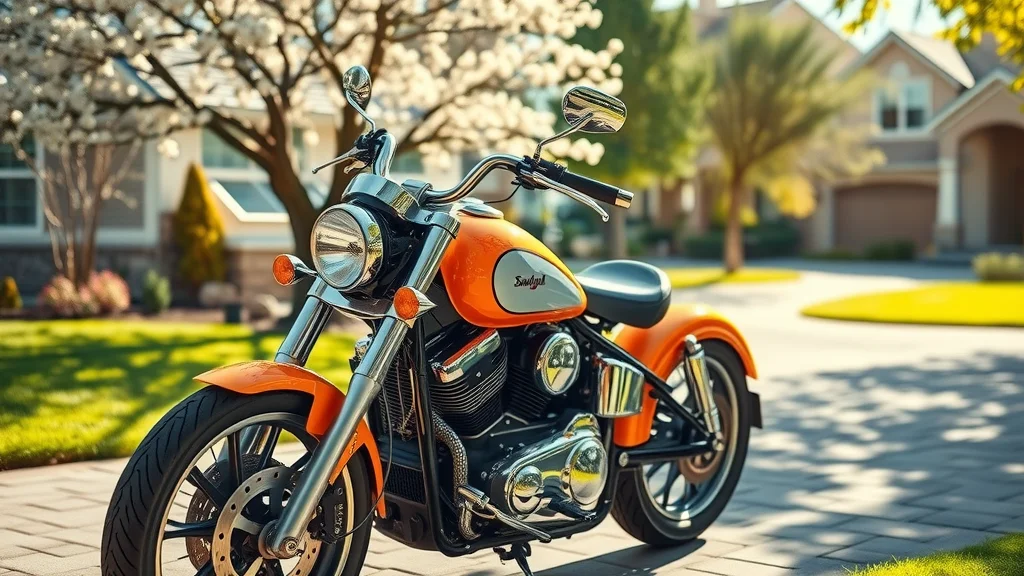
Vibrant motorcycle parked in a sunny suburban driveway, glistening chrome and signs of fresh polish, perfect spring motorcycle maintenance setting for how to prep motorcycle for spring

Startling Motorcycle Maintenance Statistics Every Rider Should Know

Consistent findings show that roughly 60% of motorcycle breakdowns in early spring are linked directly to insufficient post-winter storage checks. Items like the battery, gas tank, and brake system are especially vulnerable after an extended period of inactivity. Even experienced riders may forget basic tasks like checking the air pressure in both front and rear tires or inspecting the condition of the drive belt and chain. According to insurance claims, most spring incidents could have been prevented by a simple maintenance check covering items like spark plugs, brake lever operation, and the lighting system.

"A thorough maintenance check before riding season is the single most vital step you can take to ensure both your safety and the longevity of your bike." – Motorcycle Maintenance Expert

What You'll Learn in Our How to Prep Motorcycle for Spring Guide

  • Comprehensive motorcycle maintenance checklist for Spring
  • Essential maintenance checks post-winter storage
  • Spring motorcycle maintenance tips from industry experts
  • Safety essentials for your first test ride

Spring Motorcycle Maintenance Checklist: Step-by-Step Guide

To ensure your bike is ready for the riding season, use this structured motorcycle maintenance checklist. Each step addresses critical components that may suffer from winter storage. Whether you plan to ride daily or just on weekends, these actions will help extend your motorcycle’s life and safeguard your journey. Let’s break down the key areas of focus so you can approach your spring maintenance check with confidence.

Remember, even minor issues like incorrect tire pressure or overlooked signs of damage can lead to major setbacks. As you perform each check, keep an eye out for excessive wear, corrosion, or leaks. Logging your findings in a regular maintenance journal is a smart habit—especially as your bike transitions out of storage all winter and back onto the road.

For a more detailed look at how to keep your motorcycle in peak condition throughout the year, you might find it helpful to review additional seasonal care strategies. The article on seasonal bike care secrets every rider must know offers practical tips that complement your spring maintenance routine and help prevent issues before they arise.

Component Recommended Action Tools Needed
Battery Charge and inspect terminals Multimeter, Wrenches
Tires Check air pressure, tread depth Tire gauge
Brakes Inspect brake pads, brake fluid Brake fluid, Wrench
Drive Belt/Chain Clean, lubricate, and adjust tension Lubricant, Cleaner
Fluids Change oil, coolant, etc. Oil, Coolant
Lights & Controls Check function, replace bulbs as needed Bulbs, Screwdriver

Winter Storage Recovery: Motorcycle Maintenance After Months of Inactivity

If your motorcycle has been in storage all winter, it’s essential to focus on every area potentially affected by months of inactivity. Batteries are often the first to show signs of sluggishness, needing a charge and a thorough inspection for corrosion or loose connections. Next, check the air in both front and rear tires for proper tire pressure and examine each for flat spots or cracks. Don’t overlook fluids—oil, brake fluid, and coolant can degrade or attract condensation, causing internal engine harm or brake system errors.

Brake pads and the drive belt or chain should be examined closely for excessive wear or damage such as cracks. The fuel tank can also suffer from old, stale gas, which might harm your fuel system and engine performance. A meticulous spring motorcycle maintenance check addresses these problem areas before they escalate into major repairs, giving you full confidence when returning to the road for the new riding season.
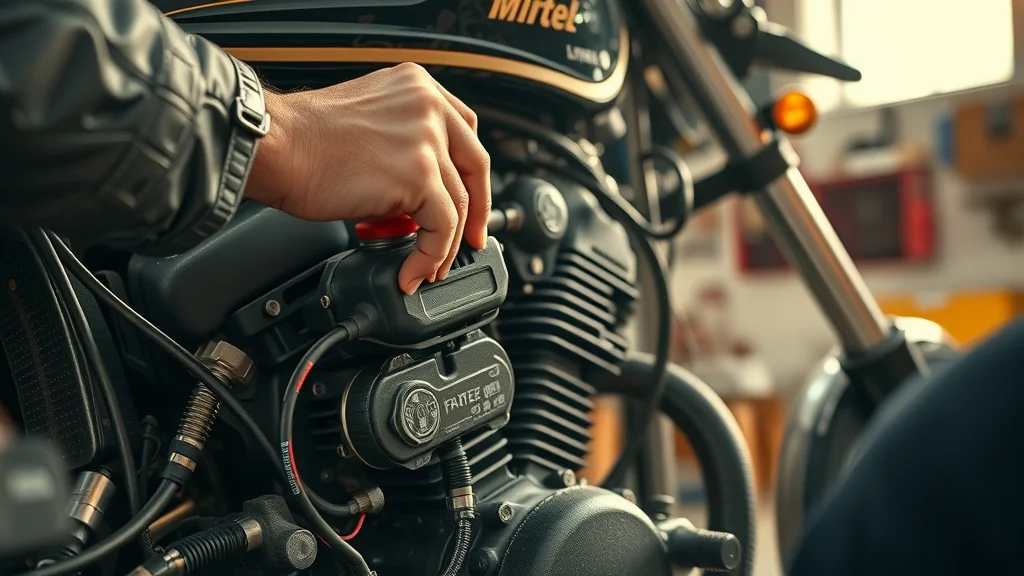
Detailed motorcycle engine inspection in progress as part of post-winter storage maintenance check, perfect for how to prep motorcycle for spring

Critical Motorcycle Maintenance Checks for Spring Riding Season

  • Battery condition and connections
  • Brake pads and brake fluid
  • Tire inspection—air pressure and tread wear
  • Engine oil, coolant, and gas tank
  • Spark plug and spark plugs inspection
  • Drive belt and chain maintenance
  • Throttle, controls, and lighting system

Tackling each of these motorcycle maintenance checklist items is critical to ensure your ride is in top working order. Start with your battery—charge it fully and clean any terminal residue before installation. Next, inspect both brake pads for signs of excessive wear or thinning, and refill brake fluid as needed for optimal brake lever pressure and safety. Tires require particular attention: check the air pressure using a reliable tire gauge and inspect the tread for signs of damage such as cracks or flat spots.

Changing your engine oil and coolant ensures no moisture or contaminants compromise performance. The gas tank should be filled with fresh fuel and inspected for corrosion if it sat empty during winter storage. Clean and adjust the drive belt or chain as needed for smooth power transfer, and replace spark plugs that show fouling, rust, or pitting. Finally, test the function of your throttle, lights, and electronic systems—including the brake light and headlamp—before hitting the road for a test ride.

Deep Dive: Gas Tank, Brake Pads, and Air Pressure Checks

Among all spring motorcycle maintenance steps, your gas tank, brake pads, and tire air pressure checks are especially critical for both safety and performance. Water condensation in the gas tank during winter storage can lead to rust or diluted fuel, affecting your engine’s starting and reliability. For brake pads, wear indicators or visible grooves signal the need for replacement, especially as you rely on powerful stopping in the unpredictable spring riding season. When it comes to tires, air pressure fluctuations from temperature swings may cause underinflation, a major factor in unsafe handling and poor gas mileage.

Make checking the air pressure in your tires a weekly routine. Most motorcycles specify a recommended range for front and rear pressure in the owner’s manual—failing to meet these specs not only puts you at risk but can also void certain aspects of your motorcycle insurance should an accident occur. Keeping all systems in working order with simple but thorough checks will set the stage for a carefree and exhilarating spring ride.
Rider

Inspecting and Maintaining the Gas Tank After Winter Storage

After winter storage, the gas tank is vulnerable to issues like condensation, rust, or old fuel residue. Drain any remaining fuel if it’s been sitting for more than a few months, and inspect the inside of the tank using a flashlight for any signs of corrosion or debris. If you notice rust or sediment, a thorough cleaning and fuel filter replacement are wise. Once clean, refill the tank with fresh fuel—preferably adding a fuel stabilizer for added protection—and check fuel lines for cracks or leaks. These preventative steps support reliable engine starts and avoid wider issues with the fuel system throughout the riding season.

If your fuel tank develops significant rust or if you spot leaks, consult a professional mechanic immediately. Riding with a compromised gas tank risks engine failure or fire. Keeping your gas tank in prime shape each spring is a cornerstone of the maintenance check required for long-term bike health.

How to Check Brake Pads for Spring Motorcycle Maintenance

Brake pads are indispensable for safe riding, especially as sudden stops often occur when road conditions fluctuate in early spring. Begin by visually inspecting both the front and rear brake pads for signs of excessive wear—these may appear as thin friction material or grooves worn into the pad’s face. Squeeze the brake lever and check for a firm, responsive feel; a spongy lever might indicate air in your brake lines or low brake fluid. If pad thickness is below the manufacturer’s safety minimum (generally 2–3 mm), replace them immediately. Don’t forget to examine the rear brake and ensure the brake light operates correctly.
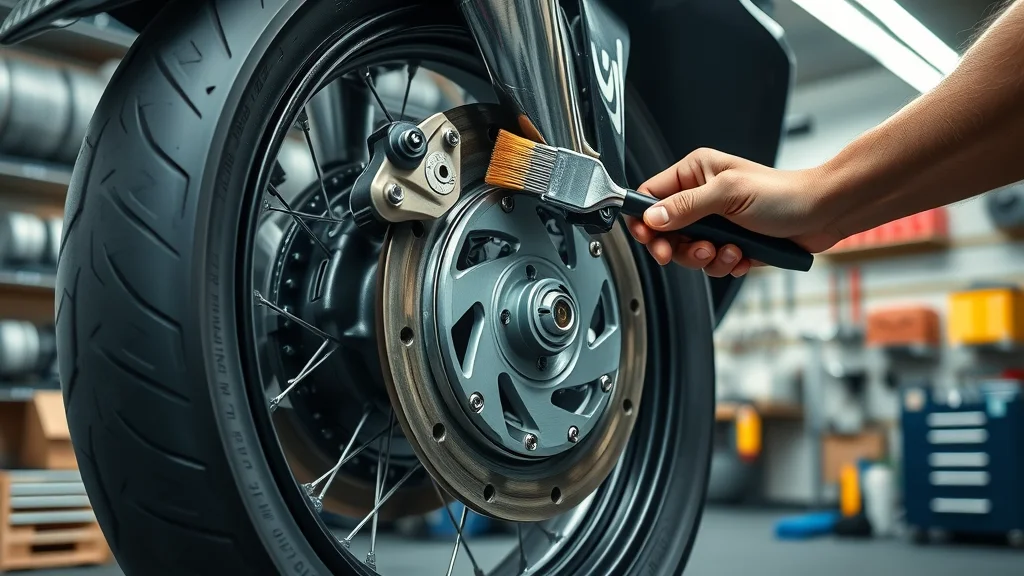
Close-up of mechanic cleaning and inspecting motorcycle brake pads, key task on motorcycle maintenance checklist for spring riding season

Setting Correct Air Pressure for Safe Riding

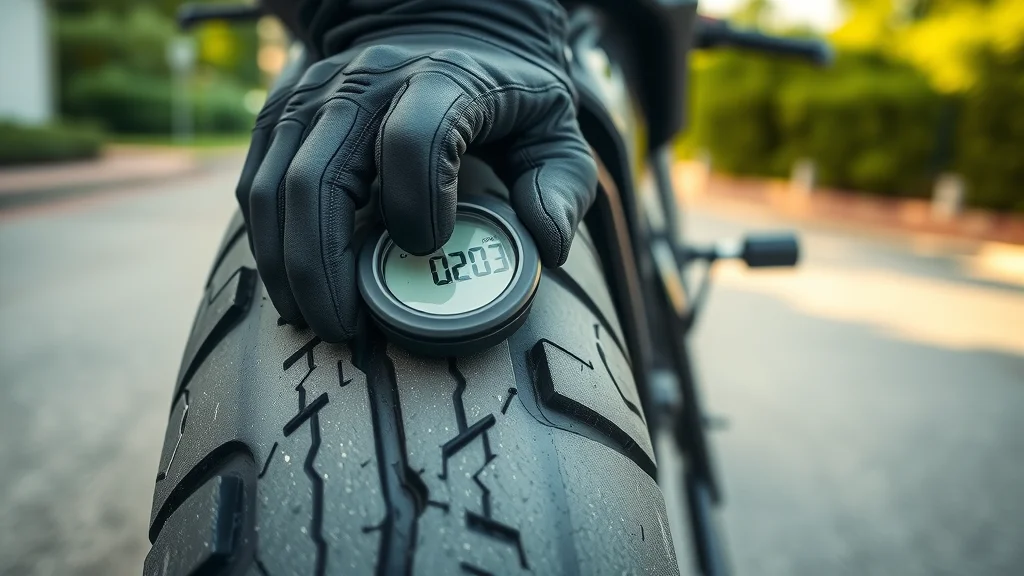
Keeping your tires at the correct air pressure is crucial for safe handling, even tread wear, and optimal gas mileage. Underinflated tires reduce traction and make steering sluggish, while overinflated ones increase the risk of punctures and reduced contact with the road. Use a tire gauge to check the air pressure against your motorcycle’s stated requirements, which can usually be found inside the owner’s manual or on the frame. Adjust the pressure for both front and rear tires, and check the tread to ensure no excessive wear or embedded debris.

Neglecting regular tire maintenance can hurt both safety and wallet. Poorly inflated or worn tires are frequent causes of accidents in the riding season, and some insurance policies may not cover crashes if basic maintenance is overlooked. Make air pressure checks part of your routine, especially in spring when temperature changes can throw off tire balances.

Spark Plug and Drive Belt Inspection: Key Steps in Motorcycle Maintenance

Spark plugs are the heart of your engine’s ignition system, while the drive belt or chain transfers power from the engine to the wheels. Ignoring these components can lead to lackluster engine starts, lower fuel economy, or even sudden breakdowns. For spring motorcycle maintenance, always start by removing the spark plugs and inspecting them for rust, fouling, or pitting. Replace any plugs that appear compromised, as faulty ignition affects both engine performance and emissions.

Next, examine the drive belt (or, if your bike uses a chain, the chain itself) for signs of excessive wear such as cracking, fraying, or loose tension. Lubricate and adjust according to the manufacturer’s specifications, and check the sprockets for uneven teeth or excessive play. Both spark plug and drive belt care are essential parts of your spring motorcycle maintenance checklist.
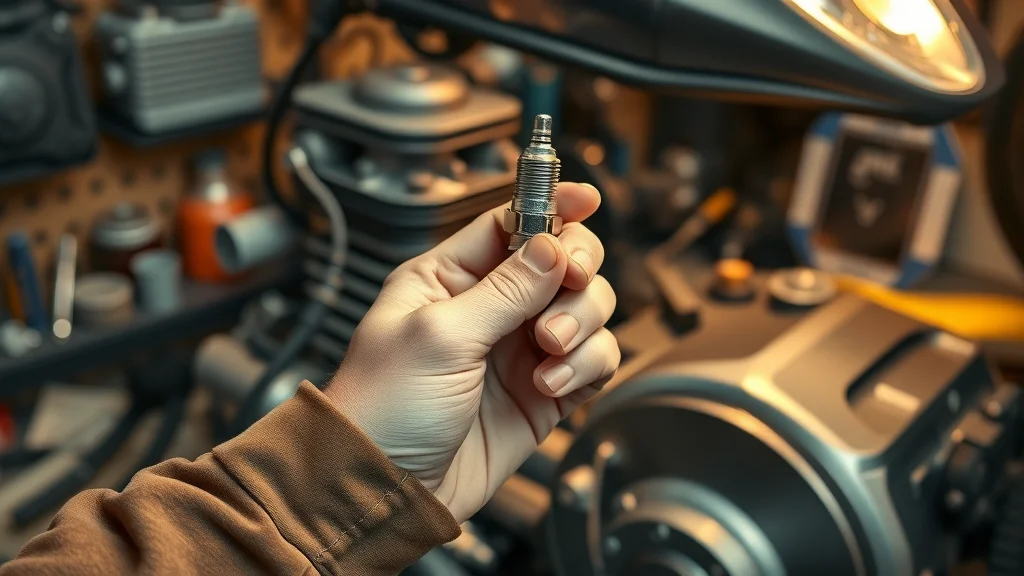
Mechanic inspecting spark plug near motorcycle engine, vital step in how to prep motorcycle for spring using maintenance checklist

How to Remove, Inspect, and Replace Spark Plugs

To maintain engine efficiency, remove your spark plugs using an appropriate socket, then check the tips for oil fouling, soot, or burned electrodes. If you spot any abnormalities or if the plug’s gap has widened significantly, replace the spark plugs with ones recommended in your owner’s manual. Apply a small amount of anti-seize compound to the threads, install the new plugs carefully, and torque them to specification. This simple process keeps your engine running smoothly and reliably throughout the riding season.

Spark plugs should be checked every season and replaced as needed—failing to do so may result in hard starts, misfires, or poor fuel economy. Clean connections and ensure wire boots are securely fitted to prevent electrical loss.

Drive Belt vs. Chain: Which Should You Inspect and Why?

The choice between drive belt and chain depends on your bike model, but both require inspection at the start of spring. A drive belt should be checked for cracks, frays, or obvious signs of excessive wear, then tensioned according to the owner’s manual. Chains need to be cleaned, lubricated, and examined for stiff or rusted links—uneven tension can lead to abrupt power transfer and premature sprocket damage. Consider replacing the drive belt or chain if you spot visible signs of damage such as cracks, as a failed drive system can cause loss of control at speed.

Keeping these power delivery components in excellent working order minimizes sudden breakdowns and maximizes both performance and safety. Include this step in every annual spring motorcycle maintenance check.

Test Ride: Final Safety Maintenance Check Before Your First Spring Ride

Once every item on your motorcycle maintenance checklist has been checked off, it’s time for the moment you’ve been waiting for—a careful test ride. Begin slowly in a controlled environment, listening for unusual noises and feeling for smooth acceleration, responsive brakes, and even steering. Test the throttle, brake lever, and brake light before getting up to speed. Take note of any hesitation or unpredictable handling, which could signal missed maintenance issues or parts in need of a closer look.

If your test ride uncovers anything questionable, return to your garage or seek a professional inspection before venturing far from home. Logging your experiences and adjustments after this first ride makes troubleshooting easier during the rest of the riding season.

Excited rider beginning safe test ride on motorcycle, sign of successful spring motorcycle maintenance

People Also Ask: Common Motorcycle Spring Prep Questions

What is the 12 second rule on a motorcycle?

The 12 second rule is a safety guideline suggesting you should always scan the road ahead and be prepared to react to obstacles appearing within 12 seconds of travel. This gives riders enough time to adjust speed, position, or direction safely, especially critical at the start of the riding season when spring conditions may be unpredictable. Adhering to the 12 second rule, alongside regular spring motorcycle maintenance, reduces risk and improves situational awareness.

How to prepare your bike for spring?

To prep your motorcycle for spring, begin with a maintenance check focusing on your battery, tires (checking air pressure and tread wear), brake pads, and fluids (oil, brake fluid, coolant). Inspect your gas tank for rust or old fuel, check and replace spark plugs if needed, and test all lights and controls for proper working order. Using a maintenance checklist ensures you don’t overlook any vital steps, securing a safe and smooth start to the riding season.

How cold does 40 degrees feel on a motorcycle?

Riding a motorcycle at 40 degrees Fahrenheit can feel significantly colder due to wind chill, often making it feel like the low 30s or upper 20s depending on your speed. At this temperature, it’s essential to wear appropriate gear and remain alert to colder tires, which may affect traction. Always check the air pressure, as cold air can lower tire pressure overnight, impacting your bike’s handling and safety.

Is it better to store a motorcycle with a full or empty tank?

Storing your motorcycle with a full gas tank is usually best, as this minimizes air space inside and reduces the risk of rust and condensation buildup. Adding a fuel stabilizer helps prevent fuel degradation during winter storage. An empty tank may be appropriate if you plan to clean or repair the tank, but generally, filling it helps keep your fuel system in working order for easier spring starts.

Expert Tips and Tricks: Lists for Efficient Motorcycle Maintenance

  • Always refer to your motorbike’s manual for manufacturer-specific maintenance check details.
  • Use a motorcycle maintenance checklist and log your findings each spring.
  • Test all lighting and electronic systems before hitting the road.
  • Replace any worn brake pad or spark plugs to ensure safety.

Creating your own motorcycle maintenance checklist allows you to spot trends over time, such as which components tend to wear fastest. Experts emphasize that even routine checks of items like the drive belt, air pressure, and battery can prevent costly repairs later. Stay ahead of issues by addressing minor problems early—your spring motorcycle maintenance efforts pay off throughout the riding season.

For those seeking a visual walkthrough, watch our mechanic expertly guide you step by step through every stage of spring motorcycle maintenance—from checking air pressure and replacing brake pads to tuning up your spark plug and drive belt. See real-world demonstration of all tasks in under 15 minutes.

Frequently Asked Questions: How to Prep Motorcycle for Spring

  • What signs indicate my motorcycle needs professional spring maintenance?
  • How can I ensure my motorcycle battery survives next winter storage?
  • Can I perform a motorcycle maintenance check myself or visit a shop?
  • What’s included in a complete motorcycle maintenance checklist for spring?

If you notice trouble starting, lights that flicker, sluggish throttle, or visible leaks, seek a professional maintenance check. Storing your battery on a tender and keeping it fully charged can prevent damage during the next winter storage. While many riders perform basic checks themselves, visiting a reputable shop ensures a deep dive into hard-to-access parts like the drive belt and internal systems. A total spring motorcycle maintenance checklist reviews battery, brakes, tires, fluids, drive components, spark plugs, and lighting—all essential for safe spring riding.

Key Takeaways for How to Prep Motorcycle for Spring

  • Following a structured maintenance checklist extends your bike’s life.
  • Thorough motorcycle maintenance keeps you safe at the start of the riding season.
  • Doing proper maintenance now saves money and hassle later.
  • Always consult with a professional for complex repairs or if you have doubts about your motorcycle maintenance check.

Ready for Spring? Schedule Your Motorcycle Maintenance Check Today

Start your riding season on the right foot—Call Nasty Performance Motorcycle Shop Today: 847-458-4858

As you continue to refine your approach to motorcycle care, consider exploring broader strategies that go beyond spring prep. Our guide to seasonal bike care secrets every rider must know dives into year-round maintenance habits, helping you protect your investment and enjoy a safer, smoother ride no matter the season. Take your maintenance knowledge to the next level and ensure your bike is always ready for the road ahead.

Motorcycle Maintenance

0 Comments

Write A Comment

*
*
Please complete the captcha to submit your comment.
Related Posts All Posts

Local Motorcycle Suspension Repair That Keeps You Riding Smooth

Did you know that poorly maintained motorcycle suspension ranks among the top causes of preventable accidents and subpar ride quality worldwide? Many riders overlook local motorcycle suspension repair, but this crucial service does so much more than just cushioning your ride. It directly impacts how your bike handles, how safe you stay on the road, and—ultimately—how much you actually enjoy the journey. Whether you rip through winding highways or commute on city streets, understanding and investing in a proper bike suspension service can be the key to both your motorcycle’s longevity and your peace of mind. Read on to discover why suspension service cannot be put off—and how expert local repair keeps you riding smooth, safe, and with confidence. A Shocking Statistic: The Crucial Role of Local Motorcycle Suspension Repair Did you know that over 40% of handling-related motorcycle accidents are linked to neglected suspension components? This statistic underlines the invaluable role of local motorcycle suspension repair in every rider’s safety. Professional suspension services don't just protect you from the jolt of potholes; they fine-tune your ride so every curve, stop, and go feels in control. Suspension systems are engineered for stability, precise steering, and safe braking—all of which decline when service is skipped. Ignoring the condition of your bike’s fork tube, shock absorbers, or other suspension parts not only degrades ride quality, but also exposes you to real-world risk each time you start your engine. Investing in a high-quality, local motorcycle suspension repair shop ensures your riding style and terrain are always supported by the right suspension setup. Expert technicians can diagnose problems, recommend the best service, and return your ride to peak performance. Regular maintenance means fewer shocks (pun intended), more reliable rides, consistent tire wear, and, crucially, the peace of mind that comes with professional care. With stakes this high, local motorcycle suspension repair is not just an upgrade—it's a necessity for any serious rider. Why Suspension Service Matters for Every Rider Whether you are an urban commuter or an off-road enthusiast, the benefits of regular suspension service are transformative. Well-maintained motorcycle suspension adapts to bumps and turns, keeping your tires firmly on the asphalt and your control absolute. The difference in comfort and handling becomes instantly noticeable after a thorough bike suspension service. Suspension isn’t just about comfort—it’s about safety: every part of your suspension system, from the fork tube to internal parts, directly affects how your motorcycle responds in emergencies. Riders who service their suspension regularly report fewer handling surprises, improved shock performance, and greater long-term bike value. Neglecting these components shortens their lifespan and can lead to more extensive—and expensive—repairs down the line. In short, local motorcycle suspension repair is a crucial investment for every rider who values safety, stability, and the pure thrill of the open road. It offers a wide range of benefits, including enhanced ride quality, extended component life, and the confident control you need for any adventure. Don’t wait until your next bump feels too rough; schedule your suspension service today to stay ahead of the road and ensure every ride is as smooth as it is safe. For riders looking to maximize the longevity and performance of their bikes, understanding how seasonal changes affect your motorcycle is just as important as regular suspension maintenance. Discover practical tips for keeping your ride in top shape year-round in this guide to essential seasonal bike care. How Neglected Bike Suspension Leads to Real-World Risks Neglecting your motorcycle’s suspension system can quickly turn a dream ride into a nightmare. A worn or leaky fork tube or fatigued shock absorber doesn't just dampen comfort—it can severely impact your bike’s handling and compromise braking efficiency. This is especially alarming during sudden stops or evasive maneuvers, where even a split-second delay in suspension response can lead to lost traction or a dangerous skid. Over time, neglected suspension components—like fork tubes, seals, and internal parts—can cause uneven tire wear, putting excess strain on other systems including your wheels, brakes, and steering. This chain reaction often results in a harsher ride and mounting repair bills, but worse, it may cause you to lose confidence in your motorcycle. Missing regular suspension service also means you’re missing out on custom tuning opportunities that match your riding style and terrain, further diminishing performance. Staying vigilant about local motorcycle suspension repair keeps you safe, comfortable, and in command, no matter how unpredictable the road ahead becomes. What You'll Learn About Local Motorcycle Suspension Repair Key benefits of local motorcycle suspension repair for your riding style When to seek professional suspension services Features that set apart top bike suspension services What to expect from a suspension service appointment How to extend your suspension component life Understanding Local Motorcycle Suspension Repair and Its Impact What Is Local Motorcycle Suspension Repair? Local motorcycle suspension repair refers to specialized services performed by expert technicians who understand how suspension systems function across a wide range of bikes and riding styles. Unlike a basic check-up, proper suspension repair involves diagnosing, servicing, rebuilding, and sometimes upgrading key components such as fork tubes, shock absorbers, and bushings. Local shops offer the highest quality parts and precision care not always found in general motorcycle repair facilities. What makes these services “local” isn’t just proximity—it’s the shop’s commitment to riders in the community. A reputable local motorcycle suspension repair center understands common road surfaces and climate factors, tailoring repairs to match your local riding experience and needs. By choosing a specialized repair shop, you receive not only expert attention but also advice on ongoing maintenance and custom suspension tuning. This helps maximize the life of your internal parts, boost your safety, and ensure your bike feels just right every time you hit the road. The Difference Between Suspension Repair and Suspension Service Many riders mistakenly use “suspension repair” and “suspension service” interchangeably, but each serves a different purpose. Suspension service is usually a scheduled maintenance regimen—inspecting, cleaning, lubricating, and replacing fluids and seals to keep every suspension component in optimal condition. This routine maintenance prevents wear before it starts, extends the life of fork tubes and shock absorbers, and keeps your ride smooth. Suspension repair, on the other hand, tackles issues after they arise. This may include leaking fork seals, bent or scored fork tubes, failing shock absorbers, or broken internal parts. Repair involves disassembly, diagnosis, and replacement or rebuilding with quality parts. Both services are vital in their own right, but combining regularly scheduled bike suspension service with timely repairs ensures your bike is ready for anything, offering maximum safety and a consistently high ride quality. Core Suspension Components: Fork Tubes, Shock Absorbers, and More Your motorcycle’s suspension system is an engineering marvel whose parts all work in harmony to provide a stable and enjoyable ride. The primary components—fork tubes in the front and shock absorbers in the rear—are responsible for absorbing bumps and keeping tires glued to the road. Internal parts like bushings, seals, springs, and fluids within fork and shock assemblies are crucial for smooth motion and proper shock performance. Neglecting a single part can affect the entire bike suspension setup. When dirt, moisture, or wear compromise these internals, the result is diminished ride quality, erratic handling, and accelerated wear on both the tires and the motorcycle’s frame. Professional suspension services not only fix what’s broken but also inspect every ancillary component, ensuring you’ll never be caught off guard by an unexpected failure. With local motorcycle suspension repair, you benefit from expert knowledge, the right tools, and direct access to the highest quality parts that are guaranteed to match your riding style and needs. Comparing Local Motorcycle Suspension Services: Features and Benefits Comparison of Local Motorcycle Suspension Service Options Service Option Features Estimated Price Range Inclusions Estimated Time Standard Fork Service Cleaning, replacing fork seals, fluid change $150 – $400 Fork tubes, internal parts inspection 2–4 hours Shock Absorber Rebuild Seal replacement, fluid & nitrogen recharge $100 – $250 Shock disassembly, internal parts check 2–3 hours Custom Suspension Tuning Adjust preload, compression, rebound $50 – $200 Sag set to match riding style 1–2 hours Complete Suspension Overhaul Both fork and shock service, full component check $400 – $900 Replacement of critical parts, fluids, and seals 1 day Industry Leaders in Motorcycle Suspension Services When it comes to motorcycle suspension expertise, local industry leaders typically offer a wide range of services and highest quality parts. They stay ahead of the latest advances in suspension tuning and repair, supporting popular brands and customizing solutions to match your riding style. Look for shops known for their experienced technicians, dedicated customer support, and consistent positive reviews. These businesses rely on customer trust and build their reputation with every bike they service, ensuring complete transparency regarding price, process, and outcomes. Many respected shops not only service standard motorcycles but also cater to heavy or specialized riding, offering custom solutions for advanced suspension setups. If you want peace of mind that your suspension components are in expert hands, choose a shop that invests in technician certification, advanced diagnostic tools, and feedback from the local riding community. That’s the surest way to count on top-tier local motorcycle suspension repair every time. What Makes a Trusted Bike Suspension Service? A trusted bike suspension service stands out by combining expert technical skills with genuine care for your riding experience. High-quality shops use premium parts, clear communication, and tailor their services to your riding style and terrain. Certification matters—look for shops whose technicians hold manufacturer or industry credentials, and who stay current on evolving suspension systems. The best suspension services are transparent about what’s included, explain each step, and encourage questions. They offer a wide range of service options, from basic fork services to advanced custom tuning, so you never overpay for unnecessary repairs. Most of all, they treat your motorcycle as if it were their own—inspecting beyond just obvious issues like leaky fork tubes or shock absorbers, and looking for anything that could affect ride quality or safety. In the words of one local expert: “Properly serviced motorcycle suspension isn’t a luxury—it’s a necessity for safety and performance.” – Local Suspension Expert How Local Motorcycle Suspension Repair Is Performed Inspection: Diagnosing Suspension Component Issues The process always begins with a thorough inspection by an expert technician. High-quality local motorcycle suspension repair uses precise tools and a keen eye to look for oil leaks, damaged fork tubes, uneven spring tension, or signs of worn internal parts. Technicians examine the visible and hidden aspects of your suspension, checking for contamination, excessive play, or abnormal noises during compression and rebound. This level of detailed diagnosis helps catch small issues before they escalate, saving you both time and money. If the inspection reveals leaking seals, dented fork tubes, or failing shock absorbers, immediate action is recommended to avoid further wear or unsafe handling. The benefit of choosing a local repair shop is direct access to diagnostics specific to our area’s riding conditions—ensuring every service is tailored to your bike’s unique needs. Fork Tube Rebuilds and Shock Absorber Repairs When inspection points to more than just routine maintenance, many riders opt for a full fork tube rebuild or shock absorber repair. This involves disassembling the fork or shock, ultrasonically cleaning components, replacing worn seals and bushings, and installing new fluid and internal parts for optimal performance. High-level shops will always use the highest quality parts to ensure long life and smooth operation. Fork and shock repair isn’t just about replacing worn items; it’s about restoring peak ride quality. Professional technicians test the performance of each unit before reinstallation, making fine adjustments to match your riding style and terrain. Many local shops offer a wide variety of upgrade options that further enhance your suspension setup, from adjustable damping rods to fully-tunable aftermarket shocks. Custom Tuning: Adjusting for Your Riding Style One major advantage of local motorcycle suspension repair is custom suspension tuning. This optional service involves personalizing your suspension settings through adjustments to preload, compression, and rebound damping, ensuring your bike suspension is perfectly matched to your body weight, gear, and typical ride locations. Riders with specific needs—such as touring, racing, or heavy dual-sport riding—can benefit from custom spring rates and damping profiles. Custom tuning is more than a luxury; it optimizes performance and comfort, reduces fatigue on long rides, and helps prevent component failures. Shops offering suspension tuning can also accommodate special requests, such as lowering kits or stiffer springs, making sure every adjustment fits your unique riding style. With each detail tailored, your motorcycle becomes an extension of yourself, enabling you to push your limits safely. Step-by-Step Local Motorcycle Suspension Repair Process Curious about what actually happens during a local motorcycle suspension repair appointment? Here’s a typical process: 1. Initial consultation and ride assessment 2. Full inspection of all suspension components, including fork tubes and shock absorbers 3. Removal of necessary parts for cleaning, rebuilding, or replacement 4. Detailed measurements to match suspension setup with rider profile and style 5. Installation of new seals, fluids, and internal parts (as needed) 6. Complete reassembly and system tuning (using sag, preload, and damping adjustments) 7. Test ride and final customer review This step-wise precision ensures every ride is as smooth and safe as possible. Identifying When Your Motorcycle Suspension Needs Repair Common Signs of Suspension Component Failure Recognizing problems early prevents major breakdowns and saves money in the long run. Watch for these tell-tale signs that your suspension needs professional attention: Unstable ride or excessive bouncing Leaky fork tubes Difficulty in handling during turns Uneven tire wear Reduced braking performance If any of these symptoms sound familiar, it’s time to book a local motorcycle suspension repair. Addressing issues promptly can prevent a cascade of further suspension component failures, protect your tires and brakes, and restore the ride quality you expect from your machine. It’s much easier—and often cheaper—to fix small problems before they become big ones. Don’t gamble with your safety. Stay alert and act fast. The Benefits of Timely Local Motorcycle Suspension Repair Long-Term Savings: Prevent Costly Suspension Component Replacement Routine suspension service goes a long way toward preventing expensive, large-scale repairs. By regularly inspecting and maintaining fork tubes, shock absorbers, and internal parts, you can avoid catastrophic failure that might otherwise require a complete suspension overhaul—or worse, replacement of major components. This preventative approach stretches your maintenance dollars further over the years. In addition to saving on parts, proactive service catches small leaks, bushings, or oil decreases before they degrade performance. With local motorcycle suspension repair, technicians are able to catch all stages of wear, ensuring you only pay for what’s necessary at the time, rather than for a rushed, emergency repair. Ultimately, attentive care today prevents major repair bills tomorrow—making it a smart investment for both new and older bikes alike. Enhanced Riding Experience and Safety for All Riding Styles A properly maintained motorcycle suspension isn’t just about comfort—it’s a fundamental contributor to safety and fun, regardless of your experience level or riding style. Smooth, well-balanced suspension enhances road grip, keeps your tires planted through sharp corners, and shortens stopping distances. It also reduces fatigue, letting you enjoy more hours of riding with less effort. Suspension tuning can tailor your bike to your exact ride preferences, whether you prefer firm, precise control for sport riding or plush, forgiving dampening for touring. This personalized adjustment transforms the riding experience and lets every journey become more enjoyable. When your suspension system responds perfectly, you’ll gain the confidence to explore twisty roads and challenging surfaces, always knowing your bike is responding exactly how you want. Boosting Bike Value—Why Proper Suspension Service Pays Off One of the most overlooked benefits of regular suspension service is its effect on your bike’s resale value. Prospective buyers—and dealerships—are far more likely to pay a premium for motorcycles with documented, high-quality local suspension repairs. A recent service record demonstrates not only mechanical soundness but also care and attention to detail. Proper suspension maintenance reduces visible wear on tires and frames, which can tip the scales when it’s time to sell or trade in your motorcycle. Buyers know they’re choosing a safer, more reliable vehicle—and that confidence lets you command the best possible price. In short, investing in local motorcycle suspension repair today can pay off tomorrow, both on the road and in your wallet. People Also Ask About Local Motorcycle Suspension Repair How much does it cost to rebuild motorcycle forks? The cost to rebuild motorcycle forks during a suspension service generally ranges from $150 to $400, depending on parts, labor, and your bike suspension setup. What is the life expectancy of a motorcycle suspension? A well-maintained motorcycle suspension can last from 20,000 to 50,000 miles, but regular suspension services are needed to reach higher mileage and preserve fork tubes and other components. How much does a shock rebuild cost? Shock rebuilds as part of local motorcycle suspension repair typically range between $100 and $250 depending on the complexity and type of shock absorber. How to know if motorcycle suspension is bad? Symptoms of bad motorcycle suspension include oil leaks, unsteady ride, difficulty controlling the motorcycle, and odd noises from suspension components or fork tubes. How to Choose the Best Local Motorcycle Suspension Repair Shop Questions to Ask Before You Book Suspension Services What is included in the suspension service? Do you offer custom tuning for different riding styles? Are technicians certified for bike suspension repair? What brands do you service? Reading Reviews and Comparing Local Suspension Services Before booking your next local motorcycle suspension repair, take time to research. Reviews and word of mouth are often the best indicators of quality and customer satisfaction. Look for consistent feedback praising a shop’s expertise, transparency, and turnaround time. Compare service packages—does the shop offer a wide range of options, clear pricing, and explanations tailored to your bike? Another smart move: visit the shop in person if possible. Check for cleanliness, organization, and positive technician-customer interactions. The best shops welcome your questions and offer to show you examples of past repairs or upgrades. Don’t settle for one-size-fits-all solutions. Choose a team dedicated to providing tailored service—after all, your safety and enjoyment are riding on their expertise. FAQs About Local Motorcycle Suspension Repair How often should I schedule bike suspension service? Most experts recommend a full bike suspension service every 12,000–15,000 miles or annually, whichever comes first. If you frequently ride in extreme conditions or notice changes in ride quality, increase your check frequency. Is local motorcycle suspension repair worth the investment for older bikes? Absolutely! Aging bikes benefit even more from professional suspension services, as small upgrades and fresh components can totally renew ride stability and safety. Investing in proper repair can add years of enjoyment. Can suspension services be customized for heavy or specialized riding styles? Yes. Reputable shops offer personalized adjustments—such as stiffer springs or advanced shock absorber tuning—so your suspension set matches your weight, cargo, or aggressive performance needs. Always ask about customization options. What are signs that suspension components need immediate attention? Oil leaks, bottoming out, excessive fork bounce, or changes in steering/handling are all red flags. Book a professional evaluation if you spot any of these symptoms to prevent further—and more expensive—damage to your suspension setup and ride quality. Key Takeaways: The Value of Local Motorcycle Suspension Repair Professional suspension service extends bike life Expert local motorcycle suspension repair boosts safety and ride quality Timely maintenance prevents major repair bills Custom tuning adapts to your riding style Ready for a Smoother Ride? Contact Your Local Motorcycle Suspension Repair Experts Call Nasty Performance Motorcycle Shop Today: 847-458-4858 Don’t wait until the next bump slows you down—schedule your local motorcycle suspension repair appointment today and experience the difference expert technicians and highest quality parts can make. Your safety, comfort, and ride quality are worth it! If you’re committed to keeping your motorcycle in peak condition, there’s even more you can do beyond suspension care. Explore the full spectrum of maintenance strategies that every rider should know by checking out these essential seasonal bike care secrets. You’ll discover how proactive, year-round attention can prevent costly surprises, extend your bike’s lifespan, and ensure you’re always ready for the next adventure. Take your maintenance routine to the next level and ride with confidence in every season.

Motorcycle Repair for Sport Bikes: Fast Fixes for Peak Performance

Did you know that over 60% of sport bike owners experience a mechanical failure in the first three years—yet nearly half delay repairs that can cost them both performance and safety? In the world where speed is king, fast and reliable motorcycle repair for sport bikes isn’t just a luxury—it’s essential for keeping your ride safe, your performance razor-sharp, and your investment secure. This guide unpacks the need-to-know secrets, crucial fixes, and insider tips to help you choose the right repair shop, understand service intervals, and guarantee your sport bike stays road—or track—ready at all times. Unlocking Sport Bike Potential: Why Fast Motorcycle Repair for Sport Bikes Matters Surprising Statistic: According to industry reports, 6 in 10 sport bikes face unscheduled repairs by their third year, often resulting from delayed routine maintenance or high-performance stress. These failures aren’t just costly—they’re avoidable with the right motorcycle repair shop by your side. Timely motorcycle repair for sport bikes has a direct and measurable impact on your safety and performance. Every moment spent with a compromised engine, worn brakes, or stretched chain risks both rider and bike. Quick fixes and preventative maintenance—such as oil and filter changes or routine tire rotations—ensure your sport bike stays in peak form, avoiding catastrophic failures on both road and track. Additionally, working with certified repair shops or specialized services like diaz motorcycles and service means using top-quality replacement parts, professional diagnostics, and expertise targeted to sport bike demands, whether you’re blasting through Las Vegas streets, taking on Cobb County backroads, or prepping for a race event. What You'll Learn About Motorcycle Repair for Sport Bikes How to identify common sport bike issues before they become serious problems Essential fast fixes for achieving and maintaining peak performance Pro tips for choosing the right motorcycle repair shop Estimated repair costs and recommended service intervals that protect your investment While mastering fast fixes and routine maintenance is crucial for every sport bike owner, understanding how seasonal changes impact your bike can further extend its lifespan and performance. For a deeper dive into preparing your motorcycle for every season, check out these essential seasonal bike care secrets every rider should know. Choosing the Right Motorcycle Repair Shop for Sport Bikes What Defines a Top-Tier Motorcycle Repair Shop? (motorcycle repair shop, repair shop) Certification, Experience, and Equipment: The best motorcycle repair shops are those that hold verifiable certifications, years of experience, and the latest diagnostics equipment—especially designed for high-performance sport bikes. Whether you need an engine rebuild or a quick oil change, shops like bbv powersports, epm motorsports, or the highly-rated diaz motorcycles and service provide experienced technicians who truly understand motorcycles and service requirements down to the last bolt. Modern engines demand advanced art tools, from digital diagnostic scanners to precision torque wrenches—ensuring every tune or repair is done right the first time. Specialties Matter: Look for repair shops that highlight expertise with sport bikes and offer specialty services such as diaz motorcycles—known for full engine overhauls, high-performance modifications, and brand-specific repairs. Always check if their services include not only repairs but also tailored advice for owners who ride in diverse environments like Las Vegas or Cobb County. These factors separate a true expert from a jack-of-all-trades garage. Why Specialized Motorcycle Repair Services Matter (motorcycle repair service, repair service) There’s a reason specialized motorcycle repair services exist for sport bikes—precision. Your bike’s performance, safety, and long-term value demand more than generic repairs. Dedicated repair service providers for sport bikes, such as diaz motorcycles and service or bbv powersport locations, offer tailored diagnostics, use brand-approved fluids, and access replacement components specific to your model—from Ducati to Yamaha. This not only ensures optimal results but guarantees reliable performance whether you’re hitting high speeds or dealing with the rigors of daily commuting. Specialized repair shops often retain a close relationship with manufacturers and invest in ongoing technician training, meaning you benefit from up-to-date repair methods—crucial for full engine rebuilds or managing the complex electronics that today’s sport bikes require. This level of motorcycle repair service pays long-term dividends in durability and resale value. "Sport bikes require precision repairs–choosing the right shop ensures optimal results." — Leading technician at diaz motorcycles Essential Fast Fixes in Motorcycle Repair for Sport Bikes Engine Rebuilds, Diagnostics, and Full Engine Services Common Engine Rebuild Issues: Sport bikes are finely tuned machines, but intense riding, racing, or neglect can trigger engine rebuild needs. Symptoms such as loss of power, odd noises, or recurring check engine lights are warning signs. Ensuring your repair shop offers comprehensive engine rebuild and full engine diagnostic services is critical. Shops like bbv powersports, epm motorsports, and diaz motorcycle routinely handle everything from routine gaskets and seals to full top-end and bottom-end rebuilds. Their motorcycle mechanics utilize dealer-level diagnostics, catching problems early and saving you thousands in catastrophic failures. Inspection vs. Quick Diagnostic: If your sport bike exhibits minor glitches, a rapid diagnostic scan can often pinpoint the issue—sometimes as simple as faulty sensors or minor fuel system hiccups. For recurrent problems or after a high-mileage season, a full engine inspection is vital. Professional motorcycle repair shops not only identify underlying risks but also advise on preventive repairs, extending your engine’s lifespan—and keeping you confidently back on the road for every ride. Oil and Filter Changes: Quick Maintenance Steps Step-by-Step Oil and Filter Swap: One of the fastest and most effective maintenance steps in motorcycle repair for sport bikes is a prompt oil and filter change. Start by warming the engine for a few minutes so oil flows freely. Use a quality oil pan (not your art tools!) to catch the drain. Remove the drain plug, let old oil drain completely, then replace the oil filter—ensuring the gasket comes off with the old filter. Replace the drain plug (tighten to spec), fill the engine with the manufacturer’s recommended oil, check and top off as needed. Wipe down, run the bike, and verify no leaks. Simple—yet this quick routine preserves your full engine’s health and delivers better throttle response and longevity. Service Intervals: For peak performance, sport bikes should get oil and filter changes every 3,000-5,000 miles or every six months—particularly after hard riding, track days, or if used in demanding environments like the dusty trails outside of Las Vegas or busy Chicago streets. Proper maintenance here is your insurance policy for thousands of trouble-free miles and optimal resale value. Top 5 Motorcycle Repair Tips for Sport Bikes Check and Adjust Tire Pressure and Chain Tension Regularly: Healthy tires and a properly adjusted chain are critical for both speed and safety. Use a precise tire gauge, not forgetting to check after rapid temperature changes or heavy rides. Adjust the chain according to your owner’s manual—too loose or too tight can damage your full engine or sprockets over time. Inspect and Replace Worn Brake Pads: Brake pads wear faster in sport bikes than dirt bikes due to performance stress. Squealing, diminished response, or visible thinness are signals. Swapping pads before they’re dangerously low keeps stopping distances short and protects rotors from costly damage. Ensure Coolant and Fluid Levels Are Optimal: Coolant, brake, and clutch fluid all demand routine checks. Top up with manufacturer-approved fluids. Neglect here can cause overheating or brake fade, undermining peak performance, even in the most advanced motorcycles and service routines. Use Quality Replacement Parts and Fluids: Always stick with OEM or premium aftermarket parts for longevity, reliability, and warranty compliance. Avoid generic brands, and insist on trusted suppliers like bbv powersports or epm motorsports in Chicago for authentic products. Record All Repairs and Services for Resale Value: A well-documented maintenance history from a trusted motorcycle repair shop can boost your bike’s value significantly if you ever decide to upgrade or sell. Digital logs, paper invoices, or smartphone apps all work. How to Find the Best Motorcycle Repair Shop for Your Sport Bike Needs Comparing Repair Shops: What Sets Diaz Motorcycle Repair Apart? Client Testimonials and Online Ratings: Reviews offer the best insight into a shop’s reliability and service quality. Diaz motorcycles and service, bbv powersport, and epm motorsports in Chicago routinely receive 5-star ratings for turnaround speed, transparency, and customer education. Check platforms like Google, Yelp, and motorsport forums before booking a repair service. Location, Turnaround, and Pricing: Convenience matters. A shop in Cobb County or Las Vegas that’s easy to reach, with fast service and competitive pricing, should be high on your list. Top shops provide guaranteed ETAs, flexible scheduling, and clear pricing—so you’re never surprised by a bill. Comparison: Diaz Motorcycles vs. Other Local Shops Feature Diaz Motorcycles Other Local Shops Services Engine rebuilds, full engine diagnostics, custom sport bike tuning, high-end parts sourcing, certified technicians, complete motorcycles and service Basic repairs, routine maintenance, limited diagnostics, some sport bike expertise Pricing Competitive, transparent, frequent service deals and bundled packages Varies, less clear up-front; occasional hidden fees Turnaround Time Quick diagnostics, options for same-day service on select repairs Standard; longer wait for specialty parts or peak season Specialties Sport bike performance modifications, custom builds, full manufacturer certifications, ongoing training for new models General motorcycles, basic modifications, rare sport bike specialization Video Tour: See inside a professional motorcycle repair shop, with technicians, diagnostic equipment, and sport bike repairs in progress for better buying decisions. People Also Ask: Motorcycle Repair for Sport Bikes What is the 12 second rule on a motorcycle? The 12-second rule helps motorcycle riders scan the road ahead, giving them ample time—12 seconds’ worth of distance—to spot hazards, brake smoothly, or change position. This proactive approach is vital on powerful sport bikes for maximizing safety at higher speeds and reducing the risk of accidents, especially when navigating traffic in cities like Las Vegas or busy suburban areas like Cobb County. Does the 25 year rule apply to motorcycles? Yes, the 25-year rule relates to vehicle imports and registration, applying to motorcycles as well. In most regions, if a sport bike is older than 25 years, owners can import and register it more easily—sometimes qualifying for classic or historic status, which may provide insurance and regulatory benefits. How much does a motorcycle mechanic charge per hour? On average, professional motorcycle repair services charge between $75 and $150 per hour, with rates varying based on location, bike type, and the complexity of your repair. Specialist shops like diaz motorcycles and service may charge higher rates for advanced diagnostics or performance work, but the value in expertise and reliable results is often worth the premium. How much does it cost to tune a sports bike? A comprehensive sport bike tune-up typically ranges from $200 to $500. Prices increase for advanced diagnostics, dyno tuning, or if you add performance modifications. Always check quotes from trusted repair shops—such as bbv powersports or epm motorsports in Chicago—to ensure transparent, competitive pricing when budgeting for your next upgrade. Frequently Asked Questions About Motorcycle Repair for Sport Bikes How often should you service a sport bike at a motorcycle repair shop? Most experts recommend servicing a sport bike every 3,000–5,000 miles—or at least every six months. More frequent checks may be needed after hard riding, racing, or exposure to extreme conditions. Regular visits to a certified motorcycle repair shop ensure optimal performance. What are signs you need immediate motorcycle repair for sport bikes? Watch for sudden drops in power, odd noises, fluid leaks, brake fade, or persistent warning lights. Prompt action can prevent small issues from turning into costly engine rebuilds or safety hazards. Is it safe to do motorcycle repair for sport bikes at home? Some basic maintenance, like oil and filter changes, is safe for skilled owners. However, complex fixes—such as full engine diagnostics or advanced electronics—are best handled by a professional repair shop with specialized equipment and experience. Can regular motorcycle repair improve resale value for sport bikes? Absolutely. Documented repairs and a clean maintenance record from a reputable motorcycle repair shop boost your bike’s resale value and make it easier to sell to knowledgeable buyers. Key Takeaways: Motorcycle Repair for Sport Bikes Prioritize professional repair services for high-performance results Regular maintenance protects your investment and guarantees safety Always choose certified shops with sport bike expertise Get Expert Motorcycle Repair for Sport Bikes – Call Nasty Performance Motorcycle Shop Need fast, reliable motorcycle repair for sport bikes? Call Nasty Performance Motorcycle Shop Today: 847-458-4858 Stay ahead of the curve with timely repairs, trusted shops, and performance-boosting maintenance for your sport bike. Your safety, speed, and satisfaction start here! If you’re ready to take your sport bike maintenance to the next level, don’t stop at just repairs—consider how year-round care can make a difference in both performance and longevity. Our comprehensive guide on seasonal bike care secrets reveals advanced strategies for protecting your ride through every climate and riding condition. By integrating these expert tips with your regular repair routine, you’ll not only maximize your bike’s reliability but also enjoy a smoother, safer experience on every journey. Explore these insights to keep your sport bike in top shape, no matter what the road—or weather—throws your way.

Motorcycle Chain and Sprocket Replacement Done Right—Don’t Delay

Did you know that failing to replace your motorcycle chain and sprocket on time can increase your risk of an accident by nearly 40%? Having a worn chain or sprockets isn’t just about losing power—it’s a matter of keeping you safe, on the road, and out of harm’s way. In this guide, we’ll unpack the risks, reveal what careful maintenance really looks like, and provide a reliable step-by-step approach so you can ride with confidence. Startling Facts: The Importance of Timely Motorcycle Chain and Sprocket Replacement When it comes to motorcycle chain and sprocket replacement, riders often underestimate just how much these vital components influence both safety and performance. Studies reveal that a neglected sprocket and chain system not only increases the possibility of catastrophic failure but also makes your daily commute or weekend adventure much riskier. Chains wear invisibly over time, and even standard chains from top brands can stretch or break if ignored, leading to sudden loss of power transmission or, worse, potential lock-up of the rear wheel at high speed. Regularly maintaining these parts isn’t just recommended; it’s essential for all types of riders, from casual road bike enthusiasts to long-distance touring fans. If you’re relying solely on your regular ride-feel or only lubed your chain occasionally, you might be missing hidden signs of wear that could escalate repair costs. Beyond performance degradation, delaying chain replacement means you’re risking both your investment—and your wellbeing—on every ride. Why Delaying Chain Replacement Compromises Safety and Performance Delaying motorcycle chain and sprocket replacement is one of the most common—and dangerous—maintenance mistakes motorcyclists can make. As chains wear, their fit on both the front and rear sprockets becomes loose and irregular, causing skipping, jerky acceleration, and an increased likelihood of chain slippage. This not only reduces your ability to control the bike but can also place undue stress on the transmission and wheel assembly, leading to even more extensive repairs. Especially on performance bikes, the use of quality chain and sprocket sets from top brands ensures smoother power delivery, extending the integrity of the rear wheel and associated drive components. Neglecting to address chain and sprocket wear promptly can compromise your stopping distance, affect the functionality of both rear sprockets and front sprockets, and escalate labor costs due to additional repair needs. Ultimately, staying proactive helps you avoid these hazards and keeps your ride running at its safest and most efficient. "A worn chain and sprocket system can increase accident risk by up to 40%. Regular maintenance isn't just a matter of performance—it’s a matter of safety." – Industry Safety Association For riders looking to further enhance their maintenance routine, understanding the nuances of seasonal motorcycle care can make a significant difference in the longevity and reliability of your chain and sprocket system. Adapting your approach as weather and riding conditions change helps prevent premature wear and keeps your bike performing at its best year-round. What You'll Learn About Motorcycle Chain and Sprocket Replacement The risks of neglecting chain and sprocket maintenance The step-by-step process for quality chain replacement How to choose the right chain and sprocket set Cost factors and replacement intervals Expert tips for extending component lifespan Understanding Motorcycle Chain and Sprocket Replacement: What’s Involved? The process of motorcycle chain and sprocket replacement involves more than just swapping out old parts; it’s about restoring your bike’s power transmission efficiency and safeguarding your ride. High-quality chains—whether ring chains, sealed chains, or standard chains—work in tandem with well-machined front and rear sprockets to deliver power from the engine to the rear wheel smoothly and reliably. When one component wears out, it usually impacts the entire system, highlighting the necessity of inspecting and maintaining your full setup. Chain replacement procedures also require specific tools, like a chain breaker and accurate measurement devices, to ensure proper length and secure installation of the master link. If any part of this system falters, it can have a cascading effect on your motorcycle’s drive and braking systems, amplifying risks and potential repair expenses. Proper alignment, tensioning, and lubrication after installation are non-negotiable steps that every rider should prioritize. How the Chain and Sprocket System Works in Motorcycles The motorcycle’s chain and sprocket system is the direct link between your engine and the pavement. The engine’s crankshaft turns the front sprocket, transferring motion through the chain to rotate the rear sprocket connected to the rear wheel. This simple yet robust system is the backbone of power transmission on most motorcycles, with chain and sprocket quality dictating both subtle ride characteristics and hard acceleration bursts. Different chains—such as O-ring, X-ring, and standard chains—are manufactured to meet various riding styles. Top brands design their ring chains to resist dirt and wear, while aluminum sprockets and steel rear sprockets appeal to riders looking for performance or longevity. No matter your preference, an efficient sprocket and chain setup translates engine output directly into road movement, making maintenance a top priority. Recognizing Signs You Need Motorcycle Chain and Sprocket Replacement Detecting early signs of chain and sprocket wear is crucial for all riders, including those with high-end or basic chain systems. Obvious warning signs include excessive chain stretching, rust or corrosion, stiff links, uneven wear patterns on the rear sprocket teeth, and a chain that has frequent tension adjustments but still feels loose. You might also notice increased vibration, noise during acceleration, or a visible mismatch in the alignment of the front and rear sprockets. Additionally, if you find that your sealed chains are losing their lubrication quickly, or notice cues such as missing sprocket teeth or inconsistent chain slack around the rear wheel, it’s time for prompt inspection and possible replacement. Having this knowledge can save you from unexpected breakdowns and reduce long-term labor cost by preventing collateral damage. The Difference Between Chain Replacement and Full Sprocket and Chain Service While it can be tempting to simply replace just the chain or a single component, complete chain and sprocket replacement is the industry standard for a reason. Chains wear into the specific teeth shapes of both the front and rear sprockets. Replacing only one part, such as a basic chain on severely worn aluminum sprockets, will result in premature wear, loss of tension, or even immediate failure under load. Investing in a full sprocket and chain service means removing both front and rear sprockets along with the old chain, then installing a brand new, compatible set chosen for your specific riding style and bike model. This comprehensive approach leads to a smoother, safer ride, more accurate tensioning, and significantly extends the lifespan of every component involved in your motorcycle’s power train. Why Quality Chain and Sprocket Replacement Matters Opting for a quality chain and sprocket replacement isn’t just about stretching service intervals—it’s about ensuring the reliability of your entire drive mechanism. A well-chosen, top brand chain provides better resistance to environmental wear, ensures smoother engagement with both front and rear sprockets, and helps maintain consistent tension, reducing the risk of sudden failure or chain slippage during aggressive riding or long commutes. Top brands engineer their ring chains and sprockets not only for longevity but also for precise fit and minimal stretch, even under strenuous loads. By choosing a reputable set and ensuring quality installation, you directly reduce future maintenance costs, avoid expensive breakdowns, and retain the full power and feel of your original road bike experience. Investing upfront leads to long-term peace of mind—saving time, effort, and money in the long haul. How a Quality Chain Prevents Premature Wear and Costly Damage Quality chains, such as those found in sealed chains and those utilizing master links from top brands, provide an additional line of defense against contamination, moisture, and mechanical wear. These advanced designs help distribute load evenly across each link and tooth on both front and rear sprockets, ensuring greater power transmission efficiency and minimizing strain on your rear wheel hub, bearings, and swingarm. Poorly made chains or mismatched sprockets introduce excess slack, uneven wear, and even risk shearing the master link, possibly causing a catastrophic chain failure. Choosing a quality chain that’s matched to your road bike’s specifications dramatically reduces ring chains’ wear, lowers long-term labor costs on replacements, and preserves the accuracy of your drivetrain. Ultimately, it’s the key to a reliable, confidence-inspiring ride. Step-by-Step Guide: Motorcycle Chain and Sprocket Replacement Procedure Inspect existing sprocket and chain Remove old chain and sprockets Install quality chain and sprocket kit Ensure proper alignment and tension Lubrication and post-installation check Start by placing your motorcycle on a secure lift or stand, ensuring the rear wheel is free to rotate. Next, closely inspect the front and rear sprockets for missing teeth, cupping, or visible grooves. Use a chain breaker to safely remove the old chain, then unbolt and carefully remove both sprockets, being mindful of their orientation and hardware. Compare the condition of your old parts against new components; this often highlights how much vital performance you may have lost. Install the new front and rear sprockets, tightening to manufacturer specifications. Feed the new quality chain through, using a new master link. Before securing the chain, double-check alignment—uneven installation here is a common mistake and leads to excessive chains wear and labor costs down the road. Adjust the tension per your road bike’s manual, rotate the rear wheel several times to confirm smooth operation, and finish with thorough lubrication to ensure a long service life. Choosing the Right Chain and Sprocket Set for Your Motorcycle Your choice of chain and sprocket set has a direct impact on riding style, performance, and durability. For everyday commuters, robust sealed chains from top brands provide long-term reliability and protection from dirt and salt, while sport or track riders might prefer lighter aluminum sprockets paired with high-strength ring chains for ultimate response and reduced unsprung weight. Consult your bike’s product description, paying attention to recommended front and rear sprocket tooth counts and standard chain sizes for your model. OEM (Original Equipment Manufacturer) sets are always a safe choice, providing exact fit and proven compatibility. However, many reputable aftermarket options also offer enhanced features like reduced friction, longer-lasting coatings, or even perks for this product such as lifetime warranty or day shipping support. Match your selection to your needs—whether better acceleration from your road bike, or maximum longevity for touring—ensuring both your wallet and performance are satisfied. OEM vs Aftermarket: Which Chain Replacement Offers Better Value? OEM chain and sprocket kits guarantee a perfect fit and have passed strict durability testing standards, making them a preferred option for those who don’t want to gamble with compatibility or reliability. However, some riders find that aftermarket sets—especially those from top brands with expert engineering—can surpass OEM performance at a similar or even lower labor cost. Aftermarket parts often include premium materials like hardened steel or aluminum sprockets, specialized coatings, and lighter designs for enhanced acceleration or less drivetrain drag. Weigh value propositions based not just on the initial price but also on installation convenience, expected lifespan, labor costs, and the warranty or member perks that might come bundled. Ultimately, the best option is the set that matches your riding style, usage, and maintenance habits while fitting your budget. Finding a Quality Chain for Your Riding Style and Bike Model Choosing a quality chain is more than simply picking a top brand from a shelf. You need to balance your bike model’s mechanical requirements with your preferred riding style, regular road conditions, and maintenance discipline. Sport and performance bikes may benefit from lightweight, high-tensile ring chains and aluminum sprockets, while heavy touring or cruiser bikes require heavier-duty options made to endure long miles with minimal wear. If you’re unsure where to start, consult with a trusted mechanic or refer to ratings and feedback on sealed chains and sprockets that fit your motorcycle’s product description. Remember: investing in a high-end chain and sprocket set now will pay dividends in reliability, decreased labor costs, and fewer headaches down the road—especially for those who ride year-round or over diverse terrains. "Choose the best quality chain and sprocket set you can afford. Cutting corners now can mean higher costs—and bigger headaches—down the road." – Master Technician, Nasty Performance Proper Maintenance After Motorcycle Chain and Sprocket Replacement Routine lubrication tips Regular tension checks for your new chain Visual inspection schedules Spotting early warning signs After completing a motorcycle chain and sprocket replacement, adopting an effective maintenance routine is essential to maximize longevity and minimize labor costs in the future. Begin by lubricating the new chain with a premium, manufacturer-recommended chain lube. For most sealed chains, lubrication should occur every 400-600 miles, or after every wet ride, ensuring all surfaces—including the master link and side plates—are thoroughly coated but not overly saturated. Regularly inspect chain tension—referencing your owner’s manual—and use precision tools for consistency. Over-tight or loose chains not only accelerate wear on rear sprockets and the rear wheel hub but can also introduce dangerous handling issues. Schedule visual checks for stretching, stiff links, or sprocket tooth damage every few hundred miles and always before long trips, as early detection is the key to preventing escalating road bike repair costs. Cost Breakdown: Motorcycle Chain and Sprocket Replacement Service Average Cost Chain Replacement $120 – $300 Sprocket Replacement $70 – $220 Complete Set (Parts + Labor) $180 – $450 The labor cost for a standard chain replacement varies based on your bike model, the complexity of your drivetrain, and local shop rates. While DIY replacement may save on direct labor costs, investing in professional installation ensures the correct use of a chain breaker, proper tensioning, and alignment. Keep in mind that premium or specialty chain and sprocket sets can climb higher in price, especially for advanced road bikes or motorcycles requiring sealed chains and lightweight aluminum sprockets. Waiting too long to address chain and sprocket wear often inflates repair bills, as skipping scheduled maintenance or ignoring early warning signs can result in collateral damage to your rear wheel bearings, swingarm sliders, or even compromised power transmission components. People Also Ask: Motorcycle Chain and Sprocket Replacement FAQs How much does it cost to have your chain replaced on a motorcycle? Chain replacement typically ranges from $120 to $300, depending on motorcycle make and labor rates. Combined chain and sprocket replacement can be more. How often should I change the chain and sprocket on my motorcycle? Replacement intervals depend on riding conditions and bike model, but most manufacturers recommend every 15,000 to 20,000 miles, or when signs of wear appear. Do you need to change sprockets with a chain motorcycle? It’s best practice to replace the sprockets whenever replacing the chain, as worn sprockets will prematurely wear out the new chain. How much does a chain for a motorcycle cost? Replacement chains typically cost between $25 and $150, depending on quality and bike type. Higher-end models for sport or touring bikes may cost more. Common Mistakes to Avoid in Motorcycle Chain and Sprocket Replacement Ignoring sprocket wear during chain replacement Installing non-quality chain brands Improper alignment and sub-optimal chain tension Neglecting lubrication after installation Overlooking signs of wear on both the front sprocket and rear sprockets often leads to premature failure, even when using a top brand chain. Subpar chain brands not designed for your specific bike model or riding style can break unexpectedly, causing increased labor costs and potential safety issues. Always ensure chain alignment using a reputable chain breaker, checking both visual and measured tolerances before securing the master link. Finally, neglecting post-installation lubrication is the fastest way to wear out even sealed or premium ring chains, making it a vital but often forgotten final step. Key Takeaways: Motorcycle Chain and Sprocket Replacement Tips Never delay chain and sprocket replacement—risk and costs only increase Invest in a quality chain and compatible sprockets Follow a regular maintenance schedule Conclusion: Prioritize Motorcycle Chain and Sprocket Replacement for Safe Riding Don’t risk your ride—ensure regular motorcycle chain and sprocket replacement for optimal safety and performance. Get Expert Help: Schedule Your Motorcycle Chain and Sprocket Replacement Today Ready to get the job done right and keep riding safely? Call Nasty Performance Motorcycle Shop Today: 847-458-4858—our experts are here to help you with every step, from diagnosis to premium installation and personalized maintenance plans. Maintaining your motorcycle’s chain and sprocket is just one piece of the puzzle when it comes to keeping your ride in peak condition. If you’re ready to take your bike care to the next level, explore our comprehensive guide on seasonal bike care secrets every rider must know. You’ll discover expert strategies for adapting your maintenance routine to changing weather, protecting your investment, and ensuring smooth performance all year long. Dive deeper into advanced tips and unlock the confidence that comes from a truly well-maintained motorcycle—your next adventure starts with the right knowledge.

Terms of Service

Privacy Policy

Core Modal Title

Sorry, no results found

You Might Find These Articles Interesting

T
Please Check Your Email
We Will Be Following Up Shortly
*
*
*