cropper
update

Nasty Performance ~ 847-458-4858 

update
  • Blog Home
  • Categories
    • Motorcycle Maintenance
    • Riding Tips & Preps
    • Safety & Inspection
    • Customizations & Upgrades
    • DIY Motorcycle Repairs
    • Motocycle Audio Systems
    • Motocycle Seasonal Care & Storage
    • Engine, Electrical Performance
  • Bike Night
  • Nasty Performance Motorcycle Shop
May 11.2026
1 Minute Read

Tips on Performing Preventive Motorcycle Maintenance

Did you know? According to industry experts, over 70% of unexpected motorcycle breakdowns result from neglecting simple preventive maintenance tasks. Staying ahead with scheduled checks not only boosts your safety, but ensures every ride of the season is both reliable and exhilarating. This guide unpacks every critical step, tip, and pro secret for mastering preventive motorcycle maintenance and keeping your bike in peak condition for the long haul.

Why Preventive Motorcycle Maintenance Matters: The Road to Reliability

If you’ve ever felt the anxiety of being stranded by the side of the road or faced a last-minute cancellation due to mechanical trouble, you already understand the value of regular, preventive motorcycle maintenance. Routine tasks like checking tire pressure, monitoring the engine oil, and performing brake inspections are crucial to detect issues early before they escalate into costly repairs or compromise your safety. Preventive maintenance goes far beyond simple fixes; it establishes a consistent maintenance routine that helps you easily identify wear or damage and avoid accidents associated with neglected components.

Unlike emergency repairs, preventive motorcycle maintenance gives you the power to keep your machine ready for the road at all times. By regularly following a comprehensive motorcycle maintenance checklist, you ensure every ride is safe, enjoyable, and free of unwelcome surprises. Remember: a little time spent on regular inspections can save you from major headaches and expenses later. This foundation is the secret behind long-lasting, reliable motorcycles and the reason so many riders swear by consistent upkeep. Don’t wait for those warning signs—proactivity pays off every time.

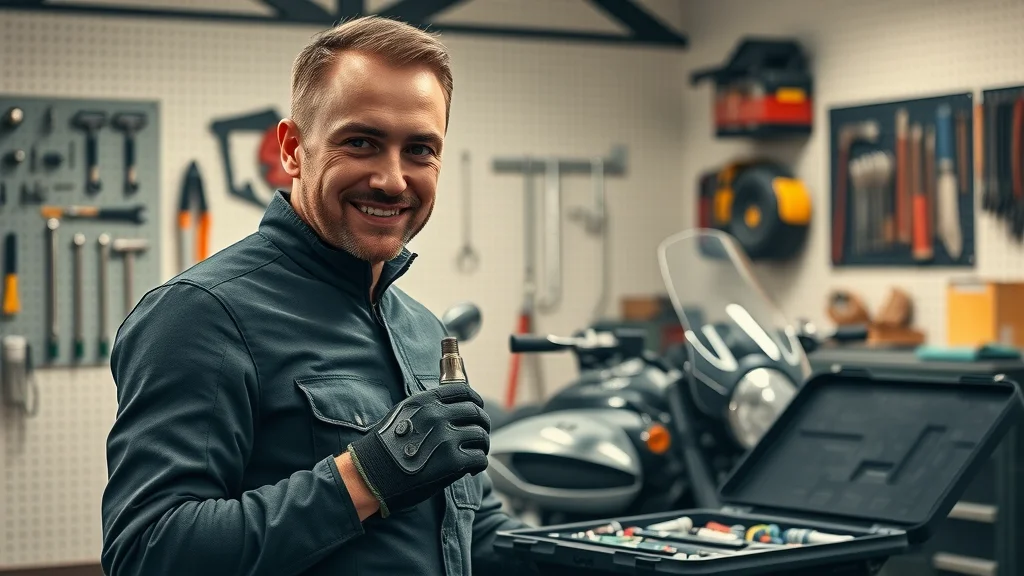
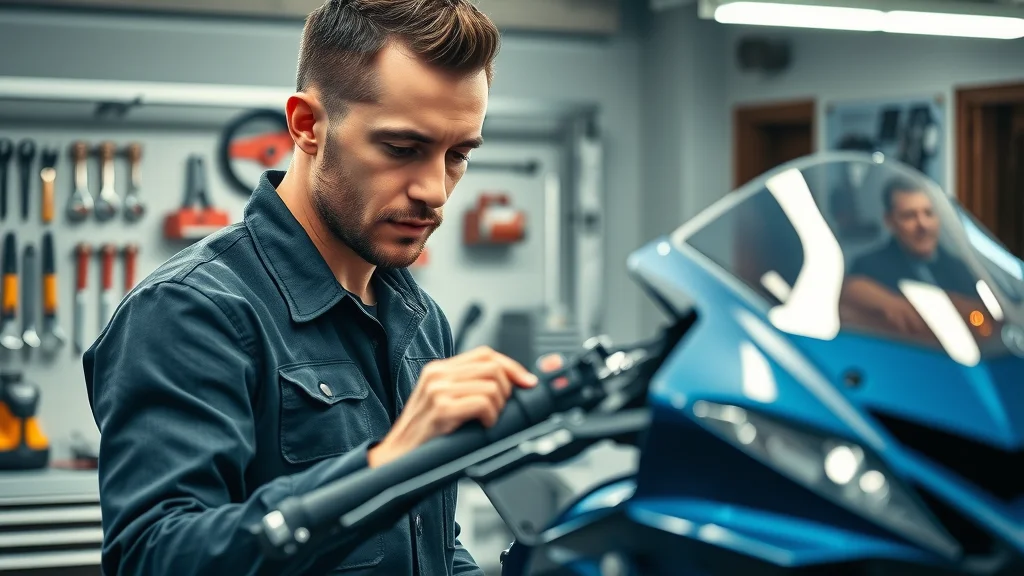
Preventive motorcycle maintenance in a clean, modern motorcycle workshop: Confident mechanic inspecting a motorcycle in a well-organized garage, using a maintenance checklist
"A well-maintained motorcycle isn’t just safer; it delivers a smoother, more enjoyable ride every time you hit the road." – Nasty Performance Motorcycle Shop

What You'll Learn About Preventive Motorcycle Maintenance

  • Essential preventive motorcycle maintenance tasks every rider should know
  • How to create and follow a complete motorcycle maintenance checklist
  • Common mistakes in preventative maintenance and how to avoid them
  • Expert-approved motorcycle maintenance tips for long-term bike health

Understanding Preventive Motorcycle Maintenance: The Basics

Defining Preventive Motorcycle Maintenance and Its Importance

Preventive motorcycle maintenance involves proactively servicing and inspecting your motorcycle at routine intervals to prevent breakdowns, identify issues early, and extend your bike’s life. Essential tasks include regular engine oil changes, brake pad checks, tire inspections, drive chain lubrication, and seasonal system overviews. Compared to reactive fixes—which address problems after they become severe—preventive maintenance allows you to pay attention to early warning signs like wear and tear or unusual noises before they cause significant damage or a sudden failure. Staying on top of preventive tasks keeps your motorcycle in top condition, ready whenever you are.

Incorporating these practices into your regular routine reduces the risk of unexpected failures and extends the longevity of vital components. By monitoring fluids, examining parts for signs of damage, and documenting your maintenance history, you gain peace of mind and keep repair costs down over the long term. Preventive motorcycle maintenance isn’t just about fixing; it’s about anticipating and safeguarding your riding experience, so you get the best performance every time you hit the open road.

For riders looking to deepen their understanding of how preventive care can help avoid expensive repairs, exploring additional strategies can be invaluable. You might find it helpful to review this detailed guide on preventive motorcycle maintenance to dodge costly repairs, which covers practical steps to keep your bike running smoothly and your repair bills in check.

Preventative Maintenance vs. Reactive Repairs: Key Differences

The biggest advantage of preventative maintenance over reactive repairs lies in its proactive approach. While reactive repairs address problems after something goes wrong—such as a worn brake pad leading to brake failure—preventive maintenance identifies and resolves issues during scheduled intervals, offering a smarter and safer alternative. This practice means you seldom have to deal with breakdowns, unexpected downtime, or costly emergency repairs. On the contrary, missed preventative checks can lead to escalating problems and a greater risk of accidents or excessive wear on expensive parts. By practicing timely inspections and fluid changes, you ensure all systems remain reliable and your motorcycle in top condition.

Adopting this approach also helps preserve your motorcycle’s resale value while supporting longer, trouble-free adventures. In short, investing time into preventive motorcycle maintenance is the best way to avoid the stress and expense that come with fixing preventable issues, guaranteeing that your rides are consistently smooth and memorable.

Preventative motorcycle maintenance comparison: One pristine, well-maintained motorcycle, and one visibly neglected motorcycle, with neutral rider inspecting both outdoors. Maintenance tools visible.

Creating a Motorcycle Maintenance Checklist: Step-By-Step Approach

An effective motorcycle maintenance checklist is your roadmap to keeping your ride in peak form. By breaking down tasks according to mileage, season, and frequency, a checklist helps you stay organized, reinforces good habits, and ensures essential jobs never slip through the cracks. Begin by reviewing your owner’s manual for manufacturer-recommended intervals and supplement with common-sense checks, such as visual inspections for dry rot, signs of wear, and proper oil and filter changes. Logging completed tasks helps identify recurring issues early, reinforces your maintenance routine, and even supports lower motorcycle insurance premiums by demonstrating consistent care.

This structured method makes sure you never skip a crucial step, reducing the risk of costly oversights. Periodically review your checklist to account for environmental factors, such as frequent wet conditions that require extra chain lubrication or extended storage where battery care is vital. When in doubt, consulting a professional mechanic or using a sample maintenance checklist (like the one below) will provide a solid starting point for most riders, whether you’re a daily commuter or only ride on weekends.

Sample Motorcycle Maintenance Checklist
Task Recommended Frequency
Check tire pressure Before every ride
Lubricate chain Every 500 miles
Inspect brakes Every 1,000 miles
Change engine oil Every 3,000-5,000 miles
Replace air filter Every 10,000 miles or yearly

Essential Preventive Motorcycle Maintenance Tasks

Checking and Changing Engine Oil: Preventative Maintenance Must

The heart of every great maintenance checklist is regular engine oil care. Engine oil lubricates internal moving parts, reduces friction, and carries heat away from vital areas. Over time, oil degrades, collects contaminants, and loses its protective properties, putting your engine at risk of accelerated wear or catastrophic failure. To avoid these issues, check your oil level before each ride, paying attention to oil color and clarity. Change your oil and oil filter at the intervals recommended by your owner’s manual—usually every 3,000–5,000 miles—using manufacturer-approved products for your specific motorcycle. Skipping oil changes or using the wrong oil can result in increased wear and tear, reduced performance, and long-term engine damage. Prioritize this preventative maintenance step to keep your motorcycle in top condition and ready for every adventure.

For best results, always warm up your engine before draining old oil. This helps contaminants flow out more easily. Don’t forget to properly dispose of old oil and install a fresh filter during each change. Regular oil maintenance keeps your bike running smoother, quieter, and more efficiently while minimizing unforeseen breakdowns and extending your engine’s life.
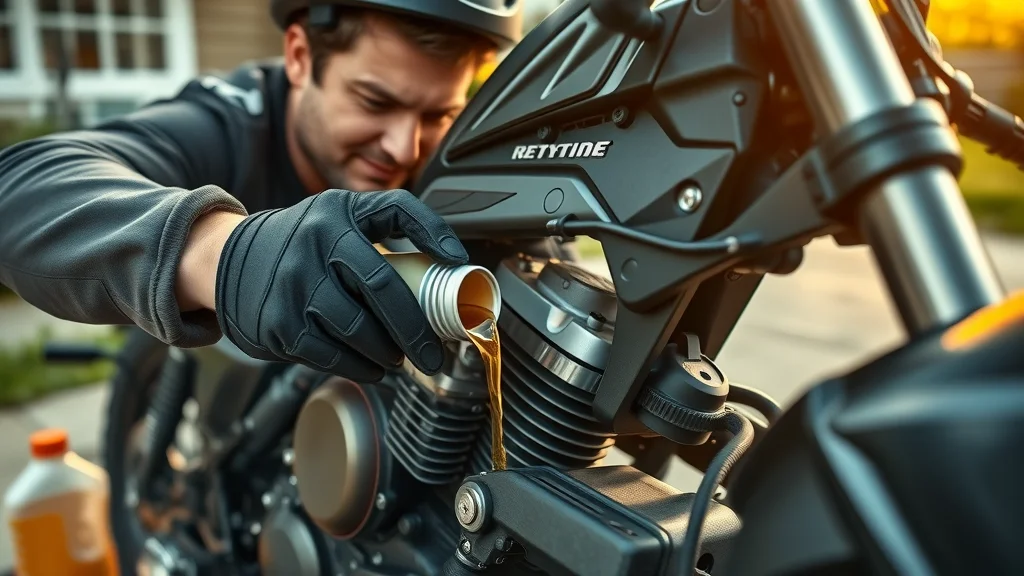
Motorcycle engine oil change: Focused rider pouring fresh engine oil, gloves on, oil bottles and bike on stand, demonstrating preventive motorcycle maintenance at home

Tire Care, Pressure, and Tread Inspection in Motorcycle Maintenance

Your tires are the only connection between you and the road, making their care critical to both safety and performance. Begin every ride by checking tire pressure with an accurate gauge, and adjust per the manufacturer’s specs—under-inflated or over-inflated tires can severely affect handling. Next, inspect the tread for signs of wear, dry rot (cracking), or embedded debris. Bald or damaged tires not only reduce traction but put you at risk for blowouts, especially at high speeds or in wet weather. Always replace tires that show signs of excessive wear, dry rot, or bulging. Don’t overlook sidewalls and valve stems in your visual inspection; both should be free of cuts, punctures, or signs of long-term wear and tear. By prioritizing tire care in your motorcycle maintenance routine, you ensure every journey starts with a reliable foundation, preventing abrupt issues and providing the grip and stability essential for safe riding.

Incorporate a test ride after every tire change or significant pressure adjustment, listening and feeling for unusual vibrations or excessive play. This final check guarantees you’re ready for the road and have addressed any mounting or alignment problems before they develop into dangerous situations.
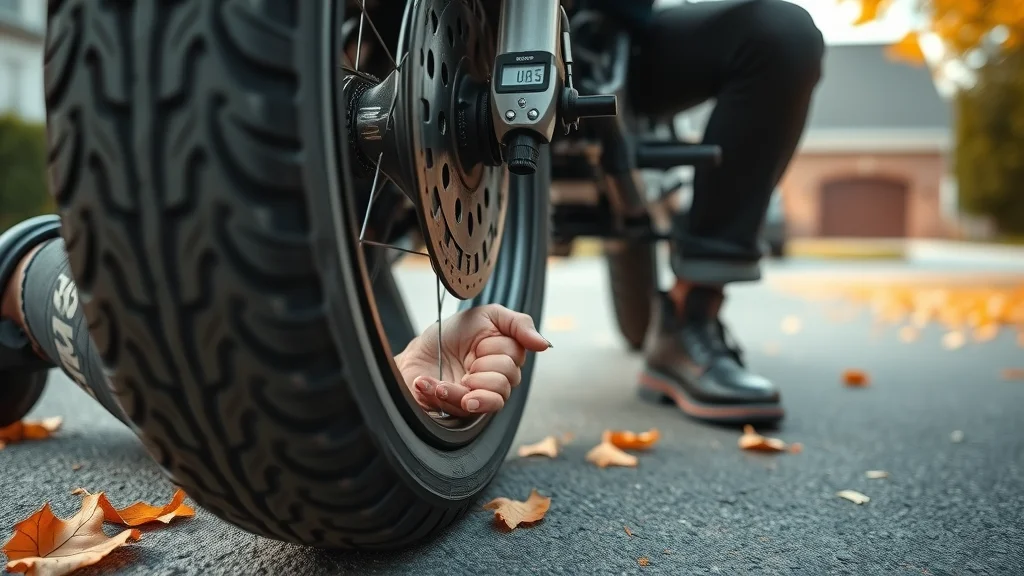
Motorcycle tire tread inspection: Rider kneeling in driveway with gauge, carefully checking tire, showing preventive motorcycle maintenance and tire care detail

Chain, Sprockets, and Lubrication: An Ongoing Maintenance Checklist

The drive chain and sprockets experience constant stress and are critical to your motorcycle’s performance. Without regular care, chains lose lubrication, stretch, or develop tight spots, leading to premature wear or even dangerous failures. Make it a habit to visually inspect your drive chain before each ride, looking for rust, stiff links, or signs of damage. Proper chain slack should match the owner’s manual guidelines; excessive play can reduce power delivery or allow chain derailment.

Lubricate your chain every 500 miles, or more frequently after wet rides. Use a motorcycle-specific chain lube and inspect the sprockets for hooked or worn teeth every 1,000 miles. Neglecting these elements in your preventative maintenance plan can lead to expensive repairs, compromised safety, and reduced efficiency. A well-lubricated, tensioned drive chain maximizes performance, supports smoother shifting, and minimizes wear on related components, ensuring a longer-lasting drivetrain.

Brake Inspection and Fluid Checks in Preventive Motorcycle Maintenance

Your brake system is essential for responsive and safe riding. Regularly inspect brake pad and disc thickness for signs of wear, replacing brake pads if they fall below the manufacturer’s minimum specification. Examine brake lines for cracks, leaks, or other signs of damage. Pay close attention to the color and level of brake fluid—old, dark, or contaminated fluid can result in decreased braking performance and even failure. A good maintenance checklist includes checking your brakes every 1,000 miles and replacing brake fluid as recommended—usually every one to two years—to maintain optimal stopping power. After service, a test ride (with light braking) ensures your adjustments provide full, reliable performance. Riders who stay on top of preventative maintenance for brakes can avoid dangerous situations and keep their motorcycles in top condition for years to come.

Establishing a routine for brake maintenance catches issues early, from worn components to fluid-related concerns, and ensures you have the immediate stopping power needed for every ride, no matter the distance or conditions.
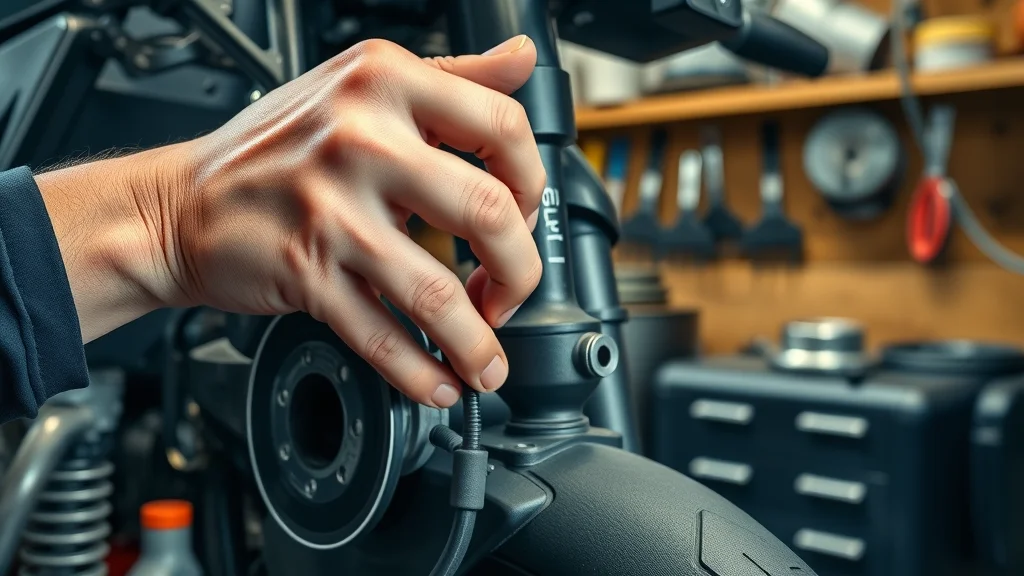
Motorcycle brake maintenance: Mechanic performing hands-on inspection, gently squeezing brake, showing precise, preventive maintenance in a professional shop

Beyond the Basics: Advanced Preventive Motorcycle Maintenance

Electrical System and Battery Maintenance Checklist

Today’s motorcycles are more dependent than ever on reliable electrical systems. To keep your battery, lights, and electronics functioning flawlessly, perform periodic visual inspections of wiring harnesses for wear or damage, and clean battery terminals to prevent corrosion. Check that all lighting—headlights, turn indicators, brake lights—operates correctly before each ride, and ensure no flickering or intermittent failures occur. Battery health is vital, especially after storage or during cold seasons. Test your battery with a voltmeter and ensure it maintains a full charge; if it fails to hold a charge after reconditioning, replace it. In addition, keep an eye out for blown fuses, weak starter sounds, or any wiring showing signs of fraying. These steps make electrical issues less likely and guarantee that your high-tech systems remain trouble-free for the long time you own your motorcycle.

Advanced regular maintenance of your electrical system means smoother starts, consistent performance of all digital and analog instruments, and a lower risk of being caught off-guard by a dead battery in the middle of nowhere. This critical area often goes overlooked, so add it to your ongoing maintenance checklist to cover all bases.

Suspension and Steering Checks for Preventative Maintenance

Your suspension and steering assemblies are responsible for stability, comfort, and handling. Start with a visual inspection for leaks at fork seals or shock absorbers and check for signs of excessive play or wear in the bearings and pivot points. Pay attention to changes in handling, such as wobbling, uneven tire wear, or pulling to one side. Over time, lubricants in the steering and suspension can degrade, potentially leading to a rougher ride or loss of control.

Consult your motorcycle’s manual for proper settings and adjustment intervals. Annual maintenance should include fresh fluid in the front forks and examination of rear suspension components. These systems require careful adjustment to match your riding style, load, and road conditions. Keeping your suspension and steering systems in peak condition will not only extend their lifespan but keep your motorcycle nimble, safe, and enjoyable through every curve and straightaway.

Common Preventive Motorcycle Maintenance Mistakes and How to Avoid Them

  • Overlooking the maintenance checklist steps
  • Using incorrect fluids or lubricants
  • Ignoring manufacturer preventative maintenance intervals
  • Forgetting seasonal maintenance tasks
  • Skipping test rides after servicing

Even experienced riders fall into common traps that can compromise their bike’s health. Forgetting a motorcycle maintenance checklist step (like lubricating the chain or changing brake fluid), using non-recommended products, or ignoring seasonal preparation lead to bigger issues down the road. Always double-check manufacturer guidelines, mark your calendar for preventative maintenance intervals, and stay consistent—your motorcycle and wallet will benefit. Never skip a post-service test ride to detect issues early, ensuring your adjustments provide the intended safety and performance improvements at every stage.

Ultimately, preventive motorcycle maintenance is about intention and attention—investing a little effort now can save a lot of hassle, expense, and risk later. If in doubt, get guidance from professionals or follow comprehensive checklists used by trusted shops for best results.

Watch:

People Also Ask: Preventive Motorcycle Maintenance FAQs

What is the preventive maintenance of a motorcycle?

Preventive motorcycle maintenance involves performing regular checks and servicing tasks, such as oil changes, brake inspections, and tire pressure monitoring, to ensure your bike operates safely and efficiently while reducing the risk of unexpected breakdowns.

What is the 4 second rule on a motorcycle?

The 4 second rule is a safety principle recommending motorcyclists maintain at least four seconds of distance between their bike and the vehicle ahead, providing ample time to react to sudden stops or obstacles.

Which bike is most liked by girls?

Preferences vary widely, but lightweight, stylish, and easy-to-handle motorcycles—such as cruisers and entry-level sport bikes—are commonly favored among women for comfort and manageability.

What does 2 fingers up mean on a motorcycle?

The '2 fingers up' gesture is a popular motorcyclist greeting, symbolizing camaraderie and respect between riders on the road.

Pro Tips From Professionals: Preventive Motorcycle Maintenance Best Practices

  • Regular use of a motorcycle maintenance checklist prolongs lifespan
  • Consult your owner's manual for preventative maintenance intervals
  • Keep a log of every maintenance task completed
  • Never skip tire, oil, or brake inspections
  • Incorporate visual and auditory checks after every ride
"Preventive motorcycle maintenance is your first line of defense against costly repairs and dangerous failures." – Shop Mechanic

Key Takeaways: Performing Effective Preventive Motorcycle Maintenance

  • Preventive motorcycle maintenance boosts bike safety and longevity
  • Following a regular maintenance checklist prevents common failures
  • Even minor proactive repairs save time and money in the long run

Ready to Ride? Schedule Your Preventive Motorcycle Maintenance Service with Experts

Your motorcycle deserves the best care—don’t wait until there's a problem. Call Nasty Performance Motorcycle Shop today: 847-458-4858 to book your preventive maintenance and enjoy every ride with confidence!

If you’re eager to take your motorcycle care to the next level, there’s always more to discover about keeping your ride in optimal shape. Delving into broader strategies for preventive maintenance can help you anticipate issues before they arise and truly maximize your bike’s performance and longevity. For a comprehensive perspective on how proactive upkeep can save you from unexpected expenses and keep your adventures on track, explore our in-depth article on preventive motorcycle maintenance to dodge costly repairs. It’s the perfect next step for riders who want to stay ahead of the curve and enjoy worry-free journeys for years to come.

Motorcycle Maintenance

0 Comments

Write A Comment

*
*
Please complete the captcha to submit your comment.
Related Posts All Posts

Schedule for Performing Routine Motorcycle Maintenance

Did you know that regular adherence to a routine motorcycle maintenance schedule can help you avoid up to 70% of major breakdowns and extend your motorcycle’s lifespan dramatically? Establishing and following a routine maintenance schedule isn’t just for passionate enthusiasts—it’s a critical step for every rider who values performance, safety, and long-term savings. Whether you’re gearing up for your daily commute or planning a cross-country adventure, a disciplined approach to motorcycle maintenance ensures your bike is always ready for the road and running in top condition. Dive into this guide to maximize your motorcycle’s reliability and enjoy every mile with peace of mind. Surprising Insights into the Importance of a Routine Motorcycle Maintenance Schedule "Regular adherence to a routine motorcycle maintenance schedule can help avoid 70% of major breakdowns and extend your motorcycle's lifespan dramatically." Understanding the direct impact of a routine motorcycle maintenance schedule on your bike’s longevity and your personal safety is essential for any rider. Too often, riders delay basic maintenance tasks, thinking they can address problems as they arise. However, ignoring simple daily or monthly checks can lead to expensive failures, safety risks, and extended downtime. The data makes it clear: a structured maintenance checklist not only improves performance but also safeguards your investment by catching wearable parts and safety issues before they become a hazard or a costly repair. A surprising number of riders overlook maintaining proper tire pressure, oil levels, or checking their brake pads. The reality? These small tasks have the biggest cumulative effect on both performance and ride quality. By following a set schedule—organized around daily, weekly, monthly, and annual intervals—you’ll create a routine that’s realistic and highly effective in keeping your motorcycle in top condition. Why Riders Can't Afford to Neglect a Motorcycle Maintenance Checklist Skipping or ignoring a motorcycle maintenance checklist can have consequences far more bothersome than a little extra time in the garage. Failing to regularly check the drive chain, adjust belt tension, or inspect the air filter can create a perfect storm for breakdowns at the most inconvenient times. Worse, it can compromise your personal safety, as critical components like brake fluid or wheel bearings are often only checked during routine maintenance. Even tasks as basic as inspecting the tread depth on your front and rear tires or topping up fluids prevent small issues from escalating. Ultimately, a robust, frequently-reviewed maintenance checklist helps keep your ride performing at its best, providing confidence and comfort each time you hit the road. What You'll Learn in This Guide to Setting a Routine Motorcycle Maintenance Schedule Key components of a comprehensive motorcycle maintenance checklist Simple, scheduled motorcycle maintenance tasks for daily, weekly, monthly, and yearly intervals Expert tips to maintain safety, maximize performance, and protect your investment Understanding the Routine Motorcycle Maintenance Schedule Framework A routine motorcycle maintenance schedule isn’t just a set of chores—it’s your blueprint for consistent performance and lasting reliability. This schedule breaks down essential maintenance tasks into manageable intervals that ensure your motorcycle is always in top condition. By learning how and when to perform simple checks and tasks, even beginner riders can confidently tackle motorcycle maintenance and save money on unnecessary repairs while maximizing the value of their bike. Let’s explore the importance of having a defined maintenance checklist and how it enhances not just the lifespan of your bike but your overall peace of mind on every journey. This section outlines core areas—engine oil, brake pads, coolant, tire pressure, and more—alongside the role of yearly full service for truly comprehensive care. The following frameworks and checklists have been refined by experts, so you can spend less time worrying about breakdowns and more time enjoying the freedom of the open road. What Is a Motorcycle Maintenance Checklist – And Why Is It Crucial? A motorcycle maintenance checklist is your step-by-step reference for every critical task needed to keep your motorcycle ready for the road. It covers everything from routine inspections, oil changes, and safety inspections to major yearly maintenance. Having this list at hand ensures that no part of your maintenance schedule gets overlooked, whether it’s a visual examination of the chain, a quick look at your air filter, or ensuring brake fluid levels are within safe limits. With maintenance tasks grouped by how often they need attention—daily, weekly, monthly, and yearly—it becomes much easier to manage and maintain your motorcycle in top condition. Riders who rely on a thorough checklist benefit from lower maintenance costs, fewer breakdowns, and smoother, safer journeys all season long. Even if you’re new to motorcycle maintenance, this approach helps you learn the best habits from the start and makes performing simple tasks less intimidating. How the Routine Motorcycle Maintenance Schedule Enhances Performance and Safety Consistent maintenance keeps your bike performing better, longer. Regular checks, like monitoring tire pressure and changing the oil, directly contribute to optimal handling, better fuel efficiency, and extended engine life. A well-maintained motorcycle is more responsive, feels smoother in transitions, and presents fewer surprises on the road. This not only protects your personal investment but also greatly reduces maintenance costs over the years. Safety should always be the first priority for any rider. Staying disciplined with your routine motorcycle maintenance schedule reduces the risk of avoidable accidents and ensures that critical safety components—brake pads, lights, chain, and more—are never neglected. This comprehensive approach means you’re not only ready for the adventures ahead but also confident that you and your passengers are protected mile after mile. Daily and Pre-Ride Motorcycle Maintenance Tasks Checklist Check tire pressure and condition before every ride Inspect lights, brakes, clutch, and controls Review chain/belt tension and lubrication Taking a few minutes to complete daily or pre-ride checks adds up to major long-term benefits. Inspecting your tire pressure and tread helps you spot uneven wear or punctures before they put you at risk. Evaluating controls like the clutch, throttle, and brakes ensures responsive handling, while checking the drive chain or belt keeps your motorcycle in top shape. Incorporating these quick checks into your routine enables you to spot potential concerns and plan proper maintenance ahead of time, keeping you ready for the road with confidence. Modern motorcycles are engineered for reliability, but only if they receive regular attention. By addressing these daily items, you help prevent sudden failures far from home and enjoy more efficient, hassle-free rides. Think of it as a quick “systems check”—one that catches tiny issues before they balloon into costly repairs. The best part? Most of these motorcycle maintenance checklist items are easy to perform, even for beginners, requiring just a few minutes and some basic tools. For riders looking to go beyond the basics, understanding how seasonal changes affect your maintenance routine can make a significant difference. Discover practical tips for adapting your motorcycle care throughout the year in this guide to seasonal bike care secrets every rider must know, which complements your regular maintenance checklist with timely, weather-specific advice. Tire Pressure, Tread, and Visual Inspections Your tires are the only point of contact with the road, making their condition a top safety priority. Daily checks should include examining tread depth, looking for embedded debris, and confirming the pressure matches your manufacturer’s recommendation. Over- or under-inflated tires can reduce handling, increase stopping distances, and accelerate wear. Use a quality gauge for accuracy and check the condition of both the front and rear tires for uneven wear or sidewall cracks. Don’t overlook the wheels and valves, making sure they’re secure and in good repair. Keep an eye out for visible cues—like bulges, flat spots, or exposed cords—that may signal the need for immediate attention or a trip to your mechanic. Pair these tire checks with a quick visual inspection of your chain or belt and rear wheel bolts as part of your routine motorcycle maintenance schedule. "A quick daily motorcycle maintenance inspection can detect early issues that prevent accidents and expensive repairs." Weekly Routine Motorcycle Maintenance Schedule: Essential Checks Clean and lubricate the chain or belt Check coolant and brake fluid levels Review signal lights and horn functionality On a weekly basis, extend your checklist to include routine cleaning, fluid top-ups, and checks of less frequently used systems. Cleaning and lubricating the chain or belt prolongs drivetrain life and keeps ride performance consistent. Monitor your coolant and brake fluid, as these are crucial to engine longevity and braking power—two areas no rider should overlook. It’s also the perfect time to double-check all signal lights, the horn, and any accessory features. Making this a habit greatly supports the overall reliability of your motorcycle and ensures you’re always ready for the unexpected. Weekly attention to these components helps spot leaks or damage early, address any odd noises, and keep your controls smooth. It also prevents smaller issues from growing during periods of heavy use or in varying weather conditions. Building these checks into your regular motorcycle maintenance routine makes each ride safer and lets you catch up on small fixes before they impact your enjoyment—or your wallet. Detailed Maintenance Checklist for Weekly Tasks Every week, dedicate a little time to more technical tasks that keep your motorcycle in top condition. Start with the drive chain: clean it thoroughly with a non-corrosive cleaner, inspect links for stiffness, and apply quality lubricant. Confirm proper belt tension if applicable, as this impacts power delivery from the engine to the rear wheel. Next, check coolant and brake fluid levels—these often get overlooked but are vital in maintaining consistent temperature and reliable stopping power. Don’t forget about the smaller items: test turn signals, headlights, and brake lights for functionality, and give the horn a quick beep. Lastly, do a fast once-over of your bike; look for loose fasteners, check for fluid drips beneath the engine, and ensure all visible parts are in place. This step-by-step motorcycle maintenance checklist—paired with smart scheduling—helps you catch issues before they become headaches, maintain peak performance, and maximize your ride’s value year-round. Monthly Routine Motorcycle Maintenance Tasks for Longevity Monthly maintenance dives deeper into vital systems to provide lasting performance and protection. These tasks generally require more time and a bit of mechanical know-how but pay major dividends in longevity and reliability. Consistent monthly attention safeguards your engine, brakes, fluids, and cables, all of which work hard mile after mile. This is your opportunity to catch early wear, address small leaks, and ensure every component of your motorcycle remains in peak working order. Incorporating this routine ensures your motorcycle stays healthy across seasons and different riding environments. Catching and resolving issues regularly not only extends the lifespan of components like the air filter, brake pads, and fluids, but it also helps reduce long-term maintenance costs and keeps your ride performing at its best. Ultimately, these monthly checks make a massive difference in keeping annual service and surprise repairs to a minimum. Engine Oil Level and Oil Change Best Practices The heart of monthly maintenance is checking engine oil levels and performing oil changes as needed. Removing old oil and replacing it with fresh oil keeps your engine free from harmful deposits and ensures smooth operation. Use the manufacturer’s recommended oil and never miss a change—the oil and filter are lifelines for your motorcycle’s powerplant. Inspect the oil for unusual color, debris, or burnt smell; these could indicate deeper issues that require professional attention. Always replace the oil filter along with the oil, ensuring contaminant-free lubrication for critical engine parts. Routine oil changes also promote better fuel efficiency, keep the engine running cool, and contribute to maximum performance. Keep records of each change as part of your maintenance logbook—it’s a simple habit that helps you stay on top of your schedule and provides a valuable paper trail when it’s time to service your motorcycle or sell it in the future. Inspect Brake Pads, Discs, and Cable Wear Your monthly motorcycle maintenance checklist should include a thorough inspection of the front and rear brake pads, brake discs, and cables. Worn brake pads or unevenly worn discs can reduce stopping effectiveness and cause vibrations while braking. Check the pad thickness and look for grooves in the disc surface, which may indicate the need for replacement. Cables for the clutch and throttle deserve attention too; frayed or stretched cables can negatively affect control and should be lubricated or replaced as needed. Neglecting these critical checks can lead to more expensive repairs or even safety hazards down the road. For best results, add a physical inspection of connectors, hoses, and indicator lights, making sure everything operates smoothly. Detailed monthly attention to these motorcycle maintenance tasks contributes to safer, smoother rides all season long. Not only does this approach help save money by avoiding larger component failures, but it also brings peace of mind every time you start your engine. "Monthly attention to these motorcycle maintenance tasks contributes to safer, smoother rides all season long." Complete Yearly Maintenance: Full Service and Inspection for Motorcycles No routine motorcycle maintenance schedule would be complete without annual service. This is the comprehensive “big picture” review and refresh of your entire motorcycle, covering advanced systems, wear items, and areas not usually touched during regular checks. Scheduling a yearly full service with a trusted technician ensures everything from the battery to the air filter and electrical systems is inspected and working as intended. It helps detect hidden problems, supports optimal performance, and guarantees your investment’s long-term health. Yearly maintenance isn’t only about fixing problems; it’s about giving your motorcycle a clean bill of health. Comprehensive inspection, fluid replacement, and torque checks help your machine stay roadworthy and enjoyable well into the future. It’s also an opportunity to update your maintenance log, track component ages, and get professional input on riding habits that may affect various systems. Comprehensive Yearly Maintenance Checklist for Peace of Mind Replace spark plugs and air filters Flush and renew fluids Inspect and torque all fasteners Battery health check Key yearly tasks include swapping out worn spark plugs and the air filter for reliable combustion and efficient airflow. This is also the time to flush and replace engine, brake, and coolant fluids, preventing the buildup of contaminants and ensuring top condition. Your mechanic will inspect and torque every major fastener, checking that nothing has come loose—a common issue after a year’s worth of rides on rough roads. The condition of your battery is also assessed, as old or undercharged batteries are a leading cause of mid-season breakdowns. Other details—like testing the wheel bearing or updating the rear wheel alignment—may be performed depending on your make and model. A complete yearly maintenance schedule ensures everything about your motorcycle is accounted for, from the most basic systems to the invisible connections beneath the tank. Don’t skip this step; it’s the best way to guarantee long-term confidence and trouble-free adventures. Scheduling Your Motorcycle Full Service: When and Why It Matters Your annual full service ideally takes place at least once every 12 months, no matter how few or many miles you’ve covered. Most riders choose to schedule yearly maintenance at the start or end of the main riding season, when weather is mild and shops have better availability. This keeps your machine prepared for whatever the calendar brings and avoids delays from surprise repairs during busy months. By staying consistent—regardless of usage—you protect your investment against time and wear, not just miles. Whether you do some work yourself or leave all checks to a pro, never ignore that skip in the chain, hard starts, or odd noises. Yearly maintenance gives you and your mechanic the chance to address small concerns before they escalate, set new maintenance reminders, and enter the new season confident in your motorcycle’s performance and reliability. How to Customize a Routine Motorcycle Maintenance Schedule for Your Bike A great motorcycle maintenance schedule isn’t “one size fits all. ” While most motorcycles share core requirements, your riding style, environment, and specific manufacturer guidelines should shape how you approach your maintenance checklist. Urban commuters encounter different wear than high-mile touring bikes, and off-roaders have a unique list of parts and fluids to monitor. Crafting a personalized checklist means accounting for how, where, and how often you ride—ensuring your bike gets the care it truly needs. Don’t hesitate to lean on your motorcycle’s owner’s manual, which details service intervals specific to your make and model. Add notes about local weather, storage conditions, and even past issues for future reference. The more tailored your maintenance strategy, the more effective and efficient your routine becomes—making every ride safer and extending your motorcycle’s lifespan. Adapting Your Maintenance Checklist by Riding Style, Environment, and Manufacturer's Guidelines If you ride in dusty environments, prioritize cleaning or replacing your air filter more frequently. For rain or cold climates, pay extra attention to fluid levels and inspect the battery more often. Long-distance riders may need to lubricate the chain and check the oil sooner than those sticking to city commutes. Manufacturer guidelines will list minimum intervals for oil change, engine oil inspection, and belt tension adjustment—always follow these as a baseline and adapt upward as needed. Keep in mind: intense riding shortens service intervals, while light or occasional use may lengthen them slightly. The key is observation and consistency; if your environment or style is especially hard on certain components, adjust your schedule to protect them accordingly. Ultimately, riders who adapt their maintenance checklist based on these factors enjoy more reliable bikes, lower maintenance costs, and a personalized connection to their machine. Consult the manual, check forum recommendations, and be alert to your bike’s unique signals; these insights are your best guides for creating a customized, practical maintenance routine. Leveraging a Maintenance Logbook for Better Outcomes One of the most effective ways to stick to your routine motorcycle maintenance schedule is by keeping a detailed maintenance logbook. This doesn’t need to be complicated—it can be a simple notebook or a digital chart, but it should capture all service dates, parts replaced, observations, and scheduled future tasks. Reviewing your logbook before each ride makes performing simple checks second nature and lets you spot patterns that lead to proactive repairs rather than expensive surprises. Maintaining a record helps track component age, warranty compliance, and provides valuable documentation if you ever sell your motorcycle. You don’t need to be a mechanic—consistency is what counts! Use sticky notes, calendar alerts, or dedicated apps if that works better for you. Your logbook will not only help save money through early detection, but also keeps you motivated to keep your bike in the best condition possible. Tables: Sample Routine Motorcycle Maintenance Schedule by Interval Interval Maintenance Tasks Who Performs Notes Daily/Pre-Ride Check tire pressure/tread; inspect lights, brakes, clutch, and controls; review chain/belt tension and lubrication Rider Quick inspection, 5–10 minutes before each ride Weekly Clean and lubricate chain/belt; check coolant and brake fluid; test signal lights, horn Rider/DIY Best after cleaning; replace fluids if levels drop Monthly Check engine oil and change as needed; inspect brake pads/discs; check clutch and throttle cables; clean air filter Rider/DIY Log all findings and changes Yearly/Full Service Replace spark plugs, air filters; flush/renew fluids; battery health check; inspect/torque all fasteners; check all main systems Professional Mechanic Best at start/end of riding season; update maintenance log Top 10 Expert Tips to Streamline Your Routine Motorcycle Maintenance Schedule Build maintenance into your riding routine Use reminders or calendar alerts Invest in quality tools and lubricants Join local or online motorcycle forums Consult your owner’s manual Schedule professional inspections annually Track service dates and observations Address warning signs immediately Practice safety at every step Keep a maintenance checklist on hand People Also Ask: Common Questions About the Routine Motorcycle Maintenance Schedule How often should a motorcycle be serviced? Answer: Most motorcycles benefit from a maintenance checklist check every 500-1,000 miles or monthly, with yearly maintenance and full service once every 12 months as recommended. What is the most important maintenance task for a motorcycle? Answer: Regular oil changes and proper tire pressure checks are among the most critical motorcycle maintenance tasks for safety and engine longevity. Can I follow one routine motorcycle maintenance schedule for different brands? Answer: While some items are universal in a motorcycle maintenance checklist, always consult the manufacturer's recommendations for specifics on your make and model. An instructional video showing a step-by-step demonstration of daily pre-ride and basic weekly motorcycle maintenance tasks, such as checking tire pressure, lubricating the chain, and reviewing key fluid levels, performed in a well-lit home garage setting for beginner to intermediate riders. Frequently Asked Questions about Routine Motorcycle Maintenance Schedules What are the signs that a motorcycle is overdue for routine maintenance? Signs include difficulty starting, rough idling, unusual noises, reduced braking power, visible leaks, poor acceleration, or warning lights on the dash. If you notice any of these, it’s probably time to review your routine motorcycle maintenance schedule and address any missed items. How is oil change frequency determined for motorcycles? Oil change intervals depend on your bike’s make, model, riding style, and oil type. Most motorcycles require an oil and filter change every 2,000–5,000 miles or every 6 months, whichever comes first. Always check your owner’s manual for recommendations and adjust if your riding conditions are especially harsh. Are motorcycle maintenance tasks easy for beginners to perform? Many basic maintenance tasks—like checking tire pressure, inspecting brakes, and lubricating the chain—are straightforward and require only basic tools. With a clear checklist and a little practice, even beginners can handle most regular checks. For complex or advanced tasks, consulting a professional is always advised for safety and long-term reliability. Key Takeaways: Making Your Routine Motorcycle Maintenance Schedule Work for You Consistency is the foundation of effective motorcycle maintenance Tailor your maintenance schedule and checklist to your bike and riding habits Engage in yearly maintenance for long-term reliability and safety Conclusion: Take the Next Step for Motorcycle Longevity "A disciplined routine motorcycle maintenance schedule transforms riding from a hobby into a lifetime investment in safety and performance." If you’re ready to elevate your motorcycle care beyond the essentials, consider exploring advanced strategies that align with the changing seasons and your unique riding habits. By integrating seasonal maintenance insights, you can proactively address challenges like temperature shifts, humidity, and storage, ensuring your bike remains in peak condition year-round. For a deeper dive into expert-level care and to unlock the secrets that experienced riders rely on, check out seasonal bike care secrets every rider must know. This resource will help you anticipate maintenance needs, adapt your schedule, and keep your motorcycle performing at its best—no matter what the weather brings. Ready to establish your personal routine motorcycle maintenance schedule? Call Nasty Performance Motorcycle Shop Today: 847-458-4858

Avoid Breakdown: When to Do Motorcycle Chain and Sprocket Replacement

Did you know that over 30% of roadside motorcycle breakdowns are caused by neglected chain and sprocket maintenance? One worn cog can ruin your whole ride—sometimes in an instant. Don’t gamble with your safety or your bike’s performance. In this comprehensive guide, you’ll learn how regular motorcycle chain and sprocket replacement can save you from catastrophic breakdowns and expensive repairs.When was the last time you checked your motorcycle chain or looked closely at your rear sprocket? If you aren’t sure, keep reading. We’ll reveal the crucial signs of wear, expert maintenance tips, and step-by-step replacement strategies—no technical jargon required.Every 8,000 Miles? The Surprising Truth About Motorcycle Chain and Sprocket ReplacementMany riders believe that motorcycle chain and sprocket replacement is only needed at high mileage. The truth? Some chains and sprockets wear out faster than others—sometimes much sooner than you think. While service manuals may suggest intervals of 15,000-20,000 miles, factors like aggressive riding, weather exposure, infrequent chain lube, and regular dirt or road riding can quickly shorten that lifespan.You don’t have to guess when it’s time to replace your chain and sprocket. Instead, pay attention to key warning signs , such as unusual noises, visible sprocket wear or rust on the master link, and sudden changes in chain tension. Rear wheel performance is directly tied to your chain’s condition, with slack, skipping, or uneven movement putting you at risk for dangerous rear wheel lock-up or costly rear tire damage. By following the practical steps and checks outlined below, you’ll know exactly when to install a new motorcycle chain, swap the master link, and replace worn rear or front sprockets.Signs that your motorcycle chain and sprocket need replacementThe crucial connection between rear wheel performance and chain and sprocketsPractical, step-by-step guidance on how to replace your motorcycle chain, sprocket, and master linkThe risks of ignoring worn sprocket and chain systemsTips to maximize chain lifespanExpert answers to the most common sprocket and chain replacement questionsWhy Timely Motorcycle Chain and Sprocket Replacement Matters for Rider Safety and Bike Performance"Did you know that a worn motorcycle chain can snap without warning, causing catastrophic rear wheel lock-up and severe accidents? Preventative maintenance is not optional—it’s essential."A motorcycle’s chain and sprockets do more than simply transfer power from the engine to the rear wheel. They’re safety-critical parts; neglecting them can result in a snapped chain—which may jam the rear sprocket and instantly seize your rear wheel. On both road bikes and dirt bikes, this mechanical failure often leads to loss of control, high repair costs, or even an accident. Regular inspection, correct chain tension, and prompt motorcycle chain and sprocket replacement keep your ride smooth, safe, and reliable.Wear doesn’t appear overnight. Gradually, sprocket teeth can become pointed, the chain may start skipping, and corrosion can damage the master link. If you can’t recall your last replacement or chain lube application, it’s a good idea to check these items before your next ride. Rear axle alignment and rear tire health are also impacted by chains and sprockets—if these systems fail, it can compromise your entire motorbike.Top Signs Your Motorcycle Chain and Sprockets Need Replacement NowWondering which symptoms demand immediate action? Unusual noises like rattling or grinding while riding could mean your motorcycle chain is worn or the sprocket teeth have become misshapen. You might also notice inconsistent chain tension , fluctuating between tight and loose as you rotate the rear wheel—an indicator of both chain and sprocket wear.If your chain keeps skipping or jumps over the sprocket unexpectedly, or if you spot visible wear marks, rust, or a damaged master link, don’t postpone a replacement. Difficulty maintaining chain adjustment or continually finding slack in your bike chain after repeated tightening points to deeper issues. Failure to address these warning signs can lead to sudden chain failure, potentially damaging the rear sprocket, rear axle, or causing rear wheel lock-up.Unusual noises while riding (rattling, grinding)Noticeable slack or inconsistent chain tensionVisible wear on sprocket and chain teethDifficulty maintaining chain adjustmentMaster link corrosion or damageChain skipping or jumping over sprocketUnderstanding the Impact of Chain Tension and Rear Wheel Alignment on Motorcycle Chain and Sprocket ReplacementChain tension directly impacts the longevity of your motorcycle chain and sprockets. If your chain is too tight, it creates excessive wear on both the front and rear sprocket, leading to premature failure, excessive chain wear, and performance issues. Likewise, a loose chain can jump, skip, or even come off entirely. Regularly check tension as your service manual prescribes—usually with the rear wheel off the ground and chain at its slackest point.Rear wheel alignment is another critical factor—not only for ride comfort but for the health of your chain and sprocket. A misaligned rear wheel often causes uneven wear: you may notice the chain "walking" to one side, uneven sprocket teeth, or half a tooth of wear along one edge. The alignment marks on your rear axle and swingarm should match when viewed from both sides. Misalignment strains the master link and can cause the system to wear out much faster, forcing you to replace chains, sprockets, or even the rear axle long before necessary.How Incorrect Chain Tension Damages Your Sprocket and ChainImproper chain tension—whether too slack or too tight—can inflict serious harm on your sprocket and chain. If too tight, the chain exerts continuous pressure on the rear sprocket and front sprocket, rapidly wearing down the sprocket teeth and increasing friction. This not only accelerates chain wear, but also puts stress on the rear axle and possibly the transmission output shaft. Conversely, a chain that's too loose is prone to skipping teeth, leading to uneven wear patterns known as "hooked" sprocket teeth.The effects of poor chain tension ripple throughout your drivetrain. Excessive slack causes chain slapping, contributing to noisy operation and possible chain slippage over the sprocket. Over time, this not only damages your motorcycle chain and sprockets but can also jar your rear wheel, impairing handling. By maintaining manufacturer-recommended chain tension, you maximize the service life of your entire system—saving money and ensuring a smoother ride.Rear Wheel Misalignment: The Hidden Factor Behind Premature Motorcycle Chain WearA misaligned rear wheel does more than cause steering issues—it also destroys chains and sprockets. When the alignment is off, the chain travels at an angle, causing uneven and accelerated wear across the sprocket teeth. This stress is particularly harsh on the master link and often results in chain sl—side plate elongation or bending. If you consistently need to readjust chain tension more on one side of the rear axle than the other, misalignment is usually the culprit.To check for correct alignment, compare the markings on each side of the rear axle. You can also use a straightedge or a purpose-built alignment tool along the front and rear sprockets to confirm the chain runs in a perfectly straight line. Correcting rear wheel misalignment not only prolongs the life of your motorcycle chain and sprockets but also makes your bike safer and more predictable on both straightaways and curves.Comparison of Symptoms: Healthy vs. Worn Out Chain and SprocketsFeatureHealthy Motorcycle ChainWorn Sprocket and ChainChain TensionConsistent, moderateLoose or tight sectionsSprocket TeethClean, symmetricalHooked, pointed, or wornMaster LinkSmooth, sturdyRusty, loose, or missing clipStep-by-Step Motorcycle Chain and Sprocket Replacement GuidePrepare your tools and safety equipmentSupport the rear wheel securelyLoosen chain adjusters and remove chain master linkRemove old sprocket and chain from rear wheel hub and front sprocketInspect components for additional wearInstall new sprocket and chainSet correct chain tension and align rear wheelSecure new master link and double-check installationReplacing the motorcycle chain and sprocket begins with quality preparation. Gather needed tools—typically a wrench set, pliers, chain breaker, and a torque wrench for your axle nut and locking nut. Safely raise the rear tire so it spins freely (a paddock stand is ideal) and consult your service manual for model-specific tips. Begin by loosening the chain adjuster bolts on the rear axle, then remove the master link (usually with pliers) to release the chain.Next, unbolt the front and rear sprockets and slide the old chain and sprockets out. Inspect all parts for signs of excessive wear or hidden damage, especially the master link, sprocket teeth, and chain side plates. Install the new sprocket and thread in the new motorcycle chain, then connect it with a new master link. Adjust chain tension per your bike’s manual—too tight or slack will accelerate wear. Finally, double-check rear wheel alignment, tighten the axle nut, and apply an even coating of chain lube to finish the job.Watch a professional mechanic walk you through each step of motorcycle chain and sprocket replacement , highlighting essential safety checks and best practices for every major bike model.When Should You Replace Sprockets with Your Motorcycle Chain?The best practice is to replace your sprocket whenever you replace the chain. This approach ensures both components wear in together, maximizing longevity and performance across your motorcycle’s drivetrain. Using a new chain on old sprockets (or vice versa) may cause premature chain wear, chain skipping, and even damage to your rear or front sprocket teeth. Regular replacement helps prevent the headaches of mismatched wear and saves your rear wheel assembly from future failures.The Interdependence of Sprocket and Chain: Why It's Best to Replace Them TogetherChains and sprockets naturally develop matching wear patterns as they rotate thousands of times over the life of your bike. But introducing a new chain to a worn rear sprocket allows old, misshapen teeth to prematurely "stretch" and damage the fresh links. This means the chain may develop slack more rapidly, and sprocket wear will accelerate. It’s not just a good idea —it’s essential to change both at once if you want to avoid doubled labor and expense later.Likewise, fitting a new rear sprocket without swapping out an old, stretched chain will wear your new part out quickly. Always buy chain and sprocket sets designed to work together and approved for your motorcycle make and model.Motorcycle Chain Master Link Types & How to Install Them SafelyThe master link is the critical connector securing the ends of your motorcycle chain. Master links come in rivet or clip types. Rivet master links require special tools and offer a stronger, more tamper-proof connection—recommended for high-power or sporty road bikes. Clip-style master links are easier for DIY home mechanics to replace but must be installed in the correct orientation (open end trailing!) to prevent disconnection under load.Regardless of the link type, clean the surrounding chain thoroughly before installation, and apply a fresh coat of chain lube. Installing the master link incorrectly is one of the leading reasons for sudden chain failures and can cause extensive sprocket and chain damage.Follow along with a visual guide showing the safe and correct way to assemble a rivet and clip master link, plus top mistakes to avoid for long-lasting performance.Choosing the Best Motorcycle Chain—40 vs. 420 Chain ExplainedKnowing whether a 40 or 420 chain is right for your bike hinges on its typical use and manufacturer specifications. The 40 chain is the heavier-duty option, designed for larger displacement bikes and frequent high-torque scenarios. These chains have a bigger pitch size, making them perfect for powerful motorcycles or hard-ridden dirt bikes.The 420 chain, by comparison, is slightly thinner and lighter, suitable for smaller bikes, scooters, or casual road bikes. It delivers reliable performance while being easier to handle and change for most home mechanics. For durability and reliability, always double-check your service manual’s recommendations before choosing the right size!40 vs. 420 Chain ComparisonFeature40 Chain420 ChainPitch SizeLargerSmallerCommon UseHeavy-duty bikesLight/medium bikesDurabilityHighGoodSee a direct comparison of chain sizes on different motorcycle types, and learn which chain will best suit your riding style and road conditions.People Also Ask About Motorcycle Chain and Sprocket ReplacementHow often should I change the chain and sprocket on my motorcycle?Most manufacturers recommend motorcycle chain and sprocket replacement every 15,000–20,000 miles, but regular inspection is crucial due to riding styles and maintenance routines.Should you replace sprockets with a motorcycle chain?Yes, replacing sprockets whenever you replace your motorcycle chain ensures equal wear and optimal performance, preventing premature failure.Is it difficult to change the sprocket and chain on a motorcycle?For most home mechanics, motorcycle chain and sprocket replacement is a moderate challenge—requiring basic tools, mechanical knowledge, and careful attention to reassembly and chain tension.Is a 40 or 420 chain better?A 40 chain is heavier and best suited for more powerful motorcycles due to its strength, while a 420 chain is lighter for smaller bikes and casual riding.Frequently Asked Questions on Motorcycle Chain and Sprocket ReplacementCan I replace just the chain instead of both? Replacing only the chain while keeping worn sprockets often leads to rapid chain wear and premature failure. It's best to replace chains and sprockets together for consistent, lasting results.What tools are needed for sprocket and chain replacement? Basic requirements include a wrench set, torque wrench for the axle nut, pliers (for the master link), and a chain breaker tool. Always check your service manual for additional instructions or specialty tools recommended for your exact model.How does weather affect motorcycle chain lifespan? Wet, muddy, or salty riding conditions accelerate chain and sprocket wear by washing away chain lube and causing rust or corrosion—especially on the master link. Rinse, dry, and relubricate your chain after every ride in harsh weather to maximize longevity.How do I know if I need to replace the master link? Check the master link for visible signs of corrosion, looseness, or a missing clip. Any damage warrants immediate replacement to avoid risk of chain failure and unexpected breakdowns.Expert Advice: Maximizing the Lifespan of Your Motorcycle Chain and SprocketKeep your motorcycle chain lubricated every 300-500 miles to minimize friction and prevent rust.Inspect chain tension and alignment monthly —small adjustments can stave off major repairs.Clean chain and sprockets after riding in wet or dirty conditions for best performance and long life.Replace master link at the first sign of wear or corrosion as a proactive safety measure.Use quality parts approved for your bike’s make and model , as specified by your service manual, for the safest, most efficient operation.Ready for Smooth, Safe Rides? Book Your Motorcycle Chain and Sprocket Replacement Now"Don’t risk your safety or your machine. Call Nasty Performance Motorcycle Shop Today: 847-458-4858."Actionable steps: Inspect your motorcycle chain and sprockets, maintain optimal chain tension, replace both parts together, and keep up with regular lubrication for reliable rides.Call Nasty Performance Motorcycle Repair Shop Today: 847-458-4858Regular maintenance of your motorcycle’s chain and sprockets is crucial for ensuring optimal performance and safety. The article “Motorcycle Chain & Sprocket Maintenance Tips” from Harley-Davidson provides comprehensive guidance on inspecting and maintaining these components, including how to identify signs of wear and the importance of regular lubrication. ( harley-davidson.com ) Additionally, “How to Replace Your Motorcycle Chain and Sprockets” by Cycle World offers a detailed, step-by-step tutorial on the replacement process, highlighting necessary tools and potential pitfalls to avoid. ( cycleworld.com ) If you’re serious about maintaining your motorcycle’s drivetrain, these resources will equip you with the knowledge and techniques needed for effective upkeep.

Affordable Motorcycle Repair in Woodstock IL You Can Trust

Did you know? Riders who maintain their bikes with regular, professional motorcycle service spend up to 50% less on repairs over five years than those who put off maintenance. If you want affordability, transparency, and expert care in Woodstock IL , you’ve come to the right place. Our affordable motorcycle repair in Woodstock IL keeps your bike running strong—so you can enjoy every mile and ride in top shape across the Midwest. From first-time riders to experienced enthusiasts, having a reliable motorcycle repair shop is crucial. Here, you’ll learn why working with certified motorcycle technicians and a reputable service staff helps your bike operate at its best, protects your wallet, and ensures safe rides season after season. Read on to discover what to expect from top local motorcycle service, how to find your next bike , and how to stop by today for unbeatable value in motorcycle care. Why Affordable Motorcycle Repair in Woodstock IL Is Essential for Riders Affordable motorcycle repair in Woodstock IL is more than just a smart budget decision—it’s your best defense against unexpected breakdowns and costly fixes. With the right local motorcycle service, you’re not only ensuring your machine stays in top shape, but you’re also building a partnership with experienced staff who understand the specific needs of riders in the Midwest. In a small town like Woodstock, having a trustworthy place to handle your repairs means faster turnaround times and more personalized care for every customer. When searching for a shop to maintain or repair your bike, the expertise of a certified motorcycle technician stands out. These skilled pros have hands-on experience with a range of makes and models, allowing them to catch small issues before they become expensive headaches. Choosing a reputable shop helps you avoid unnecessary upsells and ensures each service—whether it’s an oil change or brake adjustment—meets strict standards for quality and safety. Woodstock’s top shops focus on honest, upfront pricing, empowering you to make the best decision for your ride. Discover how quality motorcycle service in Woodstock IL saves you money long-term Perks of choosing a certified motorcycle technician Common signs you need motorcycle repair in Woodstock IL Expert Motorcycle Service: What You Get From Top Motorcycle Repair in Woodstock IL Motorcycle Tech Skills: How Certified Motorcycle Technicians Boost Bike Longevity A certified motorcycle technician brings far more to the table than the average DIY enthusiast. These pros are trained to diagnose, service, and repair your bike according to strict manufacturer guidelines. With access to advanced diagnostic tools and the latest industry knowledge, they can spot early warning signs that many overlook—helping your bike stay on the road longer, in top shape . When you trust your motorcycle to an expert, you can expect everything from precise engine diagnostics to perfect tuning, all tailored to your specific make and riding habits. This high level of skill directly translates to cost savings. By identifying and fixing minor problems during routine maintenance, certified technicians help you avoid major repair bills down the line. Plus, their commitment to using genuine parts and following a manufacturer-recommended service schedule means your bike not only runs smoother but also retains more of its value—whether you plan to find the perfect bike for yourself or trade up at a local motorcycle dealership in the future. "A professionally serviced motorcycle can last up to twice as long as a poorly maintained one—saving hundreds if not thousands over its lifetime." Range of Motorcycle Repair Services Offered in Woodstock IL Whether you ride a classic cruiser, a modern sportbike, or a dependable commuter, Woodstock shops offer a wide selection of services to keep your ride in top shape . From routine oil changes to advanced electrical diagnostics, local motorcycle repair shops understand the unique wear-and-tear faced by Midwest riders. Some of the most frequent service requests in Woodstock include: Brake and suspension adjustments Engine diagnostics Tire replacement and balancing Electrical troubleshooting Routine motorcycle maintenance Each type of service is handled by knowledgeable technicians using specialized tools to ensure long-term safety and performance. Most repair centers maintain strong supplier relationships, meaning you’ll have access to OEM and quality aftermarket parts at competitive pricing. And with flexible appointments and quick turnaround promised, you won’t have to wait long to get back out enjoying those open country roads. Popular Motorcycle Services, Price Range & Typical Turnaround Service Price Range Usual Turnaround Time Oil Change $50-$90 1 hour Brake Service $80-$200 2 hours Tire Replacement $100-$250 2 hours Full Diagnostic $100-$150 1.5 hours How to Find Your Next Bike and Reliable Motorcycle Dealerships in Woodstock IL If you’re looking to find your next bike , partnering with a trusted motorcycle dealership in Woodstock IL ensures a smooth experience from start to finish. Not only will you benefit from access to pre-vetted motorcycles and service staff , but you’ll also enjoy transparent pricing and valuable trade-in incentives. Many dealerships in the area are run by experienced riders committed to helping you enjoy every mile , whether you’re buying, selling, or simply seeking advice. Their knowledgeable teams can guide you through the available models and help you find the perfect bike for your style and budget. Choosing a dealership that also houses its own service center is a huge plus. This way, every motorcycle is inspected and prepped by certified technicians before hitting the showroom. You’ll have peace of mind knowing your new ride is ready for the road and that expert repair help is close by. Plus, when you need ongoing motorcycle service or parts down the road, their in-house staff can keep your investment in peak condition. Stop by today to meet a team dedicated to helping you find the perfect balance of value and quality. Benefits of Working with a Trusted Motorcycle Dealership Access to experienced motorcycle technician staff Pre-vetted motorcycles and transparent pricing In-house motorcycle service and support Better trade-in and financing options "Find your next bike with confidence—choose a dealership that values transparency and top-quality motorcycle repair." Is It Truly Affordable? The Real Cost of Motorcycle Repair in Woodstock IL Wondering what you’ll actually pay for motorcycle repair in Woodstock IL? The good news is that local shops offer competitive pricing, with honest cost breakdowns and no surprise fees. While major dealerships might charge a premium, independent repair shops deliver expert service without inflated rates—and still back their work with warranties and genuine parts. The following table breaks down typical costs for routine repair: Cost Comparison: Local Shop vs Major Dealership vs DIY Typ. Local Repair Shop Major Dealership DIY Home Garage Avg. Price $120 (Labor+Parts) $160+ (Labor+Parts) $65 (Parts Only) Warranty Yes Yes No Expert Diagnosis Yes Yes No Choosing affordable motorcycle repair in Woodstock IL means choosing value—with professional diagnostics, trusted warranty, and a customer-first approach. Our goal is to keep you riding safe, with services that cost less in the long run and protect the lifespan of your bike. What Sets Affordable Motorcycle Service Apart in Woodstock IL Upfront transparent pricing Customer-first warranty policies Fast turnaround and flexible appointments Access to genuine motorcycle parts "Our mission is to keep you riding safely without breaking the bank. Your motorcycle deserves expert care at an honest price." Take a virtual walk-through of a local Woodstock IL repair shop! Watch skilled technicians at work, modern diagnostic machines in action, friendly customer interactions, and a step-by-step look at the motorcycle service process—from check-in to completed repair. Discover why riders trust these neighborhood pros with their bikes, and see the difference expert care makes. People Also Ask: Is it cheap to fix a motorcycle? Answer: Motorcycle repair in Woodstock IL can be quite affordable, especially when compared to car repairs. Routine services—like oil changes, brake checks, or tire changes—often cost less due to the smaller size and simplicity of motorcycles. However, complex engine work or sourcing specific motorcycle parts can increase costs. Choosing a reputable shop ensures transparent pricing and better value. People Also Ask: Is motorcycle repair difficult? Answer: Motorcycle repair varies in difficulty. Basic maintenance like oil changes and air filter replacements are manageable for most riders. In contrast, diagnosing complex engine or electrical issues often requires specialized motorcycle tech skills. For major problems, working with experienced motorcycle technicians at a professional repair shop in Woodstock IL is strongly recommended to ensure safety and longevity. FAQs about Affordable Motorcycle Repair in Woodstock IL How long does motorcycle service typically take in Woodstock IL? Most routine services, like oil changes or brake checks, can be completed within 1–2 hours, while more complex repairs may take a day or two depending on parts availability and shop workload. Are appointment walk-ins accepted or do I need to book ahead? Many shops accept walk-ins for minor repairs, but booking ahead ensures quick turnaround and availability, especially during busy riding seasons. Can a motorcycle technician source OEM parts in Woodstock IL? Yes! Local repair shops work with trusted suppliers to source OEM and high-quality aftermarket parts for a wide selection of motorcycle makes and models. What payment options are available at local motorcycle repair shops? You’ll typically find flexible payment choices, including credit/debit cards, cash, and sometimes digital wallets. Some also offer service financing for major repairs. What You'll Learn When You Visit Our Woodstock IL Motorcycle Service Center How to identify early signs your motorcycle needs repair The benefits of preventative maintenance Why professional motorcycle repair preserves your bike’s value The importance of choosing certified motorcycle technicians How to evaluate motorcycle service shops in Woodstock IL Our service center is run by a knowledgeable team dedicated to helping you enjoy every mile and keep your ride in top shape. Learn proactive tips to extend your bike’s lifespan, spot small issues before they grow, and get the most from every visit to our shop. Stop by today and see the difference that affordable motorcycle repair in Woodstock IL can make for your riding experience. This exclusive video compilation features certified technicians sharing insider tips on when to schedule maintenance, how to prevent common problems, and why upfront pricing matters. Whether you’re an experienced rider or just starting out, get the info you need to keep your bike running reliably for years to come. Stop By Today for Affordable Motorcycle Repair in Woodstock IL Call Us Today: 847-458-4858 for the most transparent pricing and trusted motorcycle repair in Woodstock IL. Experience the integrity and expertise of our certified motorcycle technician team, ready to get your bike back on the road. Take action now—visit our Woodstock IL motorcycle service center for affordable repairs, expert advice, and a friendly team that keeps your bike in top shape. Call us today and enjoy every mile! Maintaining your motorcycle with regular, professional service is crucial for both performance and longevity. In Woodstock, IL, several reputable service centers offer affordable and reliable motorcycle repair. One such establishment is Nasty Performance Motorcycle Shop , located at 2035 S. Eastwood Dr, Woodstock, IL They provide comprehensive services, including maintenance and customization, with a team of experienced technicians dedicated to ensuring your bike operates at its best. Call Today: 847-458-4858 Choosing a certified motorcycle technician and a reputable service center to ensure your bike receives expert care, helping you avoid unexpected breakdowns and costly fixes. Regular maintenance not only keeps your motorcycle in top shape but also builds a partnership with experienced staff who understand the specific needs of riders in the Midwest. If you’re serious about keeping your motorcycle running strong and enjoying every mile, these resources will provide you with the professional service you can trust.

Terms of Service

Privacy Policy

Core Modal Title

Sorry, no results found

You Might Find These Articles Interesting

T
Please Check Your Email
We Will Be Following Up Shortly
*
*
*