cropper
update

Nasty Performance ~ 847-458-4858 

update
  • Blog Home
  • Categories
    • Motorcycle Maintenance
    • Riding Tips & Preps
    • Safety & Inspection
    • Customizations & Upgrades
    • DIY Motorcycle Repairs
    • Motocycle Audio Systems
    • Motocycle Seasonal Care & Storage
    • Engine, Electrical Performance
  • Bike Night
  • Nasty Performance Motorcycle Shop
March 19.2026
1 Minute Read

Find Affordable Motorcycle Repair Near Me – Save Big Today

Ever wondered if you could get quality motorcycle repair without emptying your wallet? With rising costs, many riders assume expert motorcycle mechanic services are a luxury or involve hidden fees. But what if the best kept secret was right around the corner? This guide will show you how affordable motorcycle repair near me is not only possible, but smarter—and how you can access great mechanics, guaranteed service, and savings that keep you back on the road faster.

Searching for Affordable Motorcycle Repair Near Me: Your Ultimate Guide

Locating affordable motorcycle repair near me isn’t just about saving a few dollars—it's about getting peace of mind, protecting your ride, and ensuring every journey is safe. By focusing on trusted local motorcycle mechanics, you benefit from personalized attention, genuine parts, and transparent pricing. The process of searching effectively starts with understanding why staying local is your best move.

  • Why choosing 'affordable motorcycle repair near me' saves you time and money: Local specialists often offer competitive rates compared to large chains, reduce travel time, and provide faster repairs, meaning less downtime for your dirt bike or classic motorcycle.
  • The importance of working with a trusted motorcycle mechanic for repairs: Certified technicians add reliability and offer warranties, so you’re backed if anything goes wrong—especially important for high-value repairs like engine or brake work.
  • How to recognize top-quality motorcycle repair services nearby: Look for reviewed motorcycle feedback, ID verified badges, and transparent price quotes. Shops with visible credentials and a steady stream of latest reviews generally deliver great service.

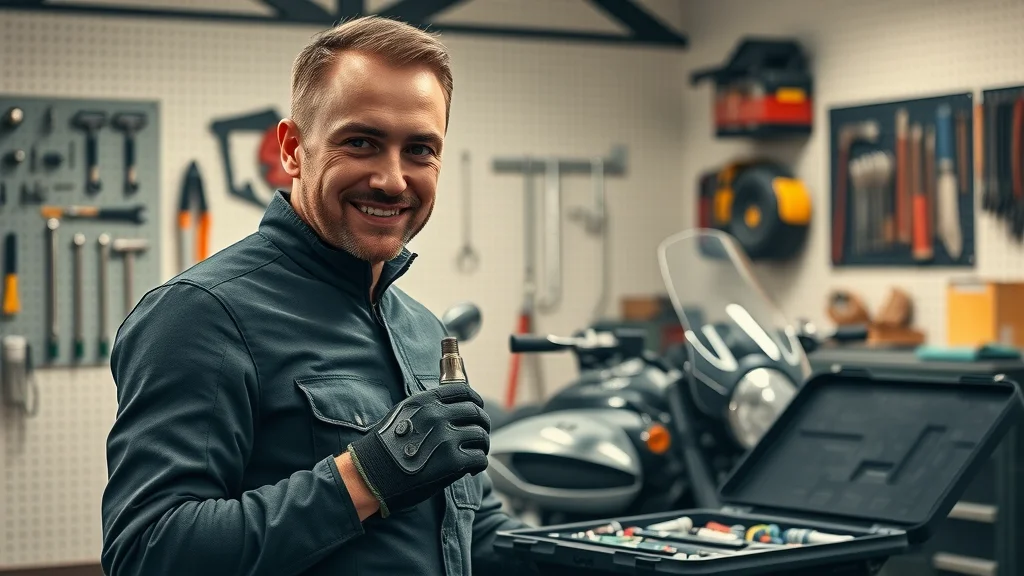
affordable motorcycle repair near me - welcoming mechanic in modern garage with organized tools

What You'll Learn on Affordable Motorcycle Repair Near Me

  • Key strategies to locate affordable motorcycle repair near me
  • Insider tips on evaluating motorcycle mechanics and services
  • How to interpret reviews and price comparisons for local motorcycle repair

By the end, you will know how to confidently choose a motorcycle mechanic, separate top shops from the rest, and lock in budget-friendly deals that don’t compromise on quality.

Opening Inquiry: How Much Can You Really Save with Affordable Motorcycle Repair Near Me?

“Is it possible to enjoy professional motorcycle mechanic service without breaking the bank? Discover how local deals could slash your repair costs today.”

The reality is, finding affordable motorcycle repair near me could help you reduce repair bills by up to 30%, compared to national dealership pricing. Local mechanics often work with a range of makes and models—whether you ride a cc moped, sport bike, or classic motorcycle. Saving on labor costs, sourcing parts at lower price points, and benefiting from reviewed motorcycle repair feedback means you can get your spark plugs replaced, brakes repaired, or diagnostic check done at wallet-friendly rates.

motorcycle owner happy with affordable motorcycle repair near me service outside local shop

Motorcycle Mechanic vs. Motorcycle Repair Shops: Choosing the Best Option Near You

  • Differences between an individual motorcycle mechanic and full-service motorcycle repair shops: Personal motorcycle mechanics offer one-on-one attention, often at your location (mobile mechanic), while repair shops have teams and advanced tools. Each can be ID and mobile verified for your peace of mind.
  • Cost breakdowns and service comparisons: Personal mechanics may have lower hourly rates and flexible scheduling, while shops offer full diagnostic check equipment and generally handle more complex repairs, though at higher prices.
  • Signs of a reputable motorcycle mechanic service: Look for certifications, insurance, and the latest review or verified badges. Competence in chain tensioner adjustments, cc moped repairs, or engine diagnostics is a must.

Weighing these options allows you to find the most cost-effective yet reliable solution for motorcycle repair or maintenance in your surrounding area, whether in Palatine IL, Long Beach, Silver Spring or even bustling cities like Los Angeles CA and Las Vegas.

If you're interested in learning more about the specific maintenance tasks that can help you avoid costly repairs, check out these seasonal bike care secrets every rider should know. Proactive care can make a significant difference in both performance and repair costs.

Top Qualities of Affordable Motorcycle Repair Near Me

  • Certification and experience of motorcycle mechanics: Look for ASE or manufacturer-specific certification and years of hands-on work with dirt bikes and motorcycles. Certified mechanics follow best practices, ensuring durability and safety for every repair.
  • Specialized services such as diagnostic check and chain tensioner adjustments: A top shop goes beyond basics, offering electronic diagnostic checks, expertly performed chain tensioner adjustments, and specialized work for cc mopeds and high-performance bikes.
  • Customer service and transparency in mechanic service pricing: The best motorcycle mechanic service is upfront about costs, doesn’t tack on hidden fees, and keeps you updated through every step of the repair process, as proven by great service reviews.

Reliable motorcycle repair shops consistently invest in training and modern equipment, which is why reviewed motorcycle shops in the United States and especially highly-rated locations like Los Angeles and Long Beach continue to get positive feedback and repeat business.

Comparing Motorcycle Mechanics: How to Find the Right Fit

  • Searching for motorcycle mechanic service with the best reputation: Use online directories, search for “affordable motorcycle repair near me,” and filter for highest-rated results in your area. Pay attention to professionals with mobile verified and ID verified credentials for confidence.
  • How to evaluate reviewed motorcycle repair shops: Read reviews involving the make and model of your bike, noting how mechanics handled chain tensioners, tire repair, or spark plug changes. Consistency in latest review testimonials (“great work,” “super helpful”) signals a trustworthy provider.
  • Questions to ask about motorcycle repair before booking: It's smart to ask about parts warranties, estimate breakdowns, diagnostic check fees, turnaround time, and the details of their mechanic service process—especially for urgent bike repair or moped firing issues.

The more prepared you are when discussing needs with a potential motorcycle mechanic, the better chance you'll secure both high-caliber and cost-effective service for your ride.

How to Spot Red Flags When Searching for Affordable Motorcycle Repair Near Me

  • Warning signs of unqualified or overpriced motorcycle mechanic services: Unusually low quotes, reluctance to provide certifications, or lack of ID and mobile verified proof often indicates risk. Shops that can’t answer questions about chain tensioners, spark plugs, or diagnostic check specifics should be avoided.
  • Protecting yourself from hidden fees in motorcycle repair: Always get written quotes and verify what's included. Some mechanics may advertise cheap rates but introduce additional labor or disposal fees later in the process.
  • Importance of verified reviewed motorcycle repair services: Genuine, recent reviews and verified badges provide assurance that your motorcycle mechanic service is legitimate and will deliver as promised.
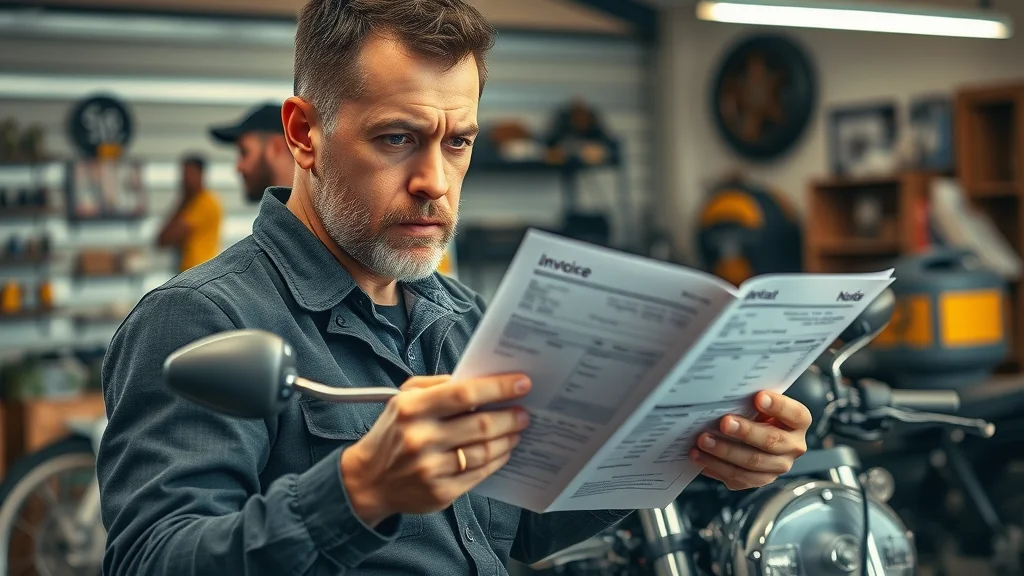
motorcycle owner reviewing repair bill after mechanic service for affordable motorcycle repair near me

Protect your investment by using these checks, so your journey to affordable motorcycle repair is smooth from your first search online all the way to picking up your fully repaired bike.

Popular Repairs Offered by Motorcycle Mechanics Near You

  • Diagnostic check and troubleshooting: Technicians employ modern electronic diagnostic tools to quickly identify issues—even for complex cc moped and dirt bike problems—giving fast, reliable results.
  • Chain tensioner adjustments and replacement: Proper chain tension is key to a smooth ride; experienced motorcycle mechanics will inspect and adjust chain tensioners or replace parts as needed.
  • Engine, cc moped, and brake repairs: Comprehensive services often include engine tuning, cc moped firing fixes, spark plug replacements, brake repairs, and even tire repair for classic and modern motorcycles alike.

Local specialists ensure that regardless of ride—sport, cc moped, dirt bike, or classic motorcycle—stone-strong repairs and preventative maintenance keep you riding safer, longer.

Table: Price Comparison – Affordable Motorcycle Repair Near Me Options

Service Type Average Local Cost Turnaround Time Warranty Included
Diagnostic Check $30–$60 Same Day Yes
Chain Tensioner $40–$100 1–2 Days Yes
Brake Replacement $80–$200 1 Day Yes
CC Moped Repair $50–$180 1–3 Days Optional

Note: Prices can vary by location, complexity, and make and model of your motorcycle or moped.

How Local Reviews Guide You to Affordable Motorcycle Mechanic Service

"Online reviews are your compass—don’t commit to a motorcycle repair shop near me without reading what others have to say about their mechanic service experience."
  • How to read between the lines of reviewed motorcycle repair feedback: Look for details on service quality, turnaround time, and how the mechanic handled obstacles like moped firing or tricky chain tensioner adjustments. Excessive complaints or generic feedback are red flags.
  • Benefits of choosing highly-rated motorcycle mechanics: Shops or mechanics with plenty of recent great work reviews, verified badges, and satisfied customer stories are far more likely to deliver reliable, affordable repairs and superior mechanic service.

This strategy turns each latest review into valuable insight, helping you find a trusted expert in your city, whether searching from Silver Spring, Angeles CA, or other parts of the United States.

Frequently Needed Mechanic Services for Motorcycles and Mopeds

  • Routine maintenance and diagnostic checks: Consistent check-ups keep your ride's engine, chain, and spark plugs in top shape, minimizing breakdown risks and extending lifespan.
  • Emergency motorcycle repair needs: Fast, reliable fixes for unexpected breakdowns, such as sudden loss of power, tire punctures, or engine stall-outs, get you back on the road promptly.
  • Specialized repairs for cc mopeds: Mechanics with cc moped expertise can tackle unique issues—like moped firing or specialized spark plug upgrades—not commonly handled by general auto shops.

motorcycle mechanic performing diagnostic check on engine for affordable motorcycle repair near me

Instant Benefits of Booking Affordable Motorcycle Repair Near Me

  • Faster turnaround times with a local motorcycle mechanic: Local shops or mobile mechanics can prioritize your job, often starting work within hours and completing basic services like diagnostic check or tire repair quickly.
  • Competitive pricing on all motorcycle repair and mechanic services: By focusing on affordable motorcycle repair near me, you avoid inflated dealer rates and ensure honest, transparent pricing on everything from chain tensioner work to major engine repair.
  • Peace of mind with convenient, personalized service: Local experts understand your riding style and local road conditions, providing tailored solutions with the support of reviewed motorcycle and mechanic service feedback.

Choosing nearby, certified motorcycle mechanics means less hassle, reduced costs, and more confidence every time you get on the road.

Watch how a certified technician expertly uses electronic diagnostic check tools on a modern sport motorcycle. This step-by-step demonstration highlights safety checks, interpretation of diagnostic screens, and troubleshooting common issues—all performed inside a well-lit, professional workshop environment.

Learn from local motorcycle mechanics as they walk through the correct way to inspect and adjust a chain tensioner, ensuring maximum ride performance and safety. Get practical tips for DIY maintenance in a real shop environment.

People Also Ask: What is the 12 Second Rule on a Motorcycle?

  • The 12 second rule is a key safety principle for riders: always scan the road ahead for a distance your motorcycle will cover in 12 seconds. This gives you enough reaction time to avoid hazards and safely stop, dramatically reducing risk of accidents and increasing the average lifespan of your bike. Local mechanic service shops often emphasize the rule when educating riders, as it extends the value of every repair—keeping riders safer, longer.

motorcycle rider observing 12 second rule on a safe, open suburban road

People Also Ask: What's the Hourly Rate for a Motorcycle Mechanic?

  • Hourly rates for motorcycle mechanics near you typically range from $60 to $100 depending on location, experience, and shop overhead. By using “affordable motorcycle repair near me,” you gain access to competitive pricing—sometimes as much as 20% less than corporate dealerships, especially for routine repairs like spark plugs, tire repair, or diagnostic check.

People Also Ask: What Is the Average Lifespan of a Motorcycle?

  • The average motorcycle lifespan ranges from 50,000 to over 100,000 miles, depending on make and model, riding habits, and maintenance frequency. Regular mechanic service through affordable motorcycle repair near me, including chain tensioner checks and engine diagnostics, significantly increases your bike's longevity.

People Also Ask: How to Find a Good Motorcycle Mechanic?

  • The best way to find a reliable and affordable motorcycle mechanic is by checking certifications (ASE or manufacturer-endorsed), years of experience, and reading the latest reviewed motorcycle feedback. Ask friends for referrals—especially if they ride a make and model similar to yours. Only select shops with transparent pricing and positive reviews, plus verified badges for added safety.

motorcycle mechanic providing affordable motorcycle repair near me shaking hands with happy customer

Step-by-Step Guide: Booking Affordable Motorcycle Repair Near Me

  1. Search 'affordable motorcycle repair near me' and shortlist certified shops in your surrounding area.
  2. Read reviewed motorcycle repair feedback and compare pricing to identify those with great service, verified badges, and no hidden fees.
  3. Contact top-rated motorcycle mechanics for a detailed quote tailored to your make and model.
  4. Ensure all mechanic service costs are transparent and clearly outlined in writing.
  5. Book your appointment for expert motorcycle repair—enjoy fast turnaround and peace of mind.

FAQs About Affordable Motorcycle Repair Near Me

  • Is same-day motorcycle repair available at affordable rates?
    Yes, many local motorcycle mechanics offer express mechanic service for common repairs such as diagnostic check, minor engine work, or chain tensioner adjustments—often at rates below big city shop prices.
  • Can you get warranty on affordable motorcycle mechanic service?
    Absolutely! Top-rated shops and mechanics provide warranty coverage for parts and labor, ensuring you get lasting value from every repair.
  • What should I bring for my first mechanic service visit?
    Bring your motorcycle registration, any warranty documents, and a written list of issues. If your bike is a rare make and model or a cc moped, note down specific part numbers where possible.
  • How do I verify a motorcycle mechanic’s certification?
    Ask to see current credentials (ASE or factory training), check for reviewed motorcycle feedback, and look for visible certifications displayed in the shop—especially on websites or review platforms.

Key Takeaways for Affordable Motorcycle Repair Near Me

  • Act quickly to secure the best rates on local motorcycle repair
  • Always check reviewed motorcycle mechanic service feedback
  • Certified mechanics offer reliable, cost-effective solutions

Ready to Save Big? Secure Your Spot with an Affordable Motorcycle Mechanic Near Me

  • Call Nasty Performance Motorcycle Shop Today: 847-458-4858

Conclusion: Get Quality Results with Affordable Motorcycle Repair Near Me

  • Affordable motorcycle repair near me is your fast track to top-quality service, trustworthy mechanics, and wallet-friendly rates. Make the smart move today and keep your ride ready for the road.

For riders who want to go beyond just repairs and truly maximize the value and longevity of their motorcycles, exploring advanced maintenance strategies is the next step. Discover how to protect your bike year-round, boost performance, and avoid seasonal pitfalls by diving into essential seasonal bike care secrets. These expert insights will help you ride with confidence, save money in the long run, and ensure your motorcycle is always ready for your next adventure.

Motorcycle Maintenance

0 Comments

Write A Comment

*
*
Please complete the captcha to submit your comment.
Related Posts All Posts

Common Mistakes with Motorcycle Tire Pressure

While understanding the basics of tire pressure is essential, many riders overlook the importance of adjusting their approach as the seasons change. For a deeper dive into how temperature shifts and seasonal factors can impact your motorcycle’s performance and tire health, explore our guide on seasonal bike care strategies every rider should know. This resource offers practical tips for adapting your maintenance routine year-round. If you’re ready to take your motorcycle maintenance to the next level, don’t stop at tire pressure. Expanding your knowledge of comprehensive bike care—especially as the seasons change—can dramatically improve your ride’s reliability, safety, and longevity. Discover expert insights on preparing your motorcycle for every climate, from winter storage to spring tune-ups, by visiting our in-depth article on seasonal bike care secrets. Investing in a holistic maintenance approach ensures you’re always ready for the road ahead, no matter what the weather brings.

When To Conduct a Motorcycle Clutch Inspection

Did you know most unexpected breakdowns on the road can be traced back to neglected motorcycle clutch inspection? For riders, understanding when and how to check your clutch can mean the difference between a smooth cruise and being stranded unexpectedly. In this complete guide, we reveal why clutch inspection is an essential habit for every motorcycle owner, how to recognize early warning signs, and vital tips for maximizing your bike’s performance and safety. Unveiling the Importance of Motorcycle Clutch Inspection The motorcycle clutch is a vital component responsible for transferring power from the engine to the rear wheel, allowing smooth gear shifts and controlled acceleration. If overlooked, hidden clutch problems often escalate into serious mechanical issues and sudden breakdowns. A timely clutch inspection protects your investment, prevents costly repairs, and ensures the safety of you and your bike. Recognizing the importance of regular inspection is crucial. Clutch problems may begin subtly, with symptoms like a stiff clutch lever or odd vibrations. Many riders ignore these signs, only to face bigger problems later such as clutch slippage, sticking, or total loss of acceleration. By scheduling regular inspections and staying attentive to early warning signs, you greatly extend your clutch’s—and your bike’s—lifespan. "Did you know that neglecting regular motorcycle clutch inspection is one of the leading causes of unexpected breakdowns on the road?" What You'll Learn About Motorcycle Clutch Inspection The key signs indicating the need for a motorcycle clutch inspection Step-by-step process for conducting a clutch inspection How to identify clutch problems before they escalate When to involve a professional versus DIY Expert tips for optimizing clutch lever response and performance Understanding the Role of the Motorcycle Clutch The motorcycle clutch isn’t just a lever—it’s a sophisticated mechanism that manages the delicate transfer of engine power to the road, allowing smooth starts, effortless shifts, and controlled stops. Without the clutch, shifting gears or coming to a stop would be abrupt and potentially damaging. Understanding its role is the first step towards mastering clutch maintenance, helping you prevent clutch problems and optimize performance. Across all types of motorcycles, from dirt bikes to street bikes, the clutch assembly includes multiple crucial parts—clutch plates, friction plates, steel plates, clutch basket, pressure plate, clutch hub, and more. Each plays a pivotal role in the transfer of power and the ride quality. By grasping how the clutch works and recognizing how different components interact, riders become empowered to detect subtle issues before they evolve into major repairs. How the Motorcycle Clutch Functions The clutch operates by compressing or releasing clutch discs and friction plates between the clutch basket and pressure plate. When you pull the clutch lever, the plates separate, breaking the connection between the engine and rear wheel. This action allows you to change gears safely. When you release the lever, the plates re-engage, transmitting power again. Components such as the clutch hub, needle bearing, clutch spring, and clutch basket fingers must be in harmony for seamless operation. Any wear or warping of these parts may trigger issues like clutch drag (when the plates fail to fully disengage) or slippage (when friction plates fail to transfer full power). For hydraulic systems, the clutch’s operation depends on hydraulic fluid pressure. Both mechanical (cable) and hydraulic clutches require regular inspection to avoid progressive damage. Motorcycle Clutch Problems: Common Triggers and Impacts Clutch problems arise from several common sources. Worn clutch plates, warping due to excessive heat, poor cable adjustment, or contaminated hydraulic fluid can all lead to troublesome symptoms. Dirt bikes, for example, often suffer clutch wear from aggressive riding in off-road conditions, while street bikes may see clutch disc glazing from frequent stop-and-go traffic. The impacts of overlooked clutch issues are serious: reduced acceleration, strange noises during shifting, increased lever stiffness, and a slipping clutch that struggles under load. Over time, if the pressure plate and clutch hub are not inspected, you risk damaging the clutch basket or warping steel plates, leading to expensive repairs and compromised safety. Understanding these triggers is vital for effective inspection and preventative maintenance. Essential Timing: When To Conduct a Motorcycle Clutch Inspection Knowing when to conduct a motorcycle clutch inspection is as important as understanding how to perform one. Manufacturers generally recommend inspection intervals based on mileage and riding style, but attentive riders should always be alert to symptoms that demand immediate attention. Regular inspection ensures the clutch plate, friction plate, clutch discs, and related parts remain in proper working order, preserving both safety and motorcycle performance. Inspections aren’t just about distance traveled. They help identify subtle warning signs, prevent breakdowns, and can catch issues such as free play anomalies, cable tension problems, or the onset of rattling sounds. Monitoring your mileage and listening to your bike ensures you address problems before they escalate into larger, more costly repairs. Mileage-Based Motorcycle Clutch Inspection Intervals Most modern motorcycles benefit from a clutch inspection every 6,000 to 12,000 miles. However, your ideal interval varies depending on riding habits and bike type. Aggressive riders, racers, or those who commute frequently in heavy traffic often require more frequent inspections as clutch components wear faster. Dirt bikes may need checked every few months due to tougher conditions, while touring bikes typically have longer intervals. Always consult your owner’s manual for your motorcycle’s recommended service schedule. It’s best to err on the side of caution; if you notice symptoms like a spongy clutch lever, difficulty shifting, or changes in clutch engagement, conduct an inspection regardless of your last service date. Remember, a minor investment of time now can save you from a major repair bill later. Symptoms Suggesting Immediate Clutch Inspection Immediate inspection is warranted whenever you observe notable changes in clutch performance. Classic red flags include suddenly increased clutch lever travel, the presence of gear crunching, a feeling of the clutch slipping (where power delivery is inconsistent), or the emergence of rattling sounds near the clutch cover. Sticky or hard-to-pull levers, vibration under load, or visible clutch disc overheating are further warning signs that demand prompt attention. Pay attention to both how your bike rides and how it sounds. If a once-smooth shift now jerks, or you detect hesitation in power, these may indicate friction plate glazing, warped plates, or issues with the clutch basket or pressure plate. Swift diagnosis helps prevent further damage and ensures safer, more reliable rides. Comparison of Recommended Inspection Intervals by Motorcycle Type Motorcycle Type Recommended Inspection Interval Special Notes Standard/Commuter 6,000–8,000 miles Typical mixed-use conditions Dirt Bike/Off-Road Every 3–6 monthsor after every major ride Check more often due to harsher operating environments Sport Bike (Street) 8,000–10,000 miles More frequent for aggressive riders Touring/Cruiser 10,000–12,000 miles Less stress due to steady, long rides Custom/Performance Varies Inspect after tuning or track events How to Tell if Your Clutch is Bad on a Motorcycle Knowing how to identify a failing clutch can help you act fast and avoid being stranded. Here are common warning signs that indicate serious clutch problems: Difficulty shifting gears A spongy or tight clutch lever Slipping or sticking clutch Strange noises or vibrations Loss of acceleration When the clutch lever becomes hard to operate, or you feel the clutch fails to engage or disengage smoothly, it’s time to inspect for worn clutch plates, stretched cables, low hydraulic fluid, or warping in the pressure plate and clutch hub. Ignoring these problems may worsen wear on internal clutch discs, basket fingers, and may even damage the clutch basket itself. Always treat these symptoms as critical warnings to conduct immediate clutch inspection. What Does a Motorcycle Clutch Inspection Involve? A proper motorcycle clutch inspection consists of various steps, from general checks of the lever and cable to detailed examination of the clutch plates themselves. Both manual and hydraulic system motorcycles require careful assessment to catch issues early and maintain smooth clutch engagement. Inspectors begin by assessing free play at the clutch lever, cable adjustment, and inspecting for leaks or color change if the system is hydraulic. Next, they're looking for excessive play, unusual resistance, or changes in the feel of the lever—key indicators of internal clutch problems. A thorough inspection might include removing the clutch cover for a hands-on check of the clutch plates, friction plate, and basket. Preliminary Checks: Clutch Lever, Cable, and Fluid Start your clutch inspection by checking the free play at the clutch lever. There should be a small, but definite, amount of loose play—too much or too little indicates a need for cable adjustment. Check cable tension for signs of wear or fraying and lubricate as necessary. For bikes with hydraulic clutches, inspect the hydraulic fluid reservoir for proper levels and evidence of contamination or discoloration. Evaluate the smoothness of clutch lever movement. Any sponginess, excessive stiffness, or inconsistent resistance may signal deeper clutch problems. Don't forget to check for leaks in the hydraulic system, as low fluid or air contamination can drastically affect clutch engagement and performance. These preliminary checks set the stage for more detailed inspections if abnormalities are found. Step-by-Step Clutch Plate Inspection on a Motorcycle To check the health of your clutch plates and related components, you need basic tools, patience, and a methodical approach. Begin by ensuring your motorcycle is safely parked, turned off, and the engine is completely cool. Remove the clutch cover to access the clutch basket, pressure plate, clutch discs, and steel plates. Examine each clutch disc and friction plate for visible signs of wear, overheating (discoloration), warping, or grooves on the clutch basket fingers. Using a micrometer, measure the thickness of the plates and compare with manufacturer specifications—any plate thickness below spec means the component must be replaced. Note any uneven wear, chips, or signs of burnt friction surfaces which may indicate improper clutch spring tension or hydraulic problems. Reassemble carefully, ensuring the pressure plate and clutch hub are aligned and all components are torqued to the correct specs. How to Inspect Clutch Plates on a Motorcycle Here is a simplified outline for inspecting the clutch plates on your motorcycle. Always consult your owner’s manual for details specific to your model: Ensure the motorcycle is secured and cool Remove the clutch cover Examine clutch plates for wear, burning, or warping Measure plate thickness and compare to manufacturer specifications Reassemble with proper torque settings "Regular motorcycle clutch inspection helps riders avoid costly emergency repairs and ensures performance and safety on every ride." Top 5 Symptoms of a Bad Motorcycle Clutch Dragging clutch Clutch slippage under load Noisy operation during shifting Stiff or loose clutch lever Irregular clutch engagement If you encounter any of these symptoms, consider them urgent signals for a detailed clutch inspection. Address these issues before they lead to further damage of the clutch hub, basket, or pressure plate components. Expert Tips for Addressing Motorcycle Clutch Problems Handling clutch issues proactively is vital for every responsible rider. Here are actionable tips from seasoned professionals: First, establish a regular schedule for clutch lever and cable inspection. Lubricate moving parts regularly and monitor hydraulic fluid levels for any color or viscosity changes. Store your motorcycle properly and always allow the bike to warm up before demanding rides to prevent thermal shock and warping of the clutch discs and friction plate. When in doubt, consult a trusted mechanic familiar with your motorcycle type. When to Seek Professional Motorcycle Clutch Inspection DIY inspection can handle routine checks and maintenance, but certain issues—such as persistent clutch problems, rattling sounds, or apparent damage to the clutch basket or hub—require a trained eye. If you lack proper tools or are unsure about measurement specs, don’t hesitate to visit a reputable shop. Remember, clutch systems have little room for error, and improper inspection or assembly may worsen the problem. Seek professional inspection if you’re dealing with chronic slippage, noisy operation, excessive free play that cannot be adjusted out, or if you suspect hydraulic system leaks or contamination. It’s always better to be safe and seek help, especially with complex or performance motorcycles. Maintenance Best Practices for Preventing Clutch Problems Prevention is the best cure for clutch issues. Prioritize regular oil changes (especially for wet clutches), keep the cable and lever system free of debris, and follow manufacturer guidelines for clutch adjustment. Periodically check the basket fingers, pressure plate, and friction plate for scoring or grooves. In dry clutches, monitor dust buildup, since excess grime accelerates plate wear and clutch engagement issues. Riding habits also influence clutch longevity. Avoid riding the clutch unnecessarily (such as holding the lever at traffic lights), use smooth and deliberate gear shifts, and refrain from excessive aggressive acceleration. Proper storage and regular cleaning further extend clutch spring, clutch hub, and clutch basket lifespan, translating into smoother, more reliable performance. FAQs: Motorcycle Clutch Inspection and Clutch Problems How often should I inspect my motorcycle clutch? Most manufacturers suggest inspecting your motorcycle’s clutch every 6,000 to 12,000 miles, or more often for aggressive riding, harsh conditions, or older bikes. Always check your owner's manual for your specific model. Can I inspect the clutch myself, or should I go to a professional? Many preliminary checks (like free play and lever movement) and simple inspections can be done at home with basic tools. However, if you notice advanced symptoms like slippage, noise, or suspect internal wear, it’s best to consult a professional mechanic. What clutch problems are most common in modern motorcycles? The most common issues include worn or glazed friction plates, stretched cables, low or dirty hydraulic fluid, and warped steel plates or clutch basket fingers. Is clutch inspection different for dirt bikes versus street bikes? Yes—dirt bikes often require more frequent clutch inspections due to the harsher operating conditions and increased wear from aggressive off-road riding. Street and touring bikes may maintain longer intervals but require equal attention to detail. Key Takeaways from Your Motorcycle Clutch Inspection Timely inspections prolong clutch lifespan Recognizing early symptoms of clutch problems is critical DIY inspection is possible but professional help may be required for complex issues A well-maintained clutch lever ensures safety and smoother rides Contact Trusted Professionals for Your Next Motorcycle Clutch Inspection Ready to keep your bike running smoothly? Protect your investment and never compromise on safety—Call Nasty Performance Motorcycle Shop Today: 847-458-4858 "Protect your investment and never compromise on safety—Call Nasty Performance Motorcycle Shop Today: 847-458-4858" Conclusion: Proactive motorcycle clutch inspections guarantee safer, longer, and more enjoyable rides. Listen to your bike, follow inspection intervals, and trust professionals when in doubt for ultimate peace of mind. While understanding clutch inspection intervals is crucial, it's equally important to adapt your maintenance routine to the changing seasons. For practical advice on how weather and seasonal shifts can impact your bike’s performance and what steps you should take, explore these essential seasonal bike care secrets every rider should know. Mastering clutch inspection is just one part of keeping your motorcycle in peak condition year-round. To truly safeguard your ride and enjoy worry-free journeys, consider how comprehensive seasonal care can further enhance your bike’s reliability and longevity. Discover expert strategies for adapting your maintenance routine to every season and unlock advanced tips that go beyond the basics by visiting our in-depth guide on seasonal motorcycle care. Your next level of riding confidence starts with a holistic approach to maintenance.

Signs You Need Spark Plug Replacement on Your Motorcycle

Did you know that just one worn spark plug can cause your motorcycle’s fuel efficiency to drop by up to 30% and lead to unexpected breakdowns on the road? Unfortunately, many riders overlook simple, inexpensive motorcycle spark plug replacement—a maintenance task that’s absolutely critical for keeping your bike running smoothly, efficiently, and safely. In this guide, you’ll discover why paying attention to your spark plugs is one of the best ways to avoid frustration and costly repairs down the road. A Surprising Fact: The Crucial Role of Motorcycle Spark Plug Replacement While it might seem minor, the motorcycle spark plug is the unsung hero of your bike’s engine. It’s responsible for igniting the air-fuel mixture inside each cylinder, kickstarting powerful combustion and propelling you forward. Yet, most riders don’t realize that a worn or failing spark plug can transform a high-performance machine into a stuttering, temperamental shadow of itself. More alarming, motorcycle spark plug replacement is often overlooked in basic maintenance tasks and only addressed once problems like poor starting, engine misfires, or sluggish acceleration appear. Even modern EFI bikes aren’t immune—sophisticated electronics rely just as heavily on reliable spark plugs. Skipping timely replacement increases overall engine wear, jeopardizes the health of related components like the coil stick and plug wire, and could ultimately result in more extensive repairs. Recognizing the warning signs early and learning the basics of spark plug inspection and replacement can extend your bike’s lifespan, maximize performance, and save money in the long run. Why Motorcycle Spark Plug Replacement Should Never Be Overlooked Neglecting motorcycle spark plug replacement can set off a chain of problems that affect your bike, your wallet, and your safety. When a spark plug fails or starts to degrade, the entire process of combustion falters—causing your engine to run rough, emit strange noises, and even fail at critical moments. Poor spark plug maintenance can also mask underlying issues, like a clogged air filter or improper spark plug gap. Dirty or fouled spark plugs can strain your bike’s fuel delivery, particularly in gas tank systems and EFI bikes. This not only hinders your ride but accelerates wear to expensive parts such as the cylinder head, plug wires, and ground strap. Timely replacement and regular inspection are simple, effective ways to safeguard your investment and ensure every ride is as enjoyable and safe as possible. While spark plug health is vital, it’s just one aspect of keeping your motorcycle in top shape. For a comprehensive approach to maintenance, including how to adapt your care routine throughout the year, check out these seasonal bike care secrets every rider should know for practical tips that go beyond the basics. What You'll Learn About Motorcycle Spark Plug Replacement How to identify symptoms of failing motorcycle spark plugs Why regular motorcycle spark plug replacement is essential for performance Step-by-step methods to check and replace motorcycle spark plugs Expert tips for extending the life of your motorcycle spark plugs Understanding Motorcycle Spark Plug Replacement: What Are Motorcycle Spark Plugs? Motorcycle spark plugs are more than just simple parts—they are engineered to endure intense temperatures and provide a consistent spark at lightning speed with every turn of your engine. Placed on the cylinder head, each spark plug has a central center electrode, a threaded shell, and a precise spark plug gap set between the center and ground electrodes. This gap is where the magic happens: a high-voltage arc jumps, igniting the air-fuel mixture so the engine can run smoothly. Choosing the correct spark plug and keeping it in top condition directly impacts everything from fuel efficiency to engine longevity. Incorrect plug gap or poor installation can lead to misfires, weak combustion, or even damage to your bike’s engine management systems—especially in high-performance and modern EFI motorcycles. Learning how your spark plug functions is the first step to maintaining peak performance. Key Functions of a Motorcycle Spark Plug Ignition of the air-fuel mixture: Spark plugs create the spark necessary to ignite the compressed fuel-and-air blend in your bike’s engine. Maintaining engine efficiency: Consistent, reliable sparks ensure smooth engine operation, balanced fuel burn, and reduced emissions. Contribution to overall motorcycle performance: Well-maintained spark plugs reduce engine vibration, prevent stalling, and help deliver peak horsepower—all critical for a satisfying ride. The Importance of Proper Motorcycle Spark Plug Maintenance Regular motorcycle spark plug maintenance is a key factor in the longevity and power of your engine. Over time, combustion deposits, heat cycling, and improper installation can all impact the ability of a spark plug to transmit voltage efficiently. That’s why checking the plug’s condition—including the spark plug gap, color, and signs of wear—needs to be a routine maintenance practice for every rider. Not only does this help avoid engine trouble, but it also maximizes your investment by preventing unnecessary strain on other maintenance tasks—like air filters, plug boot, and coil stick. Frequent checks with a gap gauge or feeler gauge provide reassurance and ensure your spark plug’s plug gap is neither too wide nor too tight. Adhering to your bike’s service manual for motorcycle spark plug replacement intervals keeps your ride in top shape, reduces emissions, and can even improve your gas mileage—making it a good idea for all riders. Common Signs You Need Motorcycle Spark Plug Replacement Spotting the early warning signs can be the difference between a brisk morning ride and a frustrating day stranded by the roadside. The following symptoms indicate it’s time to check your motorcycle spark plugs and consider a timely replacement: Engine Misfires and Poor Performance If you feel your motorcycle jerking unexpectedly, hesitating under acceleration, or outright misfiring, a worn spark plug could be at fault. Misfires often occur when the plug gap is too wide or coated in carbon, preventing the spark from jumping reliably. This not only affects your motorcycle’s performance but also increases emissions, overworks crucial parts like the coil stick and plug wire, and can cause stubborn engine knock or ping. For both EFI bikes and carbureted engines, smooth power delivery relies on clean, well-gapped spark plugs. Ignoring these symptoms may lead to long-term harm for other sensitive components. Replacing motorcycle spark plugs as soon as misfires are noticed will restore lost power, smooth your ride, and prevent further issues down the line. Trouble Starting Your Motorcycle Difficulty starting your bike—especially in the morning or after long periods of storage—can signal failing motorcycle spark plugs. A weak, corroded, or dirty plug often struggles to ignite the fuel mix, resulting in long cranking times, multiple attempts to start, or complete failure to start. On modern EFI bikes, electronic systems may compensate slightly, but a faulty spark is still a primary culprit for unreliable startups. Another related sign is an engine that stalls immediately after starting or runs very rough until it warms up. Whether you ride a sportbike, cruiser, or a commuter, reliable spark plug performance is essential for consistent starting and safe operation. Decreased Fuel Efficiency Notice that your bike’s gas mileage has suddenly dropped or that you’re filling up more frequently? Decreased fuel efficiency is a classic sign of a spark plug past its prime. When a spark plug misfires or becomes inefficient due to a poor plug gap or carbon buildup, unburnt fuel gets wasted—leaving you with less distance per tank and more frequent stops at the pump. On EFI bikes in particular, sensors will try to compensate for poor combustion, but eventually, inefficient spark will still cost you at the gas station. Regular motorcycle spark plug replacement restores optimal fuel burn, improving economics and extending the life of other precious engine components. Don’t ignore this telltale symptom—it’s your bike’s way of asking for help. Unusual Engine Noises Linked to Motorcycle Spark Plugs Sharp popping, rough idling, or loud backfiring hurts more than just your ears—they’re also warnings that something is wrong with your spark plugs. Chronic fouling or an incorrect spark plug gap can disrupt the firing order and timing, producing clangs, bangs, and unpredictable power delivery. If you hear persistent noise changes after starting, accelerating, or at idle, an immediate inspection and spark plug change is a smart move. These sounds might also signal problems with the plug boots or plug wires, which should always be checked together with the spark plug itself. Early intervention preserves engine health and prevents inconvenient breakdowns. How to Inspect Motorcycle Spark Plugs Before Replacement What to look for when checking spark plug wear: Examine the ceramic insulator for cracks, chips, and discoloration. Carbon or oil deposits on the tip can indicate incomplete combustion or worn engine parts. Watch the ground electrode—excessive wear, melted edges, or a rounded tip means it’s time to replace. Understanding carbon deposits and residue: Carbon fouling appears as thick, sooty deposits on the plug’s tip, often the result of a rich fuel mixture, short trips, or a worn air filter. Oil residue points to internal oil leaks or worn piston rings, while a clean, tan or grayish tip signals good combustion. Color and gap inspection tips for motorcycle spark plug replacement: Always use a gap gauge to check the distance between the center and ground electrodes. Deviations from the manufacturer’s plug gap recommendation can prompt misfiring and reduced efficiency. Adjust carefully—never force or bend the ground strap excessively. Step-by-Step Motorcycle Spark Plug Replacement Guide Taking the leap to replace your own motorcycle spark plugs can feel intimidating, but with preparation and the right tools, it’s a straightforward maintenance task. Follow these essential steps: Tools and Safety Tips for Motorcycle Spark Plug Replacement Before you begin, gather the right equipment: Spark plug socket (sometimes called a plug socket) and compatible ratchet Gap gauge or feeler gauge for checking the plug gap Torque wrench (for proper installation torque) Gloves and safety glasses to protect your hands and eyes Compressed air or canned air to clear debris around the plug well Your bike’s service manual for specifications and procedures Work on a cool engine to avoid burns. Use compressed air to blow dirt away from the spark plug area—prevents debris from falling into the cylinder head when removing the plugs. Never work without gloves or eye protection; debris can dislodge quickly, especially in older bikes or those with recessed plugs. Always ensure a good connection with the plug boot and avoid overtightening the new spark plug—using a torque wrench is the best way to apply just the right pressure without damaging delicate threads or the cylinder head. Removing Old Motorcycle Spark Plugs 1. Disconnect the plug boot or coil stick gently (in modern EFI bikes). 2. Use a clean, dry cloth or canned air to clear dust and particles around the old plug. 3. Fit your spark plug socket over the plug and twist counterclockwise to unscrew. 4. Pull the plug out and observe its tip for deposits, oil, or abnormal wear. Grip the plug firmly but avoid using excessive force that could damage threads or the cylinder head. If you encounter resistance, add a small bit of penetrating oil and wait a few minutes before trying again. Be mindful of access to the plug—on some models, parts like the tank or fairings may need to be loosened or removed. Installing New Motorcycle Spark Plugs Correctly 1. Compare the new spark plug with the old to verify type, length, and thread pattern. 2. Use a gap gauge to check the gap. Gently bend the ground electrode if needed, following the specification in your bike’s service manual. 3. Thread the new spark plug by hand into the cylinder head—avoid cross-threading. 4. Once finger-tight, use the spark plug socket and torque wrench to snug the plug to the correct torque specification. 5. Reconnect the plug boot or coil stick, ensuring a solid connection. Don’t forget to inspect and clean plug wires or replace them if they show signs of wear. Double-check that all tools are removed from the work area before starting the engine. Finally, test start the bike—listen for smooth idle, and verify there are no engine warning lights or unusual noises. Expert Quotes on Motorcycle Spark Plug Replacement "Regular motorcycle spark plug replacement is critical for smooth rides and engine longevity. Neglecting this simple component can lead to costly repairs down the line." — Motorcycle Engine Specialist Motorcycle Spark Plug Replacement Maintenance Table Signs of Faulty Spark Plug Inspection Frequency Recommended Action Difficulty Starting Every 3,000 miles Replace if worn Rough Idling Every 5,000 miles Clean or replace Drop in Power Every 5,000 miles Inspect for carbon buildup List of Top Tips to Extend Motorcycle Spark Plug Life Use manufacturer-recommended motorcycle spark plugs Stick to regular maintenance intervals listed in your service manual Avoid short, infrequent trips—engines run best when fully warmed up Always check for proper plug gap and careful installation Watch: High-Resolution Motorcycle Spark Plug Replacement Walkthrough Video demonstration features a professional mechanic inspecting, removing, and installing spark plugs in a clean workshop with close-up detail and slow-motion highlights. See first-hand exactly how the process should look for your own bike. Motorcycle Spark Plug Replacement: FAQs How often should spark plugs be changed on a motorcycle? Most motorcycle manufacturers recommend changing spark plugs every 5,000 to 10,000 miles, but this interval can vary by model and riding style. Always refer to your owner’s manual for the exact schedule, and inspect motorcycle spark plugs regularly for early signs of wear. Which bike is most liked by girls? Bikes such as the Honda Activa, Royal Enfield Classic 350, and Yamaha Fascino are popular among women riders due to their approachable seat heights, ease of handling, and stylish design. Preferences can vary greatly—comfort and confidence often play the biggest roles. What is the most sold motorcycle of all time? The Honda Super Cub holds the record as the world’s most sold motorcycle, known for its reliability, outstanding fuel efficiency, and massive global presence. Is it easy to change a motorcycle spark plug? With the right tools, a little know-how, and proper safety precautions, changing a motorcycle spark plug is a manageable DIY task. Always follow your bike’s service manual, use a spark plug socket, and ensure the gap is set accurately for the best results. People Also Ask How often should spark plugs be changed on a motorcycle? Answer to: How often should spark plugs be changed on a motorcycle? For most street bikes, spark plugs should be inspected every 5,000 miles and replaced as needed—especially if you notice starting trouble, rough idling, or performance dips. For high-performance models or those under heavy use, check them more frequently. Which bike is most liked by girls? Answer to: Which bike is most liked by girls? The most liked bike among girls often includes user-friendly, lightweight scooters like Honda Activa or Yamaha Fascino, followed closely by style-conscious models such as the Royal Enfield Classic series. Comfort and ease of handling tend to guide choices for many female riders. What is the most sold motorcycle of all time? Answer to: What is the most sold motorcycle of all time? Globally, the Honda Super Cub is recognized as the top-selling motorcycle, beloved for its simplicity and dependability across generations of riders. Is it easy to change a motorcycle spark plug? Answer to: Is it easy to change a motorcycle spark plug? Yes—if you have basic mechanical skills and access to simple tools like a spark plug socket, gap gauge, and your bike’s service manual, replacing your spark plug is a practical DIY project for most owners. Key Takeaways for Motorcycle Spark Plug Replacement Recognize early warning signs of spark plug trouble Follow inspection and maintenance schedules consistently Always use the right tools and methods for replacement Don’t hesitate to seek expert help if unsure Ready for Your Motorcycle Spark Plug Replacement? Call Nasty Performance Motorcycle Shop Today: 847-458-4858 If you’re committed to keeping your motorcycle running at its best, don’t stop with spark plug maintenance alone. Expanding your knowledge of seasonal care can help you anticipate issues before they arise and ensure your bike is always ready for the road, no matter the weather. Discover expert strategies for year-round reliability and performance by exploring essential seasonal bike care tips. With the right approach, you’ll not only extend the life of your spark plugs but also protect every aspect of your ride for the long haul.

Terms of Service

Privacy Policy

Core Modal Title

Sorry, no results found

You Might Find These Articles Interesting

T
Please Check Your Email
We Will Be Following Up Shortly
*
*
*