
Introduction: The Value of Routine Motorcycle Service
Did you know? Regular motorcycle maintenance can extend your ride's lifespan by years while keeping you safe on the road. This surprising fact speaks volumes about the importance of routine motorcycle service. Riders often underestimate how minor checks and basic tasks protect not just the machine, but also the person behind the handlebars. Every mile you ride adds to both the memories and the mechanical wear—making upkeep not an optional chore, but a wise investment. Let’s pull back the curtain on why a proactive approach with a thorough maintenance checklist keeps your bike running dependably and your adventures worry-free.
Whether you’re new to motorcycle maintenance or a seasoned rider, understanding what goes into a routine motorcycle service can make all the difference between carefree cruising and costly roadside mishaps. This guide will break down the maintenance essentials, demystify the key service points, showcase the cost benefits, and compare do-it-yourself methods with professional service. By the end, you’ll see that taking charge of your motorcycle’s health not only ensures peak performance but also guards your safety and wallet.

What You'll Learn About Routine Motorcycle Service
- Core maintenance tasks involved in routine motorcycle service
- How scheduled service can prevent costly repairs
- Benefits of maintaining critical components like tire pressure, brake pads, and oil/filter
- A comparative overview of DIY service versus professional service
- Common FAQs about motorcycle maintenance and safety
Understanding Routine Motorcycle Service Essentials
Routine motorcycle service is more than just a quick oil change or a casual look over your brakes—it's a systematic approach to keeping your bike in top condition. Essential service involves following a maintenance checklist that covers core tasks like monitoring tire pressure, inspecting and changing your oil and filter, checking brake pads and brake fluid, and replacing the fuel filter as needed. These tasks help ensure your motorcycle is always ready for the road while decreasing the risk of surprise repairs.
It’s important to note that a routine service schedule—ideally performed as recommended in your owner’s manual—offers peace of mind by reducing the potential for unexpected breakdowns. Proactive checks on your air filter, drive chain, and all fluid levels not only optimize performance but also maximize the longevity and reliability of your two-wheeled machine. Modern motorcycles come with sophisticated systems, so routine attention to details like clutch and throttle adjustments, proper belt tension, and head and wheel bearings, can make it easy to keep your motorcycle maintenance up to factory standards.
Motorcycle Maintenance Checklist: Comprehensive Service Points
- Checking and adjusting tire pressure
- Monitoring and changing brake fluid
- Inspecting and replacing brake pads
- Changing the oil and replacing the oil and filter
- Cleaning and replacing the fuel filter
- General safety and functionality checks
Building a regular habit of going through a maintenance checklist ensures nothing is overlooked. Skilled riders know that tire inspections safeguard grip and stability, while brake pad changes keep stopping distances short and safe. Attending to each item—like oil changes with fresh oil, updating air filters, and cleaning the drive chain—lays the groundwork for a safe, smooth, and enjoyable ride every time.
Incorporating comprehensive checks including the steering head bearings, wheel bearing, and the rear wheel, as well as monitoring the health of the motor through annual inspection cycles, supports long-term reliability. Following a motorcycle maintenance checklist is the single best way to ensure your bike running condition and retain its value.
Table: Routine Motorcycle Service Versus Occasional Repairs
| Service Frequency | Routine Motorcycle Service | Occasional Repairs |
|---|---|---|
| Proactive or Reactive | Proactive | Reactive |
| Typical Costs | Lower long-term | Higher per incident |
| Impact on Performance | Consistently optimal | Variable |
| Downtime | Planned/minimal | Unplanned/extended |
The table above highlights that making routine motorcycle service a priority is a proactive way to keep long-term costs manageable and performance consistently high. Waiting for problems to arise may save a little time up front, but unplanned downtime and high repair bills often follow, especially if major components fail unexpectedly.
Sticking to a scheduled cycle of service not only makes it easier for certified technicians to spot wear and tear, but it also helps riders plan for minimal interruptions. By managing small fixes now, you prevent larger, unpredictable repair needs and extend the life of your motorcycle's genuine parts.
The Economic Impact: Cost Benefits of Routine Motorcycle Service
Riders who invest in routine motorcycle service quickly discover the cost benefits outweigh the perceived inconvenience of maintenance appointments. By keeping up with regular oil changes, inspecting brake pads, and replacing air and fuel filters according to the maintenance schedule, you are building long-term value into your ride. Small routine expenses help avoid the high fees of emergency repairs—especially when wear on vital components goes unnoticed until a breakdown.
Think of routine maintenance as insurance for your bike and your budget. Addressing issues proactively keeps all parts running smoothly. For example, a simple check of your tire pressure or topping off brake fluid regularly can prevent excessive tire wear and brake fade. Not only will this extend the lifespan of expensive parts, but a properly maintained motorcycle also commands a higher resale price, should you ever decide to upgrade. Ultimately, routine motorcycle service provides financial peace of mind as well as on-road safety.
While routine service covers the essentials, many riders also want to know how to adapt their maintenance habits throughout the year. For a deeper dive into seasonal adjustments and tips for keeping your motorcycle in peak condition no matter the weather, explore the seasonal bike care secrets every rider should know.

Motorcycle Maintenance: Protecting Key Components
Maintaining Tire Pressure for Optimal Safety
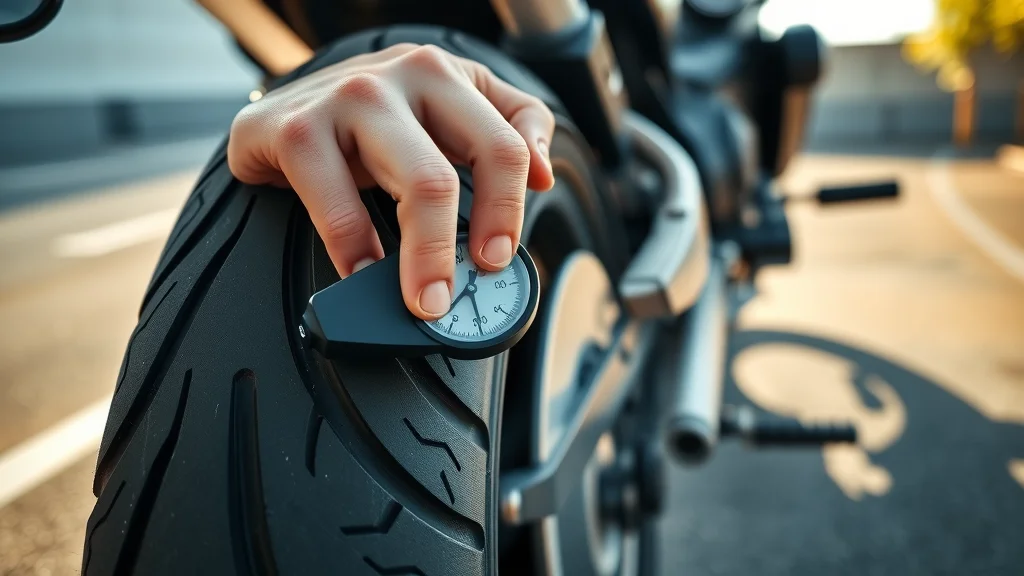
Maintaining the correct tire pressure is one of the simplest but most crucial elements of routine motorcycle service. Tire pressure affects everything from handling, braking, and fuel efficiency, to the longevity of your tires. A motorcycle tire that’s even slightly underinflated can compromise grip during cornering and cause uneven wear, shortening the life of your tires and increasing risk to rider safety. Routinely use a reliable digital gauge to check tire pressure at least once a month and before any long trip, adjusting it to the specifications outlined in your manual for optimal performance.
Motorcycle maintenance checklists typically include a tire inspection for sidewall or tread damage as well as pressure. Underinflation leads to sluggish bike running, while overinflation may result in reduced shock absorption over rough surfaces. Keeping your tire pressure within the recommended range is not just a matter of performance—it’s critical for peace of mind on every ride. Pair this routine with tire rotation and a visual assessment of the rear wheel and wheel bearings to catch problems before they become hazards.
Inspecting and Replacing the Fuel Filter
The fuel filter protects your engine from contaminants that can enter via gasoline. Over time, even top-quality fuel may contain small amounts of debris or moisture, which the fuel filter traps before they reach delicate engine components. A clogged filter can cause poor engine performance, rough idling, or even stalling. That’s why inspecting and, if necessary, replacing the fuel filter is a regular task on any motorcycle maintenance checklist—it keeps the bike running smoothly and protects your investment in genuine parts.
Most owner’s manuals recommend checking fuel filters every major service interval, but riding in dirty or dusty conditions may require more frequent attention. Replacing a tired fuel filter is a relatively quick task, especially if you’re familiar with basic DIY repairs, and it can prevent more serious carburetor or injector damage. This small maintenance habit is vital for riders who want consistent power delivery and the peace of mind that comes from reliable starts in every season.
Monitoring and Topping Off Brake Fluid
Brake fluid is the unsung hero of safe riding, translating lever pressure into reliable stopping power. Over time, moisture can seep into your motorcycle’s braking system, lowering the fluid’s boiling point and potentially leading to a loss of effectiveness during hard braking. That’s why it’s crucial to check brake fluid reservoirs as part of your routine motorcycle service—look for the correct fluid level and any discoloration that could indicate contamination or aging.
Changing or topping off brake fluid according to the service manual preserves not only the feel of your brakes but their cutting-edge responsiveness, especially in emergencies. When doing a full service or annual inspection, many certified technicians recommend flushing the old brake fluid entirely for optimal performance. This attention to detail complements your checks of brake pad condition, ensuring total braking system reliability for every ride.
When and How to Check Brake Pads
Brake pads are an essential safety component that directly affects your ability to stop quickly and securely. Routinely inspecting your brake pad thickness, as part of your maintenance checklist, is key to avoiding metal-to-metal contact and damage to rotors—especially if you do a lot of city riding or commute daily. Look for signs of wear, such as thinning pad material, grinding sounds, or decreased responsiveness each time you perform a visual check or before embarking on a long ride.
General best practice is to check your brake pads every 2,000-3,000 miles, or during each full service, and replace them well before they’re worn down to the manufacturer’s minimum thickness. This small, proactive step keeps your braking system in top condition, preventing costly surprises and helping you ride with confidence, especially on winding roads or during emergency stops.
Change the Oil and Replace Oil and Filter
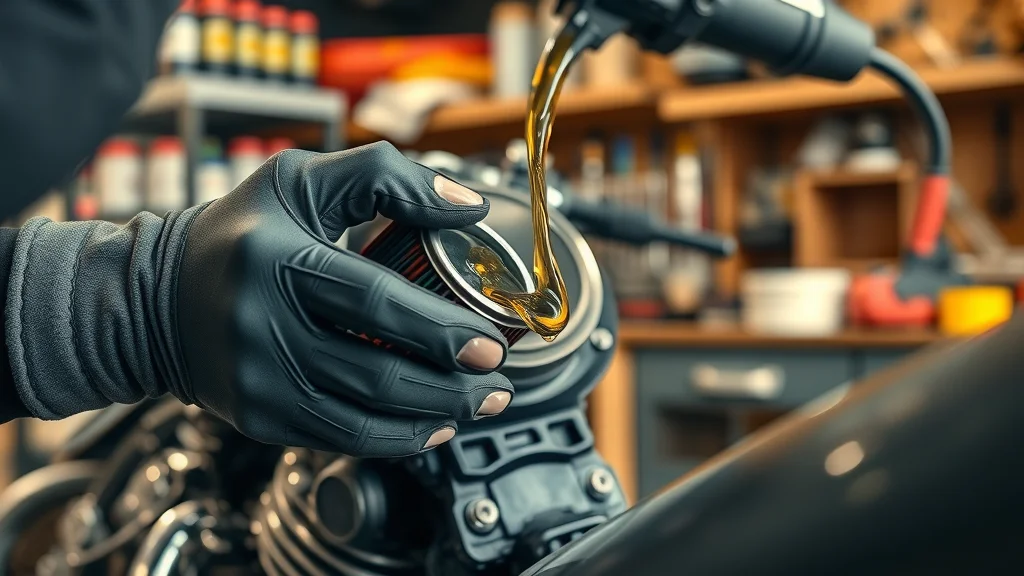
The heart of every healthy motorcycle is clean, fresh oil—regular oil change intervals are a core aspect of any maintenance checklist. Old or contaminated oil can cause internal engine wear, reduce performance, and even lead to breakdowns. Your maintenance schedule should include changing the oil and filter at manufacturer-recommended intervals to ensure smooth operation and engine longevity.
Many riders find satisfaction in doing their own oil and filter changes, but whether handled at home or by certified technicians, this routine task directly supports a longer-lasting, efficient motorcycle. Using the right grade of oil and a genuine parts oil filter makes it easy to follow factory recommendations and keep your bike running at its best for every road trip or urban commute.
Motorcycle Maintenance Checklist: Monthly and Mileage-Based Tasks
- Monthly: Tire pressure, chain lubrication, fluid levels, lights, and controls check
- Every service interval (as per manual): Oil and oil filter, air filter, fuel filter, brake pads/disks, brake fluid, coolant inspection
By breaking down the maintenance checklist into monthly and mileage-based tasks, you make it easy to keep up with what matters most for your motorcycle’s health. A quick monthly check of tire inflation, the drive chain’s condition, and basic lights ensures safe operation, while service interval items like oil changes, brake checks, and air filter replacements protect against long-term wear and tear. This balanced approach is why a routine motorcycle service schedule is the blueprint for hassle-free, peak performance riding.
Regular maintenance also includes checking the spark plug and inspecting areas like the steering head and wheel bearings for smooth rotation and stability. Following the maintenance schedule in your manual not only preserves your bike’s value but also makes it ready for every adventure—rain or shine.
Long-Term Benefits of Sticking to a Maintenance Checklist
"A stitch in time saves nine – and on a motorcycle, routine attention saves lives and wallets." – Nasty Performance Mechanic
Committing to a motorcycle maintenance checklist offers long-term rewards that go well beyond the garage. Consistent service maintains engine health, enhances fuel efficiency, and keeps performance at its peak. By fixing small problems early, you reduce costly repairs down the road and preserve the genuine joy of riding. Not to mention, a well-documented service history increases resale value and boosts confidence—both for you and future buyers.
The savings and safety gained from regular checks are invaluable. Many bikes with years of service and high mileage continue to run strong because attentive riders keep up with their maintenance schedules. You’re not only protecting your two-wheeled investment, you’re also maximizing every dollar and ride for years to come.

DIY Versus Professional Routine Motorcycle Service
- DIY: Potential cost savings, hands-on satisfaction, risk of missed details
- Professional: Expertise, access to tools, documented service history, higher upfront cost
Choosing between DIY and professional routine motorcycle service depends on your comfort, experience, and what you value most—cost savings or expert peace of mind. Doing your own maintenance, such as chain lubrication, tire inspection, and oil change, offers a sense of accomplishment and can be lighter on your wallet. However, it’s important to recognize the potential for overlooked steps, especially on complex modern bikes with advanced electronics, belt tension, or intricate brake fluid lines.
Opting for professional service gives you access to certified technicians with specialized tools, factory knowledge, and the assurance that every maintenance checklist item is covered. Shops typically document each service, which not only strengthens your resale value but also gives you a reliable record of care. The investment in higher initial costs pays off in the form of trouble-free riding, thorough checks of spark plugs, wheel bearings, and head bearings, and an annual inspection at a trusted facility.
People Also Ask: Your Routine Motorcycle Service Questions
What is routine maintenance on a motorcycle?
Routine maintenance on a motorcycle involves regularly inspecting, cleaning, and replacing essential components according to a maintenance checklist. Tasks include checking tire pressure, adjusting fluid levels like oil and brake fluid, inspecting brake pads, cleaning or replacing the air and fuel filters, lubricating the drive chain, and keeping lights and controls operational. Sticking to your motorcycle’s recommended maintenance schedule prevents breakdowns, promotes safety, and ensures reliability on every ride.
Which bike is most liked by girls?
The most liked bike can vary greatly by region, style, and individual preference. Many women favor motorcycles that offer a manageable seat height, lighter weight, and easy handling—such as sport bikes, cruisers, and certain classic models. Comfort, design, and brand reputation often play big roles, but ultimately, the best bike is the one that matches the rider’s personality and riding needs.
What does 2 fingers up mean on a motorcycle?
The "2 fingers up" gesture, usually made as riders pass each other, is a universal symbol of camaraderie among motorcyclists. It’s a friendly way of saying “stay safe” or “enjoy the ride,” building community on the road. Riders use this simple sign to acknowledge fellow enthusiasts, regardless of bike model or location.
What is the 4 second rule on a motorcycle?
The "4 second rule" is a safety guideline that encourages motorcyclists to keep at least four seconds behind the vehicle in front. This buffer zone gives you enough time to react to sudden stops, obstacles, or changing road conditions, enhancing both your safety and the effectiveness of your bike’s braking system.
FAQs About Routine Motorcycle Service
-
How often should routine motorcycle service be performed?
Most manufacturers recommend following a maintenance schedule outlined in your manual—typically every 3,000 to 5,000 miles, with monthly checks of core systems like tire pressure and fluids. -
Are all motorcycles subject to the same maintenance schedule?
No. Different makes, models, and riding conditions can affect how often components like oil and filter, brake pads, air filters, or drive chains need attention. Always consult your owner’s manual for the most accurate intervals. -
What critical components wear fastest on modern bikes?
Brake pads, tires, chains, fuel filters, and air filters usually require the most frequent inspections and replacements, especially with intensive city riding or challenging weather conditions. -
Is professional motorcycle service recommended for beginners?
Yes, professional service is highly recommended for beginners. Certified technicians ensure everything from fluid levels to spark plug gaps and chain tension meets safety standards, providing crucial peace of mind for new riders. -
How does climate affect routine service needs?
Extreme climates—hot, cold, or very wet—can accelerate wear on parts like tires, brake fluid, and chains. Riders in these conditions may need to perform some checks, like tire pressure and chain lubrication, more frequently.
Key Takeaways: Prioritizing Motorcycle Maintenance
- Routine motorcycle service is an investment in safety, reliability, and cost control.
- Following a maintenance checklist prevents breakdowns and extends life.
- Some tasks are DIY-friendly, while others are best left to professionals.
- Well-maintained motorcycles retain higher resale value and perform better.
Final Thoughts on the Cost and Benefits of Routine Motorcycle Service
Prioritizing routine motorcycle service empowers you to ride further, safer, and with confidence—while protecting both your machine and your wallet. Make your bike’s health a routine, not an afterthought—Call Nasty Performance Motorcycle Shop Today: 847-458-4858.
As you continue to refine your motorcycle maintenance routine, remember that each season brings its own set of challenges and opportunities for care. If you’re ready to take your bike’s longevity and performance to the next level, consider exploring advanced strategies for year-round upkeep. Discover how to adapt your maintenance checklist for changing weather, storage, and riding conditions by visiting our comprehensive guide on seasonal bike care secrets every rider must know. This resource is packed with actionable insights to help you protect your investment and enjoy smooth, safe rides no matter the time of year. Elevate your maintenance game and ensure your motorcycle is always ready for the road ahead.



Write A Comment