
Did you know that Illinois is one of just three states in the nation that doesn’t require most riders to wear motorcycle helmets? Yet, it has some of the strictest licensing requirements for new motorcyclists. Whether you’re a seasoned biker or just considering your first ride, understanding motorcycle laws in Illinois can mean the difference between a safe, legal ride and a costly mistake. This detailed, easy-to-understand guide covers everything you need to know about Illinois motorcycle laws, helmet regulations, licensing, accident law, and how to keep riding worry-free on Illinois roads.
Did You Know? Surprising Facts About Motorcycle Laws in Illinois
"Illinois is one of the few states without a universal motorcycle helmet law, making rider education even more critical." - Illinois Department of Transportation
When it comes to motorcycle laws in Illinois, there are some eye-openers. Not only does Illinois allow adult motorcyclists to choose whether or not to wear helmets, but it also sets rigorous requirements for obtaining a motorcycle license. For example, to legally ride a motorcycle, you’ll need to pass specific safety courses or on-cycle skills tests. Unlike other states, Illinois imposes unique rules on traffic law, lane splitting, and even how you respond at stoplights. And whether you’re cruising the busy streets of Chicago or quiet rural highways, traffic laws give you the same road rights as cars—but also require you to take on serious responsibilities.
With these facts in mind, keeping yourself informed is crucial. Many riders are surprised to learn about the so-called “Dead Red Law,” the ban on lane splitting, and the consequences of riding uninsured or unlicensed. If you want to avoid fines, penalties, or jeopardizing your safety, understanding the most important Illinois motorcycle laws is a must.
What You'll Learn About Motorcycle Laws in Illinois
The essentials for riding a motorcycle in Illinois
Key Illinois motorcycle laws every rider must know
How helmet law and licensing applies to you
Rights of motorcyclists on Illinois roads
FAQs and resources to keep you legally compliant
An Overview of Motorcycle Laws in Illinois
Illinois motorcycle laws are designed to keep both riders and other road users safe, but they don’t always look like those in other states. For starters, getting your motorcycle credentials is more involved than you might expect—every motorcycle rider must obtain a valid motorcycle license or permit before hitting the road. Regular motorcycles and scooters over 150cc require a Class M license, while smaller engines (between 50cc and 149cc) need a Class L license. Without these, you’re putting yourself at risk for expensive tickets, insurance problems, and even criminal charges.
Unlike some neighboring states, Illinois doesn’t enforce a universal helmet law for all riders. Adult riders can legally cruise without a helmet, though eye protection is mandatory unless your bike is equipped with a protective windshield. However, you are still subject to strict traffic laws—this means obeying speed limits, not lane splitting, following city rules like those in Chicago, and keeping your headlights on at all times when operating your motorcycle. If you break these laws, you could be subject to penalties, points on your driving record, and increased insurance costs. Knowing and following these Illinois motorcycle laws is not only smart for your wallet but essential for your safety.
History and Development of Illinois Motorcycle Law
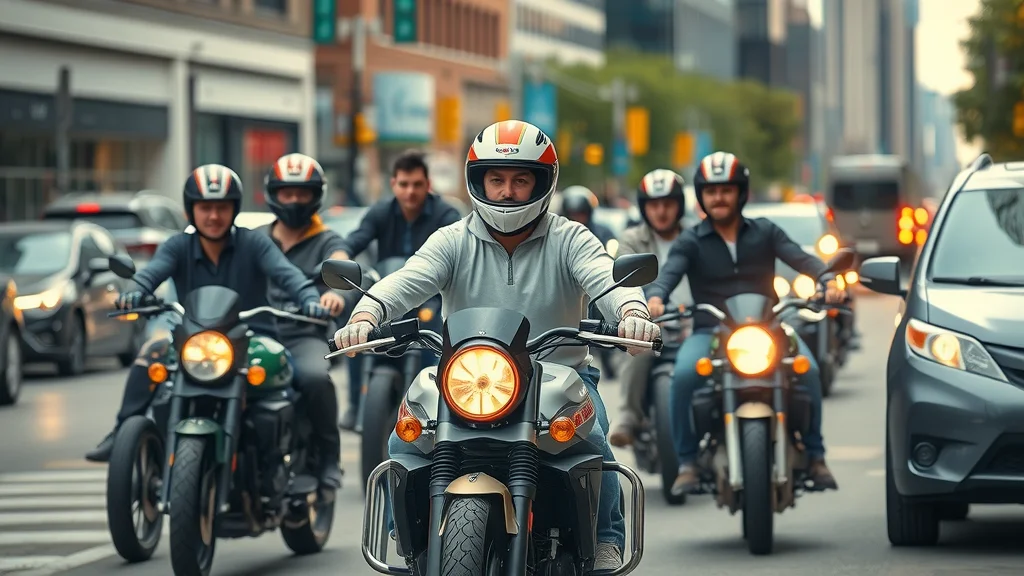
The evolution of motorcycle law in Illinois mirrors trends seen across the United States: as motorcycle popularity grew in the mid-20th century, lawmakers responded with rules to protect both riders and the public. The first state law regulating motorcycles was the requirement for special licensing, later splitting into distinct categories (Class M for motorcycles, Class L for small-displacement bikes or scooters). Over the years, Illinois legislators have debated helmet laws, insurance mandates, and safety requirements, resulting in the flexible yet comprehensive structure seen today.
In Illinois, calls for mandatory helmet use have historically bounced between safety advocates and those who argue for rider freedom. The state ultimately left the choice in the hands of adult motorcycle riders, provided they wear some form of eye protection. Newer developments like the “Dead Red Law,” which tackles issues at stuck stoplights, and detailed insurance requirements reflect Illinois’s ongoing commitment to balancing safety with individual rights—a hallmark of Illinois motorcycle laws today.
Core Illinois Motorcycle Laws Every Rider Needs to Know
Understanding the main Illinois motorcycle laws is crucial before you jump on your bike. The law requires that all motorcycles be registered through the Illinois Secretary of State, and every rider must have either a Class M (for motorcycles) or Class L (for motor-driven cycles) license. You must carry a minimum level of liability insurance to cover bodily injury and property damage; fines for riding uninsured can be steep.
On the issue of safety gear, while helmets are optional for adults, they are strongly recommended. However, protective eyewear or a windshield is mandatory. You must also keep your motorcycle’s headlight on at all times, and there are clear rules about passenger seating, lane usage, and obeying all standard traffic laws. Fines, license suspension, and even jail time can follow if you flout these rules, making it essential for every motorcycle rider to be fully informed and compliant with Illinois law.
Staying compliant with Illinois motorcycle laws is just one part of responsible riding—regular maintenance and seasonal care are equally important for safety and performance. For practical tips on keeping your bike in top shape throughout the year, check out these essential seasonal bike care secrets every rider should know.
Riding a Motorcycle in Illinois: Basic Requirements
Before you saddle up, Illinois makes it clear: you need the right license, insurance, and knowledge of traffic law to be street legal. Prospective riders must first secure a Temporary Instruction Permit or pass a safety course, then apply for a Class M or Class L license through the Secretary of State’s office. Riding without a valid license doesn’t just risk a ticket—it can void your insurance and expose you to serious liability in the event of an accident.
Insurance is non-negotiable. State law mandates that every motorcyclist carry bodily injury and property damage coverage, which, in many cases, mirrors the requirements for drivers of any motor vehicle. Additionally, helmets or eye protection become especially important for insurance claims and personal safety, regardless of the legal requirement. Proper documentation and compliance with Illinois motorcycle laws keep you protected on the road and in the eyes of the law.
Illinois Motorcycle License Types and Requirements |
||||
License Type |
Engine Size |
Minimum Age |
Testing / Course |
Protective Gear Required |
|---|---|---|---|---|
Class M |
150cc or greater |
18 (16 with special provisions) |
On-cycle test or certified safety course |
Eye protection or windshield |
Class L |
50cc to 149cc |
18 (16 with special provisions) |
On-cycle test or certified safety course |
Eye protection or windshield |
What is Required to Ride a Motorcycle in Illinois?
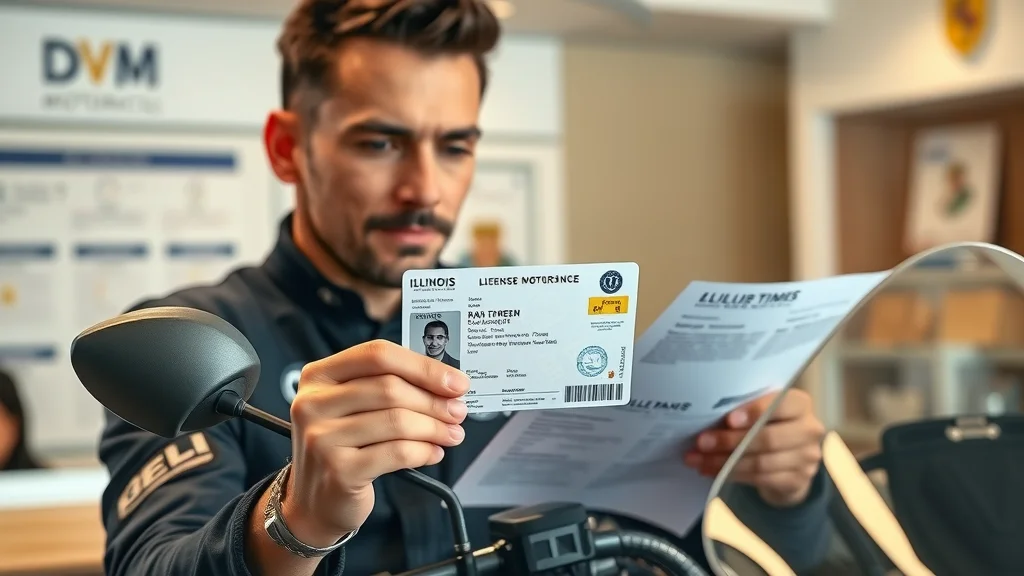
To ride legally, you must have a valid Class M or Class L license and current liability insurance at all times. This applies whether you are riding in Chicago traffic or cruising suburban highways. The licensing process includes completing a motorcycle safety course or a skills test administered by the Secretary of State. You’ll also be subject to vision and written tests covering Illinois motorcycle laws, traffic law, and safe operation practices.
In addition to licensing, you must register your motorcycle with the state and keep your registration up-to-date. Eye protection is mandatory unless your bike features a full windshield. Remember, even if you’re riding a small moped or scooter, certain engine sizes (over 50cc) require a motorcycle permit or license. Failing to comply with these state law requirements can lead to hefty fines and loss of riding privileges, stressing the importance of being informed and prepared before your wheels ever hit the pavement.
Illinois Motorcycle Helmet Law Explained
Unlike most U.S. states, Illinois does not enforce a universal motorcycle helmet law for adults, making it one of the few where choosing to wear helmets is up to the rider. Nevertheless, statewide fatality and injury reports consistently show that wearing helmets significantly reduces risk; insurance companies often factor helmet use into coverage and claims. For new or out-of-state riders, this flexible rule can be confusing: What are you required to wear? What’s simply best practice?
While helmets are optional for those over 18, the law does mandate that all riders use protective eyewear, unless their motorcycle is equipped with a windshield. A passenger must also have proper protection. Helmet use is strongly recommended by numerous organizations—and riders under 18 are encouraged, though not legally compelled, to wear DOT-compliant helmets. Whether or not you wear a helmet, respecting the rest of the motorcycle laws in Illinois is non-negotiable for any responsible cycle rider.
Helmet Law: What Are the Current Rules in Illinois?
As of 2024, there is no mandatory helmet law for adult motorcycle riders in Illinois. However, the law does require some form of protective eyewear, like goggles or safety glasses, unless you have a windshield of sufficient height. Motorcycles and scooters with passengers need to ensure the passenger is also protected—either with a helmet, eye protection, or behind a windshield. Illinois lawmakers continue to debate universal helmet laws, but personal choice and education drive current regulations.
Without a helmet law, safety organizations step in to bridge the gap: the Illinois Department of Transportation and major personal injury law firms advocate voluntary helmet use. Data repeatedly shows that wearing helmets dramatically lowers the chances of severe bodily injury or fatality in a crash. Though choosing not to wear helmets won’t get you ticketed, it can affect insurance claims, medical costs, and legal outcomes post-accident. Considering the relative freedom allowed by this state law, making the smart safety choice is in every rider’s hands.

Lane Use, Rights, and Responsibilities Under Illinois Motorcycle Laws
Motorcycle law in Illinois guarantees motorcyclists the same rights and responsibilities as any other driver. This includes full use of a lane, following all posted traffic signs, and obeying the same traffic laws as other vehicles. However, there are motorcycle-specific rules designed to keep both riders and other motorists safe. This includes strict bans on lane splitting (the practice of riding between cars in traffic) and clear regulations on carrying passengers, using headlights, and passing other vehicles safely.
Motorcycle riders must always remain alert to changing conditions, especially in busy areas like Chicago, where traffic volume and fast-changing signals increase accident risk. Lane discipline, proper signaling, and awareness of other vehicles are strongly enforced by state law. Violations can lead to significant fines, points on your license, or worse—personal injury or liability claims if an accident occurs. Understanding Illinois motorcycle laws helps ensure your rides stay safe and legal.
Do Motorcyclists Have Rights to the Road as Cars in Illinois?
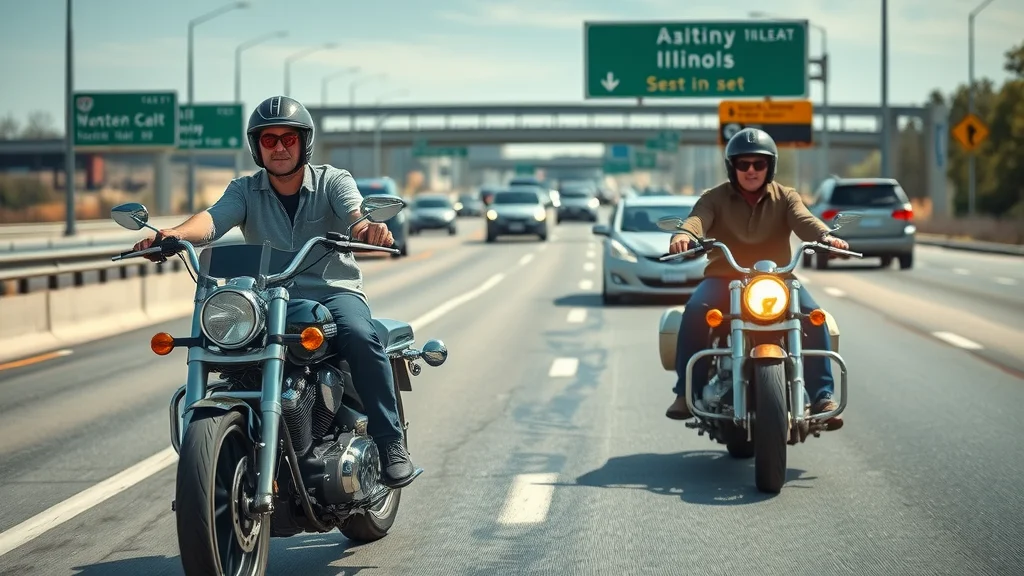
Absolutely. Motorcyclists in Illinois have the same right to the road as any motor vehicle. By law, motorcycles are entitled to a full lane and drivers must treat them as such, providing the same courtesy and space given to cars and trucks. Still, with this right comes responsibility: you are required to use your headlights at all times, abide by traffic lights, and follow all posted signs. Lane splitting is explicitly prohibited under state law—riders cannot pass between lanes of moving or stopped vehicles.
In addition, carrying passengers is permitted only if your motorcycle is equipped with proper seating and footrests, and both the rider and passenger must comply with protective eyewear requirements. These responsibilities help ensure not just your safety, but the safety of everyone sharing Illinois’s roads. Violating these traffic laws can result in steep penalties, so always ride defensively and respect the boundaries set by Illinois motorcycle law.
Lane splitting legality: Not permitted; riding between lanes is prohibited
Obligation to use headlights: Headlight use required at all times
Passenger rules: Passengers allowed with proper equipment and seating
Special Illinois Motorcycle Laws: Dead Red Law, CC Limits, and More
Illinois motorcycle laws go beyond licensing and safety gear; they also feature unique regulations like the “Dead Red Law” and engine size limits that directly affect daily riding. Understanding these laws is crucial not only for your safety but also to avoid confusion (and tickets) when you encounter unusual situations at traffic signals or wonder if you can legally ride a smaller scooter without a motorcycle license.
If you’re new to Illinois or just getting your first motorcycle, these special regulations might seem niche but they have very real consequences—breaking them can result in fines, legal headaches, or accident liability. Knowing exactly what “Dead Red” means, or the cc limits for unlicensed riding, keeps you compliant and protected every time you take to Illinois roads.
What is the Dead Red Law in Illinois?
Ever gotten stuck at a red light that just won’t change? Illinois’s unique Dead Red Law provides a solution for motorcycle riders: If a traffic light fails to detect your motorcycle after you’ve waited “a reasonable period of time,” you are legally allowed to proceed through the intersection—if it’s safe and there’s no oncoming traffic. This law was created to address issues with older traffic signal sensors that often fail to pick up smaller motorcycles and scooters.
However, this isn’t a free pass to run every red light. You must first come to a complete stop, wait for a reasonable length of time (usually two full cycles of the light, or as specified in the locality), and proceed only when it’s safe. The law protects riders from unnecessary traffic delays and reduces the likelihood of dangerous attempts to maneuver around stalled signals. Violating this rule or endangering others can still lead to citations or worse, so use it sparingly and always prioritize safety under Illinois motorcycle law.
What is the Highest CC Without a Motorcycle License in Illinois?
Wondering if you can hop on a scooter or moped without a special license? Illinois law states that you do not need a motorcycle license to operate motor-driven cycles with engines 50cc or smaller. Anything above 50cc—whether it’s a powerful scooter or motorcycle—requires you to obtain a Class L (for 50cc–149cc) or Class M (150cc or up) motorcycle license. Riding above the cc limit without proper licensing is illegal and can result in expensive fines and liability issues if an accident occurs.
For riders under 16, restrictions further apply—even for small engine mopeds. Illinois’s strict approach here is aimed at reducing traffic law violations and personal injury, ensuring that only those with appropriate training and licensing ride on public roads. Knowing the highest cc without a motorcycle license protects you from unintentional lawbreaking and keeps you safer on the road.
Personal Injury, Motorcycle Accident Law, and Legal Resources
Understanding personal injury and motorcycle accident law in Illinois is essential for every rider. If you’re involved in a crash—no matter who is at fault—the right legal and medical steps can make a world of difference in your recovery and any insurance claims you file. Illinois law provides robust protection for injured riders, granting you the ability to seek compensation for medical costs, lost wages, and other damages—especially if someone else’s negligence contributed to the accident. Consulting a personal injury lawyer or motorcycle accident lawyer is often recommended after any significant incident.
After a collision, in busy urban areas like Chicago or out on rural roads, what you do next can have long-term legal implications. Promptly reporting the incident, documenting everything, and seeking medical attention helps protect your rights. Illinois law also mandates cooperation with authorities and insurance providers after a crash, which can safeguard you from denied claims or additional liabilities. Having a clear plan post-accident ensures you are protected legally, medically, and financially.
Motorcycle Accident Law and Your Rights
If you are hurt in an accident, motorcycle accident law in Illinois enables you to file a claim for bodily injury and property damage. The state’s legal system provides significant rights for injured parties, especially when evidence shows another party at fault. Documentation is crucial—photos, police reports, and medical records all strengthen your claim. For accidents with unclear liability or severe injuries, hiring a motorcycle accident lawyer or personal injury attorney can help ensure your case is fairly evaluated and compensated.
It’s important to remember that time limits apply: under Illinois law, you typically have two years from the date of an accident to file a personal injury lawsuit. Taking action swiftly not only protects your legal rights but supports a quicker financial recovery. With Chicago’s busy roads and highway hazards, these laws are vital to any motorcycle rider looking to safeguard their interests after an accident.
What to Do After a Motorcycle Accident in Illinois
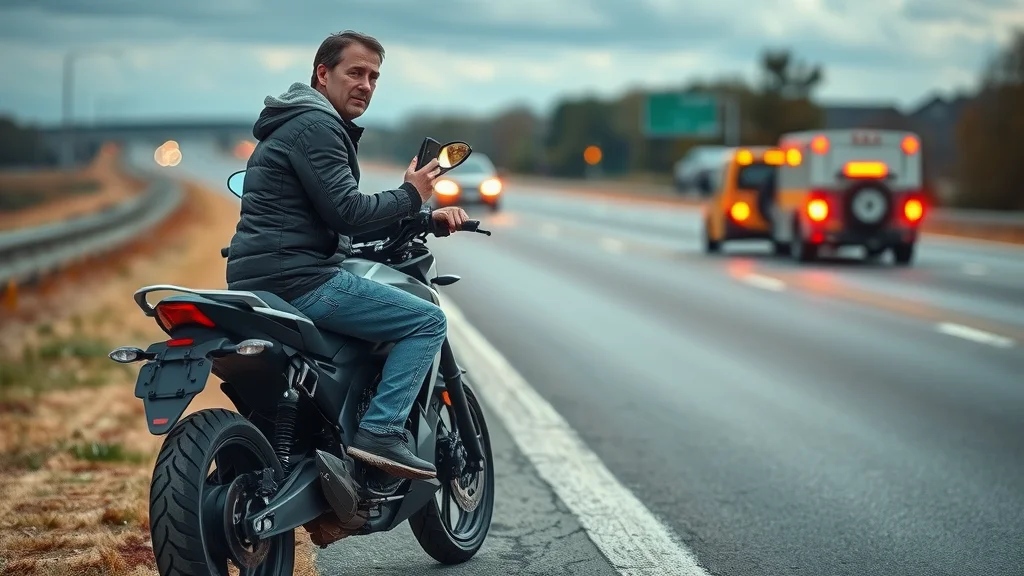
Your steps after a crash are critical. Immediately after the event, safety is your top concern, but so is preserving your legal and insurance rights. As soon as you’re able, call the police and document the scene, even for seemingly minor incidents. Notifying your insurance provider, seeking prompt medical care even if injuries seem small, and consulting with a legal expert all work together to speed up your case and avoid unnecessary disputes or denials.
Report the accident to authorities
Exchange information with other parties
Seek medical attention
Contact your insurance provider
Consult with a legal professional if needed
Frequently Asked Questions About Motorcycle Laws in Illinois
FAQs About Riding a Motorcycle, Helmet Law, and Illinois Motorcycle Laws
Do I need insurance to ride a motorcycle in Illinois?
Yes. State law requires all motorcycle riders to carry minimum liability insurance for bodily injury and property damage. Riding uninsured can result in hefty fines and suspension of your license.Are reflective vests mandatory?
No, reflective vests are not required by Illinois motorcycle law. However, wearing bright or reflective clothing is strongly recommended for safety, especially when riding at night or in low-visibility conditions.Can I carry a passenger on my motorcycle?
Yes, as long as your motorcycle is properly equipped with passenger seating and footrests. Both the rider and passenger must comply with eye protection or windshield requirements. No specific age restriction exists, but safety and proper gear are always advised.How do I register my motorcycle in Illinois?
Registration occurs through the Illinois Secretary of State. You’ll need proof of ownership, insurance, and identification. A title and up-to-date registration sticker are required to ride legally on Illinois roads.What are the penalties for breaking motorcycle laws in Illinois?
Penalties can include fines, license suspension, increased insurance costs, or even jail time for serious violations, especially for uninsured, unlicensed riding or reckless behavior. Repeat offenders face stricter punishments.
Key Takeaways on Motorcycle Laws in Illinois
Always verify and comply with current licensing and insurance regulations
Know and respect helmet and protective gear laws
Understand the unique rules (like Dead Red and cc limits)
Stay informed about your rights and responsibilities after a motorcycle accident
Video Length: 2-3 minutes. Watch a dynamic overview of Illinois motorcycle laws, helmet requirements, licensing, unique rules like the Dead Red Law, and tips for safe riding. Includes footage of riders on Illinois roads, multiple motorcycle types, and animated graphics. Narrator breaks down legal must-knows in simple language. Don’t forget to check official resources and ride legally!
Discover what to do if you’re ever in a motorcycle accident in Illinois: expert step-by-step guidance, legal rights, insurance tips, and critical post-accident actions—all designed to secure your safety and keep you protected by state law.
Stay Safe and Legal: Next Steps
Knowledge is power when it comes to motorcycle laws in Illinois. For expert help with your bike, call Nasty Performance Motorcycle Shop Today: 847-458-4858.
Understanding the legal landscape is just the beginning of a safe and enjoyable riding experience in Illinois. To truly make the most of every season, it’s wise to pair your legal knowledge with proactive bike maintenance and care. Explore our in-depth guide on seasonal motorcycle care strategies to keep your ride running smoothly, no matter the weather. By combining compliance with expert upkeep, you’ll not only protect yourself from legal pitfalls but also extend the life and performance of your motorcycle. Take the next step toward confident, year-round riding by discovering the essential maintenance habits every Illinois rider should master.


Write A Comment