
Did you know that visibility errors are among the top causes of motorcycle accidents, even among experienced riders? Mastering motorcycle riding visibility isn't just about looking good—it's a critical safety measure that can save lives, reduce hospital bills, and give every motorcycle rider that extra level of confidence on the road. In this comprehensive guide, we will break down the most common mistakes in motorcycle riding visibility, offer insight from experts, and give you actionable steps to become a more visible and safer rider.
Startling Facts About Common Mistakes in Motorcycle Riding Visibility
"A significant portion of motorcycle accidents can be traced back to simple visibility errors. Awareness is the first step to safety." — Certified Motorcycle Instructor
According to top instructors, many motorcycle riding accidents don't occur because of reckless riding, but due to riders unintentionally blending into their surroundings or making avoidable decisions that limit their visibility. It's important to make yourself as visible as possible at all times – a step that, while simple, is frequently overlooked. By addressing these common mistakes in motorcycle riding visibility, you have a real opportunity to stay safe, whether you're passing through a busy urban street or cruising into the sun on open highways. Even the right lane position, correct use of full gear, and understanding of blind spots can make the difference between a safe ride and a close call.
Technologies like LED lighting, high-visibility riding gear, and advanced intersection management techniques offer today's riders more opportunities than ever to be seen. Mistakes such as neglecting your gear or incorrectly choosing a motorcycle lane position are still commonplace, however. By learning and correcting these mistakes, you not only protect yourself but also reinforce responsible riding attitudes that benefit all motorists sharing the road.
While mastering visibility is crucial, it's equally important to adapt your approach as seasons change. For practical advice on keeping your motorcycle in top condition throughout the year—which can also impact your safety and visibility—explore these seasonal bike care secrets every rider should know.
What You'll Learn About Common Mistakes in Motorcycle Riding Visibility
- Key errors that reduce motorcycle riding visibility
- How mistakes in visibility relate to motorcycle accidents
- Expert tips for increasing riding safety at every skill level
- Proven gear and techniques to stay visible and safe
Understanding the Importance of Motorcycle Riding Visibility
Why Motorcycle Riding Visibility Matters
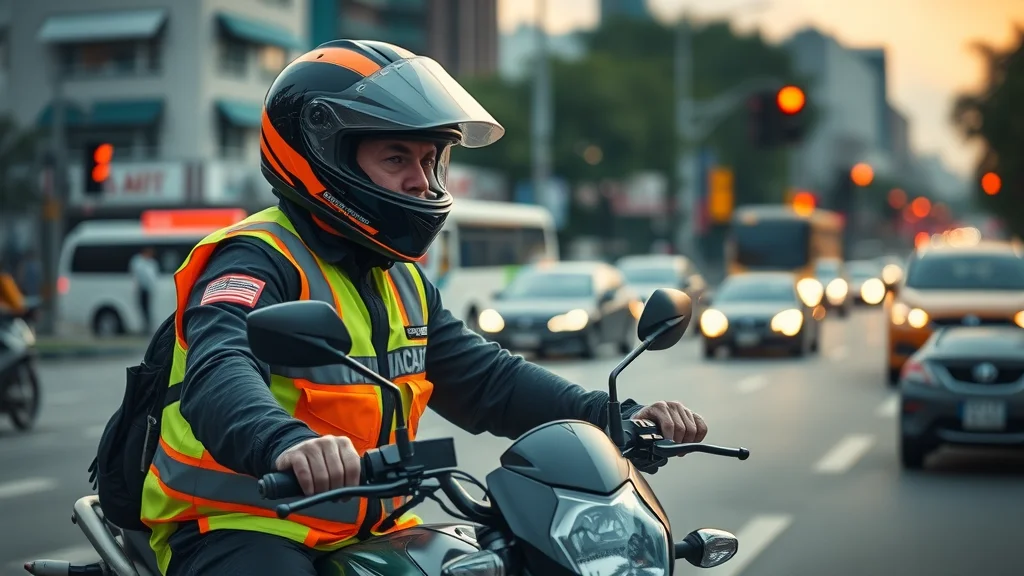
Every motorcycle rider, regardless of skill level, faces challenges staying visible on the road. Unlike cars and trucks, motorcycles have narrow profiles and can easily disappear in a driver's blind spot or against a complex backdrop. Visibility is your first line of defense against motorcycle accidents—by making yourself stand out, you reduce the chances of being overlooked by a distracted driver. Proper visibility strategies mean wearing a bright, reflective helmet and full gear, using daytime running lights, and positioning yourself where you’re more likely to be seen.
Good visibility isn't just about what you wear. Where you place your bike within the motorcycle lane, how you approach intersections, and your use of high beams under varying conditions all contribute to safer rides. Riders who understand these details tend to have fewer close calls, face lower hospital bills, and maintain greater total control during both daylight and nighttime hours.
The Link Between Visibility and Motorcycle Accidents
The connection between poor visibility and motorcycle accident rates is clear. Countless crash investigations point to a simple fact: when motorcycle riders are overlooked by other drivers, collisions are far more likely. Mistakes like not wearing high-visibility full gear, riding in a car's blind spot, or failing to proactively manage intersections are often cited in police reports following motorcycle accidents. These errors are very often the deciding factor between a minor scare and a life-changing event.
Even advanced riding techniques and sharp skill level won’t help if basic visibility mistakes persist. Whether you’re an experienced commuter or a weekend adventurer, understanding these risks can help you make smarter decisions on your next ride. A focus on visibility has been shown to drastically reduce accident likelihood, emphasizing its place at the core of motorcycle safety.
Common Mistakes in Motorcycle Riding Visibility Every Motorcycle Rider Should Avoid
- Ignoring the value of full gear for visibility
- Incorrect lane position and poor use of motorcycle lane position
- Failure to manage intersection management proactively
- Overlooking motorcycle blind spots and other vehicles' blind spots
- Improper use of high beams in varying conditions
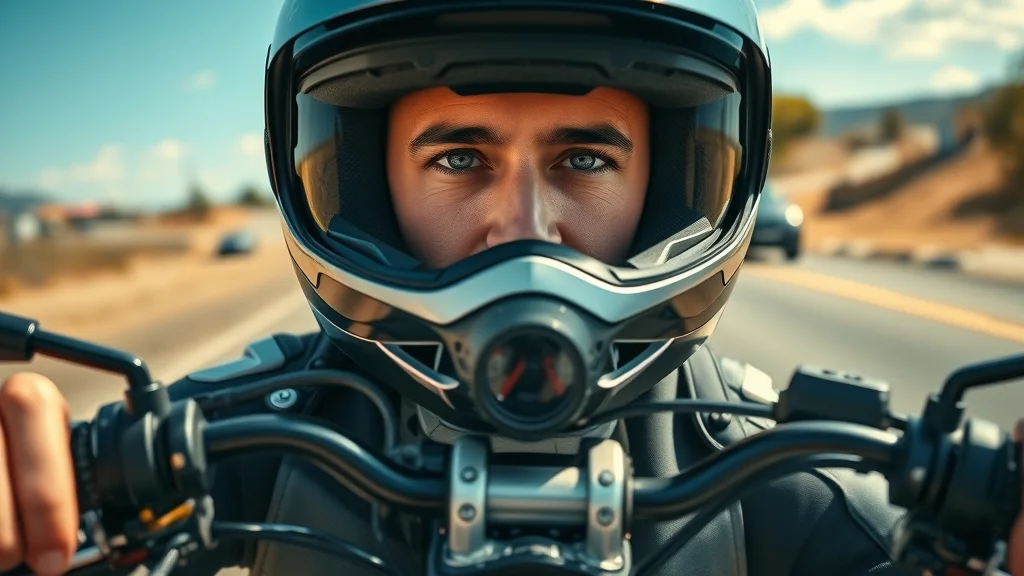
A surprising number of accidents happen because riders skip basic measures like wearing a bright helmet, choosing the correct side of the lane, or using headlights during daylight hours. Full gear isn’t just about crash protection—it dramatically boosts your visibility, especially in challenging weather or busy city environments. The wrong lane to choose can tuck you into a driver’s existing blind spot, while improper intersection management may leave you exposed.
Many motorcyclists find themselves overly relying on high beams at inappropriate times, which can dangerously blind or confuse oncoming traffic. Recognizing and avoiding these common mistakes in motorcycle riding visibility will help you command more attention wherever you ride and drastically reduce your risk of a motorcycle accident.
The Role of Lane Position in Motorcycle Riding Visibility
Optimal Motorcycle Lane Position Tips
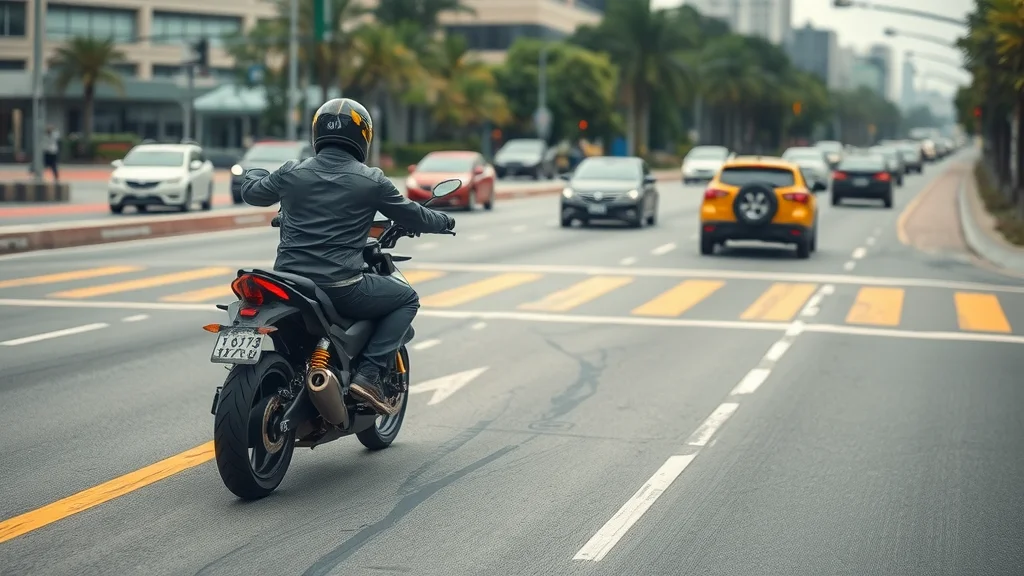
Your motorcycle lane position is about more than just following traffic flow—it’s a powerful tool for boosting visibility and staying out of harm’s way. Smart riders don’t stick to one spot; they adjust their lane position depending on traffic, road hazards, and visibility concerns. For example, riding in the left side of the lane provides better visibility to traffic ahead but may also put you in a blind spot for cars waiting to turn left. On multilane roads, the correct lane choice might be the center, maximizing both your path of travel and reaction time.
Pro-level motorcycle riders use lane position strategically: sometimes hugging the left lane for a better view through corners, or moving to the right for improved escape routes and to avoid obstacles. The key is continual adjustment for maximum visibility while retaining a safe cushion of space. Practicing dynamic lane positioning every ride will build your throttle control and overall total control, keeping you seen and reducing accident risk.
Lane Position and Blind Spots: What You Must Know
A critical aspect of motorcycle lane position is understanding blind spots—your own and those of other vehicles. Most cars have large areas on both sides where motorcycles disappear from view. Avoid riding next to another car’s rear wheel or directly alongside the driver’s seat, and don’t linger near trucks or buses. Instead, line up where you can see the driver in their mirror, ensuring you are visible at all times.
Remember, changing lanes requires anticipating whether you’re moving out of the blind spot and into a zone where all drivers are aware of your position. Proper path of travel can transform your commute and protect you in heavy or unpredictable traffic. Understanding the relationship between lane position and visibility is one of the most effective ways to minimize your risk of a motorcycle accident.
Full Gear: The Often-Neglected Key to Motorcycle Riding Visibility
Choosing High-Visibility Full Gear for Maximum Safety
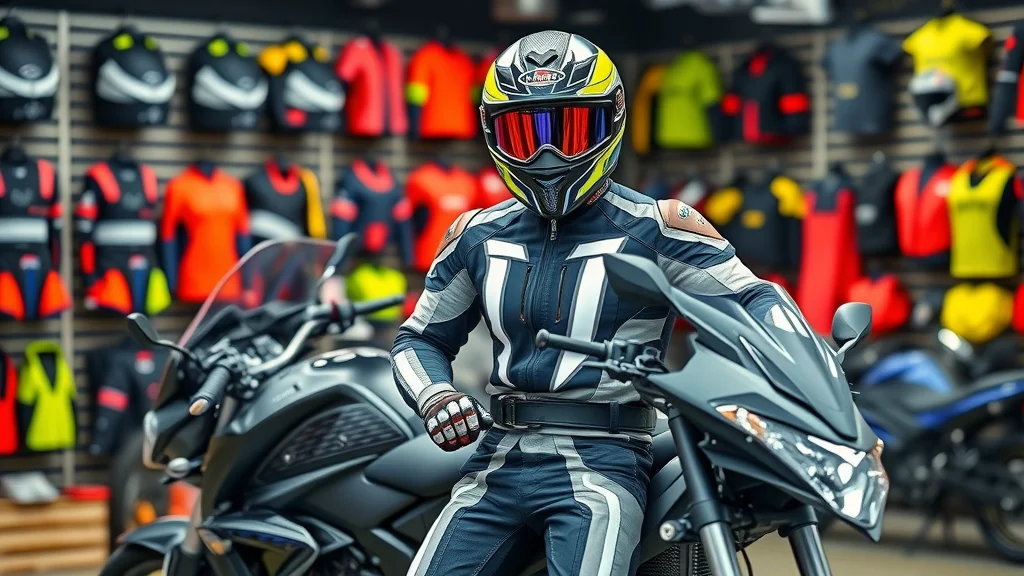
If you want to stand out on the road, high-visibility full gear is your best investment. This means helmets, jackets, pants, and gloves designed with reflective patches, neon coloring, or bright contrasts that catch headlights even in low-light conditions. Opt for gear that combines crash protection with visibility features—multi-reflective surfaces, LED strips, and photoluminescent panels make huge improvements.
Riders often underestimate how much their full gear affects the way they’re perceived by other drivers, especially in busy urban traffic or during dusk and dawn rides. Wearing a bright vest or helmet can make you instantly recognizable from hundreds of feet away, buying you plenty of time to react and reducing the odds of a dangerous encounter with a distracted driver. Every motorcycle rider, regardless of skill level or style, should prioritize high-vis gear as a daily essential.
How Full Gear Reduces Risk in a Motorcycle Accident
In the unfortunate event of a motorcycle accident, the benefits of full gear are twofold: not only does it protect your body from injury, but high-contrast and reflective gear often prevents accidents by making other drivers more likely to notice you and slow down. This visibility buffer is especially vital during low-light conditions, at red lights, and when vehicles are changing lanes unexpectedly.
Full gear also signals to other motorists that you’re a serious and safety-minded rider, which can impact how closely they follow and interact with you on the road. In short, investing in full gear is an investment in your long-term safety, well-being, and riding enjoyment.
Intersection Management Strategies for Motorcycle Riders
Common Mistakes at Intersections and How to Avoid Them
Intersection management is where many motorcycle accidents happen. Riders often misjudge the intentions of oncoming vehicles, fail to account for cars running red lights, or get lost in a car’s blind spot at the worst possible moment. Common mistakes include assuming a vehicle will yield, not establishing eye contact, and stopping in a vehicle's probable path of travel.
To avoid these dangerous scenarios, always approach intersections with caution and a plan. Slow down early, scan for potential risks, and make your presence obvious—flash your high beams if needed, wear gear with reflective stripes, and avoid stopping too close to the center or left side of the lane. By positioning yourself slightly off-center, you maintain an escape route and remain visible to cross traffic even if their line selection is poor or their view is obscured.
Skill Level and Intersection Management Techniques
Riders at every skill level can enhance intersection management by practicing defensive strategies. Novice riders should be extra cautious, focusing on creating space and anticipating worst-case scenarios. Advanced riding techniques such as quick line selection, throttle control, and scanning for multiple hazards at once pay dividends at busy crossroads. One effective approach is always planning to leave an intersection with plenty of time, never speeding through on a yellow or challenging another car for right of way.
Consistent practice of these skills will transform your riding experience, keeping you safer and boosting your overall confidence in complex traffic environments. Making intersection safety part of your routine is a key factor in reducing visibility-related motorcycle accidents.
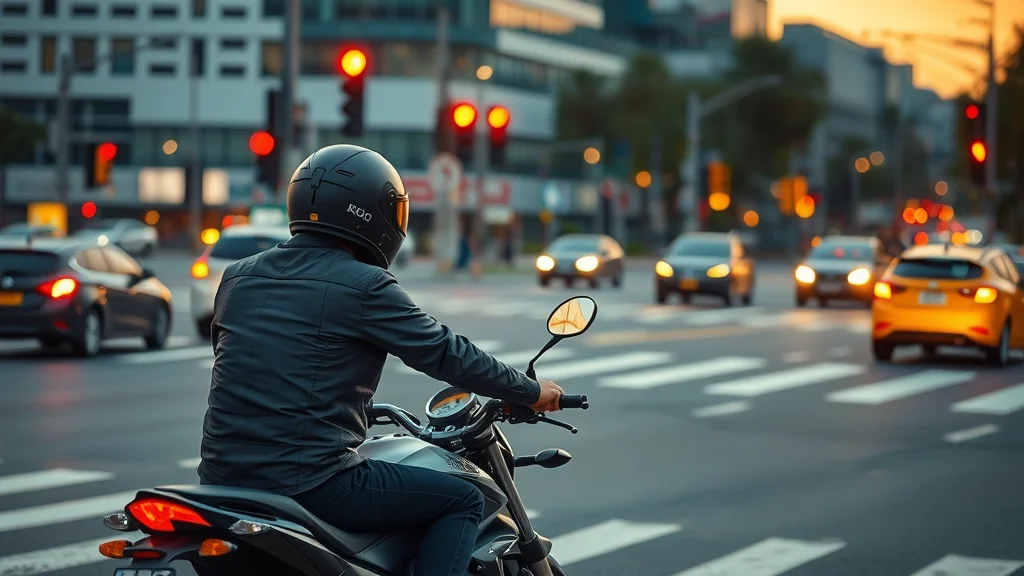
Blind Spots: Understanding and Avoiding Visibility Errors
How to Identify Motorcycle Blind Spots
Every motorcycle rider must know where they are most likely to vanish from a driver’s view. Typical blind spots are found along the rear quarter of most vehicles, near large pillars, and directly alongside large trucks. Using your mirrors, continually check whether you can see the faces of drivers you’re close to—if not, they probably can't see you.
Equally important is understanding your own blind spots. Adjust your mirrors for maximum coverage, and physically look over your shoulder before changing lanes or merging. Routinely scanning for vehicles, especially near mergers or in stop-and-go traffic, keeps you more aware and less vulnerable to surprise lane changes.
Reducing Risks From Other Drivers’ Blind Spots
Reducing the risk from other drivers’ blind spots requires planning and defensive anticipation. Never ride close to a car’s rear wheel for extended periods; pass efficiently or fall back until you can see the car's mirrors. Predict when a distracted driver might make an unexpected move, such as veering into your path without signaling.
Bright reflective gear and proper lane management also minimize your risk, but your best protection is smart positioning and alert riding. Assume most drivers will not see you unless you take deliberate steps to announce your presence—accomplished via signals, positioning, headlight usage, and subtle lane movements within the motorcycle lane.
Mastering High Beams for Better Motorcycle Riding Visibility
When to Use High Beams Safely
Using your high beams effectively can make a massive difference in being spotted, particularly on rural roads, at dawn, or at night. However, correct use is essential; high beams are most effective when there’s no oncoming traffic and can enhance your visible “signature” to other drivers from a much greater distance.
During daylight hours, flashing high beams briefly before intersections can catch a distracted driver's eye. At night, toggle between normal and high beams depending on nearby traffic to avoid blinding others. Remember, your goal is to illuminate yourself, not endanger someone else's path of travel. Mastering this aspect of your headlight use pays off in safer journeys and greater control.
High Beam Mistakes That Lead to Motorcycle Accidents
Mistiming or overusing high beams is a common mistake that can have dangerous consequences. Blinding oncoming drivers is not only illegal in many regions but risks initiating abrupt maneuvers, changing lanes into your path, and triggering multi-vehicle accidents. Other common errors include relying solely on high beams for visibility while ignoring gear and lane position, or forgetting to dim lights at intersections.
To maintain the highest level of safety, always balance your use of high beams with other strategies like wearing full gear, riding in a correct lane position, and maintaining an escape route. Developing good habits now can prevent a serious motorcycle accident later.
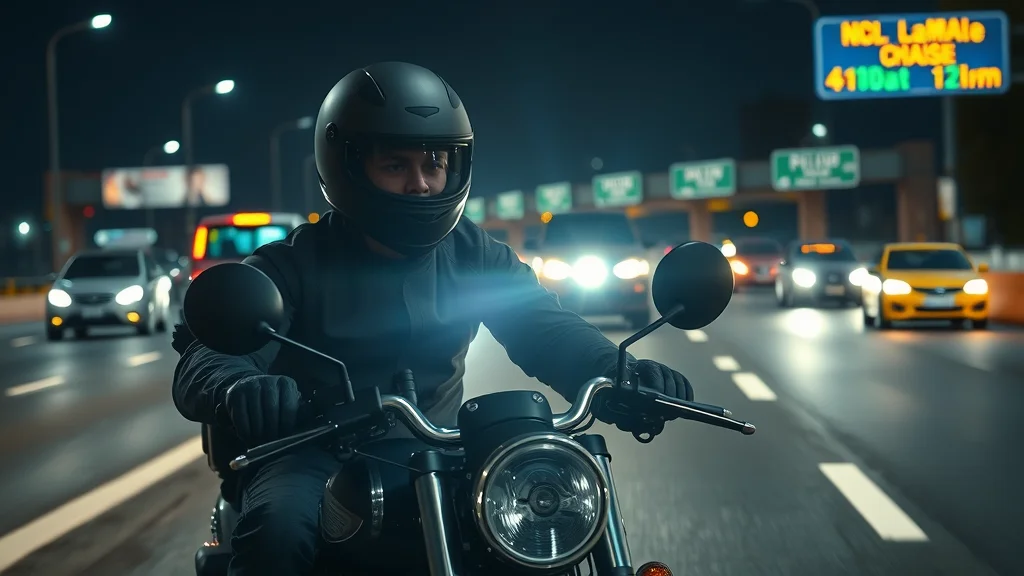
List of Most Overlooked Common Mistakes in Motorcycle Riding Visibility
- Failing to wear reflective gear
- Improper lane choices
- Relying solely on high beams
- Disregarding intersection threats
- Underestimating other drivers’ blind spots
Expert Quotes on Avoiding Motorcycle Riding Visibility Mistakes
"Being seen is your best defense on the road. Every skill level can benefit from prioritizing visibility." — Veteran Motorcycle Safety Coach
Table: Quick Comparison of Visibility Techniques for Motorcycle Riders
| Technique | Effectiveness | Common Mistake | Recommended Action |
|---|---|---|---|
| Wearing Full Gear | Very High | Choosing dark or non-reflective gear | Select high-visibility, reflective gear for all rides |
| Lane Positioning | High | Staying in car blind spots | Continuously adjust lane position for max visibility |
| Intersection Management | High | Failing to anticipate driver actions | Scan for risks, keep an escape route, make eye contact |
| Using High Beams | Medium | Overuse or blinding others | Use strategically for extra visibility—never to blind |
| Avoiding Blind Spots | Very High | Lingering in others' blind spots | Ride where you can see—and be seen—in mirrors |
People Also Ask: Motorcycle Riding Visibility and Related Questions
What is the 1% rule in motorcycles?
Answer: The 1% rule refers to the idea that only 1% of motorcycle riders belong to outlaw or 'one-percenter' clubs, emphasizing that most riders are law-abiding. This has no direct relation to visibility but highlights public perceptions that riders must actively refute by practicing safe and visible riding.
What does 2 fingers down mean to bikers?
Answer: The gesture of 2 fingers down is a biker salute indicating safety and solidarity. Although not about visibility, it reflects the strong community emphasis on mutual recognition and awareness.
Why do bikers tap their helmet when they see a cop?
Answer: Tapping the helmet is a signal to other riders alerting them of police presence, encouraging safe riding. This practice can also heighten awareness and reinforce vigilant, visible behavior on the road.
Which bike is most liked by girls?
Answer: Preferences vary widely and depend on comfort, design, and ease of handling; visibility features on bikes, such as bright colors and reflective elements, may appeal to riders who prioritize safety.
Watch: Top 5 Common Motorcycle Visibility Mistakes and How to Fix Them.
Frequently Asked Questions About Common Mistakes in Motorcycle Riding Visibility
-
How can I immediately improve my motorcycle riding visibility?
The fastest way to improve your visibility is by donning full gear with reflective and bright elements, using proper motorcycle lane position, and keeping your headlights on during all rides—even during daylight hours. -
What gear is best for being seen during daytime and nighttime rides?
High-visibility helmets, jackets, and pants with built-in reflective strips or neon coloring are best. Look for certified motorcycle safety gear that enhances your presence both day and night. -
Why do most motorcycle accidents involve visibility errors?
Many motorcycle accidents occur because drivers fail to see motorcycles due to their narrow profile, poor lane position, or insufficient reflective gear, making visibility a primary concern. -
Does lane position really make a difference in riding safety?
Absolutely. Effective lane position strategies ensure you are seen by other drivers, avoid blind spots, and have time to react—reducing your risk on any ride.
Key Takeaways: Enhancing Motorcycle Riding Visibility and Safety
- Wearing full gear and using proper motorcycle lane position can prevent accidents.
- Intersection management and high beam usage should be skill-level appropriate.
- Being aware of blind spots—yours and others’—is a daily necessity for every motorcycle rider.
Ready to Stay Safe?
Take charge of your safety and visibility every time you ride.
Call Nasty Performance Motorcycle Shop Today: 847-458-4858
Enhancing your visibility is just one part of a comprehensive approach to motorcycle safety and enjoyment. To truly safeguard your riding experience, consider how seasonal changes can affect both your bike’s performance and your on-road presence. Dive deeper into expert strategies for year-round maintenance and discover how proactive care can keep you visible, safe, and confident in any weather by visiting our guide on seasonal bike care secrets every rider must know. By combining smart visibility habits with seasonal upkeep, you’ll be prepared for whatever the road—and the elements—throw your way.



Write A Comment