
Do you really know how to check motorcycle fluid levels, or are you trusting luck with your engine’s health? Let’s challenge what you think you know—and make sure you’re not missing a simple step that could save your ride.
Are You Confident in How to Check Motorcycle Fluid Levels?
When was the last time you checked your motorcycle oil or glanced at the inspection window to verify fluid levels? Even experienced riders sometimes miss the signs of low engine oil level, leading to possible engine damage or compromised safety out on the road. How to check motorcycle fluid levels is a skill that every rider, new or seasoned, should master. This guide provides practical, easy-to-follow instructions that ensure you’re getting an accurate oil reading—no guessing, no assuming, just confident maintenance.
By understanding how to use the sight glass or dip stick, and by knowing what to look for in your motorcycle engine oil, you guarantee your ride always runs at peak performance. Most modern motorcycles are equipped with simple tools for checking oil, coolant, and brake fluids, but knowing exactly when and how to check them is what sets a pro apart from a weekend rider. This article gives you the step-by-step approach, including when and how often to perform regular checks, so your next full riding season is as smooth as possible.

- The essential motorcycle fluids and their roles
- Step-by-step instructions for checking engine oil, coolant, and brake fluid
- When and how often you should inspect fluid levels
- Expert tips on avoiding common mistakes while checking motorcycle oil and other fluids
- Tools and tips from industry professionals
Essential Motorcycle Fluids Comparison
| Fluid Type | Function | Signs of Low Level | Checking Method |
|---|---|---|---|
| Engine Oil | Lubricates motorcycle engine | Unusual noises, overheating | Inspection window/dipstick |
| Coolant | Regulates motorcycle engine temp. | Overheating, low reservoir | Reservoir mark |
| Brake Fluid | Enables responsive braking | Spongy brakes, warning light | Reservoir window |
Understanding Why You Should Check Motorcycle Fluid Levels Regularly
Maintaining the correct engine oil and fluid levels in your bike is more than just routine—it's the difference between a perfectly tuned machine and expensive motorcycle engine repairs. Your motorcycle engine depends on engine oil to reduce friction, absorb heat, and keep all the moving parts running smoothly. If even one fluid is running low, you risk severe wear or a total breakdown, especially on longer rides where high temperatures and stress are common.
The oil level, visible via the inspection window or dip stick, must always sit within the designated range for optimum performance. Low fluid means your engine oil can't lubricate or cool your parts adequately, potentially leading to overheating or bearing failures. Similarly, low coolant or brake fluid levels can trigger spongy brakes, overheating, and even a loss of control. Recognizing these signs early and performing regular checks are essential to keeping your motorcycle engine in top shape.
"Neglecting to check your motorcycle’s oil level and other fluids can turn a simple ride into an expensive repair." — Certified Motorcycle Technician
Step-by-Step Guide: How to Check Motorcycle Fluid Levels Accurately
How to Check Engine Oil: Using the Inspection Window and Dipstick
Properly checking your motorcycle engine oil is simple but requires attention to detail. Begin by letting the motorcycle engine run briefly so the oil circulates—this ensures an accurate oil reading. After a few minutes, turn the bike off and let it cool so the engine oil sits evenly throughout the sight glass. With your bike level (not leaning on its kickstand), locate the inspection window or dipstick, usually found around the lower side of the engine.
If using the sight glass, check that the oil line sits between the 'min' and 'max' marks. The oil should be clear, not cloudy, and shouldn’t have an unusual smell—both are signs of contamination. For bikes with a dip stick, remove it, wipe it clean, reinsert, then pull it out again to check the oil reading against the marks. This ensures an accurate reading and helps catch any issues before they escalate. Remember, always replace the cap securely after checking.
For riders looking to take their maintenance skills further, understanding the nuances of seasonal care can make a significant difference in your bike’s longevity. Discover practical strategies for adapting your fluid checks and overall maintenance to changing weather in this guide to seasonal bike care secrets.
- Warm up the motorcycle engine briefly, then let it cool.
- Place the bike upright—not just on the kickstand—for accurate oil level reading.
- Locate the inspection window or dipstick as shown in your motorcycle manual.
- Observe engine oil in the inspection window, ensuring the oil level is between marks.
- If using a dipstick, wipe, insert, remove, and check motorcycle oil level against marks.

Checking Motorcycle Coolant and Brake Fluid Levels
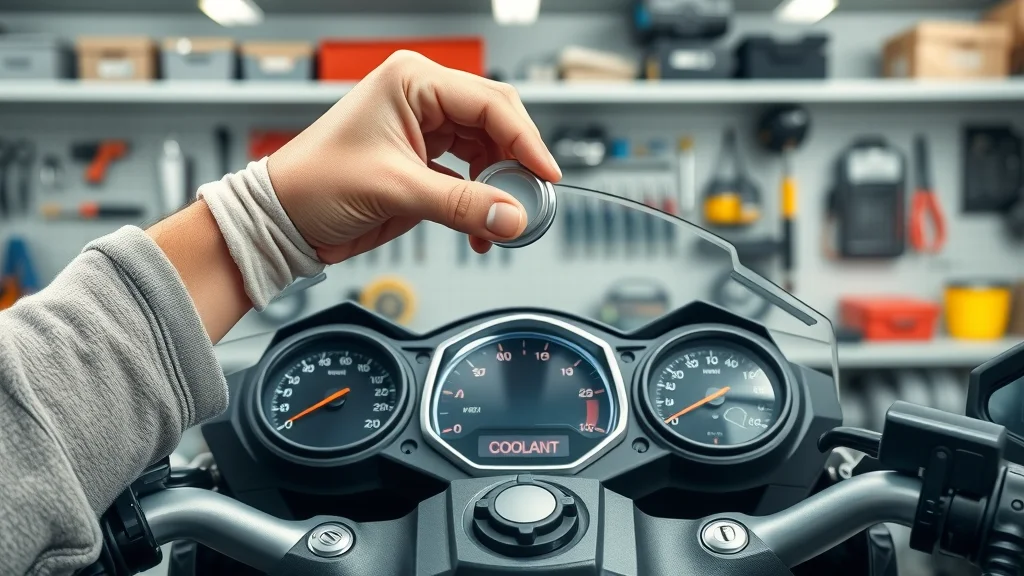
While engine oil gets the most attention, your motorcycle engine relies equally on coolant for temperature control and brake fluid for responsive, safe stops. To check coolant levels, find the reservoir and inspect the level in relation to the 'min' and 'max' lines, always with the engine cool to avoid burns or pressure spray. Brake fluid level can be checked through a sight glass or reservoir window; the fluid should always rise above the minimum line for safe braking.
Never mix fluid types—even if brands seem similar, differences in chemical composition can harm seals or the motorcycle engine itself. And always check for leaks beneath your bike or around hoses after checking fluids; a sudden drop in level usually means a gasket or line needs immediate attention. Keeping up with these quick inspections helps catch little problems before they become emergencies.
- Find the coolant reservoir and compare fluid against 'min'/'max' marks
- Inspect the brake fluid reservoir window; fluid should be above the minimum line
- Never mix different types of motorcycle fluids
- Check motorcycle for leaks
"Checking your motorcycle’s fluids is the fastest way to catch small problems before they become big ones."
Pro Tips for How to Check Motorcycle Fluid Levels
Checking motorcycle fluids isn’t just about topping off what's low—it's about consistent, detail-oriented habits that make all the difference. Always inspect motorcycle oil with your bike on a level surface to guarantee an accurate oil reading. Choose proper lighting, whether in your garage or at a shop, so you can clearly see sight glasses and fluid levels. Pay attention to oil color and smell—dirty or burned oil signals it’s time for a change or there’s a deeper issue with your motorcycle engine oil.
After checking, double-check that all filler caps are tightened and sealed to prevent leaks and contamination. Make checking your motorcycle’s engine oil, coolant, and brake fluid part of your pre-ride routine, especially before long road trips or full riding seasons. Regular checks not only extend the life of your engine but help you develop a deeper familiarity with your bike, so you’ll notice if something feels or looks off even before problems escalate.

- Always inspect motorcycle engine oil on a level surface
- Use proper lighting to see inspection windows
- Replace caps securely after checking motorcycle oil or brake fluid
- Inspect oil color and scent for signs of contamination
- Schedule regular checks before long rides
People Also Ask: Key Motorcycle Fluid Questions Answered
What is the 4 second rule on a motorcycle?
- The 4 second rule means keeping enough distance from the vehicle in front of you so you have a four-second reaction window in case they stop suddenly. This keeps both you and your motorcycle engine safe from sudden stops or accidents.
Do you check motorcycle oil on kickstand or straight up?
- Always check motorcycle oil with the bike upright and level, not on the kickstand. This ensures an accurate reading with the inspection window or dipstick for precise engine oil measurement.
How to tell if motorcycle oil is low?
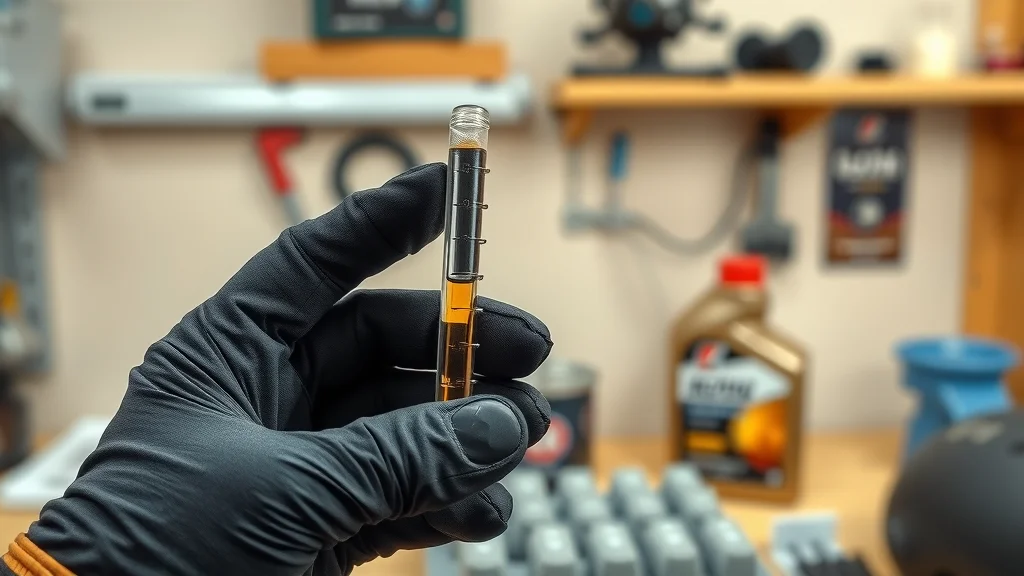
- Check the engine oil level using the inspection window or dipstick. If the oil level is below the minimum mark or no oil is visible, top up immediately and investigate for possible motorcycle engine leaks or issues.
Do you check your motorcycle oil hot or cold?
- Refer to your owner's manual, but generally, let the motorcycle engine warm up, then sit for a few minutes to cool. This will help you accurately check motorcycle oil level and avoid misleading readings.
FAQs: Common Questions About How to Check Motorcycle Fluid Levels
- What are the signs of bad motorcycle engine oil?
- How often should I check motorcycle oil levels?
- Can I use car oil for motorcycle engine oil?
- What do I do if fluid levels are frequently low?
- Is it safe to ride a motorcycle with low brake fluid?
Essential Takeaways for Checking Motorcycle Fluid Levels Like a Pro

- Consistent checks extend your motorcycle engine life
- Always use the correct type and amount of each fluid
- Never overlook signs of leaking or low levels
- When in doubt, consult a certified motorcycle technician
Ready for Expert Motorcycle Service?
- Call Nasty Performance Motorcycle Shop Today: 847-458-4858
Conclusion: Smart riders check motorcycle fluid levels often, use the right methods, and act on issues early—keeping your engine purring and your rides safe.
If you’re ready to elevate your motorcycle maintenance routine, don’t stop at fluid checks—consider how seasonal changes can impact your bike’s performance and longevity. From prepping for winter storage to optimizing for summer rides, there are expert strategies that go beyond the basics. Explore seasonal bike care secrets every rider must know to unlock advanced tips that keep your motorcycle running smoothly all year long. Taking these extra steps ensures you’re not just maintaining your bike, but truly protecting your investment and riding with confidence in every season.




Write A Comment