cropper
update

Nasty Performance ~ 847-458-4858 

update
  • Blog Home
  • Categories
    • Motorcycle Maintenance
    • Riding Tips & Preps
    • Safety & Inspection
    • Customizations & Upgrades
    • DIY Motorcycle Repairs
    • Motocycle Audio Systems
    • Motocycle Seasonal Care & Storage
    • Engine, Electrical Performance
  • Bike Night
  • Nasty Performance Motorcycle Shop
May 22.2026
1 Minute Read

Step-by-Step Guide to Motorcycle Accident Prevention That Works

Did you know? According to the National Highway Traffic Safety Administration, motorcycle riders are 29 times more likely to die in a crash than passenger car occupants. While riding a motorcycle brings an undeniable sense of freedom and excitement, it also comes with significant risks that demand respect, preparation, and expertise. In this comprehensive step-by-step guide to motorcycle accident prevention, we’ll uncover safety tips, strategies, and expert habits proven to keep riders safer on every journey—whether you’re a new enthusiast or an experienced road veteran.

Why Follow a Step-by-Step Guide to Motorcycle Accident Prevention?

Staying safe on two wheels requires far more than simply following the speed limit or wearing a helmet. Motorcycle safety is built on comprehensive preparation, understanding risk factors, and adopting a disciplined approach to every ride. A step-by-step guide to motorcycle accident prevention helps motorcycle riders systematically address each critical aspect of safety, ensuring nothing is left to chance or forgotten in the rush of the open road. By following a purposeful structure, motorcycle riders are empowered to reduce the risk of both minor incidents and serious motorcycle crashes, ultimately keeping roads safe for everyone.

From learning proper motorcycle riding habits to understanding the most common causes of motorcycle accidents, utilizing a guidance-driven approach transforms casual habits into life-saving routines. Committing to these steps is essential for both personal protection and the collective safety of our communities, as every well-prepared rider contributes to accident reduction on roads shared with cars and trucks. Let’s explore what you’ll gain from this guide and take confident steps together towards smarter, safer motorcycling.

  • Discovering essential motorcycle safety habits
  • Understanding common causes of motorcycle accidents
  • Learning practical safety tips for every motorcycle rider
  • Applying a systematic approach to accident prevention
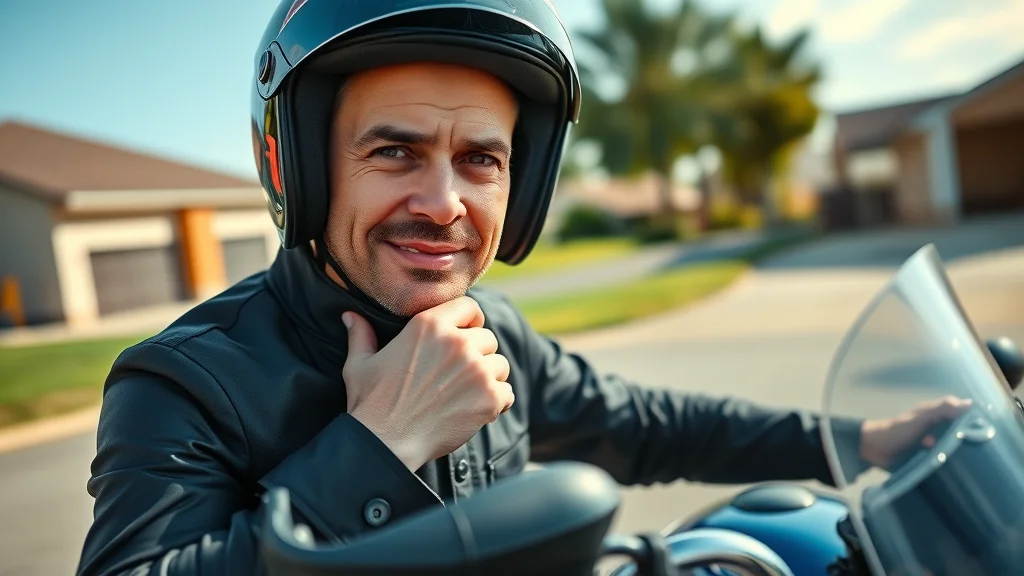
Confident motorcycle rider adjusting helmet strap for step-by-step guide to motorcycle accident prevention, suburban driveway, parked motorcycle, clear morning sky

What You'll Learn in This Step-by-Step Guide to Motorcycle Accident Prevention

This educational guide is designed to help every motorcycle rider master accident prevention with practical, actionable steps. Whether you’re planning your first motorcycle ride or you’re a seasoned rider seeking a safety refresher, the content below will enhance your confidence on the road. It’s more than a collection of general safety tips—it’s a roadmap to making every ride safer, smarter, and more enjoyable. Prepare to deepen your understanding, sharpen your riding skills, and discover why proper gear, preparation, and training are pivotal in motorcycle safety.

  • Core motorcycle accident prevention strategies
  • How to enhance motorcycle safety through gear and practice
  • The most effective safety tips for every motorcycle ride
  • Expert insights for both novice and experienced motorcycle riders

Opening Perspectives: Startling Motorcycle Accident Facts You Need to Know

"Motorcycle accidents, while less frequent than car accidents, can result in severe injuries due to the lack of protection. Understanding this risk is the first step in motorcycle safety." – Motorcycle Safety Foundation Trainer

Despite advances in technology and the increased visibility of motorcycles on today’s roads, motorcycle accidents remain a serious concern. Unlike in a car or truck, a motorcycle rider is more exposed and has less margin for error in incidents involving evasive maneuvers, collisions, or loss of control. According to traffic crash data from the national highway safety authorities, fatality rates in motorcycle crashes have remained considerably higher than those for other types of motor vehicles. Typical causes include improper lane changes, ignored turn signals, and unsafe speeds. These facts highlight the critical importance of being proactive and informed—a goal that this step-by-step guide to motorcycle accident prevention aims to achieve.

Recognizing the unique risks associated with motorcycle riding is empowering. By understanding these statistics and the common scenarios leading to motorcycle accidents, both new and experienced riders can take meaningful steps to reduce the risk, prioritize safety, and share the road responsibly.

In addition to mastering accident prevention techniques, it's important to remember that regular maintenance and seasonal care play a crucial role in keeping your motorcycle safe and reliable. For practical advice on how to protect your bike year-round, check out these seasonal bike care secrets every rider should know to ensure your ride is always in top condition.

Step 1: Motorcycle Rider Preparation and Attitude

Building the Right Mindset for Motorcycle Safety

Effective motorcycle riding starts long before the engine turns over. The safest motorcycle riders cultivate a mindset that prioritizes caution, anticipation, and respect for the unpredictability of the open road. Rather than viewing safety tips as tedious, experienced riders recognize that these habits keep them focused and in control, no matter the distance or destination. Motorcycle accident prevention is less about luck and more about preparation and awareness—qualities that are developed, not inherited.

Always approach each motorcycle ride with a plan: Know your route, the current weather conditions, and your own mental and physical state. If you’re tired, distracted, or agitated, riding a motorcycle becomes significantly more dangerous. Training your mindset means remaining alert to risks, treating other drivers and riders with respect, and refusing to take unnecessary chances. By embedding these attitudes in your routine, you actively help reduce the risk of becoming another motorcycle accident statistic.

Performing Pre-Ride Motorcycle Safety Checks

Preparation is not only mental—it’s deeply mechanical. Before every motorcycle ride, make a habit of conducting a thorough pre-ride safety check. Start by examining your tires: Ensure proper pressure and look for wear or embedded objects. Check fluid levels (oil, brake, coolant) to maintain engine health and braking performance. Test turn signals, brake lights, and headlights to guarantee visibility to others on the road. Verify that your brakes feel responsive and that your chain or belt is secure.

Most states require motorcycle riders to maintain their bikes in safe, roadworthy condition. Routine checks are a vital safety tip that can prevent breakdowns, loss of control, or dangerous situations in traffic. By treating this step as non-negotiable, you’ll increase your confidence, minimize the risk of an unexpected motorcycle crash, and set the tone for a responsible, enjoyable ride.

Cautious motorcycle rider performing tire pressure check for step-by-step guide to motorcycle accident prevention, urban garage, safety posters, organized tools

Step 2: Essential Motorcycle Gear for Accident Prevention

  • Choosing the best helmet for motorcycle crash protection
  • Selecting proper motorcycle gear for safety
  • The importance of visibility for motorcycle riders

Wearing the right motorcycle gear is one of the most effective ways to reduce injuries in the event of a motorcycle accident. Despite motorcycle helmet laws in many states, not all riders fully appreciate the critical protection provided by modern safety gear. Every motorcycle ride presents unpredictable risks—from loose gravel and sudden rain to distracted drivers—so investing in high-quality, certified gear is essential.

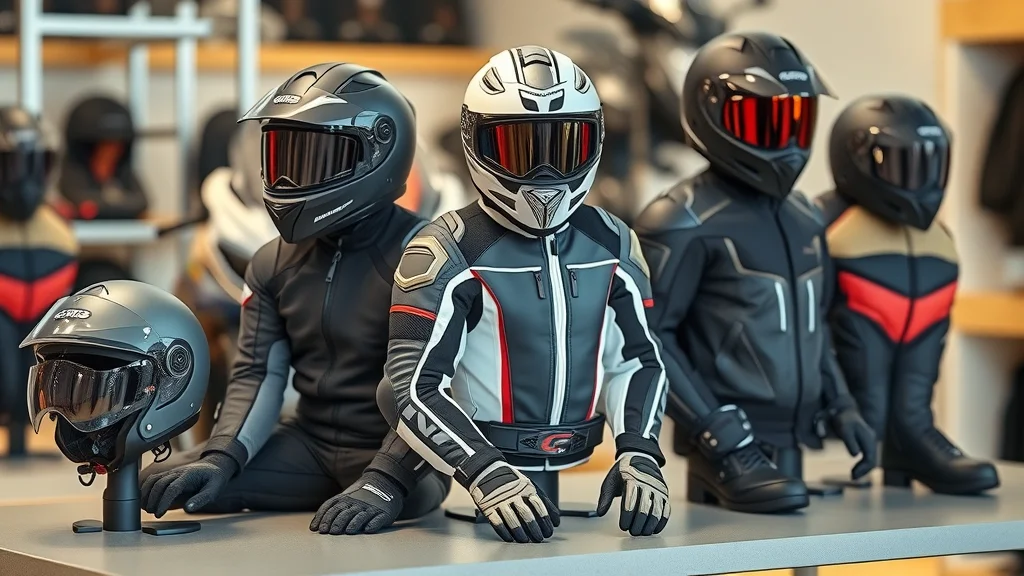
A certified helmet meeting DOT or ECE standards remains your most important piece of gear, protecting against catastrophic head injuries in a motorcycle crash. Jackets with CE-approved armor safeguard your torso from abrasion and impact, while gloves—especially those with reinforced palms—help prevent hand injuries in a fall. Over-the-ankle boots not only protect the feet and ankles but also provide support during sharp maneuvers. For added visibility, choose gear with reflective material to stay noticeable during night rides or low-visibility conditions. Below is a table summarizing the purposes and standards for each essential item:

Purpose Gear Type Safety Standard
Head Protection Helmet DOT/ECE
Torso Abrasion & Impact Jacket CE Approved
Hand Protection Gloves Reinforced Palm
Foot & Ankle Protection Boots Over-Ankle Coverage

Protective motorcycle gear lineup for accident prevention, helmet, jacket, gloves, boots, high-detail photorealistic, showroom, blurred motorcycle in background

Step 3: Mastering Safe Motorcycle Riding Techniques

Understanding Speed Limits and Their Role in Motorcycle Accident Prevention

Speed limits are established to maximize safety for all road users, including motorcycle riders. Riding above the speed limit—even if just by a few miles per hour—drastically increases your risk of a motorcycle crash and reduces your ability to react to hazards such as sudden lane changes or unexpected debris. Respecting the speed limit also allows better control on curves and corners, which are common areas for single-vehicle motorcycle accidents.

Maintaining a controlled speed on your motorcycle ride is vital for your own safety and that of others. Remember, it’s easier to avoid a collision, change direction, or stop suddenly when traveling at the posted speed. As an added safety tip, regularly scan the area ahead for changes in the speed limit, and be mindful that wet or slippery roads often call for speeds well below posted limits for safe operation.

How to Handle Corners, Intersections, and Hazards on Every Motorcycle Ride

Motorcycle crashes often occur at intersections and on sharp corners, places where cars and trucks may overlook the presence of a motorcycle rider. To reduce risk, anticipate the actions of other motorists, approach bends and intersections with caution, and remember that speed must decrease before entering a curve—not during the turn. Always be prepared to brake smoothly and use both brakes when needed for maximum stability.

Hazards such as potholes, oil, gravel, or wet leaves can turn a routine maneuver into a dangerous one. Wherever possible, choose your line through a corner to maximize your sight distance and avoid unexpected obstacles. At intersections, ensure your intentions are clear by using turn signals early and making eye contact with drivers. The safest motorcycle riders actively assume they may not be seen, doubling down on visibility and caution at every crossing.

Defensive Riding: Sharing the Road Safely

Defensive riding is the art of anticipating the mistakes of others and having a plan to respond. Motorcycle operators are especially vulnerable to the blind spots of cars and trucks, so position yourself where you are most visible and never assume another driver can see you. Practice the “4 second rule” by maintaining at least four seconds’ distance between you and the vehicle in front, giving you more time to react to sudden stops or obstacles.

To share the road effectively, never ride aggressively or weave through traffic. Use reflective material and bright gear to increase visibility, always use turn signals, and scan for movement in mirrors and side streets. By adopting a defensive posture, you not only protect yourself from unpredictable traffic crashes but also foster a safer environment for fellow riders and motorists alike.

Focused motorcycle rider for step-by-step guide to motorcycle accident prevention, city intersection, sharing the road defensively, other vehicles, wet pavement

Step 4: Preparing for Adverse Conditions and Unexpected Motorcycle Accidents

  • Techniques for riding a motorcycle in wet or low-visibility conditions
  • Responding to emergency situations and near-accidents
  • The value of ongoing motorcycle safety training for every rider

Riding a motorcycle in adverse conditions—such as rain, fog, or icy roads—demands heightened skill and preparation. Slow down and increase your following distance even further when traction is reduced, and avoid sudden throttle changes, hard braking, or abrupt steering. Use your headlight and gear with reflective material to stay visible and navigate curves with as little lean as possible. When visibility drops, assume nearby drivers may not see you until you’re directly in their line of vision.

Emergency situations such as unexpected stops or near-accidents require clear-headed, practiced responses. Experienced riders often attend ongoing motorcycle safety training to refine their skills in evasive maneuvers and quick stops. Regular rider education classes also introduce riders to new safety technologies, updated laws, and best practices—a worthwhile investment for anyone who values prevention over recovery. Remember, riding smart today could save your life tomorrow.

Vigilant motorcycle rider in rain for step-by-step guide to motorcycle accident prevention, winding road, wet conditions, water droplets on helmet visor

Step 5: The Role of Motorcycle Insurance in Accident Prevention

  • How motorcycle insurance supports accident recovery
  • Understanding what motorcycle insurance covers
  • Why every motorcycle rider needs proper coverage

While riding skills and protective motorcycle gear dramatically lower injury risks, no amount of preparation can guarantee absolute safety on every motorcycle ride. Motorcycle insurance is your financial safety net, supporting accident recovery when the unexpected happens. Comprehensive motorcycle insurance policies cover medical expenses, bike repairs, and even liability if you’re involved in an accident with another motor vehicle. Some policies also protect against theft, vandalism, and uninsured drivers.

Choosing the right coverage goes beyond fulfilling state legal requirements. The best insurance policies are tailored to your riding style, covering not just the basics, but also providing peace of mind on every journey. Having robust motorcycle insurance means you can focus on riding with confidence, knowing that you’re protected if the worst occurs. Insurance is not just a safety tip—it’s an integral part of any responsible motorcycle accident prevention plan.

Reassured motorcycle owner reviewing insurance for step-by-step guide to motorcycle accident prevention, outdoor cafe, parked bike in background, policy documents

Watch this footage compilation to see accident prevention strategies in real-world situations: observe pre-ride safety checks, defensive city riding, proper gear choices, and wet-road handling. Both new and experienced riders demonstrate how even small habits make a significant difference in real-life scenarios.

Essential Motorcycle Accident Safety Tips Recap

  1. Always perform a pre-ride safety check
  2. Wear certified motorcycle gear at all times
  3. Adhere to speed limits and road rules
  4. Maintain a defensive riding posture
  5. Stay updated with regular motorcycle safety training

People Also Ask: Step-by-Step Guide to Motorcycle Accident Prevention

What are the steps in the accident prevention process?

  • Preparation and mindset
  • Wearing proper motorcycle gear
  • Practicing safe riding techniques
  • Training for adverse conditions
  • Securing motorcycle insurance

What does 2 fingers down mean to bikers?

  • The '2 fingers down' gesture is a sign of motorcycle rider respect, often meaning 'stay safe' or 'keep two wheels on the ground.'

What is the 4 second rule on a motorcycle?

  • The 4 second rule helps motorcycle riders maintain safe following distance, allowing more time to react to hazards.

What are the 5 safety tips for motorcycle riders?

  • Always wear protective gear
  • Stay visible at all times
  • Obey speed limits
  • Avoid distractions
  • Take regular motorcycle safety courses

Key Takeaways: Mastering Motorcycle Accident Prevention

  • A step-by-step approach dramatically enhances motorcycle safety
  • Preparation, knowledge, and the right gear are essential
  • Defensive techniques and ongoing education can prevent most motorcycle accidents

Frequently Asked Questions About Motorcycle Accident Prevention

  • How often should you service your motorcycle for safety?
    It’s best to follow the manufacturer’s recommended service schedule—usually every 3,000 to 5,000 miles or every six months, whichever comes first. Regular checks of tires, brakes, fluids, and lights before each ride also enhance motorcycle safety.
  • What is the best motorcycle gear for accident prevention?
    The best motorcycle gear includes a DOT/ECE-certified helmet, CE-armored jacket and pants, reinforced gloves, and boots with over-ankle coverage. Gear with reflective elements increases visibility and provides superior protection in the event of a crash.
  • Can motorcycle insurance lower accident-related costs?
    Yes, motorcycle insurance covers repairs, medical bills, and liability, significantly reducing your financial burden after an accident. Comprehensive coverage often includes theft, weather damage, and uninsured/underinsured motorist protection.
  • What training courses are recommended for motorcycle riders?
    New riders should complete a certified Motorcycle Safety Foundation (MSF) course. Experienced riders can benefit from advanced skills courses and periodic refresher sessions to keep their motorcycle accident prevention knowledge current.

Speak to Experts About Motorcycle Accident Prevention

"Don’t leave your safety to chance. Every ride is safer with preparation—and expert advice can make all the difference."
  • Ready to improve your motorcycle accident prevention plan?
  • Call Nasty Performance Motorcycle Shop Today: 847-458-4858

Every journey starts with preparation—master accident prevention today, and keep every motorcycle ride safe for tomorrow.

Motorcycle safety is a lifelong commitment, and the most prepared riders know that prevention extends beyond the basics. If you’re ready to take your riding experience to the next level, consider exploring advanced maintenance and care strategies that adapt to every season. By staying proactive with your bike’s upkeep, you’ll not only enhance performance but also reinforce the safety habits outlined in this guide. Discover how seasonal adjustments can make a difference by visiting our resource on seasonal bike care secrets every rider must know—and keep your motorcycle adventure safe, smooth, and enjoyable all year long.


Safety & Inspection

0 Comments

Write A Comment

*
*
Please complete the captcha to submit your comment.
Related Posts All Posts

How to Check Motorcycle Fluid Levels Like a Pro

Do you really know how to check motorcycle fluid levels, or are you trusting luck with your engine’s health? Let’s challenge what you think you know—and make sure you’re not missing a simple step that could save your ride. Are You Confident in How to Check Motorcycle Fluid Levels? When was the last time you checked your motorcycle oil or glanced at the inspection window to verify fluid levels? Even experienced riders sometimes miss the signs of low engine oil level, leading to possible engine damage or compromised safety out on the road. How to check motorcycle fluid levels is a skill that every rider, new or seasoned, should master. This guide provides practical, easy-to-follow instructions that ensure you’re getting an accurate oil reading—no guessing, no assuming, just confident maintenance. By understanding how to use the sight glass or dip stick, and by knowing what to look for in your motorcycle engine oil, you guarantee your ride always runs at peak performance. Most modern motorcycles are equipped with simple tools for checking oil, coolant, and brake fluids, but knowing exactly when and how to check them is what sets a pro apart from a weekend rider. This article gives you the step-by-step approach, including when and how often to perform regular checks, so your next full riding season is as smooth as possible. The essential motorcycle fluids and their roles Step-by-step instructions for checking engine oil, coolant, and brake fluid When and how often you should inspect fluid levels Expert tips on avoiding common mistakes while checking motorcycle oil and other fluids Tools and tips from industry professionals Essential Motorcycle Fluids Comparison Fluid Type Function Signs of Low Level Checking Method Engine Oil Lubricates motorcycle engine Unusual noises, overheating Inspection window/dipstick Coolant Regulates motorcycle engine temp. Overheating, low reservoir Reservoir mark Brake Fluid Enables responsive braking Spongy brakes, warning light Reservoir window Understanding Why You Should Check Motorcycle Fluid Levels Regularly Maintaining the correct engine oil and fluid levels in your bike is more than just routine—it's the difference between a perfectly tuned machine and expensive motorcycle engine repairs. Your motorcycle engine depends on engine oil to reduce friction, absorb heat, and keep all the moving parts running smoothly. If even one fluid is running low, you risk severe wear or a total breakdown, especially on longer rides where high temperatures and stress are common. The oil level, visible via the inspection window or dip stick, must always sit within the designated range for optimum performance. Low fluid means your engine oil can't lubricate or cool your parts adequately, potentially leading to overheating or bearing failures. Similarly, low coolant or brake fluid levels can trigger spongy brakes, overheating, and even a loss of control. Recognizing these signs early and performing regular checks are essential to keeping your motorcycle engine in top shape. "Neglecting to check your motorcycle’s oil level and other fluids can turn a simple ride into an expensive repair." — Certified Motorcycle Technician Step-by-Step Guide: How to Check Motorcycle Fluid Levels Accurately How to Check Engine Oil: Using the Inspection Window and Dipstick Properly checking your motorcycle engine oil is simple but requires attention to detail. Begin by letting the motorcycle engine run briefly so the oil circulates—this ensures an accurate oil reading. After a few minutes, turn the bike off and let it cool so the engine oil sits evenly throughout the sight glass. With your bike level (not leaning on its kickstand), locate the inspection window or dipstick, usually found around the lower side of the engine. If using the sight glass, check that the oil line sits between the 'min' and 'max' marks. The oil should be clear, not cloudy, and shouldn’t have an unusual smell—both are signs of contamination. For bikes with a dip stick, remove it, wipe it clean, reinsert, then pull it out again to check the oil reading against the marks. This ensures an accurate reading and helps catch any issues before they escalate. Remember, always replace the cap securely after checking. For riders looking to take their maintenance skills further, understanding the nuances of seasonal care can make a significant difference in your bike’s longevity. Discover practical strategies for adapting your fluid checks and overall maintenance to changing weather in this guide to seasonal bike care secrets. Warm up the motorcycle engine briefly, then let it cool. Place the bike upright—not just on the kickstand—for accurate oil level reading. Locate the inspection window or dipstick as shown in your motorcycle manual. Observe engine oil in the inspection window, ensuring the oil level is between marks. If using a dipstick, wipe, insert, remove, and check motorcycle oil level against marks. Checking Motorcycle Coolant and Brake Fluid Levels While engine oil gets the most attention, your motorcycle engine relies equally on coolant for temperature control and brake fluid for responsive, safe stops. To check coolant levels, find the reservoir and inspect the level in relation to the 'min' and 'max' lines, always with the engine cool to avoid burns or pressure spray. Brake fluid level can be checked through a sight glass or reservoir window; the fluid should always rise above the minimum line for safe braking. Never mix fluid types—even if brands seem similar, differences in chemical composition can harm seals or the motorcycle engine itself. And always check for leaks beneath your bike or around hoses after checking fluids; a sudden drop in level usually means a gasket or line needs immediate attention. Keeping up with these quick inspections helps catch little problems before they become emergencies. Find the coolant reservoir and compare fluid against 'min'/'max' marks Inspect the brake fluid reservoir window; fluid should be above the minimum line Never mix different types of motorcycle fluids Check motorcycle for leaks "Checking your motorcycle’s fluids is the fastest way to catch small problems before they become big ones." Pro Tips for How to Check Motorcycle Fluid Levels Checking motorcycle fluids isn’t just about topping off what's low—it's about consistent, detail-oriented habits that make all the difference. Always inspect motorcycle oil with your bike on a level surface to guarantee an accurate oil reading. Choose proper lighting, whether in your garage or at a shop, so you can clearly see sight glasses and fluid levels. Pay attention to oil color and smell—dirty or burned oil signals it’s time for a change or there’s a deeper issue with your motorcycle engine oil. After checking, double-check that all filler caps are tightened and sealed to prevent leaks and contamination. Make checking your motorcycle’s engine oil, coolant, and brake fluid part of your pre-ride routine, especially before long road trips or full riding seasons. Regular checks not only extend the life of your engine but help you develop a deeper familiarity with your bike, so you’ll notice if something feels or looks off even before problems escalate. Always inspect motorcycle engine oil on a level surface Use proper lighting to see inspection windows Replace caps securely after checking motorcycle oil or brake fluid Inspect oil color and scent for signs of contamination Schedule regular checks before long rides People Also Ask: Key Motorcycle Fluid Questions Answered What is the 4 second rule on a motorcycle? The 4 second rule means keeping enough distance from the vehicle in front of you so you have a four-second reaction window in case they stop suddenly. This keeps both you and your motorcycle engine safe from sudden stops or accidents. Do you check motorcycle oil on kickstand or straight up? Always check motorcycle oil with the bike upright and level, not on the kickstand. This ensures an accurate reading with the inspection window or dipstick for precise engine oil measurement. How to tell if motorcycle oil is low? Check the engine oil level using the inspection window or dipstick. If the oil level is below the minimum mark or no oil is visible, top up immediately and investigate for possible motorcycle engine leaks or issues. Do you check your motorcycle oil hot or cold? Refer to your owner's manual, but generally, let the motorcycle engine warm up, then sit for a few minutes to cool. This will help you accurately check motorcycle oil level and avoid misleading readings. FAQs: Common Questions About How to Check Motorcycle Fluid Levels What are the signs of bad motorcycle engine oil? How often should I check motorcycle oil levels? Can I use car oil for motorcycle engine oil? What do I do if fluid levels are frequently low? Is it safe to ride a motorcycle with low brake fluid? Essential Takeaways for Checking Motorcycle Fluid Levels Like a Pro Consistent checks extend your motorcycle engine life Always use the correct type and amount of each fluid Never overlook signs of leaking or low levels When in doubt, consult a certified motorcycle technician Ready for Expert Motorcycle Service? Call Nasty Performance Motorcycle Shop Today: 847-458-4858 Conclusion: Smart riders check motorcycle fluid levels often, use the right methods, and act on issues early—keeping your engine purring and your rides safe. If you’re ready to elevate your motorcycle maintenance routine, don’t stop at fluid checks—consider how seasonal changes can impact your bike’s performance and longevity. From prepping for winter storage to optimizing for summer rides, there are expert strategies that go beyond the basics. Explore seasonal bike care secrets every rider must know to unlock advanced tips that keep your motorcycle running smoothly all year long. Taking these extra steps ensures you’re not just maintaining your bike, but truly protecting your investment and riding with confidence in every season.

Master How to Perform Motorcycle Safety During Group Rides Now

Did you know? According to recent rider data, group motorcycle rides see far fewer incidents when all riders follow established safety protocols and use clear hand signals. These simple precautions can make all the difference between a safe and enjoyable group ride or a potentially hazardous one. Whether you’re a seasoned rider or new to riding in a group, this comprehensive guide will empower you to master how to perform motorcycle safety during group rides—from ride prep and etiquette to mastering hand signals and planning unforgettable journeys. Let’s ride safe, together! Understanding Motorcycle Safety During Group Rides: Why It Matters Group motorcycle rides create a shared experience unlike any solo journey, but they also come with unique challenges that demand attention to safety. Knowing how to perform motorcycle safety during group rides is essential to prevent confusion, reduce risks, and ensure everyone has a fun, incident-free outing. When you’re riding in a group, riders rely on one another—not just for camaraderie, but also for clear communication, predictable maneuvers, and mutual respect. From open highways to winding scenic routes, every group ride brings together riders with different skills and styles. This makes following essential tips and safety protocols even more important. The right formation, use of universal hand signals, and understanding each person’s role keeps everyone safe and alert. Accidents can happen quickly if even one rider isn’t up to speed with group riding etiquette, making it clear why consistent and proactive safety measures are critical for a safe and enjoyable group motorcycle ride. Startling Facts About Motorcycle Group Rides and Safety While the thrill of hitting the road with friends is undeniable, startle-worthy statistics highlight the importance of proper safety measures. Experienced riders agree that most group motorcycle ride mishaps occur from simple miscommunications or breaking formation. Something as basic as a missed hand signal or failing to maintain a proper staggered formation can result in dangerous close calls. This is precisely why understanding common rules and protocols—like the 4 second rule or using universally recognized hand signals—can minimize incidents. These practices not only keep riders safe, they enhance the overall motorcycling experience for everyone involved. What You'll Learn About How to Perform Motorcycle Safety During Group Rides The fundamental principles of group motorcycle ride safety Key hand signals every rider must know Planning and organizing a safe and enjoyable group ride Essentials for effective group riding etiquette Essential Tips: How to Perform Motorcycle Safety During Group Rides Pre-ride checklist for group motorcycle rides Roles and responsibilities in group motorcycle riding Staggered versus single file formation Keeping communication clear with hand signals The foundation of every safe group ride begins before anyone starts their engines. A thorough pre-ride checklist includes checking your bike’s tires, lights, oil levels, and fuel, as well as ensuring every rider has the right gear and emergency contacts saved on their cell phone. Assign roles—like lead, sweep, and mid-pack riders—before you hit the open road. Always confirm the chosen formation (staggered for most situations; single file for narrow roads or challenging conditions) and make sure everyone understands the ride’s route and planned fuel stops. Clear communication is key—literally. Use agreed-upon hand signals to share directions, alerts, or stops while riding. This prevents confusion, keeps every rider informed, and allows the group to adjust smoothly to changes on the road. Whether you’re on a touring model motorcycle or a nimble sport bike, following these foundational steps ensures a safe and enjoyable group motorcycle ride for everyone involved. In addition to mastering group riding protocols, it's important to remember that your motorcycle’s condition plays a crucial role in overall safety. For practical advice on keeping your bike in peak shape throughout the year, check out these seasonal bike care secrets every rider must know—a resource that complements your group ride preparation and helps prevent mechanical surprises on the road. Table: Common Hand Signals for Group Motorcycle Riding Signal Meaning When to Use Left arm straight out Left turn Turning left at intersection or exit Left arm bent up at elbow Right turn Turning right at intersection or exit Left arm bent down at elbow Stop Stopping or slowing rapidly Pointing with finger Hazard in roadway Road debris, pothole, or animal up ahead Fist in the air Single file Tight roads, bridges, or construction zones Left hand waving up and down Slow down Traffic congestion or approaching speed change Group Ride Planning: Achieving Safe and Enjoyable Motorcycle Rides Effective Route Selection for Group Motorcycle Rides Careful planning is the first ingredient for a safe and enjoyable group motorcycle experience. Selecting a scenic route tailored for your group—one that matches everyone’s skill levels and preferred ride duration—prevents fatigue and maximizes fun. Avoid busy highways when possible, opting instead for well-maintained rural roads or scenic byways dotted with stops for rest, food, or photo ops. Consider weather forecasts, road conditions, and possible construction zones so all riders can focus on enjoying the journey, not navigating surprises. Share route details—including key turns, fuel stops, and emergency contacts—before the ride. Make sure everyone knows the plan, including options for regrouping if someone falls behind or an unexpected situation arises. The more precise your route and contingency plans, the smoother your group motorcycle ride will be, and the easier it is to keep every rider engaged and safe. Pre-ride Meetings and Safety Briefings A pre-ride meeting is a must for any group ride. Gather all riders before departing and review the planned route, scheduled stops, and safety protocols. This is the time to go over the pre-ride checklist, remind everyone to bring essentials like rain gear or a fully charged cell phone, and confirm everyone understands the hand signal protocols. Discuss potential hazards for the day—like traffic construction, loose gravel, or changing weather—so nobody is caught off guard. Use the briefing to build camaraderie and address any rider questions or concerns. It’s also an opportunity for experienced riders to share wisdom with newer group members, reinforcing roles and expectations for each position in the ride lineup. A strong pre-ride briefing builds trust and helps foster a confident, cooperative atmosphere that carries through the entire journey. Assigning Positions and Understanding the Sweep and Lead Roles Assigning defined positions is central to group motorcycle ride safety. Typically, the most experienced rider takes the lead to set the pace, choose safe paths, and initiate hand signals for the rest of the group. The sweep (or tail gunner) takes up the rear to monitor the group, assist with issues, and make sure no one gets left behind. Riders of varying experience levels should be placed in the center of the formation for added support and guidance. Understanding your position isn’t just about placement; it’s about responsibility. The lead must stay constantly alert for road changes, communicate frequently, and ensure the group maintains a safe and controlled flow. The sweep keeps a watchful eye, relays problems to the lead if needed, and is usually equipped to help in emergencies. With clear lead and sweep roles, every group member knows where to look for cues, minimizing confusion and creating a seamless, safe group ride experience. Communication in Motorcycle Group Riding: Mastering Hand Signals and Non-Verbal Cues Hand Signal Protocols for Group Motorcycle Ride Safety Clear and universal communication is the linchpin of group motorcycle riding. While verbal cues aren’t possible on the move, hand signals are critical for transmitting information quickly and safely across the group. Every rider should know the standard set of hand signals—such as those used for turns, slowing down, pointing out hazards, or changing formation. Designate one set of signals before the ride to prevent confusion and ensure all group members are on the same page. Practice your hand signals during slow-speed maneuvers or pre-ride meetings. The group’s lead initiates the signal, which is passed down the line to ensure everyone receives the message, even if the group is long or spread out. Frequent review and hands-on practice make this process second nature, keeping all riders aware and ready to adapt as the ride progresses. Maintaining Awareness and Visual Contact While Riding in a Group Besides hand signals, non-verbal communication plays a massive role in group riding. Maintaining constant visual contact with the riders ahead and behind—using mirrors and frequent shoulder checks—prevents gaps, reduces risk of separation, and keeps everyone together. Non-verbal cues, such as subtle head nods or shifting lanes, can alert the group to changes or hazards even before a formal signal is sent. Riders must stay alert, scanning for brake lights, tire movements, and hand signals from those in front or behind. Avoid distractions such as fiddling with a cell phone or music device, and always keep your eyes forward on the road ahead. The more attentive the group, the quicker the response to unexpected changes—improving overall safety for every motorcycle group ride. Watch this quick video demonstration of a group motorcycle ride in action: see staggered formation, hand signals, pre-ride guidelines, and how effective lead/sweep roles keep everyone riding safe—and having a blast! People Also Ask: How to Perform Motorcycle Safety During Group Rides What is the 1% rule in motorcycles? Explanation of the 1% rule in motorcycle group riding culture and its relevance to safety and etiquette. The “1% rule” refers to a cultural notion within the motorcycle community that only 1% of riders engage in outlaw or reckless behavior—meaning the vast majority (99%) ride responsibly. In group motorcycle rides, this principle reinforces the importance of following safety and etiquette guidelines, respecting traffic rules, and looking out for fellow riders. While the term often applies to social identity among motorcyclists, it highlights the expectation that group riding should always prioritize safety, not risky or aggressive behavior. What does 2 fingers down mean to bikers? Overview of common biker gestures, specifically 2 fingers down, and how it applies during group motorcycle rides. The “2 fingers down” gesture—where a rider casually extends their index and middle finger toward the road—signals respect and safe riding to fellow motorcyclists. It’s a non-verbal way of saying “ride safe” and wishing good fortune. During group motorcycle rides, this gesture helps build camaraderie and reminds everyone to keep safety top of mind. It’s one of many unspoken ways riders support each other, especially when passing other groups or fellow bikers out on the open road. What procedure should motorcyclists follow when riding in groups? Step-by-step guidance for motorcyclists on group ride procedures to optimize motorcycle safety. For safe group ride execution, always start with a pre-ride checklist, then organize a safety briefing covering the route, expected stops, and hand signal protocols. Assign experienced riders to the lead and sweep roles, and ensure newer riders have support nearby in the middle. Adopt a staggered formation for most roads, switching to single file when necessary. Use hand signals consistently and communicate any hazards immediately down the line. Schedule regular stops for fuel and rest and regroup if the team gets separated. Foster an environment where everyone feels confident voicing questions or concerns, ensuring the entire group is always ride-ready. What is the 4 second rule on a motorcycle? Explanation of the 4 second rule and its application in maintaining safe distances during group motorcycle riding. The 4 second rule is a universal safe-following guideline for both solo and group motorcycle rides. It suggests leaving at least four seconds of distance between you and the rider (or vehicle) in front of you. Pick a fixed point on the road ahead; when the rider in front passes it, count “one-thousand-one, one-thousand-two, one-thousand-three, one-thousand-four. ” If you pass that spot before you finish, you’re following too closely! This rule gives plenty of time for reaction and stops, ensuring safety for everyone when riding in a group. Expert Quotes on How to Perform Motorcycle Safety During Group Rides “Consistent communication and clear roles are the backbone of every safe and enjoyable group motorcycle ride.” — Motorcycle Safety Foundation Key Takeaways for Motorcycle Safety During Group Rides Always follow established group riding protocols Use hand signals to communicate clearly Respect fellow riders and the lead/sweep structure Stay alert and maintain proper formation FAQs: How to Perform Motorcycle Safety During Group Rides Can new riders participate in group motorcycle rides safely? Absolutely. With proper pre-ride briefings, support from experienced riders, and everyone adhering to group riding protocols, new riders can quickly adapt and contribute to a safe and enjoyable motorcycle group ride. Place newer riders in the center of the formation for added visibility and guidance, and encourage an open environment for questions and feedback throughout the ride. What equipment is essential for group riding safety? Every rider should wear a DOT-approved helmet, gloves, boots, and protective riding gear. Carry a cell phone for emergencies, basic first aid kit, rain gear, and enough water for longer rides. Make sure your motorcycle is in top working condition by following a comprehensive pre-ride checklist, and bring tools or tire repair kits for unexpected issues on the road. How often should hand signal training be revisited? Hand signal protocols should be reviewed before every group ride. Even experienced riders benefit from regular practice, especially when riding with new group members or unfamiliar faces. Incorporating signal review into pre-ride meetings ensures all riders communicate clearly and are prepared to respond quickly in any situation. Conclusion: Ensuring Safe and Enjoyable Motorcycle Riding in Groups Final Thoughts on Mastering How to Perform Motorcycle Safety During Group Rides Mastering how to perform motorcycle safety during group rides transforms every outing into a safe and rewarding adventure. Armed with the right knowledge, clear communication, and respect for your fellow riders, you’ll enjoy every mile with confidence, camaraderie, and peace of mind. If you’re ready to take your group riding experience to the next level, consider how ongoing bike maintenance and seasonal care can further enhance your safety and enjoyment. Exploring expert strategies for year-round motorcycle upkeep not only extends the life of your ride but also ensures you’re always prepared for whatever the road brings. For deeper insights and advanced tips, discover the essential seasonal bike care secrets every rider must know—your next step toward mastering both group riding and motorcycle longevity. Call Nasty Performance Motorcycle Shop Today: 847-458-4858

Helmet to Handlebars: Understanding Motorcycle Laws in Your Area

Did you know? According to the National Highway Traffic Safety Administration, in states without universal helmet laws, over 70% of motorcyclist fatalities involved riders not wearing a helmet. This shocking statistic highlights just how crucial it is to understand the motorcycle laws in your area—because they don’t just affect your safety; they can determine whether your ride is legally protected or leads to hefty fines and higher risks on public roads. Whether you’re a new rider or a seasoned motorcycle operator, knowing the rules from helmet laws to lane splitting could save you far more than just money on your next open road adventure.Unveiling the Facts: Shocking Statistics About Motorcycle Laws in Your AreaWhen it comes to motorcycle laws in your area, compliance rates often lag behind other types of vehicle legislation, contributing to a startling trend: according to recent studies, states with partial helmet law coverage consistently report 50% higher fatality rates in motorcycle accidents compared to those with universal helmet laws. The inconsistency in enforcement and understanding of key laws—like helmet requirements, licensing standards, and insurance mandates—means riders face more legal uncertainty and personal risk. In 2022 alone, over 40,000 motorcyclist injuries in the U.S. were directly linked to violations of local motorcycle law. These figures make it clear: riders who keep up with current motorcycle laws in their state are better protected both legally and on the open road. With laws varying significantly by state and even updating frequently, staying informed is just as crucial as wearing a helmet or maintaining your motorcycle.What You'll Learn About Motorcycle Laws in Your AreaComprehensive overview of motorcycle laws in your areaKey helmet law regulations and requirementsSteps to obtaining a motorcycle licenseUnderstanding motorcycle insurance policiesState-specific nuances: South Dakota, North Carolina, Rhode IslandThe role of eye protection and safety equipmentNavigating lane splitting and related motorcycle lawsFrequently asked questionsKey takeaways for safe and legal ridingTable of Motorcycle Laws in Your Area by StateStateHelmet LawEye ProtectionMotorcycle LicenseInsurance RequirementLane SplittingAge RequirementsSouth DakotaUnder 18 requiredRequired for allClass M or endorsementMinimum liability requiredProhibitedMin. 14 w/ permitNorth CarolinaUniversal helmet lawRequired for allClass M endorsementMinimum liability requiredProhibitedMin. 16 w/ permitRhode IslandRequired under 21 & first year of licenseRequired for allMotorcycle license or endorsementMinimum liability requiredProhibitedMin. 16 w/ permitCaliforniaUniversal helmet lawRequired for allM1/M2 licenseMinimum liability requiredPermitted with restrictionsMin. 16 w/ permitFloridaRequired under 21 or w/o $10,000 medical insuranceRequired unless equipped with windshieldMotorcycle endorsementMinimum liability requiredProhibitedMin. 16 w/ permitA Comprehensive Guide: Motorcycle Laws in Your AreaUnderstanding the Fundamentals of Motorcycle LawsDefinition of motorcycle laws in your areaWhy motorcycle law varies by stateHow to identify local motorcycle law resourcesMotorcycle laws in your area are not only designed for your safety, but they reflect each state’s unique traffic patterns, insurance structures, and accident statistics. These laws encompass everything from helmet requirements and age restrictions to motorcycle license endorsements and insurance minimums. State law can differ dramatically, so what’s legal in one region might not be allowed on a public road just across the state line. This variation keeps riders on their toes and emphasizes the importance of staying current—rules and compliance thresholds are subject to change due to legislative updates or spikes in motorcycle accident rates. For every motorcycle operator, knowing where to find local resources—like the Department of Transportation, DMV, or even local motorcycle shops—is vital for safe, legal, and enjoyable riding. Equipped with the right knowledge, you’ll navigate everything from open roads to bustling highways while reducing both your legal risks and chances of motor vehicle accidents.Staying informed about legal requirements is only part of responsible riding—regular maintenance and seasonal care are equally important for safety and compliance. For practical tips on keeping your motorcycle in top condition throughout the year, explore these seasonal bike care secrets every rider should know to ensure your ride is always road-ready.Motorcycle Helmet Law: Essentials for RidersHelmet laws across different statesDOT-compliant motorcycle helmet requirementsHelmet law exceptions and recent changesImpact of helmet laws on accident ratesThe cornerstone of motorcycle law is often the helmet law, which can vary from universal mandates to targeted requirements based on rider age or insurance status. All states require riders to either wear a helmet or fall under strict exceptions, such as carrying specific medical insurance. DOT-compliant motorcycle helmets are universally recognized as the gold standard, and many states explicitly require them on public roads. Laws may shift following high-profile motorcycle accidents or research from traffic safety organizations. According to accident statistics, states that enforce universal helmet laws see a marked decline in fatal head injuries—wearing a helmet is proven to cut the risk of death by over a third. Some states recently expanded helmet requirements in response to spikes in motorcycle accidents, reflecting the ongoing impact of current events on legal standards. Rider awareness of recent changes—and consistent use of compliant helmets—remains critical."Studies show that universal helmet laws reduce motorcycle fatalities by up to 37%." – National Highway Traffic Safety AdministrationEye Protection Regulations in Motorcycle Laws in Your AreaStates requiring eye protectionAcceptable types of eye protectionEnforcement and penaltiesEye protection is another critical component of motorcycle laws in your area, and state law may specifically mandate protective eyewear for riders and sometimes passengers. Acceptable eye protection can range from windshields and goggles to shatterproof visors, with DOT or ANSI-approved products offering the highest assurance of safety. Some states require eye protection at all times, while others waive the requirement if a motorcycle is equipped with a compliant windshield. Being stopped on a public road without the correct gear can lead to fines or even loss of riding privileges—emphasizing enforcement rigor, especially in high-traffic areas or for younger motorcycle operators. Staying up to date on these regulations is critical, as the penalties for non-compliance can be significant, and such safety measures are proven to drastically reduce the risk of injury from road debris and collisions.Motorcycle License Requirements in Motorcycle Laws in Your AreaMinimum age requirementsLicensing process step-by-stepWritten and road test formatsSpecial permits for teenagersSecuring a motorcycle license is a multi-step process for any potential motorcycle operator. The minimum age requirement differs by state, typically starting from 14-16 with a learner’s permit, advancing to a full license once additional skills and experience are demonstrated. Most licensing pathways involve a written knowledge test on state-specific motorcycle law and a skills-based road test to ensure safe vehicle operation on public roads. Some states offer special permits for teenagers, allowing limited riding under supervision until they are eligible for unrestricted licenses. If you already hold a driver’s license, you may only need to add a motorcycle endorsement rather than apply for a separate license. Staying aware of your state’s specific steps and format ensures you’re legally covered before you hit the open road, and you’ll avoid issues like fines, increased insurance premiums, or even criminal liability for unlicensed riding.Navigating Motorcycle Insurance Requirements in Your AreaMinimum insurance coverage by stateProof of insurance requirementsPenalties for riding uninsuredCommon insurance policy riders for motorcyclesUnderstanding motorcycle insurance laws is essential—every state sets its own minimum coverage, but nearly all require some form of liability insurance to cover damages or injuries to others. Failure to carry proper insurance exposes you to steep penalties, from fines and vehicle impoundment to license suspension. You must always carry proof of insurance when operating a motorcycle on public roads, and law enforcement can request it during any routine stop. Many insurance policies offer additional riders, like medical payments, comprehensive coverage, or collision—these may not be legally required, but they provide extra financial protection in case of a motorcycle accident. Consult your insurance agent or state’s Department of Transportation for the latest minimums, as these can change frequently and knowing your requirements is just as important as passing your licensing test.State Spotlight: Comparing South Dakota, North Carolina, and Rhode Island Motorcycle LawsMotorcycle Law Variations: South DakotaUnique helmet lawsAge requirementsInsurance regulationsSouth Dakota’s motorcycle laws reflect both its large open roads and emphasis on personal responsibility. The state mandates helmet use for riders under 18—a contrast to some states with universal requirements. Eye protection, however, is compulsory for all riders, and obtaining a Class M motorcycle license is essential for legal compliance. South Dakota also enforces minimum liability insurance; failure to maintain this can result in heavy penalties or even suspension of riding privileges. The state’s approach allows some flexibility for adults, but younger riders face stricter rules and regular enforcement checks, especially during high-traffic events like the annual Sturgis Motorcycle Rally. It’s critical for every motorcycle operator in South Dakota to review local resources regularly, as laws can be updated in response to accident data or legislative revisions.Motorcycle Law Differences: North CarolinaUniversal helmet lawLicense testsInsurance minimumsIn contrast, North Carolina enforces a universal helmet law, meaning every motorcycle rider and passenger must wear a DOT-compliant helmet at all times on public roads. This strong legal standard reflects North Carolina’s prioritization of motorcyclist safety and aligns with research showing helmet laws reduce fatal motorcycle accident rates. To legally operate a motorcycle, riders need a Class M license or motorcycle endorsement, with a structured process involving written knowledge and on-cycle skills tests. Insurance requirements are strict, mandating minimum coverage amounts for bodily injury and property damage. North Carolina’s proactive stance on motorcycle law is widely considered a model for reducing accident rates through clear, universally enforced standards.Motorcycle Law Specifics: Rhode IslandHelmet laws by ageEye protection mandatesInsurance and licensing requirementsRhode Island implements nuanced rules: riders under 21 or in their first year of holding a motorcycle license must wear a helmet at all times, with optional helmet use for experienced adult riders. However, eye protection is mandatory for all, regardless of age or experience, emphasizing a universal approach to certain safety aspects. Like other states, a valid motorcycle license or endorsement is required, and liability insurance must meet minimum state standards. State law is meticulous in codifying these age-related requirements to protect younger and less-experienced motorcyclists, with penalties for violations that include substantial fines and possible license suspension.Motorcycle Law and Accident Prevention – Why It MattersRelation between compliance with motorcycle laws and accident ratesNotable accident statisticsLegal consequences of non-complianceComplying with motorcycle laws in your area is not only a legal obligation but a primary factor in preventing motorcycle accidents and serious injury. Studies show that states with universal helmet laws, mandatory licensing standards, and well-enforced insurance requirements consistently experience fewer motorcycle fatalities and lower overall accident rates. Non-compliance, on the other hand, is often linked to catastrophic outcomes—ranging from head trauma to costly litigation and loss of riding privileges. Recent data reveals that about 65% of riders involved in fatal crashes in states with lax helmet or licensing rules were either unlicensed, uninsured, or not wearing proper safety gear. Following the law is about much more than avoiding fines; it’s about safeguarding your health and financial future every time you ride on public roads."Wearing a helmet reduces the risk of head injury by 69% in a motorcycle accident." – Insurance Institute for Highway SafetyLane Splitting and Lane Split Rules in Motorcycle Laws in Your AreaDefinition and controversy of lane splittingState-by-state lane split lawsSafety guidanceRecent legal developmentsLane splitting—riding a motorcycle between lanes of slow or stopped traffic—is among the most debated topics in motorcycle law. While some states, like California, permit it under certain safety guidelines, most prohibit it entirely. The controversy centers on whether lane splitting reduces traffic congestion and collisions, or increases risk for riders and surrounding motor vehicles. Legal status is subject to change, with advocates pushing for clearer legislation based on studies indicating that safe, skillful lane splitting can prevent rear-end collisions without increasing accident rates for experienced riders. Before considering lane split maneuvers, always confirm local law, as violating this regulation frequently results in steep fines or license points.Protective Gear Beyond Helmets: The Role of Eye Protection in Motorcycle LawsWhy eye protection is crucialState laws on eyewear for riders and passengersProper eyewear standardsWhile helmets are often the legal focal point, eye protection is vital for every motorcycle operator and passenger. State laws frequently require goggles, safety glasses, or visors to prevent debris, insects, or wind from impairing rider vision on public roads. Standards for approved eyewear are becoming increasingly stringent as new research underscores its role in preventing motorcycle accidents. Some states extend mandates to passengers and require eyewear that meets national safety guidelines. Whether mandatory or recommended, investing in high-quality protective gear beyond just a helmet should be every rider’s priority—especially since many factors affecting rider safety, such as sudden wind gusts or loose gravel, are unpredictable.Age Requirements Under Motorcycle Laws in Your AreaMinimum riding age by statePermit rules for minorsGraduated licensingAge-related equipment mandatesAge requirements for motorcycle riding and licensing are set to balance access and safety, often starting with learner's permits as young as 14-16 depending on state law. Minor riders must typically navigate a graduated licensing structure with limits on night riding, passenger transport, and required supervision before achieving full privileges. Additional restrictions—such as universal helmet laws for minors or mandatory safety courses—are common. These rules reflect both developmental safety data and the fact that young or new riders are disproportionately represented in motorcycle accident statistics. Compliance ensures you’re legally protected, and starting right helps establish strong, lawful riding practice from the beginning.Frequently Asked: Motorcycle License and Insurance QuestionsQ: How do I apply for a motorcycle license in my state?Each state has its own application process, usually requiring you to pass a written knowledge test about statewide motorcycle law, complete a skills-based road test, and submit identity and residency documentation. Many DMVs also mandate a safety or rider education course, particularly for younger riders. Always consult your local motor vehicle department’s website for current steps and requirements, as testing formats and fees are subject to change.Q: What are the typical costs associated with motorcycle insurance?The cost of motorcycle insurance varies widely based on age, bike type, riding history, coverage options, and state minimums. Expect basic liability coverage to start around $100-500 annually, with higher premiums for comprehensive and medical pay coverage or for newer riders. Shopping around and comparing multiple providers, as well as taking safety courses, can help secure the best rates while ensuring you meet all legal requirements.Motorcycle Laws in Your Area: Key Takeaways for RidersAlways check your state’s latest motorcycle law updatesHelmet laws and insurance requirements can change quicklyFollowing eye protection and age rules keeps you safe and legalConsult with local experts or shopsPeople Also Ask: Biker Traditions & Legalities in Motorcycle Laws in Your AreaWhat does 2 fingers down mean to bikers?The '2 fingers down' gesture is a sign of acknowledgment and camaraderie among motorcyclists, symbolizing peace and a safe ride.Does Arkansas require a motorcycle license?Arkansas requires riders to obtain a motorcycle license or an endorsement on their existing driver’s license to operate a motorcycle legally.What is required to ride a motorcycle in Virginia?Riding a motorcycle in Virginia requires a valid motorcycle license or a learner’s permit, an approved motorcycle helmet, and in some cases, eye protection.What is the 4 second rule for motorcycles?The 4 second rule advises motorcyclists to maintain at least a four-second gap behind the vehicle in front for safe stopping distances and maneuverability.For a comprehensive, state-by-state overview of helmet laws, a step-by-step walkthrough of getting your motorcycle license, and tips for staying compliant on the road, check out this detailed visual guide: Watch the Motorcycle Helmet Laws & Licensing VideoLooking for more in-depth, state-specific information? This video resource covers helmet requirements, insurance minimums, licensing criteria, and lane splitting regulations across all U.S. states: State-by-State Motorcycle Laws ExplainedExpert Quotes: Motorcycle Safety and Legal Compliance"Knowing the motorcycle laws in your area isn’t just about avoiding tickets—it’s about ensuring your own safety and setting an example for other riders." – Motorcycle Safety AdvocateList: Common Mistakes Riders Make Regarding Motorcycle Laws in Your AreaNeglecting helmet lawsNot maintaining valid insuranceSkipping eye protectionOverlooking state-specific age and license rulesMisunderstanding lane splitting rulesMotorcycle Laws in Your Area: Frequently Asked Questions (FAQs)Q: Do I need insurance for a motorcycle in all states?Yes, nearly every state requires at least minimum liability insurance to legally ride on public roads. A few states have exceptions for off-road use, but for street-legal motorcycles, insurance is almost always mandatory.Q: How often do helmet laws change?Helmet laws can change in response to new accident statistics, public health advocacy, or state legislative sessions. It’s good practice for riders to check for updates before every riding season.Q: Is lane splitting legal in my area?Lane splitting is legal only in a handful of states and usually under specific conditions. The vast majority prohibit it—always verify your state’s law to avoid fines and penalties.Q: What are common penalties for breaking motorcycle laws?Penalties can include fines, court costs, points on your license, insurance premium spikes, and even the suspension of riding privileges for repeated or severe offenses.Conclusion: Staying Safe and Legal – Your Next Steps with Motorcycle Laws in Your AreaUnderstanding and complying with motorcycle laws in your area keeps you safe, legal, and ready for any road ahead. Always stay updated, ride responsibly, and consult local experts for the latest guidance.As you continue your journey toward safer and more enjoyable riding, remember that legal compliance is just one piece of the puzzle. Proactive care for your motorcycle—especially as seasons change—can dramatically extend your bike’s lifespan and enhance your riding experience. If you’re interested in expert strategies for year-round maintenance, don’t miss the comprehensive guide on seasonal bike care secrets every rider must know. It’s the perfect next step for riders who want to combine legal know-how with practical upkeep, ensuring every ride is as smooth and safe as possible.Ready to Ride Legally? Call Nasty Performance Motorcycle Shop Today: 847-458-4858

Terms of Service

Privacy Policy

Core Modal Title

Sorry, no results found

You Might Find These Articles Interesting

T
Please Check Your Email
We Will Be Following Up Shortly
*
*
*