
Did you know that neglecting your motorcycle battery during winter storage is one of the leading causes of early battery failure? It’s a startling fact—many riders only find out in spring that their beloved bike won’t start because the battery died quietly all winter. By understanding why you should care for motorcycle battery during winter storage, you can avoid this all-too-common headache and ensure your motorcycle is always ready to ride as soon as the weather warms up.
Protecting Your Motorcycle Battery: Why You Should Care for Motorcycle Battery During Winter Storage
- Did you know that neglecting your motorcycle battery during winter storage is one of the leading causes of early battery failure? Learn why you should care for motorcycle battery during winter storage and protect your bike from unnecessary headaches.
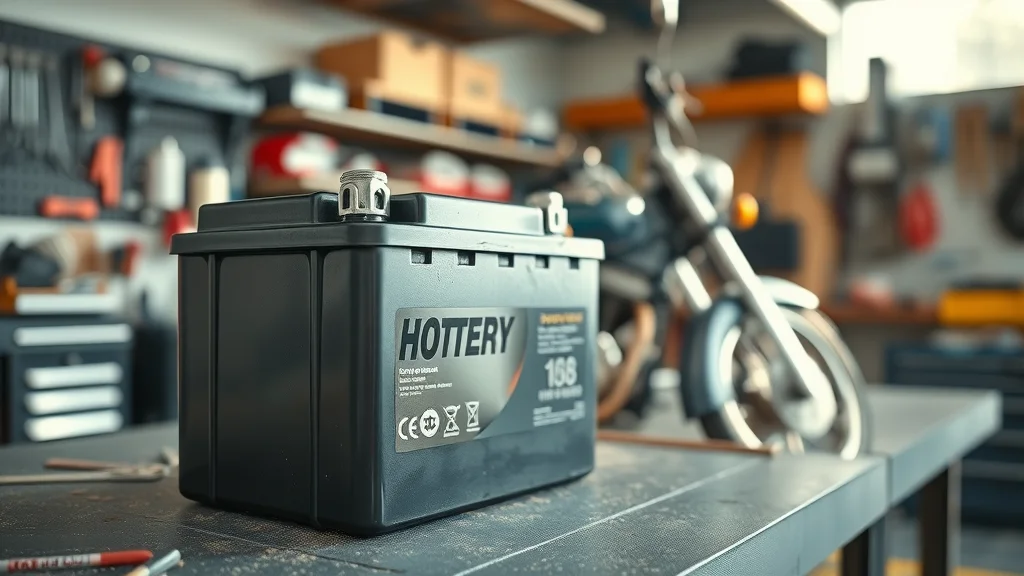
What You'll Learn About Why You Should Care for Motorcycle Battery During Winter Storage
- The risks of battery neglect during winter storage
- How winter storage affects motorcycle battery health
- Key steps to properly store your motorcycle for winter
- Expert advice on battery maintenance and storage
- Answers to the most common questions about motorcycle batteries and winter storage
Understanding Motorcycle Batteries for Winter Storage
How Motorcycle Batteries Function During Winter Storage
Motorcycle batteries, whether lead acid, gel, or lithium, are specifically designed to supply the needed energy to start your bike and power accessories like lights and the fuel system. However, during winter storage, especially in cold weather, these batteries no longer receive the regular charge that comes from running your bike. The natural rate of discharge continues even when not in use, and temperatures below freezing can increase internal resistance in the battery, further reducing its capacity to hold a charge. Additionally, any parasitic loads—even minor ones from electronics—can hasten this discharge. Leaving your bike untouched for an extended period increases the risk of a dead battery when you’re finally ready to ride again.
Winter conditions not only sap battery voltage but can also cause chemical reactions within the battery to slow down, making it even harder for your bike to crank the engine come spring. Failing to care for your motorcycle battery during these months is often the reason behind flat spots, difficult engine starts, and a significant decline in battery life. That's why understanding how your motorcycle battery functions and what it needs during these idle months is the foundation for proper winter storage maintenance.
While winter battery care is crucial, it’s just one aspect of keeping your motorcycle in peak condition during the off-season. For a step-by-step approach to preparing your entire bike for storage, including fuel system and tire maintenance, check out these seasonal bike care secrets every rider should know for a comprehensive winterization checklist.
Types of Motorcycle Batteries and Their Winter Storage Needs
- Traditional lead acid batteries
- Gel batteries
- Lithium batteries
Motorcycle batteries come in a few primary varieties, each with unique winter storage requirements. Traditional lead acid batteries are affordable and reliable but require careful winter storage due to their tendency to lose charge more quickly and their vulnerability to cold weather. These types should always be kept in a dry place and checked for acid levels if they are serviceable. Gel batteries, while somewhat more resistant to vibration and discharge, are also best stored fully charged and in a stable environment.
Newer lithium batteries offer several advantages for winter storage. They retain charge much better over extended periods and are less prone to self-discharge when stored properly. However, lithium batteries can be even more sensitive to extremely low temperatures, so it’s critical to follow the manufacturer’s recommendations, keep them away from freezing, and use a compatible battery charger if needed. Knowing the differences between battery types and how each responds to cold and inactivity is crucial to preventing early replacement and ensuring your bike is always in top condition.
The Impact of Winter Storage on Motorcycle Batteries
Common Problems for Motorcycle Batteries During Winter Storage
Allowing your bike to sit with the battery still connected and unattended during winter storage can lead to a host of avoidable issues. The most common problem is gradual battery discharge, also known as “self-discharge,” which leaves you with little to no power when spring arrives. For acid batteries and traditional lead acid designs, prolonged exposure to cold, especially in an unheated or damp garage, can cause electrolyte levels to drop or even freeze, leading to irreversible damage.
Other problems include terminal corrosion from trapped moisture, loss of critical fluids, and the formation of flat spots on battery plates if the battery remains in a partially discharged state for a long period. A failing battery can also impact sensitive components in your bike’s electrical and fuel system, making springtime starting unreliable and frustrating. Understanding these risks is the first step in preventing a dead battery or costly electrical repairs.

Why You Should Care for Motorcycle Battery During Winter Storage: Preventing Irreversible Damage
Neglecting your motorcycle battery during winter storage can do more than just create inconvenience come spring—it can cause permanent, irreversible damage. When batteries are allowed to self-discharge below critical voltage thresholds, lead sulfate crystals can form on the plates in lead acid batteries, a condition often called sulfation. This not only decreases the rechargeable capacity but can render the battery useless, shortening its expected lifespan.
Lithium batteries, while more resilient, are not immune to the risks. Storing them in subfreezing temperatures without periodic checks or maintenance can lead to internal damage, especially if the battery drops below manufacturer-stipulated charge levels for extended periods. Ultimately, proper winter storage steps—removing, inspecting, and maintaining your motorcycle battery—not only prevent these types of damages but also extend the period before a costly replacement becomes necessary. The bottom line: a little attention during the off-season pays off with reliable, worry-free starts as soon as riding season is back.
How to Store Your Motorcycle Battery Properly for Winter Storage
Preparing Your Motorcycle Battery for Winter
Before you store your motorcycle for winter, thorough preparation ensures your battery remains in good shape through the cold months. Begin by fully charging the battery using a smart charger designed for your battery type. Inspect terminals for corrosion, clean them with a suitable brush, and apply a thin layer of battery terminal grease to prevent moisture buildup. If your battery is a traditional lead acid style, check and top up electrolyte levels as recommended.
Take note of any signs of wear or damage, such as cracked casing or leaking fluids. Address these issues immediately, as any existing problems can worsen during prolonged storage. Ensuring your battery starts the winter fully charged and clean helps prevent dead battery frustration and extends overall battery life. This preparation is a simple but often overlooked step that makes a big difference.
Selecting a Dry Place for Motorcycle Battery Winter Storage
Choosing the right environment is just as critical as the initial preparation. Always store your motorcycle battery in a dry place that is free from extreme temperature swings and moisture. Spare rooms, closets, or dedicated shelves in a climate-controlled garage work well. Avoid leaving the battery in cold, damp garages, sheds, or outdoor storage where condensation can accelerate corrosion and freezing temperatures can damage internal components.
To further protect your battery, position it on a shelf or surface away from the floor—concrete can absorb cold and transmit moisture, which is harmful over an extended period. Using moisture absorbers in the environment provides an extra layer of safety. By paying attention to where you store your battery, you set yourself up for hassle-free spring startups and longer battery lifespan.
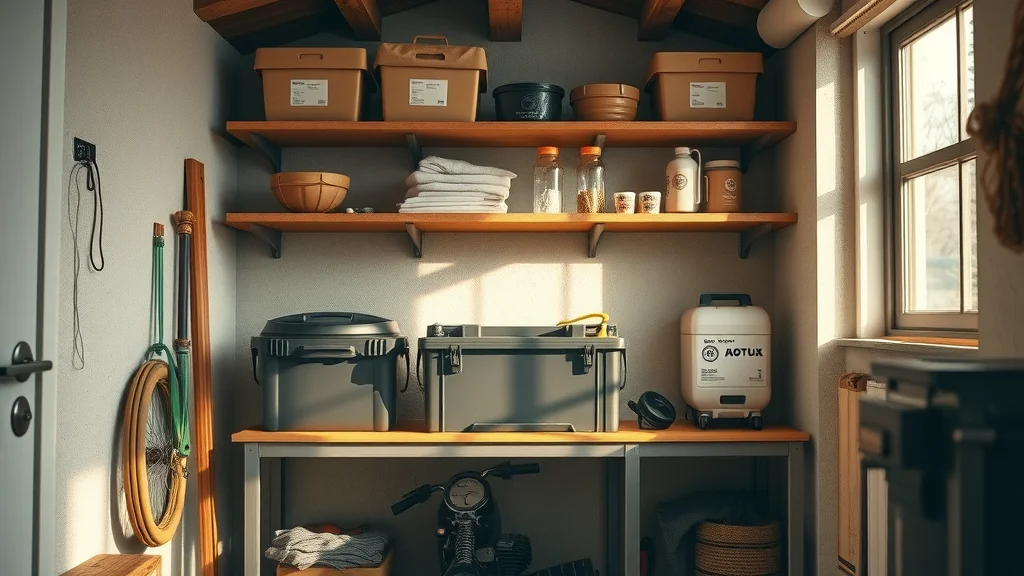
Disconnecting and Removing the Motorcycle Battery
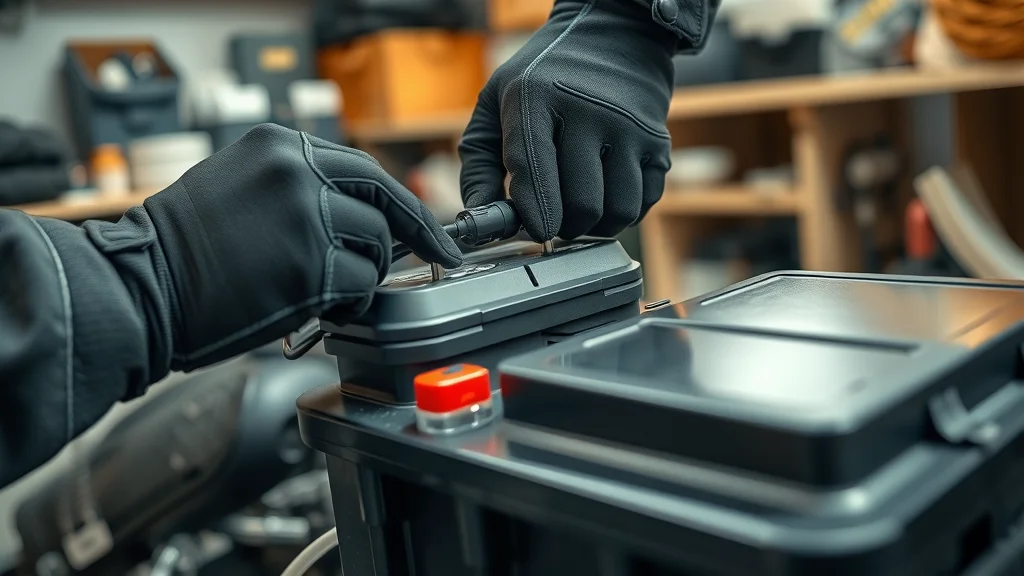
Disconnecting and removing your battery from the motorcycle prior to storage is a best practice, particularly if your winter storage location is not temperature controlled. Begin by turning off the ignition and carefully disconnecting the negative terminal first, followed by the positive. This sequence reduces the risk of accidental short-circuits. Always wear protective gloves for safety.
If you remove the battery, inspect the battery tray and surrounding area for any signs of fluid leaks or corrosion. Clean and dry the compartment thoroughly before reinstalling in the spring. Removing the battery not only helps prevent electrical drain but also avoids the possibility of acid spills or leaks in cold weather, which could harm your bike’s components.
Using a Battery Tender or Charger During Winter Storage
One of the most effective ways to maintain your motorcycle battery during winter storage is to use a battery tender, also known as a smart charger or trickle charger. These chargers monitor battery voltage and provide just enough charge to offset self-discharge, ensuring the battery remains at optimal capacity. Attach the charger in a safe, dry location and allow it to continuously maintain your battery’s health over the winter.
Always use a charger recommended by your battery’s manufacturer—some lithium batteries require specific chargers to avoid potential damage. With the proper equipment, you’ll avoid deep discharge, extend battery lifespan, and guarantee a ready to ride experience when winter ends.
Maintaining Battery Charge During Winter Storage
How to Check and Maintain Motorcycle Battery Charge
Regular checks are vital to ensure your battery remains in good shape throughout winter storage. Use a digital voltmeter to monitor charge levels every three to four weeks. A fully charged traditional lead acid battery should read approximately 12. 6 volts or higher, while lithium batteries may require checking manufacturer documentation for optimal charge readings. If voltage drops, recharge using a smart charger instead of starting your motorcycle, which can create condensation and expose the fuel system to unnecessary moisture.
Looking out for signs such as slow cranking or difficulty holding a charge means it might be time to replace your battery altogether. Routinely maintaining and recharging prevents the buildup of sulfation and other internal issues that can cut short the life of your motorcycle battery. In the end, adopting this simple measure will save you money and reduce frustration as the riding season approaches.
The Role of Battery Tenders in Motorcycle Battery Winter Storage
Battery tenders play a vital role in keeping your motorcycle battery functional during winter storage. Unlike old-fashioned trickle chargers, modern battery tenders adjust the amount of charge delivered, preventing overheating or overcharging—a leading cause of premature battery failure. Simply connect your battery tender to the terminals and let it do the work.
Many battery tenders come with status lights or displays, making it easy to confirm at a glance that your battery charge remains at safe levels. This maintenance step is quick, affordable, and dramatically reduces the risk of a dead battery at the start of the season.
Winter Storage Tips for Motorcycle Batteries
- Store your motorcycle battery in a dry place
- Avoid leaving acid batteries in cold, damp locations
- Check battery charge levels regularly
- Using proper battery maintenance equipment
Expert Insights: Quotes on Why You Should Care for Motorcycle Battery During Winter Storage
"A well-maintained motorcycle battery can last several seasons, but neglect it during winter storage, and you may be buying a replacement in spring."
"Battery tenders are simple, affordable insurance for any rider looking to avoid the frustration of dead batteries after winter."
Comparing Different Types of Motorcycle Batteries for Winter Storage
| Battery Type | Winter Performance | Required Maintenance | Typical Lifespan | Storage Recommendations |
|---|---|---|---|---|
| Traditional Lead Acid | Fair; vulnerable to cold and self-discharge | Periodic voltage checks, electrolyte top-ups, keep fully charged | 2-3 seasons if cared for | Dry, temperature-controlled place, use tender |
| AGM (Absorbed Glass Mat) | Good; holds charge better, less prone to leaks | Keep fully charged, avoid deep discharge, clean terminals | 3-5 seasons | Dry indoor storage, use proper charger/tender |
| Lithium | Very good in mild cold, sensitive to deep freeze | Keep above freezing, use lithium-compatible charger | Up to 5+ seasons | Never store below freezing, check charge monthly |
Key Steps: How to Store Your Motorcycle for Winter
- Clean and inspect the motorcycle
- Add fuel stabilizer to the fuel system
- Remove or disconnect the motorcycle battery
- Store the battery in a temperature-controlled, dry place
- Use a battery tender to maintain battery charge
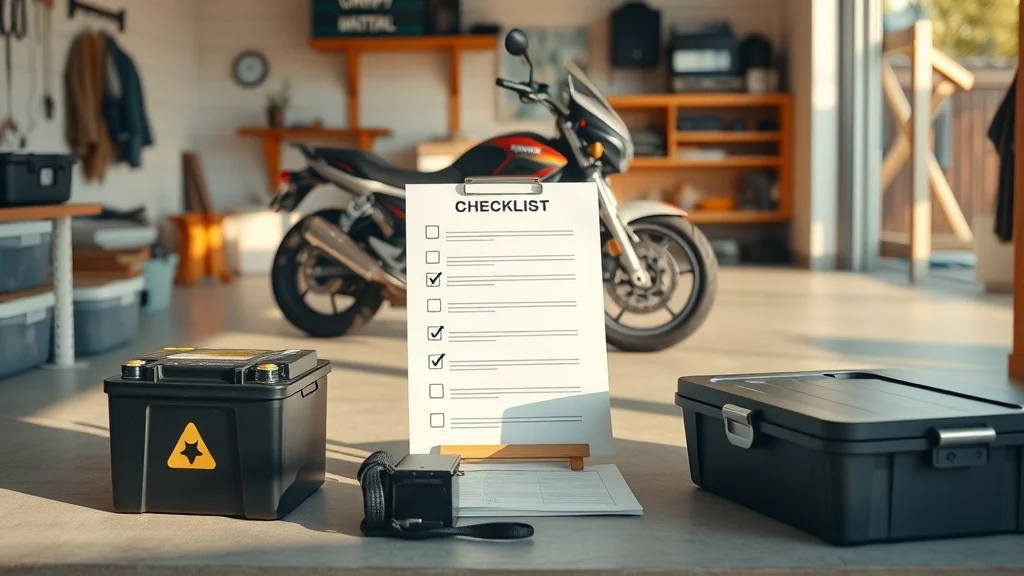
A clear, step-by-step instructional video demonstrating proper removal, inspection, and storage of a motorcycle battery for winter, featuring a mechanic in a clean, well-lit garage, clear close-ups of battery terminals and connection to a tender, visual explanations of environmental considerations, and safe handling practices.
People Also Ask: How to Maintain a Motorcycle Battery During Winter?
Maintaining a motorcycle battery during winter involves regular charge checks, using a battery tender, and storing the battery in a dry, cool environment. Disconnect the battery and avoid letting it sit unused for extended periods without charging.
People Also Ask: Should You Take Your Motorcycle Battery Out in the Winter?
Yes, it is generally recommended to remove your motorcycle battery during winter storage, especially if the storing area is not temperature controlled. This prevents battery drain and potential freezing, preserving overall lifespan.
People Also Ask: How to Avoid Battery Drain During Winter?
Avoid battery drain by disconnecting or removing your motorcycle battery, storing it in a cool, dry place, and periodically charging it with a battery tender or charger during winter storage.
People Also Ask: Should I Start My Motorcycle During Winter Storage?
It is not necessary to start your motorcycle now and then during winter storage; this can introduce moisture into the system. Instead, focus on correct battery maintenance as discussed.
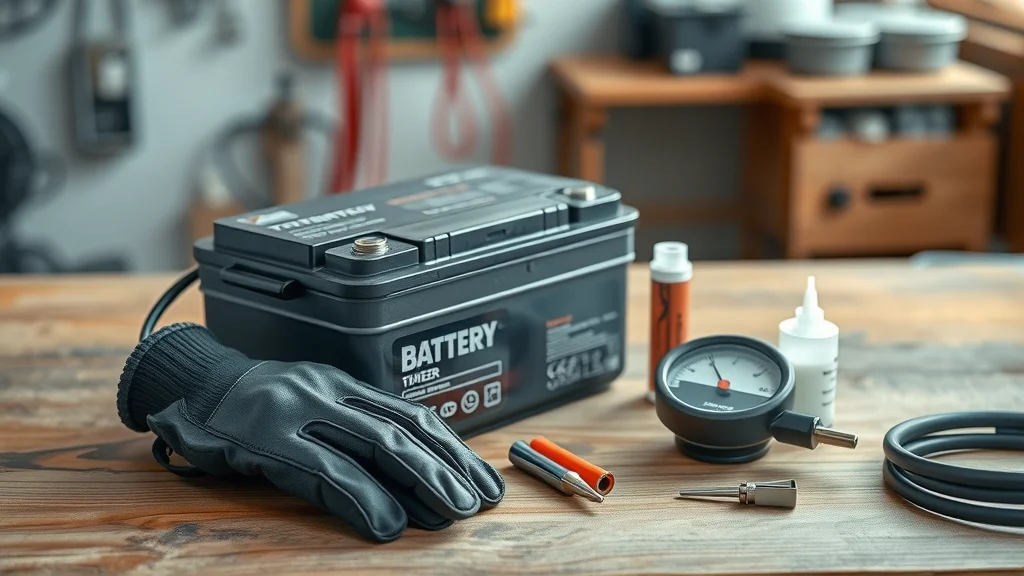
Lists: Motorcycle Battery Winter Storage Essentials
- Battery tender
- Clean/dry storage area
- Protective gloves
- Battery terminal grease
- Digital voltmeter
Frequently Asked Questions About Why You Should Care for Motorcycle Battery During Winter Storage
-
How long will my motorcycle battery last in storage?
With proper care and regular maintenance, a motorcycle battery can last anywhere from two to five seasons in storage, depending on its type and how well you follow winter storage best practices. -
What signs indicate a failing motorcycle battery?
Look for slow engine cranking, dimming lights, difficulty holding a charge, or visible corrosion and damage on the battery itself. -
Are battery tenders safe for long-term use?
Yes, modern battery tenders are designed for safe, long-term use, preventing overcharging and maintaining your battery in optimal condition during storage. -
Can I store the motorcycle and battery in freezing temperatures?
It is best to avoid storing any battery below freezing. Extreme cold can damage internal components, especially in lithium batteries. Always opt for a dry, temperature-controlled environment. -
How often should I charge my motorcycle battery during winter storage?
Check and recharge your battery every three to four weeks to ensure it remains fully charged. Or, use a battery tender, which maintains charge automatically throughout the winter.
Key Takeaways on Why You Should Care for Motorcycle Battery During Winter Storage
- Proper winter storage is essential for extending motorcycle battery life
- Removing and maintaining the battery helps avoid costly replacements
- Battery tenders significantly reduce the risk of battery failure
- Regular checks and maintenance prevent corrosion and damage
Get hands-on, expert advice with a video breakdown of simple but critical battery maintenance steps. See real-world demonstrations that make winter storage a breeze for any motorcycle owner.
Final Thoughts: Motorcycle Battery Care During Winter Storage
- Don’t let winter catch you unprepared—ensure your motorcycle battery survives the season and is ready to ride come spring. Follow the comprehensive steps and tips outlined to keep your battery in top shape.
Caring for your motorcycle battery during winter is just the beginning of a smart, year-round maintenance routine. If you’re ready to take your bike’s longevity and performance to the next level, explore our guide on seasonal bike care secrets every rider must know. You’ll discover expert strategies for protecting every part of your motorcycle through changing weather, ensuring smooth rides and fewer surprises when the new season arrives. Dive deeper into holistic bike care and make every ride—no matter the season—your best yet.
Ready for Trouble-Free Riding?
- Call Nasty Performance Motorcycle Shop Today: 847-458-4858




Write A Comment