
Did you know the market for vintage motorcycles has grown over 35% in the past decade? If you’ve ever dreamed of riding or owning a freshly restored classic bike, you’re far from alone. The passion for vintage motorcycles—those timeless Honda CBs, Moto Guzzis, Janus Motorcycles, and Triumph classics—has sparked a nationwide revival, with more specialty shops than ever offering restoration services. But when it comes to vintage motorcycle restoration, how do you separate true craftspeople from hobbyists? Read on to find out how to choose the right shop, avoid common pitfalls, and make your classic motorcycle project a roaring success.
An Unconventional Truth: The Modern Vintage Motorcycle Restoration Craze
"Did you know the market for vintage motorcycles has grown over 35% in the past decade?" — Motorcycle Industry Council
The world of vintage motorcycle restoration isn’t just about nostalgia; it’s a vibrant scene fueled by innovation and a deep appreciation for motorcycle history. With the value of classic bikes like Moto Guzzi, Honda CB, and Janus Motorcycles steadily climbing, more riders and collectors are investing in restoration than ever before. This spike can be seen at every bike show, from small town events to industry titans like AMA Vintage Motorcycle Days—a mecca for classic motorcycle brands enthusiasts.
These days, it’s not unusual to spot a pristine Moto Guzzi or a hand-built Janus Motorcycle at your local bike show, each a testament to the skill and passion of modern restoration shops. But with this boom in interest comes the challenge: how do you pick the right shop—not just the nearest one, but the best? Read on to find out why expertise, reputation, and parts access matter now more than ever in the vintage motorcycle market.
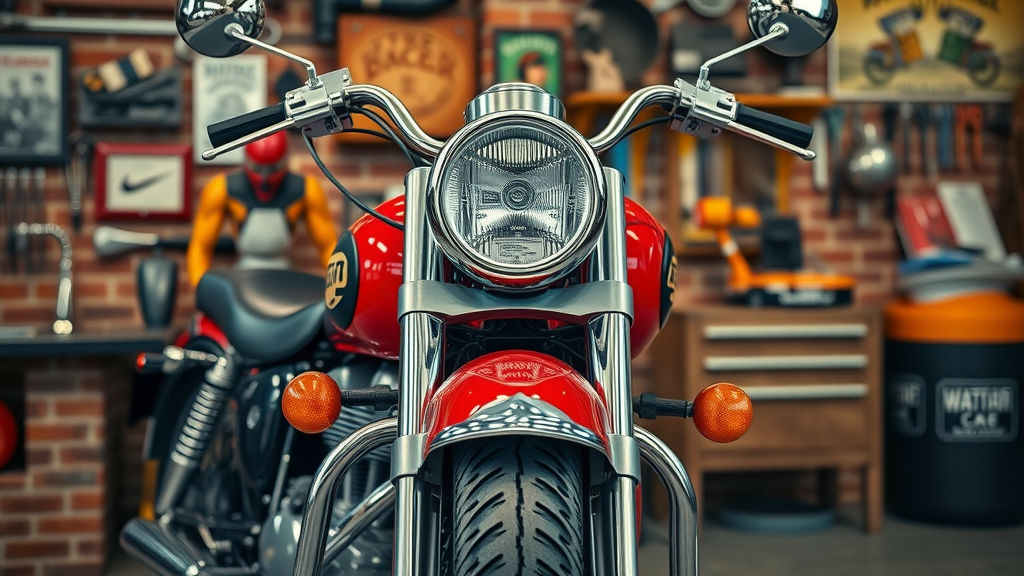
What You'll Learn About Vintage Motorcycle Restoration
How to identify a reputable vintage motorcycle restoration shop near you
The top motorcycle brands dominating the vintage restoration scene
Common pitfalls when restoring vintage motorcycles
Insider tips on costs and timelines for classic motorcycle projects
Understanding the Appeal of Vintage Motorcycles
It’s easy to fall under the spell of a perfectly restored vintage motorcycle. The thrum of an old Moto Guzzi, the glint of a Honda CB tank, the bespoke curves of a Janus Motorcycle—each tells a unique story. This passion stretches across generations. Classic models aren’t just collectibles; they’re rolling time capsules that speak to a motorcycle brand’s innovation, heritage, and cultural impact. In a world dominated by tech-laden machines, vintage motorcycles offer an analog purity and a direct connection to the spirit of motorcycling’s golden era.
Collectors and riders find meaning in these machines—from hunting Japanese bikes online to seeking out the elusive parts for classic Triumph or Harley Davidson models. Vintage motorcycles invite you to experience the blend of art, engineering, and personal history, whether you’re admiring rare finds at motorcycle days or sharing stories at a small business bike show. That’s why restoring such a motorcycle make isn’t just about preserving history; it’s about reliving and reviving it.
Why Vintage Motorcycles Like Moto Guzzi and Janus Motorcycle Capture Hearts
There’s something irresistibly special about the Moto Guzzi V-twin’s rumble or the precision-made charm of a Janus Motorcycle. These storied brands embody the craftsmanship, quirks, and adventure spirit of their eras. Moto Guzzi is renowned for its Italian panache—unmistakable lines and a mighty engine—while Janus stands out for blending modern vintage craftsmanship with classic design cues, appealing to both purists and newcomers.
Honda CB models, meanwhile, win affection for their reliability and friendly, timeless styling. Whether you’re drawn to an iconic Mach III or a humble Yamaha from the golden Japanese bikes era, these motorcycles stir something deep—an urge to ride, restore, and preserve. Vintage motorcycle days and festivals are proof: communities bond over a shared reverence for rare paint colors, the sound of a carburetor rebuild, and the thrill of authentic vintage models firing up for the first time in decades.
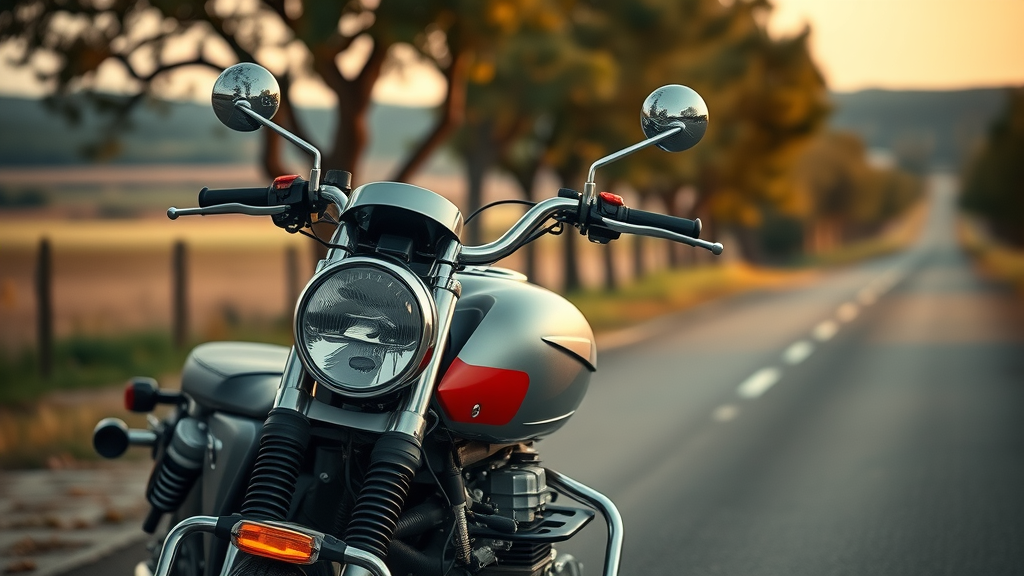
How Vintage Motorcycle Days Inspire Collectors
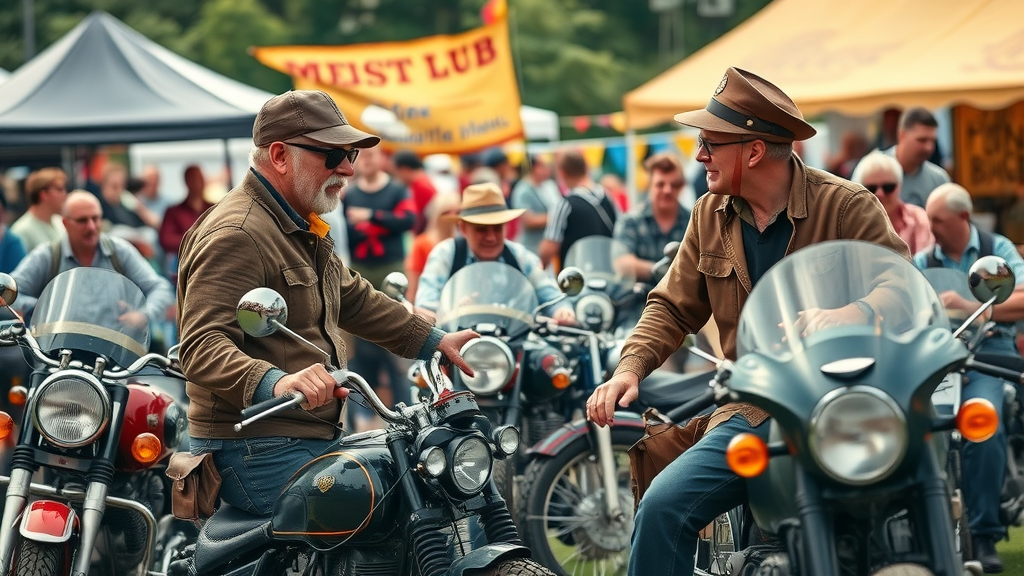
Events like Vintage Motorcycle Days and the AMA Vintage Motorcycle Days draw thousands of collectors, mechanics, and aficionados. These gatherings are more than just bike shows; they’re living museums—places where new generations discover the charm of classic Honda CBs, Triumph motorcycles, or the boutique artistry of Janus Motorcycles. For many, a trip to these events is what sparks a restoration journey, connecting them with experienced shops, a wealth of rare parts, and a supportive community of enthusiasts.
Such experiences not only highlight the variety and legacy of popular motorcycle brands but offer learning opportunities for every step—from choosing the right project bike to understanding restoration challenges like paint matching, engine rebuilds, or electrical gremlins. These events foster the appreciation (and sometimes obsession) that drives collectors to seek out the most reputable shops, eager to see their two-wheeled dreams revived.
Key Factors When Choosing a Vintage Motorcycle Restoration Shop
Selecting a vintage motorcycle restoration shop isn’t as simple as picking the closest option on a map. With classic motorcycles—especially those from celebrated brands like Honda CB, Moto Guzzi, and Janus Motorcycles—the expertise and resources of your chosen shop make all the difference. The best restoration shops combine decades of technical know-how with a deep respect for motorcycle heritage and attention to detail. Here are essential factors to help you make the right decision.
Proven expertise with iconic motorcycle brands: Look for a shop that has successfully completed restorations on your specific motorcycle brand. Whether it’s a Mach III from the golden Japanese bikes era or a classic Triumph motorcycle, hands-on experience matters.
Knowledge of specialized makes like Honda CB and Janus Motorcycles: Modern shops should be comfortable working with both popular motorcycle models and rare boutique brands, including sourcing or fabricating custom components when necessary.
Transparent pricing and clear communication: A reputable shop will provide written estimates, explain the scope of work, and keep you informed of any changes in timeline or cost—an essential for a successful partnership.
Access to rare vintage motorcycle parts: Restoration often requires hunting down rare spares, NOS (new old stock) parts, or even recreating components. The best shops have the network and know-how to tackle any challenge.
Popular Motorcycle Brands in Vintage Motorcycle Restoration
Not all vintage motorcycles are created equal, and neither are their restoration challenges. Some brands stand out for their community, supply chain, or specific quirks—which is why many shops focus on makes like Moto Guzzi, Honda CB, Janus Motorcycles, and Triumph. If you own an older motorcycle or are searching for a project bike online, understanding these differences is key to setting realistic expectations for parts sourcing, timelines, and costs.
Motorcycle Brand |
Unique Features |
Restoration Challenges |
|---|---|---|
Moto Guzzi |
Classic V-twins, Italian design |
Parts sourcing, electrical issues |
Honda CB |
Reliable engines, timeless styling |
Original paint, carburetor rebuild |
Janus Motorcycles |
Modern vintage craftsmanship |
Custom components, tuning |
Triumph |
British heritage, parallel-twin engines |
Original parts, engine rebuild |
What Sets a Great Vintage Motorcycle Restoration Shop Apart?
"Attention to detail is everything when bringing a classic motorcycle back to life." — Local Restorer
The difference between an average and an exceptional vintage motorcycle restoration shop lies in a relentless focus on craftsmanship. Great shops treat every project—not just the headline-grabbing motorcycle brands—with the same dedication as their personal passion projects. Transparent communication, photo documentation, and regular updates are standard. The best shops also stand behind their work with clear warranties and responsive post-restoration support, earning long-term loyalty from the vintage models community.
Facilities packed with period-correct tools, access to rare bikes and networks like the Motorcycle Mechanics Institute, and collaborative relationships with vintage motorcycle days organizers are strong signs you’ve found a standout shop. Ultimately, attention to the small details—perfect paint, period-correct wiring, or original fasteners—elevates a restoration from good to legendary.
Verified Reviews and Customer Testimonies
In today’s connected world, word-of-mouth and online reviews are gold. Start your search with shops boasting verified testimonials—ideally from owners of classic Honda CB, Moto Guzzi, or Janus motorcycles. Look for details: Did previous clients praise the shop’s transparency? Was the project finished on time? Does the shop showcase bike show wins or events like AMA Vintage Motorcycle Days? The most reputable shops can provide references, photo galleries, and sometimes even let you talk with previous customers. Read on to find out which questions you should always ask before committing.
Customer reviews also highlight a shop’s range—can they handle diverse motorcycle brands, from staple Japanese bikes to rare European models? Are clients happy with post-restoration support and parts access? Your best tool is a shop with a proven track record, not just glitzy marketing.
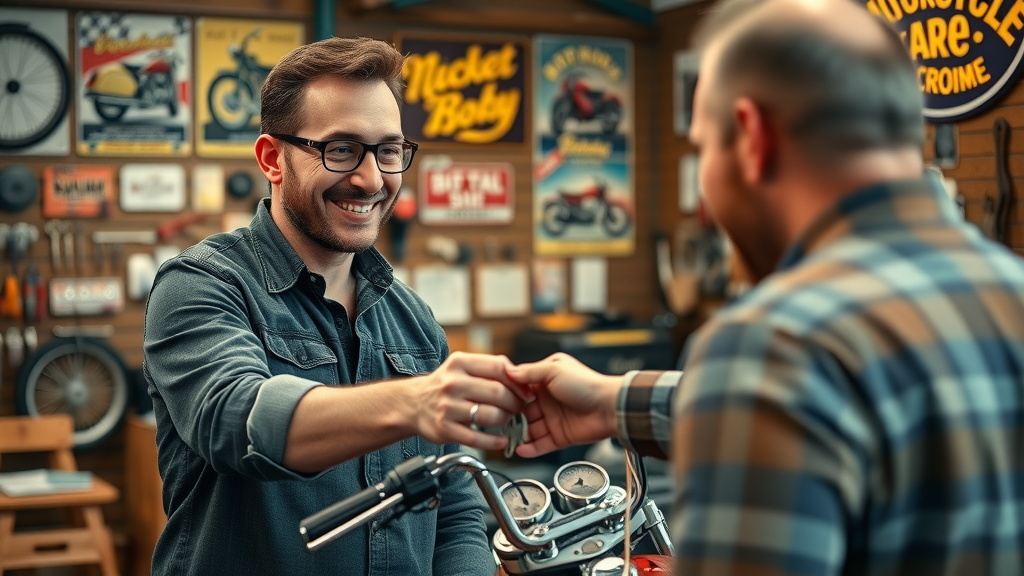
Shop Facilities and Equipment for Vintage Motorcycles
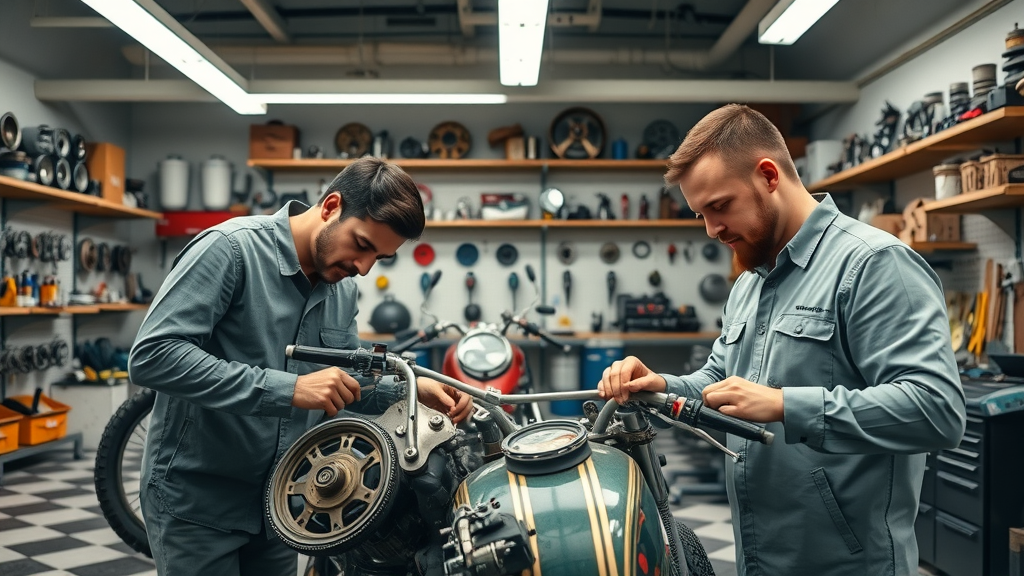
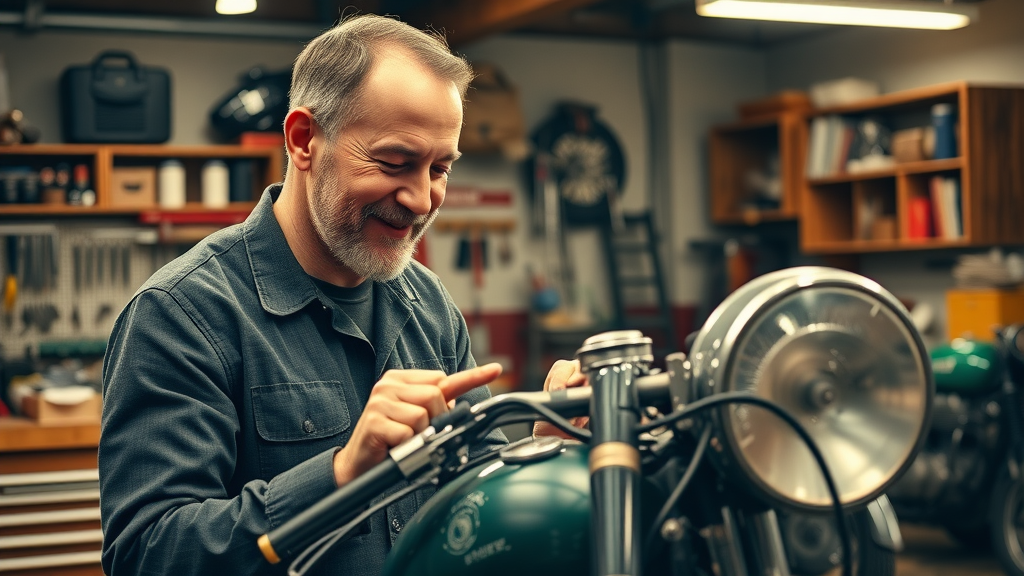
Walk into any top-tier vintage motorcycle shop, and you’ll notice the difference: professional lifts, climate-controlled parts storage, shelves lined with rare parts, and technicians who clearly take pride in their craft. Many even partner with trade organizations like the Motorcycle Mechanics Institute or are title sponsors at local motorcycle days events. These investments reflect a shop’s commitment to getting every detail right, from engine internals to original stickers.
Ask potential restorers to give you a tour. A cluttered work space, lack of documentation, or outdated equipment are red flags. On the flip side, shops that welcome you in, show you past projects, and invite you to upcoming bike shows or vintage motorcycle days are usually the ones who value long-term relationships and word-of-mouth referrals. This is where classic motorcycles become tomorrow’s legends.
Top Tips for a Successful Vintage Motorcycle Restoration
Set clear goals for your vintage motorcycle project: Do you want a concours-quality showpiece, or a rider you’ll enjoy on weekends? Decide before starting!
Work with shops experienced in classic motorcycle brands: Shops specializing in your make/model will be better equipped for rare sourcing, documentation, and unique restoration challenges.
Learn about events like Vintage Motorcycle Days: These festivals aren’t just fun—they’re perfect for networking, finding parts, and validating the quality of a would-be restorer’s work.
Ask about warranties and post-restoration support: Top shops will stand behind their work. Support after delivery is a must, especially for hard-to-find parts or tuning needs.
People Also Ask About Vintage Motorcycles
What is the best vintage motorcycle to buy?
The best vintage motorcycle largely depends on your personal taste, budget, and intended use. For reliability and ease of parts, the Honda CB series is hard to beat—their reputation for smooth engines and straightforward maintenance is legendary. If heritage and Italian style appeal to you, Moto Guzzi’s V-twins are a classic choice. For American muscle, vintage Harley Davidsons are iconic. Boutique makes like Janus Motorcycles offer modern reliability with old-school charm for collectors who want something unique on motorcycle days or bike shows.
What is the 1% rule on motorcycles?
The "1% rule" refers to a distinction made by some law enforcement and motorcycle groups regarding outlaw motorcycle clubs—essentially suggesting that only 1% of motorcycle riders belong to clubs operating outside the law. For most vintage motorcycle collectors and enthusiasts, this rule is irrelevant. The vintage models scene is defined by camaraderie, history, and safe enjoyment, not by the rebellious image of the past.
What is considered vintage for motorcycles?
Generally, a vintage motorcycle is one that’s at least 25 to 30 years old, though definitions can vary by bike show or insurance provider. Classic events like AMA Vintage Motorcycle Days often have their own criteria. The important thing is that “vintage” means more than just age—it’s about the era, design, and historical impact of the motorcycle make and brand.
What is the 12 second rule on a motorcycle?
The 12-second rule is a safety guideline suggesting riders scan at least 12 seconds ahead of their current position to anticipate hazards. While not specific to vintage motorcycles, it’s especially important when riding older bikes that might require longer stopping distances or more attention to mechanical quirks.
Expert Insights: Avoiding Common Pitfalls in Vintage Motorcycle Restoration
"Patience and research will save you thousands on your vintage motorcycle project." — Restoration Expert
Restoring any vintage motorcycle demands more than just enthusiasm—it takes discipline, patience, and lots of homework. One of the biggest pitfalls is rushing the process or trying to cut costs with cheap parts or labor. Always invest in quality parts—NOS or well-vetted reproductions—for critical components. And don’t be seduced by bargain motorcycles online; lower upfront costs often mask expensive underlying issues like rusted frames, missing documents, or unobtainable components.
Another common trap is underestimating the skills needed. Even if you’re handy, complex engine work or period-correct wiring is best left to professionals with experience across a variety of motorcycle brands—especially if you’re tackling a rare Janus motorcycle or a finicky Mach III. Your mantra? Trust but verify. Request detailed photos, ask for documentation, and check for mechanics institute affiliations. Doing so will help secure a result that’s both beautiful and reliable.
FAQs: Vintage Motorcycle Restoration Near Me
How much does it typically cost to restore a vintage motorcycle?
Prices vary widely. A basic refresh for a reliable motorcycle brand like Honda CB might start at $3,000-$5,000, while full restorations on rare or custom bikes (think Janus motorcycles or Moto Guzzi) can reach $15,000 or more.Are there specialized shops for different motorcycle brands?
Yes. The best restoration shops often focus on specific makes—Honda, Moto Guzzi, Janus motorcycles, Triumph—because expertise and access to authentic parts vary by brand.What timeline should I expect for a full restoration?
Timelines range from a few months for common models to more than a year for rare or complex projects. Communicate clearly with your shop and request progress updates at key milestones.How do I verify the authenticity of vintage motorcycle parts?
Work only with reputable shops and suppliers. Ask for proof of provenance for rare parts, and request photos or documentation from previous builds to ensure you’re getting genuine components.
Key Takeaways: Finding the Right Vintage Motorcycle Restoration Shop
Research shop reputations and specialties in motorcycle brands
Prioritize open communication and written estimates
Understand the scope of work for your vintage motorcycle restoration
Never rush the process—quality takes time
Conclusion: Begin Your Vintage Motorcycle Restoration Adventure
Restoring a vintage motorcycle is as much about the journey as the destination—choose wisely, work with passionate pros, and enjoy every mile!
Ready to Restore? Call Nasty Performance Motorcycle Shop Today: 847-458-4858
Tour a vintage motorcycle restoration shop as mechanics bring classic bikes back to life—watch the expert process, see rare bikes, and get inspired for your next project.
See side-by-side comparisons of beautifully restored Moto Guzzi, Honda CB, and Janus Motorcycles—hear their engines, explore unique features, and get expert insights into the restoration process.

Write A Comment