
Add Row
Add Element
cropper
update

Nasty Performance ~ 847-458-4858 

update
Add Element
  • Blog Home
  • Categories
    • Motorcycle Maintenance
    • Riding Tips & Preps
    • Safety & Inspection
    • Customizations & Upgrades
    • DIY Motorcycle Repairs
    • Motocycle Audio Systems
    • Motocycle Seasonal Care & Storage
    • Engine, Electrical Performance
  • Bike Night
  • Nasty Performance Motorcycle Shop
March 21.2026
1 Minute Read

Unlock Performance with Expert Motorcycle Engine Tuning Services

Did you know? A professionally tuned motorcycle engine can boost horsepower by up to 20%, transforming your ride from an everyday stock bike into a powerhouse that feels at home both on winding roads and on the track. If you’re searching for ways to get more performance and more bang for your buck, understanding motorcycle engine tuning services could be your game changer. This guide unpacks everything you need to know—from essential techniques like dyno tuning and ECU flash to choosing the right professional shop—so you can unleash your motorcycle’s full potential and enjoy a smoother, safer, and more exhilarating ride.

Startling Facts: Why Motorcycle Engine Tuning Services Are Essential for Peak Performance

Whether you own a super sport machine, a custom cruiser, or a touring bike, the difference between a stock bike and a professionally tuned motorcycle is night and day. Recent data shows that motorcycle engine tuning services not only enhance raw performance (think acceleration and top speed), but also improve efficiency, lifespan, and even fuel economy when performed by expert technicians. Many riders think routine maintenance is enough, yet research suggests that engines not custom-tuned via techniques like dyno tuning and ECU flashing could be operating below optimal levels—leaving hidden power and smoother throttle response on the table.

The process behind motorcycle engine tuning services is more scientific than ever: technicians use advanced diagnostics to dynamically adjust fuel maps, ignition timing, and even electronic controls. With packages that range from a basic dyno session to comprehensive ECU flash and mechanical upgrades, every rider can tailor their machine for their riding style and needs. As more owners demand maximum value, tuning professionals have become the go-to experts for unlocking a bike’s true capability, offering not just thrills, but better reliability and safety as well.
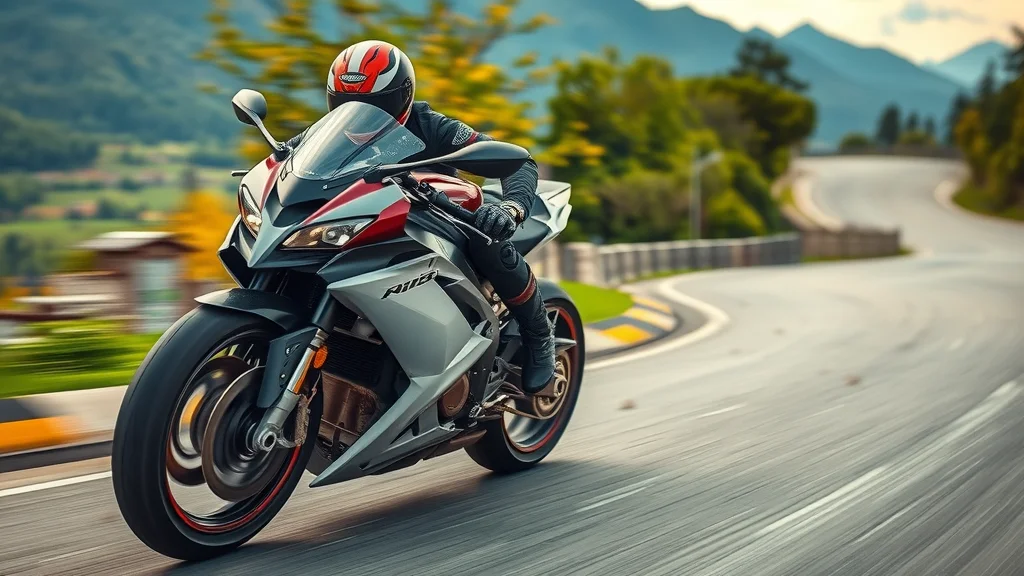
Dynamic high-performance sport motorcycle on a scenic road: showcasing motorcycle engine tuning services benefits for performance tuning and dyno tuning insights

What You'll Learn About Motorcycle Engine Tuning Services

  • Discover the benefits of professional motorcycle engine tuning services
  • Understand key processes like dyno tuning, ECU flash, and ECU flashing
  • Learn how to evaluate the value and safety of tuning services
  • Compare costs and performance gains

Understanding Motorcycle Engine Tuning Services: Features, Benefits, and Value

What Are Motorcycle Engine Tuning Services?

Motorcycle engine tuning services refer to a spectrum of adjustments and optimizations performed by professional shops to maximize the performance, efficiency, and reliability of your motorcycle’s engine. This isn’t just about squeezing out the most power—a key aspect is achieving a finely calibrated balance that suits how and where you ride. Services may range from simple air/fuel ratio tweaks in a stock bike to comprehensive upgrades using dyno tuning equipment and sophisticated software for ECU flashing.

In a professional setting, the process begins with a thorough diagnostic evaluation to identify any bottlenecks or areas where the bike’s computer (ECU) may be holding back its true potential. By using high-tech gear and expert analysis, tuners create a customized plan—sometimes even matching your specific bike vrs or aftermarket modifications. The goal is always clear: deliver performance and more bang for your buck while safeguarding engine health and longevity.

Modern motorcycle engine tuning services in a professional garage: mechanic conducting dyno tuning and ECU flash diagnostics for performance tuning

Key Benefits of Professional Engine Tuning

The main appeal of motorcycle engine tuning services lies in unlocking hidden horsepower and improving engine response. Experienced shops using dyno tuning and ECU flashing can tailor your bike's performance attributes far beyond what a stock bike and factory settings offer. Benefits include sharper throttle response, optimized power delivery, and improved riding comfort. Whether you crave the adrenaline of a super sport ride or the smooth roll-on of a touring bike, tuning can be customized to your preferences.

Additionally, properly executed performance tuning enhances fuel efficiency and prolongs engine life. By addressing harmful lean/rich mixtures, excessive rev limits, or inefficient ignition timing, tuners reduce long-term wear and help you avoid costly repairs. And because top tuning pros are often red seal certified or possess specialized mechanical credentials, peace of mind comes standard—your engine is in knowledgeable hands committed to safe, sustainable performance.

If you're interested in finding a reputable shop to handle your next upgrade, you can explore more about locating expert motorcycle engine tuning services near you for tailored advice and local options. For a deeper dive, check out this guide to discovering expert motorcycle engine tuning services in your area.

Performance Tuning: Boosting Power, Efficiency, and Lifespan

Simply put, performance tuning is an investment in your riding future. Riders who use expert motorcycle engine tuning services often see horsepower gains of 5–20%, with smoother torque curves and more predictable/uniform throttle behavior. Techniques like ECU flash or comprehensive dyno tuning can even address unique local factors—such as elevation or climate—providing optimal performance tailored to how and where you ride.

Beyond more raw power, professional tuning ensures your motorcycle's systems operate harmoniously. This reduces the risk of engine knock, overheating, or excessive wear—issues that are common when “DIY tuning” tools are applied incorrectly. In summary, professional engine tuning equals more adventure, fewer mechanical headaches, and bigger returns on your motorcycle investment.

Core Techniques in Motorcycle Engine Tuning Services

Dyno Tuning for Motorcycles: How It Works

Dyno tuning is the cornerstone of modern motorcycle engine tuning services. The process involves placing your bike on a rolling dynamometer (dyno), where its wheels spin while technicians monitor vital statistics in real-time. Sensors track horsepower, torque, air/fuel ratio, and exhaust gases, generating performance graphs that reveal inefficiencies and potential for improvement—think “click to see graph” precision. Armed with this data, tuners make precise adjustments to fuel injection, ignition maps, and even secondary air systems, optimizing every relevant parameter.

Unlike “garage tuning” or generic mapping solutions, a professional dyno session is tailored to your bike’s unique mechanical setup, including any modifications like exhaust swaps or air filter upgrades. Whether it’s a super sport or a touring bike, the tuner’s goal is to apply the tune—fine-tuning for the intended usage, rider weight, and terrain. The end result? A ride that feels instantly more responsive and enjoyable, with every ounce of its power focused where you want it.

Professional technician conducting dyno tuning for motorcycle engine tuning services: real-time performance graphs and ECU flash expertise

ECU Flash & ECU Flashing: The Digital Edge

Electronic Control Unit (ECU) flashing represents the digital side of motorcycle performance upgrades. When your motorcycle leaves the factory as a stock bike, its ECU is programmed conservatively to meet global standards and emissions regulations—often leaving untapped potential. ECU flash or ECU flashing services rewrite these control maps, raising parameters like RPM limits, throttle sensitivity, and fuel delivery.

Reliable professionals use specialized tools and software to back up your existing maps, then upload custom calibrations developed on the dyno. This means the adjustments are uniquely designed for your bike—whether that involves unleashing extra power on a super sport model or delivering smoother power on a daily commuter. One word of caution: ECU flashing should only be performed by shops that regularly do work on your bike’s make and model, as improper programming could compromise safety or reliability.

Step-by-Step: The Motorcycle Engine Tuning Process

  1. Diagnostic evaluation: Experts perform a comprehensive scan to assess your engine’s health, sensor data, and stored error codes, so any issues can be resolved before tuning begins.
  2. Custom dyno tuning session: Your bike is run on the dyno to measure baseline performance and tailor settings based on real-world data.
  3. ECU flash or ECU flashing as needed: The tuner uploads custom mappings, optimizing key parameters and often storing the original settings as a backup in local storage.
  4. Post-tuning performance testing: Technicians re-test the bike, “apply the tune” under simulated riding conditions, and ensure all systems work harmoniously—delivering both performance and more bang for your buck.

Choosing the Right Motorcycle Engine Tuning Service: What to Look For

Qualifications and Experience of Tuning Professionals

Not all motorcycle engine tuning services are created equal. The most reputable shops employ red seal certified or otherwise credentialed technicians, often with extensive manufacturer training or a performance background. Expertise with your specific bike—be it a super sport, touring, or adventure machine—ensures that diagnostics, dyno runs, and ECU flashing are executed flawlessly, minimizing risk and maximizing results.

Don’t hesitate to ask for proof of certifications, recent customer reviews, or examples of “stock bike vrs tuned bike” graphs. A trustworthy tuner will welcome your inquiries, explain every adjustment, and offer guidance for ongoing maintenance after tuning. Remember, a “too good to be true” tuning price may signal inexperience or shortcuts—choose expertise and thoroughness over bargain deals.

Experienced motorcycle engine tuner shaking hands with customer: trusted specialist for dyno tuning and ECU flash services

Expert Quotes: Perspectives on Motorcycle Engine Tuning Services

"Dyno tuning and ECU flashing can transform your bike's behavior on and off the track." – Leading Industry Specialist

Comparing Packages & Prices: Motorcycle Engine Tuning Services Cost Breakdown

Typical Pricing for Dyno Tuning and Other Services

Service Average Price Range Included Features
Dyno Tuning $250 - $500 Performance Analysis, Air/Fuel Optimization
ECU Flash $300 - $600 Rev Limit Adjustments, Custom Maps
Full Performance Tuning Package $600 - $1500 Dyno + ECU + Mechanical Tuning

Choosing the right tuning package depends on your goals: a basic dyno tune is ideal if you want a safe, noticeable power bump with expert consultation. Mid-range options—combining dyno tuning with ECU flashing—provide the “digital edge,” unlocking even more of your bike’s potential while customizing ride feel. Full-service/performance tuning is recommended for riders who demand top results or own heavily modified motorcycles. Note that tuning price does not usually include repairs for existing mechanical issues found during diagnosis, so it’s wise to clarify with your selected shop beforehand.

In this behind-the-scenes look, follow a motorcycle through each step of a professional tuning session: from initial diagnostics and dyno testing to ECU flash uploads and before/after throttle response comparisons. Watch technicians “apply the tune” in real time and see firsthand how regularly do work and advanced analytics deliver performance and more bang for your buck.

People Also Ask: Answers to Key Questions About Motorcycle Engine Tuning Services
Motorcycle instrument cluster close-up: adjusting settings after motorcycle engine tuning services, showing rider satisfaction and digital precision

How much does it cost to have a motorcycle tuned?

The cost for motorcycle engine tuning services typically ranges from $250 for basic dyno tuning up to over $1500 for full-service performance packages including ECU flash or ECU flashing. Pricing may vary depending on your bike model, tuning complexity, and your chosen shop’s reputation in the intermountain tuning scene. While initial cost may seem high, investing in expert tuning can prevent costly repairs and ensure much more bang for your buck over time.

How much HP does a tune add to a motorcycle?

Depending on your bike’s engine, modifications, and your choice of motorcycle engine tuning services, a professional tune can add between 5% and 20% more horsepower. For instance, a stock bike may see gains of 7–15 hp after a dyno session and ECU flash on a super sport model, with even greater benefits for bikes equipped with aftermarket exhausts or high-flow filters. Always ask your tuner for “click to see graph” results before and after—the improvement is often dramatic.

Is motorcycle tuning safe for the engine?

Yes, motorcycle engine tuning services performed by reputable professionals using dyno tuning and ECU flashing are generally safe. In many cases, they can even extend your engine’s life by correcting lean/rich fuel mixtures and optimizing critical parameters. However, note that tuning carried out by inexperienced shops or using generic flash tools without real-world data could introduce risk—ongoing professional support is crucial for safety and reliability.

How much does a dyno tune typically cost?

Most dyno tuning costs for motorcycles fall in the $250 to $500 range. Cost depends on bike type, tuning complexity, and shop experience. Shops that regularly do work on your specific bike vrs or model may offer added value, including pre/post “click to see graph” analysis and warranty on adjustments made. Always confirm what’s included before booking.

FAQs: Get More Answers About Motorcycle Engine Tuning Services

  • Can I tune my motorcycle myself with ECU flash tools?
    While DIY ECU flash tools are available, they carry significant risk unless you have advanced expertise and access to accurate baselines. For reliable results and engine safety, professional motorcycle engine tuning services are strongly recommended.
  • How often should motorcycle engine tuning services be performed?
    Most bikes benefit from re-tuning whenever major modifications are made (exhaust, intake), or every 10,000–20,000 miles if ridden in harsh conditions. Ask your tuning professional for personalized advice based on your bike’s history.
  • Will tuning my motorcycle impact warranty coverage?
    It depends. Some manufacturers may void engine/drivetrain warranties if non-factory tuning is detected. Always consult your dealer and tuning shop about your specific situation before scheduling ECU flashing or dyno services.
  • Can motorcycle engine tuning services improve fuel economy?
    Yes. Optimized tuning can improve fuel efficiency, especially in cases where the stock bike runs rich or lean from the factory. The result is smoother running and potentially lower fuel costs.

Confident rider after professional motorcycle engine tuning services: demonstrates satisfaction, reliability, and expert results

Key Takeaways from Professional Motorcycle Engine Tuning Services

  • Motorcycle engine tuning services offer tangible performance and efficiency upgrades
  • Services like dyno tuning and ECU flashing are best performed by experts
  • Investing in comprehensive performance tuning can deliver both power increases and long-term engine reliability

Conclusion: Elevate Your Ride with Professional Motorcycle Engine Tuning Services

Upgrade your motorcycle’s performance, power, and reliability with expert motorcycle engine tuning services.

Call Nasty Performance Motorcycle Shop Today: 847-458-4858

Ready to take your next step toward a more responsive and exhilarating ride? For those who want to go beyond the basics, learning how to identify the best local experts can make all the difference in your tuning results and long-term satisfaction. Discover how to connect with trusted professionals and get personalized recommendations by exploring our comprehensive resource on finding expert motorcycle engine tuning services near you. This guide will help you make informed decisions, maximize your investment, and ensure your motorcycle delivers peak performance every time you hit the road. Dive deeper and unlock the full potential of your machine with the right support and advanced tuning strategies.

Engine, Electrical Performance

0 Comments

Write A Comment

*
*
Please complete the captcha to submit your comment.
Related Posts All Posts

Unlock Power with Expert Motorcycle Engine Tuning Services

Did you know: Studies show that expertly tuned motorcycle engines can improve horsepower by up to 15%, transforming both speed and ride quality. Whether you’re craving more torque, sharper throttle response, or just want peak performance from your ride, specialized motorcycle engine tuning services can make a dramatic difference. In this guide, you’ll learn how dyno tuning, ECU remaps, and other modern tuning techniques can unlock your motorcycle's full potential. Ready to leave your stock bike in the dust? Read on for insider info, pro tips, and how to book the best tuning service near you.Revving Up: Why Motorcycle Engine Tuning Services are Essential for Peak PerformanceThe importance of motorcycle engine tuning services and dyno tuningKey features of leading tuning servicesHow to choose the best tuning service providerCost factors and value of expert motorcycle tuningModern engines are meticulously engineered, but factory settings can rarely deliver true peak performance—especially as your needs and riding style evolve. This is where professional motorcycle engine tuning services come into play. By fine-tuning fuel maps, optimizing ignition timing, and applying dyno tuning techniques, expert tuners can unlock hidden horsepower and ensure every twist of the throttle delivers satisfying, reliable results. In fact, a well-done dyno tune can make your bike smoother, more responsive, and more efficient, no matter if you own a super sport, cruiser, or adventure model.For many riders, even a premium stock bike can feel sluggish or uneven if the engine isn’t set up to match local conditions, aftermarket upgrades, or personal riding preferences. With the right tuning service, you’re not just chasing numbers on a dyno sheet—you’re ensuring your machine is operating safely and efficiently, protecting your investment for the long term. Whether you’re optimizing for track days or smoother commutes, motorcycle engine tuning services deliver more bang for your buck than most performance modifications. Click to see the graph of before-and-after gains for real proof!"Studies show that expertly tuned motorcycle engines can improve horsepower by up to 15%, transforming both speed and ride quality."Motorcycle Engine Tuning Services Explained: Features and BenefitsWhen it comes to tuning services, the best providers offer a blend of state-of-the-art technology and deep hands-on experience. Their toolkit typically includes dyno tuning for accurate performance measurements, advanced software for ECU remapping or ECU flashes, and hardware like the renowned power commander for real-time mapping. The ultimate goal? To match your bike’s output with your unique riding style and objectives, ensuring your engine runs as efficiently—and thrillingly—as possible.These tuning services are about more than raw speed. They address everything from fuel and ignition fine-tuning to custom map creation for specialized models or bikes with engine upgrades. By analyzing every aspect of a motorcycle’s fuel ratio, air intake, and ignition, tuning specialists can turn a factory setup into a bespoke performance machine tailored just for you. No “one size fits all” shortcuts here—just the upgrade your bike deserves.If you're interested in a step-by-step look at how to find the right professionals for your needs, you might want to explore this detailed guide on discovering expert motorcycle engine tuning services near you, which covers what to look for in a reputable shop and how to ensure your bike gets the best possible care.Core Elements of Motorcycle Engine Tuning ServicesDyno tuning – precision adjustments for maximum outputECU remapping & power commander optimizationFuel and ignition fine-tuningCustom tuning solutions for sport, cruiser, and touring bikesComparison Table: Types of Motorcycle Tuning ServicesTuning ServiceDescriptionTypical UseApproximate CostDyno TuningOn-bench power testing and fine-tuningPerformance upgrades$300-$600ECU RemappingSoftware-based, custom mappingModern EFI motorcycles$350-$700Power Commander SetupHardware controller for fuel/ignition tuningRace/sport bikes$250-$500How Does Dyno Tuning Work? Unlocking Hidden HorsepowerDyno tuning is the gold standard among motorcycle engine tuning services. The process isn’t just about cranking up horsepower—it’s about optimizing your entire engine system for your specific goals, be it performance, reliability, or efficiency. A dyno tune provides a controlled environment for skilled technicians to make data-driven changes. This is especially valuable for bikes with aftermarket modifications or for those wanting more than the standard factory setup offers.By using a state-of-the-art dynamometer, every element from air/fuel ratio to ignition timing can be monitored and adjusted in real time. Whether you’ve added a new exhaust, changed the air filter, or upgraded your engine internals, dyno tuning ensures all these changes work together to deliver smooth, reliable power—fitting your riding habits and desired output. Plus, seeing your stock bike vrs your tuned setup on a performance graph is undeniably satisfying!Step-by-Step Dyno Tuning ProcessMotorcycle is mounted on a dynamometer (dyno)Baseline horsepower and torque readings are collectedAdjustments made via ECU remap or power commanderReal-time dyno readings to optimize air/fuel ratioFinal performance report provided"Dyno tuning services are the gold standard for extracting the best performance while ensuring safety and engine longevity." – Expert Engine TunerChoosing the Right Motorcycle Engine Tuning Service ProviderNot all tuning services or shops deliver the same results. The difference between a simple adjustment and a world-class dyno tuning service often comes down to the team’s experience, equipment, and commitment to customer satisfaction. A reputable provider will offer transparent pricing, certified technicians, and a passion for motorcycles that’s evident from the moment you step in the door. This is vital when entrusting your prized bike vrs to a third party—get it right, and you’ll enjoy more performance and more bang for your buck every ride.When searching for the best tuning service near you, don’t just focus on location or flashy advertising. Dive deep into reviews, ask about the tools they use (like advanced dynos and ECU flash equipment), and make sure their expertise matches the model of bike you own. The best shops are happy to explain every step, show graphs of before-and-after results, and stand behind their work with performance guarantees.What to Look For in a Tuning ServiceExperience with your bike model and engine typeCertified staff and advanced equipment (e.g., modern dynos)Transparency in pricing and service scopePositive customer reviews and testimonials"Not all tuning services are created equal—choose a shop with proven dyno tuning experience and a passion for motorcycles."Expert Motorcycle Engine Tuning Services: Cost, Value, and What’s IncludedWondering about the cost breakdown of motorcycle engine tuning services? Here's the lowdown: most tuning shops work on an hourly basis or offer set packages. Expect dyno tuning to range from $300 to $600, ECU remapping or ECU flashes between $350 and $700 depending on the intricacies of your make and model, and power commander setups from $250 to $500. The price tag may vary, especially for high-end super sport bikes or custom builds, but the bang for your buck is immediate—thanks to the dramatic before-and-after results.Each tuning service generally includes a full diagnostic assessment, precise adjustments based on dyno readings, and detailed reports or performance graphs showing all gains. You’ll know exactly what’s changed from your stock bike vrs the new setup, whether it’s improved throttle response, more horsepower, or greater fuel efficiency. For many, seeing these results on paper is just as exciting as feeling them on the road!Understanding Costs of Motorcycle Engine Tuning ServicesPricing breakdown: dyno tuning, ECU mapping, power commander setupWhat’s included: diagnostics, adjustments, and before/after resultsService Inclusions TableService TypeIncluded FeaturesDyno TuningFull dyno diagnostics and adjustmentsECU RemappingCustom fuel/ignition mappingPower Commander TuningComponent install & custom mappingWhen is Motorcycle Engine Tuning Worth the Investment?High-performance bikes or regular track useAfter engine upgrades or modificationsFor optimal efficiency and smoother deliveryStep into a pro tuning workshop for a close-up look at how a dyno tuning session works—from setup to post-tune results. Witness a technician calibrate a sport motorcycle, rev the engine, monitor real-time data, and show off before/after graphs. This snapshot brings to life the science behind every adjustment, proving just how much value professional motorcycle engine tuning services can deliver.Video loading...Short cinematic overview showing a professional motorcycle dyno tuning session: technician setting up a sport motorcycle, revving engine, monitoring data, and sharing before/after results on screen. Focus on realistic workshop sounds, dynamic camera angles, and crisp HD visuals.Turbocharge Your Ride: Benefits of Professional Tuning ServicesWhy invest in professional tuning services? Because the difference in ride quality and satisfaction is night and day! Enhanced power and control, better mileage, and long-term reliability are only the beginning. Whether you’re trying to beat your personal best on the track or want a safer, smoother commute, a custom-tuned engine means you get performance and more bang for your buck. Experience the thrill of a smoother and more responsive throttle and don’t just keep up—lead the pack.The benefits extend beyond numbers: an expertly tuned motorcycle often outperforms even expensive hardware upgrades. Improved throttle response, a seamless power delivery, and reduced engine wear are just a few perks of selecting a trusted tuning service. Tailor your bike’s feel and performance to your exact preferences, ensuring that every ride—whether race day or daily grind—feels exhilarating and safe.Increased horsepower and torqueImproved throttle responseGreater fuel efficiencyEnhanced engine reliabilityTailored ride experiencePeople Also Ask About Motorcycle Engine Tuning ServicesHow much does it cost to have a motorcycle tuned?The cost for motorcycle engine tuning services typically ranges from $300 to $700, depending on the complexity of your bike and the type of tuning you choose, such as dyno tuning, ECU remapping, or power commander installation. High-end or highly modified bikes may incur greater charges—it’s wise to request a transparent quote that details what’s included, like diagnostics, adjustments, and performance graphs.The cost for motorcycle engine tuning services typically ranges from $300 to $700, depending on the complexity of the job and type of tuning service required.How to find a trustworthy tuning shop?Look for certified, experienced techniciansAsk for customer reviews and performance guaranteesVerify they offer dyno tuning as part of their tuning servicesA trustworthy shop specializing in tuning service should have a track record of transparent business practices, solid online testimonials, and modern equipment. Don't hesitate to request documentation of technician credentials or see sample before-and-after dyno tuning charts for your model of bike.How much does it cost to get a motorcycle remapped?Motorcycle remapping through ECU tuning services typically ranges from $350 to $700. Costs are largely influenced by your bike model, whether the job involves custom maps or quick ECU flashes, and the inclusion of dyno testing. It’s smart to compare packages, as some shops include post-tune support or multiple map options.Motorcycle remapping through ECU tuning services usually costs between $350 and $700, depending on the make and model.Is dyno tuning a motorcycle worth it?Absolutely. For those seeking maximum performance and efficiency, dyno tuning services are highly recommended. They provide quantifiable performance gains, smoother operation, and peace of mind. When performed by skilled professionals on a modern dyno, you’ll notice immediate benefits in real-world riding confidence and bike longevity.For riders seeking maximum performance and efficiency, dyno tuning services are highly recommended and proven to deliver quantifiable gains.Frequently Asked Questions: Motorcycle Engine Tuning ServicesDo I need tuning after every modification? It's highly recommended. Each change—whether to exhaust, air intake, or engine internals—alters your bike's original fuel or ignition maps. Tuning ensures your system remains balanced for both performance and safety.Is tuning service suitable for both old and new bikes? Yes! Modern EFI bikes benefit from custom mapping, while older carbureted models can gain from targeted jet and timing adjustments. A quality tuning service works with any era or engine design.How often should I have my motorcycle engine tuned? Generally, an annual check-up or after any performance modification is recommended. Regular tuning keeps your engine healthy, efficient, and safe, ensuring top performance at all times.Will tuning services affect my bike’s warranty? It varies. ECU remaps or modifications can potentially impact your warranty. Be upfront with your provider—and your manufacturer—about any changes to avoid surprises down the line.Key Takeaways for Riders Considering Motorcycle Engine Tuning ServicesMotorcycle engine tuning services deliver measurable gains in performance and efficiencyDyno tuning and expert tuning services are essential for upgraded or high-performance bikesChoose reputable providers that specialize in modern tuning solutionsReady to Unleash Full Power? Call Nasty Performance Motorcycle Shop Today: 847-458-4858Call Nasty Performance Motorcycle Shop Today: 847-458-4858 to secure your spot on the earliest available schedule—and turbocharge your ride with proven, professional motorcycle engine tuning services!Unlock the full potential of your motorcycle with expert tuning—more speed, better efficiency, and a ride tailored just for you.If you’re eager to take your knowledge even further and want to understand the broader landscape of tuning options, don’t miss the comprehensive overview on expert motorcycle engine tuning services available near you. This resource dives deeper into advanced strategies, local shop selection, and the latest trends in performance upgrades—empowering you to make the smartest choices for your next ride.

Fuel Injection Tuning: The Secret to Smoother Motorcycle Power

Did you know that over 85% of new motorcycles now come equipped with electronic fuel injection—requiring precise tuning for optimal efficiency and power delivery? If you've ever felt your bike could run smoother or pack a punch with more consistency, you're not alone. Modern motorcycles offer more performance potential than ever before, but only if the fuel injection tuning is dialed in just right. In this comprehensive guide, you’ll discover how proper tuning unlocks your ride’s hidden power, improves fuel economy, and lets you enjoy a silky-smooth throttle every time you hit the road. Why Fuel Injection Tuning is the Key to Modern Motorcycle Performance Understanding the intricacies of fuel injection tuning is crucial for any rider seeking optimal motorcycle performance. As modern bikes have shifted from carburetors to electronic fuel injection (EFI) systems , the ability to fine-tune fuel maps and parameters has become the defining factor between an average ride and an exceptional one. Unlike older fuel systems, EFI gives precise control over the amount of fuel injected into the combustion chamber , directly impacting throttle response, power output, and overall smoothness. Practical examples abound: Riders often notice significant improvements in throttle predictability and power consistency after a quality tuning session. By adjusting variables such as air-to-fuel ratios , ignition timing , and fuel pulse width, EFI tuning ensures your engine operates at peak volumetric efficiency . The result is not just more power, but more predictable and usable power, especially during demanding riding conditions or rapid altitude/temperature shifts. This is why so many performance enthusiasts and casual riders alike invest in professional tuning sessions. Did you know? Over 85% of new motorcycles now use electronic fuel injection—requiring precise tuning for optimal efficiency and power delivery. In this article, discover how fuel injection tuning makes a decisive difference in your riding experience. Understanding the Basics: What is Fuel Injection Tuning? Fuel injection tuning is the process of optimizing the electronic control parameters within your motorcycle’s EFI system to achieve the ideal balance of power, efficiency, and reliability. At its core, this process involves manipulating the fuel map and other key settings, ensuring that the injection of fuel and spark timing are perfectly synchronized for any riding scenario. The goal is to deliver the right amount of fuel, at the right time, for the engine’s needs—no matter the conditions. Modern electronic fuel injection systems (EFI systems) operate by using a series of sensors and a central control unit (ECU) to monitor and regulate the air-fuel mixture entering the combustion chamber . These systems dynamically adjust fuel pulse width, ignition advance, and more, in response to real-time data like throttle position, engine temperature, and atmospheric pressure. This adaptive capability represents a significant leap forward from traditional carburetors, which rely solely on mechanical adjustments and cannot compensate for changing environments with nearly the same precision. Definition and purpose of fuel injection tuning How electronic fuel injection systems (EFI systems) function in modern motorcycles Comparison between carburetor and fuel injection How Electronic Fuel Injection and EFI Systems Revolutionize Motorcycle Power Electronic fuel injection (EFI) technology has brought a wave of innovation to motorcycle power delivery. By utilizing a digital ECU, EFI systems continuously monitor an array of sensors—measuring variables like air temperature, engine speed, and throttle position—to adjust the fuel curve and fuel mixture accurately. This technological leap means the engine always receives the optimum fuel and air ratio, ensuring both efficient combustion and strong performance across every RPM range. One of the greatest strengths of EFI systems is their adaptability to diverse riding conditions. Whether you’re conquering mountain roads, riding at sea level, or dealing with rapidly changing weather, your EFI system can instantly adapt by tweaking fuel injector pulse width and ignition timing to compensate for shifts in atmospheric pressure or temperature. The key components that make this possible— fuel injector , ECU, and various sensors—work in harmony to maintain maximum power and prevent engine knock or lag, providing a riding experience that’s not just powerful, but also remarkably consistent. The basics of electronic fuel injection technology The role of EFI systems in adapting to riding conditions Key components: fuel injector, sensors, and ECU The Science Behind Fuel Injection: Volumetric Efficiency and Power Delivery To fully capitalize on fuel injection tuning , it’s essential to grasp the concept of volumetric efficiency . In essence, volumetric efficiency measures how effectively an engine fills its cylinder head with air during each intake cycle. The higher this efficiency, the more oxygen is present to mix with fuel, resulting in more potent combustion and greater power output. Electronic fuel injection systems can dynamically tune air-fuel ratios to push volumetric efficiency to its peak. Fuel injection tuning dramatically enhances combustion and output by refining how much fuel is delivered under specific conditions. Through real-time adjustments in the EFI system , everything from a cold start to wide-open throttle sees smarter fuel delivery and cleaner combustion engine operation. Data from before and after tuning sessions clearly show gains in horsepower, smoother torque curves, and improved throttle response. These results are no accident—they’re the product of carefully managed volumetric efficiency powered by modern electronics. Explaining volumetric efficiency and why it matters How fuel injection tuning improves combustion and output Case studies: Before and after tuning data Step-by-Step Guide: How to Tune Your Fuel Injector for Smoother Power For hands-on riders eager to tackle their own fuel injection tuning , the process begins with assembling the right tools and software . A laptop equipped with recognized EFI tuning software, a reliable OBD-II or specialized diagnostic tool, and a wideband oxygen sensor are generally required. Supplementary items like a high-quality multimeter, spark plug reader, and necessary hand tools will round out your toolkit for successful fuel system tuning and troubleshooting. The typical tuning process for an electronic fuel injection system starts by connecting your ECU to the tuning software. From there, you’ll read the existing fuel map and log baseline data. Next, you’ll make systematic adjustments to air-fuel ratios, ignition timing, and pulse width, using test runs to observe how each change affects power delivery, throttle response, and exhaust composition. Be sure to make incremental modifications and document each step, always checking your results against real-world feedback and EFI readouts. Safety should remain top priority. Always work in a well-ventilated environment to avoid hazardous fumes, ensure the motorcycle is securely supported, and avoid hot surfaces. Common mistakes include making aggressive changes without proper data logging, ignoring sensor feedback, or failing to return to baseline settings if a modification underperforms. Patience and careful observation will help you achieve a reliable, high-performance fuel map that transforms your ride. Required tools and software for DIY fuel injection tuning Typical tuning procedure for electronic fuel injection systems Safety considerations and common mistakes to avoid Top Signs Your Motorcycle Needs Proper Fuel Injection Tuning Difficulty starting or idling: If your motorcycle struggles to start or maintain a steady idle, your EFI system may be delivering the wrong amount of fuel or the fuel curve is off. This symptom often points to underlying tuning or sensor calibration issues. Loss of power or throttle hesitation: Poor fuel mixture or an outdated fuel map can cause power loss and delayed throttle response. These issues make acceleration unpredictable and reduce confidence while riding. Poor fuel economy and increased emissions: When the EFI system can’t maintain a proper fuel ratio, your bike will burn excess fuel unnecessarily, lowering your fuel economy and upping emissions. Irregular engine sounds or knocking: Engine knocking, sputtering, or abnormal noises suggest the air-fuel mixture and ignition timing are out of sync, requiring immediate attention. Frequent stalling: If your engine stalls during stops or rapid deceleration, it’s another sign that fuel injection tuning may be overdue. Comparing Carburetor and Electronic Fuel Injection: Which is Best for Power? Carburetor vs. Electronic Fuel Injection: Tuning, Efficiency, Maintenance, and Power Output Feature Carburetor Electronic Fuel Injection (EFI) Tuning Manual, less precise, time-consuming Digital, highly precise, adaptable via software Efficiency Variable, often inconsistent in changing conditions Consistent, optimizes air-fuel ratio in real time Maintenance Frequent cleaning, jets prone to clogging Minimal, sensors and ECU are durable Power Output Potentially less responsive, varies by setup Maximized via dynamic fuel maps and feedback The Role of EFI Systems in Consistency, Efficiency, and Horsepower Gains The secret behind modern motorcycles’ reliable, high-performance operation is the advanced EFI system . These systems are designed to maintain a precise air-fuel ratio, regardless of fluctuations in environmental conditions or rider input. By using rapid sensor feedback, EFI systems adjust how much fuel is injected at all times, resulting in smoother throttle response and maximum engine output. Fuel injection tuning within EFI systems doesn’t just make a small impact on power; it also boosts fuel economy and extends engine lifespan by promoting more efficient, cleaner combustion. Dyno tests have regularly demonstrated that tuned motorcycles deliver horsepower gains of 5%–15%, depending on baseline optimization and engine characteristics. Such advancements are only possible because EFI systems respond instantly to sensor feedback and automatically recalibrate as needed. Modern advancements in EFI technology are continually adding sophistication, like adaptive learning algorithms, automatic altitude adjustments, and Bluetooth connectivity for real-time diagnostics. These cutting-edge features further cement EFI’s superiority for riders who demand performance, consistency, and minimal maintenance. How EFI systems maintain precise air-fuel ratios Impact of electronic fuel injection tuning on fuel economy and horsepower Modern advancements in efi systems Real-World Results: Riders Reveal Their Fuel Injection Tuning Stories "After Nasty Performance tuned my EFI system, my bike feels like a new machine—smooth, consistent, and faster off the line." – Satisfied Customer Other riders frequently echo the benefits of professional fuel injection tuning. Technicians at reputable performance shops often report that bikes leaving the shop exhibit a dramatic reduction in throttle lag and a more linear power curve. Riders mention enjoying longer maintenance intervals and the confidence to tackle variable weather without a hitch. When enthusiasts upgrade exhausts, air filters, or modify their fuel system, custom EFI mapping ensures these changes work together seamlessly, preventing rich or lean conditions that could affect reliability and maximum power. Additional feedback from enthusiasts and technicians Essential Tools and Software for Accurate Fuel Injection Tuning For accurate and effective fuel injection tuning, you’ll want a blend of specialized hardware and user-friendly software. Highly recommended diagnostic tools include wideband O2 sensors, digital fuel pressure gauges, EFI-compatible scan tools, and a laptop with up-to-date tuning software. Popular brands such as Dynojet Power Vision and Woolich Racing provide proprietary tools that interface directly with your bike’s ECU, giving you access to fuel map editing, data logging, and real-time diagnostics. Choosing the right EFI tuning software depends on your motorcycle make, model, and personal preference for user interface. These platforms often allow you to tweak air-fuel ratios, ignition timing, and monitor extensive diagnostic data to achieve your exact performance goals. In addition to hardware and software, ensure you have charging cables, ECU flash adapters, and a backup solution for reverting to stock maps if necessary. Deciding between professional or DIY fuel injection tuning comes down to your confidence and technical skills. Pros have access to advanced dyno testing and years of experience, but motivated DIY enthusiasts can still achieve substantial improvements with careful study and proper tools. Always follow safe workshop practices and take care to document each stage of your tuning process. Recommended diagnostic tools for fuel injectors and efi system calibration Popular EFI tuning software and hardware options Professional vs. DIY tuning approaches Common Myths About Fuel Injection Tuning—Debunked Myth: Once set, EFI never needs adjustment. In reality, every EFI system requires periodic retuning to adapt to engine wear, upgrades, or changing riding conditions. Myth: All fuel injectors are the same. Not all injectors deliver fuel with equal precision or durability. High-performance builds require carefully matched injectors for best results. Myth: Tuning only matters for racing motorcycles. Even stock street bikes stand to gain smoother power delivery, increased fuel economy , and extended engine life from regular fuel injection tuning . How Often Should You Tune Your Motorcycle’s Fuel Injection? Following manufacturer recommendations for EFI maintenance is the safest route—but tuning frequency may vary depending on riding habits, region, and modifications. Riders who frequently upgrade components, ride in extreme climates, or log many miles each season will benefit from more regular checks and tuning sessions. Keeping an eye out for the warning signs outlined above will help prevent small inefficiencies from turning into major performance problems. If you hear irregular engine sounds, notice decreased power, poor starting, or suspect your fuel system isn’t maintaining a proper air-fuel ratio, it’s time to schedule tuning. Professional shops often recommend a thorough EFI service annually, while DIYers should inspect and scan their system at least every few thousand miles or after major upgrades. Manufacturer recommendations for fuel injection maintenance Frequency based on usage, climate, and modifications Warning signs indicating it’s time for tuning Key Steps to Prepare Your Motorcycle for Fuel Injection Tuning Checklist: Pre-tuning inspections and fluid checks – Before you begin, inspect your spark plugs, check oil and coolant levels, ensure fuel filters are clean, and verify sensor health. Any mechanical issues can skew tuning results. Importance of updating electronic fuel maps – When prepping for tuning, ensure your ECU has the latest firmware updates and always save your current fuel map as a backup before making new adjustments. Benefits of Professional Fuel Injection Tuning Services Why expert tuning yields optimal results – Professional tuners use advanced tools like dynometers and have the expertise to interpret live data, ensuring your motorcycle achieves peak performance without risking reliability. How custom EFI mapping can maximize performance – A professional tuner can develop a custom fuel map tailored to your specific engine setup, climate, and riding preferences. This maximizes both power and fuel efficiency across all conditions. Videos: Fuel Injection Tuning in Action Video 1: Live demonstration of motorcycle fuel injection tuning process Video 2: Before and after dyno test results following EFI tuning People Also Ask: Can You Tune a Fuel Injected Engine? Yes, tuning a fuel injected engine involves adjusting the fuel maps and parameters within the EFI system to optimize performance, efficiency, and throttle responsiveness. Modern motorcycles with electronic fuel injection are designed with tunability in mind. People Also Ask: Do Fuel Injectors Need to be Tuned? Absolutely. Fuel injectors must be operated within precise parameters controlled by the EFI system. Tuning ensures the correct amount of fuel is delivered for varying engine conditions, improving overall performance and efficiency. People Also Ask: How Much HP Does Fuel Injection Add? Switching to or tuning electronic fuel injection can increase horsepower by 5–15%, depending on baseline efficiency, engine configuration, and the quality of the tuning process. People Also Ask: What is EFI Tuning? EFI tuning is the process of recalibrating an electronic fuel injection system to achieve the optimum air-fuel mix, maximize engine power, and ensure reliable performance under various operating conditions. Frequently Asked Questions on Fuel Injection Tuning What is the cost of professional fuel injection tuning for motorcycles? The cost generally ranges from $200 to $500, depending on bike model, shop reputation, and the depth of tuning required. Highly modified builds may require more expensive, extensive sessions. Can I revert to stock maps after tuning my EFI system? Yes. Most tuning software and ECUs allow you to save and reload your original stock fuel map, making it possible to switch back or test different configurations without worry. Do all motorcycles benefit equally from EFI tuning? While nearly every modern, fuel-injected motorcycle can benefit, gains are most noticeable on performance-oriented engines or bikes with significant upgrades. Does fuel injection tuning void my warranty? It depends on your manufacturer and dealership. Some modifications or non-OEM tuning may affect coverage, so always consult with your provider before proceeding. Top Takeaways: Maximizing Motorcycle Power with Fuel Injection Tuning Consistent maintenance of fuel injectors and EFI systems is key to power and efficiency Proper fuel injection tuning can deliver smoother throttle control, better fuel economy, and longer engine life Ready for Smoother, More Powerful Rides? Call Nasty Performance Motorcycle Shop Today: 847-458-4858 to schedule your fuel injection tuning session and experience the next level of motorcycle performance. To further enhance your understanding of fuel injection tuning, consider exploring the following resources: “Designing and Tuning High-Performance Fuel Injection Systems” by Greg Banish offers an in-depth look into the combustion basics of fuel injection, including useful formulas, VE equations, and airflow estimation. This book is essential for those aiming to become experts in fuel injection tuning. ( amazon.com ) “How To Optimize Your Tuning: Blueprint Your Fuel Injectors” provides practical insights into the importance of accurate injector data and how it influences engine performance. The article emphasizes the necessity of precise injector characterization to avoid tuning errors and achieve optimal results. ( motortrend.com ) If you’re serious about mastering fuel injection tuning, these resources will provide you with the knowledge and techniques needed to optimize your motorcycle’s performance.

Battery Maintenance Motorcycle Tips to Prevent Winter Failures

"Did you know that over 40% of winter motorcycle breakdowns are caused by battery failure? Don’t let your ride fall victim to the cold—master battery maintenance motorcycle essentials today."Cold weather is the number one enemy of your motorcycle battery. Without proper battery maintenance motorcycle strategies, winter can leave you stranded and disappointed just when you’re ready to ride. Many riders overlook simple battery care, only to discover come spring that their motorcycle won’t start. Don’t be part of the 40% who experience winter battery failures. In this comprehensive guide, we’ll uncover proven battery maintenance motorcycle practices, show you how to maximize battery life, and share expert-backed steps to protect your ride through every chilly month. Whether you use traditional acid batteries or modern maintenance-free types, following these proactive tips will keep your adventure going strong—no matter what winter brings.Why Battery Maintenance Motorcycle Care Matters for Winter ReliabilityUnderstanding Winter’s Impact on Your Motorcycle BatteryAs temperatures drop, motorcycle batteries are strained like never before. Cold weather significantly reduces a motorcycle battery’s ability to supply dc volts efficiently, resulting in sluggish starts or complete power loss. Acid batteries, in particular, are vulnerable—while AGM batteries and lithium batteries fare better, they’re still not immune. The chemistry inside all motorcycle batteries slows down in the cold, decreasing the available cranking amps needed for winter starts. Leaving your bike parked in an unheated garage or, worse, outdoors can significantly reduce battery life and reliability.For bikes left unused during the winter, the risk of battery failure increases further. The battery will slowly discharge on its own and, unless you charge fully before storage or use a battery tender, it may lose enough charge to prevent starting altogether. Acid batteries typically require more frequent attention compared to glass mat (AGM) or other maintenance-free batteries. With a simple checklist and a few best practices, riders can extend battery life and enjoy reliable performance even in the harshest winter months.Cold temperatures reduce a motorcycle battery’s power deliveryIncreased risk of failures when left unusedHigher risk for acid batteries compared to modern AGM modelsKey Principles of Battery Maintenance Motorcycle Best PracticesEnsure Your Motorcycle Battery Is Fully ChargedOne of the most critical rules of battery maintenance motorcycle care is ensuring your battery is fully charged before and during winter storage. A low battery exposed to cold can freeze, damaging the internal plates and rendering it useless. Always charge fully with a smart battery charger designed for motorcycles, checking that it matches your battery’s amperage and voltage requirements. If your battery charger isn’t compatible—especially important for lithium or glass mat types—you risk undercharging or overcharging, both of which significantly reduce life and safety.Ensure your battery charger displays a full charge indicator before disconnecting. Signs that your battery is not fully charged include sluggish starts, dim lights, and low voltage readings (under 12.4V DC volts for most batteries). Remember, proper care means storing your battery in a dry place and checking its voltage from time to time using a multimeter. Charging fully and correctly before storage prevents deep discharge, a leading cause of premature failures during cold weather.Always fully charge the battery before storing for winterUse a high-quality battery charger designed for motorcyclesSigns your battery is not fully chargedRegular Motorcycle Battery Inspections and CleaningPeriodic inspection and cleaning are pillars of effective battery maintenance motorcycle protocol. Corrosion at the battery terminal is a silent killer; it increases electrical resistance, leading to poor charging and unreliable starting. Always check for powdery white or green build-up on the terminals and clean contacts carefully with a proper solution. Clean, tight connections guarantee efficient power delivery and make charging the battery safer and faster.Don’t forget to check for physical damage like swollen, cracked cases or leaking fluid levels—sure signs it’s time for a replacement. For acid batteries, always wear protective gloves and goggles, since battery acid can cause burns. Remove the battery from the motorcycle if you need to clean thoroughly or store long-term, and always secure the battery cap tightly after topping up with distilled water. Regular checks, even during periods of non-use, will catch problems before they leave you stranded in the cold.Examine terminals for corrosionInspect case for swelling or cracksClean contacts with proper solutionSafety precautions for handling acid batteriesChoosing the Right Type: Acid Batteries vs. Maintenance-Free BatteriesNot all motorcycle batteries are created equal, especially when winter is coming. Traditional acid batteries require topping off fluid levels, periodic recharging, and close monitoring during storage. If neglected, acid batteries are more prone to losing their charge or suffering cold-related failures. In contrast, maintenance-free batteries such as AGM or lithium variants need less frequent attention. AGM batteries, which use glass mat separators, are highly resistant to vibration and cold, making them a reliable winter option.The best approach to battery maintenance motorcycle owners can take is to understand their specific battery type. Acid batteries call for top-ups with distilled water and vented storage, while sealed maintenance-free types should be regularly voltage checked and stored in a dry place. Evaluate your riding style, region, and storage space to select the ideal motorcycle battery—and always follow manufacturer recommendations for charging the battery safely.Key differences between acid batteries and maintenance-free typesPros and cons for cold storageEssential steps for maintaining each typeOptimizing Battery Life Throughout the Off-SeasonPreventing Parasitic Drain in Motorcycle Battery SystemsParasitic drain is a hidden danger that can sap your motorcycle battery’s power even when your bike is parked. This occurs when electrical components like alarms, clocks, accessories, or faulty wiring draw small amounts of power at all times. Over weeks, parasitic drain can reduce battery voltage below safe levels, shortening battery life or killing an already weak cell. Diagnosing the sources, such as aftermarket electronics or improper wiring, is crucial for long-term battery maintenance motorcycle routines.For most motorcycles, you can minimize parasitic drain by disconnecting the negative cable for long-term storage or by installing a kill switch that cuts all power. For those who value convenience, battery tenders can help—these maintenance chargers prevent overcharging while supplying just enough current to keep the battery fully charged throughout winter. Proactive steps now mean fewer surprises later and a ready-to-ride battery come spring.What is parasitic drain and why it mattersIdentifying common sources: alarms, accessories, faulty wiringDisconnecting vs. using switchesWhy Use Battery Tenders—Best Practices for Battery Maintenance Motorcycle OwnersBattery tenders are a game-changer for winter storage. Unlike basic battery chargers, tenders (or maintenance chargers) detect when your battery is fully charged, automatically switching to “float” mode to supply a very small current. This keeps the voltage optimal and prevents overcharging—one of the leading causes of reduced battery life. Battery tenders are especially important for premium batteries like AGM or lithium batteries, providing gentle, sustained maintenance throughout periods of inactivity.Setting up a battery tender is easy: connect the positive and negative leads to their respective battery terminals, plug in the charger, and let it do its work. For best results, periodically check connections and ensure there’s no moisture where the battery is stored. Popular brands recommended by motorcycle enthusiasts and professional shops include Battery Tender, NOCO Genius, and VDC Electronics. Investing in a smart tender today saves stress—and money—when spring arrives.Benefits of using battery tenders in winterStep-by-step setupMaintaining optimal voltage without overchargingTop battery tender and charger recommendationsComparison Table: Popular Motorcycle Battery Charger OptionsBrand/ModelTypeAmperagePrice RangeBest Use CaseBattery Tender JuniorFloat/Maintenance Charger0.75A$25–$35Long-term winter storage, most motorcycle batteriesNOCO Genius 2Smart Charger2A$40–$55Fast charging, AGM & lithium batteriesVDC Electronics BatteryMINDerDesulfator/Maintenance Charger1A$45–$60Repair & maintain older acid batteriesCharging the Battery Safely and EfficientlyCharging the battery properly is a key aspect of battery maintenance motorcycle routines. Always use a charger that matches your battery’s chemistry—be it acid, AGM, or lithium. Attach the positive (red) clamp to the positive terminal and the negative (black) clamp to the negative terminal. Never attempt to charge a frozen battery; thaw it naturally first to avoid catastrophic failure. Monitor charging progress, and if your charger offers a readout, keep an eye on amperage and voltage to track the battery’s health.Typical charging times vary: basic acid batteries may take 8–12 hours at 1–2A, while AGM and lithium batteries can charge more rapidly. Avoid overcharging, which leads to swelling, venting, and reduced battery life. For best battery maintenance motorcycle outcomes, always double-check connections, use safety goggles and gloves, and store the battery and charger in a well-ventilated, dry place.How to use a battery charger for motorcyclesTypical charging times and safe practicesMonitoring your charger and battery healthMaximizing Battery Life and Longevity with Proactive Battery Maintenance Motorcycle StepsTips to Extend Battery Life and Avoid Unexpected FailuresProlonging the life of your motorcycle battery doesn’t require much—just consistent battery maintenance motorcycle standards. Foremost, store your bike indoors and away from freezing temperatures. Ambient cold significantly reduces battery fully charged states, especially in garages with drafts or outdoor sheds. Disconnect the battery from the motorcycle if you won’t be riding for more than a month, and place it on a wooden shelf or bench, not on cold concrete, which can accelerate discharge in some batteries.From time to time, measure your battery voltage with a multimeter; a healthy reading hovers just above 12.7V DC volts. Even maintenance-free batteries benefit from monthly checks and a quick charge if they fall below 12.4V. If you notice sluggish cranking or dimming lights, act immediately—charging fully and cleaning contacts will often restore performance. Preventive care today ensures reliability and significantly reduces worries about battery life through winter and beyond.Store your bike indoors, away from extreme coldDisconnect battery if storage will be long-termRoutine voltage checks with a multimeterTop Signs Your Motorcycle Battery Needs ReplacementEven with perfect battery maintenance motorcycle routines, batteries don’t last forever. Expect most acid batteries to last 2–3 years, while AGM and lithium batteries may offer service for 4–6 years. Key warning signs that your battery is on its way out include delayed engine start (the motor spins slowly, if at all); dimmed headlights and instrument clusters, especially when idling; cracked or swollen battery casings; and visible acid leaks.If your battery is nearing its typical lifespan—past the three-year mark for acid versions, or five years for AGM or lithium—it’s wise to preemptively plan for a replacement. Monitoring battery cap integrity, ensuring no vents are blocked, and keeping fluid levels correct on acid batteries will extend service but, as with all components, replacement is eventually required. Don’t risk an unexpected breakdown on the first warm days of spring—act before complete failure strikes.Delayed engine startDimmed headlights or instrumentationAge benchmarks for typical battery life"A little battery maintenance goes a long way. Preventive care ensures your motorcycle is ready when you are—no matter how long winter lasts." – Shop Manager, Nasty Performance MotorcyclePeople Also Ask: Battery Maintenance Motorcycle EssentialsWhat is the best way to maintain a motorcycle battery?The best way to maintain your motorcycle battery is to keep it fully charged with a quality battery tender, routinely clean the terminals, store the battery in a dry place away from temperature extremes, and check voltage monthly. Regular care extends battery life and prepares your bike for reliable starts all season.Keep it fully charged, use battery tenders, regularly clean contacts, store in mild temperatures, and check voltage monthly.How often does a motorcycle battery need to be charged?If you’re not using a battery tender during the off-season, charge your motorcycle battery at least every 30 days to maintain optimal life and performance. A smart charger ensures you don’t overcharge, and regular charging fully through winter prevents deep discharges that can damage all battery types.At least every 30 days if not using a tender, or keep on a smart charger during off-season storage.Are motorcycle batteries maintenance free?Some modern motorcycle batteries are maintenance-free—they’re sealed and designed to reduce time spent on care. However, most traditional acid batteries require periodic checking of fluid levels under the battery cap and should be recharged as needed for best reliability.Some modern batteries are sealed and require minimal care, but most traditional acid batteries need periodic checks and fluid maintenance.How long can a motorcycle battery sit unused?A new, fully charged motorcycle battery can sit unused for 2–3 months without significant loss of function, but it’s best to check with a voltmeter from time to time. Older or acid batteries shouldn’t be left idle for more than a month before charging fully for longevity.Up to 2-3 months for new, fully charged batteries, but older or acid batteries should not be left unused for more than a month without recharging.Frequently Asked Questions About Battery Maintenance Motorcycle ConcernsIs it safe to leave a battery charger connected all winter? Yes, maintenance chargers (battery tenders) are designed specifically for this purpose—they maintain optimal voltage without overcharging, making them ideal for winter storage.How can I tell if my charger is compatible with my motorcycle battery? Check both your charger’s specifications and your battery’s type (acid, AGM, lithium). Using a non-compatible charger can reduce performance or cause safety issues.What is the typical lifespan of a properly maintained motorcycle battery? Acid batteries last 2–3 years, AGM batteries up to 5, and lithium batteries can sometimes last 6 years or more with regular battery maintenance motorcycle procedures.Proven Battery Maintenance Motorcycle Checklist to Prevent Winter FailuresTest voltage and charging at start and end of storageClean and protect battery terminalsConfirm charger/tender connectionStore battery off concrete floorsInspect for leaks, swelling, corrosionReview owner’s manual for model-specific guidanceStay Winter-Ready: Expert Battery Maintenance Motorcycle Recommendations"Don’t wait until spring to discover a dead battery. Commit to regular battery maintenance motorcycle routines for performance and peace of mind."Prioritize proactive checks before winter.Invest in quality charging tools.Follow manufacturer guidelines for your motorcycle battery type.Contact Nasty Performance Motorcycle Shop for Professional Battery Maintenance Motorcycle ServiceExpert diagnostics and battery replacementPersonalized winter care recommendations for all motorcycle modelsCall Nasty Performance Motorcycle Shop Today: 847-458-4858Take action now—proactive battery maintenance motorcycle steps will ensure you never miss a ride come spring.For expert support, diagnostics, or battery replacement,Call Nasty Performance Motorcycle Shop today at 847-458-4858 !To enhance your understanding of motorcycle battery maintenance, consider exploring the following resources:“How to Maintain and Protect Your Motorcycle Battery” : This guide offers comprehensive insights into preventing premature battery failure and keeping your motorcycle ready to ride at a moment’s notice. ( blog.batterymart.com )“How to Choose and Maintain a Motorcycle Battery” : This article provides essential practices for selecting and maintaining your motorcycle battery, including regular inspections, proper charging techniques, and storage procedures during the off-season. ( teammcc.com )By delving into these resources, you’ll gain valuable knowledge to keep your motorcycle battery in optimal condition, ensuring reliable performance throughout the year.

Terms of Service

Privacy Policy

Core Modal Title

Sorry, no results found

You Might Find These Articles Interesting

T
Please Check Your Email
We Will Be Following Up Shortly
*
*
*