
Ready to unlock up to 15% more horsepower from your motorcycle? Professional motorcycle dyno tuning isn’t reserved for the racetrack; it’s a critical service that transforms both smooth street rides and white-knuckle sport bikes. With expert calibration and real-time adjustments, dyno tuning uses science—not guesswork—to give you more bang for your buck every time you hit the throttle. Dive into this comprehensive guide and discover why smart riders everywhere demand more performance, reliability, and customized power from dyno tuning.
Unlocking Motorcycle Performance: The Power of Motorcycle Dyno Tuning
-
Did you know that professional motorcycle dyno tuning can boost your bike’s horsepower by up to 15%? Discover how dyno tuning transforms both street and race machines through science, precision, and expert calibration.

-
Motorcycle dyno tuning optimizes your engine’s potential, improves throttle response, and safeguards engine health, making it a critical service for enthusiasts seeking maximum value and performance.
Motorcycle dyno tuning is more than a buzzword—it’s the science-backed method for extracting every ounce of performance and reliability from your two-wheeled machine. Whether you ride a fuel injected or carbureted motorcycle, this real-time process measures your bike’s true horsepower and torque output—no more guessing or estimation. By using sophisticated equipment like a dynojet dyno , certified technicians customize your air/fuel ratios, ignition timing, and ECU parameters for your riding style, modifications, and goals. This expertise ensures not just maximum power , but also optimal throttle response and protection against potential engine damage—a perfect blend for riders demanding more excitement and peace of mind.
What Motorcycle Dyno Tuning Delivers: Core Benefits and Value
-
Maximized horsepower and torque
-
Consistent fuel mapping for fuel injected bikes
-
Cleaner throttle response and smoother acceleration
-
Detection of engine or tuning issues before damage can occur
-
Tailored setup for unique riding styles and modifications
“Dyno tuning is not just about chasing numbers—it’s about unlocking the ideal balance of power, responsiveness, and reliability for every rider.” – Nasty Performance Technician
When you invest in motorcycle dyno tuning , you’re investing in a total transformation of your bike’s dynamics. Maximized horsepower and torque mean not only better top-end speed, but also impressive mid-range punch and low-end grunt. For today’s fuel injected bikes, precise, consistent fuel mapping ensures each cylinder is firing at its best, regardless of modifications like a full exhaust or upgraded intake. The result? Smoother throttle response, cleaner acceleration, and tangible improvements every time you twist the grip.
More importantly, a dyno tune allows expert technicians to detect hidden issues before they turn into costly repairs—catching fuel ratio imbalances, misfiring, or warning signs in spark plugs . These adjustments can save your engine from premature wear or catastrophic failure, delivering not just performance but long-term value and peace of mind.
How Motorcycle Dyno Tuning Works: The Process Step by Step
What is Dyno Tuning and Why is it Crucial?
-
Overview of dyno tuning and the science behind measuring horsepower and torque
-
Real-time analysis of air/fuel ratios, RPMs, and speed
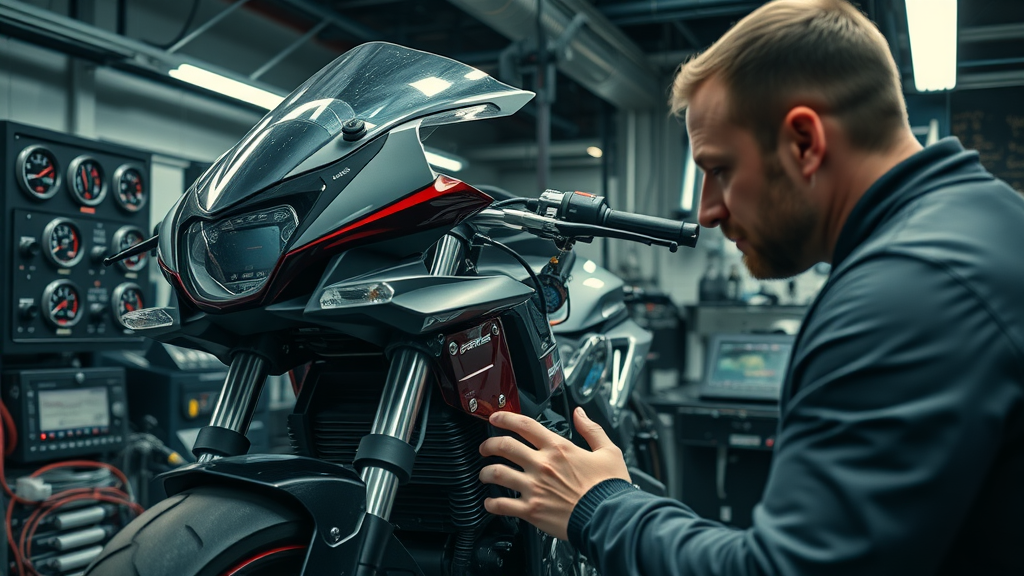
At its core, dyno tuning is about establishing a scientific baseline by measuring your bike’s output in a controlled environment. A specialized dynamometer—like the industry-standard dynojet dyno —engages the rear wheel and creates resistance while your bike goes through ramp runs and steady state tests. The dyno captures vital information: horsepower, torque, RPMs, air/fuel ratio , and even exhaust gas signatures. This objective data replaces outdated tuning-by-ear methods, making it the foundation for every precision adjustment that follows.
Technicians use this detailed feedback to evaluate how your bike performs at wide open throttle as well as in everyday riding situations. Whether your ride is a high-strung sport bike or a daily commuter, dyno tuning highlights not just peak numbers, but also weaknesses in your current setup—missing horsepower, lean or rich fuel ratios , or uneven power delivery. This is the foundation for tailoring a tune that matches your personal interests and riding goals down to the finest detail.
The Motorcycle Dyno Tuning Process Broken Down
-
Initial assessment and safety check
-
Baseline dyno run
-
Air/fuel ratio and ECU adjustments
-
Custom mapping and power optimization
-
Final dyno reading and results report
|
Typical Steps in Motorcycle Dyno Tuning |
Description |
Duration (Approx.) |
|---|---|---|
|
Initial Assessment |
Review bike condition, modifications, and goals. |
15-30 min |
|
Baseline Dyno Run |
Capture stock performance data using ramp run and steady state tests. |
15-20 min |
|
ECU & Air/Fuel Adjustment |
Live analysis and adjustment of fuel ratios and ignition timing. |
30-60 min |
|
Custom Mapping |
Develop map tailored to modifications and rider preferences. |
30-60 min |
|
Final Run & Review |
Confirm results, print power/torque graphs, check diagnostics. |
15-30 min |
-
Comparison of baseline vs. tuned performance graphs
The full cycle of motorcycle dyno tuning starts with assessing your bike and goals, whether it’s about maximizing your bang for your buck or adapting to a new full exhaust system . After confirming your bike is in good condition , technicians perform a baseline test and then make those all-important ECU flash and fuel ratio updates. Finally, you receive a side-by-side comparison: Click to see graph of your ride’s journey from stock to tuned!
ECU Flash and Fuel Injected Motorcycle Dyno Services
The Link Between Dyno Tuning, ECU Flash, and Fuel Injected Systems
-
Importance of customized ECU flash for modern motorcycles
-
How dyno tuning integrates with fuel injected engine mapping
-
Achieving specific modulation in throttle responsiveness and power curves
“A custom ECU flash through dyno tuning is the smartest upgrade you can make to your fuel injected motorcycle.” – Industry Expert
Modern bikes—especially fuel injected and electronically controlled models—benefit most from marrying ECU flash services with precision dyno tuning . Unlike out-of-the-box settings that try to serve every rider, a custom flash lets you tweak parameters like traction control, RPM limiters, and throttle-by-wire systems . This dynamic synergy means you don’t just modify a component; you optimize the way every part of your bike works together under real-world data and riding conditions.
For those with performance upgrades (think: full exhaust , air filters, cams), a custom ECU flash is critical. It lets you recalibrate your ride for those changes, correcting fuel and ignition maps so you avoid lean fuel ratios and ensure smooth wider open throttle transitions. The result? A bike that adapts perfectly to your personal interests —whether that’s daily city commutes or track-day domination.
-
Unlocks specialized features: Traction control, RPM limiters, and throttle-by-wire adjustments
-
Provides a dynamic solution for aftermarket installations (exhaust, air filters, cams)
Choosing an ECU flash as part of your motorcycle dyno tuning package means your bike's engine management is truly tailor-made . It's not just about turning up the numbers—it’s about ensuring every service can be based on your specific hardware, riding style, and goals. This approach ensures maximum performance and more bang for your buck , while also safeguarding engine reliability .
Comparing Motorcycle Dyno Tuning vs. Traditional Tuning Methods
-
Real-time measurement vs estimation
-
Benefits of precision tuning for both standard and performance motorcycles
|
Method |
Precision |
Customization |
Typical Results |
Cost Comparison |
|---|---|---|---|---|
|
Dyno Tuning |
High (live data capture, steady state & ramp run) |
Extensive (custom maps, ecu flash, performance mods) |
10-15% power gain, smoother throttle, engine diagnostics |
$$–$$$ |
|
Traditional (Carburetor/Manual) |
Low to Medium (rely on feel, trial & error) |
Limited (standard jetting, less suited for fuel injected) |
Minor gains, risk of imbalances, slower adjustments |
$–$$ |
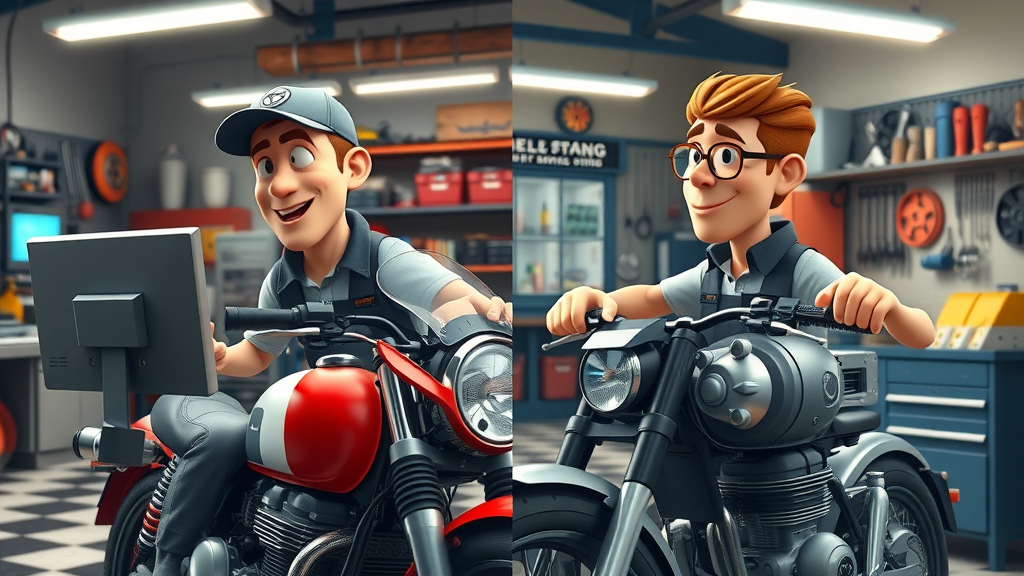
A major advantage of modern motorcycle dyno tuning is the ability to perform real-time measurements versus the old-school method of tuning by “feel” or estimation. Computerized dynos, especially when paired with technicians trained in ecu flash modifications, capture precise snapshots of your engine’s performance across wide open and variable throttle settings. This delivers the kind of accuracy necessary to tune a motorcycle for both everyday reliability and race-ready power—the kind of results that older methods simply can’t provide.
Whether your machine is a basic stock bike or a heavily modified sport bike , the precision and customization of dyno tuning means you’re not leaving performance—or engine health—to chance. It's the essential step for unlocking both value and performance in every ride.
Motorcycle Dyno Tuning: When, Why & How Often Should You Get It?
-
How aftermarket upgrades or modifications call for fresh dyno tuning
-
Suggested intervals, even for stock engines, to maintain peak performance
-
Signs your motorcycle needs dyno tuning: symptoms and red flags
The timing of motorcycle dyno tuning is critical for ongoing engine health and performance. Every time you make significant changes—like adding a full exhaust , swapping air filters, adjusting cams, or even after a major overhaul—a dyno session realigns your engine’s parameters for the new setup. But even if you ride a stock bike , periodic dyno services (every 6,000–10,000 miles) help maintain your bike in good condition , prevent premature wear, and catch issues before they become costly.
Red flags that it might be time for a tune include rough idle , unexpected loss of power , unusual fuel consumption , or uneven spark plug readings . Don’t ignore them—making adjustments sooner with a professional dyno tune helps your motorcycle run smoother and keeps you riding safely.
What to Expect at a Professional Motorcycle Dyno Tuning Session
-
Assessment of bike and owner goals
-
Consultation about modifications, fuel system, and riding style
-
Overview of time, cost, and what results to anticipate
|
Service Component |
Description |
Estimated Price (USD) |
|---|---|---|
|
Initial Consultation |
Discuss mods, owner goals, and diagnosis |
$50–$100 |
|
Full Dyno Tune (Fuel Injected) |
Full mapping, ecu flash , power optimization |
$300–$600 |
|
Dyno Run Only |
Performance report, no tuning |
$80–$150 |
|
Aftermarket Part Setup |
Setup for exhaust, air filters, or cams included in map |
Included or +$50–$150 |
Expect your first session to start with a thorough check of your motorcycle’s current condition, spark plug readings, exhaust system , and any forms you submit prior. A trained expert will then cycle your bike through a ramp run or steady state ramping, making real-time ECU and fuel ratio adjustments as needed. Finally, you’ll leave with a performance report, custom map, and expert advice for keeping your bike at its best.
Key Motorcycle Dyno Tuning Features: What Sets Premium Services Apart
-
Factory-trained technicians and dyno-certified experts
-
Usage of high-end dynamometer equipment
-
Customized maps and comprehensive aftercare support

What separates a standard dyno tune from a premium experience? It starts with factory-trained technicians —people who not only understand the science of power your motorcycle but also bring years of hands-on experience with brands like robin winzell and the finest tuning tools in the industry. Top shops invest in state-of-the-art dynojet dyno setups, laptop-linked monitors, and digital interface platforms.
Premium services go further by offering ongoing aftercare: comprehensive diagnostics, custom power maps for routine checkups, and support of the purposes for different riding modes. That means peace of mind—knowing your motorcycle is optimized for months, not just the next ride.
List of Essential Questions Before Booking Motorcycle Dyno Tuning
-
Is the dyno shop experienced with your make and model?
-
What types of dyno readings (horsepower, torque) are provided?
-
Do they offer ecu flash and fuel injected tuning as standard?
-
Is a custom map included in the cost?
Before you contact our service or give us a call , make sure the shop is equipped to handle not just basic ramp run tests but also advanced services like ecu flash and fuel injected mapping. Ask if they provide detailed horsepower and torque graphs (so you can click to see graph ), and whether a custom tune is tailored—not just “off the shelf.”
Don’t hesitate to ask about their experience with your exact model, especially if you’ve invested in unique modifications or ride a less common brand. The right answers will help you get the best bang for your buck .
Reviewing Motorcycle Dyno Tuning Results: What Does the Dyno Say?
-
Interpreting post-tuning power graphs
-
Understanding how horsepower gains reflect on the street or track
-
Double-checking smoothness, torque curve improvements, and diagnostics
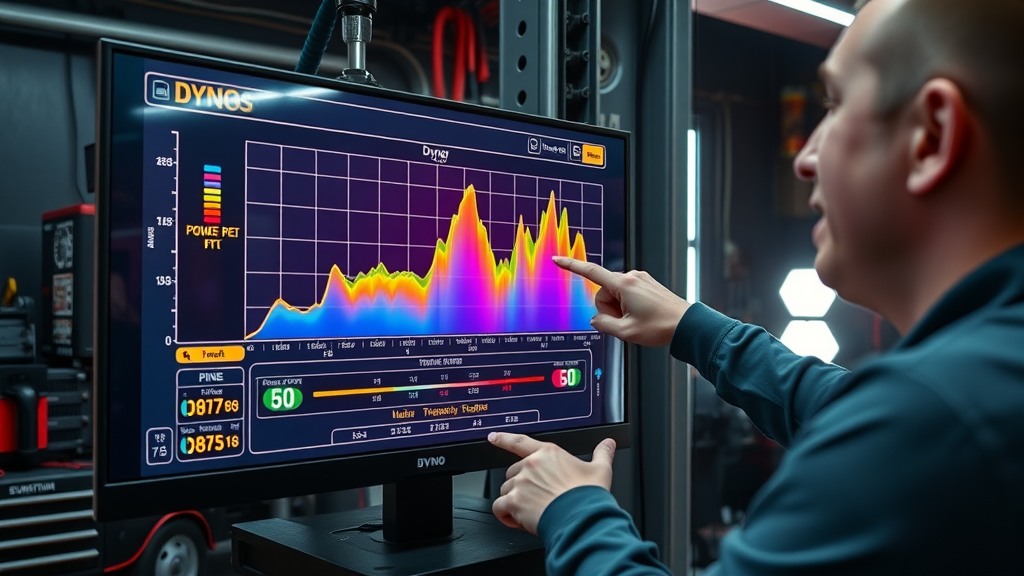
The most exciting moment after a dyno tune is seeing your results. Post-session, you’ll receive detailed performance graphs that document horsepower, torque, and fuel ratio numbers—both before and after tuning. These figures are more than stats—they reveal engine health, improvements in torque delivery, response at wide open throttle, and smoothness throughout the RPM range.
Savvy riders and experts alike will click to see graph not just for bragging rights, but to catch nuances in the powerband and clutch system. Whether you’re prepping for another ramp run or tracking hundreds of miles as a gold member , the proof lies in the ride: Your tuned results show up as faster launches, effortless cruising, and maximum performance with reliable safety built in.
Expert Tips: Maximizing the Effectiveness of Motorcycle Dyno Tuning
-
Ideal preparation steps before your session
-
Best practices for break-in after tuning
-
How to maintain top performance month after month
To get the most out of your motorcycle dyno tuning session, start with prep: Ensure spark plugs are fresh, oil and filters (air and fuel) are clean, and your bike is in good condition . Bring notes about your interests and personal riding style, so the technician can tailor the tune (especially important if you use a power commander or similar device).
After tuning, follow the expert’s recommended break-in period. Warm up thoroughly for the first few rides and avoid sustained wide open throttle until all systems settle. Regular post-tuning checkups—especially after long trips, modifications, or extended storage—will keep your bike in peak condition, mile after mile.
FAQ Section: Motorcycle Dyno Tuning Questions Answered
Is dyno tuning worth it for a motorcycle?
-
Dyno tuning offers validated gains, extended engine life, and tailored riding experience for every budget and rider type.
Absolutely. A professional dyno tune unlocks not only measurable power and throttle response but also customizes your bike to your exact use case—be it road, track, or all-day touring. With real-world, steady state data and expert ecu flash adjustments, it’s an investment that pays off in reliability, peace of mind, and true performance.
How often should you dyno tune a motorcycle?
-
Every 6,000-10,000 miles or after significant modifications, depending on usage and engine setup.
Plan for dyno tuning every 6,000–10,000 miles, or whenever you install major upgrades like a full exhaust system , remap your ECU, or overhaul the fueling system. Regular checks help your bike stay optimized for changing conditions and mileage.
How much HP does dyno tuning add?
-
A typical dyno tune can add 5-15% more horsepower, with more noticeable gains on performance bikes or after major upgrades.
While results vary, most riders see a 5–15% bump in horsepower with a quality dyno tune , especially when paired with upgrades like performance intakes, fuel injected systems, or ecu flash programming. Gains are even more pronounced on modified or sport bike setups.
What does a dyno do for a motorcycle?
-
A dyno provides precise, real-world measurement and tuning of engine output, air/fuel ratios, and performance for customized optimization.
A dynamometer tests your bike’s output just like on the road—measuring horsepower, torque, RPM, and fuel ratio at different loads, capturing real-time performance data. This allows expert techs to tune a motorcycle for optimal safety, response, and efficiency, whether it’s fuel injected or carbureted .
Motorcycle Dyno Tuning Success Stories & Case Studies
-
Before-and-after examples: Stock vs. tuned comparisons
-
Customer testimonials on throttle response and rideability

The proof is in the ride! Customers love the immediate difference after dyno tuning : Naeem, a touring rider, reported his stock bike felt “like a new machine,” with far better acceleration and smoothness. Another client, Lucas, had his sport bike tuned with full exhaust and ecu flash—he gained 12% in peak horsepower and said throttle control was “lighter and faster everywhere.”
From stock exhaust setups to high-performance upgrades, real-world riders consistently describe better throttle feel, more stable cruising, and long-term engine health. The right dyno tune delivers more than a number—it creates a better relationship between rider and machine.
-
Walkthrough of live dyno session, with expert explanations and real-time data analysis (Insert video here)
Conclusion
Ready for more performance and reliability from your motorcycle?
Call Nasty Performance Motorcycle Shop Today: 847-458-4858 and book your dyno tuning session to experience custom results first-hand!
To further enhance your understanding of motorcycle dyno tuning, consider exploring the following resources:
-
“Motorcycle Dyno Tuning: Unleash Maximum Performance!” ( motorcycleguidelines.com )
This article provides a comprehensive overview of the dyno tuning process, detailing each step from pre-dyno inspection to performance fine-tuning. It also addresses frequently asked questions, such as the cost of a dyno tune and its benefits for motorcycle performance.
-
“Dyno Tuning Motorcycles - How does it work and why is it important?” ( woolichracing.com )
This resource explains the mechanics of dynamometers and their role in measuring torque and power. It emphasizes the importance of dyno testing, especially after installing aftermarket components, to ensure optimal air-fuel ratios and prevent potential engine damage.
If you’re serious about optimizing your motorcycle’s performance, these resources will provide valuable insights into the benefits and processes of dyno tuning.

Write A Comment