
Did you know that tire problems are one of the leading causes of motorcycle accidents worldwide? Even the best riders can find themselves in dangerous situations if they neglect simple tire safety checks. Your motorcycle tires are all that connect you to the road, so making sure they’re in peak condition could literally save your life. In this comprehensive guide to motorcycle tire safety checks, you’ll find everything you need to keep your ride smooth, safe, and exhilarating every time.
Motorcycle Tire Safety: Why Regular Checks Matter
"An overlooked motorcycle tire can turn a smooth ride into a disaster—routine safety checks are your first line of defense." – Tire Safety Expert
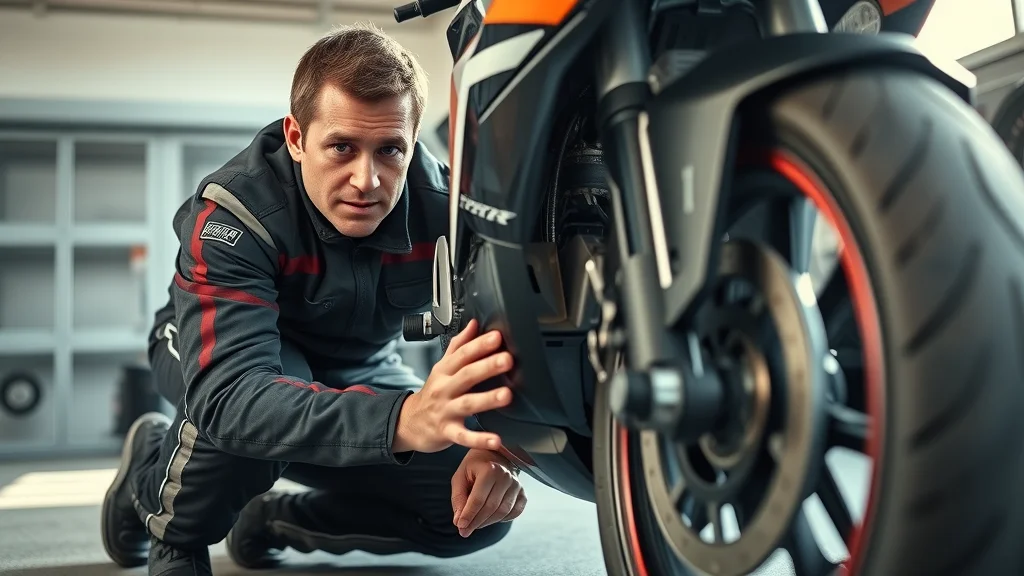
- What You'll Learn in This Guide to Motorcycle Tire Safety Checks
- Understanding the importance of thorough motorcycle tire safety checks
- Step-by-step procedures for inspecting tread depth, tire pressure, valve stems, and tire wear
- Common safety hazards with motorcycle tires and how to avoid them
- Practical tips for increasing the longevity of your front and rear tire
Regular tire safety checks are not just a recommendation—they are essential for every rider who values motorcycle safety. From tread depth to proper tire inflation, inspecting your rear tire and front and rear tire for wear, and checking valve stems can significantly reduce the risk of tire failure on the road. By understanding tire wear indicators and knowing exactly what to look for, you’ll ensure optimal performance and peace of mind, no matter where your adventures take you.
The Essentials: Starting Your Guide to Motorcycle Tire Safety Checks
Gather Tools and Prepare for Motorcycle Tire Checks
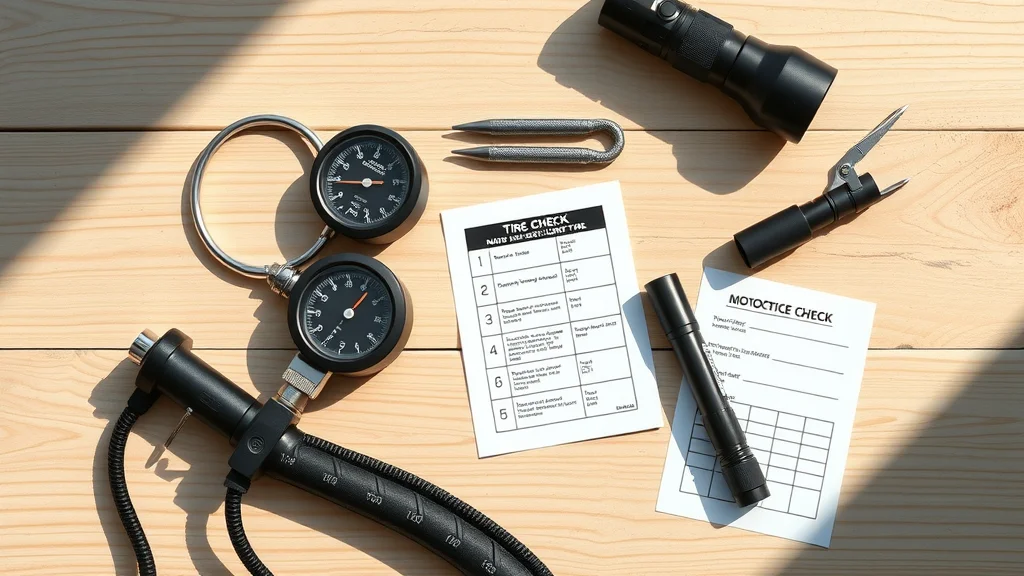
- Tire pressure gauge
- Tread depth gauge
- Flashlight
- Inspection checklist
Before you begin your motorcycle tire safety check, make sure you have all the proper tools. A tire pressure gauge ensures accurate inflation, while a tread depth gauge is crucial for measuring tread depth and identifying uneven wear. A flashlight illuminates hard-to-see areas, revealing embedded objects or subtle sidewall damage. Lastly, an inspection checklist keeps you organized, ensuring you never miss an essential step in your tire inspection routine.
Set yourself up on a flat, well-lit surface, such as a garage or driveway. Before conducting your front and rear tire checks, allow your motorcycle tires to cool for reliable pressure readings. Regularly inspect both the front and rear tire, as each experiences different forces on the road and may show unique patterns of tire wear. By gathering your tools and approaching the inspection methodically, you lay the groundwork for safer, more enjoyable rides and reduce the risk of premature tire wear or unexpected tire failure.
While mastering tire safety checks is crucial, it's also important to recognize how seasonal changes can impact your motorcycle's overall performance and tire condition. For practical advice on adapting your maintenance routine throughout the year, explore these seasonal bike care secrets every rider should know to keep your motorcycle in top shape no matter the weather.
Inspecting Tread Depth and Motorcycle Tire Wear for Enhanced Safety
How to Measure Tread Depth and Identify Uneven Wear
Measuring the tread depth of your motorcycle tire is one of the most effective ways to ensure traction and road grip, especially during sudden stops or wet weather. Insert a tread depth gauge into the tread grooves—perform this on at least three separate spots across the tire. Your owner's manual or tire manufacturer will list minimum tread depth requirements, but as a rule of thumb, 2/32" is often considered the lowest safe limit. Always check both the front and rear tire, as the tread depth requirements might differ between them.
Uneven tire wear can signal alignment or suspension issues. If you notice tread wear concentrated on one side (also called “wear on one side”), center, or edges of your tires, this may indicate improper tire inflation or a mechanical problem, which can affect optimal performance. Monitoring and addressing tire wear not only ensures safe handling but also extends the life of your motorcycle tires. Remember, proper tire maintenance is a small effort with big rewards—better grip, safer cornering, and more consistent braking.
| Type of Tire | Front Tire Minimum Tread Depth | Rear Tire Minimum Tread Depth |
|---|---|---|
| Sport/Street | 2/32 inch (1.6mm) | 2/32 inch (1.6mm) |
| Touring/Cruiser | 3/32 inch (2.4mm) | 3/32 inch (2.4mm) |
| Off-Road/Knobby | 4/32 inch (3.2mm) | 4/32 inch (3.2mm) |
Spotting and Addressing Uneven Tire Wear
- Signs of uneven wear
- Causes of uneven tire wear
- Safety implications
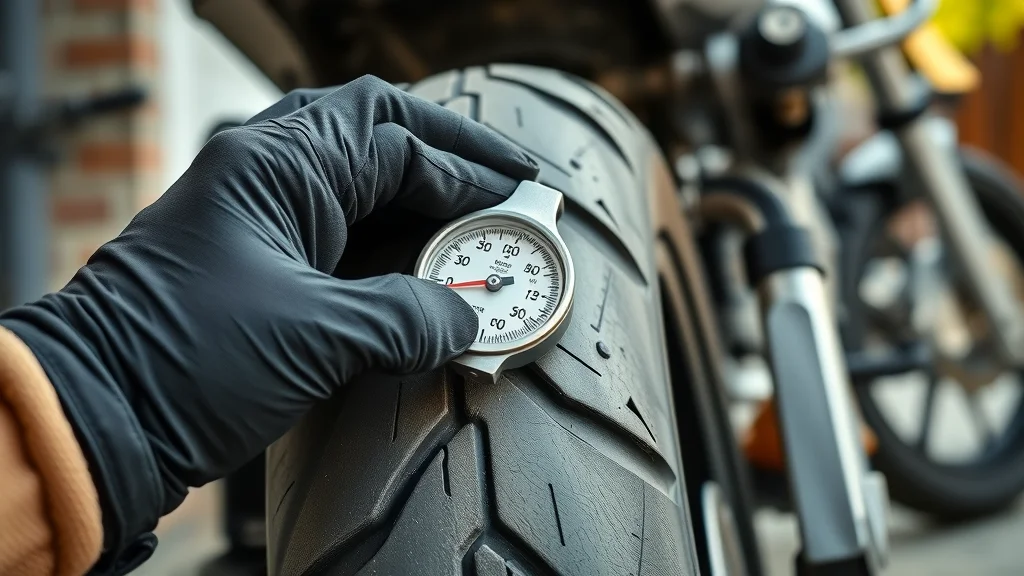
Carefully inspect your tires for signs of uneven wear, such as bald patches, exposed cords, or tread depth variation. Causes can range from improper tire inflation and overloading to misaligned suspension and aggressive riding. Even subtle differences between the front and rear tire may point to issues requiring immediate attention. If you spot excessive tread wear down the middle, the culprit is often over-inflation. Edge wear could mean repeated cornering or under-inflation. Pay attention to the tread wear indicator—a small bar set across the tread groove—which offers a visual cue for when it’s time to replace your motorcycle tire.
The safety implications of ignoring uneven wear are severe. It can compromise traction, increase braking distances, and cause unpredictable handling, especially on wet or winding roads. By routinely examining for premature tire wear and consulting your motorcycle manufacturer’s guidelines, you maintain greater control over your bike and reduce the risk of tire failure.
Checking Tire Pressure, Inflation, and Valve Stems on Motorcycle Tires
Step-by-Step Guide to Checking Tire Pressure for Front and Rear Tires
- Correct tire inflation methods
- Ensuring accurate tire pressure readings

Maintaining the right tire pressure is crucial for your motorcycle’s stability and handling. Begin by consulting your motorcycle or tire manufacturer’s recommendations (usually listed in the manual or on the swingarm). Use a reliable digital or analog pressure gauge, ensuring readings are taken when tires are cold for accuracy. Remove the valve stem cap, firmly attach the pressure gauge, and compare your measurement to the recommended PSI for both the front and rear tire. If the pressure is too low or too high, adjust accordingly with a quality pump or inflator—never guess or rely on visual checks alone.
Consistently keeping your motorcycle tire inflation within the specified range not only prevents uneven wear but also optimizes fuel efficiency, braking, and contact with the road. Remember, improper tire inflation increases the risk of tire failure and jeopardizes rider safety. For a truly thorough guide to motorcycle tire safety checks, always include tire pressure readings as part of your regular routine, and don’t forget to recheck after extended rides or drastic temperature changes.
Inspecting Valve Stems for Safety and Reliability
Valve stems are the unsung heroes of tire safety, quietly maintaining your tire pressure and keeping your ride controlled. During your inspection, look for cracks, visible wear, or leaks around the base of the valve stems. Press the valve core briefly with a small tool; if air escapes freely or the valve feels loose, it may need replacement. Ensure the valve stem cap is always secured, as this helps block debris and moisture from entering the stem and compromising pressure.
Neglecting valve stems can result in slow leaks, pressure loss, and—worst case—a rapid deflation that can make even a minor road hazard deadly. Stay ahead by adding valve stem inspections to your checklist every time you check your tire or perform other motorcycle safety tasks. This proactive approach saves you from unexpected tire failure and costly repairs down the line.
Identifying Embedded Objects and Other Hazards During Motorcycle Tire Safety Checks
- How to spot and safely remove embedded objects
- Inspecting for sidewall damage
- Precautions after finding punctures

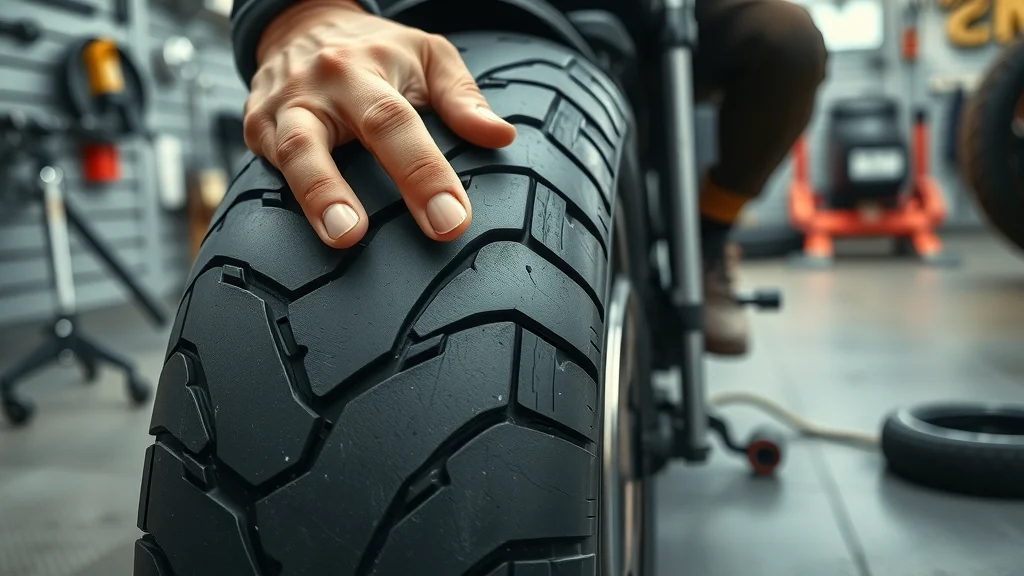
Embedded objects—like nails, glass shards, or sharp stones—are some of the most obvious but overlooked causes of tire damage and eventual tire failure. Run your hand slowly along the tire’s surface, feeling for anything sticking out or pressed into the rubber. If you spot a nail or similar object, resist the urge to remove it immediately, as this can lead to a sudden loss of pressure and make the tire unsafe to ride home. Instead, note the location, mark it if necessary, and consult a tire or motorcycle specialist to assess the damage safely.
During your check, also inspect for sidewall damage—bulges, cuts, or exposed cords—which are clear signs of damage and an increased risk of tire failure. After locating a puncture or serious wear, refrain from riding at high speeds and avoid carrying passengers or heavy loads. Remember, riding with compromised motorcycle tires can undermine all other safety measures. By integrating a thorough hazard check into every guide to motorcycle tire safety checks, you greatly increase your odds of safe, trouble-free rides.
People Also Ask: Common Questions on Your Guide to Motorcycle Tire Safety Checks
How often should you perform motorcycle tire safety checks?
Ideally, you should perform a full motorcycle tire safety check before every ride, especially if you’re planning a long trip or haven’t used your bike in a while. At a minimum, check tire pressure, tread depth, and look for embedded objects or visible signs of tire damage weekly. More frequent inspections are advised if you ride daily, traverse rough roads, or carry heavy loads.
What is the minimum tread depth for motorcycle tires for safe riding?
Check your motorcycle or tire manufacturer’s recommendations, but most experts agree that 2/32 inch (1. 6mm) is the minimum safe tread depth for street and sport motorcycle tires. Off-road tires may require a bit more. If tread grooves are nearly flush with the wear bars or the surface feels slick, replacing tires becomes essential for safe handling and braking.
Can uneven tire wear impact motorcycle handling and safety?
Absolutely. Uneven wear undermines stability, causes vibration, and affects the way your motorcycle turns and stops. Continual riding on unevenly worn tires raises the risk of tire failure and extends braking distances, especially on wet roads. For optimal performance and consistent motorcycle safety, regularly inspect both your front and rear tire for tread wear patterns.
Why is it important to check the valve stems during tire inspections?
Valve stems are critical to holding air in your tires. Over time, exposure to weather, heat, or road debris can degrade them. A damaged or leaking valve stem can cause a slow loss of pressure, reducing your control and increasing the risk of tire failure. Ensuring your valve stems are intact and properly capped is a simple, yet crucial step in any guide to motorcycle tire safety checks.
Expert Answers: Motorcycle Tire Safety Checks and Best Practices
Q: How do you know when to replace your motorcycle tires? A: Look for visible cracks, low tread depth, persistent loss of pressure, or uneven wear—all are key indicators for replacement.
Q: Are there differences in tire safety checks for front and rear tires? A: Yes, inspect both tires separately since wear patterns and pressure requirements may differ.
Q: What should you do if you find an embedded object? A: Do not remove it immediately; consult a tire specialist to assess safety and potential repair.
Key Takeaways from Your Guide to Motorcycle Tire Safety Checks
- Routine motorcycle tire safety checks are crucial for rider safety
- Carefully review tread depth, tire pressure, and valve stems with each inspection
- Address tire wear and embedded objects immediately
- Consistent maintenance prolongs the life of your motorcycle tires and ensures safer rides
Ready for Your Next Ride? Professional Motorcycle Tire Safety Check Assistance
"Don't wait for a problem to happen—proactive tire safety can save lives and money in the long run."
- For expert advice and thorough inspections, trust professionals.
- Call Nasty Performance Motorcycle Shop Today: 847-458-4858
Conclusion
Mastering this guide to motorcycle tire safety checks means every ride starts—and ends—safely. Prioritize regular inspections, act on tire wear, and don’t hesitate to seek professional help when needed.
If you’re ready to take your motorcycle maintenance to the next level, consider how a holistic approach can further enhance your safety and riding experience. Beyond tire checks, understanding the nuances of seasonal care can help you anticipate issues before they arise and keep your bike performing at its best year-round. Discover more expert strategies and maintenance tips in our comprehensive guide to seasonal bike care secrets every rider must know. By expanding your knowledge, you’ll be better equipped to protect your investment and enjoy every mile with confidence.


Write A Comment