
Did you know? Studies have found that wearing a properly certified safe helmet can reduce the risk of fatal injury by over 60%. Yet, not all helmets claiming to be safe are created equal. When it comes to helmet safety, making the right choice can literally be a matter of life and death. In this comprehensive guide, you'll discover how to check motorcycle helmet safety standards correctly, so you can protect yourself and your loved ones each time you hit the road.
"Studies have found that wearing a properly certified helmet can reduce the risk of fatal injury by over 60%. Yet, not all helmets claiming to be safe are created equal."
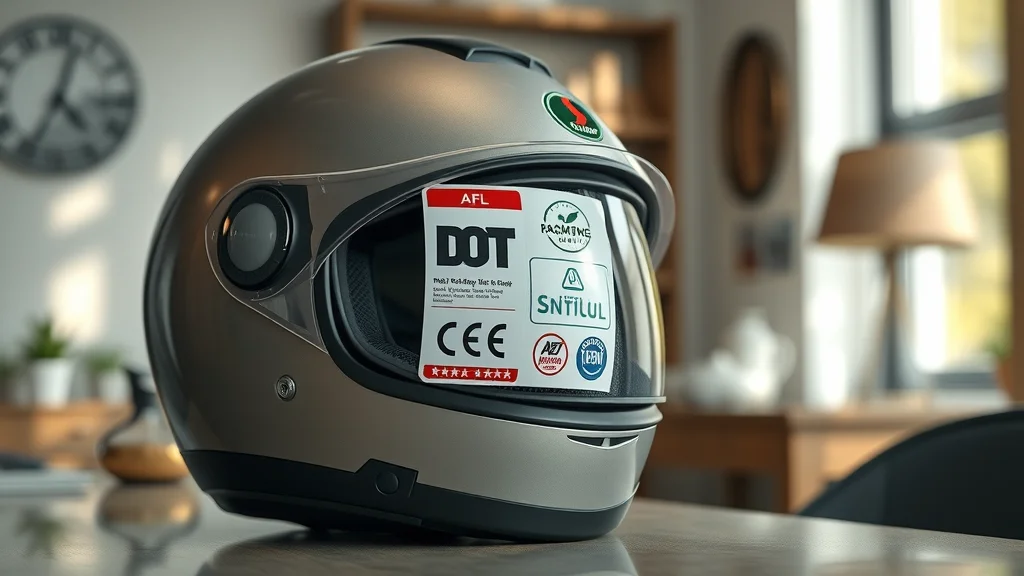
Understanding the Importance of Helmet Safety Standards
Selecting the right motorcycle helmet is more than personal preference; it’s a crucial decision for every rider’s safety. Helmet safety standards are designed to ensure that any helmet, whether it’s a full face motorcycle helmet or another style, has undergone rigorous testing to withstand impact energy and prevent head injuries during a crash. With the variety of motorcycle helmets available, it can be complex to decipher which options genuinely offer protection. This is why learning how to check motorcycle helmet safety standards is essential for anyone who values their head and their life.
Globally recognized standards like DOT, ECE 22. 06, and Snell each have strict criteria. Helmets that meet these standards have passed tests for shock absorption, retention system strength (like the chin strap), penetration resistance, and overall construction quality. In many regions, these certifications are not just recommendations—they’re legal requirements for anyone operating or riding on a motor vehicle, especially motorcycles. Helmets without proper safety certification may leave you exposed, potentially turning a minor accident into a devastating one.
What You'll Learn About How to Check Motorcycle Helmet Safety Standards
- How to distinguish between major international and regional motorcycle helmet safety standards
- Methods for verifying safety certification labels
- Identifying features of safe helmets versus unsafe helmets
- Tips for inspecting motorcycle helmet construction and materials
- Key safety ratings and what they mean
Essential Motorcycle Helmet Safety Standards: DOT, ECE, Snell, and Beyond
Before purchasing a motorcycle helmet, familiarize yourself with the primary safety standards recognized worldwide. The most familiar ones include the U. S. Department of Transportation (DOT) for helmets sold in the United States, the Economic Commission for Europe (ECE 22. 06), and the independent Snell Memorial Foundation. Each follows strict helmet testing protocols such as the impact test—where helmets are struck against a flat anvil to measure how much force is absorbed—and checks for secure retention systems like the chin strap. Reliable safety ratings provide assurance that your helmet meets or exceeds the minimum required protection.
Certain other standards exist regionally, but DOT, ECE, and Snell remain the globally trusted benchmarks to help you avoid the risks of unsafe helmets and counterfeit labels. Understanding what each label stands for—and how to confirm their authenticity—is a core part of learning how to check motorcycle helmet safety standards.
Common Motorcycle Helmet Certification Labels and What They Mean
Recognizing and verifying certification labels is a critical step in ensuring your helmet’s credibility. Legitimate safety certifications are typically found inside the helmet, sometimes on the exterior at the back of the helmet, and indicate compliance with specific safety standard regulations. DOT labels usually appear as a simple black-on-white sticker, ECE 22. 06 markings are often found on a sewn-in label, and Snell approval is denoted by a gold or white sticker inside the helmet shell. Beware of poorly printed or suspicious-looking labels, as these might signal a counterfeit or unsafe helmet. Genuine brands and helmet manufacturers are transparent with their safety ratings and certifications, giving you confidence that your helmet can provide real protection during an accident.
Checking the appearance of certification labels is just the beginning. Authentic labeled helmets also exhibit superior build quality, including robust shells, quality liners, and effective retention systems. Comparing labels to official guidelines is essential for confirming that a helmet has truly passed the most stringent impact test and helmet testing thresholds. Never settle for helmets lacking clear, recognized certification displays.
| Standard | Certifying Body | Testing Criteria | Main Usage Region | Label Appearance |
|---|---|---|---|---|
| DOT (FMVSS 218) | U.S. Department of Transportation | Impact test, penetration, retention system (chin strap), peripheral vision | United States | Sticker on back of helmet (“DOT”) |
| ECE 22.06 | United Nations Economic Commission for Europe | Impact energy absorption, shell integrity, helmet testing for penetration and retention | Europe, parts of Asia, and Australia | Sewn-in label or sticker inside helmet |
| Snell M2020D/M2020R | Snell Memorial Foundation | Stricter, independent impact test, chin bar, face shield evaluation | International | Gold or white sticker inside helmet |
| Other (SHARP, AS/NZS 1698, ISI) | Various (UK, Australia/New Zealand, India) | Helmets evaluated for regional safety needs | UK, Australia/NZ, India | Stickers or labels as per local style |
How to Check Motorcycle Helmet Safety Standards Step by Step
- Locate certification labels inside the helmet (DOT, ECE, Snell)
- Assess the build and materials for quality indicators
- Research model-specific safety ratings
- Perform a physical inspection for damage or wear (impact test cues)
- Match features to listed standards
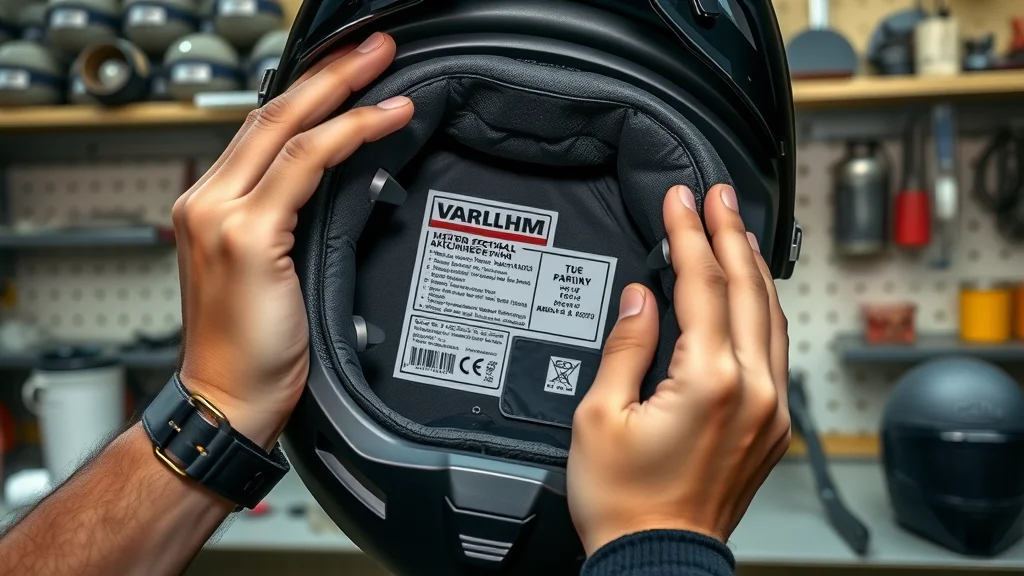
Step 1: Begin by searching for conspicuous certification markings located inside or at the back of the helmet. Whether the helmet is intended for the United States (DOT), Europe (ECE 22. 06), or carries the Snell certification, only trust helmets with clearly printed, undamaged, and unaltered marks. If you struggle to find any certification, or if it looks tampered with, treat this as a warning sign of a potentially unsafe helmet.
Step 2: Inspect the overall build of the helmet. Safe helmets are made from quality materials: look for a strong outer shell, energy-absorbing EPS liner, secure fastenings like a sturdy chin strap, and a well-attached face shield or visor. The padding should not be loose or cheap-feeling, which can signal a novelty helmet rather than a true safety device.
Step 3: Research the helmet model online using databases and guides from trusted organizations or helmet manufacturers. Many reputable sites provide access to safety ratings, recall lists, and professional reviews mentioning the results of real-world impact tests. For a deeper dive into keeping your gear in top condition, you might also find it helpful to explore seasonal maintenance tips that can extend the life and safety of your helmet and other riding equipment.
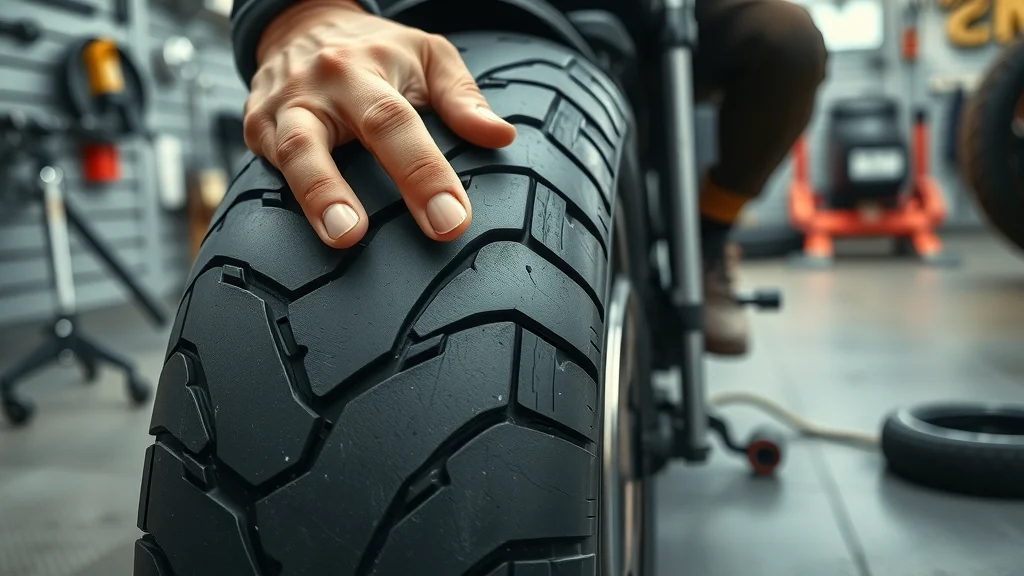
Step 4: Conduct a basic physical inspection. Look for cracks, dents, deep scratches, or any signs that the helmet was involved in an impact test—even outside the lab, previous drops or impacts may compromise its ability to protect you. Check if the retention system, liner, and outer shell are intact.
Step 5: Finally, compare all the features you’ve examined against the requirements of each safety standard. This includes the type of label, the quality of each component, model-specific safety information, and the results of your inspection. If in doubt, consult with a trusted dealer or safety expert before using the helmet on the road.
Impact Test Procedures Explained
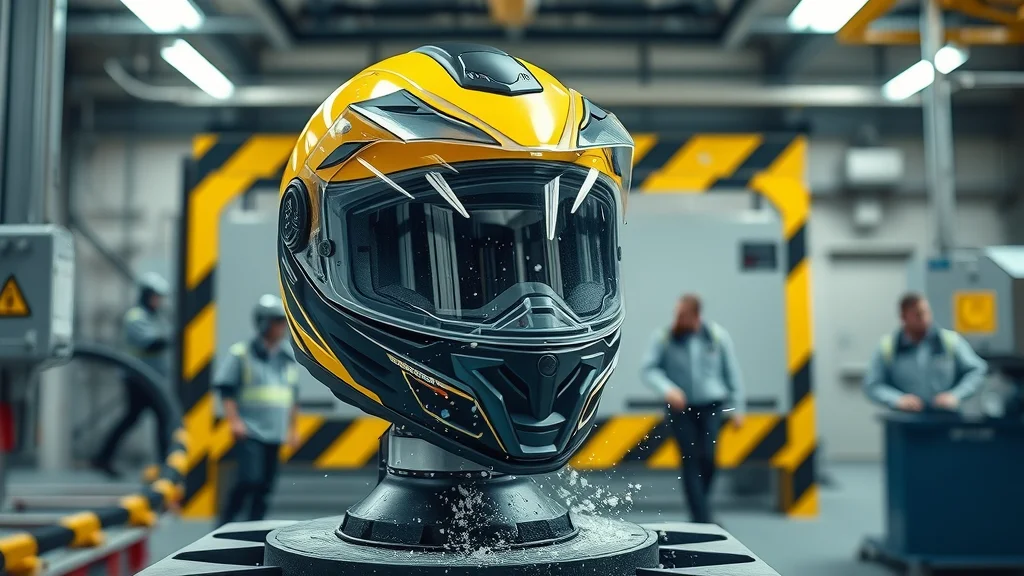
The impact test is a cornerstone of helmet safety standards. Helmet testing laboratories use drop rigs and flat anvil setups to simulate real-world motorcycle crashes. Helmets are subjected to controlled impacts at various points and angles to ensure that they disperse impact energy effectively, thereby minimizing transmitted force to the head. The results must meet or exceed the thresholds set by the certifying authority, such as DOT, ECE 22. 06, or Snell.
Testing also includes evaluating the chin bar, face shield, and retention system. The helmet is inspected for shell deformation, energy absorption, and the ability of the chin strap to keep the helmet secure upon impact. For full face motorcycle helmets, additional tests may be performed on the visor or shield and the chin bar. Understanding these procedures provides valuable insight into what genuine certifications entail and why untested or counterfeit helmets—commonly known as novelty helmets—are considered unsafe helmets.
How to Identify Unsafe Helmets and Recognize Fake Certification
- Signs of unsafe helmets: loose liners, missing standards labels, low-quality materials
- How to spot forged or unreliable safety labels
- Consequences of using unsafe helmets
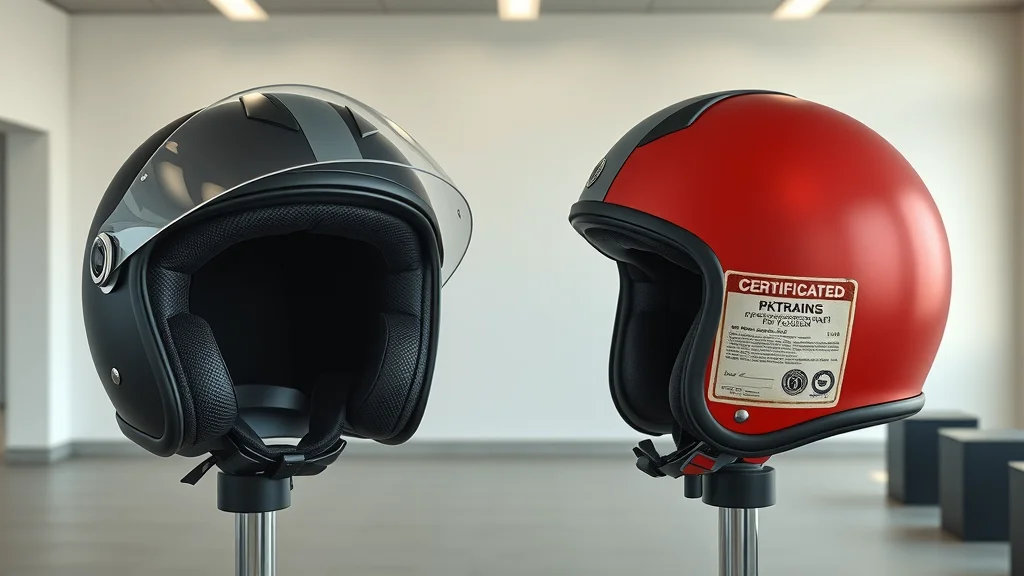
Not all helmets on the market are created equal. Unsafe helmets often lack legitimate certification labels, have shoddy construction, or use substandard materials that won’t withstand a crash. Loose foam liners, missing or faded labels, and lightweight, flimsy shells are clear indicators. For full face or face motorcycle helmets, check if the retention system feels weak or if the face shield rattles or fails to seal securely.
Counterfeit or forged safety labels are unfortunately common with gray market or novelty helmets. A suspiciously applied, blurry, or damaged label is often a fake. If you’re unsure, check the manufacturer's website for examples of authentic labels, or ask an authorized dealer to verify the helmet’s status. Using an unsafe helmet can subject the wearer to grave injury or even render them legally liable in the event of a crash. Never compromise by choosing a helmet that doesn’t meet trusted safety certification standards.
People Also Ask: How to Check Motorcycle Helmet Safety Standards
How to check helmet safety rating?
Check inside the helmet for recognized certification markings (DOT, ECE, Snell). Investigate the brand and model in safety rating databases or with trusted helmet safety guides. Avoid helmets lacking clear labeling or third-party endorsements.
Is Snell or ece 22.06 better?
Snell standards are often considered stricter and involve independent third-party laboratory testing, whereas ECE 22.06 is a comprehensive legal requirement in much of Europe, updated to include more real-world scenarios. Both offer high safety, but Snell may be better for extreme impacts, while ECE 22.06 ensures broad all-round compliance.
How to know if a motorcycle helmet is safe?
A safe motorcycle helmet features a robust shell, EPS liner, secure fastenings, and verifiable safety ratings (DOT, ECE, Snell). Ensure no damage, cracks, or excessive wear, as this can compromise the integrity of safe helmets.
Is a 20 year old motorcycle helmet still good?
No, most manufacturers and safety experts recommend replacing motorcycle helmets every 5 to 7 years, even if rarely used. Materials degrade, making old helmets unsafe even if they appear intact.
Visual Guide: How to Check Motorcycle Helmet Safety Standards Correctly
Seeing is believing. A step-by-step visual walkthrough can make it easier to understand how to check motorcycle helmet safety standards for yourself. Carefully examine certification labels, inner liners, shell condition, and retention system integrity. Use a checklist to compare each helmet’s features to trusted benchmarks, and don't hesitate to ask experts for advice if anything looks unusual or unclear.

Expert Tips: Ensuring Your Motorcycle Helmet Meets Safety Standards
- Purchase from authorized dealers or official sources only
- Regularly inspect your helmet for signs of wear, even on certified models
- Consult updated safety ratings and recall lists
"Relying on visible certification labels is only the first step—protect yourself by staying informed about evolving safety standards and best practices."
The best defense is ongoing vigilance. Even if your current helmet meets all the necessary safety requirements, regular inspections for hidden cracks, liner degradation, or compromised fastenings are vital. Seek out updates on recall lists or new helmet testing protocols. Buying from authorized dealers helps you avoid fakes and ensure your helmet meets the federal or regional standards. Never compromise by using a helmet with unclear origins or questionable construction.
Key Takeaways on How to Check Motorcycle Helmet Safety Standards
- Always check for DOT, ECE, or Snell certification before using a helmet
- Know the difference between primary standards and what each means for safety rating
- Beware of counterfeit and unsafe helmets on the market
- Replace helmets at recommended intervals for optimal safety
Frequently Asked Questions About Motorcycle Helmet Safety Standards
-
How often should I replace my motorcycle helmet for safety?
Replace your helmet every 5 to 7 years, or immediately after a crash or significant impact, even if there is no visible damage. -
Are aftermarket modifications safe?
Modifying your helmet with non-factory parts may void its certification and affect safety. Always use manufacturer-approved replacements and avoid tampering with the structure or retention system. -
Is it okay to buy secondhand helmets?
It’s risky to buy used helmets, as you cannot verify their history or potential unseen damage. Certified new helmets from authorized sources are always a better, safer choice. -
Can children use adult safety standard helmets?
Children should use helmets specifically designed and certified for their size and weight. Adult helmets may not fit securely and might provide inadequate protection for young riders.
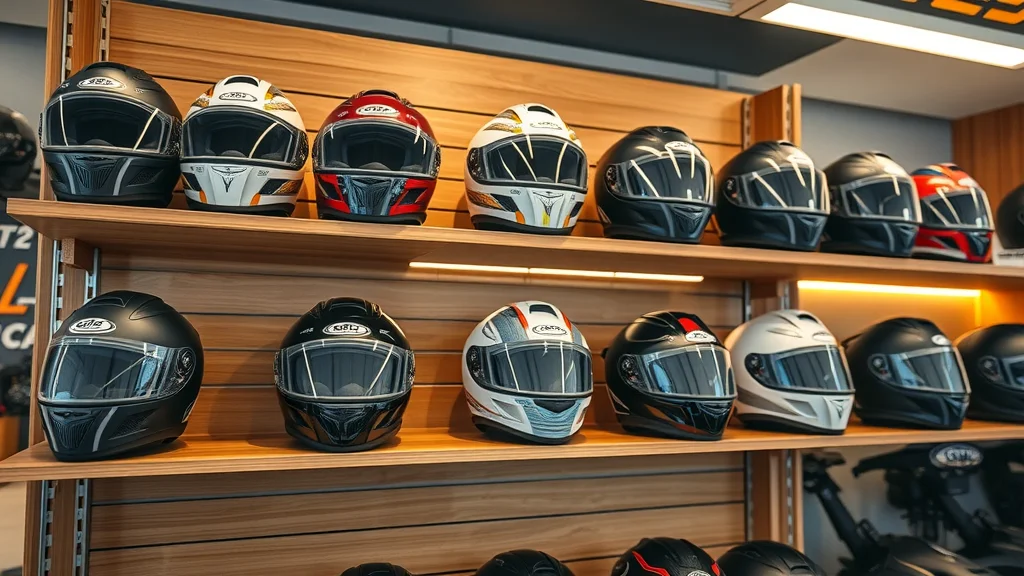
Stay Protected and Informed
"If you are ever in doubt about the safety of your motorcycle helmet, it’s better to err on the side of caution and consult with a reputable expert."
Prioritize your wellbeing and stay current with evolving standards and best practices—your safety is worth the effort!
Contact the Experts for Motorcycle Helmet Safety
Call Nasty Performance Motorcycle Shop Today: 847-458-4858
For professional assistance or questions on how to check motorcycle helmet safety standards, don’t hesitate to reach out to the specialists at Nasty Performance Motorcycle Shop. Their expertise can help you ride with confidence and peace of mind.
For a deeper dive into keeping your gear in top condition, you might also find it helpful to explore seasonal maintenance tips that can extend the life and safety of your helmet and other riding equipment.
Staying vigilant about helmet safety is just one part of a comprehensive approach to motorcycle care. If you’re interested in elevating your riding experience and ensuring your bike performs at its best year-round, consider learning about essential seasonal bike care strategies. Discover how proactive maintenance routines can not only protect your investment but also enhance your safety and comfort on every ride. For more expert advice and actionable tips, check out our guide on seasonal bike care secrets every rider must know and take your motorcycle safety knowledge to the next level.


Write A Comment