
Did you know that motorcycle riders are about 28 times more likely than passenger car occupants to die in a crash per mile traveled? This glaring statistic serves as a wake-up call for every rider. Whether you’re new to the world of motorcycle riding or a seasoned veteran, mastering best practices for motorcycle road hazard awareness can make all the difference between a safe journey and a risky ride. This comprehensive guide delivers practical tips, real-world scenarios, and expert advice to help you anticipate hazards and ride with confidence on every stretch of road.
Unlocking the Need for Best Practices for Motorcycle Road Hazard Awareness
When it comes to enjoying the open road, motorcycle riders face unique risks that make mastery of road hazard awareness not just a benefit, but an essential survival skill. Unlike those in cars, riders have little physical protection against unpredictable hazards—think of sudden potholes, wet leaves, or debris that can quickly turn a pleasant ride into an emergency. By implementing the best practices for motorcycle road hazard awareness, motorcycle riders significantly reduce the risk of accidents and injuries, helping to keep themselves and others safe on the road. Every ride demands vigilance, preparation, and a proactive mindset toward identifying and responding to potential hazards.
Practical insight: Before you even mount your bike, your safety begins with preparation and understanding the basics of motorcycle safety. Awareness is the first step, followed closely by good decisions and consistent habits. This guide arms you with the critical knowledge to recognize, react quickly, and stay ahead of potential hazards, no matter where your motorcycle ride takes you.
Why Motorcycle Safety Starts Before You Ride
True motorcycle safety begins long before starting your engine. Proper preparation is more than a good idea—it’s a lifesaver. Seasoned motorcycle riders always conduct a thorough pre-ride inspection, checking tire pressure and tread, lights, brakes, and fluid levels. Even professional riding instructors emphasize: a well-maintained motorcycle not only enhances performance but also prevents unexpected issues that can lead to loss of control. Incorporating this meticulous approach strengthens your reaction time and reinforces a mindset of vigilance before every ride, laying the foundation for a safer journey on potentially hazardous roads.

Staying proactive with your motorcycle’s upkeep is a crucial part of hazard prevention. For a deeper dive into how seasonal changes can impact your bike’s performance and safety, explore these essential seasonal bike care secrets every rider should know. Understanding how to adapt your maintenance routine throughout the year can help you avoid unexpected issues on the road.
Startling Facts About Motorcycle Road Hazard Awareness
Despite making up a fraction of vehicles on U. S. roads, motorcycle riders experience disproportionately high rates of serious injuries and fatalities, as highlighted by national traffic data. In the United States alone, over a third of single-vehicle motorcycle crashes are tied to road hazards—issues like loose gravel, uneven pavement, and unpredictable weather conditions. This reality underscores why hazard awareness is more than a recommendation; it’s a necessity. By understanding that hazards are everywhere—from blind spots created by larger vehicles to the slickness of wet leaves after a rain—riders arm themselves with motorcycle safety tips that significantly reduce accident risks.
What You'll Learn in This Guide to Best Practices for Motorcycle Road Hazard Awareness
- Fundamental concepts of motorcycle safety and hazard perception
- How to identify and react to various road hazards
- Effective safety tips for motorcycle riders
- The importance of protective gear and defensive riding techniques
- Real-world scenarios and expert quotes
Understanding the Foundations: Motorcycle Safety and Road Hazard Recognition
Defining Motorcycle Safety and Its Relevance for Motorcycle Riders
Motorcycle safety goes beyond just riding skills—it’s an embedded mindset. For every motorcycle rider, safety means consistently applying caution, responsibility, and awareness before, during, and after every ride. These principles are vital since, unlike other motor vehicles, motorcycles offer minimal protection in a crash. Rider education, compliance with safety standards, and using proper gear form the first line of defense. When you prioritize safety, you not only protect yourself but contribute to a culture where motorcycle riding is less risky for all.
Types of Road Hazards Faced During a Motorcycle Ride
Every journey presents unique potential hazards. Common threats include potholes, wet patches, oil spills, loose gravel, construction debris, and even wildlife crossing unexpectedly—especially when riding a motorcycle in variable conditions. Blind spots from other vehicles, sudden weather changes, and surface hazards like wet leaves can catch even experienced riders off guard. Knowing how to spot these in advance allows you to react quickly and avoid becoming another statistic.

The Psychology of Risk on the Road
Understanding risk starts with recognizing how your perception and decision-making work under pressure. Humans are naturally prone to underestimating familiar dangers, which is why frequent riders sometimes overlook risks they’ve encountered before. Cognitive distractions, overconfidence, or riding with fatigue can all diminish a rider’s hazard awareness. By staying present, adjusting your mindset before each ride, and treating every journey as a potential learning experience, you put yourself in the best position to stay safe on the road.
Best Practices for Motorcycle Road Hazard Awareness: Core Safety Tips
- Spotting hazards early
- Adhering to traffic laws
- Mastering defensive riding on a motorcycle
- Using the 4 second rule for safe following distance
- Responding to unexpected road conditions
“Staying alert is as essential as wearing a helmet — both are lifesavers on the road.” – Veteran Motorcycle Instructor
Spotting a potential hazard a few moments earlier can be the difference between a near miss and a crash. Motorcycle riders should regularly scan the road ahead for changing traffic patterns, unpredictable obstacles, or shifting weather. Adhering to all relevant traffic laws—from speed limits to proper signaling—not only helps you avoid tickets but also aligns your actions with what other road users expect. Mastering the principles of defensive riding helps riders read other drivers' intentions, ensuring ample reaction time and space to maneuver if things go wrong. The 4 second rule, in particular, is a proven method for maintaining a safe following distance, especially when conditions are less than ideal. These core safety tips enable riders to adapt quickly, keeping both themselves and others safe on the road.
The Role of Protective Gear in Motorcycle Safety
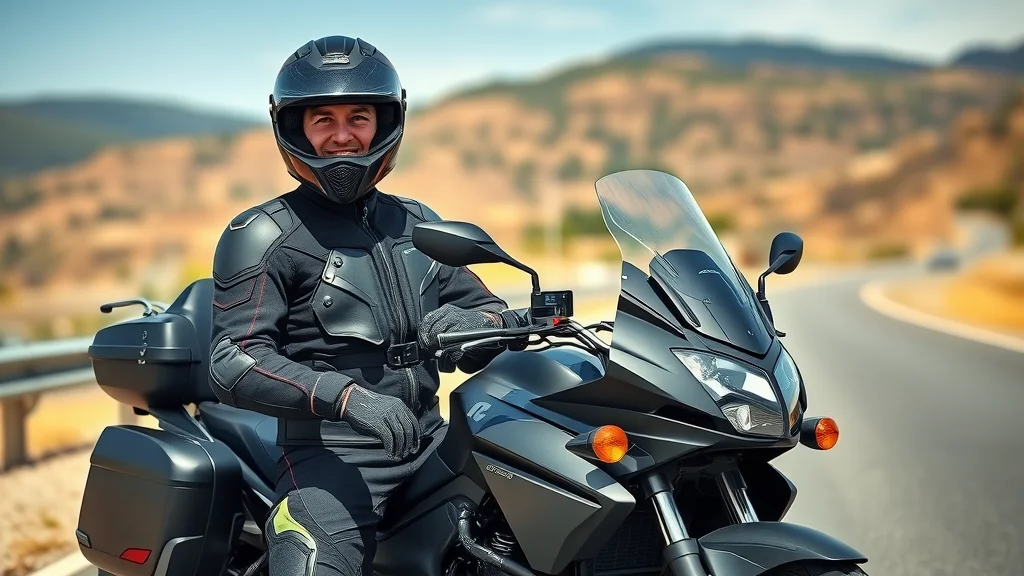
Why Choosing the Right Motorcycle Helmet Matters
The motorcycle helmet is your most critical piece of protective gear. Modern helmets are built to rigorous safety standards and are proven to significantly reduce the risk of serious head injury in the event of a motorcycle crash. When selecting a helmet, always opt for models approved by DOT, ECE, or Snell safety standard certifications. Look for a snug, comfortable fit to prevent slippage, and choose features like full-face or modular designs that provide broader facial and jaw protection. Remember, a helmet is not merely a legal requirement; it’s a life-saving necessity for every ride.
Must-Have Protective Gear for Every Motorcycle Rider
Beyond helmets, comprehensive protective gear is essential in safeguarding a rider’s body during an incident. Essentials include armored jackets, abrasion-resistant pants, sturdy gloves, and reinforced boots. Reflective or high-visibility accessories make you more noticeable to other drivers, reducing the risk of being overlooked in a blind spot. Purpose-built motorcycle clothing often includes padding for key areas like elbows, spine, and knees, offering additional protection from the unpredictable. Investing in quality gear is always a good idea—these barriers can mean the difference between a minor spill and a life-threatening injury.
| Gear Item | Key Features | Benefits |
|---|---|---|
| Motorcycle Helmet | DOT/ECE/Snell Rated, Full-Face Coverage, Vents | Reduces head/brain injury; protects from wind and debris |
| Armored Jacket | CE-Approved Armor, Abrasion-Resistant, Reflective Strips | Shields torso from impact and slides; increases visibility |
| Gloves | Padded Palm, Reinforced Knuckles, Waterproof Options | Prevents hand injuries; improves grip during wet conditions |
| Pants | Kevlar Lining, Hip/Knee Protection, Breathable Panels | Minimizes leg injuries from falls or slides |
| Boots | Over-Ankle, Non-Slip Sole, Reinforced Toe & Heel | Protects feet/ankles; improves traction on all road conditions |
How Defensive Riding Improves Hazard Awareness for Motorcycle Riders
Principles of Defensive Riding During a Motorcycle Ride
Defensive riding means anticipating what might go wrong before it actually does. The principles are simple, but powerful: stay visible, maintain space around you, and always plan an escape route. Always assume other drivers may not see you, especially if you’re riding in their blind spot. Use your lights, change lanes with signals, and avoid lingering beside larger vehicles. Staying alert and scanning far ahead gives you the precious seconds needed to react quickly, especially when riding a motorcycle amid unpredictable motor vehicle behaviors.

Common Scenarios Where Defensive Riding Prevents Accidents
Many accidents occur because riders are caught off guard. Defensive riding shines in urban areas, where heavy traffic, sudden stops, and distracted drivers are common. For example, always expect vehicles to turn left in front of you, and never assume someone will yield even if you have the right of way. In rural environments, watch for loose gravel, wildlife, or farm vehicles—changes that can arise within seconds. Defensive techniques like the 4 second rule, staggered formation in group rides, and slow, controlled turns are essential safety tips for dodging everyday risks. Mastering these techniques ensures you stay safe on the road no matter the scenario.
Following Traffic Laws and Staying Safe on the Road
Top Traffic Laws Every Motorcycle Rider Should Know
Following traffic laws tailored for motorcycle riding keeps you compliant and safer. Laws cover helmet use, lane splitting (where legal), required lighting, speed limits, and signaling requirements. In the United States, many states require all riders to wear DOT-approved helmets, and some prohibit lane-splitting entirely. Some states mandate reflective clothing at night to improve visibility. Always review local regulations before your motorcycle ride, as laws may differ greatly between regions. Staying informed and observant helps you steer clear of penalties and, more importantly, significantly reduces your risk of accidents.
How Obeying Traffic Laws Reduces Road Hazard Risks
Obeying rules is more than a good idea—it’s the backbone of rider safety. Traffic laws are established based on real-world evidence about what keeps all drivers and motorcycle riders safe on the road. When riders speed, ignore signage, or skirt the edge of legal requirements, they increase their exposure to potential hazards like sudden stops or vehicle blind spots. By following traffic laws and adopting a defensive posture, you reduce not only your own risk, but also help foster safer roads for everyone.
Real-World Motorcycle Riding Scenarios: Awareness in Action
Urban vs. Rural Hazards in Motorcycle Riding
Hazards differ drastically depending on your environment. In urban areas, the main dangers are congested traffic, sudden lane changes, unpredictable pedestrians, and poorly marked obstacles like potholes. Blind spots are everywhere, with vehicles obscured by buildings or buses. In rural settings, the risk comes from loose gravel, wet leaves, animals crossing, and weather conditions that can rapidly change road surfaces. Each scenario calls for a tailored approach to motorcycle safety—slow down when vision is obscured, use high-visibility gear in low light, and maintain full attention, especially in unfamiliar or variable conditions.

Wet Roads, Potholes, and Loose Gravel: What Motorcycle Riders Need to Know
Wet roads dramatically decrease tire traction, increasing stopping distances and the risk of sliding—particularly dangerous when negotiating turns. Potholes can jolt your motorcycle, potentially causing loss of control or damaging wheels. Loose gravel, especially in rural or construction areas, can send a bike into a dangerous skid. To handle these hazards, adjust your speed, increase following distance, and avoid sudden movements. Always maintain a firm yet relaxed grip and let your bike glide smoothly over tricky surfaces, using your body weight to balance as needed. Remember: anticipation and preparedness are the best safety tips for challenging roads.
Expert Safety Tips: Voices from the Motorcycle Rider Community
- Best practices shared by experienced riders
- Insider motorcycle safety tips for tricky conditions
- Dealing with other vehicles on the road
“Awareness turns potential hazards into manageable challenges.” – Motorcycle Safety Expert
Seasoned riders frequently cite the same advice: never underestimate the impact of a split-second distraction. Many recommend group rides to learn from others’ experiences and remind that staying visible—by wearing reflective gear and keeping headlights on—can help drivers in motor vehicles notice you sooner. When facing tricky weather conditions, slowing down and postponing rides is sometimes the safest option. The community also emphasizes that a good idea is to take frequent breaks to combat fatigue, and always reassess road conditions before returning to the journey, especially after rest stops.
People Also Ask: Motorcycle Road Hazard Awareness
What is the 1% rule in motorcycles?
Answer: The 1% rule refers to the idea that only 1% of motorcycle riders are 'outlaws,' based on a misunderstanding of riding culture. Most riders are law-abiding and focus on motorcycle safety and community values.
What does 2 fingers down mean to bikers?
Answer: The '2 fingers down' gesture is a common greeting among motorcycle riders, symbolizing respect and a wish to stay safe on the road.
What is the 4 second rule on a motorcycle?
Answer: The 4 second rule is a safety tip meant to help motorcycle riders maintain a safe following distance, enabling them to react to hazards ahead and stay safe on the road.
Which bike is most liked by girls?
Answer: Preferences for motorcycles vary, but comfort, style, and ease of handling are important factors for many female motorcycle riders.
Comprehensive List of Best Practices for Motorcycle Road Hazard Awareness
- Prioritize comprehensive motorcycle safety training
- Regularly inspect your motorcycle for safe riding conditions
- Wear proper protective gear, including motorcycle helmet
- Apply defensive riding strategies in all situations
- Keep abreast of local traffic laws
- Maintain heightened awareness in challenging weather
- Use the 4 second rule for safe following
- Enhance visibility through clothing or lights
- Plan your motorcycle route to avoid hazardous areas
Frequently Asked Questions (FAQs) on Best Practices for Motorcycle Road Hazard Awareness
-
How often should motorcycle riders update their safety training?
Motorcycle safety experts recommend riders update their training every two to three years, or whenever new skills or regulations are introduced. Regular refreshers ensure your hazard awareness and riding techniques remain sharp. -
What should you do if you encounter oil or debris while riding a motorcycle?
If you spot oil or debris up ahead, slow down smoothly, avoid sudden braking or turning, and steer as straight as possible until you’re clear of the hazard. Staying calm and steady helps you maintain traction and control. -
Are there tech tools that enhance motorcycle road hazard awareness?
Yes, tools like blind spot detection systems, tire pressure monitors, and smartphone apps that provide weather or hazard alerts can boost your situational awareness and response time. -
How can new motorcycle riders best prepare for hazardous conditions?
They should enroll in certified rider education courses, invest in quality protective gear, practice riding in controlled environments, and gradually expose themselves to diverse road and weather conditions to build confidence safely.
Key Takeaways: Safeguarding Every Motorcycle Ride

- Best practices for motorcycle road hazard awareness protect lives
- Motorcycle safety starts with training, gear, and ongoing awareness
- Following established safety tips and traffic laws reduces risk
- Defensive riding makes every motorcycle ride safer
Enhance Your Motorcycle Road Hazard Awareness Today
Ready to ride safer? Call Nasty Performance Motorcycle Shop Today: 847-458-4858
If you’re committed to mastering motorcycle safety, remember that awareness is just one piece of the puzzle. Proactive care for your bike—especially as seasons change—can further reduce your risk and keep your rides smooth year-round. For riders eager to elevate their maintenance routine and stay ahead of seasonal challenges, don’t miss the expert guidance in Seasonal Bike Care Secrets Every Rider Must Know. Discover how a few strategic adjustments can make every journey safer, more enjoyable, and worry-free, no matter what the weather brings.



Write A Comment