
Did you know that wearing proper motorcycle gear can reduce the risk of severe injury by nearly 70%? The right gear isn’t just about looking cool—it’s truly a matter of life and death on the road. If you’re looking to maximize your motorcycle safety and comfort, understanding these top 10 motorcycle gear essentials is your best first step. Let’s break down the gear that could save your ride—and your life!
Why the Top 10 Motorcycle Gear Essentials Matter for Every Rider
"According to the Insurance Institute for Highway Safety, wearing the right motorcycle riding gear can reduce the risk of severe injury by nearly 70%. The right gear isn’t just about style—it’s about survival."
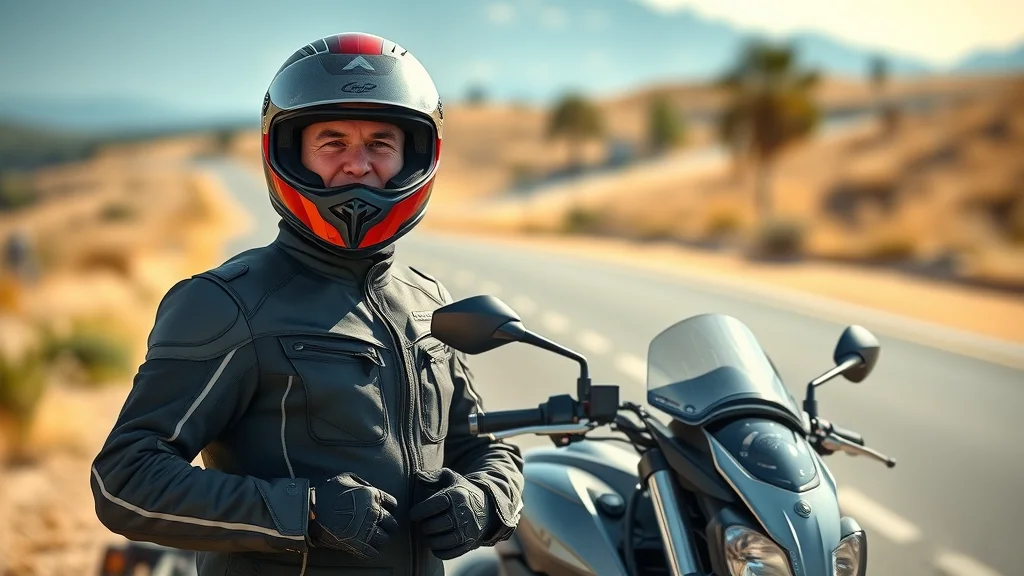
Learn why prioritizing the top 10 motorcycle gear essentials is a lifesaver for new and experienced riders alike. Discover how investing in the right motorcycle gear and motorcycle riding accessories protects you from unforeseen motorcycle accidents.
What You'll Learn About Top 10 Motorcycle Gear Essentials
The most important top 10 motorcycle gear essentials that every rider should own
How specialized motorcycle riding gear enhances comfort and safety
Tips for choosing high-quality motorcycle gear to fit your riding style
The science behind top-rated gear and its role in motorcycle accident prevention
Table: Overview of the Top 10 Motorcycle Gear Essentials
Gear Essential |
Key Safety Features |
Average Price Range |
Best Use-Case Scenario |
|---|---|---|---|
Motorcycle Helmet |
DOT/ECE/Snell certification, full-face coverage, EPS liner |
$120–$800 |
All riders, highway & city riding |
Motorcycle Jacket |
Abrasion resistance, impact armor, ventilation |
$100–$600 |
Year-round, commuting & touring |
Motorcycle Pants |
Reinforcement, armor, weatherproofing |
$80–$400 |
Long rides, sport, adventure |
Motorcycle Gloves |
Knuckle armor, slide protection, grip enhancement |
$40–$200 |
All weather, long & short trips |
Motorcycle Boots |
Ankle protection, grippy sole, waterproofing |
$70–$350 |
Daily riding, touring, sport |
Back Protector/Body Armor |
CE-rated protection, flexible fit |
$50–$200 |
High-speed, off-road, commuting |
Eye Protection |
UV filtering, anti-fog, impact resistance |
$30–$150 |
Open face helmets, night riding |
Base Layers |
Moisture-wicking, temperature regulation |
$20–$100 |
Seasonal riding, long trips |
Reflective/High-Visibility Vest |
Reflective material, adjustable fit |
$15–$60 |
Night, rain, low-visibility |
Communication Devices |
Bluetooth, GPS, SOS alert |
$80–$350 |
Group rides, solo trips, emergencies |
As you consider which gear to prioritize, it's also important to think about how your equipment and accessories can adapt to changing conditions throughout the year. For practical advice on keeping your motorcycle and gear in top shape no matter the season, check out these seasonal bike care secrets every rider should know—a helpful resource for maintaining both safety and comfort as the weather shifts.
The Top 10 Motorcycle Gear Essentials for Safety and Comfort
1. High-Quality Motorcycle Helmet: The Foundation of Motorcycle Riding Safety
DOT, ECE, and Snell ratings
Full-face vs. modular options
Integrated visor and ventilation
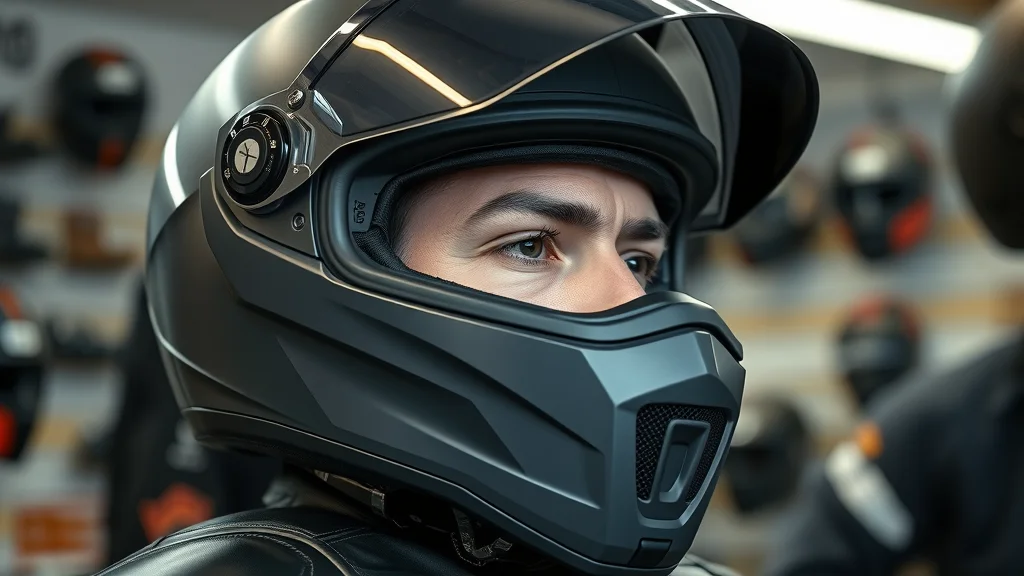
Your helmet is the single most essential piece of motorcycle riding gear. When you ride, your head is the most vulnerable part of your body, and statistics prove that a properly fitted, high-quality motorcycle helmet with a DOT, ECE, or Snell rating significantly reduces the risk of head injuries during a motorcycle accident. Full-face helmets offer superior protection against impact, weather, and road debris, while modular helmets provide extra versatility for riders who value both safety and convenience. Key features to prioritize include an EPS liner for shock absorption, robust chin straps, integrated visors to shield your eyes, and efficient ventilation systems for comfort on long motorcycle rides. Investing in a helmet that meets or exceeds certification standards not only ensures your safety but also complies with helmet laws—helping you ride legally wherever your adventures take you.
2. Motorcycle Jackets: Combining Protection and Style in Motorcycle Riding Gear
Abrasion-resistant materials
Armor placement
All-weather advantages
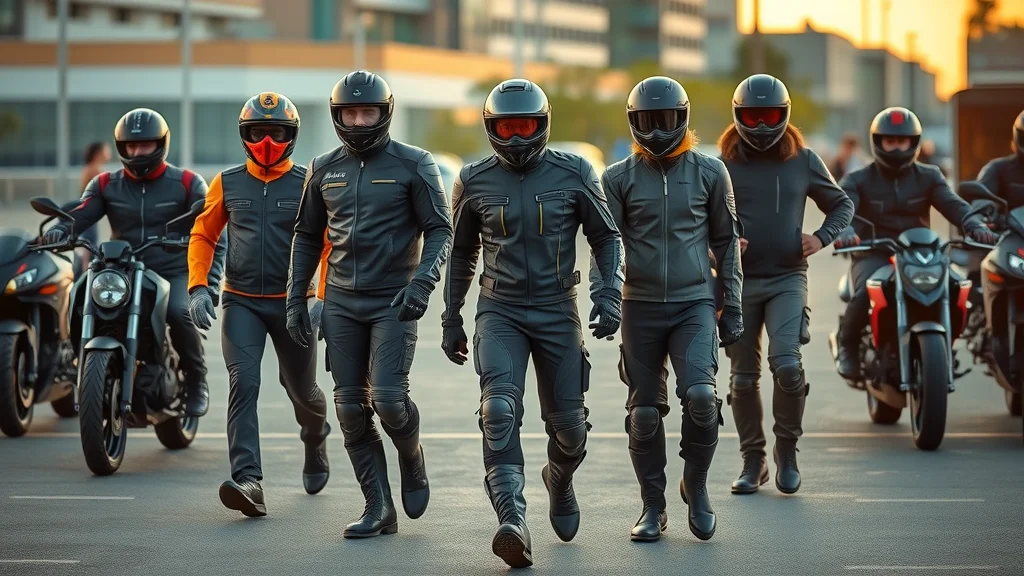
The right motorcycle jacket delivers much more than personal style—it’s your armor against the asphalt. Whether you prefer the classic look of a leather jacket or the versatility of modern textiles, focus on abrasion-resistant materials and integrated body armor at crucial impact zones like the shoulders, elbows, and back. Motorcycle jackets often include features for all-weather compatibility: zippered vents for summer, waterproof layers for rain, and removable linings for cooler rides. When selecting motorcycle clothing, look for certification tags proving the armor meets CE standards. Well-chosen riding gear will not only protect you in the event of a crash but will also keep you comfortable and confident across varying riding conditions.
3. Motorcycle Pants: Essential Comfort and Protection on Long Motorcycle Rides
Kevlar-reinforced and armored pants
Impact zones and weatherproofing
While jackets get all the attention, motorcycle pants are an indispensable part of high-quality riding gear. Unlike jeans, which offer minimal abrasion resistance, motorcycle pants feature heavy-duty fabrics (like Kevlar or Cordura) and removable armor at the knees and hips—the very places that often take the brunt of a motorcycle accident. Motorcycle jeans blend casual looks with robust reinforcement, allowing riders to transition seamlessly from the road to their daily routines. Opt for pants with weatherproof membranes to stay dry and comfortable, and choose fits that allow freedom of movement while still maintaining snugness for impact protection. Long rides demand comfort, so never underestimate the value of a well-fitted pair of riding pants.
4. Motorcycle Gloves: Enhancing Grip and Safety in All Riding Conditions
Reinforced knuckles
Touchscreen compatibility
Seasonal variations
It’s instinctive to stick your hands out to break a fall—which makes motorcycle gloves a crucial part of your defensive arsenal. High-quality gloves are designed not only for impact protection (with reinforced knuckles and padded palms) but also for optimal grip in wet and dry conditions. Many models are touchscreen compatible, so you won’t have to remove them for navigation checks. Remember, wearing gloves dramatically reduces the risk of hand injuries during a motorcycle accident, and they can also prevent numbness and blisters on long motorcycle rides. Pick gloves tailored to the season: ventilated for summer, insulated for winter, and always reinforced for safety.
5. Motorcycle Boots and Riding Boots: Stability and Shielding for Every Ride
Ankle protection
Grippy soles
Weather resistance
Good motorcycle boots or dedicated riding boots offer a blend of comfort, protection, and style that’s hard to beat. Unlike regular footwear, these boots feature reinforced toe boxes, ankle protection, and grippy soles for secure contact with your bike’s controls. The structure of riding boots is engineered to prevent foot and ankle injuries that are common in falls, providing vital protection in the event of a crash. Water resistance ensures your feet stay dry during rain, while breathable linings prevent overheating. Look for boots that reach above the ankle for maximum coverage, and always choose pairs designed specifically for motorcycle riding, as their unique features offer unmatched stability and safety.
6. Back Protector and Body Armor: Key Motorcycle Riding Gear for Impact Protection
CE-rated armor
Types: insert vs. standalone
How body armor reduces motorcycle accident injuries
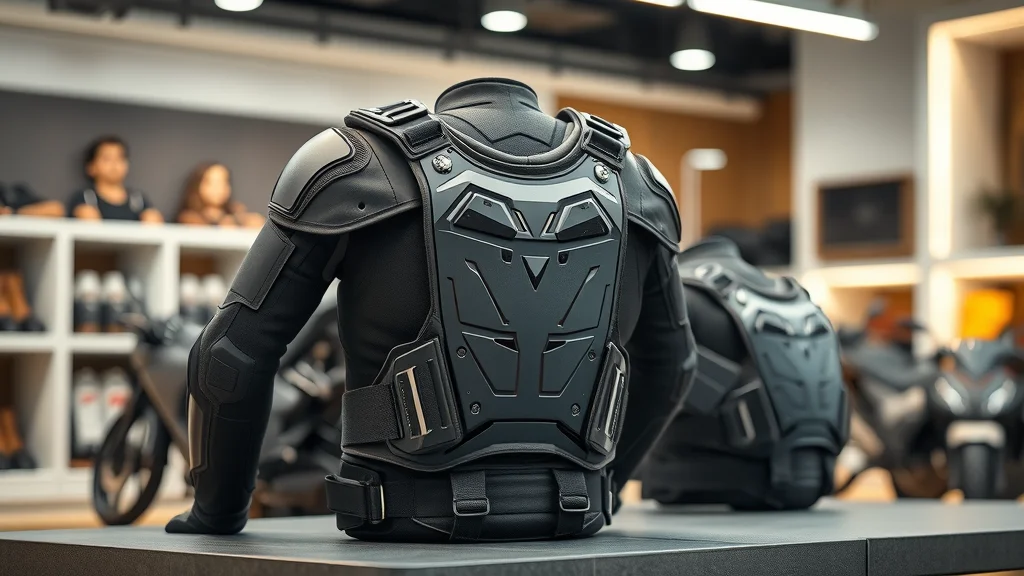
Often overlooked but immensely important, back protectors and full body armor can mean the difference between a minor bruise and a life-altering injury. CE-rated back protectors absorb and dissipate the force of impacts to the spine during a motorcycle accident. They are available as inserts (which slip into compatible jackets) or as standalone units you can strap to your torso. Full body armor sets, covering the chest, shoulders, and back, are particularly valuable for riders who engage in high-speed or off-road riding. Medical studies show these protective devices are highly effective in minimizing spinal and torso injuries in the event of a crash. For any serious rider, body armor isn’t optional—it’s an essential piece of safety equipment.
7. Eye Protection: Safeguarding Vision During Every Motorcycle Ride
Helmet visors vs. goggles
UV protection
Anti-fog solutions
Clear vision is non-negotiable for motorcycle safety. Eye protection—whether it’s a helmet visor or a quality set of goggles—shields your eyes from dust, bugs, wind, and harmful UV rays. For open-face helmets, dedicated motorcycle goggles with anti-fog and anti-scratch coatings offer the best defense against environmental hazards. UV-protective lenses reduce eye strain on sunny days, while treated visors maintain clarity in rainy or humid conditions. Advanced visors may also include pinlock inserts to prevent fogging on cool mornings. Don’t ignore this essential piece of motorcycle gear; protecting your sight helps you spot road hazards sooner and react quicker, keeping your motorcycle ride safe and comfortable.
8. Base Layers: Temperature Regulation for Optimal Riding Gear Comfort
Moisture-wicking fabrics
Layering for cold and hot climates
Comfort is a huge factor in safe riding, and it starts with what you wear closest to your skin. High-quality base layers made from moisture-wicking fabrics move sweat away from your body, keeping you dry in all climates. During cold rides, thermal base layers trap body heat, while in hot weather, lightweight synthetic or wool materials help your skin breathe and cool down efficiently. Layering your motorcycle riding gear with technical base layers not only improves comfort but also extends the performance of your outer gear—making every motorcycle ride easier and safer.
9. Reflective or High-Visibility Vests: Motorcycle Accessories for Night and Low-Light Conditions
Recommended standards
Integration with motorcycle jackets and pants
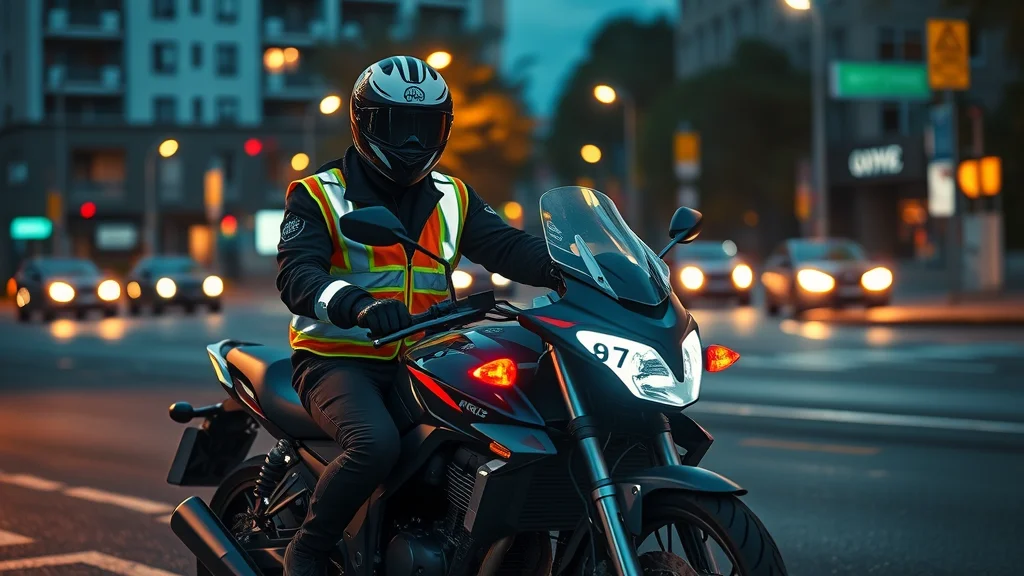
Statistics show that motorcycle accidents are more likely to occur at night or in low light, underscoring the need for high-visibility gear. Reflective or high-visibility vests dramatically boost your presence on the road by making you stand out to motorists. Quality vests use ANSI or EN471-certified materials and are designed to integrate over or within your existing motorcycle jackets and pants without restricting movement. Reflective piping and neon panels catch headlights from every angle, reducing your risk of injury when visibility drops. Never underestimate this simple, low-cost piece of gear—investing in good reflective accessories could save your life.
10. Communication Devices: Ride-Enhancing Motorcycle Accessories
Bluetooth helmet systems
Navigation and emergency call functions
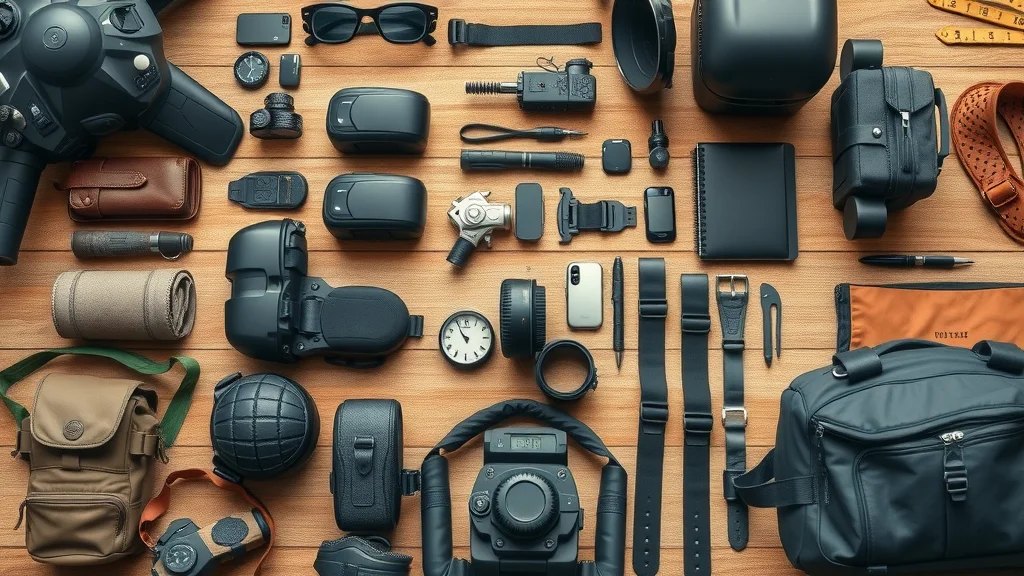
Modern communication devices are much more than luxury motorcycle accessories. Bluetooth helmet systems let you stay in touch with fellow riders, receive voice navigation, and make emergency calls without having to pull over. Many contemporary units are waterproof, noise-cancelling, and easy to use with gloved hands. Advanced systems offer group intercom functions, live hazard alerts, and even music streaming to make your ride more enjoyable. By keeping you connected and informed, these accessories add a new layer of safety and convenience—making them a worthwhile investment for both solo and group rides.
How the Right Motorcycle Riding Gear Prevents Motorcycle Accident Injuries
Research data on gear-related injury reduction
Real-world examples of effective riding gear use during accidents
Selecting riding gear for impact and abrasion protection
Numerous studies confirm that wearing certified motorcycle gear is directly linked to a substantial reduction in the risk of injury. The Insurance Institute for Highway Safety highlights that gear like a high-quality helmet, sturdy motorcycle boots, and CE-rated body armor drastically reduce the severity of injuries sustained during a motorcycle accident. Riders who invest in all 10 essential pieces of motorcycle riding gear consistently fare better in crashes, often walking away with minor scrapes instead of life-altering trauma. Real-world case studies reveal countless situations where durable motorcycle jackets, reinforced riding pants, and robust gloves prevented deep abrasions and even broken bones. Selecting gear that meets certification standards and fits your specific riding needs is not just a smart choice—it’s a proven strategy for safe, confident riding.
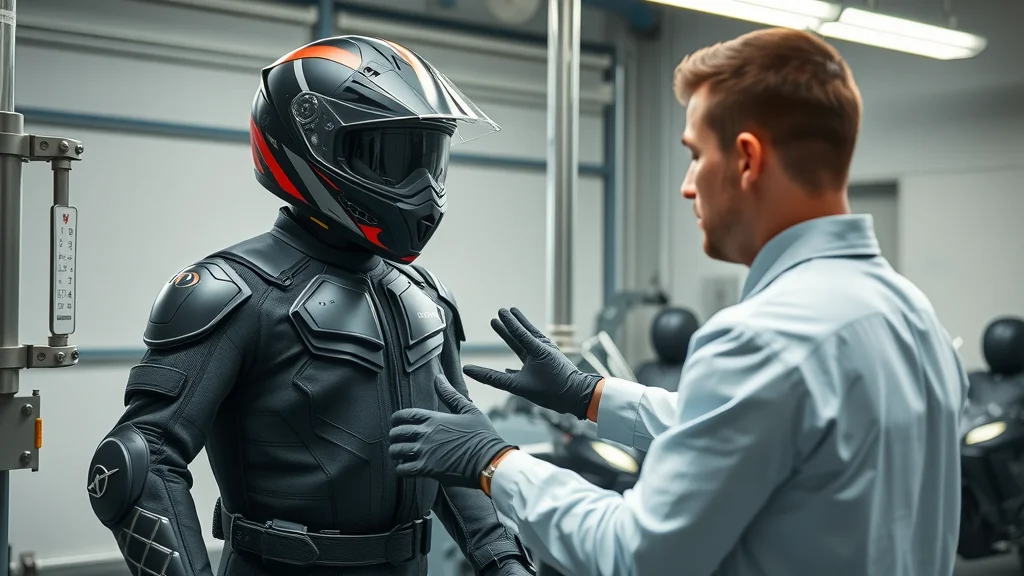
Understanding how to properly fit your motorcycle gear is critical—improperly adjusted gear won’t offer the full level of protection or comfort intended. Watch this detailed instructional video on correct fitment, adjustment, and safety checks for helmets, jackets, gloves, pants, boots, armor, and more using a real rider model. See how each essential piece should feel, the safety features to check, and how to avoid common fitting pitfalls.
Good maintenance extends the life of your motorcycle riding gear and preserves its protective qualities. In this practical video guide, learn step-by-step cleaning routines, armor inspections, waterproofing techniques, and storage tips for each of your top 10 motorcycle gear essentials—helping you get the best value and confidence from your investment.
Expert Tips on Selecting the Best Motorcycle Gear and Motorcycle Accessories
How to balance comfort, protection, and budget
Evaluating fit and certification labels
Why investing in quality riding gear is a smart decision
Choosing the best motorcycle gear is about more than picking the flashiest style or the cheapest option. Always start by balancing comfort and protection—your gear should fit snugly without restricting movement and must carry visible certification labels for impact and abrasion standards. Test multiple brands to find the perfect size, and never compromise on protective features for the sake of cost or looks. Consider the climate you ride in most frequently and opt for weather-appropriate features (like ventilation or waterproof membranes). While high-quality gear may seem pricey, its durability and superior protection save money—and potentially your life—in the long run. Whenever possible, try on gear in person before buying, ensuring all critical zones are covered and that the fit supports full range of motion on your motorcycle ride.
People Also Ask
What motorcycle gear is essential?
Essential motorcycle gear includes a helmet, jacket, pants, gloves, boots, back protector, eye protection, base layers, reflective vests, and communication devices. Each piece is critical for safety, comfort, and legal compliance on any motorcycle ride.
What is the 2 4 12 second rule on a motorcycle?
This rule helps motorcycle riders manage space and reaction time: scan 2 seconds ahead for hazards, maintain 4 seconds behind moving vehicles, and look 12 seconds ahead to anticipate traffic changes and avoid motorcycle accidents.
What does every motorcycle rider need?
Every rider needs the top 10 motorcycle gear essentials for protection, including helmet, riding gear, boots, gloves, and often useful motorcycle accessories for increased safety and comfort.
Is $1000 a good down payment for a motorcycle?
A $1000 down payment on a motorcycle is generally advisable, improving loan terms and showing financial responsibility, but always consider total costs such as insurance and essential motorcycle gear.
Advantages of Investing in High-Quality Motorcycle Riding Gear
Enhanced protection against motorcycle accidents
Improved comfort on long motorcycle rides
Durability that saves money over time
Quality motorcycle riding gear offers multiple benefits: it dramatically reduces the risk of injury in an accident, provides comfort during every ride (even in challenging weather), and, thanks to robust materials, requires less frequent replacement. Smart riders view gear as a long-term investment in both safety and enjoyment.
Key Takeaways: Top 10 Motorcycle Gear Essentials Checklist
Prioritize certified helmets and back protectors.
Opt for weather-appropriate motorcycle riding gear.
Always use gloves and riding boots.
Never overlook reflective gear and accessories.
Reinvest in gear after any serious motorcycle accident.
FAQs: Common Questions about Motorcycle Gear Essentials
Q: How often should I replace my motorcycle helmet?
A: Every 5 years, or immediately after a crash.Q: Can I use regular boots instead of motorcycle boots?
A: Specialized motorcycle boots offer superior protection and grip.Q: What’s the best fabric for motorcycle jackets?
A: Leather and textile both provide excellent protection when armor is included.
Conclusion: Stay Safe and Comfortable With the Right Motorcycle Gear
"Outfitting yourself with the top 10 motorcycle gear essentials isn’t just recommended—it's non-negotiable for responsible riders. Safety and comfort travel together, every mile."
Equipping yourself with the right motorcycle gear is just the beginning of a safer, more enjoyable riding experience. To truly get the most out of every season and ensure your investment in gear pays off, it's wise to adopt a holistic approach to motorcycle care. For deeper insights on how to protect your bike and gear year-round, explore our expert guide on seasonal bike care strategies. You'll discover practical tips that go beyond the basics, helping you ride with confidence no matter what the weather brings. Take your safety and comfort to the next level by making maintenance and preparation part of your regular routine.
Ready to Gear Up?
Call Nasty Performance Motorcycle Shop Today: 847-458-4858

Write A Comment