
Did you know that improper packing is one of the top reasons trips go off track? Packing might just seem like stuffing bags, but when you're heading out on a motorcycle trip, how you organize your gear directly influences comfort, safety, and enjoyment. Whether you’re gearing up for your first weekend escape or a cross-country touring motorcycle adventure, mastering the basics of smart packing transforms stressful rides into memorable journeys. Dive into this beginner’s guide to packing for motorcycle trips and start your next trip prepared, organized, and ready for whatever the road brings.
Unlocking the Secrets of Smart Motorcycle Trip Packing
"Did you know that improper packing is one of the top reasons trips go off track? Learn how a beginner’s guide to packing for motorcycle trips can transform your journey."
The secret to a successful motorcycle trip packing experience starts with knowledge and planning. It’s easy to underestimate the challenges of trip packing until you’re on the open road facing an unexpected downpour or, worse, rooting through your bags to find lost essentials. Whether you’re a novice or planning your first long distance trip, understanding the core principles behind a well-organized trip pack can make every mile smoother. Smart motorcycle packing means strategically placing each item for balance, easy access, and weather preparedness.
One of the top mistakes new riders make is failing to adapt their packing list to the journey's duration and destination. Rather than guessing what you’ll need, this beginner’s guide to packing for motorcycle trips unpacks everything from gear essentials to ingenious organization tricks that save space and ensure nothing gets left behind—or flies off on the highway. After all, smart motorcycle trip packing is not just about what you take, but also how you carry it.
What You'll Learn in This Beginner’s Guide to Packing for Motorcycle Trips
- How to create an effective motorcycle trip packing list
- Essential gear and motorcycle trip pack essentials for every weather and distance
- Expert tips for motorcycle packing that maximize space and comfort
- Proven strategies for long distance and touring motorcycle adventures
Understanding Motorcycle Trip Packing Essentials
The Foundation: Why a Structured Packing List Matters
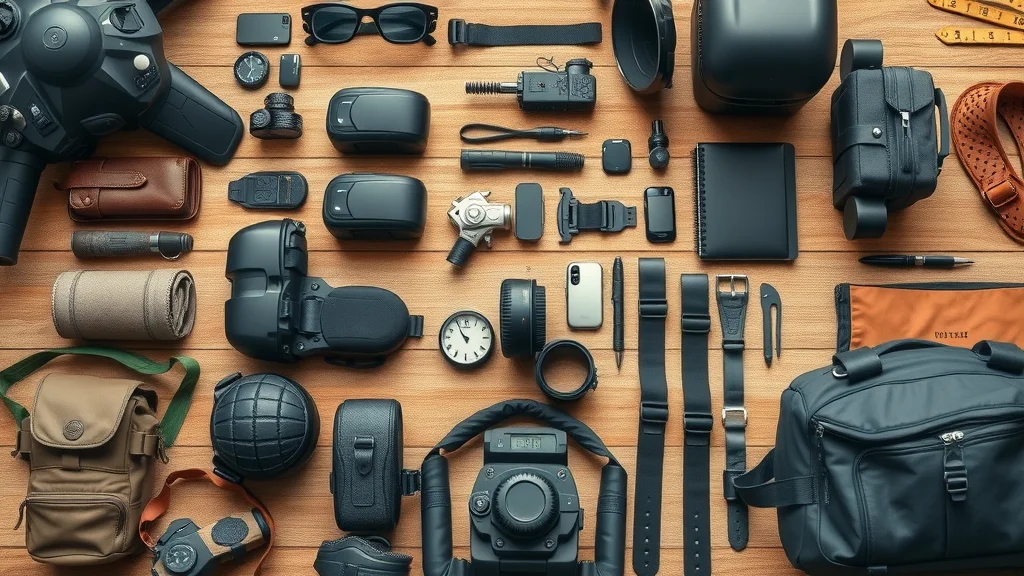
A well-planned packing list is the foundation for every smooth motorcycle trip packing experience. When you’re dealing with limited space and a moving vehicle, discipline and order matter more than ever. A structured trip packing list prioritizes what’s essential—balancing must-have protective gear, emergency items, and simple comforts. The process begins by categorizing items (like clothing, tools, and paperwork) to prevent forgetting vital things and overpacking unnecessary bulk.
Using a motorcycle trip packing list takes the guesswork out of what to pack and minimizes stress, allowing you to focus wholly on the ride. More experienced riders swear by checking off a written (or digital) list before every departure, which is a proven way to save time and avoid last-minute dashes to the nearest store for a forgotten piece of riding gear. With practice, your packing list becomes personalized, reflecting your riding habits, weather, and trip duration.
As you refine your packing strategy, it's also important to consider how seasonal changes can impact your gear choices and trip preparation. For a deeper dive into maintaining your motorcycle and adapting your approach throughout the year, check out these seasonal bike care secrets every rider should know—they’ll help you stay ready for any weather or road condition.
Motorcycle Trip Pack Categories: Clothing, Tools, Documents, and More
Organizing your motorcycle trip pack into smart, manageable categories is a cornerstone of efficient packing. Start by separating your gear into essential groups: riding gear (helmets, jackets, boots), everyday clothing, repair tools, first aid, and critical documents. This structured approach not only helps ensure nothing important is left behind but also enables you to retrieve items quickly in the middle of a long moto adventure or unpredictable weather.
Tech tools, such as a well-charged phone, chargers, and possibly a GPS device, belong in their category, while a small kit with basic trip repair tools (think tire patch, wrenches, and duct tape) is crucial for roadside fixes. Clever storage solutions, like compression sacks and ziplock bags, keep smaller items dry and compact, making it easier to utilize limited storage space on your bike. By dividing your packing into categories, you create a safety net against accidental omission and set yourself up for a hassle-free long distance trip.
Crafting the Ultimate Motorcycle Trip Packing List
- Riding gear: helmets, jackets, gloves, and boots
- Weather-appropriate clothing for long motorcycle journeys
- Tool kits for road repairs
- Medical and emergency supplies
- Documents: license, registration, insurance
- Electronics and chargers
| Item | Short Trip Need | Long Trip Need | Pro Packing Tips |
|---|---|---|---|
| Riding Gear (helmet, jacket, gloves, boots) | Yes | Yes (may need spares) | Pack protective gear first, ensure comfort & fit. Consider waterproof gear for longer rides. |
| Weather-Appropriate Clothing | Minimal layers | Multiple layers; options for changes in weather | Use compression sacks to save space, focus on moisture-wicking fabrics for long moto trips. |
| Tool Kit | Basic tools | Full tool roll, tire kit | Keep tools organized in a roll; include bungee cords and cargo net for securing loads. |
| Medical/Emergency Supplies | Basic kit | Expanded kit, safety pins, emergency blanket | Pack these where easily accessible in any emergency. |
| Documents (license, reg, insurance) | Yes | Yes (+ copies) | Seal originals in a ziplock bag; keep digital backups if possible. |
| Electronics & Chargers | Minimal—phone & charger | Phone, GPS, portable battery, chargers for all devices | Keep a dedicated pouch for all electronics; avoid tangling cords by using cable ties. |
Choosing the Right Bags and Compression Sacks for Motorcycle Packing
Top Touring Motorcycle Luggage Systems for Beginners
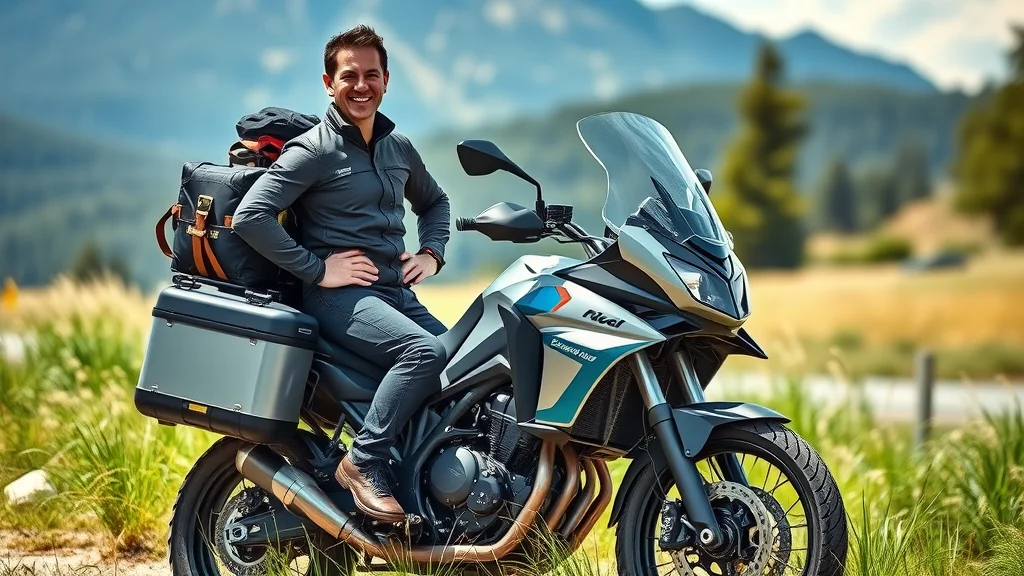
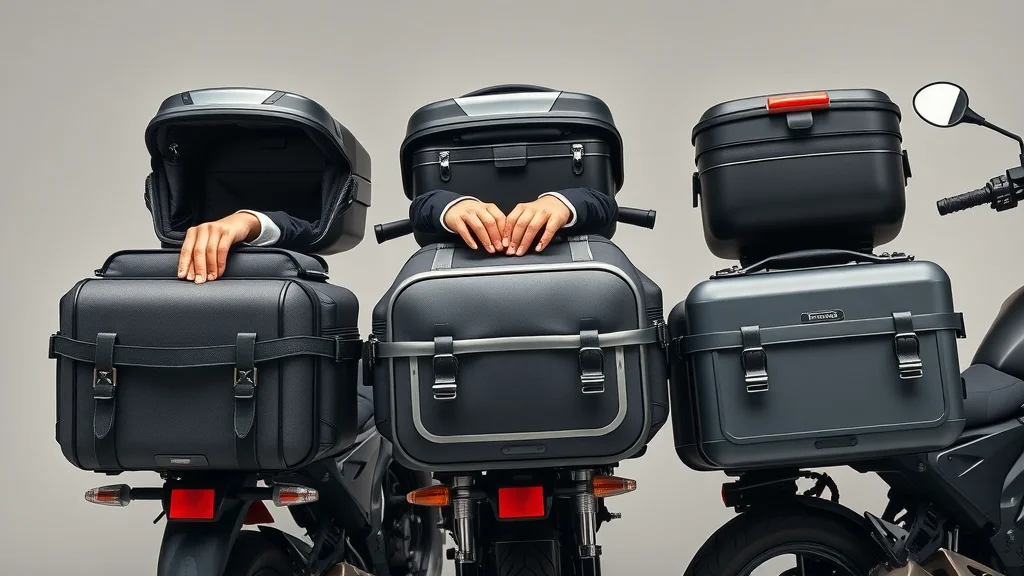
Picking the right luggage is crucial in motorcycle trip packing. As a beginner, you’ll likely choose between saddlebags, tail bags, or tank bags. Hard cases offer unmatched protection and security, ideal for all-weather touring motorcycle trips. However, soft bags or hybrid systems can save space and are generally lighter—perfect for beginners mindful of their bike’s weight and limited space. Ensure your chosen system securely attaches to your motorcycle with minimal risk of movement during your ride.
Saddlebags distribute weight low and evenly on the bike, which is perfect for stability during long distance trips. Tail bags and tank bags are advantageous for storing frequently accessed items like snacks, rain gear, or maps. Regardless of type, always consider weather resistance and easy access. Investing in quality fastening systems—like bungee cords or a rock-solid cargo net—keeps your load steady, protecting both your items and your safety on winding roads.
How Compression Sacks Maximize Space for Motorcycle Trip Packing
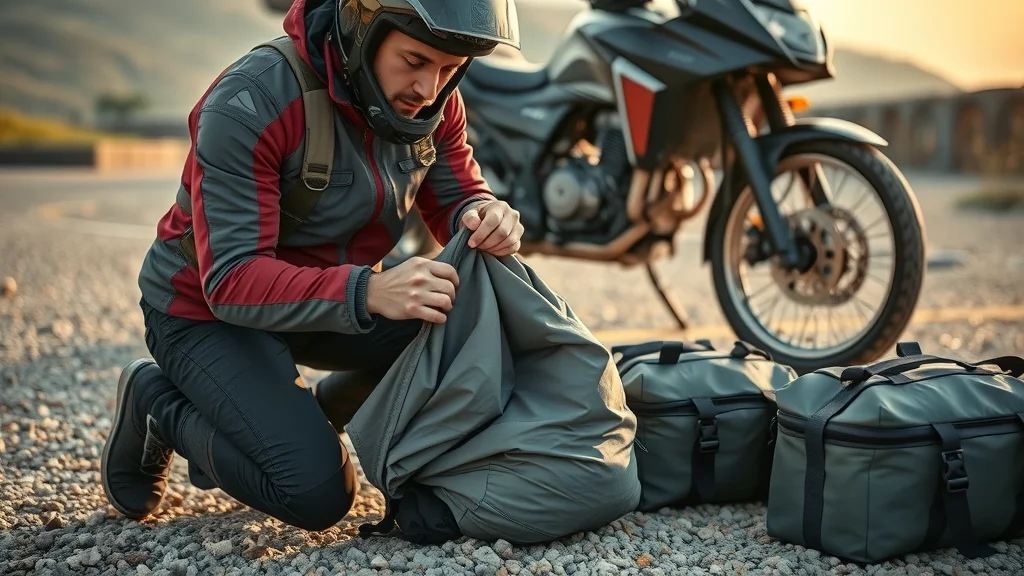
Using a compression sack is every seasoned rider’s secret weapon for efficient motorcycle trip packing. These sturdy sacks allow you to reduce the volume of bulky clothing and sleeping gear so you can free up limited storage space on your bike. Simply stow your soft items—jackets, mid-layers, socks—within each sack, then cinch it down until excess air is squeezed out. This not only saves room but also keeps your items organized and protected from moisture.
Compression sacks are invaluable for long moto journeys, allowing easy separation of clean and dirty clothes or quick swaps for changing weather. Modern versions are lightweight, water-resistant, and add almost no extra bulk. For longer distance trips, consider investing in a few color-coded sacks to quickly locate what you need. This upgraded packing strategy can mean the difference between a stressful, overstuffed bag and a streamlined, enjoyable motorcycle adventure.
Expert Tips: Packing for Long Distance Motorcycle Adventures
- Layering and minimizing bulk
- Balancing weight for safety
- Securing the load to avoid shifts on rough terrain
For long distance motorcycle trip packing, efficiency is everything. Begin by layering clothing to minimize bulk—opt for a moisture-wicking base, comfortable mid-layer, and lightweight but waterproof outerwear. This classic trip packing hack ensures adaptability while using minimal space. Remember, packing light is key; resist the urge to bring "just in case" items that only add to your load.
Next, balance your cargo by placing heavier items low and near the bike’s centerline. An unbalanced load impacts handling and safety. Secure everything tightly using bungee cords or cargo nets, double-checking for movement before you hit the road. Clever placement of essential items—like first aid kits and rain gear—where they are quick to reach can make your journey safer and less stressful. Finally, always test-pack before your actual departure: it’s the only way to spot awkward fits and storage space issues before they happen out on the open highway.
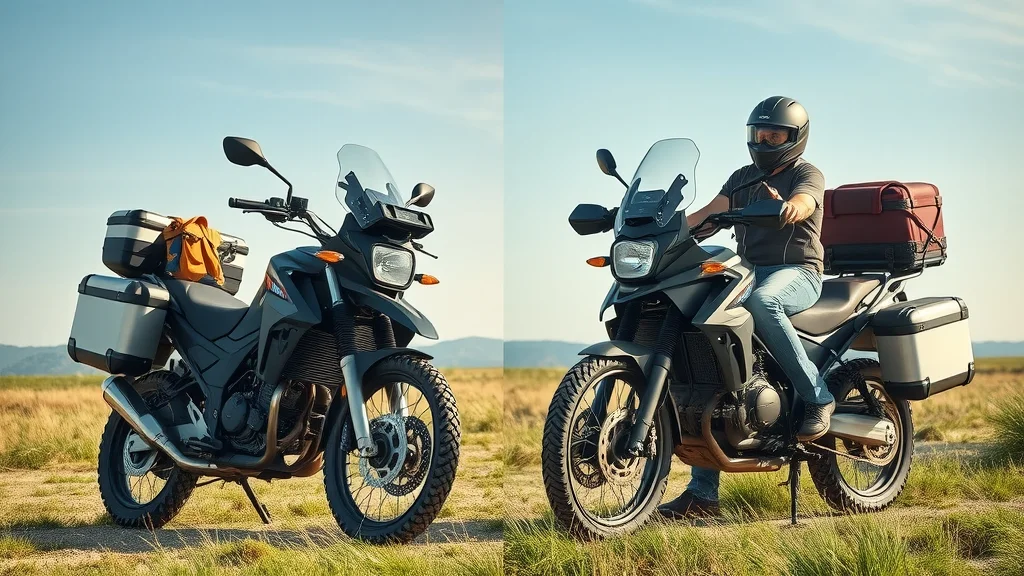
Watch this step-by-step video demonstration to see the packing process in action—including safe weight distribution, how to use compression sacks for clothing and gear, and tips on placing essential trip pack items for quick access. See exactly how seasoned riders turn chaos into order before every motorcycle trip.
Packing for Different Types of Motorcycle Trips
Weekend Escapes vs. Extended Touring Motorcycle Adventures
Packing for a day trip or a short weekend escape is dramatically different than prepping for a long moto or extended touring motorcycle adventure. For short journeys, keep your trip pack basic—only the essentials like light weatherproof clothing, minimal tools, and a few snacks. Stick to a single bag or tank bag to avoid unnecessary weight.
In contrast, extended motorcycle adventures demand thoughtful motorcycle trip packing: more changes of clothes, expanded tool kit, layered riding gear, and potentially camping supplies. Here, multiple luggage options come into play, and maintaining a tight, organized packing list is vital for balancing convenience and managing the weight. Always customize your approach based on ride length, expected terrain, and access to resources along your route. Whether quick getaway or epic ride, a smart trip packing list saves time and enhances every mile.
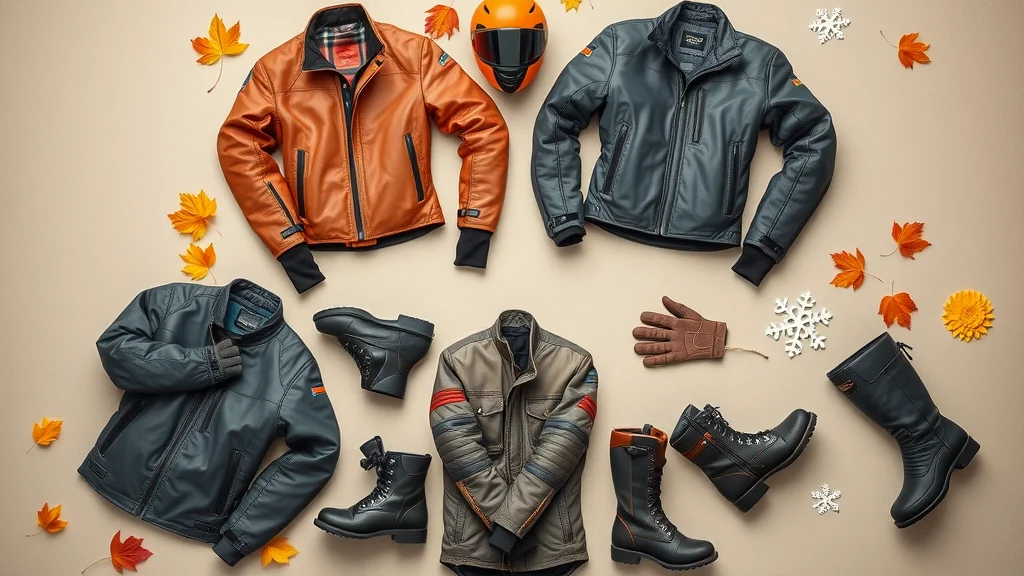
Seasonal Motorcycle Trip Packing List Adjustments
Every season brings unique challenges for motorcycle trip packing. In summer, pack light, focusing on high-ventilated gear and extra hydration. Spring and fall rides require a blend of rain gear, mid-weight layers, and flexible gloves. Winter adventures demand the bulkiest pack: insulated, waterproof layers, heated gear if possible, plus emergency supplies for cold weather risks.
Always adjust your trip packing list to account for rapidly changing conditions—adding safety pins, ziplock bags for electronics, and wind/waterproof covers for bags. Even on warm weekends, rapid weather changes can catch you unprepared, especially in the mountains or remote areas. With the right attitude and a flexible approach to your motorcycle trip pack, every season becomes rideable and memorable.
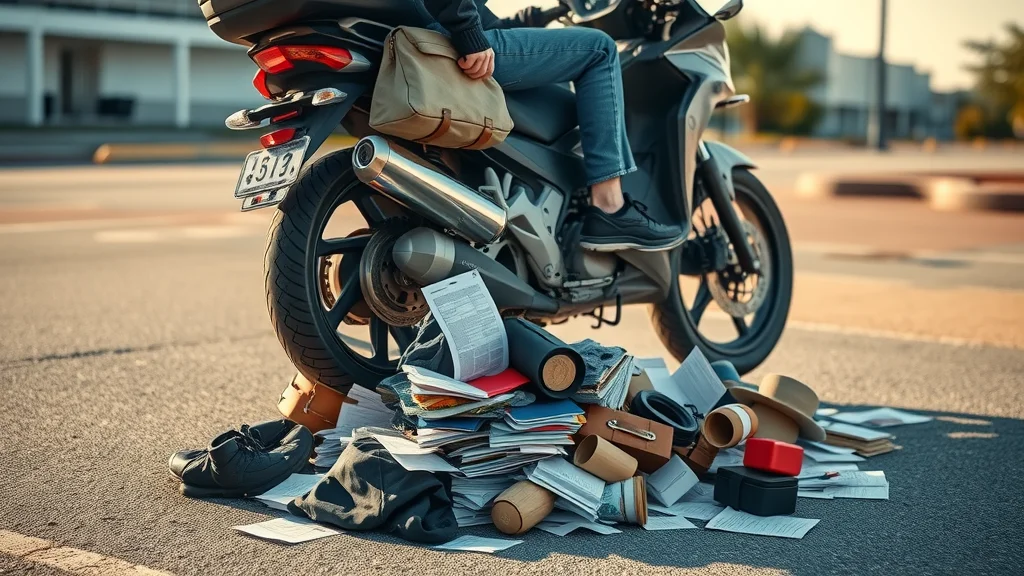
Quotes from Experienced Riders: Their Trip Packing Secrets
"Packing light but right is the golden rule—your comfort and safety depend on it." — Veteran Touring Rider
Talking with seasoned riding communities always reveals surprising packing tricks. From using compression sacks for efficient storage space, to never forgetting a compact tool kit with safety pins, and utilizing bungee cords for secure loads, riders agree that less is often more. Many mention creating a trip pack customized for each long distance trip, and refining their motorcycle packing with every ride. Their biggest advice? Stick to your packing list, review it before every departure, and always prioritize protective gear and comfort.
Common Motorcycle Trip Packing Mistakes Beginners Make
- Overpacking and underpacking: what to avoid
- Packing non-essential items
- Improperly securing bags
Beginners often falter by overpacking—filling every inch of storage space with “just in case” items—or underpacking, forgetting essentials like rain gear or crucial tools. Another common misstep is neglecting to properly secure bags: all it takes is one sudden stop or bumpy patch to send gear flying with only a loose cargo net or failing strap. Avoid packing non-essentials to keep weight manageable and focus on a packing list that serves both daily and emergency needs.
Carelessness with securing your cargo can lead to scattered belongings or worse, a dangerous handling situation. Always double-check every buckle, bungee, and zipper before you hit the open road. Seasoned riders frequently use safety pins, ziplock bags for organization, and test their trip pack load with a short ride before every long adventure. With a bit of care and the right gear, such mistakes become learning opportunities—not trip-ending disasters.
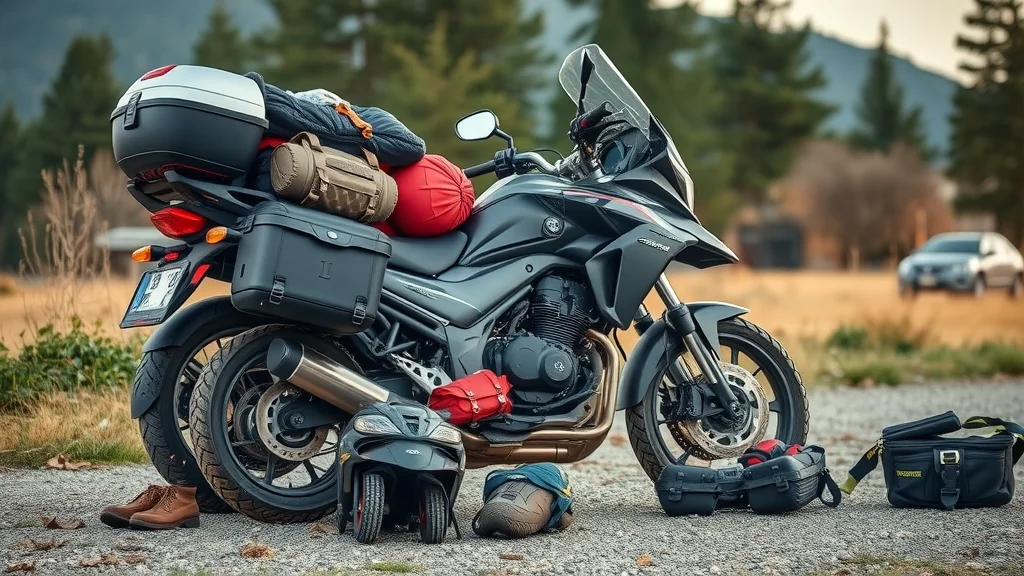
Discover how to build and use a comprehensive packing list to streamline every part of your motorcycle trip. This friendly explainer highlights category-based organizing, pre-trip checks, and quick tips for customizing your list for every journey type and season.
People Also Ask: Beginner's Guide to Packing for Motorcycle Trips
What is the 2 4 12 second rule on a motorcycle?
The “2 4 12 second rule” is a fundamental safety guideline for motorcycle riders. It means you should maintain a minimum following distance of two seconds behind the vehicle in front, allow four seconds if conditions are less than ideal (like rain or heavy traffic), and actively scan the road 12 seconds ahead to anticipate turns, hazards, or changing traffic. This rule helps ensure enough time for safe stopping and reaction, especially during long motorcycle adventures or when your packs add weight to your ride.
Understanding Following Distance: The 2, 4, and 12 Second Rule Explained for Motorcycle Trips
On motorcycle trips—whether a quick day trip or a cross-country journey—keeping the proper following distance can prevent accidents. Two seconds is the minimum in ideal conditions, but increasing to four seconds gives a safer buffer in rain, traffic, or when carrying heavy loads. Scanning 12 seconds ahead lets you spot obstacles or route changes early, which is even more important when your trip packing adds weight or shifts your balance.
What does 2 fingers down mean on a motorcycle?
The “2 fingers down” gesture is a friendly signal in motorcycle culture. When a rider lowers two fingers on their left hand as they pass another biker, it’s a way of showing mutual respect, solidarity, and a wish for a safe journey. It’s a tradition that unites riders everywhere, whether you’re on a solo day trip or a long moto tour.
Motorcycle Trip Culture: The Meaning Behind the 2 Fingers Down Gesture
Showing two fingers down stands for peace and safety on the road. It’s a nonverbal way to connect with fellow riders and celebrate the unique brotherhood or sisterhood of motorcycle travel. Even as you focus on your trip packing and gear, don’t forget the simple gestures that make motorcycle adventures so memorable.
What to pack for a 7 day motorcycle trip?
For a week-long motorcycle trip, essentials include: full riding gear (helmet, jacket, gloves, and boots), seven sets of moisture-wicking clothing (with at least two sets for flexibility), rain gear, a compact tool kit, small first-aid/emergency kit, documents (license, insurance, registration), chargers for electronics, and toiletries. Use compression sacks and dedicated bags to organize. Don’t forget small but often-overlooked items like safety pins, a ziplock bag for valuables, and bungee cords for securing loose items.
Detailed Packing List for a Week-Long Motorcycle Trip
Here’s a quick reference: 1 helmet, 1-2 jackets (all-weather), 2-3 pairs of gloves, 1 pair of riding boots, 1 rain suit, 7 sets of underwear/socks, 3-4 shirts, 2-3 pants/jeans, sleepwear, tool kit, medical kit, all documents, phone and GPS with chargers, camera (optional), toiletries, sunscreen, lip balm, and compact towel. Pack versatile items that suit both riding and time off the bike for evening meals or sightseeing.
Is $20,000 a lot for a motorcycle?
The value of a motorcycle depends on brand, model type, condition, and features. $20,000 can buy a high-end touring motorcycle packed with accessories or a brand-new mid-range adventure/touring bike. While it may seem steep for beginners, investing in comfort, safety, and quality is worthwhile for those planning frequent or long distance motorcycle trips. Always compare models, research reviews, and assess your intended use before buying.
Motorcycle Trip Budgeting: Understanding Motorcycle Costs and Value
Budgeting for a motorcycle adventure means weighing initial purchase price, maintenance, fuel, gear, and travel costs. Whether you aim for a budget-friendly bike or splurge on a premium ride, prioritize models that fit your touring motorcycle goals and can handle your planned trip packing strategy. Remember, quality riding gear and reliable storage solutions are equally important investments!
FAQs: Beginner's Guide to Packing for Motorcycle Trips
-
How do I choose the right riding gear for a motorcycle trip?
Look for gear specifically designed for your riding conditions: select a helmet that fits well, a durable, weather-appropriate jacket, gloves for your climate, and boots that offer good support. Prioritize comfort, protection, and weatherproofing. Try your gear out with your bike before your trip to ensure flexibility and comfort. -
What are the essentials for a motorcycle trip packing list?
Essentials include full riding gear, a basic tool kit, first aid supplies, weather-appropriate clothing, critical documents (license, registration, insurance), electronics (phone, GPS, chargers), toiletries, and any medications you need. -
How can I prevent my bags from shifting during a trip?
Use sturdy fastening systems such as bungee cords, cargo nets, or purpose-built bag straps. Test the load by moving your bike and taking a short ride before leaving for your trip. Make adjustments as needed to ensure nothing moves or rattles. -
What storage options are best for long distance motorcycle packing?
For long trips, invest in a reliable combination of hard cases and soft bags. Compression sacks are vital for reducing clothing bulk, and waterproof covers are critical for unpredictable weather. Make sure all storage is securely attached and easy to access.
Key Takeaways for First-Time Motorcycle Trip Packers
- Start with a clear, categorized packing list
- Prioritize safety, comfort, and balanced weight
- Adapt packing approach to trip duration and weather
- Utilize modern packing gear like compression sacks
Connect with the Experts for Motorcycle Trip Packing Advice
"Call Nasty Performance Motorcycle Shop Today: 847-458-4858 for personalized tips on your next motorcycle trip pack."
Ready to take your packing to the next level or have questions about your first big ride? Call Nasty Performance Motorcycle Shop Today: 847-458-4858 for personalized, expert packing advice. Ride smarter—happy travels!
Conclusion: With a practical strategy, organized packing list, and the right mindset, even first-time motorcycle trip packers can conquer the open road safely and comfortably!
Now that you’re equipped with the fundamentals of motorcycle trip packing, why not take your preparation a step further? Understanding how to care for your bike throughout the changing seasons can make every journey smoother and extend the life of your ride. Explore the essential seasonal bike care tips trusted by experienced riders—these insights will help you anticipate challenges, protect your investment, and ensure your motorcycle is always ready for adventure, no matter the weather. Your next trip starts with smart packing and continues with year-round bike care.


Write A Comment