Add Row
Add Element
cropper
update

Nasty Performance ~ 847-458-4858 

update
Add Element
  • Blog Home
  • Categories
    • Motorcycle Maintenance
    • Riding Tips & Preps
    • Safety & Inspection
    • Customizations & Upgrades
    • DIY Motorcycle Repairs
    • Motocycle Audio Systems
    • Motocycle Seasonal Care & Storage
    • Engine, Electrical Performance
  • Bike Night
  • Nasty Performance Motorcycle Shop
February 07.2026
1 Minute Read

Spring Motorcycle Brake Check: Stay Safe and Avoid Accidents

Did you know that improper motorcycle maintenance , especially neglected spring motorcycle brake checks , contributes to over 30% of avoidable motorcycle accidents each year? That's a startling number—one you don't want to be a part of as the riding season kicks off. Whether you're a seasoned rider or just shaking off the winter rust, a thorough maintenance check is the cornerstone of a safe and enjoyable spring riding experience. Ride confidently into a new season by learning how to perform a comprehensive spring motorcycle brake check—and why it's the best insurance you can give yourself and your machine.

  • What You'll Learn in This Spring Motorcycle Brake Check Guide:
  • How to perform a spring motorcycle brake check for maximum safety
  • Essential steps in a comprehensive motorcycle maintenance checklist
  • Key components to inspect before your first spring riding adventure
  • Expert tips to prolong the lifespan of your motorcycle brakes

spring motorcycle brake check rider inspecting brakes in spring garden driveway

Why a Spring Motorcycle Brake Check is Critical for Your First Ride of the Season

The transition from winter’s chill to spring’s warmth marks the start of a new riding season , but it can also expose hidden dangers that accumulated over months of storage. A dedicated spring motorcycle brake check is not just a routine; it’s an essential step in safeguarding yourself, your loved ones, and other motorists on the open road. Each year, many riders experience reduced braking efficiency—often due to worn brake pads, low brake fluid, or unseen issues in brake lines and hoses—after their motorcycle has sat dormant over a long winter. Without a comprehensive maintenance check, these problems can remain undetected until it’s too late.

Addressing the health of your braking system as you dust off your motorcycle for spring riding is a smart, proactive move. It’s about more than just being cautious; it’s about aligning your habits with best practices in motorcycle maintenance to ensure every ride is as safe as possible. When you perform a spring motorcycle brake check, you're significantly decreasing your risk of preventable mishaps while also extending the lifespan of crucial components. Don’t leave your safety to chance—make this check a non-negotiable part of your pre-season routine.

  • Did you know that improper motorcycle maintenance, especially neglected spring motorcycle brake checks, contributes to over 30% of avoidable motorcycle accidents each year? Don't become a statistic — learn what makes a thorough maintenance check vital as the riding season begins.

Understanding the Importance of a Spring Motorcycle Brake Check

Spring motorcycle maintenance is intricately tied to the safety and performance you’ll enjoy throughout the riding season. After a long winter in storage, several factors—such as condensation, temperature fluctuations, or even rodents—can compromise components like your brake lines, pads, rotors, and brake fluid. Failing to conduct a thorough brake check puts you at risk for diminished stopping power, a feeling of “mushy” brakes, or even the sudden failure of vital parts while cruising down the open road.

Riders who neglect springtime maintenance often face top accident risks, including collisions caused by weakened brakes, poor brake light function, and worn or brittle hoses that lead to fluid leaks. By contrast, those who follow a proven motorcycle maintenance checklist enjoy peace of mind, knowing their brake system will respond instantly in emergencies. That’s why starting each spring with a careful maintenance check isn’t just a good idea—it’s a lifesaving habit.

How Spring Motorcycle Maintenance Impacts Riding Season Safety

Accidents caused by neglected spring motorcycle brake checks frequently involve overlooked issues such as thin brake pads, leaking brake fluid, or unresponsive levers. These problems might seem minor during short rides but become severe threats on longer journeys or under emergency braking. Maintenance check routines—like examining all brake components, testing lights, and verifying the clarity of the brake fluid—should be standard at the start of every riding season.

  • Top accidents caused by neglected spring motorcycle brake checks
  • Maintenance check routines to start every spring riding season
“Proper motorcycle maintenance in spring is just as important as donning your helmet. Your life may depend on it.” — Motorcycle Safety Foundation

Comprehensive Motorcycle Maintenance Checklist for Spring Riding

Your motorcycle maintenance checklist is your roadmap for safe, worry-free spring riding. Regular spring maintenance guarantees that every part of your motorcycle is in good shape after months of inactivity. Start by focusing on the brake system; then, expand your checklist to include critical areas like tires, fluid levels, electrical systems, and drive components. A complete checklist helps ensure you’re ready for whatever the open road may throw your way, giving you the confidence you need all season long.

Following a consistent maintenance check process doesn’t just prevent mechanical problems—it also boosts the reliability and resale value of your bike. Riders who follow each step—from checking brake pads and discs to reviewing the air filter and battery—report far fewer mid-season breakdowns. Be thorough, and keep a printout of your maintenance checklist at hand in your garage or workshop as your go-to reference each spring.

Step-by-Step Spring Motorcycle Brake Check Procedure

  1. Examine brake pads and discs for wear
  2. Assess brake fluid level and quality
  3. Test brake lever feel and response
  4. Check for leaks in hoses
  5. Inspect brake lights for proper function
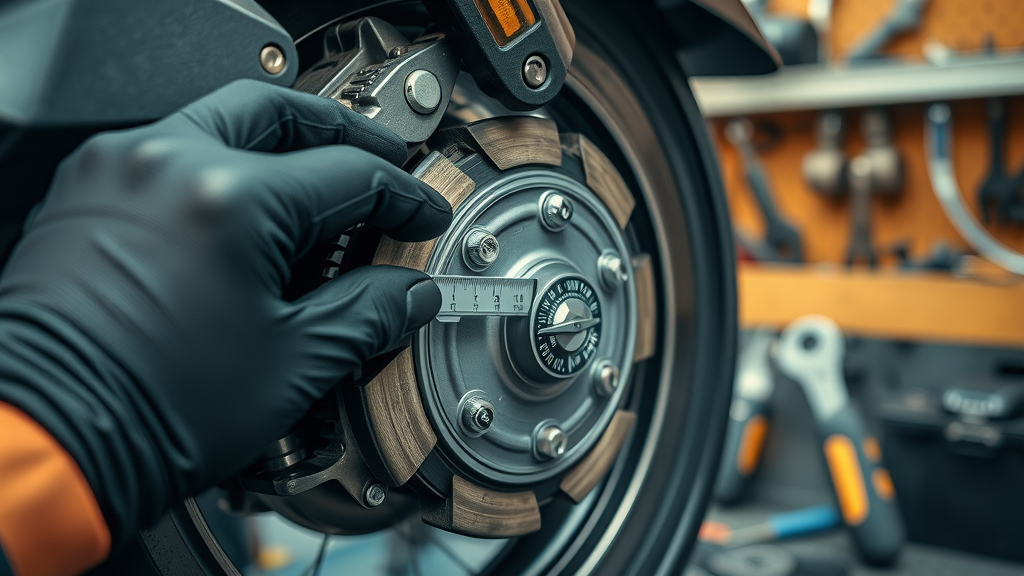
motorcycle maintenance checklist dynamic close-up of brake pad check in spring
Motorcycle Maintenance Checklist for Spring
Item What to Check Recommended Action
Brake Pads & Discs Thickness/Cracks Replace if worn or damaged
Brake Fluid Level/Clarity Top up or flush as needed
Levers/Pedals Smooth Movement Lubricate or adjust
Hoses Leaks/Brittleness Replace if compromised

How to Prep a Motorcycle for Spring: People Also Ask

How to prep a motorcycle for spring?

  • To prep your motorcycle for spring riding, conduct a thorough spring motorcycle brake check , inspect and replace the air filter , recharge the battery using a trickle charger if necessary, confirm oil level and other fluid levels (including brake fluid), check tire pressure and condition for flat spots, and give the motorcycle a thorough cleaning. Don’t overlook the importance of checking lights, controls, and the spark plug as part of your complete maintenance checklist.

spring motorcycle maintenance inviting garage tire pressure brake check

How to Check Motorcycle Brakes for Optimal Performance

How do you check motorcycle brakes?

  • Begin by inspecting the brake pads for wear—pads should be a minimum of 2mm thick and free of grooves or cracks. Examine the rotors for scoring, warping, or discoloration, and run your finger along the edge of the disc to feel for rough spots. Test the resistance and response of the brake lever and rear brake pedal to ensure both front and rear brake systems engage smoothly with no sponginess. Don’t forget to check the brake light operation by watching the response as you squeeze and release the levers. If the brake fluid appears cloudy or dark, or levels are low, address these immediately. Always cross-reference with your motorcycle maintenance checklist before venturing onto the road.

Key Areas to Check After Motorcycle Winter Storage

What to check on a motorcycle after winter?

  • After a long winter of inactivity, critical spring checks should focus on the spring motorcycle brake check , assessing tire condition and pressure for flat spots, air filter cleanliness, spark plug function, battery health, brake fluids, and all lights. Pay particular attention to drive chain or drive belt tension and lubrication. Conducting a comprehensive maintenance check ensures your motorcycle is in good shape and that all systems are in working order before the new riding season begins.

post-winter spring motorcycle brake and tire check in suburb

A Detailed Guide: Checking the Brake Fluid Level on Your Motorcycle

How do you check the brake fluid level on a motorcycle?

  • Locate the brake fluid reservoir—usually on the handlebars for the front brakes or near the rear brake lever for rear brakes. Check the fluid against the indicator lines on the reservoir, making sure it sits between “minimum” and “maximum.” Inspect the clarity and color; if the brake fluid appears dark, murky, or contaminated, a flush and replacement are in order. Always use the manufacturer-recommended type of brake fluid if topping up, and never mix different types. Lastly, inspect around the reservoir and brake lines for leaks which are signs of damage that must be addressed before riding.
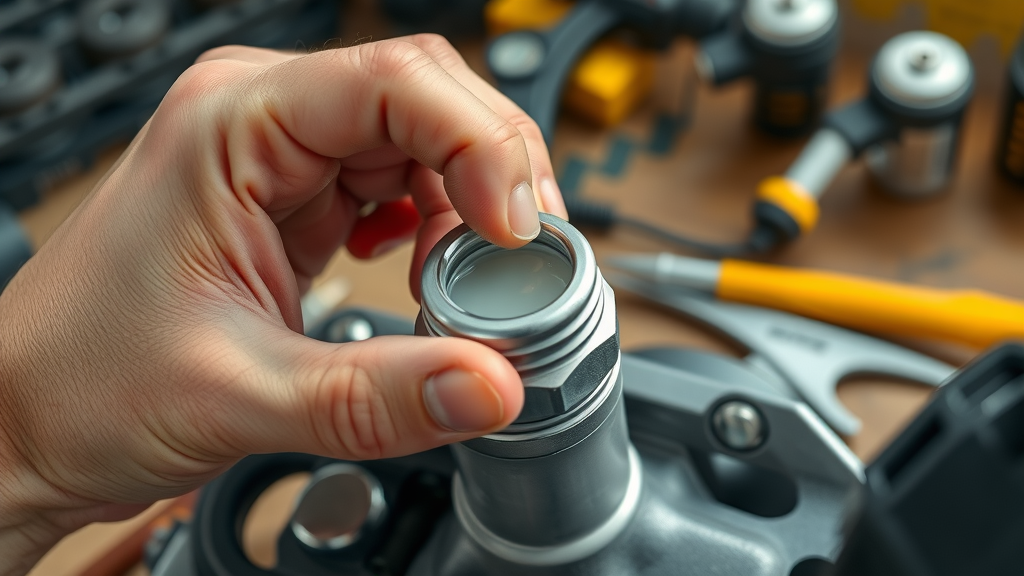
motorcycle brake fluid level and clarity spring maintenance check macro

Expert Motorcycle Maintenance Tips to Boost Spring Riding Confidence

  • Follow the complete motorcycle maintenance checklist before your first spring ride. Prioritize your spring motorcycle brake check , then move on to inspecting your ignition, headlights, turn signals, and tire pressure. Test braking performance at low speed before heading out for your first open road adventure. This proactive approach not only prevents breakdowns but ensures every element of your motorcycle is functioning in perfect working order.

Must-Have Tools for a DIY Spring Motorcycle Brake Check

  • Torque wrench
  • Brake fluid
  • Brake pad spreader
  • Cleaning cloths
  • Maintenance checklist printout
“Preparation is the difference between a carefree spring ride and a dangerous one. Every check counts.” — Veteran Mechanic, Nasty Performance Motorcycle Shop
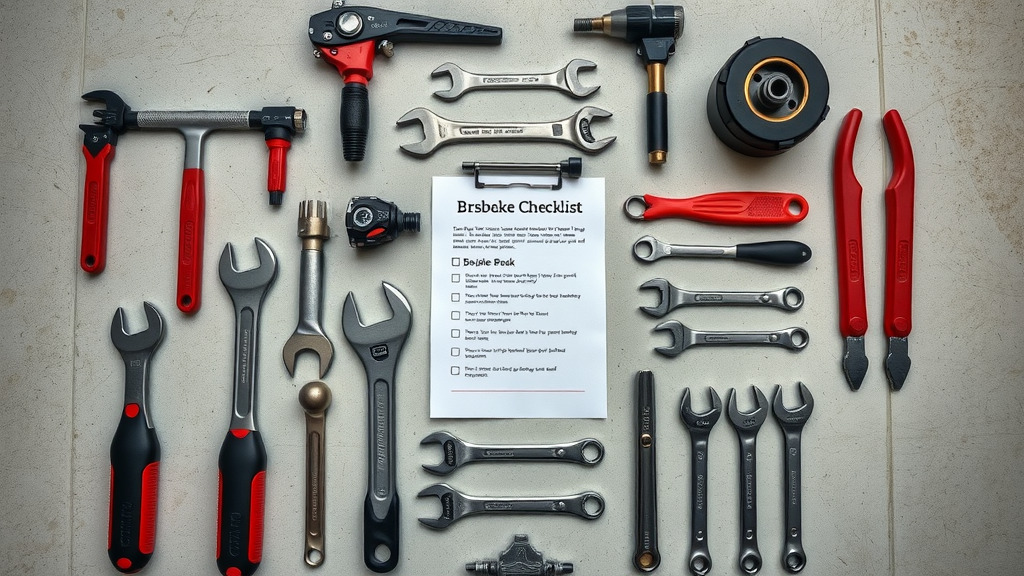
essential motorcycle maintenance brake check tools spring DIY preparation

When to Replace Components During Spring Motorcycle Brake Checks

  • Replace brake pads if they’re less than 2mm thick or show any signs of damage or contamination. Brake fluid should be flushed annually, ideally as part of your spring maintenance routine, but always if it looks dark or dirty. Damaged or brittle brake hoses must be swapped out immediately, and cleaning or replacing the air filter ensures your engine breathes freely all season. Adhering to a strict maintenance checklist will keep all vital components in peak condition for the riding season ahead.

Common Mistakes to Avoid During Spring Motorcycle Brake Checks

  • Skipping the brake fluid flush
  • Overlooking worn brake lines
  • Using incorrect brake fluid
  • Not consulting your maintenance checklist

Riders sometimes rush their maintenance check as the excitement of spring riding grows. However, skipping steps like the brake fluid flush or ignoring subtle signs of damage in brake lines can result in a serious loss of performance—or worse. Use only the brake fluid specified in your owner’s manual, and double-check each point on your checklist methodically. Taking time now means more time and safety on the open road.

Pro Tips: Preparing for Your First Open Road Spring Riding Experience

  • Review your spring motorcycle brake check and overall maintenance checklist before your first big ride. Pack an emergency tool kit containing a tire gauge, torque wrench, flashlight, and spare bulbs. Take a short, local test ride after maintenance—listen for odd noises and pay attention to the feel of both front and rear brakes before embarking on longer journeys or the open road.

Frequently Asked Questions on Spring Motorcycle Brake Checks

  • How often should I conduct a spring motorcycle brake check?
    For most motorcycles, an in-depth brake check should be performed annually at the start of the spring riding season and after any period of prolonged storage. If you ride year-round, check your brakes at least every 3,000 miles or if you notice changes in braking performance.
  • What are the signs my brakes need immediate attention?
    Listen for squealing or grinding noises, observe diminished braking power, a spongy brake lever, leaking brake fluid, or warning lights on the dashboard. Any of these signs mean a prompt maintenance check is required before riding again.
  • Are DIY brake checks a replacement for professional inspection?
    While regular DIY brake checks are vital, they do not replace professional inspections. Certified mechanics can spot subtle issues and use diagnostic equipment beyond most home garages, so always pair DIY care with periodic expert servicing.

Get Ready: Schedule Your Spring Motorcycle Brake Check with Experts

  • Professional maintenance checkups at the start of spring can help prevent mechanical failure and costly accidents. Trust certified technicians for your spring motorcycle brake check and overall tune-up. Call Nasty Performance Motorcycle Shop Today: 847-458-4858

Your Safe Riding Season Starts with a Spring Motorcycle Brake Check

  • A thorough spring motorcycle brake check ensures you start the riding season safely, protects your motorcycle investment, and offers you peace of mind on every ride.

Video Guide: Watch a Step-by-Step Spring Motorcycle Brake Check

Step-by-step spring motorcycle brake check instructional video demonstration

Video Demonstration: Essential Tools & Techniques for Spring Motorcycle Brake Checks

Visual demonstration of the must-have tools and proper techniques for a thorough spring motorcycle brake check.

Video Tips: Avoiding Common Mistakes in Spring Motorcycle Maintenance

Learn from experts as they highlight and correct the most frequent errors in spring motorcycle maintenance and brake checks.

Key Takeaway: Prioritize your spring motorcycle brake check every year, follow the maintenance checklist, and consult professionals to keep every ride safe and smooth.

To ensure your motorcycle is in optimal condition for spring riding, it’s essential to perform a comprehensive maintenance check. The article “Spring Motorcycle Checks and Tech Tips” from Sick Cycles provides a detailed checklist covering vital areas such as brake inspections, fluid levels, and tire assessments. ( sickcyclesinc.com ) Additionally, “How to Prepare Your Motorcycle for Spring Riding (T-CLOCS & Tips)” by Ultimate Motorcycling offers insights into the T-CLOCS method, emphasizing thorough evaluations of tires, controls, lights, oil, chassis, and stands. ( ultimatemotorcycling.com ) By following these expert guidelines, you can enhance your bike’s performance and safety as you embark on the new riding season.

Motocycle Seasonal Care & Storage

0 Comments

Write A Comment

*
*
Related Posts All Posts

Indoor Motorcycle Storage Near Me: Find Safe Winter Spots

Did you know over 70% of motorcycle owners who store their bikes outdoors face costly winter damage? Each winter, thousands regret skipping indoor motorcycle storage near me, only to find their bikes battered by freezing temperatures, moisture, and theft. In this comprehensive guide, you’ll discover exactly how to find the safest winter storage solution, what features to look for, a detailed cost breakdown, and expert tips on securing the perfect storage facility for your prized ride—all in your local area. Ready to protect your motorcycle and avoid unnecessary repairs or loss this winter? You’re in the right place!A Surprising Fact: Why Indoor Motorcycle Storage Near Me is EssentialWhen winter’s harsh weather approaches, your motorcycle faces far greater risks than most owners realize. According to the National Vehicle Storage Association, “Over 70% of motorcycle owners who store their bikes outdoors report significant winter weather damage compared to those using indoor motorcycle storage near me.” That means outdoor exposure isn't just inconvenient—it's costly, potentially forcing you to pay for repairs to electrical systems, finishes, and tires before riding season even begins. The extreme cold can crack plastic, degrade lubricants, corrode components, and even damage your engine, making indoor storage a critical investment.Equally concerning is the rise in theft and vandalism targeting motorcycles parked in driveways, carports, and unsupervised lots. Insurance claims for motorcycles stolen or damaged while stored outdoors spike during the winter months. By finding a reliable, secure storage facility or dedicated storage unit, you gain invaluable peace of mind, knowing your bike is shielded from storms, freezing temperatures, and criminals alike. That’s why more riders search “indoor motorcycle storage near me” every fall—because a little preventive care now can save thousands later.As you weigh your options for keeping your motorcycle safe this winter, it’s also helpful to understand how different types of vehicle storage—such as car, RV, and boat storage—compare in terms of security and climate protection. For a broader look at available storage solutions for all your vehicles, visit our vehicle storage options overview for practical insights.The Statistics Behind Motorcycle Storage and Winter Damage“Over 70% of motorcycle owners who store their bikes outdoors report significant winter weather damage compared to those using indoor motorcycle storage near me.” — National Vehicle Storage AssociationLet’s break down what winter can do to your motorcycle: According to recent studies, leaving a bike exposed even for a single season leads to a 50% higher likelihood of battery failure, rust on vital components, and paint chipping. By leveraging indoor storage options, such as climate-controlled storage units, you protect your motorcycle from drastic temperature swings, condensation inside the fuel system, and the costly effects of snow and ice. Garage parking may seem like a solution, but many garages are unheated and lack full security. In fact, expert reviews highlight that dedicated motorcycle storage solutions offer superior insurance benefits, better environmental control, and more robust theft prevention, especially compared to a typical home garage or carport.The numbers speak for themselves: more than half of outdoor-stored bikes need expensive repairs before spring, while those sheltered in a certified storage facility often require nothing but a routine check-up. Don’t let your ride become another statistic—choose the right storage option and maximize your investment in your passion.What You'll Learn About Indoor Motorcycle Storage Near MeEssential features and benefits of indoor motorcycle storage near mePrice ranges and seasonal deals at leading storage facility providersComparisons of motorcycle storage, vehicle storage, and other storage optionsExpert reviews and tips for maximizing your storage spaceKey Benefits of Indoor Motorcycle Storage Near MeSecuring your motorcycle in a specialized storage facility offers an unbeatable mix of safety, convenience, and preservation. The best indoor motorcycle storage near me solutions shield your bike from unpredictable winter storms, dust buildup, UV damage, and opportunistic thieves. Unlike parking on an exposed outdoor space or squeezing into a crowded garage alongside family vehicles, professional storage units provide dedicated space, often with 24/7 monitoring, climate control, and robust physical barriers. These added protections reduce insurance costs and safeguard your bike’s value, even during the harshest seasons.On top of protection, most leading storage facilities offer flexible access hours, allowing you to check in on your motorcycle or prepare it for a new season at your convenience. Premium locations may feature charging outlets for battery maintainers and storage solutions that accommodate extra gear or even multiple small vehicles. With a range of options in both urban and suburban areas—especially in regions like Salt Lake City, Lake City, and beyond—finding a secure, location-friendly storage unit is easier (and smarter) than ever before.Motorcycle Storage vs. Outdoor and Garage OptionsWhen weighing your choices for winter motorcycle storage, it’s crucial to understand the stark differences between outdoor, home garage, and professional storage facilities. Outdoor options, such as driveways or parking lots, may be free but leave your motorcycle completely vulnerable to both harsh weather and criminal activity. Even high-quality covers offer little protection from ice, snow, and moisture that can seep into critical mechanical systems. In areas like Lake City or Salt Lake, winter’s unpredictability is especially hard on exposed vehicles, making indoor storage not just a luxury, but a necessity.By contrast, using dedicated motorcycle storage units means your bike is out of the elements and monitored. Many commercial storage spaces offer climate control, humidity regulation, and reinforced locks—vastly reducing risks of rust, battery drain, and theft. While some riders manage by clearing space alongside cars in a home garage, garages rarely offer specialty climate protection or advanced security, leading expert reviewers and insurance specialists to consistently recommend certified storage facilities or purpose-built storage options for serious motorcycle owners.Protection From Weather and Theft: Why Choose a Storage FacilityChoosing a professional storage facility for your motorcycle offers significantly greater protection than at-home alternatives. Storage facilities are designed specifically for vehicle storage, featuring advanced security systems such as surveillance cameras, password-protected gates, and staff patrols. Many storage units are accessible only via individual access codes, giving you control over who can enter your storage space. Combined with on-site lighting and security fencing, this effectively reduces the risk of theft and vandalism throughout the winter and beyond.Equally important is environmental control. Indoor motorcycle storage near me often includes climate-controlled storage units, shielding your bike from freezing temperatures, fluctuating humidity, and condensation—all contributors to electrical failures and corrosion. You’ll also benefit from pest control measures and dust management, ensuring your motorcycle remains in ride-ready condition come spring. Whether your priority is avoiding expensive repairs, keeping your ride pristine, or meeting insurance requirements, a secure indoor storage solution is always the most reliable option.Indoor Motorcycle Storage Near Me: Comparing Local Storage FacilitiesThe best way to ensure your ride survives winter unscathed is by choosing a top-rated storage facility. Start by searching “indoor motorcycle storage near me” and scanning online reviews, but don’t stop there—visit candidate sites in person. Pay close attention to cleanliness, security protocols, lighting, and whether storage units are tailored for motorcycles or simply adapted from generic self-storage. Many leading facilities in metropolitan and suburban regions offer specific motorcycle storage solutions, often bundled with added perks such as battened doors, complimentary dust covers, or special insurance packages.Location is also key: proximity to your home or work, access hours, and even parking space for loading/unloading determine convenience through the winter months. Leading providers like Extra Space Storage and other reputable local operators typically stand out for their customer service, clear contract terms, and investment in cutting-edge security. Compare rates and amenities closely, focusing not just on price, but value—what do you actually get for your monthly fee? Prioritize those storage solutions designed specifically for motorcycles and small vehicles, and don’t hesitate to ask for a tour or see a storage unit in person to confirm suitability before committing.Top-Rated Indoor Motorcycle Storage Spaces in Your AreaWhether you’re in Salt Lake City, Lake City, or any area where winters are unpredictable, local review sites and enthusiast forums consistently highlight a handful of outstanding storage facilities. Top-rated motorcycle storage spaces combine surveillance systems, climate-controlled storage space, and responsive customer service. Some providers even offer additional features such as battery charging stations, on-site staff during peak hours, and flexible lease options—ideal if you’re only storing your bike for a few months. Look for facilities with a proven track record in vehicle storage that specifically mention motorcycle storage in their service list.In your search for “indoor motorcycle storage near me,” pay special attention to amenities beyond just four walls. Compare extended access hours, policies for guest visits, and package handling for customers storing valuable gear with their bikes. Many storage solutions include options for extra space to accommodate accessories, helmets, and even dual vehicle storage for your small car or ATV. Read both owner testimonials and independent expert reviews to get an authentic picture of service quality before you sign up. If possible, ask for a trial month or short-term contract to evaluate the facility firsthand.Differences Between Standard Storage Units and Motorcycle-Specific Storage SolutionsWhile many storage units are advertised as “one-size-fits-all,” true motorcycle-specific storage solutions offer important enhancements. Standard storage units may be sufficient for a short-term need, but they often lack features critical to motorcycle preservation—like breathable covers, tie-down points, or shock-absorbent flooring. Dedicated motorcycle storage spaces are typically narrower but longer, optimizing every inch for a single bike or pair. They also ensure easy ramp access, secure lock systems integrated into unit design, and, in premium locations, on-site motorcycle maintenance support or professional advice.On the other hand, standard storage units can prove more affordable for riders with multiple small vehicles or those seeking extra space for related gear. If you’re looking at a general storage facility, confirm that their security measures are up to snuff and that climate control is supported in your chosen unit. Motorcycle-focused storage solutions almost always offer better value for long-term preservation, and facilities often provide bulk discounts for seasons with heavy demand, such as late fall and early winter. Always read the fine print—some “vehicle storage spaces” may not include insurance coverage or maintenance access, impacting the total cost and effectiveness of your storage option.Comparison Table: Storage Facility Options for MotorcyclesFacility TypeFeaturesPrice Per MonthSecurityClimate ControlAccess HoursMotorcycle-Specific Storage UnitCustom-sized, tie-downs, breathable covers, battery charging$60–$12024/7 monitored cameras, gated, private codeYes24/7 or extended hoursStandard Self-Storage UnitGeneral vehicle storage, drive-up access$40–$80Basic CCTV, gate accessOptional/VariesLimited (usually 6am–10pm)Shared Vehicle Storage FacilityMultiple vehicles in shared bay, assigned spaces$50–$110Staff on site, keypad entryPartialStandard business hoursGarage or Home StorageUnheated, shared with cars, no climate controlFree or N/AHome security (varies)No24/7Types of Vehicle Storage: Storage Options for Small Vehicles, Motorcycles, Cars, and BoatsToday’s storage facilities aren't just for motorcycles—they cater to a diverse range of vehicles from compact cars and ATVs to boats and RVs. Choosing the right storage option depends on your needs: some prefer dedicated motorcycle storage units, while others find value in vehicle storage spaces shared with other small vehicles. Climate-controlled storage solutions are growing in popularity, ensuring your car, motorcycle, or boat remains protected year-round, not just during winter months.When comparing “indoor motorcycle storage near me,” consider whether your facility offers specialized boat storage, RV storage, or even extra space for tools, gear, and personal storage. Many locations now provide flexible storage units where you can keep all your seasonal vehicles under one roof, or upgrade to covered storage for enhanced protection from sun and hail. Make sure you ask about security protocols and insurance requirements, especially if you’re storing higher-value or specialty vehicles. Many large warehouses offer separated, clearly marked bays for each vehicle type, reducing risk, confusion, and accidental damage.Dedicated motorcycle storage unitsVehicle storage with shared spaceClimate-controlled storage spacesRV storage and boat storage optionsCost Breakdown: How Much Does Indoor Motorcycle Storage Near Me Cost?The price of indoor motorcycle storage can range from as low as $40/month for basic storage units up to $120 or more for climate-controlled, motorcycle-specific spaces in high-demand regions. Factors that influence cost include storage unit size, insurance coverage, climate control, and whether the storage facility offers additional perks such as 24/7 access or video surveillance. If you require extra space for accessories or gear, expect small monthly surcharges. Don’t forget to ask about seasonal rates or introductory specials, common at Extra Space Storage and similar larger providers.Location plays a major role: downtown or high-density neighborhoods generally command higher prices, while outer suburbs may offer better deals. It’s wise to balance access with security and features. Be sure to clarify whether your monthly payment includes insurance; if not, independent coverage for your motorcycle is highly recommended. In the end, investing in secure, climate-controlled storage is a fraction of the cost you'd face repairing damage from an unprotected winter season.Storage Unit Size, Insurance, and Extra Space CostsMost motorcycle owners find a 5'x10' or 5'x15' storage unit is ideal for a single bike and a bit of gear. Need more space? Larger storage units allow you to store additional items or even a second small vehicle. Monthly insurance costs range from $5 to $20 depending on coverage and provider—well worth it for the peace of mind. Climate-controlled units may be $10–$30/month more but virtually eliminate condensation risks, particularly in colder regions. Facilities offering personal storage and bundled packages might provide extras like shelving or charging outlets, adding real value.If you anticipate storing bikes long-term, ask about discounts for 6- or 12-month prepayment. Some facilities, especially Extra Space Storage or local RV/car storage specialists, feature special off-peak rates. Always be clear about extra fees: things like after-hours access or parking space beyond your unit can add up, but the right balance of features ensures your “indoor motorcycle storage near me” search delivers the lasting protection you want at a cost you can manage.How to Choose the Best Indoor Motorcycle Storage Near MeLocation and accessibility of the storage facilityLevel of security for motorcycles and other small vehiclesAvailable storage solutions for long-term and seasonal needsTips for maximizing space storage within your unitTo make the best pick, start by mapping facilities within a comfortable distance from home or frequent destinations, especially if you want to check in on your motorcycle periodically. Prioritize those offering 24/7 access, especially if your schedule is unpredictable. Security should be a non-negotiable: Look for gated entry, surveillance cameras, monitored access logs, and strong physical barriers at every entry point. If storing valuables, make sure your chosen provider’s insurance policies cover theft and storm damage, not just fire or basic vandalism.Don’t overlook versatility. The best storage solutions offer a range of sizes and can accommodate long-term, short-term, or seasonal storage. Some even allow you to combine spaces for multiple vehicles or integrate extra space as your storage needs grow. To maximize your unit, install shelves for gear, use stackable containers, and utilize hooks for helmets or jackets. Read online reviews, request recommendations from local motorcycle groups, and always tour your top choices before committing—only trust facilities where staff are helpful, storage spaces are pristine, and policies are clearly explained.People Also Ask: Indoor Motorcycle Storage Near MeCan I store a motorcycle in an indoor storage unit?Absolutely! Most indoor storage units are designed to accommodate motorcycles safely, especially those at professional storage facilities. Look for units that allow drive-up access, offer climate control, and have security measures like cameras and personalized locks to ensure your bike stays protected. Always check with the storage provider about any specific requirements—such as gas tank emptiness or battery disconnection—for storing your motorcycle long-term.Where can I store a motorcycle if I don't have a garage?If you lack a home garage, indoor motorcycle storage facilities are your best bet. Dedicated storage units, climate-controlled facilities, and even vehicle storage centers provide safe, secure alternatives to outdoor parking spaces. Many providers offer tailored storage options for motorcycles, ensuring you don’t have to worry about weather damage, theft, or lack of space—especially during winter months.Can I store my motorcycle in a U-Haul storage unit?Yes, U-Haul and similar self-storage brands permit motorcycle storage in many of their units—as long as local policies allow. Be sure to choose a unit with drive-up access for easy loading and unloading. Keep in mind, however, that not all U-Haul locations are climate-controlled, and additional precautions may be necessary to prevent condensation or freezing damage if you store your motorcycle during winter months.Can I store a motorcycle in a storage unit?Certainly! Storage units are designed to house not only household goods but also vehicles—especially motorcycles and small vehicles. Ensure your chosen storage unit has appropriate space, ventilation, and security, and always follow the facility’s guidelines regarding fuel levels, battery maintenance, and necessary documentation or insurance for stored vehicles.Frequently Asked Questions About Indoor Motorcycle Storage Near MeIs climate-controlled storage necessary for motorcycles?While not mandatory everywhere, climate-controlled storage offers essential protection in regions with cold winters, high humidity, or rapid temperature fluctuations. It helps prevent corrosion, electrical issues, and long-term mechanical damage, keeping your motorcycle in optimal condition year-round.Do I need specialized insurance for storing my bike?Most storage facilities require proof of basic insurance, but you may wish to add comprehensive coverage for theft, fire, or weather-related incidents. Check with your insurance provider to ensure your policy covers your bike while it’s in storage.How do I prep my motorcycle for long-term storage?Clean your bike thoroughly, inflate tires, fill the gas tank and add fuel stabilizer, disconnect or remove the battery, and cover all openings to deter pests and dust. Using a breathable motorcycle cover inside the storage unit adds another layer of defense.Key Takeaways: Choosing Indoor Motorcycle Storage Near MeIndoor motorcycle storage near me keeps your bike protected from the elements and theft.Compare storage facility options to find the right balance of security, price, and amenities.Read reviews and ask questions before selecting your ideal storage solution.Safely Store Your Motorcycle This Winter: Next StepsReady to protect your motorcycle and enjoy true peace of mind all winter? Call Nasty Performance Motorcycle Shop Today: 847-458-4858 to reserve a secure, climate-controlled storage space and get expert help finding the perfect indoor motorcycle storage near you!If you’re committed to keeping your motorcycle in top condition year-round, exploring the full spectrum of vehicle storage solutions can help you make the most informed decision for your needs. Whether you’re considering options for your car, boat, or RV alongside your bike, understanding the latest trends and best practices in secure storage is key to long-term peace of mind. For a deeper dive into advanced storage strategies and to stay updated on new facility features as they become available, check out our comprehensive guide to vehicle storage solutions. Take the next step in safeguarding all your vehicles and discover how the right storage choice can protect your investments for years to come.

Preparing Motorcycle for Spring Riding? Here’s What You Must Do

To ensure your motorcycle is ready for spring riding, it’s essential to perform a comprehensive check-up after its winter storage. The article “Spring Riding Checklist” provides a detailed guide covering crucial aspects such as battery and electrical systems, fluid levels, lubrication, tires, brakes, and more. Additionally, “How to get your motorcycle ready for spring” offers a nine-step process emphasizing tire maintenance, brake inspection, and engine checks to ensure optimal performance. By following these resources, you can confidently prepare your motorcycle for a safe and enjoyable riding season.

Motorcycle Fluid Levels Spring: The Quick Check You Can’t Skip

Did you know that skipping a motorcycle fluid levels spring check can increase your risk of breakdown or mechanical failure by over 50% on your first ride of the season? The transition from winter storage to spring cruising isn’t just about dusting off your helmet—it’s about making sure every fluid level in your bike is primed for optimal performance and safety. This comprehensive guide dives deep into fluid checks, essential maintenance, and the simple steps that keep your ride smooth all spring and beyond. Don’t let a minor oversight cut your riding new season short—read on to discover the ultimate motorcycle maintenance checklist every rider needs. Why Motorcycle Fluid Levels Spring Checks are Essential for Motorcycle Maintenance Spring fluid level checks aren’t just a box to tick—they’re a critical safeguard for both your motorcycle’s life and your own safety. After months of winter storage , fluids may have settled, degraded, or even developed leaks. Ignoring these changes can transform a simple joyride into an expensive mechanical setback—or worse, increase the risk of a motorcycle accident on your next outing. Your engine oil, brake fluid, coolant, and even your gas tank are all susceptible to the effects of temperature swings and inactivity. Condensation, thinning, and evaporation can all alter fluid efficacy. Completing a maintenance check ensures every system—engine, brakes, cooling, and fuel delivery—is ready to perform in harmony, giving you peace of mind and optimal performance as you start your riding season . By prioritizing motorcycle maintenance at the start of spring, you’re investing in both your bike’s longevity and your own experience on the open road . Let’s break down what you’ll learn about motorcycle fluid levels spring for a safer, smoother season ahead. How to quickly assess all critical motorcycle fluid levels in spring The after-effects of winter storage on your bike’s fluid system Steps to inspect, top off, or replace oil, brake fluid, coolant, and gas How air filters, brake pads, and spark plugs affect spring performance A practical, repeatable maintenance checklist for every rider The Startling Truth: Motorcycle Fluid Levels Spring and Winter Storage Effects Coming out of winter storage , many riders assume their bikes are ready for a new season with just a tire pressure check. In reality, your motorcycle’s fluid levels might have changed considerably during the off months. Oil can thicken or break down due to cold temperatures, while coolant may develop gaps or pockets from freezing and thawing. Brake fluid is particularly vulnerable—absorbing moisture if left unchecked, which can reduce braking performance or even compromise safety on your first test ride . "Neglecting your motorcycle’s fluid levels each spring can increase the risk of mechanical failure by up to 60% compared to regularly maintained bikes." — Industry Expert The gas tank is also a focal point. Old fuel can leave behind varnish-like residue or water, potentially clogging injectors or carburetors. Meanwhile, your motorcycle battery might suffer from a slow discharge, impacting both starting and overall electrical health. Skipping a thorough maintenance check after a long winter could set you up for frustrating rides or costly repairs down the line. Comprehensive Motorcycle Maintenance Checklist for Riding Season Motorcycle Fluid Levels Spring Priorities: Why Timing Matters Timing your maintenance check for early spring is critical—waiting until after your first ride can invite trouble. At this stage, your bike’s fluid levels reflect months of inactivity. Addressing them before they compromise performance or safety is the smartest move. This also gives you time to identify potential leaks, top off vital fluids, and ensure your machine is in top shape before the busier riding months. Prioritizing spring checks is also about preventing irreversible damage. Oil that’s broken down may contain contaminants or acids from condensation; leaving it unchanged can wreak havoc on engine internals. Brake fluid exposed to winter humidity may lose its integrity, reducing stopping power at a critical moment. Act now and your first test ride will showcase your bike at its peak—not reveal neglected wear or damage. Above all, spring maintenance is about building confidence for every mile ahead. A proactive motorcycle maintenance checklist means less time off the road and more freedom to enjoy the season ahead. Maintenance Check: Assessing All Fluid Levels After Winter Storage A complete maintenance check after winter storage involves more than just peering at an oil window or glancing at a gas gauge. Start with the oil—use the dipstick (if equipped) or sight glass, ensure oil clarity, and note the oil level matches the recommended level from your owner’s manual. Next, verify coolant levels with the radiator cap and overflow tank; check for clarity and proper volume. Inspect brake fluid by looking at the transparent reservoir and comparing against the marked “Min” and “Max.” Don’t forget to smell for any burnt or sour odor—this can signal contamination. Your gas tank deserves careful attention, especially if left less than full over winter, leading to condensation and possible rust. Drain or refill with fresh fuel if needed. A quick scan for leaks, corrosion, or odd coloration in any fluid can save hours of repair down the line. This comprehensive approach to fluid levels sets the baseline for your bike’s health through the entire riding season . Key Fluid Level Checks: Oil, Coolant, Brake Fluid, and Gas Tank Oil, coolant, brake fluid , and the gas tank are the cornerstones of your spring maintenance check. Oil lubricates moving parts and minimizes wear—its level and cleanliness are vital indicators of overall engine health. Coolant keeps your engine running smoothly and flees the dangers of overheating. Always check coolant hoses for cracks or leaks and top off with manufacturer-recommended coolant if needed. Next comes brake fluid : low or dirty fluid can seriously compromise braking power, especially on surprise stops or wet roads. Check both front and rear brake reservoirs for proper levels and color. Your gas tank shouldn’t be ignored either. Old fuel can cause hard starts, hesitation, or even deposit buildup in your fuel system. Cleaning or refilling the tank—plus adding a fuel stabilizer if needed—can ensure flawless performance on every spring ride. Spring Motorcycle Fluid Level Types, Inspection Points, Action Steps Fluid Inspection Points Action Steps Oil Check dipstick/sight glass, color, level Top off/change as needed, use correct viscosity Coolant Radiator/overflow tank, check for leaks Refill/replace coolant, inspect hoses Brake Fluid Reservoir level, clarity, contamination Top off, replace if dirty, check brake lines Gas Tank fullness, old or stale fuel, corrosion Drain/refill tank with fresh fuel, add stabilizer if needed How to Inspect and Top Off Motorcycle Fluid Levels in Spring Step-by-Step Guide: Performing a Fluid Level Maintenance Check Ready to tackle your own motorcycle fluid levels spring inspection? Here’s a step-by-step guide for a thorough, stress-free process. Start by positioning your bike securely on a level surface, using a center stand or paddock stand if possible. Let your bike cool to ambient temperature—this is critical for accurate oil and coolant readings. Grab your owner’s manual for fluid specifications and proceed down your maintenance checklist . Begin by examining the oil. Remove the dipstick, wipe it clean, reinsert, and remove again to check oil level and color. Repeat the process for coolant—never open a hot radiator cap. Check the overflow reservoir and fill to the recommended level. Next, inspect brake fluid reservoirs for both front and rear brakes, making sure fluid is between “Min” and “Max” marks and free of cloudiness. Finish with the gas tank : if fuel is more than a month old, consider draining and refilling with fresh gasoline. As you go, check for any leaks, stains, or signs of corrosion that may need attention before your first ride of the season. After completing all fluid inspections, start the engine and let it idle for a few moments. Check for dashboard warning lights, listen for irregular sounds, and visually confirm there are no leaks beneath the bike. This comprehensive check ensures your motorcycle is as ready as you are for the open road . Checking Your Brake Fluid: Why It's Critical After Storage Brake fluid is your direct line to stopping power—and after sitting idle for months, it’s one of the most vulnerable fluids in your machine. During winter storage, brake fluid can absorb atmospheric moisture, making your brakes feel spongy or unpredictable. Before you even think of hitting the road, check both front and rear brake fluid reservoirs. The correct fluid should appear clear or slightly amber, not brown or cloudy. If you notice the level at or below the “Min” line, or if the fluid is dirty, flush and replace it with manufacturer-recommended brake fluid. Ensure reservoir seals are intact and there’s no evidence of leaks along the brake lines. After topping off, test your brake lever and pedal for firmness. This quick check could be the difference between a safe stop and a close call. Oil Level Inspection: When It’s Time for a Change Your engine oil acts as the bike’s lifeblood—protecting against wear, overheating, and internal corrosion. The oil level should always fall within the range indicated on the dipstick or sight glass. If oil appears thick, very dark, or smells burnt, it’s overdue for a change. Regardless of mileage, oil ages while sitting—so a spring swap is often the best choice after winter storage . Fresh oil ensures that all moving parts are properly lubricated and allows your engine to maintain optimal efficiency. Refer to your owner’s manual for the right viscosity and type for the season. Replacing oil and installing a new filter is a straightforward, cost-effective step that pays off every time you twist the throttle in the new riding season . The Role of Brake Pads, Air Filter, and Spark Plug in Motorcycle Maintenance Beyond fluids, spring motorcycle maintenance demands attention to wear items like brake pads, your air filter, and spark plug. All three play outsized roles in your bike’s overall health and performance. Ignoring worn components can lead to sluggish starts, reduced power, and in the case of brake pads , dangerously delayed stopping distances. Making these quick checks part of your maintenance checklist pays dividends for safety and reliability all season long. If you notice squealing, reduced stopping power, or deep grooves in your pads, swap them out before riding further. For air filters, a clogged or dirty filter starves your engine of fresh air, affecting both power delivery and fuel economy. And a clean, functioning spark plug ensures effortless starting and idle—all crucial after a long off-season. Brake Pads and Brake Fluid: Staying Safe on the Open Road Spring is the perfect time to remove your calipers and visually inspect each brake pad . They should have even wear, adequate material, and no embedded debris or contaminants. Thin pads not only compromise stopping distances, but can cause damage to your rotors—making timely replacement an easy, affordable safeguard. Pair this check with a review of your brake fluid and brake lines for leaks, cracks, or swollen areas. Properly functioning brakes are non-negotiable for riding safe —particularly as you encounter road debris, wet patches, or emergency stops on your first rides of the year. Air Filter and Spark Plug: Small Details, Huge Impact on Spring Performance Your air filter keeps dust and pollen out of the engine—clean it or replace it if it appears clogged, dark, or breaks apart when tapped. A fresh filter improves throttle response and efficiency, giving you a smoother ride when spring allergens are everywhere. The spark plug is equally crucial: signs of wear, carbon buildup, or oil residue mean it’s time for a new one. A quick swap ensures your engine fires up immediately and operates at peak power through the heart of the riding season . Test Ride: Ensuring Your Motorcycle is in Top Shape for the Riding Season Once you’ve completed every item on your motorcycle maintenance checklist , your bike is almost ready. Before embarking on your first adventure, the test ride serves as the ultimate diagnostic tool—verifying that every change and inspection delivers the results you expect. Pre-Ride Checklist: Confirming All Fluid Levels and Critical Components Before rolling out, double-check all fluid levels —oil, coolant, brake fluid, and gas. Confirm proper function of turn signals, brake light , horn, and mirrors for overall working order . Also, inspect your tire tread and tire pressure : both can shift during winter storage and dramatically impact safety and handling. Give the brake lever a squeeze and ensure both front and rear brakes bite firmly and evenly. Test other features like the clutch, throttle, and all lights. Start the bike, listen closely, and look for unusual vibrations or dashboard alerts that could signal trouble. This extra five minutes could be the difference between a great time and a roadside breakdown. Why a Test Ride Reveals Success of Your Maintenance Checklist A short, cautious test ride validates your hard work—is throttle response snappy, braking smooth, and engine sound consistent? Ride slowly at first, testing acceleration, braking, and cornering gradually. Feel for any hesitation, sluggishness, or odd noises. If your motorcycle responds crisply, congratulation: your fluid level checks, new spark plug, and clean air filter are all working in concert for a hassle-free ride of the season . If you notice anything off, stop immediately and reassess. Better to identify and address even minor issues now than on a remote stretch of the open road later on. People Also Ask: Motorcycle Fluid Levels Spring FAQs What is the spring rate in motorcycle suspension? The spring rate in motorcycle suspension measures the stiffness of the suspension spring, indicating how much the spring compresses under a certain load. It directly affects ride quality, handling, and comfort—especially important for adjusting to heavier or lighter loads over the riding season . How to get a motorcycle ready for spring? Getting your motorcycle ready for spring means conducting a complete motorcycle maintenance routine: check and top off all fluid levels , inspect the brake pads and spark plug , clean or replace the air filter , verify battery charge, and conduct a maintenance checklist covering tires, lights, and controls. Only then is your bike ready for the open road . How to read brake fluid level on a motorcycle? Locate the brake fluid reservoir, typically found near the handlebars (front brake) or rear foot control (rear brake). The reservoir has “Min” and “Max” lines—ensure fluid sits between these markings and appears clear or amber. If it’s low or contaminated, top off or replace immediately to maintain a safe fluid level . What is spring preload on a motorcycle? Spring preload refers to the initial tension set on your motorcycle’s suspension springs, affecting ride height, comfort, and handling. Adjusting preload lets you tailor your bike’s response for varying loads or rider weight—essential for consistent, predictable performance across the entire riding season . Expert Tips for Keeping Motorcycle Fluid Levels Spring-Ready All Season Schedule regular maintenance checks. Don’t wait until problems surface—routine care preserves fluid performance. Record all changes in a maintenance log. This helps you track dates, fluid types, and intervals—crucial for warranty and resale value. Replace any outdated fluids or worn parts before hitting the open road . Safety and reliability depend on it. Common Mistakes and How to Avoid Problems with Motorcycle Fluid Levels Spring Overlooking small leaks—these can develop into major failures in the middle of the season. Ignoring old brake pads —worn pads undermine stopping power. Failing to change air filters and spark plugs —poor performance often comes down to a neglected $10 part. Skipping a maintenance checklist after winter storage —last season’s issues may have grown worse. Maintenance Checklist Recap: Motorcycle Fluid Levels for Peak Performance Inspect oil and change if necessary. Check and refill coolant and brake fluid. Test brake pads and replace if needed. Assess gas tank and fill with fresh fuel. Clean or replace air filter and spark plug. Watch: Demonstrating a Spring Motorcycle Fluid Level Check: Step-by-Step Visual Guide FAQs on Motorcycle Fluid Levels Spring and Annual Maintenance How often should you inspect motorcycle fluid levels in spring? It’s recommended to check all fluid levels at the very beginning of the riding season , then at least monthly through spring and high-use months, or after every 1000-1500 miles, whichever comes first. Can neglected fluids damage your engine? Absolutely—old or low fluids can cause overheating, poor braking, sluggish performance, and even total engine failure if left unchecked. Stay proactive with your motorcycle maintenance checklist . How long does a full spring maintenance check typically take? Most riders can complete a thorough inspection of all fluid levels, air filter, and brakes in about 30-60 minutes. Allow extra time for oil changes or if you find any issues that require repairs or part replacements. Final Thoughts: Prioritizing Motorcycle Fluid Levels Spring for Reliable Motorcycle Maintenance "Your motorcycle’s performance and your safety both depend on the fluid levels you maintain each spring. Don’t cut corners—thorough maintenance is the key to riding season success." — Veteran Mechanic Make spring fluid level checks a non-negotiable habit: schedule timely maintenance and address every detail for a safe, problem-free riding season . Ready to Ride? Ensure Peak Performance with Professional Motorcycle Maintenance Support Don’t let overlooked fluid levels or minor wear turn into major headaches. Call Nasty Performance Motorcycle Shop Today: 847-458-4858 to schedule your comprehensive spring maintenance check and ride with confidence! Ensuring your motorcycle is in top condition for spring riding is crucial for both safety and performance. The article “Spring Motorcycle Maintenance Checklist | RIDE Safe” provides a comprehensive guide covering essential checks, including tire pressure, fluid levels, and brake inspections. ( shop.rideadv.com ) Additionally, “A 15-step guide to preparing your motorcycle for spring” by American Modern Insurance Group offers detailed steps to get your bike road-ready after winter storage. ( amig.com ) By following these expert recommendations, you can ensure a smooth and safe riding season ahead.

Terms of Service

Privacy Policy

Core Modal Title

Sorry, no results found

You Might Find These Articles Interesting

T
Please Check Your Email
We Will Be Following Up Shortly
*
*
*