cropper
update

Nasty Performance ~ 847-458-4858 

update
  • Blog Home
  • Categories
    • Motorcycle Maintenance
    • Riding Tips & Preps
    • Safety & Inspection
    • Customizations & Upgrades
    • DIY Motorcycle Repairs
    • Motocycle Audio Systems
    • Motocycle Seasonal Care & Storage
    • Engine, Electrical Performance
  • Bike Night
  • Nasty Performance Motorcycle Shop
April 23.2026
1 Minute Read

Local Motorcycle Suspension Repair: Smooth Rides Start Here

Did you know that nearly 80% of handling and comfort issues with motorcycles are linked directly to the suspension system? This surprising fact underlines why local motorcycle suspension repair is not just about smoother rides—it’s about your safety and your bike’s long-term health. Whether you’re a daily commuter, a weekend dirt bike enthusiast, or own a modern bike built for speed, the quality of your suspension service can drastically change your riding experience. In this comprehensive guide, we’ll show you why choosing a trusted local shop for motorcycle suspension repairs is the best investment for your ride, your wallet, and your confidence on the road.
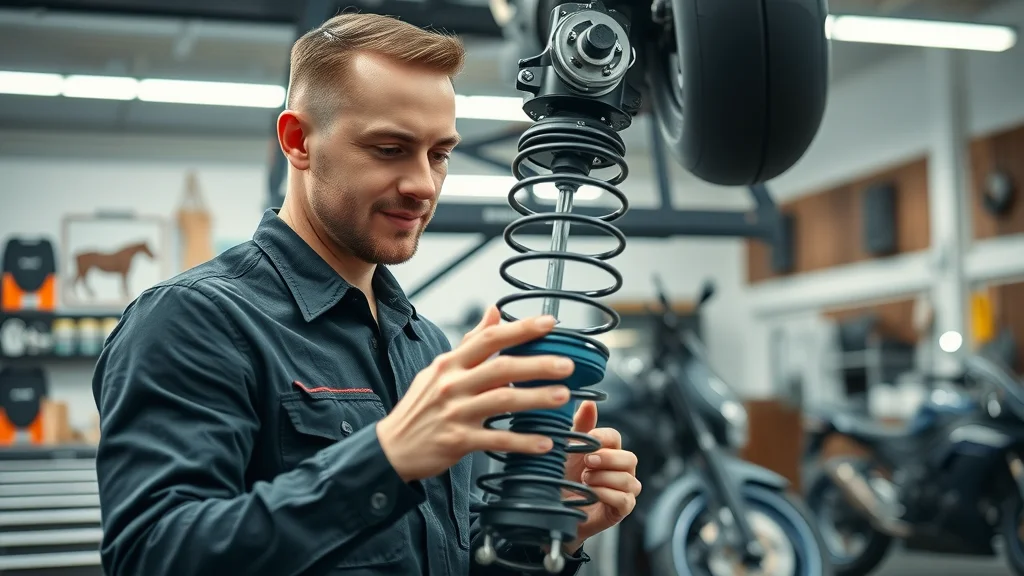
Modern motorcycle shop interior with a mechanic inspecting bike suspension for local motorcycle suspension repair

Unlocking the Importance of Local Motorcycle Suspension Repair

Motorcycle suspension is the backbone of a comfortable and safe ride, yet it’s often overlooked until bumps, squeaks, or instability become impossible to ignore. Local motorcycle suspension repair ensures that all critical internal components of your suspension system—from the fork tube to the rear shock—receive the professional attention required for optimal performance. Skilled technicians at local shops offer a wide range of services tailored to your specific bike, riding style, and even your usual terrain.

With local expertise, you benefit from fast turnaround times, face-to-face consultations, and customized suspension service for your modern bike or dirt bike. Most importantly, a thorough inspection and repair of your bike suspension not only restores ride quality but significantly reduces the risk of accidents caused by worn or damaged internal parts. Investing in regular, professional suspension services locally can prolong your bike’s life, enhance safety, and match your riding style and terrain to the highest quality standards.

Startling Facts: Why Suspension Service Matters More Than You Think

It’s easy to assume your motorcycle’s sluggish handling or rough ride is just “part of the experience,” but statistics paint a different story. Studies show that poorly maintained motorcycle suspension is responsible for a wide range of preventable incidents, from minor handling flaws to serious crashes. Fork tube and shock performance degrade with as few as 20,000 hours of riding if not properly serviced. Moreover, dirt bike and off-road motorcycle riders are especially vulnerable to issues like leaking fork seals, sticky shocks, and dangerous spring rates when regular suspension services are neglected.

Not all suspension problems are immediately visible. Hidden wear and tear on the internal components, deteriorated seals, or incorrect suspension tuning for your riding style can slip by unnoticed—until they become costly or even dangerous. This is why partnering with a dedicated local shop for motorcycle suspension service is the best way to ensure safety, maximize ride quality, and avoid unexpected repair bills. Local professionals can diagnose, repair, and even provide custom valving to match your riding style and terrain.

For riders who want to keep their bikes performing at their best, understanding the importance of seasonal maintenance is just as crucial as regular suspension checks. Discover practical tips for year-round care in this guide to seasonal bike care secrets every rider must know, which complements your suspension upkeep routine.

What You’ll Learn About Local Motorcycle Suspension Repair

  • Key features and benefits of professional bike suspension repairs near you

  • Overview of dirt bike suspension and fork tube maintenance

  • Expected costs and service timelines for local motorcycle suspension repair

  • How to compare local shops and choose the best for your needs

  • Maintenance tips to prolong the life of your motorcycle suspension

Understanding Motorcycle Suspension: Components, Function, and Importance

Cutaway diagram with a technician highlighting components for bike suspension and fork tube in local motorcycle suspension repair

Breaking Down the Bike Suspension System: From Fork Tubes to Shocks

Every motorcycle suspension system is made up of key components—most notably the fork tube, rear shocks, and a series of internal parts that work harmoniously to absorb shocks and maintain stability over a wide range of riding conditions. The fork tube manages the front end’s up and down movement, allowing the front wheel to track smoothly over uneven ground. In the rear, the shock absorber and spring support load, dampen oscillations, and help maintain tire contact, which is critical for control.

Each component—from fork seals to shock dampers—must be kept in optimal condition for the system to work flawlessly. Local motorcycle suspension repair services inspect every piece for wear, corrosion, and leaks, replacing or tuning parts to match your riding style and desired spring rates. Whether you ride a modern bike or a nimble dirt bike, understanding these elements is the first step toward better control and safer, smoother rides.

How Suspension Service Influences Safety and Ride Quality

Your bike’s ability to handle corners, absorb bumps, and maintain firmness under acceleration and braking depends entirely on the health of the suspension system. Worn fork tubes or underperforming shocks can cause increased stopping distances, vague steering, and even mid-corner instability. Regular suspension service ensures forks and shocks retain their original damping and spring rate, which not only boosts ride quality but also sharpens your responsiveness to road conditions.

Beyond comfort, a high-functioning suspension system is the cornerstone of motorcycle safety. It keeps tires glued to the ground, minimizes risk during emergency maneuvers, and makes sure all other bike systems perform as designed. Investing in local motorcycle suspension repair is more than maintenance—it’s peace of mind every time you ride.

Types of Local Motorcycle Suspension Repair Services

  • Standard motorcycle suspension service packages

  • Custom suspension services for dirt bike and off-road motorcycles

  • Fork tube rebuilding and shock repair

  • Motorcycle suspension tuning for weight and riding style

Watch a professional mechanic demonstrate expert local motorcycle suspension repair—including draining fork oil, seal replacement, and checking shock dampening.

Comparing Costs: Local Motorcycle Suspension Repair Price Table

Service

Average Cost

Service Inclusions

Typical Timeframe

Fork Tube Rebuild

$250 - $400

Seal replacement, cleaning

1–2 days

Shock Rebuild

$200 - $350

Damping, spring adjustment

1–2 days

Full Suspension Service

$400 - $700

Complete inspection, replacement

2–4 days

Local shops often offer a wide range of suspension service options, allowing you to balance cost, time, and scope. Whether you need a simple fork service or a complete front and rear suspension overhaul, local motorcycle suspension repair delivers not just transparency but also rapid turnaround, saving you both downtime and money versus shipping your parts out.

How to Select the Right Local Motorcycle Suspension Repair Shop
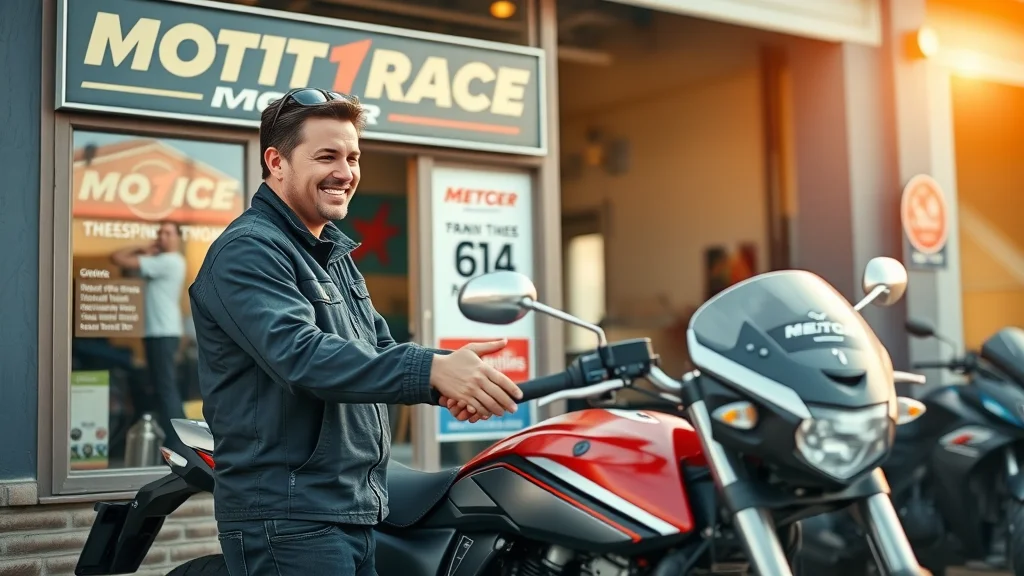
Local motorcycle repair shop technician with a customer discussing local motorcycle suspension repair
  • Check for certifications and reviews

  • Ask about motorcycle suspension expertise

  • Request detailed suspension service quotes

  • Evaluate customer service responsiveness

“A well-maintained bike suspension is the secret to both safety and performance on the road.”

Start by reviewing online feedback from fellow riders to gauge customer satisfaction and pinpoint strengths or concerns about a shop’s suspension services. Certifications, such as factory training and brand-specific expertise, serve as proof that your bike—whether a high-performance dirt bike or a modern bike—will receive the best possible care. Ask about their process for custom valving, tuning, and handling of unique riding styles and terrain. Finally, an upfront estimate and responsive service signal a repair shop’s commitment to transparency, quality, and your safety.

Remember, the best local motorcycle suspension repair shop is one that’s dedicated to providing personalized care, swift service, and clearly understands the ins and outs of your specific suspension component needs.

Spotlight: Top Local Shops for Motorcycle Suspension Repair

Customer Reviews and Success Stories

Satisfied motorcycle riders showing appreciation for local motorcycle suspension repair outside a shop

Riders everywhere rave about the improvement a quality local motorcycle suspension repair brings to their bikes. One customer describes, "After my fork tube rebuild at my neighborhood shop, my daily commute felt like gliding on fresh asphalt—no more shudders or squirms over bumps!" Another happy dirt bike rider shares, "The custom suspension tuning totally matched my riding style and terrain. Now my jumps are smoother, and my confidence is sky-high."

Local shops also shine in offering a wide range of suspension upgrades, from fine-tuned shock service for off-road adventures to regular fork service for modern bikes. Customers appreciate face-to-face interactions, clear communication, and a willingness to use aftermarket or custom parts, ensuring the service matches the rider’s specific needs. These success stories reveal one common thread: high-quality bike suspension repairs equal safer, more enjoyable, and more predictable riding—all thanks to skilled local technicians!

Signs You Need Local Motorcycle Suspension Repair Immediately

  • Unusual noises or feelings from shocks or fork tubes

  • Sticky or leaking oil around the fork or shock

  • Noticeable dip in ride comfort or handling

  • Visible damage or corrosion on bike suspension components

Don’t wait for obvious breakdowns or dangerous handling quirks before visiting your local shop. Squeaks, excessive bouncing, leaks, or corroded components are all strong indicators that your bike suspension is overdue for an expert suspension service. Fork and shock issues escalate quickly if left unchecked, often resulting in steeper repair bills or even accidents. If you recognize any of these issues, book a local motorcycle suspension repair fast—it’s your safest, smartest move.

Quote: Real Riders Share Why Prompt Suspension Service Matters

“After putting off my fork service for months, I nearly lost control on a gravel bend. Repairing my local motorcycle suspension brought my confidence—and my bike—back to life.”

Real-world experiences like these highlight why regular suspension services are nonnegotiable for serious and casual riders alike. Procrastinating on repairs can turn small, affordable fixes into expensive (and potentially hazardous) emergencies.

Preventive Maintenance: Extending the Life of Your Motorcycle Suspension
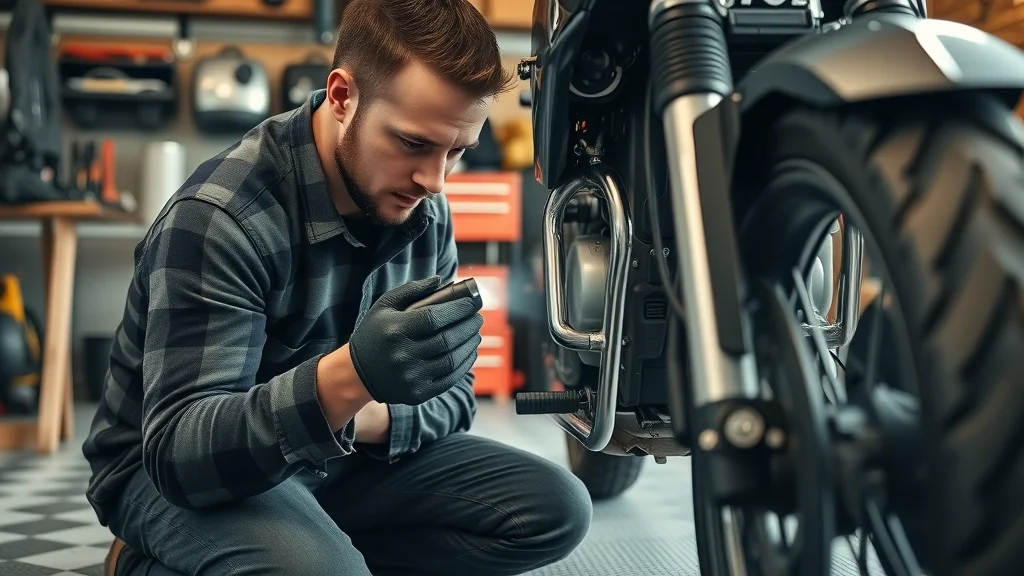
DIY motorcycle owner inspecting fork tube during routine bike suspension maintenance
  • Regular inspection schedules

  • Simple DIY checks for fork tube and shock health

  • When to seek professional suspension service

The best way to avoid sudden and costly local motorcycle suspension repair is by practicing preventive maintenance. Set an inspection schedule—ideally every 6,000 to 10,000 miles, or as recommended by your manufacturer. Simple at-home checks include squeezing the front and rear suspension, feeling for excessive play, and checking for visible oil leaks or corrosion. For dirt bike and off-road enthusiasts, thorough post-race and post-ride inspections are a must due to the high stress on suspension components.

If you notice anything unusual—sticky movement, leaking fluids, or odd noises—schedule a suspension service with your trusted local shop. Pro-level suspension tuning can extend the life of your components, match your riding style, and keep every mile smooth and safe.

Watch this step-by-step guide to easy preventive checks for bike suspension longevity and peak performance.

People Also Ask: Local Motorcycle Suspension Repair Questions Answered
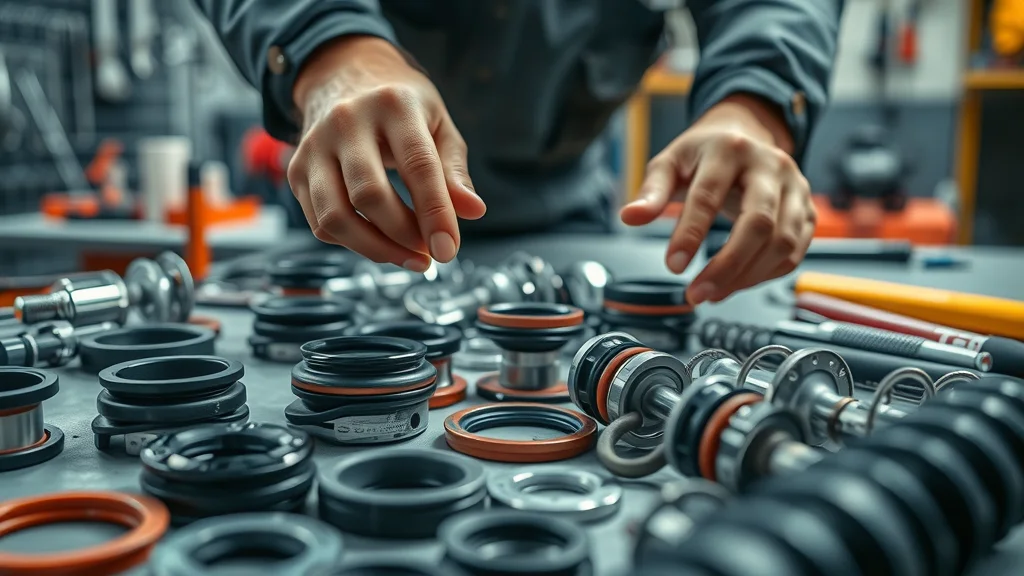
Hands sorting motorcycle suspension parts like fork tube seals and shock absorbers for local motorcycle suspension repair

How much does it cost to get motorcycle forks rebuilt?

On average, motorcycle fork rebuilding as part of local motorcycle suspension repair ranges from $250–$400 depending on model and shop rates. This includes parts, labor, and oil.

Local shops typically factor in both labor and parts, so you get a transparent, all-in estimate. The specific cost may vary with your motorcycle’s brand, condition, and whether you’re including upgrades such as custom valving or aftermarket spring rates. Check with your local shop for a precise quote tailored to your bike suspension needs.

What is the life expectancy of a motorcycle suspension?

Most motorcycle suspension systems last 20,000–30,000 miles or more with regular maintenance; usage, riding style, and servicing frequency influence longevity.

If your dirt bike or modern bike tackles rough roads, races, or off-road terrain, you’ll want more frequent suspension service. Keeping a detailed log of riding hours and service history is the best way to maximize the life expectancy of your suspension system.

How much does it cost to have a shock rebuilt?

A typical shock rebuild in a local motorcycle suspension repair shop costs $200–$350, including seal, oil, and spring checks.

Shock service usually involves disassembling the shock, cleaning or replacing seals, inspecting the spring, and ensuring internal parts are in peak condition. A full shock performance evaluation is vital for ensuring a comfortable ride and matching your riding style and terrain.

Can motorcycle forks be repaired?

Yes, many issues with motorcycle forks can be repaired locally—especially for leaks, seals, or minor bends—simplifying local motorcycle suspension repair.

Skilled technicians can often fix a wide range of fork tube problems, including seal leaks and minor deformations, without the need for expensive full replacements. This keeps suspension repair costs down and gets you back on your bike faster.

Local Motorcycle Suspension Repair FAQs

  • How often should I service my motorcycle suspension?

  • What should I do if my dirt bike suspension feels too soft?

  • Can I bring aftermarket parts for my bike suspension service?

  • Is local suspension repair faster than sending my parts away?

Answers:
Motorcycle suspension should typically be serviced every 10,000–15,000 miles or at least once a year. If your dirt bike suspension feels too soft, ask your local shop about custom valving or spring rate upgrades to enhance performance. Most local motorcycle suspension repair centers allow the use of quality aftermarket parts, though it’s wise to ask in advance. Repairing locally is almost always faster, saving you weeks compared to shipping parts to distant service centers.

Key Takeaways on Local Motorcycle Suspension Repair

  • Professional local motorcycle suspension repair boosts safety and smoothness.

  • Comparing local suspension services saves money and time.

  • Preventive maintenance keeps repair costs low and extends lifespan.

Ready for a Smoother Ride? Call Nasty Performance Motorcycle Shop Today: 847-458-4858

Don’t compromise on safety or performance. Trust your local motorcycle suspension repair experts and call Nasty Performance Motorcycle Shop today at 847-458-4858 for the highest quality service and a ride you’ll love.

As you focus on keeping your suspension in top shape, remember that comprehensive motorcycle care goes beyond just one system. If you’re interested in elevating your maintenance routine and ensuring your bike is ready for every season, explore our expert advice on seasonal bike care strategies. These insights will help you anticipate weather-related challenges, protect your investment, and enjoy peak performance year-round. Take the next step in your riding journey by combining professional suspension service with smart, seasonal upkeep—your bike (and your future self) will thank you.


Motorcycle Maintenance

0 Comments

Write A Comment

*
*
Please complete the captcha to submit your comment.
Related Posts All Posts

Find the Best Motorcycle Mechanic in Woodstock IL Today

Did you know? Nearly 80% of motorcycle owners say regular maintenance by a qualified mechanic is the key to longer bike life and safety. That kind of peace of mind is exactly what every rider in Woodstock, IL deserves. Choosing the best motorcycle mechanic in Woodstock, IL can mean the difference between smooth rides and costly breakdowns. In this guide, you’ll discover how to spot reputable service departments, compare local prices, and connect with trusted experts like Nasty Performance who keep your passion running strong—all so you can spend more time on the open road and less time worrying about repairs."Nearly 80% of motorcycle owners say regular maintenance by a qualified mechanic is the key to longer bike life and safety."Unveiling the Search for the Best Motorcycle Mechanic in Woodstock ILThe journey to finding the best motorcycle mechanic in Woodstock IL starts with understanding what distinguishes top-tier shops from the rest. The demand for expert motorcycle repair and reliable motorcycle service is growing as riders across the region want to protect their investment and guarantee safety on the road. In Woodstock IL, a quality service department will not only offer a range of standard repairs but also provide regular motorcycle maintenance and custom solutions tailored to your bike’s unique needs. Mechanics who prioritize transparency, experience, and customer satisfaction quickly earn local trust and a reputation that outpaces the competition.Effective motorcycle repair goes beyond basic fixes—leading shops like Nasty Performance employ highly trained technicians, use advanced diagnostic tools, and maintain a service department tailored for all makes and models. Whether you're facing a major breakdown or simply want routine maintenance, the right mechanic offers honest recommendations, competitive pricing, and warranty-backed work. It's vital to compare motorcycle repair options in Woodstock IL by examining customer reviews, pricing, and offered warranties, ensuring you’re making an educated decision for your ride. As you'll learn, investing in the right service department pays off in quality, safety, and peace of mind every time you hit the road.When considering which mechanic to trust with your motorcycle, it’s also helpful to understand how seasonal changes can impact your bike’s performance and maintenance needs. For a deeper dive into keeping your ride in top shape year-round, check out these essential seasonal bike care secrets every rider should know—these tips can help you avoid common pitfalls and extend the life of your motorcycle.What You'll Learn About Choosing the Best Motorcycle Mechanic in Woodstock ILKey features of reputable motorcycle repair shopsHow motorcycle service prices compare in Woodstock ILExpert tips for motorcycle maintenanceQuestions to ask any motorcycle mechanic before booking your serviceInsider knowledge on warranty, reviews, and specializationsUnderstanding Motorcycle Repair and Motorcycle Maintenance Needs in Woodstock ILEvery biker in Woodstock IL knows the thrill of the road can quickly be interrupted by unexpected motorcycle repairs. To avoid this, understanding the difference between routine motorcycle maintenance and urgent repairs is crucial. Reputable service departments emphasize preventative care, like oil changes, brake inspections, and tire pressure checks, as these services stave off major breakdowns and extend your bike's life. Proactive maintenance also allows your mechanic to spot early signs of wear, helping you address issues before they spiral into costly repairs. Beyond routine visits, skilled mechanics can handle everything from custom modifications to complex repairs for all makes and models—guaranteeing your motorcycle gets the attentive service it deserves.Woodstock IL is home to motorcycle professionals who know that no two bikes—or riders—are alike. The best local mechanics not only offer tailored maintenance schedules based on manufacturer recommendations but harness years of hands-on experience and advanced training. Expert diagnostics, honest communication, and a willingness to walk you through necessary repairs set apart true professionals. Whether you ride a classic cruiser or a modern sportbike, you should seek out service departments with excellent local reputation, positive customer feedback, and the full backing of manufacturer warranties to maximize your investment and confidence on every ride.What Does the Best Motorcycle Mechanic in Woodstock IL Offer?Expert assessment and routine motorcycle maintenanceComprehensive motorcycle repair servicesReliable motorcycle service backed by customer reviewsComparison of Common Motorcycle Service Packages in Woodstock ILService TypeAverage PriceTurnaround TimeWarranty OfferedBasic Maintenance$801 day30 daysFull Repair$200+2-3 days90 daysCustom WorkVaries1 week180 daysWhy Nasty Performance Leads as the Best Motorcycle Mechanic in Woodstock ILIf you’re searching for the best motorcycle mechanic in Woodstock IL, Nasty Performance stands out as the top choice for riders who value specialized care and a stellar reputation. Their service department is known for meticulous attention to detail and state-of-the-art diagnostic tools, making every motorcycle repair efficient and effective. Nasty Performance’s team consistently ranks high for customer satisfaction because they never cut corners—they treat every motorcycle as if it were their own. Whether you need routine maintenance, a full engine overhaul, or performance upgrades, this shop backs all services with transparent pricing, written estimates, and clear explanations, ensuring that you always know exactly what your machine needs.Not only has Nasty Performance invested deeply in hiring top-tier technicians, but their commitment to continual training means the staff stays ahead of industry changes. They cater to all makes and models, from American classics to the latest imports, and their motorcycle service solutions are always tailored to your specific bike. Their local reputation is reinforced by glowing customer reviews and a high client return rate. It’s their mix of technical expertise, reliable warranties, and exceptional customer service—from your first phone call to picking up your freshly-serviced bike—that places Nasty Performance at the forefront of Woodstock IL’s motorcycle repair industry. More than a service department, they’re a trusted partner for local riders.A Look Inside Nasty Performance’s Motorcycle Service DepartmentState-of-the-art diagnostic tools for motorcycle repairSpecialized motorcycle maintenance proceduresTailored motorcycle service for all makes and models"At Nasty Performance, excellence in motorcycle repairs isn’t just a goal—it’s a guarantee."Key Factors for Choosing the Best Motorcycle Mechanic in Woodstock ILCertification and experience in motorcycle repairsTransparent pricing on motorcycle service and repairsStrong local reputation and online reviewsComprehensive service department capabilitiesAfter sifting through the many options in Woodstock IL, a few essential factors consistently point toward the best motorcycle mechanic in Woodstock IL. Start by verifying technician certifications and the breadth of hands-on experience—leading motorcycle repair shops willingly display these credentials. Next, always look for shops providing transparent, up-front pricing with itemized estimates for every service. Reputation is another cornerstone; seek out service departments with consistently positive online reviews, word-of-mouth referrals, and a strong local presence. Finally, choose a mechanic offering a full array of services—from preventative maintenance to complex repairs and customization—ensuring your needs are met, no matter how unique your bike or riding style might be.Expert Motorcycle Maintenance Tips from Woodstock IL ProfessionalsCheck tire pressure before every rideSchedule motorcycle service at manufacturer-recommended intervalsUse only high-quality oils and fluidsInspect brakes and lights regularlyChoose reputable service departments for all major motorcycle repairsWant to avoid emergency motorcycle repairs? Woodstock IL’s top mechanics recommend staying proactive with a few expert maintenance tricks. Air pressure checks—especially before long rides—help prevent uneven wear and dangerous blowouts. Adhering to manufacturer service intervals helps catch emerging issues before they escalate, while using premium lubes and fluids ensures smooth engine and brake performance. Monthly visual inspections of brake pads, rotors, signals, and lights are small steps that can prevent sudden failures on the road. And most importantly, trusting only certified technicians for major motorcycle repairs guarantees that your bike receives the care it—and you—deserve. By sticking to these tips, you’ll ride with confidence and extend the lifespan of your motorcycle.Motorcycle Service Specials and Warranty Options in Woodstock ILMotorcycle Service DealsSpecialDescriptionExpiryFree Visual InspectionWith repair30/06/2024Spring Tune-Up Discount15% off service15/07/2024Extended WarrantyOn select repairs31/12/2024In addition to regular motorcycle maintenance and repair, savvy riders look for valuable service specials and ironclad warranties. In Woodstock IL, reputable motorcycle repair shops like Nasty Performance frequently run promotions, such as free inspections or seasonal tune-up discounts. These deals can help you keep running costs manageable and encourage routine checkups. Extended warranties on select repairs offer extra reassurance that your investment is protected. Before booking, always ask about current offers, coverage durations, and terms—most shops are happy to walk you through available deals so you get the most for your money, building long-term trust and value.Get a Tour of Nasty Performance and Their Motorcycle Service DepartmentTake an inside look at Nasty Performance, the shop widely regarded as the best motorcycle repair center in Woodstock IL. This short video tour showcases the service area, technicians in action, customer interactions at the front desk, real-world diagnostic equipment in use, and highlights the upbeat, professional atmosphere. From routine motorcycle maintenance to challenging repairs, Nasty Performance’s commitment to excellence is evident in every shot—see for yourself what sets them apart.Watch our live Q&A with Woodstock IL's top motorcycle mechanics. In this session, experts answer the most pressing questions from local riders, covering everything from essential motorcycle maintenance routines to what you should look for in a quality service department. Real customer experiences, troubleshooting tips, and repair advice are all here to help you maintain confidence and safety every time you gear up for a ride—direct support from technicians who know both the industry and your neighborhood streets.Reviewing Customer Testimonials for the Best Motorcycle Mechanic in Woodstock IL"Hands-down the best motorcycle repair in Woodstock IL!""Nasty Performance’s motorcycle service kept my bike running all summer.""Their motorcycle maintenance tips made servicing so easy!"Riders from every corner of the city motorcycle scene praise Nasty Performance’s service department for their attention to detail and honest recommendations. These reviews highlight not just expert technical skills but also respectful interactions with local customers and a genuine passion for motorcycles. Positive testimonials are a reliable way to gauge a shop's reputation—when real bikers consistently rave about a mechanic's outstanding work and fair prices, it’s a sure sign you’ve found the best in Woodstock IL.People Also Ask About the Best Motorcycle Mechanic in Woodstock ILHow Often Should I Schedule Motorcycle Maintenance in Woodstock IL?Most experts recommend motorcycle maintenance at least every 6 months, or every 2,500 miles, whichever comes first. Regular motorcycle repair can prolong your bike’s life and ensure safety for all riders.What Services Does a Motorcycle Service Department Typically Provide?A typical motorcycle service department offers oil changes, brake inspections, tire checks, diagnostics, engine repairs, and comprehensive motorcycle maintenance. Advanced motorcycle mechanics may also provide customization and performance upgrades.How Do I Know I’ve Found the Best Motorcycle Mechanic in Woodstock IL?The best motorcycle mechanic in Woodstock IL is certified, has positive reviews, transparent pricing, and offers a full range of motorcycle repairs and maintenance. A skilled motorcycle mechanic will explain required motorcycle service clearly.FAQs on Finding the Best Motorcycle Mechanic in Woodstock ILCan I get a warranty on motorcycle repairs in Woodstock IL?Yes, most reputable motorcycle repair shops in Woodstock IL, like Nasty Performance, offer warranties on parts and labor for specific repairs. Always confirm the details before booking.What’s the difference between routine motorcycle maintenance and full repairs?Routine maintenance includes scheduled services like oil changes, tire inspections, and fluid top-offs, aimed at preventing breakdowns. Full repairs address specific faults or damages, such as engine, transmission, or electrical issues.Does Nasty Performance offer emergency motorcycle service?Yes, Nasty Performance recognizes the urgency of sudden breakdowns and provides expedited repair appointments to get you back on the road as swiftly as possible.Key Takeaways: Secure the Best Motorcycle Mechanic in Woodstock ILPrioritize certified motorcycle mechanics with a dedicated service departmentRegular motorcycle maintenance prevents costly motorcycle repairsCompare motorcycle service options for best value and warrantyUse community reviews to find trustworthy serviceConcluding Thoughts on Choosing the Best Motorcycle Mechanic in Woodstock ILChoose experience, trust local reviews, and never compromise on certified care when selecting your motorcycle mechanic in Woodstock IL.If you’re ready to take your motorcycle care to the next level, don’t stop at just finding the right mechanic—expand your knowledge with expert advice that keeps your bike performing at its best through every season. Discover how proactive maintenance and timely adjustments can make all the difference, especially as weather and riding conditions change. For a comprehensive look at advanced care strategies and insider tips, explore our guide on seasonal bike care secrets every rider must know. It’s the perfect next step for riders who want to maximize reliability, safety, and enjoyment on every journey.Call Nasty Performance Motorcycle Shop Today: 847-458-4858Don’t wait for a breakdown—schedule your service with the leading motorcycle repair experts in Woodstock IL. Nasty Performance is ready to keep your bike running at its best.

Get Your Motorcycle Inspection for Spring

Did you know that a thorough motorcycle inspection for spring can prevent up to 40% of early season breakdowns? While many riders can’t wait to hit the open road as the weather warms, skipping your spring maintenance can mean trouble just when the season begins. This detailed guide not only reveals crucial steps you need for a safe riding season, but also highlights lesser-known checks that can make the difference between a smooth ride and a roadside mishap. Read on to discover how to keep your bike running in peak condition—all season long. Spring Motorcycle Inspection: Surprising Facts Every Rider Should Know Riders often underestimate the impact a seasonal maintenance check can have on their bike’s reliability and their own safety. The transition from winter storage to an active riding season brings hidden risks: fluids degrade, batteries lose charge, tires may develop flat spots or dry rot, and electrical connections can corrode. According to recent studies, up to 40% of early spring breakdowns could have been avoided with a proper motorcycle inspection for spring. This isn’t just routine motorcycle maintenance—it’s your passport to a trouble-free, exhilarating riding season on the open road. The main keyword to focus on: motorcycle inspection for spring. Including this in your annual prep ensures your maintenance checklist covers all areas. By adhering to a comprehensive approach—spanning fluids, brakes, battery care, tires, and controls—you drastically reduce the risk of losing control or facing a critical component failure. So, don’t just dust off your machine and go: take the time to run through a motorcycle maintenance checklist and experience the freedom of the road with peace of mind. Did You Know? Motorcycle Inspection for Spring Prevents 40% of Early Season Breakdowns What You’ll Learn in This Motorcycle Inspection for Spring Guide The complete motorcycle maintenance checklist for spring Step-by-step maintenance check processes Expert motorcycle maintenance advice for riding season When to perform a test ride after inspection Critical maintenance check items for a safe open road experience Why a Motorcycle Inspection for Spring is Crucial for Riding Season A comprehensive motorcycle inspection for spring is not just about checking boxes on a maintenance checklist—it’s about ensuring your safety and maximizing the joy of the riding season. After a period of winter storage, components like brake pads, air filter, spark plugs, and engine oil can deteriorate, leading to a higher risk of failures once you’re back on the open road. Proper motorcycle maintenance keeps you in control and guards against costly repairs or dangerous situations. Regular spring inspections also help riders catch early signs of damage or excessive wear, like abnormal tire pressure, leaking fluids, or electrical issues. Addressing these before hitting the road means you're far less likely to face sudden breakdowns or be caught unprepared. And let’s not forget: an annual maintenance check may also be a requirement for your insurance cover—ensuring that claims won’t be denied due to poor upkeep. "Regular spring inspections are your best defense against costly, dangerous failures later in the year." — Motorcycle Maintenance Expert As you work through your spring motorcycle inspection, it’s helpful to have a detailed maintenance checklist on hand to ensure you don’t overlook any critical steps. For a practical, step-by-step breakdown of essential tasks, check out these seasonal bike care secrets every rider must know—they offer actionable tips that complement your spring prep routine. Comprehensive Motorcycle Maintenance Checklist for Spring Visual inspection: frame, controls, stands Fluid levels: oil, brake fluid, coolant Check battery, tires, and brakes Inspect chain, belt, or shaft Test lights, horn, and electrical systems Inspection Item Recommended Action Engine Oil Replace if old/low Air Filter Clean or change Battery Charge or replace Spark Plugs Inspect and replace if needed Tires Check pressure/tread Maintenance Check: Step-by-Step Motorcycle Inspection for Spring Pre-Inspection After Winter Storage The first step of any effective motorcycle inspection for spring is to assess the effects of winter storage. Motorcycles left stationary for months are prone to developing issues that may not be immediately obvious. Carefully check for fluid leaks underneath the bike—these could signal degraded seals or worn gaskets. It’s equally important to examine all visible components for rust formation or corrosion, especially on brake lines and electrical connections, which are susceptible to moisture and temperature swings. Another critical maintenance check involves assessing the tires for signs of dry rot or flat spots—look for cracks along the sidewalls and uneven wear. These risks can jeopardize your grip and traction on the open road. By methodically performing these visual inspections, you’ll catch problems while they’re manageable and before they threaten both your ride and your safety. Use this step as the baseline for the full maintenance checklist to follow. Check for fluid leaks Assess for rust, corrosion, and tire dry rot Motorcycle Air Filter and Spark Plug Maintenance When considering your spring maintenance checklist, paying special attention to the air filter and spark plugs is essential. The air filter ensures your engine breathes cleanly and efficiently; if clogged with dust or moisture from winter storage, it can cause your bike to run unevenly or lose power. Remove the air filter according to your motorcycle’s manual, inspect it for visible dirt, and either clean or replace it based on its condition. This simple motorcycle maintenance step boosts performance and engine longevity. Spark plugs are the core of your engine's ignition system. Faulty plugs can lead to hard starts, backfiring, or even misfires out on the open road. Carefully inspect the spark plugs for wear—look for soot, oily residue, or worn electrodes. Replace spark plugs that show any signs of excessive wear, ensuring reliable ignition every time you start up for the new riding season. Remove and inspect air filter Clean or replace per motorcycle maintenance checklist Check spark plugs for wear Motorcycle Battery and Electrical System Spring Maintenance Check Charging, Connections, and Lights No motorcycle inspection for spring is complete without a thorough check of the battery and electrical system. A discharged or corroded battery is a top cause of breakdowns early in the riding season. Be sure to fully charge your battery before that first ride, and consider using a trickle charger during the off-season to prolong its life. Once charged, meticulously tighten all cable connections and scrutinize for corrosion or frayed wires—weak connections can cause your motorcycle’s powerful electronics to malfunction at the least convenient moment. Test all lights, indicators, and the horn to be certain your motorcycle is in proper working order. These are key not just for your safety, but for legal compliance as well. From brake lights to high beams, make sure everything is working properly before you set out. Minor electrical problems are usually easy fixes during routine maintenance and can make a major difference in preventing accidents and ensuring visibility on the open road. Fully charge battery before use Tighten all cable connections Test lights, indicators, and horn Tires and Brakes: Motorcycle Inspection for Spring and Riding Season Checking Tire Tread, Pressure, and Age Ensuring your tires are in good condition is non-negotiable for a safe and exhilarating riding season. Tire tread depth directly affects your bike’s grip and handling. Use a tread gauge to inspect for sufficient depth—shallow tread risks hydroplaning or slipping, especially on wet spring roads. Don’t forget to check for sidewall cracks or bubbles, as these are classic signs of excessive wear or dry rot, particularly after winter storage. Also, motorcycle tires have a lifespan—regardless of visible wear, replace any tire more than five years old to guarantee peak performance and safety. Maintaining correct air pressure is equally vital; under-inflated or over-inflated tires compromise handling, increase stopping distances, and could lead to losing control. Routinely check both front and rear tire pressures against your manufacturer’s specifications, and don’t overlook the valve stems or caps. This simple maintenance check can help you ride with confidence and extend your tire life—all a critical part of your motorcycle inspection for spring. Brake Pad and Brake Fluid Maintenance Checklist Brake systems are your primary defense against accidents, making their inspection a top priority during your spring maintenance check. Begin by inspecting both the brake pads and discs for signs of excessive wear or scoring. Thin brake pads or severely grooved discs mean reduced stopping power; replace them promptly to ensure your brake response remains razor-sharp. Assess the feel of both the front and rear brake levers—any sponginess or inconsistent response signals air in the brake lines or low brake fluid levels, demanding immediate attention. Next, check the condition and level of your brake fluid. Old or contaminated brake fluid can degrade performance and lead to dangerous situations. For peace of mind on the open road, replace brake fluid as recommended by your owner’s manual, and use only the correct type. Keeping your braking system in working order is central to safe riding, especially as spring traffic and unpredictable weather return. Inspect for sidewall cracks and tread depth Test brake lever/pedal feel Change brake fluid as needed Checking Fluids and Lubrication During Your Motorcycle Inspection for Spring Fluid checks are a crucial step in the motorcycle inspection for spring, ensuring your engine, transmission, and cooling system—all vital for reliable performance—are ready for action. Start with the engine oil: inspect the level and quality, and change it if it’s dark, gritty, or more than six months old. Fresh oil protects internal components from friction, overheating, and premature wear. Don’t forget transmission or gear oil for models that require it, and for liquid-cooled bikes, check coolant levels and condition. Low or dirty coolant can lead to overheating, putting your engine at high risk. A quick inspection of all visible hoses helps you spot leaks or cracks before they become major issues. Taking these proactive steps as part of your spring maintenance checklist helps keep your motorcycle in peak condition for a trouble-free riding season. Engine oil check and change Transmission/gear oil level Coolant check for liquid-cooled bikes Chain, Belt, and Shaft: Maintenance Checklist for Safe Riding Your motorcycle’s final drive system—chain, belt, or shaft—transfers engine power to the rear wheel. Neglecting this during a motorcycle inspection for spring could result in major breakdowns or even accidents on the open road. For chain-driven bikes, inspect for correct tension, adequate lubrication, and signs of rust or kinking. Clean and lube your chain according to your motorcycle maintenance checklist, using quality motorcycle chain lube, and adjust it for proper slack. Belt drives require you to check for cracks, fraying, or excessive stretching and adjust tension if needed. For shaft drives, make sure the final drive housing isn’t leaking and the fluid is clean and at the proper level. Rattles, whines, or clunks here are warning signs of excessive wear and should be addressed before the riding season kicks off. Regular maintenance checks in this area ensure reliable power transfer and a smoother, safer ride. Chain/belt tension & lubrication Look for abnormal wear or noise Inspect final drive housing (shaft bikes) Test Ride: Confirming Your Motorcycle Maintenance for Spring Success "Never skip the test ride — it’s your last chance to catch something you might have missed." — Certified Motorcycle Mechanic The final step in your motorcycle inspection for spring is the test ride—a crucial, often overlooked part of the process. Take your bike on a controlled, low-traffic route to ensure the engine, brakes, transmission, and controls respond as they should. Pay special attention to any unusual noises, vibrations, or handling issues—these can indicate overlooked problems even after the most diligent maintenance checklist. This practice run also allows you to feel the brakes’ bite, test throttle response, and confirm that all electrical accessories—lights, horn, indicators—are fully operational. Only after a successful test ride should you consider your motorcycle ready for the open road and the adventure of a new riding season. Remember, riding safety begins before you even leave the driveway. Safety Accessories & Gear: Preparing for the Open Road After Motorcycle Inspection Helmet, gloves, jacket inspection Reflectors and legal compliance As the final piece of the puzzle, inspect your riding gear. Your helmet should have no cracks or major scratches, the visor should be free from fogging or scratches that impair visibility, and all straps must be secure. Gloves and jackets require a check for tears or excessive wear, as this gear acts as your last defense in a slide or accident. Confirm all reflectors, tags, and lighting devices are attached and functional for legal compliance—your life may depend on being seen. Never compromise on motorcycle safety or skip this step, as even the best-maintained bike requires the right protective gear to ensure you’re riding in good condition. Seasonal Tips for a Confident Start to the Riding Season Start your season with a short ride, gradually increasing distance as confidence in your motorcycle’s working order grows. Keep the maintenance checklist handy throughout spring, and repeat quick checks before each ride. Store your insurance cover documents with your gear, be mindful of ever-changing spring road conditions, and ride alert—it’s the best way to guarantee more miles and safer journeys long into the season. People Also Ask About Motorcycle Inspection for Spring How to prepare a motorcycle for spring? A: Start with a motorcycle maintenance checklist that includes inspecting fluids, battery, tires, and brakes. Clean or replace the air filter, check spark plugs, and ensure all lights work. Run a test ride to confirm everything is functioning well before hitting the open road. What to check on a motorcycle after winter? A: Focus on the maintenance check after winter storage: look for leaks, corrosion, low battery, tire dryness, and ensure oil and brake fluid are at optimal levels. How often do motorcycles need to be inspected? A: A thorough motorcycle inspection is recommended at the start of every riding season, especially in spring. Regular monthly checks and before each long ride keep your bike in safe condition. What is the 4 second rule for motorcycles? A: The 4 second rule helps riders maintain a safe following distance. When the vehicle in front passes a landmark, count four seconds before you pass the same spot, giving ample reaction time in emergencies. Video Guide: Motorcycle Inspection for Spring Maintenance Checklist A well-produced video walkthrough showing a professional mechanic performing a complete spring motorcycle inspection in a bright, clean workshop. Features step-by-step demonstrations including tire checks, fluid top-ups, battery connection assessments, and a final test ride on a picturesque spring road. No text overlays. Cinematic, inviting, and brand-friendly style. Video Demonstration: Performing a Spring Motorcycle Maintenance Check Motorcycle Inspection for Spring: Key Takeaways for a Safe Riding Season Use a comprehensive maintenance checklist Perform scheduled maintenance checks after any winter storage Address all fluid, battery, tire, and safety gear concerns Never skip the spring test ride Frequently Asked Questions about Motorcycle Inspection for Spring Can I do my own motorcycle inspection for spring or should I visit a professional? Most riders with basic tools and a manufacturer’s manual can perform a thorough motorcycle inspection for spring themselves. However, if you’re a new rider or encounter issues like persistent leaks, odd noises, or electrical faults, a professional service is recommended for peace of mind and warranty safety. Are there special tips for new riders doing their first maintenance check? Yes. Take your time, consult your motorcycle maintenance checklist, and don’t hesitate to ask experienced riders or local mechanics for guidance. Start with visual checks, document what looks unusual, and double-check tire tread, air filter, and brake fluid levels before your first ride. How do I choose the right fluids for my bike? Always refer to your owner’s manual or consult a qualified mechanic. Use only manufacturer-recommended oils, brake fluids, and coolants—using the wrong type can cause damage or void your insurance cover or warranty. Ready for the Open Road? Schedule Your Motorcycle Inspection for Spring Now! "A little time spent on a motorcycle inspection for spring could be the best investment you make all year." Call Nasty Performance Motorcycle Shop Today: 847-458-4858 Conclusion: Take charge of your riding season by making motorcycle inspection for spring an annual tradition. With a proper maintenance checklist and a little time, you’ll hit the open road with confidence, comfort, and peace of mind. For riders who want to go beyond the basics and truly master year-round motorcycle care, there’s even more to discover. Expanding your knowledge of seasonal maintenance strategies can help you anticipate issues before they arise and keep your bike performing at its best in every climate. If you’re ready to elevate your maintenance routine and unlock expert-level tips for every season, explore seasonal bike care secrets every rider must know—it’s your next step toward a safer, smoother, and more enjoyable ride all year long.

Your Spring Motorcycle Maintenance Checklist

Did you know? The majority of motorcycle breakdowns in the spring are caused by issues that could have been prevented with just 30 minutes of routine inspection. As the world thaws and the urge for the open road grows irresistible, taking the time for a spring motorcycle maintenance checklist is not just a good idea—it’s essential for a safe and thrilling riding season. This guide delivers everything you need to ride confidently from your first start, combining pro tips, key maintenance tasks, and the latest safety guidelines to get your bike in peak condition—before you twist the throttle for that first spring ride. Start Your Spring Motorcycle Maintenance Checklist with This Surprising Fact It might surprise you, but over 60% of motorcycle accidents related to mechanical failure stem from skipped maintenance checks after winter storage. Even riders who are vigilant about in-season upkeep can overlook hidden issues that develop while a bike sits idle—like corroded battery terminals, under-inflated tires, or brittle brake lines. That’s why a thorough spring motorcycle maintenance checklist isn’t just about keeping your engine purring; it’s about safeguarding your ride and, ultimately, your life. Whether you fiend for the thrill of the open road or value the serene peace of mind when everything works as it should, starting the season with a comprehensive maintenance check is non-negotiable. This guide will empower you to identify potential trouble spots and ensure your machine is in perfect working order, ready for miles of safe adventure ahead. What You'll Learn: A Complete Spring Motorcycle Maintenance Checklist How to perform a thorough motorcycle maintenance check before riding season Key components every comprehensive maintenance checklist must cover Tips directly from industry service manual guidelines for best results Safety-critical steps for visual inspection and troubleshooting Common mistakes riders make when preparing for the open road Why a Spring Motorcycle Maintenance Checklist Matters "Routine maintenance isn’t just about performance—it’s about rider safety and peace of mind before hitting the open road." – Certified Motorcycle Technician Completing a spring motorcycle maintenance checklist is about more than boosting your motorcycle’s performance or extending its lifespan. The real priority is rider safety. Neglecting essential maintenance tasks can leave you vulnerable to avoidable accidents caused by factors like worn brake pads, low brake fluid, or cracked fuel lines. Regular, seasonal maintenance checks ensure every component—from your engine oil and battery terminals to your tires and brake lines—is ready to perform under pressure. This preparation grants you not only a smooth operation and optimal riding experience but also that indispensable peace of mind while you start the season. As you plan your first trip onto the open road, remember: your safety begins with your toolbox and a checklist. As you work through your spring motorcycle maintenance checklist, it’s helpful to understand how seasonal changes can impact your bike’s performance and longevity. For a deeper dive into year-round care strategies and how to adapt your maintenance routine as the weather shifts, check out these essential seasonal bike care secrets every rider should know. Essential Tools and Service Manual for Your Motorcycle Maintenance Checklist Before you can tackle your spring motorcycle maintenance checklist, assemble the right tools and have your service manual at hand. The service manual contains detailed instructions specific to your motorcycle’s make and model, ensuring that every maintenance task—from an oil change to inspecting your clutch and throttle cables—is done correctly. A typical maintenance check requires basic yet crucial tools that empower you to perform the majority of inspections and minor repairs yourself—even if you’re not a professional mechanic. Basic hand tools: sockets, wrenches, and screwdrivers, useful for removing panels, tightening bolts, and tackling most common fasteners Tire pressure gauge and a multimeter, which help you verify precision in essential metrics like tire inflation and electrical system health The official service manual for your specific motorcycle model, providing accurate maintenance schedules, torque specifications, and troubleshooting advice tailored to your bike Equipping yourself with the right gear and authoritative information is the first step in effective motorcycle maintenance. With these essentials at your side, you’re set to handle everything your bike needs to thrive for the riding season. Step-by-Step Spring Motorcycle Maintenance Checklist 1. Begin with a Complete Visual Inspection A thorough visual inspection is the foundation of every effective spring motorcycle maintenance checklist. This foundational step allows you to catch signs of wear, leaks, or damage before they morph into costly repairs or safety hazards. Start by carefully examining all visible components for cracked, brittle, or frayed rubber hoses, worn gaskets, or seepage points around the engine. Check under the bike for puddles or spots left from winter storage that might indicate an oil leak or other issue. Give special attention to the front and rear wheels, the drive belt or chain, and the condition of the brake lines. By methodically scanning every angle, you can identify trouble spots like loose fasteners, aging wiring, and even subtle paint bubbles that often signal underlying rust. Spot-check your fuel lines and fuel filter for cracks or stiffness, as fuel system degradation is especially common after long periods of inactivity. The visual inspection prepares you to prioritize other critical tasks on your list—so take your time, use a flashlight for those hard-to-reach areas, and never underestimate the clarity of a fresh, unbiased look at your motorcycle’s current state. Remember to check your mirrors, controls, and footpegs as well while you’re at it! This extra diligence during the visual inspection translates directly to safety and confidence once you finally hit the open road. 2. Batteries and Electrical System: Key Maintenance Check Check battery terminals for signs of corrosion and test for proper voltage Inspect all visible wires for fraying, loose connections, or insulation damage, replacing components as needed Test functionality of lights (headlamp, turn signals, brake light), horn, and any electronic accessories Your battery and electrical system are often overlooked components that can leave you stranded if not addressed. After winter storage, try starting your engine—if it’s slow to turn over, use a multimeter to test battery voltage and charge as specified in your service manual. Corroded battery terminals are a common culprit behind starting problems; clean them thoroughly using a wire brush and a baking soda solution. Don’t forget to examine your fuse box and ensure all fuses are appropriately rated and intact. While checking the rest of the system, trace wires leading to your horn, signal lights, and brake light. Make sure you correct any brittle sheathing or exposed wires right away to prevent shorts or electrical fires. Function-test every bulb and electronic system. If you encounter dim or flickering lights, consider replacing bulbs or examining the wiring for deeper faults. Addressing electrical concerns now helps avoid headaches and ensures all safety systems are fully operational for the riding season. 3. Tires and Wheels: Foundation of Riding Season Safety Worn or under-inflated tires compromise every aspect of riding—handling, traction, and most importantly, safety. Start your tire maintenance check with a careful visual inspection for cracks, bald spots, or embedded debris that might have worsened during winter storage. Using a tread depth gauge, measure the remaining tread; replace the tire if it’s below the minimum safe limit (usually 2/32 inch for most models). Don’t forget to check both the front and rear wheels—imbalances or damage can threaten your smooth operation on turns or under sudden braking. Tire pressure is another critical metric on your spring motorcycle maintenance checklist. Under-inflated tires cause excessive heat buildup and poor fuel efficiency, while over-inflated ones reduce grip and comfort. Use a quality tire pressure gauge and consult your service manual for model-specific inflation requirements. Inspect the wheels for bent rims or out-of-round conditions and pay close attention to the valve stems, which can crack or dry out while stored. A proactive approach here not only helps prevent blowouts but guarantees that your first ride of the season feels as responsive and exhilarating as the last. 4. Fluids and Filters: Motorcycle Maintenance Essentials Change engine oil and oil filter for maximum engine health Check brake fluid and coolant levels, topping up or flushing as specified by your manual Inspect clutch and transmission fluids, ensuring lubricants are at the recommended levels Replace or clean the air filter if dirty, worn, or clogged Fluids and filters are the lifeblood of any motorcycle, and after a period of winter storage, every fluid deserves attention. An oil change is a staple for good motorcycle maintenance—old engine oil can develop acidic compounds and lose its lubricating qualities over time, risking engine wear and overheating. Don’t just drain and refill; replace the oil filter as well to ensure contaminants from previous seasons are fully eliminated. Check your brake fluid for clarity and contamination; murky fluid or low levels can impact brake performance and safety. Flush the brake lines if needed, especially if the bike showed any signs of reduced brake feel last season. Coolant and transmission fluids often get forgotten, but their condition is vital for maintaining optimal engine temperature and smooth shifting. A quick inspection and top-up according to your maintenance schedule will keep these systems working order. The air filter should be checked as a clogged or dirty filter restricts airflow, reducing horsepower and efficiency—replace or clean as dictated by your service manual for maximum benefit. 5. Brakes, Chains, and Cables: Safety-First on Your Maintenance Checklist Inspect brake pads, rotors, and lines for thickness and wear, replacing brake pads if necessary; check the brake fluid in the reservoir and look for leaks along the brake lines Lubricate and tension your chain (or inspect your drive belt for cracks and tension), making sure it moves freely with no tight spots or excessive slack Check and adjust cable tension for clutch and throttle to ensure crisp response with no sticky or sluggish movement The integrity of your braking and drive systems is the difference between smooth operation and danger. Even slightly worn brake pads or rotted brake lines can drastically extend stopping distances, especially in an emergency. Chains should be free of grit and lubricated per the maintenance schedule, while drive belts must be checked for nicks or gaps. Tighten or adjust as outlined in your service manual, and address any resistance or odd sounds that hint at deeper mechanical faults. Maintaining proper cable slack in the clutch and throttle—without excess play—ensures predictable control and quick response when split-second action is required out on the open road. Routine maintenance of these systems prevents the most common breakdowns and unsafe riding conditions. Taking your time with this part of the spring motorcycle maintenance checklist helps ensure that every mile is not only enjoyable but also as secure as possible. 6. Suspension and Forks: Assess Before the Open Road Suspension components like front forks and rear shocks take the brunt of every road imperfection; neglecting them can turn a pleasant ride into a bumpy, unpredictable ordeal. Start by inspecting for oil seepage or grime around the fork seals—a sign that a rebuild or replacement is in order. Compress the suspension and listen for squeaks, knocks, or sluggish rebound, which may indicate internal wear or inadequate lubrication. Check the condition of the rear shocks for rust or bending and make sure damping and rebound settings match your weight and riding style for optimal stability. This is an area where your service manual can provide invaluable guidance. Detailed torque specifications and troubleshooting advice ensure you don’t overlook hidden faults. A smooth, well-tuned suspension doesn’t just improve comfort—it’s a crucial factor in maintaining safe control at high speeds and when cornering fast. If you discover anything out of the ordinary, or if you’re unsure about inspection results, consider bringing your bike to a professional mechanic before embarking on your first extended trip of the season. 7. Air Filter and Final Visual Check Don't overlook your air filter—the gateway between the outside environment and your engine. A dirty or clogged air filter reduces power and increases fuel consumption, while leaving your engine vulnerable to harmful debris. Remove the air filter, hold it up to the light, and replace or clean if it looks dark, clogged, or deteriorated—refer to your service manual for the correct method. Once you’ve completed all major maintenance tasks, walk around your bike one last time to perform a comprehensive visual inspection. Look for anything you might have missed, like loose fasteners, disconnected hoses, or unsafe modifications from seasons past. This final look serves as the last line of defense to ensure your motorcycle is fully prepped before your engine rumbles to life for the spring riding season. By finishing strong and double-checking every element, you can hit the open road with full confidence in both your machine and your maintenance skills. Spring Motorcycle Maintenance Checklist: Quick Reference Table Maintenance Item Task Recommended Frequency Visual Inspection Check for leaks, cracks, and damage Before each season Tires & Wheels Inspect, check pressure and tread Monthly Batteries Charge, clean terminals Seasonally Fluids & Filters Replace as needed Seasonally or per manual Brakes Check pads and fluids Every ride Chain & Cables Lubricate, inspect 500 miles Suspension & Forks Inspect for leaks and wear Annually Air Filter Clean or replace 5,000 miles or as needed Watch this step-by-step guide, featuring experienced mechanics and real-world demonstration on various motorcycle models. Each inspection task and service manual tip is shown in action—perfect for both novice and seasoned riders who want to see the full motorcycle maintenance checklist in motion. Tips for a Safe Start to the Riding Season Double-check your maintenance checklist before your first ride to confirm you haven’t missed any safety-critical areas Take a test ride in a controlled area, such as an empty parking lot, to detect any hidden issues like unusual noises, vibration, or brake fade Review your insurance and riding gear—make sure your motorcycle insurance is current and that your helmet and protective wear are in good condition Common Mistakes Riders Make When Following a Spring Motorcycle Maintenance Checklist Ignoring worn brake pads or tires due to assumed “just one more ride” mentality Neglecting to replace or clean the air filter, reducing both engine performance and life Skipping the service manual’s specific recommendations and relying on guesswork Forgetting a final visual inspection—often the last step that catches missed details By avoiding these common pitfalls and adhering closely to your checklist—with an emphasis on following your service manual and looking out for signs of wear—you’ll keep your ride safe, reliable, and ready for the open road. Understand how to read, interpret, and apply key details from your motorcycle’s service manual. This video highlights critical sections, such as torque specifications, recommended maintenance intervals, and part diagrams, empowering you to handle your motorcycle maintenance with precision and confidence. People Also Ask: Spring Motorcycle Maintenance Checklist Questions How to prep a motorcycle for spring? To prep your motorcycle for spring, begin with a detailed spring motorcycle maintenance checklist: perform a complete visual inspection for leaks or damage, change the engine oil and oil filter, check and top up all fluids (including brake fluid and coolant), inspect battery terminals, verify tire pressure and tread depth, lubricate the chain or drive belt, and ensure all lights and signals are functional. Don’t overlook cleaning the air filter and consulting your service manual for any model-specific requirements. Finish with a gentle test ride to verify everything is in working order before hitting the open road. What is the 12 second rule for motorcycles? The “12 second rule” refers to scanning ahead of your motorcycle approximately 12 seconds down the road to anticipate hazards, traffic changes, or obstacles. By maintaining this long-range visual awareness—especially during the early riding season when road debris and unpredictable situations are common—you give yourself ample time to brake, steer, or make adjustments. Practicing this rule enhances rider safety and reduces the likelihood of sudden, risky maneuvers. What maintenance needs to be done on a motorcycle? Key motorcycle maintenance tasks include changing engine oil and filters, checking and topping up fluids (brake, coolant, and transmission), inspecting and replacing air filters, adjusting and lubricating the chain or drive belt, checking brakes and brake pads for wear, maintaining proper tire pressure and tread, ensuring all lights and signals are working, and tightening fasteners. Always follow your motorcycle’s specific maintenance schedule as outlined in the service manual to ensure every critical item is covered. How do I know if my motorcycle fork springs are bad? Bad fork springs often cause excessive front-end dive under braking, poor rebound, or a rough ride over bumps. Look for oil leaks around fork seals, uneven tire wear, or an unusually harsh or soft feel in the suspension. Consult your service manual for recommended inspections and tests; if you notice any instability or hear odd noises during a bounce test, the fork springs or associated components may need to be serviced or replaced for safety and smooth operation. Expert Quotes on Motorcycle Maintenance and Riding Safety "Your motorcycle deserves a little extra attention before the riding season. Following the right maintenance checklist keeps your ride smooth and worry-free." – Local Bike Mechanic Key Takeaways: Mastering the Spring Motorcycle Maintenance Checklist Following a complete spring motorcycle maintenance checklist boosts safety and reliability A thorough maintenance check and adherence to your service manual prevent costly surprises Routine care helps you make the most of every riding season FAQs About Spring Motorcycle Maintenance Checklists How often should I do a spring motorcycle maintenance checklist? Perform a thorough maintenance checklist at the start of every riding season and follow regular maintenance intervals as outlined in your service manual throughout the year. Can I do all maintenance myself or do I need a professional? Many maintenance tasks, such as oil changes, air filter cleaning, and visual inspections, can be done at home with basic tools and access to your service manual. For more complex repairs or if you’re unsure, trust a certified mechanic. What is the most commonly missed item in spring checks? The air filter is often forgotten—riders overlook its impact on engine performance and only change it when problems arise. Regularly cleaning or replacing the air filter is crucial for reliability. Does skipping a year of maintenance really matter? Absolutely—neglecting regular maintenance can lead to accelerated wear, safety risks, and costly breakdowns. Sticking to your maintenance schedule is essential for performance and peace of mind. Ready for Riding Season? Call Nasty Performance Motorcycle Shop Today: 847-458-4858 Don’t leave your safety and riding adventure to chance. Complete your spring motorcycle maintenance checklist—or let our pros handle it for you. For professional inspections and expert service, call Nasty Performance Motorcycle Shop at 847-458-4858 and start your season right! If you’re eager to take your motorcycle care to the next level and ensure your ride stays in peak condition all year long, there’s even more to discover. Explore the broader strategies and expert insights in Seasonal Bike Care Secrets Every Rider Must Know. This resource goes beyond spring prep, offering guidance on adapting your maintenance habits for every season, protecting your investment, and maximizing your bike’s performance no matter the weather. Dive in to unlock advanced tips and keep your motorcycle adventure-ready, mile after mile.

Terms of Service

Privacy Policy

Core Modal Title

Sorry, no results found

You Might Find These Articles Interesting

T
Please Check Your Email
We Will Be Following Up Shortly
*
*
*