
Did you know that improper or neglected motorcycle gear maintenance is a leading cause of compromised safety for riders worldwide? According to recent industry studies, up to 40% of motorcycle accidents involving injury reported gear failures or reduced protection, often due to poor upkeep. While many riders are religious about regular motorcycle inspections, their helmets, jackets, gloves, and boots don’t always get the same attention — even though these are the very first and last lines of defense in an emergency. In this comprehensive guide, you'll learn exactly how to protect your investments in motorcycle gear and, more importantly, ensure your safety every time you hit the road.
The Surprising Importance of Motorcycle Gear Maintenance
Maintaining your motorcycle gear is not just about keeping it looking good — it’s about ensuring your safety and comfort every mile you ride. Proper motorcycle gear maintenance means your equipment is always ready to perform as designed, whether it’s a sudden rainstorm or a pavement slide. Helmets, jackets, gloves, and boots are only as effective as their upkeep. Frequent care also prevents the gradual breakdown of protective features such as impact absorption, waterproof layers, and abrasion resistance. Ignoring regular maintenance can cause these properties to fail, making your gear unreliable just when you need it the most.
Expert recommendations are clear: even the best motorcycle gear will lose its safety and comfort benefits if it isn’t routinely cared for. Dirt, sweat, and environmental exposure slowly degrade materials and seams. With the right care instructions and products, you can extend the life of your gear, preserve its high performance, and avoid unexpected damage or malfunction during your rides.
"Regular motorcycle gear maintenance is as crucial as routine bike checkups. Well-maintained gear can make all the difference in an emergency." – Industry Expert
What You'll Learn About Motorcycle Gear Maintenance
- Why regular motorcycle gear maintenance matters for safety and durability
- Step-by-step care instructions for your motorcycle clothing, helmets, gloves, and boots
- Essential cleaning techniques and storage tips
- Recommended products and tools for effective maintenance
- How to diagnose common gear wear and damage
Types of Motorcycle Gear: An Essential Overview
Before diving into motorcycle gear maintenance routines, it's crucial to understand the main categories of gear and their unique care needs. Standard motorcycle gear includes helmets, jackets, gloves, and boots — each crafted from specialized materials designed for shock absorption, abrasion resistance, and comfort. While leather gear like jackets and boots demand proper care with conditioners and weatherproofers, textiles may call for different detergents or care levels. These gear types are not only about style but about function, with certain pieces integrating advanced electronics or protective armor that must never be saturated or cleaned with harsh chemicals.
Failing to identify and serve the individual maintenance needs of each piece leads to premature degradation, uncomfortable rides, or even safety risks. Thus, learning which cleaning methods, care labels, and products apply to your specific gear type is essential for maximizing your investment and, more importantly, safeguarding your ride every time you suit up.
As you refine your maintenance routine, it's also worth considering how seasonal changes can impact both your motorcycle and your gear. For practical tips on adapting your care strategies throughout the year, explore these seasonal bike care secrets every rider should know to keep your equipment and ride in optimal condition.
| Gear Type | Material | Key Maintenance Steps | Special Products Required |
|---|---|---|---|
| Helmet | Polycarbonate/Composite | Remove/wash liners, clean visor with damp cloth, check fit | Helmet cleaner, microfiber cloth |
| Jacket | Leather / Textile | Spot clean, use mild soap, condition leather, avoid direct heat | Leather conditioner, textile cleaner |
| Gloves | Leather / Textile | Hand wash, air dry at room temperature, inspect seams | Gentle soap, brush |
| Boots | Leather / Synthetic | Brush off debris, use conditioner, avoid water immersion | Leather conditioner, waterproof spray |
| Advanced Gear | Armored/Electronic | No immersion, follow care instructions | Specific to manufacturer |
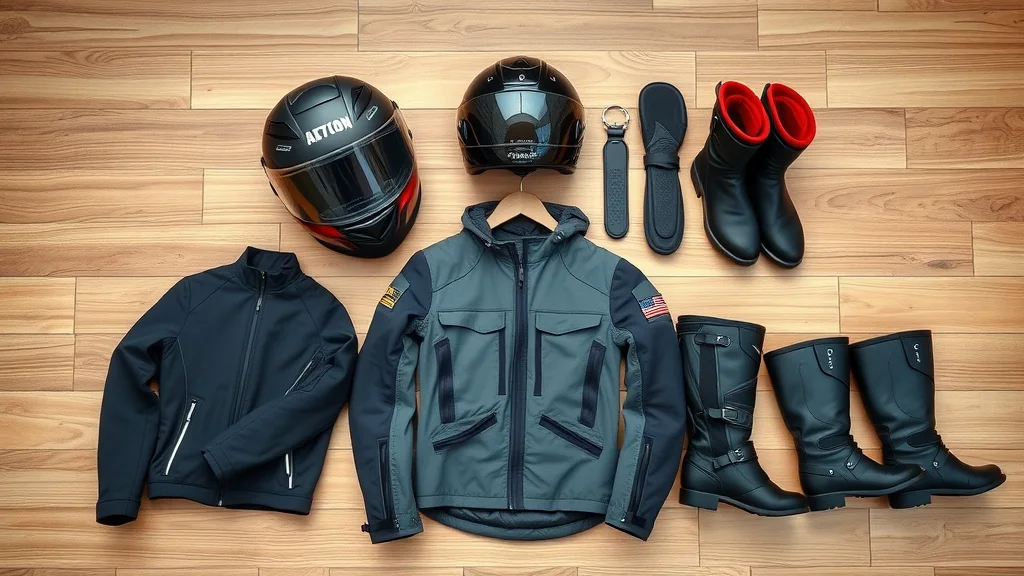
Why Motorcycle Gear Maintenance is Critical
- Extends lifespan of investment gear
- Maintains optimal protective features
- Enhances comfort for every ride
- Prevents unexpected failures
Your motorcycle gear represents a significant financial investment and, more importantly, your primary source of on-road protection. Proper motorcycle gear maintenance directly extends the useful life of your helmets, motorcycle clothing, gloves, and boots, saving you money by reducing the need for frequent replacements. When you clean, inspect, and store your gear correctly, you preserve features like waterproofing, insulation, and armor — elements that can mean the difference between walking away from a fall or not.
Neglecting regular maintenance invites issues like weakened seams on jackets, foggy helmet visors, decreased grip on gloves, and degraded waterproofing on boots. Each of these problems reduces your comfort, increases your vulnerability, or directly impacts your ability to react in an emergency. Routine care is an easy, cost-effective way to ensure your gear performs as intended, every time you ride.
General Care Instructions for Motorcycle Gear
- Read manufacturer care instructions before first use
- Routine post-ride inspections
- Gentle cleaning for all surfaces
Every piece of motorcycle gear comes with its own care label or instructions that should always be followed to avoid accidental damage or voiding warranties. Whether your jacket is premium leather or high-performance textile, checking the label first is critical. Routine post-ride checks will identify new dirt, debris, or minor wear before it becomes a serious issue. Remember that gentle cleaning is the gold standard — a soft-bristled brush and a damp cloth will handle most tasks, followed by drying the gear naturally at room temperature.
Avoid harsh chemicals, abrasive sponges, and direct heat sources (including tumble dry or hairdryers). Stick to mild, pH-balanced soap when possible, especially for sweat-prone gear like gloves and helmets. Always air dry in a well-ventilated area to preserve fabric and armor integrity, never under the sun or next to a heater — a key step in ensuring your gear’s safety and longevity.
Motorcycle Helmets: Cleaning and Maintenance Tips
- Remove and wash liners as per care instructions
- Clean exterior with non-abrasive solutions
- Check visor for scratches and replace as needed
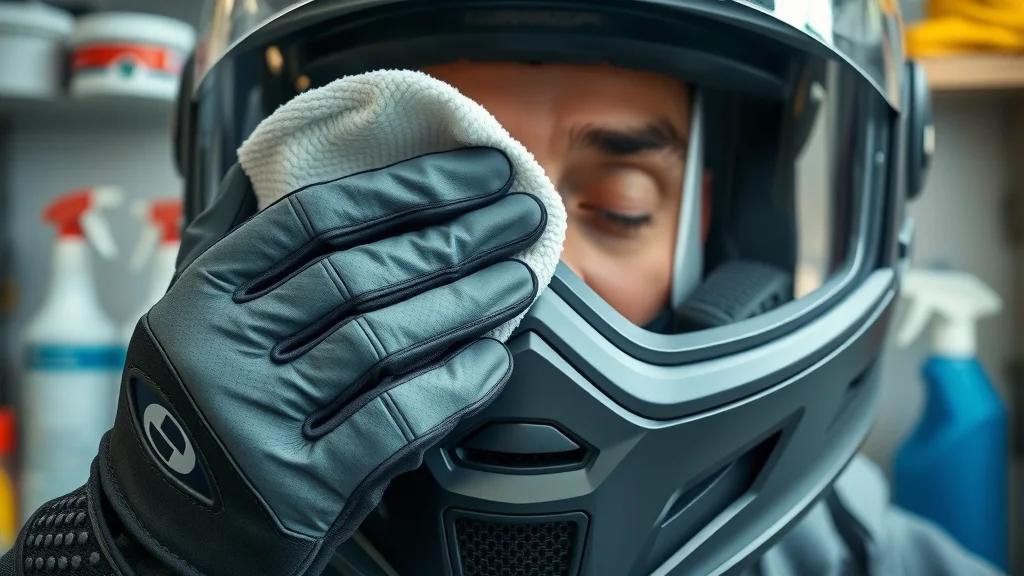
Your motorcycle helmet is possibly your most vital piece of gear, and its maintenance requires special attention. Regularly remove the interior liners and cheek pads (if possible) and hand wash them with mild soap and cold water. Allow these to air dry naturally at room temperature — never use direct heat or tumble dry settings, as they can distort foam and fabrics. For the helmet’s exterior, wipe with a soft damp cloth and non-abrasive cleaner to remove bugs, grime, and sweat without scratching the surface.
Visor care is equally important; clean it gently, and inspect often for scratches that can reduce visibility, especially in harsh sunlight or at night. Replace damaged visors promptly. Finally, periodically check for helmet shell cracks, strap wear, or loose fittings. Remember: most helmet manufacturers recommend replacing helmets every 3–5 years even with proper care due to material fatigue.
Motorcycle Clothing & Jackets: Care and Longevity
- Spot clean stains immediately
- Use specialized cleaners for leather vs. textiles
- Reapply waterproofing agents regularly
Whether you wear a leather or textile motorcycle jacket, spot cleaning any stains right away prevents permanent marks and material breakdown. Always consult the care label or manufacturer’s care instruction — leather gear requires specific conditioners and cleaners, while textiles do best with gentle detergents and a gentle cycle in the washing machine, if allowed. Avoid fabric softener as it can ruin waterproof membranes and reduce breathability.
For leather, clean with a damp cloth and recondition often to maintain flexibility and a protective finish. For waterproof jackets, reapply water-repellent sprays after each wash to guarantee you stay dry in unpredictable weather. Never expose your motorcycle clothing to direct sunlight or unnatural heat sources — let it dry naturally at room temperature for the best results in preserving integrity, color, and comfort.

Motorcycle Gloves: Maintenance for Maximum Grip and Comfort
- Hand-wash using gentle soap and lukewarm water
- Dry gloves away from direct heat
- Inspect stitching and protective inserts after each ride
Motorcycle gloves are constantly exposed to sweat, oil, and weather, which can compromise their grip and protective padding. For ideal glove maintenance, gently hand-wash them in lukewarm or cold water with a mild soap, never in a washing machine or dryer. After a careful rinse, air dry the gloves away from direct sunlight or any direct heat source. This helps retain the glove’s natural fit and ensures materials like Kevlar or knuckle armor remain undamaged. Avoid fabric softeners, which can weaken glove seams and padding.
After each ride, check your gloves for signs of loose stitching, frayed elements, or damage to protective inserts. By maintaining a cleaning and inspection routine, you’ll keep your motorcycle gloves comfortable, functional, and safer for every ride, even after countless miles.
Motorcycle Boots: Keeping Your Footwear Ready
- Brush off dirt and mud after every ride
- Condition leather boots regularly
- Check soles and fasteners for wear
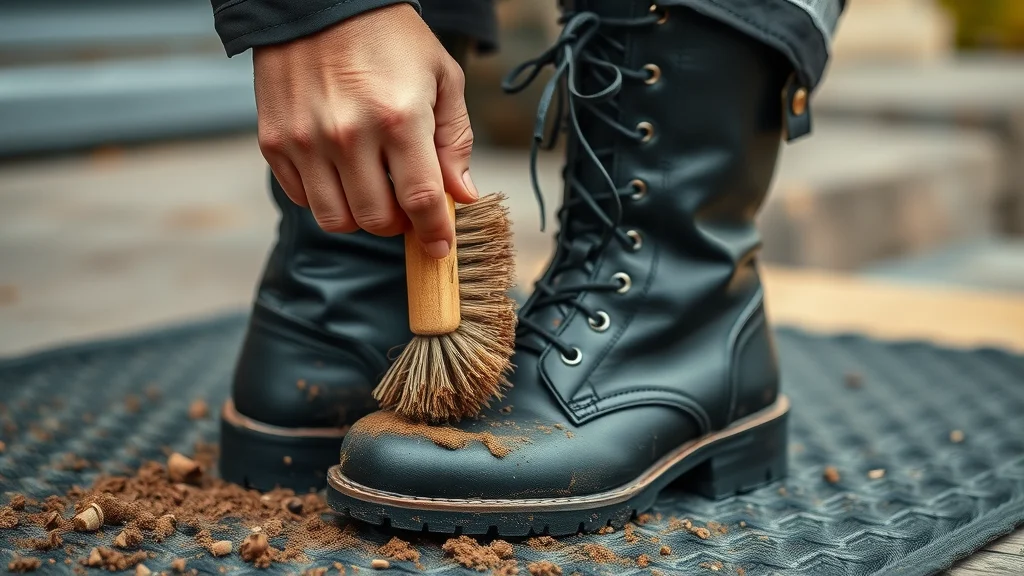
Motorcycle boots protect your feet and ankles, only if they’re well maintained. Always brush off mud, gravel, and dust immediately after riding to prevent surface abrasion and staining. Leather boots require regular conditioning to keep them supple and water-resistant, while synthetic boots should be cleaned with a mild soap solution and a soft brush. Allow boots to air dry away from direct heat or sunlight, and never put wet boots in a closed, hot space to avoid mildew and material warping.
Frequent checks of the soles for uneven wear, and inspecting fasteners like zippers, laces, or Velcro, will catch issues before they compromise your safety or comfort. Looking after your motorcycle boots means you always ride with confidence, grip, and weather protection.
Special Gear: Cleaning and Caring for Advanced Protection
- Follow manufacturer care instructions closely
- Avoid submerging electronic components
- Store in climate-controlled, dry environments
Advanced riding gear, such as armored suits with electronic airbags, integrated lighting, or heated components, needs specialized attention. Follow the instructions given by the manufacturer explicitly, especially relating to waterproofing or electrical connections. Never dunk electrical gear in water — instead, clean surfaces with a soft, damp cloth and mild detergent. Allow everything to dry naturally at room temperature only.
For all gear, but especially electronics, storage in climate-controlled, dry settings prevents condensation and component failure. If functionality degrades, do not attempt complex repairs yourself; consult a professional or the original maker for assessment and service.
Essential Products & Tools for Motorcycle Gear Maintenance
- Mild, pH-balanced detergent
- Soft-bristled brushes
- Leather conditioners
- Waterproofing sprays
- Helmet cleaning kits
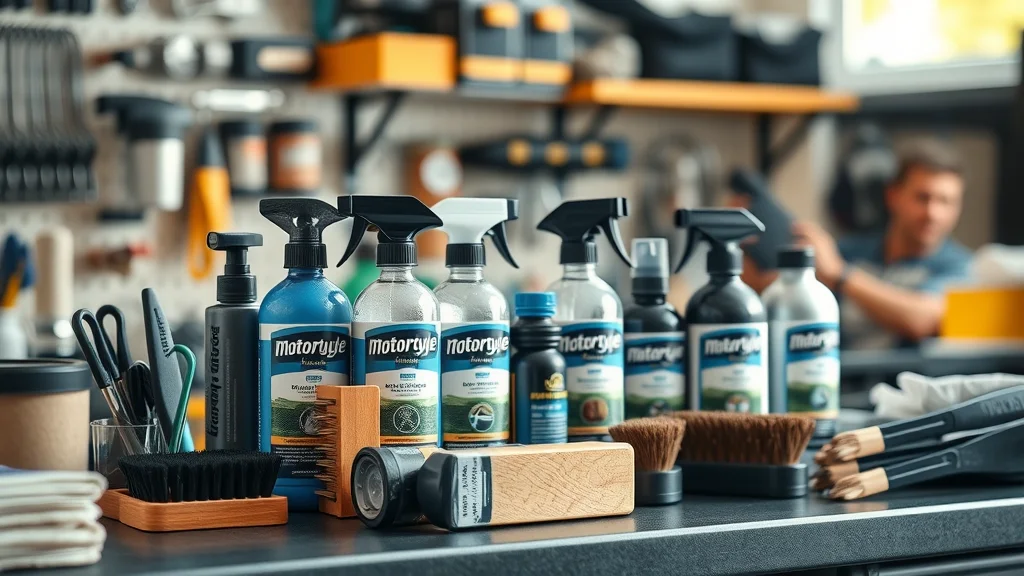
Having the right maintenance products on-hand makes a world of difference and reduces the temptation to use inappropriate substitutes. Mild detergents and soft-bristled brushes protect your gear’s materials and finishes. Invest in dedicated leather conditioners and waterproofing sprays for jackets and boots to keep them resilient against wear and the elements. Helmet cleaning kits typically include foam cleaners, microfiber towels, and anti-fog solutions that prevent scratches and maintain visor clarity. Each tool plays a unique role in ensuring your gear not only looks good but remains functional and safe for years.
Routine Inspection Checklist for Motorcycle Gear Maintenance
- Check all seams and fastenings
- Look for visible wear or abrasion
- Test zippers, snaps, and Velcro for secure function
- Inspect padding and armor placement
Commit to a quick inspection of your motorcycle gear after every ride. Check every seam, fastening, and joint on your jackets and pants for looseness or fraying. Motorcycle clothing often gives early warning signs, such as thinning patches or minor nicks, that can be repaired before becoming serious. For gloves, boots, and advanced gear, inspect stitching, armor, and moving parts like buckles or clasps for continued secure function. These checks add only minutes to your routine but can prevent both costly repairs and potentially hazardous gear failures on the road.
How to Store Motorcycle Gear for Best Results
- Store in cool, dry locations
- Avoid compression to preserve padding
- Keep away from direct sunlight and moisture
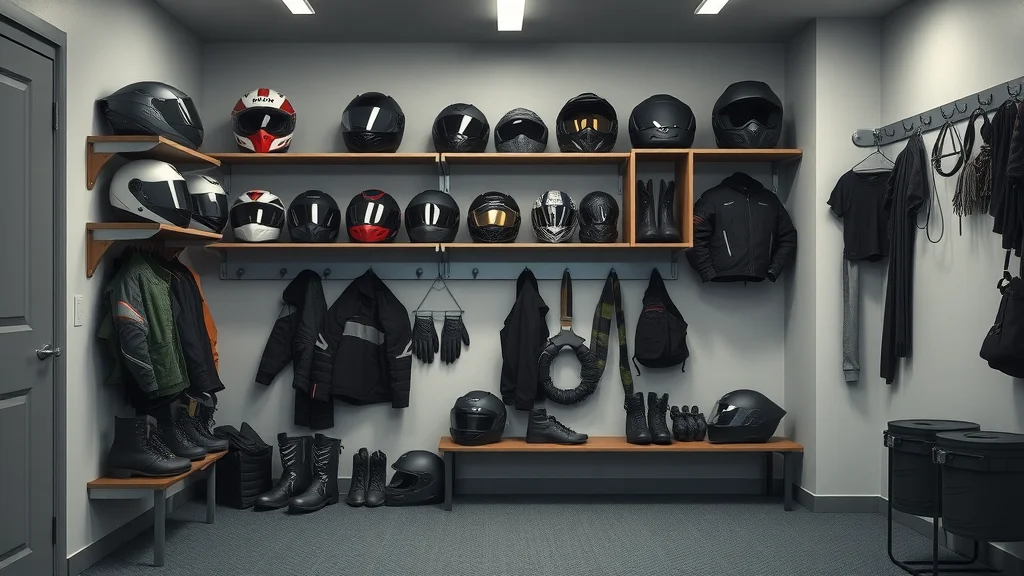
Proper storage is critical for preserving your motorcycle gear beyond cleaning and repairs. Choose a cool, dry, and well-ventilated area — not a cramped closet prone to humidity, nor anywhere exposed to direct sunlight. Never stack or compress gear, as pressure can crush padding and deform armor. Instead, hang jackets and pants on broad hangers, place boots on shoe racks, and store helmets in their protective bags or on display stands. This approach reduces exposure to damaging UV rays and keeps materials from developing odors, mold, or mildew between uses.
Motorcycle Gear Maintenance Dos and Don'ts
- Do follow the care instructions for each piece of motorcycle gear
- Do inspect gear after every long ride
- Don't use harsh chemicals or household detergents
- Don't store wet gear in confined spaces
To guarantee your motorcycle gear always performs at its best, strictly adhere to the manufacturer’s care instructions and keep a regular inspection routine. Never clean gear using household bleach or abrasive solvents, which can break down waterproofing and structural integrity. Avoid storing gear that hasn’t fully dried, as moisture and lack of airflow create prime conditions for bacteria, mold, and odor buildup. Simple awareness of these dos and don’ts will go a long way toward safer and longer-lasting motorcycle gear.
Preventing Common Issues Through Motorcycle Gear Maintenance
Many common motorcycle gear issues — like stinky helmets, foggy visors, faded jackets, or torn gloves — are completely preventable with a solid maintenance routine. Regular inspections, real-time cleaning of new stains, and the right storage strategy keep your investment fresh and functional. Early intervention is key — repairing a loose seam or re-waterproofing a jacket at the first sign of wear prevents bigger (and more expensive) headaches later. Consistent care can almost eliminate surprise failures, ensuring every part of your gear is ready to perform when you are.
Motorcycle Gear Maintenance Video Guide
For a hands-on overview of the techniques described in this guide, check out this step-by-step video demonstration. It covers everything from helmet liner removal and cleaning to waterproofing a textile jacket, detailing caring for gloves, and correct leather boot maintenance. See every cleaning and storage method in a real-world, modern workshop setting!
Troubleshooting: When Your Motorcycle Gear Needs Expert Care
Despite regular motorcycle gear maintenance, some issues require professional help. If you notice rips in safety seams, defective armor, or malfunctioning zippers you can’t fix, it’s time to consult a specialist. For advanced gear — including any with electronics, airbags, or proprietary protective systems — follow the manufacturer’s service protocols. Delaying expert repairs can compromise your protection, so don’t gamble. Many shops offer free shipping on repairs, making it even easier to keep your gear in prime condition without hassle.
People Also Ask: Motorcycle Gear Maintenance
What is the 12 second rule on a motorcycle?
The 12 second rule is a safety guideline for motorcyclists to help anticipate and respond to hazards. It recommends looking 12 seconds ahead in your lane to identify possible obstacles, slow traffic, or road changes. This approach gives you plenty of reaction time to brake, swerve, or make safe decisions, reducing the risk of last-minute maneuvers and keeping you alert for potential dangers. Adopting the 12 second rule is part of ensuring your safety on every ride.
What is basic maintenance on a motorcycle?
Basic motorcycle maintenance includes checking tire pressure, oil and fluid levels, lights, brakes, and chain lubrication. It also involves inspecting your motorcycle gear after every ride, ensuring helmets, jackets, gloves, and boots are clean and undamaged. Completing these simple checks and routine cleans keeps both your bike and gear in safe, ready-to-go condition every time you hit the road.
What motorcycle gear is a must?
Essential motorcycle gear includes a DOT- or ECE-approved helmet, abrasion-resistant jacket and pants, durable gloves, over-the-ankle boots, and eye protection. Each item is engineered to minimize injury risk in the event of an accident. High visibility gear and layers designed for weather conditions also contribute to safety and comfort on every ride.
How to clean your motorcycle gear?
To clean your motorcycle gear, always check the label for specific wash and care instructions. Generally, use a mild soap and cold water or lukewarm water, hand wash items when possible, and avoid direct heat sources or tumble drying. Let gear air dry naturally at room temperature, and store in a cool, dry location. Use specialized leather or textile cleaners and avoid household detergents or fabric softeners, which can harm performance fabrics and armor.
FAQs: Motorcycle Gear Maintenance
-
How often should motorcycle gear be replaced?
Most manufacturers recommend replacing helmets every 3–5 years or after any significant impact. Jackets, gloves, and boots should be replaced if you notice significant wear, tears, lost waterproofing, or compromised protective padding. -
Can you machine wash motorcycle gloves?
Generally, it is best not to machine wash motorcycle gloves as agitation can compromise stitching and padding. Instead, hand wash in lukewarm or cold water with a mild soap and allow them to air dry, away from direct heat sources. -
Is leather or textile gear easier to maintain?
Textile gear is often easier to maintain because it can sometimes be machine-washed (check the label). Leather requires more careful conditioning and specialized cleaners but tends to be more durable with proper care. -
What are signs of worn-out motorcycle gear?
Look for thinning or frayed fabric, split seams, compressed or misaligned armor padding, faded reflective strips, and broken fasteners. Any of these indicate it’s time to repair or replace your gear. -
Should you dry motorcycle gear in sunlight?
No. Dry your gear naturally at room temperature away from direct sunlight or direct heat. Sunlight can weaken fabric fibers, fade colors, and warp gear over time.
Key Takeaways About Motorcycle Gear Maintenance
- Consistent motorcycle gear maintenance prolongs gear life and boosts safety.
- Follow gear-specific care instructions and routines.
- Store your motorcycle gear properly between uses.
- Invest in quality tools and products for maintenance.
- Don’t delay professional repairs for critical damage.
Conclusion: Keep Your Motorcycle Gear in Prime Condition
Taking great care of your motorcycle gear ensures every ride is safer, more comfortable, and worry-free. Follow the specific maintenance routines above, and your gear will reward you with years of reliable service and protection.
Call Nasty Performance Motorcycle Shop Today: 847-458-4858
If you’re ready to take your motorcycle care to the next level, don’t stop at just your gear—your entire bike deserves attention throughout the year. Discover how a proactive approach to seasonal maintenance can help you avoid costly repairs, boost performance, and keep every ride smooth no matter the weather. For a deeper dive into comprehensive upkeep strategies, check out our guide on seasonal bike care secrets every rider must know and unlock expert insights that will keep both you and your motorcycle in peak condition all year long.
Motorcycle Gear Maintenance Service Video
Looking for professional help or need a detailed walk-through? Our comprehensive motorcycle gear maintenance service video features step-by-step guidance on cleaning, inspecting, and restoring all types of gear, from helmets to boots. See expert tips and practical demonstrations designed to keep your equipment at peak performance. Don’t miss out on valuable insight for maintaining your riding kit!
Ready to Upgrade or Restore Your Motorcycle Gear?
If your gear shows signs of wear or you’re ready for an upgrade, don’t wait! Trust Nasty Performance Motorcycle Shop for expert advice, repairs, or new gear options. Stay safe, stay comfortable, and ride with confidence.
Call Nasty Performance Motorcycle Shop Today: 847-458-4858

Write A Comment