cropper
update

Nasty Performance ~ 847-458-4858 

update
  • Blog Home
  • Categories
    • Motorcycle Maintenance
    • Riding Tips & Preps
    • Safety & Inspection
    • Customizations & Upgrades
    • DIY Motorcycle Repairs
    • Motocycle Audio Systems
    • Motocycle Seasonal Care & Storage
    • Engine, Electrical Performance
  • Bike Night
  • Nasty Performance Motorcycle Shop
June 29.2026
1 Minute Read

How To Perform a Motorcycle Tune Up

Ever wondered if a simple routine could be the difference between your bike running smooth and stalling at the worst moment? A regular motorcycle tune up not only boosts your bike’s performance but also protects your investment, enhances fuel economy, and ensures safe riding every time you hit the road. This complete guide unlocks all the secrets you need to know—from essential tools and step-by-step processes to expert maintenance tips. Whether you’re a longtime rider or a new motorcycle owner, read on to master every aspect of keeping your bike running smoothly and reliably.

Unlock the Secrets of a Motorcycle Tune Up: Why Routine Motorcycle Maintenance Matters

Every motorcycle enthusiast wants their machine to deliver smooth power, crisp throttle response, and long-term reliability. But did you know the foundation of optimal performance and bike longevity lies in regular motorcycle maintenance? A thorough motorcycle tune up involves more than a quick oil change—it requires visual inspection, cleaning, and replacing key components such as the spark plug, air filter, and regular checks on engine oil and the chain.

Routine tune ups not only maximize your motorcycle’s lifespan but also significantly reduce the chances of unexpected breakdowns, improve fuel efficiency, and keep your ride enjoyable. Skipping essential maintenance tasks might save some time now, but could cost you big in repairs and inconvenience later. By embracing a proactive approach, you support both your bike’s smooth power delivery and your own peace of mind, making every journey safer and more enjoyable.

motorcycle tune up confidently performed in modern garage - classic street bike, high realism, dynamic lighting

Motorcycle Tune Up: What You'll Learn in This Guide

  • Step-by-step motorcycle tune up procedures
  • Key components of motorcycle maintenance
  • Expert tips for spark plug, air filter, and engine oil check
  • How to maximize lifespan and performance
  • Common mistakes and safety considerations
Motorcycle Maintenance Tune Up Schedule
Component Inspection Steps Replacement Interval
Spark Plug Remove, inspect, clean or replace Every 6000-8000 miles
Air Filter Remove, inspect, clean or replace Every 10,000 miles or as needed
Engine Oil Drain, replace with manufacturer-recommended grade Every 3000-5000 miles
Chain Inspect tension, clean, lubricate Every 500 miles or as necessary
Battery Check voltage, clean terminals Twice per year

What Does a Motorcycle Tune Up Include? (People Also Ask)

Comprehensive Motorcycle Tune Up Checklist

  • Inspecting and replacing spark plug
  • Cleaning or replacing air filter
  • Changing engine oil
  • Lubricating and adjusting chain
  • Checking brakes and tires
  • Battery maintenance
  • Inspecting cables and controls

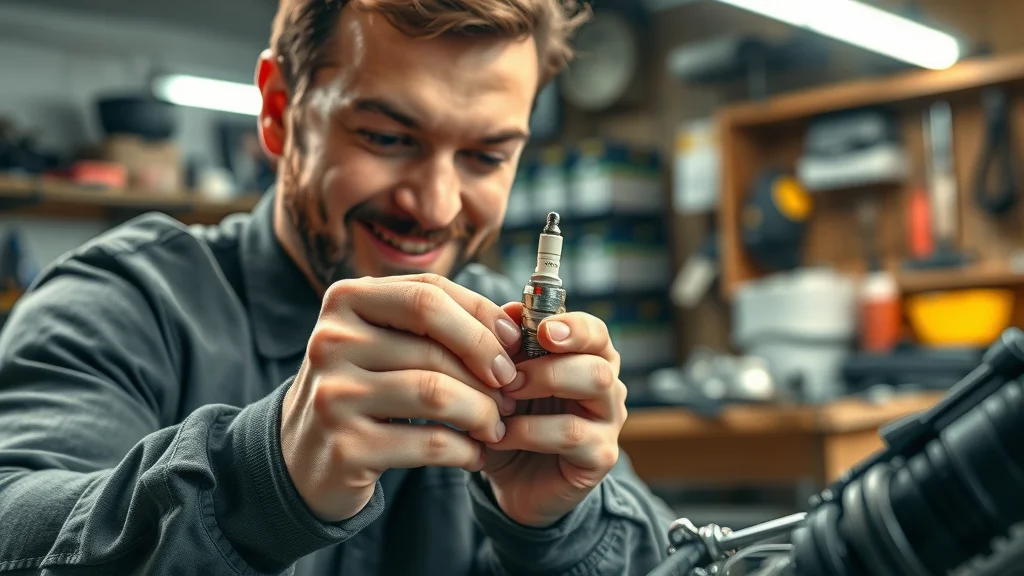
close-up inspection of motorcycle spark plug during tune up, organized tools in motorcycle workshop

What does a motorcycle tune-up include?

Answer:

"A motorcycle tune up involves a systematic inspection and maintenance of various components, such as spark plugs, air filters, and engine oil, to ensure optimal performance and safety."

When you perform a motorcycle tune up, you’re providing more than just basic care; you are following a detailed process that addresses the essential elements of a motorcycle maintenance routine. These steps go beyond just an oil level or a chain check. You’ll assess everything from the spark plug and air filters to brake pads and battery health, ensuring everything is in good condition for safe riding. Regular tuning directly leads to the bike running smoothly, improved fuel efficiency, and helps extend its longevity. Don’t neglect essential areas like the fuel lines and the fuel filter, as these contribute equally to the smooth power delivery and reliability you expect from your ride.

Essential Tools and Safety Equipment for Effective Motorcycle Maintenance

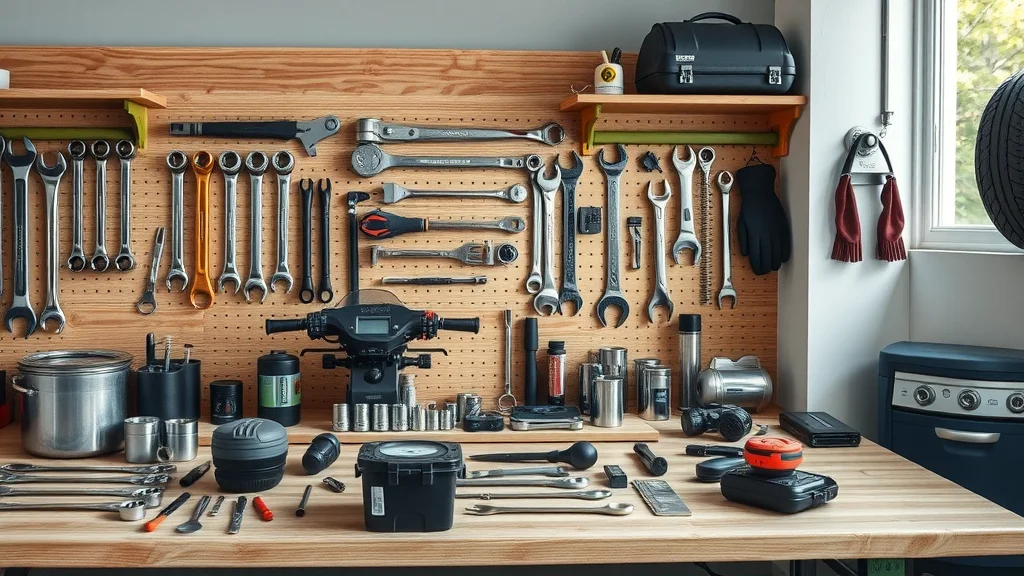
Getting your motorcycle tune up right always starts with the right equipment. Using proper tools not only makes the maintenance process easier but also protects vital bike parts from accidental damage. Whether you're conducting a spark plug check or swapping the air filter, a set of quality wrenches, screwdrivers, and safety gear ensures every task is done precisely. Professional mechanics and experienced riders always recommend completing every visual inspection with appropriate safety gloves and eye protection to prevent injuries or accidents.

Preparing for regular motorcycle maintenance means more than gathering a handful of tools. Each tool ensures that essential components like brake pads, engine oil, and chain receive the care they need without causing unnecessary wear or safety risks. Keep your bench organized and all maintenance tasks straightforward, so your motorcycle is always ready for the road and delivering optimal performance.

Motorcycle Tune Up Tools Checklist

  • Wrenches and socket sets
  • Screwdrivers
  • Spark plug wrench
  • Oil drain pan
  • Funnel
  • Safety gloves and eye protection

motorcycle tune up tools neatly organized on maintenance workbench, photorealistic garage toolkit

Step 1: Inspect and Replace Spark Plug During Your Motorcycle Tune Up

The spark plug is the heart of your motorcycle’s ignition system. Over time, spark plugs accumulate deposits, suffer from electrode wear, and lose their ability to deliver crisp sparks, undermining your bike’s smooth power and efficiency. Inspecting, cleaning, or replacing the spark plug during every motorcycle tune up keeps your engine firing on all cylinders, allowing for optimal combustion and reduced risk of misfires. Always follow your manufacturer’s recommended intervals for this task—usually every 6,000–8,000 miles—but check more often if your ride feels sluggish or the engine is hard to start.

To inspect a spark plug: remove it using a spark plug wrench, examine for discoloration or heavy deposits, and check the electrode gap. If the electrode is worn or the ceramic insulator is cracked, a replacement is necessary. After fitting new or cleaned spark plugs, you’ll often notice faster starts and improved throttle response. Don't neglect this step—as essential as keeping oil level within spec or replacing the air filter, spark plug care is the key to your bike running smoothly mile after mile.

Why Replacing or Cleaning Spark Plugs Is Crucial

  • Improved ignition
  • Better fuel efficiency
  • Smoother ride
"Neglecting spark plug maintenance can harm engine performance and fuel economy."

Many riders underestimate the impact of a spark plug that’s past its prime. Persistent problems like slow starts, engine knock, or loss of power can often be traced back to worn or dirty spark plugs. Regularly cleaning or replacing these small yet essential components ensures reliable ignition and stable power delivery. In addition to fuel efficiency gains, addressing spark plug issues early can prevent bigger headaches like engine misfires or poor idle quality.

While mastering the basics of a motorcycle tune up is crucial, it's equally important to adapt your maintenance routine to the changing seasons. For practical tips on how to keep your bike in peak condition year-round, check out these seasonal bike care secrets every rider must know.

Step 2: Air Filter Inspection - Clean or Replace for Optimal Motorcycle Performance

The air filter is your engine’s first line of defense against dust, dirt, and airborne contaminants. Over time, clogged air filters can choke off the flow of clean air, leading to reduced power, sluggish throttle response, and poor fuel economy. During any motorcycle tune up, always include an air filter inspection and replacement if needed. This simple step protects your engine, maximizes performance, and keeps your motorcycle running smoothly in all conditions.

An air filter that goes unchecked may lead to dirt building up inside the engine, causing premature engine wear and higher maintenance costs in the long run. Learning to properly access, clean, or replace your motorcycle’s air filter is an easy win for optimal performance, giving you cleaner power and extending engine life. Make it a standard part of your motorcycle maintenance routine, especially if you ride in dusty or harsh conditions.

Best Practices for Air Filter and Air Filters Service

modern motorcycle air filter replacement by female mechanic, photorealistic, sporting service bay
  • How to access and inspect the air filter
  • Signs it's time to clean or replace an air filter
  • OEM vs. aftermarket air filters comparison

Accessing the air filter typically involves removing the seat or side panel. Once exposed, perform a visual inspection—check for excessive dust, deformities, or signs of oil/fuel contamination. If the air filter is clogged or misshapen, cleaning won’t be enough; you’ll need to replace it. Compare OEM with aftermarket options: OEM filters guarantee perfect fit for your bike model, while high-quality aftermarket air filters might offer improved airflow for performance upgrades. Always reinstall the filter carefully, ensuring airtight sealing to avoid engine damage. Adhering to the proper replacement interval (around every 10,000 miles or per the owner’s manual) prevents bigger issues like reduced power delivery and increased fuel consumption.

Step 3: Motorcycle Tune Up Engine Oil Change Procedure

Engine oil is the lifeblood of your motorcycle. It lubricates moving parts, dissipates heat, and carries away impurities. As miles accumulate, engine oil loses its viscosity and cleaning power, leading to possible engine damage if neglected. During any motorcycle tune up, draining and replacing engine oil—and checking the oil filter—ensures your bike’s engine operates at peak efficiency and is protected against wear and overheating. Routine oil change intervals, typically every 3,000–5,000 miles, are essential for long-term reliability and good condition of your motor.

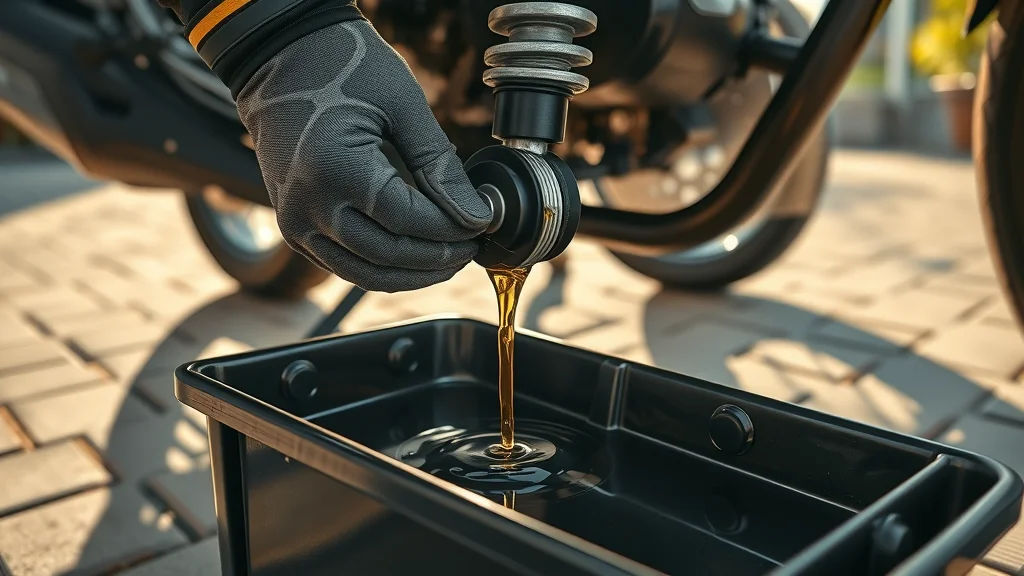
For the oil change, always warm up the engine slightly—the oil will flow better and carry away more debris. Use an oil drain pan to collect used oil, which must be disposed of properly to protect the environment. Choose the recommended grade of engine oil for your motorcycle model, as indicated in the owner’s manual. After topping up and ensuring the right oil level, double-check for any leaks before starting your next ride, so your motorcycle is both safe and ready to perform.

Selecting and Replacing Motorcycle Engine Oil

  • Draining old engine oil safely
  • Choosing the correct engine oil grade
  • Proper disposal of used oil

engine oil change during motorcycle tune up showing oil draining into pan, realistic outdoor driveway scene

Never underestimate the importance of using manufacturer-approved oil grades—synthetic, semi-synthetic, or mineral. Each works differently to shield engine parts and maintain optimal performance. Regular oil changes flush out damaging deposits and preserve the engine in good condition, while skipping this task can cause accelerated wear, reduced fuel economy, and even catastrophic failure. Remember to reset your oil change reminder or maintenance log so you’re always on schedule with your tune up routine.

Step 4: Additional Motorcycle Maintenance Checks

Besides the critical spark plug, air filter, and engine oil, several other motorcycle maintenance checks are essential for a thorough motorcycle tune up. Chain tension should be just right to avoid slipping or unnecessary wear, and regular lubrication keeps it running smoothly and quietly. Brakes, including brake pads and brake fluid, directly affect your safety—inspect them frequently for wear and top off or replace as needed. Don’t forget tire pressure, as underinflated tires not only reduce handling and increase fuel consumption but also pose a serious safety risk.

Your routine tune up should also include a close inspection of all cables (clutch, throttle, brakes), checking for fractures, wear, or binding that could compromise smooth power delivery. Regularly care for your battery—clean terminals, check charge, and replace if needed—to prevent dreaded no-start situations. Keeping an eye on the electrical system and conducting regular visual inspections helps ensure your motorcycle is always in good condition and ready for every adventure.

Routine Inspection for Motorcycle Tune Up Longevity

  • Lubricating chains
  • Checking tire pressure
  • Inspecting brakes
  • Battery care and electrical system checks

Implementing these maintenance tasks in your tune up not only helps your motorcycle run optimally but can also save significant repair costs over time. By proactively assessing each component, you control your bike’s safety, performance, and cost of ownership—season after season, mile after mile.

Frequently Asked Motorcycle Tune Up Questions (FAQs)

How much does a tune-up on a motorcycle cost?

Answer:

"The cost of a motorcycle tune up can vary significantly depending on the model and the extent of maintenance required. Consulting a trusted motorcycle shop is recommended."

Who is No. 1 bike?

Answer:

"The answer to 'Who is No. 1 bike?' often depends on personal preference, riding style, and brand reputation. Discuss with industry experts for tailored recommendations."

How often should you do a tune-up on your motorcycle?

Answer:

"Most manufacturers recommend a motorcycle tune up every 6,000 to 10,000 miles, but always check your owner’s manual for specific intervals."

Key Takeaways from Your Comprehensive Motorcycle Tune Up Guide

  • Motorcycle tune up is essential for performance and safety
  • Routine maintenance of spark plugs, air filter, and engine oil is critical
  • Using the proper tools and following recommended schedules saves money and extends your motorcycle's lifespan

satisfied motorcycle owner standing next to freshly tuned up bike in sunny driveway, photorealistic

Ready for Your Next Motorcycle Tune Up?

Call Nasty Performance Motorcycle Shop Today: 847-458-4858

Get expert help with your motorcycle tune up—schedule your service for reliable, friendly support and keep your machine running smooth every season.

If you’re ready to take your motorcycle care to the next level, don’t stop at the basics—explore how seasonal changes can impact your maintenance strategy. Understanding the nuances of bike care throughout the year can help you prevent issues before they arise and keep your ride performing at its best, no matter the weather. Discover expert advice and actionable tips in our guide to seasonal bike care secrets every rider must know. This resource is perfect for riders who want to stay ahead of the curve and ensure their motorcycle is always ready for the next adventure. Dive deeper and unlock the full potential of your bike with advanced, season-specific maintenance insights.

Watch a hands-on, step-by-step demonstration by a pro mechanic, covering spark plug checks, air filter replacement, oil change, and chain maintenance—see every essential detail up close for a complete motorcycle maintenance guide.
Motorcycle Maintenance

0 Comments

Write A Comment

*
*
Please complete the captcha to submit your comment.
Related Posts All Posts

Common Mistakes In Motorcycle Brake Pad Replacement

Did you know that over 35% of DIY brake pad replacements end up with follow-up repairs due to simple mistakes? While changing brake pads on your motorcycle can save you money and offer a sense of accomplishment, a single overlooked step could put your safety at risk. Understanding and avoiding brake pad replacement mistakes is not just about saving costs—it’s about ensuring every ride is safe, smooth, and reliable. Whether you're an experienced do-it-yourselfer or just starting out with DIY brake pad replacement, this comprehensive guide will help you sidestep common pitfalls and master the art of changing brake pads safely. Understanding Brake Pad Replacement Mistakes Overview of brake pad replacement mistakes and their consequences: Even the most enthusiastic DIY brake pad replacement can go awry if critical steps are skipped. Common mistakes like improper pad alignment, failing to fully retract caliper pistons, or mismatching brake pads can lead to uneven wear, poor braking performance, and even brake system failure. These errors may not only damage the braking system but could also put you and others on the road in danger. Mistakes during pad replacement can translate to costly repairs and jeopardize the braking system’s reliability. Importance of avoiding common mistake in DIY brake pad replacement: Safety should always be the top priority when tackling brake jobs. Simple oversights—like not cleaning caliper guide pins or using incompatible friction material—can lead to squealing brakes, uneven pedal feel, or danger in emergency stops. Knowing the most frequent brake pad replacement mistakes empowers you to avoid them from the outset, ensuring each changing brake job boosts your motorcycle’s overall performance and secures your peace of mind. What You'll Learn About Brake Pad Replacement Mistakes Identifying typical brake pad mistakes: Pinpoint the most frequent slip-ups that plague DIY brake pad replacement jobs. Why pad replacement precision matters: Understand how every detail in changing brake pads contributes to your motorcycle’s safety and performance. How to improve your DIY brake pad replacement process: Gain actionable advice so you avoid brake pad replacement mistakes on your next brake job. Why Attention to Brake Pad Replacement Mistakes is Critical Impact of brake pad replacement mistakes on your motorcycle’s safety and braking system: A single common mistake, such as failing to secure brake pads or neglecting to lubricate caliper guide pins, can compromise your entire braking system. DIY brake jobs done incorrectly may cause uneven wear, noisy brakes, or even lead to brake fluid leaks. Each part of the braking system relies on proper pad replacement procedures—overlooking one can reduce braking performance, extend stopping distances, and cause unpredictable pedal feel that threatens safe riding. A quote from a trusted mechanic discussing common mistake in brake pad jobs: "One overlooked step in a brake pad replacement can compromise your entire braking system. Always double-check every component before hitting the road." – Certified Motorcycle Technician Table: Overview of the Most Frequent Brake Pad Replacement Mistakes Common Mistake Impact on Braking System How to Avoid Estimated DIY Difficulty Rating Not Retracting Caliper Pistons Fully Prevents new pads from fitting correctly and causes uneven wear. Use a proper tool to compress pistons fully before installing new pads. Moderate Improper Brake Pad Positioning Results in brake noise, vibration, and loss of braking performance. Align pads carefully and ensure proper seating in the caliper. Easy Skipping Lubrication Leads to stiff caliper movement and squeaky brakes. Apply brake grease to caliper guide pins and backs of pads. Easy Mismatched Brake Pads Inconsistent wear, reduced effectiveness, and potential caliper damage. Verify compatibility and always install matching pad sets. Easy For those looking to take their maintenance skills further, understanding how seasonal changes can impact your motorcycle’s performance is just as important as mastering brake pad replacement. You can discover practical tips for year-round care in this guide to seasonal bike care secrets every rider must know, which complements your DIY brake work with broader maintenance strategies. Preparation Steps: Avoiding Brake Pad Replacement Mistakes Before You Start Gathering proper tools for DIY brake pad replacement: Before tackling any brake job, ensure you have all the right tools on hand. This typically includes a torque wrench, caliper tool, brake pad spreader, high-quality gloves, and cleaning products. Using proper tools reduces the risk of damaging lug nuts, caliper guide pins, or the brake pad itself. Be sure to lay out all necessary equipment on a clear, organized workspace to streamline your pad replacement and help you avoid common mistakes that can arise from being unprepared. Inspecting brake pads and braking system before pad replacement: Before starting your DIY brake pad replacement, carefully inspect the current pads, brake rotors, and calipers. Check for uneven wear or signs of brake fluid leakage, as these can indicate underlying braking system issues. Ensuring components are in good condition reduces the risk of new pad replacement mistakes and helps you address problems that could affect your brake job’s effectiveness. Checking compatibility of replacement brake pads: Not all brake pads are created equal. Confirm that your replacements match your motorcycle’s make, model, and braking system specifications. Using mismatched pads can lead to inconsistent braking, excessive wear of the brake rotor, and increased risk for future brake pad replacement mistakes—so double-check before installing. Step-by-Step Guide: Correct Brake Pad Replacement Safely elevate your motorcycle and remove the wheels. Loosen lug nuts and detach the caliper, taking care not to hang the brake by the hose. This avoids strain on the brake hose and prevents brake fluid leaks. Completely retract the caliper pistons using a proper caliper tool. Ensure there is enough clearance for the new brake pads—don't force the pads, as this can damage the piston or caliper guide pin. Remove the old brake pads and carefully clean the caliper, guide pin, and rotor surface. Use brake cleaner to eliminate debris and old lubricant for a smooth pad replacement. Align the new brake pads properly in the caliper, ensuring they fit flush against the contact surface. Double-check their position to avoid common mistakes like uneven wear or noise. Apply a high-quality brake lubricant to the caliper guide pins and pad backing plates. This step is vital for smooth operation and to prevent squealing. Reinstall the brake caliper and torque all bolts to manufacturer specifications. Secure all components and ensure the brake pad is properly seated. Pump the brake lever or pedal several times to restore proper brake pad contact and pedal feel before riding. Monitor the system for leaks or warning lights. Proper brake pad alignment and installation tips: Always ensure pads sit flush against the rotor and check for any gaps or misalignment. Improper positioning can lead to reduced braking system performance and uneven pad wear. Key braking system checks during brake pad replacement: Examine caliper movement, rotor condition, and brake fluid level after each step. Resolve any abnormalities before continuing your brake job. Common DIY Brake Pad Replacement Mistakes Not fully retracting caliper pistons: A frequent error in DIY brake pad replacement, this prevents new pads from fitting and causes the brake caliper to bind or rub against the rotor, leading to reduced performance and uneven wear. Improper brake pad positioning: Incorrectly aligned pads can cause contact surface issues, brake squeal, and inefficient stopping power. Careful alignment is crucial for optimal braking system function. Skipping brake pad lubrication steps: Not lubricating caliper guide pins or pad backs results in sticky movement and persistently noisy brakes. Mismatched brake pads: Installing the wrong type or unevenly worn pads can cause inconsistent pedal feel, faster deterioration, and even damage to the caliper or rotor. Brake Pad Replacement Mistakes and the 30 30 30 Rule Explanation of the 30 30 30 break-in rule and its relevance to DIY brake pad jobs: The 30 30 30 rule is a proven break-in method after brake pad replacement: complete 30 gradual stops from 30 mph, spacing each stop about 30 seconds apart. This process evenly beds new pads into your disc brakes while ensuring proper friction material transfer. How improper brake pad replacement can make it difficult to implement the 30 30 30 rule: If pads are mismatched, installed incorrectly, or not properly lubricated, the break-in phase—critical to maximizing pad and rotor life—will not be effective. Skipping steps increases the risk of uneven wear and brake rotor damage, making even the best break-in routine much less effective. Signs You've Made a Brake Pad Replacement Mistake Common symptoms after DIY brake pad replacement mistakes: If you hear squealing, grinding, feel a pulsing brake pedal, or notice inconsistent pedal feel, your brake job may have gone wrong. These warning signs often indicate issues like sticking caliper guide pins, misplaced brake pads, or uneven contact with the rotor. Braking system warning indications: Look out for dashboard warning lights, visible brake fluid leaks around the caliper, or excessive brake dust shortly after pad replacement. Ignoring these warning signals can accelerate disc brakes and rotor damage. When to revisit your pad replacement job: If you experience any of the above or hear grinding/scraping shortly after DIY brake pad replacement, stop riding and re-examine every step. It’s better to redo a brake job than risk your safety or compromise the braking system further. How to Fix Brake Pad Replacement Mistakes and Ensure Safety Safely lift the motorcycle and remove the wheel and caliper as you did initially. Retract caliper pistons fully using a proper tool to ensure room for fitting new pads. Thoroughly clean the caliper guide pins, pad slots, and brake rotor surface with approved brake cleaner. Carefully realign new brake pads, ensuring both sides are seated evenly on the contact surface. Apply the correct lubricant to caliper guide pins and pad backs to prevent squealing and binding. Torque all bolts to the manufacturer’s specs for a secure fit and check all components for proper installation. Pump the brake lever or brake pedal to restore system pressure and check for leaks before test riding. Ensuring braking system integrity after brake pad replacement: Always check brake pedal or lever feel, inspect for leaks, and confirm pads and calipers move freely. Address warning lights on your dash immediately to protect your disc brakes and overall braking performance. When to seek professional help after a bad DIY brake job: If repeated attempts result in spongy pedal feel, persistent noises, or leakage, consult a certified mechanic. Some pad replacement issues, like damaged brake rotors or a compromised braking system, require specific expertise and diagnostic equipment. Expert Quote on the Dangers of Overlooking Brake Pad Replacement Mistakes "One overlooked step in a brake pad replacement can compromise your entire braking system. Always double-check every component before hitting the road." – Certified Motorcycle Technician People Also Ask: Brake Pad Replacement Mistakes What are common mistakes when installing brake pads? Skipping lubrication of caliper guide pins and pad backs, not seating pads correctly in the caliper, and ignoring torque specifications are some of the most frequent errors. Missing these steps leads to brake noise, uneven wear, and poor braking system performance—issues avoidable with careful attention during your pad replacement. What is the 30 30 30 rule for brakes? The 30 30 30 rule describes the break-in process for new brake pads: perform 30 gradual stops from 30 mph, each spaced about 30 seconds apart. This bedding-in routine allows friction material to transfer properly and ensures even contact surface wear, maximizing pad replacement effectiveness and disc brakes longevity. Does Les Schwab bleed brakes? Les Schwab shops generally include brake bleeding service during brake pad replacement if necessary to maintain optimal braking system function. Always confirm with your service provider when booking a brake job. How much do brake pads cost for a Mazda CX-5? Brake pad costs for a Mazda CX-5 can vary by location and product. Always consult certified shops or your dealership for accurate pad replacement estimates. Essential Tools and Products to Prevent Brake Pad Replacement Mistakes Recommended equipment for DIY brake pad replacement: Ensure you have a reliable torque wrench, caliper piston tool, brake cleaner, quality gloves, and a jack stand. Having the right gear makes your pad replacement smoother and minimizes the risk of damaging the braking system. Top-rated lubricants and cleaning products for brake pads and braking system: Use silicones or high-temp disc brakes grease for guide pins, and an approved, non-oil-based brake cleaner for rotors and calipers to keep everything moving smoothly and cleanly. Checklist for successful pad replacement job: New, compatible brake pads Brake cleaner and high-temp grease Torque wrench and piston retractor Gloves and eye protection Detailed shop manual for your specific model FAQs: Brake Pad Replacement Mistakes Can I drive after a DIY brake pad replacement if I suspect a mistake? It is strongly recommended not to drive until you’ve identified and corrected any possible brake pad replacement mistakes. Continuing to ride may worsen damage or compromise your safety. Always double-check your work if anything seems off. What if my braking system feels spongy after pad replacement? A spongy brake pedal or lever often signals air in the brake lines or insufficient pad contact. Re-bleed your brakes carefully, check all pad and caliper alignments, and ensure no brake fluid leaks are present. Persistent issues require professional inspection. How often should brake pads be checked and replaced? Brake pads should be checked as part of every major motorcycle maintenance schedule or at least every 5,000-7,000 miles, depending on usage. Replace pads when friction material is below minimum thickness, or sooner if uneven wear or performance loss is detected. Key Takeaways to Avoid Brake Pad Replacement Mistakes Always double-check alignment after changing brake pads to ensure perfect seating and avoid uneven wear. Follow the 30 30 30 break-in procedure after every DIY brake pad replacement for optimal bedding and longevity. Don’t overlook the braking system inspection after pad replacement—catch issues before they become safety hazards. Conclusion: Mastering Brake Pad Replacement and Avoiding Mistakes To prevent brake pad replacement mistakes, follow every step with care, check and double-check your work, and don’t hesitate to review your brake job if anything feels off. Consistent practice and a focus on learning are key to mastering DIY brake pad replacement and ensuring safety every ride. Keep honing your skills—confident, mistake-free brake jobs are within every DIY mechanic’s reach! If you’re committed to keeping your motorcycle in peak condition, don’t stop at just the brakes. Expanding your knowledge to include seasonal maintenance can help you anticipate issues before they arise and extend the life of every component. Explore seasonal bike care secrets every rider must know for expert advice on preparing your bike for changing weather, optimizing performance, and ensuring safe rides all year long. By integrating these advanced care strategies with your brake maintenance routine, you’ll be equipped to handle both everyday upkeep and the unique challenges each season brings. Take the next step in your DIY journey and make your motorcycle maintenance truly comprehensive. Ready to Safely Replace Your Pads? Call Nasty Performance Motorcycle Shop Today: 847-458-4858

Common Mistakes with Motorcycle Tire Pressure

While understanding the basics of tire pressure is essential, many riders overlook the importance of adjusting their approach as the seasons change. For a deeper dive into how temperature shifts and seasonal factors can impact your motorcycle’s performance and tire health, explore our guide on seasonal bike care strategies every rider should know. This resource offers practical tips for adapting your maintenance routine year-round. If you’re ready to take your motorcycle maintenance to the next level, don’t stop at tire pressure. Expanding your knowledge of comprehensive bike care—especially as the seasons change—can dramatically improve your ride’s reliability, safety, and longevity. Discover expert insights on preparing your motorcycle for every climate, from winter storage to spring tune-ups, by visiting our in-depth article on seasonal bike care secrets. Investing in a holistic maintenance approach ensures you’re always ready for the road ahead, no matter what the weather brings.

When To Conduct a Motorcycle Clutch Inspection

Did you know most unexpected breakdowns on the road can be traced back to neglected motorcycle clutch inspection? For riders, understanding when and how to check your clutch can mean the difference between a smooth cruise and being stranded unexpectedly. In this complete guide, we reveal why clutch inspection is an essential habit for every motorcycle owner, how to recognize early warning signs, and vital tips for maximizing your bike’s performance and safety. Unveiling the Importance of Motorcycle Clutch Inspection The motorcycle clutch is a vital component responsible for transferring power from the engine to the rear wheel, allowing smooth gear shifts and controlled acceleration. If overlooked, hidden clutch problems often escalate into serious mechanical issues and sudden breakdowns. A timely clutch inspection protects your investment, prevents costly repairs, and ensures the safety of you and your bike. Recognizing the importance of regular inspection is crucial. Clutch problems may begin subtly, with symptoms like a stiff clutch lever or odd vibrations. Many riders ignore these signs, only to face bigger problems later such as clutch slippage, sticking, or total loss of acceleration. By scheduling regular inspections and staying attentive to early warning signs, you greatly extend your clutch’s—and your bike’s—lifespan. "Did you know that neglecting regular motorcycle clutch inspection is one of the leading causes of unexpected breakdowns on the road?" What You'll Learn About Motorcycle Clutch Inspection The key signs indicating the need for a motorcycle clutch inspection Step-by-step process for conducting a clutch inspection How to identify clutch problems before they escalate When to involve a professional versus DIY Expert tips for optimizing clutch lever response and performance Understanding the Role of the Motorcycle Clutch The motorcycle clutch isn’t just a lever—it’s a sophisticated mechanism that manages the delicate transfer of engine power to the road, allowing smooth starts, effortless shifts, and controlled stops. Without the clutch, shifting gears or coming to a stop would be abrupt and potentially damaging. Understanding its role is the first step towards mastering clutch maintenance, helping you prevent clutch problems and optimize performance. Across all types of motorcycles, from dirt bikes to street bikes, the clutch assembly includes multiple crucial parts—clutch plates, friction plates, steel plates, clutch basket, pressure plate, clutch hub, and more. Each plays a pivotal role in the transfer of power and the ride quality. By grasping how the clutch works and recognizing how different components interact, riders become empowered to detect subtle issues before they evolve into major repairs. How the Motorcycle Clutch Functions The clutch operates by compressing or releasing clutch discs and friction plates between the clutch basket and pressure plate. When you pull the clutch lever, the plates separate, breaking the connection between the engine and rear wheel. This action allows you to change gears safely. When you release the lever, the plates re-engage, transmitting power again. Components such as the clutch hub, needle bearing, clutch spring, and clutch basket fingers must be in harmony for seamless operation. Any wear or warping of these parts may trigger issues like clutch drag (when the plates fail to fully disengage) or slippage (when friction plates fail to transfer full power). For hydraulic systems, the clutch’s operation depends on hydraulic fluid pressure. Both mechanical (cable) and hydraulic clutches require regular inspection to avoid progressive damage. Motorcycle Clutch Problems: Common Triggers and Impacts Clutch problems arise from several common sources. Worn clutch plates, warping due to excessive heat, poor cable adjustment, or contaminated hydraulic fluid can all lead to troublesome symptoms. Dirt bikes, for example, often suffer clutch wear from aggressive riding in off-road conditions, while street bikes may see clutch disc glazing from frequent stop-and-go traffic. The impacts of overlooked clutch issues are serious: reduced acceleration, strange noises during shifting, increased lever stiffness, and a slipping clutch that struggles under load. Over time, if the pressure plate and clutch hub are not inspected, you risk damaging the clutch basket or warping steel plates, leading to expensive repairs and compromised safety. Understanding these triggers is vital for effective inspection and preventative maintenance. Essential Timing: When To Conduct a Motorcycle Clutch Inspection Knowing when to conduct a motorcycle clutch inspection is as important as understanding how to perform one. Manufacturers generally recommend inspection intervals based on mileage and riding style, but attentive riders should always be alert to symptoms that demand immediate attention. Regular inspection ensures the clutch plate, friction plate, clutch discs, and related parts remain in proper working order, preserving both safety and motorcycle performance. Inspections aren’t just about distance traveled. They help identify subtle warning signs, prevent breakdowns, and can catch issues such as free play anomalies, cable tension problems, or the onset of rattling sounds. Monitoring your mileage and listening to your bike ensures you address problems before they escalate into larger, more costly repairs. Mileage-Based Motorcycle Clutch Inspection Intervals Most modern motorcycles benefit from a clutch inspection every 6,000 to 12,000 miles. However, your ideal interval varies depending on riding habits and bike type. Aggressive riders, racers, or those who commute frequently in heavy traffic often require more frequent inspections as clutch components wear faster. Dirt bikes may need checked every few months due to tougher conditions, while touring bikes typically have longer intervals. Always consult your owner’s manual for your motorcycle’s recommended service schedule. It’s best to err on the side of caution; if you notice symptoms like a spongy clutch lever, difficulty shifting, or changes in clutch engagement, conduct an inspection regardless of your last service date. Remember, a minor investment of time now can save you from a major repair bill later. Symptoms Suggesting Immediate Clutch Inspection Immediate inspection is warranted whenever you observe notable changes in clutch performance. Classic red flags include suddenly increased clutch lever travel, the presence of gear crunching, a feeling of the clutch slipping (where power delivery is inconsistent), or the emergence of rattling sounds near the clutch cover. Sticky or hard-to-pull levers, vibration under load, or visible clutch disc overheating are further warning signs that demand prompt attention. Pay attention to both how your bike rides and how it sounds. If a once-smooth shift now jerks, or you detect hesitation in power, these may indicate friction plate glazing, warped plates, or issues with the clutch basket or pressure plate. Swift diagnosis helps prevent further damage and ensures safer, more reliable rides. Comparison of Recommended Inspection Intervals by Motorcycle Type Motorcycle Type Recommended Inspection Interval Special Notes Standard/Commuter 6,000–8,000 miles Typical mixed-use conditions Dirt Bike/Off-Road Every 3–6 monthsor after every major ride Check more often due to harsher operating environments Sport Bike (Street) 8,000–10,000 miles More frequent for aggressive riders Touring/Cruiser 10,000–12,000 miles Less stress due to steady, long rides Custom/Performance Varies Inspect after tuning or track events How to Tell if Your Clutch is Bad on a Motorcycle Knowing how to identify a failing clutch can help you act fast and avoid being stranded. Here are common warning signs that indicate serious clutch problems: Difficulty shifting gears A spongy or tight clutch lever Slipping or sticking clutch Strange noises or vibrations Loss of acceleration When the clutch lever becomes hard to operate, or you feel the clutch fails to engage or disengage smoothly, it’s time to inspect for worn clutch plates, stretched cables, low hydraulic fluid, or warping in the pressure plate and clutch hub. Ignoring these problems may worsen wear on internal clutch discs, basket fingers, and may even damage the clutch basket itself. Always treat these symptoms as critical warnings to conduct immediate clutch inspection. What Does a Motorcycle Clutch Inspection Involve? A proper motorcycle clutch inspection consists of various steps, from general checks of the lever and cable to detailed examination of the clutch plates themselves. Both manual and hydraulic system motorcycles require careful assessment to catch issues early and maintain smooth clutch engagement. Inspectors begin by assessing free play at the clutch lever, cable adjustment, and inspecting for leaks or color change if the system is hydraulic. Next, they're looking for excessive play, unusual resistance, or changes in the feel of the lever—key indicators of internal clutch problems. A thorough inspection might include removing the clutch cover for a hands-on check of the clutch plates, friction plate, and basket. Preliminary Checks: Clutch Lever, Cable, and Fluid Start your clutch inspection by checking the free play at the clutch lever. There should be a small, but definite, amount of loose play—too much or too little indicates a need for cable adjustment. Check cable tension for signs of wear or fraying and lubricate as necessary. For bikes with hydraulic clutches, inspect the hydraulic fluid reservoir for proper levels and evidence of contamination or discoloration. Evaluate the smoothness of clutch lever movement. Any sponginess, excessive stiffness, or inconsistent resistance may signal deeper clutch problems. Don't forget to check for leaks in the hydraulic system, as low fluid or air contamination can drastically affect clutch engagement and performance. These preliminary checks set the stage for more detailed inspections if abnormalities are found. Step-by-Step Clutch Plate Inspection on a Motorcycle To check the health of your clutch plates and related components, you need basic tools, patience, and a methodical approach. Begin by ensuring your motorcycle is safely parked, turned off, and the engine is completely cool. Remove the clutch cover to access the clutch basket, pressure plate, clutch discs, and steel plates. Examine each clutch disc and friction plate for visible signs of wear, overheating (discoloration), warping, or grooves on the clutch basket fingers. Using a micrometer, measure the thickness of the plates and compare with manufacturer specifications—any plate thickness below spec means the component must be replaced. Note any uneven wear, chips, or signs of burnt friction surfaces which may indicate improper clutch spring tension or hydraulic problems. Reassemble carefully, ensuring the pressure plate and clutch hub are aligned and all components are torqued to the correct specs. How to Inspect Clutch Plates on a Motorcycle Here is a simplified outline for inspecting the clutch plates on your motorcycle. Always consult your owner’s manual for details specific to your model: Ensure the motorcycle is secured and cool Remove the clutch cover Examine clutch plates for wear, burning, or warping Measure plate thickness and compare to manufacturer specifications Reassemble with proper torque settings "Regular motorcycle clutch inspection helps riders avoid costly emergency repairs and ensures performance and safety on every ride." Top 5 Symptoms of a Bad Motorcycle Clutch Dragging clutch Clutch slippage under load Noisy operation during shifting Stiff or loose clutch lever Irregular clutch engagement If you encounter any of these symptoms, consider them urgent signals for a detailed clutch inspection. Address these issues before they lead to further damage of the clutch hub, basket, or pressure plate components. Expert Tips for Addressing Motorcycle Clutch Problems Handling clutch issues proactively is vital for every responsible rider. Here are actionable tips from seasoned professionals: First, establish a regular schedule for clutch lever and cable inspection. Lubricate moving parts regularly and monitor hydraulic fluid levels for any color or viscosity changes. Store your motorcycle properly and always allow the bike to warm up before demanding rides to prevent thermal shock and warping of the clutch discs and friction plate. When in doubt, consult a trusted mechanic familiar with your motorcycle type. When to Seek Professional Motorcycle Clutch Inspection DIY inspection can handle routine checks and maintenance, but certain issues—such as persistent clutch problems, rattling sounds, or apparent damage to the clutch basket or hub—require a trained eye. If you lack proper tools or are unsure about measurement specs, don’t hesitate to visit a reputable shop. Remember, clutch systems have little room for error, and improper inspection or assembly may worsen the problem. Seek professional inspection if you’re dealing with chronic slippage, noisy operation, excessive free play that cannot be adjusted out, or if you suspect hydraulic system leaks or contamination. It’s always better to be safe and seek help, especially with complex or performance motorcycles. Maintenance Best Practices for Preventing Clutch Problems Prevention is the best cure for clutch issues. Prioritize regular oil changes (especially for wet clutches), keep the cable and lever system free of debris, and follow manufacturer guidelines for clutch adjustment. Periodically check the basket fingers, pressure plate, and friction plate for scoring or grooves. In dry clutches, monitor dust buildup, since excess grime accelerates plate wear and clutch engagement issues. Riding habits also influence clutch longevity. Avoid riding the clutch unnecessarily (such as holding the lever at traffic lights), use smooth and deliberate gear shifts, and refrain from excessive aggressive acceleration. Proper storage and regular cleaning further extend clutch spring, clutch hub, and clutch basket lifespan, translating into smoother, more reliable performance. FAQs: Motorcycle Clutch Inspection and Clutch Problems How often should I inspect my motorcycle clutch? Most manufacturers suggest inspecting your motorcycle’s clutch every 6,000 to 12,000 miles, or more often for aggressive riding, harsh conditions, or older bikes. Always check your owner's manual for your specific model. Can I inspect the clutch myself, or should I go to a professional? Many preliminary checks (like free play and lever movement) and simple inspections can be done at home with basic tools. However, if you notice advanced symptoms like slippage, noise, or suspect internal wear, it’s best to consult a professional mechanic. What clutch problems are most common in modern motorcycles? The most common issues include worn or glazed friction plates, stretched cables, low or dirty hydraulic fluid, and warped steel plates or clutch basket fingers. Is clutch inspection different for dirt bikes versus street bikes? Yes—dirt bikes often require more frequent clutch inspections due to the harsher operating conditions and increased wear from aggressive off-road riding. Street and touring bikes may maintain longer intervals but require equal attention to detail. Key Takeaways from Your Motorcycle Clutch Inspection Timely inspections prolong clutch lifespan Recognizing early symptoms of clutch problems is critical DIY inspection is possible but professional help may be required for complex issues A well-maintained clutch lever ensures safety and smoother rides Contact Trusted Professionals for Your Next Motorcycle Clutch Inspection Ready to keep your bike running smoothly? Protect your investment and never compromise on safety—Call Nasty Performance Motorcycle Shop Today: 847-458-4858 "Protect your investment and never compromise on safety—Call Nasty Performance Motorcycle Shop Today: 847-458-4858" Conclusion: Proactive motorcycle clutch inspections guarantee safer, longer, and more enjoyable rides. Listen to your bike, follow inspection intervals, and trust professionals when in doubt for ultimate peace of mind. While understanding clutch inspection intervals is crucial, it's equally important to adapt your maintenance routine to the changing seasons. For practical advice on how weather and seasonal shifts can impact your bike’s performance and what steps you should take, explore these essential seasonal bike care secrets every rider should know. Mastering clutch inspection is just one part of keeping your motorcycle in peak condition year-round. To truly safeguard your ride and enjoy worry-free journeys, consider how comprehensive seasonal care can further enhance your bike’s reliability and longevity. Discover expert strategies for adapting your maintenance routine to every season and unlock advanced tips that go beyond the basics by visiting our in-depth guide on seasonal motorcycle care. Your next level of riding confidence starts with a holistic approach to maintenance.

Terms of Service

Privacy Policy

Core Modal Title

Sorry, no results found

You Might Find These Articles Interesting

T
Please Check Your Email
We Will Be Following Up Shortly
*
*
*