
Did you know that over 40% of motorcycle breakdowns are caused by battery failure? There’s nothing more frustrating than gearing up for a ride, pressing the ignition, and hearing…nothing. Motorcycle battery testing and replacement is your insurance against these dead starts and inconvenient roadside delays. This guide will uncover practical methods to keep your cycle battery in optimal shape, how to get free battery testing, and which replacement options offer the best value. Stay ahead with proven strategies for reliable starts and peace of mind on every ride.
Why Motorcycle Battery Testing and Replacement Is Essential: Surprising Stats and Uncommon Facts
Battery issues are the leading cause of non-accidental motorcycle breakdowns, and recent data shows that a shocking 40% of motorcycles are stranded due to a weak or dead battery. Overlooking regular battery testing can not only leave you stranded but also trigger costly repairs for your entire charging system. With modern bikes drawing ever more current for accessories like heated grips, GPS, and advanced electronics, the strain on your cycle battery is at an all-time high. Implementing a regular testing and replacement routine is crucial—especially if you rely on your motorcycle for commuting, touring, or even occasional weekend adventures.
"Did you know that over 40% of motorcycle breakdowns are caused by battery failure?"
Uncommon facts? Some batteries, even when they seem to crank an engine, may not be providing enough consistent power for reliable operation. A load test or voltage check is your best defense—quick checks at home or via a free battery test at a retailer can prevent worse headaches. Also, new high-performance batteries can last twice as long as traditional lead-acid types, turning a small upfront investment into long-term savings and peace of mind.
What You'll Learn About Motorcycle Battery Testing and Replacement
- Key signs a motorcycle battery is failing
- How to perform a motorcycle battery test
- When replacement is necessary
- Comparison of top replacement motorcycle batteries
- Where to get free battery tests
- FAQs on maintenance and longevity

Motorcycle Battery Types Explained
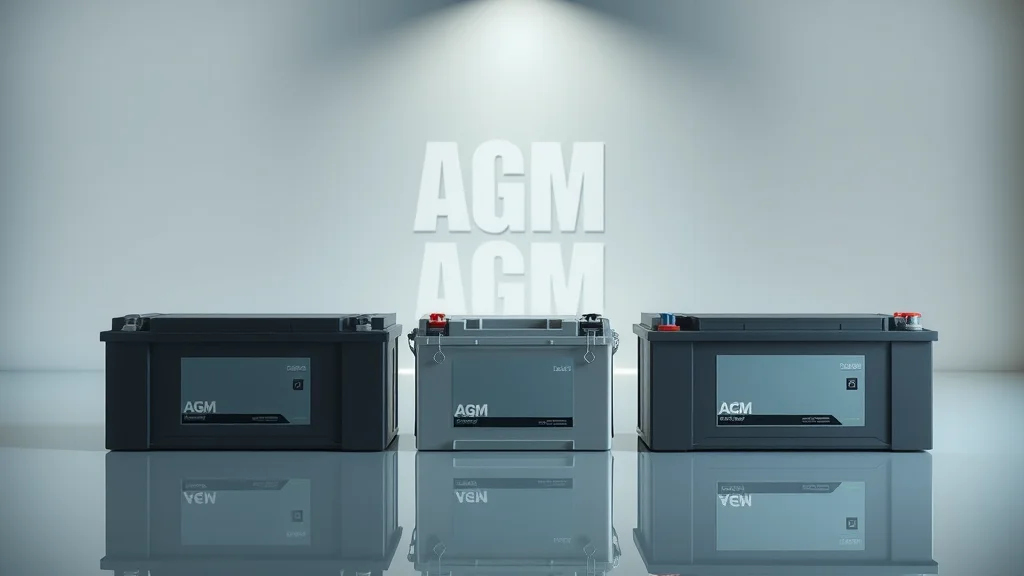
Understanding battery types is crucial for effective motorcycle battery testing and replacement. Choosing the right model ensures your cycle battery matches your riding needs, bike requirements, and climate extremes. While all motorcycle batteries power the same basic functions—starting the engine and running electrical accessories—their inner construction differs significantly, affecting performance, battery life, and required maintenance. Modern motorcycles often come equipped with AGM (Absorbed Glass Mat) batteries, but alternatives like lithium offer compelling advantages as well as unique maintenance considerations that directly impact how you approach battery testing and replacement.
Each battery’s chemistry influences how it withstands vibration, temperature swings, and deep discharges. Some batteries, such as advanced lithium models, feature increased cycle durability and rapid charging, but require compatible chargers and careful voltage management. Knowing the construction and typical symptoms of battery fatigue will streamline the testing and replacement process, ensuring you select the best option for reliable starts and extended service life.
When considering which battery type best suits your motorcycle and riding habits, it's also helpful to understand how seasonal changes can impact battery performance and maintenance routines. For a detailed look at preparing your bike for different weather conditions, check out these seasonal bike care secrets every rider should know.
Standard Lead-Acid vs AGM vs Lithium—Which Motorcycle Battery Is Best?
- Cycle battery construction: Lead-acid batteries feature simple design and affordable costs, while AGMs add fiberglass mat separators for better vibration resistance. Lithium batteries, the latest innovation, are ultra-light and use advanced cell chemistry for maximum performance.
- Advantages and disadvantages: Lead-acid is tried and true but heavier and more prone to spills. AGM offers sealed, maintenance-free convenience but can be pricier. Lithium weighs the least and handles deep cycling well, but can be more sensitive to temperature and demands careful charging.
- Common lifespans: Lead-acid batteries generally last two to four years, AGM three to five, and lithium can reach up to five or even seven years with proper care and battery testing.
"Choosing the right motorcycle battery depends on your bike, climate, and usage."
Battery Testing: How to Test Your Motorcycle Battery for Performance and Health
Regular battery testing is the cornerstone of avoiding a dead battery and unplanned breakdowns. Conducting periodic tests—especially before and after long periods of storage—can reveal early signs of a weak or failing battery. The most reliable testing methods combine visual inspection, digital multimeter voltage tests, load testing, and routine checks on battery charging efficiency. These easy DIY steps empower every rider to spot issues before they turn costly, while also extending the battery life of your cycle battery. For accurate health assessment, consider pairing your voltage and load test results with regular professional battery tests at automotive retailers or your local motorcycle shop.
Proper battery testing also helps catch hidden issues in your motorcycle's charging system, such as a faulty regulator or stator, helping you address causes—not just symptoms—of power loss. Whether you ride daily or weekly, integrating a quick check during routine maintenance can help you ride with confidence, knowing your electrical system is in top shape.
Battery Test Steps—DIY Motorcycle Battery Testing Guide
- Visual inspection for corrosion and leaks: Check for any buildup on terminals, cracked casings, or visible fluid leaks. Corroded connections are a common cause of battery sensitivity and difficulty in starting the engine.
- Voltage measurements using a multimeter: With the bike off, set a multimeter to DC volts and measure across the terminals. A fully charged 12V battery should read at least 12.6 volts. Anything below 12.4V may signal a weak or failing battery.
- Battery testing via load test procedures: Use a load tester for a more accurate battery test—this simulates the starter motor’s current draw and exposes batteries that cannot hold a charge under stress.
- Battery charging checks: After load testing, charge the battery and retest. Persistent low readings mean it’s time to replace your motorcycle battery rather than risk a dead start.
Free Battery Test and Professional Services for Motorcycle Batteries
A free battery test is an effective, no-pressure way to assess your motorcycle battery’s condition. Major auto retailers and select motorcycle shops offer these tests, using professional-grade diagnostic equipment. The process is quick—often finished in under 10 minutes—and covers both voltage and load test protocols, so you get a clear picture of your battery’s state before making replacement decisions.
Riders often overlook these battery services, yet they are vital for preventing being stranded by a weak or failing battery. These checks also help evaluate your entire charging system and can extend battery life with timely, targeted maintenance. Next time you notice sluggish starts or dim headlights, visit a reputable retailer for a free battery test—it’s a small investment of time that could save you a lot of trouble.
Where to Get a Free Battery Test—Motorcycle Shops and Auto Retailers
Many leading stores and local motorcycle shops now provide free battery testing as part of their standard customer service. Here’s a comparison of common options:
| Location | Battery Services Offered | Pros | Cons |
|---|---|---|---|
| AutoZone | Free battery test, charging, and replacement | Quick check, no appointment needed, national reach | May have longer wait times at busy locations |
| Nasty Performance | Free battery test, expert installation, performance batteries | Specialized motorcycle expertise, tailored recommendations | Limited to Chicagoland area |
| O’Reilly Auto Parts | Free battery test and installation | Convenient locations, full load test | Limited selection of premium motorcycle batteries |
| Independent Motorcycle Shops | Battery diagnostics, free battery test with repair | Personalized service, experienced techs | Availability and pricing varies by shop |
"A free battery test can reveal hidden battery issues before they leave you stranded."

Signs You Need Motorcycle Battery Replacement
Recognizing when it’s time to replace your motorcycle battery is vital for avoiding no-start situations and protecting your electrical system. Most motorcycle batteries display clear warning signs before failure, but riders often overlook them. Ignoring these red flags leads not only to a dead battery but also to more severe issues across your charging and starting system. If you’re unsure whether you need a replacement, combine regular battery testing with the symptoms below; quick action at the first sign of trouble can save your upcoming ride and wallet.
Routine performance checks and observations during rides can help you spot emerging battery problems—addressing them before they impact starting the engine or other critical functions. Let’s break down the key indicators that your cycle battery is on its last legs and may no longer hold a charge reliably.
Common Symptoms of a Failing Motorcycle Battery
- Dimming headlights and slow cranking, even after a full battery charge, suggest your battery cannot sustain the energy required for modern lighting and starter motors—classic signs of a failing battery.
- Clicking noises or failed starts are warning signals: if you only hear a click but your engine doesn’t turn over, your cycle battery likely lacks the current needed for ignition.
- Irregular electrical performance, such as flickering displays or intermittent accessory function, points to internal battery degradation that a voltage test or load tester can confirm.
- Battery test results below threshold or an inability to hold a charge during load testing are the final cues that it’s time to replace your motorcycle battery before it leaves you stranded.

Step-by-Step Guide to Motorcycle Battery Replacement
Once battery testing confirms your cycle battery is weak or unable to hold a charge, prompt battery replacement is essential. Handling this process safely increases the lifespan of your new battery and safeguards your electrical system from unnecessary wear. Knowing how to remove, replace, and dispose of your old battery correctly also ensures compliance with environmental regulations, and prevents accidental acid spills or electrical shorts.
Proper battery replacement should be part of every rider’s toolkit—whether you rely on your own skills or prefer a trusted motorcycle shop for the job. Let’s break down each critical step in the process, from safety protocols to final charging procedures.
How to Safely Remove and Replace Your Motorcycle Battery
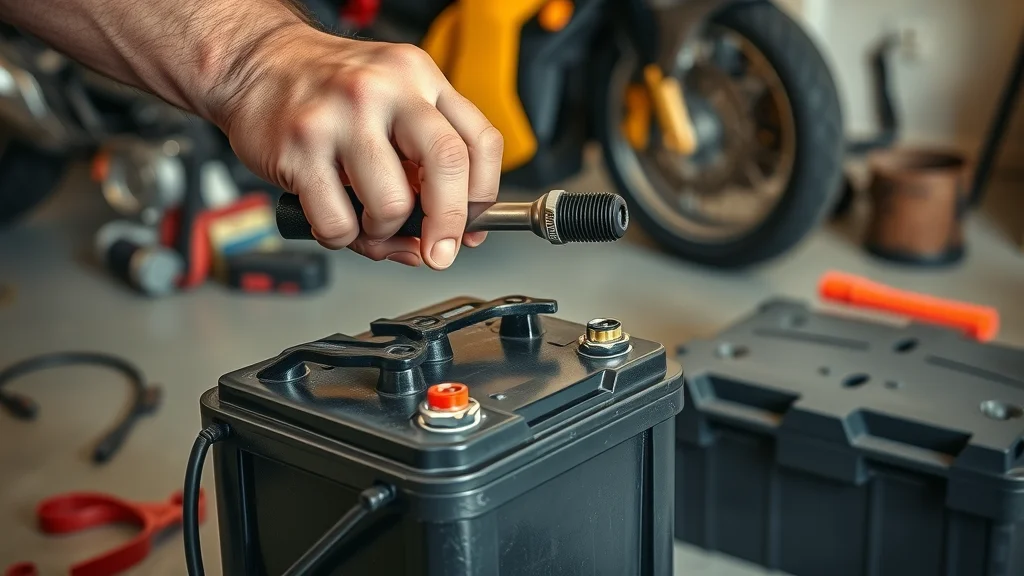
- Battery removal precautions: Always wear gloves and safety glasses before you start. Turn off the ignition, disconnect the negative cable first, then the positive to prevent accidental shorts. Carefully remove any securing brackets or rubber straps.
- Disposal guidelines for old batteries: Old batteries are toxic; recycle them at an authorized facility or return to a retailer offering battery services. Never dispose of a cycle battery with municipal trash, as both acid and lead can harm the environment.
- Installation and battery charging after replacement: Place the new battery in the tray, secure it, and connect the positive cable first, then negative. Always check voltage levels and charge according to the manufacturer’s recommendations before starting the engine.
Top Motorcycle Batteries for Reliable Performance
Choosing the best replacement ensures reliable cold starts, reduced maintenance, and full compatibility with your motorcycle’s charging system. Modern motorcycle batteries for 2024 span several chemistries, sizes, and capacities, so a direct comparison helps you select the right one for your needs. Whether you ride a heavy cruiser, a nimble sportbike, or a dirt-focused adventure machine, the right battery can make or break your riding experience and confidence in every start.
This comparison covers value, features, user ratings, and warranty support—key aspects when investing in a new cycle battery. Understanding your options helps you make an informed buying decision so you can ride with confidence for years to come.
Motorcycle Battery Reviews: Best Replacement Options in 2024
| Model | Features | Price Range | Warranty | Life Expectancy |
|---|---|---|---|---|
| Yuasa YTX14-BS (AGM) | Maintenance-free, spill-proof, high CCA | $89–$120 | 12 months | 3–5 years |
| Shorai LFX14 (Lithium) | Ultra-lightweight, fast charging, deep cycling | $140–$200 | 36 months | 4–7 years |
| Duraboost DB16AL-A2 (Lead-Acid) | Traditional flooded, budget-friendly | $50–$70 | 6 months | 2–4 years |
| Antigravity AG-1201 (Lithium) | Re-start technology, compact, high CCA | $160–$220 | 36 months | 4–7 years |
- Motorcycle batteries for different makes: Ensure compatibility with your specific make and model.
- Where to buy replacement motorcycle batteries: Reputable motorcycle shops and online merchants offer genuine products and installation support.
- Review highlights and user ratings: Read real-world reviews; Yuasa and Shorai routinely score 4.5+ stars for reliability and longevity.
Motorcycle Battery Maintenance to Prevent Dead Starts
Regular maintenance is your best defense against a dead battery and sudden ride interruptions. Following a few battery charging and storage tips extends battery life, boosts performance, and reduces the risk of being left stranded. Proactive riders schedule periodic testing, maintain optimal charge levels, and ensure their battery remains healthy throughout the season. With newer charger technology and smart monitoring, these tasks have never been easier or more effective.
Relying on routine quick checks—especially before a ride or after long-term storage—ensures your cycle battery is always ready to start the engine. Use the guidelines below to keep your battery in peak health and ready for whatever the road throws your way.
Battery Charging and Storage Tips
- Optimal charging intervals: Use a smart charger to maintain charge, especially if your bike sits idle for weeks. Charge after every long ride or once monthly during off-season.
- Seasonal storage guidelines: Disconnect your battery and store it on a maintenance charger in a dry, temperature-stable area over winter or long periods without riding.
- Battery testing intervals: Schedule a regular battery test every three to six months—combine a quick check at home with periodic free battery testing at your local retailer.
- Preventing battery discharge: Shut off all accessories and headlights before parking, and avoid repeated short trips that don’t allow your charging system to fully recharge your battery.
People Also Ask: Expert Answers on Motorcycle Battery Testing and Replacement
Does AutoZone test motorcycle batteries?
AutoZone offers free battery tests for most motorcycle batteries. Simply bring your battery or motorcycle to a participating location for a quick and professional battery test to assess its health.
How to test if a motorcycle battery is good?
To test if a motorcycle battery is good, use a multimeter to check voltage levels and perform a load test. A healthy 12V battery should show at least 12.6V fully charged and hold voltage under load.
How do I know if my motorcycle battery needs replacing?
Common signs include slow engine cranking, dim lights, failure to hold a charge, and poor battery test results.
How often should a motorcycle battery be replaced?
Most motorcycle batteries last between 2 and 5 years. Factors like battery type, usage, and maintenance can affect replacement intervals.
Motorcycle Battery Testing and Replacement FAQs
- How do I dispose of an old motorcycle battery?
- What is the warranty on replacement motorcycle batteries?
- Can I upgrade battery type for better performance?
Key Takeaways for Motorcycle Battery Testing and Replacement
- Regular battery testing and free battery test options can save you from unexpected breakdowns.
- Choosing the right motorcycle battery and maintaining it ensures longevity and performance.
- Prompt replacement prevents costly damage to your motorcycle’s electrical system.
While mastering battery testing and replacement is essential for every rider, true reliability comes from a holistic approach to motorcycle care. If you’re ready to take your maintenance routine to the next level, explore our comprehensive guide on seasonal bike care strategies. Discover how proactive checks, timely adjustments, and expert tips can keep your motorcycle performing at its best through every season. By integrating these advanced care techniques, you’ll not only prevent dead starts but also extend the life of every component on your ride. Make your next journey smoother and more enjoyable—start building your year-round maintenance plan today.
Ready for Reliable Starts?
Never get stranded by a dead battery. Call Nasty Performance Motorcycle Shop today at 847-458-4858 for free battery testing and quality motorcycle battery replacement options.



Write A Comment