
Did you know that improper preparation for riding with a passenger is a leading factor in many motorcycle mishaps? Many riders leap into the adventure of carrying a passenger, only to discover their ride quickly becomes stressful, uncomfortable, or even dangerous. If you’ve ever wondered how to prepare for riding with a passenger and want to ensure your next two-up trip is smooth and safe, you’re in the right place. This guide will give you practical checklists, proven riding tips, and essential gear recommendations—everything you need to feel confident when someone’s riding on the back of a motorcycle with you.
Startling Facts About Riding with a Passenger
Did you know that improper preparation for riding with a passenger is a leading factor in many motorcycle mishaps?
Most riders are surprised to learn just how significantly adding a passenger can change the way their motorcycle handles. The extra weight of a second person impacts braking distance, tire pressure requirements, suspension response, and overall maneuverability. Unprepared riders may experience sudden movements or wobbles, especially at low speed or during mounting or dismounting. According to major motorcycle safety studies, carrying a passenger contributes to a sharp rise in risk unless you adjust your approach and equipment to compensate for the changes. This makes diligent pre-ride checks, clear communication, and the right gear non-negotiable for safe two-up journeys.
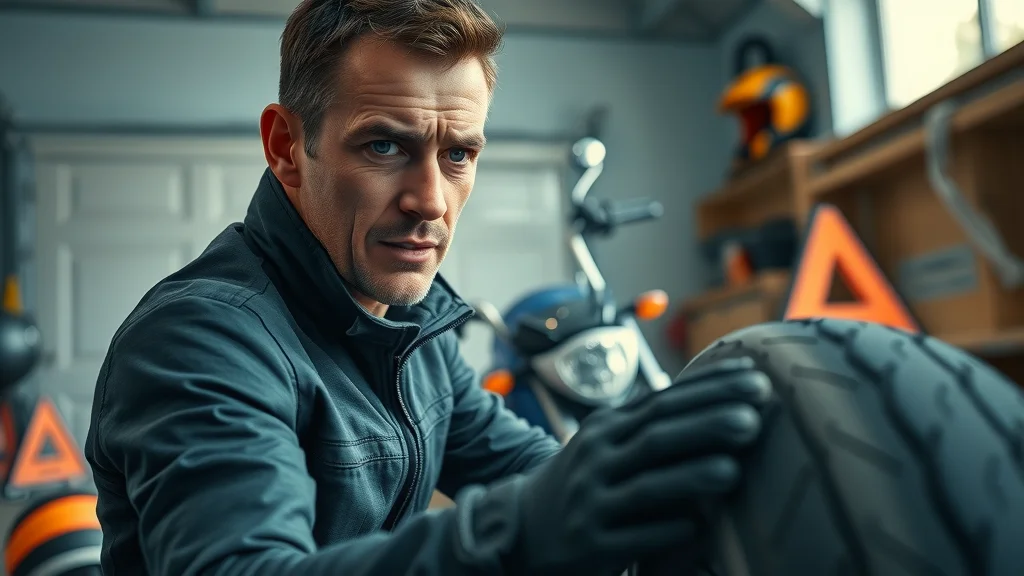
What You'll Learn: Step-By-Step Guide to How to Prepare for Riding with a Passenger
- Key checks before riding a motorcycle with a passenger
- Essential riding gear for both the rider and passenger
- Effective riding tips and communication strategies
- Safety adjustments and legal considerations
Preparing Your Motorcycle for Riding with a Passenger
When you’re planning on riding with a passenger, the first step is to adjust your motorcycle for the extra load. Whether you’re heading out for a long ride or just around the block, physically preparing your bike—and knowing how to check the right components—can make a dramatic difference. Modern motorcycles are designed to handle two-up duty, but only when essential adjustments are made. Don't overlook simple yet critical elements like checking tire pressure, tuning your suspension, and confirming your passenger’s seat and passenger footpegs are secure. Doing so not only ensures comfort but also gives you precise, safe handling, no matter how experienced your passenger is.
As you focus on preparing your motorcycle for a passenger, it's also wise to consider how seasonal changes can affect your bike's performance and safety. For a deeper dive into maintaining your motorcycle in top condition throughout the year, check out these seasonal bike care secrets every rider must know to keep your rides smooth and stress-free in any weather.
Checking Tire Pressure and Suspension Before Riding with a Passenger
Proper tire pressure is even more crucial when you’re adding a passenger to the back of a motorcycle. Both underinflated and overinflated tires can lead to poor handling, sluggish steering, and rapid tire wear. Check your owner’s manual for the correct tire pressure when carrying a passenger—and always measure and adjust while tires are cold. Additionally, your motorcycle’s suspension may need increased preload to compensate for the extra weight and to keep the bike level. A well-tuned suspension keeps rider and passenger comfortable and ensures the tires maintain optimal traction even when braking or cornering. Make these checks routine if you plan to regularly ride a motorcycle with a passenger.
Inspecting and Adjusting Foot Pegs and Passenger Footpegs
While checking tire pressure, don’t neglect your foot pegs and especially the passenger footpegs. These should be firmly attached, unfold into position easily, and feel stable under pressure—loose or unstable passenger foot supports make for an anxious and unsafe ride. Visual inspection is not enough: physically stand or press down on each foot peg to confirm they’re secure. Remind your passenger on your bike how to use these pegs when mounting or dismounting, as sudden movements can throw off your balance. If you’re prepping for a long ride, lubricate any moving parts for smoother action. Adjusting these small but significant parts helps both rider and passenger maintain a safe, steady stance through all situations.
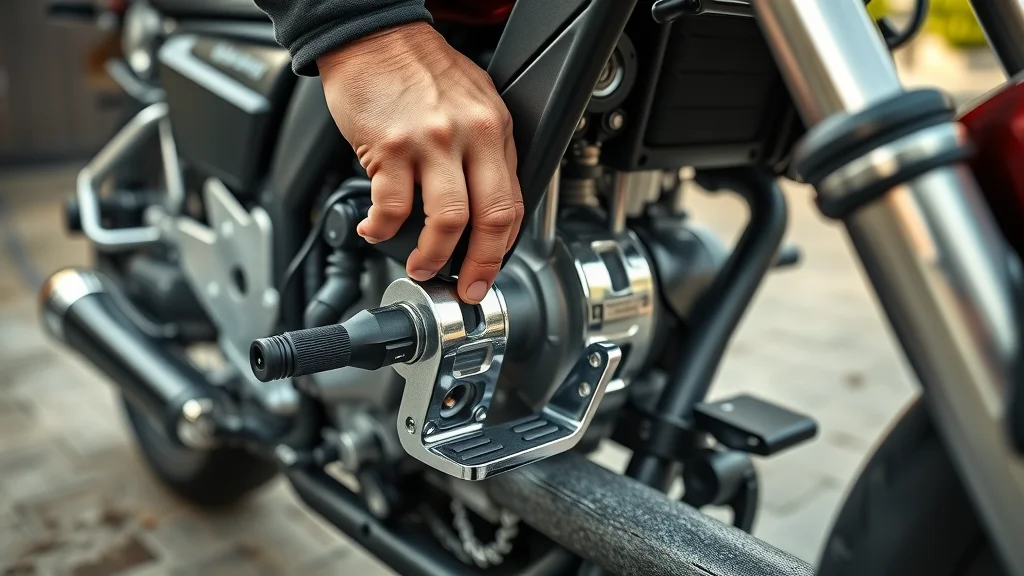
Riding Gear: Essential Equipment for You and Your Passenger
Appropriate riding gear protects both rider and passenger and helps boost overall confidence on the road. For riding with a passenger, you’ll both need more than a helmet—think complete protection from head to toe. Before every ride, double-check for approved helmet status, visibility, and comfort. Don’t forget the details, such as eye protection, quality gloves, jackets, pants, and sturdy boots for everyone—yes, even on warm days or short rides. Durable, comfortable gear makes a big difference in passenger confidence and reaction to sudden movements. Establishing an ultra-safe, fully-geared policy maintains high standards for every two-up journey.
Choosing the Right Riding Gear for Motorcycle with a Passenger
Every person on a motorcycle, whether operator or passenger, benefits from full riding gear. Match your riding jacket, pants, and gloves for abrasion resistance and weather protection—look for armor or padding on elbows, shoulders, knees, and hips. Long pants and sturdy boots (not sandals or sneakers) guard against hot exhausts, debris, or road rash. Eye protection, such as visored helmets or goggles, is an absolute must. Invest in gear for your passenger that’s as robust and comfortable as your own; hand-me-downs or loose-fitting equipment can cause distraction and risk. Prioritize comfort without compromise, especially on a long ride, and select high-visibility colors so drivers can easily spot you both at a glance.
Why Your Passenger Should Wear Full Riding Gear
Passengers are just as exposed as the primary rider—if not more so. Insist on a DOT or ECE approved helmet, proper motorcycle jacket (with padding), long pants, boots, and gloves. Quality riding gear not only shields from impact and weather, but also reassures a nervous passenger, making them less likely to shift or fidget unexpectedly. On the back of a motorcycle, sudden movements at speed are risky, so comfortable gear helps your passenger remain still and focused. Careful preparation and clear standards also reinforce your commitment to safety, encouraging open communication before, during, and after every ride together.
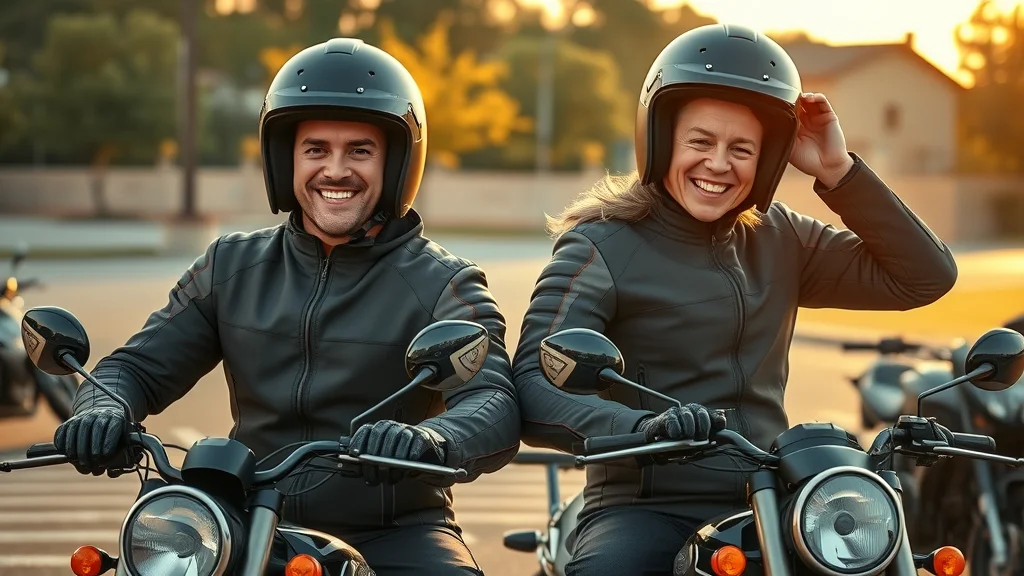
Pre-Ride Briefing: Communication and Coordination
Effective communication is the secret to confidence and harmony when riding with a passenger. Before strapping on your helmet, talk through basic expectations and demonstrations: how to get on and off, where to hold on (hips or waist), how to sit still during turns, and what to do if they need to slow or stop. Use hand signals as backup cues for essential riding situations. Reviewing these dynamics beforehand prevents uncertainty during the ride and helps both rider and passenger be proactive rather than reactive.
Using Hand Signals for Riding with a Passenger
Hand signals aren’t just for communicating with other motorists—develop a simple set of signals with your passenger for start, stop, slow down, or emergency situations. If you’re new to two-up riding, rehearse these signals with the motorcycle off and stationary. Clear communication goes beyond signals: encourage your passenger to tap your shoulder or arm if they’re nervous, uncomfortable, or have a concern. The more you practice these interactions off the road, the smoother your ride will be. Advanced riders even use Bluetooth intercoms, but for most people, solid hand signals and clear pre-ride agreements make every trip safer and less stressful.
Setting Passenger Expectations When Riding on the Back of a Motorcycle
Before you hit the road, set clear guidelines for your passenger’s role. Remind them to avoid sudden movements, always keep both feet on the passenger footpegs, and lean with you in turns—not independently. Teach them how to align their body with yours, perhaps “lean forward” slightly if you accelerate, and always keep a gentle grip around your hips or waist, not the shoulders. Setting these expectations makes riding on the back less intimidating for first-timers, reducing anxiety and minimizing risk for both of you. Use calm, friendly language, and encourage open communication for all future rides.
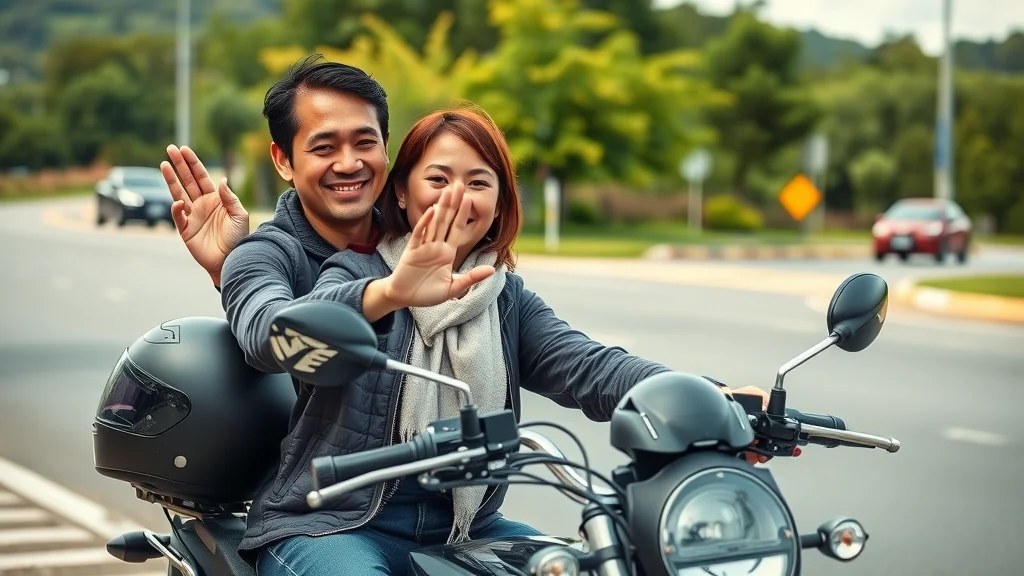
Motorcycle Handling and Riding Tips with a Passenger
Bringing a passenger aboard alters how you ride a motorcycle. The added extra weight means you must be smooth with throttle, brakes, and steering, using extra caution at low speeds and when cornering. Whether heading out for a long ride or a city trip, the real key to comfort is adjusting your riding style—avoid abrupt acceleration or hard braking, and give yourself extra time and space for every maneuver. Staying alert and communicating clearly helps both you and your passenger relax into the ride, making it more fun and less like a chore.
Adjusting Riding Style for Motorcycle with a Passenger
To handle the extra load of a motorcycle with a passenger, take off more gradually, shift at lower RPMs, and plan for slower stops. Turns require extra caution—initiate the lean gently, and remind your passenger to mirror your movements. Always maintain awareness of your increased stopping distance, especially in traffic. When starting and stopping, place feet firmly on the ground before signaling your passenger to mount or dismount. Professional riding tips suggest practicing in a lot or open area before hitting busy streets. Familiarize yourself with “two-up” behavior by taking short, easy rides before extending your journeys—a helpful way to build trust and comfort for both rider and passenger.
Practice Safe Braking and the Four Second Rule
Braking becomes more demanding when riding with a passenger, due to the increased inertia. Always apply brakes progressively, starting with more gentle pressure on the front brake before squeezing harder as the bike settles. One essential safety tip is following the "four second rule": after the vehicle in front passes a fixed point, you should be able to count four seconds before you pass the same point. This extended following distance compensates for the extra weight and longer stopping time required for safe two-up travel. Also, practice smooth, steady braking and gradual acceleration—quick, sharp stops can cause uncomfortable shifting for both the rider and the passenger, especially on the back of a motorcycle.
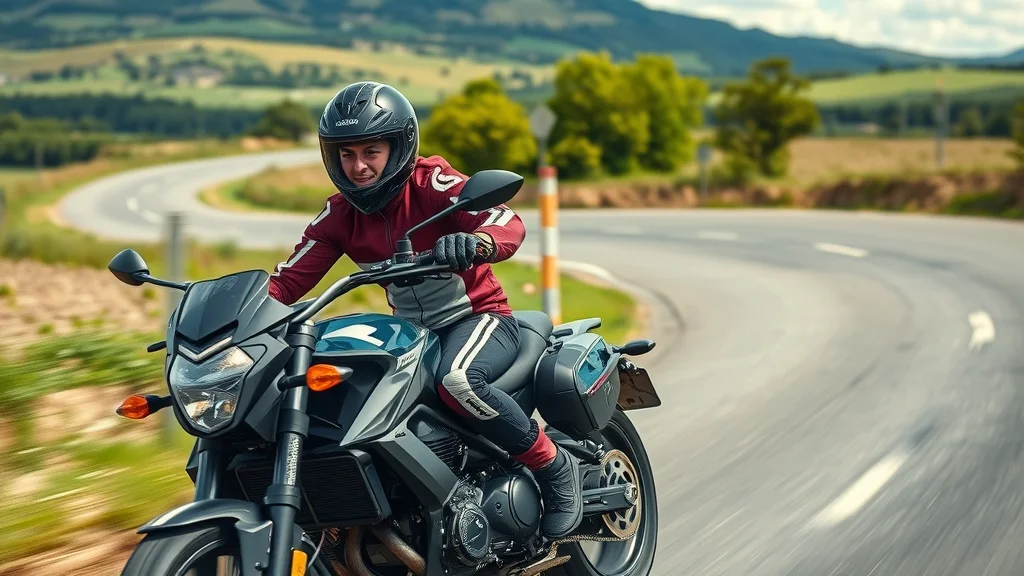
Legal and Safety Considerations for Riding with a Passenger
Before you invite someone to ride on the back of a motorcycle, it’s essential to understand your local laws and best practices on the road. Requirements vary, but typically your bike must be equipped with a passenger seat and passenger footpegs, and you (the rider) should have sufficient experience to handle the extra load. Some regions mandate a minimum age for passengers, and most demand both people wear helmets. If you plan a long ride or cross state lines, double-check those rules in advance. In addition, inform your passenger about route planning and rest stops, and make sure your motorcycle insurance explicitly covers carrying a passenger.
Understanding the Laws for Riding with a Passenger
Laws for riding a motorcycle with a passenger can differ by state or country. Most places require a securely attached passenger seat, functional passenger footpegs, and a helmet for both riders. Some regions specify the minimum age or minimum height for passengers; others require your motorcycle license to be of a certain class. It’s your responsibility to review and comply with all local regulations. Before any ride, also ensure your motorcycle insurance policy covers carrying a passenger, as this varies by provider and could affect coverage in the event of an incident. Familiarity with these rules helps you ride a motorcycle confidently and legally every time.
Ride Planning and Route Selection
Proper planning pays dividends for every two-up excursion. Select routes with smooth surfaces, avoiding rough patches and heavy traffic, especially if your passenger is inexperienced. Schedule fuel stops, rest breaks, and snack opportunities every hour or so—a comfortable passenger makes for a safer, less distracted rider. Tell your passenger about upcoming turns or stops ahead of time, and allow them to ask questions or voice concerns. Remember, event organizers or tour guides can provide tips for choosing the right motorcycle for your specific journey if needed. Overall, treat two-up riding as a team effort, where communication and predictability are the cornerstones of a safe, fun ride for both parties.
Table: Essential Checklist—How to Prepare for Riding with a Passenger
| Preparation Step | Rider | Passenger | Reference |
|---|---|---|---|
| Tire Pressure Check | ✅ | Owner’s Manual | |
| Helmet Fit/Check | ✅ | ✅ | Safety Standards |
| Foot Pegs/Passenger Footpegs Secure | ✅ | ✅ | Inspection Prior |
| Riding Gear (Full) | ✅ | ✅ | Gear List |
| Hand Signal Review | ✅ | ✅ | Pre-Ride Briefing |
People Also Ask: Key Questions About How to Prepare for Riding with a Passenger
Is it difficult to ride a motorcycle with a passenger?
Riding with a passenger changes the balance, handling, and braking of your motorcycle. At first, it may seem a bit challenging, especially during takeoff, at slow speeds, or while cornering. However, with proper preparation—adjusting your tire pressure, suspension, and riding style, as well as clear communication with your passenger—riding two-up becomes much easier. Start with short trips to gain confidence and always ensure both you and your passenger wear full riding gear.
What does 2 fingers down mean to bikers?
The "two fingers down" gesture is a respectful, subtle signal exchanged between bikers passing one another on the road. It typically means "keep two wheels down" or simply "ride safe. " While not directly about how to prepare for riding with a passenger, this tradition highlights the community’s emphasis on safety and shared experience—principles you should adopt on every ride.
What is the 4 second rule on a motorcycle?
The "four second rule" is a riding tip for maintaining extra following distance when on a motorcycle. After the vehicle ahead passes a fixed object (like a sign or tree), count "one thousand one, one thousand two, one thousand three, one thousand four. " If you reach the object before finishing, you’re too close. This increased cushion is especially important when carrying a passenger because your stopping distance grows with extra weight.
Which bike is most liked by girls?
Preference varies widely, but many female riders or passengers favor bikes with comfortable passenger seats, upright riding positions, and easily accessible passenger footpegs. Models known for good ergonomics, manageable seat heights, and smooth handling are often top choices. The most important factor is comfort and confidence for both people, so always "try before you buy" and give priority to safety features over style alone.
Expert Quotes on How to Prepare for Riding with a Passenger
"Communication and gear are key—prepare your bike thoroughly and never underestimate the impact of riding with a passenger." — Motorcycle Safety Foundation
Instructional video demonstrating how to check and adjust motorcycle suspension and tire pressure for safe riding with a passenger, featuring a real rider and passenger on a modern motorcycle, with clear step-by-step visuals in a garage and close-ups of gauges and tools.
Watch riders practicing hand signals and communication techniques for stress-free, coordinated two-up motorcycle riding.
Essential Lists: Do’s and Don’ts for Riding with a Passenger
- Do hold a pre-ride briefing with your passenger.
- Do check all riding gear and footpegs.
- Do maintain extra following distance.
- Don’t accelerate or brake abruptly.
- Don’t ignore passenger comfort signals.
Frequently Asked Questions on How to Prepare for Riding with a Passenger
-
What should passengers never do while on the back of a motorcycle?
Passengers should avoid sudden movements, standing up, or reaching out while in motion. They should also never take their feet off the passenger footpegs until the motorcycle is fully stopped and the rider says it’s safe to dismount. -
How often should I check my motorcycle when carrying a passenger?
Check the main safety items—tire pressure, foot pegs, and gear—before every ride when carrying a passenger, especially if you alternate between solo and two-up riding. -
Are there weight limits for riding with a passenger?
Yes, all motorcycles have a gross vehicle weight rating (GVWR), often listed in the owner’s manual. Never exceed it, and remember this includes the weight of fuel, gear, and both rider and passenger.
Key Takeaways for Stress-Free Riding with a Passenger
- Preparation and communication are the foundation of safe two-up riding.
- Always double-check gear, bike setup, and passenger readiness.
- Practice makes perfect—start with short rides and build experience.
Ready to Ride with Confidence?
For expert gear, professional tuning, or personalized riding advice, call Nasty Performance Motorcycle Shop today: 847-458-4858. Ride safe and enjoy your adventures together!
If you’re committed to making every ride enjoyable and safe, don’t stop at passenger preparation—expand your expertise by learning how to care for your motorcycle through every season. Discover practical strategies for protecting your bike from weather extremes, optimizing performance, and extending its lifespan by exploring seasonal bike care secrets every rider must know. This next step will empower you to ride confidently year-round, ensuring both you and your passenger experience the best your motorcycle has to offer, no matter the conditions.


Write A Comment