
Did you know? According to motorcycle safety research, more than half of serious single-rider bike incidents occur when strong wind or unpredictable gusts catch riders off guard—especially on open highways or exposed roads. Windy conditions are among the least predictable and most underestimated challenges you’ll face on two wheels, making expert advice on windy day motorcycle riding absolutely essential if you want to stay safe and in control every time you ride.
A Startling Look at High Wind Risks: Why Expert Advice on Windy Day Motorcycle Riding Matters
Riding a motorcycle in high wind isn’t just uncomfortable—it’s genuinely dangerous. When the wind is blowing hard across open roads or between buildings, even experienced riders can be thrown off balance. High wind and strong wind conditions reduce traction, impair handling, and erode your confidence, creating a situation where simple distractions or minor adjustments can lead to losing control. For both beginners and seasoned riders, understanding these risks is the first step to mastering riding a motorcycle in windy conditions. Addressing this challenge starts with recognizing why you need expert advice on windy day motorcycle riding—to keep yourself and fellow motorists safe, to protect your bike, and to ride confidently, whatever the weather.
Windy days bring types of wind that change rapidly and unpredictably, with crosswinds, gusts, and tailwinds challenging your riding experience. Riders must not only be physically skilled, but mentally alert to shifting weather conditions. Equipping yourself with tried-and-true tips for riding in high winds will help you make smarter decisions, allowing you to maintain control even when nature tries to push you off course. Riding safely in strong gusts means more than just holding on tightly—it requires the right knowledge, strategies, and mindset to react in the moment.

What You'll Learn About Riding a Motorcycle in Windy Conditions
- How high wind and strong wind impact riding a motorcycle
- Essential riding techniques for windy conditions
- Best tips for riding safely in high winds
- Weather forecast strategies for detecting windy days
- FAQs and expert quotes on motorcycle in wind
Understanding Windy Conditions for Motorcycle Riders
When considering expert advice on windy day motorcycle riding, it’s crucial to understand exactly what “windy conditions” mean. Not all wind is dangerous, but when you’re riding a motorcycle, even seemingly moderate breezes can cause trouble. Some types of wind are predictable, like steady tailwinds, while others—like sudden crosswinds or strong gusts—can hit you with little or no warning and require lightning-fast reflexes. Whether you’re navigating coastal highways, mountain passes, or busy city streets, knowing how to identify and categorize wind risk can make the difference between a controlled ride and a dangerous event.
Most riders don’t realize that strong wind doesn’t only affect handling at high speeds or on open roads. Urban areas can create unpredictable wind tunnels between buildings, or turbulent pockets behind large vehicles. Riding in wind also puts extra strain on your body and your bike’s stability. Understanding the official definitions, and how your motorcycle in wind behaves, arms you with the confidence to ride your motorcycle under practically any weather conditions.
Defining High Wind and Strong Wind When Riding a Motorcycle
High wind and strong wind are more than just weather terms—they’re daily realities for many riders. Generally, “high wind” means sustained wind speeds above 25-30 mph, or frequent gusts that reach 35 mph and higher. Anything in this range can unsettle even a heavy touring bike, especially when riding a motorcycle at highway speeds or while passing large vehicles, where sudden side gusts push your bike off its line. A motorcycle in windy conditions demands quick adjustments: leaning into gusts, adjusting your grip, and reading the landscape for signs of increased turbulence.
When the wind is blowing at high speeds, both novice and experienced riders must pay attention to fatigue, visibility, and controllability. Unlike cars, motorcycles are vulnerable due to their lighter weight and larger exposed surfaces, such as fairings or panniers. Winds that might not phase an automobile can force a motorcyclist to slow down, reposition, or even pull over entirely if the conditions are too dangerous. That’s why having reliable strategies and gut-level knowledge—anchored in expert advice on windy day motorcycle riding—is non-negotiable for staying safe on the road.
Types of Wind and Their Effects on Motorcycle in Wind
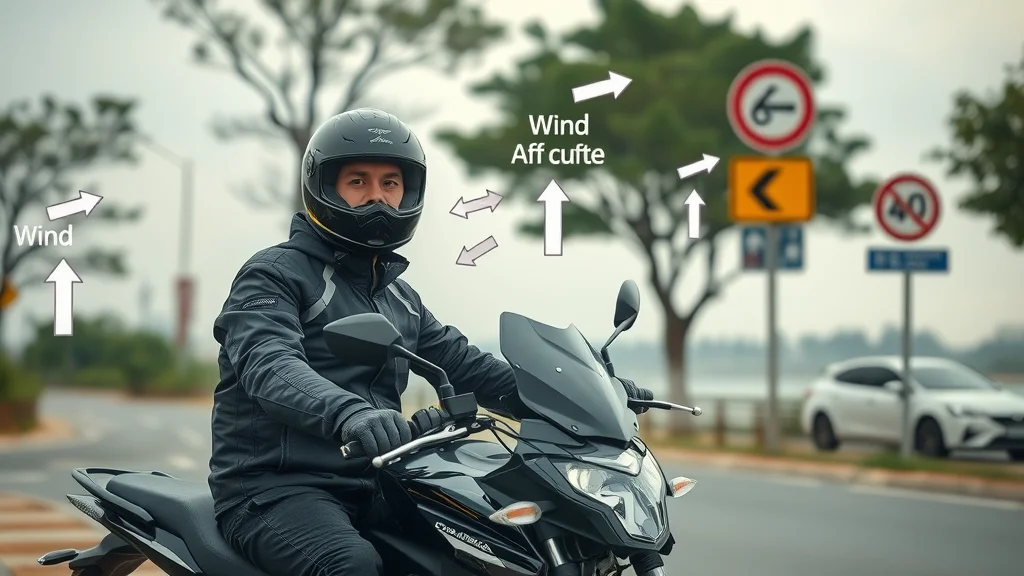
There are several main types of wind riders encounter: crosswinds, gusts, tailwinds, headwinds, and turbulent wind caused by passing large vehicles or landscape features. Each impacts your motorcycle in wind differently. Crosswinds push your bike sideways, requiring you to lean into the force. Gusts—sudden, unpredictable surges—require immediate correction and can unsettle your bike mid-corner or in straight sections. Tailwinds may increase your speed but decrease your front wheel traction, while strong headwinds reduce top speed and strain your engine. Even more subtle winds, channeled by terrain or buildings, can catch you by surprise and demand on-the-fly adjustments to your riding techniques.
Recognizing which wind you’re facing lets you ride more defensively, using proven tips for riding in all weather conditions. Riding experience helps you anticipate how incoming storms or shifts in the environment could alter windy conditions. Learning to “read the wind” is a hallmark of skilled, confident riders: it reduces panic and promotes control when conditions are rapidly changing.
| Type of Wind | Description | Effect on Motorcycle | Recommended Response |
|---|---|---|---|
| Crosswinds | Wind pushing sideways across your path | Pushes bike off-center, affects stability | Lean into wind, adjust lane position |
| Gusts | Sudden, strong, and unpredictable bursts | Quick disturbance, unsettles bike mid-ride | Maintain a relaxed grip, quick correction |
| Tailwinds | Wind blowing from behind | Speeds up bike, reduces front traction | Monitor speed, don’t overcompensate |
Essential Tips for Riding in High Wind and Windy Conditions
Safely riding in wind means targeting every challenge with a clear plan—guided by both expert advice on windy day motorcycle riding and your own trusted routines. The following essential tips for riding help you maintain control and make smart choices in high wind scenarios, whether rolling along open highways, city streets, or rural backroads. Remember, no one tip alone guarantees safety; together, they build a powerful toolkit for confidently facing all types of wind and weather conditions.
Before you ride, always check your bike is ready, including tire pressure, suspension, and any loose components—strong wind can exploit even minor mechanical flaws. While underway, keep a watchful eye on weather warnings, approaching storms, and the state of the road. Pre-trip planning, strategic pit stops, and in-motion technique adjustments are the foundation for successful rides in unpredictable windy conditions.
In addition to these riding strategies, it's wise to consider how seasonal changes can impact your motorcycle's performance and safety in windy weather. For a deeper dive into preparing your bike for all types of conditions, including wind, check out these seasonal bike care secrets every rider should know.
Top Tips for Riding Safely in High Winds
1. Maintain a Relaxed Grip on the Handlebars: A death grip can make your body rigid, reducing your ability to let the bike move beneath you and absorb wind gusts. Instead, keep hands firm but flexible, arms slightly bent, and shoulders down. This helps your motorcycle in windy conditions “self-correct” by letting the frame move naturally with each push or pull from strong wind.
2. Lean Appropriately into Gusts and Crosswinds: When crosswinds hit, lean your upper body and bike slightly into the wind, much as you would while cornering. The key is not to overcorrect—instead, smooth gentle pressure keeps your bike tracking straight without sacrificing control.
- Maintain a relaxed grip on the handlebars
- Lean appropriately into gusts and crosswinds
- Reduce speed in strong wind weather conditions
- Stay aware of large vehicles and road obstacles
- Plan stops strategically during high winds
3. Reduce Speed in Strong Wind Weather Conditions: Lower speeds allow you to react more quickly to sudden wind surges or road debris. Slowing down increases your reaction time, improves traction, and lets you choose safer routes around hazards.
4. Stay Aware of Large Vehicles and Road Obstacles: Passing trucks, buses, or even roadside walls can create powerful wind tunnels or sudden gusts. Give larger vehicles extra space, and avoid riding alongside them for extended periods.
5. Plan Stops Strategically During High Winds: Use natural windbreaks—such as overpasses, wooded areas, or embankments—for rest stops. If winds intensify and conditions are too dangerous, don’t hesitate to pull over and wait for weather to improve.

Riding Techniques: Staying Safe in Windy Conditions
True safety comes from mastering and adapting your riding techniques for every type of wind. With the right execution, you’ll feel calm, collected, and agile—no matter what the weather forecast predicts. Carefully honed skills let you anticipate gusts, manage your balance, and conserve energy over long rides. Every ride in windy conditions sharpens your ability to sense subtle changes in the environment and react before conditions worsen.
It’s not only about how you hold the bars or lean: where you look, how you sit, and your readiness to shift weight or adjust trajectory all play a part. Expert advice on windy day motorcycle riding stresses practicing these techniques on safe, open stretches before encountering truly strong wind along your preferred routes.
Adjusting Riding Techniques for Different Types of Wind
When facing strong crosswinds, shifting your weight toward the wind and moving slightly within your lane can dramatically increase stability. If gusts are intermittent, stay flexible—be ready to momentarily steer into the gust, then relax as it passes. For tailwinds or headwinds, moderate your speed to maintain safe following distances and predictable stopping ability. A key principle for riding in wind is never fighting the wind outright; instead, you adapt your movement to work with the wind, keeping your actions smooth, deliberate, and in sync with changes around you.
Practicing in varying weather conditions builds your confidence and improves muscle memory. Regularly review your approach by observing other experienced riders, especially in group rides where wind patterns can change with each formation. If you’re ever unsure, seek out local instructors or group rides focused on wind training—investing in skill-building means you’ll always be ready to handle whatever wind requires on your next ride.

Expert Advice: Body Position and Motorcycle Control in Wind
How you sit and control your bike in windy conditions makes a huge difference to ride quality and safety. Keep your elbows bent and knees tucked against the tank to form a secure, aerodynamic position. Lowering your torso slightly can reduce wind drag and help you respond more quickly to sudden gusts or changing crosswinds. Proper body position balances your weight over the wheels and keeps your center of gravity low—critical for retaining stability when the wind is blowing from the side or shifting unpredictably.
It’s also wise to scan the environment far ahead for signs of wind trouble. Swaying trees, moving dust, fluttering flags, or the way large vehicles react can provide instant wind warnings before you feel them on your bike. Remember, practice builds confidence: regularly simulate strong wind scenarios in open parking lots or low-traffic roads to sharpen reflexes, engage muscle memory, and ensure you’re always ready to ride safely in the most challenging circumstances.
Reading Wind Warnings and the Weather Forecast
Being prepared starts before you even gear up—always check the weather forecast for possible windy conditions. Modern tools, from weather apps to NOAA and National Weather Service updates, let you anticipate high winds and plan your ride accordingly. Reliable wind warning signs can help you decide whether to proceed, delay, or reroute your journey. Ignoring severe weather warnings is never worth the risk—an unplanned ride in high winds can be stressful and unsafe.
Many riders develop a habit of reading the skies—looking for fast-moving clouds, abrupt weather changes, or shifts in local environment that signal increasing winds. While experience sharpens this skill, always rely on official alerts for critical decisions, especially when the National Weather Service or local radio issues urgent wind advisories.
How to Check the Weather Forecast for Windy Conditions
Use reputable weather services and apps for real-time wind data. Look for wind speed, direction, and gust potential along your route—not just your launch and finish points. Local factors, like mountains or large lakes, can create microclimates of strong wind that online forecasts won’t always predict.
Set up weather alerts that notify you of changing weather conditions while you’re on the road. Don’t ignore wind warnings—plan alternate routes, reschedule, or make strategic stops if high wind is forecast along your journey. If the conditions are too dangerous or above your comfort level, it’s smart and safe to delay your ride.

Understanding Wind Warning Signs and Alerts
Roadside wind warning signs or digital message boards alert you when high wind is blowing, especially on bridges or exposed open highways. These warnings aren’t just for trucks—a motorcycle in wind is just as susceptible. Learn the common warning symbols and listen to radio travel advisories or public alerts, which often specify wind speeds and suggest caution when riding in wind.
When in doubt, follow the lead of experienced riders: pause at the next safe location, check your route for updates, and listen to the latest weather service bulletins. The best riders never ignore a wind warning, and you’ll build your own reputation for safety and maturity every time you act on solid information instead of gut instinct alone.
Demonstration: Riding a Motorcycle in Wind—Real-World Expert Tips
Common Challenges Faced When Motorcycle in Wind
Every riding experience in wind teaches you something new—often the hard way. High winds and sudden gusts are notorious for catching riders mid-maneuver, causing abrupt lane changes, or pushing bikes toward the road edge. Visibility also drops as dust, debris, and flying leaves blur your vision. Even passing large vehicles or bridges, where wind funnels or billows unpredictably, presents unique dangers.
One of the greatest challenges is mental fatigue from the constant focus and energy required to stay safe and maintain control. Long rides in high winds tire you out faster, so pre-planning frequent breaks and knowing when to call it a day is a hallmark of responsible riding. Don’t hesitate to use every available tool—your training, online weather forecasts, group riding dynamics, and modern gear—to confront and conquer these on-the-road realities.
Real Conditions: Navigating High Winds and Sudden Gusts
Crossing bridges, cresting hills, and riding beside large trucks or open fields often brings unpredictable wind shifts. The correct, practiced response—leaning, adjusting grip, reducing speed—comes from combining expert advice on windy day motorcycle riding with your unique experience and quick judgment calls.
"Wind can turn a leisurely ride into a test of skill and nerve. Knowing how to respond is critical." – Experienced Rider
Gusts may appear suddenly from tree breaks or roadside gaps, so always adjust your lane position and speed to give yourself the best chance to react. Group rides can add protection, but they require additional coordination. Balancing vigilance and flexibility ensures you’re still enjoying the ride, even when nature tries to throw you off balance.
Protective Gear Recommendations for Riding a Motorcycle in Wind
Wearing the right gear is one of the most effective ways to improve your comfort, control, and safety when riding a motorcycle in windy conditions. Well-designed apparel reduces drag, blocks chilling gusts, and improves overall handling by preventing distracting flapping or ballooning fabric. Top manufacturers now offer jackets, gloves, pants, and helmets designed with wind resistance and rider comfort in mind, giving you the confidence to face strong wind on any route.
Choosing gear with windproof features, like tight closures, adjustable cuffs, and aerodynamic shapes, can make even a blustery day manageable. Investing in high-quality gear is an investment in safer, more enjoyable rides—don’t cut corners on this vital aspect of your motorcycle in wind strategy.
Choosing Wind-Resistant Motorcycle Gear
Opt for a snug, yet flexible, jacket with a secure fastening at the neck, waist, and cuffs. This isn’t just about warmth—it’s about reducing loose fabric that could catch the wind and create instability at speed. Gloves should fit closely and offer solid grip, while wind-resistant pants and boots safeguard the lower body. Always wear a full-face helmet with a closed visor to cut down on wind noise and flying debris.
Review your gear at the start of every season—replace worn or ill-fitting pieces and ensure every zipper, snap, and seal works flawlessly. Bonus tip: Consider layering wind-resistant base garments beneath your main riding gear on especially blustery days. Staying dry and streamlined helps you feel confident, focused, and safe despite whatever the wind is blowing your way.

People Also Ask: Expert Answers to Windy Day Motorcycle Riding Questions
[[paa_q1]]
Answer: [[paa_a1]]
[[paa_q2]]
Answer: [[paa_a2]]
[[paa_q3]]
Answer: [[paa_a3]]
Frequently Asked Questions About Expert Advice on Windy Day Motorcycle Riding
Is it safe to ride a motorcycle in high wind?
Riding a motorcycle in high wind is possible, but it requires careful planning, refined technique, and access to high-quality expert advice on windy day motorcycle riding. Always respect wind warnings and delay your ride if the conditions are too dangerous for your skill or comfort level. With proper preparation and a cautious approach, many riders stay safe even in less-than-ideal weather.
How do windy conditions affect motorcycle stability?
Windy conditions reduce motorcycle stability by pushing the bike sideways, creating turbulence behind large vehicles, and affecting how the tires interact with the road. These changes require on-the-fly adjustments and greater concentration to maintain control. Learning to read and respond to wind warnings is essential for every rider’s safety.
What are the essential tips for riding a motorcycle in wind?
Key tips for riding in wind include: maintaining a relaxed grip on the bars, leaning into crosswinds, moderating your speed, respecting wind warnings, wearing appropriate gear, and always checking the weather forecast before heading out. These expert tips create a solid foundation for riding safely in windy conditions.
Key Takeaways: Mastering Motorcycle in Wind and Windy Conditions
- Plan ahead for weather conditions by checking the forecast
- Utilize proven riding techniques during high winds and gusts
- Pick appropriate safety gear for windy conditions
- Stay alert for wind warnings while riding a motorcycle
Ready to Ride Confidently? Call Nasty Performance Motorcycle Shop Today: 847-458-4858
Don’t leave your safety to chance. For expert advice on windy day motorcycle riding and top-quality wind-resistant gear, call Nasty Performance Motorcycle Shop today at 847-458-4858—ride safe, ride smart, ride with confidence!
If you’re looking to take your motorcycle safety and performance to the next level, consider exploring broader strategies that go beyond just windy day riding. Our comprehensive guide on seasonal bike care secrets reveals how proactive maintenance and smart preparation can help you handle not only wind, but every challenge the road and weather can throw your way. Discover how a well-maintained bike and year-round care can transform your riding experience and keep you confidently in control, no matter the season.




Write A Comment