
Did you know? Over 60% of first-time long distance cyclists never finish their planned ride—not because of physical limits, but due to poor planning, improper gear, and underestimating the mental challenge involved. This beginner’s guide to long distance riding unlocks the secrets to not only surviving but also savoring your journey, whether it's a cycle ride or your first big touring motorcycle adventure. If you’re looking to conquer long hours in the saddle and transform endurance into enjoyment, you’re in the right place.
Start Your Journey: Why a Beginner's Guide to Long Distance Riding Matters
Embarking on your first long distance ride—whether on a road bike, a touring motorcycle, or a hybrid cycle—can feel overwhelming, but it’s also one of the most rewarding experiences you’ll ever have. Many novices approach their big ride with excitement, only to discover that covering long distances is as much about strategy and mindset as it is about physical stamina. This beginner’s guide to long distance riding aims to equip you with best practices, help you avoid common mistakes, and ensure that your journey is both safe and memorable. By focusing on must-have gear, preparation, and key mental checkpoints, you’ll set yourself up for success—turning potential aches and fatigue into milestones instead of stopping points.

A Surprising Fact About Long Distance Cycle Ride Success
Believe it or not, experienced distance cyclists say that your mental checkpoint at the halfway mark is the real test—not the endurance built in training. For many riders, once you hit the midpoint of a long haul route, the mind resets. The journey stops being a daunting challenge and starts to feel like a series of achievable milestones. Instead of thinking about the long ride ahead, your focus naturally shifts to smaller tasks: the next rest stop, scenic overlook, or water break. This mental reframe can mean the difference between pressing on, feeling strong, or succumbing to the urge to give up. It’s an important reminder—physical fitness will get you far, but mental strategy is what will help you truly complete your first distance cycling adventure.
What You’ll Learn About Long Distance and Distance Cycling
- The essentials for planning your first long distance riding adventure
- Proven strategies for distance cycling comfort and endurance
- Expert advice for safe and memorable long ride experiences
- Guidance on gear, bike setup, and nutrition specific to beginner riders
Understanding Long Distance Riding: Key Principles for Beginners
Defining Long Distance in the Context of Distance Cycling and Cycle Rides
What exactly counts as “long distance” in cycling or touring? While the answer varies, most cycling pros and motorcycle enthusiasts agree that anything over 50 miles (80km) in a single stretch qualifies as a true long ride for beginners. For some, a distance ride kicks off at 70 miles, especially when combined with challenging terrain or elevation gain. Touring motorcyclists often classify multi-day trips covering hundreds of miles as long haul rides. No matter your ride style, a good rule is this: if the trip requires you to plan for extra food, water, rest, and mechanical reliability, you’re entering the world of long distance cycling. This mindset shift is crucial. Instead of approaching each journey as a quick bike ride, you start preparing for a real adventure—one that will test both your stamina and your planning skills.
The Physical and Mental Demands of a Long Ride
Conquering long distances goes beyond spinning your pedals or twisting the throttle. You’ll face hours in the saddle, increasing fatigue, and unpredictable weather or road surfaces. Your body will deal with aches and pains in muscles you didn’t know you had, and your mind will challenge you with moments of doubt, boredom, or second-guessing. The real test is not only keeping your legs moving but maintaining a positive mindset when discomfort arises. Many riders find that focusing on a higher cadence and maintaining an even heart rate helps break up the monotony and keeps energy levels steadier over long hours. Mentally, dividing your ride into segments—each with its own goal or reward—can help you push through those inevitable tough spots. Remember, endurance is not defined by speed, but by your ability to recover, refuel, and keep going.

Touring Motorcycle vs. Traditional Bike: Choosing Your Long Distance Machine
The tools you choose for your long haul can make the journey or break it. For distance cycling, a touring bike is built for comfort, stability, and storage space, accommodating panniers, handlebar bags, and multiple bottle cages. A road bike can handle big mileage as well, especially if you are seeking speed or tackling paved routes, but may lack comfort for long hours in the saddle. On the motorcycle side, a touring motorcycle offers wind protection, luggage capacity, and ergonomic seating, while sportier bikes may require more frequent stops and adjustments. Choosing the perfect bike is about matching the tool to the journey: Are you planning mixed surfaces or smooth highways? Need lots of storage space or just the basics? Choose wisely, and your machine becomes a source of confidence and enjoyment mile after mile.
Planning for Your First Long Distance or Distance Cycling Adventure
Setting Realistic Goals for Your First Long Distance Cycle Ride
For beginners, realistic goal-setting can spell the difference between a proud finish and an early exit. Begin by assessing your current fitness and cycling experience. If your longest ride so far is 25 miles, setting a goal of 50–60 miles for your first big outing is ambitious but doable, especially with sensible pacing. Use your training rides as benchmarks—if you can hold a conversation comfortably at your planned pace, you’re on track for endurance success. Factor in terrain and weather: a flat route is far more forgiving than a hilly challenge. Taking a stepwise approach—gradually building your mileage each week—will let your body adapt and reduce injury risk. Remember, the point of a long ride isn’t to break records, but to build confidence and endurance for bigger journeys ahead.
As you plan your first long distance adventure, don't overlook the importance of seasonal maintenance. Keeping your bike or motorcycle in top condition throughout the year can prevent unexpected breakdowns and ensure a smoother, safer ride. For practical tips on preparing your ride for any weather, check out these seasonal bike care secrets every rider must know.
Selecting the Right Route for a Long Haul Journey
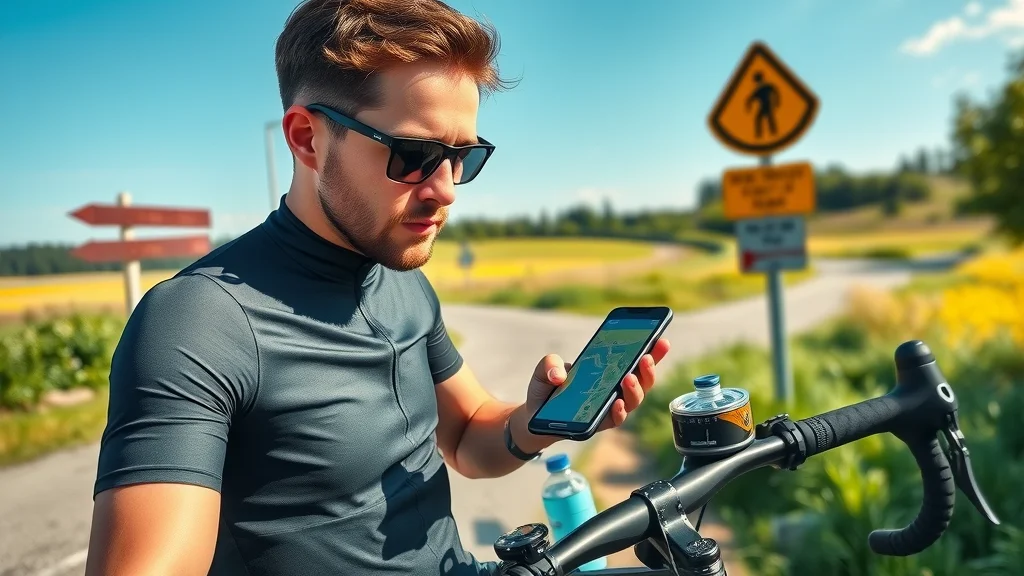
Your chosen route has a major impact on your overall experience and safety. Look for routes with predictable surfaces, clear signage, and regular opportunities for resupply or rest. Consider starting with established cycle ride routes or popular touring motorcycle stretches known for safety, scenic beauty, and support—the quieter the roads and the less urban congestion, the better for focus and morale. Try to avoid routes with long stretches without water or shelter, and plan for backup options if weather or traffic becomes an issue. Mapping out notable stops, possible hazards, and mental checkpoints will keep your spirits high and your journey on track.
Preparing for Variable Weather and Terrain
No beginner’s guide to long distance riding would be complete without advice on handling the elements. Variable weather—especially on multi-day rides—requires layers, waterproof gear, and bike or motorcycle maintenance basics. Study your route’s elevation profile for big climbs, potential headwinds, or mixed surfaces. Be ready to adjust your pace, gear selection, and nutrition accordingly. Planning for contingency—like a sudden rainstorm or a stretch of rough road—helps you stay positive and avoid unnecessary risks. The real trick is adaptability: comfortable in the rain, resilient in heat, and prepared for whatever the ride throws your way. Pack for both the forecast and the “what ifs. ”
Sample Long Haul Itinerary Table
| Day | Distance (Miles) | Terrain Type | Notable Stops |
|---|---|---|---|
| 1 | 50 | Rolling Hills | Lakeside Park |
| 2 | 60 | Mountain Roads | Scenic Overlook |
| 3 | 45 | Flat Farmland | Historic Village |
Essential Gear for Beginner’s Guide to Long Distance Riding
Choosing the Optimal Touring Motorcycle or Bike
Picking the right steed can make your long ride exponentially more comfortable. For distance cycling, look for a touring bike or road bike with an upright geometry, compliant frame, wider tires for stability, and plenty of mounting points for racks and handlebar bags. On a touring motorcycle, focus on ergonomics—wide seats, windshields, and integrated luggage—built for long haul comfort. Remember, the perfect bike is one that fits you well, accommodates your cargo, and is in good condition for the miles ahead. Test rides and expert fittings are worth every moment for a pain-free journey.
Must-Have Accessories for a Comfortable Long Distance Cycle Ride
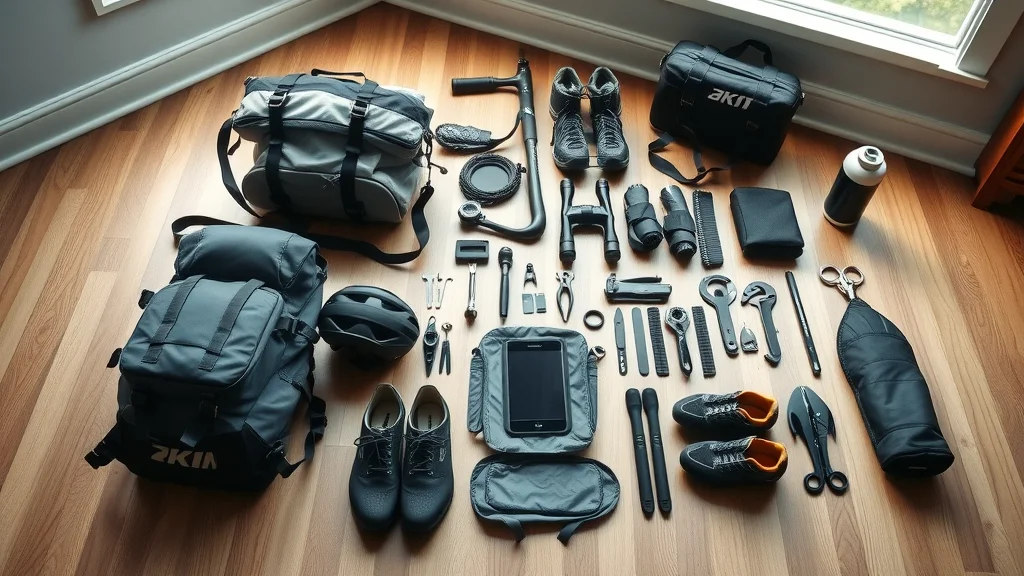
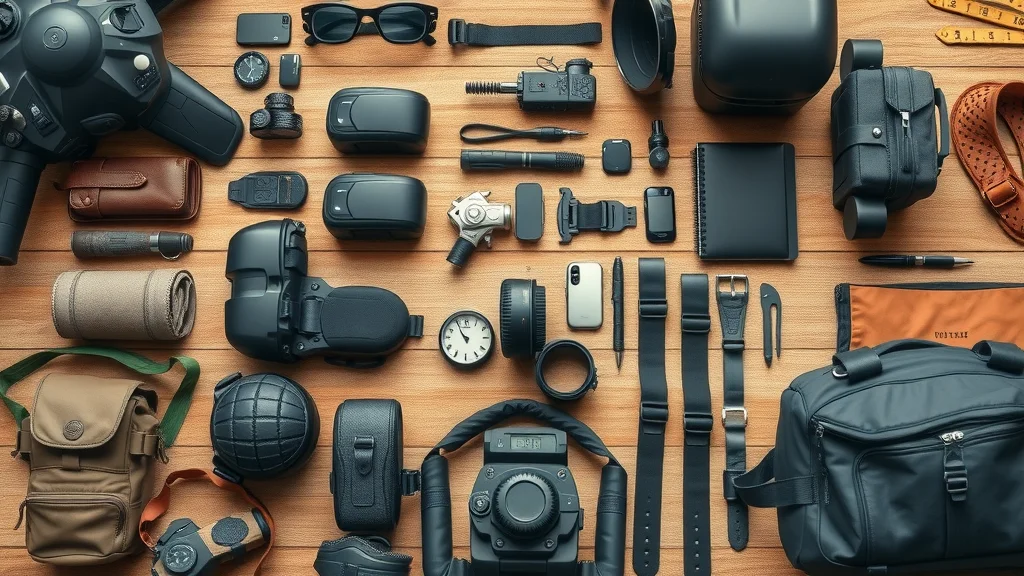
Quality accessories are essential for both safety and comfort. Essentials include a helmet (always!), padded shorts, gloves to reduce hand numbness, and tried-and-tested cycling shoes. Don’t forget weather-appropriate clothing, sunglasses, front and rear lights, and at least two water bottles. For touring, panniers or saddle bags offer ample storage space, while handlebar bags keep snacks and tools within reach. Motorcycle riders should pack a first-aid kit, high-visibility vests, and rain gear. Always bring a small tool kit, spare inner tube or repair kit, and multi-tool. Efficient gear turns an uncomfortable ordeal into a smooth, enjoyable long distance cycling adventure.
Packing Smart for a Successful Long Ride
The guiding principle: carry only what you need, but never skimp on essentials. Lightweight packing makes climbing and handling easier, while redundancy in repair tools and weather protection saves rides from abrupt endings. High-calorie snacks, enough water for the longest leg between refills, sunblock, and a well-stocked first aid kit should be non-negotiable. Use storage space efficiently with compression bags for clothing and modular compartments for electronics, food, and spares. Test your packing at home—if your setup rattles, shifts, or feels unstable, revise until everything sits snugly and accessibly. Smart packing means less stress, fewer stops, and more time in the zone, enjoying each stretch of your big ride.
Physical Preparation and Endurance for Distance Cycling
Building Stamina for Long Ride Success
No matter your starting point, long ride stamina is a matter of patience and consistency. Gradually build up your longest weekly ride by 10–20% increments as a good rule—allowing your muscles, joints, and even your sit-bones to toughen up. The goal isn’t just to ride longer, but to recover faster and finish each ride feeling strong. Mix intensities: some days are for easy riding at a conversational pace, others for brisker riding to boost heart rate and condition cardiovascular endurance. As your mileage increases, your body (and mind) learns to handle both the tedium of long hours and the highs of big distances.
Training Plans for Beginners Focusing on Cycle Ride Endurance
For a successful distance ride, structured training makes all the difference. Most training plans combine weekly long rides with shorter, high-cadence workouts and cross-training (like swimming or running for all-round fitness). Regular rest days matter too—overtraining leads to fatigue and burnout. Use heart rate monitoring or perceived exertion as a guide to make sure you’re consistently working, but not overdoing it. Integrate a “test ride” every few weeks: replicate your target event distance, nutrition strategy, and pacing to build confidence and identify weaknesses well before your big event.
Nutrition and Hydration Strategies for Long Distances
Food is your fuel, and proper hydration keeps the engine running smooth. Aim to eat before you’re hungry and drink before you’re thirsty—waiting too long is a classic beginner mistake that leads to bonking (sudden energy loss). Pack a mix of quick-carbs like bananas, energy bars, and some sugary drinks for occasional energy surges. Salty snacks help replace lost electrolytes, especially on hot or humid days. Plan to drink a bottle every hour, adjusting for intensity and weather, and consider electrolyte tabs or powders for longer stints. Listening to your body is key: if your energy slumps or you get irritable, it’s a sign to adjust your intake before it’s too late.
Watch: An engaging video demonstration of dynamic stretching exercises for cyclists—featuring easy-to-follow moves for legs and back, led by a certified instructor in a sunlit gym or green park. These beginner-friendly stretches are specifically designed to loosen muscles, relieve soreness, and improve flexibility—key for both pre-ride warmup and post-ride recovery. Learn to stretch major muscle groups and prevent aches and pains before they start.
On the Road: Tips And Tricks for Enjoyable Long Distance Riding
Maintaining Energy and Focus Over Long Distances
Even the most seasoned cyclists and touring motorcycle riders know that staying energized is an ongoing process. The real key is pacing: resist the urge to go out too fast, especially if adrenaline is high in the first few miles. Use reminders to eat and drink at regular intervals, and use music or podcasts (where safe) to break up mental monotony. Practice “mental checkpoints”—rewarding yourself for each segment completed, whether that’s a scenic stretch, a tough climb, or simply another hour in the saddle. Mental strategies help you stay sharp, engaged, and ready for whatever comes next on your long haul journey.
Rest Stops: Balancing Speed and Safety
Regular rest stops can mean the difference between a successful long distance ride and overwhelming fatigue. Every rider is different, but a good rule is to stop every hour or so for a few minutes—to hydrate, eat, stretch, and check your gear. Don’t rush breaks; even five minutes can reset your energy and improve performance. Choose scenic or sheltered spots for morale and safety, and use stops as opportunities to review the route, tweak nutrition plans, or share progress with fellow riders. Remember, hours in the saddle add up—so strategic resting helps you ride harder, safer, and more enjoyably.

Managing Common Challenges on a Long Haul Cycle Ride
No two long rides are exactly the same, but typical obstacles include aches and pains, changing weather, navigation errors, or minor mechanical failures. Learning basic roadside repairs (like fixing a puncture or adjusted brakes) can transform a disaster into a quick pit stop. Address aches early—numb hands, feet, or shoulders mean it’s time to adjust your position, stretch, or break up the ride. If you’re part of a group, communicate openly about pace, fatigue, and potential hazards. Never be afraid to adjust your plan; flexibility is the key to a successful long distance cycling adventure, even for experienced riders.
Watch: Real riders share their stories and lessons learned from epic long distance rides—including honest accounts of preparation, unexpected challenges, and what it feels like to overcome doubts on the road. Ride along for inspiration, proven strategies, and a firsthand look at what actually works on multi-day distance cycling or touring motorcycle journeys.
Safety First: Best Practices for Long Distance Riding
Avoiding Fatigue on Extended Cycle Rides
Long hours in the saddle lead to both mental and physical fatigue, which is why pace and rest are crucial. Avoid the “magic mile” trap—don’t chase an unrealistic goal at the cost of your well-being. Listen to your body: fuzzy thinking, blurred vision, or emotional swings are all signs to slow down or stop. Make use of rest areas, refuel your body, and be aware of your mental state. On a motorcycle, never ignore drowsiness—stop and stretch, splash your face, or take a brief nap if needed. Safety and self-care always trump personal bests on long haul journeys.
Emergency Preparedness for Long Distance and Touring Motorcycle Riders
The longer the ride, the more important it is to have a reliable emergency plan. Always carry an ID, phone, backup cash, and a simple roadside repair kit. Share your route and estimated return time with someone back home. For remote rides, a personal locator beacon or GPS tracker gives added safety and peace of mind. Motorcycle riders should keep spare fuses, emergency tire repair kits, and know where the nearest service stops are at all times. Knowing you’re prepared lets you focus fully on the journey.
Safe Riding in Groups on Long Haul Journeys
Group rides offer camaraderie and additional safety, but require extra mindfulness. Communicate clearly with hand signals or Bluetooth (for motorcycle groups), maintain predictable spacing, and never overlap wheels or rush in close quarters. Appoint a ride leader and sweeper to keep the group together, and stop frequently to “check in” with less experienced riders. Remember, safety is everyone’s responsibility—look out for one another and adjust your group’s pace if needed. The best group rides are those where every member finishes safe, happy, and wanting more.
Expert Advice: Quotes from Long Distance and Distance Cycling Pros
“Successful long distance riding isn’t just about physical stamina—mental preparation and realistic planning are equally vital.” – Renowned Endurance Cyclist
People Also Ask: Essential Questions for Beginner’s Guide to Long Distance Riding
[[paa]]
Answer: [[paa answer]]
Inspiring Long Distance Rides: Notable Journeys and Their Lessons
- Transcontinental Cycle Ride Adventures: Stories of riders crossing continents, overcoming harsh climates and logistical hurdles to prove that with the right mindset, any journey is achievable.
- Famous Touring Motorcycle Routes: Legendary rides such as the Pacific Coast Highway or the Alps—reminders that the joy of long distance traveling is as much about the journey as the destination.
- Memorable Distance Cycling Records: From Guinness World Records to personal bests, these big rides show the heights of human endurance—and the value of every hour of preparation and optimism.
FAQs: Beginner’s Guide to Long Distance Riding
What distance qualifies as a long ride for beginners?
Most experts agree that anything above 50 miles (80 km) is a long ride for most beginners, especially when combined with challenging weather or terrain. For those new to distance cycling or touring motorcycle trips, the focus should be less on a magic number and more on planning for comfort, nutrition, and recovery along the way.
How should newcomers prepare for their first long haul adventure?
Start by gradually increasing weekly mileage, integrating both long steady rides and shorter high-intensity efforts. Plan your route, test your gear, and practice eating and drinking on the go. It’s crucial to mentally prepare for the real test—pushing through self-doubt and unexpected challenges. Last but not least, ride at a pace that lets you hold a conversation and finish feeling strong.
Which gear is essential for safe long distance cycling?
Core gear includes a comfortable, well-fitted bike or motorcycle, helmet, weather-appropriate clothing, hydration systems, snacks, basic repair kit, lights, navigation tools, storage space for essentials, and first aid supplies. Test all gear on shorter rides to ensure it’s both functional and comfortable before your big trip.
How to recover after a challenging cycle ride?
Recovery starts the moment your ride ends. Stretch major muscle groups, refuel with carbohydrates and protein, and rehydrate until urine runs clear. Light movement, like walking or gentle spinning, reduces soreness. For multi-day rides, prioritize sleep and self-care to ensure you’re ready for the next leg of the journey.
Key Takeaways from Your Beginner’s Guide to Long Distance Riding
- Preparation and planning lead to a successful long ride
- Physical and mental readiness are critical to endurance
- Selecting appropriate gear and adopting safety procedures are non-negotiable for enjoyable distance cycling
Ready for Your Adventure?
Call Nasty Performance Motorcycle Shop Today: 847-458-4858
Now get out there, test your limits, and make your first long distance ride a memory worth keeping.
If you’re eager to keep building your skills and confidence for every season, there’s even more to explore. Understanding how to care for your bike or motorcycle year-round can dramatically extend its lifespan and enhance your riding experience, no matter the distance. Dive into expert advice on seasonal maintenance, storage, and performance tweaks by visiting seasonal bike care secrets every rider must know. With the right preparation and ongoing care, you’ll be ready to tackle new adventures—rain or shine, summer or winter. Your next great ride starts with the knowledge you gain today.


Write A Comment