
Did you know that the risk of a motorcycle accident increases by up to 45% in cold weather? If you’re one of the dedicated few who refuses to tuck the bike away during winter riding season, you already know that riding a motorcycle in the cold brings unique challenges—and unique thrills. But here’s the bottom line: understanding cold weather motorcycle safety is essential to ride safe, stay warm, and avoid serious hazards.
This in-depth guide delivers practical, research-backed tips for winter motorcycle riding that will help you layer up, winterize your bike, master safe riding techniques, and prepare for whatever the season throws at you. Whether you’re a daily commuter or a weekend adventurer, these strategies will help you enjoy cold weather riding with confidence.
Understanding Cold Weather Motorcycle Safety: Why It Matters All Season
Cold weather motorcycle safety isn’t just about putting on a thicker jacket or bracing yourself for the chill. The cold season dramatically impacts both the operation of your machine and your body’s performance. When temperatures drop, everything from tire pressure to reaction time can be compromised, making it more important than ever to adjust your preparation and riding style. Riders often underestimate just how quickly a fun winter ride can become hazardous due to freezing temperatures, black ice, and reduced road grip.
Motorcycle riding in winter weather introduces more than discomfort—it can be dangerous. Even a good motorcycle can struggle in the cold if you neglect essential maintenance or ride in gear not suited for the season. A cold-weather motorcycle accident is rarely a single-mistake event; it’s often the result of multiple winter riding risks stacking up, from wind chill sapping your strength to icy patches reducing control. That’s why cold weather motorcycle safety is a year-round concern, deserving of time, attention, and careful planning. Ensuring you stay prepared and proactive can make the difference between safe adventure and a call to a personal injury attorney.
A Surprising Statistic: Motorcycle Accidents Increase 45% in Cold Weather
According to recent transportation studies, motorcycle accidents are 45% more likely to occur in cold weather conditions. This spike stems from three primary factors: reduced tire grip on cold or icy roads, longer stopping distances due to compromised reaction time, and decreased visibility during shorter, darker winter days. While these facts may seem daunting, knowing the risks is the first step in avoiding them.
This statistic isn’t meant to scare riders off the road but to underline the need for meticulous winter motorcycle preparation, strategic gear choices, and continually vigilant weather assessment. With intentional habits, having fun and staying safe during cold weather motorcycle riding is absolutely possible for riders of all skill levels.
How Winter Motorcycle Riding Conditions Affect Your Safety
Winter riding isn’t just cold—it transforms every aspect of motorcycle riding . The combination of frigid air, icy surfaces, wind chill, and unpredictable weather conditions introduces hazards that aren’t present during warmer months. For starters, low temperatures cause a reduction in tire pressure , reducing your tire's contact patch and overall grip on the road. This impacts how your bike handles, making it easier to lose traction—especially when navigating curves or performing sudden maneuvers.
Beyond mechanical challenges, winter weather riding can test a rider’s limits. Prolonged exposure to cold can slow reaction time , dull your senses, and increase your risk of developing hypothermia. This means it’s not just the motorcycle that needs protection—your personal safety depends on staying warm, alert, and responsive. Furthermore, snowbanks, black ice, and salted roads present unpredictable risks requiring both defensive riding strategies and a proactive approach.
-
Impact of cold weather on motorcycle operation
-
Unique risks of winter roads
-
How freezing temperatures alter riding a motorcycle
Maintaining vigilance and respecting the season’s limitations are central tenets of winter motorcycle safety. That’s why investing in proper gear, understanding roadway hazards, and winterizing your ride are the foundations for safe, enjoyable cold weather motorcycle journeys.
Layering Up: The Best Cold Weather Motorcycle Riding Gear
The right riding gear isn’t just about comfort; it’s about cold weather motorcycle safety . As temperatures plummet, your best defense against the elements is a careful strategy of layering and the use of specialized heated gear. Modern gear innovations ensure even the harshest winter riding days can be manageable and, dare we say—enjoyable!
Successful winter motorcycle riding starts with a thermal base layer , which wicks away sweat and prevents chills. Add insulated jackets and pants to trap body heat while allowing for movement. Top it off with a waterproof outer shell to block wind and moisture. For extra protection, invest in heated gear , like a heated jacket or heated gloves , which keep your core and extremities warm even on the longest rides. Failing to layer properly or skimping on gear can quickly lead to cold-related fatigue, slower reaction times, and, ultimately, an unsafe ride.
Why Layers and Heated Gear Matter for Weather Motorcycle Riding
The science behind layering is simple: multiple, thinner layers trap more warm air and allow for better thermal regulation than a single heavy coat. Start with a base layer —ideally moisture-wicking to keep sweat off your skin. Over this, an insulating layer retains heat, while the final shell layer blocks wind and wet. For those who brave particularly cold conditions, heated gear (jackets, gloves, and even pants) is a winter riding game-changer. Heated gear is unique in maintaining safe body temperatures through variable settings, targeting key areas most vulnerable to cold stress.
Neglecting proper gear isn’t just uncomfortable—it’s dangerous. Numb hands, fogged visors, or stiff limbs can all compromise your ability to ride safely . Investing in quality layers and heated gear makes it possible to ride a motorcycle through winter’s worst without sacrificing comfort, skill, or safety.
-
Thermal base layers
-
Insulated jackets and pants
-
Waterproof outer shells
-
Heated gear essentials
|
|
|
Best Cold Weather Motorcycle Riding Gear Features |
|
Gear Type |
Recommended Features |
Why It Matters for Cold Weather Motorcycle Safety |
|---|---|---|
|
Thermal Base Layer |
Moisture-wicking, thin |
Keeps sweat away to prevent chills |
|
Heated Jacket |
Adjustable temperature |
Maintains core warmth on longer rides |
|
Insulated Gloves |
Waterproof, windproof |
Ensures hand dexterity for controls |
|
Wool Socks |
Breathable, thick |
Prevents numbness in toes |
Top Picks: Heated Jacket and Gloves for Winter Motorcycle Comfort
Wearing the right gear can make the difference between an enjoyable ride and dangerous hypothermia, says the National Safety Council. The standout essentials for winter riding are a heated jacket and heated gloves . A heated jacket keeps your core temperature steady, helping combat wind chill on long highway stretches. Look for jackets with adjustable temperature controls, distributed heating zones, and waterproof exteriors. Likewise, heated gloves prevent numb fingers—ensuring you retain complete control and dexterity, even in sub-freezing conditions.
While there are many brands and designs, the best heated gear uses battery packs or plugs into your motorcycle’s power source. They typically offer settings to tailor warmth to the weather, preventing both overheating and cold exposure. Don’t forget: pairing heated gear with a thermal base layer is far more effective than relying on a single heavy layer alone for winter motorcycle safety.
Motorcycle Preparation: Winterizing for Cold Weather Motorcycle Riding
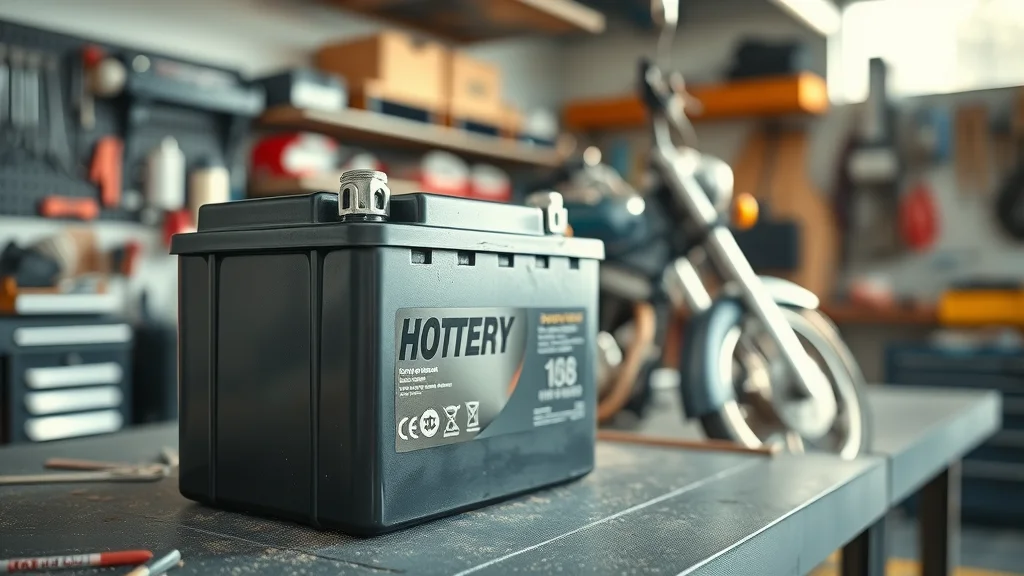
Protecting your bike for winter weather motorcycle riding goes far beyond a routine inspection. Cold weather motorcycle safety requires a comprehensive winterization process to safeguard your machine from freezing, corrosion, and reduced performance. Start by checking your battery and charging system, as cold temperatures dramatically reduce battery efficiency. Use winter-grade oil formulated for lower viscosity and easier cold starts. Proper winterization minimizes the odds of mechanical failure and preserves your motorcycle for peak performance no matter the season.
Test all lights, brakes, and if available, heated grips and seats. Inspect your tire tread—worn tires are even less effective on slick surfaces—and always monitor tire pressure , which can drop quickly as the temperature falls. Lubricate cables and apply anti-freeze to relevant systems. By addressing these winter-specific maintenance steps, you greatly reduce the risk of a sudden breakdown or accident during winter weather.
Essential Winter Motorcycle Maintenance Steps
-
Check battery and charging systems
-
Use winter-grade oil
-
Test brakes, lights, and heated grips
-
Inspect tire tread and pressure—cold decreases PSI
-
Apply anti-freeze and lubricants to avoid freeze-up
Remember: even the best riding gear can't make up for a motorcycle in poor condition during cold weather riding. Proper winterizing keeps you safe and prevents costly repairs in the spring.
Mastering Techniques for Safe Cold Weather Motorcycle Riding
Once your gear and bike are winter-ready, the focus should shift to your riding technique. The road demands more from those intent on riding a motorcycle safely in winter. Cold weather means longer stopping distances, reduced traction—even for high-quality winter motorcycle tires—and the constant threat of black ice or unexpected precipitation. Adjusting how you ride is essential for cold weather motorcycle safety .
First, slow down and increase your following distance to give yourself more room to respond to slip-ups—yours or those of other drivers. Use gentle, progressive movements when accelerating, braking, or turning. Sudden or jerky controls can result in losing grip, especially on cold tires or slick pavement. Scan ahead for shaded spots, overpasses, and bridges—prime locations for invisible black ice. When in doubt, err on the side of caution and always have an “exit strategy” when navigating high-risk sections.
Reducing Risk: Adjusting Your Riding Technique in Winter
-
Slow down and increase your following distance
-
Use gentle inputs for acceleration, braking, and cornering
-
Anticipate black ice and shaded spots
-
Avoid sudden maneuvers
“Anticipate danger and always ride with an exit strategy in mind,” advises Liz Jansen, renowned motorcycle safety coach.
Practicing these fundamentals regularly during winter riding ensures your skills stay sharp and your reflexes remain quick for all types of weather riding conditions.
Dealing with Common Dangers: Weather Motorcycle Hazards in Winter
Winter unleashes a whole new set of dangers for motorcyclists, and even experienced riders can be caught off-guard. Black ice forms fastest on bridges, overpasses, and shaded curves, making them especially treacherous. Lower temperatures mean less flexible tires, and overall cold weather riding provides reduced grip, even for the most advanced all-season rubber. Unexpected snow bursts or freezing rain can abruptly make a safe trip risky.
Finally, the unpredictability of other drivers—many of whom aren’t expecting to see motorcycles in winter weather—adds yet another layer of difficulty. A distracted or unprepared driver is one of the leading causes of personal injury in weather motorcycle accidents. Understanding these threats and practicing defensive riding greatly increases your odds of staying safe during winter motorcycle riding.
-
Black ice on bridges and overpasses
-
Reduced tire grip in cold weather
-
Unexpected snow or freezing rain
-
Distracted or unprepared drivers
Emergency Preparedness: What to Do If Things Go Wrong
No amount of preparation can eliminate all risk when riding in cold. That’s why a solid emergency plan is a critical piece of cold weather motorcycle safety . Pack a winter-specific road emergency kit with tools, flashlight, emergency flares, a first aid kit, portable phone charger, and extra thermal layers. Always be prepared for personal injury scenarios: know basic first aid, and carry your insurance and emergency contact information easily accessible.
Most importantly, learn to recognize your own limits and don’t hesitate to call for help when winter riding conditions become unmanageable. If you’re stranded or involved in an accident, staying calm and keeping warm could very well save your life. Communicate your travel plans with someone you trust, and never hesitate to end a ride early when conditions deteriorate.
-
Packing a road emergency kit
-
Preparing for personal injury scenarios
-
Knowing when to call for help
Cold Weather Motorcycle Safety and Visibility
Staying visible is just as important as staying warm during winter motorcycle riding. Short days, gray skies, and heavy precipitation mean you’re harder for motorists to spot. Invest in high-visibility riding gear —bright colors, reflective strips, and LED accessories increase your chances of being seen. Make sure your helmet visor stays clean and fog-free, as condensation builds up quickly in cold weather. Adding reflective tape to your motorcycle and jacket further ensures visibility for other vehicles, especially at night or in heavy traffic.
-
High-visibility riding gear is a must in winter’s low light
-
Ensure clean, fog-free helmet visors
-
Use reflective tape on your motorcycle and jacket
Never underestimate the value of visibility—it’s a simple, effective way to drastically reduce your risk of an accident in all weather motorcycle riding conditions.
Smart Weather Motorcycle Route Planning in the Cold
Efficient route planning can mean the difference between a routine winter ride and a treacherous misadventure. Use real-time weather apps to monitor changing conditions and avoid severe weather or unexpected snowstorms. Plan your route with plenty of gas stations and rest stops, giving yourself time to warm up and the flexibility to adjust your plan. Whenever possible, avoid poorly maintained rural roads, which are more likely to have snow accumulation, black ice, or sudden obstacles.
-
Use weather apps to check real-time road conditions
-
Plan routes with more gas stations and rest stops
-
Avoid rural or poorly maintained roads
Share your route and expected arrival times with someone you trust, and prepare for detours due to road closures or emergent weather conditions. Smart planning is the foundation of cold weather motorcycle safety.
People Also Ask: Cold Weather Motorcycle Safety Explained
How cold is too cold for a motorcycle?
There is no absolute temperature cutoff for all motorcycles, but riding becomes increasingly dangerous when temperatures drop below 32°F (0°C), especially when factoring in wind chill . At this point, cold temperatures impact tire flexibility, battery performance, and a rider’s response time—making it critical to equip heated gear, check road conditions, and reconsider travel if there’s risk of ice or snow accumulation.
How cold is 40 degrees on a motorcycle?
At an ambient temperature of 40°F (4°C), wind chill caused by riding a motorcycle at moderate speeds can lower the “feels like” temperature into the 30s or even 20s. This rapidly increases the risk of hypothermia and numbness, especially for exposed skin. Proper layering, a good helmet visor, and heated gear are essential to maintain safety and comfort at these temperatures.
Is it bad to leave a motorcycle in the cold?
Leaving a motorcycle unprotected in cold weather can damage the battery, cause fluids to thicken, and accelerate rust or corrosion—especially if exposed to moisture or salt. Whenever possible, store your motorcycle in a garage or under a weatherproof cover. Be sure to maintain the battery using a tender and check fluids regularly during winter months.
Are cold starts bad for your motorcycle?
Frequent cold starts can increase engine wear, as oil circulates more slowly at low temperatures. Using winter-grade oil and allowing the engine to warm up before riding in the winter helps minimize wear. Regular maintenance becomes even more critical for cold weather motorcycle safety, reducing the risks of breakdowns or mechanical failures.
Frequently Asked Questions on Cold Weather Motorcycle Safety
-
Can you ride a motorcycle in freezing rain?
Technically yes, but it’s strongly discouraged. Freezing rain creates instant black ice and can cover both the road and your visor, making visibility and control nearly impossible. If caught in freezing rain, find a safe place to wait until conditions improve.
-
What are the best tires for cold weather motorcycle riding?
Look for tires designed for winter riding, with softer compounds and deep tread patterns that maintain grip at low temperatures. Properly inflated tires with excellent tread are non-negotiable for winter motorcycle safety.
-
How do I protect my face and eyes from cold wind?
Wear a full face helmet with a fog-resistant visor, paired with a balaclava or neck gaiter for added protection. Keeping your face covered reduces wind chill and the risk of frostbite.
-
Is heated gear worth the investment?
Absolutely. Heated jackets and heated gloves are among the best investments you can make for winter motorcycle riding. They provide consistent warmth, improve comfort, and help maintain alertness on long, cold rides.
Key Action Steps for Cold Weather Motorcycle Safety
-
Inspect gear, motorcycle, and weather conditions before every ride
-
Layer for warmth and visibility
-
Ride cautiously and adjust for slippery surfaces
-
Plan your route and communicate your ride plan
Integrating these steps with the right riding gear , solid winterization habits, and safe riding techniques ensures each cold weather ride arrives without incident.
Ride Smart, Stay Safe: Final Thoughts on Winter Motorcycle Riding
Cold weather motorcycle safety is all about preparation, smart habits, and unwavering respect for the season. Invest in your gear, your motorcycle, and your riding strategies to ride safely, confidently, and comfortably in even the coldest weather.
Ready for Winter? Get Expert Cold Weather Motorcycle Safety Support
Don’t leave your winter motorcycle safety to chance.
Call Nasty Performance Motorcycle Shop Today: 847-458-4858 and get professional guidance, gear recommendations, and expert maintenance before your next ride in the cold.
For comprehensive insights into cold weather motorcycle safety, consider exploring the following resources:
-
“Winter Motorcycle Riding Guide - Tips to Stay Safe” : This guide offers detailed advice on winter riding gear, maintenance, and techniques to navigate cold weather challenges effectively. ( dairylandinsurance.com )
-
“13 Cold Weather Riding Tips” : This article provides practical tips on layering, minimizing wind chill, and recognizing early signs of hypothermia to ensure a safe and comfortable ride during winter months. ( adventuremotorcycle.com )
If you’re serious about enhancing your cold weather riding experience, these resources will equip you with the knowledge and strategies needed to ride safely and comfortably in winter conditions.
Call Nasty Performance Motorcycle Shop Today: 847-458-4858

Write A Comment