Nasty Performance ~ 847-458-4858 

  • Blog Home
  • Categories
    • Motorcycle Maintenance
    • Riding Tips & Preps
    • Safety & Inspection
    • Customizations & Upgrades
    • DIY Motorcycle Repairs
    • Motocycle Audio Systems
    • Motocycle Seasonal Care & Storage
    • Engine, Electrical Performance
  • Bike Night
  • Nasty Performance Motorcycle Shop
September 03.2026
1 Minute Read

What to Pack for Motorcycle Riding Posture: Essentials You Need

Did you know that poor packing causes more back pain and fatigue on long rides than rough roads or bad weather? Packing for motorcycle riding posture isn’t just about squeezing your stuff into a bag—what (and how) you pack directly shapes your comfort, focus, and joy on the road. In this comprehensive guide, you’ll learn how to support a healthy, energized posture for any cycle trip, ensuring every mile is as enjoyable as the last.

Surprising Insights: Why Packing Matters for Motorcycle Riding Posture

Many riders make the mistake of overlooking how luggage and gear can impact their upper body alignment and cause discomfort over long distances. Whether you’re new to motorcycle trips or have countless road trip miles under your tires, what to pack for motorcycle riding posture can determine whether your journey is an adventure or a pain. Properly chosen riding gear, smart load distribution, and the right accessories work together to help prevent muscle fatigue, maintain optimal riding position, and keep you safe for long periods of time.

If your side bags are overloaded or your tail bag too heavy, you’ll feel it in your shoulders, wrists, and lower back within hours. Organizing your gear correctly and including posture-supporting items is a good idea not only for safety, but for arriving at your destination feeling strong and ready for more. In the next sections, we’ll show you how to pack smarter for both short commutes and long distance motorcycle trips.

"A healthy riding posture doesn't start on the road—it starts with what you pack."
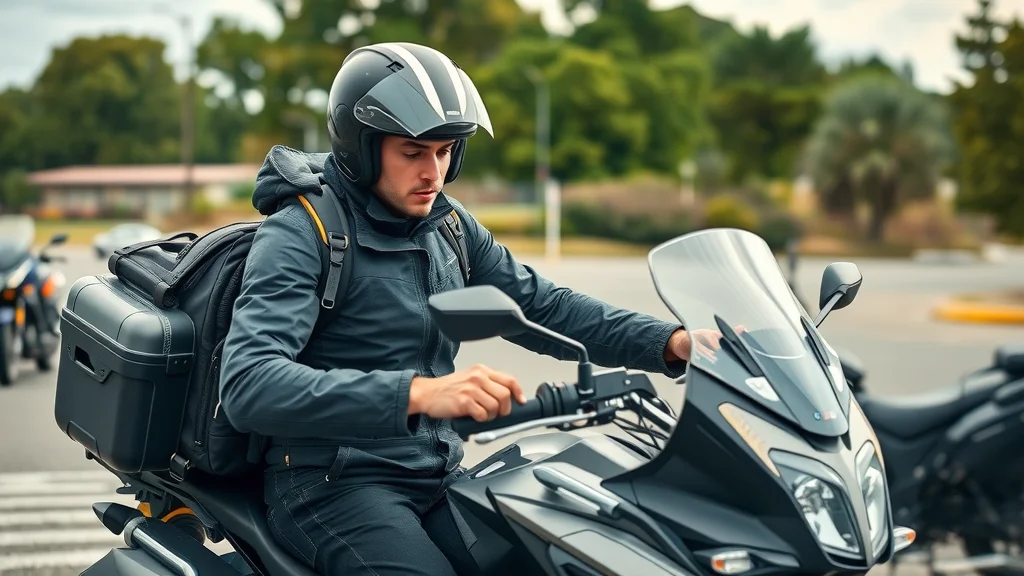
Modern motorcycle rider packing luggage for optimal riding posture and motorcycle trip comfort

What You’ll Learn About What to Pack for Motorcycle Riding Posture

  • Key items that support proper motorcycle riding posture
  • Packing strategies for long distance and motorcycle trip comfort
  • How correct gear and accessories prevent fatigue
  • Must-know tips for balancing weight on your cycle trip
  • Expert recommendations, safety tips, and frequently asked questions

Understanding Correct Motorcycle Riding Posture

Correct posture is the foundation for safe and comfortable long distance riding. It starts with keeping your back straight, shoulders relaxed, and arms slightly bent while gripping the handlebars. Your weight should be balanced, not slouched, and your feet should rest naturally on the pegs. Riders make the mistake of tensing up or leaning too far forward, especially during long periods or when carrying a full load, which puts unnecessary strain on the upper body and can reduce your IQ score for focus and endurance (figuratively—no IQ test needed here!).

The good idea is to always distribute your weight equally and never overload your bags on either side. By paying attention to posture, you can travel long distances without suffering aches or risking injury. Remember, supportive riding gear and a well-organized pack help keep you in the ideal position, letting you focus on the road instead of fidgeting or fighting discomfort on your cycle trip.
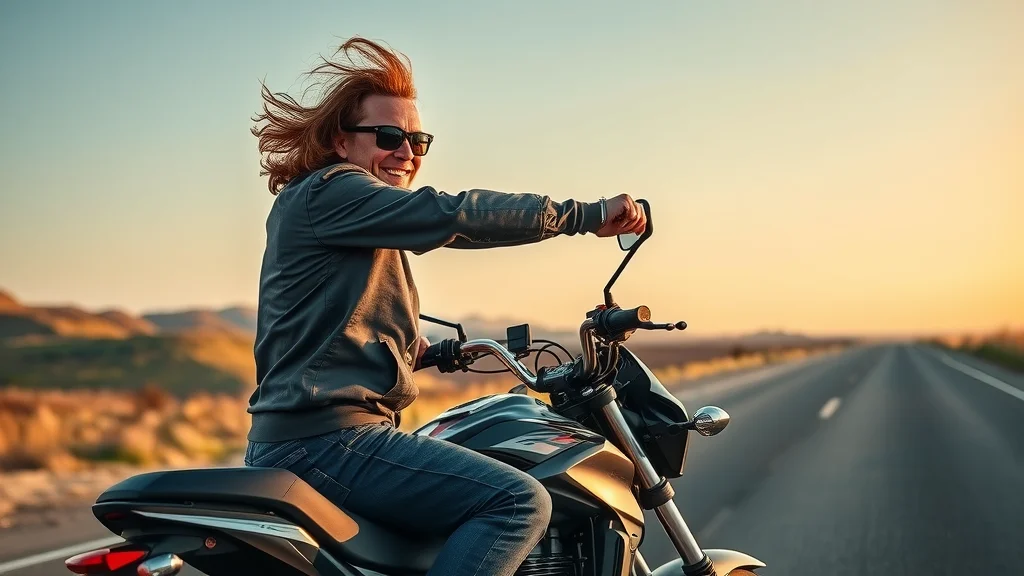
Confident motorcyclist demonstrating proper motorcycle riding posture on a long distance road trip

Essential Riding Gear to Pack for Ideal Motorcycle Riding Posture

Helmet, Jacket, Gloves, and Riding Gear Selection

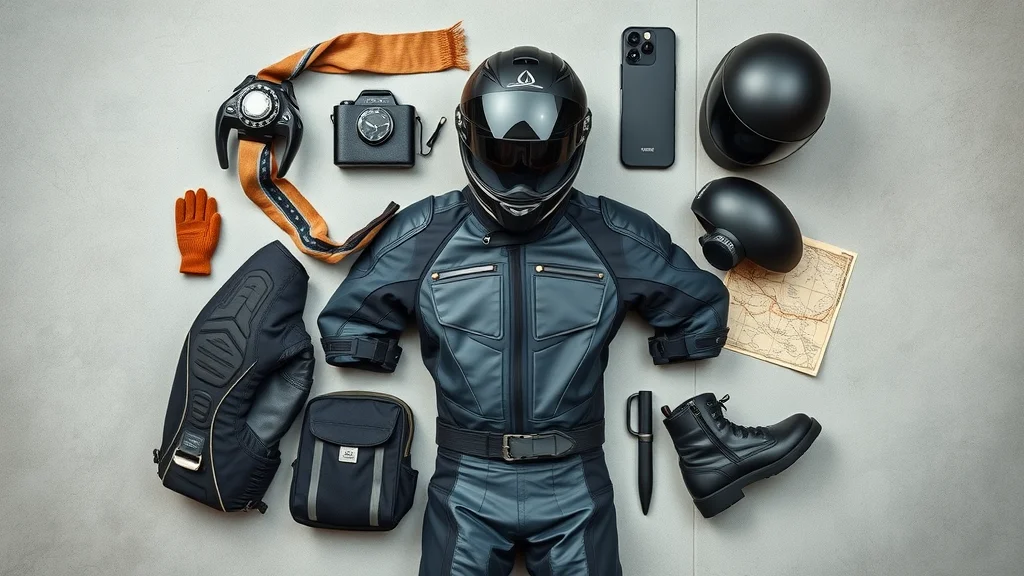
Choosing quality riding gear isn’t just for safety—it directly impacts your posture during every motorcycle trip. Always wear a helmet that’s DOT or ECE-approved, providing full face protection and comfort for long periods. Armored motorcycle jackets support your upper body, helping maintain an upright stance while protecting you from impact. Adaptive gloves, with the right fit, enhance grip and dexterity, reducing hand fatigue on long distance rides and preventing fingers from cramping while you enjoy the activity on this service. Missing these essentials is always a bad idea because they not only add safety, but also comfort and stamina for your journey. Consider including a Bluetooth helmet for added convenience.

  • DOT/ECE-approved helmets
  • Armored riding jackets
  • Adaptive gloves for grip

Flat lay of essential motorcycle riding gear including helmet, jacket, gloves, pants, boots, for long distance cycle trip

Protective Pants, Boots, and Layering for Posture and Safety

When packing for your long trip, never forget reinforced riding pants with stretch panels—they allow free movement without constricting your posture. Ergonomic boots with ankle support protect your lower body and provide stability, a must for long distances and all-day travel. Layering is also a good idea, as it lets you adapt to changing temperatures and stay comfortable without overpacking. The right safety gear—boots, jacket, pants—helps prevent fatigue and encourages you to maintain the proper position for those extended road trips.

  • Reinforced pants with stretch panels
  • Ergonomic, ankle-supporting boots
  • Layering to adapt for temperature

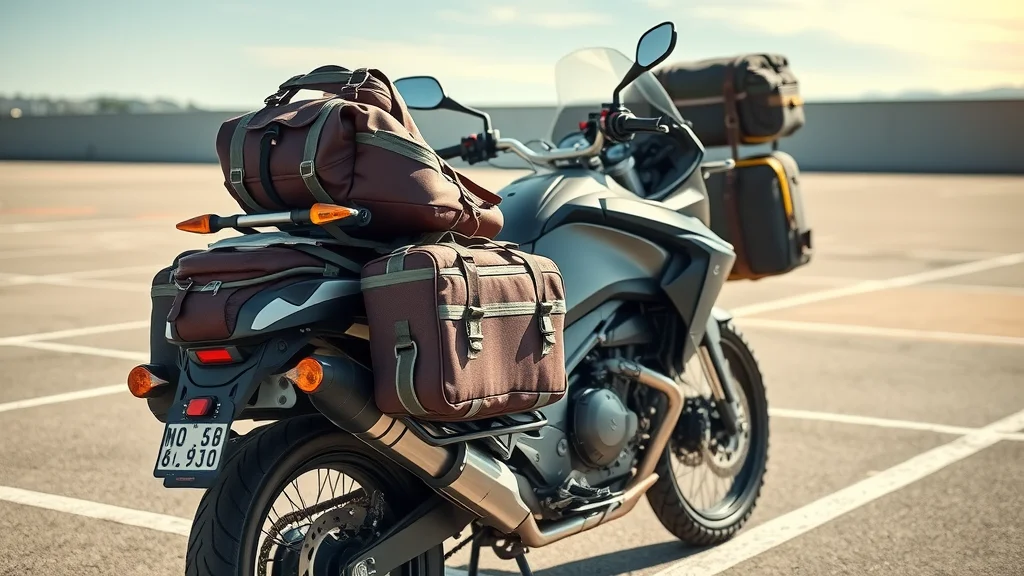
Touring motorcycle fully packed with balanced weight and luggage for long distance road trip posture

Smart Packing Strategies for Motorcycle Riding Posture on Long Distance Rides

Weight Distribution and Packing Essentials

Packing isn’t just about fitting your sleeping bag and extra socks; it’s about smartly distributing weight for stability and posture. Uneven or overloaded bags unbalance your bike and pull your body out of alignment, making fatigue a certainty on any cycle trip. Place heavier gear like tool kits and spare parts in your side panniers to keep your center of gravity low, preventing back strain. Lighter items, such as clothes or a sleeping bag, belong in the tail bag to support an upright riding position. A tank bag is perfect for essentials like electronics, snacks, and small accessories—these are within easy reach and don’t shift your weight dramatically. The strategy here is preventing muscle strain and ensuring your posture doesn't suffer—even when riding long distances or through challenging terrain.

For riders who want to go beyond packing basics and ensure their motorcycle is ready for every season, exploring seasonal bike care tips can help you maintain both your bike’s performance and your own comfort on the road.

Packing Location, Items, and Posture Benefit
Location Item Posture Benefit
Tank Bag Electronics, Snacks Easy access, limits shifting
Side Panniers Heavy tools, spare gear Lowers center of gravity, avoids back strain
Tail Bag Light/soft items Maintains upright riding position

Touring motorcycle fully packed with balanced weight and luggage for long distance road trip posture

Tool Kit: Critical Component for Cycle Trips

No seasoned rider leaves home without a compact tool kit. Not only are tools essential for handling unexpected repairs—a repair kit saves your cycle trip if you have a flat or a loose bolt—but how you pack them impacts your posture. Keep your tool kit low in a pannier instead of crammed in a backpack; this helps keep your bike balanced and prevents throwing off your body’s natural alignment. A tire inflator, compact wrenches, and a versatile multi-tool are key: not only do they provide peace of mind, they help you avoid the bad idea of being stranded (usually a worse situation than any low IQ score might indicate!). Packing these smart is just as crucial as choosing the right riding gear, ensuring that you stay ready, safe, and comfortable on every motorcycle trip.

  • Compact wrench set
  • Tire inflator
  • Multi-tool

Posture-Supporting Accessories to Pack for Any Motorcycle Trip

Ergonomic Seat Cushions and Back Supports

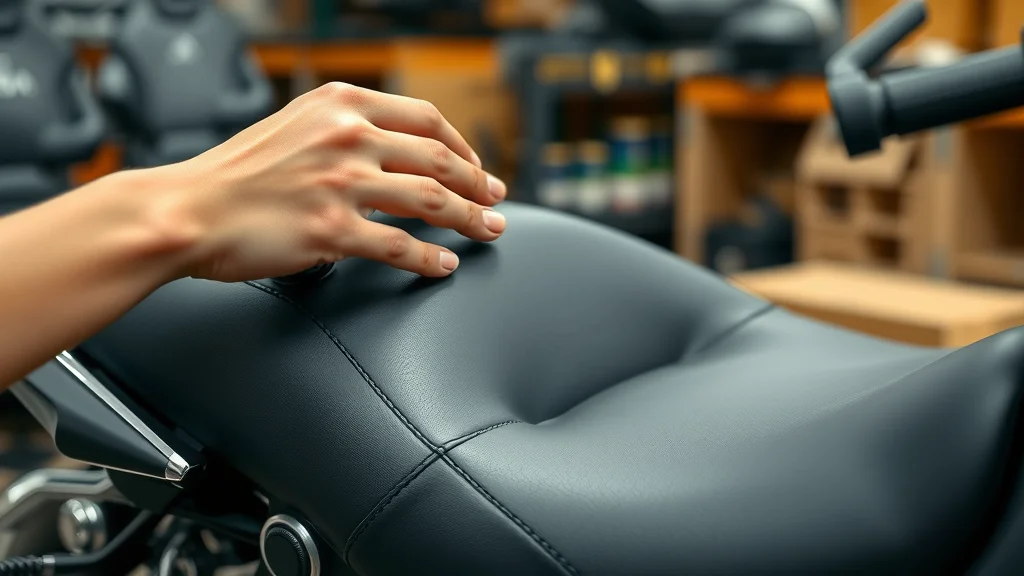
If you plan on riding long distances or tackling an all-day road trip, investing in ergonomic seat cushions and an adjustable backrest can make a tremendous difference. Gel or memory foam seat pads cushion vibration and pressure, while a quality backrest maintains lower back support, letting you sit upright with ease. These accessories aren’t just luxury items—they’re a good idea for anyone who wants to avoid sore muscles and fatigue during long periods on the bike. Even a slight enhancement in comfort encourages you to keep proper posture, supporting both health and enjoyment on your journey.

  • Gel or memory foam seat pads
  • Adjustable back rests

Close-up of ergonomic motorcycle seat cushion and adjustable backrest for posture and comfort

Handlebar Risers and Foot Peg Modifications

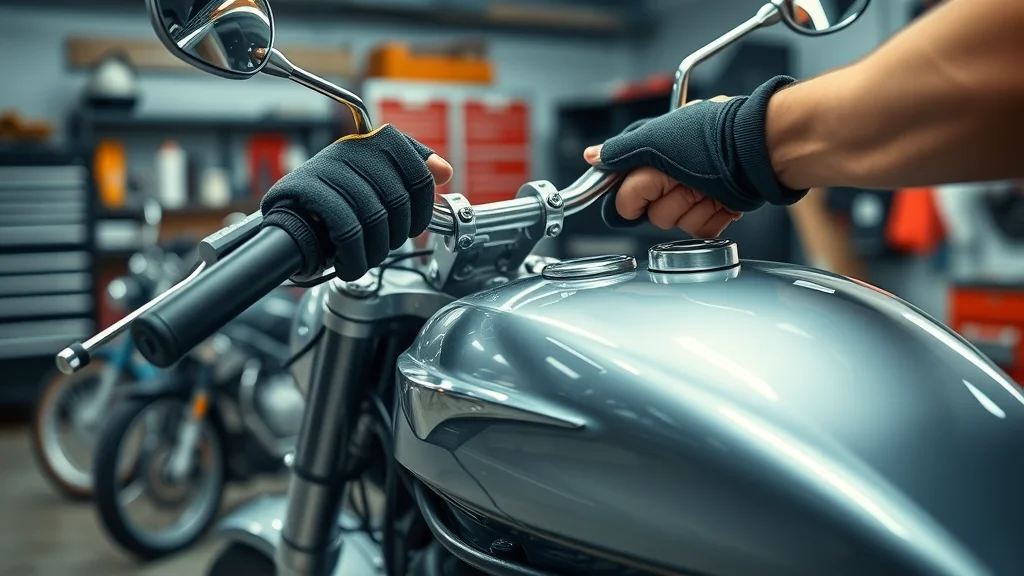
Another aspect of what to pack for motorcycle riding posture involves fine-tuning your bike’s controls. Adjustable handlebar risers allow you to position the bars so your arms remain only slightly bent—not locked or overextended. Likewise, pivoting foot pegs help align your hips and knees, offering crucial support for the lower body on a long distance ride. These add-ons lower the chance of aches, numbness, and muscle tension, letting you stay alert and safe. Always choose accessories that complement your unique riding style and cycle trip goals, instead of copying what others use—everyone's build and comfort needs are different.

  • Adjustable risers
  • Pivoting foot pegs

Mechanic installing handlebar risers and foot peg modifications for motorcycle trip comfort

Expert Tips: Packing for a Long Distance Motorcycle Trip and Good Posture

  • Minimize clothing changes, prioritize technical fabrics
  • Reassess load after every fuel stop
  • Spread weight equally in panniers
  • Keep water and first aid kit accessible

Savvy riders know the secret to a smooth motorcycle trip is efficient packing. Before setting out, lay out all gear and reassess if every item is truly necessary—less is usually more. Technical fabrics are a good idea because they dry fast, resist odors, and need less space for multiple days on the road. At every fuel stop, check your bags and their balance; fatigue happens quickly if a load shifts or one pannier gets too heavy. Always keep hydration and a basic first aid kit at the top of your pack for quick access—these support your comfort and safety, especially during long periods of riding.
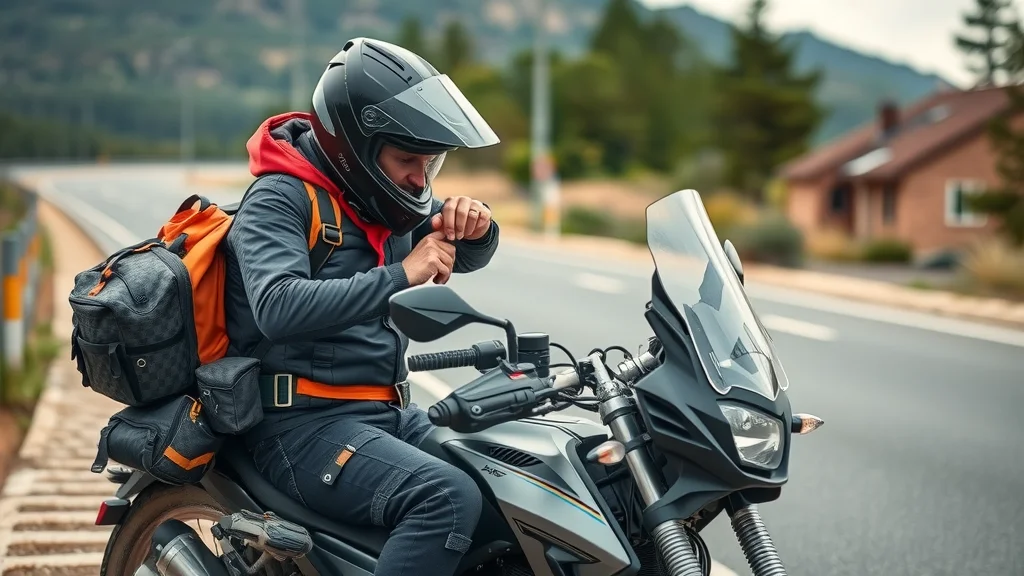
Adventurous rider checking and adjusting packed gear at a roadside stop for balanced weight motorcycle posture

People Also Ask About What to Pack for Motorcycle Riding Posture

How to improve POStUre on a motorcycle?

Improving your motorcycle posture starts with two elements: your riding position and your gear. Sit with your back straight, elbows slightly bent, and avoid hunching your shoulders. Wear supportive riding gear, such as an armored motorcycle jacket and well-designed boots. Packing heavy objects down low and balancing your panniers keeps you upright and relaxed. Taking breaks every 1-2 hours to stretch further prevents stiffness and discomfort during long periods of time.

What is the 1% rule in motorcycles?

The "1% rule" has nothing to do with posture or gear—it refers to a decades-old saying within motorcycle culture that 99% of riders are law-abiding, while 1% are not. For packing and posture, focus on best practices and safe, responsible touring—not outlaw myths or IQ test challenges!

What is the 4 second rule on a motorcycle?

The “4 second rule” is a safety guideline for following distance. When riding a motorcycle, keep at least four seconds between you and the vehicle ahead to ensure enough time for safe stopping or reacting to hazards. This mindful spacing contributes to a more comfortable, upright posture by letting you ride relaxed, not tense or anxious.

What does 2 fingers down mean to bikers?

When motorcyclists pass each other and give “2 fingers down,” it’s a friendly wave that stands for respect and wishing each other a safe ride. While it’s a social platform gesture among bikers, the biggest impact on your trip still comes from your packing and posture strategies, not just community signals.

Frequently Asked Questions About What to Pack for Motorcycle Riding Posture

  • What are the top three items to support good posture during a long motorcycle trip?
    The essentials are an ergonomic seat cushion, an armored motorcycle jacket, and properly fitted riding boots. These support your back, upper body, and lower body for maximum comfort on a motorcycle trip.
  • How frequently should I stop to stretch during a cycle trip?
    Aim to stop every 1-2 hours. Regular breaks allow you to stretch, relieve muscle tension, and reset your posture, especially during long distance rides.
  • Does a tool kit affect how you pack for posture?
    Yes. Place your tool kit low in panniers, not your backpack, to lower your bike’s center of gravity and prevent upper body strain. Smart packing keeps your posture neutral and controlled.
  • Are there posture-friendly alternatives to traditional saddlebags?
    Yes. Consider tank bags, tail bags with ergonomic supports, or modular luggage systems designed to distribute weight without shifting—these reduce strain and improve riding posture.

Watch: How to pack your motorcycle for optimal riding posture – step-by-step guidance from gear selection to ergonomic accessories.

Key Takeaways: Packing for Motorcycle Riding Posture

  • Correct packing is essential for comfort and safety during all motorcycle trips.
  • Choosing the right riding gear supports ideal motorcycle riding posture on long distance journeys.
  • Smart weight distribution and posture-promoting accessories help prevent fatigue.
  • Packing strategies can be adapted for every type of cycle trip, from commutes to cross-country adventures.

Enhance Your Ride: Call Nasty Performance Motorcycle Shop Today: 847-458-4858

Ready to upgrade your gear or customize your setup for the ultimate motorcycle trip? Call Nasty Performance Motorcycle Shop today at 847-458-4858 — your comfort, safety, and riding posture matter every mile of the way!

If you’re looking to take your motorcycle adventures to the next level, don’t overlook the importance of year-round maintenance. Discover expert advice and practical steps in Seasonal Bike Care Secrets Every Rider Must Know. This resource will help you keep your bike in peak condition, ensuring every trip is smooth, safe, and enjoyable—no matter the season or distance.
Riding Tips & Preps

0 Comments

Write A Comment

*
*
Please complete the captcha to submit your comment.
Related Posts All Posts

Expert Advice on Riding Through Traffic Safely and Stress-Free

A Startling Fact: Why Expert Advice on Riding Through Traffic Matters (Opening Hook) Did you know that urban riders are up to four times more likely to be involved in traffic-related incidents compared to those in less congested settings? This startling reality underscores the extraordinary importance of expert advice on riding through traffic, especially for those navigating city streets as motorcyclists or with shared bikes. Every commute carries hidden risks, from unpredictable motorists to blind spots and the constant pressures of road congestion. Equipping yourself with proven, professional strategies not only increases your chances of making every ride safer, but also transforms a stressful daily routine into a manageable—perhaps even enjoyable—part of your day. If you’ve ever felt nervous, impatient, or overwhelmed in traffic, this article will arm you with the insight and confidence you need to ride through the urban chaos safely and stress-free. Navigating Urban Traffic: Challenges and Solutions Riding a motorcycle safely in traffic or using a shared bike in bustling city centers presents a unique blend of challenges. Riders must contend not only with closely-packed vehicles and impatient drivers but also with unpredictable road conditions, limited escape lanes, and split-second decisions. One of the most common causes of personal injury among riders is failing to anticipate the movements of other road users—particularly when vehicles overlook blind spots or make sudden lane changes. For both seasoned motorcyclists and those just embracing shared bikes, mastering the city’s ebb and flow requires a proactive riding strategy. The good news is expert advice on riding through traffic outlines actionable techniques that turn these urban challenges into manageable routines. By prioritizing defensive riding, continuously observing your surroundings, and always having an “out”—an escape lane—you can drastically reduce your risk of a car accident or personal injury. With a dedicated focus on awareness, visibility, and adapting your approach based on traffic density and weather, you'll become a safer cyclist regardless of your experience level or choice of vehicle. While mastering traffic navigation is crucial, it's equally important to keep your bike in top condition throughout the year. For practical tips on maintaining your ride and ensuring peak performance in every season, check out these seasonal bike care secrets every rider should know. What You'll Learn From Expert Advice on Riding Through Traffic Key safety techniques for motorcycle riding in traffic Best practices for navigating dense traffic scenarios Strategies for stress-free shared bike or motorcycle use in city environments How to apply the basic rider principles for safely in traffic Expert Advice on Riding Through Traffic: Mastering Urban Mobility Successfully riding a motorcycle safely in traffic or maneuvering shared bikes in urban environments demands more than just courage—it requires well-honed skills and a deep understanding of city road dynamics. Expert advice on riding through traffic emphasizes anticipating potential hazards, using effective communication like hand signals, adapting speed, and strategic lane positioning. Mastering these skills helps riders avoid common pitfalls and creates a buffer between them and unpredictable situations. Riders who routinely apply expert insights become adept at recognizing early warning signs—such as distracted drivers, open car doors, and abrupt stops—allowing them to react calmly. Not only does this advocacy for defensive riding make every journey less stressful, but it also greatly reduces the likelihood of personal injury or involvement in a car accident. The core takeaway? Proactive habits and a commitment to continuous learning are foundational to motorcycle safely navigating even the busiest city streets. Core Principles: Motorcycle Safely in Traffic Anticipating driver behavior and identifying blind spots: Always assume that other drivers may not see you. Position yourself where you are visible and avoid lingering in blind spots, especially alongside large trucks and buses. Continuous scanning of mirrors and intersections improves your reaction time and keeps you ahead of hazards. Implementing defensive riding techniques: Defensive riding means assuming the worst and preparing accordingly. Maintain a safe distance using the 4 second rule. Never rely solely on traffic laws to protect you—expect that others may break them. Adopting this mindset transforms you into a basic rider who is vigilant and always has an escape lane in mind. Adapting speed and lane position for optimal safety: Adjust your speed to match the flow and always select the lane with the best view and flexibility. Avoid unnecessary lane changes that expose you to new dangers. In slow-moving traffic, consider “lane splitting” only where legal and safe, and never sacrifice your safety for time-saving or wanting to get ahead quickly. Shared Bikes: Unique Challenges and Expert Solutions Negotiating with larger vehicles for shared road space: Shared bike riders must exercise extra caution while navigating city streets, as they're less visible and more vulnerable compared to motorcyclists. Establish eye contact with drivers at intersections, stay out of blind spots, and always use clear hand signals when turning or stopping. Negotiating space can be daunting when roads are tight, but riding predictably and steadily increases your chances of being seen and respected by other road users. Benefits and drawbacks of using shared bikes in heavy traffic: Shared bikes offer agility and the ability to bypass congestion, making them an attractive choice for urban commutes. However, they also come with a learning curve, particularly for those unfamiliar with city cycling. The lightweight nature of shared bikes and sometimes less robust braking systems require extra awareness and smoother maneuvering, especially when personal injury risks are higher amidst fast-moving or inattentive drivers. Essential Tips for Riding Through Traffic Safely and Stress-Free (List) Maintain constant vigilance: Regularly check your mirrors and surroundings, watching for sudden lane changes, opening car doors, and erratic driving. Staying alert and scanning for potential hazards keeps you prepared to react and reduces the risk of being involved in a car accident. Use the 4 second rule for safe following distance: Ensure you have at least four seconds between you and the vehicle ahead. This buffer gives you enough space and time to maneuver safely, improving your ability to avoid collisions and stopping unexpectedly. Avoid sudden maneuvers: Sudden braking or sharp acceleration increases the risk of skidding or losing control. Always perform actions smoothly and predictably, allowing those around you to anticipate your moves—an essential quality of a basic rider and a core principle for motorcycle safely in traffic. Be visible: Use reflective gear, keep your lights on during daytime, and use hand signals in addition to your vehicle’s signals. High visibility helps ensure that you “stay visible” and avoid blind spots—especially crucial when sharing roads with larger vehicles. Mind the weather: Rain, fog, or low-light conditions demand slower speeds, greater following distances, and gentler braking skills. Adjusting to the environment demonstrates advanced awareness and transforms you into a safer cyclist all around. Expert Quotes: Real-World Insights on Safely in Traffic "Experience and preparation are your best defense against unexpected hazards on the road. Approach each ride as if you are invisible to others." – Certified Motorcycle Instructor "The key is to remain calm and patient, even when others are impatient. Stress-free riding saves lives." – Urban Traffic Safety Expert Comparison Table: Basic Rider Strategies for Shared Bikes vs. Motorcycles in Traffic Rider Type Safety Strategies Traffic Challenges Expert Advice Motorcycle Maintain lane discipline Constant mirror checks Adopt defensive riding Use 4 second rule Blind spots from larger vehicles Sudden stops High personal injury risk in car accident Anticipate driver mistakes Stay visible with gear and lights Always plan an escape lane Shared Bike Ride predictably, signal turns Wear reflective gear Use marked bike lanes Adapt speed in high traffic Requires extra caution for visibility Learning curve for new riders Mixed-traffic dangers Negotiate space, avoid aggressive lanes Stay calm, gradually increase skill level Never assume others see you People Also Ask: Addressing Common Concerns About Riding Safely in Traffic What is the 75 rule in cycling? Answer: The 75 rule in cycling advises that 75% of your training should be at a comfortable, sustainable pace—this can also help in traffic by ensuring you have energy and alertness to react to hazards. What are the 3 C's of driving? Answer: The 3 C's are Courtesy, Caution, and Common Sense; applying these can enhance your ability to ride through traffic safely and with less stress. What is the 4 second rule on a motorcycle? Answer: The 4 second rule means maintaining at least a four-second gap from the vehicle in front—critical advice for expert riding in busy or unpredictable traffic. What do I do if I have to pee and I'm stuck in traffic? Answer: Plan for breaks ahead of urban rides. If you’re stuck, look for safe exits or parking lots to stop at the first safe opportunity—never risk your safety for comfort in traffic management. FAQs: More Expert Advice on Riding Through Traffic How do I keep calm during traffic jams on a motorcycle? Practice deep, steady breathing, keep your grip gentle, and listen to calming music with a safe Bluetooth headset. Focusing on small, controlled actions can prevent stress from escalating in heavy congestion. What gear is essential for shared bikes in city traffic? Always wear a helmet, reflective vest, front/rear lights, and gloves. Consider additional knee/elbow padding for an added layer of protection, especially if you’re new to city cycling or aware of a steep learning curve. What’s the best way to handle aggressive drivers while motorcycle safely in traffic? Keep your distance, avoid engaging or making eye contact, and never compete for space. Always have an escape lane in mind and let the aggressor go ahead to maintain a safer riding environment. Key Takeaways: Riding Through Traffic Safely and Stress-Free Anticipate, observe, and stay defensive to ride through urban traffic confidently Embrace patience and best practices to reduce stress Apply core safety rules—like the 4 second rule—to all riding situations Ready to Get Expert Advice for Your Next Ride? Call Nasty Performance Motorcycle Shop Today: 847-458-4858 Take real expert advice on riding through traffic to heart—stay alert, ride defensively, and keep each journey smooth and stress-free! Urban riding is a journey of continuous improvement, and the more you invest in your skills and your bike, the more rewarding and safe your experience becomes. If you’re looking to take your riding confidence to the next level, consider exploring advanced maintenance and care strategies that keep your motorcycle or shared bike performing at its best, no matter the season. Discover how proactive upkeep can complement your traffic skills by reading about essential seasonal bike care secrets. With the right knowledge and preparation, every ride can be smoother, safer, and more enjoyable—rain or shine.

Master this Step-by-Step Guide to Motorcycle Cornering Techniques Now

Did you know? According to industry experts, improper motorcycle cornering is among the leading contributors to preventable road accidents—mastery can be the difference between confidence and catastrophe. Unlocking the secrets of the art of cornering not only sharpens your skills but also boosts your safety on the road and enjoyment with every ride. If you're ready to elevate your cornering skills, this step-by-step guide to motorcycle cornering techniques is your best starting point. Unveiling the Art of Cornering: Why a Step-by-Step Guide to Motorcycle Cornering Techniques Is Essential Motorcycle cornering is more than just leaning into a curve—it's a craft that blends physics, instinct, and precise control. Whether you’re a seasoned motorcycle enthusiast or a beginner just exploring the basics, understanding the step-by-step guide to motorcycle cornering techniques is critical for refining your motorcycle turning technique. Every turn presents a new challenge. When you master the art of cornering, you gain the confidence to navigate corners with agility, maintain a smooth line, and facilitate smooth steering through every bend. Giving the steering command at the right moment, maintaining a smooth speed, and adjusting your body position can mean the difference between a perfect corner and a near miss. Riders who follow a structured approach often notice that they can carry more speed safely and maintain stability even in challenging road conditions. Improving your cornering skills is not just about speed—it's about control, awareness, and enjoying every twist and turn on your route. "According to industry experts, improper motorcycle cornering is among the leading contributors to preventable road accidents—mastery can be the difference between confidence and catastrophe." What You'll Learn in This Step-by-Step Guide to Motorcycle Cornering Techniques Understanding motorcycle turning technique fundamentals Mastering body position and throttle control Improving tire pressure management for optimal turning Step-by-step instruction for safe and confident motorcycle turning Critical dos and don’ts of motorcycle cornering Understanding the Foundations: Motorcycle Turning Technique and the Physics Behind Motorcycle Cornering The Role of Gravity and Balance in Effective Motorcycle Turning To appreciate the art of cornering, start with the basics: gravity and balance. As you enter a turn, your motorcycle leans inward to counteract the forces pushing you outward, maintaining contact with the road and ensuring stability and control. This balance is foundational to every motorcycle turning technique. By aligning your center of gravity with the intended trajectory and resisting the urge to fight momentum, you help maintain a smooth path through the corner. Proper body movements, such as placing the balls of your feet on the foot pegs and keeping your weight lower, make the bike more responsive to your inputs and boost the contact patch your tire has with the pavement. Understanding balance and gravity is not just theoretical—it's the real-world basis of every safe and effective turn. Advanced riders make subtle adjustments with every curve, shifting weight, and giving the steering command precisely when needed. This foundational knowledge ensures that every technique you practice has a solid base, reducing risks and improving your overall mastery of motorcycle cornering. How Mastering the Art of Cornering Boosts Confidence The journey to mastering the art of motorcycle cornering goes beyond following instructions—it's about cultivating confidence. Each moment spent refining your turning technique on winding roads or closed courses builds trust in yourself and your bike. Mastery comes from knowing how your inputs—steering, throttle, or body position—directly impact the motorcycle’s response. When riders are confident, they naturally give the steering command without hesitation, maintain a smooth line through the turn, and make real-time adjustments if the road surface changes. This confidence translates to a more enjoyable ride, as you’re able to navigate corners with less anxiety and more focus. As you progress, you'll notice that your ability to remain calm under pressure also improves your safety on the road, turning every challenging curve into an opportunity to shine. As you continue to refine your cornering skills, it's important to remember that the condition of your motorcycle plays a significant role in your performance and safety. For a deeper dive into keeping your bike in peak shape throughout the year, check out these seasonal bike care secrets every rider must know—they offer practical maintenance tips that complement your riding technique. Step 1: Preparing Your Motorcycle—Tire Pressure and Pre-Ride Inspection Importance of Tire Pressure in the Step-by-Step Guide to Motorcycle Cornering Techniques Before you even think about tackling curves, it’s crucial to set the stage for success. Tire pressure is a key factor in every step-by-step guide to motorcycle cornering techniques. Properly inflated tires ensure a maximum contact patch with the road, helping the bike respond predictably when leaned over. Too little pressure risks squirmy, unpredictable handling, while too much reduces grip—both compromising your safety on the road. Regularly calibrate your pressure to the manufacturer's spec, and remember that environmental changes like temperature and load (e. g. , a passenger or added luggage) can affect optimum tire pressure. The right tire pressure aids stability and helps maintain the feedback every rider relies on. Smooth steering inputs are easier when your tires adhere properly to the road, significantly impacting your ability to give the correct steering command and maintain control during sudden maneuvers or on varied surfaces. This simple step not only supports your cornering skills but also extends the lifespan of your tires. Essential Pre-Cornering Motorcycle Checks Safety always starts before you even roll out of the driveway. Developing an inspection routine helps avoid surprises mid-corner. Begin with a thorough check of your motorcycle’s tires—look for any visible damage, wear, or debris lodged in the treads. Next, inspect your brake system, making sure pads have enough material, and the braking action feels strong and responsive. Don’t forget to confirm fluid levels—oil, brake fluid, and coolant—are within safe limits. A simple list to remember before every ride includes: Check tire pressure and condition Inspect brakes Ensure fluid levels Well-maintained components help maintain a smooth ride and facilitate seamless motorcycle turning whenever you need it—especially when your focus should be on perfecting your technique, not worrying about your bike’s reliability. Step 2: Body Position—A Key Element in Motorcycle Turning Techniques Correct Body Position for Improved Cornering Skills Body position is at the heart of advanced motorcycle turning technique. A proper body position sets the stage for safe, predictable, and confident cornering. The key is to shift your weight in harmony with the motorcycle, reducing load on the tires as you lean into a curve. As you approach the turn, keep your head level with the horizon and direct your eyes toward your steering point or the exit of the corner—never down at the road. Your inside arm should be relaxed, and your outside knee pressed gently against the fuel tank, maximizing grip and stability. When you adjust your seating, consider placing the balls of your feet on the pegs, which allows subtle weight changes to be transferred efficiently. With your upper body leaning slightly into the turn but your lower body secured, the motorcycle can rotate beneath you unrestricted, improving traction and helps maintain stability. Many pro riders also recommend keeping your chin in line with the mirrors or bars, which makes it easier to predict and react to the motorcycle's lean angle. Over time, practicing these small adjustments will facilitate smooth transitions and boost your ability to navigate corners at a confident pace. Common Body Positioning Mistakes in Motorcycle Turning New riders often underestimate the power of a well-timed weight shift during a corner, but missteps with body position can dramatically reduce your control. Common mistakes include keeping your body too upright while the bike leans, gripping the bars too tightly, or failing to look through the corner. These errors not only disrupt balance but also limit your ability to give the right steering command, especially in tighter turns. Another frequent pitfall is sitting too far back on the seat or neglecting seat covers that provide needed grip. When your position doesn’t match the bike’s movement, you put extra stress on your wrists and can trigger unintended steering, which disrupts the smoothness of your turn. Always be mindful of situational awareness—if you catch yourself tensing up, take a deep breath, relax your grip, and realign your gaze with the intended exit. Mastering these fundamentals means fewer surprises and a stronger foundation for advanced motorcycle turning technique. Comparison: Beginner vs. Advanced Body Position in Different Corner Types Corner Type Beginner Advanced Gentle Sweeper Upright torso, minimal weight shift, eyes straight ahead Leans with bike, inside shoulder forward, gaze follows exit Tight U-turn Hesitant body movement, stiff arms, limited lean Active shifting of waist, relaxed arms, confident lean angle Chicane/S-curve Slow reactions, late gaze movement, inconsistent balance Smoothly transitions body side-to-side, anticipates steering point Step 3: Throttle Control—Smooth Operation for Mastering the Art of Cornering Throttle Control Techniques for Safe Motorcycle Turning A cornerstone of any step-by-step guide to motorcycle cornering techniques is learning how to blend throttle control with body position and steering input. As you transition from braking into a lean, maintain a light, steady throttle—not abrupt or aggressive. This smooth application helps keep weight evenly distributed between the front and rear tires, which in turn keeps the chassis balanced and gives the greatest scope for stable motorcycle turning. Advanced riders often use a gentle roll-on at the apex, allowing the engine to facilitate smooth acceleration while exiting the corner. This technique is essential: it anchors the rear of the bike without unsettling the front end, providing a locked-in sensation as the motorcycle follows your intended line. Avoid abrupt changes, as these can shift your balance and decrease contact with the road, leading to unstable or compromised handling. Consistent practice ingrains this behavior until it becomes second nature, giving you confidence for every curve. Using Throttle to Stabilize the Motorcycle During Cornering Throttle isn’t just about powering out of a corner—it’s a tool for regulating balance. As you lean, a constant or slightly increasing throttle stabilizes the chassis, helping the suspension settle smoothly. When you roll off too much or chop the throttle suddenly, weight shifts forward, compressing the forks and potentially unsettling the steering. Learning when and how to gradually increase speed during and after the apex is a mark of mastering the art of cornering. On a track day or twisty back road, practice modulating the throttle in conjunction with light counter-steering. This not only maintains a smooth riding experience but also prepares your body and mind to respond to sudden changes—a skill vital for emergency situations. Consistency in throttle control builds muscle memory, which is invaluable as you tackle increasingly complex bends and roads. Step 4: The Cornering Sequence—The Complete Step-by-Step Guide to Motorcycle Cornering Techniques Approach: Positioning and speed control Entry: Initiate lean with proper turning technique Apex: Maintain balance and throttle control Exit: Upright and accelerate smoothly Let’s tie all elements together with a full cornering cycle. Begin with the approach: scan for hazards and set a proper speed ahead of the turn. Your positioning should provide a clear view of your steering point and leave room for adjustments. As you initiate the entry, give a precise steering command while leaning into the curve; your movement should be subtle and in sync with the motorcycle. At the apex—the turn’s tightest point—maintain balance by focusing on body position and a gentle, steady throttle. This holds the line and prevents the bike from running wide. Finally, as you exit, begin to straighten the bars, return the motorcycle upright, and gradually increase throttle to accelerate out of the turn safely. Practicing this sequence builds trust in your motorcycle turning technique and enhances your overall cornering skills, no matter the road ahead. Special Situations: Adapting the Step-by-Step Guide to Motorcycle Cornering Techniques for Wet Roads and Obstacles Modifying Motorcycle Turning Techniques in Low Grip Conditions Challenging weather or road surfaces—like rain, gravel, or oil spots—demand an extra layer of finesse. In low grip scenarios, the art of cornering requires you to be deliberate and conservative in your movements. Reduce cornering speed and avoid sudden inputs; give the steering command much earlier, and opt for a wider line if possible to maximize tire contact with the road. Smooth and consistent throttle control is your friend here—any abrupt change risks losing traction. When conditions are slick, stay upright as much as possible, minimize lean angles, and remember to keep your body position relaxed. It helps to use seat covers with extra grip and always wear proper gear to mitigate slips. This approach lets you navigate corners and obstacles with greater confidence, even when the pavement is unpredictable. Counter-Steering and Advanced Cornering Skills in Emergencies The principle of counter-steering is powerful in emergencies. When you need to avoid an obstacle, give a gentle push on the bar in the direction you want to go (push right to go right), quickly changing the bike’s trajectory. Practicing this advanced motorcycle turning technique on open roads helps ingrain an instinctive reaction for urgent maneuvers. Remember, being ready to shift your weight, maintain a smooth grip, and apply the right steering command all contribute to rapid, stable line changes. Never underestimate the importance of ongoing drills that reinforce emergency skills. As you develop confidence with standard turns, periodically simulate obstacles or interfere with the path to test your response. This proactive approach is what sets experienced riders apart, allowing you to maintain safety on the road and recover from the unexpected with poise. People Also Ask: Step-by-Step Guide to Motorcycle Cornering Techniques [[paa]] Answers to Common Questions What is the single most important factor for safe cornering? Maintaining proper body position and throttle control are crucial. By aligning your body with the bike and applying smooth throttle, you maximize tire grip and reduce risk of instability, making every turn predictable and secure. Should I brake while leaned over in a corner? Ideally, most braking should be done before entering the turn. Braking while leaned over can upset the bike’s balance, but if necessary, use gentle rear brake pressure and avoid abrupt inputs to prevent loss of grip. How can beginners get better at giving the steering command? Practice looking through the turn, relaxing your grip, and gently counter-steering. These habits make giving the correct steering command more natural, even for new riders. Common Mistakes to Avoid: Developing Better Motorcycle Turning Technique Over-braking in the corner Looking down instead of ahead Improper body position Ignoring tire pressure or surface changes Each of these errors can disrupt your motorcycle turning technique and undermine your progress. Focus on smooth inputs, maintain awareness of your surroundings (especially changing road surfaces), and keep your posture in check whenever cornering. Emphasize pre-ride inspections and ongoing self-review to steadily improve your skills and avoid these common pitfalls. Expert Insights: Mastering the Art of Motorcycle Cornering "Each ride is an opportunity—never underestimate the value of incremental gains in cornering skills." Mastering the art of cornering doesn't happen overnight. It’s a process that involves repeated practice, review, and a willingness to adapt. Even small improvements—fine-tuning your throttle control or adjusting your body position by an inch—lead to major breakthroughs over time. Take every ride as a learning opportunity, and your self-confidence and riding precision will grow in parallel. FAQs: Step-by-Step Guide to Motorcycle Cornering Techniques How does tire pressure specifically affect motorcycle cornering? Optimum tire pressure improves the tire's contact with the road, giving you predictable grip and smoother steering response mid-corner. Too high or low pressure makes the bike harder to handle and can trigger instability. What drills can improve body position in real-time? Parking lot slow-speed turns, figure-eights, and practicing line of sight through cones are excellent drills. Focus on shifting your weight, maintaining a relaxed grip, and using visual targets to set your steering point. Is there an ideal speed for most corners? There’s no universal answer since corner speed depends on the radius, visibility, road conditions, and your own skill level. Always set your speed ahead of time, give the proper steering command on entry, and never ride beyond your comfort zone. Key Takeaways for Mastering the Art of Motorcycle Cornering Preparation and practice make all the difference Body position and throttle control complement each other Consistent review and adaptation improve motorcycle turning techniques If you’re committed to becoming a more skilled and confident rider, remember that mastering cornering is just one part of the journey. Expanding your knowledge about comprehensive motorcycle care can further enhance your safety, performance, and riding enjoyment in every season. For advanced tips on keeping your bike in optimal condition—no matter the weather—explore the full guide on seasonal bike care secrets every rider must know. By combining expert riding techniques with proactive maintenance, you’ll be ready to tackle any road with assurance and style. Ready to Put These Step-by-Step Motorcycle Cornering Techniques into Action? Call Nasty Performance Motorcycle Shop Today: 847-458-4858

Top 10 Motorcycle Gear Essentials for Safety and Comfort

Did you know that wearing proper motorcycle gear can reduce the risk of severe injury by nearly 70%? The right gear isn’t just about looking cool—it’s truly a matter of life and death on the road. If you’re looking to maximize your motorcycle safety and comfort, understanding these top 10 motorcycle gear essentials is your best first step. Let’s break down the gear that could save your ride—and your life!Why the Top 10 Motorcycle Gear Essentials Matter for Every Rider"According to the Insurance Institute for Highway Safety, wearing the right motorcycle riding gear can reduce the risk of severe injury by nearly 70%. The right gear isn’t just about style—it’s about survival."Learn why prioritizing the top 10 motorcycle gear essentials is a lifesaver for new and experienced riders alike. Discover how investing in the right motorcycle gear and motorcycle riding accessories protects you from unforeseen motorcycle accidents.What You'll Learn About Top 10 Motorcycle Gear EssentialsThe most important top 10 motorcycle gear essentials that every rider should ownHow specialized motorcycle riding gear enhances comfort and safetyTips for choosing high-quality motorcycle gear to fit your riding styleThe science behind top-rated gear and its role in motorcycle accident preventionTable: Overview of the Top 10 Motorcycle Gear EssentialsGear EssentialKey Safety FeaturesAverage Price RangeBest Use-Case ScenarioMotorcycle HelmetDOT/ECE/Snell certification, full-face coverage, EPS liner$120–$800All riders, highway & city ridingMotorcycle JacketAbrasion resistance, impact armor, ventilation$100–$600Year-round, commuting & touringMotorcycle PantsReinforcement, armor, weatherproofing$80–$400Long rides, sport, adventureMotorcycle GlovesKnuckle armor, slide protection, grip enhancement$40–$200All weather, long & short tripsMotorcycle BootsAnkle protection, grippy sole, waterproofing$70–$350Daily riding, touring, sportBack Protector/Body ArmorCE-rated protection, flexible fit$50–$200High-speed, off-road, commutingEye ProtectionUV filtering, anti-fog, impact resistance$30–$150Open face helmets, night ridingBase LayersMoisture-wicking, temperature regulation$20–$100Seasonal riding, long tripsReflective/High-Visibility VestReflective material, adjustable fit$15–$60Night, rain, low-visibilityCommunication DevicesBluetooth, GPS, SOS alert$80–$350Group rides, solo trips, emergenciesAs you consider which gear to prioritize, it's also important to think about how your equipment and accessories can adapt to changing conditions throughout the year. For practical advice on keeping your motorcycle and gear in top shape no matter the season, check out these seasonal bike care secrets every rider should know—a helpful resource for maintaining both safety and comfort as the weather shifts.The Top 10 Motorcycle Gear Essentials for Safety and Comfort1. High-Quality Motorcycle Helmet: The Foundation of Motorcycle Riding SafetyDOT, ECE, and Snell ratingsFull-face vs. modular optionsIntegrated visor and ventilationYour helmet is the single most essential piece of motorcycle riding gear. When you ride, your head is the most vulnerable part of your body, and statistics prove that a properly fitted, high-quality motorcycle helmet with a DOT, ECE, or Snell rating significantly reduces the risk of head injuries during a motorcycle accident. Full-face helmets offer superior protection against impact, weather, and road debris, while modular helmets provide extra versatility for riders who value both safety and convenience. Key features to prioritize include an EPS liner for shock absorption, robust chin straps, integrated visors to shield your eyes, and efficient ventilation systems for comfort on long motorcycle rides. Investing in a helmet that meets or exceeds certification standards not only ensures your safety but also complies with helmet laws—helping you ride legally wherever your adventures take you.2. Motorcycle Jackets: Combining Protection and Style in Motorcycle Riding GearAbrasion-resistant materialsArmor placementAll-weather advantagesThe right motorcycle jacket delivers much more than personal style—it’s your armor against the asphalt. Whether you prefer the classic look of a leather jacket or the versatility of modern textiles, focus on abrasion-resistant materials and integrated body armor at crucial impact zones like the shoulders, elbows, and back. Motorcycle jackets often include features for all-weather compatibility: zippered vents for summer, waterproof layers for rain, and removable linings for cooler rides. When selecting motorcycle clothing, look for certification tags proving the armor meets CE standards. Well-chosen riding gear will not only protect you in the event of a crash but will also keep you comfortable and confident across varying riding conditions.3. Motorcycle Pants: Essential Comfort and Protection on Long Motorcycle RidesKevlar-reinforced and armored pantsImpact zones and weatherproofingWhile jackets get all the attention, motorcycle pants are an indispensable part of high-quality riding gear. Unlike jeans, which offer minimal abrasion resistance, motorcycle pants feature heavy-duty fabrics (like Kevlar or Cordura) and removable armor at the knees and hips—the very places that often take the brunt of a motorcycle accident. Motorcycle jeans blend casual looks with robust reinforcement, allowing riders to transition seamlessly from the road to their daily routines. Opt for pants with weatherproof membranes to stay dry and comfortable, and choose fits that allow freedom of movement while still maintaining snugness for impact protection. Long rides demand comfort, so never underestimate the value of a well-fitted pair of riding pants.4. Motorcycle Gloves: Enhancing Grip and Safety in All Riding ConditionsReinforced knucklesTouchscreen compatibilitySeasonal variationsIt’s instinctive to stick your hands out to break a fall—which makes motorcycle gloves a crucial part of your defensive arsenal. High-quality gloves are designed not only for impact protection (with reinforced knuckles and padded palms) but also for optimal grip in wet and dry conditions. Many models are touchscreen compatible, so you won’t have to remove them for navigation checks. Remember, wearing gloves dramatically reduces the risk of hand injuries during a motorcycle accident, and they can also prevent numbness and blisters on long motorcycle rides. Pick gloves tailored to the season: ventilated for summer, insulated for winter, and always reinforced for safety.5. Motorcycle Boots and Riding Boots: Stability and Shielding for Every RideAnkle protectionGrippy solesWeather resistanceGood motorcycle boots or dedicated riding boots offer a blend of comfort, protection, and style that’s hard to beat. Unlike regular footwear, these boots feature reinforced toe boxes, ankle protection, and grippy soles for secure contact with your bike’s controls. The structure of riding boots is engineered to prevent foot and ankle injuries that are common in falls, providing vital protection in the event of a crash. Water resistance ensures your feet stay dry during rain, while breathable linings prevent overheating. Look for boots that reach above the ankle for maximum coverage, and always choose pairs designed specifically for motorcycle riding, as their unique features offer unmatched stability and safety.6. Back Protector and Body Armor: Key Motorcycle Riding Gear for Impact ProtectionCE-rated armorTypes: insert vs. standaloneHow body armor reduces motorcycle accident injuriesOften overlooked but immensely important, back protectors and full body armor can mean the difference between a minor bruise and a life-altering injury. CE-rated back protectors absorb and dissipate the force of impacts to the spine during a motorcycle accident. They are available as inserts (which slip into compatible jackets) or as standalone units you can strap to your torso. Full body armor sets, covering the chest, shoulders, and back, are particularly valuable for riders who engage in high-speed or off-road riding. Medical studies show these protective devices are highly effective in minimizing spinal and torso injuries in the event of a crash. For any serious rider, body armor isn’t optional—it’s an essential piece of safety equipment.7. Eye Protection: Safeguarding Vision During Every Motorcycle RideHelmet visors vs. gogglesUV protectionAnti-fog solutionsClear vision is non-negotiable for motorcycle safety. Eye protection—whether it’s a helmet visor or a quality set of goggles—shields your eyes from dust, bugs, wind, and harmful UV rays. For open-face helmets, dedicated motorcycle goggles with anti-fog and anti-scratch coatings offer the best defense against environmental hazards. UV-protective lenses reduce eye strain on sunny days, while treated visors maintain clarity in rainy or humid conditions. Advanced visors may also include pinlock inserts to prevent fogging on cool mornings. Don’t ignore this essential piece of motorcycle gear; protecting your sight helps you spot road hazards sooner and react quicker, keeping your motorcycle ride safe and comfortable.8. Base Layers: Temperature Regulation for Optimal Riding Gear ComfortMoisture-wicking fabricsLayering for cold and hot climatesComfort is a huge factor in safe riding, and it starts with what you wear closest to your skin. High-quality base layers made from moisture-wicking fabrics move sweat away from your body, keeping you dry in all climates. During cold rides, thermal base layers trap body heat, while in hot weather, lightweight synthetic or wool materials help your skin breathe and cool down efficiently. Layering your motorcycle riding gear with technical base layers not only improves comfort but also extends the performance of your outer gear—making every motorcycle ride easier and safer.9. Reflective or High-Visibility Vests: Motorcycle Accessories for Night and Low-Light ConditionsRecommended standardsIntegration with motorcycle jackets and pantsStatistics show that motorcycle accidents are more likely to occur at night or in low light, underscoring the need for high-visibility gear. Reflective or high-visibility vests dramatically boost your presence on the road by making you stand out to motorists. Quality vests use ANSI or EN471-certified materials and are designed to integrate over or within your existing motorcycle jackets and pants without restricting movement. Reflective piping and neon panels catch headlights from every angle, reducing your risk of injury when visibility drops. Never underestimate this simple, low-cost piece of gear—investing in good reflective accessories could save your life.10. Communication Devices: Ride-Enhancing Motorcycle AccessoriesBluetooth helmet systemsNavigation and emergency call functionsModern communication devices are much more than luxury motorcycle accessories. Bluetooth helmet systems let you stay in touch with fellow riders, receive voice navigation, and make emergency calls without having to pull over. Many contemporary units are waterproof, noise-cancelling, and easy to use with gloved hands. Advanced systems offer group intercom functions, live hazard alerts, and even music streaming to make your ride more enjoyable. By keeping you connected and informed, these accessories add a new layer of safety and convenience—making them a worthwhile investment for both solo and group rides.How the Right Motorcycle Riding Gear Prevents Motorcycle Accident InjuriesResearch data on gear-related injury reductionReal-world examples of effective riding gear use during accidentsSelecting riding gear for impact and abrasion protectionNumerous studies confirm that wearing certified motorcycle gear is directly linked to a substantial reduction in the risk of injury. The Insurance Institute for Highway Safety highlights that gear like a high-quality helmet, sturdy motorcycle boots, and CE-rated body armor drastically reduce the severity of injuries sustained during a motorcycle accident. Riders who invest in all 10 essential pieces of motorcycle riding gear consistently fare better in crashes, often walking away with minor scrapes instead of life-altering trauma. Real-world case studies reveal countless situations where durable motorcycle jackets, reinforced riding pants, and robust gloves prevented deep abrasions and even broken bones. Selecting gear that meets certification standards and fits your specific riding needs is not just a smart choice—it’s a proven strategy for safe, confident riding.Understanding how to properly fit your motorcycle gear is critical—improperly adjusted gear won’t offer the full level of protection or comfort intended. Watch this detailed instructional video on correct fitment, adjustment, and safety checks for helmets, jackets, gloves, pants, boots, armor, and more using a real rider model. See how each essential piece should feel, the safety features to check, and how to avoid common fitting pitfalls.Good maintenance extends the life of your motorcycle riding gear and preserves its protective qualities. In this practical video guide, learn step-by-step cleaning routines, armor inspections, waterproofing techniques, and storage tips for each of your top 10 motorcycle gear essentials—helping you get the best value and confidence from your investment.Expert Tips on Selecting the Best Motorcycle Gear and Motorcycle AccessoriesHow to balance comfort, protection, and budgetEvaluating fit and certification labelsWhy investing in quality riding gear is a smart decisionChoosing the best motorcycle gear is about more than picking the flashiest style or the cheapest option. Always start by balancing comfort and protection—your gear should fit snugly without restricting movement and must carry visible certification labels for impact and abrasion standards. Test multiple brands to find the perfect size, and never compromise on protective features for the sake of cost or looks. Consider the climate you ride in most frequently and opt for weather-appropriate features (like ventilation or waterproof membranes). While high-quality gear may seem pricey, its durability and superior protection save money—and potentially your life—in the long run. Whenever possible, try on gear in person before buying, ensuring all critical zones are covered and that the fit supports full range of motion on your motorcycle ride.People Also AskWhat motorcycle gear is essential?Essential motorcycle gear includes a helmet, jacket, pants, gloves, boots, back protector, eye protection, base layers, reflective vests, and communication devices. Each piece is critical for safety, comfort, and legal compliance on any motorcycle ride.What is the 2 4 12 second rule on a motorcycle?This rule helps motorcycle riders manage space and reaction time: scan 2 seconds ahead for hazards, maintain 4 seconds behind moving vehicles, and look 12 seconds ahead to anticipate traffic changes and avoid motorcycle accidents.What does every motorcycle rider need?Every rider needs the top 10 motorcycle gear essentials for protection, including helmet, riding gear, boots, gloves, and often useful motorcycle accessories for increased safety and comfort.Is $1000 a good down payment for a motorcycle?A $1000 down payment on a motorcycle is generally advisable, improving loan terms and showing financial responsibility, but always consider total costs such as insurance and essential motorcycle gear.Advantages of Investing in High-Quality Motorcycle Riding GearEnhanced protection against motorcycle accidentsImproved comfort on long motorcycle ridesDurability that saves money over timeQuality motorcycle riding gear offers multiple benefits: it dramatically reduces the risk of injury in an accident, provides comfort during every ride (even in challenging weather), and, thanks to robust materials, requires less frequent replacement. Smart riders view gear as a long-term investment in both safety and enjoyment.Key Takeaways: Top 10 Motorcycle Gear Essentials ChecklistPrioritize certified helmets and back protectors.Opt for weather-appropriate motorcycle riding gear.Always use gloves and riding boots.Never overlook reflective gear and accessories.Reinvest in gear after any serious motorcycle accident.FAQs: Common Questions about Motorcycle Gear EssentialsQ: How often should I replace my motorcycle helmet?A: Every 5 years, or immediately after a crash.Q: Can I use regular boots instead of motorcycle boots?A: Specialized motorcycle boots offer superior protection and grip.Q: What’s the best fabric for motorcycle jackets?A: Leather and textile both provide excellent protection when armor is included.Conclusion: Stay Safe and Comfortable With the Right Motorcycle Gear"Outfitting yourself with the top 10 motorcycle gear essentials isn’t just recommended—it's non-negotiable for responsible riders. Safety and comfort travel together, every mile."Equipping yourself with the right motorcycle gear is just the beginning of a safer, more enjoyable riding experience. To truly get the most out of every season and ensure your investment in gear pays off, it's wise to adopt a holistic approach to motorcycle care. For deeper insights on how to protect your bike and gear year-round, explore our expert guide on seasonal bike care strategies. You'll discover practical tips that go beyond the basics, helping you ride with confidence no matter what the weather brings. Take your safety and comfort to the next level by making maintenance and preparation part of your regular routine.Ready to Gear Up?Call Nasty Performance Motorcycle Shop Today: 847-458-4858

© 2026 Nasty Performance All Rights Reserved. 2035 S. Eastwood Dr., Woodstock, IL 60098 . Contact Us . Terms of Service . Privacy Policy

eyJjb21wYW55IjoiTmFzdHkgUGVyZm9ybWFuY2UiLCJhZGRyZXNzIjoiMjAzNSBTLiBFYXN0d29vZCBEci4iLCJjaXR5IjoiV29vZHN0b2NrIiwic3RhdGUiOiJJTCIsInppcCI6IjYwMDk4IiwiZW1haWwiOiJuYXRlQG5hc3R5cGVyZm9ybWFuY2UuY29tIiwidG9zIjoiUEhBK1BITjBjbTl1Wno0OFpXMCtWMmhsYmlCNWIzVWdjMmxuYmkxcGJpQjNhWFJvSUhWekxDQjViM1VnWVhKbElHZHBkbWx1WnladVluTndPeUI1YjNWeUlIQmxjbTFwYzNOcGIyNGdZVzVrSUdOdmJuTmxiblFnZEc4Z2MyVnVaQ0I1YjNVZ1pXMWhhV3dnWVc1a0wyOXlJRk5OVXlCMFpYaDBJRzFsYzNOaFoyVnpMaUJDZVNCamFHVmphMmx1WnlCMGFHVWdWR1Z5YlhNZ1lXNWtJRU52Ym1ScGRHbHZibk1nWW05NElHRnVaQ0JpZVNCemFXZHVhVzVuSUdsdUlIbHZkU0JoZFhSdmJXRjBhV05oYkd4NUlHTnZibVpwY20wZ2RHaGhkQ0I1YjNVZ1lXTmpaWEIwSUdGc2JDQjBaWEp0Y3lCcGJpQjBhR2x6SUdGbmNtVmxiV1Z1ZEM0OEwyVnRQand2YzNSeWIyNW5Qand2Y0Q0S0NqeHdQanhoSUdoeVpXWTlJbWgwZEhBNkx5OTNkM2N1WjI5dloyeGxMbU52YlNJK2FIUjBjRG92TDNkM2R5NW5iMjluYkdVdVkyOXRQQzloUGp3dmNENEtDanh3UGladVluTndPend2Y0Q0S0NqeHdQanh6ZEhKdmJtYytVMFZTVmtsRFJUd3ZjM1J5YjI1blBqd3ZjRDRLQ2p4d1BsZGxJSEJ5YjNacFpHVWdZU0J6WlhKMmFXTmxJSFJvWVhRZ1kzVnljbVZ1ZEd4NUlHRnNiRzkzY3lCNWIzVWdkRzhnY21WalpXbDJaU0J5WlhGMVpYTjBjeUJtYjNJZ1ptVmxaR0poWTJzc0lHTnZiWEJoYm5rZ2FXNW1iM0p0WVhScGIyNHNJSEJ5YjIxdmRHbHZibUZzSUdsdVptOXliV0YwYVc5dUxDQmpiMjF3WVc1NUlHRnNaWEowY3l3Z1kyOTFjRzl1Y3l3Z1pHbHpZMjkxYm5SeklHRnVaQ0J2ZEdobGNpQnViM1JwWm1sallYUnBiMjV6SUhSdklIbHZkWElnWlcxaGFXd2dZV1JrY21WemN5QmhibVF2YjNJZ1kyVnNiSFZzWVhJZ2NHaHZibVVnYjNJZ1pHVjJhV05sTGlCWmIzVWdkVzVrWlhKemRHRnVaQ0JoYm1RZ1lXZHlaV1VnZEdoaGRDQjBhR1VnVTJWeWRtbGpaU0JwY3lCd2NtOTJhV1JsWkNBbWNYVnZkRHRCVXkxSlV5WnhkVzkwT3lCaGJtUWdkR2hoZENCM1pTQmhjM04xYldVZ2JtOGdjbVZ6Y0c5dWMybGlhV3hwZEhrZ1ptOXlJSFJvWlNCMGFXMWxiR2x1WlhOekxDQmtaV3hsZEdsdmJpd2diV2x6TFdSbGJHbDJaWEo1SUc5eUlHWmhhV3gxY21VZ2RHOGdjM1J2Y21VZ1lXNTVJSFZ6WlhJZ1kyOXRiWFZ1YVdOaGRHbHZibk1nYjNJZ2NHVnljMjl1WVd4cGVtRjBhVzl1SUhObGRIUnBibWR6TGp3dmNENEtDanh3UGxsdmRTQmhjbVVnY21WemNHOXVjMmxpYkdVZ1ptOXlJRzlpZEdGcGJtbHVaeUJoWTJObGMzTWdkRzhnZEdobElGTmxjblpwWTJVZ1lXNWtJSFJvWVhRZ1lXTmpaWE56SUcxaGVTQnBiblp2YkhabElIUm9hWEprSUhCaGNuUjVJR1psWlhNZ0tITjFZMmdnWVhNZ1UwMVRJSFJsZUhRZ2JXVnpjMkZuWlhNc0lFbHVkR1Z5Ym1WMElITmxjblpwWTJVZ2NISnZkbWxrWlhJZ2IzSWdZMlZzYkhWc1lYSWdZV2x5ZEdsdFpTQmphR0Z5WjJWektTNGdXVzkxSUdGeVpTQnlaWE53YjI1emFXSnNaU0JtYjNJZ2RHaHZjMlVnWm1WbGN5d2dhVzVqYkhWa2FXNW5JSFJvYjNObElHWmxaWE1nWVhOemIyTnBZWFJsWkNCM2FYUm9JSFJvWlNCa2FYTndiR0Y1SUc5eUlHUmxiR2wyWlhKNUlHOW1JR1ZoWTJnZ1UwMVRJSFJsZUhRZ2JXVnpjMkZuWlNCelpXNTBJSFJ2SUhsdmRTQmllU0IxY3k0Z1NXNGdZV1JrYVhScGIyNHNJSGx2ZFNCdGRYTjBJSEJ5YjNacFpHVWdZVzVrSUdGeVpTQnlaWE53YjI1emFXSnNaU0JtYjNJZ1lXeHNJR1Z4ZFdsd2JXVnVkQ0J1WldObGMzTmhjbmtnZEc4Z1lXTmpaWE56SUhSb1pTQlRaWEoyYVdObElHRnVaQ0J5WldObGFYWmxJSFJvWlNCVFRWTWdkR1Y0ZENCdFpYTnpZV2RsY3k0Z1YyVWdaRzhnYm05MElHTm9ZWEpuWlNCaGJua2dabVZsY3lCbWIzSWdaR1ZzYVhabGNua2diMllnWlcxaGFXd2diM0lnVTAxVExpQlVhR2x6SUdseklHRWdabkpsWlNCelpYSjJhV05sSUhCeWIzWnBaR1ZrSUdKNUlIVnpMaUJJYjNkbGRtVnlMQ0J3YkdWaGMyVWdZMmhsWTJzZ2QybDBhQ0I1YjNWeUlHbHVkR1Z5Ym1WMElITmxjblpwWTJVZ2NISnZkbWxrWlhJZ1lXNWtJR05sYkd4MWJHRnlJR05oY25KcFpYSWdabTl5SUdGdWVTQmphR0Z5WjJWeklIUm9ZWFFnYldGNUlHbHVZM1Z5SUdGeklHRWdjbVZ6ZFd4MElHWnliMjBnY21WalpXbDJhVzVuSUdWdFlXbHNJR0Z1WkNCVFRWTWdkR1Y0ZENCdFpYTnpZV2RsY3lCMGFHRjBJSGRsSUdSbGJHbDJaWElnZFhCdmJpQjViM1Z5SUc5d2RDMXBiaUJoYm1RZ2NtVm5hWE4wY21GMGFXOXVJSGRwZEdnZ2IzVnlJR1Z0WVdsc0lHRnVaQ0JUVFZNZ2MyVnlkbWxqWlhNdUlGbHZkU0JqWVc0Z1kyRnVZMlZzSUdGMElHRnVlU0IwYVcxbExpQktkWE4wSUhSbGVIUWdKbkYxYjNRN1UxUlBVQ1p4ZFc5ME95QjBieVp1WW5Od096eG9hV2RvYkdsbmFIUWdZMnhoYzNNOUltTnZiWEJoYm5sVFRWTlFhRzl1WlZWd1pHRjBaU0krYm5Wc2JEd3ZhR2xuYUd4cFoyaDBQaTRnUVdaMFpYSWdlVzkxSUhObGJtUWdkR2hsSUZOTlV5QnRaWE56WVdkbElDWnhkVzkwTzFOVVQxQW1jWFZ2ZERzZ2RHOGdkWE1zSUhkbElIZHBiR3dnYzJWdVpDQjViM1VnWVc0Z1UwMVRJRzFsYzNOaFoyVWdkRzhnWTI5dVptbHliU0IwYUdGMElIbHZkU0JvWVhabElHSmxaVzRnZFc1emRXSnpZM0pwWW1Wa0xpQkJablJsY2lCMGFHbHpMQ0I1YjNVZ2QybHNiQ0J1YnlCc2IyNW5aWElnY21WalpXbDJaU0JUVFZNZ2JXVnpjMkZuWlhNZ1puSnZiU0IxY3k0OEwzQStDZ284Y0Q0OGMzUnliMjVuUGxsUFZWSWdVa1ZIU1ZOVVVrRlVTVTlPSUU5Q1RFbEhRVlJKVDA1VFBDOXpkSEp2Ym1jK1BDOXdQZ29LUEhBK1NXNGdZMjl1YzJsa1pYSmhkR2x2YmlCdlppQjViM1Z5SUhWelpTQnZaaUIwYUdVZ1UyVnlkbWxqWlN3Z2VXOTFJR0ZuY21WbElIUnZPand2Y0Q0S0NqeHZiRDRLQ1R4c2FUNXdjbTkyYVdSbElIUnlkV1VzSUdGalkzVnlZWFJsTENCamRYSnlaVzUwSUdGdVpDQmpiMjF3YkdWMFpTQnBibVp2Y20xaGRHbHZiaUJoWW05MWRDQjViM1Z5YzJWc1ppQmhjeUJ3Y205dGNIUmxaQ0JpZVNCMGFHVWdVMlZ5ZG1salpTWWpNems3Y3lCeVpXZHBjM1J5WVhScGIyNGdabTl5YlNBb2MzVmphQ0JwYm1admNtMWhkR2x2YmlCaVpXbHVaeUIwYUdVZ0puRjFiM1E3VW1WbmFYTjBjbUYwYVc5dUlFUmhkR0VtY1hWdmREc3BJR0Z1WkR3dmJHaytDZ2s4YkdrK2JXRnBiblJoYVc0Z1lXNWtJSEJ5YjIxd2RHeDVJSFZ3WkdGMFpTQjBhR1VnVW1WbmFYTjBjbUYwYVc5dUlFUmhkR0VnZEc4Z2EyVmxjQ0JwZENCMGNuVmxMQ0JoWTJOMWNtRjBaU3dnWTNWeWNtVnVkQ0JoYm1RZ1kyOXRjR3hsZEdVdUlFbG1JSGx2ZFNCd2NtOTJhV1JsSUdGdWVTQnBibVp2Y20xaGRHbHZiaUIwYUdGMElHbHpJSFZ1ZEhKMVpTd2dhVzVoWTJOMWNtRjBaU3dnYm05MElHTjFjbkpsYm5RZ2IzSWdhVzVqYjIxd2JHVjBaU3dnYjNJZ2QyVWdhR0YyWlNCeVpXRnpiMjVoWW14bElHZHliM1Z1WkhNZ2RHOGdjM1Z6Y0dWamRDQjBhR0YwSUhOMVkyZ2dhVzVtYjNKdFlYUnBiMjRnYVhNZ2RXNTBjblZsTENCcGJtRmpZM1Z5WVhSbExDQnViM1FnWTNWeWNtVnVkQ0J2Y2lCcGJtTnZiWEJzWlhSbExDQjNaU0JvWVhabElIUm9aU0J5YVdkb2RDQjBieUJ6ZFhOd1pXNWtJRzl5SUR4emRISnZibWMrUEhOd1lXNGdjM1I1YkdVOUltTnZiRzl5T2lOR1JqQXdNREE3SWo1MFpYSnRhVzVoZEdVZ2VXOTFjaUJoWTJOdmRXNTBMM0J5YjJacGJHVWdZVzVrSUhKbFpuVnpaU0JoYm5rZ1lXNWtJR0ZzYkNCamRYSnlaVzUwSUc5eUlHWjFkSFZ5WlNCMWMyVWdiMllnZEdobElGTmxjblpwWTJVZ0tHOXlJR0Z1ZVNCd2IzSjBhVzl1SUhSb1pYSmxiMllwTGp3dmMzQmhiajQ4TDNOMGNtOXVaejQ4TDJ4cFBnbzhMMjlzUGdvS1BIQStKbTVpYzNBN1BDOXdQZ284YUdsbmFHeHBaMmgwSUdOc1lYTnpQU0pqYjIxd1lXNTVUbUZ0WlZWd1pHRjBaU0krVG1GemRIa2dVR1Z5Wm05eWJXRnVZMlU4TDJocFoyaHNhV2RvZEQ0OFluSWdMejRLUEdocFoyaHNhV2RvZENCamJHRnpjejBpWTI5dGNHRnVlVUZrWkhKbGMzTlZjR1JoZEdVaVBqSXdNelVnVXk0Z1JXRnpkSGR2YjJRZ1JISXVMQ0JYYjI5a2MzUnZZMnNzSUVsTUlEWXdNRGs0UEM5b2FXZG9iR2xuYUhRK1BHSnlJQzgrQ2p4b2FXZG9iR2xuYUhRZ1kyeGhjM005SW1OdmJYQmhibmxRYUc5dVpWVndaR0YwWlNJK0tEZzBOeWtnTkRVNExUUTROVGc4TDJocFoyaHNhV2RvZEQ0OFluSWdMejRLUEdocFoyaHNhV2RvZENCamJHRnpjejBpWTI5dGNHRnVlVVZ0WVdsc1ZYQmtZWFJsSWo1dVlYUmxRRzVoYzNSNWNHVnlabTl5YldGdVkyVXVZMjl0UEM5b2FXZG9iR2xuYUhRKyIsInByaXZhY3kiOiJQSEErUEhOMGNtOXVaejVRVWtsV1FVTlpQQzl6ZEhKdmJtYytQQzl3UGdvS1BIQStQSE4wY205dVp6NVVhR1VnYVc1bWIzSnRZWFJwYjI0Z2NISnZkbWxrWldRZ1pIVnlhVzVuSUhSb2FYTWdjbVZuYVhOMGNtRjBhVzl1SUdseklHdGxjSFFnY0hKcGRtRjBaU0JoYm1RZ1kyOXVabWxrWlc1MGFXRnNMQ0JoYm1RZ2QybHNiQ0J1WlhabGNpQmlaU0JrYVhOMGNtbGlkWFJsWkN3Z1kyOXdhV1ZrTENCemIyeGtMQ0IwY21Ga1pXUWdiM0lnY0c5emRHVmtJR2x1SUdGdWVTQjNZWGtzSUhOb1lYQmxJRzl5SUdadmNtMHVJRlJvYVhNZ2FYTWdiM1Z5SUdkMVlYSmhiblJsWlM0OEwzTjBjbTl1Wno0OEwzQStDZ284Y0Q0OGMzUnliMjVuUGtsT1JFVk5Ua2xVV1R3dmMzUnliMjVuUGp3dmNENEtDanh3UGp4bGJUNVpiM1VnWVdkeVpXVWdkRzhnYVc1a1pXMXVhV1o1SUdGdVpDQm9iMnhrSUhWekxDQmhibVFnYVhSeklITjFZbk5wWkdsaGNtbGxjeXdnWVdabWFXeHBZWFJsY3l3Z2IyWm1hV05sY25Nc0lHRm5aVzUwY3l3Z1kyOHRZbkpoYm1SbGNuTWdiM0lnYjNSb1pYSWdjR0Z5ZEc1bGNuTXNJR0Z1WkNCbGJYQnNiM2xsWlhNc0lHaGhjbTFzWlhOeklHWnliMjBnWVc1NUlHTnNZV2x0SUc5eUlHUmxiV0Z1WkN3Z2FXNWpiSFZrYVc1bklISmxZWE52Ym1GaWJHVWdZWFIwYjNKdVpYbHpKaU16T1RzZ1ptVmxjeXdnYldGa1pTQmllU0JoYm5rZ2RHaHBjbVFnY0dGeWRIa2daSFZsSUhSdklHOXlJR0Z5YVhOcGJtY2diM1YwSUc5bUlFTnZiblJsYm5RZ2VXOTFJSEpsWTJWcGRtVXNJSE4xWW0xcGRDd2djbVZ3Ykhrc0lIQnZjM1FzSUhSeVlXNXpiV2wwSUc5eUlHMWhhMlVnWVhaaGFXeGhZbXhsSUhSb2NtOTFaMmdnZEdobElGTmxjblpwWTJVc0lIbHZkWElnZFhObElHOW1JSFJvWlNCVFpYSjJhV05sTENCNWIzVnlJR052Ym01bFkzUnBiMjRnZEc4Z2RHaGxJRk5sY25acFkyVXNJSGx2ZFhJZ2RtbHZiR0YwYVc5dUlHOW1JSFJvWlNCVVQxTXNJRzl5SUhsdmRYSWdkbWx2YkdGMGFXOXVJRzltSUdGdWVTQnlhV2RvZEhNZ2IyWWdZVzV2ZEdobGNpNDhMMlZ0UGp3dmNENEtDanh3UGp4emRISnZibWMrUkVsVFEweEJTVTFGVWlCUFJpQlhRVkpTUVU1VVNVVlRQQzl6ZEhKdmJtYytQQzl3UGdvS1BIQStQSE4wY205dVp6NVpUMVVnUlZoUVVrVlRVMHhaSUZWT1JFVlNVMVJCVGtRZ1FVNUVJRUZIVWtWRklGUklRVlE2UEM5emRISnZibWMrUEM5d1Bnb0tQRzlzUGdvSlBHeHBQbGxQVlZJZ1ZWTkZJRTlHSUZSSVJTQlRSVkpXU1VORklFbFRJRUZVSUZsUFZWSWdVMDlNUlNCU1NWTkxMaUJVU0VVZ1UwVlNWa2xEUlNCSlV5QlFVazlXU1VSRlJDQlBUaUJCVGlBbWNYVnZkRHRCVXlCSlV5WnhkVzkwT3lCQlRrUWdKbkYxYjNRN1FWTWdRVlpCU1V4QlFreEZKbkYxYjNRN0lFSkJVMGxUTGlBc0xpQkJUa1FnVlZNc0lFbFVKaU16T1R0VElFTlZVMVJQVFVWU1V5d2dSVmhRVWtWVFUweFpJRVJKVTBOTVFVbE5VeUJCVEV3Z1YwRlNVa0ZPVkVsRlV5QlBSaUJCVGxrZ1MwbE9SQ3dnVjBoRlZFaEZVaUJGV0ZCU1JWTlRJRTlTSUVsTlVFeEpSVVFzSUVsT1EweFZSRWxPUnl3Z1FsVlVJRTVQVkNCTVNVMUpWRVZFSUZSUElGUklSU0JKVFZCTVNVVkVJRmRCVWxKQlRsUkpSVk1nVDBZZ1RVVlNRMGhCVGxSQlFrbE1TVlJaTENCR1NWUk9SVk5USUVaUFVpQkJJRkJCVWxSSlExVk1RVklnVUZWU1VFOVRSU0JCVGtRZ1RrOU9MVWxPUmxKSlRrZEZUVVZPVkM0OEwyeHBQZ29KUEd4cFBrMUJTMFZUSUU1UElGZEJVbEpCVGxSWklGUklRVlFnS0drcElGUklSU0JUUlZKV1NVTkZJRmRKVEV3Z1RVVkZWQ0JaVDFWU0lGSkZVVlZKVWtWTlJVNVVVeXdnS0dscEtTQlVTRVVnVTBWU1ZrbERSU0JYU1V4TUlFSkZJRlZPU1U1VVJWSlNWVkJVUlVRc0lGUkpUVVZNV1N3Z1UwVkRWVkpGTENCUFVpQkZVbEpQVWkxR1VrVkZMQ0FvYVdscEtTQlVTRVVnVWtWVFZVeFVVeUJVU0VGVUlFMUJXU0JDUlNCUFFsUkJTVTVGUkNCR1VrOU5JRlJJUlNCVlUwVWdUMFlnVkVoRklGTkZVbFpKUTBVZ1YwbE1UQ0JDUlNCQlEwTlZVa0ZVUlNCUFVpQlNSVXhKUVVKTVJTd2dRVTVFSUNocGRpa2dRVTVaSUVWU1VrOVNVeUJKVGlCVVNFVWdVMDlHVkZkQlVrVWdWMGxNVENCQ1JTQkRUMUpTUlVOVVJVUXVQQzlzYVQ0S0NUeHNhVDVCVGxrZ1RVRlVSVkpKUVV3Z1JFOVhUa3hQUVVSRlJDQlBVaUJQVkVoRlVsZEpVMFVnVDBKVVFVbE9SVVFnVkVoU1QxVkhTQ0JVU0VVZ1ZWTkZJRTlHSUZSSVJTQlRSVkpXU1VORklFbFRJRVJQVGtVZ1FWUWdXVTlWVWlCUFYwNGdSRWxUUTFKRlZFbFBUaUJCVGtRZ1VrbFRTeUJCVGtRZ1ZFaEJWQ0JaVDFVZ1YwbE1UQ0JDUlNCVFQweEZURmtnVWtWVFVFOU9VMGxDVEVVZ1JrOVNJRUZPV1NCRVFVMUJSMFVnVkU4Z1dVOVZVaUJEVDAxUVZWUkZVaUJUV1ZOVVJVMGdUMUlnVEU5VFV5QlBSaUJFUVZSQklGUklRVlFnVWtWVFZVeFVVeUJHVWs5TklGUklSU0JFVDFkT1RFOUJSQ0JQUmlCQlRsa2dVMVZEU0NCTlFWUkZVa2xCVEM0OEwyeHBQZ29KUEd4cFBrNVBJRUZFVmtsRFJTQlBVaUJKVGtaUFVrMUJWRWxQVGl3Z1YwaEZWRWhGVWlCUFVrRk1JRTlTSUZkU1NWUlVSVTRzSUU5Q1ZFRkpUa1ZFSUVKWklGbFBWU0JHVWs5TklFOVNJRlJJVWs5VlIwZ2dUMUlnUmxKUFRTQlVTRVVnVTBWU1ZrbERSU0JUU0VGTVRDQkRVa1ZCVkVVZ1FVNVpJRmRCVWxKQlRsUlpJRTVQVkNCRldGQlNSVk5UVEZrZ1UxUkJWRVZFSUVsT0lGUklSU0JVVDFNdVBDOXNhVDRLUEM5dmJENEtDanh3UGp4emRISnZibWMrVEVsTlNWUkJWRWxQVGlCUFJpQk1TVUZDU1V4SlZGazhMM04wY205dVp6NDhMM0ErQ2dvOGNENVpUMVVnUlZoUVVrVlRVMHhaSUZWT1JFVlNVMVJCVGtRZ1FVNUVJRUZIVWtWRklGUklRVlFnUVU1RUlGTklRVXhNSUU1UFZDQkNSU0JNU1VGQ1RFVWdSazlTSUVGT1dTQkVTVkpGUTFRc0lFbE9SRWxTUlVOVUxDQkpUa05KUkVWT1ZFRk1MQ0JUVUVWRFNVRk1MQ0JEVDA1VFJWRlZSVTVVU1VGTUlFOVNJRVZZUlUxUVRFRlNXU0JFUVUxQlIwVlRMQ0JKVGtOTVZVUkpUa2NnUWxWVUlFNVBWQ0JNU1UxSlZFVkVJRlJQTENCRVFVMUJSMFZUSUVaUFVpQk1UMU5USUU5R0lGQlNUMFpKVkZNc0lFZFBUMFJYU1V4TUxDQlZVMFVzSUVSQlZFRWdUMUlnVDFSSVJWSWdTVTVVUVU1SFNVSk1SU0JNVDFOVFJWTWdLRVZXUlU0Z1NVWWdTRUZUSUVKRlJVNGdRVVJXU1ZORlJDQlBSaUJVU0VVZ1VFOVRVMGxDU1V4SlZGa2dUMFlnVTFWRFNDQkVRVTFCUjBWVEtTd2dVa1ZUVlV4VVNVNUhJRVpTVDAwNlBDOXdQZ29LUEc5c1Bnb0pQR3hwUGxSSVJTQlZVMFVnVDFJZ1ZFaEZJRWxPUVVKSlRFbFVXU0JVVHlCVlUwVWdWRWhGSUZORlVsWkpRMFU3UEM5c2FUNEtDVHhzYVQ1VVNFVWdRMDlUVkNCUFJpQlFVazlEVlZKRlRVVk9WQ0JQUmlCVFZVSlRWRWxVVlZSRklFZFBUMFJUSUVGT1JDQlRSVkpXU1VORlV5QlNSVk5WVEZSSlRrY2dSbEpQVFNCQlRsa2dSMDlQUkZNc0lFUkJWRUVzSUVsT1JrOVNUVUZVU1U5T0lFOVNJRk5GVWxaSlEwVlRJRkJWVWtOSVFWTkZSQ0JQVWlCUFFsUkJTVTVGUkNCUFVpQk5SVk5UUVVkRlV5QlNSVU5GU1ZaRlJDQlBVaUJVVWtGT1UwRkRWRWxQVGxNZ1JVNVVSVkpGUkNCSlRsUlBJRlJJVWs5VlIwZ2dUMUlnUmxKUFRTQlVTRVVnVTBWU1ZrbERSVHM4TDJ4cFBnb0pQR3hwUGxWT1FWVlVTRTlTU1ZwRlJDQkJRME5GVTFNZ1ZFOGdUMUlnUVV4VVJWSkJWRWxQVGlCUFJpQlpUMVZTSUZSU1FVNVRUVWxUVTBsUFRsTWdUMUlnUkVGVVFUczhMMnhwUGdvSlBHeHBQbE5VUVZSRlRVVk9WRk1nVDFJZ1EwOU9SRlZEVkNCUFJpQkJUbGtnVkVoSlVrUWdVRUZTVkZrZ1QwNGdWRWhGSUZORlVsWkpRMFU3SUU5U1BDOXNhVDRLQ1R4c2FUNUJUbGtnVDFSSVJWSWdUVUZVVkVWU0lGSkZURUZVU1U1SElGUlBJRlJJUlNCVFJWSldTVU5GTGp3dmJHaytDand2YjJ3K0NnbzhjRDQ4ZFQ1Q2VTQnlaV2RwYzNSbGNtbHVaeUJoYm1RZ2MzVmljMk55YVdKcGJtY2dkRzhnYjNWeUlHVnRZV2xzSUdGdVpDQlRUVk1nYzJWeWRtbGpaU3dnWW5rZ2IzQjBMV2x1TENCdmJteHBibVVnY21WbmFYTjBjbUYwYVc5dUlHOXlJR0o1SUdacGJHeHBibWNnYjNWMElHRWdZMkZ5WkN3Z0puRjFiM1E3ZVc5MUlHRm5jbVZsSUhSdklIUm9aWE5sSUZSRlVrMVRJRTlHSUZORlVsWkpRMFVtY1hWdmREc2dZVzVrSUhsdmRTQmhZMnR1YjNkc1pXUm5aU0JoYm1RZ2RXNWtaWEp6ZEdGdVpDQjBhR1VnWVdKdmRtVWdkR1Z5YlhNZ2IyWWdjMlZ5ZG1salpTQnZkWFJzYVc1bFpDQmhibVFnWkdWMFlXbHNaV1FnWm05eUlIbHZkU0IwYjJSaGVTNDhMM1UrUEM5d1Bnb0tQSEErSm01aWMzQTdQQzl3UGdvOGFHbG5hR3hwWjJoMElHTnNZWE56UFNKamIyMXdZVzU1VG1GdFpWVndaR0YwWlNJK1RtRnpkSGtnVUdWeVptOXliV0Z1WTJVOEwyaHBaMmhzYVdkb2RENDhZbklnTHo0S1BHaHBaMmhzYVdkb2RDQmpiR0Z6Y3owaVkyOXRjR0Z1ZVVGa1pISmxjM05WY0dSaGRHVWlQakl3TXpVZ1V5NGdSV0Z6ZEhkdmIyUWdSSEl1TENCWGIyOWtjM1J2WTJzc0lFbE1JRFl3TURrNFBDOW9hV2RvYkdsbmFIUStQR0p5SUM4K0NqeG9hV2RvYkdsbmFIUWdZMnhoYzNNOUltTnZiWEJoYm5sUWFHOXVaVlZ3WkdGMFpTSStLRGcwTnlrZ05EVTRMVFE0TlRnOEwyaHBaMmhzYVdkb2RENDhZbklnTHo0S1BHaHBaMmhzYVdkb2RDQmpiR0Z6Y3owaVkyOXRjR0Z1ZVVWdFlXbHNWWEJrWVhSbElqNXVZWFJsUUc1aGMzUjVjR1Z5Wm05eWJXRnVZMlV1WTI5dFBDOW9hV2RvYkdsbmFIUSsifQ==

Terms of Service

Privacy Policy

Core Modal Title

Sorry, no results found

You Might Find These Articles Interesting

T
Please Check Your Email
We Will Be Following Up Shortly
*
*
*