Nasty Performance ~ 847-458-4858 

  • Blog Home
  • Categories
    • Motorcycle Maintenance
    • Riding Tips & Preps
    • Safety & Inspection
    • Customizations & Upgrades
    • DIY Motorcycle Repairs
    • Motocycle Audio Systems
    • Motocycle Seasonal Care & Storage
    • Engine, Electrical Performance
  • Bike Night
  • Nasty Performance Motorcycle Shop
July 24.2026
1 Minute Read

Top Tips for Motorcycle Safety Gear to Protect You

Did you know? According to traffic safety experts, riders with proper motorcycle safety gear are up to five times more likely to avoid serious injury in a crash compared to those without it. Yet, many motorcyclists still hit the road with just a helmet and regular clothing, underestimating the vital protection available. If you want real safety on two wheels, read on; these tips for motorcycle safety gear could make all the difference every time you ride.

Surprising Facts: Why Tips for Motorcycle Safety Gear Matter More Than You Think

When you’re riding a motorcycle, the stakes are higher than driving a car. There is no metal frame to shield you from the impact, and in the event of a crash, your body is immediately exposed to road rash, wind noise, and severe injuries. That’s why investing in the right protective gear is non-negotiable. Studies consistently show that motorcycle gear—specifically designed for impact protection—drastically reduces injuries to road users, no matter the weather conditions or distance traveled.

Of all the tips for motorcycle safety gear, prioritizing certified protective gear is the foundation of every safe ride. Motorcycle helmets, abrasion-resistant jackets and pants, body armor, gloves, and motorcycle boots each serve a vital role in safeguarding your head, skin, bones, and joints. When you understand the science and engineering behind modern motorcycle gear, you begin to see how wearing regular jeans or a casual jacket falls short in every way that counts. The difference could change your life in the event of a motorcycle crash.
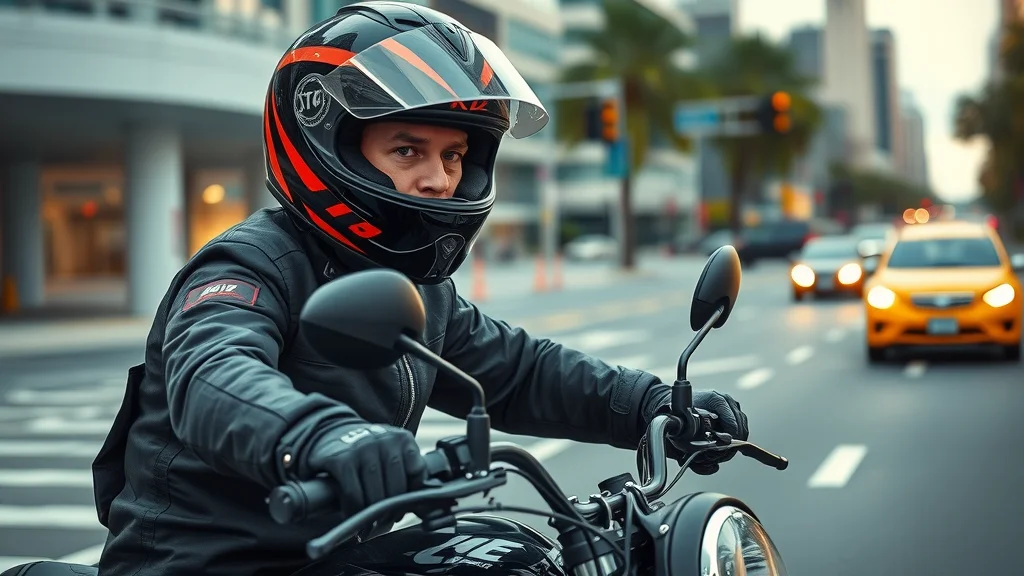
Motorcycle rider in full protective safety gear riding confidently through a city, focused on tips for motorcycle safety gear

What You'll Learn: Essential Tips for Motorcycle Safety Gear

  • Understanding the importance of protective gear
  • Key features of top motorcycle gear
  • Selecting the right motorcycle helmet, jacket, gloves, pants, and boots
  • Impact protection and body armor essentials
  • Frequently asked questions and actionable advice

The Foundation: Why Proper Motorcycle Safety Gear Is Critical

Protective Gear vs. Regular Clothing: What Sets Motorcycle Gear Apart?

When it comes to protecting yourself while riding a motorcycle, the difference between dedicated motorcycle clothing and your usual wardrobe is night and day. Motorcycle gear is purpose-built with high-density fabrics, impact-absorbing panels, and abrasion resistance designed to withstand the forces of a motorcycle crash. In contrast, regular jeans and casual jackets shred easily on contact with the pavement, offering little to no defense against road rash or injury. Motorcycle jackets, riding pants, and gloves are far more than style statements—they’re advanced safety gear engineered for real-world crashes.

Beyond raw material advantages, motorcycle safety gear is cut and layered to cover critical areas such as elbows, knees, shoulders, and ankles, often including reflective material to increase visibility to other road users. Whether you ride in busy urban traffic or on open highways, investing in the right gear goes beyond comfort—it's about safeguarding your future. "The right motorcycle safety gear is an investment in your future on two wheels. " These pieces, from helmets to riding boots, could mean the difference between walking away and a life-changing injury.
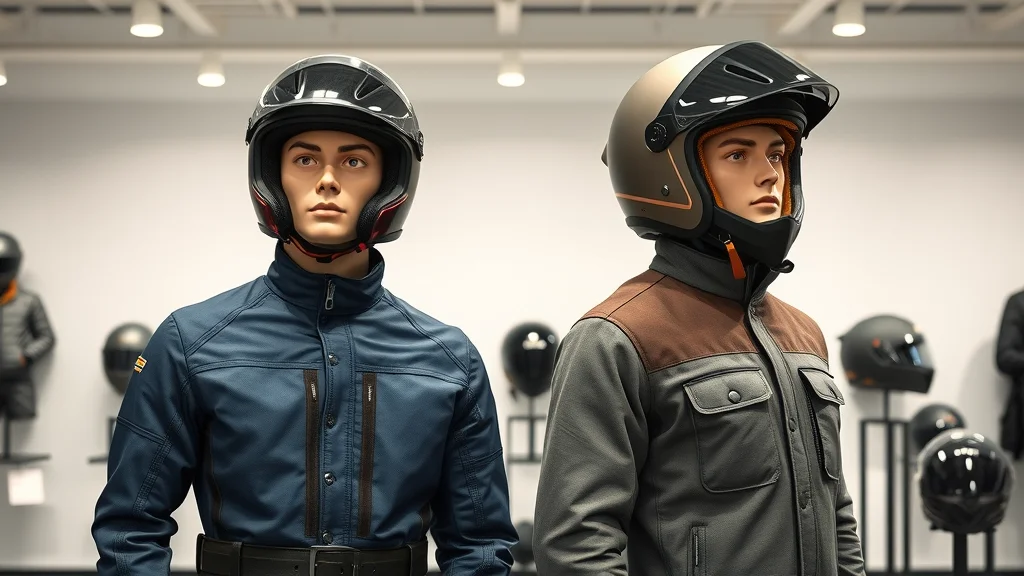
Side-by-side comparison of motorcycle safety gear and casual clothing, highlighting difference in impact protection and safety

Impact Protection: How Modern Motorcycle Gear Keeps You Safe

Modern motorcycle gear stands apart because of its impact protection technology. Advanced fabrics and body armor absorb and disperse the energy of an impact, protecting vital areas like your spine, knees, elbows, and shoulders. CE-certified armor inserts and reinforced seams add extra layers of safety, meeting or exceeding international safety standards. While comfort is essential for long rides, protection is paramount. Even weatherproof motorcycle gloves and jackets now feature built-in armor and reinforced stitching for maximum durability.

The design philosophy behind today’s gear is all about minimizing injuries and maximizing rider education. Reflective material, ergonomic padding, and wind noise reduction features blend seamlessly to boost your focus and road awareness. This investment in certified motorcycle gear pays off whether you're a new rider or a seasoned enthusiast: every piece of gear works as a buffer between you and the worst-case scenarios on the road.

While selecting the right safety gear is crucial, maintaining your equipment throughout the year is just as important for optimal protection. For practical advice on keeping your motorcycle and gear in peak condition across all seasons, check out these seasonal bike care secrets every rider should know.

Motorcycle Helmet: The Most Important Piece of Protective Gear

Choosing the Right Motorcycle Helmet for Maximum Safety

There’s no debate: a motorcycle helmet is the most important piece of gear any rider can own. Your head is vulnerable to catastrophic injury in a motorcycle crash, so choosing the right helmet is non-negotiable among tips for motorcycle safety gear. Look for a certified helmet that meets DOT, ECE, or SNELL certification standards, as these helmets undergo rigorous impact testing. Make sure your helmet fits snugly, without being painfully tight, and covers your entire head and jaw with secure retention straps.

Beyond certification, modern helmets offer features that boost day-long comfort and visibility. Pinlock-ready visors prevent fogging in cold weather, while built-in sun visors and reflective strips make you more visible to road users at night. Remember that even the best helmet should be replaced after a hard impact or every five years, as materials deteriorate with time and use. Your helmet isn’t just gear—it’s your most essential piece of protection on every ride.
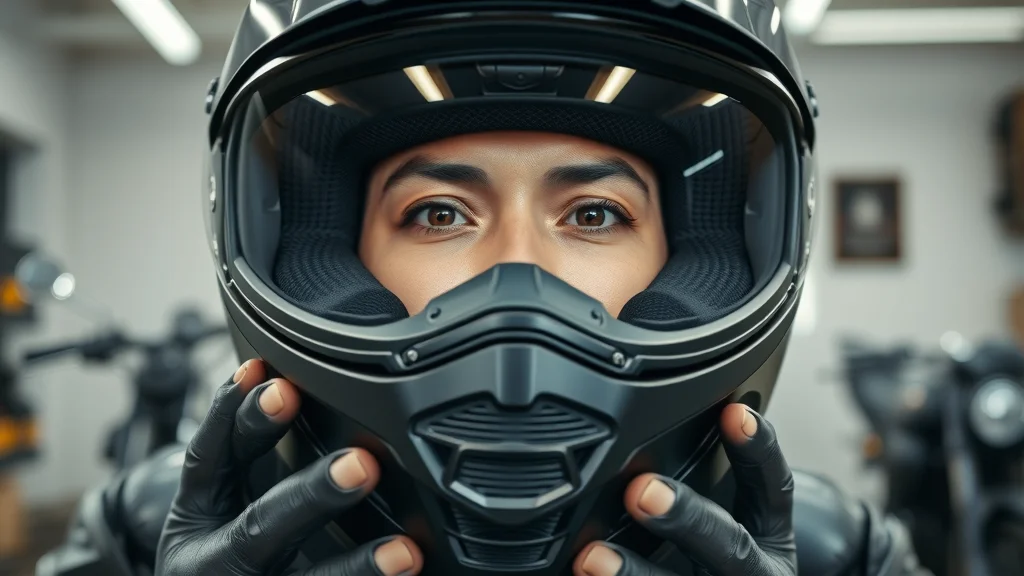
Close-up of quality motorcycle helmet demonstrating key safety features for motorcycle riders

Motorcycle Helmets: Features To Look For and Certification Standards

Not all motorcycle helmets are created equal: features like multi-density EPS liners, quick-release systems, adjustable ventilation, and noise-reducing padding make a real difference for safety and comfort. Check for labels that show compliance with DOT, ECE, or SNELL standards—these markings mean your helmet has passed stringent requirements for impact absorption and penetration resistance. Look for a secure chin strap and a comfortable, replaceable liner for hygiene and fit.

Ventilation is another critical component, especially for riders in hot climates or who face variable weather conditions. Removable cheek pads and visors allow for personalized adjustment, ensuring your vision is never compromised by sun glare or fog. A helmet that fits well and boasts solid certification is the cornerstone of your protective gear arsenal—never settle for anything less, because your safety depends on it.

Motorcycle Jacket: Balancing Comfort, Style, and Safety

Top Attributes of Quality Motorcycle Jackets

A high-quality motorcycle jacket should offer a balance of comfort, style, and superior protection. Look for jackets crafted with abrasion-resistant textiles like leather or reinforced synthetics—these materials protect against road rash far better than any casual outerwear. Essential features include impact-absorbing armor for shoulders and elbows, adjustable cuffs and waistbands for the perfect fit, and high-visibility or reflective material to keep you seen in low-light environments.

Good motorcycle jackets also include plenty of pockets, waterproof zippers, and ventilation panels. Modern designs pay attention to both function and fashion by offering a range of cuts, colors, and trim, so riders can stay protected and confident while embracing their personal style. When shopping for tips for motorcycle safety gear, always check for removable lining or modular systems, which let you customize your jacket for different weather conditions and seasons.

Why Impact Protection and Material Matter in Motorcycle Jackets

One of the biggest differences between regular jackets and motorcycle jackets is the use of built-in impact protection. CE-approved armor panels protect elbows, shoulders, and in some cases, the chest and back. These inserts absorb shock and reduce the risk of fractures and internal injuries in the event of a fall. The outer shell’s abrasion resistance is what shields you from road rash, while inner mesh linings wick away sweat for long-haul comfort.

The best motorcycle jackets offer both versatility and robustness, whether you’re riding a motorcycle in summer heat or rainy weather. Investing in a jacket with removable armor and waterproof capabilities ensures you’re protected year-round. The bottom line: never compromise on the protective features or fit, because these jackets are engineered for moments you hope never happen—but could save your life when they do.
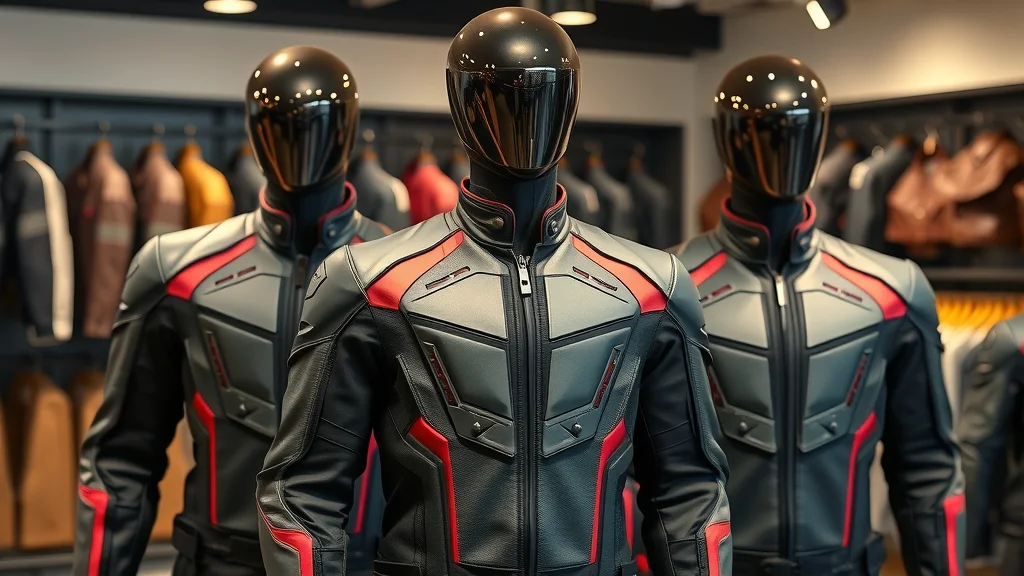
Display of quality motorcycle jackets with visible impact armor inserts and advanced protective features

Motorcycle Gloves, Pants, and Boots: Full-Body Motorcycle Gear Essentials

Motorcycle Gloves: Grip, Impact Protection, and All-Weather Control

Your hands are among the first to hit the ground in a motorcycle crash, making motorcycle gloves absolutely essential safety gear. Quality riding gloves protect you from abrasions, impact injuries, and weather extremes, while also maintaining a secure grip on the controls. Look for gloves with reinforced palms, knuckle armor, and wrist closures to keep them firmly in place. Ventilation panels and waterproof linings help manage sweat and rain without sacrificing dexterity or protection.

Advanced gloves are made with combinations of leather, synthetics, and impact-resistant inserts to maximize protection without compromising comfort. All-weather riding means you may need insulated gloves for winter or lightweight, perforated gloves for hot summer days. Never ride without a robust pair, since your reflexes and reaction times are only as good as your grip.

Motorcycle Pants: Reinforced Protection and Fit

Many riders overlook motorcycle pants, yet they are just as critical as a helmet or jacket for full-body protection. Forget regular jeans—dedicated riding pants offer reinforced panels at the hips, knees, and seat, along with built-in armor for impact protection. Abrasion-resistant fabrics like aramid fiber, Kevlar, or heavy leather resist tearing and provide a layer of security when sliding across pavement.

Choose motorcycle pants with adjustable waists and secure closures for the ideal fit, and ensure they’re long enough to overlap with your boots. Some designs incorporate removable liners for all weather conditions. A proper pair of motorcycle pants is a game-changing upgrade—they’ll keep you protected from road rash, extreme temperatures, debris, and even exhaust burns.

Motorcycle Boots: Stability, Ankle Safeguarding, and Traction

Motorcycle boots are much more than tough-looking footwear—they offer specialized ankle support, crush-resistant soles, and impact protection for your feet and lower legs. Unlike standard boots or sneakers, riding boots are crafted to grip slippery road surfaces, shield against engine heat, and prevent the twisting injuries common in a motorcycle crash.

Crucial features include reinforced shanks, toe sliders, heel cups, and high-quality fastenings to secure the boot to your foot. Look for boots designed for the weather conditions you’ll encounter—waterproof liners for rain, vents for hot days, and insulation for cold climates. Choosing premium motorcycle boots is a vital tip for motorcycle safety gear, ensuring you have optimal control and protection on every ride.
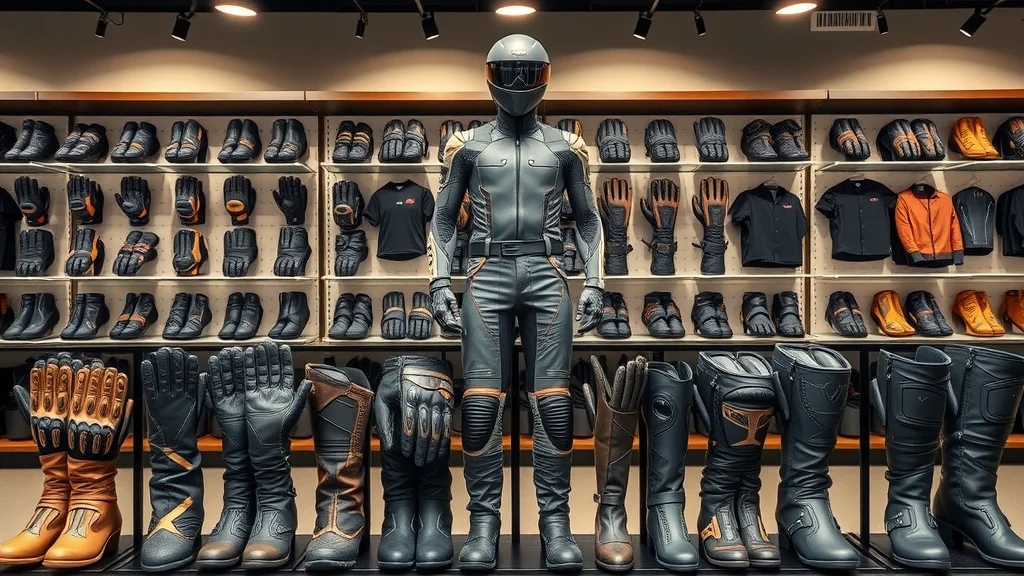
Comprehensive set of motorcycle gloves, pants, and boots displayed in a store environment to highlight essential motorcycle safety gear

Body Armor and the Evolution of Impact Protection in Motorcycle Safety Gear

How to Select the Right Body Armor for Full Upper Body and Back Safety

The evolution of body armor in motorcycle safety gear means there are now more options than ever for full-body impact protection. Whether you’re riding on or off-road, adding or upgrading your armor is a smart investment in your safety. Focus on CE-rated back protectors, chest guards, and armor inserts for elbows, shoulders, knees, and hips. Look for lightweight, breathable materials such as viscoelastic foam or advanced polymers that can absorb multiple impacts without losing shape.

Many jackets, pants, and even riding suits now include pockets for modular body armor, letting you customize your setup for the weather and level of risk. When shopping for armor, ensure it fits comfortably under your riding gear and doesn’t restrict movement, as comfort means you’re more likely to wear it every time. The newest designs even incorporate smart technology or flexible materials that harden on impact, offering superior protection without the bulk of older armor types.

Quick Reference Table: Features Comparison of Essential Motorcycle Gear

Gear Type Key Features Protection Level Ideal Use Case Main Material
Motorcycle Helmet Impact absorption, certified, anti-fog visor Extremely High All riding conditions Polycarbonate, Fiberglass, Carbon Fiber
Motorcycle Jacket Abrasion-resistant, impact armor, ventilation High Urban & highway Leather, Textile, Kevlar
Motorcycle Gloves Reinforced knuckles, grip, weatherproof Moderate–High All riding types Leather, Synthetic, Rubber
Motorcycle Pants Armor at knees/hips, abrasion resistance High Long & short rides Denim with Kevlar, Leather
Motorcycle Boots Ankle support, impact protection, waterproof High Daily & touring Leather, Reinforced Synthetics
Body Armor Back/chest protectors, modular fit Very High Sport/track, off-road Viscoelastic Foam, Polymer

Expert Lists: Top Five Tips for Motorcycle Safety Gear

  1. Always wear a certified motorcycle helmet
  2. Invest in abrasion-resistant motorcycle jackets and pants
  3. Ensure gloves and boots offer both comfort and impact protection
  4. Upgrade to body armor for enhanced safety
  5. Check the fit and maintenance of all motorcycle gear regularly

People Also Ask: Common Questions on Tips for Motorcycle Safety Gear

What are the 5 safety tips for motorcycle riders?

Five Proven Tips for Motorcycle Safety Gear

The top five safety tips for motorcyclists include: always wear a certified motorcycle helmet, use abrasion-resistant jackets and pants, select gloves and boots that provide both comfort and impact protection, consider upgrading your setup with body armor for extra safety in the event of a crash, and regularly check your gear for proper fit and signs of wear. These steps help prevent common injuries like road rash and fractures, and ensure all your protective gear works as intended whenever you ride.

What is the 4 second rule on a motorcycle?

Understanding the 4 Second Rule for Motorcycle Riders

The 4 second rule refers to the safe following distance you should maintain behind the vehicle ahead. Choose a stationary object on the road; after the vehicle in front passes that object, count "one thousand one, one thousand two, one thousand three, one thousand four. " If you reach the object before four seconds elapse, increase your distance. This gives you enough time to react to sudden stops or hazards, greatly reducing your risk of collisions as a motorcycle rider.

What does 2 fingers down mean to bikers?

The Meaning and Tradition Behind Two Fingers Down

When motorcyclists pass each other and flash two fingers pointed downward, it’s a sign of respect, camaraderie, and safety among bike riders. It signals, "Keep two wheels on the ground"—a reminder to ride safely and remain upright. This simple hand gesture is recognized worldwide and helps reinforce a culture of support and safety across the motorcycle community.

Which bike is most liked by girls?

Popular Motorcycles Among Female Riders

Popular motorcycles among female riders often include models known for manageable weight, low seat height, and comfortable ergonomics. Bikes like the Honda Rebel, Kawasaki Ninja 400, and Yamaha MT-07 are frequently recommended due to their easy handling and confidence-inspiring design. However, the best bike is always the one that fits the individual’s body, riding style, and confidence, so test rides and professional advice are essential for any new rider.

FAQs: All About Tips for Motorcycle Safety Gear

  • Do I need to invest in all pieces of protective gear?
    While you might start with a helmet and jacket, investing in full gear—including gloves, boots, and body armor—offers the highest level of impact protection. Each piece serves a unique purpose, and together, they provide comprehensive coverage for common accident scenarios and weather conditions.
  • How often should motorcycle gear be replaced?
    Replace your helmet immediately after a hard impact or every five years, whichever comes first. Jackets, pants, gloves, and boots should be replaced if they show significant wear, compromised stitching, or damage to armor inserts. Regular inspection ensures your gear retains its protective qualities.
  • Is leather always the best material for safety gear?
    Leather is iconic for abrasion resistance, but modern textiles such as Cordura, Kevlar, and reinforced synthetic blends often outperform traditional leather in impact protection, waterproofing, and lightweight flexibility. The best choice depends on your riding needs and weather conditions.
  • Can I use the same helmet for different types of riding?
    It depends on the helmet style. Full-face helmets offer the highest universal protection, but adventure, modular, or motocross helmets are designed for specific conditions. Always ensure your helmet is certified and fitted correctly for your intended riding style.

Key Takeaways: Tips for Motorcycle Safety Gear to Protect You

  • Prioritize certified, full-coverage protective gear for best safety
  • Regularly inspect your motorcycle gear for fit and condition
  • Investing in proper safety gear is non-negotiable for all riders

Take Action to Stay Protected: Call Nasty Performance Motorcycle Shop Today: 847-458-4858

Ready to upgrade your safety? Call Nasty Performance Motorcycle Shop at 847-458-4858 for expert advice, certified gear, and all your riding essentials today!

As you continue to refine your approach to motorcycle safety, remember that true protection is a combination of the right gear and proactive care for both your equipment and your bike. Exploring advanced topics like seasonal maintenance can help you extend the life of your gear and ensure your motorcycle is always ready for the road. For a deeper dive into strategies that keep you riding safely year-round, discover the essential insights in Seasonal Bike Care Secrets Every Rider Must Know. Elevate your riding experience by pairing expert gear choices with smart, season-specific maintenance—your safety and confidence will thank you on every journey.

Safety & Inspection

0 Comments

Write A Comment

*
*
Please complete the captcha to submit your comment.
Related Posts All Posts

Best Practices for Motorcycle Safety That All Beginners Need

Did you know that in the United States, motorcyclists are nearly 28 times more likely to die in a crash than car occupants, according to the latest data from the NHTSA? For beginners, these statistics highlight the urgent need for understanding and using effective safety tips whenever you ride. But with the right habits, equipment, and training, you can shift gears toward a much safer riding experience. If you're new to motorcycle riding, this guide unveils the best practices for motorcycle safety for beginners—so you can enjoy the open road with confidence and control. Startling Facts About Motorcycle Safety All Beginners Should Know The highest number of traffic fatalities among vehicle types involves motorcycles, making up a disproportionate share of crashes compared to cars and trucks. Wearing a helmet that meets safety standards can reduce the risk of head injury by nearly 70% and fatally by over 40%. Most motorcycle accidents involving beginners are caused by avoidable mistakes—like improper turns, failing to execute escape routes, or ignoring pre-ride safety checks. Keeping your motorcycle lights on during the day makes you more visible and can significantly reduce the risk of a motorcycle accident. Expert insight: “A single smart safety tip—like double-checking your escape route at every intersection—can literally save your life as a new motorcycle rider.” – Raul S., Certified Motorcycle Safety Instructor What You'll Learn About Best Practices for Motorcycle Safety for Beginners How to identify crucial motorcycle safety tips as a beginner Core skills for riding a motorcycle safely at any skill level Common mistakes beginners should avoid to prevent a motorcycle accident Understanding the Basics: Why Best Practices for Motorcycle Safety for Beginners Matter Getting started with motorcycle riding is exciting—but also presents unique risks that make safety knowledge essential, especially for beginners. New riders have higher accident rates due to unfamiliarity with how motorcycles respond, environmental awareness, and skills like quick braking or smooth cornering. Embracing best practices for motorcycle safety for beginners isn't just about ticking boxes; it's the difference between routine rides and catastrophic events. Every core safety tip you adopt, from consistently wearing protective gear to developing an escape route mentality, builds the foundation of a safer riding journey. Rider education, understanding your own skill level, and keeping your motorcycle in top condition are non-negotiable elements of motorcycle safety. By taking formal safety courses and seeking out experienced mentors, you gain proven strategies for avoiding a motorcycle accident. These best practices empower you to make quick, smart decisions on the road, helping you prevent the number of motorcyclists killed in tragic crashes. As you master these elements, you'll be able to confidently share the road, adapt to changing traffic conditions, and protect yourself from both common and unexpected hazards. While mastering safety fundamentals is crucial, beginners should also pay close attention to how seasonal changes can impact both riding conditions and motorcycle maintenance. For a deeper dive into keeping your bike in optimal shape throughout the year, check out these seasonal bike care secrets every rider must know—a practical resource for ensuring your motorcycle is always ready and safe, no matter the weather. Motorcycle Safety Tips for New Riders Every beginner must focus on foundational motorcycle safety tips that reduce risk and build lifelong habits. Start by strictly adhering to all safety tip guidelines from certified training programs and advisory councils. Consistently wear a helmet that meets federal safety standards, as even a low-speed collision can result in severe head injuries. Adopt a habit of checking your tire pressure, brakes, lights, and controls before every ride, as mechanical issues contribute to a significant portion of accidents involving new riders. Use brightly colored jackets and reflective vests to make you more visible, particularly at night or in low-visibility conditions. Another essential motorcycle safety tip: never ride above your skill level. It’s tempting for beginners to push limits, but respecting your own learning curve is critical to avoiding a motorcycle accident. Allow extra time and space when changing lanes, practice gradual braking on different surfaces, and always know your escape route. With these fundamental habits, you'll be well on your way to enjoying riding a motorcycle safely, no matter the road or weather conditions. How Skill Level Affects Safety Tip Implementation Rider skill level determines how and which motorcycle safety tips you can confidently apply. Even if you grasp the fundamentals in theory, practical experience is vital for developing reflexes and judgment under pressure. Beginners should focus on one safety tip at a time during each ride—perhaps practicing smooth gear shifts on a quiet road, then working up to quick stops or evasive maneuvers in a safe area. As your skill level increases, incorporate advanced safety tips like scanning traffic for escape routes and anticipating other drivers’ moves before they become critical. More experienced riders may adapt and refine these safety procedures, but the underlying best practices for motorcycle safety for beginners remain essential—pre-ride inspections, gear checks, and defensive riding never go out of style. The ultimate goal is to automatically apply foundational safety tips, even when you’re focused on enjoying the ride or dealing with unexpected hazards. By consciously matching your skill level to new safety tips and gradually challenging yourself, you'll avoid potential dangers that often catch beginners off guard. Avoiding a Motorcycle Accident: The Foundational Safety Tip If you learn only one thing as a beginner, let it be this: Assume you’re invisible to other drivers and plan your escape route at every intersection and lane change. Many motorcycle accidents involving new riders occur because car drivers simply don’t see motorcycles, especially in busy intersections or while merging. By adopting a defensive mindset and anticipating potential threats, you become an active participant in your own safety on the road. Establishing foundational habits—like situational awareness, keeping a safe distance, and always having an exit strategy—greatly limits your exposure to hazards. These core strategies are common across all rider advisory council tips, underlining their critical role in reducing the number of motorcyclists killed each year. Invest time into practicing scanning for escape routes and reacting calmly to sudden moves by cars; it’s the motorcycle safety tip that will pay off every time you ride. Comprehensive Best Practices for Motorcycle Safety for Beginners Wearing Proper Gear: Essential Safety Tips for Every Ride Helmet standards and fit: Always wear a helmet that meets DOT or other recognized safety standards. A proper fit means your helmet doesn’t shift or obstruct vision; it should feel snug but not tight, offering full coverage for maximum protection. Jackets, gloves, and foot protection: Choose armored jackets and gloves made from abrasion-resistant materials. Wear sturdy boots that protect the ankles and have non-slip soles—these can prevent foot injuries during unexpected stops or falls. Beyond basic protection, high-visibility gear can make you more visible to motorists who might otherwise overlook you. Regularly inspect all safety gear for wear and tear, and replace items that no longer meet safety standards. Studies show that consistent use of proper gear can save your life or minimize injury in the event of a motorcycle accident. Remember: quality equipment is an investment in your safety, not an accessory. Pre-Ride Inspection: Motorcycle Safety Tip to Prevent Tragedy A thorough pre-ride inspection is a non-negotiable motorcycle safety tip that can save your life. Check tire pressure, tread, and look for any signs of damage or low inflation—which can easily lead to loss of control or increased stopping distance. Examine brakes, lights, signals, and mirrors for function, as even a small electrical issue or misalignment can be disastrous in traffic. Look out for leaking fluids, loose parts, or chain problems. Keeping your motorcycle in good condition is a foundational part of riding a motorcycle safely and confidently. As a beginner, develop a simple checklist so you internalize this safety procedure as part of your routine. Over time, you’ll spot potential hazards before they become emergency situations—drastically reducing the risk of a motorcycle accident and helping you enjoy longer rides with peace of mind. Visibility: Safety Tips for Being Seen on the Road Beginner riders are particularly vulnerable at intersections, during poor weather, and when sharing the road with distracted drivers. Modern motorcycle safety tips stress the importance of maximizing your visibility at all times. This means wearing reflective jackets or vests, using bright gear, and actively using your headlight—even during the day—to alert others to your presence. Position yourself where drivers can see you in their mirrors, and always turn on your signal lights well before any lane change. Avoid riding in vehicle blind spots and actively scan for escape routes when surrounded by larger vehicles. These habits are especially critical in areas with the highest number of traffic fatalities. Ultimately, visibility is one of the best safety tips for new riders as it directly reduces accident risk and increases peace of mind. Understanding and Creating an Escape Route A key difference between novice and experienced riders is the ability to identify and use escape routes. On any given ride, conditions can shift—from a sudden lane-blocking car to debris or slick spots on the road. By training your mind to scan the environment and plan an escape route, you gain valuable extra seconds to avoid potential accidents. Begin by looking ahead 12 seconds, scanning left and right for space you could use if an emergency arises, such as a car merging unexpectedly or a pedestrian stepping off the curb. Practicing escape route planning helps ensure your reaction to risks is proactive rather than panicked. This skill also builds confidence in challenging situations like heavy highway traffic or unfamiliar urban areas. As you refine your awareness and quick decision-making, you’ll be able to shift gears smoothly and keep focused on what matters—your safety and the well-being of everyone on the open road. Best Practices for Motorcycle Safety for Beginners on the Road Defensive Riding: Key Motorcycle Safety Tips to Avoid a Motorcycle Accident Defensive riding is one of the most crucial best practices for motorcycle safety for beginners. Always predict that other drivers might not see you or may break traffic rules. This means watching for subtle movements of car tires at intersections, leaving plenty of following distance, and preparing for abrupt stops or changes in traffic flow. Assume every driver is a potential hazard and plan accordingly. A core safety tip: never trust turn signals until you confirm the driver’s intention, and don’t ride in another vehicle’s blind spot. Active defensive riding also involves adjusting your position for maximum visibility and constantly scanning side streets for vehicles about to enter your path. By committing to these safety procedures every time you ride, you greatly reduce the risk of being involved in a motorcycle accident and become a far safer, more respected motorcycle rider on the road. The 2-4-12 Second Rule Explained for Riding a Motorcycle The 2-4-12 second rule is a vital defensive technique to help maintain safe distances and anticipate hazards. Here’s how it works: At any speed, maintain a minimum two-second gap behind the vehicle ahead for reaction time. Four seconds is ideal on wet or slippery surfaces, ensuring you have space to brake or take action if something goes wrong. Finally, always look 12 seconds ahead—anticipating traffic patterns, upcoming intersections, and potential obstacles. This layered approach enables you to avoid potential dangers before they develop, a must-know best practice for motorcycle safety for beginners. Consistently applying this rule builds muscle memory for spatial awareness, making it easier to spot escape routes or react calmly when other vehicles behave unpredictably. As your skill level increases, you’ll automatically judge proper distances and adjust for varying speeds or busy roads, giving you one more safety tip edge over hazards on your journey. Mastering Cornering and Braking: Best Safety Tip Techniques Cornering and braking are two of the most frequent challenges for new riders, and mastering them is one of the best safety tips you can adopt. Enter corners at safe speeds, using both brakes to slow steadily before the turn. Remember, sudden or hard braking in a curve often leads to loss of control, especially on unfamiliar or slick surfaces. Keep your eyes ahead, look through the turn, and shift your body weight naturally to help the motorcycle follow your intended line. Smooth, progressive braking reduces risks and improves confidence in all conditions, while maintaining awareness of tire pressure and grip. By learning to master these fundaments, you not only avoid potential motorcycle accidents but also set the tone for a lifetime of safe, enjoyable rides. Experienced rider's tip: “My number one motorcycle safety tip? Always enter corners a little slower than you think you need to. You can always speed up later, but you can’t recover from going in too hot." – Jamie L., Motorcycle Safety Foundation Graduate Maintaining safe following distances Understanding road surfaces Escape route planning List: Top 8 Motorcycle Safety Tips All Beginners Should Practice Always wear a DOT-approved helmet Perform a safety inspection before every ride Stay visible through gear and lights Use defensive riding strategies Know and use your escape route Respect your skill level – never ride above it Remain focused and never ride distracted Take an official motorcycle safety course Expert Advisory Council: Guidance on Law, Regulations, and Skill Development Advisory council perspective: “Ongoing safety education and strictly following these motorcycle safety tips are crucial for new riders—laws, skill levels, and risks change, but vigilance should never waiver.” – Mark Collins, Motorcycle Safety Advisory Council Member Community resources for new riders: Many areas have local rider education programs, peer support groups, and online advisory councils to answer questions and provide guidance tailored to all skill levels. Role of a law firm in supporting crash victims: Experienced law firms don’t just represent accident victims in court—they advocate for improved safety regulations, support rider education initiatives, and help crash survivors navigate insurance and medical claims. People Also Ask About Best Practices for Motorcycle Safety for Beginners What is the 1% rule in motorcycles? The “1% rule” originated as a way to describe outlaw biker gangs considered outside mainstream riding culture; it is not relevant or recommended for beginner motorcycle safety. For new riders, focus on proven safety tips—like pre-ride checks, defensive riding, and gear—rather than any subculture myths or risky behaviors. What are the 5 safety tips for motorcycle riders? Wear a helmet and protective gear Check tire pressure and your motorcycle’s mechanical condition Use defensive riding strategies and safe following distances Be visible—use lights and reflective gear Never ride above your skill level What is the 2 4 12 second rule on a motorcycle? The 2-4-12 rule means maintaining a two-second following distance in ideal conditions, four seconds in adverse conditions, and looking 12 seconds ahead for hazards. This safety tip helps you react calmly and avoid many common motorcycle accidents, especially for beginners. What does 2 fingers down mean to bikers? The “two fingers down” gesture is a friendly greeting among riders, symbolizing respect (“keep both wheels down”) and wishing safe riding. It’s a tradition that celebrates the community and camaraderie of motorcycle riding, but beginners should always prioritize safe riding habits above all. Table: Comparing Motorcycle Safety Gear Options for Beginners Gear Safety Rating Pros Cons Helmet (Full Face) DOT/ECE Certified Best protection, weather-resistant, covers entire face Heavier, may feel warm in summer Motorcycle Jacket CE Armored Abrasion resistance, impact protection, some have reflective panels Bulkier, premium material costs more Riding Gloves CE Armored/Leather Improved grip, weather protection, shields knuckles Thicker gloves can reduce sensitivity Riding Boots Motorcycle-specific Protects ankles, non-slip sole, prevents foot injuries Less breathable, takes getting used to FAQs on Best Practices for Motorcycle Safety for Beginners Should I take a motorcycle safety course as a beginner? Absolutely. Rider education courses teach foundational skills, safety tips, and emergency maneuvers crucial for all skill levels. Many insurance companies offer discounts for course completion and states mandate training for new riders. How can a law firm help after a motorcycle accident? A law firm guides injured riders through legal claims, negotiates with insurance, and fights to protect your rights. Many experienced firms also advocate for improved safety procedures and support education for the motorcycle community. Does motorcycle insurance affect safety practices? Yes, insurance policies often require safe riding records and may offer incentives for taking safety courses or using protective gear, encouraging good safety habits for beginners and experienced riders alike. What is an escape route in motorcycle riding? An escape route is a pre-planned path you can use to avoid potential hazards, such as swerving into a safe space or brake lane to avoid a collision. Every rider should look for escape routes in all traffic conditions. How does weather impact best practices for motorcycle safety for beginners? Weather changes road surfaces, visibility, and traction. Beginners should avoid riding in severe weather and always review specific safety tips such as reducing speed, increasing following distances, and wearing weather-appropriate gear. Key Takeaways: Best Practices for Motorcycle Safety for Beginners Consistent use of gear and defensive riding greatly reduces accident risk Beginner riders benefit from formal training and understanding escape routes Safety is an ongoing commitment requiring regular review and improvement Watch this demonstration of a beginner motorcyclist following safety best practices, including gear inspection, head checks, and defensive maneuvers in simulated traffic. Conclusion: Taking the Next Step in Motorcycle Safety By adopting these best practices for motorcycle safety for beginners, you dramatically increase your odds of enjoying every ride safely. Embrace lifelong learning and make smart riding habits your daily routine. If you’re ready to take your motorcycle journey to the next level, remember that safety is just one part of the equation—ongoing care and maintenance are equally vital for every rider. Exploring advanced topics like seasonal bike care can help you anticipate challenges before they arise and keep your motorcycle performing at its best. For a comprehensive look at how to protect your investment and ride with confidence year-round, discover the essential seasonal bike care secrets trusted by experienced riders. By combining smart safety habits with proactive maintenance, you’ll be well-equipped for a lifetime of safe, enjoyable adventures on two wheels. Contact Experienced Professionals for Motorcycle Safety Guidance Call Nasty Performance Motorcycle Shop Today: 847-458-4858

Best Practices for Riding Motorcycles in Heavy Traffic Safely

Did you know urban motorcyclists are at far greater risk of accidents during traffic congestion than on the open road? As city streets fill with cars, buses, and delivery trucks, the challenge of riding a motorcycle safely intensifies. Every rider, whether new or seasoned, must embrace expert-backed best practices for riding motorcycles in heavy traffic to stay safe, improve their journey, and protect themselves amid the hazards posed by heavy traffic. Navigating Heavy Traffic: Why Motorcycle Safety Starts Before You Ride Understanding that motorcycle safety is a proactive process is the first and most vital step for every rider. Before you even start your bike in a congested area, your choices, level of preparedness, and mental state greatly influence your chances of navigating heavy traffic without incident. Studies show that heavy traffic not only increases the risk of collisions but also amplifies the unpredictability of driver behavior. Rushing motorists, sudden stops, and inattentive drivers all pose unpredictable threats, making it crucial to be mentally and physically ready before joining the flow of traffic. Setting up for a safe ride involves more than just checking the bike and gear—it means anticipating the challenges of riding in heavy traffic. From reviewing your route for construction zones to accounting for potential hazards posed by aggressive drivers or distracted road users, the foundation of defensive riding starts in your garage or parking spot. Only by being thorough at this stage can you improve your reaction time and ensure you're mentally calibrated to ride defensively. "Studies reveal that urban motorcyclists face a significantly increased risk of accidents when traffic congestion spikes. Understanding and applying the best practices for riding motorcycles in heavy traffic is paramount for every rider." What You'll Learn: Key Takeaways on Motorcycle Safety and Best Practices for Riding Motorcycles in Heavy Traffic Understand the core risks of riding a motorcycle in heavy traffic Learn actionable best practices to stay alert and ride defensively Discover expert tips for visibility and awareness Explore safe following distances and space management techniques Grasp the importance of mental preparedness and legal considerations Preparing for Heavy Traffic: Essential Motorcycle Safety Checks Preparation is the bedrock of motorcycle safety, especially when faced with the unpredictability of heavy traffic. Thoroughly inspecting your motorcycle before each ride proves essential to avoid unexpected breakdowns or emergencies in high-congestion areas. Start by inspecting your tires and brakes—both components are critical for urgent braking in sudden stops, a common scenario while navigating a crowded urban landscape. Worn tires or brakes can undermine your ability to handle slick or uneven road surfaces, diminishing your confidence when confronted with sudden obstacles or erratic road users. Visibility is equally important in heavy traffic. Check all lights, including the headlight, taillights, and turn signals, ensuring each illuminates correctly. This simple habit increases your visibility to other drivers, especially during dusk or bad weather. Donning the right protective gear—like a high-quality motorcycle helmet, gloves, and reinforced jackets—not only safeguards you but also increases your chances of being noticed in low-visibility environments. Lastly, adjust your mirrors for the clearest view possible, as blind spots become even riskier in tight traffic scenarios. This suite of checks ensures that your bike and your senses are in top condition for any challenge the road presents. Inspect tires and brakes before riding a motorcycle in heavy traffic Check all lights and signals to stay visible Review proper protective gear for safe commuting Adjust mirrors for optimal visibility in heavy traffic scenarios Stay Alert and Ride Defensively: Core Best Practices for Riding Motorcycles in Heavy Traffic Riding in Heavy Traffic: How to Stay Alert and Minimize Risk When riding in heavy traffic, maintaining a high level of alertness is your strongest defense. Each movement on the road presents new potential hazards: a car unexpectedly changing lanes, road users distracted by mobile devices, or aggressive drivers weaving through lanes at speed. Anticipating these risks is essential for reacting in time and keeping your journey accident-free. The key principle here is "see and be seen"—monitor blind spots, scan constantly, and make deliberate eye contact with other drivers when possible. Proactive scanning helps you anticipate sudden stops and react more efficiently, especially when the flow of traffic slows or becomes erratic. Many gov website safety campaigns emphasize that riding in congested areas requires riders to predict driver behavior. By staying alert, you can avoid falling victim to inattentive drivers or unpredictable motor vehicle maneuvers. Practice checking your mirrors frequently and using peripheral vision to keep tabs on vehicles around you. Avoid making unsafe lane changes, especially when your route is lined with larger vehicles like trucks or buses, which may limit your visibility and reduce your reaction time. Staying present and measured enables you to ride smarter and safer amid the complications of heavy city traffic. Identify potential hazards and anticipate driver behavior Apply the 'see and be seen' principle while riding in heavy traffic Monitor blind spots and avoid unsafe lane changes Ride Defensively: Techniques to Stay Safe in Heavy Traffic To consistently stay safe in heavy traffic, every motorcycle rider should master defensive riding techniques. One fundamental rule is maintaining a buffer zone, giving yourself space and time to react if the vehicle in front of you brakes suddenly or an unforeseen obstacle appears. The famous "4 second rule" is an excellent standard: allow at least four seconds between your motorcycle and the vehicle ahead. This buffer not only provides ample room for urgent braking but also heightens your options for evasive actions if the flow of traffic changes rapidly. Intersections and bottlenecks demand extra vigilance—always approach them with caution and anticipate that other road users may cut across your path. Identify an "escape route" when traffic is particularly congested so you are prepared to maneuver away from danger should the situation arise. Defensive riding in a controlled area ensures that if a risky scenario develops, you're poised to respond quickly, accurately, and safely. By consistently taking these precautions, you transform the ride from a stressful experience into a calculated, confident journey. Keep a safe buffer zone to practice the 4 second rule on a motorcycle Be cautious at intersections and during sudden stops Create an escape route in congested areas Comparison of Defensive Riding Techniques: Benefits and Application in Heavy Traffic Defensive Riding Technique Benefit Best Use in Heavy Traffic 4 Second Rule Enhances reaction time and avoids urgent braking Maintaining safe following distance in slow or stop-and-go traffic Buffer Zone Gives space to avoid collisions and allows escape options Dense lanes and frequent lane shifts Escape Route Planning Ensures fast maneuvering in emergencies Congested intersections or when surrounded by larger vehicles Mirror Scanning & Peripheral Checks Reduces blind spot incidents All urban traffic flows, especially at merges and lane splits While mastering defensive riding and alertness is crucial for city traffic, it's equally important to adapt your motorcycle care routine to the changing seasons. For practical advice on keeping your bike in peak condition year-round, explore these seasonal bike care secrets every rider should know to ensure safety and reliability no matter the weather. Visibility and Communication: Making Yourself Seen When Riding in Heavy Traffic Increasing your visibility is one of the simplest and most crucial strategies to stay safe in city congestion. High-visibility and reflective gear, including vests, jackets, and helmets in bright neon colors, help draw the attention of even the most distracted road users. Reflective additions don't just help at night—they enhance your presence during overcast weather and when moving through shadows cast by urban landscapes. Signaling every turn and lane change well in advance is another pivotal habit; never assume drivers or pedestrians have seen you, especially when riding in heavy traffic or weaving through multiple lanes. If a situation grows dangerous—such as a car drifting into your lane—using your horn or flashing your lights can avert potential collisions. Be proactive: regular communication with other drivers through clear hand signals (if safe), consistent mirror checks, and early signaling gives you more control over your riding environment. These actions let you ride smarter and encourage other road users to act more predictably around your motorcycle. Remember, the more visible and predictable you are, the lower your risk of being involved in a motorcycle accident. Use high-visibility gear to stay safe Signal intentions well in advance while riding in heavy traffic Utilize horn and lights when necessary Mental Preparedness: Controlling Stress and Fatigue on Congested Roads Mental readiness is just as vital as technical skills for motorcycle safety. Riding in heavy traffic can be mentally draining—constant vigilance, frequent stops, and the unpredictable flow of vehicles mean the risk of stress and fatigue is ever-present. Fatigue can slow reaction time, cloud judgment, and diminish your ability to recognize hazards quickly. To combat this, take regular rest breaks during long commutes to resent focus and decompress. Even short pauses can make a big difference, giving your mind the breathing room to stay sharp and responsive to the constant changes around you. It’s important to develop focus techniques—simple breathing exercises at stoplights or structured mental check-ins—to keep your thoughts from wandering. Recognize early signs of fatigue, such as heavy eyelids, mental fog, or frustration. Pull over and take a break if needed; there is no substitute for sharp focus when riding a motorcycle in heavy traffic. Practicing these habits and acknowledging the natural stresses brought on by city riding will help you build resilience and ensure that you can consistently stay alert and manage risk on congested roads. Manage stress with planned rest breaks in heavy traffic Practice focus techniques for long commutes Recognize signs of fatigue and take action Legal Tips and Safe Behavior: Adhering to Local Laws While Riding Motorcycles in Heavy Traffic Lawful riding is an integral aspect of motorcycle safety. Understanding your local regulations on lane splitting, signal usage, and other urban riding laws ensures you can confidently navigate heavy traffic without risking fines or endangering yourself and others. For instance, lane splitting may be legal in some states but heavily restricted or outlawed in others, so always familiarize yourself with the current rules before entering a new city or region. Distracted riding—whether caused by checking your phone, adjusting music, or conversations with a helmet intercom—significantly increases the likelihood of a motorcycle accident. Traffic congestion already demands extra caution; adding distractions only compounds the risk. Always have your documentation and licenses readily available, as enforcement may increase in controlled areas with heavy traffic. Complying with legal and safety expectations not only keeps you protected but also sets a reliable standard for other road users observing your example. Ultimately, riding responsibly means you help foster a safer environment for everyone sharing the road. Familiarize yourself with lane-splitting rules in your area Avoid distracted riding and comply with traffic signals Maintain proper documentation and licenses People Also Ask: Essential Answers for Riding Motorcycles in Heavy Traffic What is the 1% rule in motorcycles? The 1% rule refers to a term used to describe outlaw motorcycle clubs, suggesting they operate outside mainstream society. However, for safe and legal riding in heavy traffic, adhering to best practices and local laws should be every rider’s goal. What does 2 fingers down mean to bikers? The gesture of 2 fingers down is a sign of camaraderie and respect among motorcyclists, signaling 'stay safe' on the road—especially important when navigating heavy traffic. What is the 4 second rule on a motorcycle? The 4 second rule is crucial for riding motorcycles in heavy traffic: maintain a safe following distance by allowing at least four seconds between you and the vehicle ahead to help avoid collisions. Why do bikers tap their helmet when they see a cop? Tapping the helmet is a non-verbal warning to fellow riders about police presence ahead—encouraging everyone to obey traffic laws and ride with extra caution, which aligns with the best practices for riding motorcycles in heavy traffic. Frequently Asked Questions on Best Practices for Riding Motorcycles in Heavy Traffic How can I reduce my risk of an accident when riding in heavy traffic? Reduce risk by staying alert, maintaining a safe following distance, wearing high-visibility gear, avoiding sudden lane changes, and continuously monitoring other road users. Consistently applying the best practices for riding motorcycles in heavy traffic significantly improves your safety. What gear is best for visibility in urban environments? Fluorescent or neon-colored jackets and reflective gear are the best choices for urban riding. These help increase your visibility in heavy traffic, ensuring that inattentive drivers can spot you in various lighting conditions. Are there any specific hand signals for motorcycle safety in traffic? Hand signals are essential for communicating on the road. Use designated signals for turns and stops, and informal gestures such as the two fingers down for camaraderie and helmet tapping for alerts. Always combine hand signals with electronic indicators to maximize clarity, especially in heavy city traffic. Summary and Key Takeaways: Best Practices for Riding Motorcycles in Heavy Traffic Quick Recap of Motorcycle Safety, Defensive Riding, and Heavy Traffic Tactics Success in riding motorcycles in heavy traffic comes down to thorough preparation, vigilant defensive techniques, maximizing visibility, managing stress, and respecting the law. Each element helps you stay safe, ride smarter, and enjoy every journey, regardless of congestion. By practicing these best practices for riding motorcycles in heavy traffic, you can confidently face city traffic challenges—and make every ride smoother and safer. If you’re ready to take your motorcycle safety and riding experience to the next level, consider how ongoing care and seasonal adjustments can further protect you on the road. Proactive maintenance not only extends your bike’s lifespan but also ensures optimal performance in every traffic scenario. For a deeper dive into year-round strategies that complement your defensive riding skills, check out our comprehensive guide on seasonal bike care secrets every rider must know. By combining expert riding techniques with smart maintenance, you’ll be equipped to handle both the daily commute and unexpected challenges with confidence. Explore more and empower your journey with knowledge that keeps you safe in every season. Ready to Enhance Your Motorcycle Experience? Call Nasty Performance Motorcycle Shop Today: 847-458-4858 From safety checks to gear recommendations, the experts at Nasty Performance Motorcycle Shop can help you ride safer and smarter. Call 847-458-4858 now to prepare for your next commute or adventure!

Ultimate Guide to Motorcycle Tire Safety Checks Revealed

Did you know that tire problems are one of the leading causes of motorcycle accidents worldwide? Even the best riders can find themselves in dangerous situations if they neglect simple tire safety checks. Your motorcycle tires are all that connect you to the road, so making sure they’re in peak condition could literally save your life. In this comprehensive guide to motorcycle tire safety checks, you’ll find everything you need to keep your ride smooth, safe, and exhilarating every time. Motorcycle Tire Safety: Why Regular Checks Matter "An overlooked motorcycle tire can turn a smooth ride into a disaster—routine safety checks are your first line of defense." – Tire Safety Expert What You'll Learn in This Guide to Motorcycle Tire Safety Checks Understanding the importance of thorough motorcycle tire safety checks Step-by-step procedures for inspecting tread depth, tire pressure, valve stems, and tire wear Common safety hazards with motorcycle tires and how to avoid them Practical tips for increasing the longevity of your front and rear tire Regular tire safety checks are not just a recommendation—they are essential for every rider who values motorcycle safety. From tread depth to proper tire inflation, inspecting your rear tire and front and rear tire for wear, and checking valve stems can significantly reduce the risk of tire failure on the road. By understanding tire wear indicators and knowing exactly what to look for, you’ll ensure optimal performance and peace of mind, no matter where your adventures take you. The Essentials: Starting Your Guide to Motorcycle Tire Safety Checks Gather Tools and Prepare for Motorcycle Tire Checks Tire pressure gauge Tread depth gauge Flashlight Inspection checklist Before you begin your motorcycle tire safety check, make sure you have all the proper tools. A tire pressure gauge ensures accurate inflation, while a tread depth gauge is crucial for measuring tread depth and identifying uneven wear. A flashlight illuminates hard-to-see areas, revealing embedded objects or subtle sidewall damage. Lastly, an inspection checklist keeps you organized, ensuring you never miss an essential step in your tire inspection routine. Set yourself up on a flat, well-lit surface, such as a garage or driveway. Before conducting your front and rear tire checks, allow your motorcycle tires to cool for reliable pressure readings. Regularly inspect both the front and rear tire, as each experiences different forces on the road and may show unique patterns of tire wear. By gathering your tools and approaching the inspection methodically, you lay the groundwork for safer, more enjoyable rides and reduce the risk of premature tire wear or unexpected tire failure. While mastering tire safety checks is crucial, it's also important to recognize how seasonal changes can impact your motorcycle's overall performance and tire condition. For practical advice on adapting your maintenance routine throughout the year, explore these seasonal bike care secrets every rider should know to keep your motorcycle in top shape no matter the weather. Inspecting Tread Depth and Motorcycle Tire Wear for Enhanced Safety How to Measure Tread Depth and Identify Uneven Wear Measuring the tread depth of your motorcycle tire is one of the most effective ways to ensure traction and road grip, especially during sudden stops or wet weather. Insert a tread depth gauge into the tread grooves—perform this on at least three separate spots across the tire. Your owner's manual or tire manufacturer will list minimum tread depth requirements, but as a rule of thumb, 2/32" is often considered the lowest safe limit. Always check both the front and rear tire, as the tread depth requirements might differ between them. Uneven tire wear can signal alignment or suspension issues. If you notice tread wear concentrated on one side (also called “wear on one side”), center, or edges of your tires, this may indicate improper tire inflation or a mechanical problem, which can affect optimal performance. Monitoring and addressing tire wear not only ensures safe handling but also extends the life of your motorcycle tires. Remember, proper tire maintenance is a small effort with big rewards—better grip, safer cornering, and more consistent braking. Comparison of Recommended Tread Depths for Various Motorcycle Tires (Front and Rear) Type of Tire Front Tire Minimum Tread Depth Rear Tire Minimum Tread Depth Sport/Street 2/32 inch (1.6mm) 2/32 inch (1.6mm) Touring/Cruiser 3/32 inch (2.4mm) 3/32 inch (2.4mm) Off-Road/Knobby 4/32 inch (3.2mm) 4/32 inch (3.2mm) Spotting and Addressing Uneven Tire Wear Signs of uneven wear Causes of uneven tire wear Safety implications Carefully inspect your tires for signs of uneven wear, such as bald patches, exposed cords, or tread depth variation. Causes can range from improper tire inflation and overloading to misaligned suspension and aggressive riding. Even subtle differences between the front and rear tire may point to issues requiring immediate attention. If you spot excessive tread wear down the middle, the culprit is often over-inflation. Edge wear could mean repeated cornering or under-inflation. Pay attention to the tread wear indicator—a small bar set across the tread groove—which offers a visual cue for when it’s time to replace your motorcycle tire. The safety implications of ignoring uneven wear are severe. It can compromise traction, increase braking distances, and cause unpredictable handling, especially on wet or winding roads. By routinely examining for premature tire wear and consulting your motorcycle manufacturer’s guidelines, you maintain greater control over your bike and reduce the risk of tire failure. Checking Tire Pressure, Inflation, and Valve Stems on Motorcycle Tires Step-by-Step Guide to Checking Tire Pressure for Front and Rear Tires Correct tire inflation methods Ensuring accurate tire pressure readings Maintaining the right tire pressure is crucial for your motorcycle’s stability and handling. Begin by consulting your motorcycle or tire manufacturer’s recommendations (usually listed in the manual or on the swingarm). Use a reliable digital or analog pressure gauge, ensuring readings are taken when tires are cold for accuracy. Remove the valve stem cap, firmly attach the pressure gauge, and compare your measurement to the recommended PSI for both the front and rear tire. If the pressure is too low or too high, adjust accordingly with a quality pump or inflator—never guess or rely on visual checks alone. Consistently keeping your motorcycle tire inflation within the specified range not only prevents uneven wear but also optimizes fuel efficiency, braking, and contact with the road. Remember, improper tire inflation increases the risk of tire failure and jeopardizes rider safety. For a truly thorough guide to motorcycle tire safety checks, always include tire pressure readings as part of your regular routine, and don’t forget to recheck after extended rides or drastic temperature changes. Inspecting Valve Stems for Safety and Reliability Valve stems are the unsung heroes of tire safety, quietly maintaining your tire pressure and keeping your ride controlled. During your inspection, look for cracks, visible wear, or leaks around the base of the valve stems. Press the valve core briefly with a small tool; if air escapes freely or the valve feels loose, it may need replacement. Ensure the valve stem cap is always secured, as this helps block debris and moisture from entering the stem and compromising pressure. Neglecting valve stems can result in slow leaks, pressure loss, and—worst case—a rapid deflation that can make even a minor road hazard deadly. Stay ahead by adding valve stem inspections to your checklist every time you check your tire or perform other motorcycle safety tasks. This proactive approach saves you from unexpected tire failure and costly repairs down the line. Identifying Embedded Objects and Other Hazards During Motorcycle Tire Safety Checks How to spot and safely remove embedded objects Inspecting for sidewall damage Precautions after finding punctures Embedded objects—like nails, glass shards, or sharp stones—are some of the most obvious but overlooked causes of tire damage and eventual tire failure. Run your hand slowly along the tire’s surface, feeling for anything sticking out or pressed into the rubber. If you spot a nail or similar object, resist the urge to remove it immediately, as this can lead to a sudden loss of pressure and make the tire unsafe to ride home. Instead, note the location, mark it if necessary, and consult a tire or motorcycle specialist to assess the damage safely. During your check, also inspect for sidewall damage—bulges, cuts, or exposed cords—which are clear signs of damage and an increased risk of tire failure. After locating a puncture or serious wear, refrain from riding at high speeds and avoid carrying passengers or heavy loads. Remember, riding with compromised motorcycle tires can undermine all other safety measures. By integrating a thorough hazard check into every guide to motorcycle tire safety checks, you greatly increase your odds of safe, trouble-free rides. People Also Ask: Common Questions on Your Guide to Motorcycle Tire Safety Checks How often should you perform motorcycle tire safety checks? Ideally, you should perform a full motorcycle tire safety check before every ride, especially if you’re planning a long trip or haven’t used your bike in a while. At a minimum, check tire pressure, tread depth, and look for embedded objects or visible signs of tire damage weekly. More frequent inspections are advised if you ride daily, traverse rough roads, or carry heavy loads. What is the minimum tread depth for motorcycle tires for safe riding? Check your motorcycle or tire manufacturer’s recommendations, but most experts agree that 2/32 inch (1. 6mm) is the minimum safe tread depth for street and sport motorcycle tires. Off-road tires may require a bit more. If tread grooves are nearly flush with the wear bars or the surface feels slick, replacing tires becomes essential for safe handling and braking. Can uneven tire wear impact motorcycle handling and safety? Absolutely. Uneven wear undermines stability, causes vibration, and affects the way your motorcycle turns and stops. Continual riding on unevenly worn tires raises the risk of tire failure and extends braking distances, especially on wet roads. For optimal performance and consistent motorcycle safety, regularly inspect both your front and rear tire for tread wear patterns. Why is it important to check the valve stems during tire inspections? Valve stems are critical to holding air in your tires. Over time, exposure to weather, heat, or road debris can degrade them. A damaged or leaking valve stem can cause a slow loss of pressure, reducing your control and increasing the risk of tire failure. Ensuring your valve stems are intact and properly capped is a simple, yet crucial step in any guide to motorcycle tire safety checks. Expert Answers: Motorcycle Tire Safety Checks and Best Practices Q: How do you know when to replace your motorcycle tires? A: Look for visible cracks, low tread depth, persistent loss of pressure, or uneven wear—all are key indicators for replacement. Q: Are there differences in tire safety checks for front and rear tires? A: Yes, inspect both tires separately since wear patterns and pressure requirements may differ. Q: What should you do if you find an embedded object? A: Do not remove it immediately; consult a tire specialist to assess safety and potential repair. Key Takeaways from Your Guide to Motorcycle Tire Safety Checks Routine motorcycle tire safety checks are crucial for rider safety Carefully review tread depth, tire pressure, and valve stems with each inspection Address tire wear and embedded objects immediately Consistent maintenance prolongs the life of your motorcycle tires and ensures safer rides Ready for Your Next Ride? Professional Motorcycle Tire Safety Check Assistance "Don't wait for a problem to happen—proactive tire safety can save lives and money in the long run." For expert advice and thorough inspections, trust professionals. Call Nasty Performance Motorcycle Shop Today: 847-458-4858 Conclusion Mastering this guide to motorcycle tire safety checks means every ride starts—and ends—safely. Prioritize regular inspections, act on tire wear, and don’t hesitate to seek professional help when needed. If you’re ready to take your motorcycle maintenance to the next level, consider how a holistic approach can further enhance your safety and riding experience. Beyond tire checks, understanding the nuances of seasonal care can help you anticipate issues before they arise and keep your bike performing at its best year-round. Discover more expert strategies and maintenance tips in our comprehensive guide to seasonal bike care secrets every rider must know. By expanding your knowledge, you’ll be better equipped to protect your investment and enjoy every mile with confidence.

© 2025 Nasty Performance All Rights Reserved. 2035 S. Eastwood Dr., Woodstock, IL 60098 . Contact Us . Terms of Service . Privacy Policy

eyJjb21wYW55IjoiTmFzdHkgUGVyZm9ybWFuY2UiLCJhZGRyZXNzIjoiMjAzNSBTLiBFYXN0d29vZCBEci4iLCJjaXR5IjoiV29vZHN0b2NrIiwic3RhdGUiOiJJTCIsInppcCI6IjYwMDk4IiwiZW1haWwiOiJuYXRlQG5hc3R5cGVyZm9ybWFuY2UuY29tIiwidG9zIjoiUEhBK1BITjBjbTl1Wno0OFpXMCtWMmhsYmlCNWIzVWdjMmxuYmkxcGJpQjNhWFJvSUhWekxDQjViM1VnWVhKbElHZHBkbWx1WnladVluTndPeUI1YjNWeUlIQmxjbTFwYzNOcGIyNGdZVzVrSUdOdmJuTmxiblFnZEc4Z2MyVnVaQ0I1YjNVZ1pXMWhhV3dnWVc1a0wyOXlJRk5OVXlCMFpYaDBJRzFsYzNOaFoyVnpMaUJDZVNCamFHVmphMmx1WnlCMGFHVWdWR1Z5YlhNZ1lXNWtJRU52Ym1ScGRHbHZibk1nWW05NElHRnVaQ0JpZVNCemFXZHVhVzVuSUdsdUlIbHZkU0JoZFhSdmJXRjBhV05oYkd4NUlHTnZibVpwY20wZ2RHaGhkQ0I1YjNVZ1lXTmpaWEIwSUdGc2JDQjBaWEp0Y3lCcGJpQjBhR2x6SUdGbmNtVmxiV1Z1ZEM0OEwyVnRQand2YzNSeWIyNW5Qand2Y0Q0S0NqeHdQanhoSUdoeVpXWTlJbWgwZEhBNkx5OTNkM2N1WjI5dloyeGxMbU52YlNJK2FIUjBjRG92TDNkM2R5NW5iMjluYkdVdVkyOXRQQzloUGp3dmNENEtDanh3UGladVluTndPend2Y0Q0S0NqeHdQanh6ZEhKdmJtYytVMFZTVmtsRFJUd3ZjM1J5YjI1blBqd3ZjRDRLQ2p4d1BsZGxJSEJ5YjNacFpHVWdZU0J6WlhKMmFXTmxJSFJvWVhRZ1kzVnljbVZ1ZEd4NUlHRnNiRzkzY3lCNWIzVWdkRzhnY21WalpXbDJaU0J5WlhGMVpYTjBjeUJtYjNJZ1ptVmxaR0poWTJzc0lHTnZiWEJoYm5rZ2FXNW1iM0p0WVhScGIyNHNJSEJ5YjIxdmRHbHZibUZzSUdsdVptOXliV0YwYVc5dUxDQmpiMjF3WVc1NUlHRnNaWEowY3l3Z1kyOTFjRzl1Y3l3Z1pHbHpZMjkxYm5SeklHRnVaQ0J2ZEdobGNpQnViM1JwWm1sallYUnBiMjV6SUhSdklIbHZkWElnWlcxaGFXd2dZV1JrY21WemN5QmhibVF2YjNJZ1kyVnNiSFZzWVhJZ2NHaHZibVVnYjNJZ1pHVjJhV05sTGlCWmIzVWdkVzVrWlhKemRHRnVaQ0JoYm1RZ1lXZHlaV1VnZEdoaGRDQjBhR1VnVTJWeWRtbGpaU0JwY3lCd2NtOTJhV1JsWkNBbWNYVnZkRHRCVXkxSlV5WnhkVzkwT3lCaGJtUWdkR2hoZENCM1pTQmhjM04xYldVZ2JtOGdjbVZ6Y0c5dWMybGlhV3hwZEhrZ1ptOXlJSFJvWlNCMGFXMWxiR2x1WlhOekxDQmtaV3hsZEdsdmJpd2diV2x6TFdSbGJHbDJaWEo1SUc5eUlHWmhhV3gxY21VZ2RHOGdjM1J2Y21VZ1lXNTVJSFZ6WlhJZ1kyOXRiWFZ1YVdOaGRHbHZibk1nYjNJZ2NHVnljMjl1WVd4cGVtRjBhVzl1SUhObGRIUnBibWR6TGp3dmNENEtDanh3UGxsdmRTQmhjbVVnY21WemNHOXVjMmxpYkdVZ1ptOXlJRzlpZEdGcGJtbHVaeUJoWTJObGMzTWdkRzhnZEdobElGTmxjblpwWTJVZ1lXNWtJSFJvWVhRZ1lXTmpaWE56SUcxaGVTQnBiblp2YkhabElIUm9hWEprSUhCaGNuUjVJR1psWlhNZ0tITjFZMmdnWVhNZ1UwMVRJSFJsZUhRZ2JXVnpjMkZuWlhNc0lFbHVkR1Z5Ym1WMElITmxjblpwWTJVZ2NISnZkbWxrWlhJZ2IzSWdZMlZzYkhWc1lYSWdZV2x5ZEdsdFpTQmphR0Z5WjJWektTNGdXVzkxSUdGeVpTQnlaWE53YjI1emFXSnNaU0JtYjNJZ2RHaHZjMlVnWm1WbGN5d2dhVzVqYkhWa2FXNW5JSFJvYjNObElHWmxaWE1nWVhOemIyTnBZWFJsWkNCM2FYUm9JSFJvWlNCa2FYTndiR0Y1SUc5eUlHUmxiR2wyWlhKNUlHOW1JR1ZoWTJnZ1UwMVRJSFJsZUhRZ2JXVnpjMkZuWlNCelpXNTBJSFJ2SUhsdmRTQmllU0IxY3k0Z1NXNGdZV1JrYVhScGIyNHNJSGx2ZFNCdGRYTjBJSEJ5YjNacFpHVWdZVzVrSUdGeVpTQnlaWE53YjI1emFXSnNaU0JtYjNJZ1lXeHNJR1Z4ZFdsd2JXVnVkQ0J1WldObGMzTmhjbmtnZEc4Z1lXTmpaWE56SUhSb1pTQlRaWEoyYVdObElHRnVaQ0J5WldObGFYWmxJSFJvWlNCVFRWTWdkR1Y0ZENCdFpYTnpZV2RsY3k0Z1YyVWdaRzhnYm05MElHTm9ZWEpuWlNCaGJua2dabVZsY3lCbWIzSWdaR1ZzYVhabGNua2diMllnWlcxaGFXd2diM0lnVTAxVExpQlVhR2x6SUdseklHRWdabkpsWlNCelpYSjJhV05sSUhCeWIzWnBaR1ZrSUdKNUlIVnpMaUJJYjNkbGRtVnlMQ0J3YkdWaGMyVWdZMmhsWTJzZ2QybDBhQ0I1YjNWeUlHbHVkR1Z5Ym1WMElITmxjblpwWTJVZ2NISnZkbWxrWlhJZ1lXNWtJR05sYkd4MWJHRnlJR05oY25KcFpYSWdabTl5SUdGdWVTQmphR0Z5WjJWeklIUm9ZWFFnYldGNUlHbHVZM1Z5SUdGeklHRWdjbVZ6ZFd4MElHWnliMjBnY21WalpXbDJhVzVuSUdWdFlXbHNJR0Z1WkNCVFRWTWdkR1Y0ZENCdFpYTnpZV2RsY3lCMGFHRjBJSGRsSUdSbGJHbDJaWElnZFhCdmJpQjViM1Z5SUc5d2RDMXBiaUJoYm1RZ2NtVm5hWE4wY21GMGFXOXVJSGRwZEdnZ2IzVnlJR1Z0WVdsc0lHRnVaQ0JUVFZNZ2MyVnlkbWxqWlhNdUlGbHZkU0JqWVc0Z1kyRnVZMlZzSUdGMElHRnVlU0IwYVcxbExpQktkWE4wSUhSbGVIUWdKbkYxYjNRN1UxUlBVQ1p4ZFc5ME95QjBieVp1WW5Od096eG9hV2RvYkdsbmFIUWdZMnhoYzNNOUltTnZiWEJoYm5sVFRWTlFhRzl1WlZWd1pHRjBaU0krYm5Wc2JEd3ZhR2xuYUd4cFoyaDBQaTRnUVdaMFpYSWdlVzkxSUhObGJtUWdkR2hsSUZOTlV5QnRaWE56WVdkbElDWnhkVzkwTzFOVVQxQW1jWFZ2ZERzZ2RHOGdkWE1zSUhkbElIZHBiR3dnYzJWdVpDQjViM1VnWVc0Z1UwMVRJRzFsYzNOaFoyVWdkRzhnWTI5dVptbHliU0IwYUdGMElIbHZkU0JvWVhabElHSmxaVzRnZFc1emRXSnpZM0pwWW1Wa0xpQkJablJsY2lCMGFHbHpMQ0I1YjNVZ2QybHNiQ0J1YnlCc2IyNW5aWElnY21WalpXbDJaU0JUVFZNZ2JXVnpjMkZuWlhNZ1puSnZiU0IxY3k0OEwzQStDZ284Y0Q0OGMzUnliMjVuUGxsUFZWSWdVa1ZIU1ZOVVVrRlVTVTlPSUU5Q1RFbEhRVlJKVDA1VFBDOXpkSEp2Ym1jK1BDOXdQZ29LUEhBK1NXNGdZMjl1YzJsa1pYSmhkR2x2YmlCdlppQjViM1Z5SUhWelpTQnZaaUIwYUdVZ1UyVnlkbWxqWlN3Z2VXOTFJR0ZuY21WbElIUnZPand2Y0Q0S0NqeHZiRDRLQ1R4c2FUNXdjbTkyYVdSbElIUnlkV1VzSUdGalkzVnlZWFJsTENCamRYSnlaVzUwSUdGdVpDQmpiMjF3YkdWMFpTQnBibVp2Y20xaGRHbHZiaUJoWW05MWRDQjViM1Z5YzJWc1ppQmhjeUJ3Y205dGNIUmxaQ0JpZVNCMGFHVWdVMlZ5ZG1salpTWWpNems3Y3lCeVpXZHBjM1J5WVhScGIyNGdabTl5YlNBb2MzVmphQ0JwYm1admNtMWhkR2x2YmlCaVpXbHVaeUIwYUdVZ0puRjFiM1E3VW1WbmFYTjBjbUYwYVc5dUlFUmhkR0VtY1hWdmREc3BJR0Z1WkR3dmJHaytDZ2s4YkdrK2JXRnBiblJoYVc0Z1lXNWtJSEJ5YjIxd2RHeDVJSFZ3WkdGMFpTQjBhR1VnVW1WbmFYTjBjbUYwYVc5dUlFUmhkR0VnZEc4Z2EyVmxjQ0JwZENCMGNuVmxMQ0JoWTJOMWNtRjBaU3dnWTNWeWNtVnVkQ0JoYm1RZ1kyOXRjR3hsZEdVdUlFbG1JSGx2ZFNCd2NtOTJhV1JsSUdGdWVTQnBibVp2Y20xaGRHbHZiaUIwYUdGMElHbHpJSFZ1ZEhKMVpTd2dhVzVoWTJOMWNtRjBaU3dnYm05MElHTjFjbkpsYm5RZ2IzSWdhVzVqYjIxd2JHVjBaU3dnYjNJZ2QyVWdhR0YyWlNCeVpXRnpiMjVoWW14bElHZHliM1Z1WkhNZ2RHOGdjM1Z6Y0dWamRDQjBhR0YwSUhOMVkyZ2dhVzVtYjNKdFlYUnBiMjRnYVhNZ2RXNTBjblZsTENCcGJtRmpZM1Z5WVhSbExDQnViM1FnWTNWeWNtVnVkQ0J2Y2lCcGJtTnZiWEJzWlhSbExDQjNaU0JvWVhabElIUm9aU0J5YVdkb2RDQjBieUJ6ZFhOd1pXNWtJRzl5SUR4emRISnZibWMrUEhOd1lXNGdjM1I1YkdVOUltTnZiRzl5T2lOR1JqQXdNREE3SWo1MFpYSnRhVzVoZEdVZ2VXOTFjaUJoWTJOdmRXNTBMM0J5YjJacGJHVWdZVzVrSUhKbFpuVnpaU0JoYm5rZ1lXNWtJR0ZzYkNCamRYSnlaVzUwSUc5eUlHWjFkSFZ5WlNCMWMyVWdiMllnZEdobElGTmxjblpwWTJVZ0tHOXlJR0Z1ZVNCd2IzSjBhVzl1SUhSb1pYSmxiMllwTGp3dmMzQmhiajQ4TDNOMGNtOXVaejQ4TDJ4cFBnbzhMMjlzUGdvS1BIQStKbTVpYzNBN1BDOXdQZ284YUdsbmFHeHBaMmgwSUdOc1lYTnpQU0pqYjIxd1lXNTVUbUZ0WlZWd1pHRjBaU0krVG1GemRIa2dVR1Z5Wm05eWJXRnVZMlU4TDJocFoyaHNhV2RvZEQ0OFluSWdMejRLUEdocFoyaHNhV2RvZENCamJHRnpjejBpWTI5dGNHRnVlVUZrWkhKbGMzTlZjR1JoZEdVaVBqSXdNelVnVXk0Z1JXRnpkSGR2YjJRZ1JISXVMQ0JYYjI5a2MzUnZZMnNzSUVsTUlEWXdNRGs0UEM5b2FXZG9iR2xuYUhRK1BHSnlJQzgrQ2p4b2FXZG9iR2xuYUhRZ1kyeGhjM005SW1OdmJYQmhibmxRYUc5dVpWVndaR0YwWlNJK0tEZzBOeWtnTkRVNExUUTROVGc4TDJocFoyaHNhV2RvZEQ0OFluSWdMejRLUEdocFoyaHNhV2RvZENCamJHRnpjejBpWTI5dGNHRnVlVVZ0WVdsc1ZYQmtZWFJsSWo1dVlYUmxRRzVoYzNSNWNHVnlabTl5YldGdVkyVXVZMjl0UEM5b2FXZG9iR2xuYUhRKyIsInByaXZhY3kiOiJQSEErUEhOMGNtOXVaejVRVWtsV1FVTlpQQzl6ZEhKdmJtYytQQzl3UGdvS1BIQStQSE4wY205dVp6NVVhR1VnYVc1bWIzSnRZWFJwYjI0Z2NISnZkbWxrWldRZ1pIVnlhVzVuSUhSb2FYTWdjbVZuYVhOMGNtRjBhVzl1SUdseklHdGxjSFFnY0hKcGRtRjBaU0JoYm1RZ1kyOXVabWxrWlc1MGFXRnNMQ0JoYm1RZ2QybHNiQ0J1WlhabGNpQmlaU0JrYVhOMGNtbGlkWFJsWkN3Z1kyOXdhV1ZrTENCemIyeGtMQ0IwY21Ga1pXUWdiM0lnY0c5emRHVmtJR2x1SUdGdWVTQjNZWGtzSUhOb1lYQmxJRzl5SUdadmNtMHVJRlJvYVhNZ2FYTWdiM1Z5SUdkMVlYSmhiblJsWlM0OEwzTjBjbTl1Wno0OEwzQStDZ284Y0Q0OGMzUnliMjVuUGtsT1JFVk5Ua2xVV1R3dmMzUnliMjVuUGp3dmNENEtDanh3UGp4bGJUNVpiM1VnWVdkeVpXVWdkRzhnYVc1a1pXMXVhV1o1SUdGdVpDQm9iMnhrSUhWekxDQmhibVFnYVhSeklITjFZbk5wWkdsaGNtbGxjeXdnWVdabWFXeHBZWFJsY3l3Z2IyWm1hV05sY25Nc0lHRm5aVzUwY3l3Z1kyOHRZbkpoYm1SbGNuTWdiM0lnYjNSb1pYSWdjR0Z5ZEc1bGNuTXNJR0Z1WkNCbGJYQnNiM2xsWlhNc0lHaGhjbTFzWlhOeklHWnliMjBnWVc1NUlHTnNZV2x0SUc5eUlHUmxiV0Z1WkN3Z2FXNWpiSFZrYVc1bklISmxZWE52Ym1GaWJHVWdZWFIwYjNKdVpYbHpKaU16T1RzZ1ptVmxjeXdnYldGa1pTQmllU0JoYm5rZ2RHaHBjbVFnY0dGeWRIa2daSFZsSUhSdklHOXlJR0Z5YVhOcGJtY2diM1YwSUc5bUlFTnZiblJsYm5RZ2VXOTFJSEpsWTJWcGRtVXNJSE4xWW0xcGRDd2djbVZ3Ykhrc0lIQnZjM1FzSUhSeVlXNXpiV2wwSUc5eUlHMWhhMlVnWVhaaGFXeGhZbXhsSUhSb2NtOTFaMmdnZEdobElGTmxjblpwWTJVc0lIbHZkWElnZFhObElHOW1JSFJvWlNCVFpYSjJhV05sTENCNWIzVnlJR052Ym01bFkzUnBiMjRnZEc4Z2RHaGxJRk5sY25acFkyVXNJSGx2ZFhJZ2RtbHZiR0YwYVc5dUlHOW1JSFJvWlNCVVQxTXNJRzl5SUhsdmRYSWdkbWx2YkdGMGFXOXVJRzltSUdGdWVTQnlhV2RvZEhNZ2IyWWdZVzV2ZEdobGNpNDhMMlZ0UGp3dmNENEtDanh3UGp4emRISnZibWMrUkVsVFEweEJTVTFGVWlCUFJpQlhRVkpTUVU1VVNVVlRQQzl6ZEhKdmJtYytQQzl3UGdvS1BIQStQSE4wY205dVp6NVpUMVVnUlZoUVVrVlRVMHhaSUZWT1JFVlNVMVJCVGtRZ1FVNUVJRUZIVWtWRklGUklRVlE2UEM5emRISnZibWMrUEM5d1Bnb0tQRzlzUGdvSlBHeHBQbGxQVlZJZ1ZWTkZJRTlHSUZSSVJTQlRSVkpXU1VORklFbFRJRUZVSUZsUFZWSWdVMDlNUlNCU1NWTkxMaUJVU0VVZ1UwVlNWa2xEUlNCSlV5QlFVazlXU1VSRlJDQlBUaUJCVGlBbWNYVnZkRHRCVXlCSlV5WnhkVzkwT3lCQlRrUWdKbkYxYjNRN1FWTWdRVlpCU1V4QlFreEZKbkYxYjNRN0lFSkJVMGxUTGlBc0xpQkJUa1FnVlZNc0lFbFVKaU16T1R0VElFTlZVMVJQVFVWU1V5d2dSVmhRVWtWVFUweFpJRVJKVTBOTVFVbE5VeUJCVEV3Z1YwRlNVa0ZPVkVsRlV5QlBSaUJCVGxrZ1MwbE9SQ3dnVjBoRlZFaEZVaUJGV0ZCU1JWTlRJRTlTSUVsTlVFeEpSVVFzSUVsT1EweFZSRWxPUnl3Z1FsVlVJRTVQVkNCTVNVMUpWRVZFSUZSUElGUklSU0JKVFZCTVNVVkVJRmRCVWxKQlRsUkpSVk1nVDBZZ1RVVlNRMGhCVGxSQlFrbE1TVlJaTENCR1NWUk9SVk5USUVaUFVpQkJJRkJCVWxSSlExVk1RVklnVUZWU1VFOVRSU0JCVGtRZ1RrOU9MVWxPUmxKSlRrZEZUVVZPVkM0OEwyeHBQZ29KUEd4cFBrMUJTMFZUSUU1UElGZEJVbEpCVGxSWklGUklRVlFnS0drcElGUklSU0JUUlZKV1NVTkZJRmRKVEV3Z1RVVkZWQ0JaVDFWU0lGSkZVVlZKVWtWTlJVNVVVeXdnS0dscEtTQlVTRVVnVTBWU1ZrbERSU0JYU1V4TUlFSkZJRlZPU1U1VVJWSlNWVkJVUlVRc0lGUkpUVVZNV1N3Z1UwVkRWVkpGTENCUFVpQkZVbEpQVWkxR1VrVkZMQ0FvYVdscEtTQlVTRVVnVWtWVFZVeFVVeUJVU0VGVUlFMUJXU0JDUlNCUFFsUkJTVTVGUkNCR1VrOU5JRlJJUlNCVlUwVWdUMFlnVkVoRklGTkZVbFpKUTBVZ1YwbE1UQ0JDUlNCQlEwTlZVa0ZVUlNCUFVpQlNSVXhKUVVKTVJTd2dRVTVFSUNocGRpa2dRVTVaSUVWU1VrOVNVeUJKVGlCVVNFVWdVMDlHVkZkQlVrVWdWMGxNVENCQ1JTQkRUMUpTUlVOVVJVUXVQQzlzYVQ0S0NUeHNhVDVCVGxrZ1RVRlVSVkpKUVV3Z1JFOVhUa3hQUVVSRlJDQlBVaUJQVkVoRlVsZEpVMFVnVDBKVVFVbE9SVVFnVkVoU1QxVkhTQ0JVU0VVZ1ZWTkZJRTlHSUZSSVJTQlRSVkpXU1VORklFbFRJRVJQVGtVZ1FWUWdXVTlWVWlCUFYwNGdSRWxUUTFKRlZFbFBUaUJCVGtRZ1VrbFRTeUJCVGtRZ1ZFaEJWQ0JaVDFVZ1YwbE1UQ0JDUlNCVFQweEZURmtnVWtWVFVFOU9VMGxDVEVVZ1JrOVNJRUZPV1NCRVFVMUJSMFVnVkU4Z1dVOVZVaUJEVDAxUVZWUkZVaUJUV1ZOVVJVMGdUMUlnVEU5VFV5QlBSaUJFUVZSQklGUklRVlFnVWtWVFZVeFVVeUJHVWs5TklGUklSU0JFVDFkT1RFOUJSQ0JQUmlCQlRsa2dVMVZEU0NCTlFWUkZVa2xCVEM0OEwyeHBQZ29KUEd4cFBrNVBJRUZFVmtsRFJTQlBVaUJKVGtaUFVrMUJWRWxQVGl3Z1YwaEZWRWhGVWlCUFVrRk1JRTlTSUZkU1NWUlVSVTRzSUU5Q1ZFRkpUa1ZFSUVKWklGbFBWU0JHVWs5TklFOVNJRlJJVWs5VlIwZ2dUMUlnUmxKUFRTQlVTRVVnVTBWU1ZrbERSU0JUU0VGTVRDQkRVa1ZCVkVVZ1FVNVpJRmRCVWxKQlRsUlpJRTVQVkNCRldGQlNSVk5UVEZrZ1UxUkJWRVZFSUVsT0lGUklSU0JVVDFNdVBDOXNhVDRLUEM5dmJENEtDanh3UGp4emRISnZibWMrVEVsTlNWUkJWRWxQVGlCUFJpQk1TVUZDU1V4SlZGazhMM04wY205dVp6NDhMM0ErQ2dvOGNENVpUMVVnUlZoUVVrVlRVMHhaSUZWT1JFVlNVMVJCVGtRZ1FVNUVJRUZIVWtWRklGUklRVlFnUVU1RUlGTklRVXhNSUU1UFZDQkNSU0JNU1VGQ1RFVWdSazlTSUVGT1dTQkVTVkpGUTFRc0lFbE9SRWxTUlVOVUxDQkpUa05KUkVWT1ZFRk1MQ0JUVUVWRFNVRk1MQ0JEVDA1VFJWRlZSVTVVU1VGTUlFOVNJRVZZUlUxUVRFRlNXU0JFUVUxQlIwVlRMQ0JKVGtOTVZVUkpUa2NnUWxWVUlFNVBWQ0JNU1UxSlZFVkVJRlJQTENCRVFVMUJSMFZUSUVaUFVpQk1UMU5USUU5R0lGQlNUMFpKVkZNc0lFZFBUMFJYU1V4TUxDQlZVMFVzSUVSQlZFRWdUMUlnVDFSSVJWSWdTVTVVUVU1SFNVSk1SU0JNVDFOVFJWTWdLRVZXUlU0Z1NVWWdTRUZUSUVKRlJVNGdRVVJXU1ZORlJDQlBSaUJVU0VVZ1VFOVRVMGxDU1V4SlZGa2dUMFlnVTFWRFNDQkVRVTFCUjBWVEtTd2dVa1ZUVlV4VVNVNUhJRVpTVDAwNlBDOXdQZ29LUEc5c1Bnb0pQR3hwUGxSSVJTQlZVMFVnVDFJZ1ZFaEZJRWxPUVVKSlRFbFVXU0JVVHlCVlUwVWdWRWhGSUZORlVsWkpRMFU3UEM5c2FUNEtDVHhzYVQ1VVNFVWdRMDlUVkNCUFJpQlFVazlEVlZKRlRVVk9WQ0JQUmlCVFZVSlRWRWxVVlZSRklFZFBUMFJUSUVGT1JDQlRSVkpXU1VORlV5QlNSVk5WVEZSSlRrY2dSbEpQVFNCQlRsa2dSMDlQUkZNc0lFUkJWRUVzSUVsT1JrOVNUVUZVU1U5T0lFOVNJRk5GVWxaSlEwVlRJRkJWVWtOSVFWTkZSQ0JQVWlCUFFsUkJTVTVGUkNCUFVpQk5SVk5UUVVkRlV5QlNSVU5GU1ZaRlJDQlBVaUJVVWtGT1UwRkRWRWxQVGxNZ1JVNVVSVkpGUkNCSlRsUlBJRlJJVWs5VlIwZ2dUMUlnUmxKUFRTQlVTRVVnVTBWU1ZrbERSVHM4TDJ4cFBnb0pQR3hwUGxWT1FWVlVTRTlTU1ZwRlJDQkJRME5GVTFNZ1ZFOGdUMUlnUVV4VVJWSkJWRWxQVGlCUFJpQlpUMVZTSUZSU1FVNVRUVWxUVTBsUFRsTWdUMUlnUkVGVVFUczhMMnhwUGdvSlBHeHBQbE5VUVZSRlRVVk9WRk1nVDFJZ1EwOU9SRlZEVkNCUFJpQkJUbGtnVkVoSlVrUWdVRUZTVkZrZ1QwNGdWRWhGSUZORlVsWkpRMFU3SUU5U1BDOXNhVDRLQ1R4c2FUNUJUbGtnVDFSSVJWSWdUVUZVVkVWU0lGSkZURUZVU1U1SElGUlBJRlJJUlNCVFJWSldTVU5GTGp3dmJHaytDand2YjJ3K0NnbzhjRDQ4ZFQ1Q2VTQnlaV2RwYzNSbGNtbHVaeUJoYm1RZ2MzVmljMk55YVdKcGJtY2dkRzhnYjNWeUlHVnRZV2xzSUdGdVpDQlRUVk1nYzJWeWRtbGpaU3dnWW5rZ2IzQjBMV2x1TENCdmJteHBibVVnY21WbmFYTjBjbUYwYVc5dUlHOXlJR0o1SUdacGJHeHBibWNnYjNWMElHRWdZMkZ5WkN3Z0puRjFiM1E3ZVc5MUlHRm5jbVZsSUhSdklIUm9aWE5sSUZSRlVrMVRJRTlHSUZORlVsWkpRMFVtY1hWdmREc2dZVzVrSUhsdmRTQmhZMnR1YjNkc1pXUm5aU0JoYm1RZ2RXNWtaWEp6ZEdGdVpDQjBhR1VnWVdKdmRtVWdkR1Z5YlhNZ2IyWWdjMlZ5ZG1salpTQnZkWFJzYVc1bFpDQmhibVFnWkdWMFlXbHNaV1FnWm05eUlIbHZkU0IwYjJSaGVTNDhMM1UrUEM5d1Bnb0tQSEErSm01aWMzQTdQQzl3UGdvOGFHbG5hR3hwWjJoMElHTnNZWE56UFNKamIyMXdZVzU1VG1GdFpWVndaR0YwWlNJK1RtRnpkSGtnVUdWeVptOXliV0Z1WTJVOEwyaHBaMmhzYVdkb2RENDhZbklnTHo0S1BHaHBaMmhzYVdkb2RDQmpiR0Z6Y3owaVkyOXRjR0Z1ZVVGa1pISmxjM05WY0dSaGRHVWlQakl3TXpVZ1V5NGdSV0Z6ZEhkdmIyUWdSSEl1TENCWGIyOWtjM1J2WTJzc0lFbE1JRFl3TURrNFBDOW9hV2RvYkdsbmFIUStQR0p5SUM4K0NqeG9hV2RvYkdsbmFIUWdZMnhoYzNNOUltTnZiWEJoYm5sUWFHOXVaVlZ3WkdGMFpTSStLRGcwTnlrZ05EVTRMVFE0TlRnOEwyaHBaMmhzYVdkb2RENDhZbklnTHo0S1BHaHBaMmhzYVdkb2RDQmpiR0Z6Y3owaVkyOXRjR0Z1ZVVWdFlXbHNWWEJrWVhSbElqNXVZWFJsUUc1aGMzUjVjR1Z5Wm05eWJXRnVZMlV1WTI5dFBDOW9hV2RvYkdsbmFIUSsifQ==

Terms of Service

Privacy Policy

Core Modal Title

Sorry, no results found

You Might Find These Articles Interesting

T
Please Check Your Email
We Will Be Following Up Shortly
*
*
*