
Nasty Performance ~ 847-458-4858 

  • Blog Home
  • Categories
    • Motorcycle Maintenance
    • Riding Tips & Preps
    • Safety & Inspection
    • Customizations & Upgrades
    • DIY Motorcycle Repairs
    • Motocycle Audio Systems
    • Motocycle Seasonal Care & Storage
    • Engine, Electrical Performance
  • Bike Night
  • Nasty Performance Motorcycle Shop
September 04.2026
1 Minute Read

The Importance of Motorcycle Tire Safety Checks Explained

Did you know? According to industry studies, tire-related motorcycle accidents are largely preventable—yet neglected tires remain a leading cause of crashes and costly repairs. Whether you're an everyday commuter or a weekend road warrior, the importance of motorcycle tire safety checks cannot be overstated. In this guide, we’ll break down why regular tire maintenance is vital, how it boosts fuel efficiency, and which steps every rider must take to stay safe on the road.

Why the Importance of Motorcycle Tire Safety Checks Can’t Be Overlooked

"Proper tire maintenance is the foundation of motorcycle safety." — Industry Expert
  • Startling facts about motorcycle tires and safety risk: Underinflated or worn-out tires are linked to over 30% of motorcycle breakdowns and a significant percentage of road accidents each year.
  • Overview of regular tire maintenance for accident prevention: Scheduling regular tire inspections can catch early signs of wear and tear, preventing dangerous blowouts or unexpected failures mid-ride.
  • How neglecting tire pressure, tread depth, and condition can undermine fuel efficiency and rider safety: Incorrect tire pressure and shallow tread depth escalate rolling resistance, decrease fuel efficiency, and greatly reduce your motorcycle’s grip on the road, making every journey less safe and more expensive.
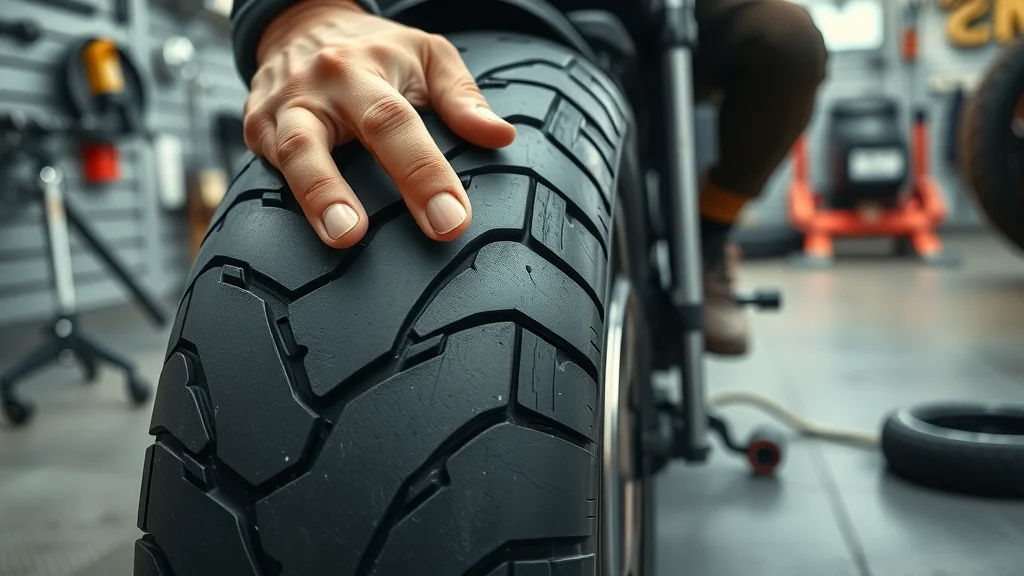
Clean close-up of a motorcycle tire inspection for the importance of motorcycle tire safety checks, focused on tread and texture with tools in garage background.

What You’ll Learn About the Importance of Motorcycle Tire Safety Checks

  • How to inspect motorcycle tire tread depth and tire pressure
  • Ways regular tire maintenance extends tire life
  • The impact of motorcycle tire condition on motorcycle safety and fuel efficiency
  • Essential maintenance tips for motorcycle tires and knowing when to replace them
Benefits of Regular Motorcycle Tire Safety Checks
Aspect Benefit Consequences of Neglect
Tire Pressure Improves fuel efficiency & reduces tire wear Poor handling, reduced fuel economy, premature tire failure
Tread Depth Maintains traction and safety Increased risk of sliding, longer stopping distance
Visual Condition Detects early signs of damage or wear Potential for unexpected tire blowouts
Maintenance Schedule Extends tire life and reliability Higher long-term costs, unplanned breakdowns

Understanding Motorcycle Tire Anatomy and Safety Risks

Motorcycle Tire Construction and Materials

  • Basic features of motorcycle tires: Motorcycle tires are engineered with specific tread depth, layered structure, and unique tread patterns that directly impact road performance and safety. The tread depth is crucial for effective water evacuation and grip, especially on wet surfaces. The carcass and sidewall materials—usually a mix of natural and synthetic rubber, steel belts, and fabric plies—provide the tire with structural integrity, flexibility, and resilience.
  • Design factors affecting tire life and motorcycle performance: Manufacturers design each motorcycle tire to balance flexibility for comfort with stiffness for stability. Advanced tread compound formulations can extend tire life while maximizing grip on different types of surfaces. The shape and spacing of tread blocks, known as the tread pattern, determine the tire's handling characteristics and traction, especially during cornering or braking maneuvers. This precise construction highlights why regular tire maintenance cannot be overlooked—all elements must perform optimally together for consistent motorcycle safety.
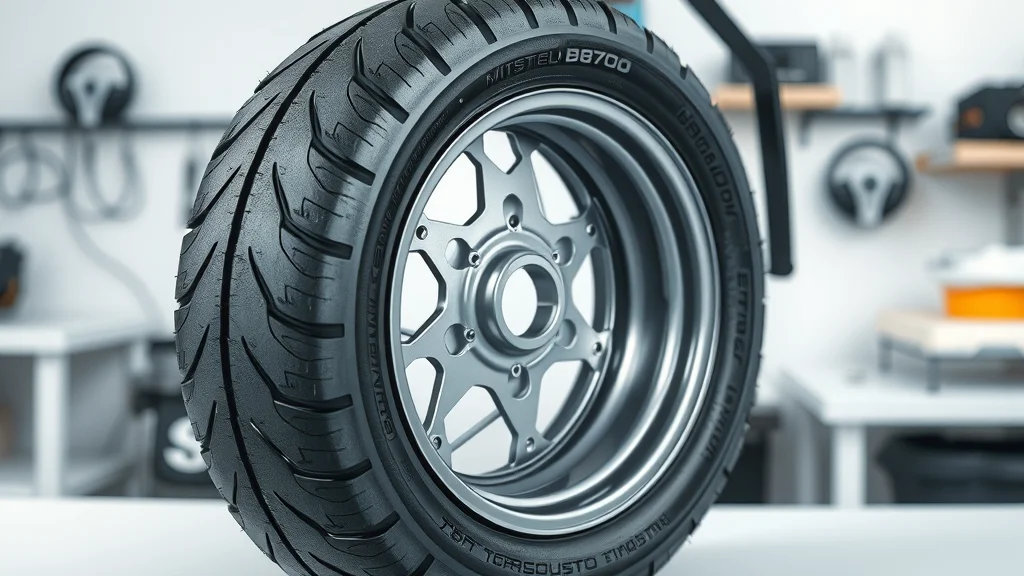
Detailed cross-section view of motorcycle tire showing construction layers and tread for understanding the importance of motorcycle tire safety checks.

Key Elements of Proper Tire Maintenance For Motorcycles

The Role of Tire Pressure in Motorcycle Safety Checks

  • How incorrect tire pressure impacts fuel efficiency, handling, and tire life: Riding with tires that are under- or overinflated changes the size and shape of the tire’s contact patch with the road surface. Underinflated tires increase rolling resistance, causing the engine to work harder, increasing fuel consumption, and accelerating tread wear. Overinflated tires, on the other hand, reduce grip and make rides less comfortable. Maintaining the recommended tire pressure is essential for preserving fuel efficiency, extending the life of your tires, and ensuring your bike handles as designed.
  • Using a pressure monitor for regular tire assessments: Modern pressure monitors are affordable and convenient—some models even offer real-time readings via smartphone apps. By checking tire pressure before every ride or at least weekly, riders can quickly spot leaks, minimize wear, and keep tire performance at its peak.
"Even a few psi difference in tire pressure can mean the difference between a safe ride and a dangerous situation."

For riders looking to further refine their maintenance routine, understanding how seasonal changes affect your motorcycle's performance can be invaluable. You can discover practical tips for adapting your tire care and overall bike upkeep throughout the year in this guide to seasonal bike care secrets.

Tread Depth: A Vital Safety Metric in Motorcycle Tire Safety Checks

  • How to measure tread depth for optimal traction: A simple tread depth gauge or even a coin can help inspect your tires. Generally, a motorcycle tire should have at least 1/16 inch of tread remaining; anything less compromises traction, particularly on wet or slippery surfaces. If you spot tread wear indicators (tiny rubber bars that run perpendicular to the tread), it's time to replace the tire.
  • Visual cues for tread wear and impending tire replacement: Uneven or bald spots, flat areas, cracks, or visible cords are all clear warnings that your tires need immediate attention. Regular inspection can help you detect wear early and prevent sudden failures on the road. Look for changes in the tread pattern, cupping, or scalloping, which not only affect grip but also signal issues with tire balance or suspension.
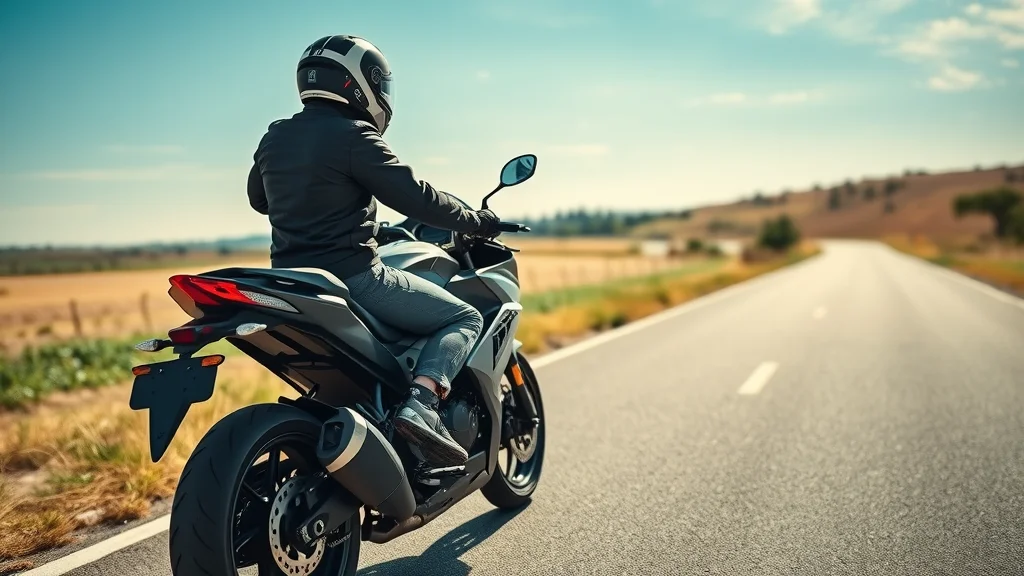
Modern motorcycle rider checking tire tread depth for proper motorcycle tire maintenance on a scenic open road.

Signs Your Motorcycle Tires Need Immediate Attention

  • Procedures for regular tire inspection: cracks, flat spots, aging: A thorough inspection involves more than a quick glance. Look for sidewall cracks, embedded debris, cuts, or bulges—these can all indicate internal damage. Flat spots or uneven wear patterns may result from skidding, aggressive braking, or long periods of sitting in storage. Tires also naturally degrade over time—even if tread depth is sufficient, age can make rubber brittle and unsafe.
  • Understanding the 7 7 rule and other inspection benchmarks: Some tire professionals recommend the '7 7 rule': never use a tire with less than 7/32 inch tread depth or older than seven years, regardless of appearance. Keep records of manufacturing dates (found on the tire sidewall as the DOT code) and plan timely replacements for optimal safety.

Effects of Regular Tire Maintenance on Tire Life and Performance

  • How regular tire care maximizes tire life and overall performance: Consistent tire maintenance promotes even tread wear, supports manufacturer-recommended fuel economy, and enables your motorcycle to respond as intended under braking or cornering. Taking time every month to properly maintain your tires will extend their life and reduce the risk of unexpected failures.
  • Link between motorcycle tire condition and fuel efficiency: Properly inflated tires minimize rolling resistance on the road surface, allowing your engine to perform efficiently and keeping fuel consumption in check. Neglected tires force your motorcycle to work harder, reducing fuel efficiency and increasing wear on other components.
  • Benefits of a proactive tire maintenance schedule: Setting a routine—checking air pressures, inspecting treads and sidewalls, and watching for signs of damage—lets you address potential problems early. Proactivity also means fewer surprises and more predictable riding, giving you confidence every time you hit the road.
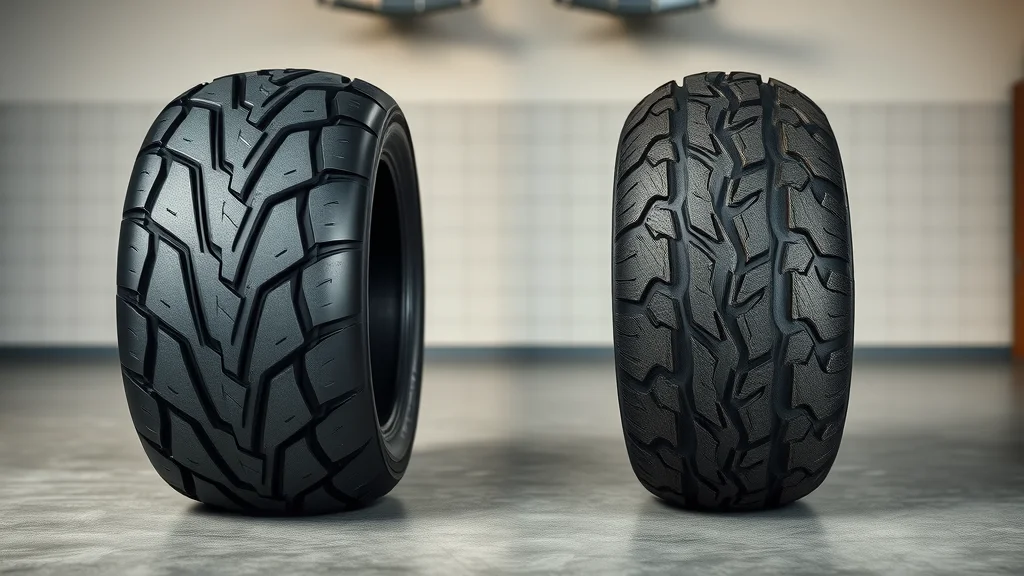
Comparison of a new and worn motorcycle tire for illustrating the importance of regular tire maintenance and tread health.

Step-by-Step Guide: How to Perform Essential Motorcycle Tire Safety Checks

  1. Checking tire pressure every ride: Use a reliable tire pressure gauge or digital pressure monitor to check each tire before you ride, especially after changes in temperature or long rides.
  2. Inspecting motorcycle tire tread depth and patterns: Visually and with a tread depth gauge, examine the entire circumference for evenness and minimum tread depth according to your tire’s manufacturer.
  3. Looking for tire damage or irregular wear: Run your hand along the tire’s surface, checking for nicks, cracks, bulges, or embedded debris. Don't ignore flat spots or shiny, balded patches—they signal the need for closer inspection or replacement.
  4. Assessing overall tire condition for optimal motorcycle safety: Consider the age of your tires and check sidewall information for manufacture date, replacing any tires seven years or older, even if they look fine externally.

PAA: What is the 3% tire rule?

Explaining the 3% Tire Rule and its Importance for Motorcycle Tire Safety Checks

  • Definition of the 3% rule and how it relates to tire maintenance and fitment: The 3% tire rule advises that the circumference or diameter of a replacement tire should not deviate by more than 3% from the original manufacturer’s specification. This rule ensures that speedometer readings remain accurate, and tire handling or bike geometry isn't compromised.
  • Why adherence to this rule helps with motorcycle tire safety and tire life: Even the slightest misfit can affect balance, suspension, and braking efficiency. Following the 3% rule supports proper tire function, boosts motorcycle safety, and prevents premature tread wear or failure due to incorrect fit.

PAA: What is the 4 second rule on a motorcycle?

How the 4 Second Rule Enhances Motorcycle Safety

  • Explanation of the 4 second rule for safe following distance: When you're on your motorcycle, pick a stationary object up ahead. As the vehicle ahead passes it, count to four—if you reach it before finishing the count, you're following too closely. A four-second buffer gives you time to react, brake safely, and avoid sudden hazards.
  • Its relationship to overall safety and tire condition on the road: Good tire condition is vital to stopping quickly and safely during emergencies. If your motorcycle tires are worn or your tire pressure is off, your ability to follow this rule—and to brake effectively—will be compromised.

Motorcycles maintaining safe following distance on highway for optimal motorcycle safety and tire performance.

PAA: What is the importance of tire inspection?

Critical Reasons for Tire Inspection in Motorcycle Safety Checks

  • Preventing accidents caused by worn or damaged motorcycle tires: Tire inspection allows you to catch cuts, embedded objects, excessive tread wear, or signs of aging before they can cause catastrophic failures on the road. Many avoidable crashes start with tire neglect.
  • Examples of incidents avoided due to regular tire maintenance: Riders who routinely inspect their tires often report averting blowouts after spotting slow leaks, bulges, or worn spots early. Proactive inspection is a key—yet simple—step that can prevent breakdowns and keep you riding safely.

PAA: What is the 7 7 rule for tires?

Understanding the 7 7 Rule in Regular Tire Maintenance

  • What the 7 7 rule states about seven-inch tread depth and seven-year lifespan: The 7 7 rule is a quick safety guideline: never ride with less than 7/32 inch of tire tread and never use a tire older than seven years, no matter how good it looks. This benchmark helps riders remember two easy markers for safe and timely tire replacement.
  • Implications for safe motorcycle tire use and timely replacement: Adhering to the 7 7 rule reduces your risk of accidents caused by hidden age-related damage or dangerously thin tread, ensuring both the performance and safety of your motorcycle tires are maintained throughout their service life.

Common Myths and Misconceptions About Motorcycle Tire Safety Checks

  • Dispelling common myths: It’s misleading to think all tires are the same, or that a simple visual check is enough. The truth is, tires differ in construction, intended use, and required care. Only dedicated tire maintenance—checking air pressure, using a tread depth gauge, and monitoring tire age—keeps you truly safe.
  • Expert opinions on the necessity of tire maintenance: Industry experts repeatedly emphasize that regular tire maintenance is a non-negotiable aspect of motorcycle safety. Skipping scheduled checks or dismissing small flaws often leads to expensive damage and increased risk on every ride.

Helpful Tools to Enhance Regular Tire Maintenance

  • Pressure monitors, tread gauges, digital inspection apps: Simple tools—like a quality air pressure gauge or digital tread depth gauge—bring accuracy to your routine. Today, digital inspection apps can help you record and track tire condition, sending reminders for future checks or replacement dates.
  • Tips for simplifying your motorcycle tire inspection routine: Store your tools together in a small, easily accessible kit. Set calendar reminders or use a riding logbook to make maintenance a habit—not an afterthought. Consistency is the secret to preventing wear and maximizing tire life.
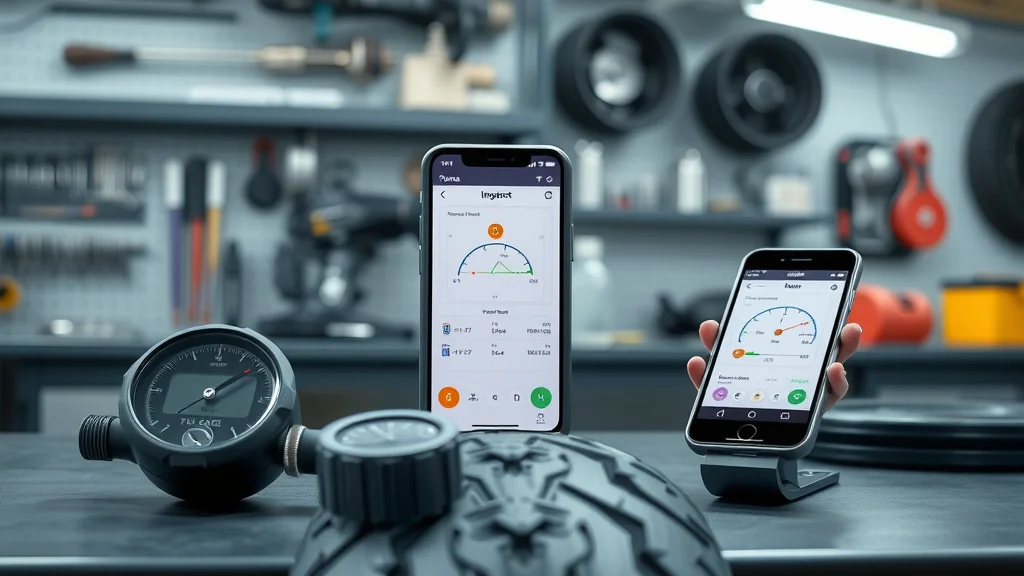
Modern set of motorcycle tire maintenance tools including a digital tire gauge, tread depth gauge, and mobile inspection app for proper motorcycle tire safety.
  • Visual walkthrough: checking tire pressure, tread depth, and signs of damage

Guided video demonstration: A mechanic systematically walks through the process of checking a motorcycle tire's pressure, assessing tread depth with a gauge, and visually inspecting for damage. Set in a professional garage with clear close-ups of each step for easy understanding.

  • Interviews or expert tips on ensuring motorcycle tire safety and regular tire maintenance

Hear from leading motorcycle mechanics and riding safety experts on their tried-and-true tire maintenance routines, top mistakes to avoid, and tips for extending tire life and safety.

FAQs on the Importance of Motorcycle Tire Safety Checks

  • How often should I perform tire maintenance?
    Ideally, check your motorcycle tires before every ride for pressure and visual condition. Perform a full inspection of tread depth and sidewalls at least monthly, or more frequently if you ride often or over long distances. Regular tire maintenance is crucial for incident-free riding and tire longevity.
  • Can I use car tire gauges for my motorcycle tires?
    While car tire pressure gauges can provide accurate readings, it's best to use a gauge designed for motorcycles, as correct pressure values may differ. Digital models often offer specific settings for motorcycles, making them more reliable for maintaining proper tire pressure.
  • What are the first signs of dangerous tire wear?
    Look for visible tread wear indicators, excessive bald patches, cracks, bulges, or any surface irregularities. A drop in tire pressure or changes in ride feel are also warning signs. Early detection and replacement are essential to maintain motorcycle safety.
  • How do weather conditions affect motorcycle tire safety checks?
    Temperature variations can cause tire pressure to fluctuate. Hot weather expands air inside tires, while cold weather reduces it, both potentially affecting grip and wear. Always check and adjust tire pressure according to weather and riding conditions for the safest ride.

Key Takeaways From the Importance of Motorcycle Tire Safety Checks

  • Regular tire maintenance is essential for safety, performance, and tire longevity
  • Proper tire inspections can prevent costly repairs and accidents
  • Staying informed and proactive ensures optimal motorcycle safety

Ready to Ride Safe?

  • Call Nasty Performance Motorcycle Shop Today: 847-458-4858

As you continue to prioritize your motorcycle’s safety and performance, consider expanding your knowledge with broader maintenance strategies. Our comprehensive article on seasonal bike care secrets every rider must know offers valuable insights into preparing your bike for changing weather, optimizing storage, and keeping every component in peak condition year-round. By integrating these advanced care techniques with your tire safety checks, you’ll ensure a smoother, safer, and more enjoyable ride in every season.

Safety & Inspection

0 Comments

Write A Comment

*
*
Please complete the captcha to submit your comment.
Related Posts All Posts

Best Practices for Motorcycle Accident Prevention You Should Know

Did you know that motorcycle riders are 28 times more likely to lose their lives in a crash than people in passenger cars? Yet, most motorcycle accidents can be prevented by following smart safety tips and making the right choices every time you ride. This article will show you exactly how to stay safer on every motorcycle ride and break down the best practices for motorcycle accident prevention you should know. Startling Facts: The Reality of Motorcycle Accidents "Riders are 28 times more likely to die in a crash than car occupants — but most motorcycle accidents are preventable through proactive safety habits." Motorcycle accidents remain a major concern for riders and traffic safety experts alike. According to the National Highway Traffic Safety Administration (NHTSA), each year thousands of motorcycle riders suffer serious injuries or lose their lives, often in preventable situations. The increased risk isn’t simply because motorcycles offer less protection; it’s that a handful of risk factors—like distracted driving and failing to follow motorcycle safety tips—fuel these statistics. While the likelihood of a motorcycle crash is higher than that of passenger car drivers, most incidents stem from avoidable causes. Contrary to what many believe, even experienced riders are vulnerable to sudden hazards, especially on busy city streets. The difference between a safe ride and a dangerous one often comes down to consistent application of best practices for motorcycle accident prevention. By adopting safe riding habits and prioritizing ongoing motorcycle safety, riders can dramatically lower their chances of becoming a statistic. What You'll Learn About Best Practices for Motorcycle Accident Prevention The leading causes of motorcycle accidents Essential motorcycle safety tips for every rider Effective best practices for motorcycle accident prevention How to implement motorcycle crash avoidance strategies Key resources to improve your own motorcycle safety Understanding the Causes of Motorcycle Accidents Before you can prevent a motorcycle accident, it helps to understand what puts riders at risk. Studies and reports from the national highway traffic safety administration and the department of transportation consistently show that a small number of recurring factors are behind most motorcycle accidents. Understanding these root causes gives every motorcycle rider a head start in building better habits and staying alert for danger zones. Many accidents happen not because of lack of skill, but due to situational factors and unsafe behaviors. Distracted car drivers, for instance, often fail to see motorcycles in their blind spots. Poor road conditions and unexpected debris can force split-second decisions, greatly increasing the odds of a motorcycle crash. And even among experienced riders, a lapse in judgment or breaking a traffic law can quickly turn a routine commute into an emergency. Recognizing the top accident triggers can help you anticipate and avoid threats before they escalate. Common Motorcycle Accident Triggers Distracted vehicle drivers Unsafe road conditions Excessive speed and aggressive driving Lack of rider experience "The vast majority of motorcycle accidents can be linked to a handful of preventable factors." Distracted vehicle drivers account for a significant share of motorcycle accidents. Since motorcycles are smaller and less visible than cars, a simple oversight—like changing lanes without using turn signals—can lead to disaster. Unsafe road conditions, including potholes or slick surfaces, further increase risk, especially for those not wearing proper riding gear. And while it seems obvious, pushing past the speed limit or riding aggressively greatly reduces reaction time in the event of an accident. Even a skilled motorcycle rider can find themselves in a dangerous spot if complacency sets in, or if their skills aren’t up to date with current traffic safety challenges. While understanding accident triggers is crucial, it's equally important to recognize how seasonal changes can impact your safety on the road. For practical advice on preparing your motorcycle for different weather conditions and ensuring your bike is ready year-round, explore these seasonal bike care secrets every rider must know. Crucial Safety Tips for Motorcycle Crash Prevention Preventing a motorcycle accident isn’t just about riding carefully—it’s about adopting proactive motorcycle safety habits every time you hit the road. The most effective safety tips are simple yet powerful, and they start with what you wear and how you behave. From wearing a helmet to using proper signals and following all traffic laws, these steps instantly increase your odds of avoiding a motorcycle crash. Remember, you can’t control other drivers, but you can make yourself more visible and predictable. This includes wearing bright riding gear, using your lights, and maintaining situational awareness throughout your journey. Treat every motorcycle ride as a fresh opportunity to reinforce safety standards—not just for you, but for everyone on the road. Implementing even a few of these safety tips can mean the difference between a close call and a tragedy. Always Wear a Helmet and Protective Gear Helmet effectiveness and standards Importance of jackets, gloves, boots and reflective gear No single action offers greater protection than wearing a helmet. According to the traffic safety administration, a certified motorcycle helmet—one that meets safety standards—reduces your risk of fatal head injuries dramatically. Good helmets are designed to absorb impacts, shield your face, and increase your visibility on the road. For maximum safety, choose a helmet approved by the Department of Transportation or equivalent authorities. Even more, complete protective gear acts as a full-body defense in the event of an accident. Leather jackets, reinforced gloves, and sturdy boots offer abrasion resistance and impact protection, while reflective materials help increase your visibility during night rides or poor weather. Riders who consistently wear bright, certified gear experience fewer injuries in serious motorcycle crashes—and set the example for responsible motorcycle riding. Follow All Traffic Laws for Motorcycle Safety Why obedience to speed limits matters Adhering to signals, signs and lane rules Abiding by local traffic laws is non-negotiable for motorcycle safety. Observing the speed limit allows you extra time to react to unforeseen hazards or sudden movements from other vehicles. Full compliance with turn signals, traffic signs, and lane discipline minimizes confusion for car drivers and helps prevent dangerous assumptions, especially at intersections. Following all laws—no matter how experienced a rider you are—sends a signal of predictability and respect. Remember, many motorcycle accidents stem from situations where someone, often another driver or a distracted pedestrian, fails to follow the rules. By setting an example and maintaining traffic safety habits, you help promote an environment in which all motorcycle riders benefit. Maintain a Safe Following Distance During Your Motorcycle Ride Understanding the 4 second rule for motorcycle accident prevention How distance can save lives in sudden-stopping scenarios The “four-second rule” is one of the most important safety tips for every motorcycle rider. This guideline means keeping a minimum gap of four seconds between your motorcycle and the vehicle in front, ensuring there’s adequate time to stop safely if the traffic suddenly halts. Count the time it takes for your bike to pass a fixed point after the car ahead passes it; if it’s less than four seconds, back off. Maintaining this distance creates critical reaction time and also leaves you space to maneuver around obstacles or avoid becoming a victim in a chain-reaction motorcycle crash. Especially in heavy city traffic or on highways, this habit aligns with the very best practices for motorcycle accident prevention and gives you the upper hand during any motorcycle ride. Enhancing Motorcycle Rider Awareness and Skills Beyond basic safety tips, ongoing education and skill development set experienced riders apart. Even veteran motorcycle riders benefit from brushing up on defensive riding techniques and situational awareness, both of which are essential for accident prevention. Many motorcycle accidents are avoided simply because a well-trained rider recognized dangers before they became emergencies. In fact, the National Highway Traffic Safety Administration routinely highlights the value of formal training in their crash prevention recommendations. Signing up for refresher courses or local motorcycle safety programs can teach you how to anticipate driver errors, navigate tricky weather, and keep a cool head during high-risk scenarios. The more you invest in your skills, the safer every ride will be. Continuous Learning for Motorcycle Riders Importance of advanced motorcycle riding courses Resources for local rider education Motorcycle training isn’t just for beginners. Advanced courses help both new and experienced riders sharpen their reaction skills, test their limits safely, and stay up-to-date with changes in traffic safety standards. Programs offered by the Motorcycle Safety Foundation and similar organizations cover topics like emergency braking, cornering safely, and effective lane positioning. Attending group workshops or safety events keeps you involved in the motorcycle rider community and provides new perspectives on familiar situations. Use resources from your state’s highway traffic safety office or local dealers—many offer discounts on skill-building classes designed to prevent motorcycle crashes. Ultimately, staying proactive about your education puts you in a better position to manage risk, avoid danger, and ride confidently. Defensive Riding Techniques to Avoid Motorcycle Accidents Staying visible to other road users Anticipating driver errors Practicing situational awareness on every ride Defensive motorcycle riding is about seeing threats before they see you. Always increase your visibility by wearing bright gear, keeping your lights on, and positioning yourself in the lane where drivers are most likely to see you. Anticipate what other drivers might do, especially those in passenger cars who may not notice a motorcycle in their blind spots. Being aware isn’t just about your immediate surroundings—it means scanning ahead for changes in traffic, reading the body language of vehicles, and watching road conditions closely. These safety tips empower every motorcycle rider to avoid common scenarios that lead to motorcycle accidents, from sudden lane shifts to debris in the road. Routine Motorcycle Maintenance: Essential for Safety Checking tire pressure and tread regularly Inspecting brakes, lights, and fluid levels Scheduled professional servicing at trusted shops Safe motorcycle riding isn’t only about skill and awareness; it depends on your bike’s reliability. Faulty brakes, worn-out tires, or leaking fluid can turn a normal ride into an accident waiting to happen. Make it a habit to inspect your bike before every ride by checking tire pressure and tread, ensuring every light and turn signal works, and confirming brake pads are in good shape. Following a basic maintenance checklist—like the one below—helps prevent accidents caused by mechanical failure. Always schedule regular servicing with trusted mechanics, and never put off repairs. Well-maintained bikes conform to manufacturer and traffic safety administration standards, allowing you to focus on the ride instead of worrying about sudden breakdowns. This practical approach to vehicle safety protects both new and experienced riders every time they get on the road. Motorcycle Accident Prevention Checklist (Best Practices vs. Common Pitfalls) Best Practice Common Pitfall Why It Matters Wear helmet & full protective gear Riding without a helmet or with casual clothing Proper riding gear saves lives and lowers injury risks in a crash Follow traffic laws & use turn signals Speeding or ignoring signals Obeying rules prevents confusion and collisions Practice routine bike maintenance Neglecting checks & skipping servicing Well-maintained motorcycles are more reliable and safer Stay visible & ride defensively Riding in blind spots or weaving through cars Visibility reduces risk from distracted drivers Take advanced safety courses Assuming past experience is enough Continuous learning sharpens skills and awareness Weather and Environmental Considerations for Motorcycle Riders Navigating wet or slippery roads safely Riding in low visibility conditions What riders can do to prepare for seasonal changes Weather elements can dramatically alter the outcome of any motorcycle ride. Rain and slick roads decrease traction and extend braking distances, making it easier for motorcycles to skid or hydroplane. Always wear specialized rain gear and ensure your tires are in top condition to handle wet pavement. Low visibility, due to fog, dusk, or storms, means you must double down on efforts to be seen. Use reflective stripes on your riding gear, keep your headlight on, and reduce speed so you’re able to react to sudden obstacles. Planning ahead for seasonal changes and adapting your riding style to the weather are essential parts of the best practices for motorcycle accident prevention. Technology and Modern Solutions for Motorcycle Safety Helmet communication systems Motorcycle ABS and collision avoidance tech Protective clothing with smart features New technologies have revolutionized motorcycle safety. Motorcycle ABS (anti-lock braking systems), for example, reduce the odds of skidding during emergency stops—especially on slick or uneven surfaces. Many modern bikes also feature built-in collision alerts, tire pressure monitoring, and other vehicle safety tools to keep you informed and protected. Smart helmets with communication systems let riders stay in touch with fellow bikers or emergency services hands-free, greatly improving coordination and response times. Even riding gear has gotten an upgrade: some jackets and vests now have built-in air bags or Bluetooth-enabled LED lights to further increase your visibility. Investing in modern motorcycle safety gear provides you with extra layers of defense in traffic, during the event of an accident, or when tackling unfamiliar routes. Top 5 Best Practices for Motorcycle Accident Prevention Always wear a helmet and certified safety gear Stay alert and predictable in traffic Take advanced safety courses regularly Never ride under the influence Ensure your motorcycle is well maintained These five best practices form the foundation of every safe motorcycle ride. Each tip is rooted in decades of accident data and proven to drastically reduce the chances of injury or death. By making these habits your standard operating procedure, you maximize your safety both in everyday commutes and on longer trips. Remember, prevention begins with personal responsibility. Riding defensively, upgrading your skills, equipping the latest safety technology, and keeping your bike in top form don’t just lower your risk—they boost your confidence and enjoyment on the open road. A commitment to these safety tips turns every trip into an example of best practices for motorcycle accident prevention. People Also Ask About Best Practices for Motorcycle Accident Prevention What is the 4 second rule on a motorcycle? Explanation of the 4 second rule for safe following distance Role of the rule in preventing rear-end motorcycle crashes The “4 second rule” means keeping a safe distance between your motorcycle and the vehicle ahead by counting at least four seconds as both pass a fixed point. This rule helps to give you the critical time and space needed to react to sudden stops or road hazards, greatly reducing your risk of rear-end collisions and other motorcycle crashes. It's a simple habit that any motorcycle rider can use on every motorcycle ride—especially in heavy traffic or poor weather. What does 2 fingers down mean to bikers? Cultural significance of the two-fingered wave Impact on motorcycle rider community and safety signaling The “two fingers down” gesture is a universal sign of respect and solidarity among motorcycle riders. It’s usually performed as a subtle wave to another rider, symbolizing “keep it safe” and “enjoy your ride. ” Beyond its community-building aspect, the gesture also serves as a non-verbal cue to remind everyone about the importance of motorcycle safety on the road. Where do 70% of motorcycle accidents occur? Breakdown of intersection and urban area accident statistics Prevention strategies for high-risk locations Over 70% of motorcycle accidents take place at intersections or on city streets, where traffic density, frequent stops, and unpredictable maneuvers are most common. In these high-risk locations, practicing defensive riding, double-checking intersections before proceeding, and increasing your visibility with bright riding gear are the best ways to reduce your risk of being involved in a motorcycle crash. What are the 5 safety tips for motorcycle riders? Wear a helmet Follow traffic laws Ride defensively Keep your bike maintained Stay sober and alert These five safety tips are the core of every expert’s best practices for motorcycle accident prevention. Whether you’re a new rider or a seasoned pro, sticking to these basics ensures that you are giving yourself—and everyone else—a safer experience each time you ride a motorcycle. Quick Reference: FAQ on Best Practices for Motorcycle Accident Prevention What gear provides the most protection during a motorcycle crash? The most protective gear includes a certified motorcycle helmet, abrasion-resistant jacket and pants (preferably with armor), sturdy gloves, reinforced boots, and reflective vests. Each item is designed to distribute impact forces and minimize injuries in the event of an accident. How often should motorcycle riders take safety courses? Riders should consider a refresher or advanced safety course every two to three years, or anytime they change bikes or ride in a new environment. Continuous learning ensures you stay updated with current best practices and local traffic laws. Is lane splitting safe or legal in my state? The legality and safety of lane splitting depend on where you ride. Some states, like California, allow it under certain conditions, while others prohibit it. Always check your local traffic laws before attempting lane splitting, and use extra caution if you choose to do so. What are the signs my motorcycle needs maintenance? Warning signs include unusual noises, reduced brake responsiveness, flickering lights, worn tire treads, or leaking fluids. Regular inspections and scheduled maintenance with a trusted mechanic help catch these issues before they lead to a motorcycle accident. Key Takeaways: Best Practices for Motorcycle Accident Prevention Consistent helmet use and safety gear save lives Adhering to motorcycle safety tips reduces crash risks Awareness and preparation are the best tools for every motorcycle rider Protect Yourself: Adopt Best Practices for Motorcycle Accident Prevention "Every ride is an opportunity to set an example of safe motorcycle riding. Make safety your top priority." Focusing on best practices for motorcycle accident prevention isn’t just smart—it’s lifesaving. Ride safe, stay alert, and make every journey an example of responsible motorcycle riding. As you continue to refine your approach to motorcycle safety, remember that true accident prevention extends beyond the ride itself. Proactive care for your bike throughout the year is just as vital as your on-road habits. If you’re ready to take your safety and performance to the next level, discover how seasonal maintenance can protect both you and your motorcycle by reading about essential seasonal bike care strategies. Investing in year-round upkeep not only boosts reliability but also ensures you’re always prepared for whatever the road—and the weather—may bring. Contact a Motorcycle Safety Expert For professional advice, maintenance, and upgrades, call Nasty Performance Motorcycle Shop Today: 847-458-4858

Step-by-Step Guide to Motorcycle Safety Features You Need

Did you know that motorcycle riders are 28 times more likely to die in a crash than passenger vehicle occupants? If that fact grabs your attention, you’re already on the road to becoming a safer, smarter rider. This step-by-step guide to motorcycle safety features is your practical map to understanding—and making the most of—the technologies, habits, and gear that keep you motorcycle safe. Whether you're new to motorcycle riding or have years of riding experience, these insights will help you significantly reduce risks and boost your confidence every time you hit the open road. An Eye-Opening Look: Why Motorcycle Safety Features Matter "Motorcycle riders are 28 times more likely to die in a crash than passenger vehicle occupants"—National Highway Traffic Safety Administration Startling Facts About Motorcycle Safety Motorcyclists account for only 3% of registered vehicles but 14% of traffic fatalities. Using modern safety features can significantly reduce the risk of serious injury or death. Advanced technologies like ABS and traction control help riders maintain control and react faster in emergencies. Proper protective gear, especially a certified motorcycle helmet, can lower head injury risk by nearly 70%. Unconventional Realities for Motorcycle Riders Myth: Experience alone keeps you safe. Fact: Even seasoned motorcycle riders benefit from modern safety features and defensive riding techniques. Myth: Riding slow makes protective gear less necessary. Fact: Most accidents occur at lower speeds—wearing protective gear is always a good idea. Myth: Clear, sunny days are safest. Fact: Potential hazards like oil spills, debris, or sudden traffic can catch you off guard at any time. What You'll Learn From This Step-by-Step Guide to Motorcycle Safety Features An overview of critical motorcycle safety features you should know about How to implement safety practices for motorcycle riding—from the basics to advanced strategies Tips for rider safety and advice on choosing protective gear that meets safety standards An understanding of new technology—like ABS, traction control, and stability systems—and how these keep you motorcycle safe Understanding Essential Motorcycle Safety Features How Do Modern Motorcycle Safety Features Work? Today’s motorcycles are designed with safety features that both seasoned and new riders need to stay protected. At the heart of these are systems like ABS (Anti-lock Braking System), traction control, and stability assist. Such features actively help the motorcycle rider by intervening during emergency situations, minimizing the risk of loss of control and maximizing reaction time. For instance, ABS prevents wheel lock-up during hard braking, traction control manages power delivery to avoid slipping, and modern air filters keep the engine’s power consistent, ensuring reliable performance in various weather conditions. Knowing how these systems work gives you an edge—and can be the difference between a close call and a crash. While understanding these core safety features is crucial, it's equally important to recognize how seasonal changes can impact your motorcycle's performance and safety systems. For practical advice on adapting your maintenance routine throughout the year, check out these seasonal bike care secrets every rider must know to keep your ride in top condition no matter the weather. Basic vs. Advanced Motorcycle Safety Features Feature Basic Version Advanced Version Braking System Standard hydraulic brakes Anti-lock Braking System (ABS) Traction Manual throttle control Electronic Traction Control Stability Frame geometry only Electronic Stability Control Visibility Conventional lights Adaptive LED lighting, Emergency Stop Signals Air Quality Paper air filter High-efficiency, washable air filter Top Safety Features Every Motorcycle Should Have Anti-lock Braking Systems (ABS): Prevents rear wheel lock-up for better control under hard braking. Traction Control: Helps maintain grip and balance on slippery surfaces and in changing weather conditions. Stability Control: Enhances control during cornering, especially when potential hazards arise. Emergency Stop Signals: Alerts road users behind you during sudden braking for improved rider safety. Protective Gear Recommendations: Invest in quality riding gear like a DOT-approved motorcycle helmet, armored jacket, gloves, and boots. Traction Control and Stability: Staying Motorcycle Safe on Every Ride Traction Control: How It Improves Rider Safety Traction control is a cornerstone of motorcycle safety. This system constantly monitors the speed differential between the front and rear wheels. When it detects slippage—like on wet pavement or loose gravel—it automatically adjusts engine power or applies braking to the slipping wheel. What does that mean for you? Significantly reduced risk of losing control, especially in situations where reaction time is critical. Traction control intervenes before you can even react, preventing wheel spin and slides. Ideal for scenarios like sudden rain, gravel patches, or slippery surfaces from oil spills or debris. Allows both new and veteran riders to maintain control, even when caught off guard. Whether you’re cruising on the open road or navigating city hazards, traction control offers peace of mind. It’s not just a smart technology—it’s a game changer in keeping you and your passenger motorcycle safe, regardless of your riding experience. Stability Assist and Its Role in Motorcycle Riding Another must-have safety feature is electronic stability control. While a motorcycle’s natural balance is always critical, unforeseen obstacles or tough weather conditions can test even the best riders. Stability assist systems use onboard gyroscopic sensors and computers to correct the bike’s trajectory during quick maneuvers or hazardous situations. This is especially helpful during cornering, rapid lane changes, or sudden evasive action. Electronic stability systems monitor lean angle, acceleration, and traction in real time. A vital safety net when hitting curves on rain-slicked roads, managing strong winds, or reacting to unpredictable road users. These advanced systems help maintain control no matter the challenge, making it easier for you to stay safe in all riding conditions and maintain a safe distance from hazards. Defensive Riding Techniques and Rider Safety Best Practices for Motorcycle Riding to Stay Safe No matter how advanced your motorcycle’s safety features are, your own habits play an equally significant role in staying motorcycle safe. Defensive riding means being alert to potential hazards and proactively preventing accidents before they occur. Always scan the road for changing traffic patterns, potential hazards, and unpredictable road users. Keep an eye on the rear wheel and always maintain a safe following distance, especially in heavy traffic. Anticipate other drivers’ actions, obey speed limits, and signal your intentions well in advance. Avoid blind spots, use headlights and wear brightly colored gear to remain visible. When you combine these defensive riding principles with your bike’s built-in safety features, you’re far more likely to react in time to avoid danger. Defensive riding is a daily habit that rewards you with safer, more enjoyable motorcycle riding every mile. Weather Conditions and Motorcycle Safety Adapting your ride to changing weather conditions is a must. Rain, fog, cold snaps, and heat waves all bring unique risks. Slippery surfaces can appear suddenly, reducing tire grip and increasing stopping distances. Check weather forecasts before you leave and plan your route accordingly. Adjust your speed, increase your following distance, and minimize sharp maneuvers in wet or icy conditions. Choose waterproof, insulated, or ventilated protective gear for maximum comfort and safety. Proper motorcycle helmet visors or goggles can help keep your vision clear in the rain or bright sunlight. By understanding how weather impacts your motorcycle riding experience and adjusting your habits and gear, you’ll be more prepared to ride safe in any condition. Protective Gear: The First Line of Defense for Motorcycle Safe Riding Choosing the Right Protective Gear for Maximum Safety The right protective gear can often mean the difference between a minor injury and something life-altering. Invest in gear specifically designed to keep you motorcycle safe—and make sure everything you wear meets the highest safety standard. Helmet: Always wear a DOT- or ECE-certified motorcycle helmet for the best impact protection. Jacket: Opt for armored jackets with abrasion-resistant materials, such as leather or reinforced textiles. Gloves: Padded gloves with reinforced palms and fingers allow better grip and protection during falls. Boots: Ankle-protecting boots with anti-slip soles significantly reduce foot and leg injuries. Riding tips: Ensure your gear fits comfortably and check for reflective patches or bright colors for enhanced visibility. Don’t forget—protective gear works best when it’s complete and weather-appropriate. "Quality protective gear can make the difference between a minor and a severe injury."—Motorcycle Safety Expert Obeying Speed Limits and Traffic Laws for Enhanced Motorcycle Safety Speed Limits: How They Influence Motorcycle Safety While the thrills of riding a motorcycle are undeniable, obeying speed limits dramatically improves rider safety. Exceeding speed limits increases your stopping distance, reduces your reaction time, and makes your injuries far more severe if you crash. Riding above the posted speed not only exposes you to higher risks but also can result in legal penalties. When you ride within legal speed limits, you can better anticipate and avoid potential hazards. Speeding often tempts you into taking risks or missing critical cues from road users. Respecting speed limits isn’t just about avoiding tickets; it’s about giving yourself the precious moments you may need to react and keep your ride safe in emergency situations. Critical Traffic Laws for Motorcycle Riders Always wear a helmet and use proper signals when turning or changing lanes. Obey all traffic signals, stop at red lights, and yield as dictated by the law. Never ride between cars in moving traffic unless permitted by state traffic laws (lane-splitting). Keep your headlight on for visibility, even during the day. Adhering to these traffic laws instills respect for all road users and demonstrates your commitment to motorcycle safety. It’s not just about compliance; it’s about protecting yourself and others every time you’re on the open road. Routine Maintenance: Keeping Safety Features Effective Essential Checks: From Your Air Filter to Brakes Keeping your motorcycle safe isn’t just about riding habits or gear—routine maintenance plays a critical role, too. Components like air filters, brakes, lights, and tires directly impact your bike’s performance and safety. Air Filter: A clean air filter ensures optimal engine power and smooth throttle response, especially under load or sudden acceleration. Brakes: Regular inspection and replacement of brake pads and discs guarantees reliable stopping power in emergencies. Tire Pressure & Tread: Check your tire pressure and inspect for wear—under-inflated or bald tires reduce traction control and stability. Lights and Signals: Make sure all lights—headlights, taillights, indicators—work bright and clear for visibility. Basic DIY checks, like adjusting your chain, topping up fluid levels, and monitoring the rear wheel for alignment, are all simple ways to significantly reduce mechanical risks. Schedule professional service regularly to keep all safety features up to standard for every ride. Watch a short video demonstration showing real-life motorcycle safety features in action, including ABS, traction control, protective gear, and safe riding techniques in various weather conditions. People Also Ask: Answers to Top Motorcycle Safety Questions [[paa]] The answer: To stay motorcycle safe, always use modern safety features like ABS and traction control, wear a certified motorcycle helmet and other protective gear, follow speed limits, and keep your motorcycle well maintained. Adopting defensive riding techniques and continuous learning improves your reaction time and helps navigate emergency situations, significantly reducing your risk on the open road. The Importance of Ongoing Education in Motorcycle Safety Take advantage of continued learning opportunities, such as rider safety courses and online resources. New motorcycle safety regulations, rider training programs, and refresher courses exist for all skill levels—and can help you adapt to evolving road users and regulations. Enrolling in local safety training is always a good idea for keeping your skills—and instincts—sharp. Frequently Asked Questions on Motorcycle Safety Features What are the most important motorcycle safety features? Key safety features every motorcycle should have include ABS, traction control, stability assist, high-quality air filters, reliable brakes, and visibility enhancements like emergency stop signals. Good protective gear is essential, too. How often should safety features be checked? Inspect critical components like brakes, tires, and lights before every ride. Perform in-depth maintenance—including cleaning or replacing your air filter and testing advanced safety systems—at least every few months, or as directed in your owner’s manual. Can upgrading safety features improve motorcycle safe riding? Absolutely. Upgrading to a bike with modern ABS, electronic traction control, and active stability systems—along with high-quality riding gear—will significantly reduce accident risks and help you stay safe in any riding scenario. Key Takeaways: Step-by-Step Guide to Motorcycle Safety Features Modern motorcycle safety features like ABS, traction control, and stability assist save lives and increase confidence. Routine maintenance—especially of air filters, brakes, and tire pressure—keeps safety features effective. Riding safe means combining technology, defensive riding habits, and proper protective gear. Ongoing education and adherence to speed limits and traffic laws ensure your motorcycle riding remains safe, legal, and enjoyable. Stay vigilant, stay prepared, and always prioritize your safety on every ride. Motorcycle safety is a journey that evolves with every season and every mile. If you’re ready to take your riding confidence to the next level, consider exploring how seasonal maintenance can further protect both you and your bike. Discover expert strategies for adapting your care routine to changing weather and road conditions by visiting our guide on seasonal bike care secrets every rider must know. By combining advanced safety features with proactive, year-round maintenance, you’ll ensure every ride is as safe and enjoyable as possible. Stay informed, stay prepared, and keep your passion for riding alive—no matter what the road brings. Ready to Ride Safer? Call Nasty Performance Motorcycle Shop Today: 847-458-4858

Motorcycle Light Inspection: Don’t Ride Without This Check

Have you ever wondered if a single overlooked motorcycle light could put your life—and your ride—at risk? Motorcycle light inspection isn’t just another checkbox on a safety list; it’s the difference between commanding the road and becoming invisible to other drivers. From avoiding penalties to maximizing safety in every condition, this guide will reveal how simple checks can prevent accidents, keep you compliant with the administrative code, and even lower your motorcycle insurance risk. Read on to illuminate every aspect of motorcycle light inspection and ensure every journey starts (and ends) bright. Why Is Motorcycle Light Inspection Crucial for Riders? Explore the importance of motorcycle light inspection in rider safety. “A thorough motorcycle light inspection can mean the difference between visibility and vulnerability on the road.” At the heart of motorcycle safety is visibility. Performing a thorough motorcycle light inspection before every ride ensures you remain visible to other motorists in all conditions, from bright sunny afternoons to dark, rainy nights. Visibility isn’t just about seeing—it’s about being seen, which substantially reduces the risk of accidents caused by other vehicles failing to recognize a motorcyclist’s presence. According to motorcycle inspection experts, headlamps, signal lamp devices, and taillights should be checked on a daily basis to confirm they function at peak efficiency. A faulty or dim motorcycle headlamp or rear lamp can put you at serious risk. Not only do such issues violate administrative code inspection requirements, leading to fines and failed inspections, but they also severely impact safety. A functioning stop lamp, high beam, and signal devices are critical not just for your safety but for everyone on the road. Neglecting a simple light system inspection can lead to strobe light malfunctions, unclear rear lamps, and, ultimately, vulnerability from other drivers’ impaired awareness. Regular inspection is a crucial habit for peace of mind and safety. What You’ll Learn About Motorcycle Light Inspection How to conduct a proper motorcycle light inspection Key components to check per motorcycle inspection standards FAQs about motorcycle light inspection and legal requirements This comprehensive guide walks you through every detail of motorcycle light inspection. You’ll master each aspect—spotting issues with your motorcycle headlamp, checking turn signal devices, evaluating taillights and brake control devices, and ensuring compliance with administrative code. Whether you’re a seasoned rider or just got your first motorcycle, this guide gives you actionable, step-by-step knowledge to ensure your motorcycle meets all safety and legal motorcycle inspection requirements. By the end, you’ll know precisely how a robust light system impacts everything from safety to your motorcycle insurance. Plus, you’ll have a ready checklist to never miss a beat in your motorcycle maintenance routine. As you become familiar with the ins and outs of motorcycle light inspection, it’s also helpful to understand how these checks fit into your broader maintenance routine. For a practical look at seasonal adjustments and how lighting care changes throughout the year, explore essential seasonal bike care strategies every rider should know. Understanding Motorcycle Inspection: Light Checks Defined Overview of the motorcycle inspection process and light checks Administrative code requirements for motorcycle light inspection The motorcycle inspection process is carefully structured to evaluate the full spectrum of safety, from the engine oil and brake fluid to the intricate light system. A core part of this process is light inspection—ensuring every headlamp, signal lamp, and rear lamp functions optimally. According to the administrative code, motorcycles must be equipped with an approved type of lighting that complies with optical centerline and vertical centerline standards. This ensures the high beam, stop lamp, and auxiliary lights provide clear, well-angled illumination without blinding oncoming traffic. During the inspection, examiners check every signal device for function and compliance. Each lamp is assessed for cracks provided or damage that could cause the light to not project clearly or project through the crack, which could interfere with the intended visibility. Administrative code further stipulates that the centerline of the lamp must be properly aligned, and any auxiliary lights or strobe light used should be of an approved type, especially for police motorcycle or emergency use. Meeting these standards is not just about passing a motorcycle inspection—it’s about prioritizing safety and maintaining eligibility for motorcycle insurance coverage. Step-by-Step Motorcycle Light Inspection Guide Inspecting Headlights: Motorcycle Inspection Standards Testing high and low beams for efficiency and compliance Start your motorcycle light inspection with the headlamp assembly. Test both the high beam and low beam, confirming each function independently and shine a uniform, bright light ahead. The light must not be so intense or misaligned that it blinds oncoming traffic. Use a wall or garage door in a dim environment to check beam pattern and height. Administrative code requires that the motorcycle headlamp's optical centerline aligns with the vertical centerline of the motorcycle—misalignment is a common cause for failing a motorcycle inspection. Confirm that the lenses are free from cracks provided or fogging, as a compromised lens can cause the light to not project effectively, making you less visible on the road and inviting inspection failure. Inspect for and reject any headlamp where the light does not project a minimum set distance or has obvious defects. If you ride a police motorcycle, make sure the police motorcycle headlamp has the proper strobe light function and complies with auxiliary lights requirements. Routine checks, even on a daily basis, keep your light system dependable—making sure you never get caught unaware, especially during night rides or in poor weather. Evaluating Turn Signals and Taillights Ensuring indicators are functional and visible Indicator lights, or turn signals, are essential control devices for road communication. Activate left and right signal lamp switches, observing if each signal device flashes at a steady, visible rate. All signal lamps and auxiliary lights must emit a clear red or amber glow, as per administrative code, with no delays or flickers. Inspect for and reject fixtures with faulty wiring, broken bulbs, or damaged covers—these can confuse other drivers or fail to indicate your intentions. Additionally, the rear lamp and taillights must remain steadily illuminated while the engine is running, casting light to the rear of the motorcycle for optimal visibility in all traffic situations. During motorcycle inspection, examiners check the mounting and lens integrity of each signal device. Ensure lenses are not cracked or missing, and that each lamp is the approved type. This is particularly critical if you have customized lighting, auxiliary lights, or have added strobe light features. Consistently functional taillights and turn signals are not only a matter of personal safety, but also a requirement for passing inspection and maintaining your motorcycle insurance policy. Checking Brake Lights and Marker Lamps Inspection tips for maximum road safety Press down on both front and rear brake control devices to engage the stop lamp—this should instantly brighten and be easily seen from a reasonable distance. A malfunctioning stop lamp is one of the most common causes of accidents and motorcycle inspection failures. Make sure the lens in brake and marker lamps is clear of dirt, cracks, or fogging to guarantee maximum light output. The light produced must be continuous and uninterrupted; project through the crack or cloudy lens and you risk failing inspection or going unnoticed in crucial braking moments. Additionally, motorcycle inspection requirements ask for the marker lamps to be securely attached and properly connected through the wiring harness. Inspect for and reject any sign of exposed wires, broken sockets, or poor connections—faulty wiring can cause intermittent failures and undermine your claim with motorcycle insurance in the event of an accident. Don’t skip testing your auxiliary lights or license plate illumination, as these are all part of a comprehensive motorcycle light inspection and are subject to administrative code standards. Common Issues Found During Motorcycle Light Inspection Burnt-out bulbs and wiring failures Lens clarity and fixture damage During a routine motorcycle inspection, several issues tend to surface, with burnt-out bulbs at the top of the list. A single non-functional high beam, rear lamp, or turn signal lamp can lead to an immediate inspection failure. Equally problematic are wiring failures, where signal devices flicker, don’t light up reliably, or short out altogether. This is common in older motorcycles or those exposed to harsh elements, making daily basis checks even more relevant to keep your light system dependable. Another prevalent problem is foggy or cracked lenses, which directly compromise the lens in brake and signal lamp assemblies. Not only does a damaged lens impact how much light projects onto the road, it can also diffuse or distort the signal, increasing vulnerability. Lamp fixtures that are loose, misaligned, or of a non-approved type are also flagged during inspection. Regular inspection and prompt replacement of bulbs and lenses ensure full visibility, legal compliance, and a hassle-free motorcycle insurance claim process if ever needed. Motorcycle Inspection Checklists: What to Look For Checklist for every motorcycle light inspection: what should you never miss? Check headlamps (high and low beam) for brightness and aim Inspect taillights and stop lamp for clarity, brightness, and instant response to brake control devices Test all signal lamp devices for steady blinking and visibility Examine marker and auxiliary lights for proper color, type, and operation Verify the condition of all lens and fixtures—no cracks provided, fogging, or missing covers Review wiring harnesses for corrosion, exposed wires, or loose connections Confirm license plate and rear lamp illumination Ensure all lights are the approved type and mounted to administrative code standards Reference this checklist before every ride—it’s your step-by-step system to ensure passing inspection, staying safe, and maximizing the longevity of your motorcycle light system. Keeping up with these critical inspection points can also contribute to lower motorcycle insurance premiums by proving diligent maintenance and compliance. Demonstration: Complete Motorcycle Light Inspection in Action Legal & Regulatory Insights: Administrative Code and Motorcycle Inspection Understanding administrative code and compliance for motorcycle inspection The administrative code sets the foundational rules for motorcycle inspection. These regulations specify everything from required lamp colors (red or amber for turn signals and brake lights) to alignment along the vertical centerline and optical centerline of the bike. Administrative code guidelines also outline the approved type of bulbs and auxiliary lights permissible, ensuring each motorcycle on public roads is visible no matter the conditions. Failing to comply can result in costly citations, denied motorcycle insurance claims, or having your bike taken off the road until repairs are completed. Mechanics and inspectors utilize detailed legal checklists to guarantee every motorcycle passes a thorough light system examination. They inspect for and reject any lamp or signal device that doesn’t meet code requirements or whose light does not project as required. Riders should regularly review local and state regulations, as the administrative code can be updated to include new lighting technology—such as LED and strobe light systems, which have specific allowances or restrictions. Motorcycle Insurance Implications After Light Inspection How your motorcycle inspection affects motorcycle insurance policies Few riders realize that the outcome of their motorcycle inspection, especially the light system, can directly influence their motorcycle insurance coverage and premiums. Claims for accidents where a stop lamp, rear lamp, or signal lamp malfunctioned may be denied by insurers, as this demonstrates non-compliance with legal safety standards defined by administrative code. Insurance adjusters often check maintenance and inspection records when reviewing a claim involving visibility or signaling issues. Consistently passing motorcycle inspections, including thorough checks of your headlamp, auxiliary lights, and control device integrity, shows insurance companies that you’re a responsible rider. This reputation can result in more favorable policy terms, reduced monthly premiums, and minimum hassle during claims processing. Make it a routine—just as important as engine oil or brake fluid checks—to inspect the full lighting system and retain records of every inspection for your motorcycle insurance documentation. Motorcycle Light Inspection Checklist with Pass/Fail Criteria Component Inspection Criteria Pass Fail Headlamp (High/Low) Bright, properly aimed, no cracks or fogging ✔ Dim, misaligned, cracked, fogged, fails to activate Turn Signals Steady blinking, red or amber, approved type ✔ No flash, slow/fast blinking, wrong color, non-approved type Rear Lamp/Taillight Continuous light, clear visible red, functional lens ✔ Intermittent, dim, unclear lens, non-functional Stop Lamp/Brake Light Instant bright-up when brake control device used ✔ No response, delayed, flickering, broken lens Auxiliary/Licence Plate Lights Correct color, securely mounted, all bulbs working ✔ Burnt out, broken mount, wrong bulb type Expert Quotes on Motorcycle Light Inspection "A routine motorcycle inspection, especially lights, can prevent tickets and accidents." – Leading Motorcycle Safety Expert Riding advocates emphasize the preventive power of regular motorcycle inspection. Experts agree: prioritizing your light system—headlamps, turn signals, and stop lamps—keeps your motorcycle visible, helps avoid costly tickets, and protects you from avoidable accidents. Listen to the professionals, and let your lights lead the way to a safer, smoother ride every time. People Also Ask: Your Motorcycle Light Inspection Questions Answered Which bike is most liked by girls? Discuss the appeal of motorcycle models based on safety, style, and visibility, integrating motorcycle light inspection relevance. While style, comfort, and performance often influence preference, many riders—regardless of gender—prioritize bikes that combine safety, modern aesthetic, and standout lighting features. Motorcycles with advanced light systems (LED headlamps, well-integrated signal devices, and stylish auxiliary lights) are especially attractive as they offer heightened visibility and flair. Routine motorcycle light inspection guarantees that these safety features stay at their best, ensuring the motorcycle remains both appealing and road-ready. Whether you’re riding solo or carrying a passenger, maintaining your light system is key for both safety and personal style. What is the 4 second rule on a motorcycle? Explain safe following distance and how proper motorcycle light inspection can increase reaction time and safety. The "4 second rule" is a safety guideline for motorcyclists, advocating that you should keep at least four seconds of distance between yourself and the vehicle in front of you. This ensures enough reaction time to respond to sudden stops or changes. Your motorcycle light inspection directly impacts this rule by confirming that your stop lamp, rear lamp, and turn signal lamps are functioning—all critical for communicating your intentions to motorists behind you. When your lights are clear and responsive, you maximize your chances of being seen, especially in poor visibility or high-traffic areas. Is it legal to ride a motorcycle with LED lights on? Clarify administrative code requirements and legality tied to LED usage in motorcycle light inspection. Using LED lights on motorcycles is legal in many states, as long as they comply with administrative code requirements. The lights must be the approved type, project appropriate colors (often red or amber for signal lamps), not function as distracting strobe lights unless you’re operating a police motorcycle, and must not interfere with other drivers’ visibility. Your motorcycle light inspection should always confirm that any custom or auxiliary LED lights meet local legal standards to avoid fines, failed inspections, or denied motorcycle insurance claims. How to check motorcycle headlights? Offer step-by-step instructions for motorcycle light inspection focusing on headlight testing. To check your motorcycle headlamp, position your bike on a level surface facing a wall at dusk or in a shaded area. Switch on the low beam and observe its height and spread; it should create a defined pool of light on the wall. Toggle to the high beam and ensure the light projects farther down the optical centerline without scattering. Inspect for lens cracks and make sure the bulb lights up instantly. If possible, use a mirror or reflective surface to observe the light from different angles, checking for consistency and color compliance as dictated by administrative code. Resolving any dimness or misalignment ensures you remain visible and road-legal. Expert Tips: How to Ensure Your Motorcycle Lights Pass Inspection Frequently Asked Questions About Motorcycle Light Inspection Include top questions regarding motorcycle inspection, motorcycle insurance, and compliance with administrative code. How often should I perform a motorcycle light inspection? It's wise to perform a quick inspection on a daily basis—especially before long rides. Regular checks catch small problems before they become hazards or inspection failures. What if my motorcycle fails inspection due to a bad light? Most jurisdictions allow corrections for failed items like bulbs, lenses, or wiring. Prompt repairs prevent penalties, preserve compliance, and maintain motorcycle insurance eligibility. Does administrative code change for custom or aftermarket lights? Many areas require aftermarket lights to still be of an approved type and not use distracting strobe light patterns unless permitted. Always verify administrative code or consult a qualified shop. Can a bad light affect my motorcycle insurance? Yes—if a malfunctioning headlamp or signal lamp contributed to an accident, insurers may reduce or deny a claim based on non-compliance with legal safety standards. What color must my turn signals and brake lights be? Administrative code usually requires turn signals and brake lights to be red or amber. White or blue lights, or those that project through the crack or lens defects, can lead to inspection failures. Key Takeaways: The Impact of Regular Motorcycle Light Inspection Regular motorcycle light inspection is your best defense against accidents, citations, and insurance problems. Stay compliant with the administrative code by ensuring every headlamp, signal lamp, and stop lamp is of the approved type and fully operational. Routine inspections not only keep your ride roadworthy—they also protect your investment and reputation with motorcycle insurance providers. Conclusion: Don’t Skip Your Next Motorcycle Light Inspection Every ride is safer with a quick motorcycle light inspection. Prioritize it—because visibility protects lives. If you’re committed to keeping your motorcycle in peak condition, don’t stop at just the lights—comprehensive care is the key to a safer, smoother ride all year long. Discover how proactive maintenance, from seasonal storage tips to weather-specific adjustments, can extend the life of your bike and enhance every journey. For deeper insights and expert advice on holistic motorcycle upkeep, check out seasonal bike care secrets every rider must know and take your maintenance routine to the next level. Ready for a Safer Ride? Call Nasty Performance Motorcycle Shop Today: 847-458-4858

© 2026 Nasty Performance All Rights Reserved. 2035 S. Eastwood Dr., Woodstock, IL 60098 . Contact Us . Terms of Service . Privacy Policy

eyJjb21wYW55IjoiTmFzdHkgUGVyZm9ybWFuY2UiLCJhZGRyZXNzIjoiMjAzNSBTLiBFYXN0d29vZCBEci4iLCJjaXR5IjoiV29vZHN0b2NrIiwic3RhdGUiOiJJTCIsInppcCI6IjYwMDk4IiwiZW1haWwiOiJuYXRlQG5hc3R5cGVyZm9ybWFuY2UuY29tIiwidG9zIjoiUEhBK1BITjBjbTl1Wno0OFpXMCtWMmhsYmlCNWIzVWdjMmxuYmkxcGJpQjNhWFJvSUhWekxDQjViM1VnWVhKbElHZHBkbWx1WnladVluTndPeUI1YjNWeUlIQmxjbTFwYzNOcGIyNGdZVzVrSUdOdmJuTmxiblFnZEc4Z2MyVnVaQ0I1YjNVZ1pXMWhhV3dnWVc1a0wyOXlJRk5OVXlCMFpYaDBJRzFsYzNOaFoyVnpMaUJDZVNCamFHVmphMmx1WnlCMGFHVWdWR1Z5YlhNZ1lXNWtJRU52Ym1ScGRHbHZibk1nWW05NElHRnVaQ0JpZVNCemFXZHVhVzVuSUdsdUlIbHZkU0JoZFhSdmJXRjBhV05oYkd4NUlHTnZibVpwY20wZ2RHaGhkQ0I1YjNVZ1lXTmpaWEIwSUdGc2JDQjBaWEp0Y3lCcGJpQjBhR2x6SUdGbmNtVmxiV1Z1ZEM0OEwyVnRQand2YzNSeWIyNW5Qand2Y0Q0S0NqeHdQanhoSUdoeVpXWTlJbWgwZEhBNkx5OTNkM2N1WjI5dloyeGxMbU52YlNJK2FIUjBjRG92TDNkM2R5NW5iMjluYkdVdVkyOXRQQzloUGp3dmNENEtDanh3UGladVluTndPend2Y0Q0S0NqeHdQanh6ZEhKdmJtYytVMFZTVmtsRFJUd3ZjM1J5YjI1blBqd3ZjRDRLQ2p4d1BsZGxJSEJ5YjNacFpHVWdZU0J6WlhKMmFXTmxJSFJvWVhRZ1kzVnljbVZ1ZEd4NUlHRnNiRzkzY3lCNWIzVWdkRzhnY21WalpXbDJaU0J5WlhGMVpYTjBjeUJtYjNJZ1ptVmxaR0poWTJzc0lHTnZiWEJoYm5rZ2FXNW1iM0p0WVhScGIyNHNJSEJ5YjIxdmRHbHZibUZzSUdsdVptOXliV0YwYVc5dUxDQmpiMjF3WVc1NUlHRnNaWEowY3l3Z1kyOTFjRzl1Y3l3Z1pHbHpZMjkxYm5SeklHRnVaQ0J2ZEdobGNpQnViM1JwWm1sallYUnBiMjV6SUhSdklIbHZkWElnWlcxaGFXd2dZV1JrY21WemN5QmhibVF2YjNJZ1kyVnNiSFZzWVhJZ2NHaHZibVVnYjNJZ1pHVjJhV05sTGlCWmIzVWdkVzVrWlhKemRHRnVaQ0JoYm1RZ1lXZHlaV1VnZEdoaGRDQjBhR1VnVTJWeWRtbGpaU0JwY3lCd2NtOTJhV1JsWkNBbWNYVnZkRHRCVXkxSlV5WnhkVzkwT3lCaGJtUWdkR2hoZENCM1pTQmhjM04xYldVZ2JtOGdjbVZ6Y0c5dWMybGlhV3hwZEhrZ1ptOXlJSFJvWlNCMGFXMWxiR2x1WlhOekxDQmtaV3hsZEdsdmJpd2diV2x6TFdSbGJHbDJaWEo1SUc5eUlHWmhhV3gxY21VZ2RHOGdjM1J2Y21VZ1lXNTVJSFZ6WlhJZ1kyOXRiWFZ1YVdOaGRHbHZibk1nYjNJZ2NHVnljMjl1WVd4cGVtRjBhVzl1SUhObGRIUnBibWR6TGp3dmNENEtDanh3UGxsdmRTQmhjbVVnY21WemNHOXVjMmxpYkdVZ1ptOXlJRzlpZEdGcGJtbHVaeUJoWTJObGMzTWdkRzhnZEdobElGTmxjblpwWTJVZ1lXNWtJSFJvWVhRZ1lXTmpaWE56SUcxaGVTQnBiblp2YkhabElIUm9hWEprSUhCaGNuUjVJR1psWlhNZ0tITjFZMmdnWVhNZ1UwMVRJSFJsZUhRZ2JXVnpjMkZuWlhNc0lFbHVkR1Z5Ym1WMElITmxjblpwWTJVZ2NISnZkbWxrWlhJZ2IzSWdZMlZzYkhWc1lYSWdZV2x5ZEdsdFpTQmphR0Z5WjJWektTNGdXVzkxSUdGeVpTQnlaWE53YjI1emFXSnNaU0JtYjNJZ2RHaHZjMlVnWm1WbGN5d2dhVzVqYkhWa2FXNW5JSFJvYjNObElHWmxaWE1nWVhOemIyTnBZWFJsWkNCM2FYUm9JSFJvWlNCa2FYTndiR0Y1SUc5eUlHUmxiR2wyWlhKNUlHOW1JR1ZoWTJnZ1UwMVRJSFJsZUhRZ2JXVnpjMkZuWlNCelpXNTBJSFJ2SUhsdmRTQmllU0IxY3k0Z1NXNGdZV1JrYVhScGIyNHNJSGx2ZFNCdGRYTjBJSEJ5YjNacFpHVWdZVzVrSUdGeVpTQnlaWE53YjI1emFXSnNaU0JtYjNJZ1lXeHNJR1Z4ZFdsd2JXVnVkQ0J1WldObGMzTmhjbmtnZEc4Z1lXTmpaWE56SUhSb1pTQlRaWEoyYVdObElHRnVaQ0J5WldObGFYWmxJSFJvWlNCVFRWTWdkR1Y0ZENCdFpYTnpZV2RsY3k0Z1YyVWdaRzhnYm05MElHTm9ZWEpuWlNCaGJua2dabVZsY3lCbWIzSWdaR1ZzYVhabGNua2diMllnWlcxaGFXd2diM0lnVTAxVExpQlVhR2x6SUdseklHRWdabkpsWlNCelpYSjJhV05sSUhCeWIzWnBaR1ZrSUdKNUlIVnpMaUJJYjNkbGRtVnlMQ0J3YkdWaGMyVWdZMmhsWTJzZ2QybDBhQ0I1YjNWeUlHbHVkR1Z5Ym1WMElITmxjblpwWTJVZ2NISnZkbWxrWlhJZ1lXNWtJR05sYkd4MWJHRnlJR05oY25KcFpYSWdabTl5SUdGdWVTQmphR0Z5WjJWeklIUm9ZWFFnYldGNUlHbHVZM1Z5SUdGeklHRWdjbVZ6ZFd4MElHWnliMjBnY21WalpXbDJhVzVuSUdWdFlXbHNJR0Z1WkNCVFRWTWdkR1Y0ZENCdFpYTnpZV2RsY3lCMGFHRjBJSGRsSUdSbGJHbDJaWElnZFhCdmJpQjViM1Z5SUc5d2RDMXBiaUJoYm1RZ2NtVm5hWE4wY21GMGFXOXVJSGRwZEdnZ2IzVnlJR1Z0WVdsc0lHRnVaQ0JUVFZNZ2MyVnlkbWxqWlhNdUlGbHZkU0JqWVc0Z1kyRnVZMlZzSUdGMElHRnVlU0IwYVcxbExpQktkWE4wSUhSbGVIUWdKbkYxYjNRN1UxUlBVQ1p4ZFc5ME95QjBieVp1WW5Od096eG9hV2RvYkdsbmFIUWdZMnhoYzNNOUltTnZiWEJoYm5sVFRWTlFhRzl1WlZWd1pHRjBaU0krYm5Wc2JEd3ZhR2xuYUd4cFoyaDBQaTRnUVdaMFpYSWdlVzkxSUhObGJtUWdkR2hsSUZOTlV5QnRaWE56WVdkbElDWnhkVzkwTzFOVVQxQW1jWFZ2ZERzZ2RHOGdkWE1zSUhkbElIZHBiR3dnYzJWdVpDQjViM1VnWVc0Z1UwMVRJRzFsYzNOaFoyVWdkRzhnWTI5dVptbHliU0IwYUdGMElIbHZkU0JvWVhabElHSmxaVzRnZFc1emRXSnpZM0pwWW1Wa0xpQkJablJsY2lCMGFHbHpMQ0I1YjNVZ2QybHNiQ0J1YnlCc2IyNW5aWElnY21WalpXbDJaU0JUVFZNZ2JXVnpjMkZuWlhNZ1puSnZiU0IxY3k0OEwzQStDZ284Y0Q0OGMzUnliMjVuUGxsUFZWSWdVa1ZIU1ZOVVVrRlVTVTlPSUU5Q1RFbEhRVlJKVDA1VFBDOXpkSEp2Ym1jK1BDOXdQZ29LUEhBK1NXNGdZMjl1YzJsa1pYSmhkR2x2YmlCdlppQjViM1Z5SUhWelpTQnZaaUIwYUdVZ1UyVnlkbWxqWlN3Z2VXOTFJR0ZuY21WbElIUnZPand2Y0Q0S0NqeHZiRDRLQ1R4c2FUNXdjbTkyYVdSbElIUnlkV1VzSUdGalkzVnlZWFJsTENCamRYSnlaVzUwSUdGdVpDQmpiMjF3YkdWMFpTQnBibVp2Y20xaGRHbHZiaUJoWW05MWRDQjViM1Z5YzJWc1ppQmhjeUJ3Y205dGNIUmxaQ0JpZVNCMGFHVWdVMlZ5ZG1salpTWWpNems3Y3lCeVpXZHBjM1J5WVhScGIyNGdabTl5YlNBb2MzVmphQ0JwYm1admNtMWhkR2x2YmlCaVpXbHVaeUIwYUdVZ0puRjFiM1E3VW1WbmFYTjBjbUYwYVc5dUlFUmhkR0VtY1hWdmREc3BJR0Z1WkR3dmJHaytDZ2s4YkdrK2JXRnBiblJoYVc0Z1lXNWtJSEJ5YjIxd2RHeDVJSFZ3WkdGMFpTQjBhR1VnVW1WbmFYTjBjbUYwYVc5dUlFUmhkR0VnZEc4Z2EyVmxjQ0JwZENCMGNuVmxMQ0JoWTJOMWNtRjBaU3dnWTNWeWNtVnVkQ0JoYm1RZ1kyOXRjR3hsZEdVdUlFbG1JSGx2ZFNCd2NtOTJhV1JsSUdGdWVTQnBibVp2Y20xaGRHbHZiaUIwYUdGMElHbHpJSFZ1ZEhKMVpTd2dhVzVoWTJOMWNtRjBaU3dnYm05MElHTjFjbkpsYm5RZ2IzSWdhVzVqYjIxd2JHVjBaU3dnYjNJZ2QyVWdhR0YyWlNCeVpXRnpiMjVoWW14bElHZHliM1Z1WkhNZ2RHOGdjM1Z6Y0dWamRDQjBhR0YwSUhOMVkyZ2dhVzVtYjNKdFlYUnBiMjRnYVhNZ2RXNTBjblZsTENCcGJtRmpZM1Z5WVhSbExDQnViM1FnWTNWeWNtVnVkQ0J2Y2lCcGJtTnZiWEJzWlhSbExDQjNaU0JvWVhabElIUm9aU0J5YVdkb2RDQjBieUJ6ZFhOd1pXNWtJRzl5SUR4emRISnZibWMrUEhOd1lXNGdjM1I1YkdVOUltTnZiRzl5T2lOR1JqQXdNREE3SWo1MFpYSnRhVzVoZEdVZ2VXOTFjaUJoWTJOdmRXNTBMM0J5YjJacGJHVWdZVzVrSUhKbFpuVnpaU0JoYm5rZ1lXNWtJR0ZzYkNCamRYSnlaVzUwSUc5eUlHWjFkSFZ5WlNCMWMyVWdiMllnZEdobElGTmxjblpwWTJVZ0tHOXlJR0Z1ZVNCd2IzSjBhVzl1SUhSb1pYSmxiMllwTGp3dmMzQmhiajQ4TDNOMGNtOXVaejQ4TDJ4cFBnbzhMMjlzUGdvS1BIQStKbTVpYzNBN1BDOXdQZ284YUdsbmFHeHBaMmgwSUdOc1lYTnpQU0pqYjIxd1lXNTVUbUZ0WlZWd1pHRjBaU0krVG1GemRIa2dVR1Z5Wm05eWJXRnVZMlU4TDJocFoyaHNhV2RvZEQ0OFluSWdMejRLUEdocFoyaHNhV2RvZENCamJHRnpjejBpWTI5dGNHRnVlVUZrWkhKbGMzTlZjR1JoZEdVaVBqSXdNelVnVXk0Z1JXRnpkSGR2YjJRZ1JISXVMQ0JYYjI5a2MzUnZZMnNzSUVsTUlEWXdNRGs0UEM5b2FXZG9iR2xuYUhRK1BHSnlJQzgrQ2p4b2FXZG9iR2xuYUhRZ1kyeGhjM005SW1OdmJYQmhibmxRYUc5dVpWVndaR0YwWlNJK0tEZzBOeWtnTkRVNExUUTROVGc4TDJocFoyaHNhV2RvZEQ0OFluSWdMejRLUEdocFoyaHNhV2RvZENCamJHRnpjejBpWTI5dGNHRnVlVVZ0WVdsc1ZYQmtZWFJsSWo1dVlYUmxRRzVoYzNSNWNHVnlabTl5YldGdVkyVXVZMjl0UEM5b2FXZG9iR2xuYUhRKyIsInByaXZhY3kiOiJQSEErUEhOMGNtOXVaejVRVWtsV1FVTlpQQzl6ZEhKdmJtYytQQzl3UGdvS1BIQStQSE4wY205dVp6NVVhR1VnYVc1bWIzSnRZWFJwYjI0Z2NISnZkbWxrWldRZ1pIVnlhVzVuSUhSb2FYTWdjbVZuYVhOMGNtRjBhVzl1SUdseklHdGxjSFFnY0hKcGRtRjBaU0JoYm1RZ1kyOXVabWxrWlc1MGFXRnNMQ0JoYm1RZ2QybHNiQ0J1WlhabGNpQmlaU0JrYVhOMGNtbGlkWFJsWkN3Z1kyOXdhV1ZrTENCemIyeGtMQ0IwY21Ga1pXUWdiM0lnY0c5emRHVmtJR2x1SUdGdWVTQjNZWGtzSUhOb1lYQmxJRzl5SUdadmNtMHVJRlJvYVhNZ2FYTWdiM1Z5SUdkMVlYSmhiblJsWlM0OEwzTjBjbTl1Wno0OEwzQStDZ284Y0Q0OGMzUnliMjVuUGtsT1JFVk5Ua2xVV1R3dmMzUnliMjVuUGp3dmNENEtDanh3UGp4bGJUNVpiM1VnWVdkeVpXVWdkRzhnYVc1a1pXMXVhV1o1SUdGdVpDQm9iMnhrSUhWekxDQmhibVFnYVhSeklITjFZbk5wWkdsaGNtbGxjeXdnWVdabWFXeHBZWFJsY3l3Z2IyWm1hV05sY25Nc0lHRm5aVzUwY3l3Z1kyOHRZbkpoYm1SbGNuTWdiM0lnYjNSb1pYSWdjR0Z5ZEc1bGNuTXNJR0Z1WkNCbGJYQnNiM2xsWlhNc0lHaGhjbTFzWlhOeklHWnliMjBnWVc1NUlHTnNZV2x0SUc5eUlHUmxiV0Z1WkN3Z2FXNWpiSFZrYVc1bklISmxZWE52Ym1GaWJHVWdZWFIwYjNKdVpYbHpKaU16T1RzZ1ptVmxjeXdnYldGa1pTQmllU0JoYm5rZ2RHaHBjbVFnY0dGeWRIa2daSFZsSUhSdklHOXlJR0Z5YVhOcGJtY2diM1YwSUc5bUlFTnZiblJsYm5RZ2VXOTFJSEpsWTJWcGRtVXNJSE4xWW0xcGRDd2djbVZ3Ykhrc0lIQnZjM1FzSUhSeVlXNXpiV2wwSUc5eUlHMWhhMlVnWVhaaGFXeGhZbXhsSUhSb2NtOTFaMmdnZEdobElGTmxjblpwWTJVc0lIbHZkWElnZFhObElHOW1JSFJvWlNCVFpYSjJhV05sTENCNWIzVnlJR052Ym01bFkzUnBiMjRnZEc4Z2RHaGxJRk5sY25acFkyVXNJSGx2ZFhJZ2RtbHZiR0YwYVc5dUlHOW1JSFJvWlNCVVQxTXNJRzl5SUhsdmRYSWdkbWx2YkdGMGFXOXVJRzltSUdGdWVTQnlhV2RvZEhNZ2IyWWdZVzV2ZEdobGNpNDhMMlZ0UGp3dmNENEtDanh3UGp4emRISnZibWMrUkVsVFEweEJTVTFGVWlCUFJpQlhRVkpTUVU1VVNVVlRQQzl6ZEhKdmJtYytQQzl3UGdvS1BIQStQSE4wY205dVp6NVpUMVVnUlZoUVVrVlRVMHhaSUZWT1JFVlNVMVJCVGtRZ1FVNUVJRUZIVWtWRklGUklRVlE2UEM5emRISnZibWMrUEM5d1Bnb0tQRzlzUGdvSlBHeHBQbGxQVlZJZ1ZWTkZJRTlHSUZSSVJTQlRSVkpXU1VORklFbFRJRUZVSUZsUFZWSWdVMDlNUlNCU1NWTkxMaUJVU0VVZ1UwVlNWa2xEUlNCSlV5QlFVazlXU1VSRlJDQlBUaUJCVGlBbWNYVnZkRHRCVXlCSlV5WnhkVzkwT3lCQlRrUWdKbkYxYjNRN1FWTWdRVlpCU1V4QlFreEZKbkYxYjNRN0lFSkJVMGxUTGlBc0xpQkJUa1FnVlZNc0lFbFVKaU16T1R0VElFTlZVMVJQVFVWU1V5d2dSVmhRVWtWVFUweFpJRVJKVTBOTVFVbE5VeUJCVEV3Z1YwRlNVa0ZPVkVsRlV5QlBSaUJCVGxrZ1MwbE9SQ3dnVjBoRlZFaEZVaUJGV0ZCU1JWTlRJRTlTSUVsTlVFeEpSVVFzSUVsT1EweFZSRWxPUnl3Z1FsVlVJRTVQVkNCTVNVMUpWRVZFSUZSUElGUklSU0JKVFZCTVNVVkVJRmRCVWxKQlRsUkpSVk1nVDBZZ1RVVlNRMGhCVGxSQlFrbE1TVlJaTENCR1NWUk9SVk5USUVaUFVpQkJJRkJCVWxSSlExVk1RVklnVUZWU1VFOVRSU0JCVGtRZ1RrOU9MVWxPUmxKSlRrZEZUVVZPVkM0OEwyeHBQZ29KUEd4cFBrMUJTMFZUSUU1UElGZEJVbEpCVGxSWklGUklRVlFnS0drcElGUklSU0JUUlZKV1NVTkZJRmRKVEV3Z1RVVkZWQ0JaVDFWU0lGSkZVVlZKVWtWTlJVNVVVeXdnS0dscEtTQlVTRVVnVTBWU1ZrbERSU0JYU1V4TUlFSkZJRlZPU1U1VVJWSlNWVkJVUlVRc0lGUkpUVVZNV1N3Z1UwVkRWVkpGTENCUFVpQkZVbEpQVWkxR1VrVkZMQ0FvYVdscEtTQlVTRVVnVWtWVFZVeFVVeUJVU0VGVUlFMUJXU0JDUlNCUFFsUkJTVTVGUkNCR1VrOU5JRlJJUlNCVlUwVWdUMFlnVkVoRklGTkZVbFpKUTBVZ1YwbE1UQ0JDUlNCQlEwTlZVa0ZVUlNCUFVpQlNSVXhKUVVKTVJTd2dRVTVFSUNocGRpa2dRVTVaSUVWU1VrOVNVeUJKVGlCVVNFVWdVMDlHVkZkQlVrVWdWMGxNVENCQ1JTQkRUMUpTUlVOVVJVUXVQQzlzYVQ0S0NUeHNhVDVCVGxrZ1RVRlVSVkpKUVV3Z1JFOVhUa3hQUVVSRlJDQlBVaUJQVkVoRlVsZEpVMFVnVDBKVVFVbE9SVVFnVkVoU1QxVkhTQ0JVU0VVZ1ZWTkZJRTlHSUZSSVJTQlRSVkpXU1VORklFbFRJRVJQVGtVZ1FWUWdXVTlWVWlCUFYwNGdSRWxUUTFKRlZFbFBUaUJCVGtRZ1VrbFRTeUJCVGtRZ1ZFaEJWQ0JaVDFVZ1YwbE1UQ0JDUlNCVFQweEZURmtnVWtWVFVFOU9VMGxDVEVVZ1JrOVNJRUZPV1NCRVFVMUJSMFVnVkU4Z1dVOVZVaUJEVDAxUVZWUkZVaUJUV1ZOVVJVMGdUMUlnVEU5VFV5QlBSaUJFUVZSQklGUklRVlFnVWtWVFZVeFVVeUJHVWs5TklGUklSU0JFVDFkT1RFOUJSQ0JQUmlCQlRsa2dVMVZEU0NCTlFWUkZVa2xCVEM0OEwyeHBQZ29KUEd4cFBrNVBJRUZFVmtsRFJTQlBVaUJKVGtaUFVrMUJWRWxQVGl3Z1YwaEZWRWhGVWlCUFVrRk1JRTlTSUZkU1NWUlVSVTRzSUU5Q1ZFRkpUa1ZFSUVKWklGbFBWU0JHVWs5TklFOVNJRlJJVWs5VlIwZ2dUMUlnUmxKUFRTQlVTRVVnVTBWU1ZrbERSU0JUU0VGTVRDQkRVa1ZCVkVVZ1FVNVpJRmRCVWxKQlRsUlpJRTVQVkNCRldGQlNSVk5UVEZrZ1UxUkJWRVZFSUVsT0lGUklSU0JVVDFNdVBDOXNhVDRLUEM5dmJENEtDanh3UGp4emRISnZibWMrVEVsTlNWUkJWRWxQVGlCUFJpQk1TVUZDU1V4SlZGazhMM04wY205dVp6NDhMM0ErQ2dvOGNENVpUMVVnUlZoUVVrVlRVMHhaSUZWT1JFVlNVMVJCVGtRZ1FVNUVJRUZIVWtWRklGUklRVlFnUVU1RUlGTklRVXhNSUU1UFZDQkNSU0JNU1VGQ1RFVWdSazlTSUVGT1dTQkVTVkpGUTFRc0lFbE9SRWxTUlVOVUxDQkpUa05KUkVWT1ZFRk1MQ0JUVUVWRFNVRk1MQ0JEVDA1VFJWRlZSVTVVU1VGTUlFOVNJRVZZUlUxUVRFRlNXU0JFUVUxQlIwVlRMQ0JKVGtOTVZVUkpUa2NnUWxWVUlFNVBWQ0JNU1UxSlZFVkVJRlJQTENCRVFVMUJSMFZUSUVaUFVpQk1UMU5USUU5R0lGQlNUMFpKVkZNc0lFZFBUMFJYU1V4TUxDQlZVMFVzSUVSQlZFRWdUMUlnVDFSSVJWSWdTVTVVUVU1SFNVSk1SU0JNVDFOVFJWTWdLRVZXUlU0Z1NVWWdTRUZUSUVKRlJVNGdRVVJXU1ZORlJDQlBSaUJVU0VVZ1VFOVRVMGxDU1V4SlZGa2dUMFlnVTFWRFNDQkVRVTFCUjBWVEtTd2dVa1ZUVlV4VVNVNUhJRVpTVDAwNlBDOXdQZ29LUEc5c1Bnb0pQR3hwUGxSSVJTQlZVMFVnVDFJZ1ZFaEZJRWxPUVVKSlRFbFVXU0JVVHlCVlUwVWdWRWhGSUZORlVsWkpRMFU3UEM5c2FUNEtDVHhzYVQ1VVNFVWdRMDlUVkNCUFJpQlFVazlEVlZKRlRVVk9WQ0JQUmlCVFZVSlRWRWxVVlZSRklFZFBUMFJUSUVGT1JDQlRSVkpXU1VORlV5QlNSVk5WVEZSSlRrY2dSbEpQVFNCQlRsa2dSMDlQUkZNc0lFUkJWRUVzSUVsT1JrOVNUVUZVU1U5T0lFOVNJRk5GVWxaSlEwVlRJRkJWVWtOSVFWTkZSQ0JQVWlCUFFsUkJTVTVGUkNCUFVpQk5SVk5UUVVkRlV5QlNSVU5GU1ZaRlJDQlBVaUJVVWtGT1UwRkRWRWxQVGxNZ1JVNVVSVkpGUkNCSlRsUlBJRlJJVWs5VlIwZ2dUMUlnUmxKUFRTQlVTRVVnVTBWU1ZrbERSVHM4TDJ4cFBnb0pQR3hwUGxWT1FWVlVTRTlTU1ZwRlJDQkJRME5GVTFNZ1ZFOGdUMUlnUVV4VVJWSkJWRWxQVGlCUFJpQlpUMVZTSUZSU1FVNVRUVWxUVTBsUFRsTWdUMUlnUkVGVVFUczhMMnhwUGdvSlBHeHBQbE5VUVZSRlRVVk9WRk1nVDFJZ1EwOU9SRlZEVkNCUFJpQkJUbGtnVkVoSlVrUWdVRUZTVkZrZ1QwNGdWRWhGSUZORlVsWkpRMFU3SUU5U1BDOXNhVDRLQ1R4c2FUNUJUbGtnVDFSSVJWSWdUVUZVVkVWU0lGSkZURUZVU1U1SElGUlBJRlJJUlNCVFJWSldTVU5GTGp3dmJHaytDand2YjJ3K0NnbzhjRDQ4ZFQ1Q2VTQnlaV2RwYzNSbGNtbHVaeUJoYm1RZ2MzVmljMk55YVdKcGJtY2dkRzhnYjNWeUlHVnRZV2xzSUdGdVpDQlRUVk1nYzJWeWRtbGpaU3dnWW5rZ2IzQjBMV2x1TENCdmJteHBibVVnY21WbmFYTjBjbUYwYVc5dUlHOXlJR0o1SUdacGJHeHBibWNnYjNWMElHRWdZMkZ5WkN3Z0puRjFiM1E3ZVc5MUlHRm5jbVZsSUhSdklIUm9aWE5sSUZSRlVrMVRJRTlHSUZORlVsWkpRMFVtY1hWdmREc2dZVzVrSUhsdmRTQmhZMnR1YjNkc1pXUm5aU0JoYm1RZ2RXNWtaWEp6ZEdGdVpDQjBhR1VnWVdKdmRtVWdkR1Z5YlhNZ2IyWWdjMlZ5ZG1salpTQnZkWFJzYVc1bFpDQmhibVFnWkdWMFlXbHNaV1FnWm05eUlIbHZkU0IwYjJSaGVTNDhMM1UrUEM5d1Bnb0tQSEErSm01aWMzQTdQQzl3UGdvOGFHbG5hR3hwWjJoMElHTnNZWE56UFNKamIyMXdZVzU1VG1GdFpWVndaR0YwWlNJK1RtRnpkSGtnVUdWeVptOXliV0Z1WTJVOEwyaHBaMmhzYVdkb2RENDhZbklnTHo0S1BHaHBaMmhzYVdkb2RDQmpiR0Z6Y3owaVkyOXRjR0Z1ZVVGa1pISmxjM05WY0dSaGRHVWlQakl3TXpVZ1V5NGdSV0Z6ZEhkdmIyUWdSSEl1TENCWGIyOWtjM1J2WTJzc0lFbE1JRFl3TURrNFBDOW9hV2RvYkdsbmFIUStQR0p5SUM4K0NqeG9hV2RvYkdsbmFIUWdZMnhoYzNNOUltTnZiWEJoYm5sUWFHOXVaVlZ3WkdGMFpTSStLRGcwTnlrZ05EVTRMVFE0TlRnOEwyaHBaMmhzYVdkb2RENDhZbklnTHo0S1BHaHBaMmhzYVdkb2RDQmpiR0Z6Y3owaVkyOXRjR0Z1ZVVWdFlXbHNWWEJrWVhSbElqNXVZWFJsUUc1aGMzUjVjR1Z5Wm05eWJXRnVZMlV1WTI5dFBDOW9hV2RvYkdsbmFIUSsifQ==

Terms of Service

Privacy Policy

Core Modal Title

Sorry, no results found

You Might Find These Articles Interesting

T
Please Check Your Email
We Will Be Following Up Shortly
*
*
*