
Did you know that motorcycle riders are 28 times more likely to lose their lives in a crash than people in passenger cars? Yet, most motorcycle accidents can be prevented by following smart safety tips and making the right choices every time you ride. This article will show you exactly how to stay safer on every motorcycle ride and break down the best practices for motorcycle accident prevention you should know.
Startling Facts: The Reality of Motorcycle Accidents
"Riders are 28 times more likely to die in a crash than car occupants — but most motorcycle accidents are preventable through proactive safety habits."
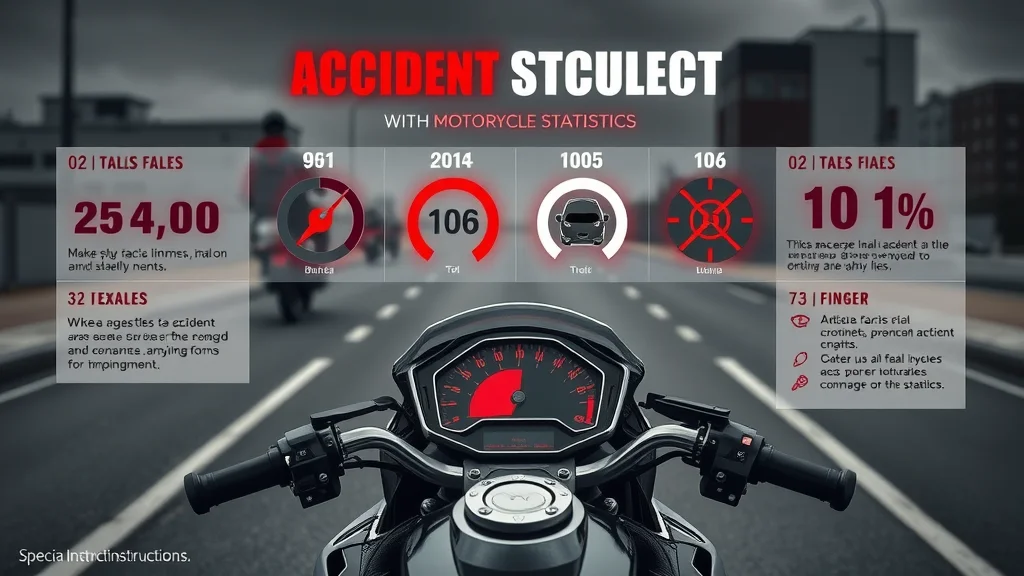
Motorcycle accidents remain a major concern for riders and traffic safety experts alike. According to the National Highway Traffic Safety Administration (NHTSA), each year thousands of motorcycle riders suffer serious injuries or lose their lives, often in preventable situations. The increased risk isn’t simply because motorcycles offer less protection; it’s that a handful of risk factors—like distracted driving and failing to follow motorcycle safety tips—fuel these statistics. While the likelihood of a motorcycle crash is higher than that of passenger car drivers, most incidents stem from avoidable causes.
Contrary to what many believe, even experienced riders are vulnerable to sudden hazards, especially on busy city streets. The difference between a safe ride and a dangerous one often comes down to consistent application of best practices for motorcycle accident prevention. By adopting safe riding habits and prioritizing ongoing motorcycle safety, riders can dramatically lower their chances of becoming a statistic.
What You'll Learn About Best Practices for Motorcycle Accident Prevention
- The leading causes of motorcycle accidents
- Essential motorcycle safety tips for every rider
- Effective best practices for motorcycle accident prevention
- How to implement motorcycle crash avoidance strategies
- Key resources to improve your own motorcycle safety
Understanding the Causes of Motorcycle Accidents
Before you can prevent a motorcycle accident, it helps to understand what puts riders at risk. Studies and reports from the national highway traffic safety administration and the department of transportation consistently show that a small number of recurring factors are behind most motorcycle accidents. Understanding these root causes gives every motorcycle rider a head start in building better habits and staying alert for danger zones.
Many accidents happen not because of lack of skill, but due to situational factors and unsafe behaviors. Distracted car drivers, for instance, often fail to see motorcycles in their blind spots. Poor road conditions and unexpected debris can force split-second decisions, greatly increasing the odds of a motorcycle crash. And even among experienced riders, a lapse in judgment or breaking a traffic law can quickly turn a routine commute into an emergency. Recognizing the top accident triggers can help you anticipate and avoid threats before they escalate.
Common Motorcycle Accident Triggers
- Distracted vehicle drivers
- Unsafe road conditions
- Excessive speed and aggressive driving
- Lack of rider experience
"The vast majority of motorcycle accidents can be linked to a handful of preventable factors."
Distracted vehicle drivers account for a significant share of motorcycle accidents. Since motorcycles are smaller and less visible than cars, a simple oversight—like changing lanes without using turn signals—can lead to disaster. Unsafe road conditions, including potholes or slick surfaces, further increase risk, especially for those not wearing proper riding gear. And while it seems obvious, pushing past the speed limit or riding aggressively greatly reduces reaction time in the event of an accident. Even a skilled motorcycle rider can find themselves in a dangerous spot if complacency sets in, or if their skills aren’t up to date with current traffic safety challenges.
While understanding accident triggers is crucial, it's equally important to recognize how seasonal changes can impact your safety on the road. For practical advice on preparing your motorcycle for different weather conditions and ensuring your bike is ready year-round, explore these seasonal bike care secrets every rider must know.
Crucial Safety Tips for Motorcycle Crash Prevention
Preventing a motorcycle accident isn’t just about riding carefully—it’s about adopting proactive motorcycle safety habits every time you hit the road. The most effective safety tips are simple yet powerful, and they start with what you wear and how you behave. From wearing a helmet to using proper signals and following all traffic laws, these steps instantly increase your odds of avoiding a motorcycle crash.
Remember, you can’t control other drivers, but you can make yourself more visible and predictable. This includes wearing bright riding gear, using your lights, and maintaining situational awareness throughout your journey. Treat every motorcycle ride as a fresh opportunity to reinforce safety standards—not just for you, but for everyone on the road. Implementing even a few of these safety tips can mean the difference between a close call and a tragedy.
Always Wear a Helmet and Protective Gear

- Helmet effectiveness and standards
- Importance of jackets, gloves, boots and reflective gear
No single action offers greater protection than wearing a helmet. According to the traffic safety administration, a certified motorcycle helmet—one that meets safety standards—reduces your risk of fatal head injuries dramatically. Good helmets are designed to absorb impacts, shield your face, and increase your visibility on the road. For maximum safety, choose a helmet approved by the Department of Transportation or equivalent authorities.
Even more, complete protective gear acts as a full-body defense in the event of an accident. Leather jackets, reinforced gloves, and sturdy boots offer abrasion resistance and impact protection, while reflective materials help increase your visibility during night rides or poor weather. Riders who consistently wear bright, certified gear experience fewer injuries in serious motorcycle crashes—and set the example for responsible motorcycle riding.
Follow All Traffic Laws for Motorcycle Safety
- Why obedience to speed limits matters
- Adhering to signals, signs and lane rules
Abiding by local traffic laws is non-negotiable for motorcycle safety. Observing the speed limit allows you extra time to react to unforeseen hazards or sudden movements from other vehicles. Full compliance with turn signals, traffic signs, and lane discipline minimizes confusion for car drivers and helps prevent dangerous assumptions, especially at intersections.
Following all laws—no matter how experienced a rider you are—sends a signal of predictability and respect. Remember, many motorcycle accidents stem from situations where someone, often another driver or a distracted pedestrian, fails to follow the rules. By setting an example and maintaining traffic safety habits, you help promote an environment in which all motorcycle riders benefit.
Maintain a Safe Following Distance During Your Motorcycle Ride
- Understanding the 4 second rule for motorcycle accident prevention
- How distance can save lives in sudden-stopping scenarios
The “four-second rule” is one of the most important safety tips for every motorcycle rider. This guideline means keeping a minimum gap of four seconds between your motorcycle and the vehicle in front, ensuring there’s adequate time to stop safely if the traffic suddenly halts. Count the time it takes for your bike to pass a fixed point after the car ahead passes it; if it’s less than four seconds, back off.
Maintaining this distance creates critical reaction time and also leaves you space to maneuver around obstacles or avoid becoming a victim in a chain-reaction motorcycle crash. Especially in heavy city traffic or on highways, this habit aligns with the very best practices for motorcycle accident prevention and gives you the upper hand during any motorcycle ride.
Enhancing Motorcycle Rider Awareness and Skills
Beyond basic safety tips, ongoing education and skill development set experienced riders apart. Even veteran motorcycle riders benefit from brushing up on defensive riding techniques and situational awareness, both of which are essential for accident prevention. Many motorcycle accidents are avoided simply because a well-trained rider recognized dangers before they became emergencies.
In fact, the National Highway Traffic Safety Administration routinely highlights the value of formal training in their crash prevention recommendations. Signing up for refresher courses or local motorcycle safety programs can teach you how to anticipate driver errors, navigate tricky weather, and keep a cool head during high-risk scenarios. The more you invest in your skills, the safer every ride will be.
Continuous Learning for Motorcycle Riders
- Importance of advanced motorcycle riding courses
- Resources for local rider education

Motorcycle training isn’t just for beginners. Advanced courses help both new and experienced riders sharpen their reaction skills, test their limits safely, and stay up-to-date with changes in traffic safety standards. Programs offered by the Motorcycle Safety Foundation and similar organizations cover topics like emergency braking, cornering safely, and effective lane positioning.
Attending group workshops or safety events keeps you involved in the motorcycle rider community and provides new perspectives on familiar situations. Use resources from your state’s highway traffic safety office or local dealers—many offer discounts on skill-building classes designed to prevent motorcycle crashes. Ultimately, staying proactive about your education puts you in a better position to manage risk, avoid danger, and ride confidently.
Defensive Riding Techniques to Avoid Motorcycle Accidents
- Staying visible to other road users
- Anticipating driver errors
- Practicing situational awareness on every ride
Defensive motorcycle riding is about seeing threats before they see you. Always increase your visibility by wearing bright gear, keeping your lights on, and positioning yourself in the lane where drivers are most likely to see you. Anticipate what other drivers might do, especially those in passenger cars who may not notice a motorcycle in their blind spots.
Being aware isn’t just about your immediate surroundings—it means scanning ahead for changes in traffic, reading the body language of vehicles, and watching road conditions closely. These safety tips empower every motorcycle rider to avoid common scenarios that lead to motorcycle accidents, from sudden lane shifts to debris in the road.
Routine Motorcycle Maintenance: Essential for Safety
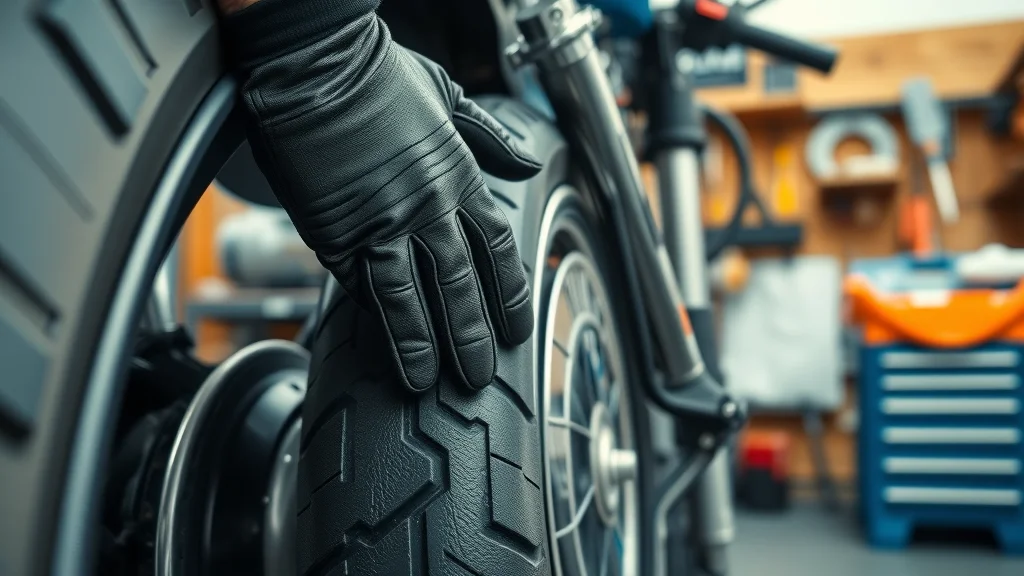
- Checking tire pressure and tread regularly
- Inspecting brakes, lights, and fluid levels
- Scheduled professional servicing at trusted shops
Safe motorcycle riding isn’t only about skill and awareness; it depends on your bike’s reliability. Faulty brakes, worn-out tires, or leaking fluid can turn a normal ride into an accident waiting to happen. Make it a habit to inspect your bike before every ride by checking tire pressure and tread, ensuring every light and turn signal works, and confirming brake pads are in good shape.
Following a basic maintenance checklist—like the one below—helps prevent accidents caused by mechanical failure. Always schedule regular servicing with trusted mechanics, and never put off repairs. Well-maintained bikes conform to manufacturer and traffic safety administration standards, allowing you to focus on the ride instead of worrying about sudden breakdowns. This practical approach to vehicle safety protects both new and experienced riders every time they get on the road.
| Best Practice | Common Pitfall | Why It Matters |
|---|---|---|
| Wear helmet & full protective gear | Riding without a helmet or with casual clothing | Proper riding gear saves lives and lowers injury risks in a crash |
| Follow traffic laws & use turn signals | Speeding or ignoring signals | Obeying rules prevents confusion and collisions |
| Practice routine bike maintenance | Neglecting checks & skipping servicing | Well-maintained motorcycles are more reliable and safer |
| Stay visible & ride defensively | Riding in blind spots or weaving through cars | Visibility reduces risk from distracted drivers |
| Take advanced safety courses | Assuming past experience is enough | Continuous learning sharpens skills and awareness |
Weather and Environmental Considerations for Motorcycle Riders

- Navigating wet or slippery roads safely
- Riding in low visibility conditions
- What riders can do to prepare for seasonal changes
Weather elements can dramatically alter the outcome of any motorcycle ride. Rain and slick roads decrease traction and extend braking distances, making it easier for motorcycles to skid or hydroplane. Always wear specialized rain gear and ensure your tires are in top condition to handle wet pavement.
Low visibility, due to fog, dusk, or storms, means you must double down on efforts to be seen. Use reflective stripes on your riding gear, keep your headlight on, and reduce speed so you’re able to react to sudden obstacles. Planning ahead for seasonal changes and adapting your riding style to the weather are essential parts of the best practices for motorcycle accident prevention.
Technology and Modern Solutions for Motorcycle Safety
- Helmet communication systems
- Motorcycle ABS and collision avoidance tech
- Protective clothing with smart features
New technologies have revolutionized motorcycle safety. Motorcycle ABS (anti-lock braking systems), for example, reduce the odds of skidding during emergency stops—especially on slick or uneven surfaces. Many modern bikes also feature built-in collision alerts, tire pressure monitoring, and other vehicle safety tools to keep you informed and protected.
Smart helmets with communication systems let riders stay in touch with fellow bikers or emergency services hands-free, greatly improving coordination and response times. Even riding gear has gotten an upgrade: some jackets and vests now have built-in air bags or Bluetooth-enabled LED lights to further increase your visibility. Investing in modern motorcycle safety gear provides you with extra layers of defense in traffic, during the event of an accident, or when tackling unfamiliar routes.
Top 5 Best Practices for Motorcycle Accident Prevention
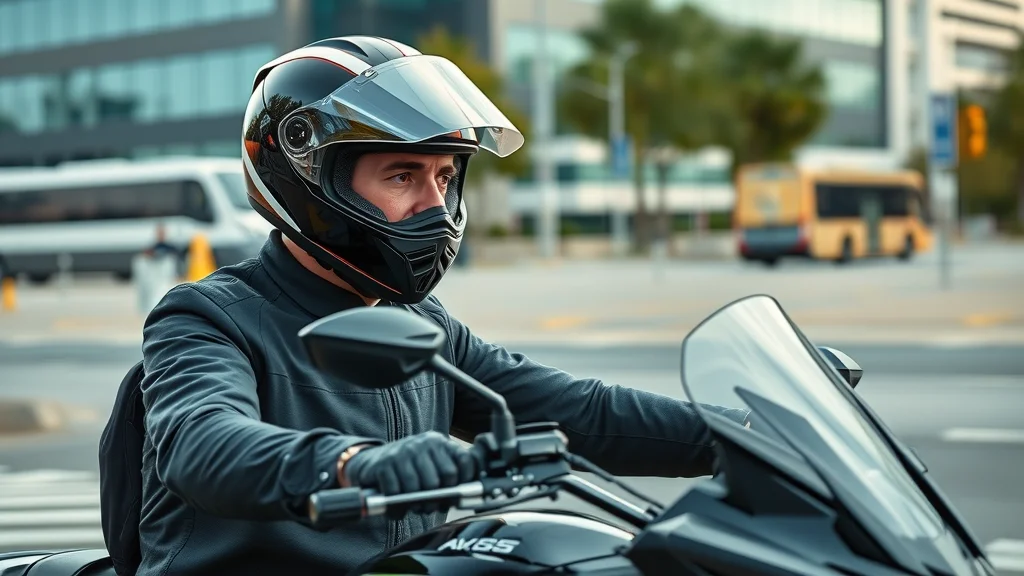
- Always wear a helmet and certified safety gear
- Stay alert and predictable in traffic
- Take advanced safety courses regularly
- Never ride under the influence
- Ensure your motorcycle is well maintained
These five best practices form the foundation of every safe motorcycle ride. Each tip is rooted in decades of accident data and proven to drastically reduce the chances of injury or death. By making these habits your standard operating procedure, you maximize your safety both in everyday commutes and on longer trips. Remember, prevention begins with personal responsibility.
Riding defensively, upgrading your skills, equipping the latest safety technology, and keeping your bike in top form don’t just lower your risk—they boost your confidence and enjoyment on the open road. A commitment to these safety tips turns every trip into an example of best practices for motorcycle accident prevention.
People Also Ask About Best Practices for Motorcycle Accident Prevention
What is the 4 second rule on a motorcycle?
- Explanation of the 4 second rule for safe following distance
- Role of the rule in preventing rear-end motorcycle crashes
The “4 second rule” means keeping a safe distance between your motorcycle and the vehicle ahead by counting at least four seconds as both pass a fixed point. This rule helps to give you the critical time and space needed to react to sudden stops or road hazards, greatly reducing your risk of rear-end collisions and other motorcycle crashes. It's a simple habit that any motorcycle rider can use on every motorcycle ride—especially in heavy traffic or poor weather.
What does 2 fingers down mean to bikers?
- Cultural significance of the two-fingered wave
- Impact on motorcycle rider community and safety signaling
The “two fingers down” gesture is a universal sign of respect and solidarity among motorcycle riders. It’s usually performed as a subtle wave to another rider, symbolizing “keep it safe” and “enjoy your ride. ” Beyond its community-building aspect, the gesture also serves as a non-verbal cue to remind everyone about the importance of motorcycle safety on the road.
Where do 70% of motorcycle accidents occur?
- Breakdown of intersection and urban area accident statistics
- Prevention strategies for high-risk locations
Over 70% of motorcycle accidents take place at intersections or on city streets, where traffic density, frequent stops, and unpredictable maneuvers are most common. In these high-risk locations, practicing defensive riding, double-checking intersections before proceeding, and increasing your visibility with bright riding gear are the best ways to reduce your risk of being involved in a motorcycle crash.
What are the 5 safety tips for motorcycle riders?
- Wear a helmet
- Follow traffic laws
- Ride defensively
- Keep your bike maintained
- Stay sober and alert
These five safety tips are the core of every expert’s best practices for motorcycle accident prevention. Whether you’re a new rider or a seasoned pro, sticking to these basics ensures that you are giving yourself—and everyone else—a safer experience each time you ride a motorcycle.
Quick Reference: FAQ on Best Practices for Motorcycle Accident Prevention
-
What gear provides the most protection during a motorcycle crash?
The most protective gear includes a certified motorcycle helmet, abrasion-resistant jacket and pants (preferably with armor), sturdy gloves, reinforced boots, and reflective vests. Each item is designed to distribute impact forces and minimize injuries in the event of an accident. -
How often should motorcycle riders take safety courses?
Riders should consider a refresher or advanced safety course every two to three years, or anytime they change bikes or ride in a new environment. Continuous learning ensures you stay updated with current best practices and local traffic laws. -
Is lane splitting safe or legal in my state?
The legality and safety of lane splitting depend on where you ride. Some states, like California, allow it under certain conditions, while others prohibit it. Always check your local traffic laws before attempting lane splitting, and use extra caution if you choose to do so. -
What are the signs my motorcycle needs maintenance?
Warning signs include unusual noises, reduced brake responsiveness, flickering lights, worn tire treads, or leaking fluids. Regular inspections and scheduled maintenance with a trusted mechanic help catch these issues before they lead to a motorcycle accident.
Key Takeaways: Best Practices for Motorcycle Accident Prevention
- Consistent helmet use and safety gear save lives
- Adhering to motorcycle safety tips reduces crash risks
- Awareness and preparation are the best tools for every motorcycle rider
Protect Yourself: Adopt Best Practices for Motorcycle Accident Prevention
"Every ride is an opportunity to set an example of safe motorcycle riding. Make safety your top priority."
Focusing on best practices for motorcycle accident prevention isn’t just smart—it’s lifesaving. Ride safe, stay alert, and make every journey an example of responsible motorcycle riding.
As you continue to refine your approach to motorcycle safety, remember that true accident prevention extends beyond the ride itself. Proactive care for your bike throughout the year is just as vital as your on-road habits. If you’re ready to take your safety and performance to the next level, discover how seasonal maintenance can protect both you and your motorcycle by reading about essential seasonal bike care strategies. Investing in year-round upkeep not only boosts reliability but also ensures you’re always prepared for whatever the road—and the weather—may bring.
Contact a Motorcycle Safety Expert
- For professional advice, maintenance, and upgrades, call Nasty Performance Motorcycle Shop Today: 847-458-4858




Write A Comment