
Did you know that motorcycle riders are 28 times more likely to die in a crash than passenger vehicle occupants? If that fact grabs your attention, you’re already on the road to becoming a safer, smarter rider. This step-by-step guide to motorcycle safety features is your practical map to understanding—and making the most of—the technologies, habits, and gear that keep you motorcycle safe. Whether you're new to motorcycle riding or have years of riding experience, these insights will help you significantly reduce risks and boost your confidence every time you hit the open road.
An Eye-Opening Look: Why Motorcycle Safety Features Matter
"Motorcycle riders are 28 times more likely to die in a crash than passenger vehicle occupants"—National Highway Traffic Safety Administration
Startling Facts About Motorcycle Safety
- Motorcyclists account for only 3% of registered vehicles but 14% of traffic fatalities.
- Using modern safety features can significantly reduce the risk of serious injury or death.
- Advanced technologies like ABS and traction control help riders maintain control and react faster in emergencies.
- Proper protective gear, especially a certified motorcycle helmet, can lower head injury risk by nearly 70%.
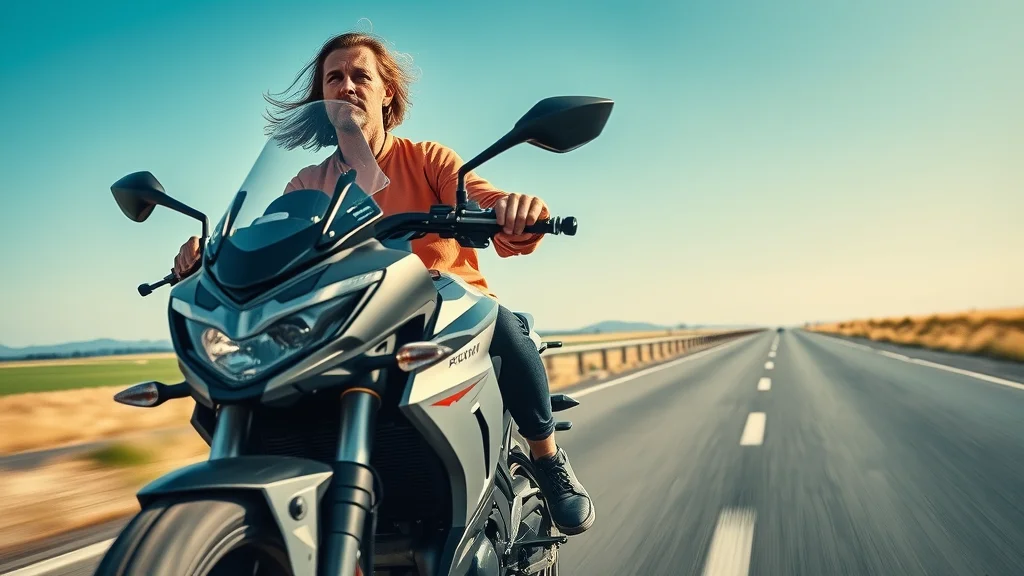
Unconventional Realities for Motorcycle Riders
- Myth: Experience alone keeps you safe.
Fact: Even seasoned motorcycle riders benefit from modern safety features and defensive riding techniques. - Myth: Riding slow makes protective gear less necessary.
Fact: Most accidents occur at lower speeds—wearing protective gear is always a good idea. - Myth: Clear, sunny days are safest.
Fact: Potential hazards like oil spills, debris, or sudden traffic can catch you off guard at any time.
What You'll Learn From This Step-by-Step Guide to Motorcycle Safety Features
- An overview of critical motorcycle safety features you should know about
- How to implement safety practices for motorcycle riding—from the basics to advanced strategies
- Tips for rider safety and advice on choosing protective gear that meets safety standards
- An understanding of new technology—like ABS, traction control, and stability systems—and how these keep you motorcycle safe
Understanding Essential Motorcycle Safety Features
How Do Modern Motorcycle Safety Features Work?
Today’s motorcycles are designed with safety features that both seasoned and new riders need to stay protected. At the heart of these are systems like ABS (Anti-lock Braking System), traction control, and stability assist. Such features actively help the motorcycle rider by intervening during emergency situations, minimizing the risk of loss of control and maximizing reaction time. For instance, ABS prevents wheel lock-up during hard braking, traction control manages power delivery to avoid slipping, and modern air filters keep the engine’s power consistent, ensuring reliable performance in various weather conditions. Knowing how these systems work gives you an edge—and can be the difference between a close call and a crash.
While understanding these core safety features is crucial, it's equally important to recognize how seasonal changes can impact your motorcycle's performance and safety systems. For practical advice on adapting your maintenance routine throughout the year, check out these seasonal bike care secrets every rider must know to keep your ride in top condition no matter the weather.
| Feature | Basic Version | Advanced Version |
|---|---|---|
| Braking System | Standard hydraulic brakes | Anti-lock Braking System (ABS) |
| Traction | Manual throttle control | Electronic Traction Control |
| Stability | Frame geometry only | Electronic Stability Control |
| Visibility | Conventional lights | Adaptive LED lighting, Emergency Stop Signals |
| Air Quality | Paper air filter | High-efficiency, washable air filter |
Top Safety Features Every Motorcycle Should Have
- Anti-lock Braking Systems (ABS): Prevents rear wheel lock-up for better control under hard braking.
- Traction Control: Helps maintain grip and balance on slippery surfaces and in changing weather conditions.
- Stability Control: Enhances control during cornering, especially when potential hazards arise.
- Emergency Stop Signals: Alerts road users behind you during sudden braking for improved rider safety.
- Protective Gear Recommendations: Invest in quality riding gear like a DOT-approved motorcycle helmet, armored jacket, gloves, and boots.
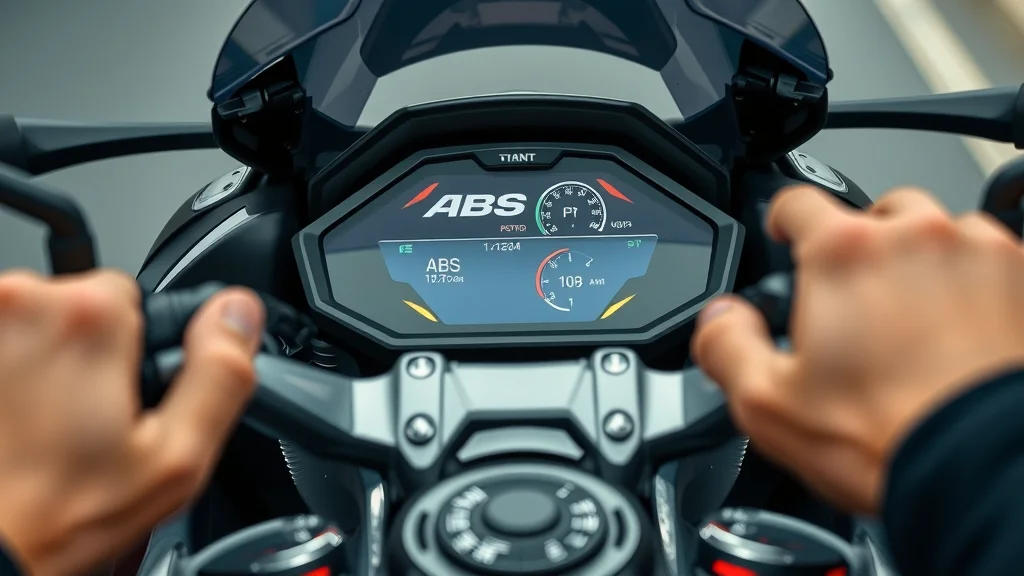
Traction Control and Stability: Staying Motorcycle Safe on Every Ride
Traction Control: How It Improves Rider Safety
Traction control is a cornerstone of motorcycle safety. This system constantly monitors the speed differential between the front and rear wheels. When it detects slippage—like on wet pavement or loose gravel—it automatically adjusts engine power or applies braking to the slipping wheel. What does that mean for you? Significantly reduced risk of losing control, especially in situations where reaction time is critical.
- Traction control intervenes before you can even react, preventing wheel spin and slides.
- Ideal for scenarios like sudden rain, gravel patches, or slippery surfaces from oil spills or debris.
- Allows both new and veteran riders to maintain control, even when caught off guard.
Whether you’re cruising on the open road or navigating city hazards, traction control offers peace of mind. It’s not just a smart technology—it’s a game changer in keeping you and your passenger motorcycle safe, regardless of your riding experience.
Stability Assist and Its Role in Motorcycle Riding
Another must-have safety feature is electronic stability control. While a motorcycle’s natural balance is always critical, unforeseen obstacles or tough weather conditions can test even the best riders. Stability assist systems use onboard gyroscopic sensors and computers to correct the bike’s trajectory during quick maneuvers or hazardous situations. This is especially helpful during cornering, rapid lane changes, or sudden evasive action.
- Electronic stability systems monitor lean angle, acceleration, and traction in real time.
- A vital safety net when hitting curves on rain-slicked roads, managing strong winds, or reacting to unpredictable road users.
These advanced systems help maintain control no matter the challenge, making it easier for you to stay safe in all riding conditions and maintain a safe distance from hazards.
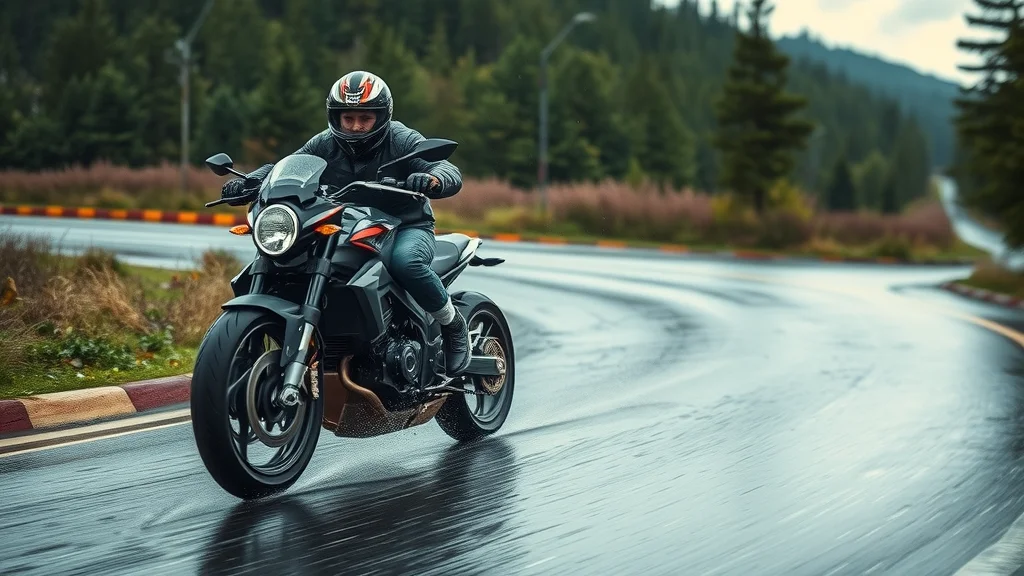
Defensive Riding Techniques and Rider Safety
Best Practices for Motorcycle Riding to Stay Safe
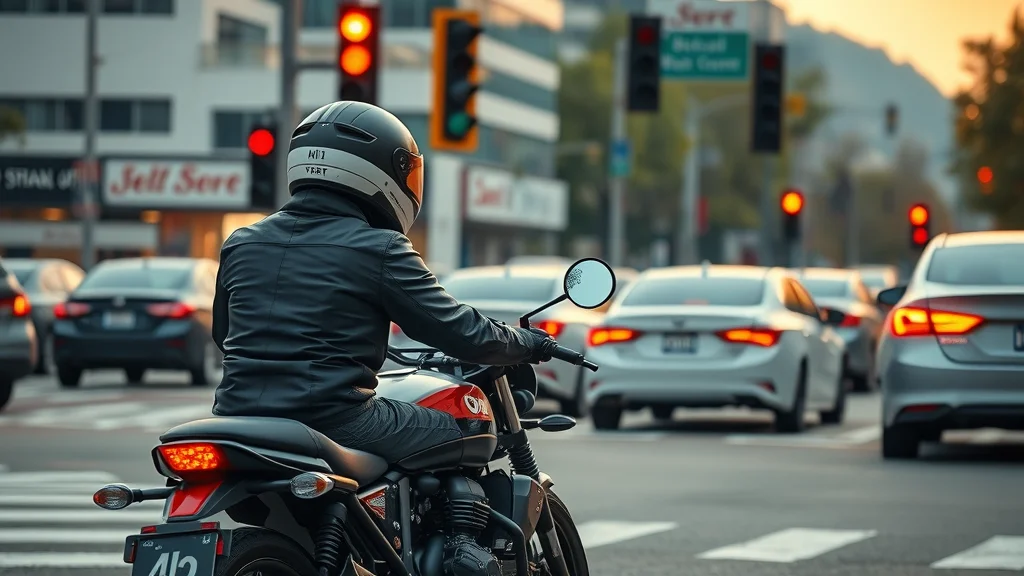
No matter how advanced your motorcycle’s safety features are, your own habits play an equally significant role in staying motorcycle safe. Defensive riding means being alert to potential hazards and proactively preventing accidents before they occur.
- Always scan the road for changing traffic patterns, potential hazards, and unpredictable road users.
- Keep an eye on the rear wheel and always maintain a safe following distance, especially in heavy traffic.
- Anticipate other drivers’ actions, obey speed limits, and signal your intentions well in advance.
- Avoid blind spots, use headlights and wear brightly colored gear to remain visible.
When you combine these defensive riding principles with your bike’s built-in safety features, you’re far more likely to react in time to avoid danger. Defensive riding is a daily habit that rewards you with safer, more enjoyable motorcycle riding every mile.
Weather Conditions and Motorcycle Safety
Adapting your ride to changing weather conditions is a must. Rain, fog, cold snaps, and heat waves all bring unique risks. Slippery surfaces can appear suddenly, reducing tire grip and increasing stopping distances.
- Check weather forecasts before you leave and plan your route accordingly.
- Adjust your speed, increase your following distance, and minimize sharp maneuvers in wet or icy conditions.
- Choose waterproof, insulated, or ventilated protective gear for maximum comfort and safety.
- Proper motorcycle helmet visors or goggles can help keep your vision clear in the rain or bright sunlight.
By understanding how weather impacts your motorcycle riding experience and adjusting your habits and gear, you’ll be more prepared to ride safe in any condition.
Protective Gear: The First Line of Defense for Motorcycle Safe Riding
Choosing the Right Protective Gear for Maximum Safety
The right protective gear can often mean the difference between a minor injury and something life-altering. Invest in gear specifically designed to keep you motorcycle safe—and make sure everything you wear meets the highest safety standard.
- Helmet: Always wear a DOT- or ECE-certified motorcycle helmet for the best impact protection.
- Jacket: Opt for armored jackets with abrasion-resistant materials, such as leather or reinforced textiles.
- Gloves: Padded gloves with reinforced palms and fingers allow better grip and protection during falls.
- Boots: Ankle-protecting boots with anti-slip soles significantly reduce foot and leg injuries.
Riding tips: Ensure your gear fits comfortably and check for reflective patches or bright colors for enhanced visibility. Don’t forget—protective gear works best when it’s complete and weather-appropriate.
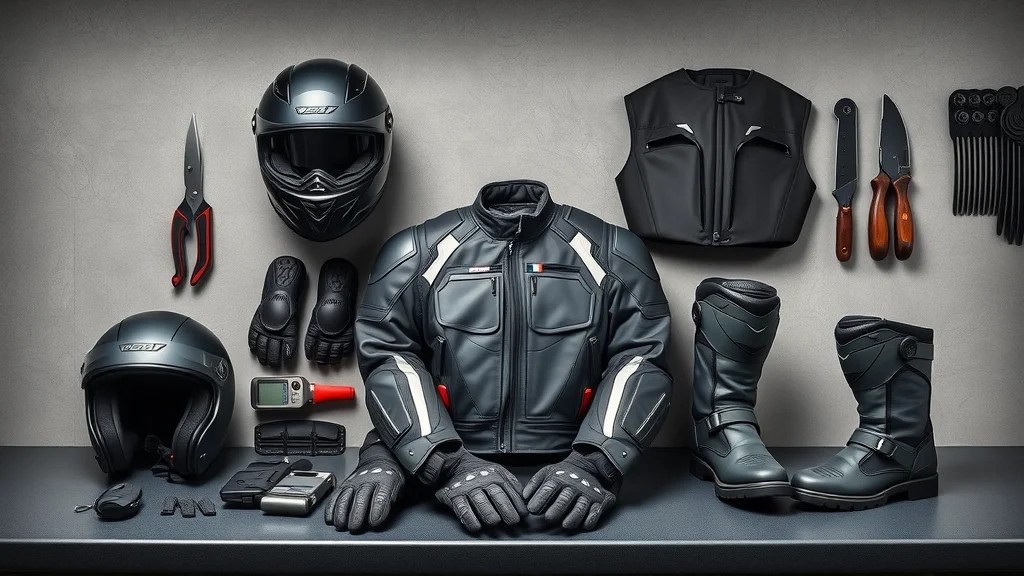
"Quality protective gear can make the difference between a minor and a severe injury."—Motorcycle Safety Expert
Obeying Speed Limits and Traffic Laws for Enhanced Motorcycle Safety
Speed Limits: How They Influence Motorcycle Safety
While the thrills of riding a motorcycle are undeniable, obeying speed limits dramatically improves rider safety. Exceeding speed limits increases your stopping distance, reduces your reaction time, and makes your injuries far more severe if you crash.
- Riding above the posted speed not only exposes you to higher risks but also can result in legal penalties.
- When you ride within legal speed limits, you can better anticipate and avoid potential hazards.
- Speeding often tempts you into taking risks or missing critical cues from road users.
Respecting speed limits isn’t just about avoiding tickets; it’s about giving yourself the precious moments you may need to react and keep your ride safe in emergency situations.
Critical Traffic Laws for Motorcycle Riders
- Always wear a helmet and use proper signals when turning or changing lanes.
- Obey all traffic signals, stop at red lights, and yield as dictated by the law.
- Never ride between cars in moving traffic unless permitted by state traffic laws (lane-splitting).
- Keep your headlight on for visibility, even during the day.
Adhering to these traffic laws instills respect for all road users and demonstrates your commitment to motorcycle safety. It’s not just about compliance; it’s about protecting yourself and others every time you’re on the open road.
Routine Maintenance: Keeping Safety Features Effective
Essential Checks: From Your Air Filter to Brakes
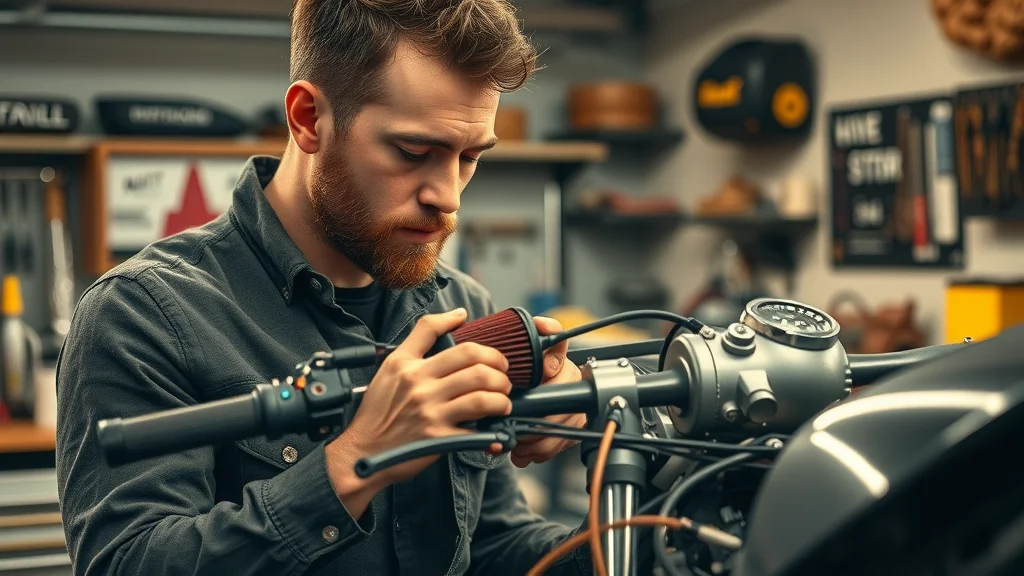
Keeping your motorcycle safe isn’t just about riding habits or gear—routine maintenance plays a critical role, too. Components like air filters, brakes, lights, and tires directly impact your bike’s performance and safety.
- Air Filter: A clean air filter ensures optimal engine power and smooth throttle response, especially under load or sudden acceleration.
- Brakes: Regular inspection and replacement of brake pads and discs guarantees reliable stopping power in emergencies.
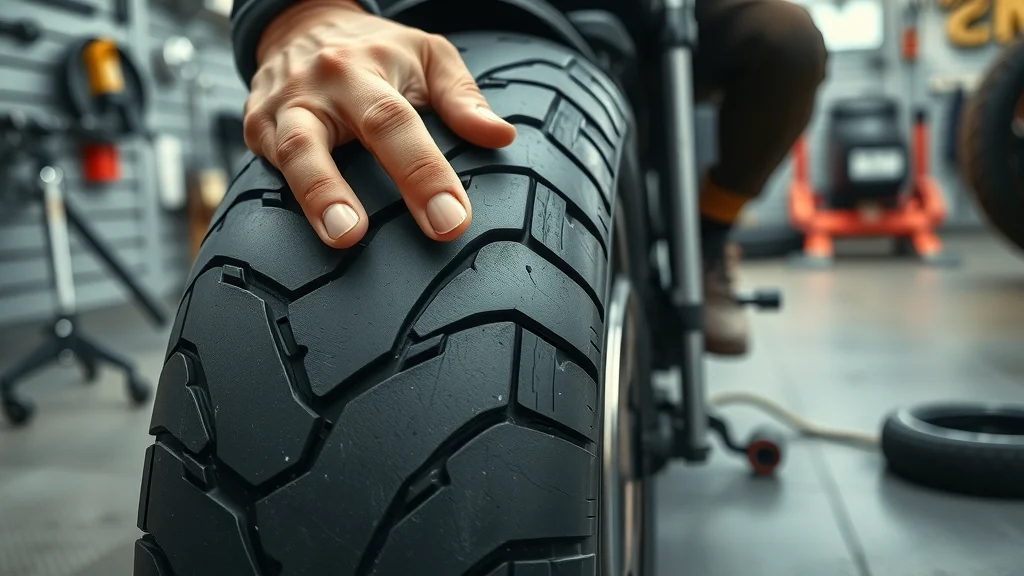
- Tire Pressure & Tread: Check your tire pressure and inspect for wear—under-inflated or bald tires reduce traction control and stability.
- Lights and Signals: Make sure all lights—headlights, taillights, indicators—work bright and clear for visibility.
Basic DIY checks, like adjusting your chain, topping up fluid levels, and monitoring the rear wheel for alignment, are all simple ways to significantly reduce mechanical risks. Schedule professional service regularly to keep all safety features up to standard for every ride.
- Watch a short video demonstration showing real-life motorcycle safety features in action, including ABS, traction control, protective gear, and safe riding techniques in various weather conditions.
People Also Ask: Answers to Top Motorcycle Safety Questions
[[paa]]
- The answer: To stay motorcycle safe, always use modern safety features like ABS and traction control, wear a certified motorcycle helmet and other protective gear, follow speed limits, and keep your motorcycle well maintained. Adopting defensive riding techniques and continuous learning improves your reaction time and helps navigate emergency situations, significantly reducing your risk on the open road.
The Importance of Ongoing Education in Motorcycle Safety
- Take advantage of continued learning opportunities, such as rider safety courses and online resources.
- New motorcycle safety regulations, rider training programs, and refresher courses exist for all skill levels—and can help you adapt to evolving road users and regulations.
- Enrolling in local safety training is always a good idea for keeping your skills—and instincts—sharp.
Frequently Asked Questions on Motorcycle Safety Features
-
What are the most important motorcycle safety features?
Key safety features every motorcycle should have include ABS, traction control, stability assist, high-quality air filters, reliable brakes, and visibility enhancements like emergency stop signals. Good protective gear is essential, too. -
How often should safety features be checked?
Inspect critical components like brakes, tires, and lights before every ride. Perform in-depth maintenance—including cleaning or replacing your air filter and testing advanced safety systems—at least every few months, or as directed in your owner’s manual. -
Can upgrading safety features improve motorcycle safe riding?
Absolutely. Upgrading to a bike with modern ABS, electronic traction control, and active stability systems—along with high-quality riding gear—will significantly reduce accident risks and help you stay safe in any riding scenario.
Key Takeaways: Step-by-Step Guide to Motorcycle Safety Features
- Modern motorcycle safety features like ABS, traction control, and stability assist save lives and increase confidence.
- Routine maintenance—especially of air filters, brakes, and tire pressure—keeps safety features effective.
- Riding safe means combining technology, defensive riding habits, and proper protective gear.
- Ongoing education and adherence to speed limits and traffic laws ensure your motorcycle riding remains safe, legal, and enjoyable.
- Stay vigilant, stay prepared, and always prioritize your safety on every ride.
Motorcycle safety is a journey that evolves with every season and every mile. If you’re ready to take your riding confidence to the next level, consider exploring how seasonal maintenance can further protect both you and your bike. Discover expert strategies for adapting your care routine to changing weather and road conditions by visiting our guide on seasonal bike care secrets every rider must know. By combining advanced safety features with proactive, year-round maintenance, you’ll ensure every ride is as safe and enjoyable as possible. Stay informed, stay prepared, and keep your passion for riding alive—no matter what the road brings.
Ready to Ride Safer?
- Call Nasty Performance Motorcycle Shop Today: 847-458-4858


Write A Comment