

“Is your bike’s engine truly ready for the new riding season, or are you risking unnecessary wear?”
Are you sure your motorcycle is ready to hit the road, or could neglecting a timely oil change be the biggest mistake you make this season? With spring riding fever in the air, it's tempting to grab your helmet and take off. But here’s the catch—skipping your spring motorcycle oil change could quietly ruin your engine, add costly repairs, and cut your bike’s lifespan short. In this article, we’ll break down why spring timing matters, how oil and filter choices play a huge role in engine longevity, and provide expert-backed steps to protect your ride. You’ll find real rider testimonials, practical guidance, and actionable tips that will get your bike ready—and keep it riding strong all year long.
Why a Spring Motorcycle Oil Change is the Ultimate Seasonal Engine Care
When the snow melts and the days grow longer, every motorcyclist’s instinct is to get their bike ready for open roads. Yet, few realize that a spring motorcycle oil change is not just routine maintenance—it's the foundation of seasonal engine care. Over the winter, engine oil can degrade, attracting condensation, dirt, and micro-contaminants that settle in your crankcase. This contamination, left unchecked, can reduce oil effectiveness and lead to higher engine wear during those first passionate rides of the season.
Fresh engine oil isn’t just about lubrication; it’s about unleashing your bike’s full potential. By changing your oil in the spring, you flush out old, broken-down residues and prepare your engine parts for the strain of higher temperatures and spirited rides. You’ll experience smoother shifts, a cooler-running powertrain, and peace of mind knowing your motorcycle oil is optimized for spring riding conditions. Plus, there’s solid evidence from both manufacturers and seasoned riders that spring oil changes boost engine longevity—delaying costly maintenance down the road.
- Enhanced performance —Fresh oil reduces friction, resulting in quicker throttle response and a smoother ride.
- Improved engine protection —Clean engine oil captures dirt and deposits before they harm critical engine parts.
- Increased longevity —Seasonal oil changes can extend your engine’s life, saving you from premature repairs and breakdowns.
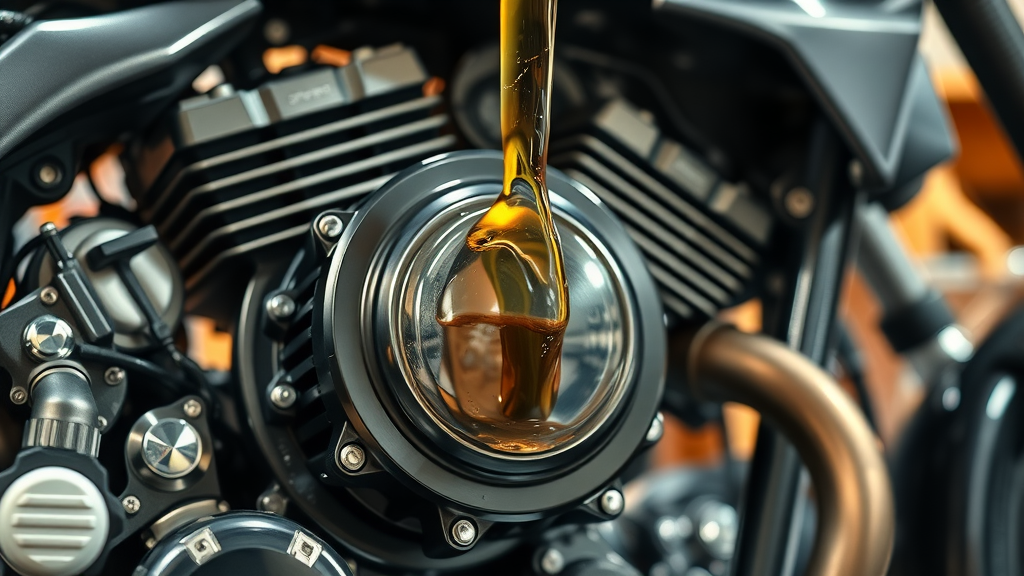
Motorcycle Oil, Oil Change, and Engine Oil: Understanding the Differences and Importance
It’s easy to think all oils are created equal, but when it comes to motorcycle oil , engine oil , and motor oil —the differences matter, especially during a spring oil change. Modern motorcycles operate under different loads and temperatures compared to cars, meaning the oil must manage both engine and transmission wear, and often lubricate the clutch as well. This is why choosing the right motorcycle oil is critical: it contains special additives for high-revving engines, wet clutches, and unique riding conditions.
Engine oil is the lifeblood of your engine, absorbing heat, reducing wear, and protecting vital engine parts from corrosion. But unlike typical automotive motor oil , motorcycles require oil that balances both friction and slip—too slick, and your clutch could slip; too sticky, and your engine could suffer. That’s why checking your oil level and quality is far from a cosmetic chore: it directly impacts your bike’s reliability and riding enjoyment.
Motorcycle Oil vs. Motor Oil: What Sets Them Apart During Oil Change
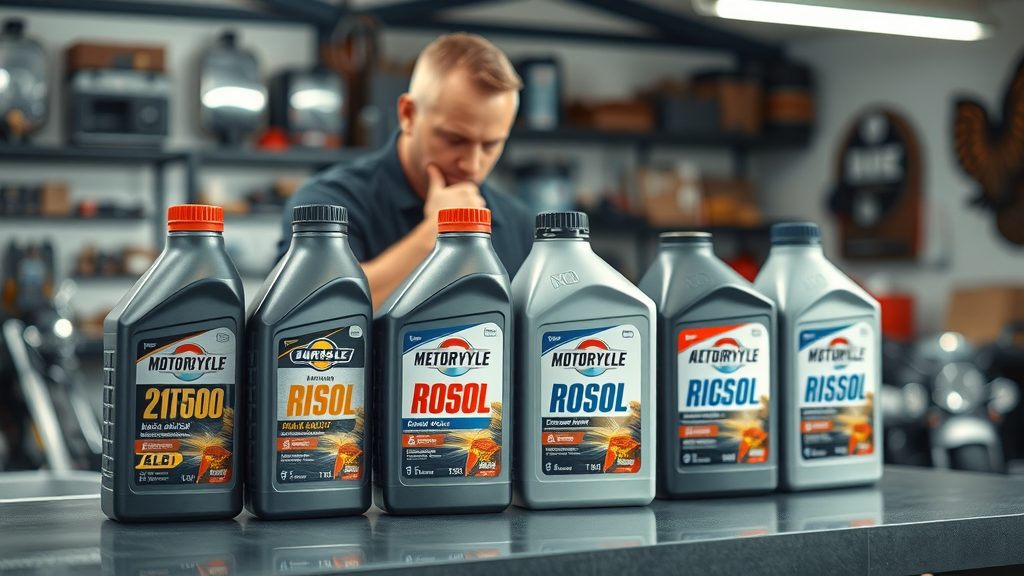
The typical car motor oil may look similar to a motorcycle oil bottle on the shelf, but don’t be fooled by the packaging or bottle label. Motorcycle oils are blended with higher shear strength to withstand the immense pressure inside bike engines—especially since the oil also lubricates the transmission and sometimes the wet clutch. On the other hand, automotive oils are engineered solely for engine lubrication, often including friction modifiers that can negatively affect a motorcycle’s clutch.
Attempting to substitute car motor oil for your bike can cause clutch slippage and rapid wear of transmission gears. Always check the viscosity grade and certifications on the bottle label; most motorcycles require JASO MA or MA2, indicating compatibility with wet-clutch systems. The difference matters—using the right oil during your spring motorcycle oil change is not just recommended, it’s essential for preserving the quality and safety of your ride.
Beyond viscosity grades, motorcycle oil must withstand both high temperatures and high-rev environments. To guarantee you’re using the best oil for your bike, consult your owner’s manual or even your local service professional. This approach will help you avoid using oil that could cause your bike to underperform or, worse, create costly engine damage over time.
Why Engine Oil Needs Frequent Checking: The Role of Oil Levels
Regularly checking the oil level isn’t just about keeping the quantity right—it’s a preventive measure against engine catastrophe. Low or dirty engine oil reduces lubrication, causing internal components like pistons, camshafts, and bearings to rub excessively and overheat. During the riding season, oil can degrade faster due to high RPMs, heat cycles, and exposure to environmental contaminants.
Monitoring the oil level before each ride, especially after a seasonal oil change, ensures your engine is protected from the start. Use your dipstick or sight glass while your motorcycle is on its side stand or center stand as recommended by your factory service manual. If the oil appears dark, smells burnt, or falls below the fill line, top it up or plan for a change; ignoring these signs can escalate into catastrophic engine failure and seriously reduce your bike’s resale value.
Riders should remember that small leaks or burning oil, which can go unnoticed over winter storage, are often revealed once you start using the bike again in spring. Regular oil checks—part of proper motorcycle maintenance—are your first and last line of defense in keeping your engine healthy and ready to ride at every twist of the throttle.
How to Perform a Spring Motorcycle Oil Change Step-by-Step
Performing a spring motorcycle oil change might feel intimidating, but with the right tools and checklist, any rider can ensure their bike is ready for the season. Start by gathering your supplies: fresh oil (preferably a high-quality synthetic motor oil), a new oil filter, the correct drain plug washer, a filter removal tool, a drain pan, and plenty of paper towels. Check your service manual for your bike’s specific oil capacity and recommended viscosity grade.
Begin by running your engine for a few minutes to warm up the oil—this helps it drain more completely by thinning any residue lurking in engine parts. Place your drain pan beneath the drain plug, and carefully remove it, letting the used oil flow out entirely. Use a removal tool if your filter is stuck, and always replace the crush washer on the drain plug to prevent future leaks. Inspect the drain plug for metal shavings, which could indicate internal wear.
Replace your oil filter—lightly oil the new filter’s gasket before spinning it on by hand according to manufacturer torque specs. Add fresh oil slowly through the oil fill port, being careful not to exceed the fill line. Start your engine, let it idle briefly, then shut it off and check the oil level again, topping off if needed. Dispose of the old oil and filter responsibly, and you’re ready to ride with the confidence that comes from critical maintenance well done.
- Gather supplies (oil, filter, drain pan, removal tool, paper towel)
- Warm engine, remove drain plug to catch used oil
- Inspect drain plug and crush washer for wear
- Replace oil filter using the filter removal tool
- Add new synthetic motor oil, check the oil fill line
- Start the bike and re-check the oil level

| Feature | Conventional Motor Oil | Synthetic Motor Oil |
|---|---|---|
| Performance in extreme temperatures | Can thicken in cold, break down in high heat | Retains viscosity in both cold and hot riding conditions |
| Engine protection & wear | Provides basic protection | Superior protection, reduces friction and wear on engine parts |
| Longevity between changes | Needs more frequent changes | Allows for longer intervals between oil changes |
| Residue & sludge formation | More likely to form deposits over time | Remains cleaner, less sludge and residue buildup |
| Cost | Lower upfront cost | Higher cost, greater long-term value |
“Fresh engine oil is the best safeguard you can give your motorcycle engine after a long winter.”
Selecting The Right Oil and Filter for a Spring Motorcycle Oil Change
With endless brands and varieties crowding the shelves, choosing the right oil and filter for your spring motorcycle oil change can be daunting. Yet this choice will determine how well your bike handles the rigors of spring and summer riding. Start by checking your service manual for viscosity grades and oil specifications that match your motorcycle’s make and model. The right oil meets these requirements and is formulated for your riding conditions—urban commuting, aggressive highway runs, or stop-and-go traffic in changeable spring weather.
Equally crucial is selecting a high-quality oil filter designed for your motorcycle. Generic or automotive filters may not handle the pressure or filtration requirements of a high-rev motorcycle engine. Always opt for a filter recommended by your manufacturer or a trusted aftermarket brand that boasts investment in engine protection.
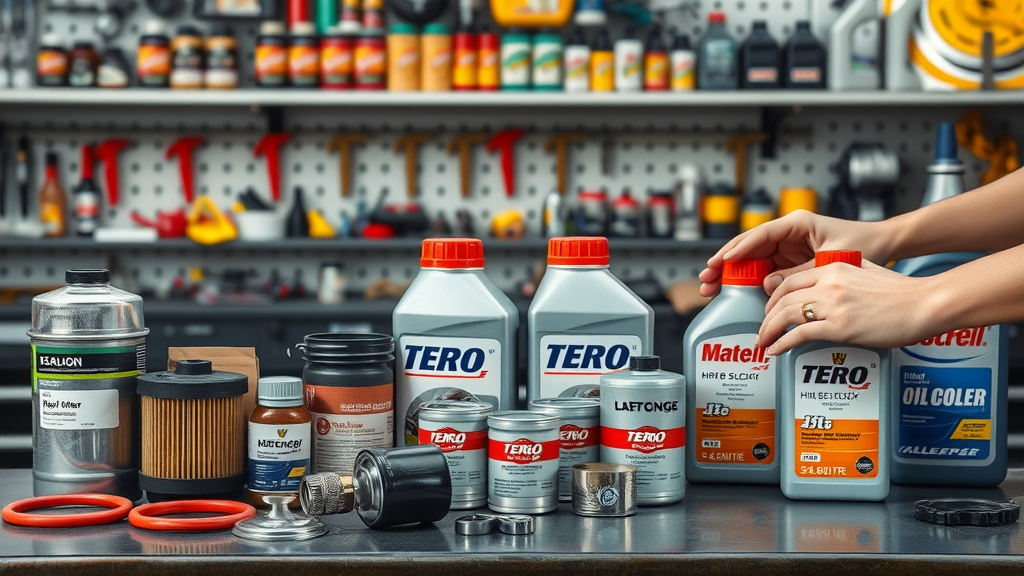
Top Synthetic Motor Oils for Spring Motorcycle Oil Change
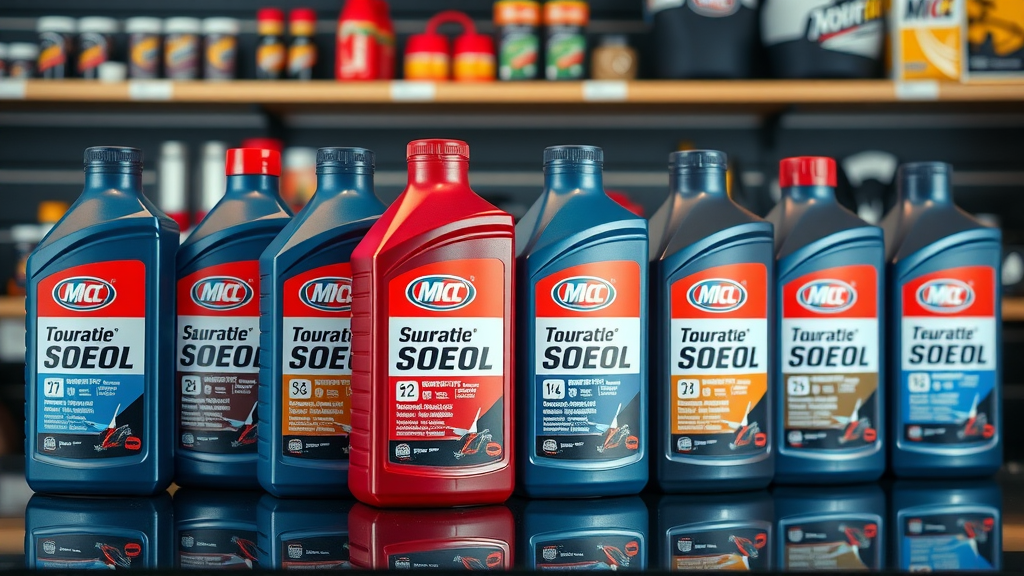
Not all synthetic motor oils are created equal. The best products—like those from brands commonly used in performance and touring bikes—offer excellent resistance to thermal breakdown, superior lubrication, and lower volatility. Key options to look for include oils with multigrade viscosity (such as 10W-40 or 20W-50), which perform well under both cool morning starts and the high temperatures of peak riding days. Synthetic oils also maintain their lubricating qualities longer, stretching out maintenance intervals and providing the utmost protection during the unpredictable weather of spring.
When you select a top-tier synthetic oil, you’re not just investing in smooth shifting or more horsepower; you’re extending the life of everything from your transmission to your camshafts. Always check for the JASO MA or MA2 label, which assures compatibility with wet-clutch motorcycles—a must for most modern bikes. In short, a little more spent on a premium oil now translates directly to fewer repairs and longer engine life later.
Remember, no matter which synthetic motor oil you choose, it’s critical to stick with a reputable brand and regularly monitor your oil fill and oil level. This diligence will reward you every time you start your bike, rain or shine.
How to Choose the Correct Oil Filter for Engine Longevity

The oil filter's job is to capture contaminants—metal shavings, carbon deposits, and dust—that accumulate in your engine oil. If you pick the wrong filter, you risk bypassing filtration altogether or, worse, starving your engine of vital lubrication. Always use a filter that matches factory specs for diameter, thread pitch, and bypass pressure; slight variations can spell disaster for high-stress engine components. A good habit is to check compatibility charts or your factory service manual, and look for high-quality filters from established brands.
When installing a new filter, don’t forget to lubricate the gasket with a small amount of fresh oil before installation—this helps create a proper seal and allows easy removal during your next oil change. Inspect your old filter for metallic residue, a possible sign of underlying engine wear. By consistently choosing the correct filter and replacing it with every spring motorcycle oil change, you’re actively extending your bike’s life while enjoying trouble-free rides all season.
Ultimately, oil and filter choices go hand in hand; skimping on one side can negate the benefits of the other. Together, these choices lay the groundwork for the kind of critical maintenance that keeps motorcycles running for decades.
Debunking Myths: Should A Spring Motorcycle Oil Change Wait Until the End of Season?
You’ve probably heard debates over whether it’s better to change your oil in spring or fall—or even both. Some myths suggest waiting until the end of the riding season because “oil just sits” over winter. But here’s the truth: engine oil degrades inside your engine, accumulating moisture, acids, and contaminants throughout storage. Delaying your spring motorcycle oil change means starting a new season with oil that’s already lost much of its protective power.
Contrary to popular belief, modern synthetic motor oil does not last forever, especially after months of stagnation. By the time you’re ready to ride, residual acids and condensation can damage engine parts, reduce oil flow, and increase wear right as you ask your bike to work its hardest. Debunking these myths is key: preventative spring maintenance, not procrastination, is what keeps your engine healthy.
- Spring vs fall oil changes: Spring is best for flushing out moisture and contaminants from winter downtime.
- Oil degradation over winter: Sitting oil attracts condensation and loses effectiveness, even if the oil level appears adequate.
- Engine oil performance: Only fresh oil guarantees your engine parts are protected for the demands of the new riding season.

Expert Opinions: How Regular Oil Changes Impact Motorcycle Engine Health
“Neglecting timely motorcycle oil changes is a shortcut to engine trouble—nothing beats regular upkeep.”
Across the board, motorcycle technicians, engineers, and long-time riders agree: regular oil changes are non-negotiable for engine health. Engine oil does more than lubricate; it protects, cleans, and cools your most valuable investment. Professionals note that engines with consistent oil and filter maintenance show dramatically less wear on bearings, camshafts, and pistons—making breakdowns and expensive repairs far less likely.
Frequent oil changes also ward off the formation of carbon deposits and sludge that can clog vital passages, worsen engine performance, and reduce fuel economy. By respecting your factory service schedule and erring on the side of more frequent changes (especially after layups), you’ll get more power, smoother operation, and greater reliability from your bike. In other words, the more you invest in regular oil change intervals, the longer and happier your motorcycle journey will be.
It’s not just about cost—it’s about the freedom to ride when and where you please, with confidence that your engine oil is clean and your maintenance is up to date. Skip an oil change, and you’re risking much more than just dirty engine parts; you’re gambling with your engine’s future.
Real-World Benefits: Riders’ Experiences with Spring Motorcycle Oil Change
Testimonials: How Spring Oil Changes Prevented Costly Engine Repairs

"I used to wait until mid-summer to do my oil and filter change, but after a major engine scare last year, I switched to spring changes," shares Lisa, a daily commuter. "My engine now runs quieter, cooler, and I noticed a drop in clutch slippage almost immediately."
Mark, a touring enthusiast, adds: "Last spring, my mechanic found metal shavings on the drain plug—early detection thanks to my spring oil change saved my engine from a blown gasket." These are just a few of the many success stories from riders who credit timely oil changes for their bike’s reliability and performance.
In fact, regular spring oil changes have helped countless riders catch leaks, spot filter issues, and ensure their bikes are always ready to ride. Many report improved shifting, enhanced throttle response, and peace of mind that allows them to focus on enjoying the road rather than worrying about engine trouble.
Watch: Quick demonstration of a spring motorcycle oil change—including draining old oil, changing the filter, pouring in fresh synthetic oil, and checking your final oil level before your first ride of the season.
Frequently Asked Questions about Spring Motorcycle Oil Change
Is it better to change oil in fall or spring?
While some riders opt for a fall oil change to prevent acids from sitting in the engine during winter storage, most experts agree that a spring motorcycle oil change is best. Spring changes ensure you start the season with fresh oil that’s free of condensation and winter-time contaminants, offering maximum protection when you need it most. That said, the very best routine is to change oil both before laying up your bike and again in spring—especially if you ride hard or put on significant miles.
Should you change motorcycle oil beginning or end of season?
The consensus among experts and manufacturers is to change your motorcycle oil at the beginning of the season . This ensures all corrosive materials accumulated during winter storage are flushed out, and that your engine is protected for spring’s variable weather and extended riding sessions. For those who log heavy miles or ride in harsh conditions, a fall oil and filter change is a smart practice as well.
How to prepare a motorcycle for spring?
Spring preparation for your motorcycle involves more than just an oil change. Start by checking the battery, brakes, tires, lights, and controls. Clean your air filter and inspect the chain or belt drive for proper tension and lubrication. Of course, perform a full spring motorcycle oil change—replacing both oil and filter—and top up other fluids as specified in your factory service manual. Run the engine and check for leaks, noises, or warning lights to ensure your bike is truly ready to ride.
How often does oil need to be changed in a motorcycle?
Most manufacturers recommend changing your motorcycle oil every 3,000-5,000 miles, or at least once a season—whichever comes first. However, factors like frequent short trips, high-temperature riding, or dusty conditions may require more frequent changes. Always consult your factory service manual for specific recommendations and adjust your schedule based on your riding style and conditions.
Key Takeaways for a Successful Spring Motorcycle Oil Change
- Best practices: Use manufacturer-recommended oil and filter; follow a systematic, step-by-step oil and filter change process each spring.
- Timing advice: Spring oil changes flush out harmful winter residues—never skip this vital maintenance step.
- Products to use: Opt for high-quality synthetic motor oil and filters featuring the right viscosity grade for your bike and local climate.
- Maintenance schedule: Check the oil level before every ride and stick to regular oil changes as outlined by your service manual or trusted technician.

Ready for Your Spring Motorcycle Oil Change? Accelerate Engine Life—Act Now
Call Nasty Performance Motorcycle Shop Today: 847-458-4858
Ensuring your motorcycle is in top condition for spring riding is crucial for both performance and safety. The article “Essential Spring Maintenance for Your Motorcycle” provides a comprehensive guide on preparing your bike after winter storage, emphasizing the importance of tasks like battery assessment, fluid checks, and tire inspections. ( blog.carolinacycle.com ) Additionally, “Spring Motorcycle Maintenance” offers valuable insights into preventative care, highlighting steps such as charging the battery, checking tire conditions, and replacing engine oil and filters to ensure optimal performance. ( cycleworldpowersports.com ) By following these expert recommendations, you can confidently hit the road, knowing your motorcycle is ready for the season ahead.




Write A Comment