cropper
update

Nasty Performance ~ 847-458-4858 

update
  • Blog Home
  • Categories
    • Motorcycle Maintenance
    • Riding Tips & Preps
    • Safety & Inspection
    • Customizations & Upgrades
    • DIY Motorcycle Repairs
    • Motocycle Audio Systems
    • Motocycle Seasonal Care & Storage
    • Engine, Electrical Performance
  • Bike Night
  • Nasty Performance Motorcycle Shop
April 26.2026
1 Minute Read

How to Store a Retro Motorcycle Long-Term Without Damage

Did you know that “up to 60% of retro motorbikes experience preventable degradation after just six months in improper storage”? The difference between a pristine classic and a costly restoration is in the way you store your bike.
If you love your vintage Royal Enfield, Triumph Bonneville, Ducati Scrambler, or any modern classic, this guide breaks down the proven steps to protect your investment—and your ride’s legacy—season after season.
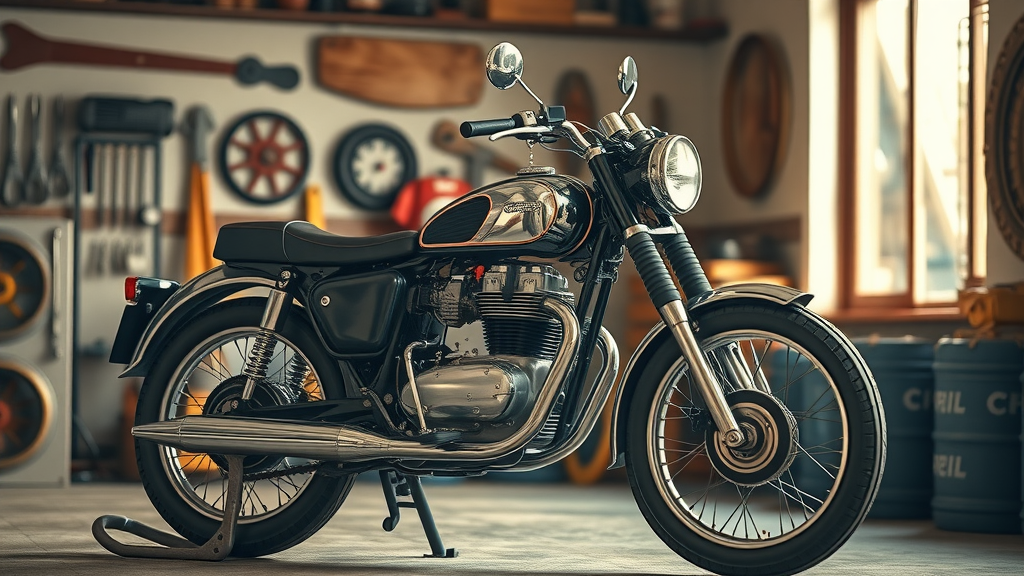
vintage retro motorcycle polished and clean on center stand in sunlit classic garage retro motorbikes storage

Startling Facts: Why Long-Term Storage is Critical for Retro Motorbikes

Storing retro motorbikes is not as simple as putting them away and forgetting about them. As the Motorcycle Preservation Institute highlights, “up to 60% of retro motorbikes experience preventable degradation after just six months in improper storage.” Vintage bikes, like the renowned Royal Enfield or a classic Triumph Speed Twin, are susceptible to issues unique to their era—think carburetor blockages, battery leaks, or rusty chrome. Many were built years ago using materials and finishes that demand a different preservation approach than today’s modern classics, which benefit from modern tech and new coatings.

“Up to 60% of retro motorbikes experience preventable degradation after just six months in improper storage.” – Motorcycle Preservation Institute

If you own a café racer or any bike from the classic range, you’re not just preserving a vehicle; you’re safeguarding a piece of history. Failing to follow expert long-term storage can transform a cherished ride into winter’s biggest regret. Let’s dive into what makes storage for retro motorcycles critical—and the essential methods for ensuring your modern classic emerges next season as the real deal.

What You’ll Learn About Retro Motorbikes and Storage

  • Why proper storage is essential for retro motorcycles

  • Step-by-step preparation of retro motorbikes

  • Recommended products for preserving modern classic bikes

  • Expert-approved tips for preserving classic components

Table: Top Storage Concerns for Retro Motorbikes Compared to Modern Classics

Storage Factor

Retro Motorbikes

Modern Classics

Fuel System

Carburetor issues common

EFI needs different care

Corrosion Risk

Higher on vintage metals

New coatings help

Battery Care

Risk of older batteries leaking

Modern AGM lasts longer

Paint & Chrome

Prone to fading

Modern finishes more durable

close-up of classic motorcycle engine chrome corrosion-free retro motorbikes storage

The 12-Step Retro Motorbikes Storage Checklist

1. Clean and Detail Your Retro Motorcycle (inc. Royal Enfield & Triumph Bonneville)

Before you tuck your retro motorbikes away for the season, a full cleaning is more than cosmetic—it’s your first defense against corrosion and fading. Dirt, road grime, and brake dust can trap moisture against paint, chrome, and key components of classic bikes like the Triumph Bonneville or Royal Enfield. Wash every surface, taking special care with wire wheels and under the fenders. Use a pH-neutral soap and finish with a microfiber towel to avoid scratches. For added protection—especially for bikes with high-gloss chrome or exposed fasteners like café racers and the speed twin—finish with a dedicated chrome polish and an automotive wax. Cleaning now means you’ll spot potential issues like paint chips or leaks before they worsen during long-term storage.
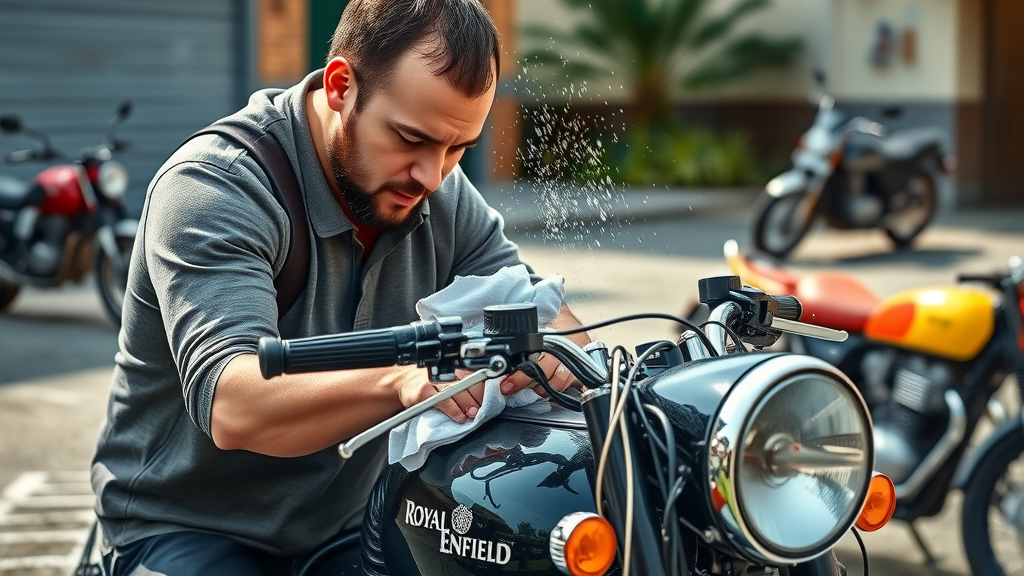
gentleman cleaning retro Royal Enfield motorcycle chrome and bodywork retro motorbikes storage

2. Change All Fluids in Retro Motorbikes Before Storage

Old fluids break down and can become corrosive if left sitting for months. Drain and replace both engine oil and the transmission fluid—especially important for bikes with a shared oil sump or older classic range engines. Don’t neglect the brake and clutch hydraulic fluids, as aged fluid absorbs moisture and can cause corrosion in disc brake systems. For modern classic bikes with separate oil reservoirs and cc parallel twin engines like certain BMW Moto or Ducati Scrambler models, follow your manual’s guidance on fluid type and quantities. Always swap coolant if your bike is liquid-cooled. Keeping fresh fluids inside your retro motorcycles ensures that internal surfaces are protected from the inside out until you’re ready to ride again.

3. Protect the Fuel System: Modern Classics and Twin Engine Tips

Fuel left stagnant in the tank or lines can degrade, especially in older bike carburetors, leading to clogged jets and sticky floats. If storing a twin engine or parallel twin bike, fill the fuel tank completely to prevent rust, then add a high-quality fuel stabilizer—something formulated for ethanol-blend fuels, common in modern classics like the Ducati Scrambler or Triumph Bonneville. Run the engine briefly to distribute the stabilizer throughout the system and carburetor. For fuel-injected bikes with EFI, consult your manual for specific procedures, as some recommend periodic cycling. The fuel system is one of the most vulnerable aspects of any retro motorcycle—proper prep now is critical for reliable starts next riding season.
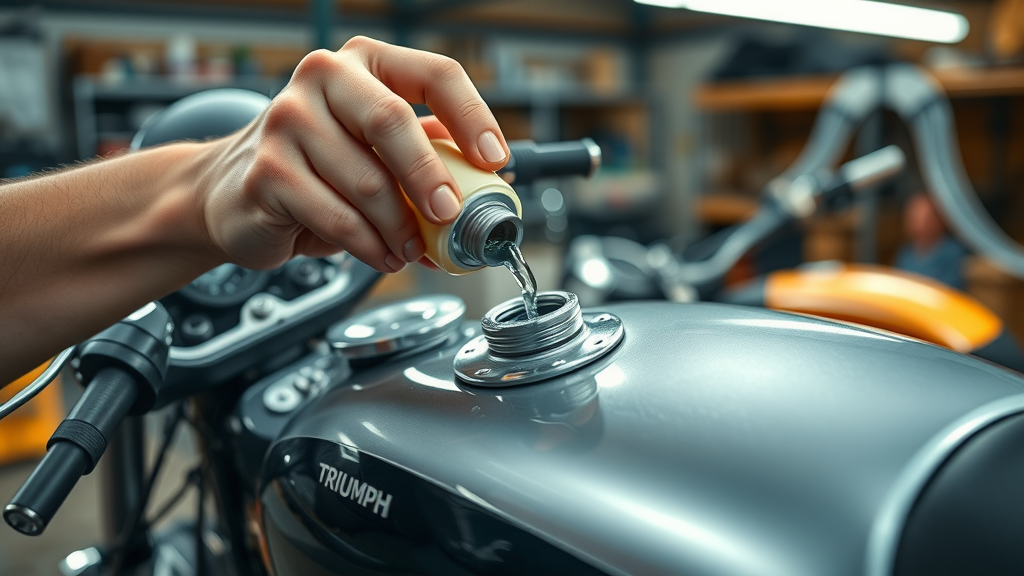
hands pouring fuel stabilizer into retro Triumph motorcycle tank fuel system care retro motorbikes

4. Disconnect or Remove the Battery from Retro Motorcycles

Vintage battery tech, especially original or low-maintenance types found in many British motorcycle or classic Japanese models, can be temperamental. Disconnect the negative lead to prevent “parasitic drain.” For long-term storage—especially during cold, humid winters—remove the battery altogether and keep it inside, connected to a trickle charger or maintenance tender. For modern AGM or lithium batteries used in the latest modern classic range, check manufacturer guidelines. Neglecting your battery could result in permanent damage, expensive replacements, or even electrolyte leakage—a risk to both the machine and your workspace. Maintaining battery health guarantees your retro motorbikes remain the real deal when it’s time to ride.

5. Lubricate Moving Parts on Retro Motorbikes, Including the Chain and Cables

Proper lubrication is crucial for defending against moisture and rust on exposed metal surfaces, especially for bmw motorrad, triumph speed twin, and Royal Enfield models with classic open chains and mechanical cables. Apply a quality chain lube evenly, being sure to spin the rear wheel for full coverage. Use spray or drop lube for throttle, clutch, and brake cables, and don’t forget the pivot points on the brake and shift levers. This step is fundamental for classic chrome and vintage transmission designs, protecting crucial elements like slipper clutch mechanisms and disc brake linkages. Well-lubed bikes ward off wear caused by condensation and inactivity, keeping your ride safe and responsive for the next season.
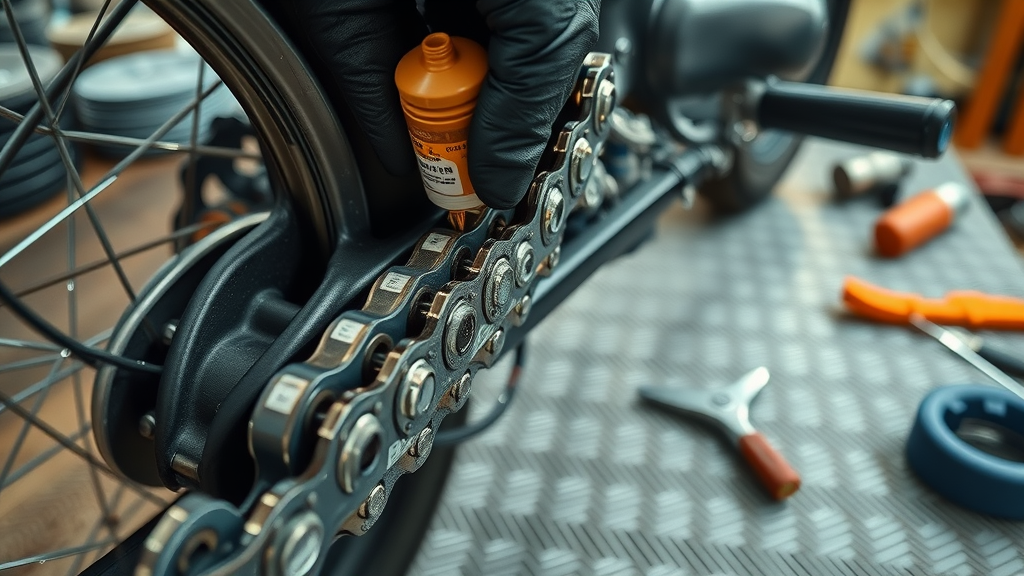
lubricating classic motorcycle chain retro motorbikes maintenance storage protection

6. Elevate Tires on Retro Motorbikes: Why It Matters

Flat spots can develop when a retro motorcycle sits in one position for months, especially with vintage bias-ply tires. To prevent this, elevate the bike using a center stand, paddock stands or, at minimum, move the bike periodically. Elevation alleviates tire pressure, reduces the risk of sidewall cracks, and preserves correct seat height and riding position for when you next take out your café racer, speed twin, or modern classic. For bikes equipped with tube-type wheels or vintage-style whitewalls, using stands also helps avoid unnecessary strain on aging suspension and fork seals. Tire care is one of the simplest and most overlooked steps for preserving performance and handling in classic and modern classics alike.
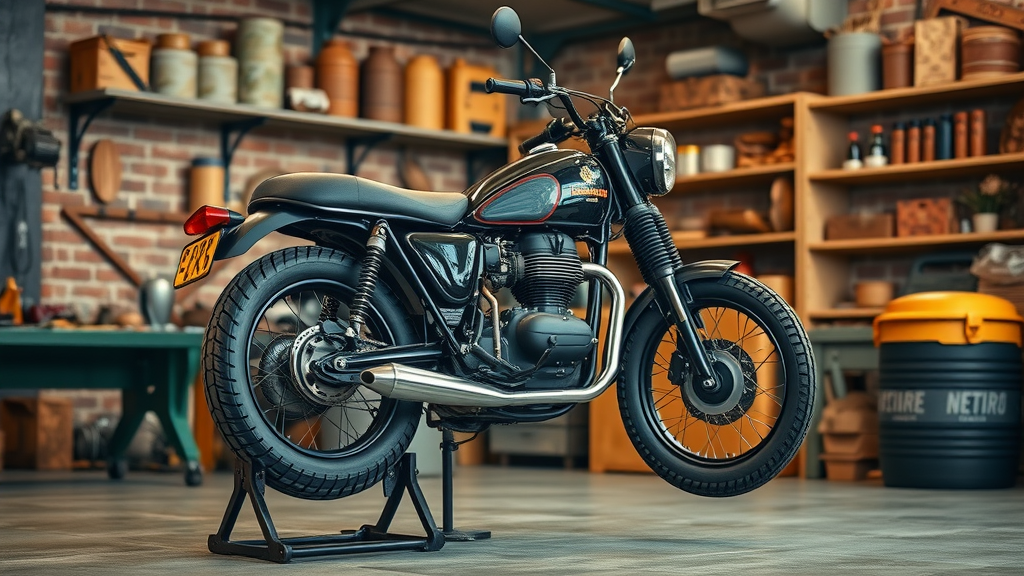
retro motorcycle tires elevated on paddock stands storage care performance and handling

7. Cover All Intakes and Exhausts on Retro Motorbikes

Rodents and insects love warm, dark spaces, making your classic parallel twin exhaust pipes or open carb intakes a target during long storage. Use foam plugs, rubber caps, or even thick plastic bags secured with rubber bands to cover all open engine intakes and exhaust outlets. This simple step prevents nesting, moisture, and internal rust—especially important for modern classic bikes with complex emissions systems or the classic bmw moto twin engine. Always leave a checklist/reminder so you don’t forget to remove these before restarting!

8. Prevent Rust on Classic Chrome – Speed Twin & Ducati Scrambler Care

Classic chrome, as found on Speed Twin, Royal Enfield, and Ducati Scrambler motorcycles, demands extra vigilance to keep rust at bay. After polishing, apply a corrosion inhibitor or store in a dry environment using a dehumidifier if possible. Pay close attention to chrome fenders, wire spoke nipples, and handlebar hardware. Condensation and leaks can encourage pitting and oxidization, so periodic checks are vital, especially for models built years ago with less advanced metallurgy. Preserving the shine on your classic chrome distinguishes your retro motorcycles from the rest come riding season.

9. Use the Right Motorcycle Cover: Vintage vs. Modern Classic Considerations

Not all covers are created equal. A breathable, water-resistant motorcycle cover shields your retro motorbikes from dust and humidity, while permitting trapped moisture to escape. Avoid plastic tarps that can trap condensation and accelerate corrosion. Fit is important—a loose cover may flap and abrade paint, while tight covers can cause condensation. Classic bikes like the Triumph Bonneville or café racers may need covers shaped to accommodate their upright handlebars or taller seat height. Modern classics with fairings or luggage require a different fit. Choose a cover that caters to your bike’s unique profile and ensures total, snag-free security during storage.

motorcycle cover classic Triumph Bonneville modern vintage retro motorcycles storage

10. Choose the Best Storage Location for Retro Motorbikes

Your bike’s home during its hibernation is almost as important as any single step in the checklist. Opt for a dry, climate-controlled garage or storage area, away from direct sunlight or wide swings in temperature and humidity. A finished garage with sealed concrete floors, insulation, and even a portable dehumidifier is ideal. Avoid outdoor sheds or spaces where rodents can enter, and do not store under tarps in the backyard, as frost and damp can wreak havoc on vintage seat material, electronics, and classic chrome. For true peace of mind, riding clubs and modern shops like Nasty Performance Motorcycle Shop offer purpose-built motorcycle storage solutions for retro motorcycles of all makes and generations.

ordered storage climate controlled environment retro motorbikes storage garage

11. Periodically Inspect Retro Motorcycles in Storage

Set a reminder to check your bike at least once a month. Inspect for leaks, condensation, rodent intrusion, or signs of dust and corrosion. If you’re nearby, rotate the wheels and gently rock the bike to keep suspension fluid and brakes moving. If possible, briefly power up the battery (if left in place) to maintain charge and test key electronics. Regular check-ins prevent minor issues from turning into costly restoration projects, ensuring your retro motorcycle or modern classic remains road-ready.

12. Document Storage Details for Modern Classics and Retro Motorbikes

Keep a notebook or digital file documenting each step you took for storage—date of last maintenance, battery removal, fuel additives, specific covers used, and storage conditions. This record not only helps when it’s time to wake your bmw motorrad or triumph speed twin from hibernation, but can even add value if you ever decide to sell. Being able to show a detailed log of care preserves the status of your bike as a true modern classic or vintage collectible.

Video Guide: Retro Motorbikes Storage—A Step-by-Step Tutorial

People Also Ask About Storing Retro Motorbikes

How do you prepare a retro motorbike for long-term storage?

Proper preparation involves cleaning, fluid changes, protecting the battery and fuel, elevating tires, covering intakes, and using a breathable cover to prevent dust and moisture buildup.

What is the best way to prevent rust on retro motorcycles?

Apply corrosion inhibitors to all exposed chrome and metal surfaces, store in a dry environment, and periodically check for condensation or leaks.

Expert Tips: Retro Motorbikes Storage from Enthusiasts of Triumph Speed Twin, Ducati Scrambler, and Royal Enfield

Even with advances in modern tech, experts agree that the fundamentals matter most for retro motorcycles. Owners and mechanics of the Triumph Speed Twin, Ducati Scrambler, and Royal Enfield recommend regular inspections, prioritized lubrication of exposed parts, and sharp attention to battery health—even while the bike is in storage. Storage checklists tailored for the particular quirks of your model, especially those with unique cylinder engine configurations or fully adjustable suspensions, maximize the life and performance of your investment.

“Vintage bikes need more than just a cover—they thrive with regular maintenance even during storage.” – Alex Turner, Lead Technician

Whether it’s ensuring seat height stays comfortable, riding position feels natural, or maintaining the snappy traction control found in modern classics, enthusiasts stress being proactive about care. Leverage owner forums, manufacturer bulletins, and specialized shops for advice related to your model—especially if you ride rarer café racers or classic BMW moto machines.

FAQs: Retro Motorbikes Storage

  • How long can retro motorbikes be stored without starting?
    Most experts recommend not leaving bikes untouched for more than six months. For longer periods, periodic checks and cranking by hand or a short run every few months protect internal systems and keep fluids from settling.

  • Should you leave fuel in the tank of a retro motorcycle?
    Yes—fill the tank completely and add a stabilizer. Partially full tanks invite rust.

  • What’s the best temperature for storing modern classics or retro motorcycles?
    Aim for dry, stable conditions between 55°F–70°F (13°C–21°C) with low humidity.

  • Can you store retro motorcycles outdoors?
    It’s not ideal. If you must, invest in a robust, weatherproof, and breathable cover, and check the bike frequently for effects from weather or pests.

Mechanic's Perspective: Common Mistakes Storing Retro Motorbikes

Key Takeaways for Retro Motorbikes Storage Success

  • Always clean retro motorcycles before storage

  • Prioritize fluid and battery maintenance

  • Prevent rust on all exposed components

  • Choose storage environments wisely

  • Consult experts for model-specific guidelines

Conclusion: Protect Your Retro Motorbikes with Confidence

Careful storage today keeps your retro motorbikes legendary tomorrow. Follow these steps to enjoy vintage performance and classic style for years to come.


Ready to Safeguard Your Retro Motorbikes? Call Nasty Performance Motorcycle Shop Today: 847-458-4858

Motocycle Seasonal Care & Storage

0 Comments

Write A Comment

*
*
Please complete the captcha to submit your comment.
Related Posts All Posts

Motorcycle Battery Care Spring: Prevent Dead Starts This Season

Ever wondered why so many riders return to dead batteries in spring? Discover the essential motorcycle battery care spring steps that every rider should master and never get caught off guard again.Spring is here, and that means the open road is calling. But there's one thing that can instantly spoil your first ride: a dead battery. Imagine eagerly prepping your motorcycle, only to hear a sad click when you press the starter. Avoiding this scenario isn’t just about luck; it’s about knowledge and routine. This guide reveals step-by-step motorcycle battery care spring techniques —from the right way to inspect and maintain your battery to leveraging trickle chargers and verifying your full electrical system before that exhilarating first ride. Let’s break down these expert-backed practices so you’ll ride out with confidence, whether you’re in the cold climates of the East Coast or tackling early spring adventures elsewhere.Motorcycle Battery Care Spring: Essential Routine for a Reliable StartWhen it comes to motorcycle battery care spring , your approach during those first warm weeks can mean the difference between a smooth, powerful start and a frustrating morning of troubleshooting. After months of winter storage, your motorcycle’s battery—like the rest of your bike—needs attention. Cold climate storage can sap a battery’s power, with chemical reactions slowing and condensation inside the engine potentially creeping into sensitive electronics. That’s why prepping your battery for spring is more than just habit; it’s a safety and reliability step recommended for every rider.Begin by recognizing how cold temperatures and inactivity over winter storage may have affected battery performance. Residual drain—even if you remembered to disconnect the battery —can leave voltage lower than the ideal 12.6 volts. This makes it crucial to test and, if needed, trickle charge your battery before the first real road test. In fact, using devices like a battery tender or trickle charger is widely regarded as the key to spring readiness; these devices slowly top up the battery, avoiding overcharge and ensuring the lifespan of your power source extends well beyond a single season. Finally, a short test ride doesn’t just shake off rust, but also helps confirm the complete system health—serving both as a confidence booster and as a diagnostic of your starter, lights, and charging system.Recognizing the impact of winter storage on battery performanceWhy trickle charge and trickle chargers are key for spring readinessUsing a test ride to ensure complete system health after storageSpring Motorcycle Battery Care: Key Steps and ToolsRoutineReasonRecommended ToolNotesInspect battery terminalsPrevents connectivity issuesWrench, terminal brushWear glovesCheck battery voltageDetects low charge or damageMultimeterIdeal voltage: 12.6V+Apply trickle chargeMaintains optimal chargeTrickle chargerDon’t exceed recommended charge timeReplace if neededPrevents future dead startsNew batteryRecycle old battery properlyOptimizing Motorcycle Battery Care Spring with Trickle Charge TechniquesProperly maintaining your motorcycle’s battery is about more than just recharging it after a long winter rest. Trickle charging your battery throughout the season ensures it retains optimal health and reduces the risk of being stranded. The process isn’t merely about juicing up a flat battery; it’s about extending the lifespan of your battery and keeping all your electronics—from the ignition to the most advanced LED light setups—functioning with peak efficiency.With battery technology advancing and more riders keeping their bikes in storage over winter, the need to optimize your trickle charge routine becomes obvious. Accidental overcharging can be as damaging as neglect—impacting battery chemistry, resulting in swelling or even permanent failure. Learning the ins-and-outs of safe trickle charge procedures, integrally tied into motorcycle battery care spring , helps you maximize performance, especially if you ride only once a week or store your motorcycle in a cold climate garage.Understanding Trickle Chargers: How and When to Use ThemA trickle charger is an indispensable tool for any motorcyclist, yet it's often misunderstood or misused. Unlike rapid chargers, a trickle charger works by delivering a slow, steady current. The key benefit is that it charges the battery at the same rate that power naturally dissipates when the bike is not in use—meaning you won’t accidentally overheat or damage your battery during winter storage or spring tune-ups. These devices are especially helpful for riders dealing with the unpredictable conditions found on the East Coast, where cold snaps and spring storms can delay the riding season.When preparing for spring, it’s crucial to follow all manufacturer instructions regarding connecting and disconnecting the trickle charger. Always connect positive to positive and negative to a grounded frame point to avoid accidental sparking. Don’t leave the charger on indefinitely unless it’s a smart battery tender with an automatic shut-off to prevent dangerous overcharging. Overcharging can manifest as heat, swelling, or—worst case—leakage, leaving you with an unusable battery just when riding season starts.What is a trickle charger and its benefits in spring preparationProper procedures for connecting and disconnecting trickle chargersRisks of overcharging and how to avoid them"A battery maintained on a trickle charger can last up to twice as long as a neglected one." — Battery Care ExpertsWinter Storage Effects and Spring RecoveryStorage conditions over winter can silently impact battery durability and performance. During winter storage , a battery can gradually lose its charge even when disconnected, especially in a cold climate garage. If moisture is present, condensation inside the engine and near electronics can further increase the rate of natural discharge. When it’s time for spring recovery, riders may notice symptoms like sluggish cranking or unresponsive dashboard lights—classic signs that battery care was overlooked.Spring protocols for recovering from winter storage start with a comprehensive inspection. Remove the battery if needed to closely check for corrosion around terminals, swelling, or unexpected residue—evidence of chemical breakdown. Use a multimeter to check voltage; if the reading falls below 12.4V, a controlled trickle charge is recommended. Thoroughly clean terminal contacts and ensure all wiring connections are tight before reinstalling the battery. For many, the difference between a fully warm engine and a stubborn starter boils down to this essential pre-ride battery protocol.To avoid battery headaches in future winters, consider investing in a premium battery tender that intelligently maintains battery charge. Pair this with preventative measures: store your motorcycle in a dry location away from dramatic cold snaps, periodically charge the bike once a week if possible, or remove the battery entirely if you plan to winterize your motorcycle for extended inactivity.Battery wear during winter storage and its springtime symptomsStep-by-step spring protocols for recovering stored batteriesPreventative storage solutions for next winterTest Ride and Full System Check for Motorcycle Battery Care SpringAfter following essential motorcycle battery care spring steps, nothing verifies your maintenance like a real-world test ride. A short, deliberate route not only gets your engine to fully warm operating temperature—burning off any combustion byproducts and condensation—but also offers the first chance to test your battery and electrical system under load. Always conduct this ride after battery maintenance and before planning any long spring adventures.A test ride helps spot issues missed at the workbench. During your ride, carefully monitor how the bike responds to ignition, especially if you notice the starter lagging or accessory lights flickering. These can warn of deeper battery or charging system problems needing immediate attention. Additionally, pay attention to the consistency and brightness of headlight and dashboard indicators, and check if any starter issues persist when the bike is fully warm at a traffic stop.Conducting a Test Ride: Verifying Electrical and Charging SystemsA focused test ride is the final exam for spring battery care. Begin by checking battery voltage before starting—ideally above 12.6V. As you ride, assess how the starter engages, listen for smooth cranking, and see if accessories function properly under load. Notice headlights for dimming when you use electronic accessories or the starter; subtle cues can point to issues with either the battery or the charging system, both of which are critical for reliable performance.Create a spring test ride checklist so you don’t miss a thing. Examine every system that relies on battery power: from the starter motor to auxiliary lights and even GPS or other add-ons. After the ride, touch the battery housing (careful—don’t burn yourself) to check if it’s abnormally hot or swollen, both red flags. Testing the system with the bike fully warm will expose potential hidden problems that might not appear while stationary in the garage.Why a test ride reveals battery and charging system healthChecklist for monitoring lights, starter, and accessoriesIdentifying early warning signs during your first spring rideCheck voltage before the rideTest starter engagementMonitor headlight dimming and electronic accessory functionReview battery after the ride for heat and swellingAnswers to Your Spring Motorcycle Battery Care QuestionsHow to prep a motorcycle for spring?Prepping your motorcycle for spring means more than topping off fluids or inflating the tires. Start with a detailed inspection of your battery: clean the terminals, check for corrosion, and use a multimeter to confirm voltage. Apply a trickle charge if needed, and reinstall the battery securely. Don’t forget to inspect the exhaust system for any signs of animal nesting or blockage from winter storage, and verify all electronics, lights, and starter performance before hitting the road. Take your time to fully warm the engine and look for any condensation inside the engine or unusual smells when you first start up.What part of the battery should be on the spring?The key part of the battery to focus on for spring is the terminal area. Ensure connections are clean, tight, and free of corrosion to allow maximum current flow. The battery housing should be checked for cracks or bulges, while the top surface should remain dry and free of dirt or acid residue. For many riders, simply removing the battery for a closer inspection is the most effective way to prevent spring surprises—and always check the vent tubes (where applicable) for blockages from winter storage.Is it okay to leave a motorcycle on a trickle charger?Yes, it is safe to leave your motorcycle battery connected to a modern trickle charger, provided it has an automatic shut-off or battery tender functionality. These chargers are designed to sense full charge and cut power or switch to float mode automatically, preventing overcharge and extending battery life. However, avoid leaving basic non-smart chargers connected for long durations, as they may damage the battery over time.How long can a motorcycle battery sit unused?A motorcycle battery can typically sit unused for one to three months without major issue, depending on battery age, health, and climate. Extended periods of inactivity—especially in cold climates—lead to charge loss and can cause sulphation on the plates, shortening battery life. If you plan to winterize your motorcycle or store your motorcycle for several months, it's best to remove the battery and keep it on a battery tender or trickle charger to maintain optimal health.Frequently Asked QuestionsHow often should I inspect my battery during spring? Perform a quick inspection before each ride for the first month of the season.Do all motorcycles need a trickle charger in winter? Most modern bikes benefit from one, especially if stored in cold or unused for weeks.Can a bad battery damage my bike? Yes, a failing battery can overwork the charging system and cause electrical malfunctions.Video Resource: Step-by-step guide to prepping your motorcycle battery for spring: how to inspect, clean, charge, and test for a confident first ride of the season.Take Action Today and Avoid Spring SurprisesDon’t wait until your first ride is spoiled by a dead battery. Make motorcycle battery care spring routines part of your regular maintenance, and enjoy every mile this season. Call Nasty Performance Motorcycle Shop Today: 847-458-4858To ensure your motorcycle is ready for the spring riding season, it’s crucial to focus on comprehensive battery maintenance. The article “Essential Spring Maintenance for Your Motorcycle” provides a detailed checklist, including battery assessment and charging, fluid checks, and other vital tasks to prepare your bike after winter storage. ( blog.carolinacycle.com ) Additionally, “Motorcycle Battery Maintenance Tips” emphasizes the importance of keeping your battery charged, maintaining clean connections, and proper storage practices to extend battery life and ensure reliable performance. ( bmwdetroit.com ) By following these expert recommendations, you can prevent dead starts and enjoy a confident ride throughout the season.

Here's How to Start Your Motorcycle After Winter Storage

Did you cover all the crucial steps before restarting your motorcycle, or could one overlooked detail leave you stranded this spring? Did Winter Storage Leave Your Motorcycle Out in the Cold? Opening Hook: Should You Follow Standard Advice to Start Your Motorcycle After Winter? As motorcycle enthusiasts eager for the first ride of spring, we’ve all faced the frustration of twisting the ignition and hearing its fruitless click after a long winter break. Should you just follow the same old advice, or are there vital steps you’re missing? Restarting your bike after a period of time in cold storage isn’t just about hitting the starter; neglecting details like a drained battery, stale fuel, or contaminated spark plug can create unnecessary headaches—or worse, lasting damage. Before you pull your prized machine back onto the open road, this guide will walk you through proven, mechanic-backed strategies to start your motorcycle after winter efficiently and safely. By addressing everything from fluid levels to tire pressure, you’ll avoid common pitfalls, minimize risk of engine knock or rough starting, and maximize your ride’s performance for the entire season. Let’s break down what you need to know before your first throttle twist, so your journey starts with confidence — not complications. What You'll Learn When You Start Your Motorcycle After Winter Storage Understand why winter affects your motorcycle performance Step-by-step process to start your motorcycle after winter Expert tips on spark plugs, fluid level, and tire pressure Proactive maintenance for a smooth riding season The Impacts of Winter Storage on Your Motorcycle How Extended Inactivity Affects Your Motorcycle During winter months, your motorcycle faces a barrage of challenges that can quietly erode its performance. The most pressing factor is battery drain. If you didn’t use a smart charger over the winter, your bike’s battery may be too weak to turn the engine. This is especially true for newer models with onboard electronics that draw power even at rest. Inactivity also accelerates fuel system deterioration; old gasoline can degrade, clog fuel lines, gunk up the fuel pump, or even cause varnish buildup that affects starts and idling. Spark plugs can collect moisture or become fouled, making ignition unreliable. Flat spots may develop on tires, critical fluid levels—from engine oil to brake fluid—may drop, and rubber components such as belts and seals can show signs of dry rot. Recognizing these potential pitfalls is the first step in ensuring your motorcycle doesn’t just start but runs like a bad boy when you need it most. By preparing for these specific challenges, you minimize the risk of damage and avoid costly, frustrating setbacks. If you want to take your post-winter maintenance a step further, consider exploring additional seasonal care tips that can help you prevent common issues before they arise. For a deeper dive into practical strategies, check out these essential seasonal bike care secrets every rider should know. Essential Preparations Before Trying to Start Your Motorcycle After Winter Inspecting and Charging the Battery How to safely access your motorcycle battery Best practices for battery charging Before you try to start your motorcycle after winter, assessing the battery is non-negotiable. Begin by locating the battery—often under the seat or a side cover—and visually check for corrosion or loose cables. Remove the battery with gloves to avoid acid contact, and use a smart charger, not a jump start, since sudden surges can damage sensitive electronics found in modern bikes. A voltage reading below 12.5V indicates a weak battery; charge it for several hours (or preferably overnight) until fully topped off. If your battery won’t hold a charge, it’s best to replace it to prevent early season headaches. While reinstalling, clean terminals with a wire brush and apply dielectric grease to ward off corrosion. Always reconnect the positive terminal first. If your motorcycle has sat for an extended period of time, a healthy battery is your insurance against electrical gremlins. Skipping this step risks more than a no-start—it could leave you stranded and damage your workhorse’s starting circuit. Check the Oil and Fluid Levels Before You Start Your Motorcycle After Winter Checking your oil level is crucial after months of hibernation. Contaminants, moisture, and degraded oil can jeopardize piston rings, bearings, and the engine’s longevity. Use a clean dipstick or sight glass to check the level and look for discoloration or milkiness—signs of water intrusion or old oil. Top off with fresh oil if needed, but an outright oil change (including a new oil filter) is best for most riders at season’s start. Don’t forget other fluids. Inspect brake fluid reservoirs for clarity and adequate level, remembering that dark fluid may indicate a needed flush. Double-check coolant level in liquid-cooled bikes, as freezing or evaporation may lower the mark. Transmission and clutch fluid, if separate, should remain clear with no burnt odor. Neglecting these areas can compromise safety and function, making fluid checks one of the most fundamental yet overlooked tasks when you start your motorcycle after winter. Examining the Spark Plug and Spark Plugs for Reliable Starting How to inspect and clean spark plugs When to replace a spark plug before starting your motorcycle Your spark plug (and on multi-cylinder bikes, the spark plugs) sit at the heart of reliable ignition. Begin by pulling the plugs with a dedicated tool, examining them for carbon deposits, oil fouling, or signs of corrosion. Clean light deposits with a wire brush; severe fouling or worn electrode tips suggest it’s time to replace them. When reinstalling, apply anti-seize to the threads and ensure each plug hole is dry and free from debris to avoid misfires. Upgrading to a fresh spark plug can make a night-and-day difference, reducing starting effort and smoothing idle. If your model requires a gapped plug, measure and adjust to spec; improper gap can sabotage new plugs’ performance. Investing time in these checks prevents elusive starting problems and reduces strain on your battery and starter. Fuel System Checks: Cleaning, Refilling, and Preventing Issues Signs of old fuel in the system How to safely drain and refill the fuel tank Additives and treatments for fuel system health The fuel system is a notorious trouble spot following winter storage. Stale fuel loses combustibility and can gum up the fuel pump, carburetor jets, or injectors. Signs of old gas include sour odor, dark color, and visible residue in the tank or line. If you spot these, carefully drain the tank (off-bike preferred), safely dispose of the bad gas, and refill with fresh gas. Use a funnel to avoid spillage and inspect fuel lines for brittleness or leaks. To fend off future buildup, consider a fuel stabilizer or cleaning additive. These help clear varnishes and prevent water absorption. Run the fuel through by starting the bike; periodic use keeps the fuel system in optimal health, especially important for carbureted or older models. A proactive approach here can save you expensive repairs down the road. Ensuring Correct Tire Pressure After Winter Storage Recommended tire pressure for safe operation Spotting signs of tire damage post-winter Checking your tire pressure is not just routine—it’s life-saving. Tires often lose air pressure during cold months, and underinflation invites flat spots, compromised handling, and increased wear. Use a reliable pressure gauge to check both front and rear tires, inflating to the specification listed on your swingarm decal or owner’s manual. Carefully inspect the sidewalls and tread for signs of dry rot, cracking, or embedded debris. Look for signs of damage like bubbles, odd bulges, or excessive signs of wear. If you spot problems, it’s time to consider replacement before that first spring trip. Ensuring correct tire pressure and sound tire condition boosts safety, maintains grip, and smooths out your initial rides after winter slumber. Step-by-step walkthrough: How to start your motorcycle after winter (battery, spark plugs, fuel system) Step-by-Step Guide: How to Start Your Motorcycle After Winter Confirm your workspace is safe and ventilated Charge and install the battery Check the oil and top off fluid levels Inspect the spark plug and replace if needed Address fuel system by draining or treating old fuel Check tire pressure and inflate as necessary Turn the ignition and monitor engine response Let the engine idle and listen for unusual noises Meticulously following this checklist ensures your motorcycle transitions safely from storage to street. Each step addresses the most common culprits of no-starts and rough initial rides. When you start your motorcycle after winter this way, you not only safeguard its systems but also establish a solid foundation for a fun, worry-free season on the road. Expert Insights: Common Issues When You Start Your Motorcycle After Winter "Many riders overlook the importance of fresh fuel and clean spark plugs after winter, leading to starting troubles and rough idling." – Certified Motorcycle Mechanic, John Randall "A little proactive battery maintenance goes a long way to avoid early season headaches." – Nasty Performance Motorcycle Shop Tech Team Ignoring preventative steps can leave even the baddest bike in the shop instead of on the street. Mechanics consistently report that sludge in the fuel system, old spark plugs, and neglected fluid levels are top culprits for early season service calls. By carefully addressing these issues up front, you greatly reduce the chances of unexpected problems or expensive repairs as you get back in the saddle. Maintenance Tips for Smooth Riding All Season Routine motorcycle maintenance schedule post-winter Keeping an eye on fluid levels, spark plugs, and battery charge Best practices for off-season motorcycle storage A proactive maintenance schedule prevents small issues from escalating into major headaches. Check your bike monthly for fluid levels (oil, coolant, brake fluid), clean and inspect spark plugs, and keep the battery charge topped up. If you have belt drive or chain drive, inspect and lubricate them along with regular tire inspection for pressure and signs of damage. While storing your motorcycle off-season, stabilize the fuel system, disconnect and trickle-charge the battery, and keep tires off cold concrete with paddock stands or boards to avoid flat spots. Cover the bike to protect from dust and rodents, and periodically rotate the wheels. Good off-season habits lead to easy starts and fewer surprises year after year. Task What to Check/Do Recommended Frequency Battery Charge, inspect, clean terminals Before first start, monthly if stored Spark Plug(s) Inspect, clean, replace if worn Before first start, every 5,000-8,000 miles Fluid Levels Check oil, brake fluid, coolant Before first start, every month Tire Pressure Inflate to spec, inspect for dry rot/signs of damage Before first ride, every month Fuel System Drain/refill tank, add stabilizer, check lines Before first start, stabilizer every storage period People Also Ask About Starting Your Motorcycle After Winter How to start a motorcycle after winter? To start your motorcycle after winter, begin by removing the bike from storage and inspecting it for any obvious damage. Fully charge and install the battery, check all fluid levels (oil, coolant, brake fluid), and replace or clean the spark plug. Drain any old fuel from the fuel system and refill with fresh gas, adding a fuel system cleaner if necessary. Check tire pressure and look for signs of dry rot or flat spots. Start the engine, let it idle, and listen for any odd noises before riding. How long can a motorcycle sit without starting? A motorcycle can typically sit for about one to three months without major consequences, as long as the battery is maintained and fluid levels (especially oil and brake fluid) are correct. Longer storage without proper preparation—such as draining the fuel system and stabilizing gas—can result in battery drain, fuel varnish, and tire flat spots. If a bike sits more than a period of time (like a full winter), always check these critical areas before attempting to restart. What is the 12 second rule on a motorcycle? The 12 second rule is a safety guideline for riders: you should scan the road ahead so that you always see at least 12 seconds in the future. This gives ample time to react to unexpected hazards, especially when resuming your riding routine after a long season off. It helps you maintain the correct following distance, anticipate traffic flow, and ride defensively—crucial points after your motorcycle emerges from storage when both you and your bike may need a warmup period. Is it okay to leave gas in a motorcycle over winter? Leaving untreated gas in your motorcycle’s tank over winter can lead to problems like fuel breakdown, gummed-up carburetors or injectors, and corrosion in the fuel system. The best practice is to add a fuel stabilizer to fresh gas and run the engine for several minutes before storage. This ensures stabilized fuel circulates throughout the system, preventing separation and preserving internal components for easy spring starts. Expert tips: Troubleshooting common problems when you start your motorcycle after winter Frequently Asked Questions about How to Start Your Motorcycle After Winter What signs indicate my spark plug or spark plugs need replacing after storage? If the electrode is worn, covered in sooty carbon, or the ceramic insulator is cracked, replace your spark plug. Any sign of persistent engine misfire or hard starts can also indicate plug trouble. How do I check my fuel system for clogs or build-up after winter? Inspect the fuel lines for stiffness or leaks, open the fuel tank for residue or bad odor, and, if possible, drain a small amount from the carburetor or injector for clarity. Running the bike on fresh gas with additive for a short while may help clean out minor build-up, but persistent trouble could mean a deeper clean is needed. Which fluid levels are critical for post-winter starting? Engine oil, brake fluid, and coolant (for water-cooled bikes) must all be at correct levels and in good condition. Contaminants or low levels can result in poor performance or even engine damage. Tips for preserving tire pressure during winter? Inflate tires slightly above recommended pressure before storage and check regularly. Move your motorcycle occasionally or use stands to avoid flat spots, and keep tires off cold concrete to minimize air loss and dry rot. Key Takeaways for Starting Your Motorcycle After Winter Prioritize battery, fuel system, spark plug, and fluid level inspections Address any mechanical issues before riding Follow a proactive maintenance routine for longevity Ready for the Road? Start Your Motorcycle After Winter with Confidence By carefully checking your battery, fluids, spark plugs, and fuel system, you’ve set the stage for a safer, smoother return to the open road this season. If you’re looking to elevate your motorcycle care beyond just the basics of post-winter starting, there’s a wealth of knowledge waiting for you. Discover how to protect your ride year-round, extend its lifespan, and enjoy peak performance in every season by exploring seasonal bike care secrets every rider must know. These expert insights go beyond routine checklists, offering advanced tips and strategies to keep your motorcycle in top shape no matter the weather. Take the next step in your maintenance journey and ensure your bike is always ready for the adventures ahead. Action: Call Nasty Performance Motorcycle Shop Today: 847-458-4858

Seasonal Motorcycle Tune-Up Services to Boost Your Bike’s Life

Did you know that only 40% of riders follow a regular motorcycle maintenance checklist? Skipping seasonal motorcycle tune-up services can drastically reduce your bike’s lifespan and performance. If you want your motorcycle to keep up with the open road and every new riding season, a little proactive care goes a long way. In this guide, we'll reveal how timely maintenance checkups can help your motorcycle run smoothly, deliver optimal performance, and ensure your adventures stay safe and worry-free all year round. Unlocking Longevity: Why Seasonal Motorcycle Tune-Up Services Matter The longevity and reliability of your motorcycle depend heavily on routine maintenance and, specifically, targeted seasonal motorcycle tune-up services. Every riding season brings environmental changes that can impact your bike—think of grit and salt from winter months, or the heat and humidity of summer. These factors stress components like your air filter, brake fluid, fuel lines, and battery, making regular assessments critical. A proper maintenance check before and after the riding season is the key to a bike running smoothly, boosting motorcycle safety, and keeping your adventures rolling. As industry experts caution, neglecting regularly scheduled tune-up services can reduce your engine’s life by half. A full motorcycle maintenance checklist—spanning oil changes, brake pad inspection, chain lubrication, and more—ensures your motorcycle is ready for every weather shift and terrain change. Staying proactive not only safeguards your investment, but it also gives you peace of mind knowing your motorcycle is ready for every journey—no matter the season. Did You Know? Only 40% of Riders Follow a Regular Motorcycle Maintenance Checklist A recent survey uncovered that fewer than half of all motorcycle owners stick to a prescribed maintenance checklist throughout the year. This oversight often leads to preventable problems, from worn brake pads and contaminated brake fluid to neglected air filters and poorly maintained drive chains. Whether you're gearing up for the open road or storing your bike for the winter months, following a seasonal motorcycle maintenance checklist is vital—not just for the bike’s health but for your safety as well. The numbers don’t lie: riders who embrace a scheduled maintenance check experience fewer breakdowns and higher overall satisfaction. "Skipping scheduled seasonal motorcycle tune-up services can halve your bike’s engine life." – Industry Expert What You'll Learn About Seasonal Motorcycle Tune-Up Services The benefits of routine motorcycle maintenance Step-by-step seasonal motorcycle maintenance check How to use a motorcycle maintenance checklist Pro tips for maximizing motorcycle safety with a tune-up Understanding Seasonal Motorcycle Tune-Up Services: A Comprehensive Guide A seasonal motorcycle tune-up service is a targeted maintenance checklist performed at the start and end of each riding season. Much more than a routine oil change, it systematically addresses every part of your motorcycle that can be affected by fluctuating weather and road conditions. From testing the battery during the cold winter months, ensuring your tires are ready for the spring, to checking brake fluid and fuel lines during the summer heat—a comprehensive seasonal tune-up is like giving your bike a reset button. Performing these checks—either yourself or through skilled technicians at a professional motorcycle shop—boosts the bike’s reliability, keeps your ride running smoothly, and ensures optimal performance. Best of all, adhering to a seasonal maintenance checklist also protects your motorcycle insurance cover by demonstrating responsible ownership, which can sometimes even lower premium costs. Let's explore the most important elements you should cover during each seasonal motorcycle maintenance check. For riders looking to deepen their understanding of seasonal care, exploring additional seasonal bike care secrets can provide practical tips and lesser-known strategies to keep your motorcycle in top shape throughout the year. These insights complement your tune-up routine and help address unique challenges each season brings. Key Components of Seasonal Motorcycle Maintenance The core of any effective seasonal motorcycle tune-up services involves paying close attention to the following components. Start with a thorough engine inspection and an oil change to keep the engine running smoothly. Don’t skimp on replacing the air filter, which protects against contaminants year-round. Equally important is the brake fluid check; old fluid or unaddressed brake pad wear can seriously compromise motorcycle safety. Engine inspection and oil change: Fresh oil and a well-maintained engine help ensure your bike delivers optimal performance, especially after tough riding seasons or winter storage. Air filter and brake fluid replacement: Contaminated air filter and brake fluid can hinder engine efficiency and braking response—be proactive and swap them at every maintenance check. Drive chain lubrication: Lubricate the drive chain to lessen friction and extend its working order. Routine chain checks also spot wear before it becomes a costly repair. Electrical system and battery maintenance: Particularly vital after the winter months, battery checks and trickle charger use ensure your bike is ready to start for the new riding season. Inspect the battery for charge and terminal corrosion. Motorcycle Maintenance Checklist for Every Season Staying organized with a seasonal motorcycle maintenance checklist makes it easy to protect your bike’s health and maximize its life. The checklist below compares priority tune-up tasks for winter, spring, summer, and fall—making it easy to see what needs attention as seasons shift. Season Oil Change Brake Fluid Air Filter Battery Tires Chain Lubrication Winter ✔️ Check/Replace Check Maintain (trickle charge) Inspect & Store Properly Lubricate Spring ✔️ Flush/Replace Replace Test/Recharge Inspect Tire Pressure & Tread Lubricate & Adjust Summer Check/Top-Up Check/Top-Up Clean Monitor Monitor for Heat Wear Inspect Often Fall ✔️ Check Check/Clean Prepare for Storage Inspect & Adjust Lubricate Fully Adhering to this maintenance checklist lets you prevent seasonal wear and breakdowns. It’s the ideal tool for both DIY motorcycle enthusiasts and those scheduling professional tune-up services. Step-By-Step Seasonal Motorcycle Maintenance Check Following a detailed maintenance check at the start and end of each season is the best way to ensure your bike is running smoothly and safely on the open road. This step-by-step process includes vital checks across your entire motorcycle, from fluids and filters to tires and electrical. Even if you’re not a skilled technician, these pro tips will make your routine maintenance effective and straightforward. Conduct a visual maintenance check of the entire bike Replace or top-up brake fluid as needed Inspect and clean/replacement of air filter Lubricate the chain and check for wear Test electrical components and recharge battery Review tire pressure and tread depth Tackling these steps helps prevent major issues before they start—think of it as insurance for the open road. Plus, consistent checks on critical systems like brake lines and fuel lines allow you to catch subtle issues early. If you’re not comfortable with every task, enlist your local shop’s skilled technicians or use professional pickup and delivery motorcycle tune-up services for the highest level of motorcycle safety. Routine Motorcycle Maintenance vs. Seasonal Motorcycle Tune-Up Services While routine motorcycle maintenance and seasonal motorcycle tune-up services may sound similar, there are significant differences. Routine maintenance often involves quick checks such as topping fluids, adjusting the gas tank, or visual tire scans. In contrast, seasonal tune-ups are more comprehensive, combining a full maintenance checklist with deeper inspections and part replacements—ideal for prepping your motorcycle for the challenges of winter months or the heavy use of a new riding season. By following scheduled seasonal maintenance, you not only adhere to the manufacturer’s recommendations but also avoid expensive repairs and ensure your motorcycle insurance cover remains active. For those who ride year-round as well as those who store their bike for the winter, timely seasonal tune-ups are essential for keeping your bike in working order and extending its life, offering greater peace of mind every time you hit the open road. Why Scheduled Maintenance Matters for Motorcycle Safety Motorcycle safety starts with regular, scheduled maintenance—there’s no shortcut around it. Every skipped oil change, neglected air filter, or overlooked brake pad check increases the risk of issues that can put you or your bike in danger. By keeping every part on a strict maintenance check schedule, you reduce breakdowns, improve performance, and protect yourself and other road users. An up-to-date motorcycle maintenance checklist acts as your personal safety guarantee—especially when it includes thorough examinations of spark plugs, fuel lines, rear brake systems, and recommended tire pressure. Preventive care minimizes hazards and maximizes both the enjoyment and the safety of every ride, whether you’re commuting in the city or chasing sunsets on the open road. "A thorough maintenance checklist is your best defense against roadside breakdowns." – Veteran Mechanic Expert Advice: Motorcycle Maintenance Tips for the Open Road To get the most from every mile and maintain optimal performance, smart riders adhere to these key seasonal motorcycle maintenance tips. Each builds on the fundamentals of a strong maintenance check, making your time on the open road safer, smoother, and more enjoyable. Remember—some small habits can make a huge difference in the life of your bike. Prioritize brake inspections at every seasonal tune-up service Regular oil and air filter changes extend engine life Use manufacturer-recommended fluids and parts Don’t overlook minor electrical issues Whether you handle basic checks at home or rely on skilled technicians for a complete maintenance checklist, the focus should always be on early intervention and preventive care. Addressing minor issues—like a fluctuating trickle charge or worn brake pad—before they escalate is the most reliable way to ensure your tires remain safe, your chain lubricated, and your motorcycle is ready for any riding season adventure. Convenient Seasonal Motorcycle Tune-Up Services: Pickup and Delivery Options Life gets busy, but that shouldn’t stop you from keeping your bike in peak condition. Increasingly, shops now offer pickup and delivery options for seasonal motorcycle tune-up services. This convenient option is a lifesaver for riders who want a detailed maintenance check without the hassle of transporting their motorcycle themselves. With pickup and delivery, skilled technicians arrive at your location, carefully transport your motorcycle, complete the full maintenance checklist, and return it ready for the next ride. This streamlines your seasonal tune-ups—and in many cases, may help satisfy motorcycle insurance cover requirements for regular maintenance. How Pickup and Delivery Streamline Your Maintenance Check Choosing a pickup and delivery service removes two major obstacles: time and transportation. No need to worry about borrowing a trailer or rearranging your schedule—your motorcycle is safely transported, serviced, and returned by professionals. This is especially beneficial during the winter months when getting your bike to a shop can be a challenge, or if your maintenance check uncovers issues that require extended repairs. By opting for these services, you guarantee your bike receives expert-level motorcycle maintenance, regardless of your own technical experience or availability. It’s a stress-free way to keep your machine in working order and ready to hit the open road at a moment’s notice. People Also Ask: Common Questions About Seasonal Motorcycle Tune-Up Services How much is a motorcycle tuneup? Answer: Motorcycle tune-up services typically range from $100-$350 based on scope, location, and model. What is the 12 second rule on a motorcycle? Answer: The 12 second rule encourages riders to scan the roadway ahead at least 12 seconds in advance for safety and reaction time. What does a motorcycle tune up consist of? Answer: A motorcycle tune-up consists of a maintenance check involving oil, air filter, brake fluid, tire inspection, battery check, and chain lubrication. How often do you tune up a motorcycle? Answer: It’s recommended to schedule tune-up services seasonally or every 3,000–6,000 miles, depending on usage and manufacturer guidelines. Frequently Asked Questions About Seasonal Motorcycle Tune-Up Services Can I perform a seasonal motorcycle maintenance checklist at home? Yes, many riders perform their own seasonal checks with basic tools and a step-by-step maintenance checklist. However, complex jobs are best left to skilled technicians. Which brands require the most frequent tune-up services? High-performance brands and those used for daily commuting may require more frequent checks. Always follow your manufacturer’s recommendations for tune-up intervals. Are pickup and delivery motorcycle tune-up services available everywhere? Availability varies by location, but most reputable motorcycle repair shops now offer convenient pickup and delivery options for scheduled maintenance checks. What signs indicate I need a seasonal maintenance check ASAP? Difficulty starting, unusual noises, low tire pressure, visible wear on brake pads, or inconsistent throttle response—all are signs your motorcycle is due for a full maintenance check immediately. Key Takeaways: Maximizing the Life of Your Motorcycle via Seasonal Tune-Up Services Seasonal motorcycle tune-up services are crucial for long-term performance Following a detailed motorcycle maintenance checklist boosts reliability and safety Routine maintenance checks can prevent costly repairs and breakdowns If you’re ready to take your motorcycle care to the next level, there’s always more to discover about keeping your ride in peak condition. For a deeper dive into expert strategies and year-round maintenance wisdom, check out the comprehensive guide on seasonal bike care secrets every rider must know. You’ll find advanced tips, seasonal storage advice, and actionable insights that can help you extend your bike’s life and performance even further. Embrace the full spectrum of seasonal care and make every ride smoother, safer, and more enjoyable—your motorcycle will thank you for it. Ready for Your Next Ride? Contact Nasty Performance Motorcycle Shop Today Call Nasty Performance Motorcycle Shop Today: 847-458-4858 Don’t let maintenance delays cut your next adventure short. Schedule your seasonal motorcycle tune-up services now and keep your bike running smoothly all year!

Terms of Service

Privacy Policy

Core Modal Title

Sorry, no results found

You Might Find These Articles Interesting

T
Please Check Your Email
We Will Be Following Up Shortly
*
*
*