
Ever wondered why so many riders return to dead batteries in spring? Discover the essential motorcycle battery care spring steps that every rider should master and never get caught off guard again.

Spring is here, and that means the open road is calling. But there's one thing that can instantly spoil your first ride: a dead battery. Imagine eagerly prepping your motorcycle, only to hear a sad click when you press the starter. Avoiding this scenario isn’t just about luck; it’s about knowledge and routine. This guide reveals step-by-step motorcycle battery care spring techniques —from the right way to inspect and maintain your battery to leveraging trickle chargers and verifying your full electrical system before that exhilarating first ride. Let’s break down these expert-backed practices so you’ll ride out with confidence, whether you’re in the cold climates of the East Coast or tackling early spring adventures elsewhere.
Motorcycle Battery Care Spring: Essential Routine for a Reliable Start
When it comes to motorcycle battery care spring , your approach during those first warm weeks can mean the difference between a smooth, powerful start and a frustrating morning of troubleshooting. After months of winter storage, your motorcycle’s battery—like the rest of your bike—needs attention. Cold climate storage can sap a battery’s power, with chemical reactions slowing and condensation inside the engine potentially creeping into sensitive electronics. That’s why prepping your battery for spring is more than just habit; it’s a safety and reliability step recommended for every rider.
Begin by recognizing how cold temperatures and inactivity over winter storage may have affected battery performance. Residual drain—even if you remembered to disconnect the battery —can leave voltage lower than the ideal 12.6 volts. This makes it crucial to test and, if needed, trickle charge your battery before the first real road test. In fact, using devices like a battery tender or trickle charger is widely regarded as the key to spring readiness; these devices slowly top up the battery, avoiding overcharge and ensuring the lifespan of your power source extends well beyond a single season. Finally, a short test ride doesn’t just shake off rust, but also helps confirm the complete system health—serving both as a confidence booster and as a diagnostic of your starter, lights, and charging system.
Recognizing the impact of winter storage on battery performance
Why trickle charge and trickle chargers are key for spring readiness
Using a test ride to ensure complete system health after storage
Spring Motorcycle Battery Care: Key Steps and Tools |
|||
Routine |
Reason |
Recommended Tool |
Notes |
|---|---|---|---|
Inspect battery terminals |
Prevents connectivity issues |
Wrench, terminal brush |
Wear gloves |
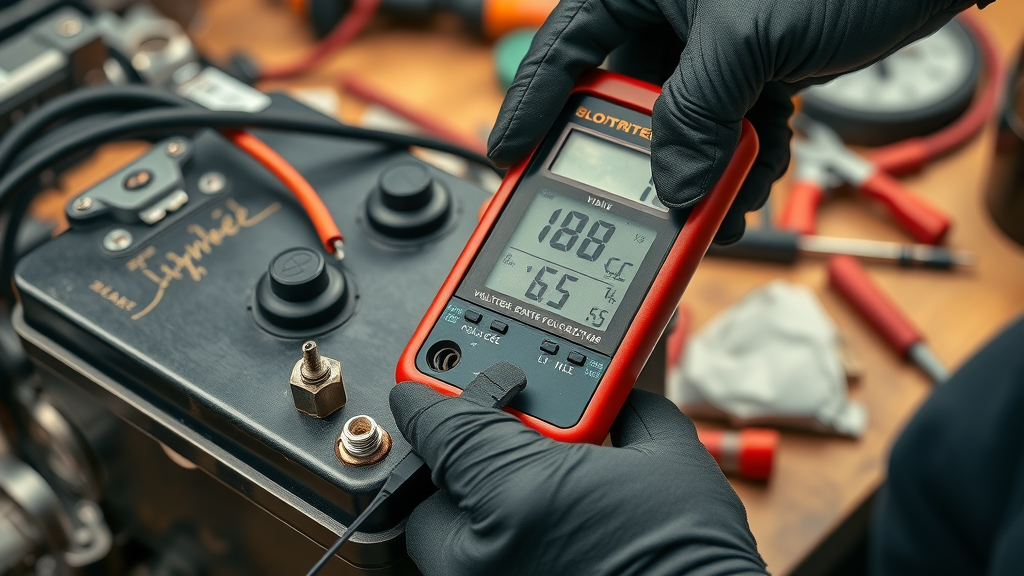
Check battery voltage |
Detects low charge or damage |
Multimeter |
Ideal voltage: 12.6V+ |
Apply trickle charge |
Maintains optimal charge |
Trickle charger |
Don’t exceed recommended charge time |
Replace if needed |
Prevents future dead starts |
New battery |
Recycle old battery properly |
Optimizing Motorcycle Battery Care Spring with Trickle Charge Techniques
Properly maintaining your motorcycle’s battery is about more than just recharging it after a long winter rest. Trickle charging your battery throughout the season ensures it retains optimal health and reduces the risk of being stranded. The process isn’t merely about juicing up a flat battery; it’s about extending the lifespan of your battery and keeping all your electronics—from the ignition to the most advanced LED light setups—functioning with peak efficiency.
With battery technology advancing and more riders keeping their bikes in storage over winter, the need to optimize your trickle charge routine becomes obvious. Accidental overcharging can be as damaging as neglect—impacting battery chemistry, resulting in swelling or even permanent failure. Learning the ins-and-outs of safe trickle charge procedures, integrally tied into motorcycle battery care spring , helps you maximize performance, especially if you ride only once a week or store your motorcycle in a cold climate garage.
Understanding Trickle Chargers: How and When to Use Them
A trickle charger is an indispensable tool for any motorcyclist, yet it's often misunderstood or misused. Unlike rapid chargers, a trickle charger works by delivering a slow, steady current. The key benefit is that it charges the battery at the same rate that power naturally dissipates when the bike is not in use—meaning you won’t accidentally overheat or damage your battery during winter storage or spring tune-ups. These devices are especially helpful for riders dealing with the unpredictable conditions found on the East Coast, where cold snaps and spring storms can delay the riding season.
When preparing for spring, it’s crucial to follow all manufacturer instructions regarding connecting and disconnecting the trickle charger. Always connect positive to positive and negative to a grounded frame point to avoid accidental sparking. Don’t leave the charger on indefinitely unless it’s a smart battery tender with an automatic shut-off to prevent dangerous overcharging. Overcharging can manifest as heat, swelling, or—worst case—leakage, leaving you with an unusable battery just when riding season starts.
What is a trickle charger and its benefits in spring preparation
Proper procedures for connecting and disconnecting trickle chargers
Risks of overcharging and how to avoid them
"A battery maintained on a trickle charger can last up to twice as long as a neglected one." — Battery Care Experts
Winter Storage Effects and Spring Recovery
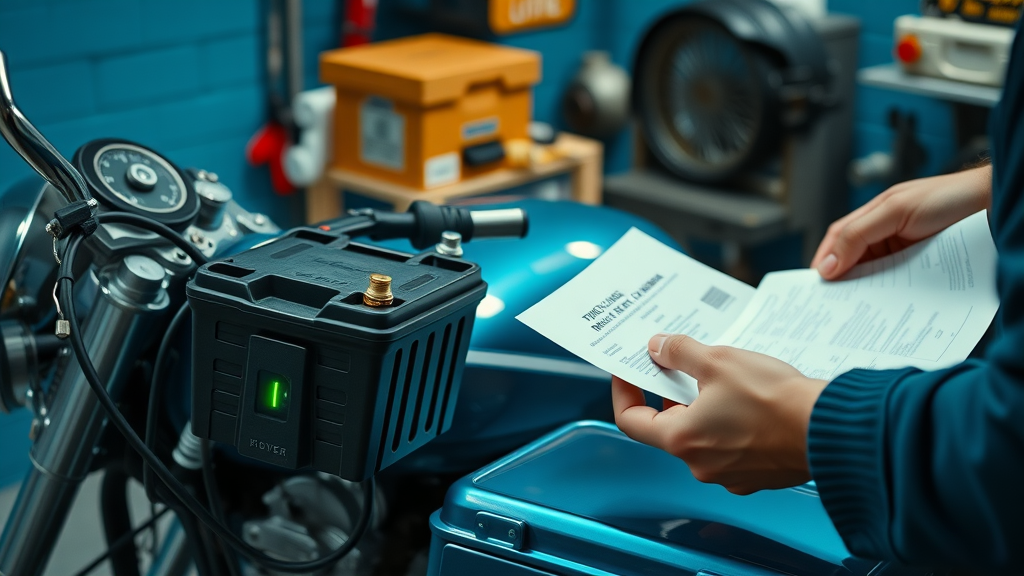
Storage conditions over winter can silently impact battery durability and performance. During winter storage , a battery can gradually lose its charge even when disconnected, especially in a cold climate garage. If moisture is present, condensation inside the engine and near electronics can further increase the rate of natural discharge. When it’s time for spring recovery, riders may notice symptoms like sluggish cranking or unresponsive dashboard lights—classic signs that battery care was overlooked.
Spring protocols for recovering from winter storage start with a comprehensive inspection. Remove the battery if needed to closely check for corrosion around terminals, swelling, or unexpected residue—evidence of chemical breakdown. Use a multimeter to check voltage; if the reading falls below 12.4V, a controlled trickle charge is recommended. Thoroughly clean terminal contacts and ensure all wiring connections are tight before reinstalling the battery. For many, the difference between a fully warm engine and a stubborn starter boils down to this essential pre-ride battery protocol.
To avoid battery headaches in future winters, consider investing in a premium battery tender that intelligently maintains battery charge. Pair this with preventative measures: store your motorcycle in a dry location away from dramatic cold snaps, periodically charge the bike once a week if possible, or remove the battery entirely if you plan to winterize your motorcycle for extended inactivity.
Battery wear during winter storage and its springtime symptoms
Step-by-step spring protocols for recovering stored batteries
Preventative storage solutions for next winter
Test Ride and Full System Check for Motorcycle Battery Care Spring
After following essential motorcycle battery care spring steps, nothing verifies your maintenance like a real-world test ride. A short, deliberate route not only gets your engine to fully warm operating temperature—burning off any combustion byproducts and condensation—but also offers the first chance to test your battery and electrical system under load. Always conduct this ride after battery maintenance and before planning any long spring adventures.
A test ride helps spot issues missed at the workbench. During your ride, carefully monitor how the bike responds to ignition, especially if you notice the starter lagging or accessory lights flickering. These can warn of deeper battery or charging system problems needing immediate attention. Additionally, pay attention to the consistency and brightness of headlight and dashboard indicators, and check if any starter issues persist when the bike is fully warm at a traffic stop.
Conducting a Test Ride: Verifying Electrical and Charging Systems
A focused test ride is the final exam for spring battery care. Begin by checking battery voltage before starting—ideally above 12.6V. As you ride, assess how the starter engages, listen for smooth cranking, and see if accessories function properly under load. Notice headlights for dimming when you use electronic accessories or the starter; subtle cues can point to issues with either the battery or the charging system, both of which are critical for reliable performance.
Create a spring test ride checklist so you don’t miss a thing. Examine every system that relies on battery power: from the starter motor to auxiliary lights and even GPS or other add-ons. After the ride, touch the battery housing (careful—don’t burn yourself) to check if it’s abnormally hot or swollen, both red flags. Testing the system with the bike fully warm will expose potential hidden problems that might not appear while stationary in the garage.
Why a test ride reveals battery and charging system health
Checklist for monitoring lights, starter, and accessories
Identifying early warning signs during your first spring ride

Check voltage before the ride
Test starter engagement
Monitor headlight dimming and electronic accessory function
Review battery after the ride for heat and swelling
Answers to Your Spring Motorcycle Battery Care Questions
How to prep a motorcycle for spring?
Prepping your motorcycle for spring means more than topping off fluids or inflating the tires. Start with a detailed inspection of your battery: clean the terminals, check for corrosion, and use a multimeter to confirm voltage. Apply a trickle charge if needed, and reinstall the battery securely. Don’t forget to inspect the exhaust system for any signs of animal nesting or blockage from winter storage, and verify all electronics, lights, and starter performance before hitting the road. Take your time to fully warm the engine and look for any condensation inside the engine or unusual smells when you first start up.
What part of the battery should be on the spring?
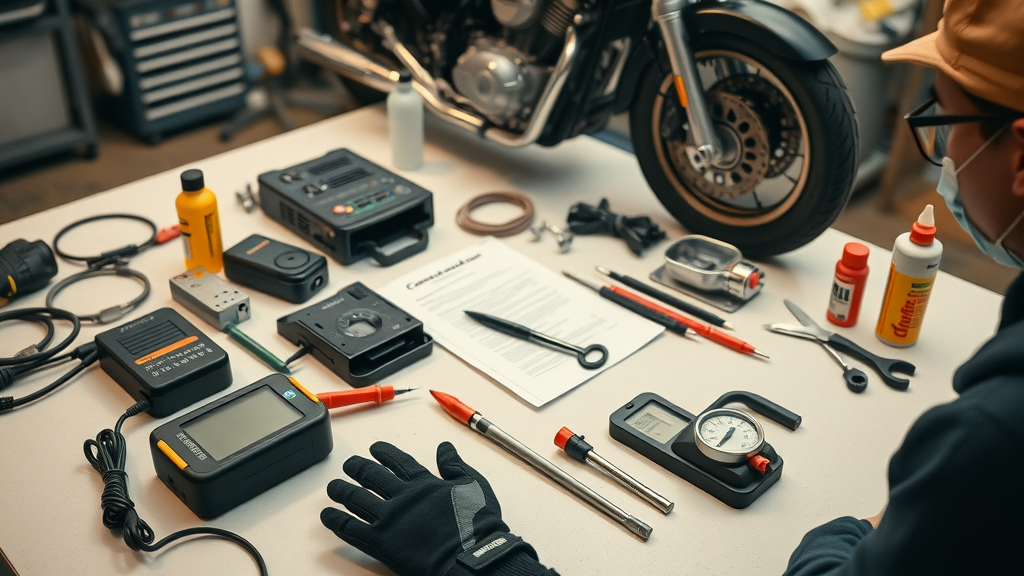
The key part of the battery to focus on for spring is the terminal area. Ensure connections are clean, tight, and free of corrosion to allow maximum current flow. The battery housing should be checked for cracks or bulges, while the top surface should remain dry and free of dirt or acid residue. For many riders, simply removing the battery for a closer inspection is the most effective way to prevent spring surprises—and always check the vent tubes (where applicable) for blockages from winter storage.
Is it okay to leave a motorcycle on a trickle charger?
Yes, it is safe to leave your motorcycle battery connected to a modern trickle charger, provided it has an automatic shut-off or battery tender functionality. These chargers are designed to sense full charge and cut power or switch to float mode automatically, preventing overcharge and extending battery life. However, avoid leaving basic non-smart chargers connected for long durations, as they may damage the battery over time.
How long can a motorcycle battery sit unused?
A motorcycle battery can typically sit unused for one to three months without major issue, depending on battery age, health, and climate. Extended periods of inactivity—especially in cold climates—lead to charge loss and can cause sulphation on the plates, shortening battery life. If you plan to winterize your motorcycle or store your motorcycle for several months, it's best to remove the battery and keep it on a battery tender or trickle charger to maintain optimal health.
Frequently Asked Questions
How often should I inspect my battery during spring?
Perform a quick inspection before each ride for the first month of the season.Do all motorcycles need a trickle charger in winter?
Most modern bikes benefit from one, especially if stored in cold or unused for weeks.Can a bad battery damage my bike?
Yes, a failing battery can overwork the charging system and cause electrical malfunctions.
Video Resource: Step-by-step guide to prepping your motorcycle battery for spring: how to inspect, clean, charge, and test for a confident first ride of the season.
Take Action Today and Avoid Spring Surprises
Don’t wait until your first ride is spoiled by a dead battery. Make motorcycle battery care spring routines part of your regular maintenance, and enjoy every mile this season. Call Nasty Performance Motorcycle Shop Today: 847-458-4858
To ensure your motorcycle is ready for the spring riding season, it’s crucial to focus on comprehensive battery maintenance. The article “Essential Spring Maintenance for Your Motorcycle” provides a detailed checklist, including battery assessment and charging, fluid checks, and other vital tasks to prepare your bike after winter storage. ( blog.carolinacycle.com ) Additionally, “Motorcycle Battery Maintenance Tips” emphasizes the importance of keeping your battery charged, maintaining clean connections, and proper storage practices to extend battery life and ensure reliable performance. ( bmwdetroit.com ) By following these expert recommendations, you can prevent dead starts and enjoy a confident ride throughout the season.



Write A Comment