Add Row
Add Element
cropper
update

Nasty Performance ~ 847-458-4858 

update
Add Element
  • Blog Home
  • Categories
    • Motorcycle Maintenance
    • Riding Tips & Preps
    • Safety & Inspection
    • Customizations & Upgrades
    • DIY Motorcycle Repairs
    • Motocycle Audio Systems
    • Motocycle Seasonal Care & Storage
    • Engine, Electrical Performance
  • Bike Night
  • Nasty Performance Motorcycle Shop
March 03.2026
1 Minute Read

Must-Have Motorcycle Gear for Every Rider

Did you know that motorcyclists are 28 times more likely than car passengers to die in a crash per mile traveled? This sobering statistic underlines a vital truth: must-have motorcycle gear isn’t just about looking cool—it’s your primary defense against the unpredictable dangers of the road. Not only does proper gear save lives, but it also enhances your riding comfort and style, transforming every journey into a confident experience. Read on for an expert’s guide to the essential gear every rider needs for safety, confidence, and peace of mind.

Unlock Safety and Style: Why Must-Have Motorcycle Gear Matters

Every motorcycle ride brings excitement and freedom, but it also exposes you to greater risks than driving a car. Wearing must-have motorcycle gear isn’t just a recommendation—it’s a lifesaving necessity. Whether you’re new to riding or a seasoned enthusiast, high-quality gear protects you from impacts, weather, and road hazards. The right motorcycle helmet, motorcycle jacket, motorcycle gloves, and reinforced motorcycle boots act as armor, shielding your body from serious injury. Beyond safety, modern riding gear is designed to match your style and provide all-day comfort, making it easy to confidently pursue your riding adventures. Investing in the right equipment gives you not just physical protection, but also the peace of mind that lets you truly enjoy every mile.

Studies show that riders wearing certified, well-fitting gear suffer significantly fewer injuries in both minor mishaps and serious accidents. Furthermore, today’s must-have motorcycle gear comes in a variety of styles, fits, and functions—so you never have to choose between looking great and staying safe. This guide will help you make informed choices and answer your top questions about crucial gear, so you’re always ready for the road.
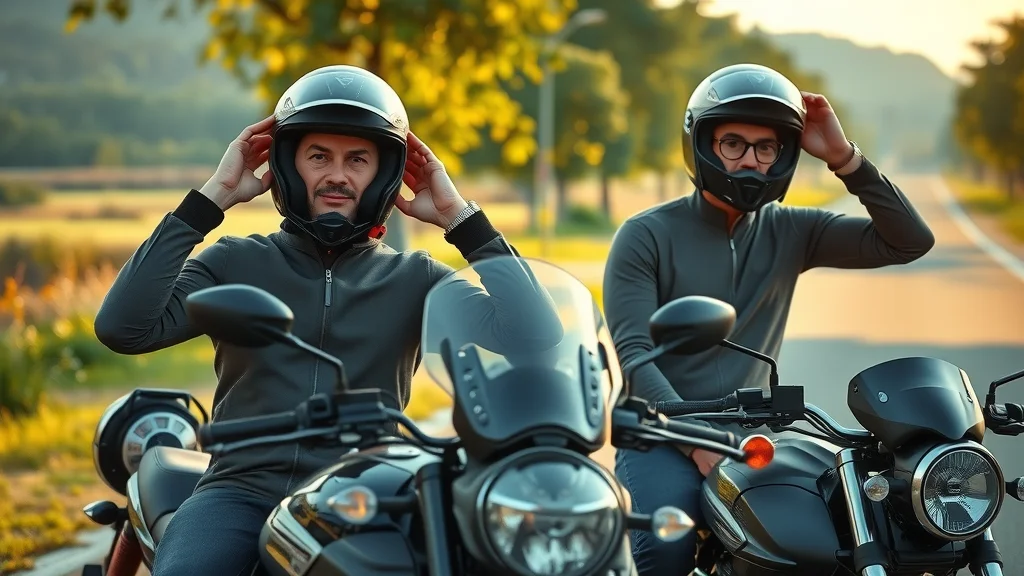
Modern motorcycle riders adjusting helmets with motorcycles parked roadside, natural posture, high realism, soft morning light

Startling Motorcycle Safety Statistics and Accident Data

The facts are clear: the National Highway Traffic Safety Administration (NHTSA) reports that in 2021, motorcyclists were involved in 14% of all traffic fatalities, despite representing only 3% of registered vehicles. Being properly protected is more than a preference—it’s a proven method to reduce risk. According to accident data, riders who wear a full face helmet reduce their risk of fatal head injury by over 37%. Those outfitted in a full set of must-have motorcycle gear—including a motorcycle jacket with back protector, certified motorcycle boots, riding pants, and weather-appropriate motorcycle gloves—are up to 73% less likely to experience severe injury compared to minimally protected riders.

These statistics highlight a non-negotiable truth: the right riding gear is your best defense against the harsh realities of the road. While a good pair of motorcycle boots or protective gloves can feel like overkill on a short ride, crash data proves that even minor accidents can have severe consequences without proper gear. Embracing the habit of gearing up—every ride, every time—drastically increases your chances of walking away unharmed.

How Proper Motorcycle Gear Saves Lives and Prevents Injuries

Every piece of gear you wear serves a strategic purpose. Motorcycle helmets absorb impact forces, while armored jackets and pants distribute collision energy away from vital organs and joints. Specialized motorcycle gloves protect your hands against abrasion and fractures—key, since your instinct in a fall is to reach out. Purpose-designed motorcycle boots offer abrasion resistance and shield your feet and ankles, which are especially vulnerable in accidents. Even a compact palm slider in your gloves can directly prevent serious wrist and hand injuries.

Modern motorcycle gear materials—like advanced textiles, impact armor, and composite shell helmets—have transformed safety without sacrificing comfort. Whether you’re a fan of the classic leather jacket or crave the airflow of mesh for summer rides, today’s gear lets you ride with style and confidence. In short, using proper must-have motorcycle gear isn’t just about survival; it’s about maximizing your safety, comfort, and enjoyment every time you hit the road.

What You'll Learn About Must-Have Motorcycle Gear

  • The most essential motorcycle gear every rider needs

  • Features and benefits of top-rated motorcycle gear items

  • Tips for selecting the right gear for different riding scenarios

  • Answers to frequently asked questions about motorcycle safety

Understanding Motorcycle Gear: Definitions and Key Considerations

Before you invest in must-have motorcycle gear, it’s crucial to understand the different types of motorcycle clothing and how each item impacts your safety and ride. Motorcycle gear goes beyond basic helmets and jackets—it includes everything designed for maximum protection and performance on the road, such as riding pants, motorcycle boots, gloves, and additional protective gear like back protectors or high-visibility vests.

The two key considerations for any essential piece are certification (such as DOT, ECE, and CE ratings) and fit. A helmet that fits too loose can come off during a crash, and ill-fitting jackets or pants may leave vulnerable areas exposed. High-quality materials like leather or technical fabrics offer excellent abrasion resistance, while armor panels in the elbows, shoulders, knees, and back absorb impact energy. Regardless of your riding style—commuting, adventure riding, or high-speed sport—choosing certified, properly fitted gear is your first, non-negotiable line of defense.
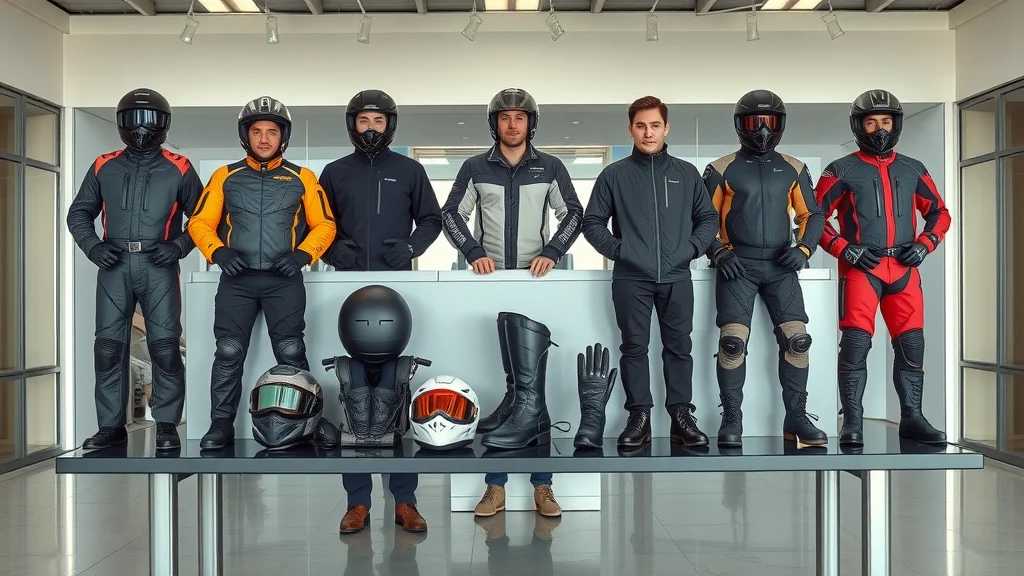
Diverse motorcycle gear, including helmets, jackets, gloves, pants, and boots, displayed in a showroom, photorealistic with bright lighting and natural posture

The Critical Role of Motorcycle Gear in Rider Protection

Motorcycle gear is specifically engineered to offset the hazards unique to open-road riding. Unlike car occupants, riders have no protective barrier—meaning any fall or collision directly involves their body. Wearing a full complement of riding gear safeguards your upper body, limbs, and lower extremities against abrasion, punctures, and blunt-force trauma. The vital motorcycle helmet prevents life-altering head injuries, while motorcycle jackets and pants shield your torso and legs.

Advanced designs now offer ventilation for hot climates, waterproofing for rainy rides, and thermal lining for cold weather. Combined, these features let you focus on the ride ahead, knowing that your armor is designed to “take the hit” if needed. Skipping any essential piece can leave a critical vulnerability, which is why complete gear is not just for beginners or racing professionals—it’s an imperative for every rider, every trip.

How to Choose Must-Have Motorcycle Gear Based on Riding Style

Different riding styles necessitate different gear choices. If you’re primarily a commuter, look for versatile gear optimized for urban comfort—think lightweight motorcycle helmets, breathable jackets, and flexible boots for on-off-the-bike convenience. If you’re into adventure riding or touring, opt for textile jackets and pants with weatherproof membranes, multiple vents, and extra cargo pockets to combat the elements.

For sport riders, gear with advanced impact protection and aerodynamic design is essential. Consider a full face helmet with enhanced ventilation, a snug armored jacket, and racing boots that withstand high-speed slides. Always match your gear’s protection level to your riding conditions, and regularly update your kit as technologies improve. This personalized approach ensures maximum protection and riding satisfaction.

The Essential Piece: Motorcycle Helmet

Hands down, the most essential piece of must-have motorcycle gear is a certified, high-quality motorcycle helmet. Statistics prove that a properly fitted helmet reduces the risk of head injury and death more than any other single item you can wear. But not all helmets are created equal—understanding the differences can significantly impact your safety on the road.

Why a Motorcycle Helmet Is a Must-Have Motorcycle Gear

Your head is critically vulnerable during any motorcycle riding incident. A motorcycle helmet acts as a tough, engineered shell that absorbs and dissipates the energy from impacts, preventing catastrophic brain injuries. Full-face helmets, in particular, provide added chin and facial protection, shielding you from not just collisions, but also road debris, wind, and extreme weather.

Helmets with DOT, ECE, or Snell certifications offer proven levels of crash protection. Regular inspection and timely replacement—every five years or after an accident—ensure your helmet remains effective. Beyond safety, modern designs emphasize comfort and clear vision, with anti-fog visors, lightweight shells, and comfortable padding for those long rides that demand focus and endurance.
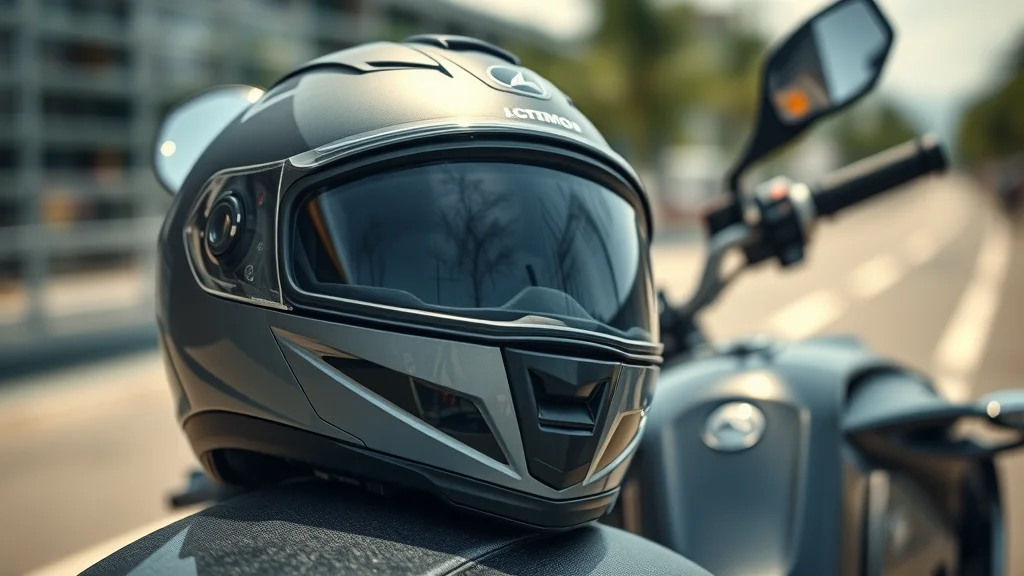
Close-up of high-quality motorcycle helmet on bike seat, cool grey and black colors, photorealistic with sunlight reflections, clear surface textures

Full Face Helmet vs. Modular Helmet: Choosing the Right Motorcycle Helmets

When selecting your motorcycle helmets, you’ll likely consider the pros and cons of a full face helmet versus a modular helmet. A full face helmet delivers unmatched protection—its single-piece shell safeguards the entire head, chin, and face. This option is best for riders prioritizing maximum safety at all speeds, or those who frequently ride in harsh weather or high-traffic environments.

A modular helmet offers the convenience of a flip-up chin bar, allowing riders to converse, grab a drink, or cool off at stoplights—without completely removing the helmet. While slightly heavier and often noisier, today’s modular helmet models are rigorously tested and meet the same safety standards as their full-face counterparts. The choice depends on your balance of safety, comfort, and practicality for your typical ride.

Top-Rated Modular Helmet Models for Every Rider

Some of the best-recognized modular helmet options on the market include the Shoei Neotec II, Schuberth C4 Pro, and HJC RPHA 90S. These helmets are top choices thanks to their blend of robust safety, ventilation, and comfort features. Many come equipped with integrated sun visors, Bluetooth compatibility, and anti-fog lens systems—ideal for long-distance touring and commuter riding. Regardless of brand, always verify proper fit, certifications, and adjustability before purchasing.

"A quality motorcycle helmet is the single most effective piece of motorcycle gear a rider can wear." – Industry Safety Expert

Motorcycle Jackets: Your First Line of Defense

After a motorcycle helmet, a durable, impact-protected motorcycle jacket is the rider’s primary safeguard for the upper body. These jackets do more than just shield you from the wind—they disperse crash energy, block sharp debris, and provide essential abrasion resistance. Whether you choose leather or advanced textile, your jacket should offer robust protection tailored to your riding scenarios.
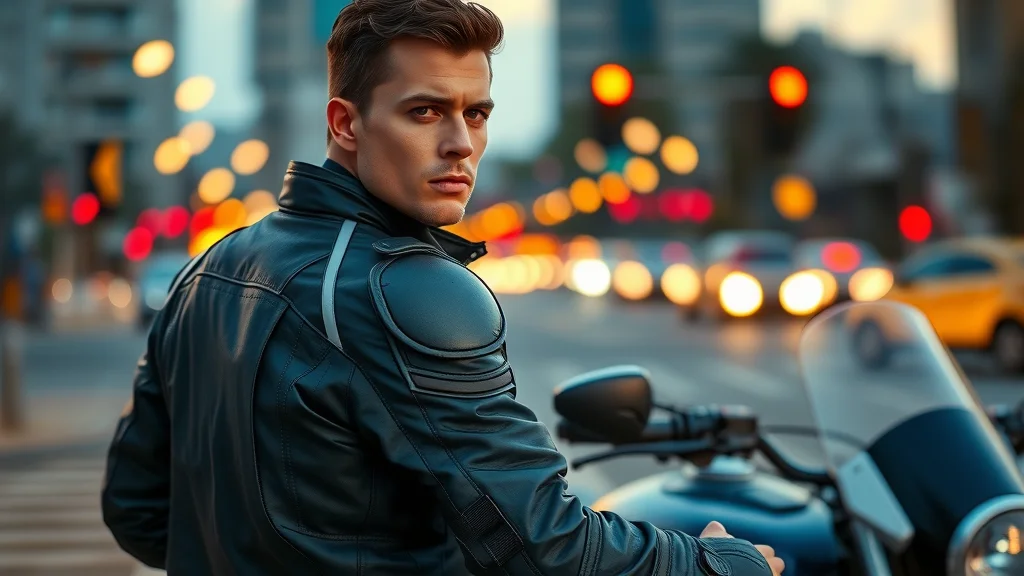
Biker in armored motorcycle jacket, relaxed stance next to motorcycle, detailed texture and focused safety features, lit by dusk city lights

Choosing Motorcycle Jackets: Materials, Features, and Fit

Motorcycle jackets are available in an array of performance-driven materials. Leather jackets have long been the gold standard, prized for superior abrasion resistance and classic style. Modern textile jackets, made from ballistic nylon or Kevlar®, rival leather in strength and add features like waterproof membranes, thermal liners, and stretch panels for comfort. Key features to demand are reinforced stitching, adjustable armor placements, and secure yet flexible closures.

Fit is paramount. A loose or baggy jacket can shift out of position in a crash, exposing vulnerable areas. A tailored cut should closely follow your body’s contours, allow full range of riding motion, and keep armor in place over elbows, shoulders, and back. Look for jackets with adjustable cuffs, zippers, and ventilation panels so you stay protected and comfortable in changing weather conditions.

Advantages of Armored Motorcycle Jackets for All-Weather Riding

Armored motorcycle jackets are engineered for season-spanning performance. Multiple layers—such as removable thermal linings or zippered vent systems—allow you to custom-tune warmth and airflow as needed. Jackets with waterproof outer shells keep you dry in sudden storms, while breathable mesh panels and moisture-wicking liners provide relief in summer heat. Most importantly, integrated CE-rated armor at impact points like the back, shoulders, and elbows makes armored jackets the best all-in-one protection for every climate.

For riders who traverse variable climates or daily commutes, these adaptable, armored designs are an unbeatable investment—offering superior safety without sacrificing comfort or mobility. They are an ideal first line of defense, whether cruising scenic routes or braving the rush-hour gridlock.

Motorcycle Pants and Riding Pants: Lower Body Protection Essentials

While some riders might be tempted to wear regular jeans, motorcycle pants and riding pants are engineered specifically for high-impact and high-abrasion events. Lower body injuries are common in motorcycle accidents, and standard garments simply don’t provide the needed level of protection. The best riding pants shield your hips, knees, and thighs, and can mean the difference between minor bruises and serious, long-term injuries.

Comparing Motorcycle Pants Materials: Leather vs. Textile

Leather motorcycle pants offer unmatched abrasion resistance, making them the go-to choice for high-speed or track riding. They’re durable, long-lasting, and offer a snug, secure fit that stays in place during a slide. However, they may lack breathability—making them less ideal for warmer climates or daily commuting.

Textile pants, constructed from reinforced polymers or Kevlar, provide superior weather resistance, lighter weight, and built-in stretch for comfort. Many models include venting panels and waterproof membranes, making them versatile for both touring and adventure riding. Look for designs with CE-rated knee and hip armor, reflective materials for night visibility, and adjustable waist closures for a secure fit. The right choice depends on your priorities: leather for ultimate protection or textile for year-round versatility and convenience.
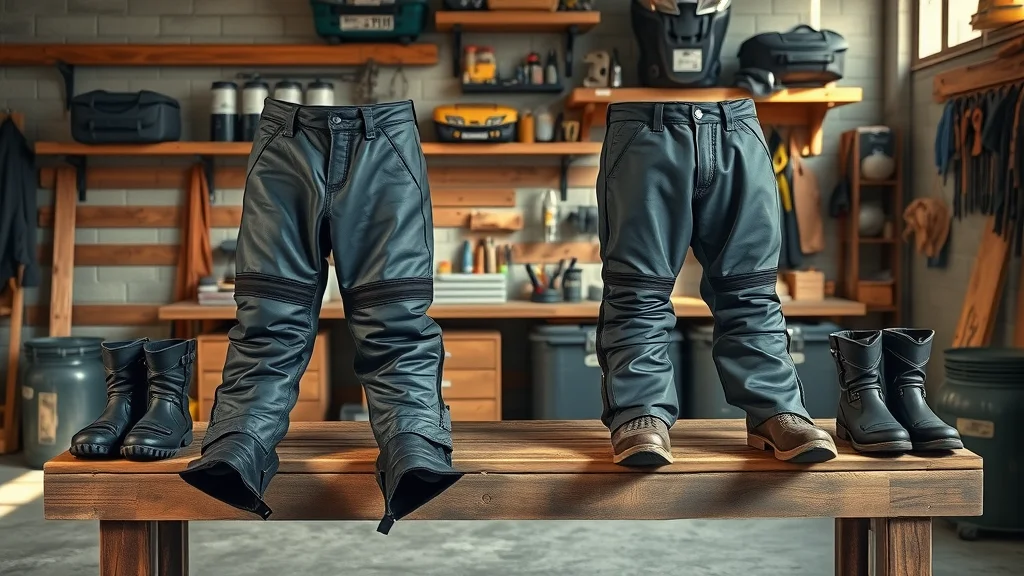
Leather and textile motorcycle pants comparison, gloves and boots set on a garage bench, natural light highlighting textures and constructions

Best Riding Pants for Comfort and Safety

Top-rated riding pants for everyday use strike a perfect balance between comfort, breathability, and safety. Multi-season textile pants—such as the Klim Latitude or Alpinestars Andes—feature integrated armor, waterproofing, and direct-to-skin ventilation. For urban riders, armored jeans line up casual style with hidden protection. Always prioritize models with reinforced seams, adjustable armor pockets, and non-slip waistband designs to keep everything in place as you ride. Regardless of style, ensure your pants offer proper abrasion resistance and impact protection at all key areas.

Must-Have Motorcycle Gloves for Protection and Grip

Your hands are your most vital tools on a motorcycle. A good pair of gloves is not just a comfort feature—it’s a fundamental component of must-have motorcycle gear. High-impact falls commonly result in riders instinctively putting their hands out, so exposed skin is especially susceptible to road rash, fractures, and loss of grip control.

Motorcycle Gloves: What to Look For

Choose motorcycle gloves that provide full-coverage protection, reinforced palm sliders, and molded knuckle protection. The ideal glove fits snugly without restricting movement and includes secure wrist closures to keep them in place. Materials range from durable leather (for abrasion resistance) to technical textiles that offer breathability and water resistance. Additional features like touchscreen compatibility and extra grip panels increase convenience without compromising safety.

Prioritize gloves with double-stitched seams and padded impact zones across the palm and fingers. Some advanced models even utilize palm sliders—rigid pads that minimize wrist injuries in fast slides. Ultimately, your gloves should guarantee dexterity and comfort for every riding environment, making them a true essential for year-round motorcycle riding.
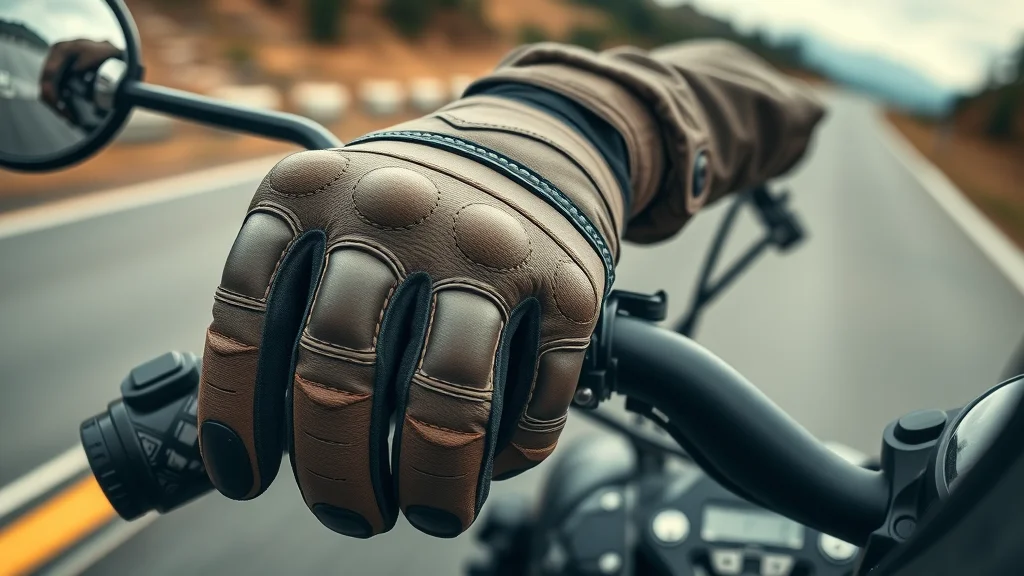
Close-up of rugged motorcycle gloves gripping handlebars on dynamic road, knuckle protectors in sharp detail, earth and black tones, high realism

Seasonal Considerations: Choosing Summer vs. Winter Motorcycle Gloves

Season-specific motorcycle gloves can vastly improve your riding experience. For hot weather, lightweight or perforated mesh gloves allow airflow and reduce sweating, ensuring you maintain a secure grip. For cold weather rides, insulated gloves with windproof and waterproof membranes keep your hands warm and nimble, which is crucial for controlling your bike safely.

Never compromise: switch to thicker gloves with thermal liners in winter months, and opt for lighter constructions in summer. Some riders keep both types on hand, ensuring maximum comfort and safety in any condition. Remember, cold, numb fingers aren’t just uncomfortable—they can slow your reaction times and put you at risk during emergency maneuvers.

Motorcycle Boots & Motorcycle Boot Options: Secure Your Foundation

Next to your helmet, your motorcycle boots are arguably the most important piece of riding gear for the lower body. Ordinary shoes simply cannot provide the ankle support, abrasion resistance, or impact protection needed for safe motorcycle riding. The right boots enhance stability, control, and keep your feet protected in the event of a slide or fall.
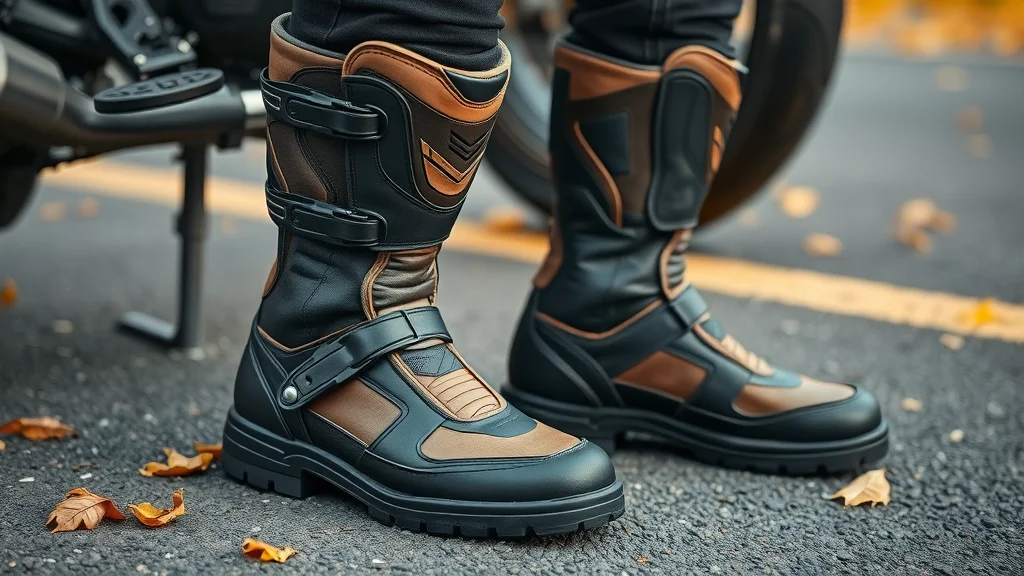
Sturdy modern motorcycle boots with reinforced toe and shin near footpeg, detailed textures and realistic tan accents, photorealistic outdoor scene

How Motorcycle Boots Enhance Rider Safety

A proper motorcycle boot is designed to absorb and redirect forces from an impact, with features like reinforced toes, ankle cups, and shank inserts providing stability. High-quality boots reduce the risk of foot and lower-leg fractures by enveloping these vulnerable areas in tough, shock-absorbing materials. Robust soles offer reliable grip and control during wet, slick, or uneven road conditions.

In addition, boots shield you from hot exhaust pipes, flying road debris, and sudden encounters with obstacles. Secure fasteners (zippers, Velcro, or buckles) keep boots firmly attached, while reflective panels enhance visibility during nighttime or poor weather rides. Investing in a good pair of motorcycle boots isn't just about style—it's about laying a solid foundation for every journey.

Top Features to Consider in Motorcycle Boot Selection

When shopping for boots, look for a combination of durability and functional features. Full-grain leather or synthetic textiles provide excellent abrasion resistance, while water-resistant treatments keep your feet dry in unexpected weather. Internal armor at the ankles and shins, anti-slip soles, and protective heel cups are must-haves for serious riders.

Consider your riding needs: racing boots offer high protection and rigid construction, while touring or commuter boots balance safety with all-day comfort. For adventure riding, prioritize extra-grippy tread patterns and enhanced shin guards. Ultimately, your boots should blend protection with maneuverability, allowing shift and brake control without sacrificing defense during an unexpected mishap.

Additional Must-Have Motorcycle Gear Items

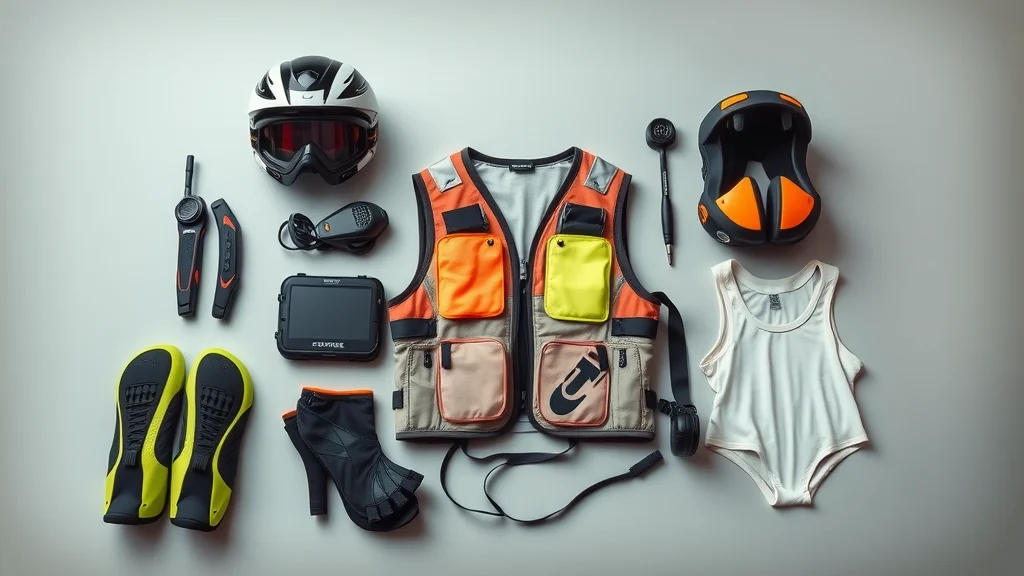
  • Protective eyewear or goggles

  • Base layers and weather-adaptive garments

  • High-visibility vests and reflective gear

  • Communication and navigation devices

Array of additional motorcycle gear items including goggles, high-visibility vest, communication device, and base layers on plain soft-lit surface, clean photorealistic look

Tables: Comparing Must-Have Motorcycle Gear at a Glance

Gear Category

Key Features

Estimated Cost

Best-Use Scenario

Motorcycle Helmet

Impact absorption, face protection, certified safety (DOT/ECE), ventilation

$120–$900

All motorcycle riding, mandatory for maximum protection

Motorcycle Jacket

CE-rated armor, abrasion resistance, weatherproof, ventilation

$150–$650

Daily riding, touring, commuting, all-weather

Motorcycle Pants

Reinforced knees/hips, abrasion resistance, adjustable fit, waterproof options

$120–$450

Commuter, touring, and long-distance riding

Motorcycle Boots

Reinforced toe/ankle, anti-slip sole, waterproofing, shin guards

$90–$400

Sport, adventure, daily riding, wet/cold climates

Motorcycle Gloves

Palm slider, knuckle armor, grip enhancements, weather-adaptive fabrics

$40–$200

All-weather, touring, urban commuting

Expert Tips for Selecting the Best Must-Have Motorcycle Gear
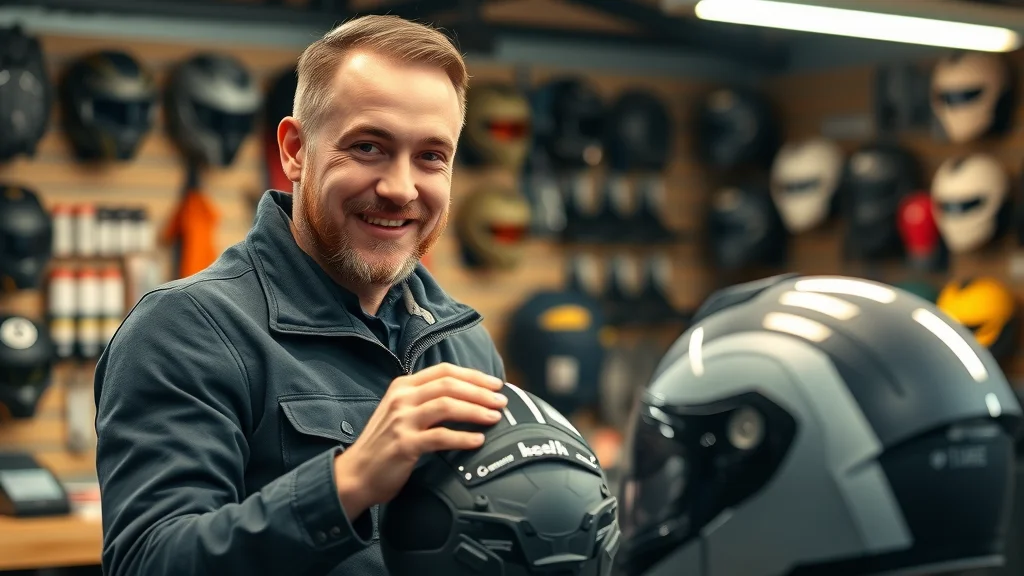
Motorcycle gear expert at workbench reviewing helmet and jacket, inviting look with gear tags and warm shop lighting, photorealistic
  • Prioritize fit and comfort without compromising safety standards.

  • Check certifications for motorcycle helmets and jackets.

  • Invest in quality materials for durability.

Always try on gear before purchasing to ensure a snug, secure fit—there’s no substitute for in-person testing. Verify that helmets meet DOT or ECE standards, and jackets/pants are equipped with CE-rated armor. Opt for trusted brands known for rigorous safety testing and high-quality construction. When in doubt, consult with a motorcycle gear expert—your safety is always worth the investment.

People Also Ask: Your Must-Have Motorcycle Gear Questions Answered

What motorcycle gear is essential?

The truly essential pieces of must-have motorcycle gear include a certified motorcycle helmet, impact-protected jacket, armored riding pants, reinforced motorcycle boots, and specialized gloves. Together, these five items form the core defense system that every rider, regardless of experience or location, should wear on every ride. Each component is designed to protect key areas of your body—head, upper body, hands, lower limbs, and feet—against the most common injuries in crashes and slides.
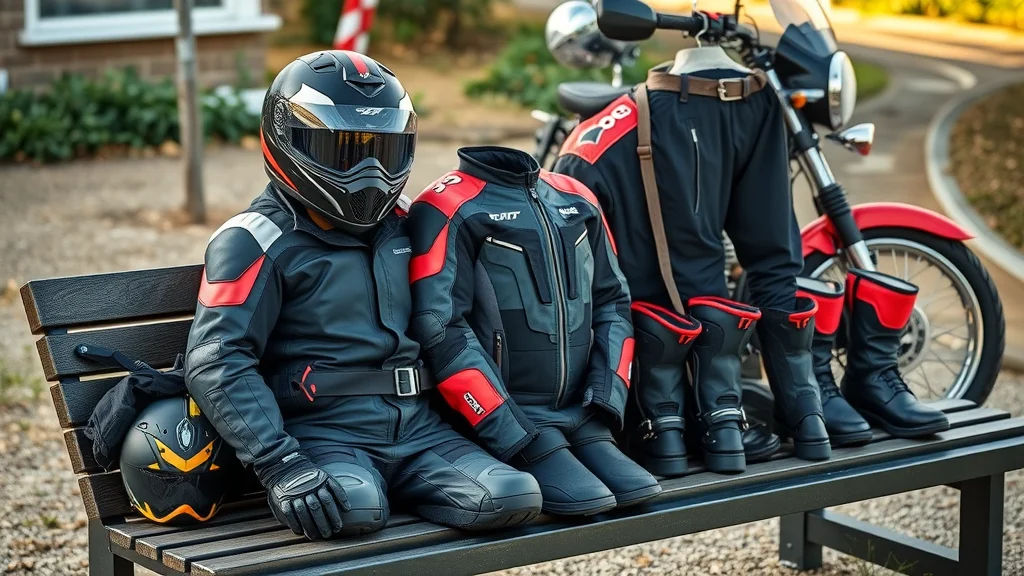
Full set of motorcycle safety gear neatly arranged by a classic motorcycle on a bench, inviting, high-detail, morning light

What is the 2 4 12 second rule on a motorcycle?

The 2 4 12 second rule is a vital part of safe motorcycle riding—not a piece of gear, but a riding technique that enhances road awareness and response times. It encourages riders to scan the road ahead: 2 seconds for a minimum safe following distance, 4 seconds for a buffer to adjust to changes, and 12 seconds for long-distance hazards and route planning. Adhering to this rule, alongside wearing must-have motorcycle gear, greatly reduces the risk of accident and ensures you have time to react in emergencies.

What gear should you have for a motorcycle?

Every rider should have a motorcycle helmet, jacket with armor, motorcycle gloves, reinforced riding pants, and sturdy motorcycle boots. For additional safety, add a back protector, high-visibility vest, and protective eyewear. Each item should be carefully selected for certified protection, the right fit, and comfort in expected riding conditions.

What is the must have motorcycle item?

Statistically and by expert consensus, a certified motorcycle helmet is the single most crucial item—without it, riders are at exponentially higher risk of permanent or fatal head injuries. Studies consistently show helmeted riders have a much greater chance of survival and reduced injuries in any form of motorcycle accident.

FAQs About Must-Have Motorcycle Gear

  • How often should motorcycle gear be replaced?
    Replace helmets every 5 years or after any major impact; jackets, pants, and boots when you notice worn armor or compromised material. Regularly inspect all gear to ensure optimal protection.

  • Can motorcycle gear be fashionable and safe?
    Absolutely—modern gear combines advanced safety features with a wide range of styles, materials, and colors, so you never sacrifice safety for style.

  • Are all motorcycle helmets DOT certified?
    No, always check for the DOT, ECE, or Snell certification mark before purchasing any helmet. Only certified helmets meet stringent safety standards.

  • What makes a motorcycle jacket suitable for summer riding?
    Summer jackets use breathable mesh or lightweight textiles with effective ventilation, allowing airflow while still providing armor and abrasion protection.
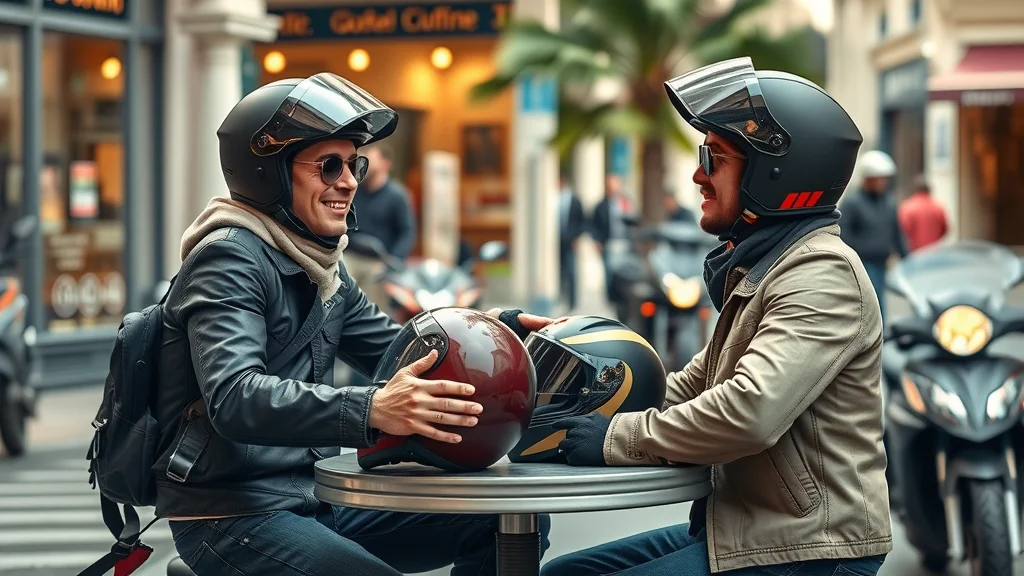
Motorcycle riders in fashionable, certified safety gear chatting at outdoor café, realistic and friendly, trendy city scene, daylight

Key Takeaways: Safeguarding Every Rider with Must-Have Motorcycle Gear

  • Wearing must-have motorcycle gear drastically reduces risk and enhances the riding experience

  • Invest in proper fit and certified quality

  • Review your gear annually for maximum safety

Final Thoughts on Must-Have Motorcycle Gear for Every Rider

Summarizing the necessity of motorcycle gear, the impact on safety, and smart shopping strategies

Choosing must-have motorcycle gear is more than a precaution—it’s a commitment to your safety, riding pleasure, and style. The investment you make in helmets, jackets, gloves, boots, and pants pays off every time you ride, turning unpredictable roads into adventures you can enjoy with confidence and security.

As you consider which gear best suits your riding habits, it's also important to think about how seasonal changes can impact both your comfort and safety on the road. For practical advice on keeping your motorcycle in top shape throughout the year, check out these seasonal bike care secrets every rider must know—a resource that pairs perfectly with your gear selection strategy.

Watch a high-quality video montage of seasoned riders demonstrating the strength and comfort of essential motorcycle gear in real-world scenarios—from gearing up to riding in challenging weather and emergency stops.

Get a firsthand look at the newest advancements in must-have motorcycle gear, including side-by-side comparisons and expert safety evaluations.

Ready to Upgrade Your Gear? Call Nasty Performance Motorcycle Shop Today: 847-458-4858

Now that you’re equipped with the essentials of motorcycle safety gear, why not take your riding experience to the next level? Mastering the art of motorcycle ownership means not only protecting yourself with the right equipment, but also ensuring your bike is ready for every season. Dive deeper into expert strategies for year-round performance and reliability by exploring our comprehensive guide on seasonal motorcycle care. With the right knowledge and preparation, you’ll be ready to enjoy every mile—no matter what the weather brings.
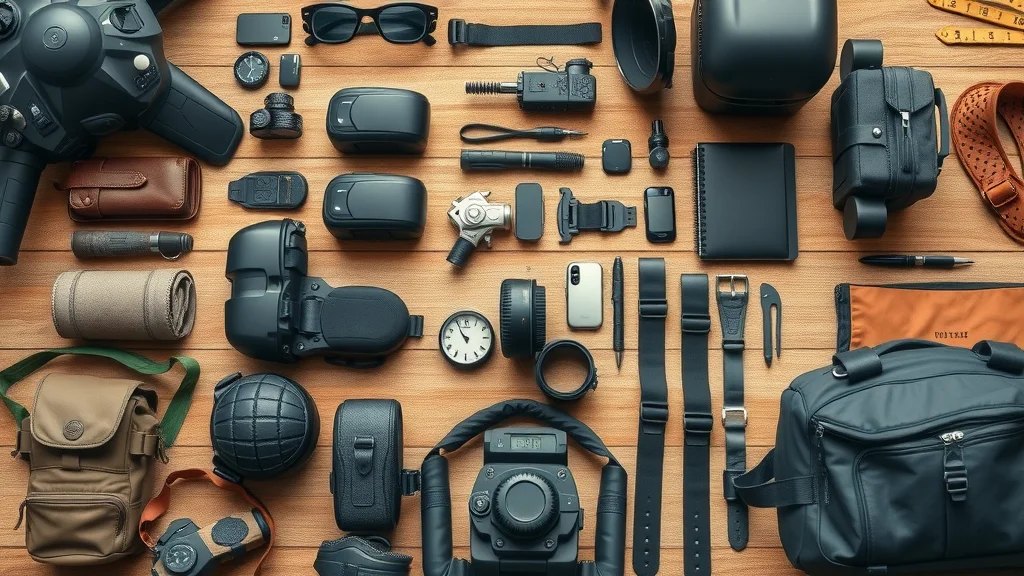
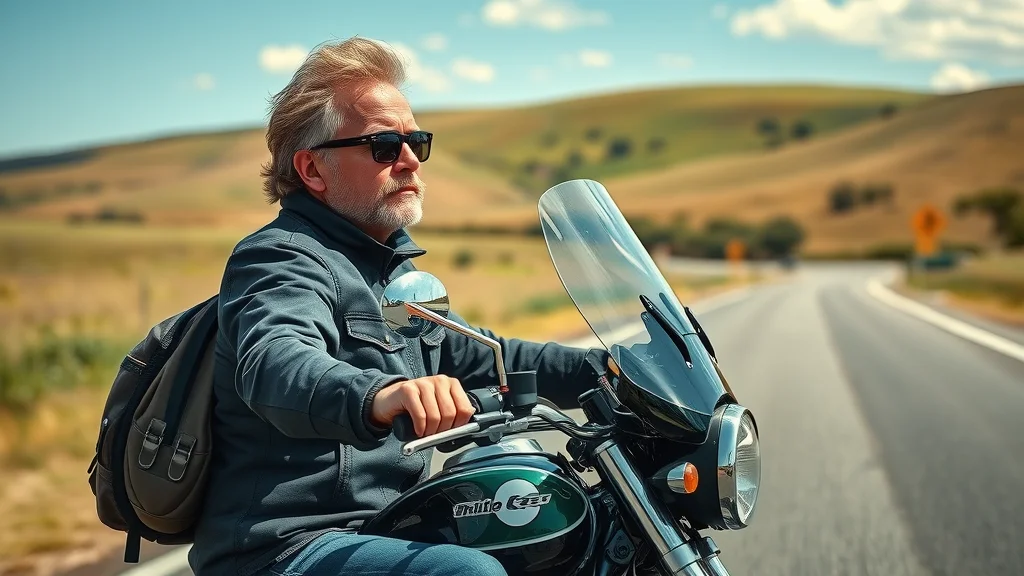
Riding Tips & Preps

0 Comments

Write A Comment

*
*
Related Posts All Posts

Stop Waiting—Motorcycle Touring Plans That Save You Time

Did you know that over 80% of motorcycle tours are planned on impulse, but riders who plan ahead save an average of 15 hours per trip? If you’re ready to stop waiting and start living your dream adventure, learning how to efficiently plan your motorcycle touring experiences can mean more miles, more discovery, and far less time wasted on the open road. Let’s dive into actionable tips, expert models, and proven strategies so your next motorcycle tour isn’t just a journey—it’s the ride of a lifetime.Revolutionize Your Motorcycle Touring: Key Stats That Will Change How You Ride“Over 80% of motorcycle tours are planned on impulse, but riders who plan ahead save an average of 15 hours per trip.”The way riders approach motorcycle touring is rapidly evolving. With a wide variety of digital tools, motorcycle travel apps, and data-driven route planning, modern touring doesn't just cater to spontaneity—it rewards those who strategize and prep. Statistics don’t lie: structured plans slash wasted hours, help avoid common pitfalls like a flat tire or running out of supplies mid-ride, and create opportunities for unforgettable detours along the world’s best roads. Whether you’re looking to compare tour packages, optimize travel time, or upgrade to a touring motorcycle with powerful engines and heated grips for longer trips, the numbers show that time invested in planning comes back tenfold—sometimes in pure enjoyment, sometimes in cold, hard minutes added to your trip.Today’s touring motorcycles deliver tremendous comfort and reliability for riders who prefer to ride long distances. Touring models now include features designed specifically for those who want to make every second on the open road count—from advanced navigation to luggage solutions and weather protection. It's all about eliminating the guesswork so your touring trip becomes less about logistics and more about the exhilaration of the journey itself. If you’ve been on the fence waiting for the perfect time to start planning, the numbers couldn’t be clearer: time spent now means more adventure later.What You'll Learn About Motorcycle Touring and Efficient PlanningHow motorcycle touring plans maximize your adventure timeCritical features of top-performing touring motorcyclesHow to compare motorcycle tour packages and destinationsKey tips for optimizing your motorcycle travel on any budgetUnderstanding Motorcycle Touring: Why Smart Planning MattersThe Modern Motorcycle Tour: Trends, Stats, and InsightsInterestingly, many riders don’t realize the hidden time-drains along a motorcycle tour—from navigating unknown backroads to dealing with accommodation hiccups or bike issues like a flat tire. Yet, those who make conscious decisions upfront—choosing the right touring bike, checking route weather conditions, and preparing smartly—find their journeys to have fewer headaches and substantially more highlights. Smart planning ensures that every hour is spent soaking in scenic landscapes, not stuck on logistics.Why Touring Motorcycles Make a Difference for Long RidesChoosing the right touring motorcycle can make or break your long-distance adventure. Touring motorcycles, built for comfort and endurance, offer specialized features: ergonomic seats, heated grips, built-in luggage compartments, and larger fuel tanks—perfect for those who like to ride long distances without frequent stops. Where a standard or sports bike might leave you fatigued after a long trip, top touring models like the Honda Gold Wing, BMW K1600, or Harley-Davidson Road Glide are engineered for continuous hours in the saddle on diverse terrain.Additionally, advanced touring motorcycles come with integrated GPS systems, cruise control, and upgraded suspension—essentials that transform the touring experience from tolerable to exceptional. For those who love the freedom of the open road, opting for a touring bike means everything you need is within reach, from extra storage for gear to seats that keep you comfortable from sunrise to sunset. When you’re aiming for touring excellence and minimizing delays, investing in the right touring machine is more than a luxury—it’s a necessity for the ultimate journey.Essential Motorcycle Touring Route Planning: Save Time with Proven StrategiesHow to Select the Best Touring Motorcycle for Your NeedsThe best approach is to test-ride several touring motorcycles, considering how each handles fully loaded, as this is the real scenario on most touring trips. Leading touring models offer customizable options and upgrades for maximizing comfort and safety during your motorbike tours. Remember, the right touring motorcycle is not just about brand—it's about your comfort level, the distance you plan to cover, and how much gear you want to bring for your motorcycle touring experience.Top Rated Motorcycle Touring Routes in the US and AbroadThe world is packed with legendary motorcycle touring routes that cater to every type of adventure-seeker. In the United States, the Pacific Coast Highway, Blue Ridge Parkway, and Route 66 offer unforgettable landscapes, winding curves, and roadside attractions—ideal for both seasoned riders and those on their very first motorcycle ride. Internationally, routes like the Grossglockner High Alpine Road in Austria and the Garden Route in South Africa are favorites for their dramatic vistas and welcoming roadside towns.When choosing your destination, consider factors like road conditions, available services, climate, and peak touring seasons. Many motorcycle tours are designed around specific interests—whether it’s food, history, or panoramic scenery. Researching and mapping your preferred routes before you depart ensures you maximize ride time and minimize unexpected detours, making your motorcycle touring trip as efficient and memorable as possible.Comparison of Popular Touring Motorcycles: Features, Price, and ReviewsModelKey FeaturesAvg. Price (USD)Rider Review HighlightsHonda Gold WingHeated grips, advanced navigation, spacious saddlebags$24,000“Comfortable on longer trips, smooth ride, tech-packed”BMW K1600 GTLAdaptive headlights, six-cylinder engine, electric windscreen$28,500“Exceptional handling, great for touring experience, luxury feel”Harley-Davidson Road GlideMilwaukee-Eight engine, infotainment system, weather shield$23,000“Iconic style, reliable for long distances, solid touring bike”Expert-Recommended Motorcycle Tours: Effortless AdventuresMotorcycle Tour Packages: What to ExpectProfessional motorcycle tours and packages remove a lot of the stress around logistics so riders can focus on adventure. Expect curated itineraries, pre-selected accommodations, and expert guides with local knowledge. Many packages provide everything from motorcycle travel insurance to luggage transport, so you can enjoy your touring trip without worrying about the details. Notably, these trips often include a mix of roads that push your skill level and rest stops that let you soak up the culture along the way.Packages vary by region, but most reputable providers offer a wide variety of options to suit riders with different interests, budgets, and bikes. Whether joining a themed motorbike tour or customizing your own motorcycle travel plan, you can count on the expertise of tour companies to deliver peak efficiency and memorable stops you might never have found on your own.How Motorcycle Touring Companies Can Save Riders TimeMotorcycle touring companies specialize in unlocking time savings for travelers. From handling the destination charge and securing priority reservations to providing roadside assistance in the event of a flat tire, they streamline every aspect of the motorcycle touring trip. Experienced guides know the best scenic shortcuts, local eateries, and hidden viewpoints—saving you hours that might otherwise be lost to trial and error or getting lost on backroads.By trusting a professional tour operator, you maximize every day of your motorcycle tour—spending less time on route research and more time collecting memories. This hands-off itinerary design is particularly beneficial for those aiming to ride long distances within a limited vacation window or riders new to international motorcycling tours, where unfamiliar regulations and languages can add complexity.Touring Motorcycles: Models, Features, and Upgrades That MatterTouring Model Innovations in 2024The best touring motorcycles of 2024 include a host of technology upgrades. Adaptive cruise control, ride-by-wire throttle, blind spot detection, and evergreen features like heated grips and seat warmers create a riding environment that adapts to both rider preferences and changing road conditions. Leading manufacturers have rolled out lighter frames for better fuel efficiency without sacrificing durability, as well as integrated phone connectivity for real-time navigation and media.These innovations are especially beneficial for those tackling longer trips or unfamiliar routes, making modern touring bikes not just more comfortable but significantly safer. Regardless of your chosen motorcycle travel adventure, these upgrades allow for more time enjoying the scenery and less time spent addressing avoidable problems on the road.Best Touring Motorcycles for Comfort and StorageMust-Have Touring Bike Accessories: GPS mounts, heated grips, extra lighting, luggage racks, wireless chargers, and maintenance kits.Upgrades for Maximizing Motorcycle Touring Performance: Upgraded shocks, comfort seats, auxiliary fuel tanks, all-weather tires, and advanced brake systems.touring tripTime-Saving Tips for Efficient Motorcycle TouringPre-Trip Motorcycle Checklists and Packing HacksDon’t overlook small details like up-to-date insurance, route printouts in case of tech failure, or prepping snacks for long stretches between towns. For those who ride long or plan to cover significant distances, integrating these packing hacks means more riding, fewer roadside stops, and less stress—making your touring model ready for anything.Navigating Motorcycle Travel Apps for Smarter TouringMotorcycle travel apps can change the way you plan and experience motorcycle tours. Today’s leading digital tools offer real-time traffic, weather forecasting, and route suggestions based on your preferred skill level and touring bike. Apps like Rever, Scenic, and Calimoto help you avoid traffic and find hidden gems along your path, while also providing alerts for potential hazards such as road construction or sudden storms.Using these technologies saves valuable minutes and eliminates guesswork, transforming your journey into a precision-planned adventure. Linking your touring motorcycle’s onboard navigation with these apps also helps ensure seamless transitions from mapped plans to real-world riding, whether you’re following a curated tour or setting out on a fully DIY motorcycle tour experience.Motorcycle Touring Safety: Best Practices and Rules of the RoadApplying the 12 Second Rule and 70 30 Rule for Safer Motorcycle RidesEssential Motorcycle Touring Safety GearSafety is the cornerstone of efficient and enjoyable motorcycle travel. Mastering the 12 second rule—keeping a sufficient following distance for reaction time—and the 70 30 rule—using 70% front brake and 30% rear—means better handling of road hazards during your motorcycle ride. Investing in quality safety gear, such as a full-face helmet, armored jackets, and reinforced gloves, is crucial. It’s also smart to equip your touring motorcycle with ABS brakes, traction control, and reflective decals for better nighttime visibility on longer trips.By following safety best practices and keeping your skill level sharp, you reduce the risk of accidents, delays, and unexpected detours. This approach lets you focus more on the sights, sounds, and sense of freedom that make motorcycle touring an unparalleled adventure.Watch our short video walkthrough for digital route planning tools and expert efficiency tips for planning your next motorcycle tour.See expert comparisons in action—explore features, comfort, and reviews of the best touring motorcycles for your next adventure.Motorcycle Touring Budgeting: How to Save Money and TimeTour Package Pricing: Get the Most ValueTour package pricing can range dramatically, with destination charge, accommodation class, and included amenities being large drivers of cost. The key to value is identifying what’s most important for your touring experience—be it guided excursions, included meals, or upgraded touring motorcycles. Always scrutinize what’s covered in the package: Does it include roadside assistance in case of a flat tire? Are upgrades for luggage and navigation available? Compare several providers and consider off-peak seasons for the best deals.Savvy planners also look for group discounts or early booking specials. Remember, the upfront investment in a well-constructed tour package often saves time and money down the line, freeing you to concentrate on what matters most: making memories on your motorcycle tour.DIY Motorcycle Tours vs Professional Motorcycle Tours: Pros and ConsA DIY approach offers freedom and flexibility—you set the pace, pick stops, and control every aspect of your motorcycle ride. It’s often less expensive if you’ve got time to research and manage every reservation and route. However, DIY tours risk unexpected costs (like roadside repairs or surprise destination charges) and time losses if routes change or issues arise. It’s best for those with experience and plenty of time for planning.Professional motorcycle tour operators provide peace of mind—handling logistics, troubleshooting, and customizing rides to match your skill level and interests. While they may cost more upfront, the time savings, added safety, expert guidance, and access to exclusive accommodations often outweigh the expense, especially for touring excellence on long distances or in unfamiliar territories.Customer Reviews: Real Motorcycle Touring ExperiencesBest Motorcycle Tour Destinations According to Riders: Blue Ridge Parkway, Route 66, Patagonia’s Ruta 40, South Africa’s Garden RouteTouring Motorcycle Reliability: Owner Testimonials: “My BMW K1600 GTL conquered every mile without a hitch.” “The Honda Gold Wing’s comfort saved my back during back-to-back 500-mile days.” “Harley’s Road Glide is built to handle any motorcycle touring trip—fully loaded and trouble-free.”People Also Ask: Key Motorcycle Touring QuestionsWhat is the 12 second rule on a motorcycle?The 12 second rule refers to the recommended following distance on a motorcycle, ensuring riders have enough time to react to road hazards. By maintaining this gap, especially during a motorcycle ride on highways or busy roads, you reduce the risk of sudden stops and improve overall safety.Which motorcycle is best for touring?Touring motorcycles like the Honda Gold Wing, BMW K1600, and Harley-Davidson Road Glide are popular for their comfort, power, and storage. Each model excels at long-distance rides and comes with features that enhance the touring experience, making them top picks for serious motorcycle touring enthusiasts.What is the 1% rule on motorcycles?The 1% rule references the small minority of motorcycle riders associated with outlaw activities; it is not related to touring or legal riding. For all law-abiding riders, focus on safety, planning, and comfort for the best motorcycle touring experience.What is the 70 30 rule on a motorcycle?The 70 30 rule guides riders to use 70% front brake and 30% rear for optimal braking performance. This technique is especially important on touring motorcycles during emergency stops, helping maintain stability and reducing stopping distances.FAQs: Motorcycle Touring PlanningCan you tour with any motorcycle or is a touring model required? While you can undertake a motorcycle touring adventure on any bike, a dedicated touring model offers added comfort, storage, and features for longer trips and diverse conditions.How do you prepare a touring motorcycle for long trips? Prioritize maintenance, inspect tires and brakes, pack emergency tools, update navigation and gear, and conduct a pre-trip safety check for smooth touring excellence.What gear is most essential for motorcycle touring? A full-face helmet, armored jacket and pants, gloves, waterproof boots, and high-visibility vests are essential for safe and comfortable motorcycle touring.Where can I find reputable motorcycle tours and packages? Trusted motorcycle shops, online platforms, and tour operator directories are great sources for reliable motorcycle tours and professionally guided trips in any region.Key Takeaways for Efficient Motorcycle TouringSmart motorcycle touring planning saves both time and moneyChoosing the right touring motorcycle ensures comfort and reliabilityUtilizing safety and travel rules enhances your motorcycle tour experienceConclusion: Ready for Your Ultimate Motorcycle Touring Adventure?“Stop waiting—the journey of a lifetime is a call away. Let your next motorcycle touring adventure begin!”Don’t let indecision delay your dreams—your ideal motorcycle touring trip is closer than you think!Call to Action: Call Nasty Performance Motorcycle Shop Today: 847-458-4858Ready to upgrade your ride, plan a dream trip, or need expert advice? Call Nasty Performance Motorcycle Shop today at 847-458-4858 for personalized recommendations, expert service, and exclusive touring offers!

What Most People Don’t Know About Motorcycle Riding Tips

Have you ever wondered why some motorcycle riding tips seem to make all the difference—while others barely move the needle? The truth is, most riders follow mainstream advice but miss out on the nuanced techniques that actually elevate skills, confidence, and safety on two wheels. Whether you’re just starting out, have been riding motorcycles for years, or consider yourself an advanced motorcyclist, there’s plenty about riding a motorcycle that only experience—and a sharp eye for detail—can teach you. This comprehensive guide reveals the lesser-known truths, busts common myths, and offers practical, expert-backed motorcycle riding tips that most people overlook—but you can master starting today.Unlocking the Truth: Surprising Motorcycle Riding TipsThe world of motorcycle riding tips is full of well-trodden advice—yet, surprisingly, many tips that make the largest impact are often neglected or misunderstood. The details that separate a risky ride from a smooth, confident journey often hide in plain view. For example, subtle adjustments to body position, a deeper understanding of the friction zone, and proper vision techniques can dramatically affect your stability and control. The vast majority of riders believe that bravado or years of experience alone will guarantee safety and performance, but it’s actually ongoing learning, advanced techniques, and breaking bad habits that truly transform your riding capabilities.Seasoned instructors—and skilled enthusiasts who’ve mastered bike control—say that practicing advanced motorcycle skills, from precision braking to countersteering, are keys to staying safe on every ride. Recognizing when to make those small adjustments, handling unexpected situations like loose gravel or bumpy rides, and debunking myths about rear brakes versus front brakes are all essential parts of riding a motorcycle like a pro. This article will walk you through the advanced yet practical motorcycle riding tips most commonly ignored, so you ride safely and enjoy the journey with confidence.As you explore these advanced strategies, it’s helpful to dive deeper into specific riding techniques that directly improve your control and confidence. For a focused breakdown of methods like countersteering, trail braking, and body positioning, check out this guide on riding techniques for motorcycles that improve control—a resource packed with actionable tips for every skill level.Why Most Motorcycle Riding Tips Are OverlookedWhy do so many crucial motorcycle riding tips fall through the cracks? For many, the excitement of their first ride or the muscle memory built up over years ago builds a sense of complacency. Riders often focus solely on the thrill, inadvertently developing bad habits that are hard to shake. For instance, improper use of the brake lever during low speeds, relying only on rear brakes, or failing to regularly check tire pressure can all become routine missteps. Likewise, the basics of group ride formation and advanced motorcycle control—skills like navigating the friction zone or executing trail braking smoothly—can seem less glamorous and hence escape attention."Mastering motorcycle riding tips is less about bravado and more about precision and ongoing learning."The lure of advanced motorcycle stunts or the desire to keep up on a group ride can also overshadow foundational techniques. Yet, it’s these nuanced skills—things like maintaining a good grip, consistently monitoring proper tire pressure, and smoothly coordinating clutch and gear shift—that give riders the edge in tricky situations. Staying curious, revisiting fundamentals, and learning from expert-approved sources ensures you never stop improving, no matter how many miles you’ve logged.What You’ll Learn in This Motorcycle Riding Tips GuideLesser-known motorcycle riding tips for enhanced safetyHow to practice advanced riding techniques such as the friction zoneThe truth behind popular motorcycle riding techniques and mythsPractical steps for mastering the fundamentals of riding a motorcycleExpert-approved methods for building confidence and controlThe Foundation: Understanding the Basics of Riding a MotorcycleMastering Control: The Friction Zone ExplainedUnderstanding the friction zone is a core skill every rider must master. The friction zone refers to the finely balanced area between engaging and disengaging the clutch while increasing throttle—a critical maneuver for smooth starts, low speeds, and challenging maneuvers in tight spaces such as parking lots. Many beginners underestimate its value, yet mastering it allows for precise bike control and prevents stalling even during speed maneuvers or slow-speed turns. Consistently practicing in a controlled environment, like an empty parking lot, will build muscle memory and make handling the bike at lower speeds second nature. This is especially vital when navigating obstacles or learning to ride dirt, where variable terrain demands very fine clutch, throttle, and brake coordination.More than just a technical tidbit, the friction zone is the backbone of smooth riding a motorcycle under varied conditions. Advanced motorcyclists refine this technique by combining it with effective use of the brake lever, rear brake, and gear shift, maintaining a good grip on the bars for stability. Frequent practice ensures you instinctively balance power and control, setting a strong foundation before moving on to advanced motorcycle riding tips. When you grasp the friction zone, you’re not only protecting your bike’s drivetrain but also giving yourself an edge over sudden starts, bumpy rides, and the unpredictable small stuff that can throw less-experienced riders off balance.The Role of Body Position and Balance in Motorcycle Riding TipsProper body position is often overlooked even by those riding motorcycles for years. The way a rider distributes weight, leans into turns, and grips the motorcycle can dramatically influence control and safety. Shifting your weight correctly ensures your tires—especially the front tire—maintain optimal contact and good grip with the road, reducing the risk of a skid or slide, particularly on loose gravel or wet surfaces. Balancing your body and the bike on slower speeds means you avoid fatigue, counter the effects of wind or road irregularities, and stay safe on every ride.Expert riders recommend practicing body positioning in different scenarios: leaning with the bike in corners, tucking knees in to reduce air resistance, and using a relaxed grip to absorb shocks during a bumpy ride. This becomes even more critical when mastering advanced skills like trail braking, or when making quick adjustments on the fly—whether to avoid an obstacle or maintain group ride formation. With regular attention to body balance and posture, a rider not only experiences less fatigue on longer rides but also develops the intuition to handle surprises, making each ride safer and more enjoyable.Expert Motorcycle Riding Tips Most Riders MissLooking Through Turns: Vision and FocusOne striking difference between novice riders and advanced motorcyclists lies in how they use their vision—specifically, always looking through the turn and focusing on where they want to go. Many make the rookie error of watching the road directly ahead of their front tire, which leads to abrupt movements and missed hazards. Instead, the smart approach involves fixing your gaze far through the curve, letting your peripheral vision handle immediate corrections while plotting the smoothest, safest line ahead.By training yourself to consistently scan twelve seconds ahead (commonly referred to as the 12 second rule), you spot changes in traffic, surface conditions, or obstacles like loose gravel well in advance. This habit works hand-in-hand with other advanced motorcycle riding tips—modulating the brake lever judiciously, prepping your body position, and applying throttle at the right moment in the turn. Over time, you’ll find it easier to anticipate rather than react, ensuring you ride safely and enjoy the journey on even the most challenging roads.Throttle and Brake: When and How Much?Effective control of the throttle and brakes separates the truly skilled from the rest. Many riders default to abrupt inputs—snapping the throttle open, jamming the front brake, or ignoring the rear brake entirely. In reality, smooth, progressive use is key. Applying 70% of your braking power to the front brake and 30% to the rear (the 70/30 rule) ensures maximal stability, which is especially important for emergency stops or trail braking into a turn.Start by practicing these techniques at slower speeds in a parking lot or open space, refining coordination between the brake lever, rear brakes, and throttle to prevent a bumpy ride. This also extends the lifespan of both brakes and tires. Advanced motorcycle riders understand that using the throttle and brakes as a pair—rather than in isolation—helps maintain balance, prevents skids, and boosts confidence on all surfaces. Perfecting this interplay is one of the most overlooked yet transformative motorcycle riding tips for anyone wanting to ride safe and stop safely in any situation.Common Mistakes Riders Make When Using Motorcycle Riding Tips"The smallest adjustment in your motorcycle riding tips can have a tremendous impact on your riding experience."Even seasoned riders can fall into the trap of neglecting safety fundamentals or picking up bad habits over time. For instance, failing to regularly check and maintain proper tire pressure leads to poor grip and uneven tire wear—both critical for safe, responsive performance. Relying solely on rear brakes at the expense of the front brake weakens stopping power; ignoring the parking lot as a training ground means missing out on essential low speed maneuvers that prepare you for challenging situations on the road.Another frequent mistake is inconsistent use of the friction zone, particularly during crowded group rides or urban commutes where precision is necessary to stay safe. Riders sometimes fixate on speed and forget the importance of gradual throttle and brake applications, especially in wet conditions or on unpredictable surfaces. Overconfidence and not adapting to different environments—urban, rural, or highways—can also make even expert-level motorcycle riding tips less effective, risking both safety and enjoyment of the journey. Addressing these pitfalls, staying mindful of small stuff like body position, tire pressure, and throttle control, makes a world of difference in your riding confidence and safety.Motorcycle Riding Tips: Adapting to Different EnvironmentsCity Street Strategies Every Rider Should KnowRiding a motorcycle in city streets is a unique challenge that demands quick reflexes, heightened awareness, and adaptive thinking. The stop-and-go nature, unpredictable pedestrians, blind spots, and constant traffic signals mean that relying on strong fundamentals is as important as any advanced skill. Always scan far ahead—at least twelve seconds, following the 12 second rule—and use your mirrors frequently, as surprise lane changes from other drivers are common in urban areas. Mastering slow speed maneuvers and and practicing precise control in the friction zone will help you handle unexpected stops, U-turns, and parking lot navigation with ease.In cities, distractions abound, so keeping a relaxed grip but staying poised for abrupt stops is vital. Use both the front brake and rear brake when stopping, and be especially mindful when lanes split or traffic funnels. It’s crucial to wear the right gear and regularly check your tire pressure, as multiple stops and starts can wear down traction and stability faster than highway riding. From careful use of the throttle and brake lever to staying vigilant in blind spots, integrating these city-specific motorcycle riding tips will ensure you ride safely even in the most hectic environments.What to Remember on Rural Roads and HighwaysRural roads and highways present their own distinct set of challenges for those riding motorcycles. These routes may feature loose gravel, bumpy rides, low visibility from foliage, or sharp, unexpected curves. When commuting long stretches, always check your tire pressure beforehand: proper tire pressure is your first line of defense against instability and blowouts. Use the 12 second rule to anticipate upcoming turns, hazards, or slow-moving vehicles—giving you the time to adjust throttle, brake, or body position as needed.On highways, group ride etiquette like staggered formations and coordinated braking are even more crucial. Maintain a safe following distance to allow for adequate braking—remember, abrupt use of the brake lever or sudden throttle adjustments at high speed can easily unsettle your bike. If you encounter wet conditions, apply the throttle and brakes gradually to avoid losing grip. Finally, refine your countersteering and trail braking techniques through regular practice, so you can confidently navigate whatever rural or open road scenario you face while staying safe and enjoying the journey.People Also Ask About Motorcycle Riding TipsWhat is the 1% rule on motorcycles?The '1% rule' in motorcycle culture refers to a belief that 99% of motorcyclists are law-abiding, while 1% are outlaws. It does not affect riding technique but is a cultural reference.How to be better at riding a motorcycle?To be better at riding a motorcycle, prioritize consistent practice, refine your control over the friction zone, improve situational awareness, and learn from experienced riders' motorcycle riding tips.What is the 70 30 rule on a motorcycle?The 70/30 rule instructs riders to use 70% of their braking force on the front brake and 30% on the rear brake, optimizing stopping power and stability.What is the 12 second rule on a motorcycle?The 12 second rule means scanning the road twelve seconds ahead when riding a motorcycle to anticipate hazards and react safely.Top Advanced Motorcycle Riding Tips for Experienced RidersCountersteering and Emergency ManeuveringCountersteering is the secret sauce behind smooth, responsive turns—particularly at speeds above 15 mph. By briefly pushing the handlebar opposite to your intended direction (push right to go right, push left to go left), you initiate a lean that makes cornering precise and stable. Many advanced motorcycle skills, including emergency swerving, depend on adept countersteering—especially when you need to quickly avoid a road hazard or correct your line mid-turn. Practicing these maneuvers regularly enables you to muscle memory these responses, making them instinctive in tense situations.Emergency maneuvering also relies on advanced use of the friction zone, throttle control, and coordinated braking—often blending front and rear brake input while keeping a relaxed yet alert body position. Setting aside practice time in a parking lot helps to safely rehearse abrupt stops, quick swerving techniques, and tight U-turns. The ability to transition seamlessly from a powerful stop to a swift countersteer can mean the difference between a close call and an accident. Advanced motorcycle riders who embrace these exercises not only ride safer but often find their confidence and enjoyment of the journey reach new heights.Practicing emergency stopsQuick swerving techniquesAdvanced use of the friction zoneMotorcycle Riding Tips for Group RidesScenarioRecommended Motorcycle Riding TipsCommon PitfallsUrban commuteUse mirrors constantly; master low-speed friction zone controlOverconfidence, ignoring blind spotsHighwayFollow the 12-second rule; stagger formationTailgating, not checking mirrorsWet roadsSmooth throttle and brake applicationsAbrupt movementsRiding motorcycles together in a group introduces new layers of complexity and responsibility. Good communication, pre-ride briefings, and understanding staggered formation help minimize risk while allowing riders to support each other. Each rider must respect their own space, regularly check mirrors, and signal intentions early to prevent confusion or abrupt braking within the pack. Practicing low speed maneuvers and friction zone skills before joining a group ride ensures you can handle sudden changes in pace and direction without becoming a hazard to yourself or others.Advanced motorcycle groups often rotate leads and assign experienced “sweepers” at the back to monitor everyone. Staying aware of common pitfalls—like tailgating, cutting corners, or losing sight of rear brakes during wet or winding stretches—boosts safety across the group. Veteran riders emphasize that clear communication, ongoing education, and adherence to best practices are not just for show but vital components of riding safely together and enjoying the journey as one unit.Frequently Asked Questions About Motorcycle Riding TipsUp-close demonstration of proper braking and countersteering techniques by a professional rider, narrated for beginners; includes real-life scenarios and tips for safe riding.Do motorcycle riding tips differ for different bike types?Yes, motorcycle riding tips can differ depending on the type of motorcycle you ride—be it cruisers, sportbikes, dirt bikes, or touring machines. Factors like center of gravity, weight, and seating posture influence the importance of certain techniques such as body position, throttle input, and how aggressively you apply the brake lever or manage the friction zone. Always review your owner's manual and practice bike-specific tips in a controlled environment for best results. Adapting your approach ensures you stay safe and ride comfortably regardless of your motorcycle model.How can I overcome fear when riding a motorcycle?Overcoming fear on a motorcycle is a gradual process. Start by practicing basic skills like smooth starts, controlled stops, and using the friction zone in a quiet parking lot. Build confidence by riding in low-traffic areas, gradually increasing exposure to new conditions. Education, professional instruction, and mentoring from experienced riders also help reduce anxiety. The more you practice the core motorcycle riding tips and familiarize yourself with your bike’s responses, the more natural, safe, and enjoyable your rides will become.Which motorcycle riding tips are most important for new riders?For new riders, the most important motorcycle riding tips include mastering the friction zone, keeping both eyes and mirrors on your surroundings, maintaining proper tire pressure, and practicing smooth throttle and brake inputs. Begin each ride with a quick safety check—tire pressure, brakes, lights—and focus on practicing low speed maneuvers in a parking lot before venturing onto busier streets. Remember, confidence grows from regular, mindful practice and a willingness to learn from each ride.Key Takeaways: Motorcycle Riding Tips Every Rider Can UseMotorcycle riding tips go beyond the basics—focus on advanced skills.Consistent practice is the best way to master riding a motorcycle.Awareness and adaptability can make any rider safer.Never stop learning; every ride is a lesson.Conclusion: Sharpen Your Skills with These Motorcycle Riding TipsContinuous Education is KeyStaying committed to learning, adapting to new challenges, and perfecting your technique ensures you’ll not only ride safe but enjoy the journey on every mile.If you’re eager to keep building your expertise and want a broader perspective on preparing for every ride, don’t miss our comprehensive overview of riding tips and road prep. This resource goes beyond technique, offering strategic advice on pre-ride checks, gear selection, and mental readiness—empowering you to approach every journey with confidence and clarity. Take your skills to the next level by exploring the full spectrum of preparation and safety, ensuring that every ride is as rewarding as it is safe.Ready to Ride Safer and Smarter? Call Nasty Performance Motorcycle Shop Today: 847-458-4858

How to Choose the Right Motorcycle Gear for Your Riding Style

Did you know? “Statistically, riders wearing proper motorcycle gear are 37% less likely to sustain serious injuries in an accident.” This incredible fact highlights just how important it is to choose the right gear—not just for style, but for your safety and comfort every time you get on two wheels. Whether you’re weaving through city streets, hitting the open road, or gearing up for a high-octane track day, selecting the right motorcycle gear shapes your entire riding experience. In this guide, you'll discover how to match gear to your riding style, decode fit and sizing secrets, and navigate top cycle gear brands with confidence.Why Motorcycle Gear Matters: Safety, Comfort, and Performance UnveiledMotorcycle gear is the first and last line of defense every time you ride. Beyond contributing to your look, the right motorcycle gear—from full face helmets to sturdy jackets—plays a crucial role in protecting you from injuries, the elements, and fatigue. Safety is paramount: gear with high abrasion resistance, reinforced armor, and proper fit minimizes risks of road rash, fractures, and even life-threatening injuries. But comfort is just as vital; breathable materials, moisture-wicking base layers, and ergonomic design keep you cool, dry, and alert for longer rides on the open road.Performance shouldn’t be overlooked either. Modern cycle gear is engineered to enhance your control—think tailored motorcycle gloves increasing grip and feedback, or boots that anchor your stability for confident maneuvering. When you invest in trusted brands like Pando Moto or Dainese, you often benefit from perks for this product like free shipping and member perks, reflecting top-notch customer service. Simply put, prioritizing quality motorcycle gear supports every facet of your riding, from safety and comfort to sheer enjoyment—making every trip more rewarding.“Statistically, riders wearing proper motorcycle gear are 37% less likely to sustain serious injuries in an accident.”What You'll Learn in This Motorcycle Gear GuideKey types of motorcycle gear and their benefitsHow to match motorcycle gear to your riding styleReviews and comparison of top-rated cycle gear optionsExpert advice on sizing, fit, and seasonal considerationsCustomer service factors when purchasing motorcycle gearUnderstanding Your Riding Style: The First Step in Choosing Motorcycle GearBefore investing in motorcycle gear, it’s crucial to identify your riding style. Are you a daily commuter navigating busy streets, an adventure enthusiast tackling rugged terrain, a touring aficionado racking up miles, or a speed lover who thrives on the track? Each style comes with its own set of vulnerabilities, performance demands, and comfort needs. By accurately pinpointing how—and where—you’ll spend most of your riding time, you can zero in on gear specifically designed to protect, support, and empower you for those conditions.Consider this: commuters often need gear that transitions easily from the bike to the office, with emphasis on weatherproofing and visibility. Touring riders prioritize long-haul comfort with jackets and pants that resist fatigue and changing climates. If your weekends are spent carving corners on the track, high-performance motorcycle riding gear with maximum armor and aerodynamic design is essential. Adventure and dual-sport riders opt for durable, flexible cycles gear that stands up to mud, dust, and surprise weather. Pinning down your style helps you avoid costly mistakes, such as buying a heavy-duty jacket when a lightweight mesh one would serve better—or vice versa.As you consider the specific gear needs for your riding style, it’s also helpful to review a detailed breakdown of the must-have items for every rider. For a focused look at the foundational pieces that no motorcyclist should overlook, check out this guide to motorcycle gear essentials you can't ride without.Commuting vs. Touring: What Motorcycle Gear Do You Need?For commuters, motorcycle gear must deliver daily reliability, weather resistance, and comfort—without sacrificing safety when darting between cars or tackling surprise rain showers. Key items include a versatile waterproof or leather jacket, pants that can withstand repeated use, and lightweight motorcycle gloves for fingertip control and breathability. Commuting often requires gear that easily transitions from the ride to the workplace; think understated designs, with removable linings or base layers for unpredictable temperatures.Touring, by contrast, demands specialized motorcycle riding gear built for multi-day trips and changing weather. Here, focus shifts toward wind-blocking outer shells, insulated base layers, and high-visibility details for tackling long stretches of the open road. Integrated ventilation, large secure pockets, and armor are essential to maintain both safety and comfort over hundreds (or thousands) of miles. Many touring jackets and pants are made of high-grade textile or leather, feature adjustable panels, and are compatible with hydration packs—delivering both practicality and confidence, no matter where the map takes you.Sport Riding & Track Days: Specialized Motorcycle Riding Gear RequirementsSport riding and track days demand a distinct level of protection and performance from your motorcycle gear. For riders pushing speed limits, gear needs to offer maximum abrasion resistance, joint armor, and a snug, aerodynamic fit. Full face helmets are a must, providing both wind protection and vital safety features. Track-specific leather suits—crafted with stretch panels, sliders for knees and elbows, and double-stitched seams—ensure both flexibility and impact absorption during aggressive maneuvering or in the event of a fall.Gloves equipped with hard armor or reinforced knuckles protect against high-speed slides, while boots designed for enhanced ankle support reduce injury risk on rapid transitions. A dedicated base layer can help wick away sweat and reduce overheating during intense sessions. While the gear for track riding might feel overbuilt for city commuting, on the asphalt of a racecourse, it’s non-negotiable. Brands like Pando Moto, Dainese, or Alpinestars have extensive lines of race-ready motorcycle riding gear, ensuring you’re ready for the checkered flag.Adventure & Off-Road: Rugged Cycle Gear for Varied TerrainAdventure and off-road riders venture into unpredictable environments—gravel, mud, sand, and forest. Their cycle gear must be rugged, flexible, and highly functional. Durability is priority number one, with abrasion-resistant outer shells, impact padding, and reinforced stitching forming the standard. Adventure jackets often include expandable storage, waterproof membranes, and multiple vents for quick adaptation to changing climates and altitudes.Adventure pants with knee and hip armor protect during falls or when trekking over obstacles, while motocross-inspired boots shield ankles and toes from impacts. Specialized gloves with grippy palms and touchscreen-compatible fingertips keep you in control with less distraction. Bright jerseys, visors, and detachable base layers give you a visual edge when visibility drops. Leading cycle gear manufacturers like REV’IT! and Icon offer extensive adventure lines tested in extreme conditions, allowing you to conquer rocky trails and open road detours with confidence.Motorcycle Gear Basics: Helmets, Jackets, Pants, Gloves, BootsWith your riding style pinned down, it’s time to shop the essentials—five main pieces of motorcycle gear that every rider needs. At the top of the list is the motorcycle helmet: a cornerstone of protection and legal compliance. Jackets and pants, whether made of high-quality leather or smart textile blends, act as your outer shell against abrasion and weather. Motorcycle gloves ensure finesse at your controls, while purpose-built boots shield your feet, ankles, and lower legs during every ride, whether you’re dealing with city potholes or winding down an open highway.Selecting the right basics starts with understanding the features. Look for cycle gear that meets or exceeds safety certifications, incorporates sturdy armor (shoulders, elbows, back, knees), and includes moisture-wicking base layers for multi-season comfort. Remember: real protection and comfort come from fit, features, and brand reputation—not just price alone. Investing wisely in these core items lays the foundation for enjoyable, confident riding and can make all the difference in every scenario you face out on the road.Gear TypeMain FeaturesBest ForAverage Price RangeHelmetFull face, modular, open face; DOT/ECE/Snell certified; ventilation; visorsAll riders$120 – $750JacketLeather or textile; shoulder/elbow/back armor; waterproofing; ventilationCommuting, Touring, Sport, Adventure$150 – $650PantsReinforced knees/hips; textile or leather; weatherproof; ventilation zippersTouring, Adventure, Sport$110 – $500GlovesGauntlet or short cuff; hard knuckles; touchscreen compatible; mesh/leatherAll riding styles$35 – $180BootsAnkle/toe reinforcement; waterproofing; grippy soles; shifter padsTouring, Commuting, Adventure, Sport$90 – $380How to Choose a Motorcycle Helmet: Fit, Features, and Safety StandardsChoosing the right motorcycle helmet is non-negotiable for any rider prioritizing safety and comfort. Start by confirming that the helmet meets DOT, ECE, or Snell standards—look for these certifications inside the helmet. A proper fit should be snug, with no pressure points, and the helmet should not shift when you move your head. Consider features such as full face protection, adjustable visors to handle glare, ventilation to keep you cool, and removable liners for hygiene.Modern helmets offer extras like Bluetooth readiness, Pinlock inserts for fog resistance, and lightweight composite shells that reduce fatigue on long rides. If you lean toward sport riding or track days, a full face design with aerodynamic spoilers is best. Casual riders or commuters may opt for modular helmets for convenience. Always try on several models—dealer participation and staff expertise can make a huge difference in finding the perfect helmet for your head shape, ensuring protection and style wherever the open road takes you.Essentials of Motorcycle Jackets and Pants: Material Options and ProtectionMotorcycle jackets and pants are your shield against both Mother Nature and the asphalt. Key features include abrasion-resistant outer shells (leather or premium textile), CE-rated armor in shoulders, elbows, and knees, and well-placed ventilation for all-season riding. Leather jackets provide unmatched abrasion resistance, classic style, and can last decades with proper care. Textile gear, on the other hand, often integrates waterproof membranes, is lighter, and tends to offer more pockets and adjustability—ideal for commuters or riders facing unpredictable weather.Pay special attention to fit: jackets should accommodate layering with base layers for colder months, while pants need to allow a full range of movement without dragging or bunching. Many top cycle gear brands, such as Pando Moto and Alpinestars, offer both leather and textile lines, often with stylish designs and hi-vis options to increase your road presence. In addition, look for connection zippers between jackets and pants—a simple way to boost both comfort and safety during aggressive riding.Selecting the Best Motorcycle Gloves for Comfort and ControlMotorcycle gloves do far more than keep your hands warm or dry—they improve control, stave off fatigue, and offer vital impact protection. Seek gloves that match your climate and riding style: mesh or perforated models for hot commutes, waterproof/all-season gloves for colder tours, and armored gauntlets for track use. Reinforced palms and knuckle protection safeguard your hands from slides, while touchscreen-compatible fingertips add convenience on longer rides.A good fit is essential—gloves should feel snug but never restrict finger tip movement or dexterity. For best results, try several pairs to find what molds to your hand shape and integrates well with your riding gear. Most manufacturers like Dainese and REV’IT! design gloves to complement their jackets or suits, maximizing both style and protection for every trip, be it a paid trip to Valencia MotoGP or your daily urban dash.Picking Motorcycle Boots: What Every Rider Needs for SafetyNo set of motorcycle gear is complete without purpose-designed boots. Motorcycle boots shield your feet, ankles, and lower legs from impacts, burns, and twists during everyday riding or a spill. Look for boots made of high-grade leather or reinforced textile, featuring toe boxes, ankle cups, and slip-resistant soles. Touring and adventure boots often come with extra waterproofing and shin protection for added peace of mind on wet or muddy terrain.Sport-riding boots favor rigid armor and streamlined shapes for race-ready protection, while commuting models might prioritize under-the-pants designs and comfort for walking. Don’t cut corners here—using fashion boots or regular shoes lacks the protection you’ll need in a serious incident. Reputable cycle gear manufacturers offer a full range of styles, so you can find the perfect pair for both performance and daily practicality.Specialized Brands: Comparing Leading Motorcycle Gear and Cycle Gear ManufacturersSelecting gear from trusted cycle gear brands means consistency in safety, style, and durability. The motorcycle industry boasts numerous leaders—each with a loyal following and specialty. Pando Moto is renowned for its fashionable, highly-protective denim and textile pieces. Dainese and Alpinestars set the bar for racing and sport gear, offering suits and armor trusted at Valencia MotoGP and beyond. REV’IT! balances comfort and tech for touring and adventure, while Icon delivers bold designs that fuse street style with uncompromising safety.Pando MotoDaineseAlpinestarsREV’IT!IconWhen comparing brands, consider not just looks or price, but sizing support, return policies, and customer service reputation. Many brands offer free shipping on certain products, day shipping options for urgent orders, and member perks like discounts or exclusive designs. Participation may vary depending on dealer, but a strong brand typically stands behind their gear—giving you trust both at checkout and on the open road.Motorcycle Gear Sizing and Fit: Avoiding Common Purchaser MistakesSizing errors are one of the most common issues when buying motorcycle clothes online or in-store. Ill-fitting gear not only makes riding uncomfortable—it compromises your safety as armor shifts out of place or fabric bunches dangerously in a slide. To avoid these pitfalls, always measure yourself using a soft tape and compare those numbers to the manufacturer's sizing chart. Check the fit while wearing your usual base layers and consider whether you’ll layer up or strip down for different months.Cycle gear manufacturers often include fit notes—like "slim" or "relaxed"—and video guides to walk you through the process. If in doubt, prioritize shops with strong customer service and easy return/exchange policies; this way, you can try on several sizes without hassle. Some brands’ offer is valid for returns only if original tags remain attached, and policies are subject to change or dealer participation. By shopping at stores with solid customer feedback and clear sizing support, you reduce risk and ensure your new gear will keep you comfortable and protected for years ahead.How to Measure for Motorcycle Gear: Step-by-Step Sizing GuideProper sizing begins with accurate measurements—don’t guess your jacket or pants size! Use a soft tape to record your chest, waist, hips, inseam, and arm or leg lengths, wearing typical under- or base layers for best accuracy. Many online shops list video guides that show how to wrap the tape flat, not loose or tight, for realistic fit. For helmets, measure around the widest part of your head above your eyebrows. Gloves should fit snug (but not constrict) at the fingers and palm.When uncertain, consult the staff at reputable cycle gear dealers for in-person fitting and advice. Their customer service expertise ensures you avoid common pitfalls, like over-relying on jeans sizes for textile pants or missing critical fit points for armor placement. Once you have your core measurements, compare every figure to the brand’s published size chart, take note of fit notes, and always factor in return flexibility—offer is valid for a worry-free experience if fitting is needed.Cycle Gear Sizing Charts: Interpreting Labels and Returns PolicyCycle gear brands each use their own sizing standards—what’s “Medium” in one jacket may be “Large” elsewhere—so it’s essential to check each product’s specific chart. Review every measurement (inches or centimeters), with close attention to in-between sizes or models described as “European fit.” This may run smaller than U.S. sizing, requiring one size up for optimal comfort. Many retailers outline whether their offer is valid for free shipping or exchanges, subject to change based on dealer participation.Before finalizing a purchase, read the returns policy carefully. Some retailers provide 30-day shipping-free returns, while others only offer store credit. This flexibility is crucial if you need to trial several sizes. Participation may vary by dealer or brand, but strong customer service ensures you’re covered if labeled sizing doesn’t match reality. By following these steps, you maximize your chances of landing the right fit on the first try—minimizing hassle and making every trip safer and easier.Seasonal and Environmental Considerations for Motorcycle Riding GearMother Nature throws every condition at motorcyclists—from blazing heat to freezing rain. Choosing season-appropriate motorcycle riding gear means you stay safe, comfortable, and focused wherever you ride. Multi-season gear with zip-in liners or modular ventilation panels helps commuters tackle spring storms and summer heat alike. Touring and adventure riders will appreciate outer shells with removable insulation and waterproof membranes for trips that span several climate zones. Comfort isn’t just a perk; it directly impacts your alertness, reaction time, and overall safety.Don’t overlook environmental factors unique to your region, such as high humidity, persistent drizzle, or dry dusty trails. Gear that wicks away sweat, blocks wind, or includes rain covers proves invaluable for those paid trips that turn into unexpected adventures. The best cycle gear adapts to your plan and lets you ride year-round—whether it’s for work, play, or a once-in-a-lifetime trip to Valencia MotoGP.All-Weather Motorcycle Gear: Rain, Heat, and Cold SolutionsAll-weather motorcycle gear is a game-changer for those who ride rain or shine. Waterproof jackets and pants with sealed seams and integrated hoods keep you dry in downpours, while mesh panels or zip vents let heat escape during summer. Removable thermal liners add warmth for frigid starts, and advanced textiles allow breathability without sacrificing wind or water resistance. Consider additional accessories like overboots, rain gloves, and layered base garments for enhanced comfort.Cycle gear for hot climates should focus on light weight, UV resistance, and ample airflow—vented leather or mesh jackets, short-cuff motorcycle gloves with breathable fabric, and boots with moisture-wicking linings. For winter, look for windproof outer shells, thermal or electric layers, and full face helmet covers with antifog insert options. With the right combination of gear, you’ll never need to park your bike due to a little weather.Hi-Vis vs. Stealth: Visibility and Style in Motorcycle GearVisibility is a key factor in motorcycle safety. Hi-vis cycle gear—bright yellow, orange, or reflective panels—ensures drivers spot you quickly in low light or crowded city traffic. Many brands weave retro-reflective details right into all-season jackets or touring pants, giving you 360-degree visibility without disturbing clean styling. Commuters and night riders especially benefit from high-contrast gear or optional hi-vis vests layered over classic outer shells.Yet, style matters too. Riders preferring understated or “stealth” looks gravitate toward black or neutral gear with subtle logo accents. The good news: many brands strike a balance, integrating hi-vis piping or hidden reflectors for nighttime protection without overwhelming aesthetic choices. Whether you opt for hi-vis or a more low-key look, modern gear ensures you never have to pick between safety and style.Customer Service Essentials: Shopping for Motorcycle Gear with ConfidenceWhen it comes to purchasing motorcycle gear, great customer service is just as vital as product quality. Reliable customer support helps you choose the right gear, navigate confusing sizing charts, clarify safety features, and handle returns or exchanges without headache. Brands and shops with strong service reputations often offer perks like free shipping, financing offers for major purchases, and detailed product guides, making the selection process stress-free.“A shop’s customer service is just as important as the quality of their motorcycle gear.”Look for cycle gear dealers with responsive staff, transparent communication, and flexible return or repair policies. This is especially crucial if you’re shopping online or need special sizing—dealer participation and their offer is subject to change. Top stores stand by their products long after the sale and help with warranty claims, maintenance tips, or emergency support, ensuring you always ride with confidence.People Also Ask: Motorcycle Gear SelectionWhat is the most essential piece of motorcycle gear?While every piece of motorcycle gear plays a vital role, the motorcycle helmet is universally considered the most essential. It’s legally required in most places, provides critical protection for your head and face, and is the frontline defense in the event of a fall or impact. Always choose a full face helmet with proper certifications for optimal safety, and make sure it fits snugly for the most effective protection on every ride.How do I match motorcycle gear to my riding style?Matching motorcycle gear to your riding style involves assessing the types of rides you undertake—whether commuting, touring, sport, or adventure. Commuters need versatile and weather-resistant gear, while sport riders benefit from aerodynamic protection and advanced armor. Touring and adventure gear should prioritize comfort over long distances and adaptability to different weather conditions. Understanding your main style helps you select gear features—such as outer shell material, armor placement, and ventilation—that best align with your specific riding needs.How do I ensure my motorcycle gear fits correctly?The best way to ensure your motorcycle gear fits properly is to take accurate measurements of your body and consult each manufacturer’s sizing chart. Try on several models, paying attention to movement, possible pressure points, and how armor sits on impact zones. Consult staff at reputable cycle gear shops and take advantage of free shipping or flexible returns when buying online to guarantee you land the perfect fit before hitting the open road.Are expensive motorcycle gear brands worth the investment?High-end motorcycle gear brands such as Pando Moto, Dainese, or REV’IT! offer advanced materials, top-notch safety certifications, and refined fit with proven durability over time. While initial costs may be higher, the investment often translates to better protection, more features, longer useful life, and, frequently, superior customer service or member perks. These brands also conduct extensive research and testing—giving you confidence for every journey.FAQs: Everything You Need to Know About Motorcycle GearHow often should I replace my motorcycle gear?Most gear should be replaced every five years, or immediately if it’s been in a crash or shows significant wear (like frayed seams, cracked armor, or loose snaps).What certifications should I look for in motorcycle helmets?Look for DOT, ECE, or Snell certification. These guarantee the helmet meets stringent safety standards recognized worldwide.Can I use fashion boots or gloves for motorcycle riding?It's not recommended—fashion boots and gloves lack the reinforcement, armor, and abrasion resistance needed for rider safety. Always use motorcycle-specific gear.What’s the average budget for a full set of quality motorcycle gear?Expect to spend $600–$2,200 for a complete set (helmet, jacket, pants, gloves, boots) from reputable brands, depending on features and technology.How do I care for and maintain my motorcycle gear?Clean gear as directed by the manufacturer, avoid harsh chemicals, and store in a cool, dry place. Regularly inspect seams, armor, and closures for wear or damage.Key Takeaways: Choosing Motorcycle Gear ConfidentlyIdentify your riding style before purchasing motorcycle gearPrioritize safety standards and customer service reputationTry on gear for sizing, comfort, and seasonal needsTop brands offer a balance of protection and styleMake your purchasing decision informed and confidentConclusion: Find Your Perfect Motorcycle Gear at Nasty Performance Motorcycle ShopEquip yourself for every ride—whether you’re commuting, touring, or exploring off-road—with world-class motorcycle gear from trusted brands and expert guidance.Call Nasty Performance Motorcycle Shop Today: 847-458-4858Ready to upgrade your riding gear? Speak with our gear experts for personalized fit, product demos, and unbeatable customer service. Your safety, comfort, and style start here!If you’re looking to take your riding safety and confidence even further, consider exploring advanced strategies that go beyond gear selection. Understanding the most common mistakes riders make—and how to avoid them—can dramatically reduce your risk on the road. For a deeper dive into proactive accident prevention and smarter riding habits, discover these essential tips in motorcycle accident prevention: avoid these costly mistakes. Elevate your skills, protect your investment, and enjoy every mile with greater peace of mind.

Terms of Service

Privacy Policy

Core Modal Title

Sorry, no results found

You Might Find These Articles Interesting

T
Please Check Your Email
We Will Be Following Up Shortly
*
*
*