Add Row
Add Element
cropper
update

Nasty Performance ~ 847-458-4858 

update
Add Element
  • Blog Home
  • Categories
    • Motorcycle Maintenance
    • Riding Tips & Preps
    • Safety & Inspection
    • Customizations & Upgrades
    • DIY Motorcycle Repairs
    • Motocycle Audio Systems
    • Motocycle Seasonal Care & Storage
    • Engine, Electrical Performance
  • Bike Night
  • Nasty Performance Motorcycle Shop
March 09.2026
1 Minute Read

Motorcycle Collecting for Beginners: How to Start Your Dream Collection

Did you know the rare motorcycle market has grown over 20% in the past five years? Motorcycle collecting isn’t just a passion—it’s a booming investment opportunity.
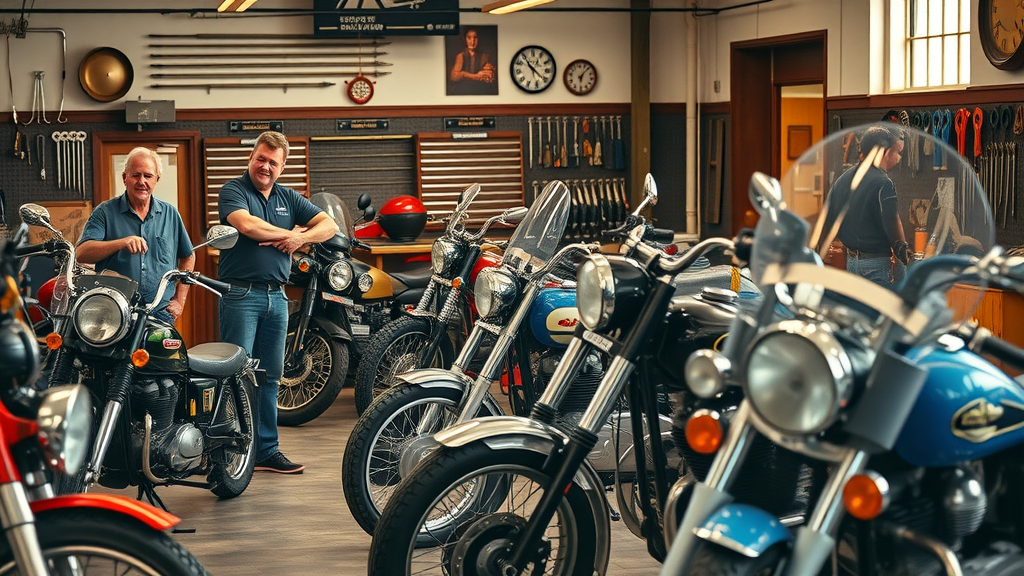
vintage motorcycles vintage motorsports proud collectors classic garage motorcycle collecting

Unlocking the World of Motorcycle Collecting: Surprising Stats and Insider Insights

The world of motorcycle collecting is experiencing a renaissance. Fueled by enthusiasts and savvy investors alike, the market for rare and vintage motorbikes now rivals that of classic cars and fine art. While many people associate collecting motorcycles with nostalgia, adrenaline, or hobbyist pride, recent data reveals something even more compelling: the vintage bike market has outpaced traditional collectibles in both appreciation and demand. This shift opens up exciting opportunities—whether you're motivated by history, profit, or simply the love of two wheels. Anyone can start a cycle collection, and with the right approach, it can be both fulfilling and financially rewarding.

Beyond auctions and private events, respected institutions like the Barber Vintage Motorsports Museum and Moto Talbott have inspired a new generation of collectors. These motorcycle museums showcase how a passion for motorcycles, paired with smart collecting strategies, can result in an awe-inspiring assembly that’s part art, part history, and part legacy. As motorsports museums and community clubs become more accessible, there’s never been a better time to dive into collecting motorcycles, create your own motorsports museum at home, and join a vibrant network of enthusiasts.

"Did you know the rare motorcycle market has grown over 20% in the past five years? Motorcycle collecting isn’t just a passion—it's a booming investment opportunity."

What You'll Learn About Motorcycle Collecting

  • Essential first steps to building a motorcycle collection

  • How to choose collectible motorcycles

  • Learning from renowned collections like Barber Vintage Motorsports Museum and Moto Talbott

  • Understanding value, storage, and display

  • How to connect with motorcycle collecting communities

  • Expert tips for beginners

Why Start Motorcycle Collecting Now?

With the value of vintage motorcycles and cycle collections rising year over year, there has never been a better time to begin collecting motorcycles. Not only can your collection become a treasured personal asset, it can also serve as a sound investment for the future—much like collectible classic cars or fine art. Prominent facilities such as the Barber Vintage Motorsports Museum and Moto Talbott often spotlight “perfect examples” of classic motorcycle preservation and showcase the unique stories behind each bike.

The vintage motorsports scene has gained such popularity that private events, auctions, and motorsports museum tours now attract waves of new motorcycle enthusiasts annually. By starting your collection now, you position yourself to capitalize on collector trends before the market reaches new highs. Motorcycle collecting is no longer reserved for the wealthy or well-connected; it is now a welcoming world, ready for passionate beginners to make their mark and enjoy the thrill of the chase, the art of restoration, and the camaraderie found at motorsports museums and club events.

Motorcycle Collecting: From Passion to Investment

What starts as a love for legendary motorcycle collections—like those at Barber Vintage Motorsports or Moto Talbott—often grows into an investment strategy. Collecting motorcycles, especially models with solid provenance and in original or expertly restored condition, can provide impressive returns. Unlike many assets, a well-documented cycle collection offers both personal enjoyment and legacy value—whether you display your bikes at motorsports museums, ride them at special events, or pass them on to future generations. As more collectors realize the dual benefits of passion and profit, the allure of starting a vintage motorsports collection becomes impossible to ignore.

Think of each addition to your collection as adding a piece of living history to your portfolio. By learning from institutions like the Barber Vintage Motorsports Museum and from communities such as flat track and classic bike enthusiasts, you blend lifestyle and investment seamlessly. The adventure of tracking down rare motorcycles, researching provenance, and restoring bikes to their former glory is as rewarding as the ride itself.

The Growing Popularity of Vintage Motorsports

The buzz around vintage motorsports has elevated motorcycle collecting from backyard garages to center stage at top-tier events. Today’s motorsports museums—from Barber Vintage to Wheels Through Time—are seeing record attendance, hosting private events, and expanding their exhibits to highlight the evolution of motorcycling culture. This trend is also fueling demand for classic models, especially those with racing pedigrees or links to legends like Kenny Roberts or sectors such as the Talent Cup.

Collectors are increasingly drawn to bikes that tell a story: world champion-winning machines, custom flat track racers, or original models from the golden age of motorcycle design. Whether you’re inspired by a cycle collection rich in competition history, or the meticulous preservation seen at Moto Talbott, it’s clear that vintage motorcycles are more than just machines—they are rolling works of art.

"Vintage motorcycles are not just machines—they’re rolling pieces of history and desirable collector’s items."

restored rare vintage motorcycle barber vintage motorsports museum inspired restorer photorealistic

Step 1: Setting a Budget for Your Motorcycle Collection

Every great cycle collection begins with a clear budget. Motorcycle collecting can be as affordable or extravagant as you choose—just like collecting classic cars. Beginners should determine what they can comfortably invest, factoring in not only the purchase price of bikes but also restoration, insurance, storage, maintenance, and display costs. Start small with a single acquisition, or lay out a plan to gradually grow your stable—either way, understanding the financial commitment upfront keeps your passion sustainable and enjoyable.

Many successful collectors recommend working with an insurance broker specializing in collectible vehicles and researching options for secure, climate-controlled storage. Keeping track of ongoing costs ensures that you spend time enjoying your collection, not worrying about hidden expenses. Setting a realistic budget also allows you to diversify—maybe adding a classic motorcycle now, a race bike next year, or a rare flat track machine down the road.

How Much Does Motorcycle Collecting Really Cost?

There’s a wide range in cost when it comes to collecting motorcycles. Some enthusiasts pick up their first vintage motorsports gem for just a few thousand dollars, while others invest in rare, museum-quality pieces costing tens of thousands. Don’t be discouraged—there is a spot for every budget. Restoration, insurance, maintenance, and storage all play a part in your overall expenses. Here’s a quick breakdown to get you started:

Expense

Low-End ($)

High-End ($)

Acquiring First Bike

2,000

50,000+

Restoration (per bike)

500

10,000

Insurance & Storage

300

2,500/yr

Maintenance

150

1,500/yr

Step 2: Research and Inspiration—Exploring Notable Motorcycle Collections

Before making your first purchase, immerse yourself in the stories and strategies of successful motorcycle collectors. Spend time exploring legendary facilities such as Barber Vintage Motorsports Museum, Moto Talbott, and Wheels Through Time. These motorsports museums aren’t just repositories of classic bikes; they’re living history lessons showcasing the best of motorcycle collecting—from rare race bikes to perfectly restored classics.

By studying the methods of icons in the field, you’ll learn what makes a collection truly stand out: a focus on originality, well-documented provenance, and a keen eye for unique models. Even if you’re just starting with one bike, bringing a sense of purpose and narrative to your collection can inspire others, just as places like Moto Talbott have inspired generations with stories of Carmen Valley and Robb Talbott himself.

Learning from Iconic Collections: Barber Vintage Motorsports Museum and Moto Talbott

Walk through the Barber Vintage Motorsports Museum and you’ll witness one of the world’s largest and most impressive cycle collections. This motorsports museum is a masterclass in curation—every bike is chosen for its historic motorcycles value, originality, and often, its racing pedigree. Similarly, Moto Talbott in the Carmel Valley showcases a world-class collection built with passion by Robb Talbott. Visitors leave with expert knowledge about collecting motorcycles, inspired to find their own hidden gems.

These public collections provide blueprints for success: document every acquisition, embrace variety (from classic motorcycles to rare race bikes to showpiece flat trackers), and don’t be afraid to tell your collection’s story. By observing how these museums display and preserve their motorcycles, you’ll develop new ideas for storing, showcasing, and even riding your best finds.

barber vintage motorsports museum moto talbott cycles collection families exploring exhibits classic motorcycle

Wheels Through Time: Discovering Unique Cycle Collections

Tucked away in Maggie Valley, Wheels Through Time is a premier destination for anyone interested in cycle collections with deep American roots. This motorsports museum is renowned for its start-and-run displays; nearly all of its historic motorcycles are kept in riding condition. There’s nothing like seeing a classic motorcycle or world champion’s bike roar back to life after decades of dormancy.

Beyond Maggie Valley, don’t overlook other places like the Vintage Motorsports Museum. Whether in person or online, these venues will teach you how authenticity, careful restoration, and loving attention to detail pay dividends—both in value and pride. Explore online archives, virtual tours, and enthusiast forums for inspiration on building your own motorsports museum at home, crafted one memorable model at a time.

  • Barber Vintage Motorsports Museum

  • Moto Talbott

  • Wheels Through Time

  • Vintage Motorsports Museum

"Every collection tells a story. Let your collection inspire others." – Robb Talbott, Moto Talbott

Step 3: Finding and Acquiring Your First Collectible Motorcycle

Now comes the fun: tracking down your first collectible motorcycle. Whether you’re after a classic Italian bike, a rare race bike, or legendary Harley-Davidson, the best sources often include exclusive auctions, reputable dealers, private events, and online platforms. Attending motorsports museum auctions and networking with collectors through clubs and forums can help you uncover hidden gems and build lasting relationships for future deals.

Don’t rush—one of the best parts of collecting motorcycles is the thrill of the chase. Spend time learning from auction catalogs, evaluating fair market values, and understanding unique features that set certain models apart. Reach out to experts at the Barber Vintage Motorsports Museum or Moto Talbott if you need guidance. Document every transaction, keep meticulous records, and enjoy every minute.

Where to Buy: Auctions, Private Events, and More

Motorcycle auctions have become a cornerstone of the collecting world. These private events often feature everything from limited edition talent cup racers to classic car icons, and even historically significant bikes with custom rear suspension. Online platforms and classified forums (like those hosted by cycle world or local motorcycle clubs) provide year-round access to bikes and spare parts.

Don’t overlook the value in attending private events—gatherings where bike collectors, restoration experts, and motorsports museum curators bring together some of the world’s rarest machines. Bidding wars can be intense, but they’re also a great place to meet mentors and spot unusual models, especially if you’re looking to diversify your cycle collection with a rare flat track bike or a world champion’s steed.

exclusive motorcycle auction vintage motorcycles private event bidders under spotlights

Key Features to Look for When Collecting Motorcycles

  • Manufacturer and model year

  • Condition and originality

  • Historical significance

  • Provenance and ownership history

When evaluating a potential addition to your motorcycle collection, focus first on the bike’s authenticity—how much of the original parts and paintwork remain? Is the model linked to notable competitions or world champion riders, like those highlighted in the Moto Talbott or Barber Vintage exhibits? A well-documented ownership history adds significant value, especially for classic motorcycle models featured at motorsports museums. The closer a bike is to its factory state, the more desirable it generally is (and the better it holds its value over time).

Step 4: Preserving, Storing, and Displaying Your Motorcycle Collection

Once you’ve acquired your dream bike, proper storage and display are crucial. Thoughtful preservation keeps your motorcycles in showroom condition, retaining both beauty and value. Museums like Wheels Through Time and Barber Vintage Motorsports Museum are models for how to store, rotate, and exhibit classic bikes, whether you have one motorcycle or a growing fleet.

Investing in the right environment—think humidity control, secure locks, and regular maintenance with expert mechanics—will help extend the lifespan of your newest addition. When you treat your collection like a motorsports museum, you ensure each piece stays rideable, presentable, and ready to inspire.

Best Practices for Motorcycle Collecting Storage

Ideally, each motorcycle should be kept indoors, away from excessive moisture and temperature fluctuations. Use quality stands to avoid flat spots on tires and consider custom covers to protect paint and chrome. Many collectors work closely with specialized insurance brokers who understand the nuances of classic motorcycle risk, and even choose facilities with security alarms and video surveillance. Routine maintenance is non-negotiable—inspired by the operational models at Wheels Through Time, keep each bike ride-ready and fire it up regularly to prevent engine issues.

For collectors looking to emulate the professional setups at Barber Vintage Motorsports Museum or Vintage Motorsports Museum, catalogue every detail, from purchase receipts to restoration notes. Over time, this diligent recordkeeping will make your collection more valuable and easier to manage, whether you’re planning a private event or considering future sales.

Creating Your Own Motorsports Museum Showcase

Transform your collection space into a showpiece that rivals a motorsports museum. Invest in adjustable lighting to spotlight each bike, use raised display platforms, and line your backdrop with vintage memorabilia or racing banners. For inspiration, take cues from Moto Talbott—where each motorcycle is presented as a work of living art, complete with information placards and themed groupings.

Don’t forget the power of community events. Hosting a club gathering, charity ride, or even a flat track exhibition at your home is a fantastic way to share your passion and engage others, turning your space into a mini-museum celebrated by friends, family, and fellow collectors alike.

modern home motorcycle collection display collector lighting motorsports museum shine

Step 5: Connecting With the Motorcycle Collecting Community

No collector succeeds alone. The motorcycle collecting community is full of vibrant personalities—from club organizers to motorsports museum curators—offering guidance, camaraderie, and exclusive access to private event invitations, flat track meets, and charity rides. Engaging with experts and beginners alike accelerates your journey, introducing you to new cycle collections, restoration tips, and hard-to-find parts.

Online forums, social media groups, and regional motorcycle clubs make it easy to connect globally or locally. Many collectors are more than happy to share their experiences, acting as mentors or even helping you find your next dream bike. With connections comes confidence—and often, the inside scoop on upcoming auctions, rare sale listings, or collaborative restoration projects.

Motorcycle Collectors Clubs and Online Forums

Join established clubs linked to famous museums like Barber Vintage Motorsports or Moto Talbott. Not only do these organizations host informative meetups, but they often provide access to exclusive events and discounts on insurance, parts, and event registrations. Dive into online discussion boards, follow motorsports museum updates, and participate in “ride days” to meet other collectors in action.

Forums and social communities also help with logistics—where to find the best storage, how to select a reliable insurance broker, and advanced restoration techniques for challenging bike models. Community knowledge is an invaluable asset, whether you’re just starting out or seeking the perfect addition to your cycle collection.

Private Events, Charity Rides, and Flat Track Meets

Attending private events organized by vintage motorsports clubs or local museums will expose you to the most exceptional motorcycle collections—and potentially some once-in-a-lifetime acquisition opportunities. Charity rides and classic flat track races are also a fantastic way to combine collecting with a love of riding, giving back to the community while showcasing your prized bikes.

Don’t underestimate the networking power of these gatherings. Many future collaborations and rare discoveries happen in the relaxed, festive atmosphere of a motorsports museum gala or a charity run through Carmel Valley. Every ride, race, or banquet is a chance to learn, connect, and deepen your passion for motorcycle collecting.

People Also Ask About Motorcycle Collecting

What is the 1% rule on motorcycles?

Answer: The 1% rule refers to the belief that 99% of motorcyclists are law-abiding citizens, while the remaining 1% belong to outlaw gangs. This doesn't directly pertain to motorcycle collecting, but a proper understanding of motorcycling culture can deepen your appreciation for collectible bikes.

What is the 12 second rule on a motorcycle?

Answer: The 12 second rule is a riding safety guideline suggesting riders scan the road ahead for hazards within a 12-second distance. While riding safely isn’t directly linked to collecting, experienced collectors often ride their bikes and value safety knowledge.

What is the best charity to donate motorcycles to?

Answer: Notable charities for motorcycle donations include the National Motorcycle Safety Fund and Vehicles for Veterans. Choose a 501(c)(3) organization to maximize your impact.

What motorcycle holds its value best?

Answer: Classic models from brands like Harley-Davidson, Honda, and Ducati, especially in original condition, tend to hold their value in the motorcycle collecting world.

Watch an introductory video describing the basics and first steps of starting a motorcycle collection, featuring expert tips and beginner insights on building your own motorsports museum at home.

Take a behind-the-scenes look at the world-renowned Barber Vintage Motorsports Museum, exploring their cycle collection, rare bikes, restoration experts, and the vibrant culture of motorcycle collecting.

FAQs: Motorcycle Collecting for Beginners

  • How do I determine if a motorcycle is collectible?
    Focus on originality, historical significance, rarity, and provenance. Research if the model has been showcased at famous motorsports museums or is part of a renowned cycle collection—these factors increase desirability and value.

  • Are restored or original bikes better for a collection?
    Both have value: original bikes often fetch higher prices, but well-done restorations of desirable models (especially those with incomplete history) are also prized by collectors and museums alike.

  • How often should I start and maintain a collected motorcycle?
    Experts recommend starting each motorcycle at least monthly to prevent mechanical issues. Regular inspections and scheduled maintenance are key to preserving value, as seen in top collections like those at Wheels Through Time.

  • Can collecting motorcycles be profitable?
    Yes—especially if you select models favored by the market, keep detailed records, and maintain authentic restorations. Some collectors have seen remarkable returns, with rare bikes appreciating far faster than traditional investments.

Key Takeaways for Motorcycle Collecting

  • Start with solid research and set a realistic budget.

  • Learn from museums like Barber Vintage Motorsports Museum and Moto Talbott.

  • Focus on quality and authenticity when building your collection.

  • Engage with the motorcycle collecting community for inspiration and support.

happy motorcycle enthusiast group vintage bikes motorsports museum community event

Conclusion: Begin Your Motorcycle Collecting Journey Today

With inspiration from leading motorsports museums, the support of a passionate community, and a well-planned approach, you can build a motorcycle collection that’s rewarding for years to come.

Call Nasty Performance Motorcycle Shop Today: 847-458-4858

Ready to take the first step? Call Nasty Performance Motorcycle Shop today at 847-458-4858 and let our experts guide you on the road to building your dream collection!

Motocycle Seasonal Care & Storage

0 Comments

Write A Comment

*
*
Please complete the captcha to submit your comment.
Related Posts All Posts

Spring Motorcycle Startup Checklist: Ride Smoothly This Season

Did you know that nearly 60% of riders encounter motorcycle issues after winter storage? That number isn’t just a statistic—it’s a wake-up call. As the daylight lingers longer and the open road beckons, ensuring your bike is ready should be your top priority. This comprehensive spring motorcycle startup checklist will arm you with expert insights, simple step-by-step instructions, and critical maintenance check tips to make your riding season safe and stress-free. Don’t let hidden mechanical gremlins stall your adventures—start strong, ride confidently, and keep your motorcycle in peak working order all season long. Unlocking the Essentials: Why Following a Spring Motorcycle Startup Checklist Matters Every seasoned rider understands the anticipation that builds after a long winter. Yet, jumping onto your motorcycle without a thorough spring motorcycle startup checklist can lead to hiccups that ruin the joy of the first ride. Motorcycle maintenance after storage is more than ticking boxes—it’s about safety, performance, and maximizing the life span of your bike. Skipped maintenance checks can result in issues like dry rot in tires, excessive wear in brake pads, or mysterious electrical problems. Ignoring a step now could mean an unwanted breakdown or costly repairs later in the riding season. Think of the spring checklist as your best insurance against the side effects of a long winter . It covers everything from fluids to brakes, air filters to spark plugs , making it a vital annual ritual. By methodically following a motorcycle maintenance checklist , you not only prevent issues but also get more acquainted with your machine’s quirks and needs—empowering you for every journey ahead. By making your spring startup part of your riding tradition, you’ll ensure a smoother, safer, and more enjoyable riding season. Spring Motorcycle Startup Checklist Fact: 60% of Riders Experience Bike Issues After Winter Storage After months of sitting idle, motorcycles often face issues like dead batteries, flat spots on tires, degraded fluid quality, or seized cables. Statistically, the majority of riders encounter such challenges, emphasizing the importance of a structured spring startup procedure. A well-done maintenance check dramatically reduces unscheduled trips to the mechanic and keeps you safe on the road. Following a detailed motorcycle maintenance checklist reliably uncovers hidden problems—crucial issues that could otherwise escalate during the rapidly approaching riding season . Taking these preventive measures now not only keeps your ride worry-free but also helps you spot wear and tear that may have started at the end of last season, allowing for timely repairs and part replacements. What Riders Will Learn from This Spring Motorcycle Startup Checklist Understand the critical motorcycle maintenance tasks required for spring Learn step-by-step maintenance check strategies for the new riding season Discover pro tips from service manuals and industry experts Identify common pitfalls in spring motorcycle startup process Utilize a printable maintenance checklist for hassle-free riding Timing and Preparation: Getting Ready for the Riding Season with Your Spring Motorcycle Startup Checklist When it comes to motorcycle maintenance, timing is everything . Many riders want to roll out at the first hint of warmth, but prepping your motorcycle before the crowds hit the road gives you a distinct advantage. Starting your spring motorcycle startup checklist early helps you address unforeseen issues, order parts if needed, and avoids the rush at service shops. Dedicating time before the riding season officially begins allows for a relaxed, thorough approach to each maintenance check . You’ll be better able to spot signs of damage from storage, like dry rot or fuel filter degradation. Preparing early ensures that your first ride is about freedom and fun, not fighting unexpected mechanical glitches. Why March and April Are Ideal for Your Motorcycle Maintenance Experienced riders and service manuals agree—March and April are the sweet spot for pre-season motorcycle maintenance . These months provide ample time to complete a full inspection before the high-traffic periods. Weather conditions tend to be milder, making it more comfortable to work in your garage or driveway. Tackling your spring motorcycle startup checklist early also means you’ll beat the rush if you require professional assistance. Replacement parts (like a spark plug or air filter ) are often in high demand when the season picks up. Starting now puts you at the front of the line, ensuring you ride with confidence from day one of the season. Items Needed Before Starting Your Spring Motorcycle Maintenance Checklist Gathering your supplies before beginning the spring motorcycle startup checklist streamlines the process and prevents interruptions. At a minimum, you’ll need basic hand tools, a service manual specific to your motorcycle model, a tire pressure gauge, fresh fluids (engine oil, brake fluid, coolant), and new air filters or spark plugs if replacements are due. Personal safety is crucial during motorcycle maintenance. Equip yourself with gloves, eye protection, and a clean workspace that’s well-lit. Having a notepad or mobile app for logging your checks and findings can serve as an invaluable reference, particularly when ordering replacement parts or scheduling future maintenance. Being prepared sets the tone for a thorough, effective startup. Motorcycle Maintenance: Step-by-Step Spring Motorcycle Startup Checklist for a Trouble-Free Season Comprehensive motorcycle maintenance is more than a quick glance at your machine. A successful spring motorcycle startup checklist begins with organized steps, from visual inspections to checking fluids, tires, and critical components like the drive chain or spark plug . Tackling each item methodically not only increases safety but also boosts your confidence every time you hit the open road. Below, we break down the essential motorcycle maintenance checklist into manageable tasks, supported by pro insights from service manuals and industry experts. Keep your riding season on track by following each step and logging your work along the way. Visual Inspection as the First Maintenance Check Check frame and fairings for cracks or damage Inspect undercarriage and visible wiring Start your maintenance check with a thorough visual review. Closely inspect the frame and fairings for signs of damage sustained during storage. Look out for cracks, bends, or discolored spots. Examine the undercarriage for rust, oil leaks, or loose bolts that might threaten your ride’s integrity. Don't overlook your bike’s visible wiring. Rodent damage can occur over the long winter , leading to electrical problems that affect your lighting, ignition, and controls. Confirming that wires are intact and well-secured prevents unwelcome surprises when you power up for the first time this riding season . Fluids and Lubrication: Key Motorcycle Maintenance Checklist Step Engine oil level and condition Brake fluid and clutch fluid check Coolant level inspection Lubricate cables, levers, and pivot points Fluids are the lifeblood of any motorcycle. Begin by checking your engine oil—both its level and condition. An oil change may be due if the fluid appears dark or sludgy. Inspect your brake fluid and clutch fluid reservoirs next, ensuring they are at proper levels and free of contamination. Neglected fluids can lead to dangerous brake fade or clutch slip during your first rides. Inspect coolant levels if your bike is liquid-cooled, topping up as needed per your service manual guidelines. Finally, apply fresh lubricant to throttle cables, levers, and pivot points. Neglecting lubrication increases friction, which wears out moving parts and diminishes your control—two things you don’t want compromising your spring rides. Tire and Wheel Examination for the Riding Season Assess tire pressure and tread depth Inspect wheels for warping or corrosion Tires form your sole connection to the road, making their health a non-negotiable aspect of the spring motorcycle startup checklist . Check for proper inflation with a reliable tire gauge, always confirming levels against specifications in your service manual. Underinflated or hardened tires from winter storage can develop flat spots or even dry rot . Inspect tread depth to ensure safe handling and water dispersal, replacing any tire showing significant wear or cracks. Examine wheels for warping, corrosion, or loose spokes, and check for excessive grease or leaks around hub areas. Trust your senses—unusual appears, feels, or sounds often mean it’s time for further inspection or professional help. Battery Check in Your Spring Motorcycle Startup Checklist Test voltage or charge Clean terminals and check secure mounting Few things are as disheartening as turning your key and hearing only silence. Batteries can lose charge or corrode over a long winter , so a voltage test is critical. Use a multimeter to ensure your battery holds a healthy charge; consider using a trickle charge if needed. Clean any corrosion from battery terminals and confirm that connections are tight and mounts are secure. Loose or corroded terminals can cause intermittent power loss, creating the illusion of faulty electrical systems. Attending to your battery’s health is a must for a smooth start to your riding season . Air Filter and Spark Plug Inspection: Crucial Motorcycle Maintenance Checks Replace or clean air filter as needed, per service manual Remove, inspect and gap spark plugs Your air filter is your engine’s first defense against dust and debris. A clogged air filter strains your engine, limits performance, and increases fuel consumption. Remove it for inspection; clean or replace as outlined in your service manual . Similarly, remove and check your spark plug for wear, proper gap, and carbon buildup. Replace plugs that show excessive fouling or are past their scheduled interval. Spark plugs are vital for reliable ignition and efficient fuel burning—don’t underestimate their impact on your upcoming rides. Brakes, Suspension, and Drive System: Vital Points on Your Maintenance Checklist Safety systems deserve special attention in your spring motorcycle startup checklist. Brakes, suspension, and drive systems take the brunt of wear over every riding season. Their condition can make or break your confidence—literally. Here's how to approach each check to ensure responsive performance for every mile. Brake Check: Pads, Rotors, and Hydraulic Systems Inspect your front and rear brake pad thickness, looking for uneven or excessive wear . Pads should not be less than the manufacturer’s minimum; replace any that are close. Evaluate the rotors for grooves, scoring, or warping—problems here compromise stopping ability. Next, gently squeeze the brake lever and rear brake pedal, watching for sponginess or delayed response. Cloudy or darkened brake fluid means it’s time for a flush and refill. Pay special attention to brake lines ; cracks, leaks, or swelling require immediate action for safe riding. Suspension: Ensuring Riding Comfort for the New Season Suspension is central to both handling and comfort. Check for leaks around fork seals and rear shocks; oil weeping is a sure sign of worn seals. Push down on the bike and notice how it responds—bouncy or unresponsive suspension may indicate worn springs or damping components. Verify that adjustment points (preload, damping) are set appropriately as described in your service manual. Address any clunking or squeaking noises, which may signal dry bushings or loose fasteners. A healthy suspension not only smooths bumps but also maintains the correct geometry for sharp, responsive handling—invaluable at higher speeds. Drive System: Chain, Belt, or Shaft Maintenance Checklist Steps Whether your bike uses a chain, drive belt , or shaft, the drive system ensures all engine power reaches the ground. For chains, inspect for kinks, rust, or excessive slack, then adjust and lubricate per your service manual . Proper chain alignment and tension are critical to prevent skipping or early wear. Check belt drives for fraying, cracks, or uneven wear; replace any component showing signs of damage . If your motorcycle features a shaft drive, inspect fluid levels and seals to ensure no leaks or contamination. Regular attention to the drive system keeps you rolling smoothly—and your ride whisper-quiet. Lighting, Controls, and Safety Features: Finalizing Your Spring Motorcycle Maintenance Completing your spring motorcycle startup checklist means covering all lighting, controls, and safety features. Even minor issues here can lead to significant risks on the road. Every control and electrical component must be in working order to ensure a fully safe and lawful ride. Testing All Lights and Electricals in the Spring Motorcycle Startup Checklist Verify operation of headlights, brake lights, indicators, and horn A quick check of your lighting and electrical systems ensures you’ll see and be seen during any ride this riding season . Test your headlights on high and low beams, examine the brightness of brake lights, make sure indicators flash at a regular interval, and confirm your horn rings clearly. Do not overlook brake light operation—a faulty rear signal is not only unsafe but can also draw the attention of law enforcement. Replace burnt bulbs and address any fuses or relay concerns as soon as possible. Check Controls and Adjust Levers for Comfortable Riding Comfort and control go hand in hand for a successful riding season . Adjust brake and clutch levers, throttle cables, and mirrors to your preferred settings. Feel for smooth travel on all levers and check for any stiffness or excessive slack, which could indicate the need for cable lubrication or replacement. Confirm all switches and buttons engage smoothly without sticking, paying careful attention to emergency stops and kill switches. These quick final checks complete your spring motorcycle startup checklist —now your bike is as eager for the road as you are. Printable Spring Motorcycle Maintenance Checklist Table Component Task Frequency Service Manual Reference Tires Inspect/Inflate Every Ride Page 15 Brakes Check/Replace Pads Every Month Page 18 Oil Change/Top Off Every 3 Months Page 20 Coolant Check/Fill Every Season Page 24 Air Filter Inspect/Replace Every Season Page 28 Spark Plug Inspect/Replace Every Season Page 32 Expert Guidance: Quotes on Spring Motorcycle Maintenance and Safety "A thorough spring motorcycle maintenance checklist is the best insurance for a safe season on two wheels." – Motorcycle Safety Foundation Top 10 Pro Tips for an Effective Spring Motorcycle Startup Checklist Start your maintenance in natural light Use a service manual for step guidance Document all checks digitally or on paper Always replace questionable parts Never overlook your safety gear Consult DIY motorcycle forums for advice Double-check everything before the first ride Take a short first ride near home Schedule maintenance reminders Save receipts from parts and services Instructional video demonstrating the full spring motorcycle startup checklist, including visuals: tire pressure check, oil inspection, battery maintenance, light and electrical test, and first ride safety tips. Clear narration with close-up shots of each process in a well-lit garage environment. People Also Ask: Preparing Your Motorcycle for Spring How to prepare your motorcycle for spring? To prepare your motorcycle for spring, perform a comprehensive spring motorcycle startup checklist : inspect tires, fluid levels, battery, spark plugs, and brakes, and ensure all lights and controls function correctly. Finish by cleaning your bike and checking safety gear. Is spring motorcycle season? Yes, spring is widely considered the start of the motorcycle riding season , making it essential to follow a spring motorcycle startup checklist to ensure your ride is safe and reliable after winter storage. What is the checklist for motorcycle service? A typical motorcycle service checklist for spring includes: oil change, fluid top-ups, air filter and spark plug checks, inspecting tires and brakes, battery maintenance, inspecting lights/electricals, and a general visual inspection guided by your motorcycle’s service manual . How to prepare a motorcycle for summer? To prepare a motorcycle for summer, begin with the spring motorcycle startup checklist . Then, check coolant systems, lubricate moving parts, ensure protection from UV exposure, and consider quality summer riding gear for comfort and safety. Common Spring Motorcycle Maintenance Mistakes to Avoid Neglecting to check tire pressures Forgoing battery inspection Skipping the service manual Overlooking expired fluids Failing to assess brake pads Watch our demo as a technician walks through each step of the spring motorcycle startup checklist—perfect for visual learners before their first ride of the season. FAQs: Spring Motorcycle Startup Checklist How often should I follow a spring motorcycle startup checklist? Ideally, perform a spring motorcycle startup checklist annually, before your first ride of the new riding season. Can I do my spring motorcycle maintenance at home? Yes, many motorcycle owners manage their own spring maintenance using a checklist as long as they have basic tools and access to the service manual . Key Points to Remember from the Spring Motorcycle Startup Checklist A full motorcycle maintenance checklist keeps you safe throughout the riding season Always consult your motorcycle service manual when in doubt Consistent maintenance checks extend your motorcycle’s lifespan Get Ready for the Road: Download Your Spring Motorcycle Startup Checklist and Ride Confidently Ready to make this your safest and most enjoyable season yet? Download your Spring Motorcycle Startup Checklist now, and cruise into every ride with total confidence! To ensure your motorcycle is ready for the riding season, it’s essential to follow a comprehensive spring startup checklist. The article “Motorcycle Maintenance: Spring Checklist” by State Farm® provides a detailed guide covering crucial tasks such as pre-ride inspections, fluid changes, brake checks, and battery maintenance. ( statefarm.com ) Additionally, “Motorcycle Maintenance Checklist for Spring” by Foremost Insurance offers insights into battery charging, tire examination, and air filter inspection, emphasizing the importance of thorough preparation after winter storage. ( foremost.com ) By consulting these resources, you can ensure your motorcycle is in optimal condition for a safe and enjoyable riding season.

Seasonal Motorcycle Maintenance: Prep Your Bike for Any Weather

Did you know that over 35% of motorcycle breakdowns could be prevented with regular seasonal maintenance?Consistent care isn’t just about extending your bike’s lifespan—it’s about safety, savings, and maximizing the thrill of every ride. This guide breaks down everything you need to keep your motorcycle road-ready no matter the season, so you can confidently chase the open road from spring showers to winter frost.Why Seasonal Motorcycle Maintenance is EssentialSeasonal motorcycle maintenance isn’t just a best practice; it’s vital for both safety and performance. As riding conditions shift with changing seasons, so do the demands on your engine, tires, fluids, and every component you rely on for a smooth, trouble-free cruise. Skipping these critical maintenance checks can mean sudden breakdowns, dangerous riding conditions, and expensive repairs that could have been avoided."According to recent studies, over 35% of motorcycle breakdowns could be prevented with regular seasonal maintenance."Every rider—no matter if you cruise during the heart of summer or catch crisp autumn air—needs a strategy to keep their bike in working order year-round. From checking your air filter and spark plug to winterizing with fuel stabilizer and a trickle charger, putting in this effort pays off. Proper motorcycle maintenance not only protects your investment but also lets you savor every curve of the open road without worry. Whether you’re a new enthusiast or a seasoned pro, this guide will ensure that seasonal shifts don’t catch you—or your motorcycle—off guard.The Impact of Weather Conditions on Motorcycle PerformanceChanging weather brings unique challenges that directly affect your bike’s performance and safety. Spring and summer heat can accelerate engine oil breakdown and increase the risks of dry rot on exposed plastics and rubber. High humidity can impact brake fluid and introduce moisture into sensitive components, causing rust and corrosion.When autumn arrives, damp conditions mean slippery road surfaces and the accumulation of debris—both of which demand up-to-date tire tread and responsive brake pads. Winter’s cold can reduce tire pressure, drain batteries, solidify fluids, and put your fuel lines at risk for condensation or icing. Ignoring these transitions may lead to excessive wear, increased chance of breakdowns, and compromised safety. By proactively adjusting your maintenance checklist to each season, you ensure your motorcycle is primed for peak performance—no matter the forecast.For a deeper dive into the nuances of seasonal care, you might find it helpful to explore additional strategies that experienced riders swear by. Discover more practical tips and lesser-known maintenance secrets in this guide to seasonal bike care secrets every rider must know, which complements the checklist approach with real-world advice.Motorcycle Maintenance and Safety: A Year-Round PriorityStaying vigilant with seasonal motorcycle maintenance is your ticket to safety and long-term enjoyment. Routine maintenance checks—from inspecting air pressure and testing spark plugs to monitoring brake lines and lubricating your drive chain—directly impact your protection on the road. Each maintenance task isn’t just a technical checkbox; it’s a deliberate move to safeguard against the unexpected.Year-round readiness isn’t about perfection—it’s about proactivity. Addressing issues before they escalate, like swapping out an old fuel filter or catching a failing rear brake, can mean the difference between a memorable ride and an expensive tow. Remember: weekly attention in-season and thorough pre-/post-riding surveys reduce the likelihood of being stranded, so you always answer the call of the open road with confidence.What You’ll Learn in This Comprehensive Seasonal Motorcycle Maintenance GuideUnderstand the basics of a seasonal motorcycle maintenance checklistIdentify which maintenance check tasks are required before and after every riding seasonGain step-by-step expertise for prepping your bike for winter, spring, summer, and fallDiscover expert tips to extend your motorcycle’s lifespanLearn how to spot warning signs with a practical maintenance checklistAccess a printable motorcycle maintenance checklistUnderstanding the Riding Season: Preparing for Every ClimateEvery region boasts its own unique riding season, shaped by temperature swings, precipitation, and daylight hours. Whether you're in a four-season state or experience mild riding weather year-round, understanding your local climate lets you tailor a maintenance checklist that keeps your bike safe and reliable. Analyze weather forecasts before the start of each season, and plan key repairs or upgrades—like changing your oil or inspecting tire pressure—ahead of major temperature shifts for best results.Defining Your Local Riding SeasonPinpointing the true start and end of your riding season is critical for scheduling maintenance. In northern states, this often means prepping for winter in October and getting ready to ride in April or May. Southern riders may enjoy two riding “peaks” with mild winters and steamy summers, calling for transitional checklists. Knowing your local patterns allows for a more strategic approach—including when to check for dry rot, swap in new brake pads, or secure specialized tires for rain or extreme heat.Take the time to talk to riders in your area or consult local forums for insights about microclimates and maintenance practices. Every region will have its quirks—but universal rules, such as post-rain tire tread checks or pre-freeze battery care, always apply. This regionally focused strategy forms the backbone of responsible seasonal motorcycle maintenance.How Seasonal Motorcycle Maintenance Differs by RegionYour local environment dictates how you’ll apply the maintenance checklist throughout the year. For example, riders in coastal areas should prioritize corrosion checks due to salty air, while riders in arid zones might battle more particle buildup, meaning frequent air filter changes and chain lubrication. Urban motorcyclists face more stop-and-go traffic, so brake fluid and engine oil degrade faster due to frequent starts and stops.Seasonal transitions themselves add extra variables. Longer daylight in summer means higher mileage, so tire pressure and fluid levels must be checked more frequently. Winterization becomes non-negotiable in snow-prone regions—draining fuel or adding stabilizer, using a trickle charger, and double-checking all covers and stands. No matter where you ride, being climate-aware is your best insurance for a safe, ready-to-ride motorcycle.Motorcycle Maintenance Challenges in Extreme WeatherWhen conditions turn extreme, your regular motorcycle maintenance checklist must evolve. Intense summer heat can crack seals, rapidly degrade engine oil, and cause tires to overinflate—potentially leading to excessive wear or blowouts. In cold climates, low temperatures thicken brake fluid, make batteries vulnerable to rapid loss of charge, and put fuel lines at risk for ice formation.Be vigilant for warning signs: stiff steering, delayed engine starts, or condensation in the fuel filter could signal deeper issues. Always keep an eye out for corrosion around battery terminals and inside the fuel tank. Integrated weather-adapted practices ensure both maximum safety and full “throttle joy” long after lesser-prepared bikes are put away for the season.The Ultimate Seasonal Motorcycle Maintenance ChecklistA maintenance checklist is one of the most powerful tools for consistent, season-spanning care. By performing proper maintenance checks before and after each riding season, you’ll minimize breakdowns, boost efficiency, and extend your bike’s life. Below is a comprehensive, easy-to-follow chart—your roadmap for every riding climate.SeasonPre-Ride ChecklistPost-Ride/Storage ChecklistSpringInspect tire pressure & treadChange your oil & filterCheck air filter & spark plugsCharge/test batteryInspect brakes and brake fluidLubricate chainRinse salt and dirt from frameReview service manual tasksSummerCheck coolant & engine oil levelsInspect fuel lines, filter, & fuel qualityConfirm chain tension/lubricationVerify lights and signalsClean air intake after dusty ridesExamine tires for excessive wearAutumnInspect tire tread for changesCheck brake pads, pads, & brake linesTop off anti-freeze/coolantPrepare storage tools (stands, covers)Drain or stabilize fuelLubricate moving partsStore on stands; cover securelyWinterCharge battery (use trickle charger)Protect wires from rodentsMaintain dry, moisture-free storageInspect for any winter damagePrep for spring ride (full inspection)Maintenance Check Essentials for Every SeasonRegardless of climate, there are year-round basics every rider must never skip. Always check and maintain proper tire pressure and examine tire tread for any signs of dry rot or flat spots, particularly if the motorcycle has been sitting for several weeks. Test all brake components—brake pads, brake lines, rear brake, and front brakes—for function and wear.Outside moving parts like the drive chain and spark plug need frequent attention. Use your service manual for guidance, as some models require specific torque settings or fluids. Clean and lubricate chains; review your engine oil condition every few rides; and replace air filter and fuel filter on schedule. Consistency is the secret to reliability—and peace of mind.Printable Motorcycle Maintenance Checklist for Year-Round UseKeep your motorcycle maintenance checklist handy—digitally or on paper. Personalize it for your machine, noting unique requirements from your service manual. Each maintenance check can be dated, and checkboxes help track what’s been completed. For families or groups sharing bikes, a visible checklist reduces oversight and builds accountability. Find a printable version at the bottom of this guide!This strategy ensures you never miss a step—whether you’re prepping for spring revival or winter storage. With your own annotated checklist, you reinforce good habits that safeguard both your investment and your love for adventure.Pre-Riding Season Motorcycle Maintenance: Spring & Summer ChecklistsChange your oil and oil filterInspect air filter and spark plugsCheck battery healthReview tire pressure and treadFollow your service manual for specific riding season tasksPreparing Your Motorcycle for the Open RoadThe excitement of open throttle returns once temperatures rise—but a safe, exhilarating ride relies on thorough pre-season seasonal motorcycle maintenance. Begin with an engine oil and oil filter change to clear debris and guarantee fresh lubrication. Dive into the air filter—replacing it if needed—and test both the spark plug and spark plugs for crisp ignition and efficient fuel burn.Battery health is vital after months of cold or inactivity. If you used a trickle charger, verify that voltage remains optimal and battery terminals are free from corrosion. Next, check tire pressure and tire tread for flat spots, cracks, or signs of dry rot. Don’t overlook a full brake inspection: confirm both front and rear brake pads are within specification and ensure all brake lines are smooth and leak-free. Test electrical systems—horn, lights, and signals—and use your model’s service manual for niche pre-season recommendations.Watch as a professional mechanic demonstrates each phase of spring motorcycle checks—from inspecting the chain and brake pads to changing oil and coaxing the battery back to life. Clear narration and close-ups make complicated steps simple and stress-free, so you can confidently hit the open road with a well-maintained machine.Post-Riding Season Motorcycle Maintenance: Autumn & Winter PrepDrain or stabilize fuelProtect and maintain batteryStore on stands to preserve tiresCover and protect from moistureConsult your service manual for storage instructionsPreventing Cold-Weather and Storage DamageWhen the riding season winds down, protecting your motorcycle during off-months is crucial. Drain or stabilize fuel to prevent thickening or gumming. Remove the battery and store it indoors, or use a trickle charger to keep it healthy throughout winter storage. Clean your bike thoroughly to wash away corrosive salt and debris before long idleness.Place your motorcycle on stands to prevent flat spots and dry rot in the tires. Cover it with a breathable, water-resistant fabric that guards against moisture and dust. Last, block off air intakes and exhaust to deter pests, and ensure all moving parts are well-lubricated. Always consult your service manual for model-specific winterization guidance that maximizes your spring restart success.This instructional video walks you step by step through winter storage preparations—fuel stabilization, battery care, tire protection, and sealing up for the freeze. Learn insider winterization tips, so your motorcycle is as ready as you are when the snow melts and spring calls you back to the open road.Key Components of Seasonal Motorcycle MaintenanceChecking the Air Filter and Spark PlugsA clogged air filter restricts engine performance, reduces fuel efficiency, and can even affect your spark plug’s ability to ignite properly. Every season, inspect and replace the air filter as part of your maintenance check. Swap out dirty or aged spark plugs; look for signs of fouling or excessive carbon. These small parts make a big difference in winter starts and summer sprints alike.Follow your service manual for gap specifications and torque settings, as overtightening spark plugs can lead to damage. Remember, consistent ignition power equals a consistently reliable ride—no matter the season.Chain, Brakes, and Fluid InspectionYour drive chain must be kept clean, properly tensioned, and well-lubricated to transmit engine power effectively while minimizing wear. Regularly check for kinks, tight spots, or signs of corrosion, and wipe off old lubricant before applying a fresh coat. The brake pads should be replaced at the first sign of thinning or glazing, and brake lines must be inspected for cracks or leaks that compromise safety.Fluid levels—including engine oil, brake fluid, and coolant—should be reviewed often and topped off as needed. Old brake fluid can absorb moisture, diminishing stopping power, especially when riding in wet or cold weather. When in doubt, replace all fluids in line with your service manual for peace of mind and maximum stopping confidence.How to Use Your Service Manual EffectivelyYour service manual isn’t just a reference—it’s the ultimate maintenance partner. These guides contain checklists, torque specs, recommended fluids, and step-by-step instructions tailored specifically to your motorcycle’s make and model. Always consult the manual before attempting more complex maintenance, like brake system bleeding or fuel line replacements."Your owner’s manual is your best friend for every maintenance check." — Industry ExpertOrganize your manual in the garage for easy reference. Use sticky notes or highlight seasonal tips within, and compare your manual’s checklist against this guide to ensure you’re hitting every crucial point every season. Let the manual and your diligence work together for peak motorcycle maintenance.Essential Seasonal Motorcycle Maintenance Tools & ProductsSocket set and basic wrenchesOil and filter-specific toolsChain lubrication kitSeasonal fluids and stabilizersService manual for your motorcycleKeep your maintenance toolbox well-stocked. This arsenal enables smooth, thorough, and safe seasonal motorcycle maintenance. Consider a label system for tools, a dedicated chain lube supply, and a wall-mounted monitor for digital checklists or service schedules. Investing in the right products pays dividends at each maintenance interval.Seasonal Motorcycle Maintenance Tips from Experienced Riders"Regular seasonal checks keep you safe and ready to ride any time the open road calls."Keep a maintenance logPerform a quick maintenance check after long ridesDon’t skip spark plug inspectionsFollow season-specific manufacturer recommendationsRiders across decades and terrains emphasize one truth: consistency is key. A logbook or digital tracker strengthens accountability. Quick visual maintenance checks after extended rides might catch developing issues before they cause excessive wear or safety problems. The little things—like logging spark plug swaps or noting tire pressure changes—add up to major peace of mind on every journey.Printable, Shareable Motorcycle Maintenance Checklist (PDF)How to Customize Your Maintenance ChecklistEvery motorcycle is different. Start with our comprehensive motorcycle maintenance checklist and personalize it using your service manual for your model year. Add lines for custom upgrades like aftermarket exhaust or lighting, and set reminders based on your unique riding frequency and conditions. Share the checklist with friends or riding groups to build a culture of maintenance and safe riding.Staying Consistent With Your Maintenance RoutinePlace your printed or digital checklist in a highly visible place—like your garage wall or phone home screen. Check off each task as completed. Consistency turns occasional maintenance checks into unbreakable habit, keeping you prepared for whatever the riding season brings.People Also Ask About Seasonal Motorcycle MaintenanceWhat is the 12 second rule on a motorcycle?Answer: The 12 second rule is a road safety guideline for motorcyclists, suggesting that riders should scan the road at least 12 seconds ahead of their position to anticipate hazards and make safe decisions—all part of a good seasonal motorcycle maintenance and riding habit.What does 2 fingers up mean on a motorcycle?Answer: When another rider flashes 2 fingers up, it’s a friendly gesture meaning “keep both wheels on the ground”—a nod to safe riding, which ties into the importance of seasonal motorcycle maintenance checks for ongoing safety.Can I get seasonal motorcycle insurance?Answer: Yes, many providers offer seasonal motorcycle insurance policies that are active only during the primary riding season. This complements responsible seasonal motorcycle maintenance and helps you save on costs.How long can a motorcycle sit without being driven?Answer: Ideally, a motorcycle should not sit unused for longer than a month to avoid battery degradation, stale fuel, and tire issues. Proper seasonal motorcycle maintenance and winterization help prevent long-term storage damage.Frequently Asked Questions About Seasonal Motorcycle MaintenanceHow often should I perform a seasonal motorcycle maintenance checklist?Which motorcycle maintenance tasks are best handled by a professional?Is the service manual always accurate for my bike’s model year?What’s the first maintenance check to perform after winter storage?Key Takeaways for Keeping Your Motorcycle Ready All YearConsistent use of a maintenance checklist ensures reliabilityTailor seasonal motorcycle maintenance to local climate and riding frequencyFollow service manual recommendations for the best resultsSeasonal motorcycle maintenance saves money and extends bike lifeExpert Advice: When to Seek Professional Motorcycle MaintenanceSigns Your Motorcycle Needs Advanced MaintenanceWhile many seasonal checks are DIY-friendly, some warning signs call for a certified mechanic. These include unusual engine noises, persistent leaks, flawed braking response, electrical issues, or visible damage to brake lines, frame, or suspension. If there’s doubt—or your bike develops new or worsening symptoms—it’s time to turn to the pros.Remember, addressing complex repairs early prevents cascading failures, higher costs, and potential safety issues. Your vigilance in routine maintenance checks helps identify problems before they escalate.How to Find a Reliable Motorcycle Maintenance ShopLook for shops with certified technicians, clear repair estimates, and strong customer reviews. Ask fellow riders for recommendations and confirm that the shop uses manufacturer-recommended fluids and parts. A quality facility happily explains their process, uses your service manual as a reference, and stands by their work—guaranteeing your ride is truly road-ready."When in doubt, call a licensed professional for a seasonal maintenance check."Ready to Ride? Schedule Your Seasonal Motorcycle Maintenance TodayCall Nasty Performance Motorcycle Shop Today: 847-458-4858Don’t let preventable issues sideline your season. Make a plan and stick to your maintenance checklist—then book your professional inspection today.Conclusion: With a detailed seasonal motorcycle maintenance checklist and a few expert routines, staying ready for adventure in any weather has never been easier. For total peace of mind, trust local pros like Nasty Performance Motorcycle Shop to keep your bike—and your dreams—rolling strong all year long.If you’re eager to take your maintenance routine to the next level, there’s even more to discover about keeping your motorcycle in peak condition throughout the year. Uncover advanced seasonal strategies, expert insights, and time-saving habits in Seasonal Bike Care Secrets Every Rider Must Know. This resource goes beyond the basics, offering a broader perspective on proactive care and long-term bike health. Dive in to learn how seasoned riders adapt to changing conditions and protect their investment—so you can enjoy every mile, every season, with total confidence.

Indoor Motorcycle Storage Near Me: Find Safe Winter Spots

Did you know over 70% of motorcycle owners who store their bikes outdoors face costly winter damage? Each winter, thousands regret skipping indoor motorcycle storage near me, only to find their bikes battered by freezing temperatures, moisture, and theft. In this comprehensive guide, you’ll discover exactly how to find the safest winter storage solution, what features to look for, a detailed cost breakdown, and expert tips on securing the perfect storage facility for your prized ride—all in your local area. Ready to protect your motorcycle and avoid unnecessary repairs or loss this winter? You’re in the right place!A Surprising Fact: Why Indoor Motorcycle Storage Near Me is EssentialWhen winter’s harsh weather approaches, your motorcycle faces far greater risks than most owners realize. According to the National Vehicle Storage Association, “Over 70% of motorcycle owners who store their bikes outdoors report significant winter weather damage compared to those using indoor motorcycle storage near me.” That means outdoor exposure isn't just inconvenient—it's costly, potentially forcing you to pay for repairs to electrical systems, finishes, and tires before riding season even begins. The extreme cold can crack plastic, degrade lubricants, corrode components, and even damage your engine, making indoor storage a critical investment.Equally concerning is the rise in theft and vandalism targeting motorcycles parked in driveways, carports, and unsupervised lots. Insurance claims for motorcycles stolen or damaged while stored outdoors spike during the winter months. By finding a reliable, secure storage facility or dedicated storage unit, you gain invaluable peace of mind, knowing your bike is shielded from storms, freezing temperatures, and criminals alike. That’s why more riders search “indoor motorcycle storage near me” every fall—because a little preventive care now can save thousands later.As you weigh your options for keeping your motorcycle safe this winter, it’s also helpful to understand how different types of vehicle storage—such as car, RV, and boat storage—compare in terms of security and climate protection. For a broader look at available storage solutions for all your vehicles, visit our vehicle storage options overview for practical insights.The Statistics Behind Motorcycle Storage and Winter Damage“Over 70% of motorcycle owners who store their bikes outdoors report significant winter weather damage compared to those using indoor motorcycle storage near me.” — National Vehicle Storage AssociationLet’s break down what winter can do to your motorcycle: According to recent studies, leaving a bike exposed even for a single season leads to a 50% higher likelihood of battery failure, rust on vital components, and paint chipping. By leveraging indoor storage options, such as climate-controlled storage units, you protect your motorcycle from drastic temperature swings, condensation inside the fuel system, and the costly effects of snow and ice. Garage parking may seem like a solution, but many garages are unheated and lack full security. In fact, expert reviews highlight that dedicated motorcycle storage solutions offer superior insurance benefits, better environmental control, and more robust theft prevention, especially compared to a typical home garage or carport.The numbers speak for themselves: more than half of outdoor-stored bikes need expensive repairs before spring, while those sheltered in a certified storage facility often require nothing but a routine check-up. Don’t let your ride become another statistic—choose the right storage option and maximize your investment in your passion.What You'll Learn About Indoor Motorcycle Storage Near MeEssential features and benefits of indoor motorcycle storage near mePrice ranges and seasonal deals at leading storage facility providersComparisons of motorcycle storage, vehicle storage, and other storage optionsExpert reviews and tips for maximizing your storage spaceKey Benefits of Indoor Motorcycle Storage Near MeSecuring your motorcycle in a specialized storage facility offers an unbeatable mix of safety, convenience, and preservation. The best indoor motorcycle storage near me solutions shield your bike from unpredictable winter storms, dust buildup, UV damage, and opportunistic thieves. Unlike parking on an exposed outdoor space or squeezing into a crowded garage alongside family vehicles, professional storage units provide dedicated space, often with 24/7 monitoring, climate control, and robust physical barriers. These added protections reduce insurance costs and safeguard your bike’s value, even during the harshest seasons.On top of protection, most leading storage facilities offer flexible access hours, allowing you to check in on your motorcycle or prepare it for a new season at your convenience. Premium locations may feature charging outlets for battery maintainers and storage solutions that accommodate extra gear or even multiple small vehicles. With a range of options in both urban and suburban areas—especially in regions like Salt Lake City, Lake City, and beyond—finding a secure, location-friendly storage unit is easier (and smarter) than ever before.Motorcycle Storage vs. Outdoor and Garage OptionsWhen weighing your choices for winter motorcycle storage, it’s crucial to understand the stark differences between outdoor, home garage, and professional storage facilities. Outdoor options, such as driveways or parking lots, may be free but leave your motorcycle completely vulnerable to both harsh weather and criminal activity. Even high-quality covers offer little protection from ice, snow, and moisture that can seep into critical mechanical systems. In areas like Lake City or Salt Lake, winter’s unpredictability is especially hard on exposed vehicles, making indoor storage not just a luxury, but a necessity.By contrast, using dedicated motorcycle storage units means your bike is out of the elements and monitored. Many commercial storage spaces offer climate control, humidity regulation, and reinforced locks—vastly reducing risks of rust, battery drain, and theft. While some riders manage by clearing space alongside cars in a home garage, garages rarely offer specialty climate protection or advanced security, leading expert reviewers and insurance specialists to consistently recommend certified storage facilities or purpose-built storage options for serious motorcycle owners.Protection From Weather and Theft: Why Choose a Storage FacilityChoosing a professional storage facility for your motorcycle offers significantly greater protection than at-home alternatives. Storage facilities are designed specifically for vehicle storage, featuring advanced security systems such as surveillance cameras, password-protected gates, and staff patrols. Many storage units are accessible only via individual access codes, giving you control over who can enter your storage space. Combined with on-site lighting and security fencing, this effectively reduces the risk of theft and vandalism throughout the winter and beyond.Equally important is environmental control. Indoor motorcycle storage near me often includes climate-controlled storage units, shielding your bike from freezing temperatures, fluctuating humidity, and condensation—all contributors to electrical failures and corrosion. You’ll also benefit from pest control measures and dust management, ensuring your motorcycle remains in ride-ready condition come spring. Whether your priority is avoiding expensive repairs, keeping your ride pristine, or meeting insurance requirements, a secure indoor storage solution is always the most reliable option.Indoor Motorcycle Storage Near Me: Comparing Local Storage FacilitiesThe best way to ensure your ride survives winter unscathed is by choosing a top-rated storage facility. Start by searching “indoor motorcycle storage near me” and scanning online reviews, but don’t stop there—visit candidate sites in person. Pay close attention to cleanliness, security protocols, lighting, and whether storage units are tailored for motorcycles or simply adapted from generic self-storage. Many leading facilities in metropolitan and suburban regions offer specific motorcycle storage solutions, often bundled with added perks such as battened doors, complimentary dust covers, or special insurance packages.Location is also key: proximity to your home or work, access hours, and even parking space for loading/unloading determine convenience through the winter months. Leading providers like Extra Space Storage and other reputable local operators typically stand out for their customer service, clear contract terms, and investment in cutting-edge security. Compare rates and amenities closely, focusing not just on price, but value—what do you actually get for your monthly fee? Prioritize those storage solutions designed specifically for motorcycles and small vehicles, and don’t hesitate to ask for a tour or see a storage unit in person to confirm suitability before committing.Top-Rated Indoor Motorcycle Storage Spaces in Your AreaWhether you’re in Salt Lake City, Lake City, or any area where winters are unpredictable, local review sites and enthusiast forums consistently highlight a handful of outstanding storage facilities. Top-rated motorcycle storage spaces combine surveillance systems, climate-controlled storage space, and responsive customer service. Some providers even offer additional features such as battery charging stations, on-site staff during peak hours, and flexible lease options—ideal if you’re only storing your bike for a few months. Look for facilities with a proven track record in vehicle storage that specifically mention motorcycle storage in their service list.In your search for “indoor motorcycle storage near me,” pay special attention to amenities beyond just four walls. Compare extended access hours, policies for guest visits, and package handling for customers storing valuable gear with their bikes. Many storage solutions include options for extra space to accommodate accessories, helmets, and even dual vehicle storage for your small car or ATV. Read both owner testimonials and independent expert reviews to get an authentic picture of service quality before you sign up. If possible, ask for a trial month or short-term contract to evaluate the facility firsthand.Differences Between Standard Storage Units and Motorcycle-Specific Storage SolutionsWhile many storage units are advertised as “one-size-fits-all,” true motorcycle-specific storage solutions offer important enhancements. Standard storage units may be sufficient for a short-term need, but they often lack features critical to motorcycle preservation—like breathable covers, tie-down points, or shock-absorbent flooring. Dedicated motorcycle storage spaces are typically narrower but longer, optimizing every inch for a single bike or pair. They also ensure easy ramp access, secure lock systems integrated into unit design, and, in premium locations, on-site motorcycle maintenance support or professional advice.On the other hand, standard storage units can prove more affordable for riders with multiple small vehicles or those seeking extra space for related gear. If you’re looking at a general storage facility, confirm that their security measures are up to snuff and that climate control is supported in your chosen unit. Motorcycle-focused storage solutions almost always offer better value for long-term preservation, and facilities often provide bulk discounts for seasons with heavy demand, such as late fall and early winter. Always read the fine print—some “vehicle storage spaces” may not include insurance coverage or maintenance access, impacting the total cost and effectiveness of your storage option.Comparison Table: Storage Facility Options for MotorcyclesFacility TypeFeaturesPrice Per MonthSecurityClimate ControlAccess HoursMotorcycle-Specific Storage UnitCustom-sized, tie-downs, breathable covers, battery charging$60–$12024/7 monitored cameras, gated, private codeYes24/7 or extended hoursStandard Self-Storage UnitGeneral vehicle storage, drive-up access$40–$80Basic CCTV, gate accessOptional/VariesLimited (usually 6am–10pm)Shared Vehicle Storage FacilityMultiple vehicles in shared bay, assigned spaces$50–$110Staff on site, keypad entryPartialStandard business hoursGarage or Home StorageUnheated, shared with cars, no climate controlFree or N/AHome security (varies)No24/7Types of Vehicle Storage: Storage Options for Small Vehicles, Motorcycles, Cars, and BoatsToday’s storage facilities aren't just for motorcycles—they cater to a diverse range of vehicles from compact cars and ATVs to boats and RVs. Choosing the right storage option depends on your needs: some prefer dedicated motorcycle storage units, while others find value in vehicle storage spaces shared with other small vehicles. Climate-controlled storage solutions are growing in popularity, ensuring your car, motorcycle, or boat remains protected year-round, not just during winter months.When comparing “indoor motorcycle storage near me,” consider whether your facility offers specialized boat storage, RV storage, or even extra space for tools, gear, and personal storage. Many locations now provide flexible storage units where you can keep all your seasonal vehicles under one roof, or upgrade to covered storage for enhanced protection from sun and hail. Make sure you ask about security protocols and insurance requirements, especially if you’re storing higher-value or specialty vehicles. Many large warehouses offer separated, clearly marked bays for each vehicle type, reducing risk, confusion, and accidental damage.Dedicated motorcycle storage unitsVehicle storage with shared spaceClimate-controlled storage spacesRV storage and boat storage optionsCost Breakdown: How Much Does Indoor Motorcycle Storage Near Me Cost?The price of indoor motorcycle storage can range from as low as $40/month for basic storage units up to $120 or more for climate-controlled, motorcycle-specific spaces in high-demand regions. Factors that influence cost include storage unit size, insurance coverage, climate control, and whether the storage facility offers additional perks such as 24/7 access or video surveillance. If you require extra space for accessories or gear, expect small monthly surcharges. Don’t forget to ask about seasonal rates or introductory specials, common at Extra Space Storage and similar larger providers.Location plays a major role: downtown or high-density neighborhoods generally command higher prices, while outer suburbs may offer better deals. It’s wise to balance access with security and features. Be sure to clarify whether your monthly payment includes insurance; if not, independent coverage for your motorcycle is highly recommended. In the end, investing in secure, climate-controlled storage is a fraction of the cost you'd face repairing damage from an unprotected winter season.Storage Unit Size, Insurance, and Extra Space CostsMost motorcycle owners find a 5'x10' or 5'x15' storage unit is ideal for a single bike and a bit of gear. Need more space? Larger storage units allow you to store additional items or even a second small vehicle. Monthly insurance costs range from $5 to $20 depending on coverage and provider—well worth it for the peace of mind. Climate-controlled units may be $10–$30/month more but virtually eliminate condensation risks, particularly in colder regions. Facilities offering personal storage and bundled packages might provide extras like shelving or charging outlets, adding real value.If you anticipate storing bikes long-term, ask about discounts for 6- or 12-month prepayment. Some facilities, especially Extra Space Storage or local RV/car storage specialists, feature special off-peak rates. Always be clear about extra fees: things like after-hours access or parking space beyond your unit can add up, but the right balance of features ensures your “indoor motorcycle storage near me” search delivers the lasting protection you want at a cost you can manage.How to Choose the Best Indoor Motorcycle Storage Near MeLocation and accessibility of the storage facilityLevel of security for motorcycles and other small vehiclesAvailable storage solutions for long-term and seasonal needsTips for maximizing space storage within your unitTo make the best pick, start by mapping facilities within a comfortable distance from home or frequent destinations, especially if you want to check in on your motorcycle periodically. Prioritize those offering 24/7 access, especially if your schedule is unpredictable. Security should be a non-negotiable: Look for gated entry, surveillance cameras, monitored access logs, and strong physical barriers at every entry point. If storing valuables, make sure your chosen provider’s insurance policies cover theft and storm damage, not just fire or basic vandalism.Don’t overlook versatility. The best storage solutions offer a range of sizes and can accommodate long-term, short-term, or seasonal storage. Some even allow you to combine spaces for multiple vehicles or integrate extra space as your storage needs grow. To maximize your unit, install shelves for gear, use stackable containers, and utilize hooks for helmets or jackets. Read online reviews, request recommendations from local motorcycle groups, and always tour your top choices before committing—only trust facilities where staff are helpful, storage spaces are pristine, and policies are clearly explained.People Also Ask: Indoor Motorcycle Storage Near MeCan I store a motorcycle in an indoor storage unit?Absolutely! Most indoor storage units are designed to accommodate motorcycles safely, especially those at professional storage facilities. Look for units that allow drive-up access, offer climate control, and have security measures like cameras and personalized locks to ensure your bike stays protected. Always check with the storage provider about any specific requirements—such as gas tank emptiness or battery disconnection—for storing your motorcycle long-term.Where can I store a motorcycle if I don't have a garage?If you lack a home garage, indoor motorcycle storage facilities are your best bet. Dedicated storage units, climate-controlled facilities, and even vehicle storage centers provide safe, secure alternatives to outdoor parking spaces. Many providers offer tailored storage options for motorcycles, ensuring you don’t have to worry about weather damage, theft, or lack of space—especially during winter months.Can I store my motorcycle in a U-Haul storage unit?Yes, U-Haul and similar self-storage brands permit motorcycle storage in many of their units—as long as local policies allow. Be sure to choose a unit with drive-up access for easy loading and unloading. Keep in mind, however, that not all U-Haul locations are climate-controlled, and additional precautions may be necessary to prevent condensation or freezing damage if you store your motorcycle during winter months.Can I store a motorcycle in a storage unit?Certainly! Storage units are designed to house not only household goods but also vehicles—especially motorcycles and small vehicles. Ensure your chosen storage unit has appropriate space, ventilation, and security, and always follow the facility’s guidelines regarding fuel levels, battery maintenance, and necessary documentation or insurance for stored vehicles.Frequently Asked Questions About Indoor Motorcycle Storage Near MeIs climate-controlled storage necessary for motorcycles?While not mandatory everywhere, climate-controlled storage offers essential protection in regions with cold winters, high humidity, or rapid temperature fluctuations. It helps prevent corrosion, electrical issues, and long-term mechanical damage, keeping your motorcycle in optimal condition year-round.Do I need specialized insurance for storing my bike?Most storage facilities require proof of basic insurance, but you may wish to add comprehensive coverage for theft, fire, or weather-related incidents. Check with your insurance provider to ensure your policy covers your bike while it’s in storage.How do I prep my motorcycle for long-term storage?Clean your bike thoroughly, inflate tires, fill the gas tank and add fuel stabilizer, disconnect or remove the battery, and cover all openings to deter pests and dust. Using a breathable motorcycle cover inside the storage unit adds another layer of defense.Key Takeaways: Choosing Indoor Motorcycle Storage Near MeIndoor motorcycle storage near me keeps your bike protected from the elements and theft.Compare storage facility options to find the right balance of security, price, and amenities.Read reviews and ask questions before selecting your ideal storage solution.Safely Store Your Motorcycle This Winter: Next StepsReady to protect your motorcycle and enjoy true peace of mind all winter? Call Nasty Performance Motorcycle Shop Today: 847-458-4858 to reserve a secure, climate-controlled storage space and get expert help finding the perfect indoor motorcycle storage near you!If you’re committed to keeping your motorcycle in top condition year-round, exploring the full spectrum of vehicle storage solutions can help you make the most informed decision for your needs. Whether you’re considering options for your car, boat, or RV alongside your bike, understanding the latest trends and best practices in secure storage is key to long-term peace of mind. For a deeper dive into advanced storage strategies and to stay updated on new facility features as they become available, check out our comprehensive guide to vehicle storage solutions. Take the next step in safeguarding all your vehicles and discover how the right storage choice can protect your investments for years to come.

Terms of Service

Privacy Policy

Core Modal Title

Sorry, no results found

You Might Find These Articles Interesting

T
Please Check Your Email
We Will Be Following Up Shortly
*
*
*