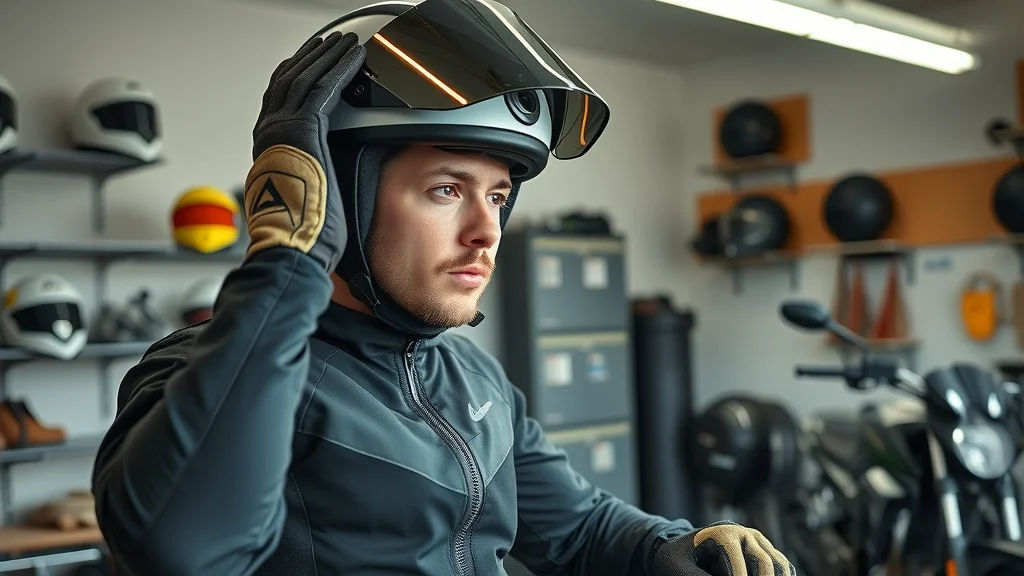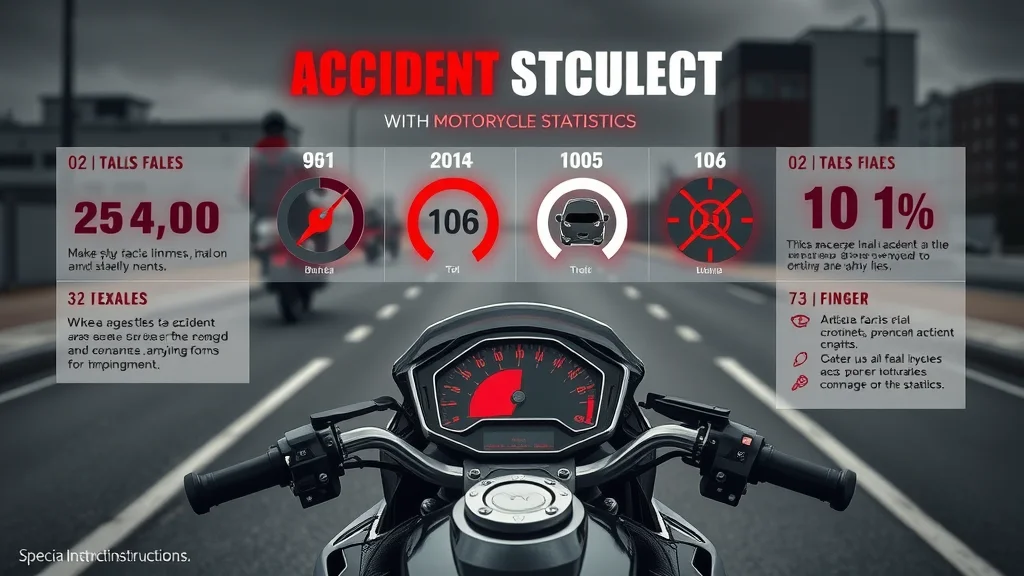
Did you know? Statistics show that riders who understand motorcycle laws are 60% less likely to be involved in serious motorcycle accidents—underscoring the real impact of education on motorcycle safety. Whether you’re new to riding a motorcycle or just want to make sure you’re following the rules, learning about motorcycle laws is the first—and arguably most important—step toward safe and legal riding. This guide breaks down the basics every beginner needs to know, from essential licensing to helmet laws and insurance requirements, empowering you to hit the road with confidence and peace of mind.
Introduction to Motorcycle Laws: Why Motorcycle Laws Matter for Beginners
"Statistics show that riders who understand motorcycle laws are 60% less likely to be involved in serious motorcycle accidents—underscoring the real impact of education on motorcycle safety."
Opening Hook: Understanding the Risks and Realities for New Riders
Every year, thousands of new and experienced riders take to the streets without truly knowing the motorcycle laws that govern their safety and responsibilities. Motorcycle safety isn’t just about skill; it’s about following the right laws to prevent accidents—from helmet law requirements to special permissions like lane splitting. New riders, in particular, face higher risks because a lack of knowledge can lead to costly mistakes on the road. Getting to grips with motorcycle law not only protects you from legal issues but could also save your life or prevent a severe motorcycle accident. On that note, let’s dive deeper into why these laws matter so much and what you’ll gain from mastering them.

What You'll Learn
- Foundational knowledge about motorcycle laws
- How different states approach motorcycle law and helmet laws
- Critical safety measures that every rider must follow
- Insurance requirements for motorcycles
- Lane splitting and other special consideration laws
What Are Motorcycle Laws? Comprehensive Guide for Beginners
Defining Motorcycle Law: Key Terms and Concepts
Motorcycle law refers to the specific set of rules, requirements, and standards enacted by state and federal governments to ensure the safety and legality of operating a motorcycle. These include laws that apply to licensing (such as obtaining a motorcycle permit or endorsement), equipment (like protective helmets, safety glass, and face shields), and even where and when you are permitted to ride. As a beginner, you may also encounter distinctions between motorcycles, motorized vehicles like scooters, and mopeds. Understanding the type approved vehicles you can legally operate is essential, as not every motorized vehicle falls under the same category. These terms and definitions serve as the backbone of motorcycle laws and guide everything from your legal registration, license plate requirements, to the public safety measures you must comply with to protect yourself and others while riding.
To make sense of these regulations, many state departments—like the department of motor vehicles (DMV) or departments of transportation—publish handbooks that list out key motorcycle law requirements. By familiarizing yourself with these resources, you’ll understand critical terms such as “motorcycle operator”, “person operating”, and “protective helmet”, as well as rules regarding riding a motorcycle on public roads versus private property. This foundational knowledge is the stepping stone to a safer, more informed riding experience.
Overview of Motorcycle Safety in Law
The foundation of many motorcycle laws comes from a focus on motorcycle safety. Statutes require use of type approved safety equipment such as helmets that meet department of transportation standards, eye protection, and sometimes specific protective clothing for operators and passengers alike. In many states, motor vehicle codes dictate not just the basic mechanics of operating a motorcycle, but also protocols for night riding, handling hazardous conditions, and specific maneuvers such as lane splitting. The aim is to minimize risk and ensure that motorcyclists are not disproportionately involved in traffic incidents when compared to other motor vehicles.
Laws emphasizing motorcycle safety also often include requirements for motorcycle operator education and practical skills testing before a full license is granted. These efforts ensure that new riders understand the unique handling of motorcycles, how to respond to emergencies, and why following rules like the “four second rule” for safe distances is critical to daily riding. Ultimately, this legal emphasis on motorcycle safety helps prevent costly motorcycle accidents and builds a culture of respect and caution on the roads.
The Purpose of Motorcycle Laws and Motorcycle Safety Regulations
Protecting Riders: Motorcycle Safety and Accident Prevention
Every motorcycle law comes down to one overarching goal: protecting riders. Unlike the occupants of cars and other motor vehicles, motorcyclists are exposed and vulnerable. This makes adherence to motorcycle safety regulations crucial for accident prevention. Requirements such as wearing a protective helmet, eye protection, and high-visibility or reflective clothing are more than bureaucratic checkboxes; they are lifesaving measures that dramatically lower the risk of injury or death in a motorcycle accident. In fact, study after study has shown that helmet laws, for example, directly reduce fatal accident rates and the severity of injuries in crashes.
Beyond personal safety, these regulations serve a public good. When fewer riders are injured or killed, it eases the burden on emergency services and healthcare systems, while also making roads safer for everyone—whether they’re walking, driving, or riding a motorcycle. That’s why up-to-date knowledge of motorcycle law, strict compliance, and constant vigilance are non-negotiable for every rider on the road.
How Motorcycle Laws Differ from Other Vehicle Regulations
It’s a common misconception that *motorcycle laws* are simply car driving laws applied to two wheels. In fact, many rules are unique to motorcycles due to their size, maneuverability, and the demands they place on their riders. Motorcycle operators, for example, can take advantage of laws such as lane splitting in certain states—something that is illegal for drivers of other motor vehicles. Vehicle-specific requirements extend to motorcycle helmets, face shields, and safety glass, none of which are required for most car drivers. Additionally, licensing processes typically require separate motorcycle permits, skills testing, and on-the-road education with stricter standards compared to other motor vehicle licensing.
Further, some regulations—like helmet laws or restrictions for a person under the age of 18—differ widely from those governing cars and trucks. Speed limits, passing rules, and the specific rights and responsibilities at intersections or during lane changes also underscore that motorcycle law is crafted with the unique safety profile of riders in mind. Understanding these distinctions helps both beginners and experienced riders avoid confusion and comply with the laws that apply to them.
Essential Motorcycle License Requirements: Riding a Motorcycle Legally
State-by-State: Motorcycle Licensing Standards
Navigating the licensing process is the first legal step for anyone interested in riding a motorcycle. While requirements can vary significantly from state to state, every jurisdiction has minimum standards you must meet before you can legally operate a motorcycle on public roadways. These generally include passing both written tests (covering key aspects of motorcycle law and safety) and hands-on skills evaluations. Many states also mandate completion of state-approved motorcycle safety courses, particularly for new drivers or applicants under a certain age. The goal is to ensure all riders have a basic understanding of motorcycle laws and the unique challenges of operating a motorcycle safely on public roads.
States often issue a learner’s permit or temporary motorcycle permit to allow new riders to practice under restricted conditions before graduating to a full motorcycle endorsement on their license. Requirements for documentation, such as proof of residency and age, may also play a role. For example, a person operating a motorcycle in Texas might face very different requirements than someone attempting the same in California, Kentucky, or Colorado. Always check with your local department of motor vehicles for the latest and most accurate licensing information.
| State | Written Test | Skills Test | Safety Course Required | Minimum Age |
|---|---|---|---|---|
| California | Yes | Yes | Yes (under 21) | 16 |
| Kentucky | Yes | Yes | Recommended | 16 |
| Colorado | Yes | Yes | No | 16 |
| New York | Yes | Yes | Yes | 16 |
Does KY require a motorcycle license?
Answer:
- Yes, Kentucky requires a motorcycle license or permit for any person operating a motorcycle on public roads. First, applicants must pass a written knowledge test at the Kentucky Department of Motor Vehicles to receive a motorcycle permit, which allows practice under specific restrictions.
- Step-by-step guide on obtaining a motorcycle license in KY: Begin by applying for a motorcycle permit at your local DMV office, passing the vision and written tests. Complete an approved safety course if desired. After fulfilling the permit period and passing the road skills test, you can obtain a full motorcycle endorsement on your driver’s license—legally authorizing you to operate a motorcycle statewide.
Motorcycle Helmet Laws: Protecting Yourself and Others
Overview of Motorcycle Helmet and Helmet Law by State
Motorcycle helmet laws are among the most crucial aspects of motorcycle safety—and no beginner should ever overlook them. A motorcycle helmet is scientifically proven to prevent head trauma and save lives, but whether you’re required to wear one depends on the state. Some states enforce universal helmet laws, mandating all riders and passengers to wear a protective helmet, while others only require helmets for riders under a certain age (typically under 18 or 21). Several states have minimal or no helmet law for adult motorcyclists, making it essential to check your local regulations before hitting the road.
In most cases, helmets must meet department of transportation (DOT) standards, often with labels indicating they are “type approved.” Some laws also stipulate the use of face shields or safety glass as add-ons for additional protection. Not abiding by your state’s helmet law can lead to heavy fines or, in the event of a motorcycle accident, affect your eligibility for certain types of compensation.

Are Motorcycle Helmets Mandatory Everywhere?
"Wearing a motorcycle helmet can reduce the risk of a fatal injury by 37%." — National Highway Traffic Safety Administration
Not all states have universal helmet law requirements, but many do apply at least to younger riders or those with motorcycle permits. For example, states like California, New York, and Georgia have “universal” helmet laws requiring all riders and passengers to wear DOT-approved motorcycle helmets at all times. In other states, only a person under the age of 18 or 21 must wear a helmet, while adult riders have the option—but face greater risks without a protective helmet during a motorcycle accident. Always wear protective gear, regardless of the law, as your helmet is your #1 safeguard in case of an unexpected collision.
Motorcycle Helmet Standards and Certification
To be compliant with most helmet laws, your motorcycle helmet must feature a visible DOT sticker or similar certification, indicating it meets federal “type approved” safety performance standards. These standards, established by the Department of Transportation, test helmets in situations simulating a real-world motorcycle accident by checking for penetration, impact absorption, and retention system strength. Some states accept ECE or Snell certifications for helmets, exceeding typical DOT requirements.
Always purchase your helmets from reputable dealers, avoid novelty or “half” helmets without sufficient padding or official markings, and regularly inspect your helmet for wear and tear. Investing in a well-fitting, properly certified motorcycle helmet ensures you’re both protected and compliant with the law every time you ride.
Helmet Laws FAQ
Answer:
- List of states with universal helmet laws: California, New York, New Jersey, Georgia, and Nevada require helmets for all riders, regardless of age or experience.
- Exceptions and age-specific requirements: States like Texas and Florida mandate helmets only for riders under a specified age (usually 18 or 21), or those without certain levels of motorcycle insurance. Some states also allow exceptions for riding on private property.
Understanding Motorcycle Insurance Laws: Minimum and Recommended Coverage
Why Motorcycle Insurance Matters for Motorcycle Accident Protection
Motorcycle insurance isn’t just about financial protection—it’s a critical element of motorcycle safety and often a requirement by law. Having insurance ensures that, after a motorcycle accident, both the rider and third parties are compensated for injuries or damages. Most states now require proof of minimum liability coverage before issuing or renewing a motorcycle license or registration. Riding without insurance can result in severe consequences, including hefty fines, license suspension, and personal liability for all damages in an accident.
The basic concept is the same as it is for cars and other motor vehicles, but coverage requirements for motorcycles often differ. Insurance requirements can include bodily injury liability, property damage liability, personal injury protection, and sometimes uninsured or underinsured motorist coverage. This insurance serves not only to protect public safety and property but also gives you crucial peace of mind, knowing you’re covered in the event of an accident.
Types of Motorcycle Insurance Required by Law
The backbone of every minimum-required policy is liability coverage—compensating others for injury or property damage if you’re at fault in a crash. Many states require this by law, but may also mandate extra features, especially for riders under a certain age or those with a recent history of traffic violations. Optional protections include comprehensive, collision, medical payments, and roadside assistance coverage. Understanding the minimums and recommended extras can help you ride confidently and legally, no matter your state.
Always check with your insurance provider and the local department of motor vehicles for the most current policy requirements in your region. Staying compliant not only keeps you legal, but also provides meaningful support when it’s needed most—after a motorcycle accident.
| State | Bodily Injury (per person/per accident) | Property Damage | Uninsured Motorist |
|---|---|---|---|
| California | $15,000 / $30,000 | $5,000 | Optional |
| Kentucky | $25,000 / $50,000 | $10,000 | Optional |
| Colorado | $25,000 / $50,000 | $15,000 | Optional |
| New York | $25,000 / $50,000 | $10,000 | Required |
Additional Coverage for Motorcycle Safety and Peace of Mind
While state minimums fulfill legal demands, most riders benefit from adding optional coverage for medical payments, roadside assistance, and comprehensive/collision protection. These features come into play especially in cases of theft, vandalism, or accidents with uninsured drivers—covering your expenses and that of your passenger, well beyond what is strictly mandated by law. If you often ride outside your home state or participate in group events, consider extra high-limit liability and accessory coverage to safeguard aftermarket gear and upgrades.
A tailored motorcycle insurance plan not only keeps you in compliance with the law, but also provides essential peace of mind for both daily commuting and long road trips. With the right policy, you’ll be fully prepared to navigate any situation that comes your way.

Motorcycle Law: Unique Rules and Regulations
Lane Splitting: What Is It and Where Is It Legal?
Lane splitting refers to the practice of a motorcyclist riding between lanes of slow-moving or stopped traffic—a maneuver unique to motorcycles and scooters. Motorcycle law surrounding lane splitting varies significantly from state to state. California is the most notable example, where lane splitting is explicitly allowed under certain conditions. In other states, such as Colorado (with its new law), the practice is being explored through pilot programs, while most prohibit or remain silent on the issue, making it risky for riders.
Recognizing where lane splitting is legal is vital for motorcycle safety, as improper or illegal splitting can result in hefty fines and contribute to a higher risk of motorcycle accident. Always research current regulations before attempting lane splitting, and if allowed, only practice in low-speed, high-visibility situations with appropriate safety gear and awareness of the vehicles around you.

What is Colorado's new motorcycle law?
Answer:
- In 2024, Colorado enacted a law allowing lane splitting as part of a controlled pilot program. The new law strictly outlines conditions—it permits lane splitting only when traffic is moving slowly (typically under 40 miles per hour), on certain highway segments, and only for a single motorcycle at a time. Participants must wear protective helmets and comply with traffic officer instructions.
- The changes are designed to test whether lane splitting can improve traffic flow and motorcycle safety, especially reducing rear-end crashes during congested commutes. Early indicators suggest that—when properly managed—this law may help keep motorcyclists safer by reducing exposure to accidents in stop-and-go conditions.
The Four Second Rule & Other Key Riding Practices
Defensive riding is a cornerstone of motorcycle law and motorcycle safety practices. The “four second rule” is a widely recommended following-distance guideline, instructing motorcyclists to remain at least four seconds behind the vehicle in front. This ample buffer allows time and space to react to sudden stops, debris, or unpredictable moves by other vehicles—essential when operating a motorcycle in urban traffic or at highway speeds.
Other safe riding best practices include avoiding blind spots, signaling early, wearing reflective or high-visibility gear, and continuously scanning the environment for potential hazards. These habits not only increase your visibility to other drivers but also significantly lower the risk of a motorcycle accident. Adhering to such rules can be the difference between a close call and a catastrophic outcome.
What is the 4 second rule for motorcycles?
Answer:
- The four second rule means you should always maintain a distance from the car ahead, allowing at least four seconds before passing the same road marker. Start counting when the car passes a fixed roadside object—if you reach it in less than four seconds, increase your following distance.
- For example, if you’re riding a motorcycle at 50 miles per hour, the four second rule provides the necessary time to brake or swerve in emergencies, adapting this guideline for weather, night riding, or challenging traffic conditions.

Special Considerations When Riding a Motorcycle in Urban and Rural Settings
Riding a motorcycle in urban areas means dealing with denser traffic, more intersections, and frequent lane changes—all of which require heightened awareness and ultra-compliance with motorcycle laws, including strict observation of traffic signals and speed regulations. Urban riders should always anticipate other drivers’ sudden actions and be prepared for obstacles like parked cars or pedestrians.
Conversely, rural settings can present different dangers: higher speeds, unpredictable wildlife crossings, or farm equipment on the road. In both environments, always wear a protective helmet, face shield or safety glass, reflective clothing, and keep your headlight on even during daylight. State laws regarding overtaking, passing lanes, and helmet usage may differ, so always double-check regulations before venturing out on unfamiliar roads.
What are the rules for riding a motorcycle in California?
Answer:
- California Motorcycle Law Breakdown: All riders and passengers must wear a DOT-approved helmet at all times. Lane splitting is legal, provided it’s done safely and at reasonable speeds—California Highway Patrol offers guidelines recommending no more than 10 miles per hour over traffic speed, and not to lane split at speeds above 40 mph.
- Additional rules include motorcycle-specific license requirements, mandatory use of daytime headlights (even in broad daylight), strict muffler noise standards, and visible, securely-mounted license plate. Adherence to these and all other traffic laws is strictly enforced, with high penalties for violations.
Motorcycle Accident Liability: What Happens After an Incident?
Reporting a Motorcycle Accident and Navigating Legal Obligations
After a motorcycle accident, your first legal obligation is to report the incident to local authorities as quickly as possible—especially if there are injuries or substantial property damage. Motorcycle laws require prompt documentation of the scene, gathering names and contact information from involved parties and witnesses, and providing accurate information to law enforcement. In some jurisdictions, failure to report a motorcycle accident can result in fines or suspension of your motorcycle license.
Many motor vehicle departments also require filing a report with your insurer and, in serious cases, submitting additional paperwork to the department of motor vehicles or transportation within a set timeframe. The earlier you begin this process, the more likely you are to protect your rights while complying with all relevant motorcycle laws.
The Role of Motorcycle Insurance after a Collision
Motorcycle insurance becomes critical after an accident, as it provides the financial support required to recover from injuries and repair damages. Your insurer will coordinate with other parties’ insurance providers, assess fault, and help cover medical and repair costs up to the policy’s legal limits. Without adequate insurance, you may be left personally liable for all expenses, which can be devastating in a serious accident. Keep your policy current and understand your obligations to report and cooperate after an incident—this is an integral part of motorcycle law and public safety.
Tips for Safeguarding Your Rights Following a Motorcycle Accident
- Document the scene and gather contact information
- Notify authorities promptly
- File insurance claims promptly and accurately
- Consult a motorcycle law specialist if needed
People Also Ask: Common Motorcycle Law Questions Answered
Answering Top Searches Related to Motorcycle Laws
- What is the 4 second rule for motorcycles? – Provides safer following distance, helping riders avoid collisions in sudden stops or dangerous situations.
- Does KY require a motorcycle license? – Yes, with written and skills tests plus a learner’s permit protocol for beginners.
- What is Colorado's new motorcycle law? – Allows controlled lane splitting on limited highways under specific safety protocols.
- What are the rules for riding a motorcycle in California? – Universal helmet law, legal lane splitting with safety guidance, and strict license/plate/light requirements.
Best Practices: Riding a Motorcycle Safely and Legally
Motorcycle Safety Equipment Checklist
- DOT-approved motorcycle helmet
- Eye protection (face shield or safety glass)
- Gloves and motorcycle jackets designed for impact protection
- Reflective clothing for added nighttime visibility

Tips for Staying Compliant with Motorcycle Laws
The best way to avoid fines, penalties, and unnecessary risk is to regularly review your state’s motorcycle law requirements. Always check for updates in helmet laws, insurance minimums, and new regulations such as lane splitting rules or license plate placement. Joining a local riders’ association or subscribing to official DMV newsletters can keep you ahead of changes. Consistent use of all required safety equipment—including a type-approved helmet and eye protection—demonstrates both personal responsibility and respect for the law.
Remember, some requirements can shift rapidly (especially helmet and lane splitting laws), and local law enforcement often performs spot checks for compliance. Know your rights, but also your duties as a responsible motorcyclist.
Resources for Ongoing Motorcycle Safety Training
Consider enrolling in advanced riding classes or refresher courses even after achieving your license. Organizations such as the Motorcycle Safety Foundation (MSF), state DMVs, and private riding schools offer practical, hands-on education sessions focusing on defensive riding, emergency maneuvers, and safe group riding protocols. These resources can not only make you a safer rider but are also often required for insurance discounts or court-ordered educational programs after a motorcycle accident.
Stay proactive about your education to adapt to new laws, technologies, and best practices in motorcycle safety.
Key Takeaways: Mastering Motorcycle Laws for Beginners
- Complying with motorcycle laws reduces accident risk and legal trouble for all riders.
- State laws can differ widely in helmet, lane splitting, and insurance requirements—always check the rules before riding in new areas.
- Commit to continuous learning and safety training for the safest, most enjoyable riding experience possible.
Frequently Asked Questions: Motorcycle Laws
- How often do motorcycle laws change by state? – Laws can change annually, particularly regarding helmet law, lane splitting, and licensing requirements; always review new DMV releases before the riding season.
- What are the penalties for not wearing a motorcycle helmet? – Penalties range from fines and points on your license to potential increased liability after a motorcycle accident, depending on the state.
- Is motorcycle insurance required in all states? – Nearly all states mandate some form of motorcycle insurance; exceptions exist but are becoming increasingly rare for public roads.
- Are there curfews or special restrictions for new riders? – Some states impose curfews, no-passenger rules, or engine size limitations for new or young riders holding a motorcycle permit.
Detailed Answers and Sources
For the most up-to-date and detailed answers, always visit your state’s Department of Motor Vehicles or official transportation department website, as motorcycle laws are updated frequently.
Conclusion: Navigating Motorcycle Laws as a Beginner
"Every responsible journey begins with understanding the laws that keep us all safe—ride smart, ride legal, ride with confidence."
Final Thoughts on Motorcycle Law and Motorcycle Safety for New Riders
Mastering motorcycle laws is not just about compliance—it’s a lifelong commitment to motorcycle safety and responsible riding. Whether you’re hitting the open highways or weaving through city streets, understanding and following these rules will always be your best defense.
Your Next Steps to Become a Law-Abiding, Confident Motorcyclist
Take a certified safety course, read your local laws, assemble the right gear, and keep learning. With every ride, you’ll build skill, confidence, and the satisfaction of riding both safely and legally.
Call Nasty Performance Motorcycle Shop Today: 847-458-4858
Ready to get started with the right gear and advice? Call Nasty Performance Motorcycle Shop Today: 847-458-4858
Add Row
Add


Write A Comment