
Did you know? According to recent rider data, group motorcycle rides see far fewer incidents when all riders follow established safety protocols and use clear hand signals. These simple precautions can make all the difference between a safe and enjoyable group ride or a potentially hazardous one. Whether you’re a seasoned rider or new to riding in a group, this comprehensive guide will empower you to master how to perform motorcycle safety during group rides—from ride prep and etiquette to mastering hand signals and planning unforgettable journeys. Let’s ride safe, together!
Understanding Motorcycle Safety During Group Rides: Why It Matters
Group motorcycle rides create a shared experience unlike any solo journey, but they also come with unique challenges that demand attention to safety. Knowing how to perform motorcycle safety during group rides is essential to prevent confusion, reduce risks, and ensure everyone has a fun, incident-free outing. When you’re riding in a group, riders rely on one another—not just for camaraderie, but also for clear communication, predictable maneuvers, and mutual respect.
From open highways to winding scenic routes, every group ride brings together riders with different skills and styles. This makes following essential tips and safety protocols even more important. The right formation, use of universal hand signals, and understanding each person’s role keeps everyone safe and alert. Accidents can happen quickly if even one rider isn’t up to speed with group riding etiquette, making it clear why consistent and proactive safety measures are critical for a safe and enjoyable group motorcycle ride.
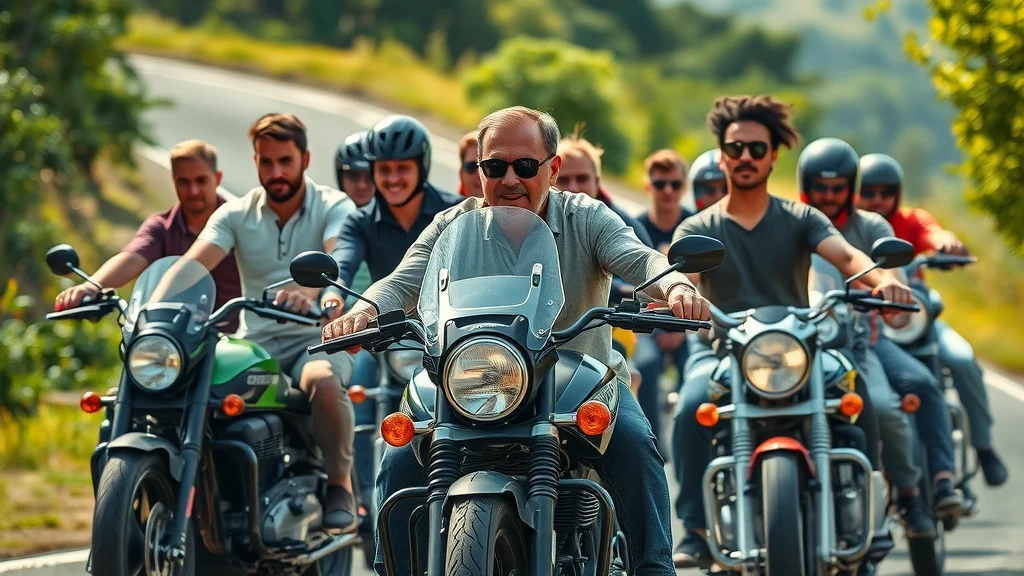
Startling Facts About Motorcycle Group Rides and Safety
While the thrill of hitting the road with friends is undeniable, startle-worthy statistics highlight the importance of proper safety measures. Experienced riders agree that most group motorcycle ride mishaps occur from simple miscommunications or breaking formation. Something as basic as a missed hand signal or failing to maintain a proper staggered formation can result in dangerous close calls. This is precisely why understanding common rules and protocols—like the 4 second rule or using universally recognized hand signals—can minimize incidents. These practices not only keep riders safe, they enhance the overall motorcycling experience for everyone involved.
What You'll Learn About How to Perform Motorcycle Safety During Group Rides
- The fundamental principles of group motorcycle ride safety
- Key hand signals every rider must know
- Planning and organizing a safe and enjoyable group ride
- Essentials for effective group riding etiquette
Essential Tips: How to Perform Motorcycle Safety During Group Rides
- Pre-ride checklist for group motorcycle rides
- Roles and responsibilities in group motorcycle riding
- Staggered versus single file formation
- Keeping communication clear with hand signals
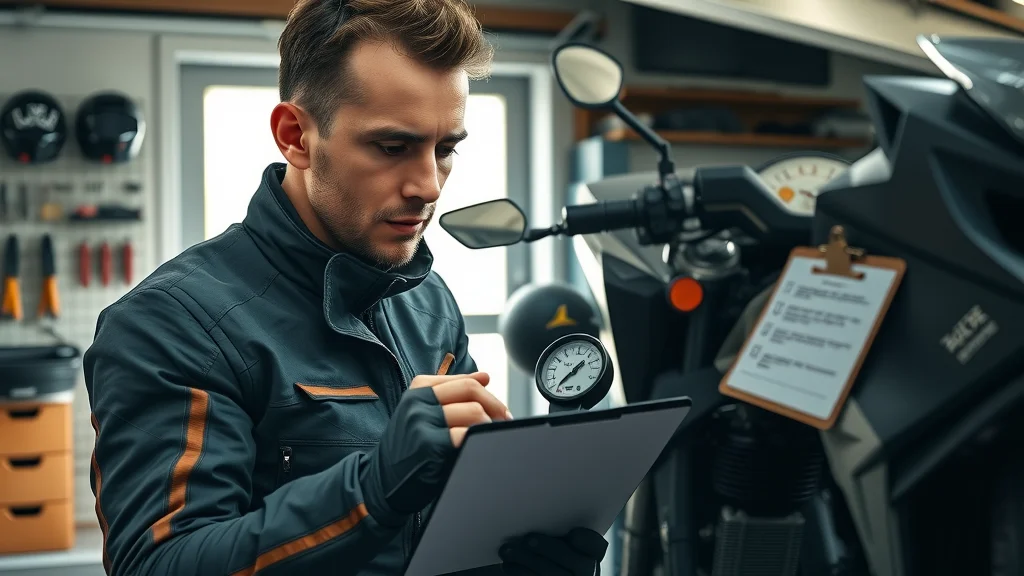
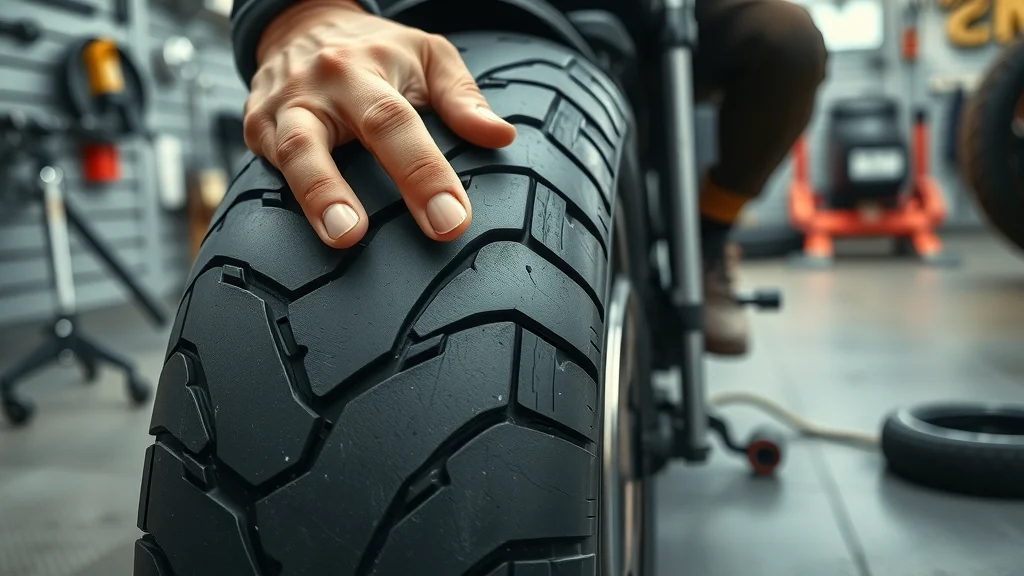
The foundation of every safe group ride begins before anyone starts their engines. A thorough pre-ride checklist includes checking your bike’s tires, lights, oil levels, and fuel, as well as ensuring every rider has the right gear and emergency contacts saved on their cell phone. Assign roles—like lead, sweep, and mid-pack riders—before you hit the open road. Always confirm the chosen formation (staggered for most situations; single file for narrow roads or challenging conditions) and make sure everyone understands the ride’s route and planned fuel stops.
Clear communication is key—literally. Use agreed-upon hand signals to share directions, alerts, or stops while riding. This prevents confusion, keeps every rider informed, and allows the group to adjust smoothly to changes on the road. Whether you’re on a touring model motorcycle or a nimble sport bike, following these foundational steps ensures a safe and enjoyable group motorcycle ride for everyone involved.
In addition to mastering group riding protocols, it's important to remember that your motorcycle’s condition plays a crucial role in overall safety. For practical advice on keeping your bike in peak shape throughout the year, check out these seasonal bike care secrets every rider must know—a resource that complements your group ride preparation and helps prevent mechanical surprises on the road.
Table: Common Hand Signals for Group Motorcycle Riding
| Signal | Meaning | When to Use |
|---|---|---|
| Left arm straight out | Left turn | Turning left at intersection or exit |
| Left arm bent up at elbow | Right turn | Turning right at intersection or exit |
| Left arm bent down at elbow | Stop | Stopping or slowing rapidly |
| Pointing with finger | Hazard in roadway | Road debris, pothole, or animal up ahead |
| Fist in the air | Single file | Tight roads, bridges, or construction zones |
| Left hand waving up and down | Slow down | Traffic congestion or approaching speed change |
Group Ride Planning: Achieving Safe and Enjoyable Motorcycle Rides
Effective Route Selection for Group Motorcycle Rides
Careful planning is the first ingredient for a safe and enjoyable group motorcycle experience. Selecting a scenic route tailored for your group—one that matches everyone’s skill levels and preferred ride duration—prevents fatigue and maximizes fun. Avoid busy highways when possible, opting instead for well-maintained rural roads or scenic byways dotted with stops for rest, food, or photo ops. Consider weather forecasts, road conditions, and possible construction zones so all riders can focus on enjoying the journey, not navigating surprises.
Share route details—including key turns, fuel stops, and emergency contacts—before the ride. Make sure everyone knows the plan, including options for regrouping if someone falls behind or an unexpected situation arises. The more precise your route and contingency plans, the smoother your group motorcycle ride will be, and the easier it is to keep every rider engaged and safe.
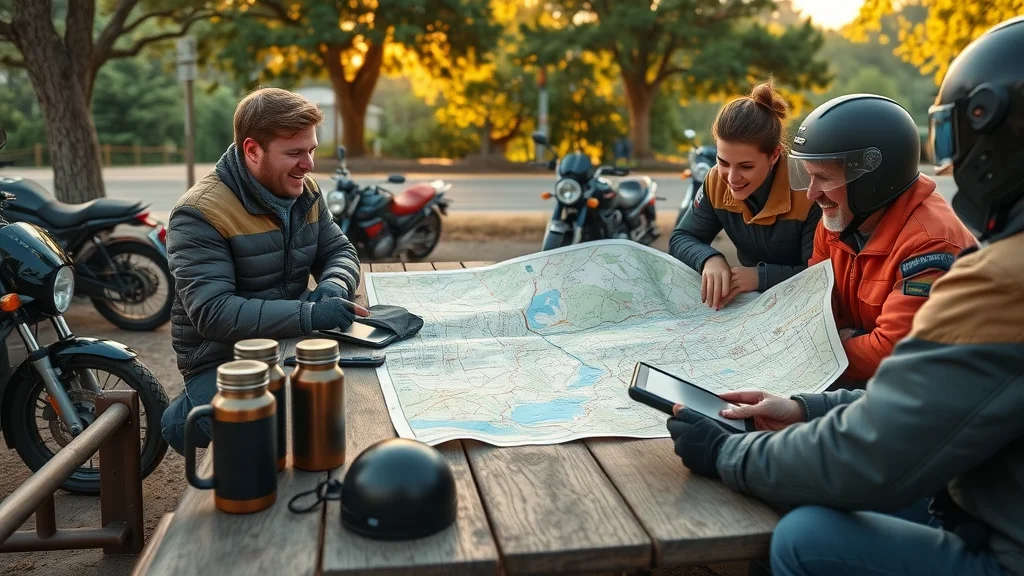
Pre-ride Meetings and Safety Briefings
A pre-ride meeting is a must for any group ride. Gather all riders before departing and review the planned route, scheduled stops, and safety protocols. This is the time to go over the pre-ride checklist, remind everyone to bring essentials like rain gear or a fully charged cell phone, and confirm everyone understands the hand signal protocols. Discuss potential hazards for the day—like traffic construction, loose gravel, or changing weather—so nobody is caught off guard.
Use the briefing to build camaraderie and address any rider questions or concerns. It’s also an opportunity for experienced riders to share wisdom with newer group members, reinforcing roles and expectations for each position in the ride lineup. A strong pre-ride briefing builds trust and helps foster a confident, cooperative atmosphere that carries through the entire journey.
Assigning Positions and Understanding the Sweep and Lead Roles
Assigning defined positions is central to group motorcycle ride safety. Typically, the most experienced rider takes the lead to set the pace, choose safe paths, and initiate hand signals for the rest of the group. The sweep (or tail gunner) takes up the rear to monitor the group, assist with issues, and make sure no one gets left behind. Riders of varying experience levels should be placed in the center of the formation for added support and guidance.
Understanding your position isn’t just about placement; it’s about responsibility. The lead must stay constantly alert for road changes, communicate frequently, and ensure the group maintains a safe and controlled flow. The sweep keeps a watchful eye, relays problems to the lead if needed, and is usually equipped to help in emergencies. With clear lead and sweep roles, every group member knows where to look for cues, minimizing confusion and creating a seamless, safe group ride experience.
Communication in Motorcycle Group Riding: Mastering Hand Signals and Non-Verbal Cues
Hand Signal Protocols for Group Motorcycle Ride Safety
Clear and universal communication is the linchpin of group motorcycle riding. While verbal cues aren’t possible on the move, hand signals are critical for transmitting information quickly and safely across the group. Every rider should know the standard set of hand signals—such as those used for turns, slowing down, pointing out hazards, or changing formation. Designate one set of signals before the ride to prevent confusion and ensure all group members are on the same page.
Practice your hand signals during slow-speed maneuvers or pre-ride meetings. The group’s lead initiates the signal, which is passed down the line to ensure everyone receives the message, even if the group is long or spread out. Frequent review and hands-on practice make this process second nature, keeping all riders aware and ready to adapt as the ride progresses.
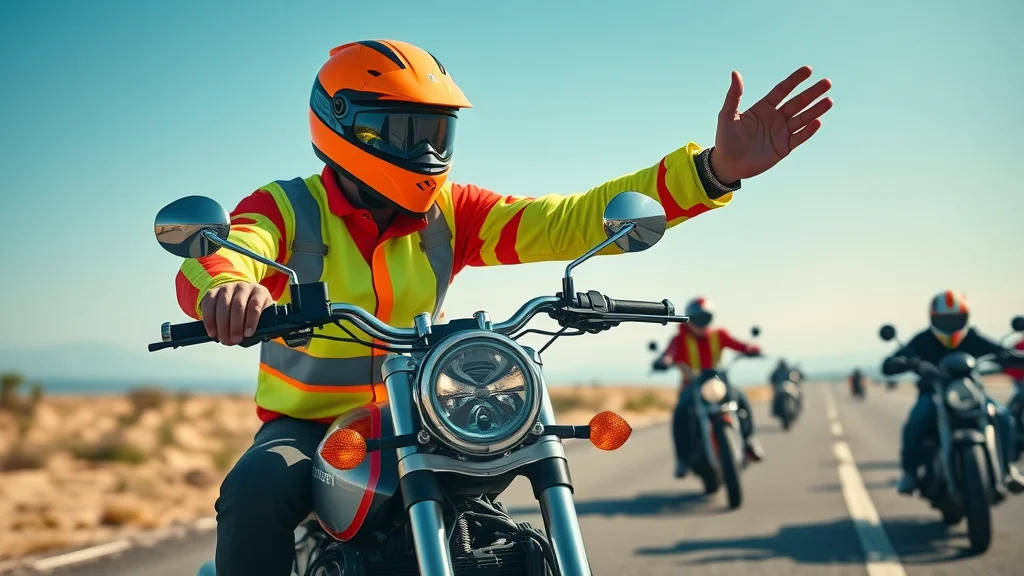
Maintaining Awareness and Visual Contact While Riding in a Group
Besides hand signals, non-verbal communication plays a massive role in group riding. Maintaining constant visual contact with the riders ahead and behind—using mirrors and frequent shoulder checks—prevents gaps, reduces risk of separation, and keeps everyone together. Non-verbal cues, such as subtle head nods or shifting lanes, can alert the group to changes or hazards even before a formal signal is sent.
Riders must stay alert, scanning for brake lights, tire movements, and hand signals from those in front or behind. Avoid distractions such as fiddling with a cell phone or music device, and always keep your eyes forward on the road ahead. The more attentive the group, the quicker the response to unexpected changes—improving overall safety for every motorcycle group ride.
Watch this quick video demonstration of a group motorcycle ride in action: see staggered formation, hand signals, pre-ride guidelines, and how effective lead/sweep roles keep everyone riding safe—and having a blast!
People Also Ask: How to Perform Motorcycle Safety During Group Rides
What is the 1% rule in motorcycles?
Explanation of the 1% rule in motorcycle group riding culture and its relevance to safety and etiquette.
The “1% rule” refers to a cultural notion within the motorcycle community that only 1% of riders engage in outlaw or reckless behavior—meaning the vast majority (99%) ride responsibly. In group motorcycle rides, this principle reinforces the importance of following safety and etiquette guidelines, respecting traffic rules, and looking out for fellow riders. While the term often applies to social identity among motorcyclists, it highlights the expectation that group riding should always prioritize safety, not risky or aggressive behavior.
What does 2 fingers down mean to bikers?
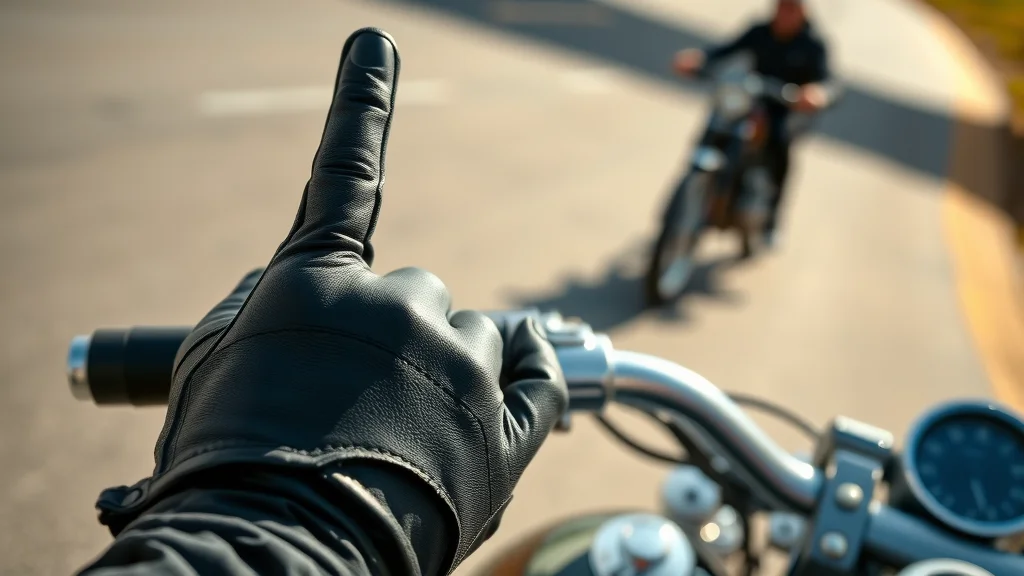
Overview of common biker gestures, specifically 2 fingers down, and how it applies during group motorcycle rides.
The “2 fingers down” gesture—where a rider casually extends their index and middle finger toward the road—signals respect and safe riding to fellow motorcyclists. It’s a non-verbal way of saying “ride safe” and wishing good fortune. During group motorcycle rides, this gesture helps build camaraderie and reminds everyone to keep safety top of mind. It’s one of many unspoken ways riders support each other, especially when passing other groups or fellow bikers out on the open road.
What procedure should motorcyclists follow when riding in groups?
Step-by-step guidance for motorcyclists on group ride procedures to optimize motorcycle safety.
For safe group ride execution, always start with a pre-ride checklist, then organize a safety briefing covering the route, expected stops, and hand signal protocols. Assign experienced riders to the lead and sweep roles, and ensure newer riders have support nearby in the middle. Adopt a staggered formation for most roads, switching to single file when necessary. Use hand signals consistently and communicate any hazards immediately down the line. Schedule regular stops for fuel and rest and regroup if the team gets separated. Foster an environment where everyone feels confident voicing questions or concerns, ensuring the entire group is always ride-ready.
What is the 4 second rule on a motorcycle?
Explanation of the 4 second rule and its application in maintaining safe distances during group motorcycle riding.
The 4 second rule is a universal safe-following guideline for both solo and group motorcycle rides. It suggests leaving at least four seconds of distance between you and the rider (or vehicle) in front of you. Pick a fixed point on the road ahead; when the rider in front passes it, count “one-thousand-one, one-thousand-two, one-thousand-three, one-thousand-four. ” If you pass that spot before you finish, you’re following too closely! This rule gives plenty of time for reaction and stops, ensuring safety for everyone when riding in a group.
Expert Quotes on How to Perform Motorcycle Safety During Group Rides
“Consistent communication and clear roles are the backbone of every safe and enjoyable group motorcycle ride.” — Motorcycle Safety Foundation
Key Takeaways for Motorcycle Safety During Group Rides
- Always follow established group riding protocols
- Use hand signals to communicate clearly
- Respect fellow riders and the lead/sweep structure
- Stay alert and maintain proper formation
FAQs: How to Perform Motorcycle Safety During Group Rides
Can new riders participate in group motorcycle rides safely?
Absolutely. With proper pre-ride briefings, support from experienced riders, and everyone adhering to group riding protocols, new riders can quickly adapt and contribute to a safe and enjoyable motorcycle group ride. Place newer riders in the center of the formation for added visibility and guidance, and encourage an open environment for questions and feedback throughout the ride.
What equipment is essential for group riding safety?
Every rider should wear a DOT-approved helmet, gloves, boots, and protective riding gear. Carry a cell phone for emergencies, basic first aid kit, rain gear, and enough water for longer rides. Make sure your motorcycle is in top working condition by following a comprehensive pre-ride checklist, and bring tools or tire repair kits for unexpected issues on the road.
How often should hand signal training be revisited?
Hand signal protocols should be reviewed before every group ride. Even experienced riders benefit from regular practice, especially when riding with new group members or unfamiliar faces. Incorporating signal review into pre-ride meetings ensures all riders communicate clearly and are prepared to respond quickly in any situation.
Conclusion: Ensuring Safe and Enjoyable Motorcycle Riding in Groups
Final Thoughts on Mastering How to Perform Motorcycle Safety During Group Rides
Mastering how to perform motorcycle safety during group rides transforms every outing into a safe and rewarding adventure. Armed with the right knowledge, clear communication, and respect for your fellow riders, you’ll enjoy every mile with confidence, camaraderie, and peace of mind.
If you’re ready to take your group riding experience to the next level, consider how ongoing bike maintenance and seasonal care can further enhance your safety and enjoyment. Exploring expert strategies for year-round motorcycle upkeep not only extends the life of your ride but also ensures you’re always prepared for whatever the road brings. For deeper insights and advanced tips, discover the essential seasonal bike care secrets every rider must know—your next step toward mastering both group riding and motorcycle longevity.


Write A Comment