Nasty Performance ~ 847-458-4858 

  • Blog Home
  • Categories
    • Motorcycle Maintenance
    • Riding Tips & Preps
    • Safety & Inspection
    • Customizations & Upgrades
    • DIY Motorcycle Repairs
    • Motocycle Audio Systems
    • Motocycle Seasonal Care & Storage
    • Engine, Electrical Performance
  • Bike Night
  • Nasty Performance Motorcycle Shop
August 12.2026
1 Minute Read

Common Issues with Handlebar Speakers and How to Avoid Them

Hook: Have you ever cranked up your favorite music during a ride, only to be met with crackles, distortion, or total silence? If you rely on your motorcycle audio system to enhance your riding experience, discovering common issues with motorcycle handlebar speakers can save you frustration—and costly repairs. In this comprehensive guide, we’ll reveal the problems that plague riders most, so you can play music with clear sound mile after mile.

Are Your Motorcycle Handlebar Speakers Performing at Their Best? Uncover the Common Issues

Every rider deserves an immersive sound system on the open road. But if your motorcycle speakers aren’t delivering great sound, you could be facing hidden or overlooked problems. Common issues with motorcycle handlebar speakers impact everything from sound quality to durability and may affect your ability to enjoy journeys—whether you’re riding solo or with friends. Problems like distorted audio, engine noise, or even a complete audio system failure are more widespread than you might think. Early detection and quick action can prevent your system from letting you down at the worst time. Ride on with confidence as we break down the core causes and offer practical, road-proven solutions for optimizing your motorcycle audio system.

What You'll Learn About Common Issues with Motorcycle Handlebar Speakers

  • Typical problems with motorcycle handlebar speakers
  • How common issues affect your motorcycle audio system
  • Best practices to enhance sound quality and speaker durability
  • Steps to identify and avoid common speaker failures
  • How to maintain your motorcycle audio systems for optimal performance
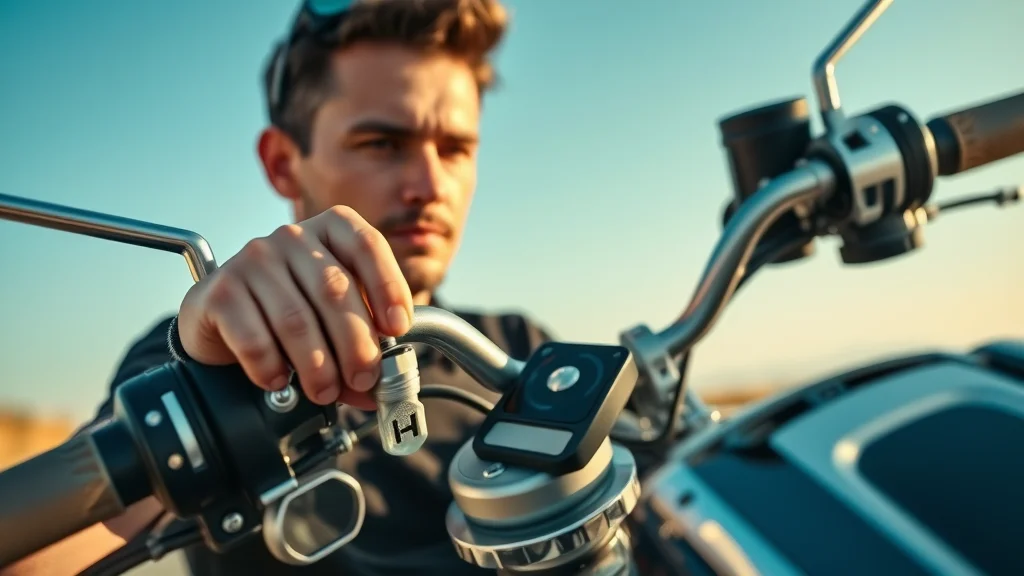
Modern motorcycle handlebar speakers with rider adjusting speaker panel, open road background, vivid colors, photo-realistic with chrome reflections, clear blue sky. Main Keyword: common issues with motorcycle handlebar speakers

Understanding the Basics: Motorcycle Handlebar Speakers and Audio Systems

What Makes a Good Motorcycle Speaker?

Choosing the right motorcycle speaker comes down to several important factors that affect your overall riding experience. A quality motorcycle speaker should offer clear sound even at high speeds, withstand various weather conditions, and install securely to avoid dislodging on bumpy roads. Speaker size matters; larger options often provide deeper bass, but must fit well on your handlebars. Modern motorcycle speakers often feature built-in Bluetooth receivers, letting you connect your favorite devices seamlessly. Additionally, watts RMS ratings reflect the true power handling—not just peak performance—making them a key specification when judging speaker options. Ultimately, investing in a speaker designed for motorcycles ensures great sound and longevity, no matter how tough the conditions.

How Motorcycle Audio Systems Differ from Car Audio Systems

Motorcycle audio systems face vastly different challenges compared to their car counterparts. While car audio sits safely behind sealed doors and windows, motorcycles expose speakers directly to the elements: wind, rain, dust, sun, and constant vibration. To combat these stressors, motorcycle audio components use materials resistant to corrosion and feature more rugged mounting solutions. Sound output needs to overcome both engine noise and ambient road sounds, so speakers must deliver high volume and clarity without distortion. Unlike a traditional sound system, your bike’s source unit and wiring harness are compact and strategically placed to withstand movement. These unique demands are why choosing the right motorcycle speaker or audio upgrade is essential.

The Role of Weather Resistance in Motorcycle Audio

Perhaps the most critical requirement for any motorcycle speaker is weather resistance. Since riders can be caught in rain, fog, or snow, speakers—and their mounts—must resist moisture, dust, and extreme temperatures. Modern speakers designed for bikes use waterproof membranes, corrosion-resistant connectors, and special coatings to shield against water ingress. Even the best motorcycle audio system can fail if water seeps in, causing short circuits or speaker cone damage. Ensuring proper weatherproofing isn’t just about longevity—it’s about safety and ongoing performance, letting you focus on the ride while your favorite music or GPS instructions come through loud and clear.

When troubleshooting issues like distorted sound or intermittent audio, it’s helpful to understand the specific wiring and installation challenges unique to motorcycles. For a deeper dive into diagnosing and resolving seasonal maintenance concerns that can impact your bike’s electrical systems, check out our expert guide for practical tips that go beyond just the speakers.

Common Issues with Motorcycle Handlebar Speakers Explained

  • Distorted sound quality
  • Loose mounting and vibrations
  • Electrical interference in the audio system
  • Poor weather resistance and water damage
  • Wiring or connectivity problems
  • Speaker failure due to overloading

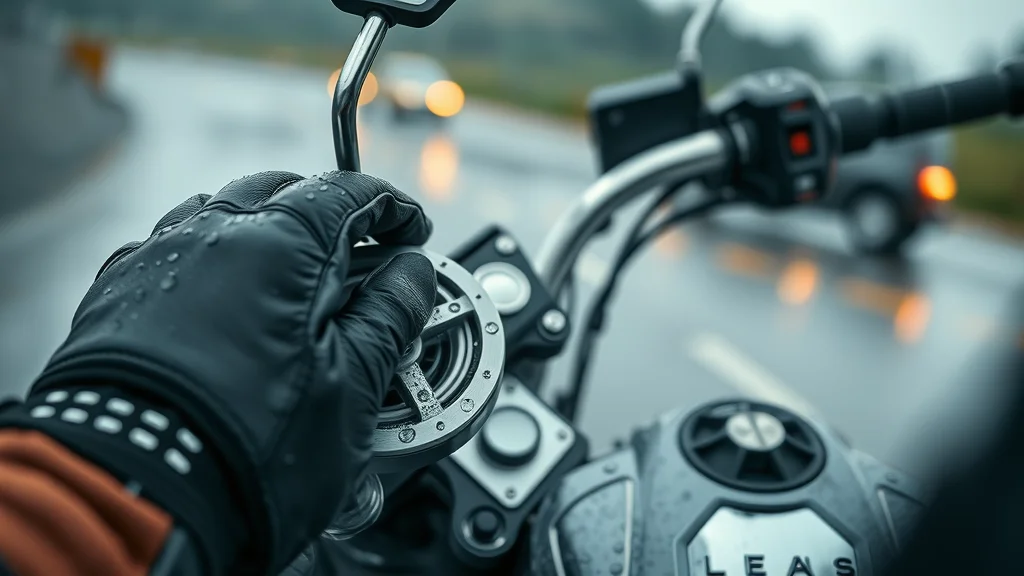
Close-up of motorcycle handlebar speaker with water droplets, gloved rider inspecting waterproof seal, rainy environment, realistic water textures, high depth of field. Main Keyword: weather resistance in motorcycle audio
Table: Issues with Motorcycle Audio Systems and Their Impact
Issue Impact on System Potential Solution
Distorted Sound Quality Reduces listening enjoyment; may mask traffic or GPS cues Check wiring harness and speaker upgrade options, ensure speakers are matched to source unit output
Loose Mounting/Vibrations Can cause rattling, loss of clarity, speaker damage over time Tighten mounts, use anti-vibration pads, professional installation recommended
Electrical Interference Presence of engine noise or static in audio system Use shielded cables, check grounding and connection points, consider wiring harness upgrades
Poor Weather Resistance Leads to water damage, internal shorting or corrosion Use weather-resistant or waterproof motorcycle speakers, seal all connections
Wiring/Connectivity Problems Intermittent sound or total loss, possible electrical hazards Inspect wiring, replace damaged sections, shield vulnerable connections
Speaker Overload/Failure Blown speakers, loss of sound, need for total replacement Match speaker wattage with audio system, avoid maxing volume, choose quality motorcycle speakers

Why Do These Issues Happen in Motorcycle Audio Systems?

Environmental Exposure: Weather and Road Vibrations

Your motorcycle audio system is only as dependable as its resistance to the outside world. Prolonged exposure to rain, mud, UV rays, and constant road vibrations creates a tough environment for speaker components. Even great sound can be ruined by moisture seeping through gaskets or faulty speaker covers, leading to static, diminished clarity, or total speaker failure. Road bumps can loosen handlebar speakers, amplifying vibrations that speed up wear and tear. Investing in speakers designed to resist environmental extremes, along with proper mounting and regular inspection, is essential for keeping your motorcycle audio in top shape, especially if you enjoy rugged highways or frequent long-distance rides.
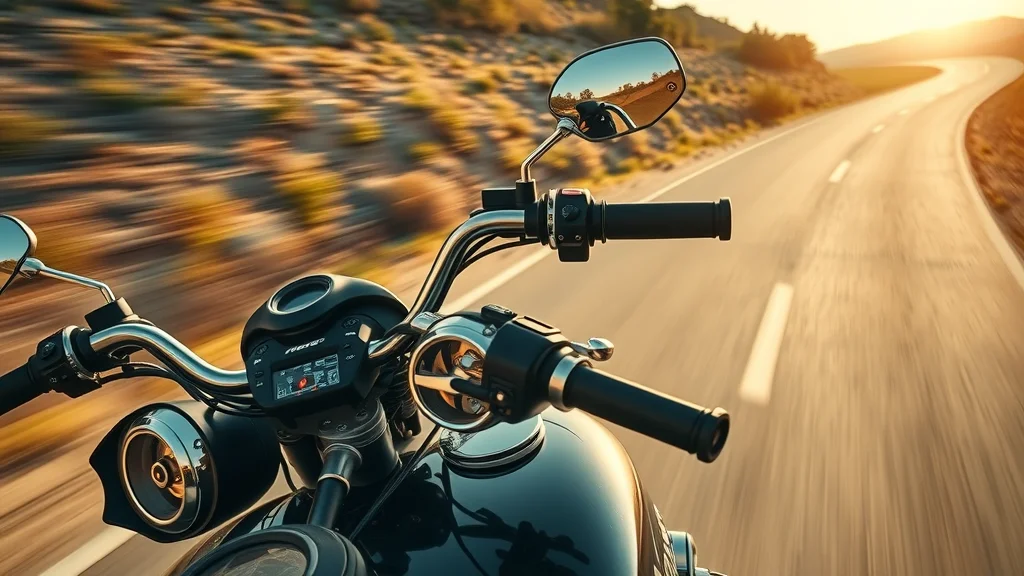
Dynamic photo of motorcycle handlebar speakers visibly shaking from road vibrations, rider focused on rugged highway; vibrant natural light, dust, and motion blur. Main Keyword: motorcycle audio systems and road exposure

Installation Errors in Motorcycle Speakers

Even the highest quality motorcycle speakers can underperform if not installed correctly. Errors such as improper wiring, weak mounting, and unprotected cable routing are common culprits behind distorted sound or speaker drop-outs. Beginners often underestimate how sensitive a motorcycle audio system is to installation flaws. For example, undiscovered pinched wires or insecure mounting brackets can lead to intermittent audio, persistent hums, or worse, permanent equipment failure. Working with a seasoned technician or following detailed installation guides for your specific audio system is the surest way to optimize sound quality and reliability, keeping your riding experience as smooth as your favorite playlist.

Limitations of Low-Quality Audio Systems

Bargain audio products may be appealing at first glance, but low-quality speakers often lack the features needed for real-world motorcycle use. These systems are more vulnerable to distorted sound quality, rapid material degradation, and blown speakers at high volume. Inferior build quality, non-resistant coatings, and generic mounts mean these motorcycle audio systems can’t withstand engine noise, weather extremes, or road shocks for long. By prioritizing quality motorcycle speakers—ones with robust weatherproofing, matched wattage ratings, and dedicated motorcycle design—you’ll achieve better performance and a longer-lived system, ensuring you can play music with deep bass and clear sound wherever you go.

How to Avoid Common Issues with Motorcycle Handlebar Speakers

  • Invest in high-quality, weather resistant motorcycle speakers
  • Ensure correct installation and solid mounting
  • Choose an appropriate audio system for your bike’s needs
  • Regularly inspect and maintain your audio systems
  • Shield wiring from moisture and physical damage
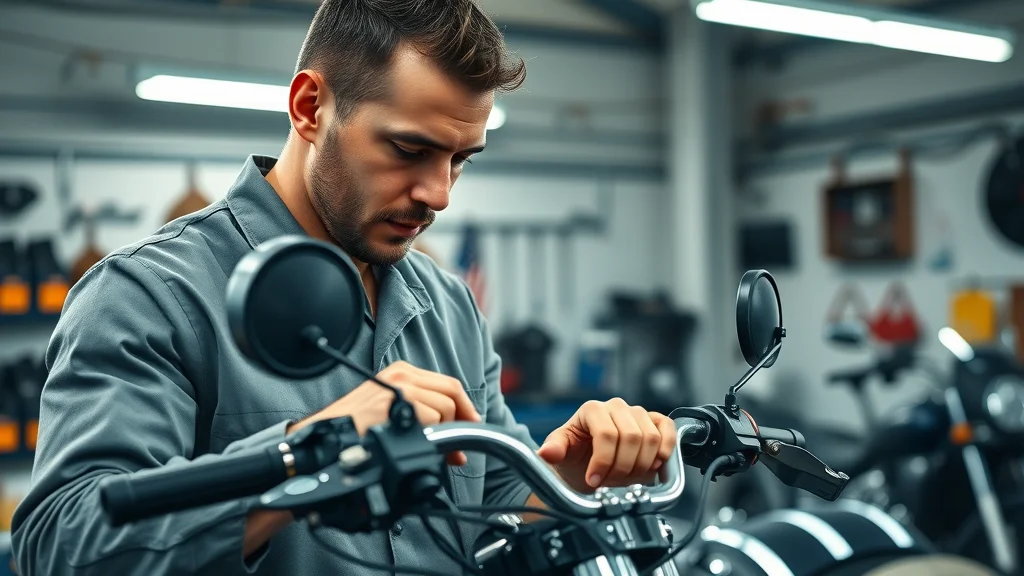
Professional mechanic maintaining motorcycle handlebar speakers, focused on wiring in clean, organized garage, high-definition clarity and cool, modern tones. Main Keyword: motorcycle handlebar speaker maintenance

Expert Insights: Quotes on Motorcycle Audio System Maintenance

“The longevity of any motorcycle audio system depends on both the product's quality and the owner’s commitment to maintenance.” – Industry Audio Expert
“Weather resistance and secure installation are the keys to reliable motorcycle handlebar speakers.” – Custom Bike Builder

People Also Ask: Common Issues with Motorcycle Handlebar Speakers

What are the common speaker failures?

Speaker failures often include distorted sound, loss of clarity, intermittent audio, and total sound loss. Environmental factors, overdriving, and faulty wiring are among the most common culprits for motorcycle handlebar speakers.
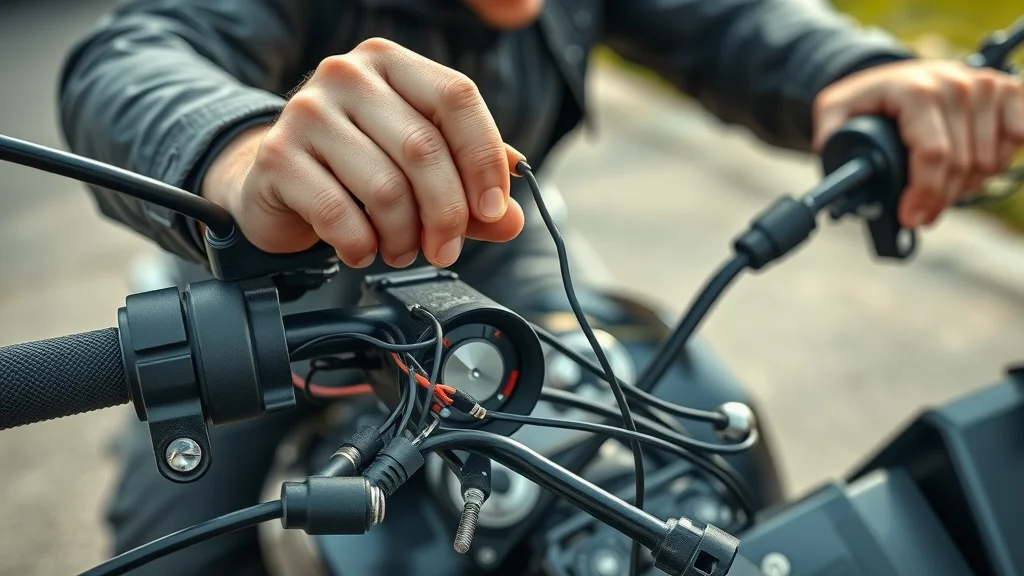
Hands-on view of a rider inspecting defective speaker wires on a stationary motorcycle, focused and mildly frustrated, clean daylight setting. Main Keyword: wiring problems with motorcycle handlebar speakers

What two reasons usually cause speaker failure?

The top two reasons are exposure to moisture (leading to internal corrosion or damage) and electrical overloading, which can burn out the speaker’s components.

How to check if speakers are bad?

Signs of bad speakers include crackling noises, severely diminished sound quality, visible physical damage, or no sound output at all. Testing with a multimeter can confirm internal electrical failure.

What are the red flags when buying a used Harley?

Look for inconsistent audio output, visible corrosion on speaker surfaces, loose wiring, and aftermarket modifications that are poorly installed. These are often red flags for future problems with motorcycle audio systems.

Pro Tips for Maintaining Motorcycle Audio System Performance

  1. Inspect your motorcycle speakers regularly for visible wear or corrosion.
  2. Test sound quality after long rides, especially after rain or extreme weather.
  3. Tighten all mounting hardware in the handlebar area.
  4. Use dielectric grease on audio system connections to reduce moisture issues.
  5. Work with certified technicians for upgrades or repairs.
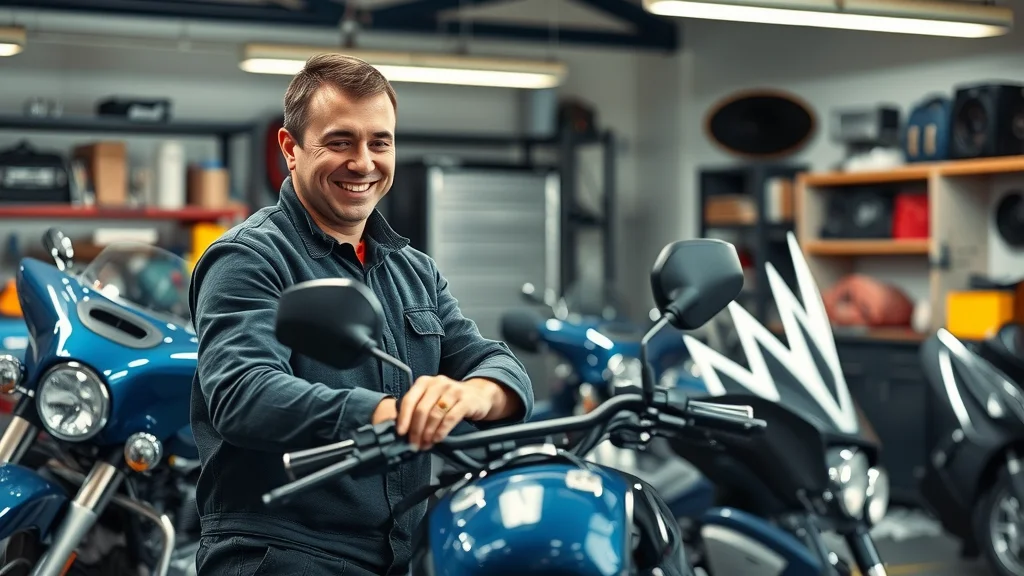
Technician cheerfully installing high-quality weather-resistant motorcycle speakers in an organized garage, focus on audio upgrade process, intricate detail, soft lighting. Main Keyword: speaker upgrade for motorcycle audio system

Frequently Asked Questions: Motorcycle Handlebar Speaker Issues

  • Can I install motorcycle speakers myself? Yes, many riders install their own speakers, but ensure you follow the manufacturer’s instructions and use quality hardware to avoid common installation errors. If in doubt, consult a professional for best results.
  • How often should I check my motorcycle audio system? Regular checks are recommended after every long ride or severe weather exposure, and comprehensive inspections every few months.
  • Are waterproof motorcycle speakers necessary? Absolutely. Waterproof or weather-resistant speakers prolong the lifespan of your motorcycle audio system and prevent many common issues with motorcycle handlebar speakers.
  • What should I do if my sound quality drops suddenly? Inspect wiring, check for loose mounts or water intrusions, and test the source unit and connections. Quick attention can prevent further damage.
  • Which brands of motorcycle speakers are considered most reliable? Look for brands specializing in motorcycle audio, with a track record for durability and clear sound. Research official websites and customer reviews for current recommendations.

Key Takeaways on Common Issues with Motorcycle Handlebar Speakers

  • Understanding common issues can prevent costly repairs.
  • Selecting the right motorcycle audio system improves performance and longevity.
  • Routine checks and prompt attention to sound quality changes are vital.
  • Expert advice and high-quality products go a long way in maintaining your motorcycle audio experience.

Short educational video demonstration: A step-by-step walkthrough on inspecting and maintaining motorcycle handlebar speakers for rain protection and sound clarity, features a professional technician in a real garage, beginner-friendly with clear visuals of all steps and tools used.

Ready to Upgrade or Troubleshoot Your Motorcycle Audio? Call Nasty Performance Motorcycle Shop Today: 847-458-4858

Conclusion: Don’t let poor audio hold back your riding enjoyment—address these common issues with motorcycle handlebar speakers using the guidance above, and ride on with confidence and clear sound!

For riders who want to go beyond just fixing audio issues and truly elevate their motorcycle’s performance, it’s worth considering how seasonal changes can impact every aspect of your bike. From protecting your audio system against harsh weather to ensuring your entire ride is ready for the next adventure, our comprehensive resource on seasonal bike care secrets every rider must know offers valuable strategies for year-round reliability. Discover expert tips on maintenance routines, storage solutions, and upgrades that keep your motorcycle—and its audio—performing at their best. Take the next step in your riding journey by exploring how proactive care can make every mile smoother and more enjoyable.
Motocycle Audio Systems

0 Comments

Write A Comment

*
*
Please complete the captcha to submit your comment.
Related Posts All Posts

Tips for Choosing the Best Waterproof Motorcycle Speaker options for Any Ride

Did you know that nearly 60% of riders experience speaker failure due to sudden weather changes? A robust sound system is no longer a luxury for motorcycle enthusiasts—it's a necessity for anyone who cherishes music on the open road, regardless of rain, dust, or wind. Whether you're a daily commuter or an adventure rider, choosing waterproof motorcycle speakers can transform your entire riding experience. This comprehensive guide unpacks everything from the surprising durability of today’s motorcycle audio systems to expert advice on what truly matters for optimal sound quality and speaker longevity. Startling Facts About Motorcycle Speaker Options and Audio Systems When it comes to tips for waterproof motorcycle speaker options, many riders are shocked to learn how profoundly weather and environmental exposure can impact audio system performance. Unlike car speakers, motorcycle speakers face punishing elements at every turn—direct rain, blinding sunlight, and even mud or salt. These challenges make choosing motorcycle speakers with the right protection more urgent than ever. A failure to opt for quality waterproofing often results in audio system breakdowns that could easily be avoided with the right information and forethought. Not only must a motorcycle audio system be durable enough to outlast summer storms and road dust, but it also has to deliver clear sound that can cut through wind noise and engine rumble at high volume. Modern motorcycle audio systems leverage advanced materials and new engineering techniques to achieve sound system reliability once thought impossible outside a car. Properly matched waterproof motorcycle speakers deliver not only great sound but also critical longevity, ensuring your investment withstands the harshest riding conditions for years to come. Did You Know? Surprising Insights Into Motorcycle Audio System Durability It might surprise you that not all "waterproof" motorcycle speakers are genuinely suited for the open road. Many are simply water-resistant, not truly waterproof, meaning they may offer little protection when sudden storms hit. Riders who regularly face heavy rain, puddles, or dusty trails must look for audio systems rated for IPX6 or higher—these are designed specifically to endure extended, direct exposure to water without losing audio quality or failing completely. Furthermore, a robust audio system should maintain strong power output and provide deep bass even after thousands of miles in tough environments. What You'll Learn About Tips for Waterproof Motorcycle Speaker Options Understanding the importance of waterproof motorcycle speakers for all weather How to compare motorcycle audio system features and audio quality Key factors for speaker placement and range drivers Essential Tips for Waterproof Motorcycle Speaker Options How to Choose the Right Motorcycle Audio for Waterproof Needs Recognizing true waterproof ratings for motorcycle speakers Selecting motorcycle audio system designs that suit your riding style The impact of water and dust resistance on audio quality Choosing the right waterproof motorcycle speaker is all about knowing the details—especially when it comes to ratings and ruggedness. Many audio systems claim water resistance, but there's a substantial difference between “weatherproof” and “waterproof. ” For full protection, always seek motorcycle speakers with a certified IPX6 or IPX7 rating. These standards ensure lasting performance, even after repeated exposure to rain or dust. Your specific riding style also plays a critical role; highway tourers may need different mounting options or more powerful audio system configurations than city commuters. Don’t overlook the influence of water and dust resistance on audio quality. Effective seals and robust cabinet designs not only keep out water but also preserve great sound and deep bass, no matter the conditions. When comparing brands, look for evidence of long-term durability and clear sound reviews. Before purchasing, consider whether the model fits your bike’s design, wiring, and mounting hardware—ensuring an easy install and excellent results no matter where you ride. For riders who want to ensure their entire bike is ready for any season, integrating waterproof speakers with a comprehensive maintenance routine can make a significant difference. Discover additional strategies for protecting your motorcycle year-round in this guide to seasonal bike care secrets every rider must know. Factors to Consider in Motorcycle Audio System Selection Deciphering the difference between waterproof and water-resistant motorcycle speakers Long-term durability and material choices for motorcycle audio systems Weather testing standards and their relevance to speaker placement Before investing in any motorcycle audio system, it’s crucial to understand what you're really getting. “Waterproof” means much more than surviving a light drizzle—it means enduring direct blasts of water and possibly even total submersion. Always check for legitimate waterproof certifications on packaging and in product manuals. Long-term durability revolves around high-quality materials such as marine-grade plastics, coated aluminum, and rubberized seals. These not only prevent water ingress but also resist UV damage and corrosive road salts. The standard and placement of the speaker matter substantially. An optimal range driver configuration, paired with superior weather sealing, creates a robust system that thrives under the stress of real-world riding. Innovative brands put their speakers through rigorous weather testing protocols, simulating everything from relentless rain to scorching sun, to guarantee exceptional longevity. Carefully consider speaker location; the further exposed a speaker is, the higher its waterproof rating should be—and the more critical your mounting hardware and placement strategy become. Motorcycle Speaker Placement for Best Audio Quality Optimal locations on the bike for motorcycle speakers Balancing sound system output while maintaining safety Selecting range drivers based on your motorcycle and audio system Speaker placement can mean the difference between muddy, muffled tunes and crystal-clear sound on the open road. The best spot for motorcycle speakers is usually as high and forward-facing as possible—commonly on the handlebars or in the fairing—where they aren’t blocked by your legs or bags and can project sound directly toward you. Fairing mounts, for example, offer additional protection from water and wind, enhancing both durability and quality sound output. Balancing sound system output is essential for safe riding. Avoid setups that direct all sound outward, potentially distracting fellow motorists or covering critical engine noises. The right range driver in the right position can help you achieve a great sound that cuts through wind noise and remains enjoyable—not overwhelming—at high volume. Always ensure mounting options don't interfere with the electrical system or controls, and test different positions before finalizing your installation for optimum audio system performance. Comparison Table: Leading Waterproof Motorcycle Speaker Options Brand Waterproof Rating Sound System Type Maximum Output Range Driver Speaker Placement Guidance Kicker IPX6 Coaxial, 2-Way High volume output, clear sound Full-range, optimized for motorcycles Handlebar or fairing, direct to rider Rockford Fosgate IPX7 Component, 2-Way Robust power output, deep bass Dedicated mid-bass and tweeter Front fairing for best sound system balance JBL IPX5 Coaxial, Compact Design Immersive sound, good for compact bikes Wide-range driver Handlebar, mirrors, or crash bars Boss Audio Systems IPX6 Bluetooth Soundbar Strong output via large drivers Long-range projection Universal mounting, above or below handlebars Top Features to Seek in Waterproof Motorcycle Speakers Audio Quality in Severe Weather: What Matters Most Speaker enclosure materials that repel water Audio systems designed for high wind and rain Best practices for maintaining optimum motorcycle audio Quality sound in tough environments begins with robust speaker enclosure materials. Look for motorcycle speakers made of water-repellent plastics, sealed cone surrounds, and corrosion-resistant grilles. Such enclosures shield sensitive drivers from rain, road spray, and dust, ensuring audio quality that stands the test of time — and weather. Effective waterproofing also minimizes the negative impact of wind noise and allows deep bass reproduction without distortion, contributing to an immersive soundscape whether you’re riding under sunny skies or getting caught in a downpour. Maintaining your motorcycle audio system goes beyond installation. Regularly inspect seals, check for cracks, and keep mounting hardware clean. This care prevents water ingress and prolongs both the audio system and speaker lifespan. Brands that design their audio systems with high-wind and rain in mind ensure riders can enjoy music with clear sound at any speed, even with engine noise or weather distractions present. Analyzing Motorcycle Speakers: Audio System Upgrades to Consider Bluetooth functionality in motorcycle audio systems Integrating with existing motorcycle audio system or car speakers Selectable audio system configurations based on rider preferences For riders seeking the most adaptable setup, consider motorcycle speakers with Bluetooth functionality. This feature allows seamless music streaming from smartphones or other devices, eliminating tangled wires and enhancing bike safety. Many modern audio systems can also integrate with existing car speakers or in-dash infotainment units, broadening your range of mounting and sound options to best fit your unique preferences and riding habits. Audio system upgrades don't stop at connectivity. Look for selectable configurations that allow you to tailor audio profiles—adjusting bass, treble, or even switching between full-range and coaxial operation based on your route or mood. Some top brands offer modular speaker systems, making it easy to expand from a basic setup to a surround-sound experience or add dedicated range drivers down the road for even better sound quality. Expert Quotes: Insights on Waterproof Motorcycle Speaker Options "A truly waterproof motorcycle speaker isn't just about withstanding rain; it’s engineered for the relentless environment of the open road. " – Audio Systems Specialist Popular Brands and Their Best Motorcycle Audio Systems Motorcycle Audio Systems from Leading Manufacturers Overview of leading motorcycle audio brands Exclusive features for waterproof motorcycle speaker options Customer feedback and reliability trends Leading brands in the motorcycle audio market consistently push the boundaries of durability, sound quality, and mounting versatility. Companies such as Kicker, Rockford Fosgate, JBL, and Boss Audio Systems have established themselves through innovation and customer trust. Their most popular waterproof speaker lines boast IPX6-7 ratings, advanced Bluetooth integration, and specially tailored range drivers for great sound even at highway speeds. Riders reward these brands with positive feedback, noting reliable performance, simple installation, and upgrades that seamlessly fit most motorcycle models. What riders appreciate most are exclusive features like anti-corrosion mounting hardware, compact design for easy fairing installation, and speaker system combos that provide both full-range and deep bass output. Reliability trends confirm that investing in a top-rated waterproof motorcycle audio system pays off, delivering not only a better riding experience but also peace of mind in unpredictable weather. Testing Your Motorcycle Speakers: Ensuring Real Waterproof Performance How to perform a real-world waterproof test Caring for your motorcycle speakers after exposure to rain Identifying signs of audio system water damage Want proof that your new motorcycle speakers are truly waterproof? A real-world test is simple: Spray your speakers with a mist of water while they’re operating and check for any drops in power output, distortion in sound quality, or water ingress signs. The best waterproof motorcycle speaker options will deliver unaffected quality sound and resume normal operation even when visibly wet. If you notice muffled audio, crackling, or irregular performance, water may have breached crucial seals. After any exposure to rain or water, wipe speakers and mounting pieces to remove excess moisture. This habit prevents corrosion, preserves deep bass clarity, and ensures your audio system performs at its peak for as long as possible. Regularly check the enclosure and mounting for damage, and replace weather-damaged components promptly to avoid more severe system failures down the line. People Also Ask: Tips for Waterproof Motorcycle Speaker Options Do motorcycle speakers need to be waterproof? Understanding the necessity of waterproofing in motorcycle audio and speaker systems for protection and longevity. Absolutely. Because motorcycle audio systems are regularly exposed to rain, moisture, dust, and even salt during coastal rides, waterproof motorcycle speakers are essential. Unlike car speakers, bike speakers face direct elements with little protection from the bodywork. Waterproofing ensures continuous operation, great sound quality, and helps extend speaker life by preventing internal damage and keeping your whole system working reliably for years. What is the best way to listen to music while riding a motorcycle? Weighing the pros and cons of motorcycle speakers, helmet audio systems, and Bluetooth audio configurations. The optimal method depends on rider preference and safety needs. Many choose waterproof motorcycle speakers for their excellent sound quality and the convenience of being bike-integrated. Helmet audio systems provide privacy and may block wind noise but often lack the immersive sound and deep bass available from high-quality motorcycle audio systems. Bluetooth configurations offer wireless control and versatility, letting you stream music or receive calls hands-free, which enhances both entertainment and situational awareness on the road. What db is too loud for a motorcycle? Safe sound system limits for motorcycle audio systems and guidelines for protecting rider hearing. While everyone loves high volume for cutting through engine and wind noise, safety comes first. Many experts recommend keeping motorcycle audio systems under 90 to 100 decibels (dB) to protect your hearing and stay aware of traffic. Sound systems that exceed this can cause long-term hearing damage and distract from critical road sounds. Always test audio levels at riding speeds, and prioritize your health as well as your listening experience. Are waterproof speakers really waterproof? Distinguishing between true waterproof motorcycle speaker ratings and marketing claims; what to look for in product specs. Not all “waterproof” claims are equal. Always check the product specs for verified IP ratings (such as IPX6 or IPX7), which confirm rigorous testing rather than just marketing language. True waterproof motorcycle speakers withstand direct water jets or immersion, while “water-resistant” models may only repel light splashes. Choosing certified models ensures the best protection for your audio investment and confidence in all weather conditions. Frequently Asked Questions About Waterproof Motorcycle Speaker Options Can waterproof motorcycle speakers withstand saltwater and mud? Yes. Certified waterproof motorcycle speakers are built to resist not just fresh water but also corrosive environments, including saltwater and mud, making them a reliable choice for all terrains. Does waterproofing affect audio quality in motorcycle audio systems? High-quality waterproofing does not degrade sound quality—in fact, the best waterproof motorcycle speakers maintain crystal clear sound and deep bass despite rugged design features. How can you extend the life of waterproof motorcycle speakers? Regularly clean and dry the speakers after wet rides, check for signs of seal deterioration, and store your bike under cover when not in use to maximize speaker lifespan. Key Takeaways: The Best Tips for Waterproof Motorcycle Speaker Options Prioritize certified waterproof motorcycle speakers for all-weather protection Assess your motorcycle audio system needs based on your specific riding conditions Test speaker placement and range driver compatibility for optimal sound quality Watch our expert guide video for detailed demonstrations on selecting and testing waterproof motorcycle speakers, side-by-side audio comparisons, and real-world placement advice. The video features experienced riders and audio specialists, offering in-depth tips and step-by-step visuals on how to install, test, and maintain your motorcycle audio system for peak performance in any weather. Our in-depth review video examines the most popular waterproof motorcycle speaker models in real outdoor conditions. You’ll see water resistance put to the test, learn which brands truly stand up to tough rides, and hear direct sound system comparisons to help you choose the best option for your bike. Summary: Achieve the Best Motorcycle Audio Experience with the Right Speaker Options Choosing waterproof motorcycle speakers backed by credible ratings and sound engineering is the best way to ensure year-round enjoyment, unmatched audio quality, and ultimate riding satisfaction — rain or shine. If you’re ready to take your motorcycle audio—and your entire riding experience—to the next level, remember that great sound is just one part of a well-prepared bike. By combining advanced waterproof speakers with smart seasonal maintenance, you’ll enjoy reliable performance and peace of mind no matter what the weather brings. For a deeper dive into keeping your motorcycle in peak condition throughout the year, explore the essential advice in Seasonal Bike Care Secrets Every Rider Must Know. This resource is packed with expert tips that complement your audio upgrades, ensuring every ride is smooth, safe, and unforgettable. Enhance Your Ride: Call Nasty Performance Motorcycle Shop Today: 847-458-4858

Benefits of Motorcycle Audio Systems for Highway Riding That You Can’t Ignore

Did you know that riders equipped with modern motorcycle audio systems on highway journeys report up to a 40% increase in alertness and reduced fatigue on long trips? Whether you're a seasoned motorcycle enthusiast or just starting to embrace the thrill of the open road, the benefits of motorcycle audio systems for highway riding go far beyond simply listening to your favorite song. In this guide, you'll discover how the latest audio and communication systems are changing the way riders experience safety, comfort, and connection on every mile. Read on to find out why this tech isn't just a luxury—it's a game-changer for highway adventures. Discover What You'll Learn About Motorcycle Audio Systems for Highway Riding The top benefits of motorcycle audio systems for highway riding How motorcycle audio and communication systems enhance safety and comfort Ways a motorcycle audio system can transform your riding experience Key features of advanced motorcycle audio and communication systems Common myths about motorcycle audio systems debunked A Surprising Fact: How Motorcycle Audio Systems Revolutionize Long-Distance Riding "Most riders underestimate the impact a reliable audio system has on safety, focus, and enjoyment during long highway rides." – Industry Expert 1. Enhanced Riding Experience: The Core Benefit of Motorcycle Audio Systems for Highway Riding Immersive sound quality improves mood and alertness Seamless audio integration for uninterrupted motorcycle rides Elevates the experience of long journeys by reducing monotony One of the most compelling benefits of motorcycle audio systems for highway riding is the way these audio systems completely elevate your riding experience. Picture yourself cruising down the open road, wind in your helmet, while your favorite playlist delivers crisp, immersive sound quality that breaks through the wind and road noise. A high-quality audio system during a motorcycle ride can improve your mood, make long stretches of highway less tedious, and help you stay mentally engaged during even the longest journeys. Advanced motorcycle audio ensures you hear your music clearly, transforming the ride into an experience that’s vibrant and dynamic, not monotonous and exhausting. What’s more, modern motorcycle audio systems feature seamless integration, meaning you don’t have to worry about fumbling with technology or losing focus. Top-tier systems provide an uninterrupted audio experience, letting you easily control music, podcasts, or even audiobooks while maintaining your eyes on the road. This form of audio system transforms each trip into a richer, more enjoyable journey, making even solo rides on the highway feel energizing and memorable. The combination of powerful sound and smart integration helps ensure that every mile is both entertaining and focused, giving riders both pleasure and safety in equal measure. For riders looking to maximize the performance and longevity of their bikes while enjoying the benefits of advanced audio systems, understanding seasonal maintenance is just as crucial. Discover practical tips for keeping your motorcycle in top shape throughout the year in this guide to essential seasonal bike care. 2. Communication Systems: Stay Connected with Your Group Real-time updates via communication system for coordinated riding Reduced risk of getting lost during group motorcycle rides Clear communication in noisy highway environments When it comes to riding in groups, effective communication is key for both safety and enjoyment. Modern motorcycle communication systems let riders transmit real-time updates, keeping everyone coordinated and minimizing the chances of anyone being left behind on a road trip. These communication systems are designed to cut through wind and road noise, delivering clear audio so directions, warnings, or changes in navigation are always heard. Whether you need to alert your group to a sudden hazard or discuss the next rest stop, these systems make highway group riding safer and more cohesive. Clear communication while riding at highway speeds used to be a challenge due to engine and traffic noises, but the latest advances in motorcycle audio ensure that your voice is delivered clearly, even in challenging conditions. This ease of real-time updates encourages group safety and unity, transforming routine rides into organized experiences where everyone stays connected. No more frantic hand signals or misinterpreted gestures—the combination of audio systems and dedicated communication solutions provides every rider with both freedom and a reassuring link to their crew. 3. Improved Safety: Hands-Free Features in Modern Motorcycle Audio Systems Voice-activated audio systems keep eyes on the road Hands-free calls and navigation through integrated communication systems Alert tones and radio station news keep riders aware of hazards Safety is paramount for any motorcycle rider, especially during high-speed highway journeys. One of the most important benefits of today’s motorcycle audio systems is the inclusion of hands-free features. Voice-activated controls allow you to manage your audio system—play, pause, skip tracks, or take calls—without ever removing your hands from the handlebars or your eyes from the road. This design significantly reduces distractions while maximizing accessibility, meaning riders can stay engaged with their audio without compromising on safety. Additionally, integrated communication systems allow for hands-free calls and GPS navigation, so you can receive directions without glancing at a screen. Many audio systems also provide alert tones or breaking news broadcasts from a local radio station, keeping you aware of hazardous weather or traffic updates in real time. This constant stream of information and seamless connectivity ensures you’re always in the loop, prepared for whatever the road ahead brings. The end result is a smarter, safer, and more confident highway riding experience, leveraging technology to support the well-being of every motorcycle rider. 4. Superior Sound Quality: Crisp Audio Even at High Speeds Motorcycle audio systems engineered for wind and highway noise Tailored sound settings for clear music and spoken instructions Consistent audio performance regardless of helmet type Riding at highway speeds presents a huge challenge for anyone looking to enjoy crisp, quality audio. Wind and road noise can often drown out even the most powerful speakers. However, the best motorcycle audio systems are specifically engineered to deliver powerful sound and clarity—no matter how fast you’re traveling. These systems feature good speakers with precise tuning, advanced noise-cancellation technology, and optimized sound profiles that adapt to varying riding conditions. This ensures a consistently rich audio experience, so you can enjoy your favorite playlists, directions, or communication without static or distortion interfering. What sets these sound systems apart is their tailored settings for music and spoken instructions. Some audio systems even allow users to fine-tune equalization and sound balance, taking into account the unique acoustics of different helmet types. Whether you ride with a full-face, modular, or open-face helmet, the components that deliver unparalleled sound quality remain reliable and clear. Gone are the days when high-speed rides meant losing out on your audio experience—today’s equipment ensures consistent, enjoyable sound all the way down the highway. 5. Access to Navigation and Critical Information: Smart Motorcycle Audio Integration Turn-by-turn directions broadcast via audio system Weather and traffic updates from radio stations Seamless integration with smartphones and GPS Getting lost on a highway ride can turn a dream trip into a stressful ordeal. Fortunately, modern motorcycle audio systems offer integrated access to navigation and critical information. Turn-by-turn directions from GPS navigation apps are delivered straight through your audio system, so you never have to look away from the road. Additionally, live updates on weather or traffic conditions—often broadcast from radio stations—help riders make informed decisions and stay one step ahead of the elements. The seamless connectivity offered by these systems means your smartphone, GPS, and audio communication are all linked, providing an uninterrupted flow of essential data. This advanced integration transforms the way riders approach long-distance travel. Whether planning a scenic detour or anticipating a sudden storm, the motorcycle audio system becomes your command center, keeping you connected and in control. No more stopping to check maps or phones—instead, every bit of crucial information is right in your helmet or at your fingertips on the dash, making for a smoother and safer highway journey. Comparison of Key Features in Leading Motorcycle Audio and Communication Systems Feature Motorcycle Audio System Communication System Hands-Free Options Yes Yes Sound Quality High Varies GPS Integration Available Limited Group Connection Limited Extensive Weatherproof Yes Yes 6. Entertainment on the Go: More Than Just Music During Your Motorcycle Ride Listen to your favorite radio station or podcasts no matter where you go Stream music or audiobooks via advanced motorcycle audio systems Stay engaged and energized on long trips Highway journeys don’t have to be monotonous. The latest motorcycle audio systems provide a world of entertainment options that extend far beyond basic music playback. Riders can tune into their favorite radio station, queue up playlists, enjoy podcasts, or even listen to audiobooks, making every mile more engaging and less tiresome. Streaming via Bluetooth from smartphones allows for vast musical choices, ensuring that even remote backroads come with a full soundtrack. No matter where your road trip takes you, good speakers and robust connectivity mean any audio experience can follow you effortlessly. This access to diverse entertainment is about more than killing time—it’s about maintaining energy, mood, and motivation over long distances. For many, the ability to hear your music or favorite story breaks up the ride’s monotony and supports a consistently positive riding experience. Whether you ride solo or with a group, these sound system enhancements make every journey feel fresher and more invigorating, proving that a quality audio system transforms time on two wheels into time well spent. 7. Reduced Fatigue: Psychological Benefits of Motorcycle Audio During Highway Riding Audio systems help break mental fatigue and monotony Music and communication reduce the feeling of isolation Support mental alertness for safer long-distance riding Long highway rides put not just your body but your mind to the test. Mental fatigue, isolation, and monotony can all set in over those endless miles. This is where the psychological benefits of motorcycle audio systems shine. Listening to music, engaging in conversation, or even catching up on podcasts can break up the monotony and make journeys fly by. The mental engagement provided by an audio system helps keep you alert and attentive, reducing the risk of “highway hypnosis” and making every mile safer and more enjoyable. Audio systems also help mitigate the feeling of riding alone, especially on solo adventures. Being able to connect with friends using a communication system or simply enjoying high-quality audio creates a sense of companionship and comfort on the road. These elements combine to reduce overall fatigue, boost morale, and provide crucial support for maintaining rider concentration and safety—even as the hours stretch on. The result is a riding experience that’s not only more pleasant but fundamentally better for your well-being. People Also Ask: Common Questions About Motorcycle Audio Systems and Highway Riding What is the 4 second rule on a motorcycle? The 4 second rule helps ensure a safe following distance behind the vehicle ahead. During a motorcycle ride, choose a landmark on the road—when the vehicle in front passes it, count four seconds. If you reach the marker before four seconds, increase your distance. This allows time to react to sudden changes or hazards, which is crucial for safety, especially at highway speeds where stopping distances are longer. Which bike is most liked by girls? Preferences vary, but many girls and women appreciate motorcycles with manageable weight, lower seat height, and comfortable riding ergonomics. Bikes like the Honda Rebel, Royal Enfield Meteor, and Yamaha MT series are frequently cited for their accessibility and appeal to a wide range of riders. Ultimately, the best motorcycle is one that feels comfortable and instills confidence during every ride. What does 2 fingers down mean on a motorcycle? When a motorcycle rider gives “2 fingers down” to another passing rider, it’s a friendly gesture meaning “keep both wheels on the ground”—a wish for safe travels. It’s a sign of solidarity and respect among motorcyclists, reinforcing the community spirit that’s a big part of the motorcycle riding experience. Is it a violation to have a GoPro on your motorcycle helmet? Rules vary by country and region, but in many places, attaching a GoPro to a motorcycle helmet is allowed as long as it doesn’t compromise the helmet’s structural integrity. Riders should check local laws and ensure the camera is securely mounted so it doesn’t create a safety hazard or violate helmet regulations. Frequently Asked Questions about Motorcycle Audio Systems for Highway Riding Are motorcycle audio systems waterproof? Yes, most modern motorcycle audio systems are designed to be weatherproof or waterproof, so you can ride with confidence in all weather conditions. Can I install a motorcycle audio system on any type of bike? There are options for virtually every motorcycle, from cruisers to sportbikes. Some installations are universal, while others are model-specific. Will a high-quality audio system drain my bike’s battery? Modern audio systems are engineered for efficiency and use minimal power. Proper installation and occasional checks ensure they won’t unnecessarily drain your battery. How do motorcycle audio systems affect rider concentration? When used responsibly, audio systems can actually improve concentration by reducing fatigue and providing critical information via hands-free navigation, alerts, and communication. Expert Insights: Quotes on the Importance of Motorcycle Audio Systems "An audio system isn’t just about entertainment—it’s an essential part of the modern rider’s toolkit for both safety and enjoyment." – Professional Motorcycle Rider Key Takeaways: Why You Should Invest in a Motorcycle Audio System for Highway Riding Motorcycle audio systems offer significant safety and comfort benefits Enhanced communication and audio quality improve long-distance riding Integrated technology simplifies navigation and entertainment Motorcycle rides become more enjoyable and less fatiguing Ready to Transform Your Riding Experience? Call Nasty Performance Motorcycle Shop Today: 847-458-4858 If you’re inspired to enhance your highway rides with the latest audio technology, remember that a truly exceptional journey starts with a well-maintained bike. Explore how proactive care throughout the seasons can keep your motorcycle performing at its best and ensure your audio system always delivers peak performance. For a deeper dive into expert maintenance strategies and year-round riding tips, check out Seasonal Bike Care Secrets Every Rider Must Know. Elevate every mile—both in sound and in smoothness—by combining smart tech with smart maintenance.

Troubleshooting Tips for Touring Bike Audio Systems Every Long-Distance Rider Needs

Did you know nearly half of all long-distance riders experience a stereo system failure before their next road trip? Out on the open road, a motorcycle stereo system is more than entertainment—it's a companion, a motivator, and, sometimes, a much-needed lifeline when fatigue sets in. Yet, few riders know how to recognize or fix issues before they ruin a ride. This guide takes a deep dive into practical, step-by-step troubleshooting tips for motorcycle stereo systems specifically designed for touring bikes, empowering every rider to keep their soundtrack alive mile after mile. Startling Facts About Motorcycle Stereo System Issues Why Touring Bike Audio Systems Fail More Often Than You Think While motorcycle audio systems are engineered for resilience, the harsh conditions of the open road—think wind noise, rain, dust, and constant vibration—put every component to the test. Touring bikes, known for their cross-country journeys, expose their audio systems to a unique array of stresses not seen in city or short-distance rides. Consequently, motorcycle stereo systems on these bikes suffer higher rates of failure: wiring fatigue, speaker distortion, and intermittent connectivity are all common complaints. Add relentless UV exposure and temperature swings, and you have the perfect storm for degraded sound quality and outright stereo system malfunctions. For a rider, these issues translate to lost enjoyment, missed navigation cues, and less safety when relying on audio signals. Many don't realize that typical motorcycle speakers and audio wiring are not impervious to weather or the repeated physical shocks from potholes and rough highways. Even premium motorcycle stereo system setups are only as reliable as their weakest link—usually a corroded connector, loose wire, or poorly shielded amp. Recognizing these specifics is the first advantage for any touring rider determined to enjoy clear sound for the entire journey. What You'll Learn About Troubleshooting Tips for Motorcycle Stereo System for Touring Bikes Essential steps for diagnosing motorcycle audio system problems Common speaker and stereo system faults on touring bikes How to optimize motorcycle stereo performance for long rides Key maintenance practices for audio systems on touring motorcycles Understanding Motorcycle Audio Systems on Touring Bikes Core Components of a Motorcycle Audio System A typical motorcycle audio system designed for touring bikes consists of several integral parts: the head unit or source player, range and high-frequency motorcycle speakers, amplifiers, and a web of dedicated wiring. The head unit acts as the control center—it manages music playback from radio, USB, or Bluetooth streaming devices. Motorcycle speakers, usually mounted in the fairing or saddlebag lids, are specifically designed to cut through wind and engine noise, providing great sound even at highway speeds. Integrated amplifiers boost power output so the sound remains crisp and clear despite environmental interference. Beyond these, the supporting design of an effective motorcycle stereo system hinges on specialized high-durability wiring harnesses, waterproof connectors, and—often overlooked—weather-sealed housings for electronics. Each element must not only deliver performance but withstand the unique threats posed by the long, open road. Touring bikes that feature audio systems engineered for these conditions will always provide the best riding experience—if maintained and repaired correctly. Head unit and source players Motorcycle speakers and range speakers Amplifiers and wiring Unique Audio System Challenges for Touring Motorcycles Touring bikes place extraordinary demands on their stereo and audio systems. Unlike standard motorcycles, they are expected to perform flawlessly during hours or even days of continuous operation, often in adverse weather conditions. This endless exposure to wind noise, rain, highway dust, and sunlight means that even the most robust motorcycle stereo setup can suffer from component fatigue or weather-related failure far more frequently than other vehicles. Additionally, touring motorcycles frequently use aftermarket audio upgrades to improve sound quality, but these enhancements must integrate seamlessly with factory wiring and power supplies. Electrical mismatches, installation errors, and vibration-induced wire fatigue can quickly degrade even the best audio systems. Understanding these unique threats is vital to successful troubleshooting, ensuring any fix addresses root causes, not just the symptoms. Since many audio system issues are closely tied to the overall condition of your motorcycle, it's wise to consider how seasonal maintenance can impact stereo reliability. For a deeper look at keeping your entire bike in peak shape throughout the year, check out these essential seasonal bike care secrets every rider should know. Signs of Motorcycle Stereo System Problems Every Rider Should Recognize Distorted sound quality during rides Intermittent audio output or complete dropouts Bluetooth connectivity failures Speaker buzzing, crackling, or total silence Detecting the early warning signs of a failing motorcycle audio system can save you from a silent, frustrating ride. Distorted audio is often the first indicator, especially noticeable when trying to boost the volume to counteract wind and road noise. Sudden dropouts or static could point to wiring failures, loose connections, or failing amplifiers. Don’t ignore Bluetooth connectivity issues; these are sometimes traced back to deeper power or control module faults, not just your phone or headset. Loud buzzing or a complete loss of output, especially from a previously working motorcycle speaker, is a red flag for speaker cone damage or water ingress. Immediate attention to these symptoms ensures your sound system—and the ride—remains uninterrupted. Initial Steps: Basic Troubleshooting Tips for Motorcycle Stereo System for Touring Bikes Quick Visual Inspections Checking for loose wires and corroded connectors Examining speaker cones and stereos for visible damage Begin every troubleshooting session with a careful visual survey of your motorcycle stereo system’s wiring and connectors. On touring bikes, the constant vibrations and exposure can loosen even the tightest connections over thousands of miles. Look for wiring that has worked loose, corrosion on metal contacts, or pinched cables hidden behind fairings. A portable workshop light and basic hand tools are often all that’s needed to reveal physical damage, water spotting, or frayed wires. Examine each motorcycle speaker for visible dents or torn cones—which all signal likely audio distortion. Speakers mounted in hard-to-reach areas like side bags and lower fairings are more susceptible to wear and weather. With every inspection, take preventive steps: clean contacts with an electronics-safe spray and tighten every connector. These simple checks eliminate many stereo system issues before they escalate, keeping your motorcycle audio system delivering crystal-clear music or navigation cues on your next long journey. Testing Power and Ground Connections on the Audio System No audio system will perform without a solid electrical foundation. After the visual inspection, test the power and ground connections to your head unit, amps, and Bluetooth modules. Use a multimeter to check battery voltage at the source and at connectors feeding each stereo component. Remember: “Most audio system malfunctions stem from overlooked wiring problems—an extra minute of inspection can save hours of troubleshooting. ” If a fuse consistently blows or a relay feels too warm, investigate further—often, these are symptoms of deeper wiring or grounding faults. Secure, corrosion-free grounds are especially vital for stereo system stability in the unpredictable weather and rapid temperature shifts of long-distance touring. Troubleshooting Motorcycle Audio System Sound Quality Issues Diagnosing Static, Distortion, and Volume Fluctuations Evaluating amplifier settings and gain levels Identifying interference from nearby electronics Sudden static sounds, distortion, or fluctuating volume levels are telltale signs of deeper issues within your motorcycle stereo system. Diagnosing begins with confirming whether the fault lies in the settings, the amplifier, or external interference. Carefully examine the gain and equalizer settings on your amplifier—improper setup can often lead to clipping or overheated audio signals, resulting in poor sound quality. Tools such as an audio signal tester can aid in identifying faulty stages in the signal chain. Other sources of static and dropouts can be interference from GPS devices, mobile chargers, or LED light conversions situated close to your audio wiring. Consider briefly disconnecting these devices to see if the audio system regains stable performance. If improvement occurs, use shielded wires or re-route cables away from high-interference zones for a more robust audio experience. Regularly tweaking amplifier output only masks the underlying problem—proper diagnosis and rerouting will secure your motorcycle audio against unwanted interruptions. Improving Sound Quality in Motorcycle Speakers Getting clear sound at highway speed is challenging but achievable with targeted upgrades and adjustments. The two most overlooked factors are the cleanliness of all electrical contacts and the angles at which motorcycle speakers are mounted. Dirty terminals introduce resistance and weak output, while poor placement allows road noise and wind to overpower the music. Routine cleaning—with isopropyl alcohol and a lint-free cloth—alongside repositioning or tilting speakers for a direct audio path can transform muffled sound quality into great sound. Consider the installation of sound-damping pads or foam behind the speakers for further improvement. The chart below highlights the most common culprits behind poor performance and their quick fixes: Common Causes of Poor Audio Quality in Motorcycle Stereo Systems Symptoms Quick Fixes Dirty connections Intermittent or weak sound Clean contacts Poor speaker placement Sound loss at high speeds Adjust angles Addressing Bluetooth Connectivity Problems in Touring Bike Audio Systems Steps to Restore Pairing and Prevent Dropouts Resetting the Bluetooth module Updating software/firmware (if supported) Bluetooth connectivity glitches are especially frustrating on a touring motorcycle, disrupting music streaming and navigation cues. If your stereo system refuses to pair or repeatedly disconnects, the first troubleshooting step is a full system reset—power off the bike, disconnect the battery for a few moments, then restart both your source device and audio system. Check the user manual for the recommended reset procedure for your specific head unit or Bluetooth adaptor. Next, ensure your device and head unit firmware are up to date. Some units allow over-the-air firmware updates via a USB drive or app connectivity. Finally, keep your devices’ Bluetooth directory uncluttered, deleting unused paired profiles to avoid confusion and interference. If dropouts persist, relocate your audio device closer to the head unit, and verify no metallic objects or additional wireless electronics are interfering with the signal. Good stereo systems function best with minimal electronic clutter. How to Test Your Motorcycle Electrical System for Audio Reliability Essential Tools and Multimeter Procedures Reliable audio on the open road starts with a healthy motorcycle electrical system. For accurate diagnosis, equip yourself with a quality digital multimeter. Test battery voltage at rest (should typically read above 12. 5 volts for most touring bikes) and while the engine is running (expect upwards of 13. 5 volts with a steady alternator charge). Probe directly at the connection terminals feeding your motorcycle stereo system—even a small voltage drop can cause big audio issues. After voltage testing, trace the wiring harness for blown fuses, loose connection points, and signs of overheating. If available, use accessory sockets to evaluate the output voltage across various system states (idle, cruise RPM, with and without other electronics powered on). This focused approach confirms your audio system is getting stable power and is insulated from electrical “noise” created by engine or lighting system fluctuations. Protecting Your Stereo System from Battery and Alternator Issues Extended use of high-powered amplifiers and multiple speakers amplifies stress on your bike’s alternator and battery—a major concern for riders using their sound system throughout the journey. Avoid running the motorcycle stereo system for long periods with the engine off. Periodically inspect battery terminals for corrosion and ensure all ground points are tight and clean. Consider upgrading to a higher-capacity battery or relocating amplifier connections directly to the battery with robust, fused leads for the most stable power distribution. If unusual dimming of dashboard lights or slow cranking is observed during music playback, act immediately—these are signs your electrical system is overtaxed. Stay proactive by scheduling regular alternator load tests and always carrying spare fuses when embarking on extended rides. Consistent maintenance of your electrical system is an investment that extends the life and reliability of your motorcycle audio setup. Common Speaker Problems in Motorcycle Audio Systems Recognizing Signs of Range Speaker and Motorcycle Speaker Damage Rattling, muffled, or no output at all Physical tears and weather damage A damaged motorcycle speaker not only ruins sound quality but can sometimes pose electrical risks to other components in the motorcycle audio system. Typical warning signs include rattling or buzzing from the speaker grill, pronounced distortion even at low volume, and, of course, total silence from one or more speakers. These symptoms often stem from physical impairments: ripped cones from overpowering, water ingress, or accumulated dust and road grime inside the speaker housing. Check both the visible surface and the rear enclosure of every motorcycle speaker—look for water streaks, rust, or bent tweeters on range speakers. When a speaker is silent but shows no clear outer damage, test it individually by swapping with a known good speaker or using a simple continuity tester. Early detection and replacement protect the rest of your stereo system and restore full spectrum, high-fidelity audio to your ride. Two Main Reasons for Speaker Failure in Motorcycle Speakers Overpowering and Moisture Intrusion The leading culprits for motorcycle speaker failure are overpowering (driving speakers at wattages beyond their design) and moisture intrusion. Excessive amplifier gain often burns out the delicate speaker coil, warping cones and producing crackling, sometimes even total speaker system silence. On the other end, even minor leaks in the fairing or poorly sealed speaker pods let water wreak havoc: swollen fibers, corrosion of wiring, and eventual failure of the entire motorcycle stereo system. As summarized by industry professionals: “Most motorcycle speaker failures are avoidable with regular inspections and using weatherproof equipment. ” Always install speakers and components specifically designed for motorcycles, and avoid mounting any hardware where water can pool or remain trapped after rain or washing. That little bit of extra caution up front can save you hours of labor—and hundreds of dollars—in the long term. "Most motorcycle speaker failures are avoidable with regular inspections and using weatherproof equipment." Advanced Troubleshooting Tips for Motorcycle Stereo System for Touring Bikes Systematic Diagnosis of Amplifier and Source Issues Swapping components to isolate the fault Checking compatibility between audio systems Some motorcycle stereo system issues demand deeper, methodical troubleshooting. If your amplifier or head unit refuses to power up or distorts audio unpredictably, use a process of elimination: swap in a known-good amplifier, speaker, or head unit one at a time to pinpoint the faulty element. Test all signal and power wires, using the multimeter and continuity checks, to rule out hidden breaks or electrical “leaks. ” Compatibility mismatches are increasingly common in customized bikes—ensure all components share the correct voltage rating, ground configuration, and impedance. When integrating new tech into an existing sound system—like adding Bluetooth modules or hi-fi amplifiers—refer to both the manufacturer guidelines and wiring schematics. A mismatched ground or an unshielded signal wire, for instance, can sabotage an otherwise premium audio system. Document every change you make to the wiring and component setup, helping you or your technician diagnose future issues more efficiently. Resilient Audio System Upgrades for Touring Motorcycles If you find yourself repeatedly diagnosing the same issue, it may be time for an upgrade. Today’s motorcycle speakers and amplifiers designed explicitly for touring bikes feature advanced weather sealing, anti-corrosive materials, and enhanced vibration resistance. Upgrades like water-resistant amps, marine-spec source units, and reinforced speaker enclosures should be a priority for riders who routinely brave rain, dust, or rough highways. While the initial investment may seem steep, these upgrades offer longer life, reduced maintenance, and unwavering sound quality no matter the weather or road. Good audio systems also include plug-and-play compatibility for easier troubleshooting and less risk of installation error. Always select components rated for “motorcycle” or “marine” environments—generic car or home units almost never last on the open road. Preventive Maintenance: Keeping Your Motorcycle Stereo Performing on the Road Seasonal inspections and cleaning routines Weatherproofing connections and controls Prevention is always easier than major repair. Each riding season, conduct a thorough check of every wire, connector, and exposed surface in your motorcycle stereo system. Clean and dry every connector, then apply dielectric grease to prevent corrosion from creeping in. Make sure to inspect rubber seals and grommets for cracking or shrinkage, as these allow water migration into sensitive components during storms. Regularly wash away road grime from speaker grilles, and use a soft detailing brush to keep particles out of tight spaces. After heavy rain or bike cleaning, dry out speaker pods, and if possible, tip the bike gently to see if any water drips from speaker enclosures—if so, check seals for breaches. Recommended Accessories for Enhanced Audio Experience For a superior motorcycle audio experience, invest in a few strategic accessories: waterproof speaker covers, handlebar-mounted remote controls, foam speaker baffles for wind protection, and an inline power noise filter to eliminate alternator whine. These add-ons are specifically designed for motorcycles, and most can be easily installed by the enthusiast at home. Always prioritize gear rated for “outdoor” or “marine” use, as these will deliver the best sound quality and the least maintenance headaches. Expert Insights: Quotes on Motorcycle Audio System Troubleshooting "On the road, reliable sound is as critical as fuel. Troubleshoot early, ride happier." — Touring Audio Specialist FAQs for Troubleshooting Tips for Motorcycle Stereo System for Touring Bikes How to troubleshoot audio systems? Start by inspecting all wires and connections for visible faults. Verify a strong power and ground supply for the system, then test each part—speakers, amplifier, head unit—individually to isolate the root cause. Often, a single loose or corroded wire causes system-wide issues. What two reasons usually cause speaker failure? The most common are overpowering, where excessive amplifier volume or gain damages the speaker’s coil, and moisture ingress, which leads to corrosion and cone disintegration. Regular checks and only using weatherproof speakers help avoid both. How to test a motorcycle electrical system? Use a digital multimeter to check battery voltage and continuity across power and accessory lines. Inspect fuses for signs of burnout, and check output at various stages of the charging cycle to confirm the alternator supplies steady voltage. What are the common speaker problems? Distorted audio, rattling, low output, and total loss of sound are frequent issues with motorcycle speakers. Most problems stem from wiring faults, water damage, or physical cone tears from overuse or vibration. People Also Ask About Troubleshooting Tips for Motorcycle Stereo System for Touring Bikes How to troubleshoot audio systems? Answer: Start with a physical inspection of all connections, check the power supply, and test each component (speakers, amplifier, head unit) separately to isolate issues. What two reasons usually cause speaker failure? Answer: The two most common causes are overpowering (excessive wattage leading to coil damage) and moisture/humidity entering the speaker housing. How to test a motorcycle electrical system? Answer: Use a multimeter to test battery voltage, inspect for blown fuses, measure output at accessory sockets, and ensure stable charging voltage from the alternator. What are the common speaker problems? Answer: Common issues include distorted audio, rattling, low output, and no sound at all, often stemming from wiring failures or water damage. Checklist: Troubleshooting Tips for Motorcycle Stereo System for Touring Bikes Inspect all audio system wiring and connections Test stereo system power supply Clean all motorcycle speakers and eliminate physical blockages Reset Bluetooth and test source inputs Swap suspected faulty components for diagnosis Key Takeaways on Troubleshooting Tips for Motorcycle Stereo System for Touring Bikes Regular inspection is crucial to preventing unexpected audio failures. Most stereo system issues are due to wiring or speaker moisture exposure. Upgrading to weatherproof motorcycle speakers can drastically reduce risks. Find Expert Help for Motorcycle Stereo System Problems Call Nasty Performance Motorcycle Shop Today: 847-458-4858 For persistent issues or advanced upgrades, don’t hesitate to reach out for professional help. If troubleshooting doesn’t restore peak sound quality, call the experts for a full diagnostic and installation service—your next ride deserves it. As you master the art of troubleshooting your touring bike’s audio system, remember that a truly reliable ride is built on year-round care. To further enhance your motorcycle’s longevity and performance—beyond just the stereo—explore our comprehensive guide on seasonal bike care secrets every rider must know. Discover expert strategies for protecting your bike from the elements, optimizing every component, and ensuring your adventures are as smooth as your soundtrack. Take the next step in your riding journey by integrating these seasonal maintenance insights, and enjoy worry-free miles on every road ahead.

© 2025 Nasty Performance All Rights Reserved. 2035 S. Eastwood Dr., Woodstock, IL 60098 . Contact Us . Terms of Service . Privacy Policy

eyJjb21wYW55IjoiTmFzdHkgUGVyZm9ybWFuY2UiLCJhZGRyZXNzIjoiMjAzNSBTLiBFYXN0d29vZCBEci4iLCJjaXR5IjoiV29vZHN0b2NrIiwic3RhdGUiOiJJTCIsInppcCI6IjYwMDk4IiwiZW1haWwiOiJuYXRlQG5hc3R5cGVyZm9ybWFuY2UuY29tIiwidG9zIjoiUEhBK1BITjBjbTl1Wno0OFpXMCtWMmhsYmlCNWIzVWdjMmxuYmkxcGJpQjNhWFJvSUhWekxDQjViM1VnWVhKbElHZHBkbWx1WnladVluTndPeUI1YjNWeUlIQmxjbTFwYzNOcGIyNGdZVzVrSUdOdmJuTmxiblFnZEc4Z2MyVnVaQ0I1YjNVZ1pXMWhhV3dnWVc1a0wyOXlJRk5OVXlCMFpYaDBJRzFsYzNOaFoyVnpMaUJDZVNCamFHVmphMmx1WnlCMGFHVWdWR1Z5YlhNZ1lXNWtJRU52Ym1ScGRHbHZibk1nWW05NElHRnVaQ0JpZVNCemFXZHVhVzVuSUdsdUlIbHZkU0JoZFhSdmJXRjBhV05oYkd4NUlHTnZibVpwY20wZ2RHaGhkQ0I1YjNVZ1lXTmpaWEIwSUdGc2JDQjBaWEp0Y3lCcGJpQjBhR2x6SUdGbmNtVmxiV1Z1ZEM0OEwyVnRQand2YzNSeWIyNW5Qand2Y0Q0S0NqeHdQanhoSUdoeVpXWTlJbWgwZEhBNkx5OTNkM2N1WjI5dloyeGxMbU52YlNJK2FIUjBjRG92TDNkM2R5NW5iMjluYkdVdVkyOXRQQzloUGp3dmNENEtDanh3UGladVluTndPend2Y0Q0S0NqeHdQanh6ZEhKdmJtYytVMFZTVmtsRFJUd3ZjM1J5YjI1blBqd3ZjRDRLQ2p4d1BsZGxJSEJ5YjNacFpHVWdZU0J6WlhKMmFXTmxJSFJvWVhRZ1kzVnljbVZ1ZEd4NUlHRnNiRzkzY3lCNWIzVWdkRzhnY21WalpXbDJaU0J5WlhGMVpYTjBjeUJtYjNJZ1ptVmxaR0poWTJzc0lHTnZiWEJoYm5rZ2FXNW1iM0p0WVhScGIyNHNJSEJ5YjIxdmRHbHZibUZzSUdsdVptOXliV0YwYVc5dUxDQmpiMjF3WVc1NUlHRnNaWEowY3l3Z1kyOTFjRzl1Y3l3Z1pHbHpZMjkxYm5SeklHRnVaQ0J2ZEdobGNpQnViM1JwWm1sallYUnBiMjV6SUhSdklIbHZkWElnWlcxaGFXd2dZV1JrY21WemN5QmhibVF2YjNJZ1kyVnNiSFZzWVhJZ2NHaHZibVVnYjNJZ1pHVjJhV05sTGlCWmIzVWdkVzVrWlhKemRHRnVaQ0JoYm1RZ1lXZHlaV1VnZEdoaGRDQjBhR1VnVTJWeWRtbGpaU0JwY3lCd2NtOTJhV1JsWkNBbWNYVnZkRHRCVXkxSlV5WnhkVzkwT3lCaGJtUWdkR2hoZENCM1pTQmhjM04xYldVZ2JtOGdjbVZ6Y0c5dWMybGlhV3hwZEhrZ1ptOXlJSFJvWlNCMGFXMWxiR2x1WlhOekxDQmtaV3hsZEdsdmJpd2diV2x6TFdSbGJHbDJaWEo1SUc5eUlHWmhhV3gxY21VZ2RHOGdjM1J2Y21VZ1lXNTVJSFZ6WlhJZ1kyOXRiWFZ1YVdOaGRHbHZibk1nYjNJZ2NHVnljMjl1WVd4cGVtRjBhVzl1SUhObGRIUnBibWR6TGp3dmNENEtDanh3UGxsdmRTQmhjbVVnY21WemNHOXVjMmxpYkdVZ1ptOXlJRzlpZEdGcGJtbHVaeUJoWTJObGMzTWdkRzhnZEdobElGTmxjblpwWTJVZ1lXNWtJSFJvWVhRZ1lXTmpaWE56SUcxaGVTQnBiblp2YkhabElIUm9hWEprSUhCaGNuUjVJR1psWlhNZ0tITjFZMmdnWVhNZ1UwMVRJSFJsZUhRZ2JXVnpjMkZuWlhNc0lFbHVkR1Z5Ym1WMElITmxjblpwWTJVZ2NISnZkbWxrWlhJZ2IzSWdZMlZzYkhWc1lYSWdZV2x5ZEdsdFpTQmphR0Z5WjJWektTNGdXVzkxSUdGeVpTQnlaWE53YjI1emFXSnNaU0JtYjNJZ2RHaHZjMlVnWm1WbGN5d2dhVzVqYkhWa2FXNW5JSFJvYjNObElHWmxaWE1nWVhOemIyTnBZWFJsWkNCM2FYUm9JSFJvWlNCa2FYTndiR0Y1SUc5eUlHUmxiR2wyWlhKNUlHOW1JR1ZoWTJnZ1UwMVRJSFJsZUhRZ2JXVnpjMkZuWlNCelpXNTBJSFJ2SUhsdmRTQmllU0IxY3k0Z1NXNGdZV1JrYVhScGIyNHNJSGx2ZFNCdGRYTjBJSEJ5YjNacFpHVWdZVzVrSUdGeVpTQnlaWE53YjI1emFXSnNaU0JtYjNJZ1lXeHNJR1Z4ZFdsd2JXVnVkQ0J1WldObGMzTmhjbmtnZEc4Z1lXTmpaWE56SUhSb1pTQlRaWEoyYVdObElHRnVaQ0J5WldObGFYWmxJSFJvWlNCVFRWTWdkR1Y0ZENCdFpYTnpZV2RsY3k0Z1YyVWdaRzhnYm05MElHTm9ZWEpuWlNCaGJua2dabVZsY3lCbWIzSWdaR1ZzYVhabGNua2diMllnWlcxaGFXd2diM0lnVTAxVExpQlVhR2x6SUdseklHRWdabkpsWlNCelpYSjJhV05sSUhCeWIzWnBaR1ZrSUdKNUlIVnpMaUJJYjNkbGRtVnlMQ0J3YkdWaGMyVWdZMmhsWTJzZ2QybDBhQ0I1YjNWeUlHbHVkR1Z5Ym1WMElITmxjblpwWTJVZ2NISnZkbWxrWlhJZ1lXNWtJR05sYkd4MWJHRnlJR05oY25KcFpYSWdabTl5SUdGdWVTQmphR0Z5WjJWeklIUm9ZWFFnYldGNUlHbHVZM1Z5SUdGeklHRWdjbVZ6ZFd4MElHWnliMjBnY21WalpXbDJhVzVuSUdWdFlXbHNJR0Z1WkNCVFRWTWdkR1Y0ZENCdFpYTnpZV2RsY3lCMGFHRjBJSGRsSUdSbGJHbDJaWElnZFhCdmJpQjViM1Z5SUc5d2RDMXBiaUJoYm1RZ2NtVm5hWE4wY21GMGFXOXVJSGRwZEdnZ2IzVnlJR1Z0WVdsc0lHRnVaQ0JUVFZNZ2MyVnlkbWxqWlhNdUlGbHZkU0JqWVc0Z1kyRnVZMlZzSUdGMElHRnVlU0IwYVcxbExpQktkWE4wSUhSbGVIUWdKbkYxYjNRN1UxUlBVQ1p4ZFc5ME95QjBieVp1WW5Od096eG9hV2RvYkdsbmFIUWdZMnhoYzNNOUltTnZiWEJoYm5sVFRWTlFhRzl1WlZWd1pHRjBaU0krYm5Wc2JEd3ZhR2xuYUd4cFoyaDBQaTRnUVdaMFpYSWdlVzkxSUhObGJtUWdkR2hsSUZOTlV5QnRaWE56WVdkbElDWnhkVzkwTzFOVVQxQW1jWFZ2ZERzZ2RHOGdkWE1zSUhkbElIZHBiR3dnYzJWdVpDQjViM1VnWVc0Z1UwMVRJRzFsYzNOaFoyVWdkRzhnWTI5dVptbHliU0IwYUdGMElIbHZkU0JvWVhabElHSmxaVzRnZFc1emRXSnpZM0pwWW1Wa0xpQkJablJsY2lCMGFHbHpMQ0I1YjNVZ2QybHNiQ0J1YnlCc2IyNW5aWElnY21WalpXbDJaU0JUVFZNZ2JXVnpjMkZuWlhNZ1puSnZiU0IxY3k0OEwzQStDZ284Y0Q0OGMzUnliMjVuUGxsUFZWSWdVa1ZIU1ZOVVVrRlVTVTlPSUU5Q1RFbEhRVlJKVDA1VFBDOXpkSEp2Ym1jK1BDOXdQZ29LUEhBK1NXNGdZMjl1YzJsa1pYSmhkR2x2YmlCdlppQjViM1Z5SUhWelpTQnZaaUIwYUdVZ1UyVnlkbWxqWlN3Z2VXOTFJR0ZuY21WbElIUnZPand2Y0Q0S0NqeHZiRDRLQ1R4c2FUNXdjbTkyYVdSbElIUnlkV1VzSUdGalkzVnlZWFJsTENCamRYSnlaVzUwSUdGdVpDQmpiMjF3YkdWMFpTQnBibVp2Y20xaGRHbHZiaUJoWW05MWRDQjViM1Z5YzJWc1ppQmhjeUJ3Y205dGNIUmxaQ0JpZVNCMGFHVWdVMlZ5ZG1salpTWWpNems3Y3lCeVpXZHBjM1J5WVhScGIyNGdabTl5YlNBb2MzVmphQ0JwYm1admNtMWhkR2x2YmlCaVpXbHVaeUIwYUdVZ0puRjFiM1E3VW1WbmFYTjBjbUYwYVc5dUlFUmhkR0VtY1hWdmREc3BJR0Z1WkR3dmJHaytDZ2s4YkdrK2JXRnBiblJoYVc0Z1lXNWtJSEJ5YjIxd2RHeDVJSFZ3WkdGMFpTQjBhR1VnVW1WbmFYTjBjbUYwYVc5dUlFUmhkR0VnZEc4Z2EyVmxjQ0JwZENCMGNuVmxMQ0JoWTJOMWNtRjBaU3dnWTNWeWNtVnVkQ0JoYm1RZ1kyOXRjR3hsZEdVdUlFbG1JSGx2ZFNCd2NtOTJhV1JsSUdGdWVTQnBibVp2Y20xaGRHbHZiaUIwYUdGMElHbHpJSFZ1ZEhKMVpTd2dhVzVoWTJOMWNtRjBaU3dnYm05MElHTjFjbkpsYm5RZ2IzSWdhVzVqYjIxd2JHVjBaU3dnYjNJZ2QyVWdhR0YyWlNCeVpXRnpiMjVoWW14bElHZHliM1Z1WkhNZ2RHOGdjM1Z6Y0dWamRDQjBhR0YwSUhOMVkyZ2dhVzVtYjNKdFlYUnBiMjRnYVhNZ2RXNTBjblZsTENCcGJtRmpZM1Z5WVhSbExDQnViM1FnWTNWeWNtVnVkQ0J2Y2lCcGJtTnZiWEJzWlhSbExDQjNaU0JvWVhabElIUm9aU0J5YVdkb2RDQjBieUJ6ZFhOd1pXNWtJRzl5SUR4emRISnZibWMrUEhOd1lXNGdjM1I1YkdVOUltTnZiRzl5T2lOR1JqQXdNREE3SWo1MFpYSnRhVzVoZEdVZ2VXOTFjaUJoWTJOdmRXNTBMM0J5YjJacGJHVWdZVzVrSUhKbFpuVnpaU0JoYm5rZ1lXNWtJR0ZzYkNCamRYSnlaVzUwSUc5eUlHWjFkSFZ5WlNCMWMyVWdiMllnZEdobElGTmxjblpwWTJVZ0tHOXlJR0Z1ZVNCd2IzSjBhVzl1SUhSb1pYSmxiMllwTGp3dmMzQmhiajQ4TDNOMGNtOXVaejQ4TDJ4cFBnbzhMMjlzUGdvS1BIQStKbTVpYzNBN1BDOXdQZ284YUdsbmFHeHBaMmgwSUdOc1lYTnpQU0pqYjIxd1lXNTVUbUZ0WlZWd1pHRjBaU0krVG1GemRIa2dVR1Z5Wm05eWJXRnVZMlU4TDJocFoyaHNhV2RvZEQ0OFluSWdMejRLUEdocFoyaHNhV2RvZENCamJHRnpjejBpWTI5dGNHRnVlVUZrWkhKbGMzTlZjR1JoZEdVaVBqSXdNelVnVXk0Z1JXRnpkSGR2YjJRZ1JISXVMQ0JYYjI5a2MzUnZZMnNzSUVsTUlEWXdNRGs0UEM5b2FXZG9iR2xuYUhRK1BHSnlJQzgrQ2p4b2FXZG9iR2xuYUhRZ1kyeGhjM005SW1OdmJYQmhibmxRYUc5dVpWVndaR0YwWlNJK0tEZzBOeWtnTkRVNExUUTROVGc4TDJocFoyaHNhV2RvZEQ0OFluSWdMejRLUEdocFoyaHNhV2RvZENCamJHRnpjejBpWTI5dGNHRnVlVVZ0WVdsc1ZYQmtZWFJsSWo1dVlYUmxRRzVoYzNSNWNHVnlabTl5YldGdVkyVXVZMjl0UEM5b2FXZG9iR2xuYUhRKyIsInByaXZhY3kiOiJQSEErUEhOMGNtOXVaejVRVWtsV1FVTlpQQzl6ZEhKdmJtYytQQzl3UGdvS1BIQStQSE4wY205dVp6NVVhR1VnYVc1bWIzSnRZWFJwYjI0Z2NISnZkbWxrWldRZ1pIVnlhVzVuSUhSb2FYTWdjbVZuYVhOMGNtRjBhVzl1SUdseklHdGxjSFFnY0hKcGRtRjBaU0JoYm1RZ1kyOXVabWxrWlc1MGFXRnNMQ0JoYm1RZ2QybHNiQ0J1WlhabGNpQmlaU0JrYVhOMGNtbGlkWFJsWkN3Z1kyOXdhV1ZrTENCemIyeGtMQ0IwY21Ga1pXUWdiM0lnY0c5emRHVmtJR2x1SUdGdWVTQjNZWGtzSUhOb1lYQmxJRzl5SUdadmNtMHVJRlJvYVhNZ2FYTWdiM1Z5SUdkMVlYSmhiblJsWlM0OEwzTjBjbTl1Wno0OEwzQStDZ284Y0Q0OGMzUnliMjVuUGtsT1JFVk5Ua2xVV1R3dmMzUnliMjVuUGp3dmNENEtDanh3UGp4bGJUNVpiM1VnWVdkeVpXVWdkRzhnYVc1a1pXMXVhV1o1SUdGdVpDQm9iMnhrSUhWekxDQmhibVFnYVhSeklITjFZbk5wWkdsaGNtbGxjeXdnWVdabWFXeHBZWFJsY3l3Z2IyWm1hV05sY25Nc0lHRm5aVzUwY3l3Z1kyOHRZbkpoYm1SbGNuTWdiM0lnYjNSb1pYSWdjR0Z5ZEc1bGNuTXNJR0Z1WkNCbGJYQnNiM2xsWlhNc0lHaGhjbTFzWlhOeklHWnliMjBnWVc1NUlHTnNZV2x0SUc5eUlHUmxiV0Z1WkN3Z2FXNWpiSFZrYVc1bklISmxZWE52Ym1GaWJHVWdZWFIwYjNKdVpYbHpKaU16T1RzZ1ptVmxjeXdnYldGa1pTQmllU0JoYm5rZ2RHaHBjbVFnY0dGeWRIa2daSFZsSUhSdklHOXlJR0Z5YVhOcGJtY2diM1YwSUc5bUlFTnZiblJsYm5RZ2VXOTFJSEpsWTJWcGRtVXNJSE4xWW0xcGRDd2djbVZ3Ykhrc0lIQnZjM1FzSUhSeVlXNXpiV2wwSUc5eUlHMWhhMlVnWVhaaGFXeGhZbXhsSUhSb2NtOTFaMmdnZEdobElGTmxjblpwWTJVc0lIbHZkWElnZFhObElHOW1JSFJvWlNCVFpYSjJhV05sTENCNWIzVnlJR052Ym01bFkzUnBiMjRnZEc4Z2RHaGxJRk5sY25acFkyVXNJSGx2ZFhJZ2RtbHZiR0YwYVc5dUlHOW1JSFJvWlNCVVQxTXNJRzl5SUhsdmRYSWdkbWx2YkdGMGFXOXVJRzltSUdGdWVTQnlhV2RvZEhNZ2IyWWdZVzV2ZEdobGNpNDhMMlZ0UGp3dmNENEtDanh3UGp4emRISnZibWMrUkVsVFEweEJTVTFGVWlCUFJpQlhRVkpTUVU1VVNVVlRQQzl6ZEhKdmJtYytQQzl3UGdvS1BIQStQSE4wY205dVp6NVpUMVVnUlZoUVVrVlRVMHhaSUZWT1JFVlNVMVJCVGtRZ1FVNUVJRUZIVWtWRklGUklRVlE2UEM5emRISnZibWMrUEM5d1Bnb0tQRzlzUGdvSlBHeHBQbGxQVlZJZ1ZWTkZJRTlHSUZSSVJTQlRSVkpXU1VORklFbFRJRUZVSUZsUFZWSWdVMDlNUlNCU1NWTkxMaUJVU0VVZ1UwVlNWa2xEUlNCSlV5QlFVazlXU1VSRlJDQlBUaUJCVGlBbWNYVnZkRHRCVXlCSlV5WnhkVzkwT3lCQlRrUWdKbkYxYjNRN1FWTWdRVlpCU1V4QlFreEZKbkYxYjNRN0lFSkJVMGxUTGlBc0xpQkJUa1FnVlZNc0lFbFVKaU16T1R0VElFTlZVMVJQVFVWU1V5d2dSVmhRVWtWVFUweFpJRVJKVTBOTVFVbE5VeUJCVEV3Z1YwRlNVa0ZPVkVsRlV5QlBSaUJCVGxrZ1MwbE9SQ3dnVjBoRlZFaEZVaUJGV0ZCU1JWTlRJRTlTSUVsTlVFeEpSVVFzSUVsT1EweFZSRWxPUnl3Z1FsVlVJRTVQVkNCTVNVMUpWRVZFSUZSUElGUklSU0JKVFZCTVNVVkVJRmRCVWxKQlRsUkpSVk1nVDBZZ1RVVlNRMGhCVGxSQlFrbE1TVlJaTENCR1NWUk9SVk5USUVaUFVpQkJJRkJCVWxSSlExVk1RVklnVUZWU1VFOVRSU0JCVGtRZ1RrOU9MVWxPUmxKSlRrZEZUVVZPVkM0OEwyeHBQZ29KUEd4cFBrMUJTMFZUSUU1UElGZEJVbEpCVGxSWklGUklRVlFnS0drcElGUklSU0JUUlZKV1NVTkZJRmRKVEV3Z1RVVkZWQ0JaVDFWU0lGSkZVVlZKVWtWTlJVNVVVeXdnS0dscEtTQlVTRVVnVTBWU1ZrbERSU0JYU1V4TUlFSkZJRlZPU1U1VVJWSlNWVkJVUlVRc0lGUkpUVVZNV1N3Z1UwVkRWVkpGTENCUFVpQkZVbEpQVWkxR1VrVkZMQ0FvYVdscEtTQlVTRVVnVWtWVFZVeFVVeUJVU0VGVUlFMUJXU0JDUlNCUFFsUkJTVTVGUkNCR1VrOU5JRlJJUlNCVlUwVWdUMFlnVkVoRklGTkZVbFpKUTBVZ1YwbE1UQ0JDUlNCQlEwTlZVa0ZVUlNCUFVpQlNSVXhKUVVKTVJTd2dRVTVFSUNocGRpa2dRVTVaSUVWU1VrOVNVeUJKVGlCVVNFVWdVMDlHVkZkQlVrVWdWMGxNVENCQ1JTQkRUMUpTUlVOVVJVUXVQQzlzYVQ0S0NUeHNhVDVCVGxrZ1RVRlVSVkpKUVV3Z1JFOVhUa3hQUVVSRlJDQlBVaUJQVkVoRlVsZEpVMFVnVDBKVVFVbE9SVVFnVkVoU1QxVkhTQ0JVU0VVZ1ZWTkZJRTlHSUZSSVJTQlRSVkpXU1VORklFbFRJRVJQVGtVZ1FWUWdXVTlWVWlCUFYwNGdSRWxUUTFKRlZFbFBUaUJCVGtRZ1VrbFRTeUJCVGtRZ1ZFaEJWQ0JaVDFVZ1YwbE1UQ0JDUlNCVFQweEZURmtnVWtWVFVFOU9VMGxDVEVVZ1JrOVNJRUZPV1NCRVFVMUJSMFVnVkU4Z1dVOVZVaUJEVDAxUVZWUkZVaUJUV1ZOVVJVMGdUMUlnVEU5VFV5QlBSaUJFUVZSQklGUklRVlFnVWtWVFZVeFVVeUJHVWs5TklGUklSU0JFVDFkT1RFOUJSQ0JQUmlCQlRsa2dVMVZEU0NCTlFWUkZVa2xCVEM0OEwyeHBQZ29KUEd4cFBrNVBJRUZFVmtsRFJTQlBVaUJKVGtaUFVrMUJWRWxQVGl3Z1YwaEZWRWhGVWlCUFVrRk1JRTlTSUZkU1NWUlVSVTRzSUU5Q1ZFRkpUa1ZFSUVKWklGbFBWU0JHVWs5TklFOVNJRlJJVWs5VlIwZ2dUMUlnUmxKUFRTQlVTRVVnVTBWU1ZrbERSU0JUU0VGTVRDQkRVa1ZCVkVVZ1FVNVpJRmRCVWxKQlRsUlpJRTVQVkNCRldGQlNSVk5UVEZrZ1UxUkJWRVZFSUVsT0lGUklSU0JVVDFNdVBDOXNhVDRLUEM5dmJENEtDanh3UGp4emRISnZibWMrVEVsTlNWUkJWRWxQVGlCUFJpQk1TVUZDU1V4SlZGazhMM04wY205dVp6NDhMM0ErQ2dvOGNENVpUMVVnUlZoUVVrVlRVMHhaSUZWT1JFVlNVMVJCVGtRZ1FVNUVJRUZIVWtWRklGUklRVlFnUVU1RUlGTklRVXhNSUU1UFZDQkNSU0JNU1VGQ1RFVWdSazlTSUVGT1dTQkVTVkpGUTFRc0lFbE9SRWxTUlVOVUxDQkpUa05KUkVWT1ZFRk1MQ0JUVUVWRFNVRk1MQ0JEVDA1VFJWRlZSVTVVU1VGTUlFOVNJRVZZUlUxUVRFRlNXU0JFUVUxQlIwVlRMQ0JKVGtOTVZVUkpUa2NnUWxWVUlFNVBWQ0JNU1UxSlZFVkVJRlJQTENCRVFVMUJSMFZUSUVaUFVpQk1UMU5USUU5R0lGQlNUMFpKVkZNc0lFZFBUMFJYU1V4TUxDQlZVMFVzSUVSQlZFRWdUMUlnVDFSSVJWSWdTVTVVUVU1SFNVSk1SU0JNVDFOVFJWTWdLRVZXUlU0Z1NVWWdTRUZUSUVKRlJVNGdRVVJXU1ZORlJDQlBSaUJVU0VVZ1VFOVRVMGxDU1V4SlZGa2dUMFlnVTFWRFNDQkVRVTFCUjBWVEtTd2dVa1ZUVlV4VVNVNUhJRVpTVDAwNlBDOXdQZ29LUEc5c1Bnb0pQR3hwUGxSSVJTQlZVMFVnVDFJZ1ZFaEZJRWxPUVVKSlRFbFVXU0JVVHlCVlUwVWdWRWhGSUZORlVsWkpRMFU3UEM5c2FUNEtDVHhzYVQ1VVNFVWdRMDlUVkNCUFJpQlFVazlEVlZKRlRVVk9WQ0JQUmlCVFZVSlRWRWxVVlZSRklFZFBUMFJUSUVGT1JDQlRSVkpXU1VORlV5QlNSVk5WVEZSSlRrY2dSbEpQVFNCQlRsa2dSMDlQUkZNc0lFUkJWRUVzSUVsT1JrOVNUVUZVU1U5T0lFOVNJRk5GVWxaSlEwVlRJRkJWVWtOSVFWTkZSQ0JQVWlCUFFsUkJTVTVGUkNCUFVpQk5SVk5UUVVkRlV5QlNSVU5GU1ZaRlJDQlBVaUJVVWtGT1UwRkRWRWxQVGxNZ1JVNVVSVkpGUkNCSlRsUlBJRlJJVWs5VlIwZ2dUMUlnUmxKUFRTQlVTRVVnVTBWU1ZrbERSVHM4TDJ4cFBnb0pQR3hwUGxWT1FWVlVTRTlTU1ZwRlJDQkJRME5GVTFNZ1ZFOGdUMUlnUVV4VVJWSkJWRWxQVGlCUFJpQlpUMVZTSUZSU1FVNVRUVWxUVTBsUFRsTWdUMUlnUkVGVVFUczhMMnhwUGdvSlBHeHBQbE5VUVZSRlRVVk9WRk1nVDFJZ1EwOU9SRlZEVkNCUFJpQkJUbGtnVkVoSlVrUWdVRUZTVkZrZ1QwNGdWRWhGSUZORlVsWkpRMFU3SUU5U1BDOXNhVDRLQ1R4c2FUNUJUbGtnVDFSSVJWSWdUVUZVVkVWU0lGSkZURUZVU1U1SElGUlBJRlJJUlNCVFJWSldTVU5GTGp3dmJHaytDand2YjJ3K0NnbzhjRDQ4ZFQ1Q2VTQnlaV2RwYzNSbGNtbHVaeUJoYm1RZ2MzVmljMk55YVdKcGJtY2dkRzhnYjNWeUlHVnRZV2xzSUdGdVpDQlRUVk1nYzJWeWRtbGpaU3dnWW5rZ2IzQjBMV2x1TENCdmJteHBibVVnY21WbmFYTjBjbUYwYVc5dUlHOXlJR0o1SUdacGJHeHBibWNnYjNWMElHRWdZMkZ5WkN3Z0puRjFiM1E3ZVc5MUlHRm5jbVZsSUhSdklIUm9aWE5sSUZSRlVrMVRJRTlHSUZORlVsWkpRMFVtY1hWdmREc2dZVzVrSUhsdmRTQmhZMnR1YjNkc1pXUm5aU0JoYm1RZ2RXNWtaWEp6ZEdGdVpDQjBhR1VnWVdKdmRtVWdkR1Z5YlhNZ2IyWWdjMlZ5ZG1salpTQnZkWFJzYVc1bFpDQmhibVFnWkdWMFlXbHNaV1FnWm05eUlIbHZkU0IwYjJSaGVTNDhMM1UrUEM5d1Bnb0tQSEErSm01aWMzQTdQQzl3UGdvOGFHbG5hR3hwWjJoMElHTnNZWE56UFNKamIyMXdZVzU1VG1GdFpWVndaR0YwWlNJK1RtRnpkSGtnVUdWeVptOXliV0Z1WTJVOEwyaHBaMmhzYVdkb2RENDhZbklnTHo0S1BHaHBaMmhzYVdkb2RDQmpiR0Z6Y3owaVkyOXRjR0Z1ZVVGa1pISmxjM05WY0dSaGRHVWlQakl3TXpVZ1V5NGdSV0Z6ZEhkdmIyUWdSSEl1TENCWGIyOWtjM1J2WTJzc0lFbE1JRFl3TURrNFBDOW9hV2RvYkdsbmFIUStQR0p5SUM4K0NqeG9hV2RvYkdsbmFIUWdZMnhoYzNNOUltTnZiWEJoYm5sUWFHOXVaVlZ3WkdGMFpTSStLRGcwTnlrZ05EVTRMVFE0TlRnOEwyaHBaMmhzYVdkb2RENDhZbklnTHo0S1BHaHBaMmhzYVdkb2RDQmpiR0Z6Y3owaVkyOXRjR0Z1ZVVWdFlXbHNWWEJrWVhSbElqNXVZWFJsUUc1aGMzUjVjR1Z5Wm05eWJXRnVZMlV1WTI5dFBDOW9hV2RvYkdsbmFIUSsifQ==

Terms of Service

Privacy Policy

Core Modal Title

Sorry, no results found

You Might Find These Articles Interesting

T
Please Check Your Email
We Will Be Following Up Shortly
*
*
*