
Nasty Performance ~ 847-458-4858 

  • Blog Home
  • Categories
    • Motorcycle Maintenance
    • Riding Tips & Preps
    • Safety & Inspection
    • Customizations & Upgrades
    • DIY Motorcycle Repairs
    • Motocycle Audio Systems
    • Motocycle Seasonal Care & Storage
    • Engine, Electrical Performance
  • Bike Night
  • Nasty Performance Motorcycle Shop
July 29.2026
1 Minute Read

Benefits of Motorcycle Audio Systems for Highway Riding That You Can’t Ignore

Did you know that riders equipped with modern motorcycle audio systems on highway journeys report up to a 40% increase in alertness and reduced fatigue on long trips? Whether you're a seasoned motorcycle enthusiast or just starting to embrace the thrill of the open road, the benefits of motorcycle audio systems for highway riding go far beyond simply listening to your favorite song. In this guide, you'll discover how the latest audio and communication systems are changing the way riders experience safety, comfort, and connection on every mile. Read on to find out why this tech isn't just a luxury—it's a game-changer for highway adventures.

Discover What You'll Learn About Motorcycle Audio Systems for Highway Riding

  • The top benefits of motorcycle audio systems for highway riding
  • How motorcycle audio and communication systems enhance safety and comfort
  • Ways a motorcycle audio system can transform your riding experience
  • Key features of advanced motorcycle audio and communication systems
  • Common myths about motorcycle audio systems debunked

A Surprising Fact: How Motorcycle Audio Systems Revolutionize Long-Distance Riding

"Most riders underestimate the impact a reliable audio system has on safety, focus, and enjoyment during long highway rides." – Industry Expert

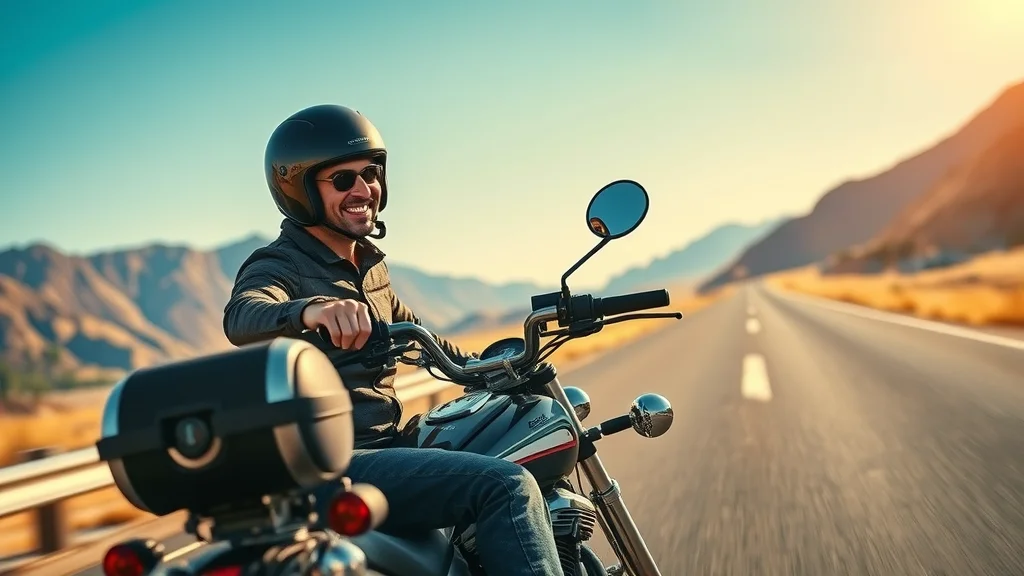
motorcycle rider enjoying highway ride with helmet audio speakers and scenic view - benefits of motorcycle audio systems for highway riding

1. Enhanced Riding Experience: The Core Benefit of Motorcycle Audio Systems for Highway Riding

  • Immersive sound quality improves mood and alertness
  • Seamless audio integration for uninterrupted motorcycle rides
  • Elevates the experience of long journeys by reducing monotony

One of the most compelling benefits of motorcycle audio systems for highway riding is the way these audio systems completely elevate your riding experience. Picture yourself cruising down the open road, wind in your helmet, while your favorite playlist delivers crisp, immersive sound quality that breaks through the wind and road noise. A high-quality audio system during a motorcycle ride can improve your mood, make long stretches of highway less tedious, and help you stay mentally engaged during even the longest journeys. Advanced motorcycle audio ensures you hear your music clearly, transforming the ride into an experience that’s vibrant and dynamic, not monotonous and exhausting.

What’s more, modern motorcycle audio systems feature seamless integration, meaning you don’t have to worry about fumbling with technology or losing focus. Top-tier systems provide an uninterrupted audio experience, letting you easily control music, podcasts, or even audiobooks while maintaining your eyes on the road. This form of audio system transforms each trip into a richer, more enjoyable journey, making even solo rides on the highway feel energizing and memorable. The combination of powerful sound and smart integration helps ensure that every mile is both entertaining and focused, giving riders both pleasure and safety in equal measure.

For riders looking to maximize the performance and longevity of their bikes while enjoying the benefits of advanced audio systems, understanding seasonal maintenance is just as crucial. Discover practical tips for keeping your motorcycle in top shape throughout the year in this guide to essential seasonal bike care.

2. Communication Systems: Stay Connected with Your Group

  • Real-time updates via communication system for coordinated riding
  • Reduced risk of getting lost during group motorcycle rides
  • Clear communication in noisy highway environments

When it comes to riding in groups, effective communication is key for both safety and enjoyment. Modern motorcycle communication systems let riders transmit real-time updates, keeping everyone coordinated and minimizing the chances of anyone being left behind on a road trip. These communication systems are designed to cut through wind and road noise, delivering clear audio so directions, warnings, or changes in navigation are always heard. Whether you need to alert your group to a sudden hazard or discuss the next rest stop, these systems make highway group riding safer and more cohesive.

Clear communication while riding at highway speeds used to be a challenge due to engine and traffic noises, but the latest advances in motorcycle audio ensure that your voice is delivered clearly, even in challenging conditions. This ease of real-time updates encourages group safety and unity, transforming routine rides into organized experiences where everyone stays connected. No more frantic hand signals or misinterpreted gestures—the combination of audio systems and dedicated communication solutions provides every rider with both freedom and a reassuring link to their crew.
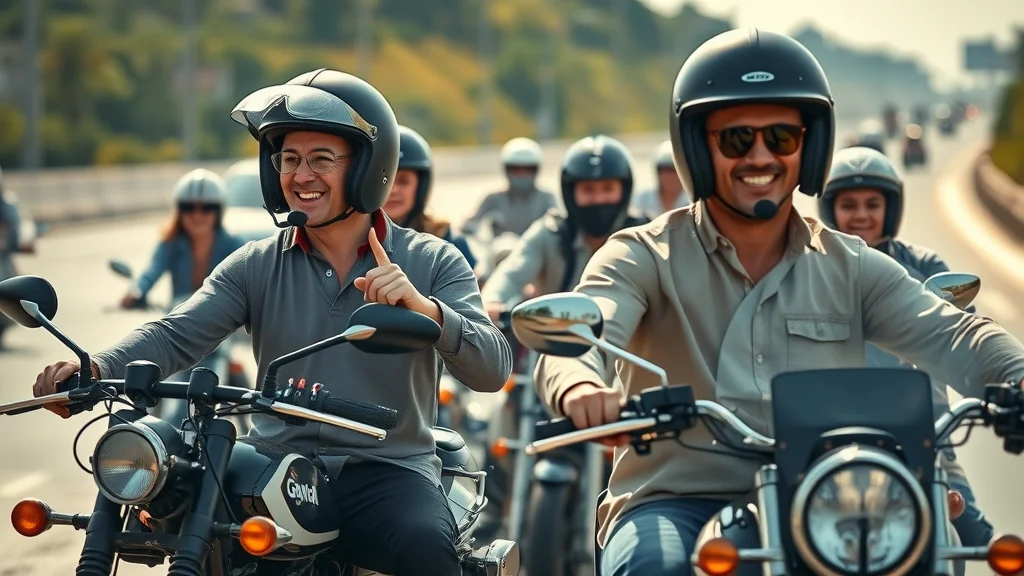
group motorcycle riders communicating with intercom and hand gestures - motorcycle communication system benefits

3. Improved Safety: Hands-Free Features in Modern Motorcycle Audio Systems

  • Voice-activated audio systems keep eyes on the road
  • Hands-free calls and navigation through integrated communication systems
  • Alert tones and radio station news keep riders aware of hazards

Safety is paramount for any motorcycle rider, especially during high-speed highway journeys. One of the most important benefits of today’s motorcycle audio systems is the inclusion of hands-free features. Voice-activated controls allow you to manage your audio system—play, pause, skip tracks, or take calls—without ever removing your hands from the handlebars or your eyes from the road. This design significantly reduces distractions while maximizing accessibility, meaning riders can stay engaged with their audio without compromising on safety.

Additionally, integrated communication systems allow for hands-free calls and GPS navigation, so you can receive directions without glancing at a screen. Many audio systems also provide alert tones or breaking news broadcasts from a local radio station, keeping you aware of hazardous weather or traffic updates in real time. This constant stream of information and seamless connectivity ensures you’re always in the loop, prepared for whatever the road ahead brings. The end result is a smarter, safer, and more confident highway riding experience, leveraging technology to support the well-being of every motorcycle rider.

4. Superior Sound Quality: Crisp Audio Even at High Speeds

  • Motorcycle audio systems engineered for wind and highway noise
  • Tailored sound settings for clear music and spoken instructions
  • Consistent audio performance regardless of helmet type

Riding at highway speeds presents a huge challenge for anyone looking to enjoy crisp, quality audio. Wind and road noise can often drown out even the most powerful speakers. However, the best motorcycle audio systems are specifically engineered to deliver powerful sound and clarity—no matter how fast you’re traveling. These systems feature good speakers with precise tuning, advanced noise-cancellation technology, and optimized sound profiles that adapt to varying riding conditions. This ensures a consistently rich audio experience, so you can enjoy your favorite playlists, directions, or communication without static or distortion interfering.

What sets these sound systems apart is their tailored settings for music and spoken instructions. Some audio systems even allow users to fine-tune equalization and sound balance, taking into account the unique acoustics of different helmet types. Whether you ride with a full-face, modular, or open-face helmet, the components that deliver unparalleled sound quality remain reliable and clear. Gone are the days when high-speed rides meant losing out on your audio experience—today’s equipment ensures consistent, enjoyable sound all the way down the highway.
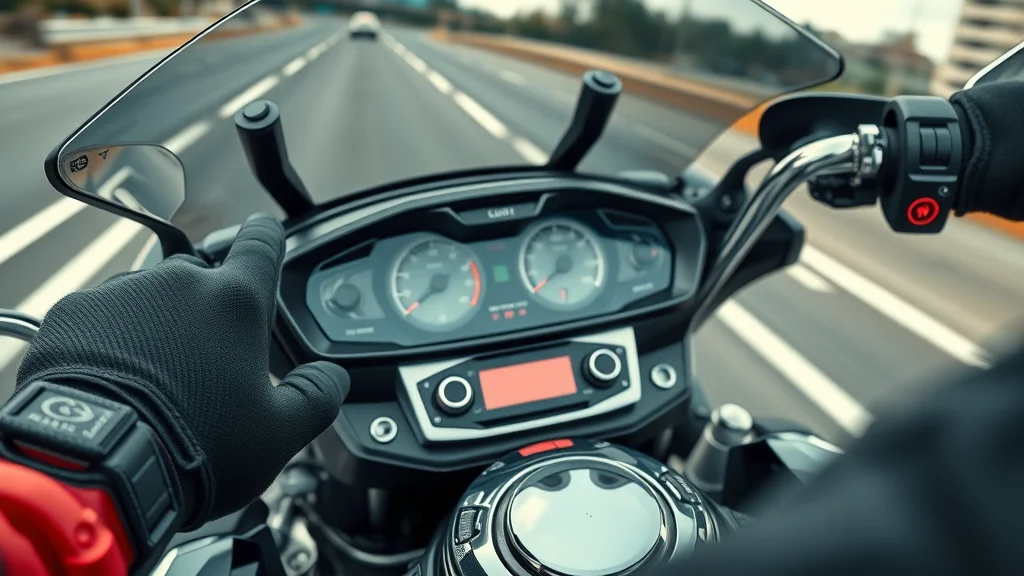
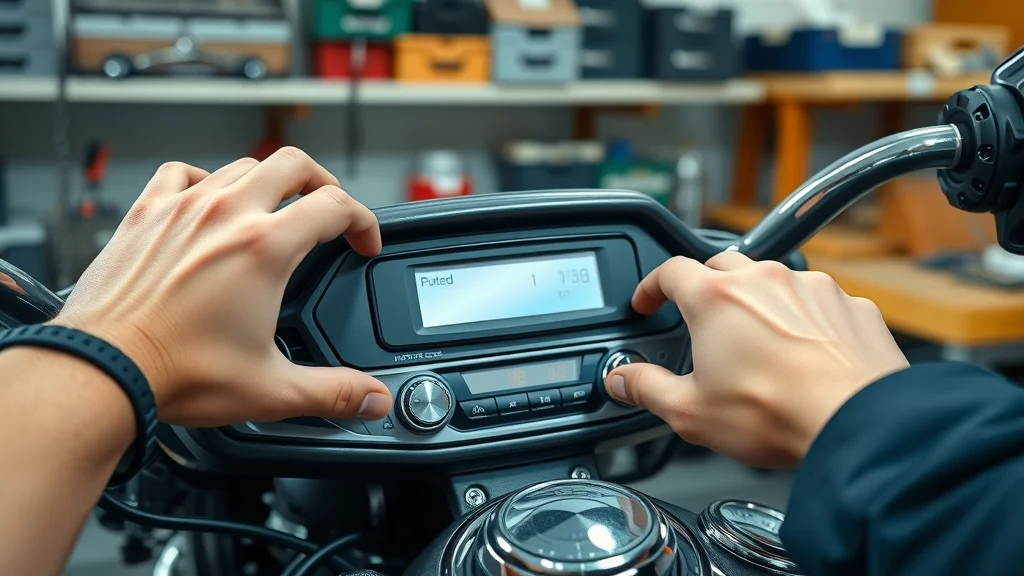
motorcycle dashboard close-up with audio system speakers and gloved hands adjusting controls - motorcycle audio system sound quality

5. Access to Navigation and Critical Information: Smart Motorcycle Audio Integration

  • Turn-by-turn directions broadcast via audio system
  • Weather and traffic updates from radio stations
  • Seamless integration with smartphones and GPS

Getting lost on a highway ride can turn a dream trip into a stressful ordeal. Fortunately, modern motorcycle audio systems offer integrated access to navigation and critical information. Turn-by-turn directions from GPS navigation apps are delivered straight through your audio system, so you never have to look away from the road. Additionally, live updates on weather or traffic conditions—often broadcast from radio stations—help riders make informed decisions and stay one step ahead of the elements. The seamless connectivity offered by these systems means your smartphone, GPS, and audio communication are all linked, providing an uninterrupted flow of essential data.

This advanced integration transforms the way riders approach long-distance travel. Whether planning a scenic detour or anticipating a sudden storm, the motorcycle audio system becomes your command center, keeping you connected and in control. No more stopping to check maps or phones—instead, every bit of crucial information is right in your helmet or at your fingertips on the dash, making for a smoother and safer highway journey.

Comparison of Key Features in Leading Motorcycle Audio and Communication Systems
Feature Motorcycle Audio System Communication System
Hands-Free Options Yes Yes
Sound Quality High Varies
GPS Integration Available Limited
Group Connection Limited Extensive
Weatherproof Yes Yes

6. Entertainment on the Go: More Than Just Music During Your Motorcycle Ride

  • Listen to your favorite radio station or podcasts no matter where you go
  • Stream music or audiobooks via advanced motorcycle audio systems
  • Stay engaged and energized on long trips

Highway journeys don’t have to be monotonous. The latest motorcycle audio systems provide a world of entertainment options that extend far beyond basic music playback. Riders can tune into their favorite radio station, queue up playlists, enjoy podcasts, or even listen to audiobooks, making every mile more engaging and less tiresome. Streaming via Bluetooth from smartphones allows for vast musical choices, ensuring that even remote backroads come with a full soundtrack. No matter where your road trip takes you, good speakers and robust connectivity mean any audio experience can follow you effortlessly.

This access to diverse entertainment is about more than killing time—it’s about maintaining energy, mood, and motivation over long distances. For many, the ability to hear your music or favorite story breaks up the ride’s monotony and supports a consistently positive riding experience. Whether you ride solo or with a group, these sound system enhancements make every journey feel fresher and more invigorating, proving that a quality audio system transforms time on two wheels into time well spent.
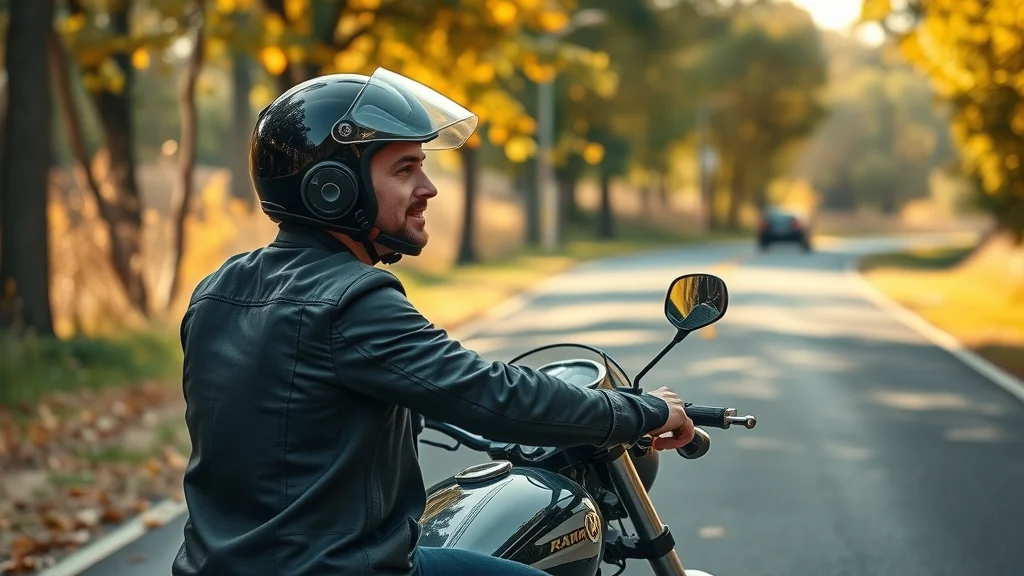
solo motorcycle rider relaxing, listening to music on helmet speakers - benefits of motorcycle audio systems for highway riding

7. Reduced Fatigue: Psychological Benefits of Motorcycle Audio During Highway Riding

  • Audio systems help break mental fatigue and monotony
  • Music and communication reduce the feeling of isolation
  • Support mental alertness for safer long-distance riding

Long highway rides put not just your body but your mind to the test. Mental fatigue, isolation, and monotony can all set in over those endless miles. This is where the psychological benefits of motorcycle audio systems shine. Listening to music, engaging in conversation, or even catching up on podcasts can break up the monotony and make journeys fly by. The mental engagement provided by an audio system helps keep you alert and attentive, reducing the risk of “highway hypnosis” and making every mile safer and more enjoyable.

Audio systems also help mitigate the feeling of riding alone, especially on solo adventures. Being able to connect with friends using a communication system or simply enjoying high-quality audio creates a sense of companionship and comfort on the road. These elements combine to reduce overall fatigue, boost morale, and provide crucial support for maintaining rider concentration and safety—even as the hours stretch on. The result is a riding experience that’s not only more pleasant but fundamentally better for your well-being.

relaxed motorcycle rider enjoying hands-free audio system on a highway ride - reduced fatigue benefits

People Also Ask: Common Questions About Motorcycle Audio Systems and Highway Riding

What is the 4 second rule on a motorcycle?

The 4 second rule helps ensure a safe following distance behind the vehicle ahead. During a motorcycle ride, choose a landmark on the road—when the vehicle in front passes it, count four seconds. If you reach the marker before four seconds, increase your distance. This allows time to react to sudden changes or hazards, which is crucial for safety, especially at highway speeds where stopping distances are longer.

Which bike is most liked by girls?

Preferences vary, but many girls and women appreciate motorcycles with manageable weight, lower seat height, and comfortable riding ergonomics. Bikes like the Honda Rebel, Royal Enfield Meteor, and Yamaha MT series are frequently cited for their accessibility and appeal to a wide range of riders. Ultimately, the best motorcycle is one that feels comfortable and instills confidence during every ride.

What does 2 fingers down mean on a motorcycle?

When a motorcycle rider gives “2 fingers down” to another passing rider, it’s a friendly gesture meaning “keep both wheels on the ground”—a wish for safe travels. It’s a sign of solidarity and respect among motorcyclists, reinforcing the community spirit that’s a big part of the motorcycle riding experience.

Is it a violation to have a GoPro on your motorcycle helmet?

Rules vary by country and region, but in many places, attaching a GoPro to a motorcycle helmet is allowed as long as it doesn’t compromise the helmet’s structural integrity. Riders should check local laws and ensure the camera is securely mounted so it doesn’t create a safety hazard or violate helmet regulations.

Frequently Asked Questions about Motorcycle Audio Systems for Highway Riding

  • Are motorcycle audio systems waterproof?
    Yes, most modern motorcycle audio systems are designed to be weatherproof or waterproof, so you can ride with confidence in all weather conditions.
  • Can I install a motorcycle audio system on any type of bike?
    There are options for virtually every motorcycle, from cruisers to sportbikes. Some installations are universal, while others are model-specific.
  • Will a high-quality audio system drain my bike’s battery?
    Modern audio systems are engineered for efficiency and use minimal power. Proper installation and occasional checks ensure they won’t unnecessarily drain your battery.
  • How do motorcycle audio systems affect rider concentration?
    When used responsibly, audio systems can actually improve concentration by reducing fatigue and providing critical information via hands-free navigation, alerts, and communication.

Expert Insights: Quotes on the Importance of Motorcycle Audio Systems

"An audio system isn’t just about entertainment—it’s an essential part of the modern rider’s toolkit for both safety and enjoyment." – Professional Motorcycle Rider

Key Takeaways: Why You Should Invest in a Motorcycle Audio System for Highway Riding

  • Motorcycle audio systems offer significant safety and comfort benefits
  • Enhanced communication and audio quality improve long-distance riding
  • Integrated technology simplifies navigation and entertainment
  • Motorcycle rides become more enjoyable and less fatiguing
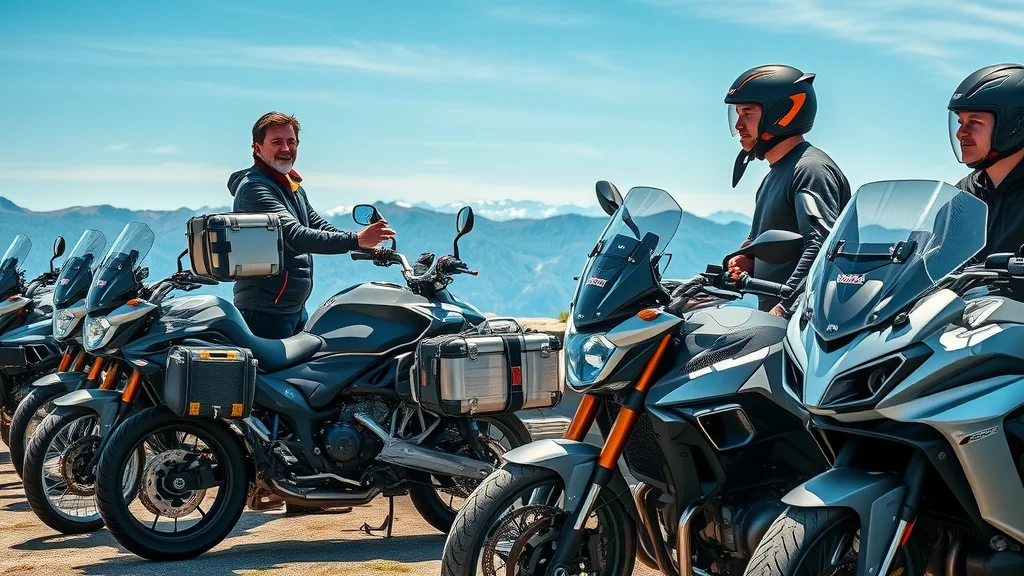
modern motorcycles with integrated audio and communication systems at scenic overlook - motorcycle audio systems for highway riding

Ready to Transform Your Riding Experience?

Call Nasty Performance Motorcycle Shop Today: 847-458-4858

If you’re inspired to enhance your highway rides with the latest audio technology, remember that a truly exceptional journey starts with a well-maintained bike. Explore how proactive care throughout the seasons can keep your motorcycle performing at its best and ensure your audio system always delivers peak performance. For a deeper dive into expert maintenance strategies and year-round riding tips, check out Seasonal Bike Care Secrets Every Rider Must Know. Elevate every mile—both in sound and in smoothness—by combining smart tech with smart maintenance.
Motocycle Audio Systems

0 Comments

Write A Comment

*
*
Please complete the captcha to submit your comment.
Related Posts All Posts

Troubleshooting Tips for Touring Bike Audio Systems Every Long-Distance Rider Needs

Did you know nearly half of all long-distance riders experience a stereo system failure before their next road trip? Out on the open road, a motorcycle stereo system is more than entertainment—it's a companion, a motivator, and, sometimes, a much-needed lifeline when fatigue sets in. Yet, few riders know how to recognize or fix issues before they ruin a ride. This guide takes a deep dive into practical, step-by-step troubleshooting tips for motorcycle stereo systems specifically designed for touring bikes, empowering every rider to keep their soundtrack alive mile after mile. Startling Facts About Motorcycle Stereo System Issues Why Touring Bike Audio Systems Fail More Often Than You Think While motorcycle audio systems are engineered for resilience, the harsh conditions of the open road—think wind noise, rain, dust, and constant vibration—put every component to the test. Touring bikes, known for their cross-country journeys, expose their audio systems to a unique array of stresses not seen in city or short-distance rides. Consequently, motorcycle stereo systems on these bikes suffer higher rates of failure: wiring fatigue, speaker distortion, and intermittent connectivity are all common complaints. Add relentless UV exposure and temperature swings, and you have the perfect storm for degraded sound quality and outright stereo system malfunctions. For a rider, these issues translate to lost enjoyment, missed navigation cues, and less safety when relying on audio signals. Many don't realize that typical motorcycle speakers and audio wiring are not impervious to weather or the repeated physical shocks from potholes and rough highways. Even premium motorcycle stereo system setups are only as reliable as their weakest link—usually a corroded connector, loose wire, or poorly shielded amp. Recognizing these specifics is the first advantage for any touring rider determined to enjoy clear sound for the entire journey. What You'll Learn About Troubleshooting Tips for Motorcycle Stereo System for Touring Bikes Essential steps for diagnosing motorcycle audio system problems Common speaker and stereo system faults on touring bikes How to optimize motorcycle stereo performance for long rides Key maintenance practices for audio systems on touring motorcycles Understanding Motorcycle Audio Systems on Touring Bikes Core Components of a Motorcycle Audio System A typical motorcycle audio system designed for touring bikes consists of several integral parts: the head unit or source player, range and high-frequency motorcycle speakers, amplifiers, and a web of dedicated wiring. The head unit acts as the control center—it manages music playback from radio, USB, or Bluetooth streaming devices. Motorcycle speakers, usually mounted in the fairing or saddlebag lids, are specifically designed to cut through wind and engine noise, providing great sound even at highway speeds. Integrated amplifiers boost power output so the sound remains crisp and clear despite environmental interference. Beyond these, the supporting design of an effective motorcycle stereo system hinges on specialized high-durability wiring harnesses, waterproof connectors, and—often overlooked—weather-sealed housings for electronics. Each element must not only deliver performance but withstand the unique threats posed by the long, open road. Touring bikes that feature audio systems engineered for these conditions will always provide the best riding experience—if maintained and repaired correctly. Head unit and source players Motorcycle speakers and range speakers Amplifiers and wiring Unique Audio System Challenges for Touring Motorcycles Touring bikes place extraordinary demands on their stereo and audio systems. Unlike standard motorcycles, they are expected to perform flawlessly during hours or even days of continuous operation, often in adverse weather conditions. This endless exposure to wind noise, rain, highway dust, and sunlight means that even the most robust motorcycle stereo setup can suffer from component fatigue or weather-related failure far more frequently than other vehicles. Additionally, touring motorcycles frequently use aftermarket audio upgrades to improve sound quality, but these enhancements must integrate seamlessly with factory wiring and power supplies. Electrical mismatches, installation errors, and vibration-induced wire fatigue can quickly degrade even the best audio systems. Understanding these unique threats is vital to successful troubleshooting, ensuring any fix addresses root causes, not just the symptoms. Since many audio system issues are closely tied to the overall condition of your motorcycle, it's wise to consider how seasonal maintenance can impact stereo reliability. For a deeper look at keeping your entire bike in peak shape throughout the year, check out these essential seasonal bike care secrets every rider should know. Signs of Motorcycle Stereo System Problems Every Rider Should Recognize Distorted sound quality during rides Intermittent audio output or complete dropouts Bluetooth connectivity failures Speaker buzzing, crackling, or total silence Detecting the early warning signs of a failing motorcycle audio system can save you from a silent, frustrating ride. Distorted audio is often the first indicator, especially noticeable when trying to boost the volume to counteract wind and road noise. Sudden dropouts or static could point to wiring failures, loose connections, or failing amplifiers. Don’t ignore Bluetooth connectivity issues; these are sometimes traced back to deeper power or control module faults, not just your phone or headset. Loud buzzing or a complete loss of output, especially from a previously working motorcycle speaker, is a red flag for speaker cone damage or water ingress. Immediate attention to these symptoms ensures your sound system—and the ride—remains uninterrupted. Initial Steps: Basic Troubleshooting Tips for Motorcycle Stereo System for Touring Bikes Quick Visual Inspections Checking for loose wires and corroded connectors Examining speaker cones and stereos for visible damage Begin every troubleshooting session with a careful visual survey of your motorcycle stereo system’s wiring and connectors. On touring bikes, the constant vibrations and exposure can loosen even the tightest connections over thousands of miles. Look for wiring that has worked loose, corrosion on metal contacts, or pinched cables hidden behind fairings. A portable workshop light and basic hand tools are often all that’s needed to reveal physical damage, water spotting, or frayed wires. Examine each motorcycle speaker for visible dents or torn cones—which all signal likely audio distortion. Speakers mounted in hard-to-reach areas like side bags and lower fairings are more susceptible to wear and weather. With every inspection, take preventive steps: clean contacts with an electronics-safe spray and tighten every connector. These simple checks eliminate many stereo system issues before they escalate, keeping your motorcycle audio system delivering crystal-clear music or navigation cues on your next long journey. Testing Power and Ground Connections on the Audio System No audio system will perform without a solid electrical foundation. After the visual inspection, test the power and ground connections to your head unit, amps, and Bluetooth modules. Use a multimeter to check battery voltage at the source and at connectors feeding each stereo component. Remember: “Most audio system malfunctions stem from overlooked wiring problems—an extra minute of inspection can save hours of troubleshooting. ” If a fuse consistently blows or a relay feels too warm, investigate further—often, these are symptoms of deeper wiring or grounding faults. Secure, corrosion-free grounds are especially vital for stereo system stability in the unpredictable weather and rapid temperature shifts of long-distance touring. Troubleshooting Motorcycle Audio System Sound Quality Issues Diagnosing Static, Distortion, and Volume Fluctuations Evaluating amplifier settings and gain levels Identifying interference from nearby electronics Sudden static sounds, distortion, or fluctuating volume levels are telltale signs of deeper issues within your motorcycle stereo system. Diagnosing begins with confirming whether the fault lies in the settings, the amplifier, or external interference. Carefully examine the gain and equalizer settings on your amplifier—improper setup can often lead to clipping or overheated audio signals, resulting in poor sound quality. Tools such as an audio signal tester can aid in identifying faulty stages in the signal chain. Other sources of static and dropouts can be interference from GPS devices, mobile chargers, or LED light conversions situated close to your audio wiring. Consider briefly disconnecting these devices to see if the audio system regains stable performance. If improvement occurs, use shielded wires or re-route cables away from high-interference zones for a more robust audio experience. Regularly tweaking amplifier output only masks the underlying problem—proper diagnosis and rerouting will secure your motorcycle audio against unwanted interruptions. Improving Sound Quality in Motorcycle Speakers Getting clear sound at highway speed is challenging but achievable with targeted upgrades and adjustments. The two most overlooked factors are the cleanliness of all electrical contacts and the angles at which motorcycle speakers are mounted. Dirty terminals introduce resistance and weak output, while poor placement allows road noise and wind to overpower the music. Routine cleaning—with isopropyl alcohol and a lint-free cloth—alongside repositioning or tilting speakers for a direct audio path can transform muffled sound quality into great sound. Consider the installation of sound-damping pads or foam behind the speakers for further improvement. The chart below highlights the most common culprits behind poor performance and their quick fixes: Common Causes of Poor Audio Quality in Motorcycle Stereo Systems Symptoms Quick Fixes Dirty connections Intermittent or weak sound Clean contacts Poor speaker placement Sound loss at high speeds Adjust angles Addressing Bluetooth Connectivity Problems in Touring Bike Audio Systems Steps to Restore Pairing and Prevent Dropouts Resetting the Bluetooth module Updating software/firmware (if supported) Bluetooth connectivity glitches are especially frustrating on a touring motorcycle, disrupting music streaming and navigation cues. If your stereo system refuses to pair or repeatedly disconnects, the first troubleshooting step is a full system reset—power off the bike, disconnect the battery for a few moments, then restart both your source device and audio system. Check the user manual for the recommended reset procedure for your specific head unit or Bluetooth adaptor. Next, ensure your device and head unit firmware are up to date. Some units allow over-the-air firmware updates via a USB drive or app connectivity. Finally, keep your devices’ Bluetooth directory uncluttered, deleting unused paired profiles to avoid confusion and interference. If dropouts persist, relocate your audio device closer to the head unit, and verify no metallic objects or additional wireless electronics are interfering with the signal. Good stereo systems function best with minimal electronic clutter. How to Test Your Motorcycle Electrical System for Audio Reliability Essential Tools and Multimeter Procedures Reliable audio on the open road starts with a healthy motorcycle electrical system. For accurate diagnosis, equip yourself with a quality digital multimeter. Test battery voltage at rest (should typically read above 12. 5 volts for most touring bikes) and while the engine is running (expect upwards of 13. 5 volts with a steady alternator charge). Probe directly at the connection terminals feeding your motorcycle stereo system—even a small voltage drop can cause big audio issues. After voltage testing, trace the wiring harness for blown fuses, loose connection points, and signs of overheating. If available, use accessory sockets to evaluate the output voltage across various system states (idle, cruise RPM, with and without other electronics powered on). This focused approach confirms your audio system is getting stable power and is insulated from electrical “noise” created by engine or lighting system fluctuations. Protecting Your Stereo System from Battery and Alternator Issues Extended use of high-powered amplifiers and multiple speakers amplifies stress on your bike’s alternator and battery—a major concern for riders using their sound system throughout the journey. Avoid running the motorcycle stereo system for long periods with the engine off. Periodically inspect battery terminals for corrosion and ensure all ground points are tight and clean. Consider upgrading to a higher-capacity battery or relocating amplifier connections directly to the battery with robust, fused leads for the most stable power distribution. If unusual dimming of dashboard lights or slow cranking is observed during music playback, act immediately—these are signs your electrical system is overtaxed. Stay proactive by scheduling regular alternator load tests and always carrying spare fuses when embarking on extended rides. Consistent maintenance of your electrical system is an investment that extends the life and reliability of your motorcycle audio setup. Common Speaker Problems in Motorcycle Audio Systems Recognizing Signs of Range Speaker and Motorcycle Speaker Damage Rattling, muffled, or no output at all Physical tears and weather damage A damaged motorcycle speaker not only ruins sound quality but can sometimes pose electrical risks to other components in the motorcycle audio system. Typical warning signs include rattling or buzzing from the speaker grill, pronounced distortion even at low volume, and, of course, total silence from one or more speakers. These symptoms often stem from physical impairments: ripped cones from overpowering, water ingress, or accumulated dust and road grime inside the speaker housing. Check both the visible surface and the rear enclosure of every motorcycle speaker—look for water streaks, rust, or bent tweeters on range speakers. When a speaker is silent but shows no clear outer damage, test it individually by swapping with a known good speaker or using a simple continuity tester. Early detection and replacement protect the rest of your stereo system and restore full spectrum, high-fidelity audio to your ride. Two Main Reasons for Speaker Failure in Motorcycle Speakers Overpowering and Moisture Intrusion The leading culprits for motorcycle speaker failure are overpowering (driving speakers at wattages beyond their design) and moisture intrusion. Excessive amplifier gain often burns out the delicate speaker coil, warping cones and producing crackling, sometimes even total speaker system silence. On the other end, even minor leaks in the fairing or poorly sealed speaker pods let water wreak havoc: swollen fibers, corrosion of wiring, and eventual failure of the entire motorcycle stereo system. As summarized by industry professionals: “Most motorcycle speaker failures are avoidable with regular inspections and using weatherproof equipment. ” Always install speakers and components specifically designed for motorcycles, and avoid mounting any hardware where water can pool or remain trapped after rain or washing. That little bit of extra caution up front can save you hours of labor—and hundreds of dollars—in the long term. "Most motorcycle speaker failures are avoidable with regular inspections and using weatherproof equipment." Advanced Troubleshooting Tips for Motorcycle Stereo System for Touring Bikes Systematic Diagnosis of Amplifier and Source Issues Swapping components to isolate the fault Checking compatibility between audio systems Some motorcycle stereo system issues demand deeper, methodical troubleshooting. If your amplifier or head unit refuses to power up or distorts audio unpredictably, use a process of elimination: swap in a known-good amplifier, speaker, or head unit one at a time to pinpoint the faulty element. Test all signal and power wires, using the multimeter and continuity checks, to rule out hidden breaks or electrical “leaks. ” Compatibility mismatches are increasingly common in customized bikes—ensure all components share the correct voltage rating, ground configuration, and impedance. When integrating new tech into an existing sound system—like adding Bluetooth modules or hi-fi amplifiers—refer to both the manufacturer guidelines and wiring schematics. A mismatched ground or an unshielded signal wire, for instance, can sabotage an otherwise premium audio system. Document every change you make to the wiring and component setup, helping you or your technician diagnose future issues more efficiently. Resilient Audio System Upgrades for Touring Motorcycles If you find yourself repeatedly diagnosing the same issue, it may be time for an upgrade. Today’s motorcycle speakers and amplifiers designed explicitly for touring bikes feature advanced weather sealing, anti-corrosive materials, and enhanced vibration resistance. Upgrades like water-resistant amps, marine-spec source units, and reinforced speaker enclosures should be a priority for riders who routinely brave rain, dust, or rough highways. While the initial investment may seem steep, these upgrades offer longer life, reduced maintenance, and unwavering sound quality no matter the weather or road. Good audio systems also include plug-and-play compatibility for easier troubleshooting and less risk of installation error. Always select components rated for “motorcycle” or “marine” environments—generic car or home units almost never last on the open road. Preventive Maintenance: Keeping Your Motorcycle Stereo Performing on the Road Seasonal inspections and cleaning routines Weatherproofing connections and controls Prevention is always easier than major repair. Each riding season, conduct a thorough check of every wire, connector, and exposed surface in your motorcycle stereo system. Clean and dry every connector, then apply dielectric grease to prevent corrosion from creeping in. Make sure to inspect rubber seals and grommets for cracking or shrinkage, as these allow water migration into sensitive components during storms. Regularly wash away road grime from speaker grilles, and use a soft detailing brush to keep particles out of tight spaces. After heavy rain or bike cleaning, dry out speaker pods, and if possible, tip the bike gently to see if any water drips from speaker enclosures—if so, check seals for breaches. Recommended Accessories for Enhanced Audio Experience For a superior motorcycle audio experience, invest in a few strategic accessories: waterproof speaker covers, handlebar-mounted remote controls, foam speaker baffles for wind protection, and an inline power noise filter to eliminate alternator whine. These add-ons are specifically designed for motorcycles, and most can be easily installed by the enthusiast at home. Always prioritize gear rated for “outdoor” or “marine” use, as these will deliver the best sound quality and the least maintenance headaches. Expert Insights: Quotes on Motorcycle Audio System Troubleshooting "On the road, reliable sound is as critical as fuel. Troubleshoot early, ride happier." — Touring Audio Specialist FAQs for Troubleshooting Tips for Motorcycle Stereo System for Touring Bikes How to troubleshoot audio systems? Start by inspecting all wires and connections for visible faults. Verify a strong power and ground supply for the system, then test each part—speakers, amplifier, head unit—individually to isolate the root cause. Often, a single loose or corroded wire causes system-wide issues. What two reasons usually cause speaker failure? The most common are overpowering, where excessive amplifier volume or gain damages the speaker’s coil, and moisture ingress, which leads to corrosion and cone disintegration. Regular checks and only using weatherproof speakers help avoid both. How to test a motorcycle electrical system? Use a digital multimeter to check battery voltage and continuity across power and accessory lines. Inspect fuses for signs of burnout, and check output at various stages of the charging cycle to confirm the alternator supplies steady voltage. What are the common speaker problems? Distorted audio, rattling, low output, and total loss of sound are frequent issues with motorcycle speakers. Most problems stem from wiring faults, water damage, or physical cone tears from overuse or vibration. People Also Ask About Troubleshooting Tips for Motorcycle Stereo System for Touring Bikes How to troubleshoot audio systems? Answer: Start with a physical inspection of all connections, check the power supply, and test each component (speakers, amplifier, head unit) separately to isolate issues. What two reasons usually cause speaker failure? Answer: The two most common causes are overpowering (excessive wattage leading to coil damage) and moisture/humidity entering the speaker housing. How to test a motorcycle electrical system? Answer: Use a multimeter to test battery voltage, inspect for blown fuses, measure output at accessory sockets, and ensure stable charging voltage from the alternator. What are the common speaker problems? Answer: Common issues include distorted audio, rattling, low output, and no sound at all, often stemming from wiring failures or water damage. Checklist: Troubleshooting Tips for Motorcycle Stereo System for Touring Bikes Inspect all audio system wiring and connections Test stereo system power supply Clean all motorcycle speakers and eliminate physical blockages Reset Bluetooth and test source inputs Swap suspected faulty components for diagnosis Key Takeaways on Troubleshooting Tips for Motorcycle Stereo System for Touring Bikes Regular inspection is crucial to preventing unexpected audio failures. Most stereo system issues are due to wiring or speaker moisture exposure. Upgrading to weatherproof motorcycle speakers can drastically reduce risks. Find Expert Help for Motorcycle Stereo System Problems Call Nasty Performance Motorcycle Shop Today: 847-458-4858 For persistent issues or advanced upgrades, don’t hesitate to reach out for professional help. If troubleshooting doesn’t restore peak sound quality, call the experts for a full diagnostic and installation service—your next ride deserves it. As you master the art of troubleshooting your touring bike’s audio system, remember that a truly reliable ride is built on year-round care. To further enhance your motorcycle’s longevity and performance—beyond just the stereo—explore our comprehensive guide on seasonal bike care secrets every rider must know. Discover expert strategies for protecting your bike from the elements, optimizing every component, and ensuring your adventures are as smooth as your soundtrack. Take the next step in your riding journey by integrating these seasonal maintenance insights, and enjoy worry-free miles on every road ahead.

How to Connect Your Phone to Your Motorcycle Audio System Like a Pro

Did you know that over 60% of new motorcycle owners consider phone-to-audio connectivity a must-have feature for safer, more enjoyable rides? As smart technology becomes integral to everyday travel, mastering how to connect phone to motorcycle audio is more than just a convenience—it’s a vital skill for modern riders. Whether you want to stream your favorite playlist, navigate hands-free, or stay connected with important calls, seamlessly integrating your mobile device with your bike’s sound system elevates the journey. This comprehensive guide will help you connect like a pro and avoid common pitfalls. Startling Trends: Why Riders Are Prioritizing How to Connect Phone to Motorcycle Audio Explore a surprising uptick in hands-free audio solutions for riders. Rider preferences are evolving, and the surge in hands-free audio integration is impossible to overlook. As motorcycle technology advances, more manufacturers provide built-in wireless device connectivity, allowing you to add device options right from your bike display. Studies show that accessibility to on-the-go communication, music, and navigation via mobile device isn’t just about luxury anymore—it’s about safety and staying focused on the road. "Riders who seamlessly integrate mobile audio enjoy safer and more connected journeys." – Industry Expert What You'll Learn: Key Steps for How to Connect Phone to Motorcycle Audio Step-by-step strategies for pairing devices Common compatibility pitfalls and how to avoid them Expert insider tips for worry-free rides Troubleshooting advice for seamless connections This article demystifies the pairing process across various motorcycle audio systems, showing you exactly how to use Bluetooth, auxiliary connections, and advanced settings for an optimal audio output. We’ll also highlight critical compatibility tips—like checking firmware and recognizing model-specific quirks—so you always know what to expect, regardless of your setup. Plus, actionable advice from seasoned riders will keep your connectivity rock-solid even during the longest road trips, so you can focus on the ride, not the tech headaches. Essential Preparations: Setting Up for Success in How to Connect Phone to Motorcycle Audio Gather required equipment (Bluetooth modules, auxiliary cables, your phone, etc.) Verify audio system compatibility and firmware updates Tips for optimum placement and securing connections Your connection will only ever be as strong as your setup. Start by collecting all necessary equipment: your preferred smartphone, a compatible Bluetooth module (if your audio unit doesn’t have built-in wireless device support), auxiliary cables, and, if needed, any adapters for your specific model. Before installing, visit the manufacturer’s website to create an account for possible updates and check for the latest firmware updates on both your audio system and your phone. This small step can prevent a host of connection errors later. Secure and optimal placement of the Bluetooth module or cable is critical; improper cable routing can cause unwanted disconnections or static. Always keep the audio switch and connections shielded from the elements. Experts recommend a dry run—connect all the components while stationary, toggle the audio, and check if your phone appears in the list of compatible wireless devices. This ensures everything is ready before you hit the road. Step-by-Step Guide: How to Connect Phone to Motorcycle Audio via Bluetooth Enable Bluetooth on both your phone and your motorcycle audio system Begin by unlocking your mobile device and heading into its Bluetooth settings—usually found under the “Connections” or “Wireless Devices” menu. On your motorcycle’s dashboard, locate the settings button or audio setup menu; many newer models feature a dedicated audio switch or a “Bluetooth” option straight from the bike display. Make sure both devices are powered on and within close proximity to each other. For most motorcycles, press and hold the pairing option on the audio panel to begin the pairing mode sequence. Once both systems are discoverable, your phone will show a list of nearby Bluetooth devices. Look for your bike’s identifier—often labeled with the bike make, model, or “Audio System”—and tap to connect. Any matching codes (such as those shown on the bike display and your phone) must correspond; if prompted, verify that the numbers on your phone match the numbers on the bike before you approve the connection. This step is vital for preventing accidental device pairing with nearby wireless devices. Navigate pairing modes and device discoverability If your phone does not recognize your motorcycle immediately, ensure both are in pairing mode. Some audio units require you to toggle the audio switch or enter a specific pairing prompt—check your owner’s manual for directions tailored to your model. On your mobile device, press the “Scan” or “Add Device” option to refresh available connections. If you’ve previously connected your phone and are experiencing issues, turn off your bike and restart both the phone and the audio system, then try again. Mobile devices may display several connection options—make sure to select the appropriate audio output or motorcycle system, not unrelated wireless devices, to avoid conflicting signals. Once found, respond to any pairing prompt on your phone or the bike display; sometimes, you’ll need to confirm a pop-up asking to finish the pairing process. On success, you’ll often see a connection confirmation or a new icon on your dashboard or notification bar indicating that your phone is now connected to your bike audio system. Confirm successful connection and audio output With both devices successfully paired, test the connection by playing music or making a call from your phone. Adjust your audio switch or volume on the bike to ensure that the sound is routed through the motorcycle’s speakers or helmet headset. If the audio output is muffled or absent, check your phone’s audio outputwhen settings to make sure the bike audio system is selected as the main output device. If you receive a pairing prompt that keeps reappearing, try toggling the audio switch off and on or disconnecting and reconnecting Bluetooth through your device settings. Common pairing mistakes and simple fixes: If you are unable to connect, reset Bluetooth on both devices, check for firmware updates, or try deleting the existing connection and adding the device again. Interference from other wireless devices can also interrupt the process; move to a less crowded space if repeated pairing errors occur. Alternative Methods: Wired Solutions for How to Connect Phone to Motorcycle Audio Physical connections: Using auxiliary cables and adapters Apple CarPlay, Android Auto, and USB integration Benefits and limitations of wired audio on motorcycles Bluetooth isn’t the only option to play music or make calls through your motorcycle’s audio system. Wired connections—particularly auxiliary cables or USB adapters—offer more reliable audio output with minimal latency. Simply plug one end of the auxiliary cable into your phone’s headphone jack (or adapter) and the other into the bike’s audio input, then use the audio switch to select the correct source on your bike display. Apple CarPlay and Android Auto integration systems, available on some premium motorcycles, let you mirror your phone’s key features with the added benefit of voice control, caller and message ID, and navigation directly from your handlebar controls. While wired connections are less prone to dropped connections and interference from other wireless devices, they come with some trade-offs. Cable routing can sometimes be cumbersome, and weatherproofing is always a concern—invest in robust, water-resistant cables and covers to protect your devices in all conditions. USB connections can also recharge your phone while you ride, but not every audio system supports simultaneous power and audio output, so consult your motorcycle’s manual or website to create the ideal wired setup. Troubleshooting: Fixing Common Issues in How to Connect Phone to Motorcycle Audio Diagnosing dropped connections or sound issues Firmware and app update recommendations Advanced resets: When all else fails Technical hiccups are inevitable, but most can be solved with systematic troubleshooting. If your music stutters, cuts out, or refuses to play, start by checking all physical connections and verifying both devices have the latest firmware—outdated software often causes connectivity failures. If you’re using Bluetooth, try unpairing and re-pairing the devices, ensuring both are in pairing mode. Also, confirm that your phone’s audio output is set to the bike display, not an old headset or another nearby device. For stubborn problems—like devices not found, repeated dropped signals, or consistent latency—reset the motorcycle audio system and your mobile device. Some bikes have a dedicated reset button on the dash or in the audio settings. If sound issues persist, check whether your device lists any software patches, as some updates specifically address issues with streaming audio or call quality. In rare situations, a factory reset of the motorcycle infotainment unit or reinstalling the phone’s Bluetooth drivers will restore clean connectivity. Be sure to test your setup after every change before hitting the open road. For those who learn best visually, this step-by-step video walks you through both Bluetooth and wired setup for the most common motorcycles. See on-screen instructions, real-time connection feedback, and expert demos for a frustration-free experience. From enabling pairing mode to confirming audio output, everything is presented in an easy-to-follow format. (Watch the video on our site for the complete walkthrough—no background music for clarity!) Expert Tips: Maximizing Sound Quality and Connectivity When Using How to Connect Phone to Motorcycle Audio Optimizing phone audio settings for the road Weatherproofing your connections To truly unlock the power of your audio system, go beyond basic pairing. First, fine-tune your mobile device’s audio settings for clear output cut through road and wind noise—boost mids and highs on your phone’s equalizer, and turn off battery-saving features that could limit audio quality or cause interruptions. Next, weatherproof your connections with waterproof covers and vibration-resistant mounts; exposure to the elements is a leading cause of cable failure and loose Bluetooth modules. "A few tweaks can dramatically elevate your in-ride soundtrack." – Audio Engineer Finally, avoid multitasking apps that drain system resources and prioritize direct audio output apps like music players or dedicated navigation tools. Make a habit of testing your setup in a safe, stationary environment before every ride—a few minutes up front can save you hours of troubleshooting down the road and keep your ride distraction-free. Tabular Comparison: Popular Motorcycle Audio Systems and Phone Compatibility Audio System Model Bluetooth Capabilities Auxiliary Input Options Apple/Android Support Ease of Use with Major Phones Harley-Davidson Boom! Box GTS Yes, built-in 3.5mm AUX, USB Apple CarPlay Seamless with iPhone, Android pairing supported Honda Gold Wing (latest gen) Yes, built-in 3.5mm AUX, USB Apple CarPlay, Android Auto Highly compatible; optimized for major brands Indian Ride Command Yes, BT module required on some models 3.5mm AUX Apple CarPlay via USB Works with iPhones; Android via Bluetooth only Aftermarket SENA unit Yes, universal pairing No AUX (Bluetooth only) No direct CarPlay/Android Auto Simple pairing with any major phone JBL Stage Series (aftermarket) Varies by unit 3.5mm AUX, USB (some models) Depends on head unit interface Manual setup, but flexible People Also Ask: Frequently Searched How to Connect Phone to Motorcycle Audio Questions How do I pair my phone to my motorcycle? Step-by-step breakdown for a standard Bluetooth pairing process, highlighting detection modes and confirmations. To pair a phone to your motorcycle, unlock your device and open Bluetooth settings. On your motorcycle audio system, activate pairing mode—typically by pressing and holding the Bluetooth button on the dash or through the settings menu. Your phone will display a list of compatible devices; select your motorcycle’s identifier, and confirm any matching numbers shown on both your phone and bike display. Once prompted, accept the pairing prompt on both devices. A successful connection is usually indicated by a notification or icon on your bike’s screen and select add device if required. You can now play music or take calls through your headset or speakers! How to connect mobile Bluetooth to car audio? Quick comparison of Bluetooth pairing approaches between cars and motorcycles, calling out key differences and similarities. Bluetooth pairing in cars and motorcycles follows similar fundamentals—both require you to enable pairing mode and add your mobile device via settings. However, many cars offer voice-prompted pairing, additional USB options, and may support caller and message ID directly on their display. Motorcycles often have simpler interfaces, require more manual input for adding the device, and depend more heavily on compatible firmware and proper device placement due to vibrations and outdoor environments. How to pair phone to Harley radio? Model-specific advice for Harley-Davidson infotainment systems and mobile device pairing. For Harley-Davidson radios, navigate to the Harley Boom! Box GTS or equivalent infotainment screen. Go to the “Setup” menu and select the Bluetooth pairing option. Put your device into pairing mode and watch for your Harley radio to appear in the list on your phone. Confirm any pairing codes—verify they match the numbers on the bike and phone—and accept the pairing prompt on both screens. Once paired, you’ll be able to control audio output, play music, and even access navigation or make calls through your bike’s system. How do I play my phone through my old stereo system? Wired options and adding affordable Bluetooth adapters to legacy audio setups. Even older motorcycle stereo systems can connect to your phone with the right accessories. Use an auxiliary cable to link your phone’s headphone jack to the bike’s AUX input; if your phone lacks a headphone jack, a USB-to-3. 5mm adapter is a great solution. For wireless upgrades, inexpensive Bluetooth receiver modules can add device pairing capabilities to most legacy systems—simply plug into your AUX input, pair your phone, and toggle audio output to enjoy hands-free music and call functionality. No need to upgrade your entire bike—just add modern connectivity to your classic ride. Pro Tips & Key Takeaways for How to Connect Phone to Motorcycle Audio Always check firmware compatibility before connecting. Invest in quality connectors/receivers for best results. Test your setup before hitting the road. Keep device software up-to-date. Proper setup, regular updates, and reliable hardware are key to flawless audio. Investing in top-tier components and a little pre-ride testing allows you to enjoy seamless music, calls, and navigation every time you start your engine. FAQs About How to Connect Phone to Motorcycle Audio Can I use voice commands after connecting my phone to motorcycle audio? Yes—once your phone is paired, most modern audio systems support voice assistant features (like Siri, Google Assistant, or Alexa) for hands-free operations. Simply use your handlebar controls or a button on the dash to activate, allowing you to make calls, play music, or navigate safely without taking your eyes off the road. Is streaming music safe while riding? Streaming music is generally safe when your device is properly connected and hands-free controls are enabled. Ensure your volume settings don’t drown out important traffic sounds, and never operate your phone while moving. Set playlists or navigation cues before departure for optimal safety. Which apps work best with motorcycle audio systems? The best apps include major streaming services (Spotify, Apple Music), GPS navigation (Google Maps, Waze), and podcast platforms, all of which offer robust integration with most bike audio systems. Some audio units also support caller and message ID, so integration with your default phone and messaging apps is seamless. Connect for an Audio Upgrade: Call Nasty Performance Motorcycle Shop Today: 847-458-4858 Ready for a professional-grade audio upgrade? Call Nasty Performance Motorcycle Shop today at 847-458-4858 and transform your ride’s soundtrack with cutting-edge audio solutions and expert installation! Conclusion: Mastering how to connect your phone to your motorcycle audio system not only enhances your ride—it keeps you safer and more connected on every journey. Stay up-to-date, test your system, and let the music (or GPS, or podcasts) keep you company wherever the road leads. While setting up your phone-to-motorcycle audio connection is essential for a modern riding experience, it's equally important to consider how seasonal changes can impact your bike's electronics and connectivity. For practical advice on keeping your motorcycle in peak condition year-round, check out these seasonal bike care secrets every rider should know. If you’re ready to take your riding experience to the next level, don’t stop at just audio upgrades. Understanding how to care for your motorcycle throughout the changing seasons can make all the difference in performance and reliability. Dive into expert strategies for protecting your bike from weather extremes, optimizing maintenance routines, and ensuring every ride is as smooth as your favorite playlist. Discover more about comprehensive motorcycle care by exploring seasonal maintenance tips that every rider should master—your bike (and your future self) will thank you.

Top Accessories for Custom Motorcycle Sound System Setup to Help You Ride Louder and Smarter

When considering upgrades like premium speakers or amplifiers, it's also important to think about how these components interact with your bike's electrical system and overall setup. For a deeper dive into optimizing your amplifier choice and installation, check out this guide on seasonal bike care and audio system maintenance, which covers practical tips for keeping your sound system performing at its best year-round. Elevating your motorcycle audio experience is just one aspect of creating a ride that’s both thrilling and reliable. If you’re looking to take your bike’s performance and longevity to the next level, explore our comprehensive resource on seasonal bike care secrets every rider must know. This article reveals expert strategies for protecting your investment through every season, ensuring your custom sound system and the rest of your motorcycle stay in peak condition. Discover how proactive care and smart upgrades work hand-in-hand to deliver a safer, more enjoyable ride—no matter the weather or road ahead.

© 2025 Nasty Performance All Rights Reserved. 2035 S. Eastwood Dr., Woodstock, IL 60098 . Contact Us . Terms of Service . Privacy Policy

eyJjb21wYW55IjoiTmFzdHkgUGVyZm9ybWFuY2UiLCJhZGRyZXNzIjoiMjAzNSBTLiBFYXN0d29vZCBEci4iLCJjaXR5IjoiV29vZHN0b2NrIiwic3RhdGUiOiJJTCIsInppcCI6IjYwMDk4IiwiZW1haWwiOiJuYXRlQG5hc3R5cGVyZm9ybWFuY2UuY29tIiwidG9zIjoiUEhBK1BITjBjbTl1Wno0OFpXMCtWMmhsYmlCNWIzVWdjMmxuYmkxcGJpQjNhWFJvSUhWekxDQjViM1VnWVhKbElHZHBkbWx1WnladVluTndPeUI1YjNWeUlIQmxjbTFwYzNOcGIyNGdZVzVrSUdOdmJuTmxiblFnZEc4Z2MyVnVaQ0I1YjNVZ1pXMWhhV3dnWVc1a0wyOXlJRk5OVXlCMFpYaDBJRzFsYzNOaFoyVnpMaUJDZVNCamFHVmphMmx1WnlCMGFHVWdWR1Z5YlhNZ1lXNWtJRU52Ym1ScGRHbHZibk1nWW05NElHRnVaQ0JpZVNCemFXZHVhVzVuSUdsdUlIbHZkU0JoZFhSdmJXRjBhV05oYkd4NUlHTnZibVpwY20wZ2RHaGhkQ0I1YjNVZ1lXTmpaWEIwSUdGc2JDQjBaWEp0Y3lCcGJpQjBhR2x6SUdGbmNtVmxiV1Z1ZEM0OEwyVnRQand2YzNSeWIyNW5Qand2Y0Q0S0NqeHdQanhoSUdoeVpXWTlJbWgwZEhBNkx5OTNkM2N1WjI5dloyeGxMbU52YlNJK2FIUjBjRG92TDNkM2R5NW5iMjluYkdVdVkyOXRQQzloUGp3dmNENEtDanh3UGladVluTndPend2Y0Q0S0NqeHdQanh6ZEhKdmJtYytVMFZTVmtsRFJUd3ZjM1J5YjI1blBqd3ZjRDRLQ2p4d1BsZGxJSEJ5YjNacFpHVWdZU0J6WlhKMmFXTmxJSFJvWVhRZ1kzVnljbVZ1ZEd4NUlHRnNiRzkzY3lCNWIzVWdkRzhnY21WalpXbDJaU0J5WlhGMVpYTjBjeUJtYjNJZ1ptVmxaR0poWTJzc0lHTnZiWEJoYm5rZ2FXNW1iM0p0WVhScGIyNHNJSEJ5YjIxdmRHbHZibUZzSUdsdVptOXliV0YwYVc5dUxDQmpiMjF3WVc1NUlHRnNaWEowY3l3Z1kyOTFjRzl1Y3l3Z1pHbHpZMjkxYm5SeklHRnVaQ0J2ZEdobGNpQnViM1JwWm1sallYUnBiMjV6SUhSdklIbHZkWElnWlcxaGFXd2dZV1JrY21WemN5QmhibVF2YjNJZ1kyVnNiSFZzWVhJZ2NHaHZibVVnYjNJZ1pHVjJhV05sTGlCWmIzVWdkVzVrWlhKemRHRnVaQ0JoYm1RZ1lXZHlaV1VnZEdoaGRDQjBhR1VnVTJWeWRtbGpaU0JwY3lCd2NtOTJhV1JsWkNBbWNYVnZkRHRCVXkxSlV5WnhkVzkwT3lCaGJtUWdkR2hoZENCM1pTQmhjM04xYldVZ2JtOGdjbVZ6Y0c5dWMybGlhV3hwZEhrZ1ptOXlJSFJvWlNCMGFXMWxiR2x1WlhOekxDQmtaV3hsZEdsdmJpd2diV2x6TFdSbGJHbDJaWEo1SUc5eUlHWmhhV3gxY21VZ2RHOGdjM1J2Y21VZ1lXNTVJSFZ6WlhJZ1kyOXRiWFZ1YVdOaGRHbHZibk1nYjNJZ2NHVnljMjl1WVd4cGVtRjBhVzl1SUhObGRIUnBibWR6TGp3dmNENEtDanh3UGxsdmRTQmhjbVVnY21WemNHOXVjMmxpYkdVZ1ptOXlJRzlpZEdGcGJtbHVaeUJoWTJObGMzTWdkRzhnZEdobElGTmxjblpwWTJVZ1lXNWtJSFJvWVhRZ1lXTmpaWE56SUcxaGVTQnBiblp2YkhabElIUm9hWEprSUhCaGNuUjVJR1psWlhNZ0tITjFZMmdnWVhNZ1UwMVRJSFJsZUhRZ2JXVnpjMkZuWlhNc0lFbHVkR1Z5Ym1WMElITmxjblpwWTJVZ2NISnZkbWxrWlhJZ2IzSWdZMlZzYkhWc1lYSWdZV2x5ZEdsdFpTQmphR0Z5WjJWektTNGdXVzkxSUdGeVpTQnlaWE53YjI1emFXSnNaU0JtYjNJZ2RHaHZjMlVnWm1WbGN5d2dhVzVqYkhWa2FXNW5JSFJvYjNObElHWmxaWE1nWVhOemIyTnBZWFJsWkNCM2FYUm9JSFJvWlNCa2FYTndiR0Y1SUc5eUlHUmxiR2wyWlhKNUlHOW1JR1ZoWTJnZ1UwMVRJSFJsZUhRZ2JXVnpjMkZuWlNCelpXNTBJSFJ2SUhsdmRTQmllU0IxY3k0Z1NXNGdZV1JrYVhScGIyNHNJSGx2ZFNCdGRYTjBJSEJ5YjNacFpHVWdZVzVrSUdGeVpTQnlaWE53YjI1emFXSnNaU0JtYjNJZ1lXeHNJR1Z4ZFdsd2JXVnVkQ0J1WldObGMzTmhjbmtnZEc4Z1lXTmpaWE56SUhSb1pTQlRaWEoyYVdObElHRnVaQ0J5WldObGFYWmxJSFJvWlNCVFRWTWdkR1Y0ZENCdFpYTnpZV2RsY3k0Z1YyVWdaRzhnYm05MElHTm9ZWEpuWlNCaGJua2dabVZsY3lCbWIzSWdaR1ZzYVhabGNua2diMllnWlcxaGFXd2diM0lnVTAxVExpQlVhR2x6SUdseklHRWdabkpsWlNCelpYSjJhV05sSUhCeWIzWnBaR1ZrSUdKNUlIVnpMaUJJYjNkbGRtVnlMQ0J3YkdWaGMyVWdZMmhsWTJzZ2QybDBhQ0I1YjNWeUlHbHVkR1Z5Ym1WMElITmxjblpwWTJVZ2NISnZkbWxrWlhJZ1lXNWtJR05sYkd4MWJHRnlJR05oY25KcFpYSWdabTl5SUdGdWVTQmphR0Z5WjJWeklIUm9ZWFFnYldGNUlHbHVZM1Z5SUdGeklHRWdjbVZ6ZFd4MElHWnliMjBnY21WalpXbDJhVzVuSUdWdFlXbHNJR0Z1WkNCVFRWTWdkR1Y0ZENCdFpYTnpZV2RsY3lCMGFHRjBJSGRsSUdSbGJHbDJaWElnZFhCdmJpQjViM1Z5SUc5d2RDMXBiaUJoYm1RZ2NtVm5hWE4wY21GMGFXOXVJSGRwZEdnZ2IzVnlJR1Z0WVdsc0lHRnVaQ0JUVFZNZ2MyVnlkbWxqWlhNdUlGbHZkU0JqWVc0Z1kyRnVZMlZzSUdGMElHRnVlU0IwYVcxbExpQktkWE4wSUhSbGVIUWdKbkYxYjNRN1UxUlBVQ1p4ZFc5ME95QjBieVp1WW5Od096eG9hV2RvYkdsbmFIUWdZMnhoYzNNOUltTnZiWEJoYm5sVFRWTlFhRzl1WlZWd1pHRjBaU0krYm5Wc2JEd3ZhR2xuYUd4cFoyaDBQaTRnUVdaMFpYSWdlVzkxSUhObGJtUWdkR2hsSUZOTlV5QnRaWE56WVdkbElDWnhkVzkwTzFOVVQxQW1jWFZ2ZERzZ2RHOGdkWE1zSUhkbElIZHBiR3dnYzJWdVpDQjViM1VnWVc0Z1UwMVRJRzFsYzNOaFoyVWdkRzhnWTI5dVptbHliU0IwYUdGMElIbHZkU0JvWVhabElHSmxaVzRnZFc1emRXSnpZM0pwWW1Wa0xpQkJablJsY2lCMGFHbHpMQ0I1YjNVZ2QybHNiQ0J1YnlCc2IyNW5aWElnY21WalpXbDJaU0JUVFZNZ2JXVnpjMkZuWlhNZ1puSnZiU0IxY3k0OEwzQStDZ284Y0Q0OGMzUnliMjVuUGxsUFZWSWdVa1ZIU1ZOVVVrRlVTVTlPSUU5Q1RFbEhRVlJKVDA1VFBDOXpkSEp2Ym1jK1BDOXdQZ29LUEhBK1NXNGdZMjl1YzJsa1pYSmhkR2x2YmlCdlppQjViM1Z5SUhWelpTQnZaaUIwYUdVZ1UyVnlkbWxqWlN3Z2VXOTFJR0ZuY21WbElIUnZPand2Y0Q0S0NqeHZiRDRLQ1R4c2FUNXdjbTkyYVdSbElIUnlkV1VzSUdGalkzVnlZWFJsTENCamRYSnlaVzUwSUdGdVpDQmpiMjF3YkdWMFpTQnBibVp2Y20xaGRHbHZiaUJoWW05MWRDQjViM1Z5YzJWc1ppQmhjeUJ3Y205dGNIUmxaQ0JpZVNCMGFHVWdVMlZ5ZG1salpTWWpNems3Y3lCeVpXZHBjM1J5WVhScGIyNGdabTl5YlNBb2MzVmphQ0JwYm1admNtMWhkR2x2YmlCaVpXbHVaeUIwYUdVZ0puRjFiM1E3VW1WbmFYTjBjbUYwYVc5dUlFUmhkR0VtY1hWdmREc3BJR0Z1WkR3dmJHaytDZ2s4YkdrK2JXRnBiblJoYVc0Z1lXNWtJSEJ5YjIxd2RHeDVJSFZ3WkdGMFpTQjBhR1VnVW1WbmFYTjBjbUYwYVc5dUlFUmhkR0VnZEc4Z2EyVmxjQ0JwZENCMGNuVmxMQ0JoWTJOMWNtRjBaU3dnWTNWeWNtVnVkQ0JoYm1RZ1kyOXRjR3hsZEdVdUlFbG1JSGx2ZFNCd2NtOTJhV1JsSUdGdWVTQnBibVp2Y20xaGRHbHZiaUIwYUdGMElHbHpJSFZ1ZEhKMVpTd2dhVzVoWTJOMWNtRjBaU3dnYm05MElHTjFjbkpsYm5RZ2IzSWdhVzVqYjIxd2JHVjBaU3dnYjNJZ2QyVWdhR0YyWlNCeVpXRnpiMjVoWW14bElHZHliM1Z1WkhNZ2RHOGdjM1Z6Y0dWamRDQjBhR0YwSUhOMVkyZ2dhVzVtYjNKdFlYUnBiMjRnYVhNZ2RXNTBjblZsTENCcGJtRmpZM1Z5WVhSbExDQnViM1FnWTNWeWNtVnVkQ0J2Y2lCcGJtTnZiWEJzWlhSbExDQjNaU0JvWVhabElIUm9aU0J5YVdkb2RDQjBieUJ6ZFhOd1pXNWtJRzl5SUR4emRISnZibWMrUEhOd1lXNGdjM1I1YkdVOUltTnZiRzl5T2lOR1JqQXdNREE3SWo1MFpYSnRhVzVoZEdVZ2VXOTFjaUJoWTJOdmRXNTBMM0J5YjJacGJHVWdZVzVrSUhKbFpuVnpaU0JoYm5rZ1lXNWtJR0ZzYkNCamRYSnlaVzUwSUc5eUlHWjFkSFZ5WlNCMWMyVWdiMllnZEdobElGTmxjblpwWTJVZ0tHOXlJR0Z1ZVNCd2IzSjBhVzl1SUhSb1pYSmxiMllwTGp3dmMzQmhiajQ4TDNOMGNtOXVaejQ4TDJ4cFBnbzhMMjlzUGdvS1BIQStKbTVpYzNBN1BDOXdQZ284YUdsbmFHeHBaMmgwSUdOc1lYTnpQU0pqYjIxd1lXNTVUbUZ0WlZWd1pHRjBaU0krVG1GemRIa2dVR1Z5Wm05eWJXRnVZMlU4TDJocFoyaHNhV2RvZEQ0OFluSWdMejRLUEdocFoyaHNhV2RvZENCamJHRnpjejBpWTI5dGNHRnVlVUZrWkhKbGMzTlZjR1JoZEdVaVBqSXdNelVnVXk0Z1JXRnpkSGR2YjJRZ1JISXVMQ0JYYjI5a2MzUnZZMnNzSUVsTUlEWXdNRGs0UEM5b2FXZG9iR2xuYUhRK1BHSnlJQzgrQ2p4b2FXZG9iR2xuYUhRZ1kyeGhjM005SW1OdmJYQmhibmxRYUc5dVpWVndaR0YwWlNJK0tEZzBOeWtnTkRVNExUUTROVGc4TDJocFoyaHNhV2RvZEQ0OFluSWdMejRLUEdocFoyaHNhV2RvZENCamJHRnpjejBpWTI5dGNHRnVlVVZ0WVdsc1ZYQmtZWFJsSWo1dVlYUmxRRzVoYzNSNWNHVnlabTl5YldGdVkyVXVZMjl0UEM5b2FXZG9iR2xuYUhRKyIsInByaXZhY3kiOiJQSEErUEhOMGNtOXVaejVRVWtsV1FVTlpQQzl6ZEhKdmJtYytQQzl3UGdvS1BIQStQSE4wY205dVp6NVVhR1VnYVc1bWIzSnRZWFJwYjI0Z2NISnZkbWxrWldRZ1pIVnlhVzVuSUhSb2FYTWdjbVZuYVhOMGNtRjBhVzl1SUdseklHdGxjSFFnY0hKcGRtRjBaU0JoYm1RZ1kyOXVabWxrWlc1MGFXRnNMQ0JoYm1RZ2QybHNiQ0J1WlhabGNpQmlaU0JrYVhOMGNtbGlkWFJsWkN3Z1kyOXdhV1ZrTENCemIyeGtMQ0IwY21Ga1pXUWdiM0lnY0c5emRHVmtJR2x1SUdGdWVTQjNZWGtzSUhOb1lYQmxJRzl5SUdadmNtMHVJRlJvYVhNZ2FYTWdiM1Z5SUdkMVlYSmhiblJsWlM0OEwzTjBjbTl1Wno0OEwzQStDZ284Y0Q0OGMzUnliMjVuUGtsT1JFVk5Ua2xVV1R3dmMzUnliMjVuUGp3dmNENEtDanh3UGp4bGJUNVpiM1VnWVdkeVpXVWdkRzhnYVc1a1pXMXVhV1o1SUdGdVpDQm9iMnhrSUhWekxDQmhibVFnYVhSeklITjFZbk5wWkdsaGNtbGxjeXdnWVdabWFXeHBZWFJsY3l3Z2IyWm1hV05sY25Nc0lHRm5aVzUwY3l3Z1kyOHRZbkpoYm1SbGNuTWdiM0lnYjNSb1pYSWdjR0Z5ZEc1bGNuTXNJR0Z1WkNCbGJYQnNiM2xsWlhNc0lHaGhjbTFzWlhOeklHWnliMjBnWVc1NUlHTnNZV2x0SUc5eUlHUmxiV0Z1WkN3Z2FXNWpiSFZrYVc1bklISmxZWE52Ym1GaWJHVWdZWFIwYjNKdVpYbHpKaU16T1RzZ1ptVmxjeXdnYldGa1pTQmllU0JoYm5rZ2RHaHBjbVFnY0dGeWRIa2daSFZsSUhSdklHOXlJR0Z5YVhOcGJtY2diM1YwSUc5bUlFTnZiblJsYm5RZ2VXOTFJSEpsWTJWcGRtVXNJSE4xWW0xcGRDd2djbVZ3Ykhrc0lIQnZjM1FzSUhSeVlXNXpiV2wwSUc5eUlHMWhhMlVnWVhaaGFXeGhZbXhsSUhSb2NtOTFaMmdnZEdobElGTmxjblpwWTJVc0lIbHZkWElnZFhObElHOW1JSFJvWlNCVFpYSjJhV05sTENCNWIzVnlJR052Ym01bFkzUnBiMjRnZEc4Z2RHaGxJRk5sY25acFkyVXNJSGx2ZFhJZ2RtbHZiR0YwYVc5dUlHOW1JSFJvWlNCVVQxTXNJRzl5SUhsdmRYSWdkbWx2YkdGMGFXOXVJRzltSUdGdWVTQnlhV2RvZEhNZ2IyWWdZVzV2ZEdobGNpNDhMMlZ0UGp3dmNENEtDanh3UGp4emRISnZibWMrUkVsVFEweEJTVTFGVWlCUFJpQlhRVkpTUVU1VVNVVlRQQzl6ZEhKdmJtYytQQzl3UGdvS1BIQStQSE4wY205dVp6NVpUMVVnUlZoUVVrVlRVMHhaSUZWT1JFVlNVMVJCVGtRZ1FVNUVJRUZIVWtWRklGUklRVlE2UEM5emRISnZibWMrUEM5d1Bnb0tQRzlzUGdvSlBHeHBQbGxQVlZJZ1ZWTkZJRTlHSUZSSVJTQlRSVkpXU1VORklFbFRJRUZVSUZsUFZWSWdVMDlNUlNCU1NWTkxMaUJVU0VVZ1UwVlNWa2xEUlNCSlV5QlFVazlXU1VSRlJDQlBUaUJCVGlBbWNYVnZkRHRCVXlCSlV5WnhkVzkwT3lCQlRrUWdKbkYxYjNRN1FWTWdRVlpCU1V4QlFreEZKbkYxYjNRN0lFSkJVMGxUTGlBc0xpQkJUa1FnVlZNc0lFbFVKaU16T1R0VElFTlZVMVJQVFVWU1V5d2dSVmhRVWtWVFUweFpJRVJKVTBOTVFVbE5VeUJCVEV3Z1YwRlNVa0ZPVkVsRlV5QlBSaUJCVGxrZ1MwbE9SQ3dnVjBoRlZFaEZVaUJGV0ZCU1JWTlRJRTlTSUVsTlVFeEpSVVFzSUVsT1EweFZSRWxPUnl3Z1FsVlVJRTVQVkNCTVNVMUpWRVZFSUZSUElGUklSU0JKVFZCTVNVVkVJRmRCVWxKQlRsUkpSVk1nVDBZZ1RVVlNRMGhCVGxSQlFrbE1TVlJaTENCR1NWUk9SVk5USUVaUFVpQkJJRkJCVWxSSlExVk1RVklnVUZWU1VFOVRSU0JCVGtRZ1RrOU9MVWxPUmxKSlRrZEZUVVZPVkM0OEwyeHBQZ29KUEd4cFBrMUJTMFZUSUU1UElGZEJVbEpCVGxSWklGUklRVlFnS0drcElGUklSU0JUUlZKV1NVTkZJRmRKVEV3Z1RVVkZWQ0JaVDFWU0lGSkZVVlZKVWtWTlJVNVVVeXdnS0dscEtTQlVTRVVnVTBWU1ZrbERSU0JYU1V4TUlFSkZJRlZPU1U1VVJWSlNWVkJVUlVRc0lGUkpUVVZNV1N3Z1UwVkRWVkpGTENCUFVpQkZVbEpQVWkxR1VrVkZMQ0FvYVdscEtTQlVTRVVnVWtWVFZVeFVVeUJVU0VGVUlFMUJXU0JDUlNCUFFsUkJTVTVGUkNCR1VrOU5JRlJJUlNCVlUwVWdUMFlnVkVoRklGTkZVbFpKUTBVZ1YwbE1UQ0JDUlNCQlEwTlZVa0ZVUlNCUFVpQlNSVXhKUVVKTVJTd2dRVTVFSUNocGRpa2dRVTVaSUVWU1VrOVNVeUJKVGlCVVNFVWdVMDlHVkZkQlVrVWdWMGxNVENCQ1JTQkRUMUpTUlVOVVJVUXVQQzlzYVQ0S0NUeHNhVDVCVGxrZ1RVRlVSVkpKUVV3Z1JFOVhUa3hQUVVSRlJDQlBVaUJQVkVoRlVsZEpVMFVnVDBKVVFVbE9SVVFnVkVoU1QxVkhTQ0JVU0VVZ1ZWTkZJRTlHSUZSSVJTQlRSVkpXU1VORklFbFRJRVJQVGtVZ1FWUWdXVTlWVWlCUFYwNGdSRWxUUTFKRlZFbFBUaUJCVGtRZ1VrbFRTeUJCVGtRZ1ZFaEJWQ0JaVDFVZ1YwbE1UQ0JDUlNCVFQweEZURmtnVWtWVFVFOU9VMGxDVEVVZ1JrOVNJRUZPV1NCRVFVMUJSMFVnVkU4Z1dVOVZVaUJEVDAxUVZWUkZVaUJUV1ZOVVJVMGdUMUlnVEU5VFV5QlBSaUJFUVZSQklGUklRVlFnVWtWVFZVeFVVeUJHVWs5TklGUklSU0JFVDFkT1RFOUJSQ0JQUmlCQlRsa2dVMVZEU0NCTlFWUkZVa2xCVEM0OEwyeHBQZ29KUEd4cFBrNVBJRUZFVmtsRFJTQlBVaUJKVGtaUFVrMUJWRWxQVGl3Z1YwaEZWRWhGVWlCUFVrRk1JRTlTSUZkU1NWUlVSVTRzSUU5Q1ZFRkpUa1ZFSUVKWklGbFBWU0JHVWs5TklFOVNJRlJJVWs5VlIwZ2dUMUlnUmxKUFRTQlVTRVVnVTBWU1ZrbERSU0JUU0VGTVRDQkRVa1ZCVkVVZ1FVNVpJRmRCVWxKQlRsUlpJRTVQVkNCRldGQlNSVk5UVEZrZ1UxUkJWRVZFSUVsT0lGUklSU0JVVDFNdVBDOXNhVDRLUEM5dmJENEtDanh3UGp4emRISnZibWMrVEVsTlNWUkJWRWxQVGlCUFJpQk1TVUZDU1V4SlZGazhMM04wY205dVp6NDhMM0ErQ2dvOGNENVpUMVVnUlZoUVVrVlRVMHhaSUZWT1JFVlNVMVJCVGtRZ1FVNUVJRUZIVWtWRklGUklRVlFnUVU1RUlGTklRVXhNSUU1UFZDQkNSU0JNU1VGQ1RFVWdSazlTSUVGT1dTQkVTVkpGUTFRc0lFbE9SRWxTUlVOVUxDQkpUa05KUkVWT1ZFRk1MQ0JUVUVWRFNVRk1MQ0JEVDA1VFJWRlZSVTVVU1VGTUlFOVNJRVZZUlUxUVRFRlNXU0JFUVUxQlIwVlRMQ0JKVGtOTVZVUkpUa2NnUWxWVUlFNVBWQ0JNU1UxSlZFVkVJRlJQTENCRVFVMUJSMFZUSUVaUFVpQk1UMU5USUU5R0lGQlNUMFpKVkZNc0lFZFBUMFJYU1V4TUxDQlZVMFVzSUVSQlZFRWdUMUlnVDFSSVJWSWdTVTVVUVU1SFNVSk1SU0JNVDFOVFJWTWdLRVZXUlU0Z1NVWWdTRUZUSUVKRlJVNGdRVVJXU1ZORlJDQlBSaUJVU0VVZ1VFOVRVMGxDU1V4SlZGa2dUMFlnVTFWRFNDQkVRVTFCUjBWVEtTd2dVa1ZUVlV4VVNVNUhJRVpTVDAwNlBDOXdQZ29LUEc5c1Bnb0pQR3hwUGxSSVJTQlZVMFVnVDFJZ1ZFaEZJRWxPUVVKSlRFbFVXU0JVVHlCVlUwVWdWRWhGSUZORlVsWkpRMFU3UEM5c2FUNEtDVHhzYVQ1VVNFVWdRMDlUVkNCUFJpQlFVazlEVlZKRlRVVk9WQ0JQUmlCVFZVSlRWRWxVVlZSRklFZFBUMFJUSUVGT1JDQlRSVkpXU1VORlV5QlNSVk5WVEZSSlRrY2dSbEpQVFNCQlRsa2dSMDlQUkZNc0lFUkJWRUVzSUVsT1JrOVNUVUZVU1U5T0lFOVNJRk5GVWxaSlEwVlRJRkJWVWtOSVFWTkZSQ0JQVWlCUFFsUkJTVTVGUkNCUFVpQk5SVk5UUVVkRlV5QlNSVU5GU1ZaRlJDQlBVaUJVVWtGT1UwRkRWRWxQVGxNZ1JVNVVSVkpGUkNCSlRsUlBJRlJJVWs5VlIwZ2dUMUlnUmxKUFRTQlVTRVVnVTBWU1ZrbERSVHM4TDJ4cFBnb0pQR3hwUGxWT1FWVlVTRTlTU1ZwRlJDQkJRME5GVTFNZ1ZFOGdUMUlnUVV4VVJWSkJWRWxQVGlCUFJpQlpUMVZTSUZSU1FVNVRUVWxUVTBsUFRsTWdUMUlnUkVGVVFUczhMMnhwUGdvSlBHeHBQbE5VUVZSRlRVVk9WRk1nVDFJZ1EwOU9SRlZEVkNCUFJpQkJUbGtnVkVoSlVrUWdVRUZTVkZrZ1QwNGdWRWhGSUZORlVsWkpRMFU3SUU5U1BDOXNhVDRLQ1R4c2FUNUJUbGtnVDFSSVJWSWdUVUZVVkVWU0lGSkZURUZVU1U1SElGUlBJRlJJUlNCVFJWSldTVU5GTGp3dmJHaytDand2YjJ3K0NnbzhjRDQ4ZFQ1Q2VTQnlaV2RwYzNSbGNtbHVaeUJoYm1RZ2MzVmljMk55YVdKcGJtY2dkRzhnYjNWeUlHVnRZV2xzSUdGdVpDQlRUVk1nYzJWeWRtbGpaU3dnWW5rZ2IzQjBMV2x1TENCdmJteHBibVVnY21WbmFYTjBjbUYwYVc5dUlHOXlJR0o1SUdacGJHeHBibWNnYjNWMElHRWdZMkZ5WkN3Z0puRjFiM1E3ZVc5MUlHRm5jbVZsSUhSdklIUm9aWE5sSUZSRlVrMVRJRTlHSUZORlVsWkpRMFVtY1hWdmREc2dZVzVrSUhsdmRTQmhZMnR1YjNkc1pXUm5aU0JoYm1RZ2RXNWtaWEp6ZEdGdVpDQjBhR1VnWVdKdmRtVWdkR1Z5YlhNZ2IyWWdjMlZ5ZG1salpTQnZkWFJzYVc1bFpDQmhibVFnWkdWMFlXbHNaV1FnWm05eUlIbHZkU0IwYjJSaGVTNDhMM1UrUEM5d1Bnb0tQSEErSm01aWMzQTdQQzl3UGdvOGFHbG5hR3hwWjJoMElHTnNZWE56UFNKamIyMXdZVzU1VG1GdFpWVndaR0YwWlNJK1RtRnpkSGtnVUdWeVptOXliV0Z1WTJVOEwyaHBaMmhzYVdkb2RENDhZbklnTHo0S1BHaHBaMmhzYVdkb2RDQmpiR0Z6Y3owaVkyOXRjR0Z1ZVVGa1pISmxjM05WY0dSaGRHVWlQakl3TXpVZ1V5NGdSV0Z6ZEhkdmIyUWdSSEl1TENCWGIyOWtjM1J2WTJzc0lFbE1JRFl3TURrNFBDOW9hV2RvYkdsbmFIUStQR0p5SUM4K0NqeG9hV2RvYkdsbmFIUWdZMnhoYzNNOUltTnZiWEJoYm5sUWFHOXVaVlZ3WkdGMFpTSStLRGcwTnlrZ05EVTRMVFE0TlRnOEwyaHBaMmhzYVdkb2RENDhZbklnTHo0S1BHaHBaMmhzYVdkb2RDQmpiR0Z6Y3owaVkyOXRjR0Z1ZVVWdFlXbHNWWEJrWVhSbElqNXVZWFJsUUc1aGMzUjVjR1Z5Wm05eWJXRnVZMlV1WTI5dFBDOW9hV2RvYkdsbmFIUSsifQ==

Terms of Service

Privacy Policy

Core Modal Title

Sorry, no results found

You Might Find These Articles Interesting

T
Please Check Your Email
We Will Be Following Up Shortly
*
*
*